Browsing the archives for the Observations category.

Are We Past the Height of Culture?

The current play on my phone at this moment is a tribute ewì album to the departed Tìmì of Ẹdẹ (Febryary 1899 – May 16, 1975), a literate Yorùbá king in both the western and traditional sense. He was a drummer and a prominent culture custodian. There’s a documentary about him on YouTube as well, which you can see here.

The album was done by Lánrewájú Adépọ̀jù, a prominent Yorùbá poet and contemporary of my father’s — both foremost practitioners of the oral poetic form. Likely released in 1975 or shortly after, to mark the death of the king.

Earlier this morning, I was listening to another work by the same ewì exponent. This time, it was the album he waxed for the coronation of the Aláàfin of Ọ̀yọ̀, Làmídì Adéyẹmí who passed away at 83 in 2022. Adépọ̀jù himself died at 83 two years ago. What was common to both works was the depth of the poetry, the thoughtfulness of the work, and the significance of the documentation that the work have come to represent for those of us not privileged to have occupied the same lifetime as some of these prominent Yorùbá kings.

A few weeks ago, the selection of a new Aláàfin Ọ̀yọ́, in the person of Akeem Abímbọ́lá Ọ̀wọ́adé, was announced. It was, perhaps, that singular event that brought me to contemplation about what we may have lost. Along with the album by Lánrewájú in 1975, the poet Odòlayé Àrẹ̀mú did one titled Aládé Ọ̀yọ́, which I haven’t been able to date. There, too, the lineage of the then newly-selected young Aláàfin was poetically preserved.

In 1977, a new Olúbàdàn was crowned — the third Christian king of the military town. Ọba Daniel Táyọ̀ Akínbíyìí. His reign lasted for five years, ending in 1982. But at the time he was crowned, also one of the Western-educated kings of his time — Odòlayé Àrẹ̀mú waxed poetic in his honour. It’s still one of my favourite albums of his to return to once in a while, produced by Ọlátúbọ̀sún Records.

What the naming of the new Aláàfin Ọ̀yọ́ brought to me in sadness was the absence of any capable cultural practitioner of the type of Odòlayé, Adépọ̀jù, and Ọládàpọ̀ to put the new king in context, and in poetry, for a generation that desperately needs it. Look, for instance, at this collaboration between Túbọ̀sún Ọládàpọ̀ and the aforementioned Odòlayé Àrẹ̀mú when the Ṣọ̀ún Ògbómọ̀ṣọ́ was crowned.

or to mark the demise of the Premier Samuel Ládòkè Akíntọ́lá…

Or Àlàbí Ògúndépò’s panegyric tribute to the crowning of the Ọọ̀ni of Ifẹ̀, Okùnadé Ṣíjúwadé in 1980…

Over the last five years, prominent Yorùbá stools have been filled. The King of Ìwó has become a crusader for the Islamic Religion, while the new Ṣọ̀ún of Ògbómọ̀ṣọ́ was chosen from a Redeemed Church in the United States. There have been at least four Olúbàdàn of Ìbàdàn kings over the last ten years, none of which have had any contemporary poet, musician, or artists do noteworthy commemorative albums in their honour. It is not just for the royal personalities themselves, mind you. My worry is what this represents for what goes for public art performance today in the Yorùbá culture.

Here are two albums created by Adépọ̀jù and Ọládàpọ̀ to mark the passing of Ọbáfẹ́mi Awólọ́wọ̀.

Adépọ̀jù:

and Ọládàpọ̀:


Recently, I asked Mọlará Wood, a culture critic, about this phenomenon. What was it, I wondered, that made those times welcoming of these kinds of artistic expression? Obviously, the characters that were celebrated in these notable poetic expressions were important and remarkable characters themselves. Could it be that we have only found mediocre personalities to replace them? Or, also more likely, could we also have run out of original creative thinkers able to wrought remarkable pieces of art in memorial for our departed or emerging culture heroes? Her response, in brief, was that perhaps those were the days of the height of culture.

And that is a depressing thought; that we have indeed peaked, and what is left are the dregs of society with values at variance with the collective need of a society that once thrived on intellection, art, and original creative expression and documentation. While society is being replaced by the sugar-high of popular culture — Afrobeats, Amapiano, Alte, and the rest of the modern saccharine — what is being lost is the worldview and values that once kept our head high, where entertainment was deeply embedded with information, community, and knowledge-sharing, where art was meant to last and to engage, and not just to vainly move.

Shortly before the pandemic, I started work with the Poetry Translation Centre in London to translate a number of important Nigerian oral poetry into English. One of the subjects was Lánrewájú Adépọ̀jù — a natural choice, considering his status in the genre. But what I later found was equally challenging: the near impossibility of translating what makes poetry beautiful in Yorùbá to English. Ocassionally, as you’d see in the excerpt below, the poetry manages to cross over mainly through the strenuous wringing of meaning through English prosody. But for most of his work — and those of his contemporaries — the beauty remains only when the work remains in their source language. This presents the key challenge to those who might respond to the main thrust of this blog with “Perhaps globalization is the saviour, come to save us from traditional Yorùbá poetry; so the dearth of new work should be seen through that lens, and their transmutation through modern music rather than a sign of a confirmed path to extinction. As long as we can write and express ourselves in English, and translate works from and into it, then what’s the problem?”

Well, the problem exists in the lack of new original work. If we were to agree that the culture has become confirmed to a fossilized state where all we have are nostalgic longing for what used to be, and no new creative ferments burst in to shake us out of our complacency, inspire us to new heights, and codify for us in poetic language what the moment means, then maybe we have lost something irretrievable.

I did find, at last, a contemporary work that could perhaps compete with some of the old. It was Kwam 1’s tribute to the departed Aláàfin (see below). Even if the rest of the work didn’t always engage much beyond the deeply moving poetic introduction (a result of my own taste, perhaps), it is heartening that it exists.

But how many more of these do we have before the culture is declared functionally dead?

Back to the Writing

I think back often to when I spent most of my time on this blog, writing about everything that caught my fancy. Granted, this was when I was a grad school student, with days filled with adventure, youthful exuberance, travels, classroom experiences, and all manner of observations. At some point, I published twice a day. Good days. These days, I’m babysitting a two-year-old, when the ten-year-old is in school, and managing to squeeze my own reading and writing in-between.

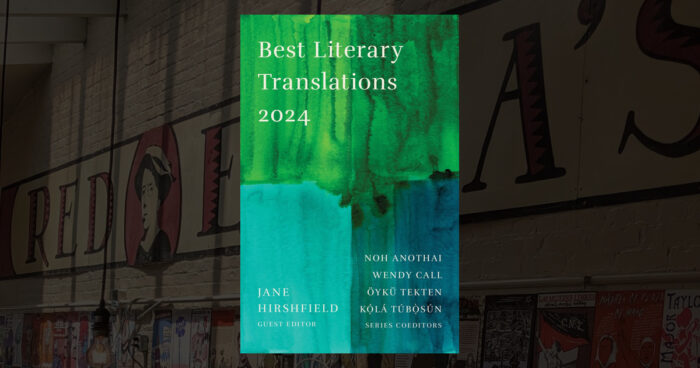
Today, I got an email from our publisher that the sophomore edition of Best Literary Translations anthology will soon be in print, and we’d soon get our galley/complimentary copies. Yes, this is the first time I’m mentioning the book here so a little background is helpful.

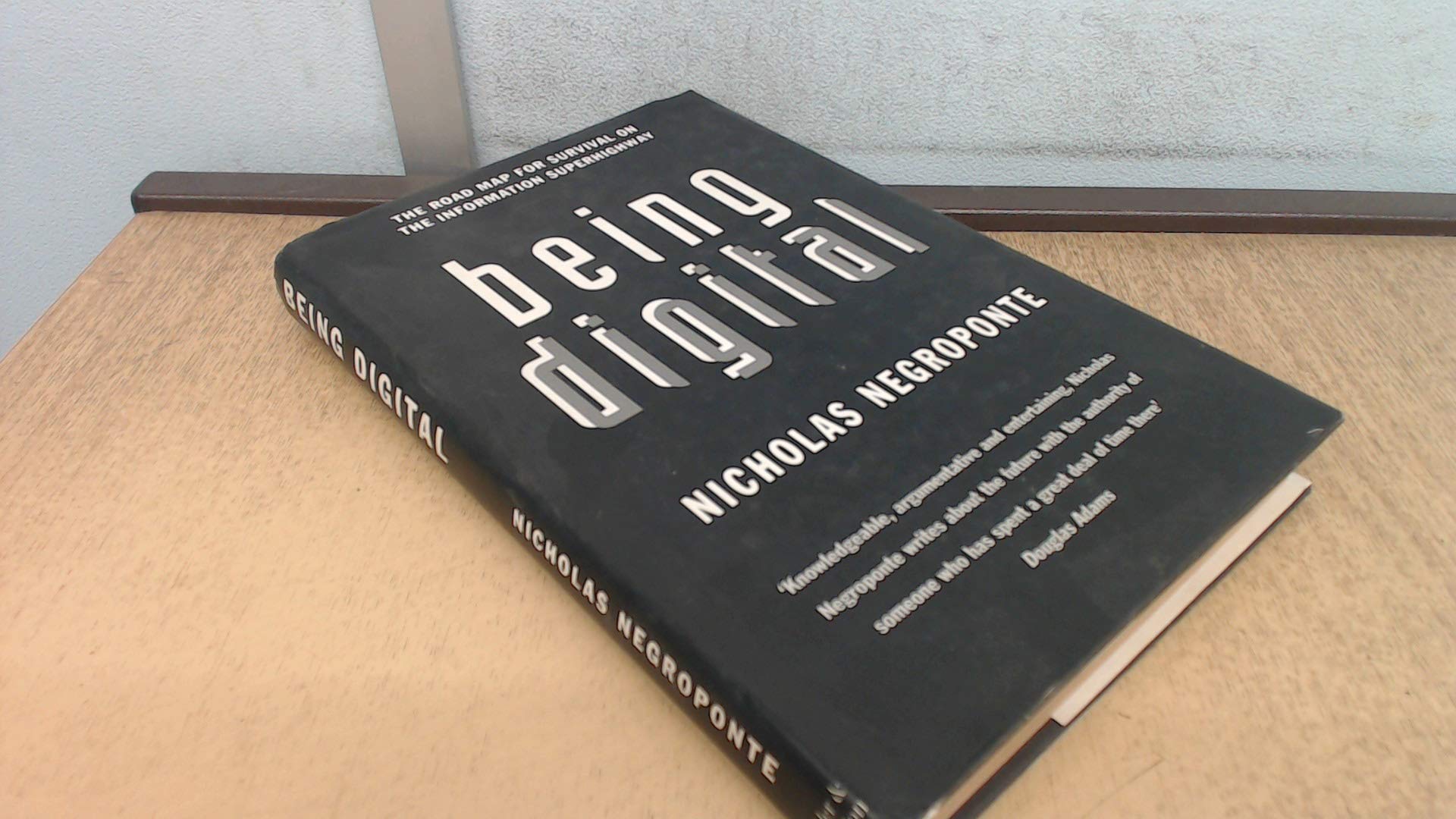
[Book photo from Red Emma’s]

Sometime during the pandemic, I came across the open role for an African co-editor of a new anthology of literary translations into English. I applied and, eventually, got it. The four of us, Wendy Call (the founder/coordinator), Noh Anothai, and Oyku Tekten have now managed to pull off a maiden edition, published in 2024, and this sophomore edition coming out around April. It has been positively reviewed in a number of publications, including  North American Review, Reading in Translationand World Literature Today. The first edition of the anthology was named a “Best Book” by Poets & Writers. You can watch one of the ten events held for the book, a virtual event hosted by Seattle’s Third Place Books.

One of my favourite things about the publication is the number of wonderful guest-editors we get to work with. The first edition had Jane Hirshfield, the second edition had Cristina Rivera Garza, and the 2026 edition, which we’ve begun work on, will be guest-edited by Arthur Sze.

When I am done with this blog, I will start reading my own pile of entries for the 2026 edition.

So, what was I saying earlier? I miss writing here, and I hope to fix that in 2025. And why did I stop earlier? Overthinking, perhaps. Twitter? The craziness of the last years? Or a desire for something new. I did write and direct a documentary film last year, after all. And before that, in 2023, I was neck deep in some research project that became YorùbáVoice. In 2022, I moved countries, welcomed a new child, and hoped to spend more time in the United States so I can complete a number of book projects, one of which became my second collection Èṣù at the Library, and the other which became An African Abroad. 2021 was the pandemic, and so on. I also continue to work at OlongoAfrica, a platform I founded in 2020 to curate some literary, research, and translation projects on the continent; and at FlamingHydra, a subscription platform I co-founded via The Brick House Cooperative, where I also manage to continue to write.

Anyway, enough excuses. Let’s see how much this new year resolution holds.


What’s Happening at Randle Centre?

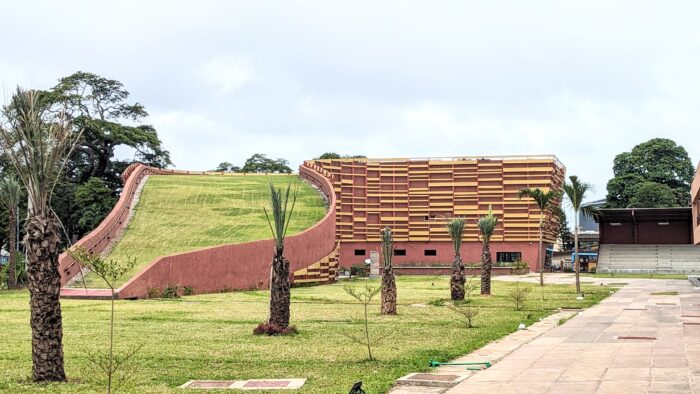
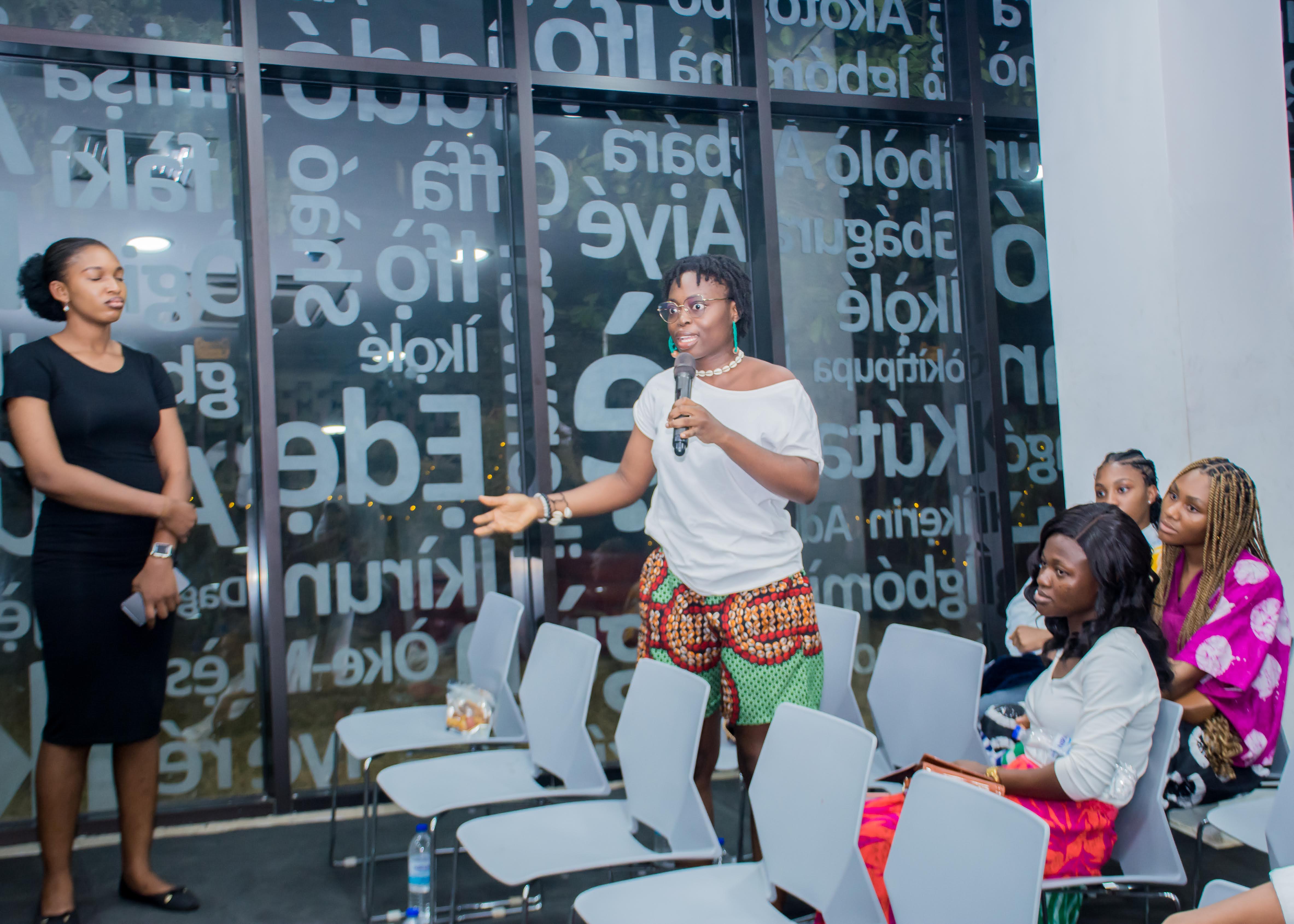
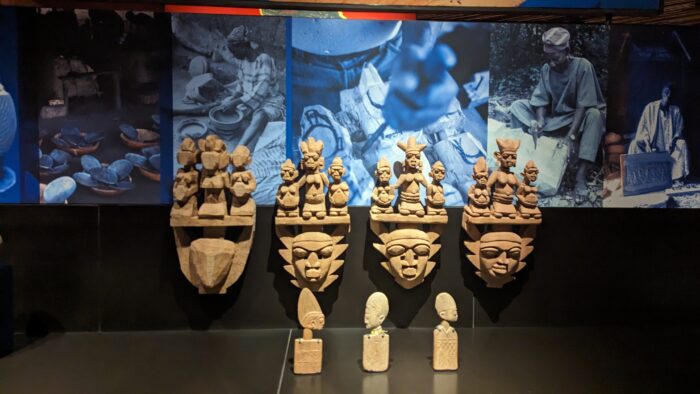
On the last Sunday of 2024, I hosted an event at the J. Randle Centre in Lagos, a newly opened and appropriately named “Centre for Yorùbá Culture and History.” 

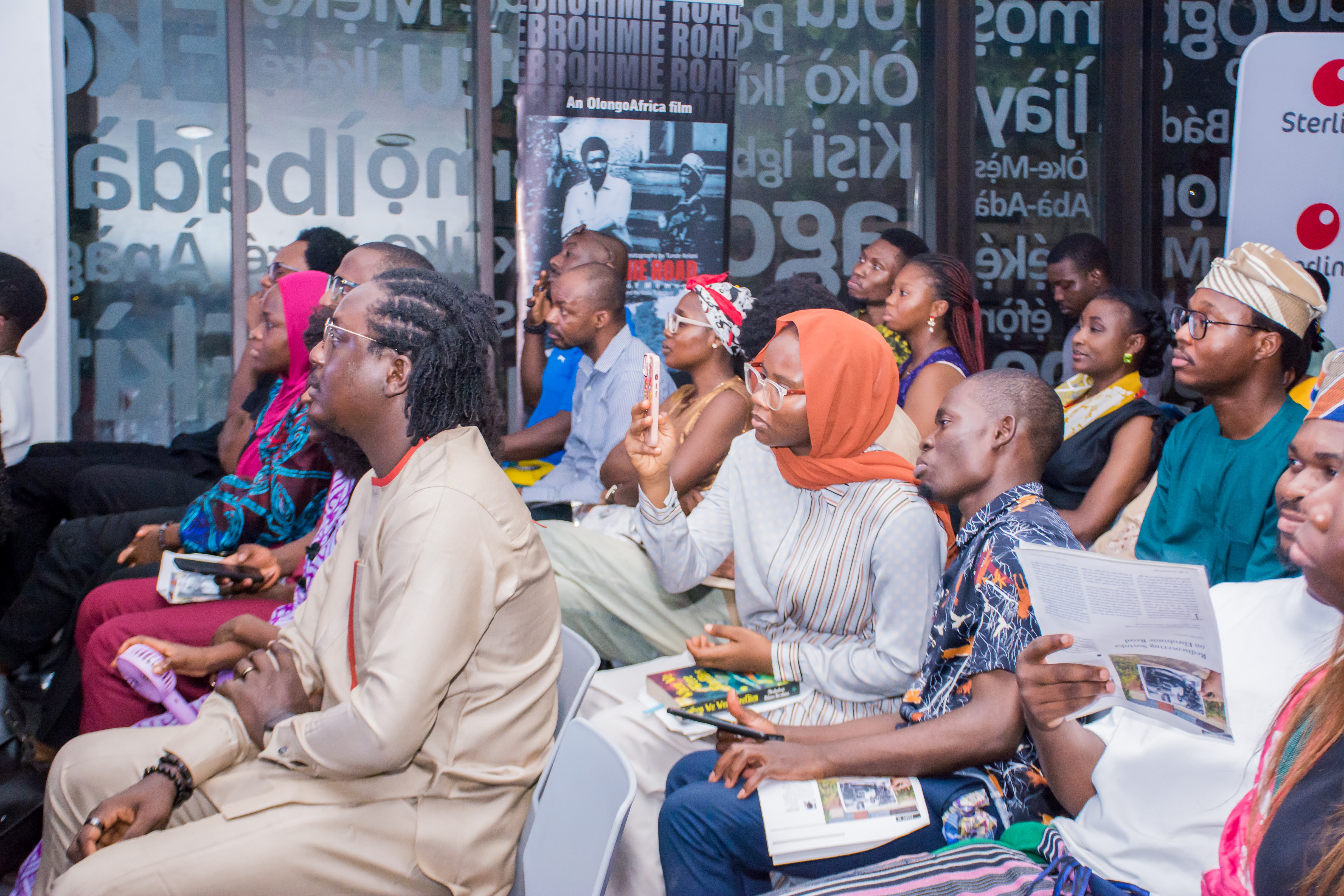
The well-attended event was a screening of Ebrohimie Road: A Museum of Memory, a new documentary film I wrote and directed, which examines the story of Wọlé Ṣóyínká as a young academic at the University of Ìbàdàn in the early sixties, and all the many implications of his stay there — and the house where he lived — on the Nigerian story and the conversation around memory, trauma, and legacy.

The movie was first screened in July 2024, and has travelled around the world, winning three film festival awards, and earning a dozen other official selections and shortlists. It has screened in many important places in Nigeria, including the Alliance Francaise Mike Adénúgà Centre, the Muson Centre, the University of Ìbàdàn, University of Lagos, Korean Cultural Centre Abuja, and many more. We always wanted it to return to The J. Randle Centre particularly because Ṣóyínká had mentioned it as the permanent home to some of his carvings collections which took a central role in the film, and for other personal reasons.

My relationship with the Centre dates back to its early conception — at least as early as 2016 or so — when Ṣeun Odùwọlé, a visionary architect, first showed up at my office at Google to discuss his burning idea for a visually-appealing museum of world status at that location that already held enormous historical significance for Lagos. The space was at the time a pile of debris, walled off from the neigbourhood after the demolition of the earlier structures and the famous swimming pool. Odùwọlé had secured the cooperation of the then administration of Governor Akínwùnmí Aḿbọ̀dé and other international partners to create something much more than a recreation centre: A Yorùbá Centre that would house the heritage of a people, and show a more competent presentation of history than the National Museum across the road belonging to the federal government. 

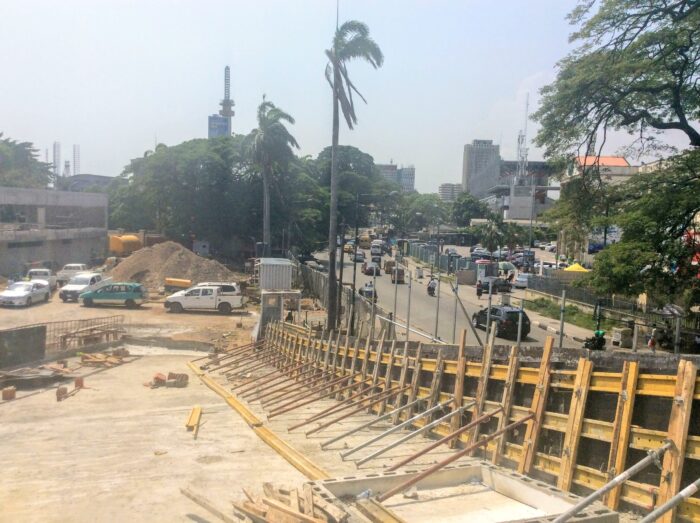
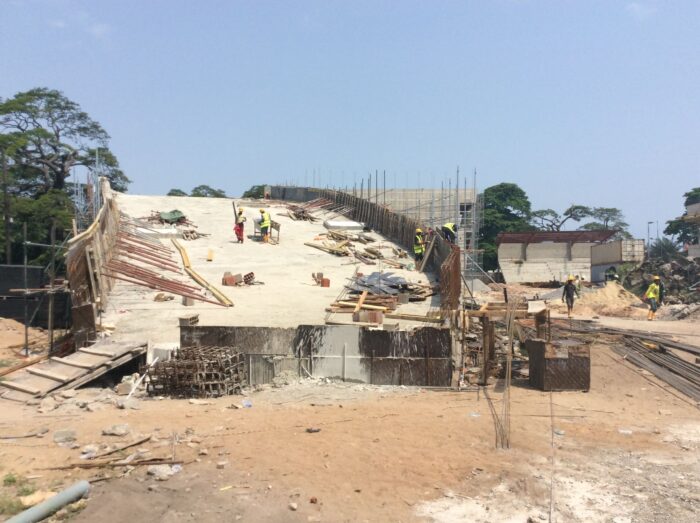
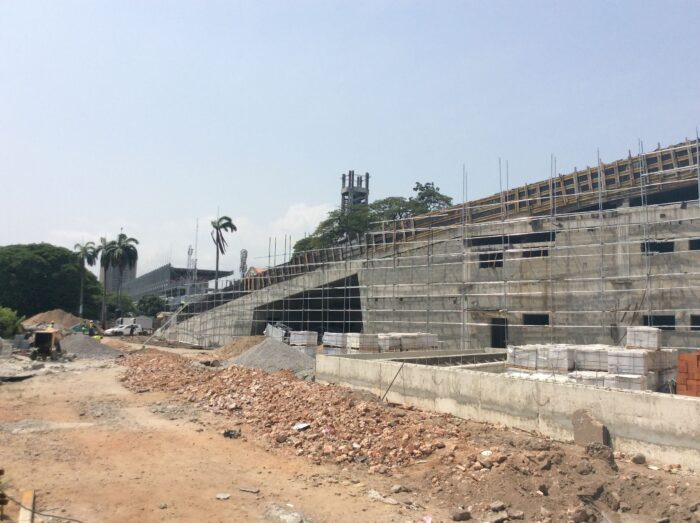
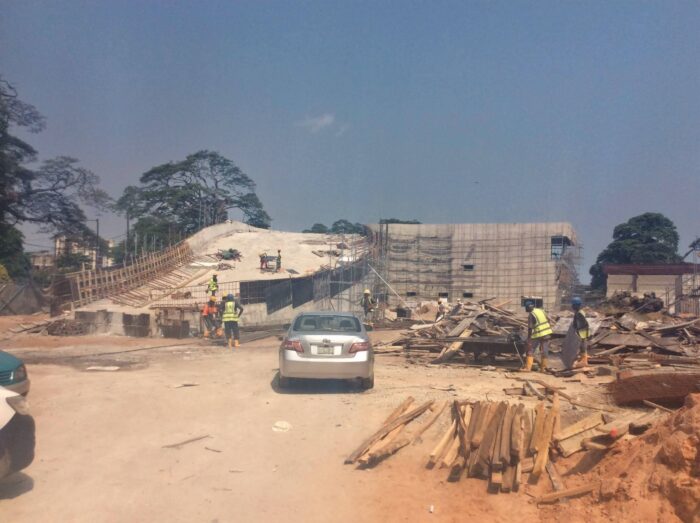
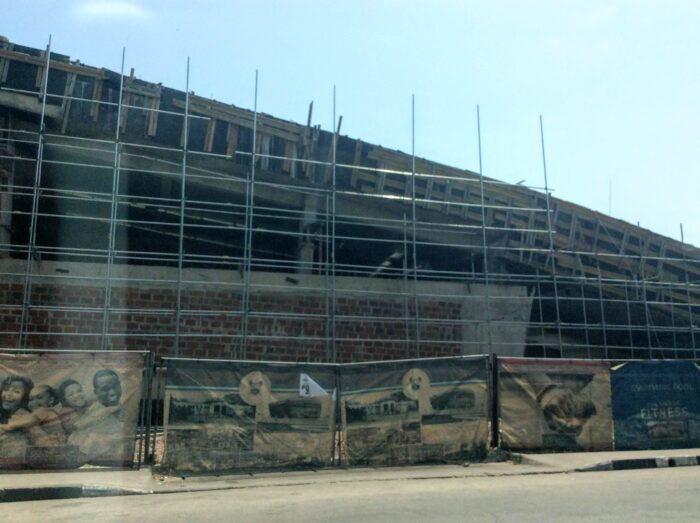
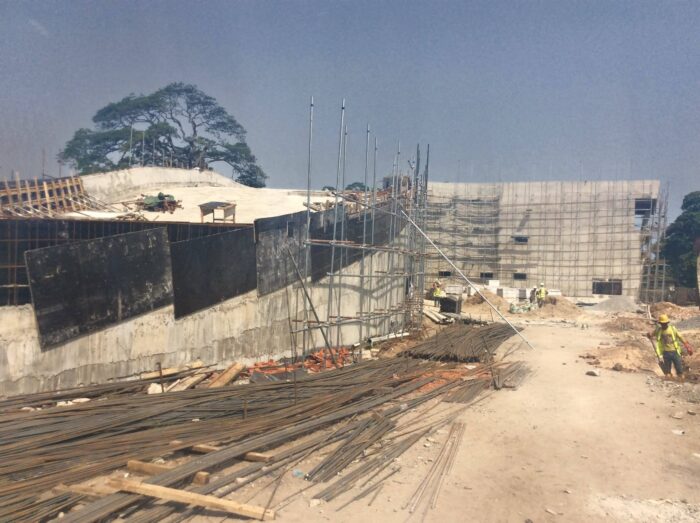
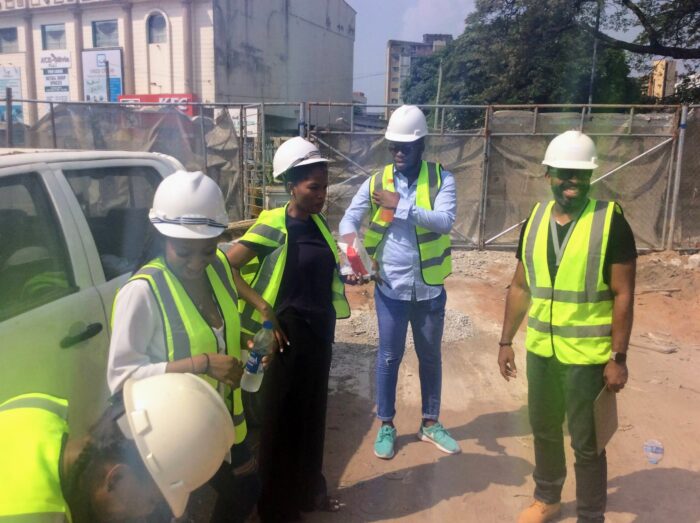
I was enarmored by the idea, but much more by Odùwọlé’s zeal, vision, and ambition. Not much of any of the promised funds and support had materialized at the time, but the concepts were present on his computer, with images of what the building would look like, and what an experience of visiting the future Centre would look like, combining traditional curatorial practice with modern technology. I shared some of my ideas and promised personal cooperation. I visited for the first time in 2019 to see the construction taking shape. Some photos below from March 2019.

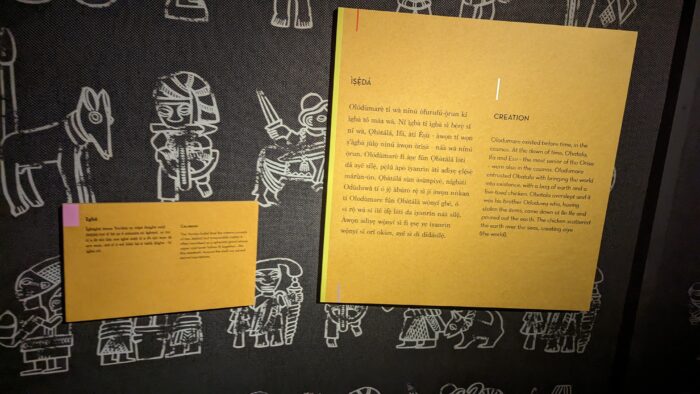
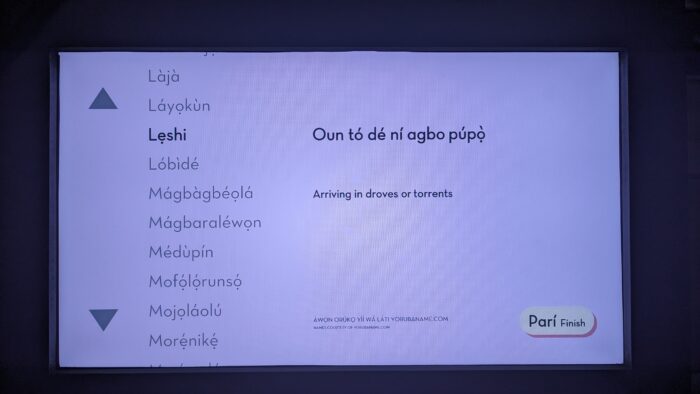
We kept in touch over the years, and as the idea grew. And when a team was put in place to design the curatorial materials for the Centre, I joined more formally, working with scholars across the world like Jacob Olúpọ̀nà, Will Rea, Rowland Abíọ́dún, and dozens of others, to put important ideas about Yorùbá identity in black and white for the future website. The texts would be in English and Yorùbá, with the latter taking a more prominent role. I worked with Odùwọlé to procure rare books and materials for the museum, and led the translation of all relevant texts between languages. While supervising the construction of the site, Ṣeun continued his networking tasks of keeping important partners across the world to their promise. The Lander Stool, for instance, was one of the items he unofficially secured for a permanent loan/return to the museum.

The work on the texts took months of research and editing, and finally the work was done. Even the signage and instructions at the Centre was to be written in both Yorùbá and English, as befitting such an important representation of culture. You can see the result in the architectural design of the screening venue: Yorùbá town names designed and well tone-marked forming a natural frosting on the glass.

And then things went quiet. 

Through the defeat of Governor Aḿbọ̀dé in the 2018 primary of the APC and the emergence of a new governor in the person of Babájídé Sanwóolú, the work at the Randle Centre seemed to have stalled. It was no longer clear if it would proceed at all, or whether the commitment of the state to it would last beyond one administration. Even the idea of the centre as an independent custodian of culture working only with the state as a major partner seemed doomed. Politics, it appeared, had emerged to scuttle what had promised to be a departure from such typical Nigerian malaise.

In the intervening period, the transition between two administrations seemed to also lead to a transition for Odùwọlé, who had conceived and brought the idea to life through grit, hard work, and what I know to be an individual obsession. Such that when the Centre officially opened in 2024 finally, after having stayed locked for two years since its commissioning by the Head of State Buhari, the vision that brought the project to life was conspicuously missing. The website that had been created and curated with enormous research efforts had been allowed to lapse, and the only thing left was a building structure which, though still impressive in its design, content, and presentation, continued to need more intentional curatorial and intellectual handling.

With embarrassing events like this recent ‘invasion’ of the property by the state’s Commissioner of Culture confronting the centre’s appointed CEO for some inscrutable lack of deference [later explained as the establishment of an unauthorized business on the premises], it’s obvious that The J. Randle Centre needs proper intervention to make it live up to its founding ideals if it were to survive. There are sufficient examples of projects with ambitious goals like this failing because of a lack of proper structure and management system. And there are projects with far smaller budgets across the world which have been used to great success as generators of revenue and celebration of national heritage.

The architect Ṣeun Odùwọlé (R) in March 2019, showing guests around his work.

In this case, it is important for the Lagos State Government to provide answers to a number of important questions now arising:

  1. Whether the J. Randle Centre is a private event centre or a public one. Whether the state intends to continue to run it directly (through the commissioner) or via proxy. Which is more efficient, and why?
  2. How much the state is currently running the Centre with, and to which directions — including whether the state investment is bringing sufficient returns.
  3. Into which pocket the monies paid by visitors to use and visit the centre go, and how are they accounted for?
  4. Why a fully-transparent management board hasn’t been convened through which the Commisioner and members of the public can get answers to any questions they have without resorting to such a public spectacle as we saw today.
  5. When the original website and its important supplementary content will be brought back, so that the Centre isn’t just a space for Instagram reels but a true institution of learning and cultural engagement as the architects envisioned it.

Smarter people than me continue to add important points to the conversation via twitter. You can see them here, here and here. There seems to be a consensus that a more formal professional management board is sorely needed, and urgently, so as to elevate the place beyond another failed government edifice many of which already litter the land. In 2025, we need not continue to fall victim to “the Nigerian factor” in the area of arts and public engagement. We have seen how it’s done elsewhere — and they don’t have two heads. A better way forward is certainly needed.

The Ransome Kuti Museum in Abẹ́òkuta

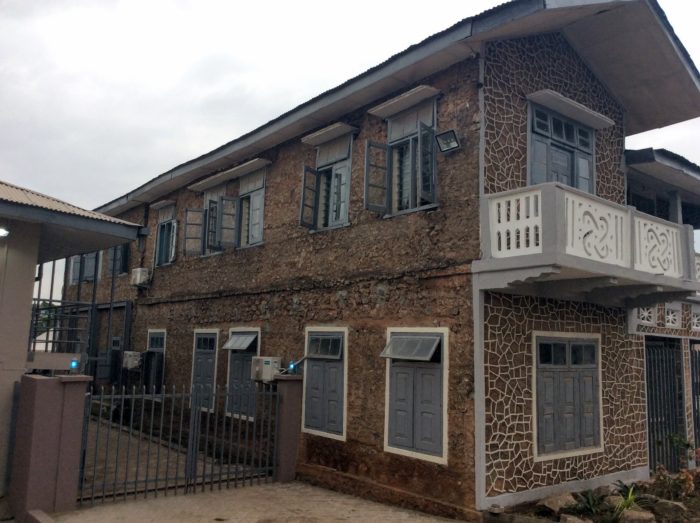
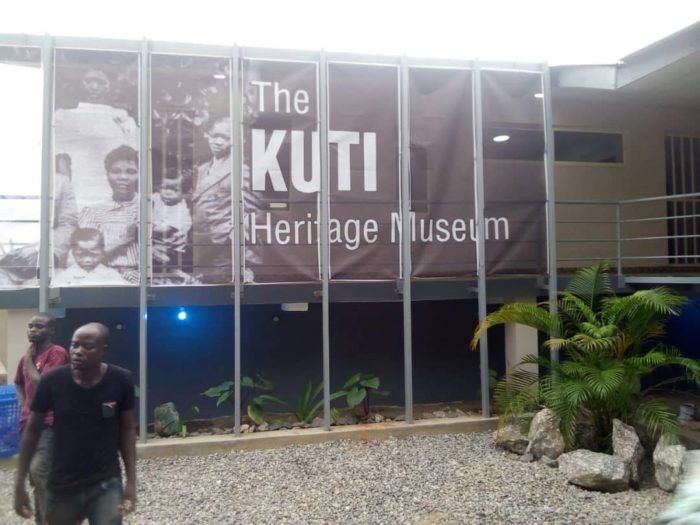
Sometime in April of last year (2019), I visited the site of the Kuti Heritage Museum in Abẹ́òkuta. Located on NEPA Road, Isábọ̀ Abẹ́òkuta, the house was the famous home of the Reverend I.O. Ransome-Kútì and Mrs. Fúnmiláyọ̀ Ransome-Kútì, and the likely birthplace of Fẹlá and some of his brothers.

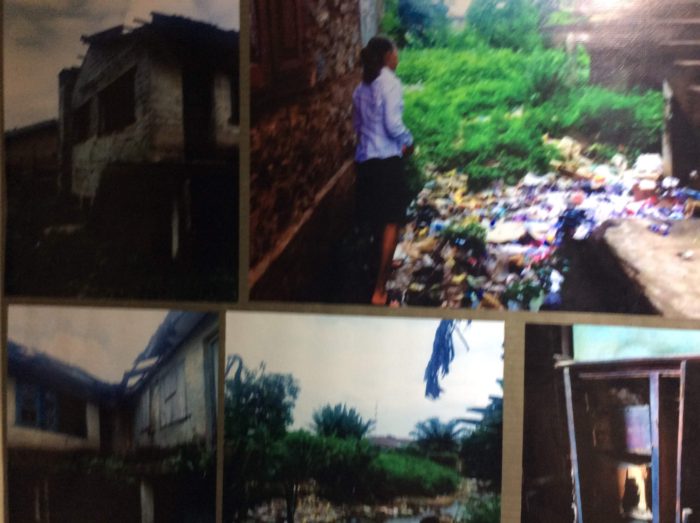
This restoration project has been ongoing for a while. The home of the famous Kútì couple had, over the years, become victim to negligence and decay. Photos exhibited at the venue, showing the transformation of the structure from its earlier state of rot shows it as sometimes being a site for refuse dumping by neighbours and passers-by.

But it was not always this way. Copious paragraphs from Wọlé Ṣóyínká’s autobiography Aké were dedicated to memories of times spent in this place to visit his uncle who was by then the headmaster of Abẹ́òkuta Grammar School, and his wife whose organising of women to protest the misrule of the Aláké led to the Abẹ́òkuta Women’s Tax Riots and the eventual abdication of the king in early 1940s.

Over time, the successful careers of many of the house’s famous former occupants notwithstanding, the home had gradually settled into oblivion. But the Ògùn State Government, in collaboration with members of the family, returned a few years ago to restore the building to its rightful place in the Nigerian consciousness as bearers of history. From what I gathered, the building adjoining the original home is the museum, set up to inform visitors about the family, its famous members, and their role in Nigerian and world history. I could not enter this building itself on this day.

But I did enter the main home, restored to its old stone form, and girded on each corner downstairs with metal beams. Word is that the project was supervised by Theo Lawson, the same architect behind the Freedom Park and the Kalakuta Museum in Ìkẹjà. Being nothing more than a casual observer of art and documentation myself, I was impressed by the presentation.

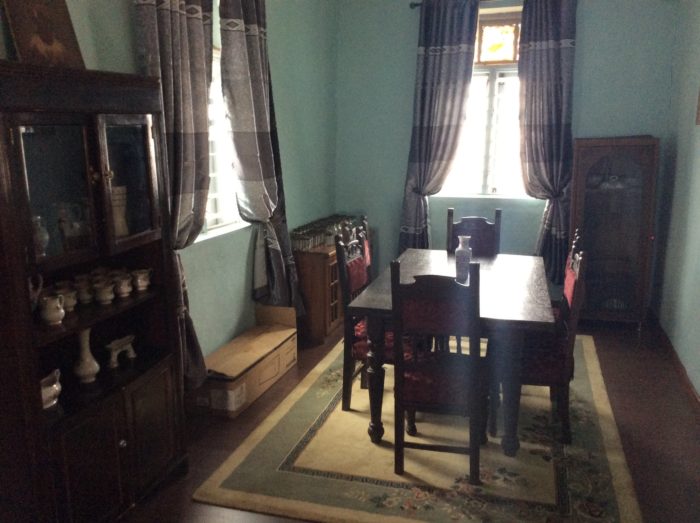
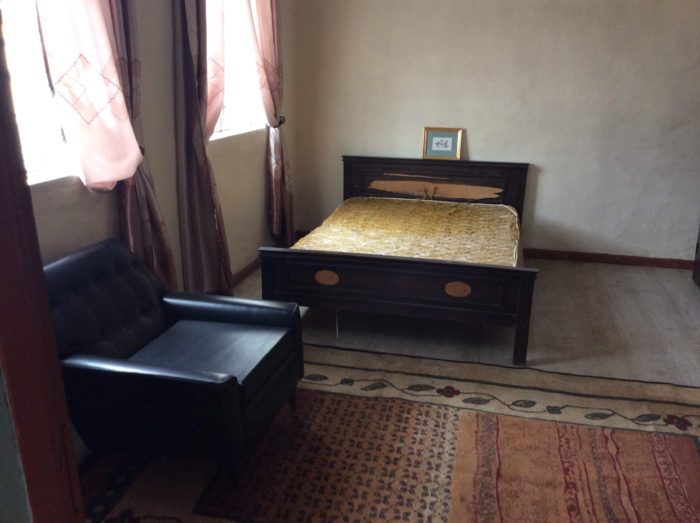
All the rooms in the old building have retained their sense of time. The furniture reflect those of the 40s, and the upper-class aesthetic that the Kútìs must have enjoyed among the society. The bathroom had a bathtub — what would seem like a sign of opulence in that part of Abẹ́òkuta and that time period. The plumbing of the house was modern, even though the house was made of mud and stones. This restoration has added a few more things to the aesthetic: air conditioning — which should tell us something else about the changing climate.

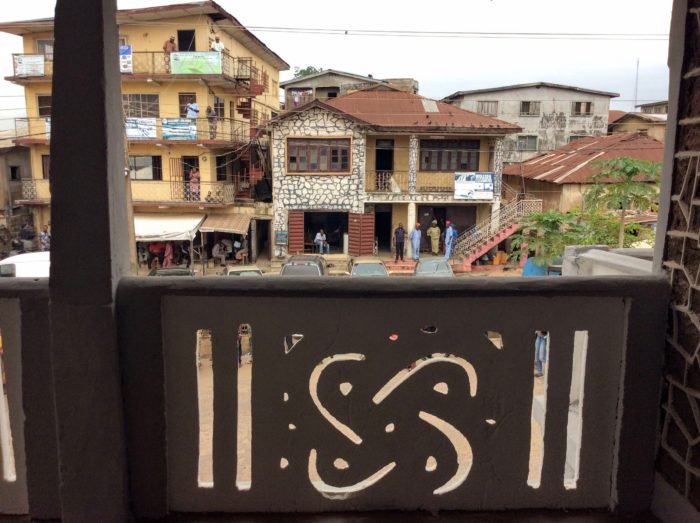
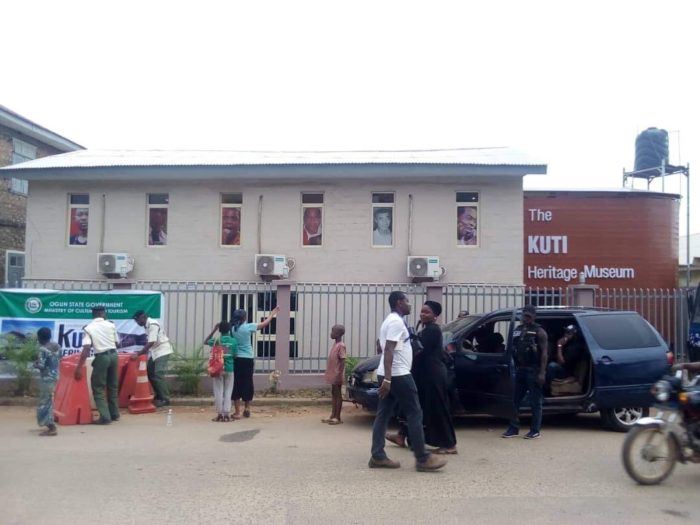
The veiw of the Museum from across the street.

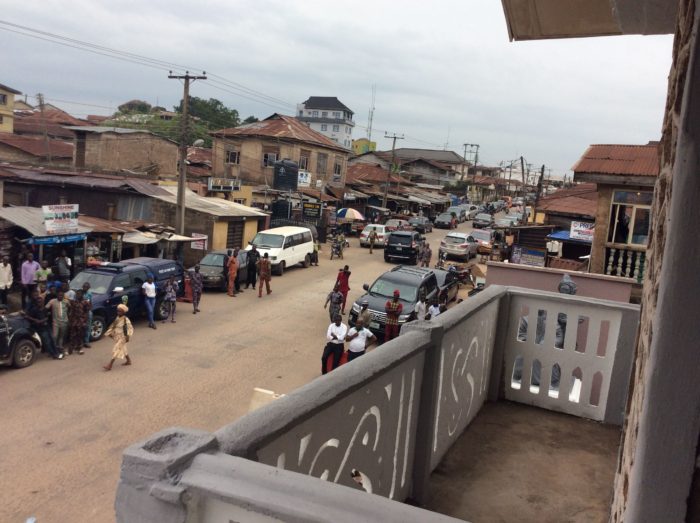
From the balcony, one could see a good view of the town itself, and one can imagine the Reverend himself, on a cool day, standing there, toothpick or pákò in mouth, staring out or greeting a passerby.

The view from the Reverend I.O’s Balcony.

Even much of the smell has remained, a rusty old smell from the mattresses, stationeries, rug, and furniture.

I recommend the building to anyone in Abẹ́òkuta, especially the adjoining Museum. I hope to visit it again when I’m in town. I am already impressed by this attempt at keeping history alive through structures and other non-conventional means of keeping the names of our famous citizens in the memory of contemporary children.

A few more photos below. Here is a more comprehensive report of the launch.

Ten Years and the Reflections of A Prodigal

Guest post by Ìbùkún Babárìndé

Congratulations to those of you- young, male, Nigerian, and travelling alone, who were able to reach your destinations with(out) molestations, after flying out of Lagos airport in the wake of that failed underwear bombing of December 25, 2009.?

O ye travellers of hope, I hope you have all found your dreams, did you find home, did you find love, did you find happiness? This is a moment of reflection for us, I am one of you. I think we need to gather somewhere and celebrate a decade of surviving what was to become hostile treatment for young Nigerians travelling in the west.

As I write, I recollect all the fears and apprehension that followed the tragedy of young Umar Farouk Abdulmutallab, and the recrimination that was unleashed on innocent young travellers from Nigeria by border forces across the world.  My own maiden flight was slated for the middle of January 2010, just 3 weeks after the near-tragic incident that involved a bomb on a plane. Those who believe that the USA and the western governments took undue advantage of the incident to heighten security vetting and high-handedness towards travellers from a certain part of the world may not be wrong, as we became legitimate targets for extra checks in frontiers across the world.

I was freshly 29, at a turning point in my life, a make or break moment, a moment that I made one of the most difficult choices. I chose to leave my father’s home, and headed out to the foreign land.

H:\Pictures\Ibukun 2009.jpg
Taken in 2009.
(credit: Fèyíṣọlá Babárìndé. Telford, 2010)

I was coming to the UK to start my master’s degree. But the marks of ‘slaves’ were all written on my passport…. ‘no recourse to public funds’, ‘restricted work’, má j’ata, má jẹ iyọ̀, and many other repressive immigration controls on the unsuspecting prodigal son. But unlike the biblical prodigal son, I did not go away with any inheritance to squander, I had less than £100 in my pocket, and owó onírú, owó aláta, owó alájẹṣẹ́kù paid the bulk of the cost… but like the real prodigal son, I went away from home, joyfully.

Before my flight, I had taken all additional precautions, booked a direct flight- avoided ‘Amsterdam’, the bad boy had connected a targeted flight via Schiphol airport. The scheduled landing time at Heathrow must be during the daytime, such that even if I was delayed in London, my onward journey to Wolverhampton would still happen during the day.

I made sure I had ‘no goatee’, no mustache, I identified as a Christian, from the south — it was necessary at the time in order to survive. So I thought I would be no easy target for any overzealous Islamophobic- steroid charged security operative. On the morning of my flight, I was briefly pulled aside to be interviewed by two middle-aged white operatives in Lagos airport before I was allowed to board, that should be it, I have been cleared — I thought, but I was wrong.

The flight itself was safe, and full of anxiety. I was waiting to meet my wife — we had just been married for less than 4 months before the affairs of this world separated us — I became home, she had become exiled. As planned, she was to collect the ‘JJC’ in London, and we would move to the midlands, where we would live for the next decade or so.

I left Lagos around 10am, it was around 33′ C, and London was waiting for me already blanketed by heaps of snow. Snow was something I had only seen in movies. London was in sub-zero temperature, and freezing. So I prayed that our plane would be able to land without diversion, as we were warned that many flights had been cancelled in previous days. 

As the plane was landing, I felt coldness creeping up my spine, clearly all my preparation for the cold had proved unhelpful. I was already wearing two pairs of socks, before I left Lagos. To keep warm, I reached for the fairly used unlined ‘Ògùnpa-gbà-mí-ọyẹ́-dé’ jacket that I bought at Dùgbẹ̀ market. My fine boy shoes, I was told were no use for the wintering London.

We landed safely, and I followed the signs towards the bagging area. In one of my luggage bags was gari, ẹ̀wà, irú woro (which had a tipper load of sea sands in it), èlùbọ́, gala, and other women things that I had bought for Fèyíṣọlá at Alẹ́shinlọ́yẹ́ market in Ibadan.

In the other bag, I had some mainframe movie CDs. ‘They will certainly be reminding me of home,’ I had assured myself. Then in 2009, YouTube was still in its infancy, and had not been populated by Nollywood-advert invested contents. I had copies of some Nigerian books too, there was a feeling that I was going to be gone for a very long time, and I had to prepare for them days. I had some Ọ̀ṣúndáres, Akeem Làsísì’s Ìrèmọ̀jé, some copies of my own ‘failed anthology’, some Fálétí’s works, and some other copyright infringed photocopied books. Amazon and Netflix have reversed all these worries today’s maiden travellers.

So I got my luggage, and I headed out into the hands of my new set of friends.  I had met a party of them in Lagos, but to be faced with another security men in London… I was waived into a little huddle of fellow young travellers, at this point we were not all Nigerians in that holding, but we were all single travellers. I was taken in for checks… of course I was punctuating them with my ‘pardon’, ‘pardon me’, ‘and excuse me please’ (s), which would become part of my hurriedly developed survival phonetics in the Un-queenly many regional-accented spoken English language that I would later be exposed to, particularly in the black countries of the west midlands.

I was left in a room, with no shirt on, the machines came up to my chest- I knew they would find nothing. No powders, no tuberculosis, no typhoid- there was no ebola then (thank goodness), and no bombs. 

Outside the room, I heard chatters, I could hardly understand what was been said, then footsteps fainted away from the door to the room, and everything fell silent for an eternity.

After some 45minutes, it dawned on me that I have been abandoned in the room. I waited for no further instructions, I dressed myself up, and I was posing for what I truly believed was a camera as if to tell them that I was already yielding myself to the 11th commandment (‘do they own will’)… I was no international security threat to nobody, I was just a young Nigerian happening to be travelling alone after a failed bomb attack on a plane. 

I later understood what had happened to me that evening, the poor immigration staff had been understaffed, and I was not properly handed over, I must have arrived mid-shift change. 

I pulled myself and my luggage out into a narrow corridor, I approached a table at the other end of the corridor, and I asked whether I could leave. Yes…yes…yes… someone said to me. And I stepped into the arrival lobby, even within the foyer, the winter breeze was already lapping up my face.

Fèyíṣọla was already waiting for me, and she was wondering and fearing the worst. There was a possibility of being refused entry, the whole process of delay, checks, and the disappearance of the security/immigration staff took almost 3 hours. We had no time for hugs and kisses, I was herded like a sheep towards the car park by the invisible winter-rod, and we headed north. 

The following months were very cold, it was my very first ever winter experience. The days were very short, I was going to bed with the setting of the sun, and over-sleeping, waiting to wake with sunrise that never happened in the morning. I became bitter with the elements, particularly with the sun, I angrily wrote in a poem about the sun… ‘do not rise today,/ if you will not make me warm’… I nearly became clinically depressed. I contemplated going back home.

Every day of the last 10 years, I have remembered the words of Ìyá Àyọ̀ká- as she is fondly called by the name of one of my sisters. ‘Please do not forget home, I hope to see you again’ 

Her words had reverberated in my head as I drove myself from Ibadan to Lagos on the morning of my departure. I have since made several other return flights to and from Nigeria in the last 10 years, the feelings of my first flight and the words of my mum always return to me on each occasion. Though the definition of both home and exile has changed for me, there is a part of me that now (sadly) sees exile in every thought of the place that used to be home, and there is another part of me that sees new home in my exile.

H:\Pictures\Ibukun 2020.jpg
Selfie. (September, 2019)

There is no way I could explain my new philosophies to Ìyá-Àyọ̀ká — It will never help. I have joined myself with foreigners, all in the name of citizenship integration. All the things I should never eat, nor drink have become regulars at every dinner, and I know that I have changed and become different.

My muse left me at the depth of my depression. This is one reason for which I must return. I have failed to see any inspiration in the burgundy of autumn leaves, the white winter fields only depress me, and the sun-shined summer’s meadows would not compare with the poetry of Bẹẹrẹ, or with melodies of Bódìjà market. 

______

Ìbùkún Babárìndé, author of Running Splash of Rust and Gold (poetry; Kraftgriot, 2008), writes this as a reflection to commemorate the 10th anniversary of his ‘exile’ in England.