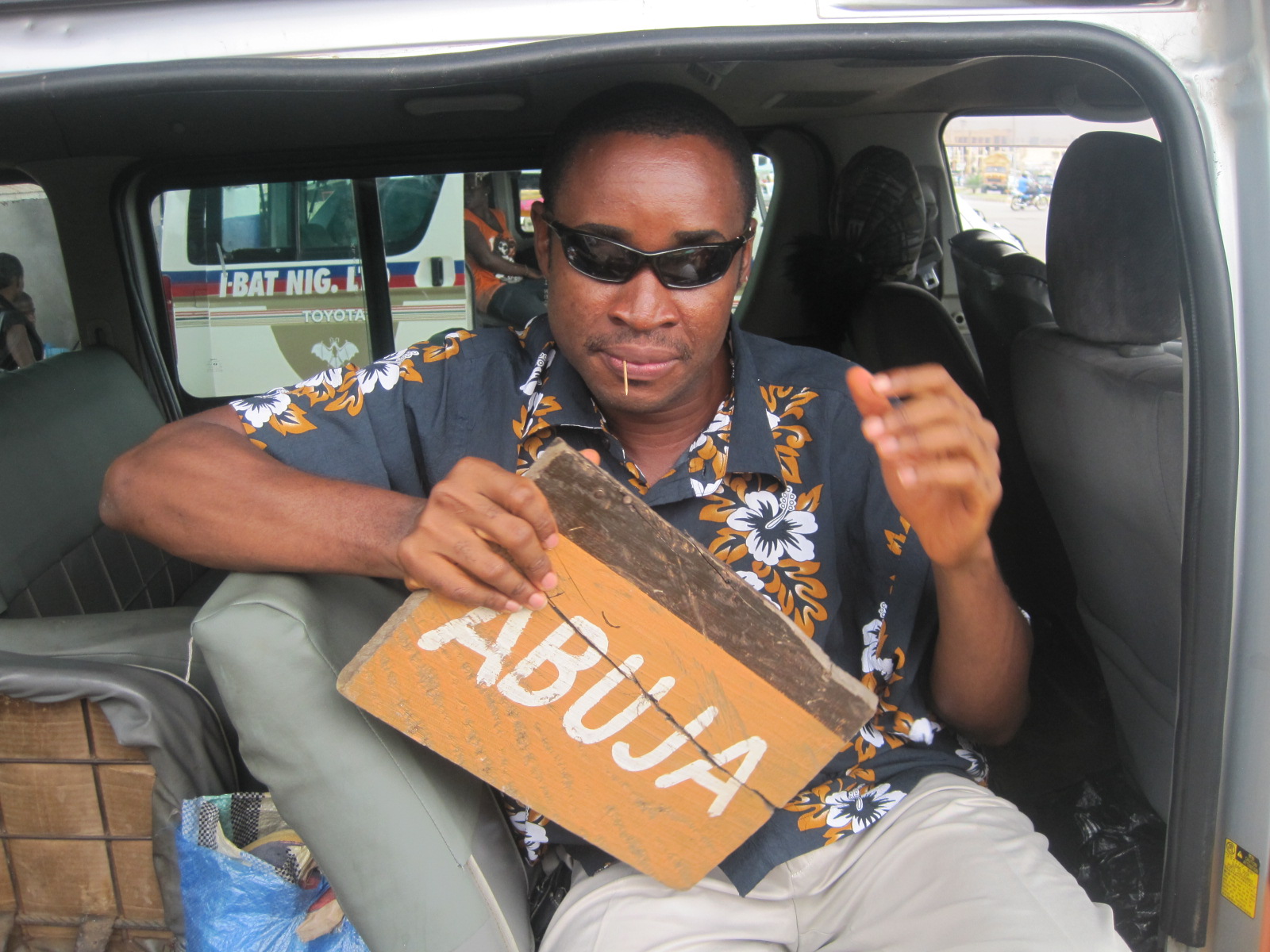
Lastly, Around Nigeria.

There is a certain delusion that comes with writing, or having a blog that is read by people in different countries and continents, by different nationalities of different age ranges. More than that, there is a certain delusion that must come from the belief that one can change the world by what one writes. As far as that is concerned, I’ve been careful to be a very skeptical citizen, choosing instead to adopt a motto that reads: “I’m trying to change the world by not always trying to change the world.” This helps. The reason is that in the face of some physical realities, and consequences of human behaviour, I have often wondered if anything one says or does actually changes anything for good. Or if it does, whether it does as fast as one hopes. For the most part, having a pseudo-skeptical attitude to the power of words to effect fast positive change has helped to keep hope alive that even if the change doesn’t come as fast as one wants, one is not disappointed or disillusioned.
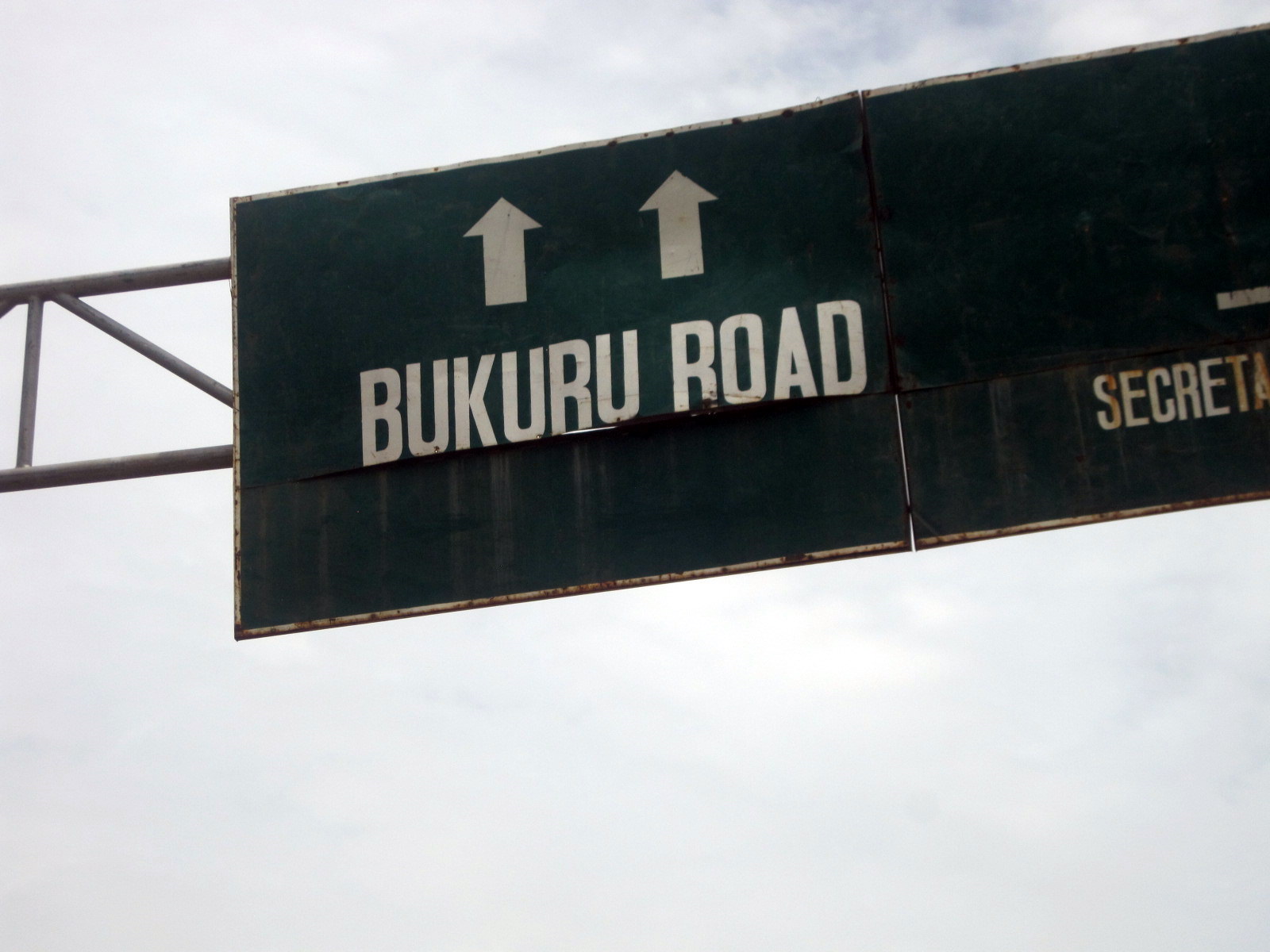
My journey around the country was a personal as well as a creative and spiritual endeavour, a need to connect with places that have meant much to me over time. By the time I arrived at my final place of visit, I felt a sense of completeness. But my host looked at me, glad to be seeing me after about one and a half years and gave me his plan: “Tomorrow, we’ll go to Ebonyi, then Aba, then maybe Owerri, and then Port Harcourt to see my folks. I haven’t seen them in years. You want to go around Nigeria, right?” It was a very good idea, and I said yes immediately. A few hours later, I got an email that I had to be in Lagos for an important event two days later, and the plan was botched. Who knows how much more fun I’d have had if I could visit the East for the very first time. It would certainly have been fun for this blog and its readers that have given me enormous pleasure over the past months. Next time, right?
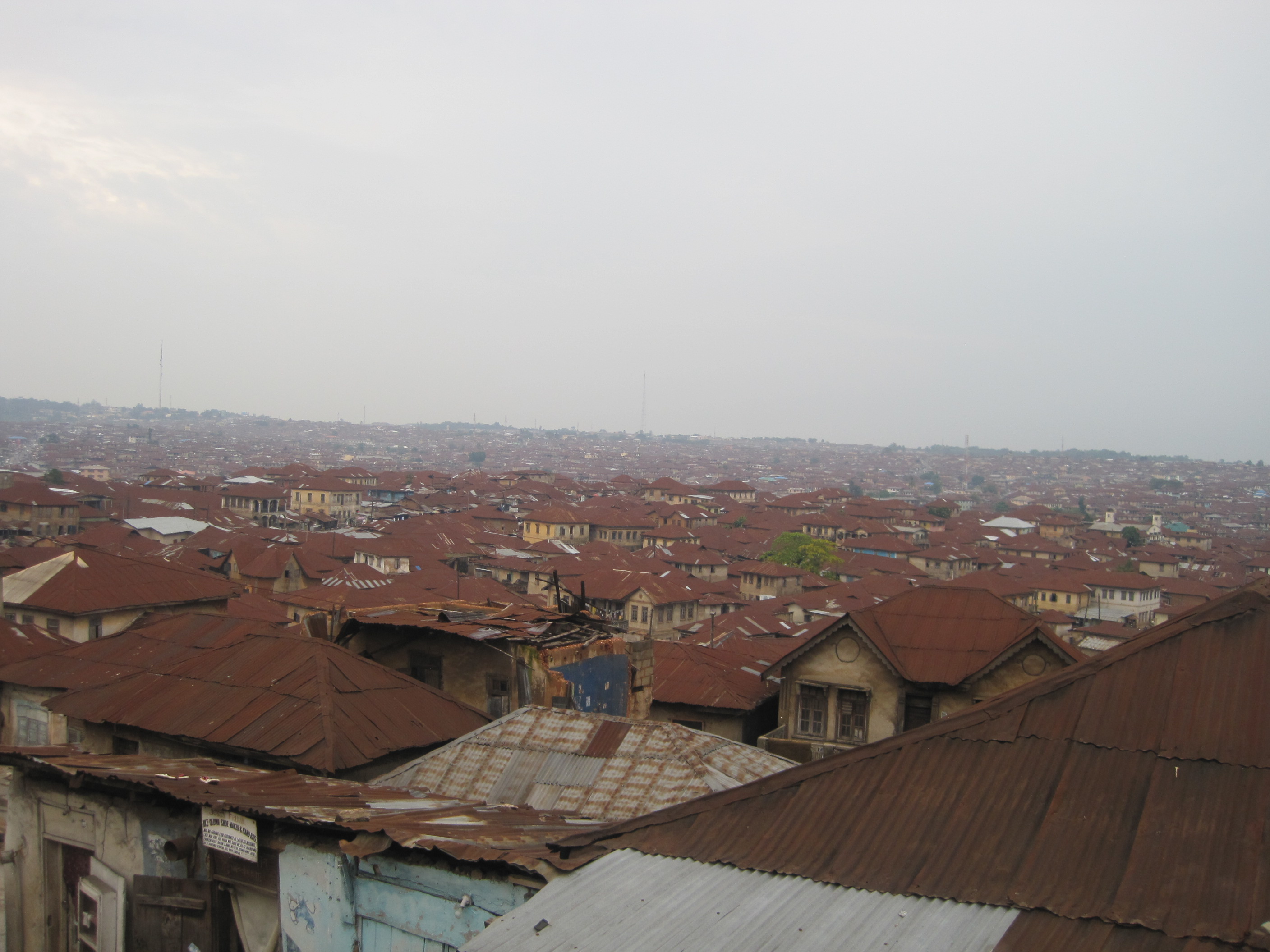
Like everyone else, I’d love the situation in Jos to be quickly resolved. The same with the spate of kidnappings by restless and hopeless youths in the eastern part of the country. The country is rich with so much that one wonders why what we have is never sufficient  to ensure a peaceful and egalitarian society, and all we hear are the bad discouraging news. We build houses with high fences and spikes “to keep out unwanted intruders” and in the process imprison ourselves within its walls. We have nothing to fear but fear itself, as one president once said. Can we just step out of our comfort zones and enjoy the richness that the country offers? What’s more, can we make the country more conducive for living for ourselves and our future generation? I think we can, and every step counts, whether or not the solution comes as quick as we hope it does. Or maybe we’re just too deluded to think that man can change the course of history. Maybe everything is already predestined, and we’re just players in the hands of the invisible forces.

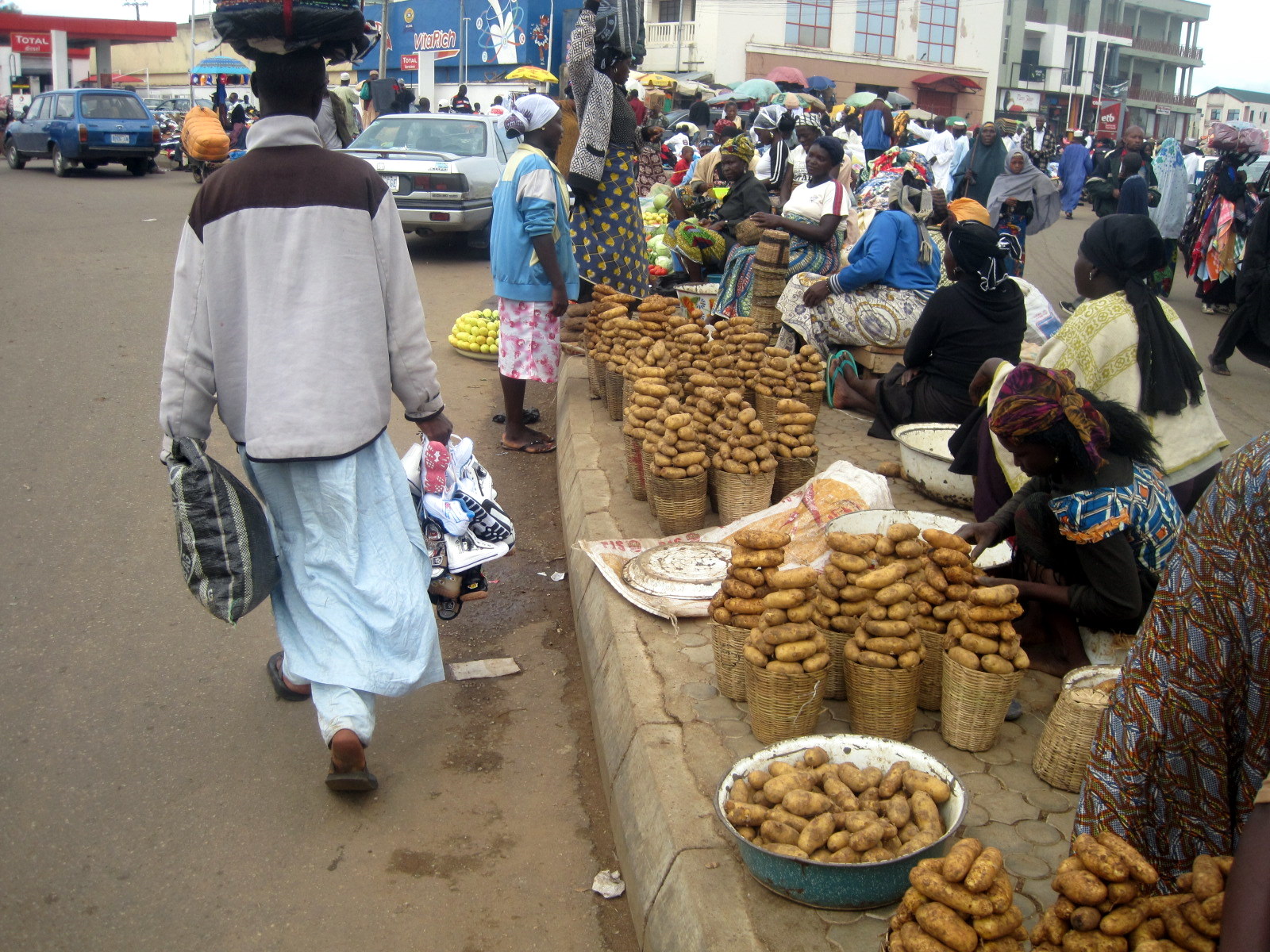
Well, well. I’ve been talking too much. Now let me share with you a few last pictures around the country, and then move to other (encouraging) matters. 🙂
A Lunch in Jos

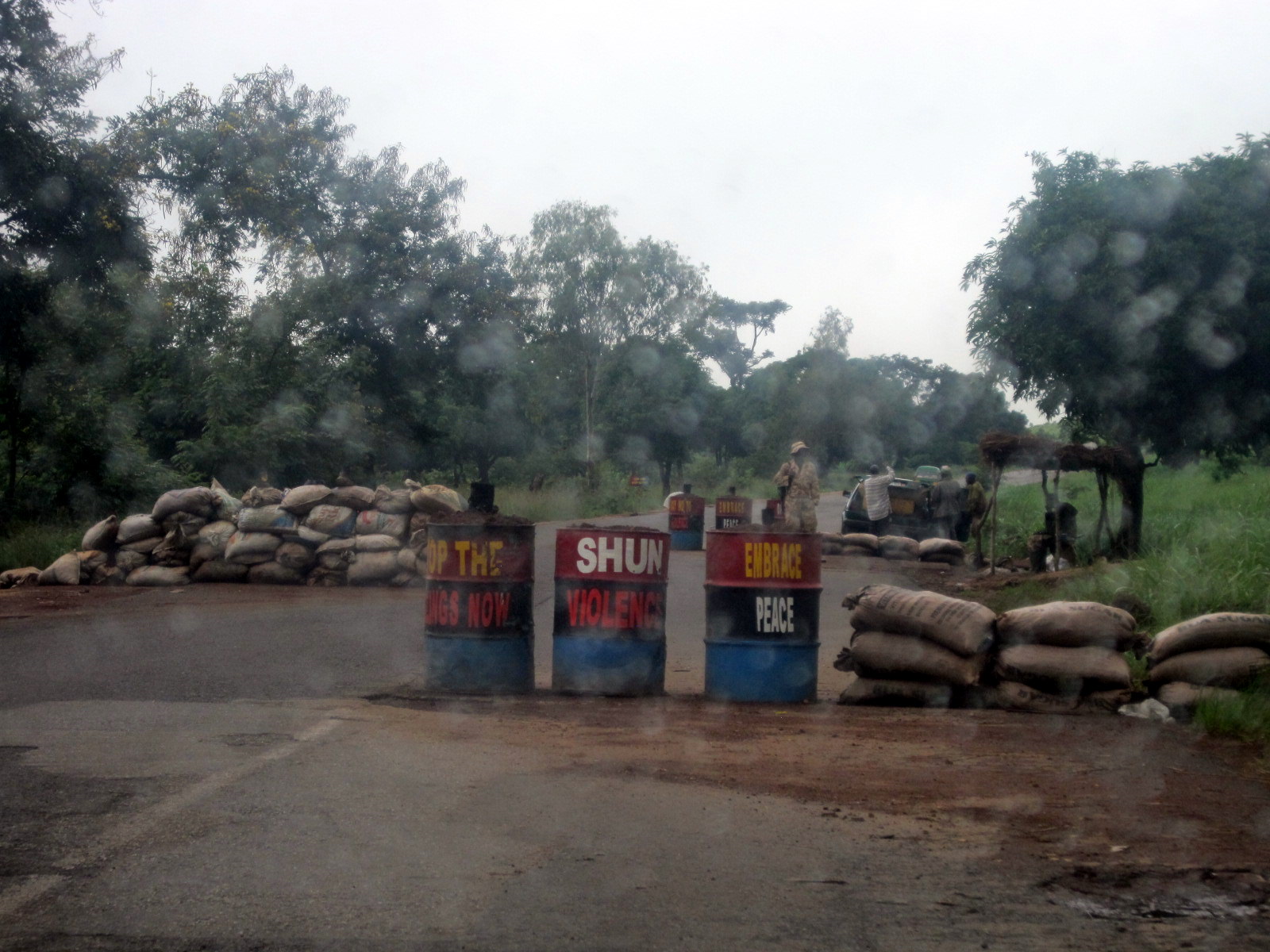
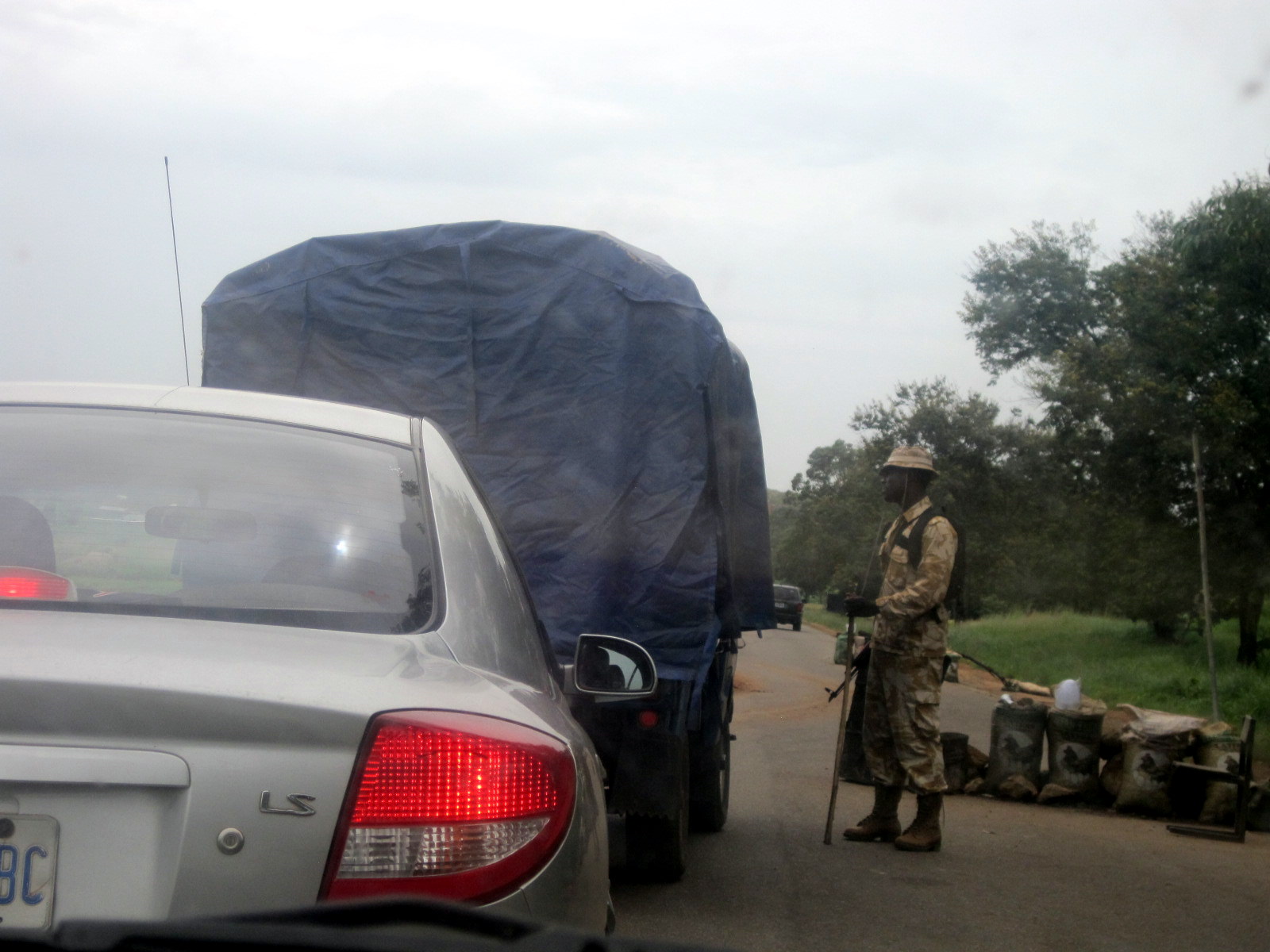
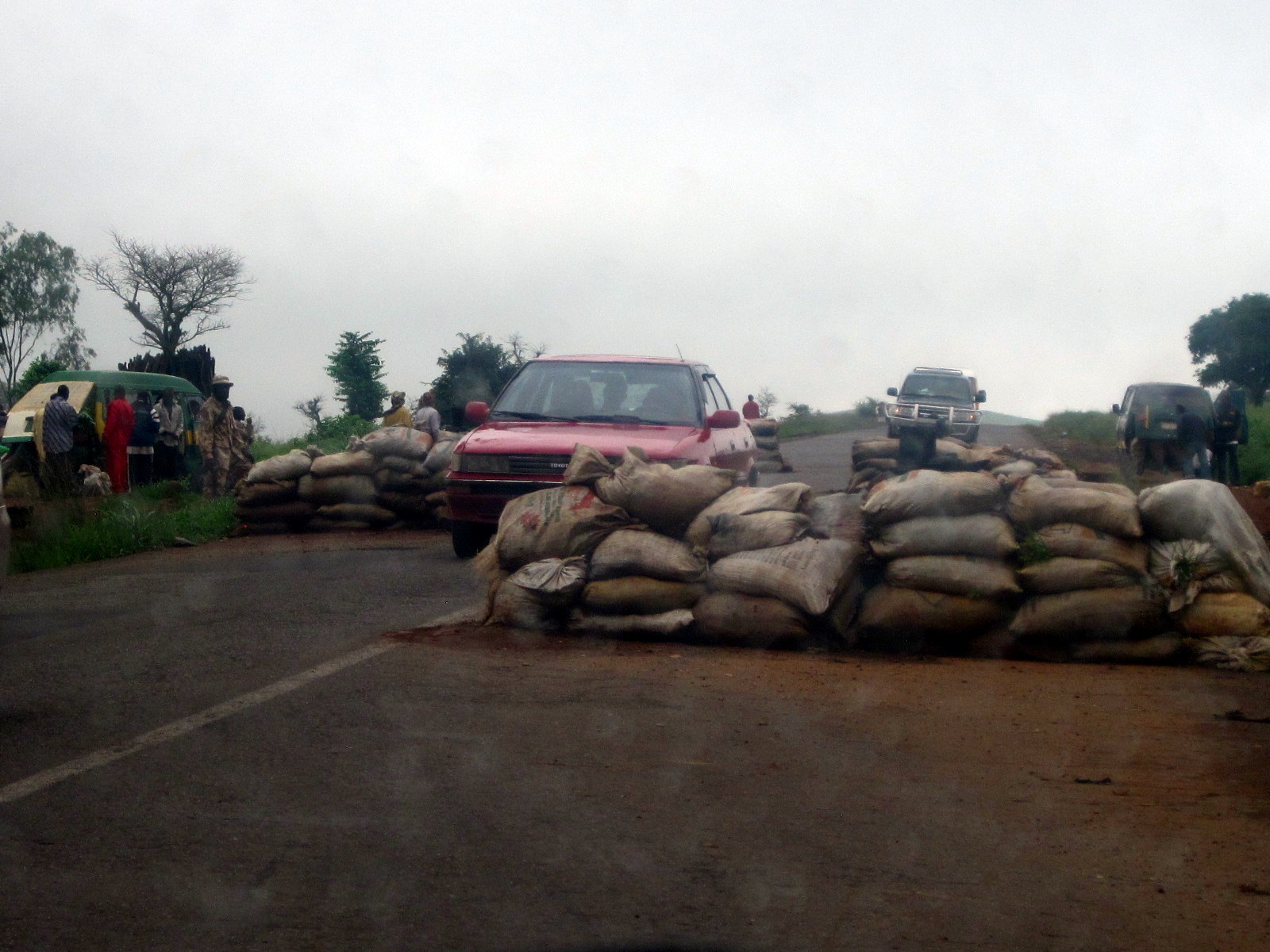
It didn’t take me long to locate him at Rayfield where he teaches in a private school. Once upon a time, he was in Riyom, a local government that has now made a name for itself in the spots of unrest around the state. On my way there, there were at least ten military checkpoints along the way so I naturally had a hundred and one questions that I threw at him. We went out and sat down for lunch at a restaurant at the old airport junction.

It all didn’t make too much sense at the beginning, and he didn’t even seem much perturbed by the whole situation.

“Plateau is still the home of peace and tourism.” he said.

“But,” I asked, “Aren’t you concerned by the presence of soldiers and police checkpoints on almost every hundred metres from Hoss to Jos?”

“It’s all politics. It’s not that bad,” he said. “Let me explain it to you.”

“Okay”

“You see, it’s politics. They are bent on painting a picture of unrest in the state for their own benefit.”

“How?”

“You know, recently we hosted the First Lady from Abuja. They knew that if they let her leave without incident, she’ll go with the impression that everything is fine, so they caused some unrest somewhere in Jos, just to make the point that all is not well.”

“And how do they gain from doing so?”

“They gain because their aim is to make the state ungovernable if they won’t have their way. The skirmishes used to be minor, but now they’re attacking prominent people just to create a state of chaos. They know that whenever the name ‘Jos’ is mentioned in the news, people panic, so they have stepped it up. But they won’t win because everyday people still come in here living their lives as usual.”

“I don’t get something,” I said. “I saw the killings in January and March in the news. They weren’t pretty. Why did it get that bad? Jos used to be a serene city.”

“I told you, it is still serene. it’s politics, and they are using the soldiers to perpetuate their acts of violence.”

“No, you don’t mean that.”

“I do. Seriously.”

“But the soldiers are from all around Nigeria. Surely they can’t all be used.”

“You’re naïve. You see the uniform they’re wearing. You should have noticed that it’s different from the one soldiers in this state used to wear. They changed it because there have been cases of the attackers wearing soldier uniforms.”

“Really?”

“At night, some of them give the uniform to the miscreants and they go to the villages and wreak havoc. How else can you explain that there are thousands of soldiers in the state, yet people keep getting killed.”

“This is sad.”

“Even now, with the new uniform, things still haven’t changed. Look at what happened on Saturday.”

“And no one has been arrested?”

“No one. Until they remove the GOC in Jos, things won’t change. They’re all acting a script.”

“The General Officer Commanding? The head of the Armed forces in the whole state?”

“Yes.”

“Oh come on, the military belongs to the federal government and the federal government is no longer controlled by the North. How could that be?”

“Well, the new president hasn’t changed the GOC yet. Until he is replaced, this would keep happening. He has an interest in perpetuating the violence. He is very biased. He’s part of the problem.”

“Alright, I get you, but here is one question. What exactly do they want?”

“They want the chairmanship of Jos North local goverment.”

“That’s it?”

“Yes, and don’t sound like it’s not important. We allowed them to settle down here over years, and now that they have become many, they want the chairmanship of the local government. Heck, they even want to install an Emir. In Jos.”

“Really?”

“Yes. Even to you, how does that sound? ‘The Emir of Jos.’”

“I know that Jos is a mostly Christian place, but isn’t the Emir going to be the head of the moslem community alone?”

“Jos is not an extension of the Emirate. We don’t want an Emir.”

“Now, with violence everywhere, the name of Jos in the news almost every day for the wrong reason, how do you think this will all end?”

“I don’t know, but we don’t want anyone to impose anything on us. Let them just be happy with the position of the deputy speaker which they already have. They have one more position after that in the legislative house. That should be enough.”

I sighed. It is all politics after all.

“I want you to go and tell the world what is happening here. Some people are just bent on destroying the peace, and then they give it a religious colouration.”

“But there is religion involved, like you yourself has admitted.”

“Yes, but it’s politics too. You know this journalist Olatunji Dare, right?”

“Yes. I’ve heard the name.”

“He lost a relative in the March killings.”

“Really?”

“Yes. They have been attacking the Berom villages, but now it seems they’re not attacking everyone just to cause a general state of unrest. We need you to tell the world what’s happening here. We are a peace-loving people. You should know. Look at Rayfield. From here onwards is the GRA. All of Nigeria’s big men have houses here, from Babangida to Abubakar because this is a nice place to live. Why do we need to keep fighting?”

“I wanted to ask you that.”

“ But, like I said, it is not usually as bad as the news says it is,” he said.

I thought that it is, but I felt it best not to point out that obvious fact anymore.

What I took away from the encounter however was the fact that he doesn’t feel any need for pity from anyone, but action from the right quarters, and justice where necessary. And he was right on two points: that the media always jumps on stories that have to do with Jos, and for good reason. With all the reports that have come from there all over the years, there still hasn’t been any lasting solution of peace, and this is sad, for a land that should ordinarily be a model for all other parts of the country. The other truth is that in spite of these now frequent attacks that have painted Jos black in the eyes of the rest of the country, and in spite of the presence of soldiers and police patrol vehicles at strategic points, life in Jos is actually pretty normal without any sense of unease. And life goes on as it always does.

Jos, Plateau

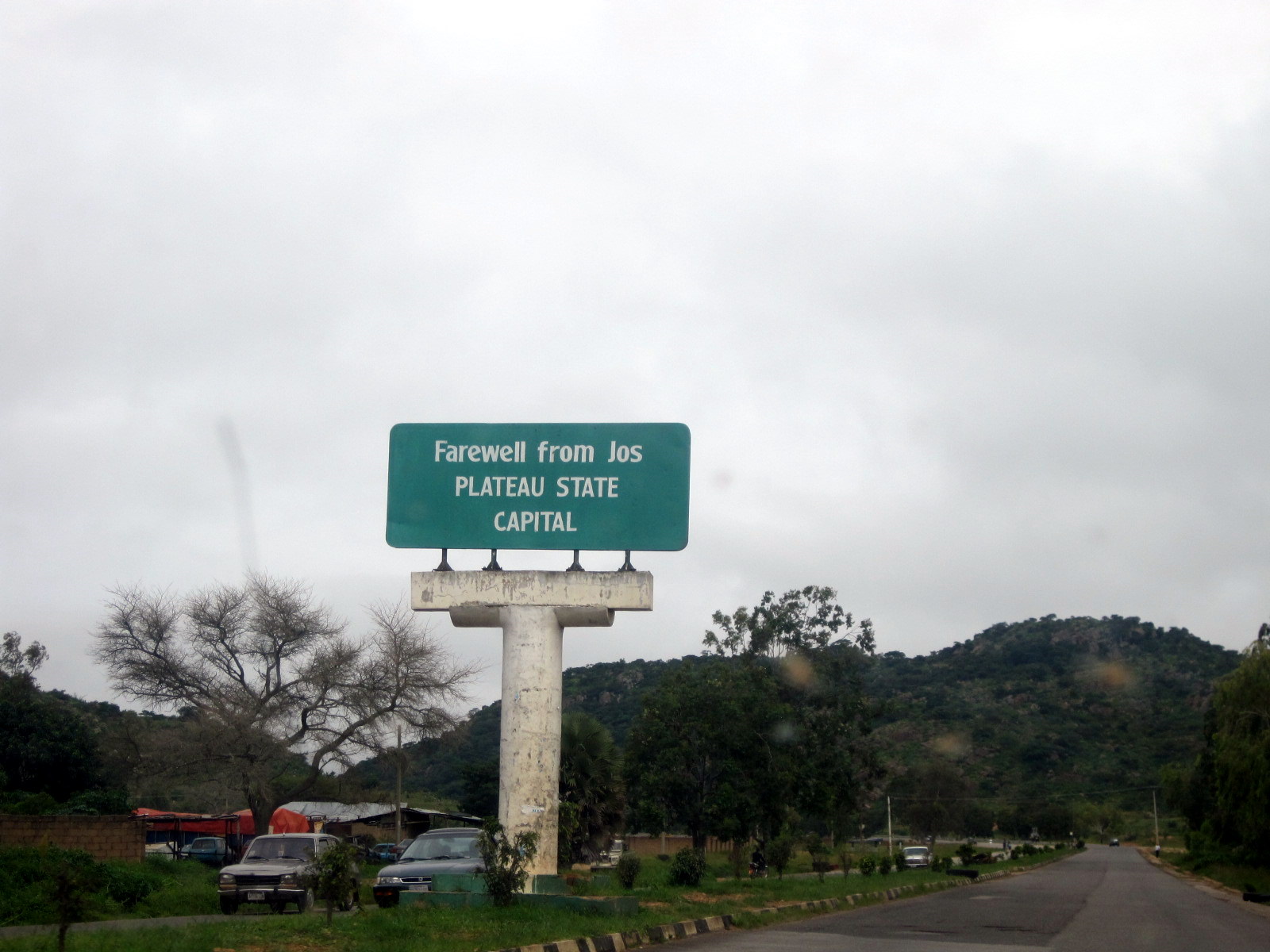
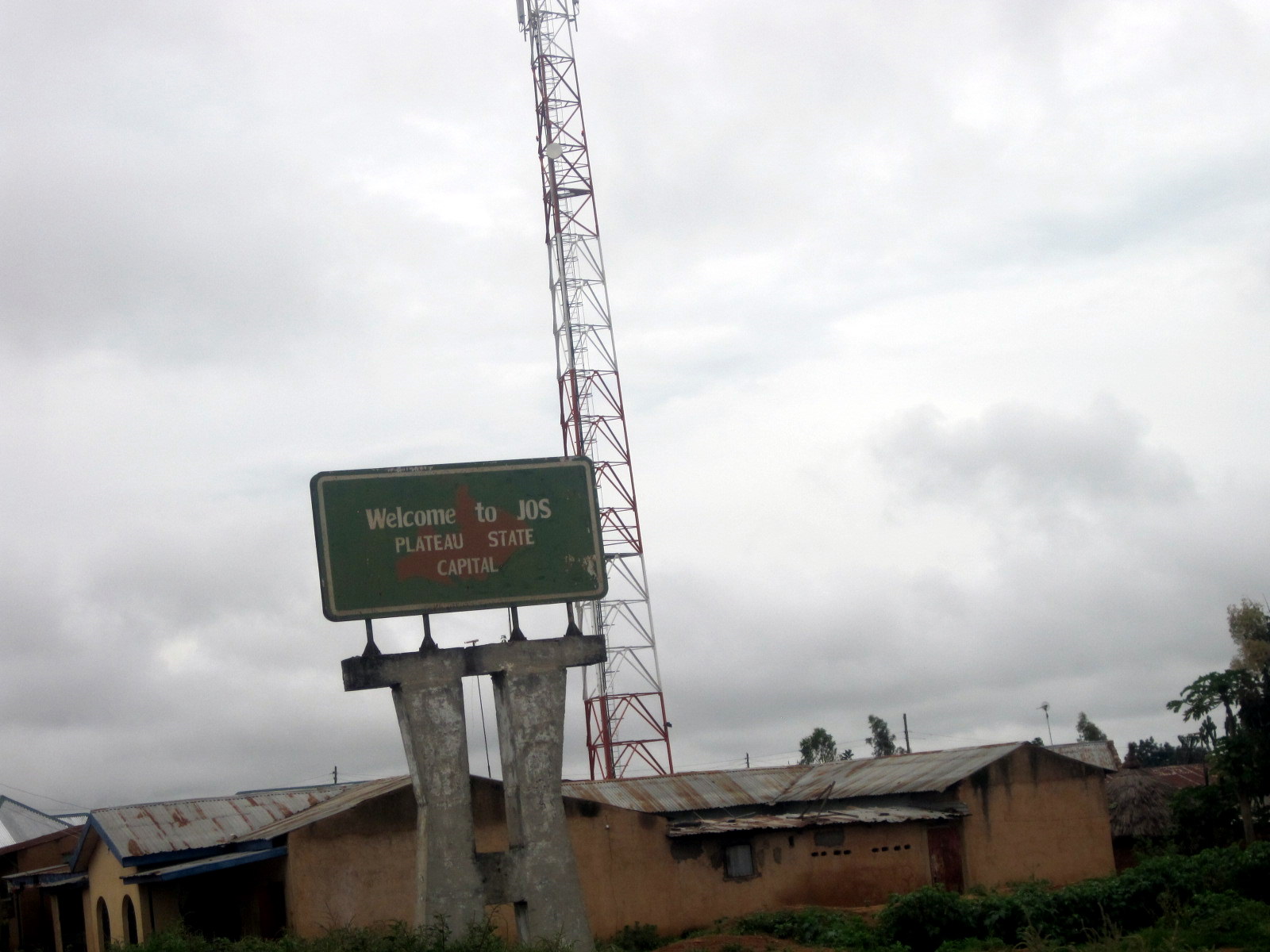
I entered Jos with some trepidation, but with an open mind, and a five year nostalgia waiting to be assuaged. I also went with an exhilaration reserved for a beautiful place that has gone with me everywhere I went since we first met. When I left the town a few hours later in the evening of Tuesday, I left with some sadness, and a mild confusion as to where the State is headed, and where the crises will lead. On the one hand are ubiquitous police patrols at every hundred metres from Ta Hoss to Makira to Riyom, and on the other hand is a town that still moves as it always does, cheerful, without any hint of danger. Well, welcome to Jos.

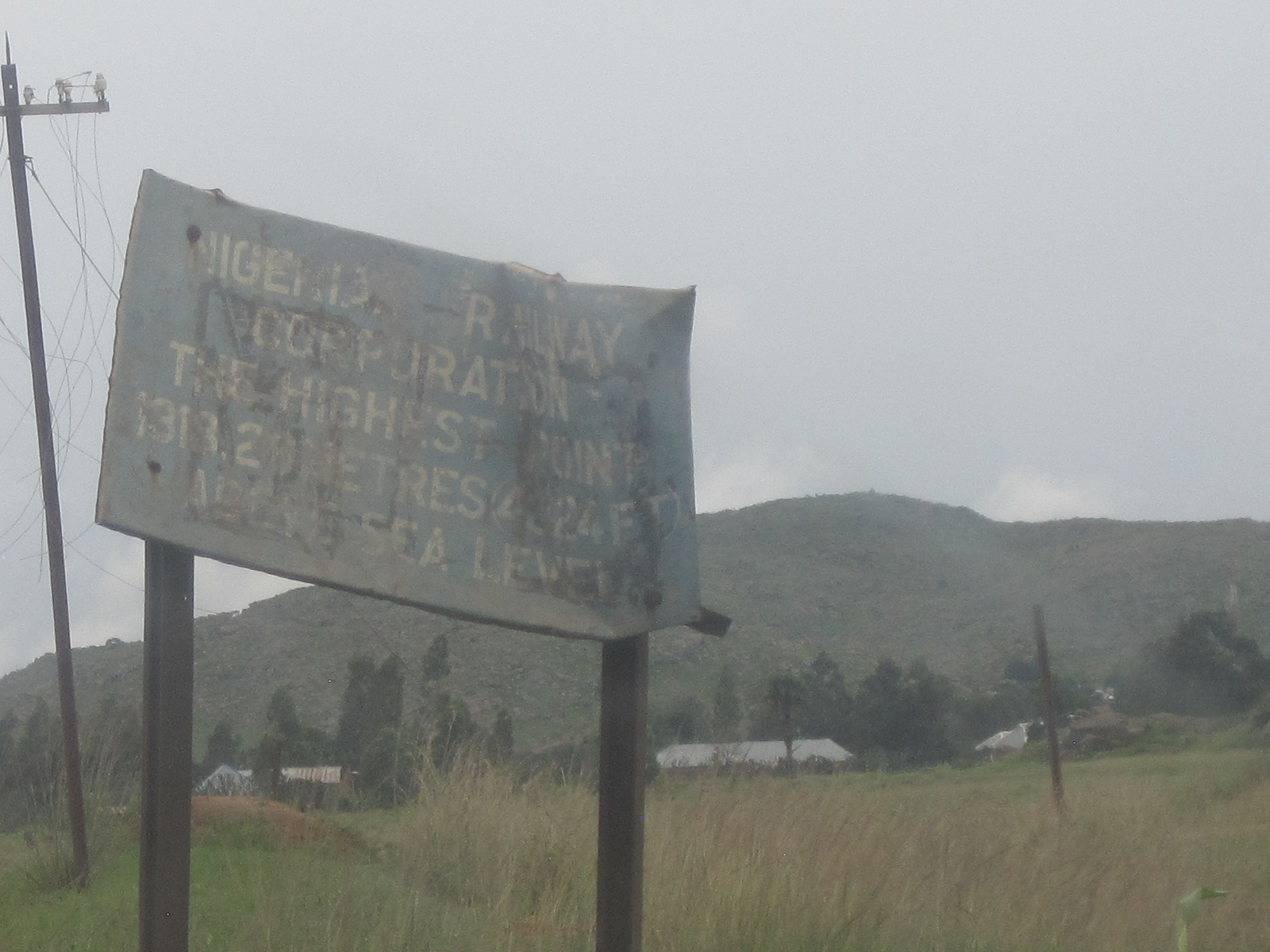
Picture #3 is the sign at Kuru which reads: “Nigerian Railway Corporation: The Highest Point in Nigerian Railway. 1318.20 metres or 4324 ft above sea level.

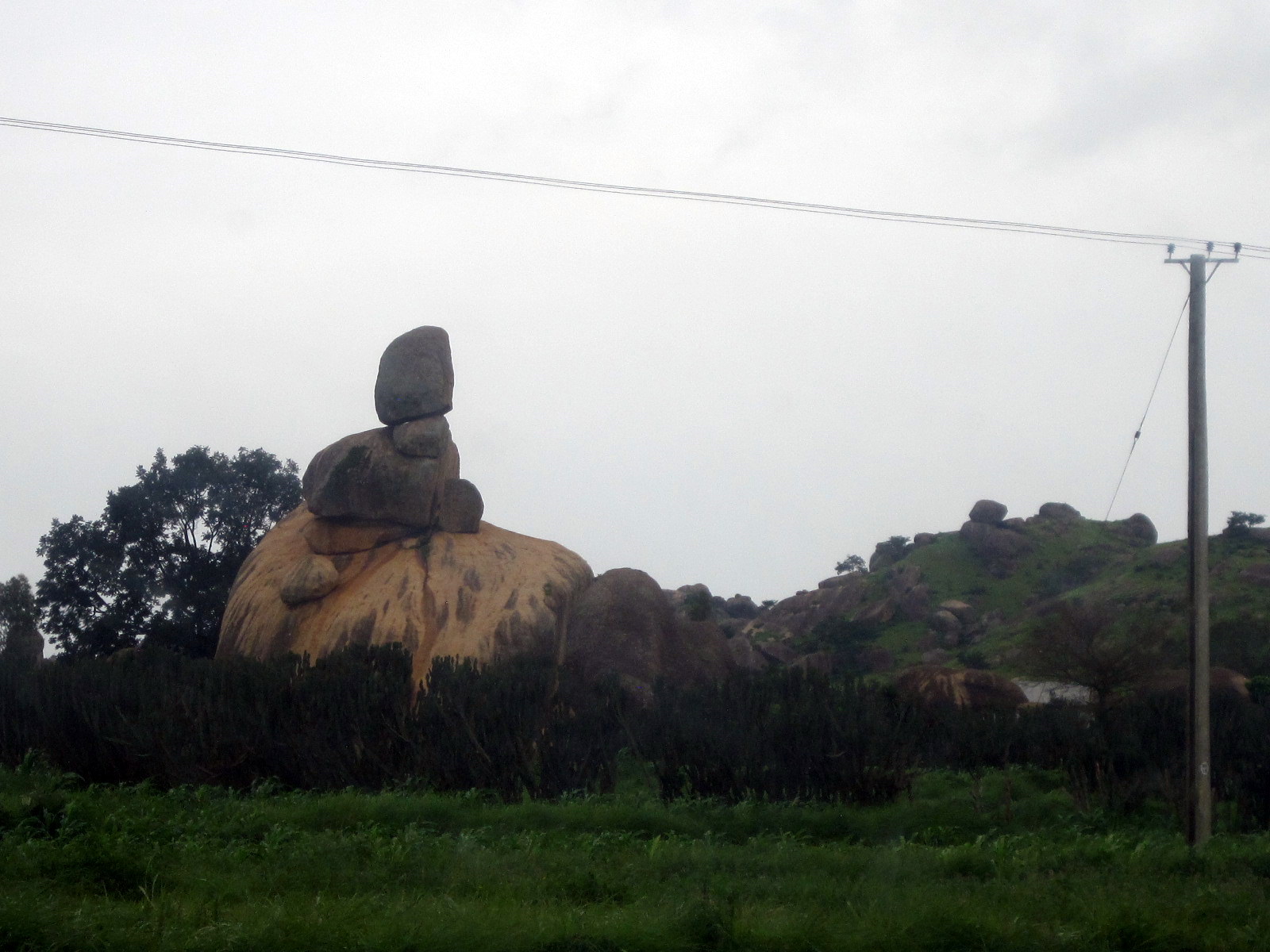
Picture #8 is the famous Riyom rocks that have stood in that delicate design since centuries.

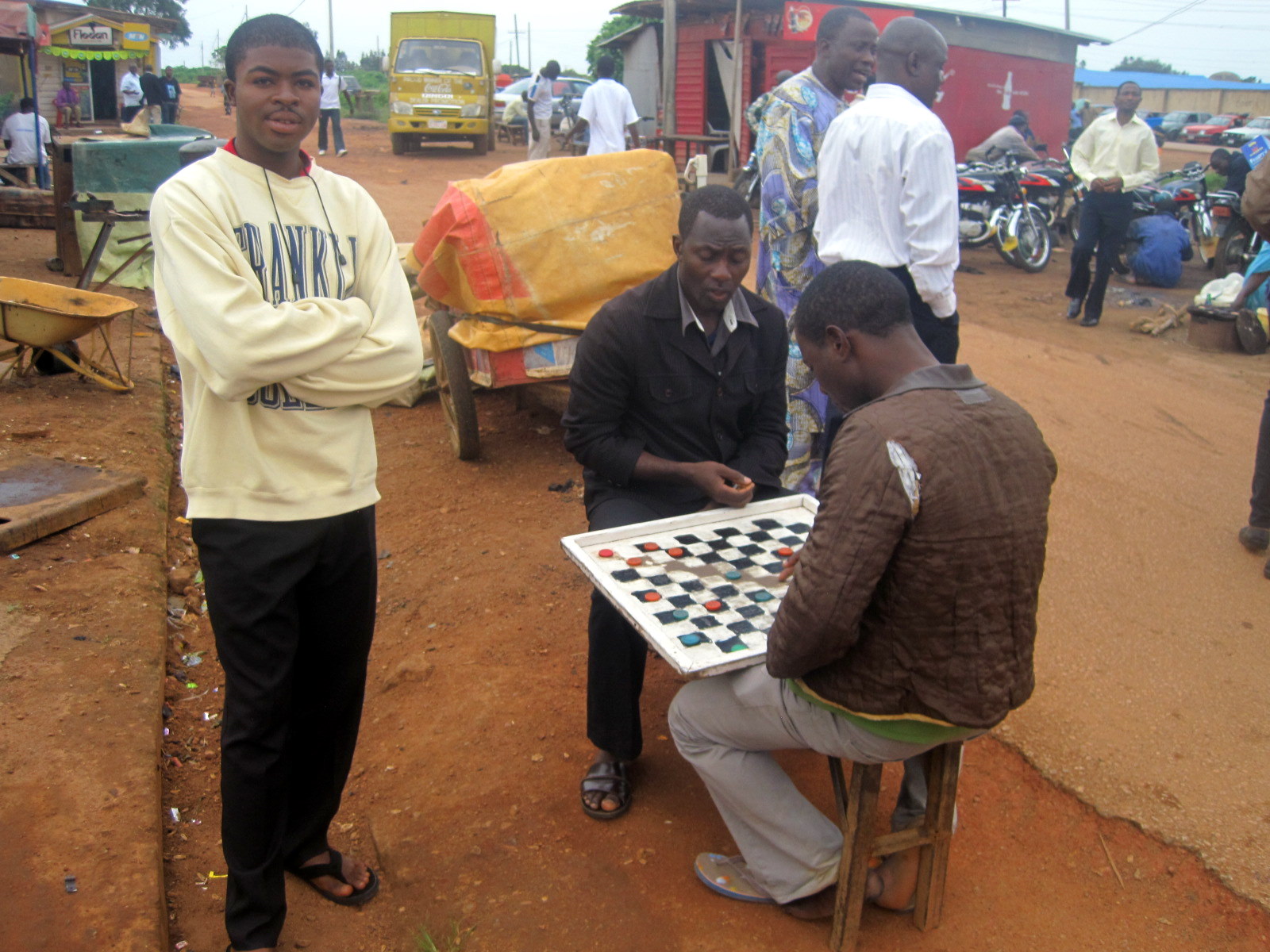
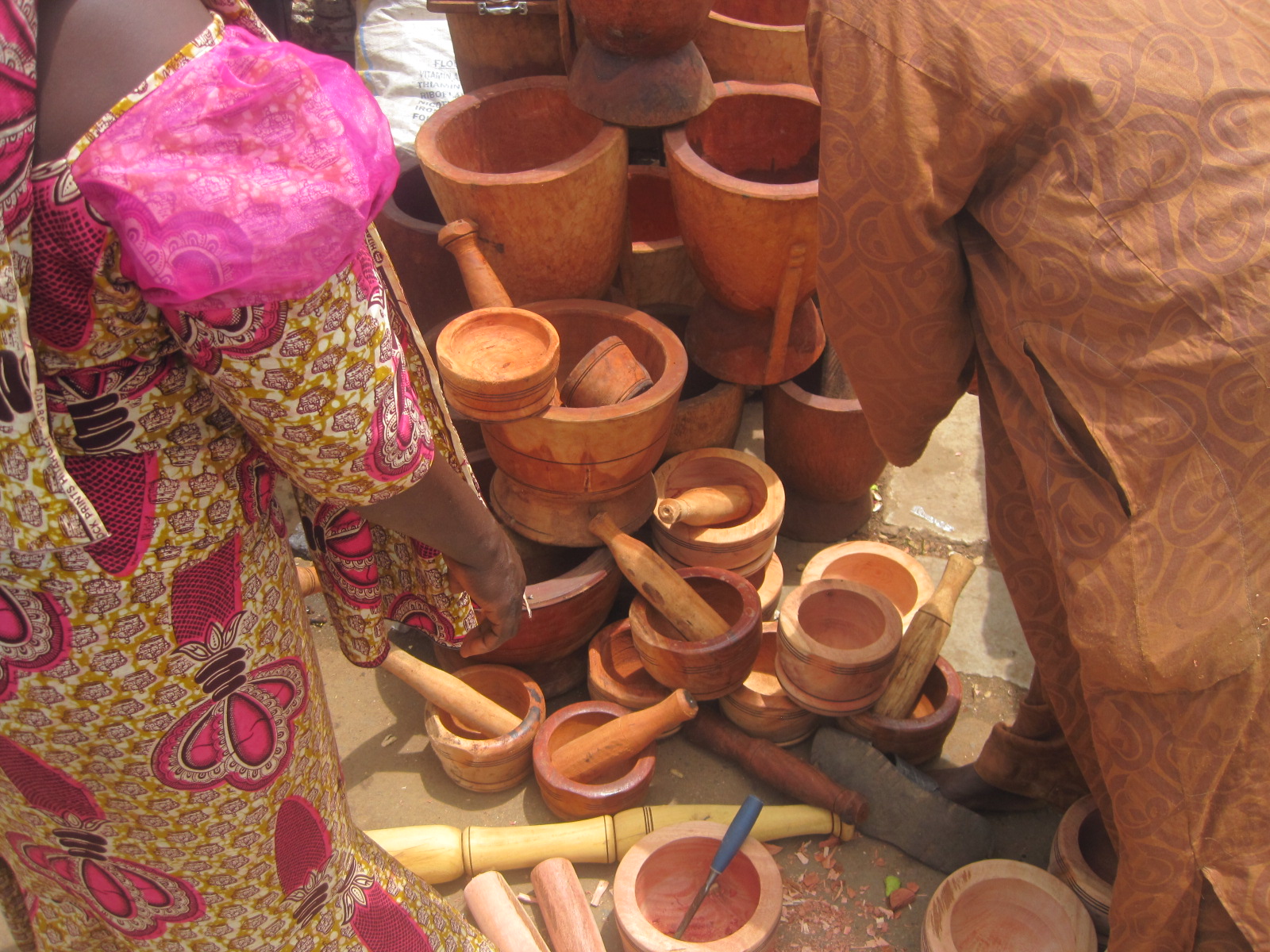
Picture #9 is a carver I saw in Jos, making mortar and pestles with his hand, a chisel and a wooden mallet.

Saturday Morning

By the time you read this, I should be on the road. It is a scheduled post. I do not know which way the road might lead, but it is surely not southwards just yet, except maybe they’ve removed that narcissistic governor of ours with several skin colours from the Government house, and then there would be something to rejoice about.

Now here are the choices: Abuja (again), Kano, Sokoto (the seat of the Caliphate), Katsina (where the Christmas bomber hails from), Jos (again, where I had my national youth service, and where the Red Cross had been working with the victims of the January and March clashes), and Nassarawa (where a friend had invited me to come and spend a few days).

None of this destinations is in the Eastern or Southern parts of the country. That trip will have to come later. And definitely not in these days of journalists getting kidnapped for a ransom of up to 30 million naira. And not the Niger Delta area soon either. I may not look like an American, but who knows what a random search of my bag might show.

In any case, I’m on the last leg of my tour and home is calling me little by little. I hope my dogs won’t be disappointed that I left them for so long. I have had my fill of Nigeria, almost. One of the best places of interest in this trip was the Anglican Church at Wusasa, a very prominent place in the history of Northern Nigeria.

The only thing my mother says she is worried about is that I (must have) been wearing “the same shirt all over Nigeria.”

Western Union, Today

Will be offering a 50% off from every money transfer transaction from the United States to every part of the world between now and tomorrow April 7th. Details here.

Whoever needs to take advantage of it should do so, particularly Nigerians in the US hoping to send money to the Red Cross in Jos for the relief efforts of the survivors of the January and March crises.

Hopefully, this will be my final Western Union blog post!