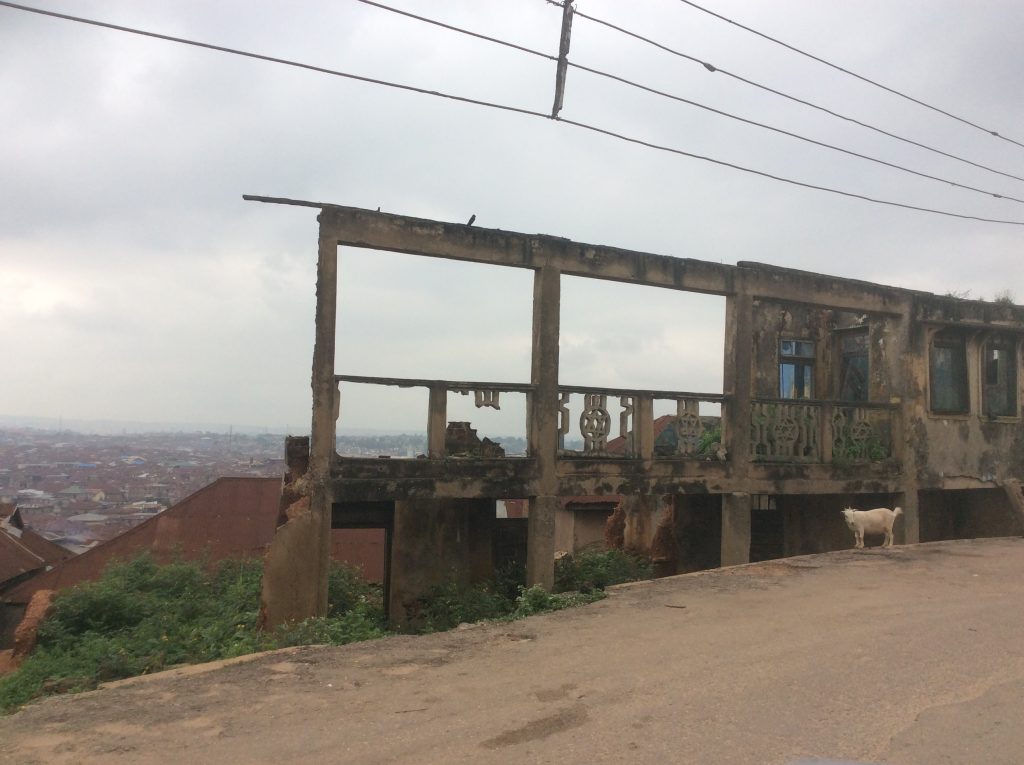
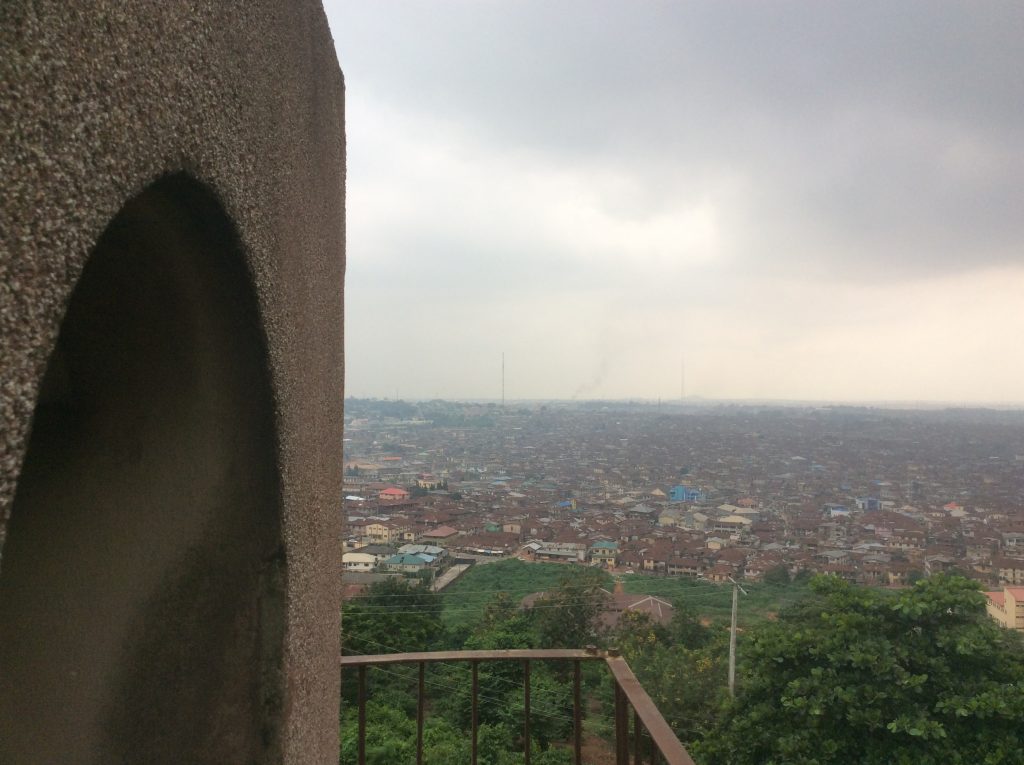
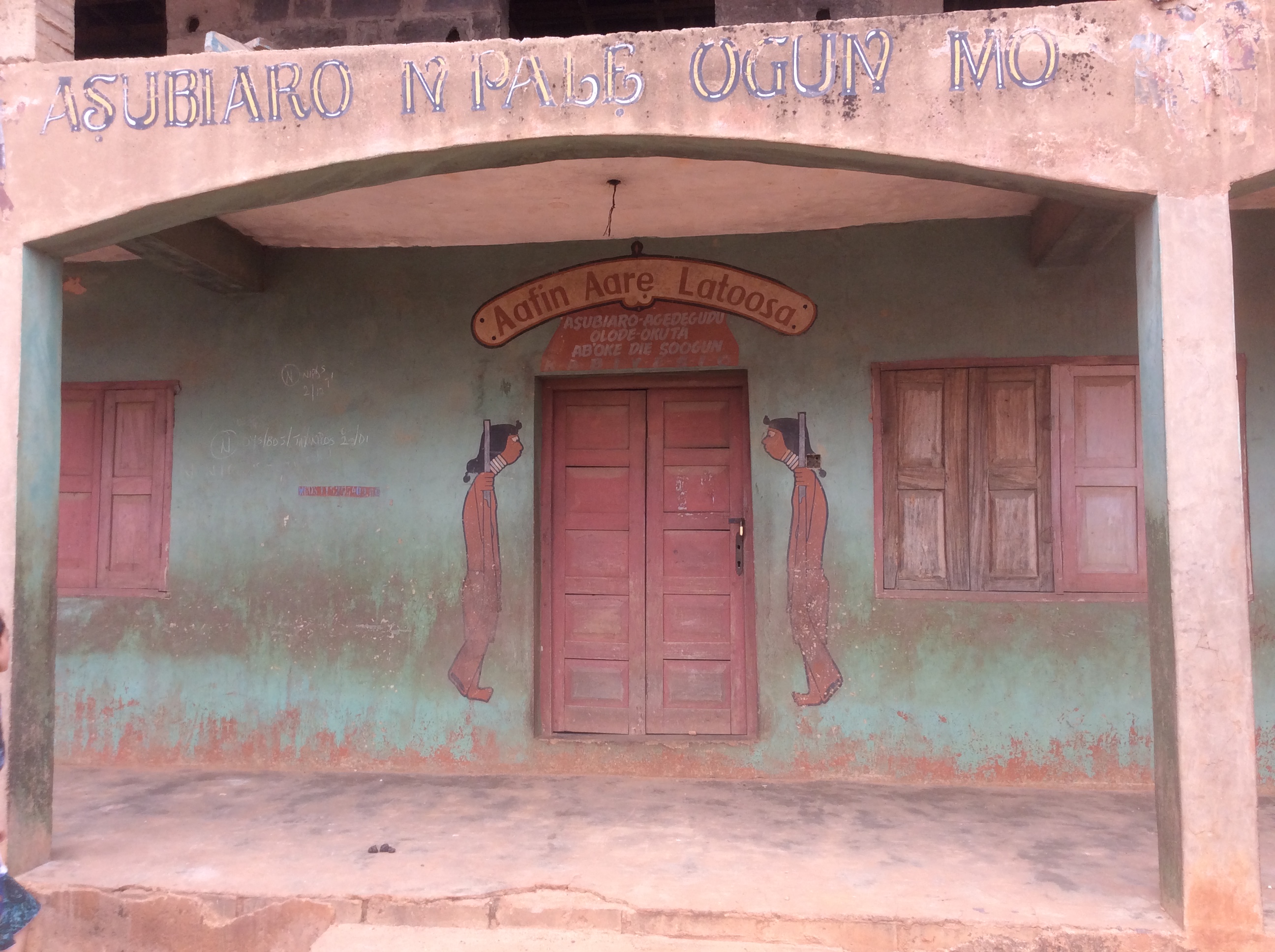
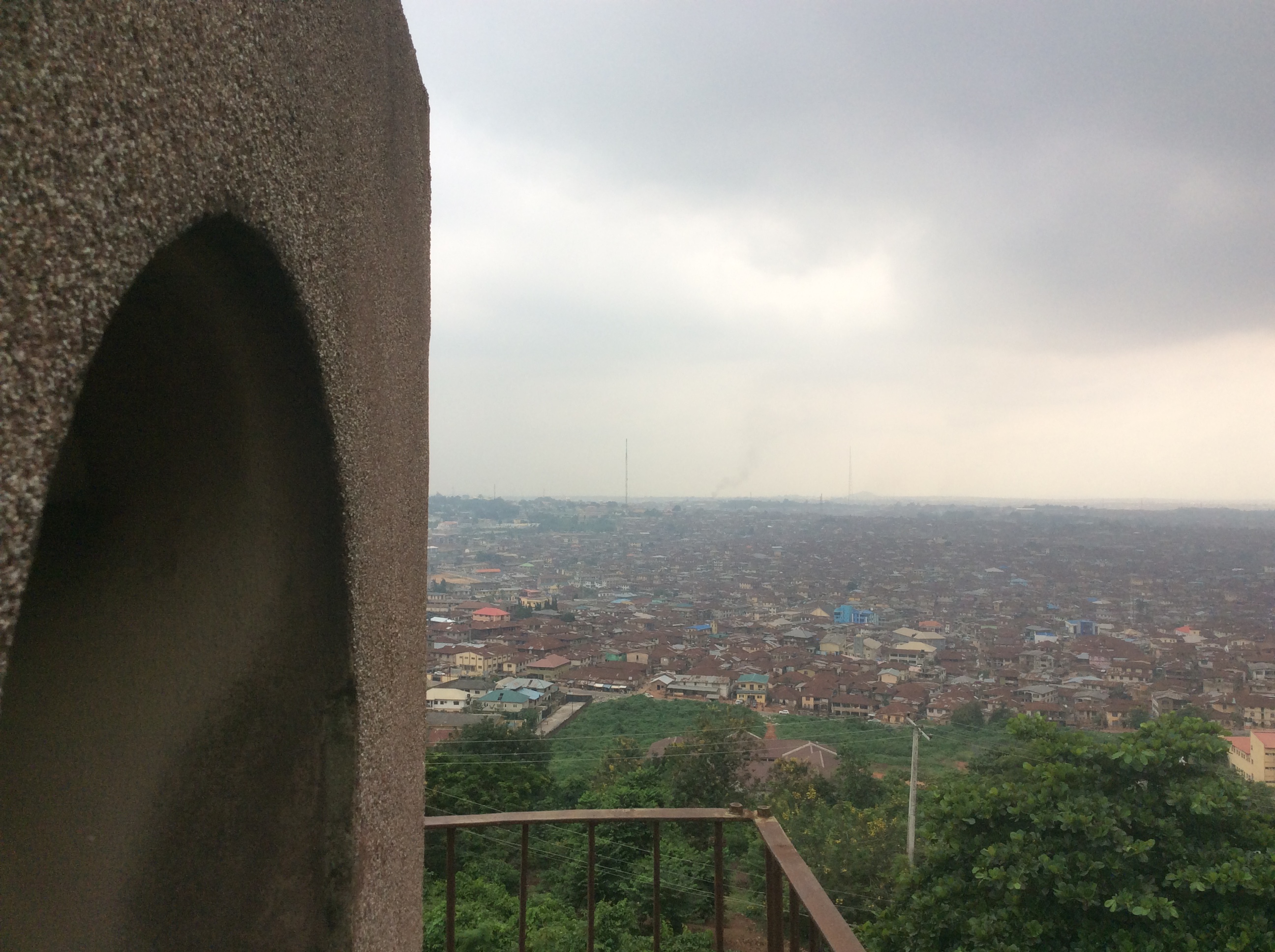
There are many stories in every step up Òkè Àarẹ in Ibadan, each as diverse as the other, but each visibly telling of the city’s ancient but colourful past. One of the notable things the city is reputed for, other than its famous brown rusty roofs all of which can be seen at a glance from here in its old glory, is its imposing hills and the lasting reputation they have on the city and neighbouring towns, stretching even into lore across generations. Òkè Ààrẹ (the chieftain’s hill) is just one of such hills, named after its most famous resident, Ààrẹ Látòòṣà whose old palace lay behind a prominent courthouse on the hill. Òkè Ṣápátì (Shepherd Hills), Òkè Páàdì (The Padre’s Hill), Òkè Màpó (Mapo Hill), Òkè Àdó are some of the others, each with stories of their naming and history.
 A view of downtown Ibadan from Òkè Ààrẹ on the way to Bower’s Tower.
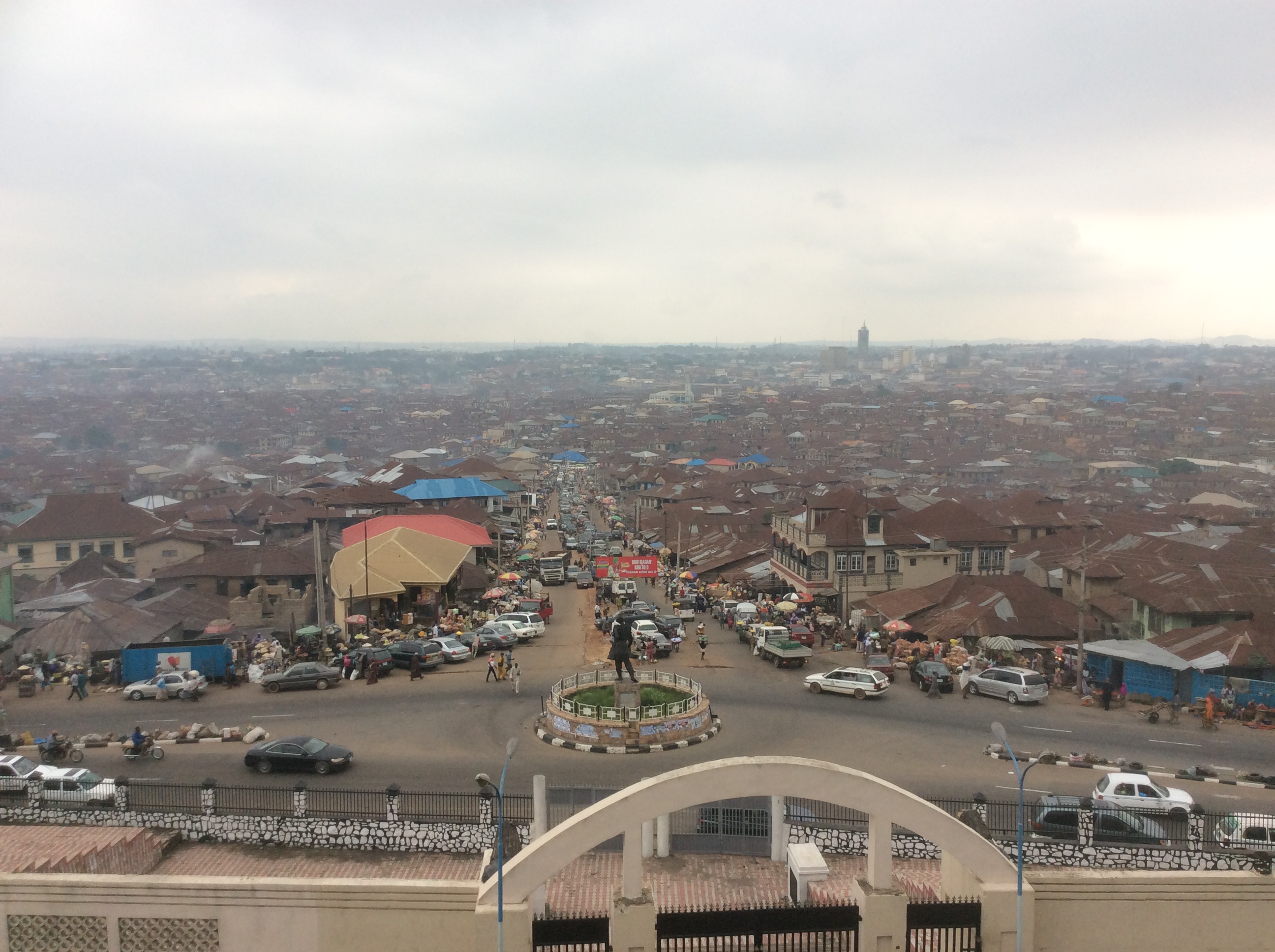
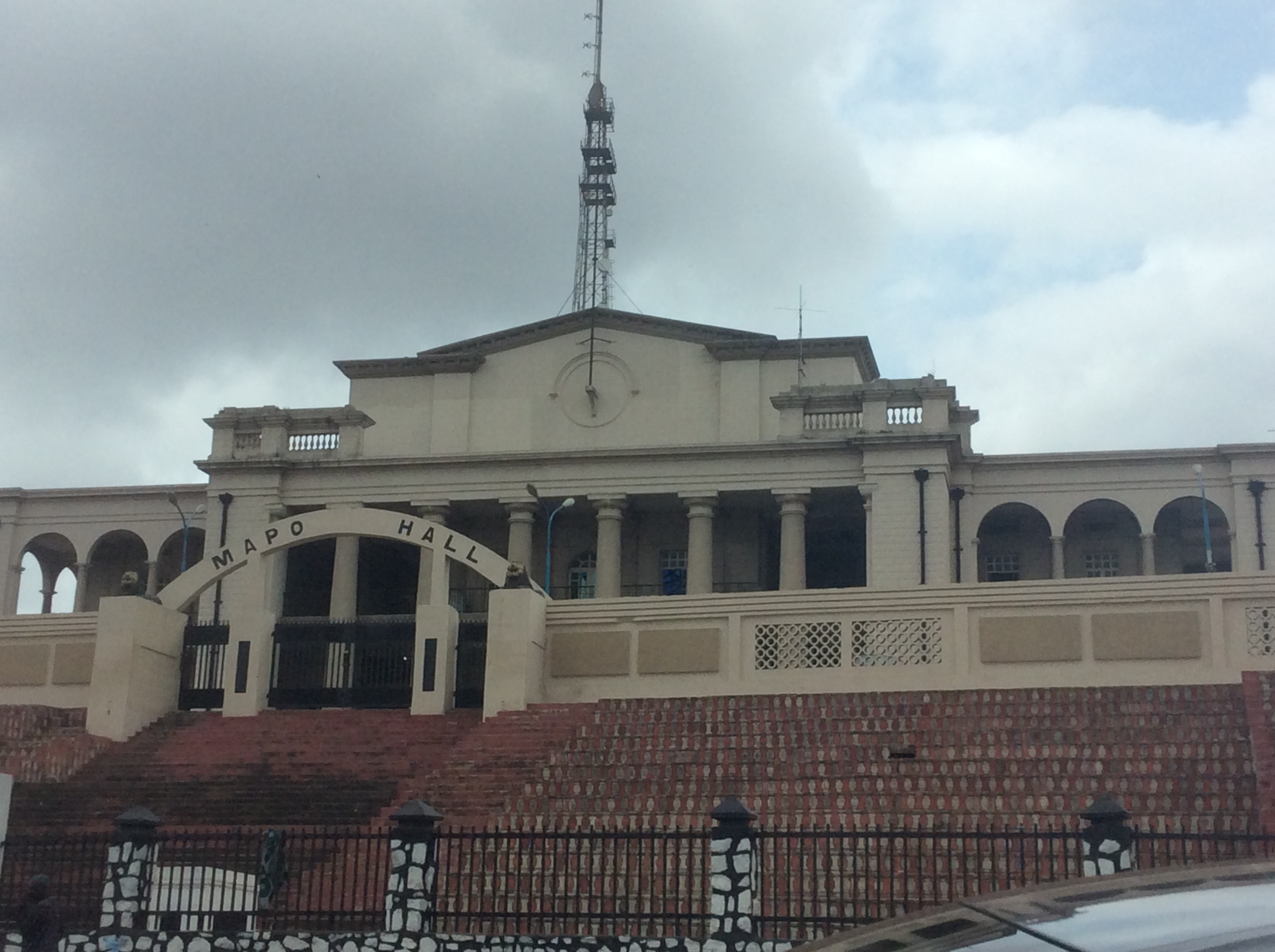
Some of these hills have increased in reputation over time because of modern (or colonial) additions, in structure, that have cemented (no pun) their statuses as more than just natural attractions. Mapo Hall, for example, is a town hall/courthouse built to Victorian style, in 1925-1929, right on top of Màpó Hill, from where the visitor can see almost all of Ibadan to all directions.
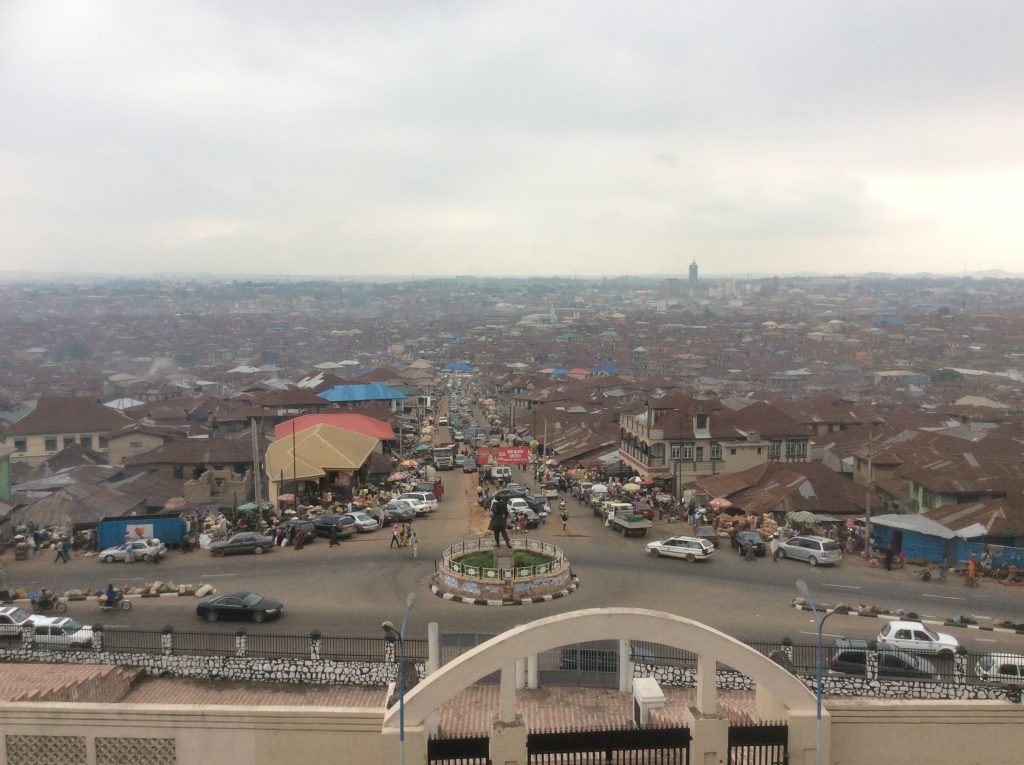 A view from the top of Mapo Hall
Its reputation as a symbol of colonial justice where tax evaders were jailed has transmitted into culture and lore. As the popular song says about owó orí (taxes) goes, “Awọn àgbà tí ò san… wọn ń bẹ l’átìmọ́lé ní Mapo.” Over time, its role in post-colonial Nigeria has evolved, now remaining only as a vintage venue for occasions of private citizens, weddings, and other public events, most notably the coronation of every new Olúbàdàn, which is perhaps the biggest event it hosts at least once in every few years.
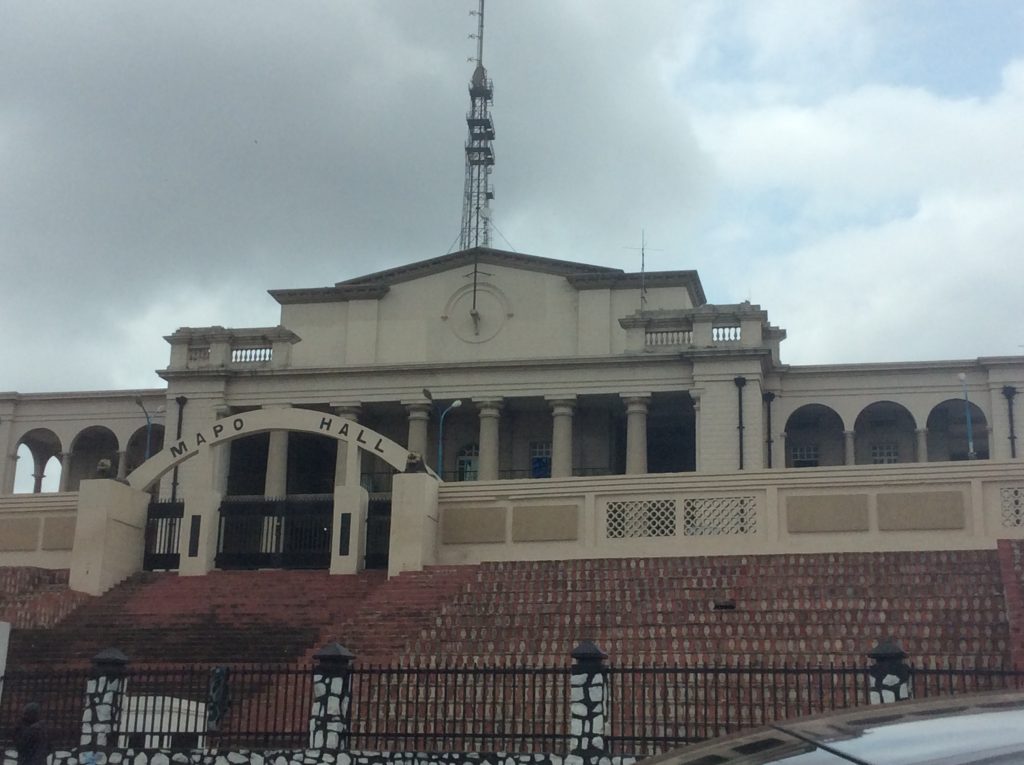 Mapo Hall: a view from the front.
From deep in the neighbouring valley in Bẹẹrẹ Market, reputed for its throng of market men and women selling their wares almost onto the road in defiance of coming traffic, Mapo Hall is visible at a distance, perched on top of the hill to the left like an ark. In colonial times, when it was perhaps the only visible structure of its colour and stature, one can only imagine the psychological imposition its presence alone had on citizens’ mind.
The only other notable sight from this spot is the Látòòṣa Courthouse – on the opposite end of the horizon, even slightly elevated than Mapo itself.
 On the horizon to the left, on Mapo Hill, is Mapo Hall. Top of the hill to the right, on Òkè Ààrẹ, is the Látòòṣa Courthouse complex with an accompanying tower.
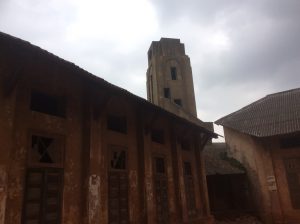
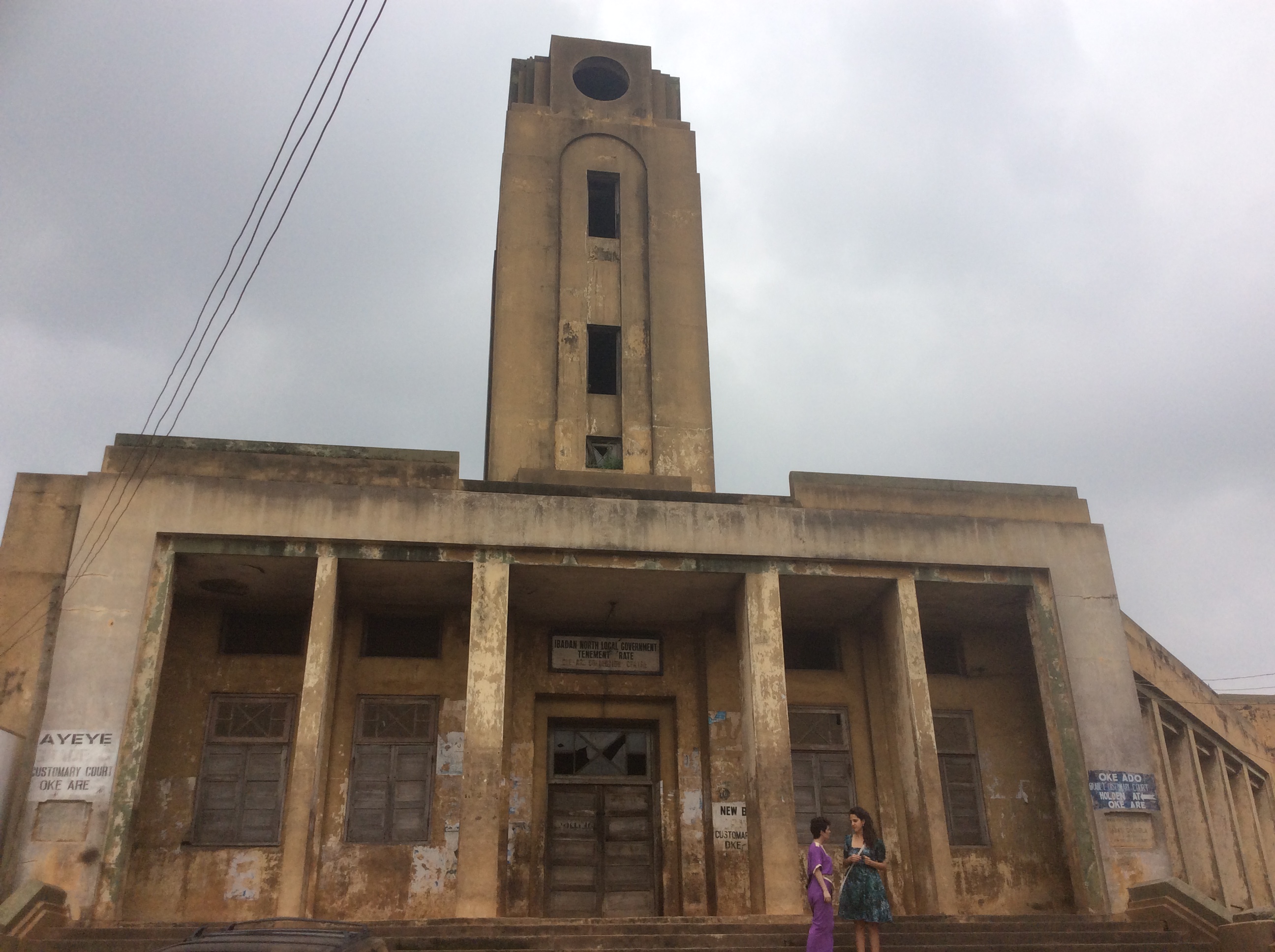
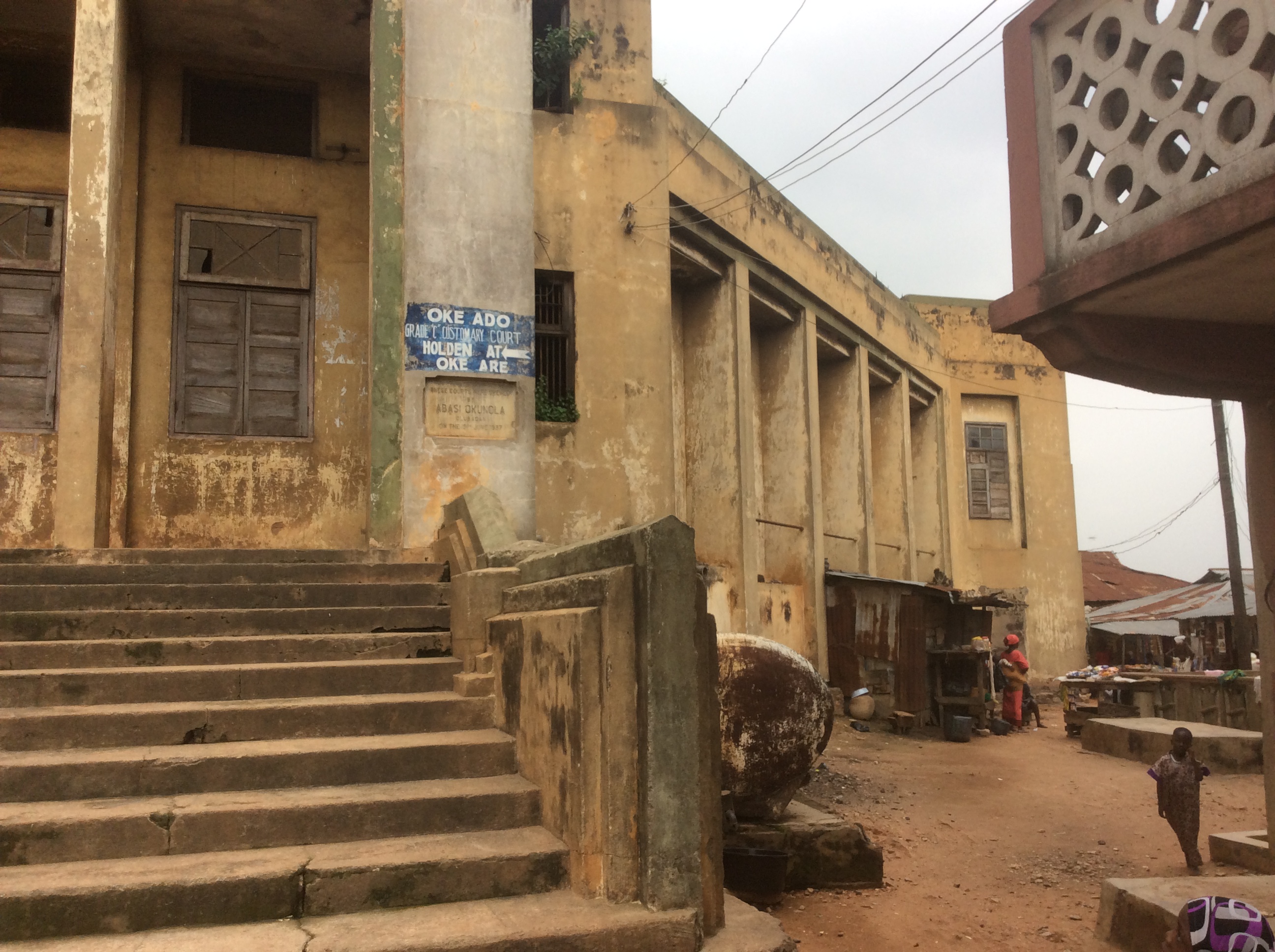
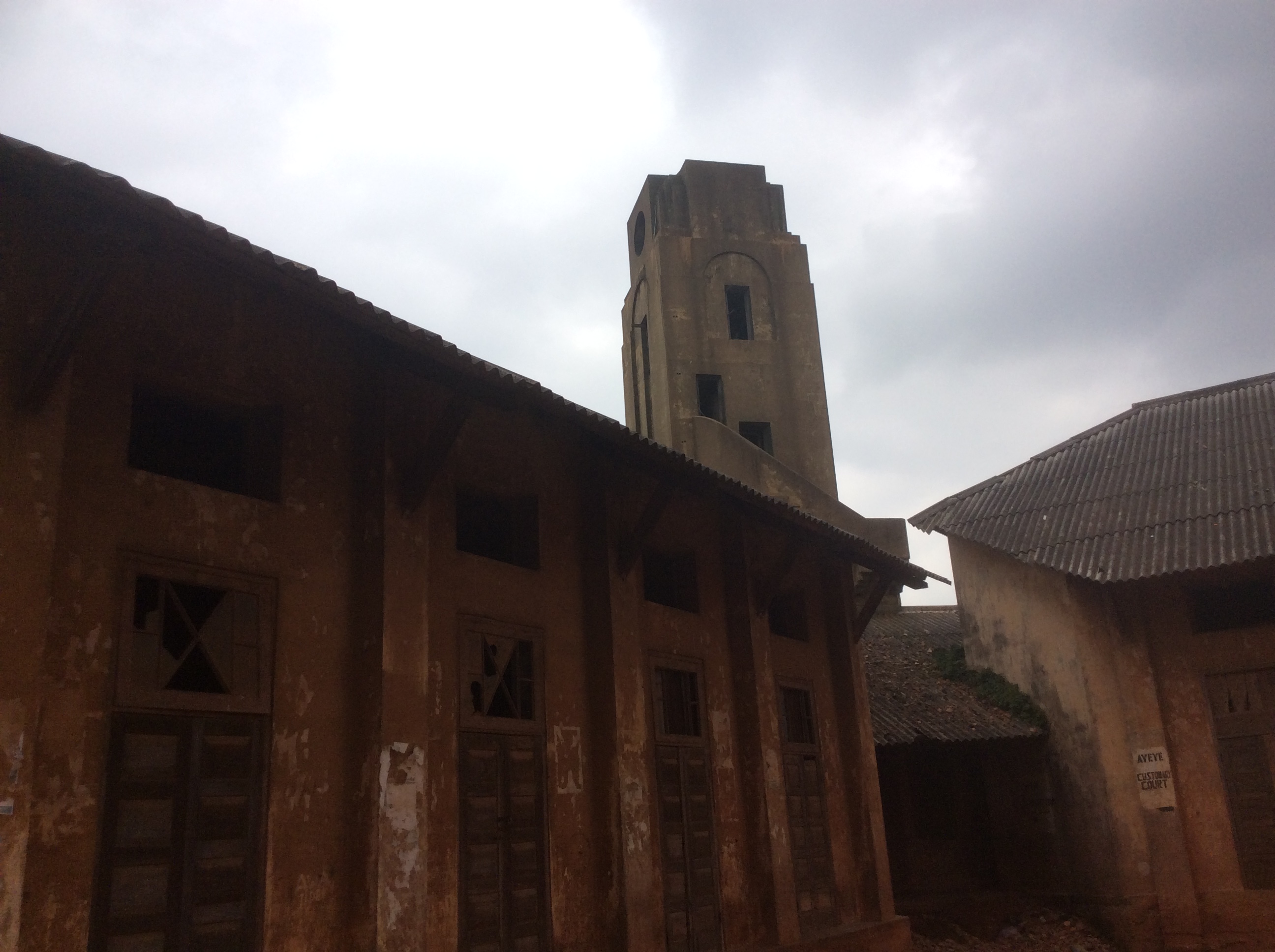
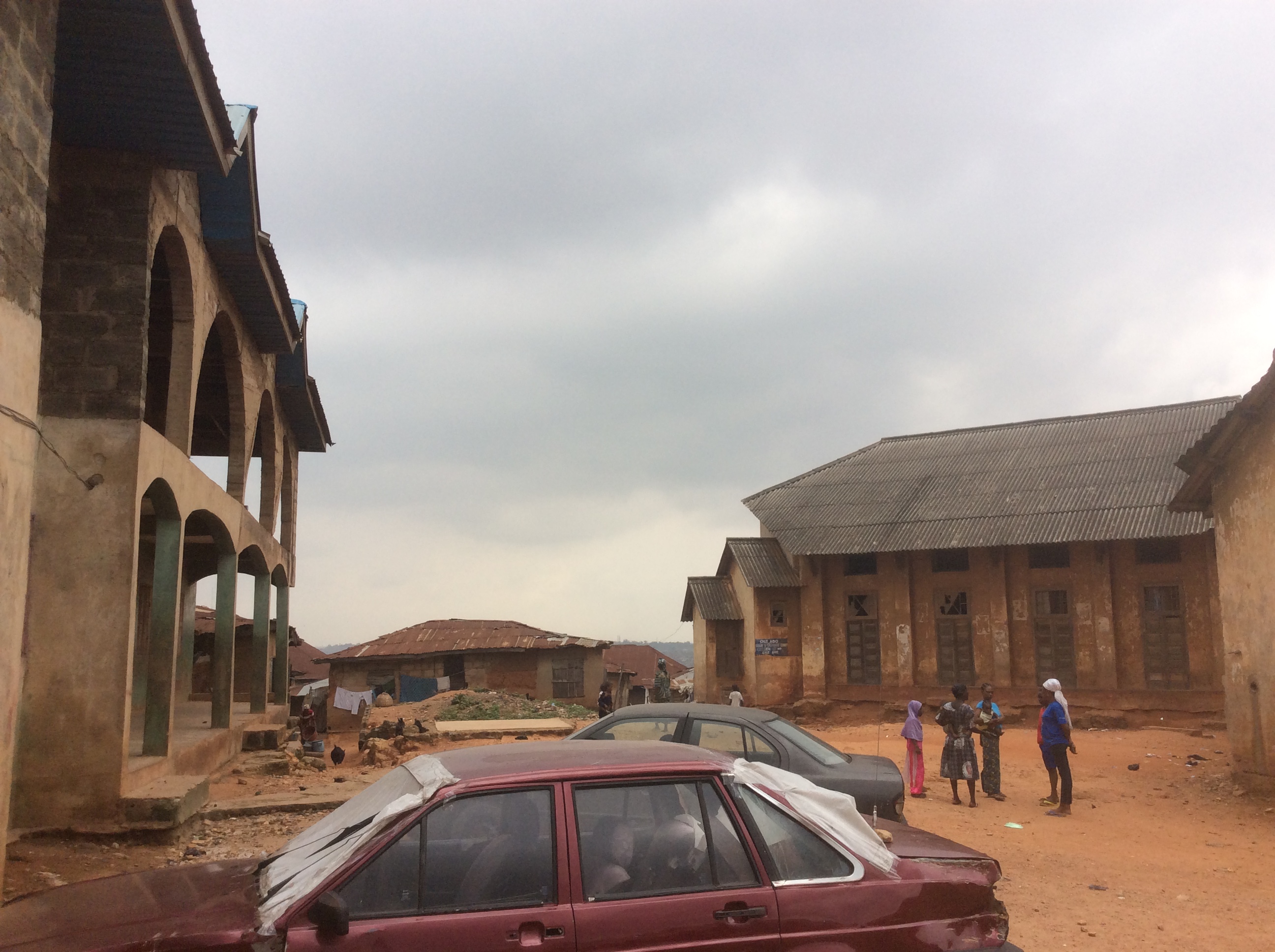
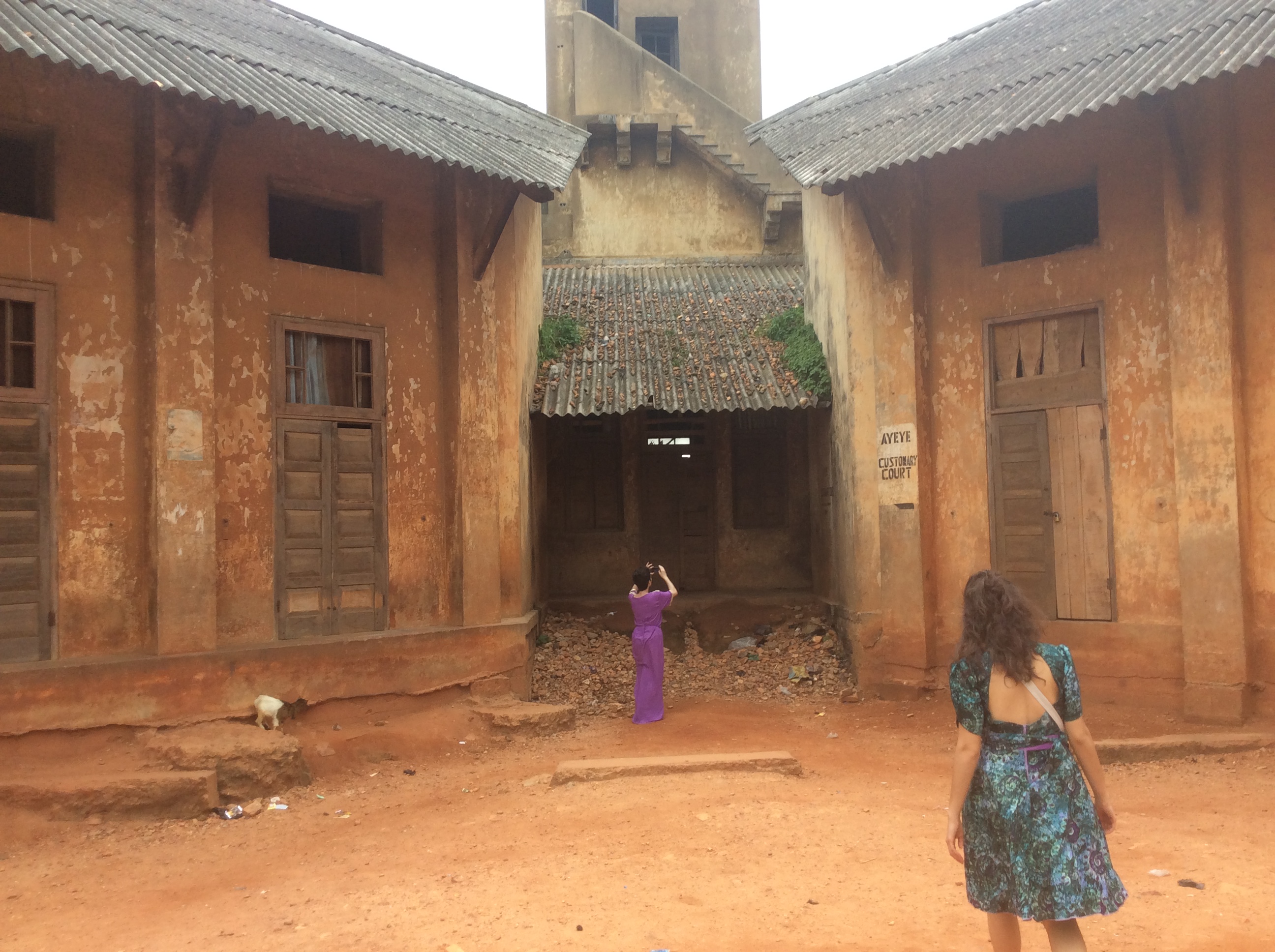
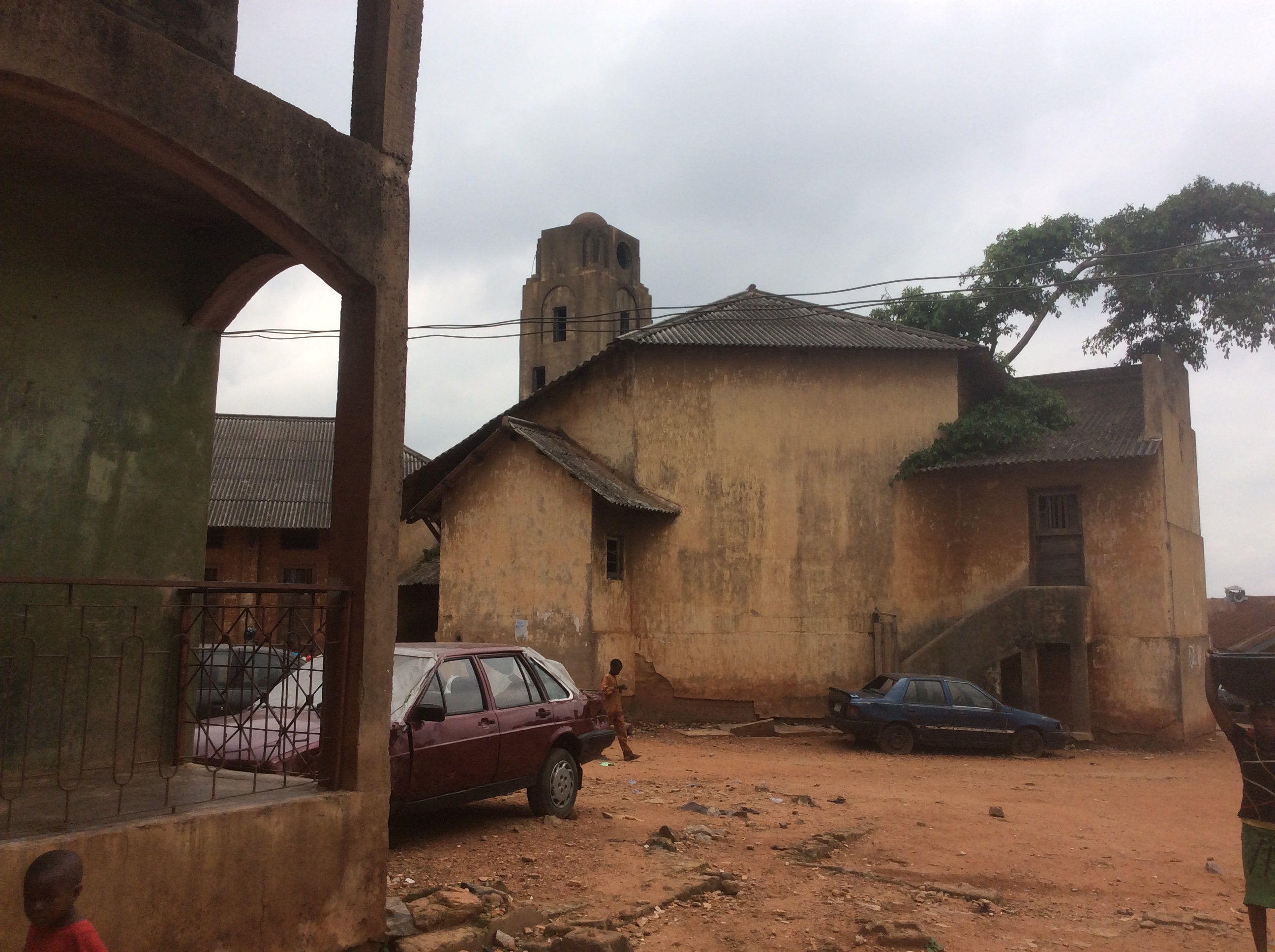
This courthouse structure was opened, according to the plaque on its walls, on June 13, 1937, making it slightly younger than Mapo Hall. Certainly less grandiose, but not less imposing especially on surrounding areas. It does boast of something that Mapo Hall doesn’t, however. That is a tower that has made a lot of people confuse it with Bower’s Tower which is located about a mile away. On this visit, and as one assumes on all visits to this place, there was no guide present to inform visitors of the role of this tower courthouse in the administration of the city. One had to only assume, from its size and location, that it was built for a significant administrative purpose.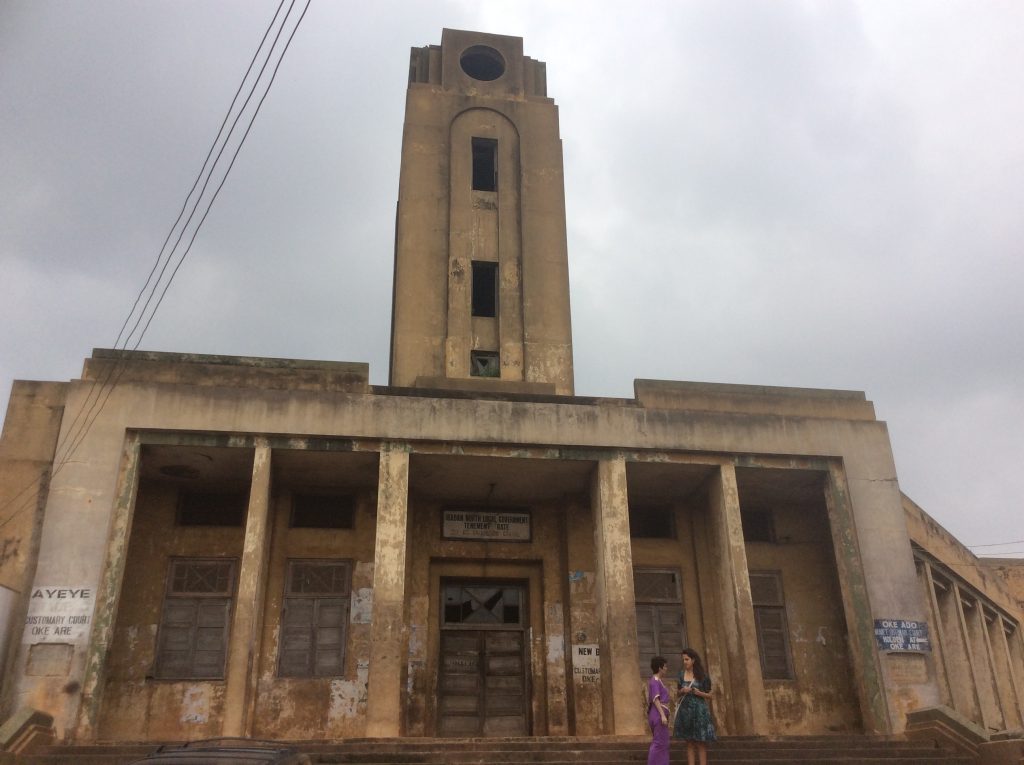
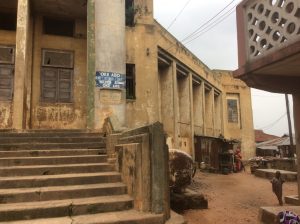
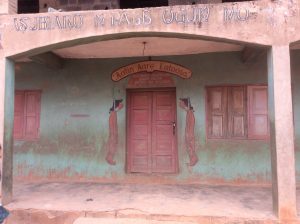
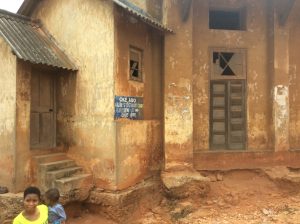
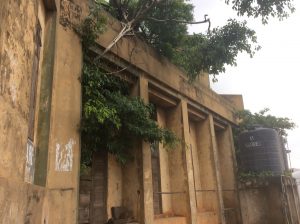
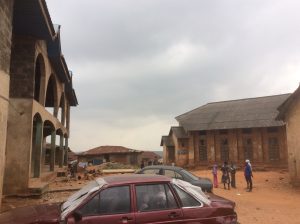
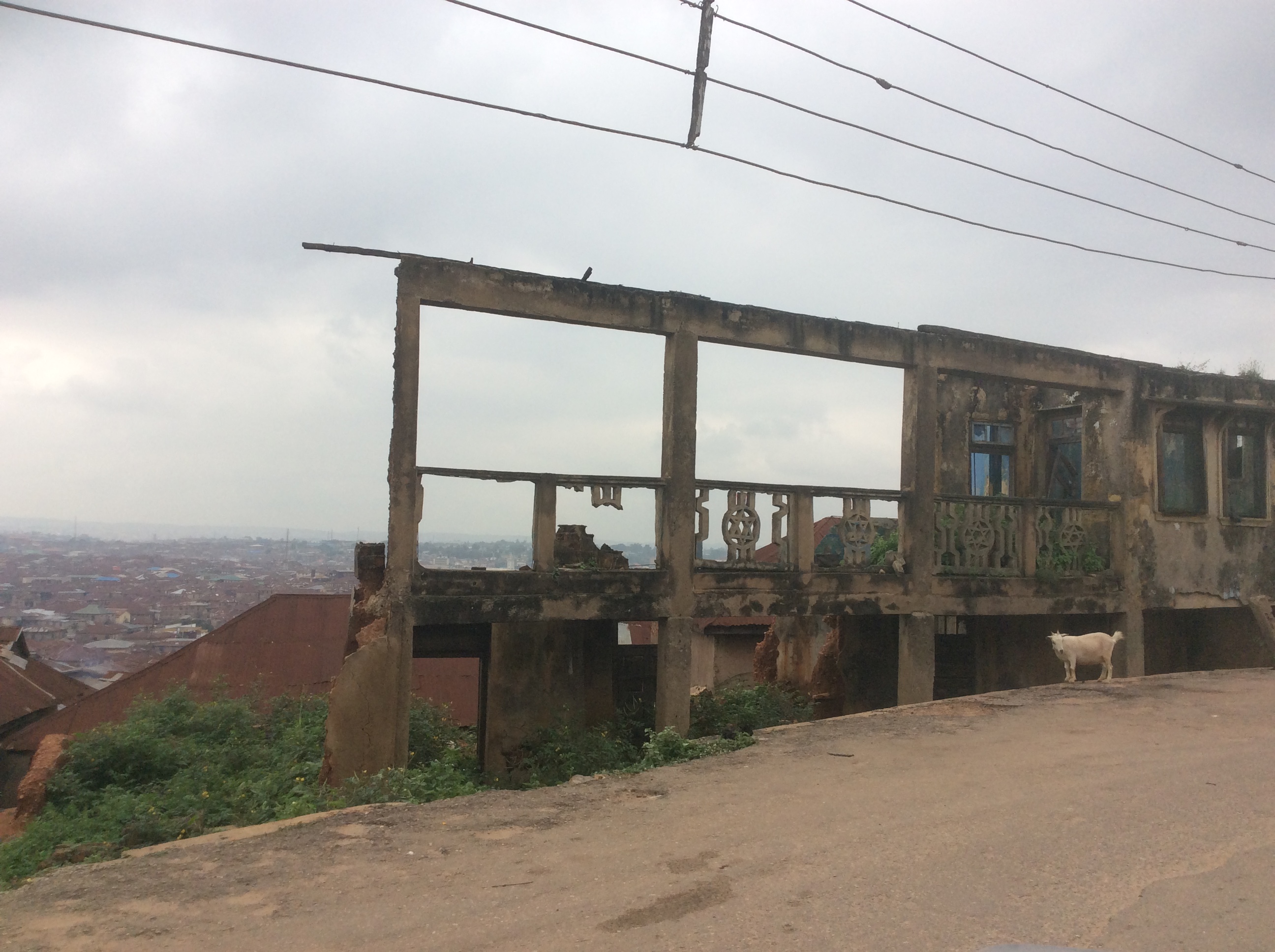
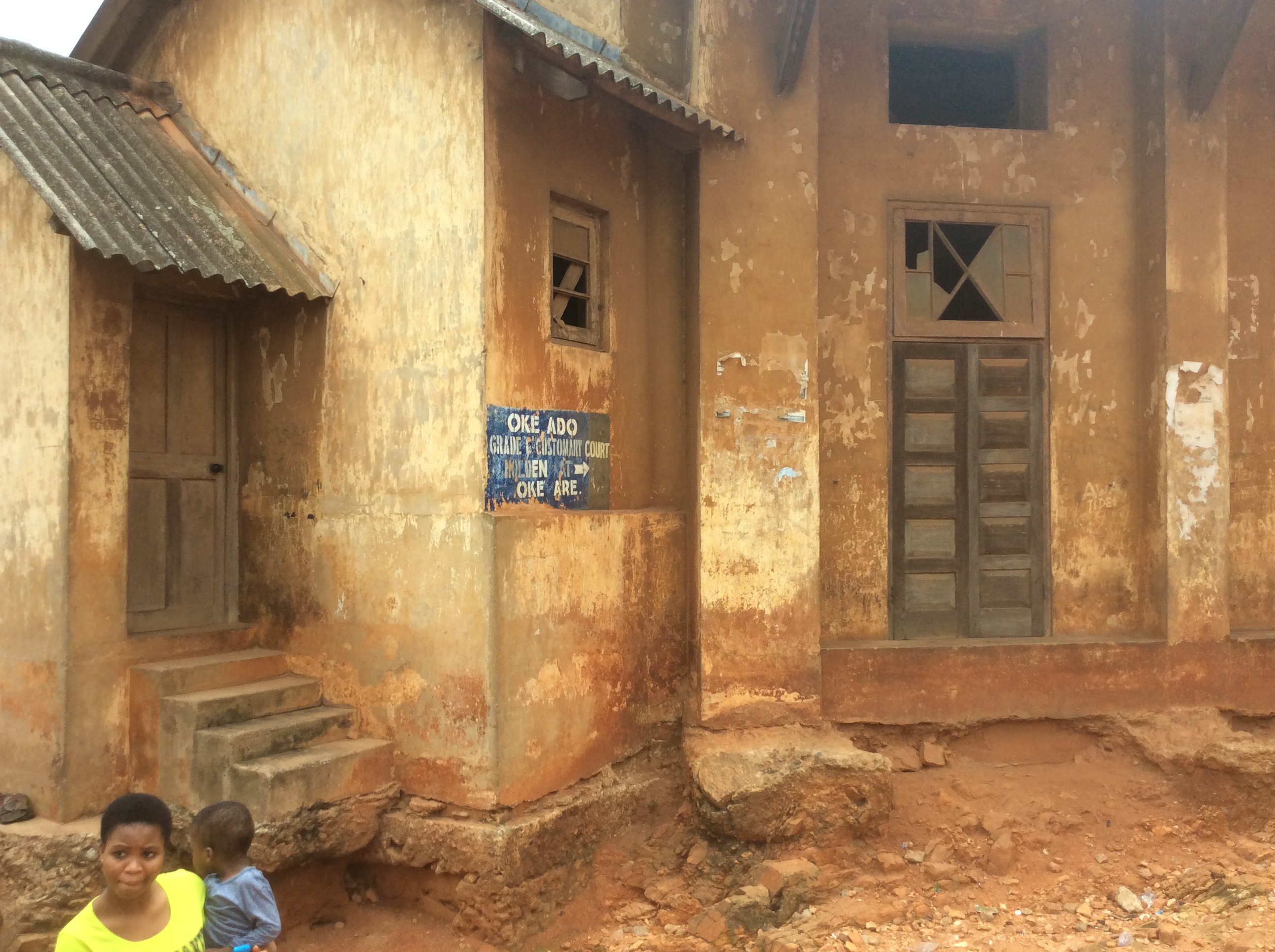
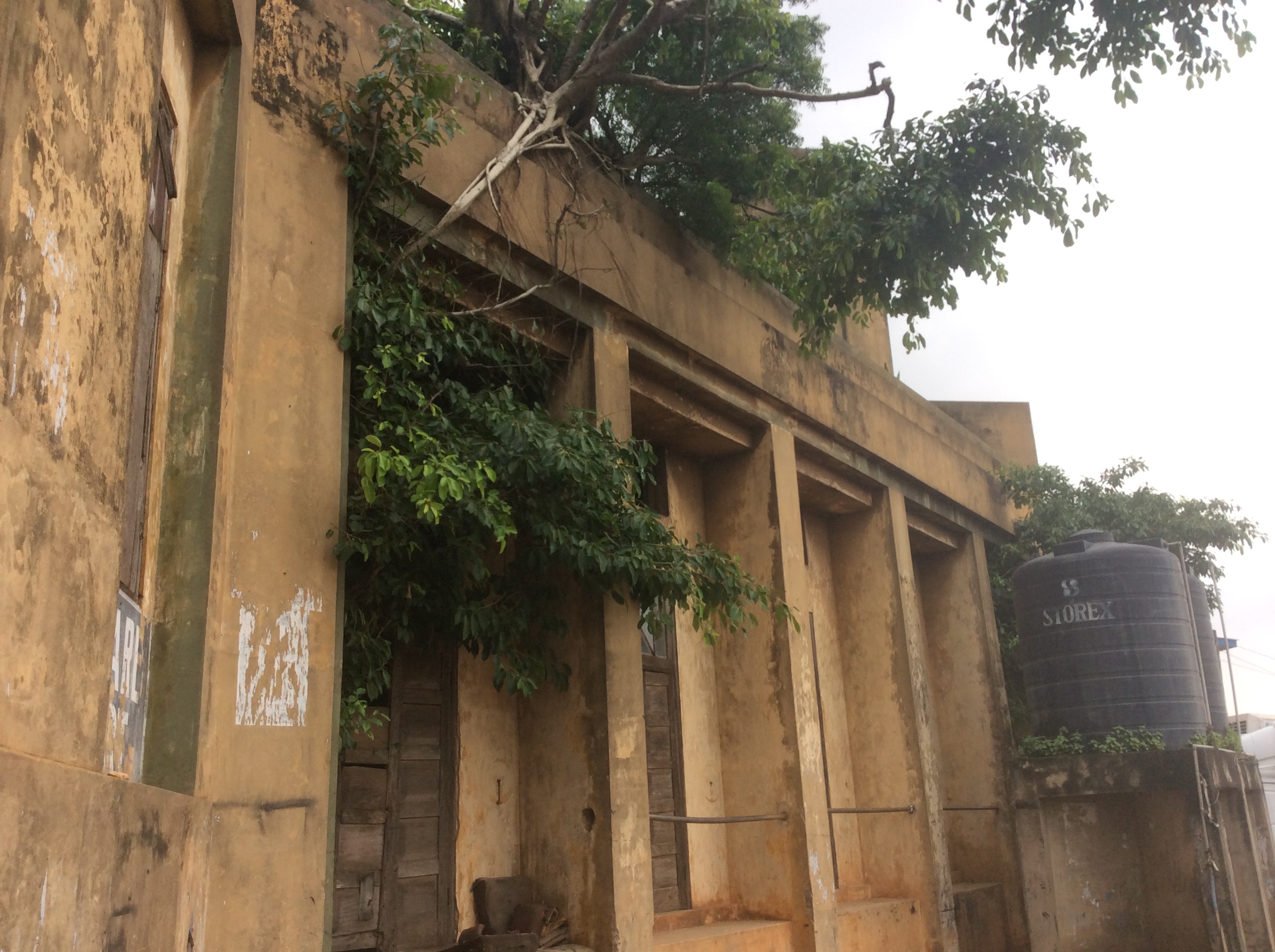
Worn out by time and mismanagement, the walls tell a story of neglect. There are signs on the building informing users of the current use of the house: “Oke Ado Grade ‘C’ Customary Court”, “New Bodija Grade ‘C’ Customary Court” “Ibadan North Local Government Tenement Rate Collection Centre”, “Ayeye Grade ‘C’ Customary Court”, etc. For a building of such multipurpose use, care has certainly not been taken. I think back to a recent experience, in Italy, where tourism has built a thriving industry of restaurants, malls, and gift shops around notable structures that tell the country’s history, real and fictional, and how much value that attention (and tourist dollars) has brought to the country. Old churches and abbeys, ancient arenas in Verona and the Colosseum in Rome, among others, are all just ruins of a certain past. But they have been preserved and well branded in order to attract foreigners and their resources. Even a fictional character, Juliet, from Shakespeare’s Romeo and Juliet, has a touristy structure built in her honour, called Casa di Giulietta.
We haven’t done anything similar with ours, and it doesn’t look like we care.
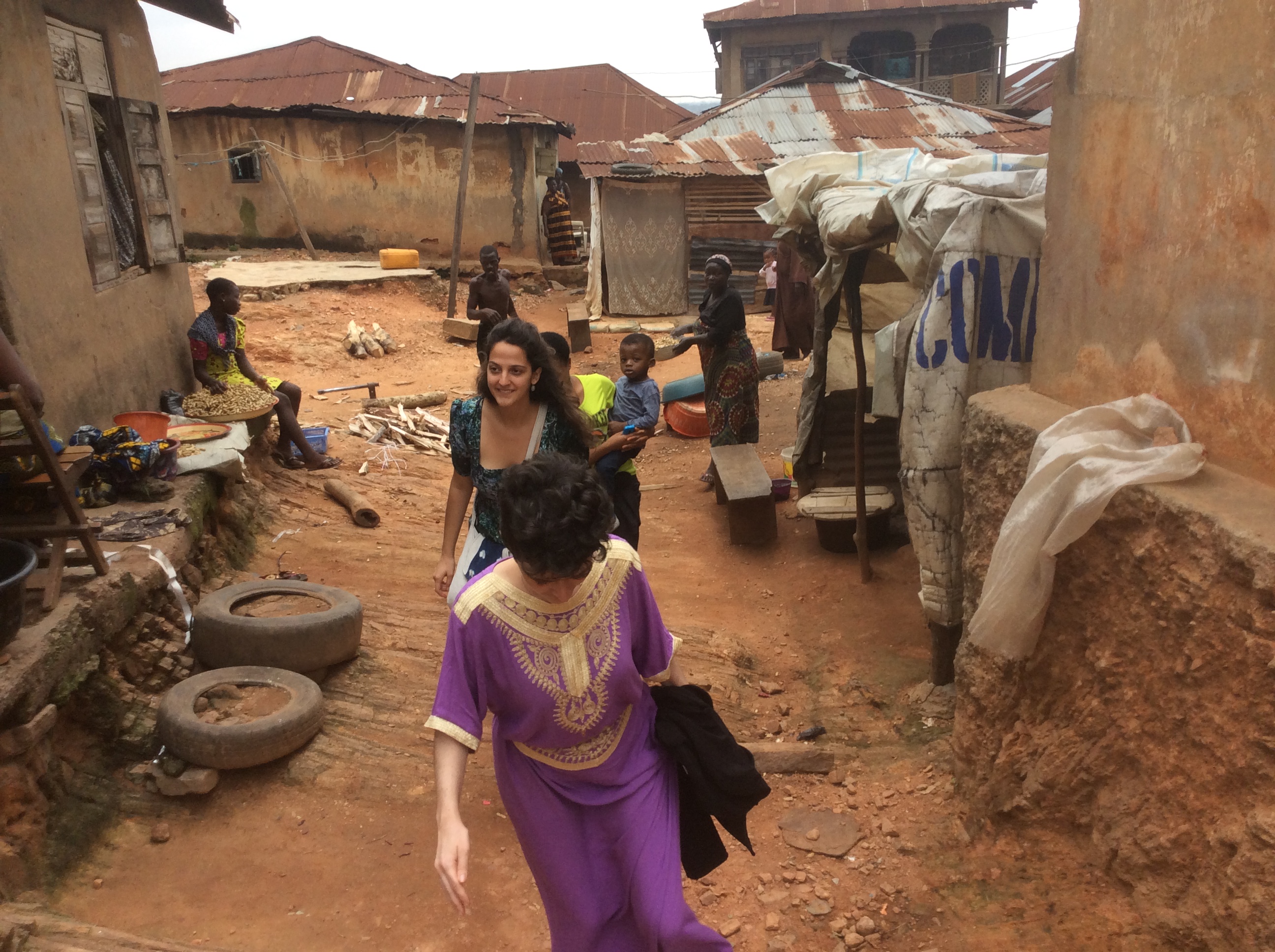
The location of the Courthouse couldn’t be more auspicious. Right at the back of the building is the site of Ààrẹ Látòòsà’s old palace, now nonexistent, replaced with a modern but still crumbling edifice.
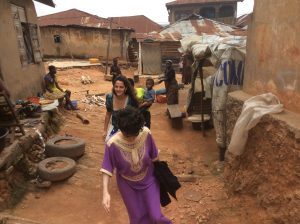

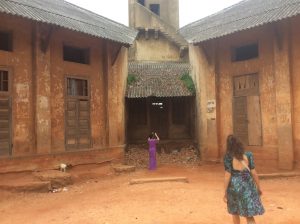
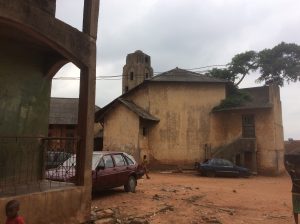 Who was Ààrẹ Látòòṣà, and to what did he owe the fame that got him to have had a whole hill named after him? According to Ibadan history, Ọbádòkè Látòòṣa was a generalissimo of Ọ̀yọ́ empire from 1871 to 1885 (not to be confused with his son Ba’ale Shittu Latosa who reigned as head of Ibadan from 1914 to 1925). Like most Ààr̀ẹ Ọnà Kakanfò before and after him, Ààrẹ lived and died fighting, conquering or being conquered. He was noted to have been the person who curbed the excesses of Ẹfúnṣetán Aníwúrà, a notorious slaver who ran roughshod over Ibadan in her days. But Látòòṣà’s reputation was cemented fully when he committed suicide after a certain dishonour had befallen him in the presence of his subjects. More about that here.
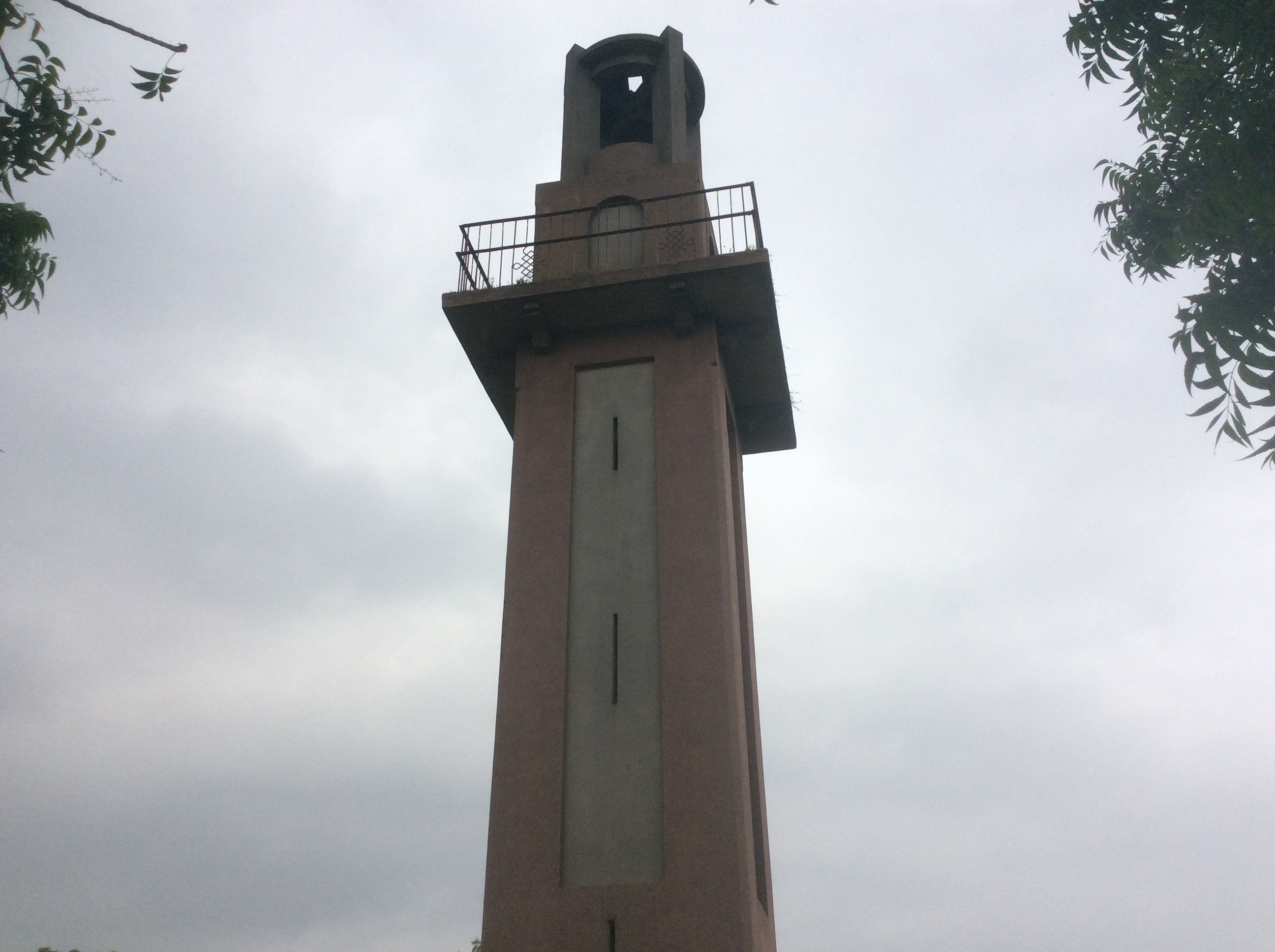
Bower’s Tower, further down into Òkè Ààrẹ, was opened in December 1936 in honour of Captain Ross L. Bower who was the first British Resident and Travelling Commissioner from 1893 to 1897. Along with the Courthouse, the Tower is the only second vantage structure from which one can observe all the city’s land areas. The similarity between the tower structures are notable as is their differences. Bower’s Tower was constructed with an observer in mind, perhaps with a pair of binoculars at hand, looking on at the majesty of the land spread before him/her. The Courthouse tower, placed right above the court itself, seemed removed from visitors to have been constructed as a place for regular access. It looked more like a clock tower than a viewing point.
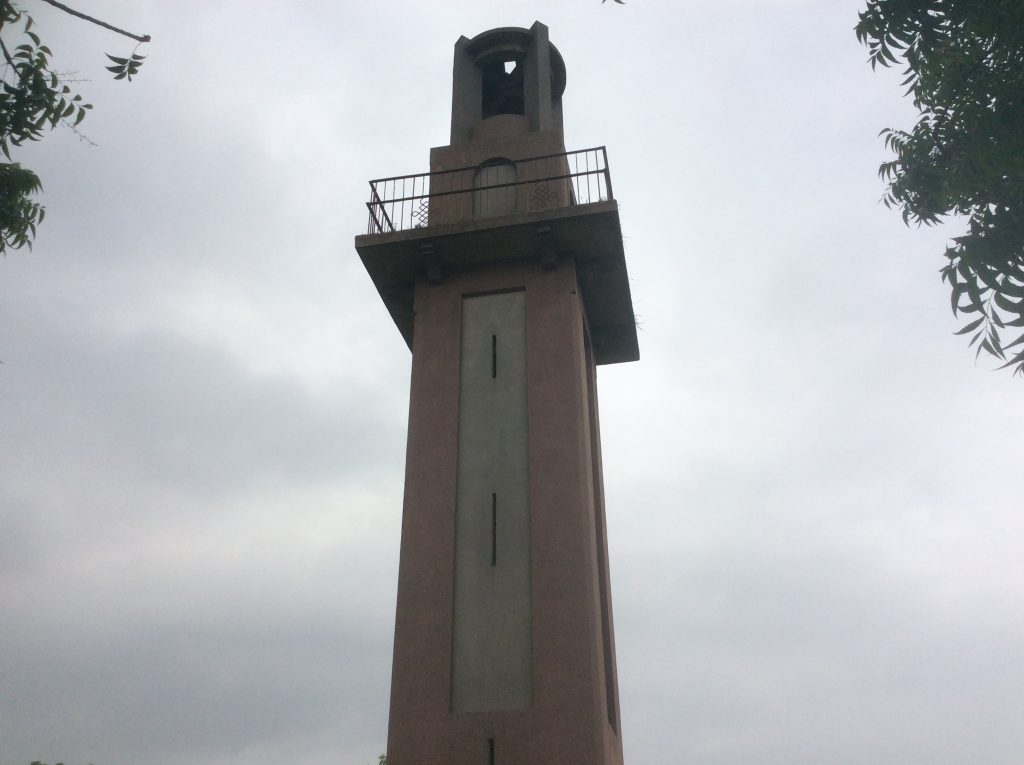 Bower’s Tower
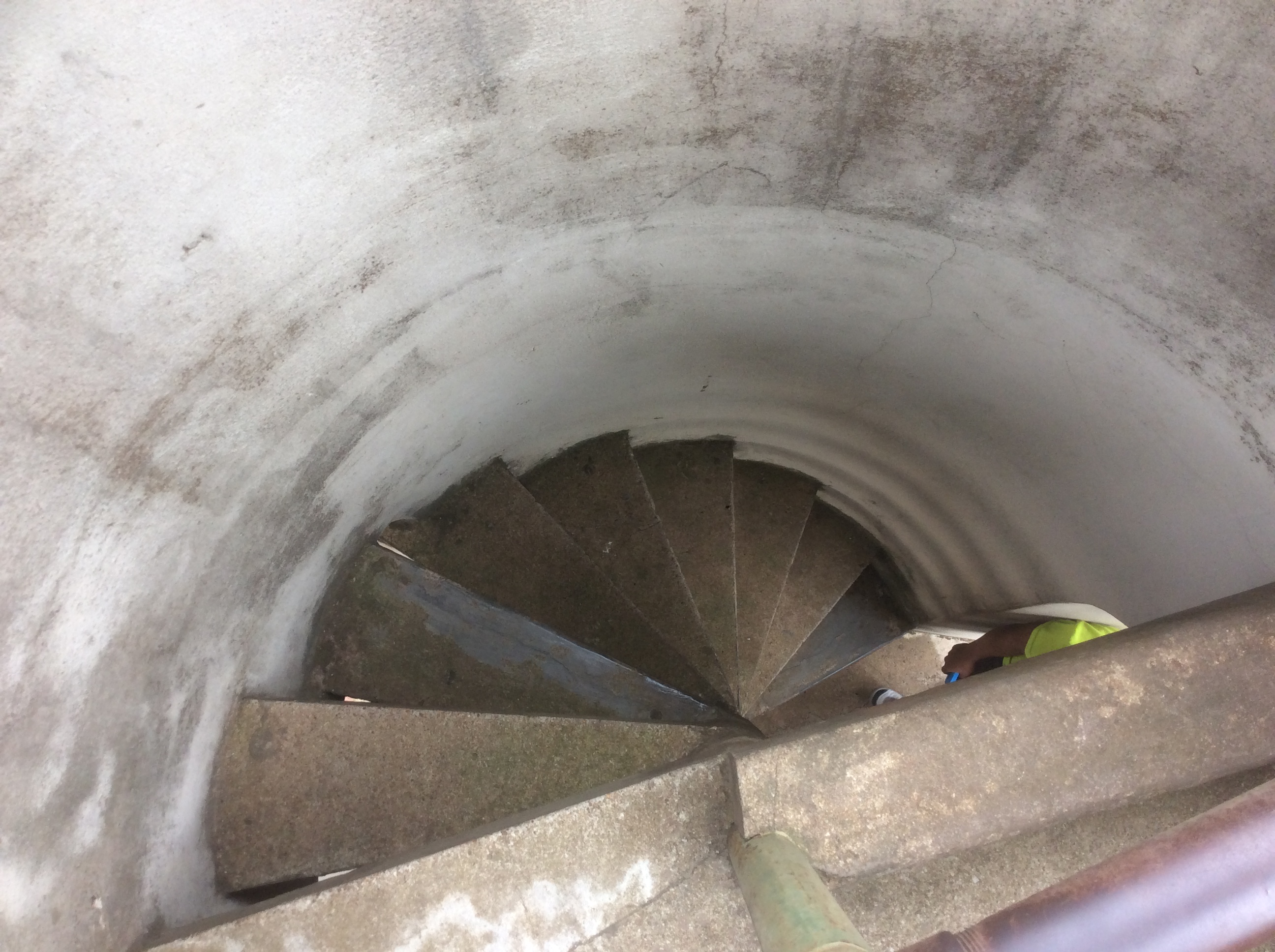
The view from on top of the tower is sublime, but getting there is usually the first challenge. It’s spiral staircase, built into such a small structure, could easily repel a claustrophobic guest. Also, the wear and tear from decades of neglect has turned it into a disaster waiting to happen. That won’t happen, I was told by a middle-aged man who now runs the place and guides visitors around the premises. The Tower has been commissioned for repair by the state government. Before the end of the year, the new private management would have taken over and made some significant changes.
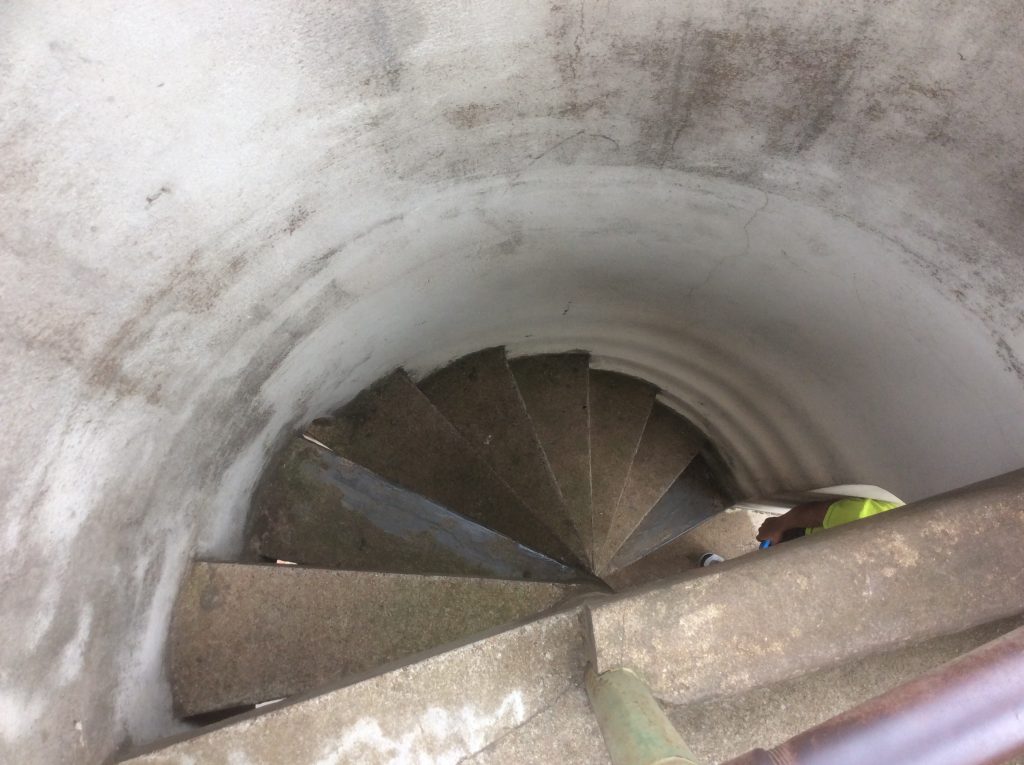 The common Ibadan word ‘Láyípo’ comes, among other things, from the spiral staircase within this tower.
There are many more structures around this old Ibadan that tell stories of its ancient and modern past. Finding, curating, and branding them for the reinforcement of culture, history, and tourism, will be a worthy endeavour for both private and public initiatives. But will it ever come?
What would one need to do, as a private citizen to support the work of the state government in turning these sites of historical significance to self-sustaining money-making ventures not just for commercial ends but also for the sustenance of important stories and the encouragement of sight-seeing as an important part of modern/city culture?
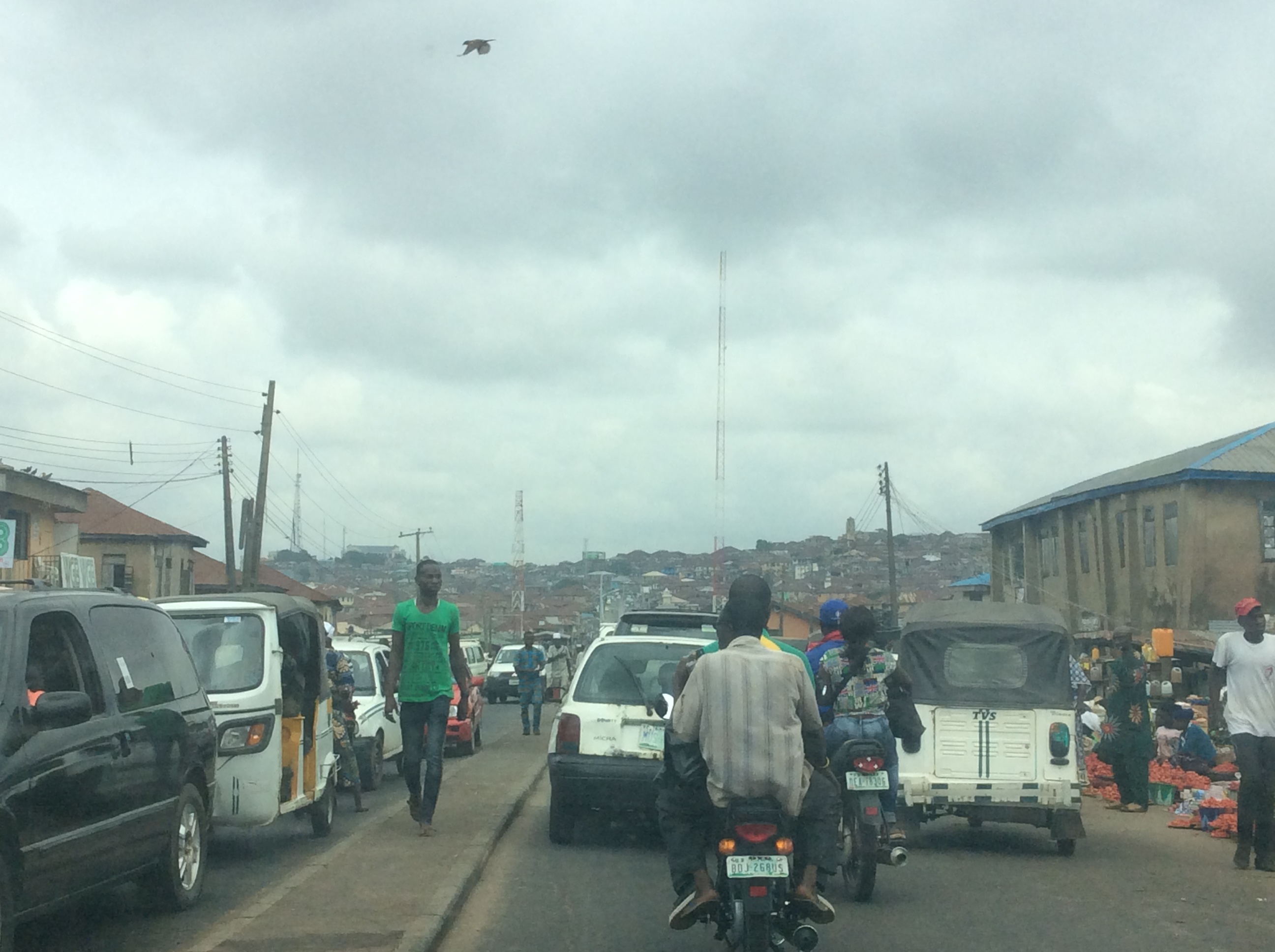




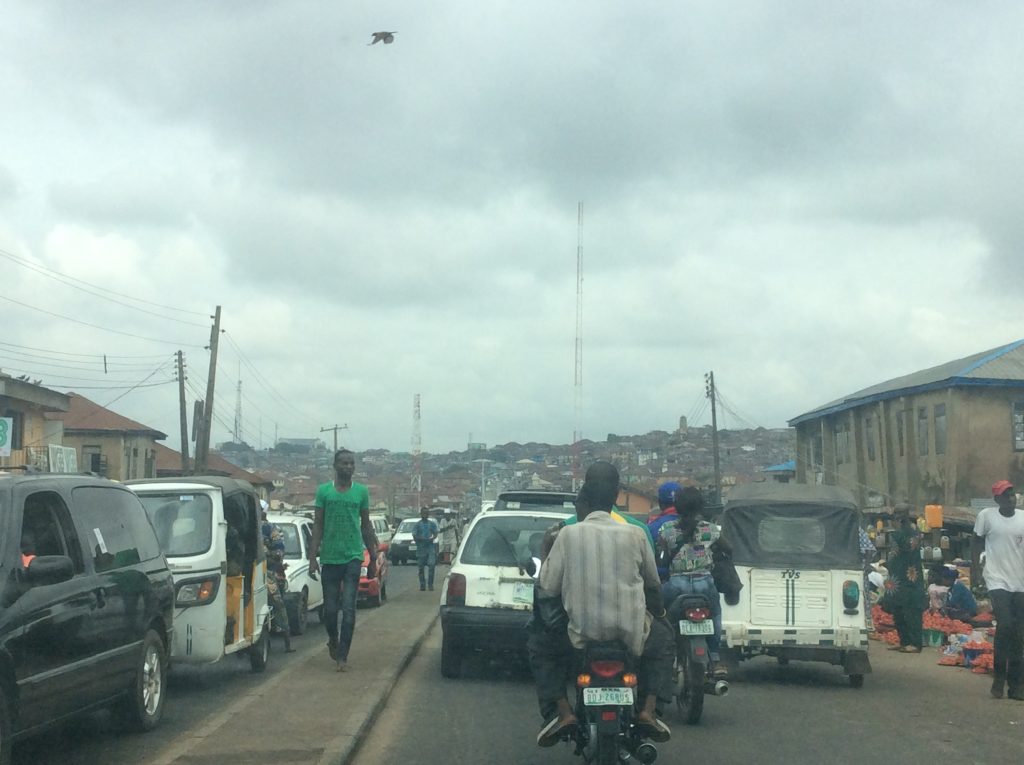
 A pretty moderate traffic situation on the city’s many roads. Today, there are more roads (due to increase in population) but the traffic situation on major roads have got far worse. I went back to Akobo a few months ago, and I was shocked at how many people now live there. The distance from IDC to Anifalaje used to disappear in minutes under the small steps of my rubber sandals. Now it looks farther than I remember, and the last time I walked it (just a few months ago), I returned home panting for air. And yet, I may have got a better deal than the people who remained on the road, in their cars – to slightly exaggerate the congestion that the place now faces because of traffic.