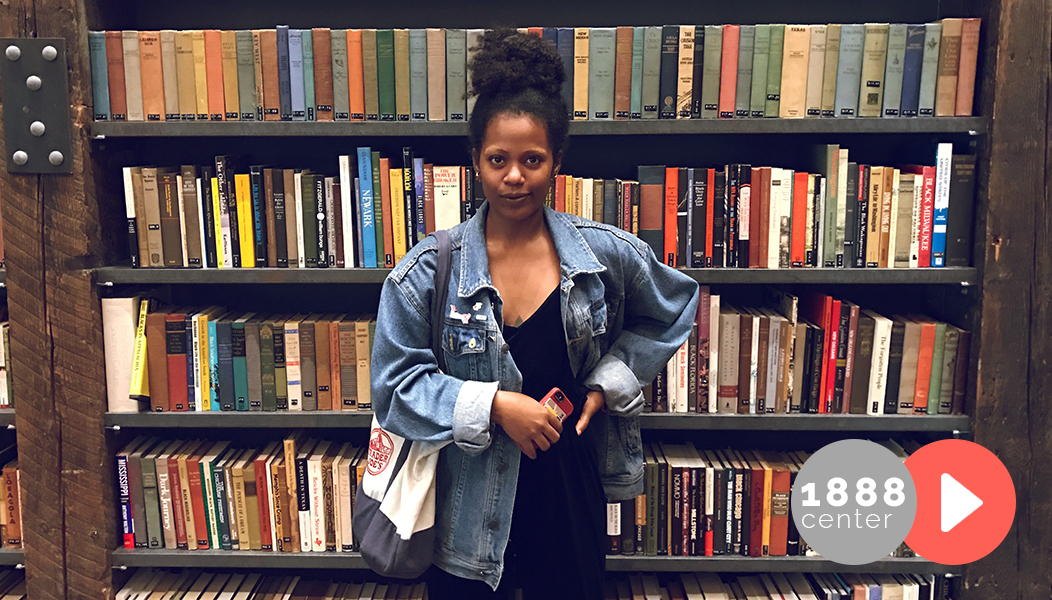
I spoke with Ọlámìdé Babátúndé of The Sun over the weekend about my work. Here is the interview, first published here.
___
It seems you have done more prose than poetry, is that deliberate or it’s just your forte?
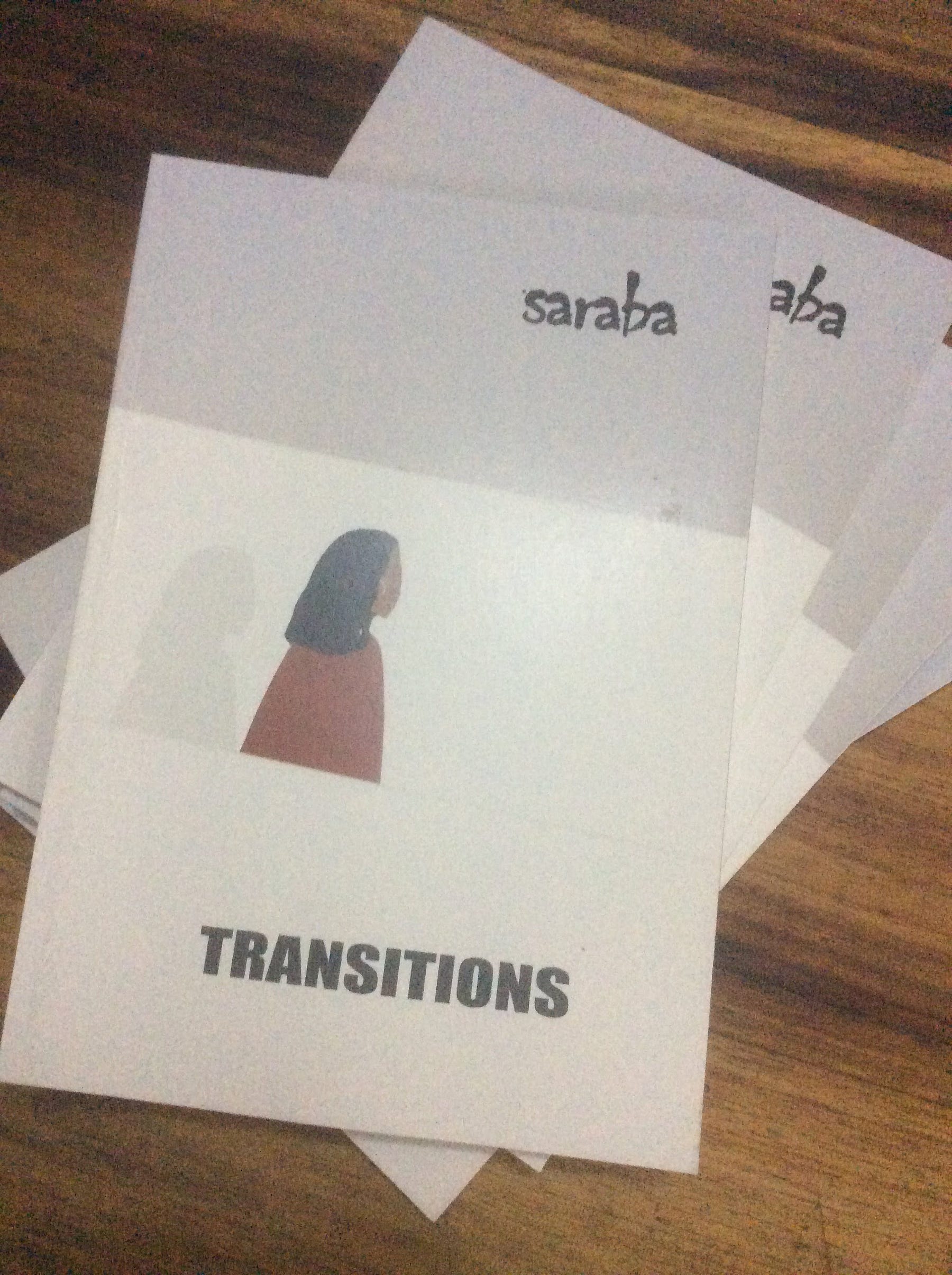
I have actually written a lot of poems, mostly in English and some in Yorùbá. I just haven’t put them together in a book collection. I had a chapbook out in 2005 as soon as I left the university. I called it Headfirst into the Meddle. The second one, published in 2015 by Saraba Magazine, was called Attempted Speech & Other Fatherhood Poems. I’m currently completing work on a full collection for print, focused on the memory of my time in Edwardsville, Illinois.
But yes, these days, I’ve spent a lot of my time writing reviews of books I like (and hate), and writing essays on issues (especially about language) that I feel strongly about.
What are you working on next?
When I’m not racking my brain on the TTS-Yorùbá research, I am compiling a book of interviews with writers I’ve spoken to over the years. I think interviews are a forgotten art and it will be nice to have the voice of our artists showcased in other formats than just in their creative work. I am also working on a memoir of my time as a Fulbright scholar, which was an enchanting time with lots of interesting and important memories. I’ve put that off for so long. And then there a few other book and essay projects that I can’t talk about until they’re ready.
How imperative are reviews to a text for you as a reviewer because an author once said he did not care about whatever anyone had to say about his book and what should a good review be about?
I can’t prescribe what a “good” review should be about, but I can say what kinds of reviews I’ve enjoyed reading. And they include ones that give me appropriate context about the work and about the author. I’ve heard people say that they don’t care much about the author, that they just want to read about the work he/she has created. I don’t always feel that way. I am a social animal and I want to know as much about a creative endeavour as about the mind that created it. That’s also probably why I like the interview as an equally important means of engaging the writer’s mind.
What is the way forward to making literature and other forms of art more appealing to people particularly Nigerians?
Literature, like any other form of art, is like fine wine, or hot amala at a rare roadside buka. Those who want it will seek it out no matter the obstacles.

I bet one way is to ensure there are translations of works into local languages, how is that future looking in Nigeria?
I think one paragraph will not be enough to do justice to my thoughts on the gaping hole we have today in the production and consumption of literature in the mother tongue, particularly in Southern Nigeria. Translation is just one way. Actually writing, publishing, and distributing literature in Nigerian languages will be most ideal. And we can help that by no longer having our educational syllabi insist on “Literature-in-English” as a high school subject when we can simply have “Literature(s)”, which includes texts in as many relevant languages as the students can understand or tutors can teach. It’s to our shame that we have 500 languages and most of the texts that students read in our schools are in a foreign language, and by foreign authors.
In the nearest future where do you see Nigerian literature, what opportunities lie ahead regarding using cultural tools to effect positive changes in all facets of the Nigerian Economy?
As I said above, I’d like to see a more robust approach to literature in our schools. D.O Fágúnwà’s books are not only meant for the Yorùbá children’s minds. They should be taught both in the original text and in translation. Same for selected Hausa and Igbo literatures, etc. It is interesting to see a resurgence in the interest to read more indigenous Nigerian literature by foreigners and tourists than Nigerian citizens themselves. This shows that there is some economic potential in giving them attention. Some bold publisher has to start first. Or some rich philanthropist has to put money out in support of such an endeavour, at least at the early stages.
I’ve also, in the past, suggested that Nigerian Customs insist that products coming into the country that don’t have their instruction manuals written in at least one or two Nigerian languages should not be let in. Imagine what would happen if you export a Nigerian product to the US or China and write the literature in Yorùbá. They won’t let you in. So why do we allow that for us? A policy like that will create new job opportunities for Nigerian translators in the local language and signal that we take ourselves seriously.
Name some young and new generation of writers whose work you enjoy
I recently discovered Chika Jones’s spoken word poetry and I’m sold. He has a bright future ahead of him.
What does it feel like to be a poet Father and husband?
For what it’s like to be a father, I’ll refer you back to that chapbook of my poems I spoke of earlier. It’s called Attempted Speech & Other Fatherhood Poems and you can find it on the Saraba Magazine website. I wrote a lot of my first thoughts about the experience there. As a husband, my role is to support and protect my family, which usually has nothing to do with poetry.
I read how irked you got for the misspelling of your name when you first created an email account. Could this have led to your mission to intervene in the saving of Yoruba Language globally?
I’ve since realized that the peculiarity of my name will always get me into these types mess. The email incident was the least benign. But when I returned to the University of Ibadan after my Youth Service in 2006 to pick up my certificate, I found out that they had written “Olatunbosun” on it, instead of “Olatubosun” which is how it is written in full. This is a running problem I get into most often with Yorùbá people. Non-Yorùbá people tend to stick with what they see on the page and don’t feel the need to add the extra “n”.
To your question, no. My work in language and linguistics wasn’t motivated by that one incident. There are many, some of which happened when I was very young. I blame my parents for all of it, for their insistent that we speak Yorùbá at home, which in hindsight was a very important gift. My most pressing motivation, I think, is the reality that the advances in technology will contribute as much to the endangerment of our languages if we don’t make those languages compliant with them as whether our children are made to speak them comfortably at home and outside of the home.
Your Initiative Tweet Yoruba, to what extent has it saved the third most popular Yoruba language from becoming extinct as predicted by the Linguistic Association of Nigeria? And how did you kick off the YorubaName.com?
The #TweetYoruba and the YorubaName project are two sides of one coin. The former was started as a way to call Twitter out in 2012 for not putting any African language on the list of languages for which the platform was being translated. It was an advocacy to make a case for Yorùbá which largely succeeded. I say largely because even though the promise has been made to launch Twitter Yorùbá, it hasn’t yet seen the light of day.
YorubaName.com was started as a way to expand on my university undergraduate project through which I compiled about a thousand names into a compact disc along with audio and other metalinguistic elements. By making it globally accessible online, with a crowdsourced element through which people can submit their own names and improve the meaning of the ones in there, I figured that we could gather even more names and better provide a sort of an online platform for education and cultural reinforcement. It ties back to that intention to make sure that anything that we value in the culture, any intangible cultural heritage, can also be accessible on the internet, and is compliant with information technology.
Not just for Yorùbá but for Igbo, Hausa, Edo, etc. If we want a language to survive into the next century, not only must we speak them to our children and use them in various public domains, we must also make sure that modern technologies can read, write, and function in them.
This brought on the Yoruba text-to-speech initiative, TTS Yoruba. Please enlighten us on how this is to benefit the 30 million who speak the language?
 The TTS-Yoruba project is a result of my own personal research curiosity. For a while, I’ve been bothered by the fact that Siri – that automated voice on the iPad – was available in languages with as small as 5 million people. Yorùbá is spoken by over 30 million people, yet the combination of people speaking Swedish, Norwegian and Danish is just 15 million in total. Yet Siri exists in each of these three languages. The question I’ve always asked is whether it just isn’t possible to create a computer-generated Yorùbá voice or people just haven’t tried. I know that people have been trying, so I wanted to see what I could bring, as skill, into the research question. And if we succeed, there are very many significant benefits and possibilities. Imagine, for instance, being able to use an ATM in your local language. Many old women in the villages would no longer have a reason to distrust banks. We could also be able to use to create automated talking systems that can, for instance, be used by disabled people to use their voices to activate their phones in their own language. You can get your texts read to you, etc. There are also economic opportunities. I imagine that mobile phone creators will want to pay for a technology that allows more people to use their devices because of the new language elements.
Winning the prestigious Premio Ostana International Award for Scriptures in the Mother Tongue in 2016 is a big one, what other doors did this open for your career?
The Premio Ostana was a welcome recognition of the work we are doing to shine attention on the issues in mother tongue use in education, literature, and technology, etc. The Italian organisation which awarded the prize (Chambra D’Oc) has spent its time and effort seeking out and recognizing people and organisations across the world who work to promote a small, endangered, or minority language. They have done this as an extension of their own intention to celebrate their own minority language in Italy and France called “Occitan”. So, of course, I am proud to be affiliated with them and their goals.
As per open doors, I’ll say that I have kept my focus on doing the work at hand, and that’s more important as a tool for open doors.
In April , you took part in the Culture Summit in Abu Dhabi with other participants from 80 countries around the world to discuss how cultural tools can fit into global challenges and capture existing opportunities, tell us of your experience.
The programme was organised by Foreign Policy magazine as a way to engage cultural arbiters and practitioners across the world, to figure out what opportunities exist for the celebration and advancement of (sometimes marginalized) cultures through art and creativity. I was glad to be there.
One of the things I took away from the event is that there are people doing great things, sometimes with little financial incentive, all across the world. One of the things I hope I left the participants and organisers with is that the language question is an important one in opening doors to development. As long as we keep thinking that the universality of English has freed us from the responsibility to support and encourage the survival of minority tongues from all over the world, we are still doing a lot wrong.
Your favourite world destination so far is where?
It is mostly Ibadan, where I was born and raised, and where both my parents still live. I have also made a sort of home among friends and adopted families in Edwardsville and Minnesota in the United States. I visited Verona in Italy last year and I had a whale of a time as well. Being able to find particular things relatable and enjoyable everywhere I go is a gift I greatly cherish.
What’s your worst travel experience?
Any one in which I get a small legroom seat on the plane. My legs are very long and don’t do well in cramped spaces.
Thank you for your time and for doing Nigeria proud, staying the course to preserve our languages.
Ẹ ṣé. My pleasure.
____
First published in the Saturday Sun of September 16th, 2017
Memahami Platform Slot Online Modern dan Akses Permainan Digital
Platform slot online kini telah menjadi salah satu bagian aman788.top yang cukup dikenal dalam ekosistem hiburan digital. Beragam situs menawarkan pilihan permainan yang dapat diakses melalui perangkat desktop maupun mobile, sehingga pengguna bisa menikmati tampilan dan fitur yang dirancang untuk berbagai ayo788.top ukuran layar. Seiring perkembangan teknologi yang makin pesat, platform digital juga semakin mengutamakan antarmuka yang simpel, desain responsif, navigasi cepat, serta pengelolaan akun yang praktis. Di sisi lain, pengguna juga semakin sadar bahwa memahami cara kerja sebuah layanan gaming merupakan hal penting sebelum memutuskan untuk menggunakannya.
Kemudahan Akses pada Website Gaming Modern
Website gaming modern umumnya menjadikan kemudahan akses gghoki.top sebagai salah satu fitur utama. Platform dengan desain responsif memungkinkan pengguna menjelajahi berbagai judul permainan melalui komputer, tablet, ataupun smartphone tanpa harus ribet berhadapan dengan menu yang terlalu kompleks. Pendekatan seperti ini sejalan dengan perkembangan internet naga2000 secara keseluruhan, karena pengguna masa kini terbiasa mengharapkan website yang dapat dimuat dengan cepat, tampil stabil di berbagai ukuran layar, dan memiliki navigasi yang straightforward. Tampilan yang bersih juga membuat pengguna lebih ggtoto.top gampang menemukan kategori permainan, informasi akun, pilihan transaksi, hingga layanan bantuan pelanggan.
Perkembangan Kategori Slot Online
Kategori slot online sendiri telah mengalami perkembangan gokil33.link yang cukup signifikan. Permainan modern tidak lagi terpaku pada satu gaya visual atau mekanisme sederhana. Platform masa kini dapat menghadirkan berbagai tema, desain grafis, efek suara, fitur bonus, serta elemen interaktif yang dibuat semakin atraktif. Beberapa permainan masih mempertahankan konsep gulungan tradisional, sedangkan lainnya menggabungkan animasi modern dengan visual yang lebih detail dan dinamis. Variasi tersebut membuat permainan slot digital terasa semakin dekat dengan bentuk hiburan interaktif dibandingkan mesin mekanis gototo.bz sederhana yang menjadi inspirasi awalnya.
Memahami Istilah Promosi dalam Permainan
Salah satu istilah yang cukup sering muncul dalam pembahasan komunitas online haha788.top adalah bahasa promosi mengenai performa permainan. Istilah seperti “gacor”, “hot”, “max win”, atau “hoki” kerap digunakan untuk menggambarkan permainan yang menurut sebagian pengguna sedang memberikan hasil menarik. Namun, istilah tersebut tidak seharusnya langsung dianggap pptoto sebagai bukti bahwa sebuah permainan mempunyai kemungkinan lebih besar untuk menghasilkan keuntungan. Sistem permainan yang menggunakan proses acak pada dasarnya berkaitan dengan probabilitas matematis. Artinya, hasil yang terjadi sebelumnya hahagacor.top tidak dapat menjadi jaminan mengenai hasil yang akan muncul pada sesi berikutnya.
Probabilitas dan Hasil Permainan
Perbedaan antara istilah komunitas dan fakta matematis ini menjadi semakin hao788.link penting bagi pengguna baru. Ketika sebuah permainan baru saja memperlihatkan beberapa hasil besar, hal tersebut tidak otomatis berarti hadiah besar berikutnya sedang menunggu. Begitu pula ketika sebuah permainan mengalami periode tanpa hasil signifikan, kondisi https://www.jdfweb.com/music-director/ tersebut tidak berarti bahwa kemenangan besar sudah “waktunya” muncul. Memahami prinsip dasar ini dapat membantu pengguna membedakan istilah yang digunakan untuk hiburan atau promosi dengan informasi yang benar-benar dapat diukur hwtoto.sbs mengenai mekanisme sebuah permainan.
Legitimasi dan Status Regulasi
Hal lain yang tidak kalah penting adalah memastikan legitimasi istana2000.link dan status regulasi suatu layanan gaming online. Sebuah website mungkin mendeskripsikan dirinya sebagai resmi, terpercaya, berlisensi, atau memiliki otorisasi tertentu. Namun, klaim seperti itu sebaiknya tidak diterima begitu saja tanpa verifikasi. Pengguna perlu memeriksa apakah layanan tersebut memang diperbolehkan https://cobramoto.com/manuals/ beroperasi di wilayah hukum yang relevan serta apakah informasi liga2000.top mengenai lisensinya dapat dikonfirmasi melalui lembaga regulator yang sesuai.
Metode Pembayaran Digital
Metode pembayaran juga menjadi salah satu aspek yang cukup banyak diperhatikan liga5000.sbs. Platform digital dapat menyediakan berbagai pilihan deposit maupun penarikan, termasuk layanan perbankan, sistem pembayaran elektronik, atau metode transaksi digital lainnya. Namun, tersedianya metode pembayaran tertentu bukanlah bukti otomatis bahwa sebuah platform benar-benar legal atau terpercaya. Sebelum memberikan informasi finansial, pengguna sebaiknya membaca ketentuan ligatoto.link transaksi, biaya yang mungkin dikenakan, persyaratan pemrosesan, aturan penarikan dana, serta prosedur verifikasi identitas.
Keamanan Akun dan Informasi Pribadi
Aspek keamanan juga memiliki peran yang sangat penting. Sebuah mcmtoto.link website mungkin terlihat modern, profesional, dan nyaman digunakan melalui smartphone, tetapi pengguna tetap perlu menerapkan kebiasaan keamanan digital dasar. Menggunakan kata sandi yang kuat, memastikan koneksi aman, menjaga informasi pribadi, serta berhati-hati terhadap tautan mencurigakan dapat membantu mengurangi berbagai risiko digital yang umum terjadi. Informasi login dan kode autentikasi juga sebaiknya tidak diberikan kepada orang lain https://superhao788.com/, bahkan apabila seseorang mengaku sebagai perwakilan naga2000.link layanan gaming atau bagian dari customer support.
Akses Mobile dan Desain Responsif
Kemudahan akses melalui perangkat mobile telah mengubah ekspektasi naga5000.cc pengguna terhadap industri gaming digital. Banyak orang sekarang menginginkan pengalaman yang konsisten, baik ketika membuka website melalui browser desktop maupun smartphone. Desain responsif dapat membuat menu, tampilan permainan, halaman akun, dan fitur bantuan lebih https://cddmoz.org/consultorias/ mudah digunakan pada layar berukuran kecil. Beberapa layanan bahkan menawarkan aplikasi khusus untuk perangkat mobile. Meski begitu, sumber aplikasi tetap perlu diperiksa terlebih dahulu sebelum melakukan instalasi untuk menghindari software https://pptoto.click/ yang tidak jelas atau berpotensi membahayakan perangkat.
Tren Pencarian dan Informasi Gaming Online
Tren pencarian di internet juga ikut memengaruhi cara website pptoto.link gaming memperkenalkan layanan mereka. Halaman yang dibuat untuk kebutuhan pencarian biasanya menggunakan berbagai istilah terkait slot online, akses mobile, kategori permainan, metode pembayaran digital, serta ketersediaan layanan. Akibatnya, hasil pencarian dapat terlihat sangat repetitif, terutama https://zeobrothers.com/careers/ ketika banyak website memakai istilah yang hampir serupa. Karena itu, pembaca sebaiknya pucuk33.sbs tidak hanya terpaku pada kata-kata promosi, tetapi juga mencari informasi konkret seperti identitas operator, bukti lisensi, kebijakan privasi, sumber informasi responsible gaming, dan ketentuan layanan yang transparan.
Konsep Bermain Secara Bertanggung Jawab
Konsep bermain secara bertanggung jawab juga menjadi bagian penting rextoto.link dalam pembahasan mengenai perjudian online modern. Berbeda dengan game digital biasa yang dapat dimainkan secara gratis, perjudian memiliki risiko kehilangan uang. Oleh sebab itu, sebuah sesi permainan tidak seharusnya dianggap sebagai metode yang dapat diandalkan untuk mendapatkan penghasilan. Menentukan batas pengeluaran pribadi dan memahami risiko finansial sejak awal dapat rrtoto.link membantu mencegah pengeluaran untuk hiburan berkembang menjadi beban keuangan yang tidak terkendali.
Mengenali Pola dan Strategi Permainan
Perlu dipahami pula bahwa hasil permainan tidak ditentukan oleh rasa percaya diri, ritual waktu https://www.lifepakistan.com/contact tertentu, pola yang sedang populer di internet, ataupun prediksi yang hanya didasarkan pada hasil putaran sebelumnya. Komunitas online terkadang menciptakan strategi dan teori informal mengenai permainan tertentu. Namun, teori tersebut tidak boleh disamakan dengan metode yang telah terbukti secara independen mampu mengubah struktur probabilitas permainan. Sebuah strategi yang terlihat meyakinkan belum slot2000.link tentu memiliki bukti bahwa strategi tersebut benar-benar dapat mengubah kemungkinan suatu hasil.
Variasi dan Popularitas Slot Digital
Popularitas slot digital sebagian dapat dijelaskan melalui kemudahan akses dan banyaknya variasi yang tersedia. Pengguna dapat menemukan permainan dengan tema mitologi, petualangan, fantasi, simbol tradisional, hiburan modern, hingga berbagai konsep kreatif lainnya. Pengembang terus melakukan eksperimen terhadap mekanisme permainan, gaya presentasi, animasi, dan elemen interaktif. Eksperimen https://theinspectionboys.com/meet-the-boys/ yang berlangsung terus-menerus ini membantu mempertahankan perhatian terhadap kategori tersebut sekaligus membuat persaingan di dalam industri semakin dinamis.
Memisahkan Informasi Faktual dari Promosi
Bagi siapa pun yang sedang mencari informasi mengenai sebuah platform gaming online xxtoto.link, pendekatan yang paling masuk akal adalah memisahkan informasi faktual dari istilah promosi. Informasi mengenai lisensi, prosedur transaksi, penyedia permainan, kebijakan privasi, batas usia, serta program permainan bertanggung jawab dapat dibandingkan dengan dokumentasi yang relevan. Sebaliknya, klaim bahwa sebuah layanan merupakan pilihan paling hoki, paling mudah menang, paling panas, atau paling menguntungkan merupakan bahasa pemasaran yang sifatnya subjektif dan sebaiknya diperlakukan dengan sikap kritis.
Perkembangan Platform Slot Online Modern
Pada akhirnya, platform slot online modern merupakan kombinasi antara teknologi hiburan, akses mobile, transaksi digital, dan strategi pemasaran internet yang sangat kompetitif. Antarmuka website kemungkinan akan terus berkembang menjadi semakin cepat, modern, dan canggih, sementara mesin pencari serta komunitas digital akan terus memengaruhi cara pengguna menemukan berbagai layanan. Meski begitu, desain yang menarik dan bahasa promosi yang persuasif tidak seharusnya menggantikan proses evaluasi yang matang.
Risiko dan Pertimbangan Sebelum Berpartisipasi
Siapa pun yang mempertimbangkan sebuah layanan perjudian online sebaiknya https://www.ktravula.com/2017/09/i-wrote-this-for-you-mapping-triumph-in-the-middle-of-pain/ terlebih dahulu memastikan bahwa aktivitas tersebut legal di wilayah hukumnya, memeriksa informasi regulasi operator, memahami risiko finansial, dan membaca seluruh ketentuan layanan sebelum berpartisipasi. Hal yang paling penting, perjudian tidak seharusnya dipandang sebagai sumber pendapatan yang terjamin. Dunia hiburan digital memang dapat berubah dengan sangat cepat, tetapi konsep probabilitas, risiko finansial, dan pentingnya mengambil keputusan berdasarkan informasi tetap menjadi pertimbangan fundamental.
Masa Depan Gaming Online dan Literasi Digital
Seiring industri gaming online terus berkembang, pengguna kemungkinan akan menemukan platform yang semakin canggih, pengalaman mobile yang semakin seamless, sistem pembayaran digital yang lebih beragam, serta format permainan yang semakin kreatif. Namun, literasi digital yang kuat dalam lingkungan seperti ini bukan sekadar mengetahui website mana yang sedang ramai dibicarakan. Yang jauh lebih penting adalah kemampuan untuk membedakan informasi yang dapat diverifikasi dari iklan, mengenali risiko finansial, memahami cara kerja layanan digital, dan mengambil keputusan berdasarkan fakta serta informasi yang dapat dipercaya, bukan sekadar mengikuti hype.