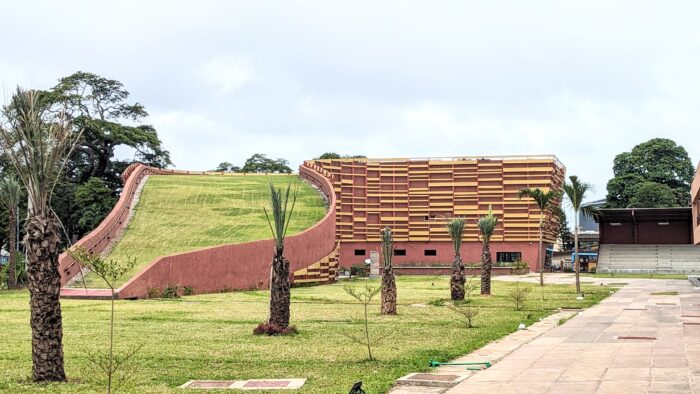
On the last Sunday of 2024, I hosted an event at the J. Randle Centre in Lagos, a newly opened and appropriately named “Centre for Yorùbá Culture and History.”
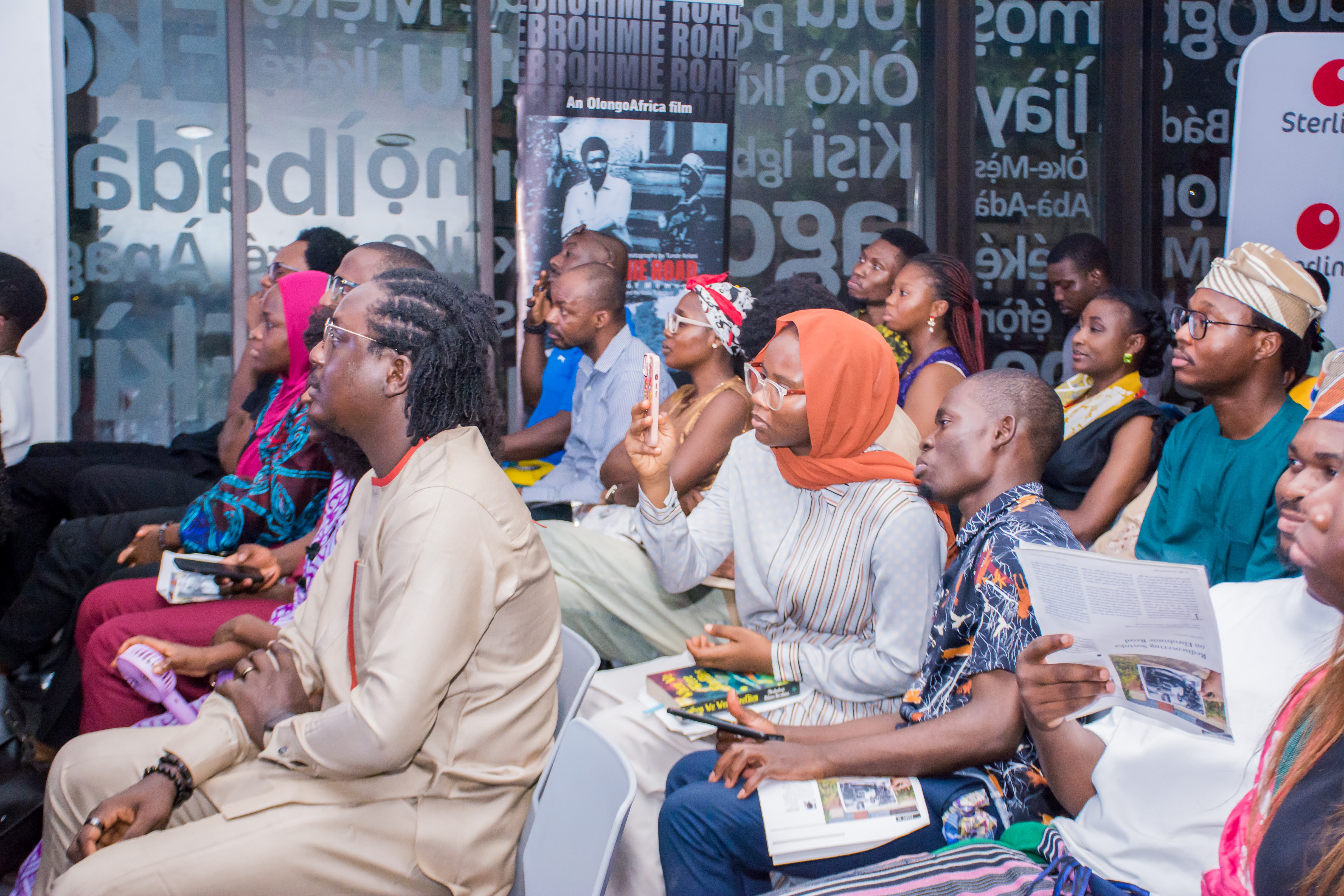
The well-attended event was a screening of Ebrohimie Road: A Museum of Memory, a new documentary film I wrote and directed, which examines the story of Wọlé Ṣóyínká as a young academic at the University of Ìbàdàn in the early sixties, and all the many implications of his stay there — and the house where he lived — on the Nigerian story and the conversation around memory, trauma, and legacy.
The movie was first screened in July 2024, and has travelled around the world, winning three film festival awards, and earning a dozen other official selections and shortlists. It has screened in many important places in Nigeria, including the Alliance Francaise Mike Adénúgà Centre, the Muson Centre, the University of Ìbàdàn, University of Lagos, Korean Cultural Centre Abuja, and many more. We always wanted it to return to The J. Randle Centre particularly because Ṣóyínká had mentioned it as the permanent home to some of his carvings collections which took a central role in the film, and for other personal reasons.
My relationship with the Centre dates back to its early conception — at least as early as 2016 or so — when Ṣeun Odùwọlé, a visionary architect, first showed up at my office at Google to discuss his burning idea for a visually-appealing museum of world status at that location that already held enormous historical significance for Lagos. The space was at the time a pile of debris, walled off from the neigbourhood after the demolition of the earlier structures and the famous swimming pool. Odùwọlé had secured the cooperation of the then administration of Governor Akínwùnmí Aḿbọ̀dé and other international partners to create something much more than a recreation centre: A Yorùbá Centre that would house the heritage of a people, and show a more competent presentation of history than the National Museum across the road belonging to the federal government.
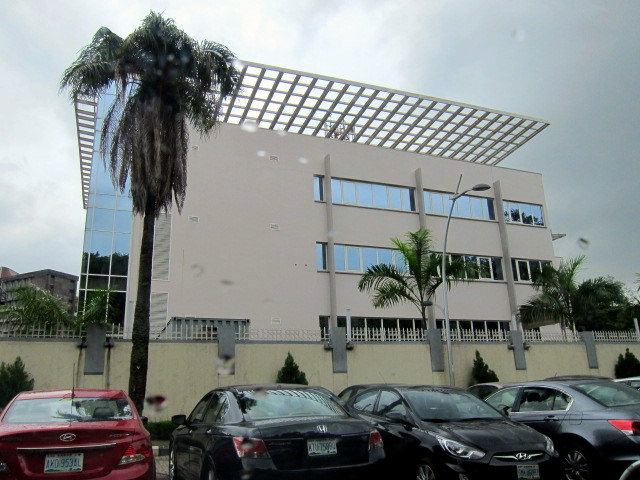
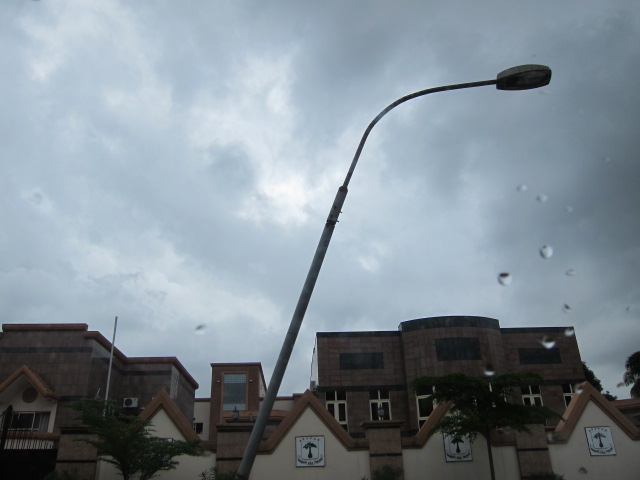
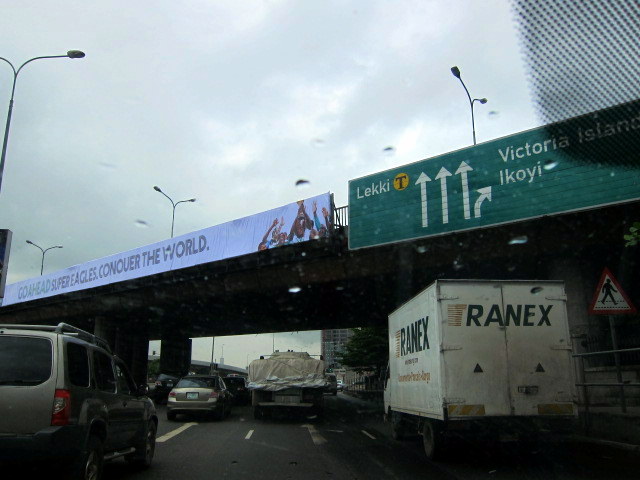
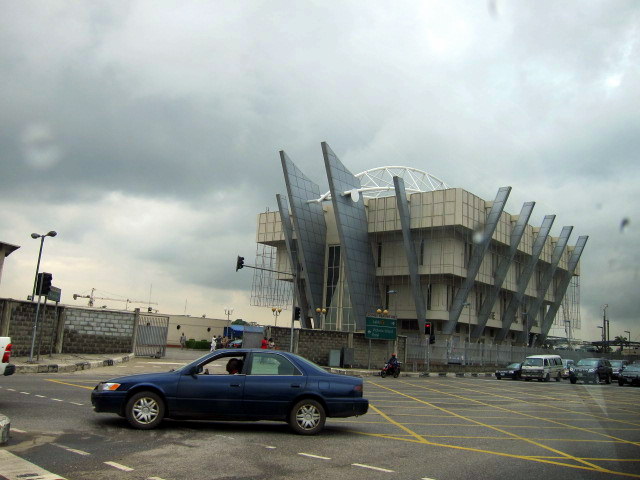
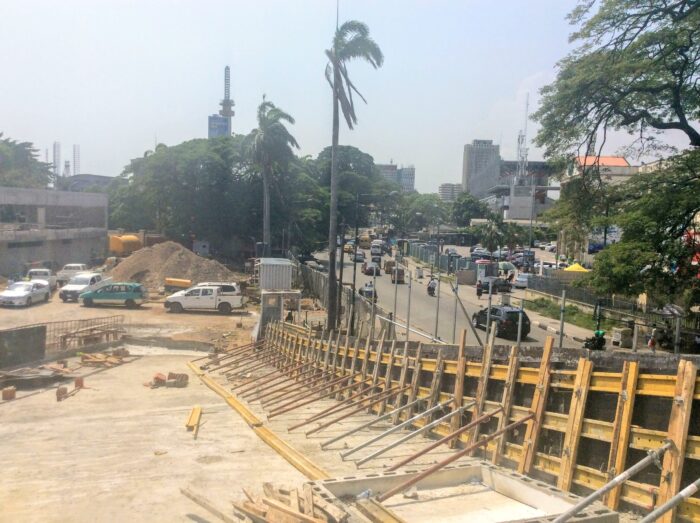
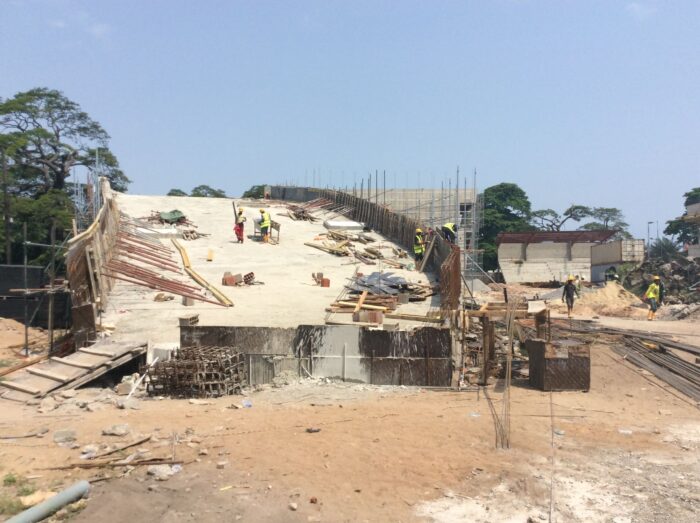
I was enarmored by the idea, but much more by Odùwọlé’s zeal, vision, and ambition. Not much of any of the promised funds and support had materialized at the time, but the concepts were present on his computer, with images of what the building would look like, and what an experience of visiting the future Centre would look like, combining traditional curatorial practice with modern technology. I shared some of my ideas and promised personal cooperation. I visited for the first time in 2019 to see the construction taking shape. Some photos below from March 2019.
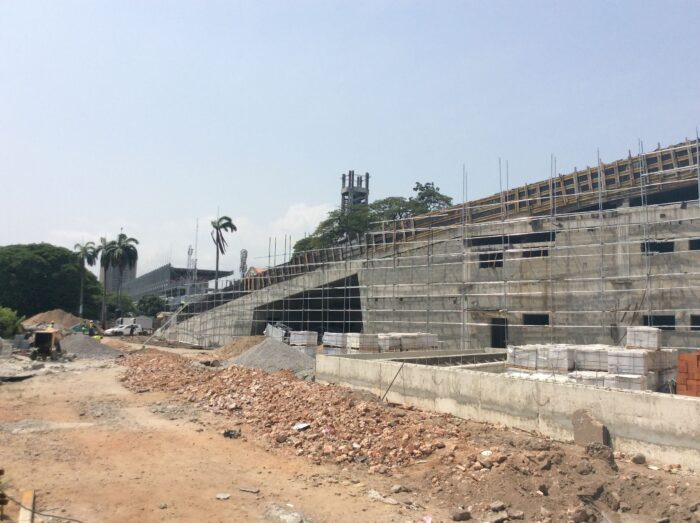
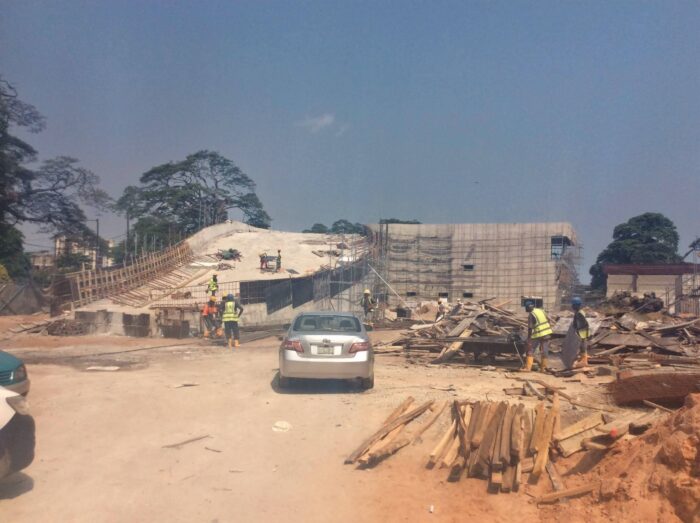
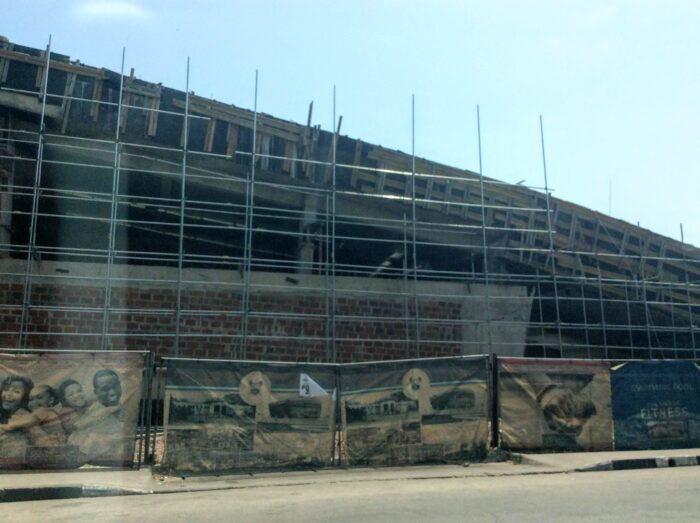
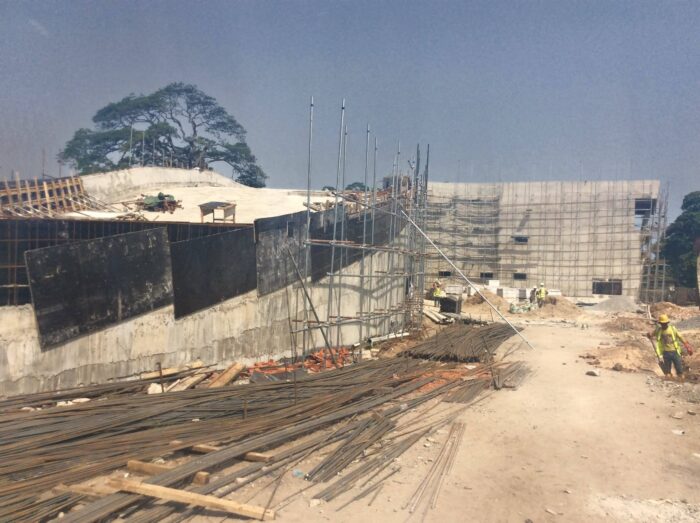
We kept in touch over the years, and as the idea grew. And when a team was put in place to design the curatorial materials for the Centre, I joined more formally, working with scholars across the world like Jacob Olúpọ̀nà, Will Rea, Rowland Abíọ́dún, and dozens of others, to put important ideas about Yorùbá identity in black and white for the future website. The texts would be in English and Yorùbá, with the latter taking a more prominent role. I worked with Odùwọlé to procure rare books and materials for the museum, and led the translation of all relevant texts between languages. While supervising the construction of the site, Ṣeun continued his networking tasks of keeping important partners across the world to their promise. The Lander Stool, for instance, was one of the items he unofficially secured for a permanent loan/return to the museum.
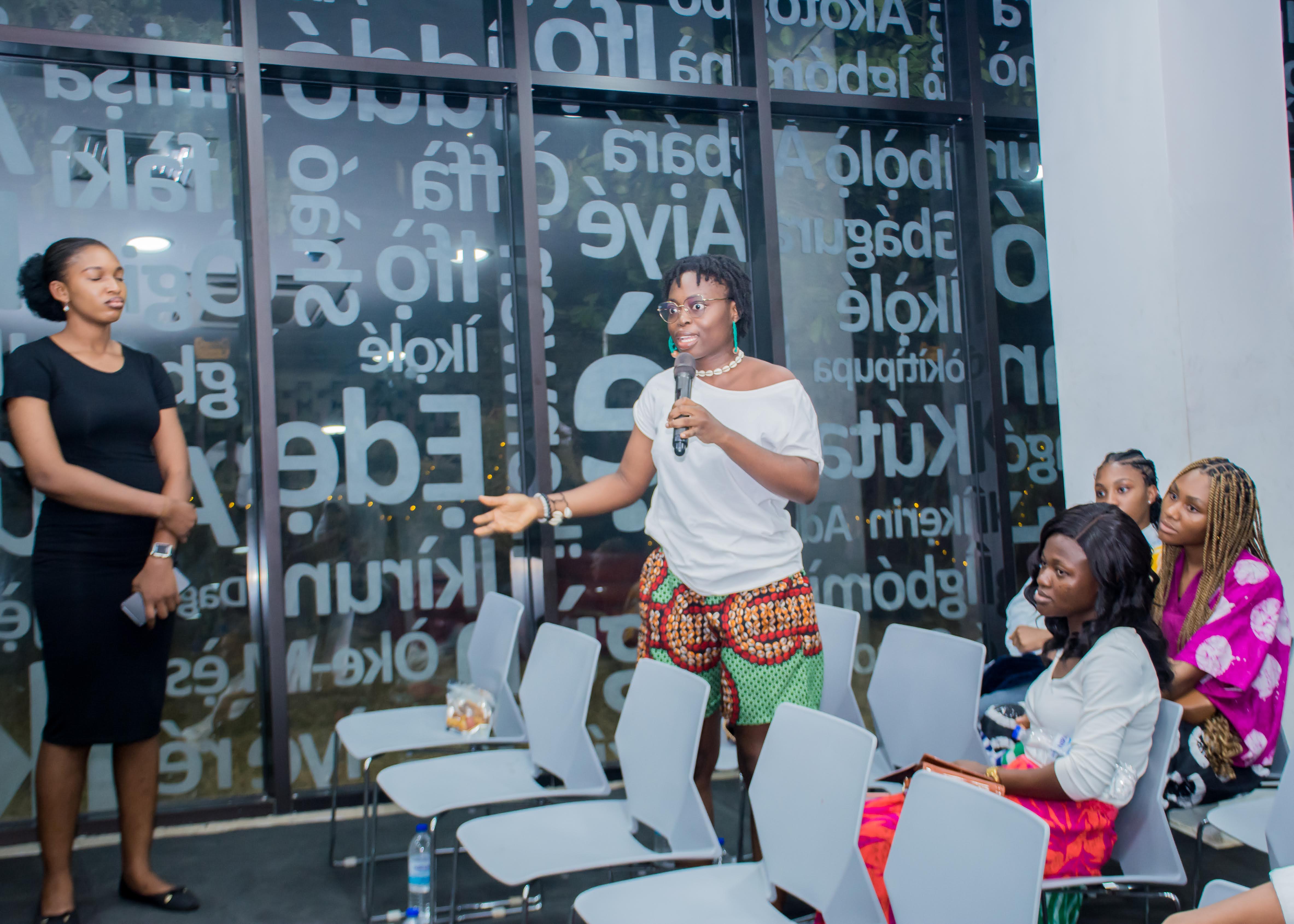
The work on the texts took months of research and editing, and finally the work was done. Even the signage and instructions at the Centre was to be written in both Yorùbá and English, as befitting such an important representation of culture. You can see the result in the architectural design of the screening venue: Yorùbá town names designed and well tone-marked forming a natural frosting on the glass.
And then things went quiet.
Through the defeat of Governor Aḿbọ̀dé in the 2018 primary of the APC and the emergence of a new governor in the person of Babájídé Sanwóolú, the work at the Randle Centre seemed to have stalled. It was no longer clear if it would proceed at all, or whether the commitment of the state to it would last beyond one administration. Even the idea of the centre as an independent custodian of culture working only with the state as a major partner seemed doomed. Politics, it appeared, had emerged to scuttle what had promised to be a departure from such typical Nigerian malaise.
In the intervening period, the transition between two administrations seemed to also lead to a transition for Odùwọlé, who had conceived and brought the idea to life through grit, hard work, and what I know to be an individual obsession. Such that when the Centre officially opened in 2024 finally, after having stayed locked for two years since its commissioning by the Head of State Buhari, the vision that brought the project to life was conspicuously missing. The website that had been created and curated with enormous research efforts had been allowed to lapse, and the only thing left was a building structure which, though still impressive in its design, content, and presentation, continued to need more intentional curatorial and intellectual handling.
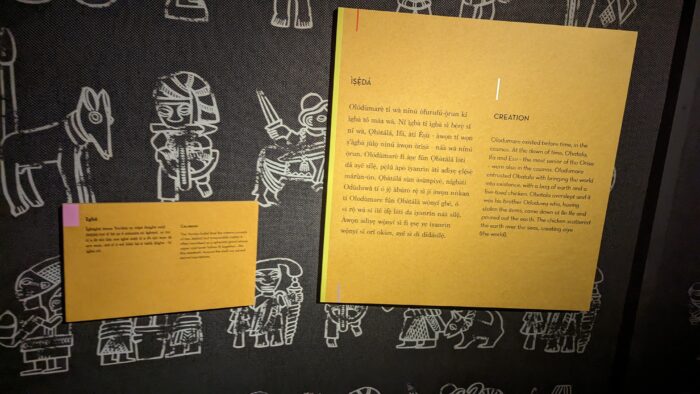
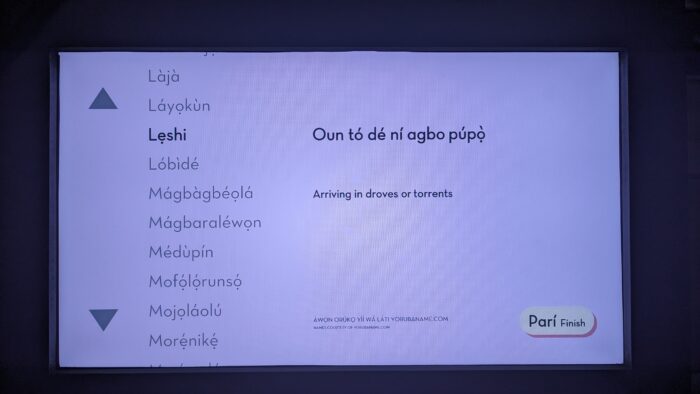
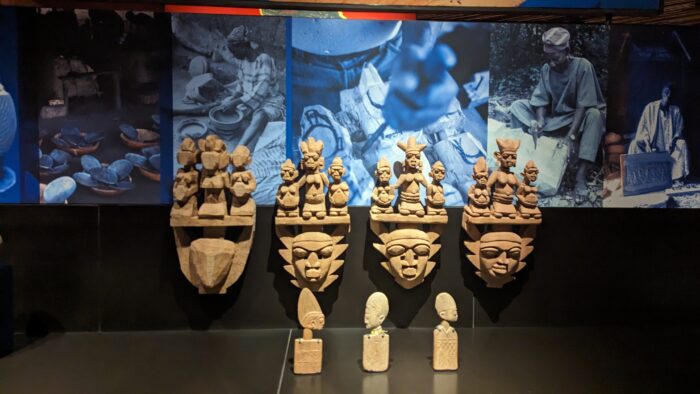
With embarrassing events like this recent ‘invasion’ of the property by the state’s Commissioner of Culture confronting the centre’s appointed CEO for some inscrutable lack of deference [later explained as the establishment of an unauthorized business on the premises], it’s obvious that The J. Randle Centre needs proper intervention to make it live up to its founding ideals if it were to survive. There are sufficient examples of projects with ambitious goals like this failing because of a lack of proper structure and management system. And there are projects with far smaller budgets across the world which have been used to great success as generators of revenue and celebration of national heritage.
In this case, it is important for the Lagos State Government to provide answers to a number of important questions now arising:
- Whether the J. Randle Centre is a private event centre or a public one. Whether the state intends to continue to run it directly (through the commissioner) or via proxy. Which is more efficient, and why?
- How much the state is currently running the Centre with, and to which directions — including whether the state investment is bringing sufficient returns.
- Into which pocket the monies paid by visitors to use and visit the centre go, and how are they accounted for?
- Why a fully-transparent management board hasn’t been convened through which the Commisioner and members of the public can get answers to any questions they have without resorting to such a public spectacle as we saw today.
- When the original website and its important supplementary content will be brought back, so that the Centre isn’t just a space for Instagram reels but a true institution of learning and cultural engagement as the architects envisioned it.
Smarter people than me continue to add important points to the conversation via twitter. You can see them here, here and here. There seems to be a consensus that a more formal professional management board is sorely needed, and urgently, so as to elevate the place beyond another failed government edifice many of which already litter the land. In 2025, we need not continue to fall victim to “the Nigerian factor” in the area of arts and public engagement. We have seen how it’s done elsewhere — and they don’t have two heads. A better way forward is certainly needed.
Panduan Modern Mengenal Platform Gaming Online dan Hiburan Digital yang Bertanggung Jawab
Industri gaming digital kini sudah memasuki era baru beton88 yang jauh lebih dinamis. Akses yang praktis, kemudahan penggunaan, serta pengalaman pengguna menjadi bagian penting dalam perkembangan platform hiburan online. Kalau dulu layanan digital hanya mengandalkan tampilan sederhana dan akses melalui komputer, sekarang ekspektasinya sudah berubah total. Pengguna masa kini menginginkan navigasi yang mulus, tampilan responsif, halaman yang cepat dimuat, kompatibilitas dengan perangkat mobile, informasi yang transparan, serta akses yang tetap nyaman dari berbagai perangkat.
Perubahan tersebut membuat persaingan di dunia gaming online semakin ketat. Setiap platform dituntut untuk terus beradaptasi dengan perkembangan teknologi dan kebiasaan pengguna yang juga ikut berubah. Pengalaman digital yang dulu dianggap sudah cukup kini bisa terasa ketinggalan zaman hanya dalam waktu singkat. Karena itu, inovasi dan kemampuan menghadirkan layanan yang praktis menjadi salah satu faktor yang semakin diperhatikan.
Di antara berbagai bentuk hiburan bolaklik yang tersedia di internet, permainan bergaya kasino dan game dengan konsep slot masih menjadi kategori yang cukup dikenal. Mekanisme permainan yang relatif sederhana, tampilan visual yang menarik, serta sesi permainan yang dapat berlangsung singkat membuat format tersebut mudah dikenali oleh berbagai komunitas online. Meski begitu, pendekatan modern terhadap platform semacam ini tidak hanya berkaitan dengan hiburan. Transparansi, keamanan digital, penggunaan yang bertanggung jawab, dan pemahaman mengenai mekanisme permainan juga menjadi bagian yang tidak kalah penting.
Akses Platform yang Praktis dan Mudah Digunakan
Salah satu perkembangan yang paling terasa adalah meningkatnya kebutuhan terhadap akses yang praktis. Pengguna cenderung menyukai platform yang bisa dipahami sejak pertama kali dibuka tanpa harus melewati navigasi yang ribet. Situs dengan rancangan yang baik idealnya mampu menempatkan informasi penting pada lokasi yang mudah ditemukan, mulai dari fungsi akun, penjelasan permainan, layanan bantuan, informasi keamanan, hingga ketentuan penggunaan.
Daripada memenuhi halaman dengan menu berlapis-lapis molaplay atau elemen promosi yang berlebihan, desain digital masa kini lebih mengarah pada konsep sederhana dan fungsional. Intinya bukan sekadar terlihat keren, tetapi juga harus terasa nyaman ketika digunakan. Pengguna tidak perlu dibuat bingung hanya untuk menemukan fitur yang sebenarnya sederhana.
Pengalaman Mobile yang Semakin Penting
Akses melalui perangkat mobile juga menjadi perhatian besar. Smartphone kini menjadi salah satu perangkat utama yang digunakan untuk mengakses berbagai layanan online. Karena itu, desain responsif bukan lagi sekadar fitur tambahan, melainkan bagian penting dari pengalaman digital secara keseluruhan. Platform yang mampu bekerja dengan baik di komputer maupun smartphone dapat memberikan pengalaman yang lebih konsisten.
Ukuran teks harus tetap mudah dibaca pada layar kecil, tombol harus cukup nyaman untuk disentuh, dan informasi penting tidak seharusnya tersembunyi di balik navigasi yang membingungkan. Detail-detail kecil seperti ini memang terlihat sederhana, tetapi justru sangat menentukan apakah sebuah platform terasa nyaman atau malah bikin pengguna cepat meninggalkannya.
Performa Website dan Kecepatan Akses
Selain tampilan, performa website juga memiliki peran yang besar mpo88. Tidak ada pengguna yang senang menunggu halaman loading terlalu lama, apalagi ketika sedang menggunakan koneksi mobile. Kebiasaan masyarakat terhadap layanan digital yang serba cepat membuat performa menjadi salah satu tolok ukur pengalaman pengguna. Website yang lambat dapat mengurangi rasa percaya dan membuat interaksi terasa kurang nyaman.
Struktur halaman yang efisien, media yang telah dioptimalkan, server yang stabil, serta sistem teknis yang responsif dapat membantu menciptakan pengalaman browsing yang lebih smooth. Di era ketika orang terbiasa mendapatkan informasi hanya dalam beberapa detik, kecepatan bukan lagi sekadar nilai tambah. Performa yang baik sudah menjadi bagian dari ekspektasi dasar pengguna digital.
Keragaman Game dalam Platform Modern
Keragaman game juga menjadi salah satu karakteristik yang sering dikaitkan mpo88.cfd dengan platform gaming modern. Setiap pengguna tentu memiliki selera yang berbeda. Ada yang menyukai desain klasik dengan tampilan sederhana, sementara yang lain lebih tertarik pada tema modern, animasi interaktif, atau mekanisme permainan yang lebih inovatif. Karena preferensi setiap orang berbeda, katalog digital yang beragam dapat memberikan ruang lebih luas untuk eksplorasi.
Meski tampilan dan konsep permainan dapat berbeda-beda, prinsip dasarnya tetap perlu dipahami dengan realistis. Hiburan sebaiknya tidak dijalani dengan asumsi bahwa hasil tertentu sudah pasti akan terjadi. Terutama pada permainan yang menggunakan mekanisme acak, hasil sebelumnya tidak dapat dijadikan jaminan terhadap hasil berikutnya.
Memahami Istilah Promosi Secara Realistis
Hal ini menjadi semakin penting ketika membicarakan permainan bergaya slot. Istilah seperti “gacor”, “easy win”, “jackpot”, atau “win rate tinggi” sering muncul dalam bahasa promosi di internet. Namun, istilah tersebut tidak seharusnya langsung dianggap sebagai bukti bahwa sebuah permainan mampu memberikan keuntungan secara pasti. Mekanisme permainan yang menggunakan sistem acak berarti hasil pada satu sesi tidak secara otomatis menentukan hasil pada sesi berikutnya.
Sebuah sesi kemenangan memang mungkin terjadi, tetapi kemenangan tersebut tidak dapat diperlakukan sebagai sesuatu yang pasti atau dijadikan sumber penghasilan yang dapat diandalkan. Memahami perbedaan antara hiburan dan peluang finansial merupakan hal penting agar pengguna tidak memiliki ekspektasi yang keliru.
Menerapkan Batas Pengeluaran
Pemahaman tersebut juga membantu seseorang mengambil keputusan dengan lebih rasional slot777. Daripada memasuki permainan online dengan harapan memperoleh keuntungan yang sudah pasti, pengguna sebaiknya memahami bahwa aktivitas tersebut memiliki kemungkinan mengalami kerugian. Menentukan batas pengeluaran sebelum memulai dapat menjadi salah satu cara untuk menjaga aktivitas hiburan tetap berada dalam batas yang wajar.
Ketika batas yang sudah ditentukan tercapai, melanjutkan permainan hanya karena ingin mengejar kembali kerugian sebelumnya dapat menciptakan pola yang tidak sehat. Keputusan sebaiknya dibuat berdasarkan kondisi saat ini, bukan semata-mata karena keinginan untuk mengembalikan sesuatu yang telah hilang.
Pentingnya Transparansi Platform
Transparansi juga menjadi aspek penting ketika seseorang mengevaluasi sebuah platform gaming online. Pengguna sebaiknya memperhatikan apakah sebuah website menjelaskan ketentuan penggunaan, kebijakan layanan, metode pembayaran yang tersedia, prosedur akun, serta pilihan layanan pelanggan secara jelas. Informasi yang mudah dipahami dapat membantu pengguna mengetahui apa yang sebenarnya ditawarkan sebelum menggunakan sebuah layanan.
Klaim mengenai lisensi, sertifikasi, standar keamanan, atau kerja sama tertentu tebaknomor juga sebaiknya diverifikasi melalui sumber yang kredibel. Jangan hanya percaya karena sebuah klaim terlihat meyakinkan di halaman promosi. Di dunia internet, informasi dapat dibuat terdengar sangat profesional meskipun belum tentu memiliki dasar yang kuat.
Keamanan Data di Lingkungan Digital
Keamanan digital juga tidak boleh dianggap remeh. Ketika menggunakan layanan online, seseorang dapat berinteraksi dengan akun, kata sandi, sistem pembayaran, dan berbagai informasi pribadi. Kebiasaan keamanan yang baik dapat membantu mengurangi risiko yang tidak diperlukan. Menggunakan kata sandi yang unik, tidak membagikan kredensial akun, serta berhati-hati terhadap website yang meminta informasi tidak wajar merupakan langkah dasar yang penting.
Tautan mencurigakan, janji yang terdengar terlalu bagus untuk menjadi kenyataan, serta promosi yang memberikan tekanan kepada pengguna merupakan beberapa hal yang patut diperhatikan lebih lanjut. Jangan sampai rasa penasaran atau tergoda oleh promosi membuat seseorang mengabaikan keamanan data pribadi.
Konsep Hiburan Digital yang Bertanggung Jawab
Konsep hiburan digital yang bertanggung jawab juga semakin relevan di tengah perkembangan teknologi. Akses internet yang semakin mudah memang memberikan banyak pilihan hiburan, tetapi kemudahan tersebut juga dapat menjadi masalah ketika seseorang mulai kehilangan kendali terhadap waktu atau pengeluaran.
Batasan pribadi menjadi bagian penting dari penggunaan yang sehat. Seseorang seharusnya dapat berhenti tanpa merasa harus mengejar kerugian, membalas hasil sebelumnya, atau terus bermain hanya karena sesi sebelumnya tidak berjalan sesuai harapan. Kemampuan untuk berhenti merupakan bagian dari kontrol, bukan tanda kegagalan.
Pengaruh Komunitas dan Konten Digital
Komunitas gaming online modern juga banyak dipengaruhi mpo77.icu oleh media sosial, forum diskusi, platform streaming, serta kreator konten digital. Berbagai kanal tersebut dapat memengaruhi cara seseorang menemukan game atau layanan baru. Namun, rekomendasi dari internet tetap perlu disikapi secara kritis.
Testimoni pribadi atau pengalaman seorang pengguna tidak otomatis menjadi bukti statistik yang dapat berlaku untuk semua orang. Apa yang terjadi kepada seseorang belum tentu menjadi gambaran yang akan dialami orang lain. Karena itu, pengalaman personal sebaiknya dibedakan dari fakta yang dapat diverifikasi.
Perkembangan Desain Visual Gaming
Perkembangan lain yang cukup mencolok terlihat pada desain visual. Game masa kini dapat menghadirkan grafis yang lebih detail, tema yang imersif, efek suara dinamis, hingga animasi interaktif. Semua elemen tersebut memang dapat membuat pengalaman bermain terasa lebih menarik dan hidup.
Namun, tampilan yang keren tidak seharusnya disamakan dengan peluang yang lebih baik atau hasil yang sudah terjamin. Grafis dan animasi merupakan bagian dari sisi hiburan, sedangkan mekanisme matematis dari permainan tetap memiliki karakteristiknya sendiri. Visual yang semakin canggih tidak otomatis mengubah sifat acak dari suatu permainan.
Memilih Layanan Gaming Secara Bijak
Bagi pengguna yang sedang mencari informasi mengenai layanan gaming online, meluangkan waktu untuk memahami keseluruhan platform sering kali jauh lebih berguna dibanding hanya terpaku pada bahasa promosi yang bombastis. Layanan digital yang kredibel seharusnya mampu menjelaskan kebijakannya dengan jelas, menyediakan bantuan yang mudah diakses, dan menghindari janji yang tidak realistis.
Semakin terbuka sebuah platform dalam menjelaskan cara kerja layanannya, semakin mudah pula pengguna membuat keputusan berdasarkan informasi yang cukup. Transparansi pada akhirnya bukan hanya memberikan kesan profesional, tetapi juga membantu menciptakan hubungan yang lebih sehat antara layanan digital dan penggunanya.
Masa Depan Gaming Online
Melihat perkembangan teknologi saat ini, masa depan gaming online kemungkinan sbobet.ag akan terus bergerak menuju personalisasi yang lebih tinggi, pengalaman mobile yang semakin baik, interface yang lebih cepat, serta teknologi yang semakin canggih. Artificial intelligence, analitik real-time, cloud infrastructure, dan teknologi grafis modern dapat terus memengaruhi bagaimana hiburan digital dirancang.
Berbagai inovasi tersebut memang membuka banyak kemungkinan baru. Namun, semakin canggih teknologi yang digunakan, semakin penting pula kemampuan pengguna dalam memahami informasi digital. Literasi digital membantu seseorang membedakan antara fakta, opini, promosi, dan klaim yang belum tentu dapat dibuktikan.
Gaming Online sebagai Hiburan
Pada akhirnya, gaming online modern sebaiknya dipahami sebagai bentuk hiburan, bukan sebagai peluang finansial yang memberikan hasil secara pasti. Menikmati permainan dalam batas yang wajar bukanlah persoalan, selama pengguna memahami risikonya dan tetap mampu mengontrol keputusan sendiri.
Memahami mekanisme permainan, memeriksa klaim penting, menjaga keamanan informasi pribadi, serta menentukan batas sebelum mengeluarkan uang merupakan bagian dari pendekatan yang lebih bertanggung jawab. Dengan pola pikir seperti ini, aktivitas digital dapat tetap ditempatkan sebagai hiburan tanpa menciptakan ekspektasi yang berlebihan.
Pengalaman Online yang Lebih Seimbang
Pengalaman online terbaik juga tidak selalu datang dari platform yang paling banyak membuat janji. Justru, layanan yang mampu menyediakan informasi secara jelas, fungsi yang stabil, navigasi yang sederhana, keamanan yang memadai, serta ruang bagi pengguna untuk mengambil keputusan secara mandiri memiliki nilai yang lebih kuat.
Di tengah budaya internet yang dipenuhi hype, istilah viral, dan berbagai klaim sensasional, pendekatan yang lebih realistis terasa jauh lebih relevan. Pengguna tidak harus mengikuti setiap tren hanya karena sedang ramai dibicarakan. Memahami informasi dan mengambil keputusan secara sadar tetap menjadi pilihan yang paling masuk akal.
Pentingnya Berpikir Kritis di Era Digital
Seiring berkembangnya industri hiburan digital, jumlah pilihan yang tersedia bagi pengguna juga akan semakin banyak. Kondisi tersebut membuat kemampuan berpikir kritis menjadi semakin penting. Daripada mengejar janji berlebihan atau menganggap pola tertentu sebagai jaminan keberhasilan, pengguna dapat lebih fokus memahami teknologi, mengevaluasi sebuah platform secara objektif, dan menjaga kendali terhadap kebiasaan hiburan mereka.
Pada dasarnya, pengalaman gaming modern merupakan perpaduan antara kenyamanan, teknologi, desain, serta penggunaan yang bertanggung jawab. Dengan perspektif yang tepat, seseorang dapat menikmati perkembangan hiburan digital tanpa mencampuradukkan bahasa promosi dengan kepastian hasil.
Tetap update, pahami batas pribadi, lindungi informasi penting, dan perlakukan gaming online https://www.ktravula.com/2022/08/is-akata-a-bad-word/ sebagai hiburan, bukan sebagai pemasukan yang dijamin. Pendekatan seperti ini menjadi semakin relevan di tengah dunia digital yang terus terhubung, berkembang cepat, dan menghadirkan pilihan baru hampir setiap hari.