DeSlumifying the New Lagos

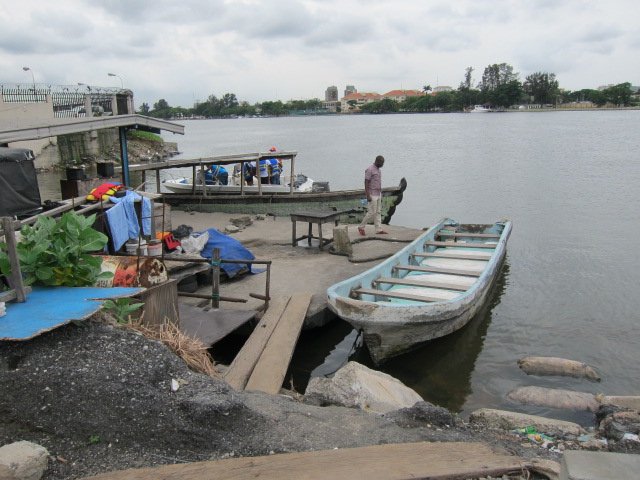
I’ve heard it referred to as “the most expensive slum in the world”, usually, after a torrential rainfall that exposes the ugly underbelly of the city’s otherwise pleasant covering. The gutters overflow and the effluence spills onto the roads with smell and other ugly contents. It is the same sight as when riding on a speedboat on one of its waters and having to stop said boat a couple of times during the journey in order to rid the engine of plastic debris and other floating trash. The overwhelming feeling is that management of the city (as improved as it is now from over decades ago) still needs a lot of work.

Lekki, after rainfall

Lekki, after rainfall

Otherwise, it would not be that Lekki, Ajah, VGC, Victoria Island, Ikoyi, and other highbrow areas of the new Lagos (as opposed to the old mainland) would magically transform to the ugliest sights at the first instance of rain. Simple basic necessities as improved and efficient drainage systems would be in place and water would be properly channeled away from view. It is an island, after all. The last thing one would expect to see again on the little land area remaining would be water in abundance, and in unwanted places. We have the shorelines for that. In the age of threatened deluge from climate change, it’s hardly an encouraging feeling to wake up in the morning to a pond of water having taken over the road meant for motorists and pedestrians.

It “Island” scam isn’t limited to the havoc of rain, of course. In other parts of the world (one imagines places like Jamaica, Cuba, or Barbados), the very idea of an island is that of an exotic location with access to – in the very least – basic ocean amenities and food: shrimps, coconut, squid, fish, etc, at an unbelievably affordable rate. Not in Lagos. Here, to get seafood, one still has to drive for hours in search for one of the highbrow restaurants at Victoria Island. And to get shrimps, one has to get to an expensive supermarket. It begs the question, among others, what our numerous Ilaje fishermen do when they set out in the morning into the deep. They do catch something, right? Where is the crayfish? Catfish? Shrimps? Lobsters? It shouldn’t be that one who lives on the island pays just as expensively as one on the mainland (or in Ibadan, to give an example of a faraway town) for simple pleasures that should be a staple island diet, right? Right?
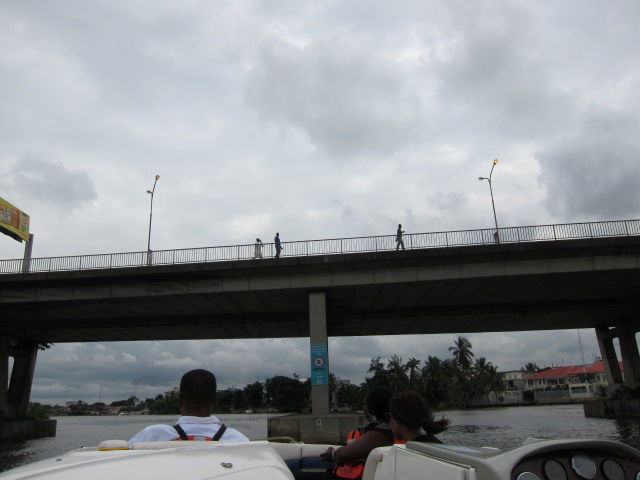
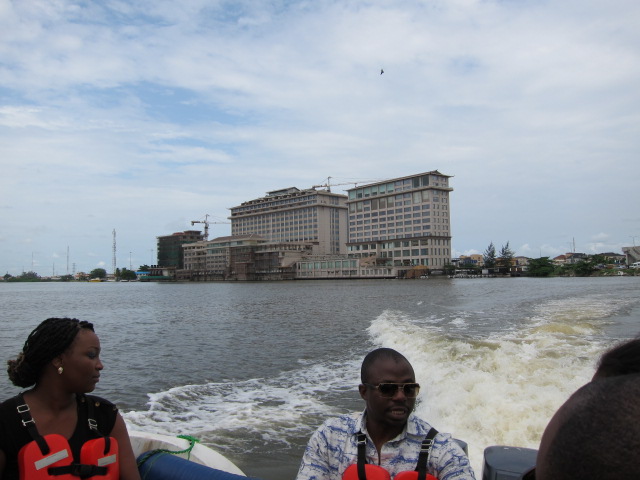
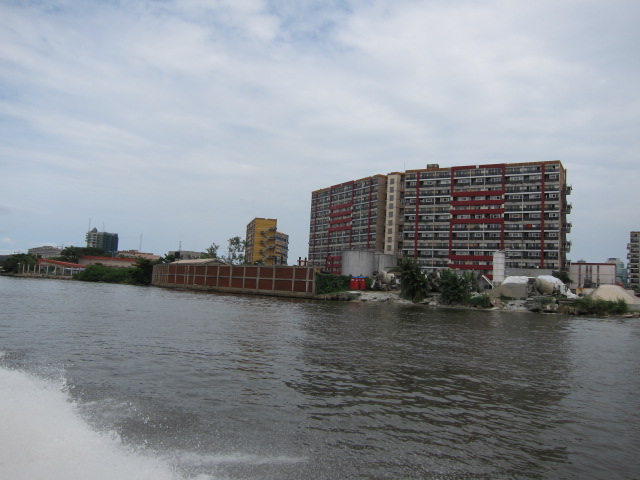
IMG_1285From my experience of the past week, riding by speedboat through some new parts of the city, I eventually realized the potential that has been talked about for so long, by everyone from local journalists to Forbes to local and international politicians. Lagos is the city of the future. Like Lisbon or Venice, the potential for inland water transportation for leisure or for business is huge. Think of gondolas, or kayaks, or just private luxury boats for upwardly-mobile middle class citizens. And like New York, its skyline is ripe for big top class investments in real estate and architecture. We already see traces of it everyday in new construction works (though one hopes that the cultural worldview of the land at least stamps itself, in some way, on the architectural landscape). And what of investments in ferries to move people around in order to clear the roads of so many cars that needn’t be there but serve only to pollute the environment even more (and of course serve the ostentatious needs of their owners).

Well, how do I end this? Friends who read previous posts have advised me to contact the Lagos State ministries in order to share with them my ideas and dreams of a new Lagos where all the possibilities are profitably and usefully exploited. No, I have replied. I don’t have dreams of governing. But I can blog, and detail the things I see. Maybe someone connected to those in charge might see this and begin to think in the right directions. From the history of the new government of the state, it is clear that there is already progress. As citizens, the best way to engage will continue to be giving feedback when necessary, and demanding for more, as the case demands.

Send me your observations at kt@ktravula.com


Visiting Inagbe

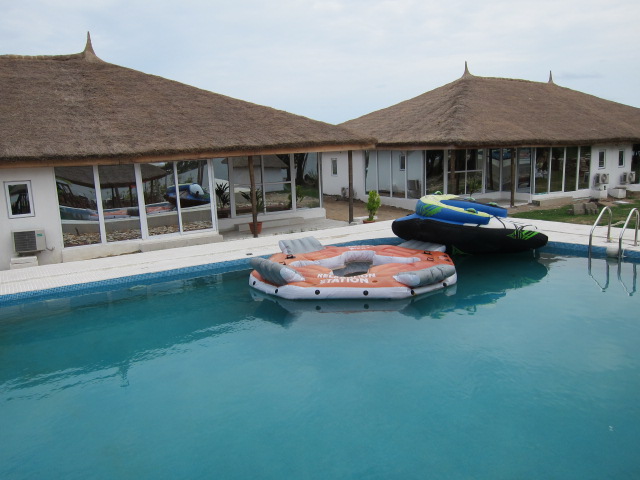
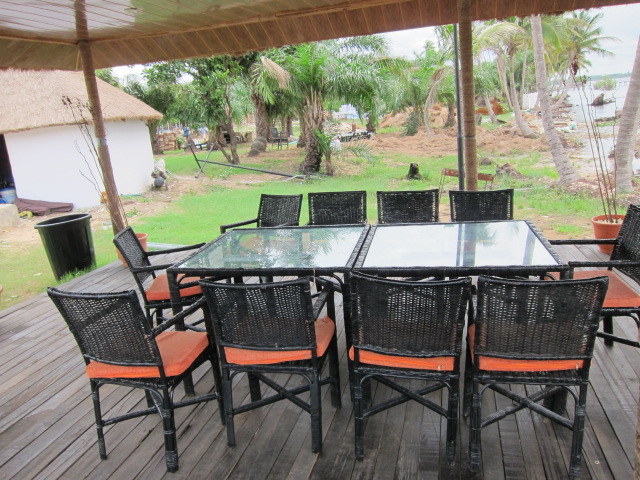
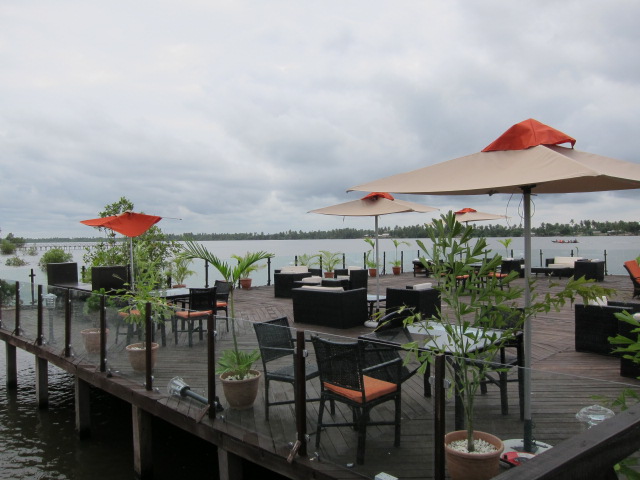
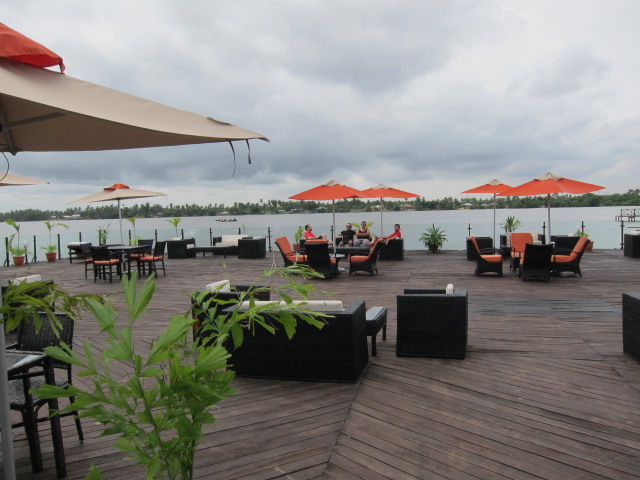
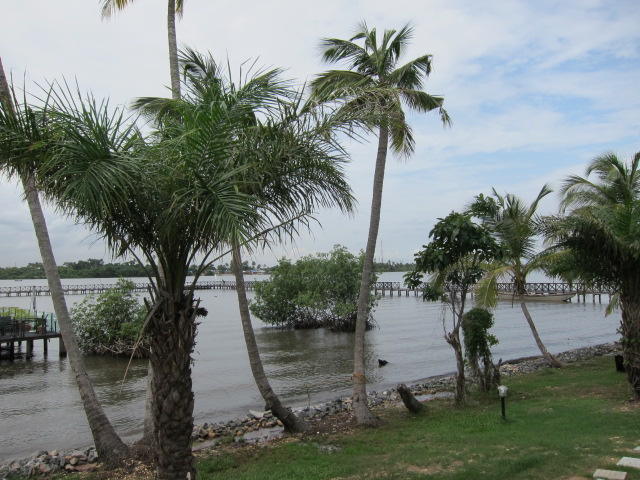
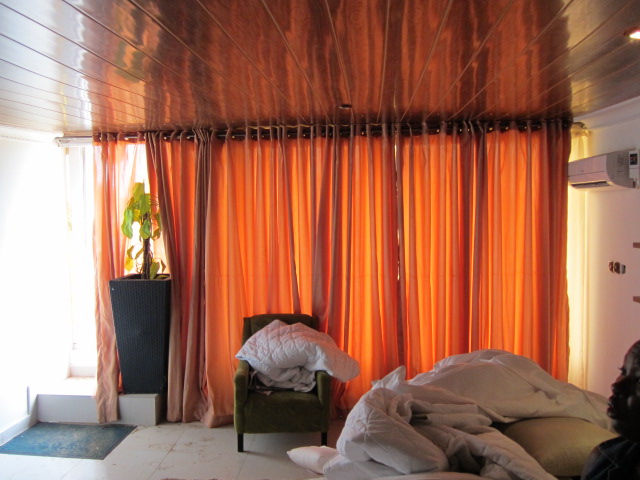
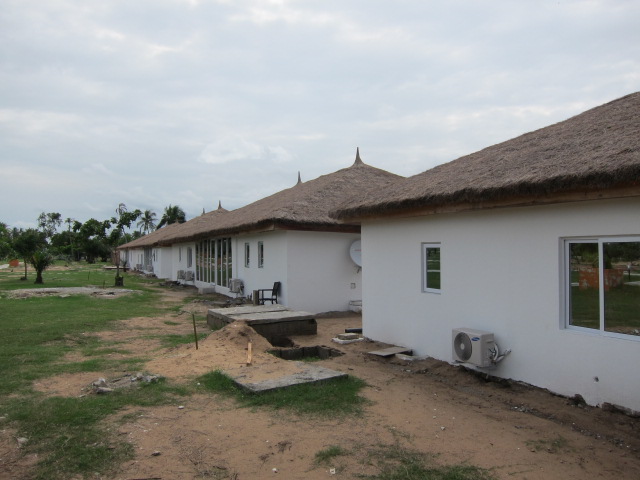
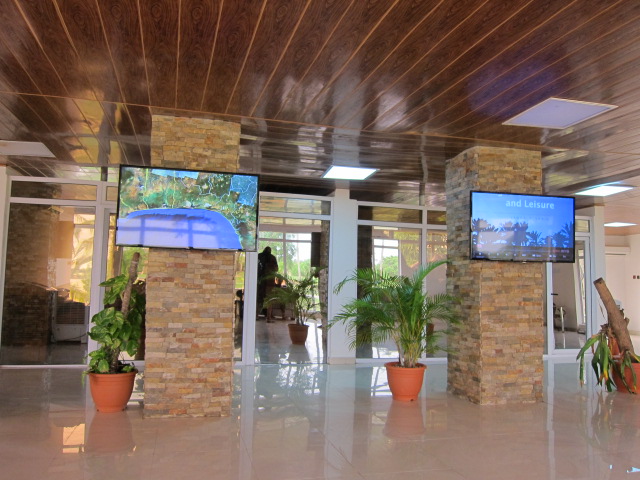
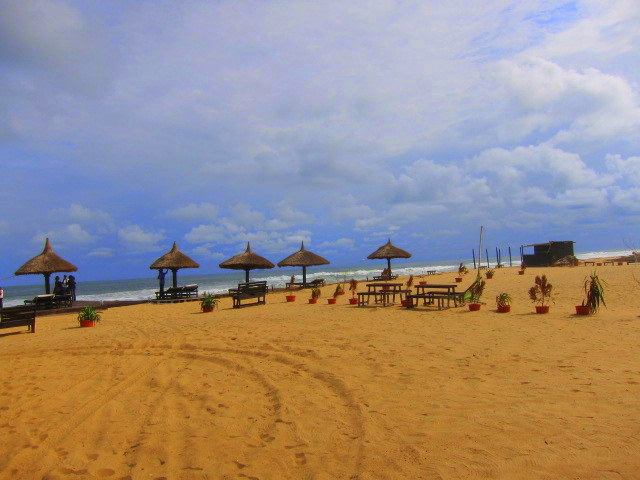
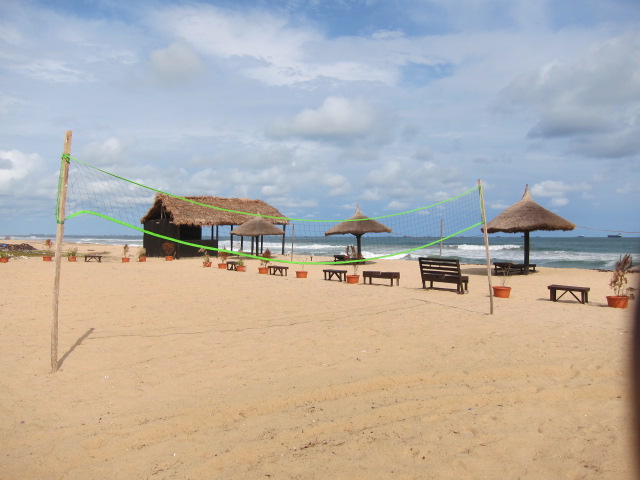
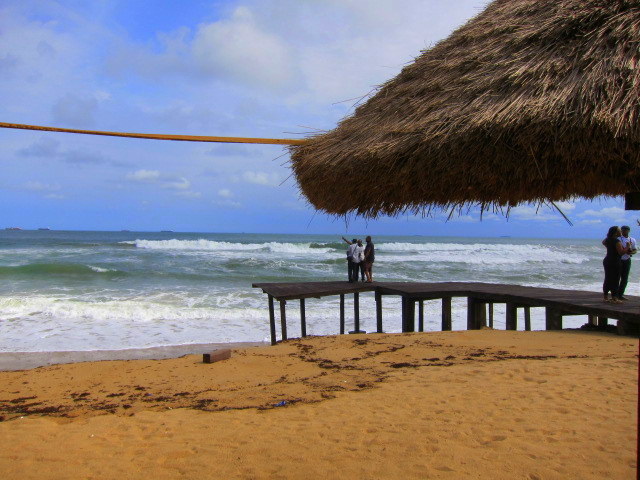
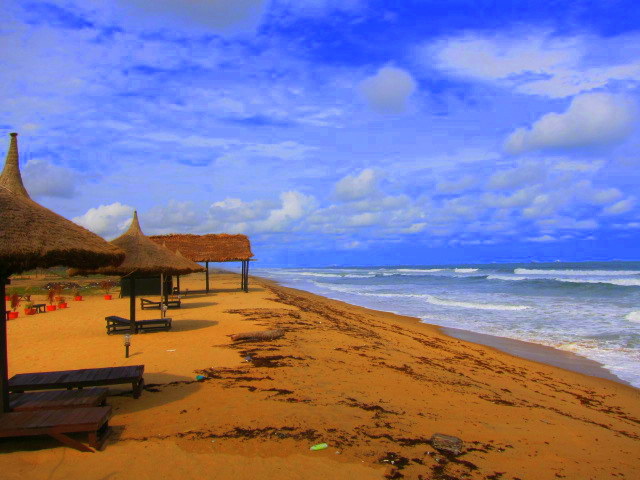
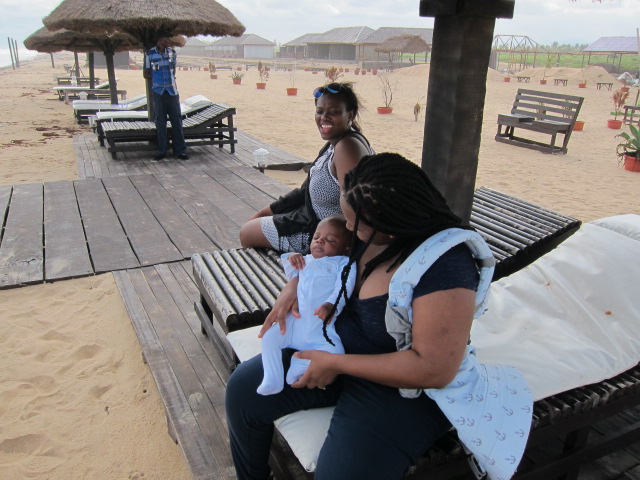
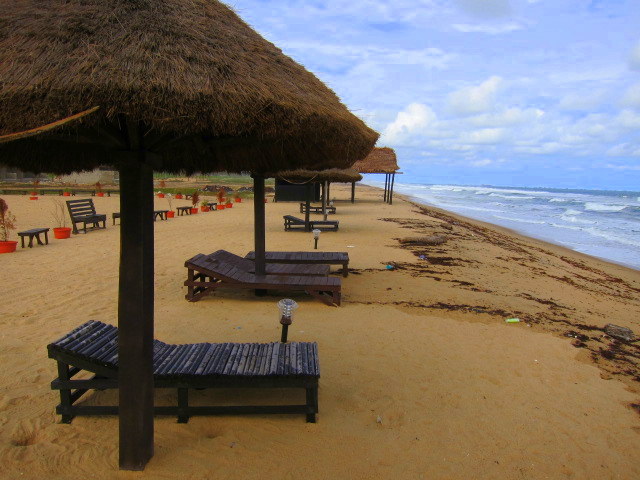
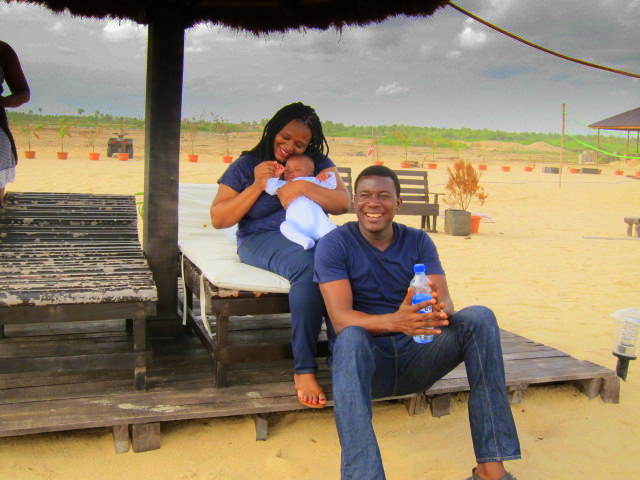
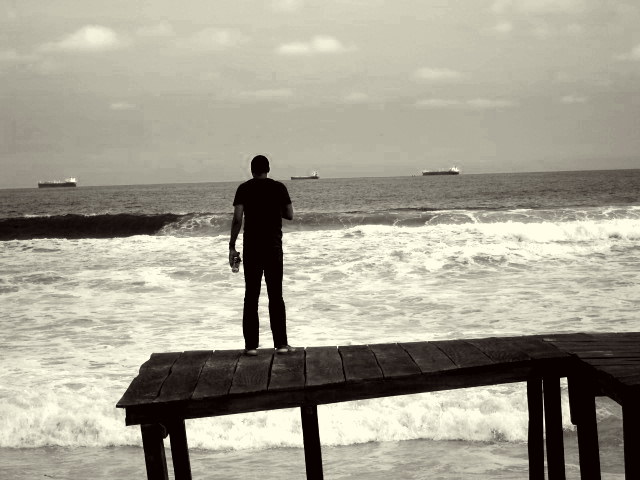
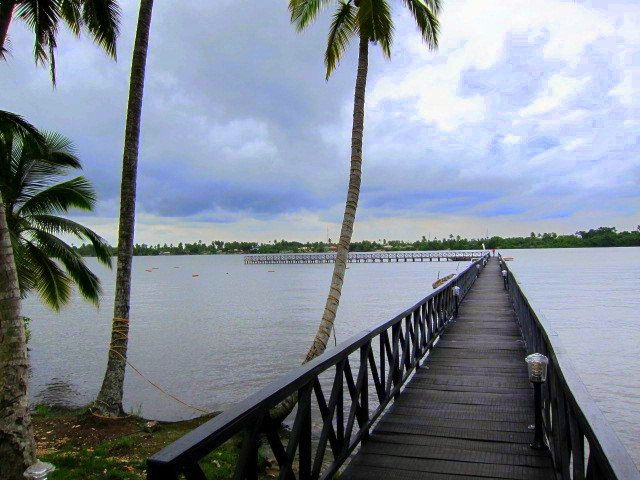
IMG_1343IMG_1353 IMG_1354 IMG_1355 IMG_1356 IMG_1357 IMG_1362 IMG_1365 IMG_1368 IMG_1369 IMG_1380 IMG_1383IMG_1392 IMG_1393 IMG_1396 IMG_1398 IMG_1400 IMG_1402 IMG_1407 IMG_1409 IMG_1422 IMG_1433 - Copy (5) IMG_1461 IMG_1485 IMG_1542IMG_1537 IMG_1561 IMG_1573There is a place in Lagos, surprisingly, where all the typical worries of the busy, bustling city immediately disappears. It is located across from Snake Island, occupying over 3 million square metre land area within a 100 kilometre stretch along the Atlantic Ocean halfway from Badagry. It is called the Inagbe Grand Resorts and Leisure. I was there on Sunday.
On Google Maps (and other maps of the area) the name of the location is spelt “Inogbe”, an Ijebu-sounding name whose meaning I haven’t yet figured out. According to the Managing Director of the company behind the resorts however, his spelling derives from the Yoruba word “Inu Igbe”, meaning “Inside the bush/jungle”, a reference to the remote location of the beautiful resort.

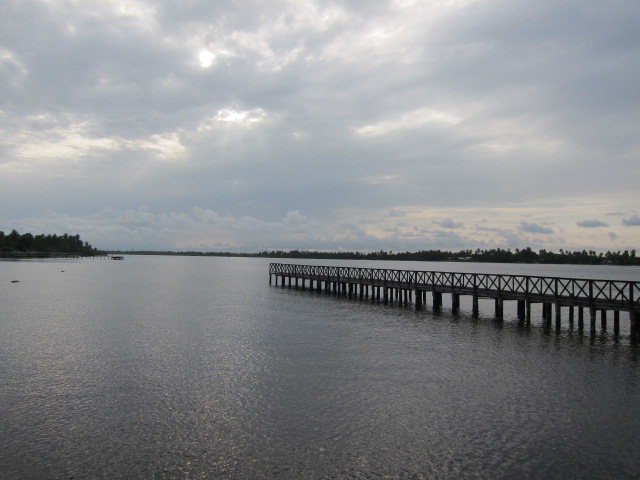
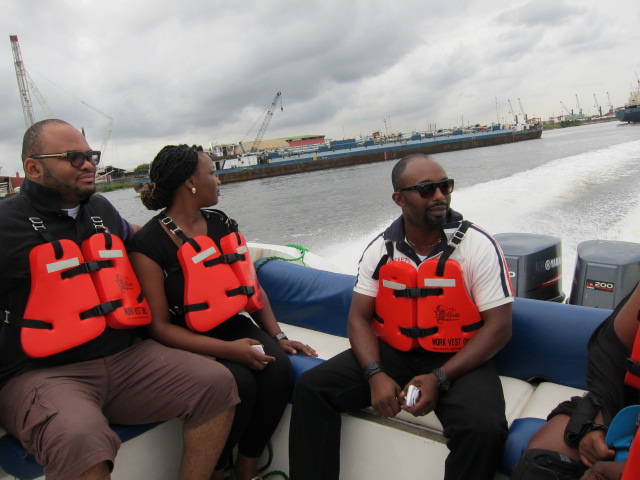
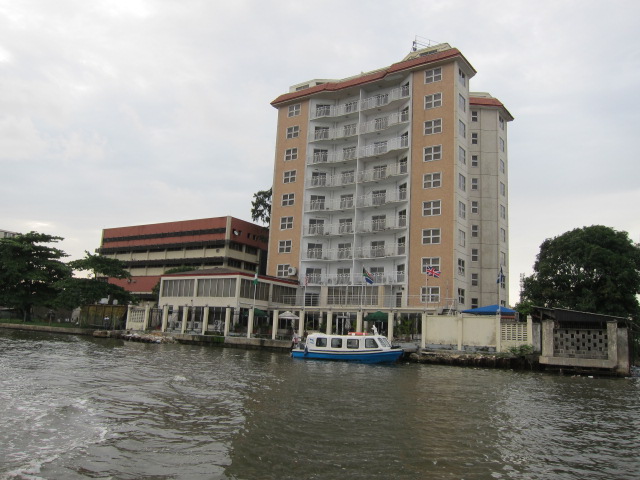
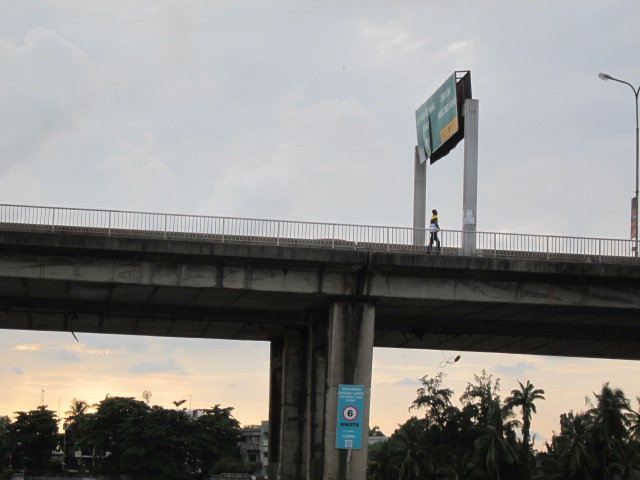
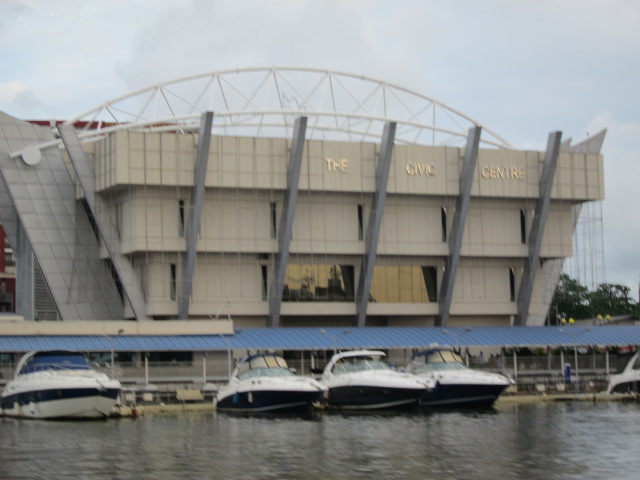
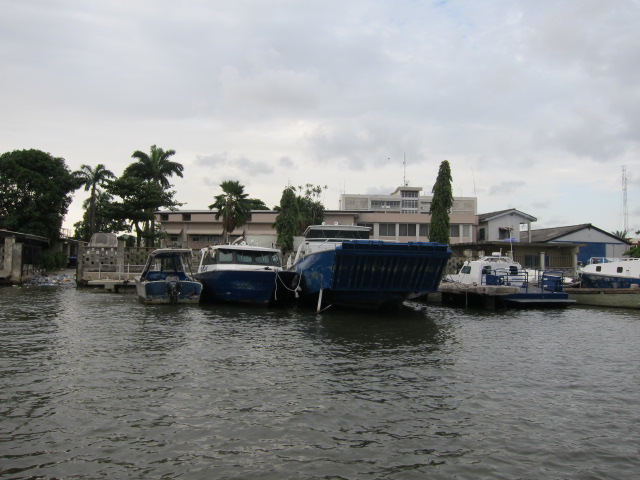
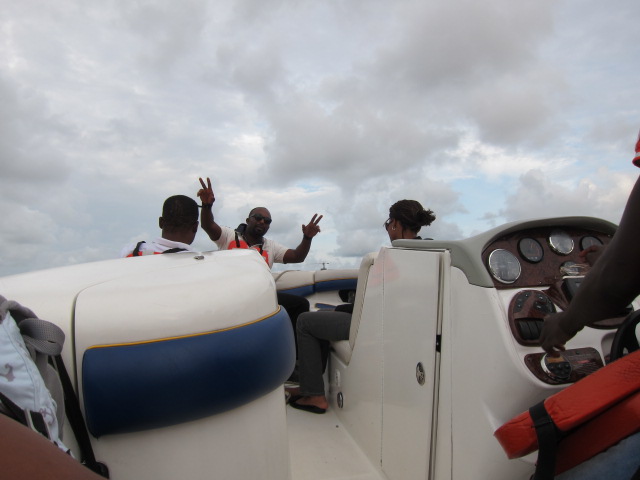
To get there on this day of my visit, we boarded a speedboat from Addax Jetty at Victoria Island (beside Oriental Hotel) and headed westwards through a path of water that went behind the Civic Centre (VI), behind Protea Hotel (Ikoyi) under the Falomo Bridge at Law School, under the Ikoyi Bridge at Bonny Camp, behind the US embassy, and through other waterways that pass by Tin Can, Snake Island, and Apapa, meeting along the way a number of other seafaring people and vehicles.

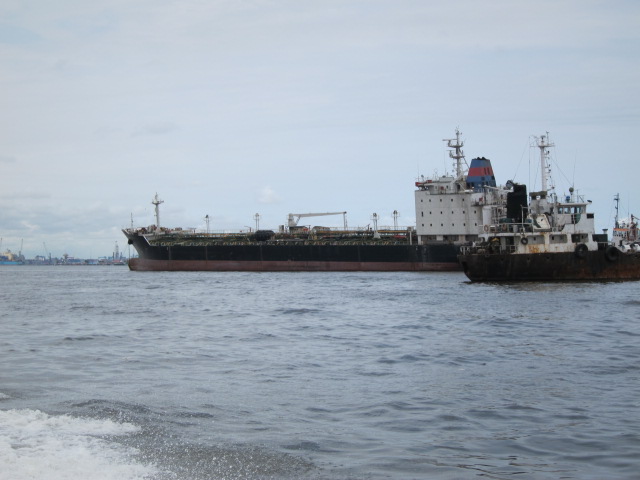
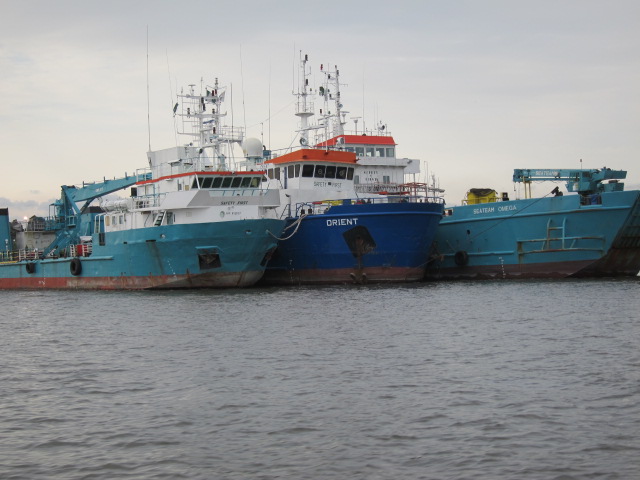
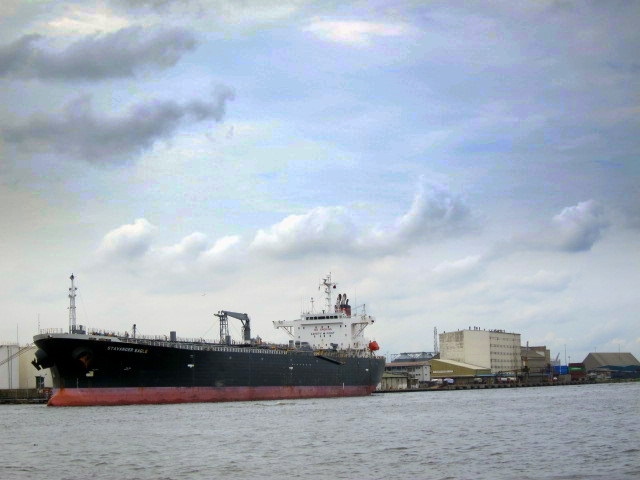
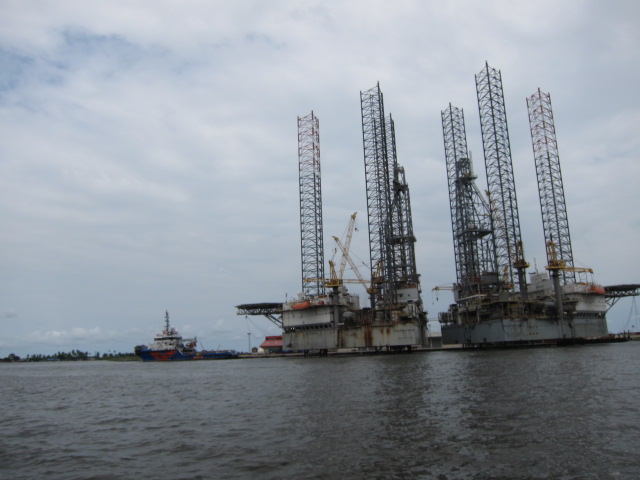
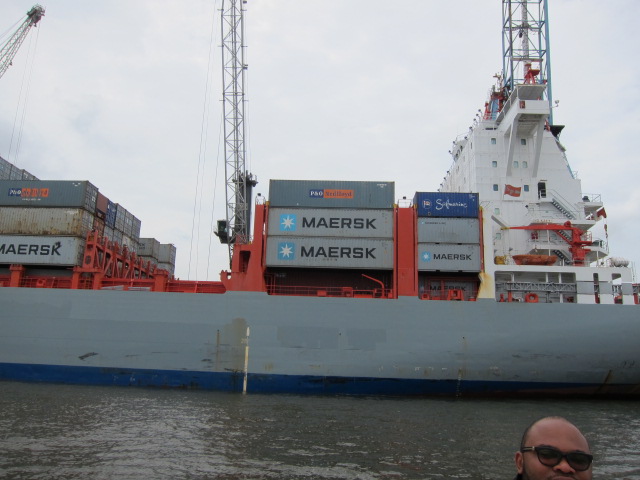
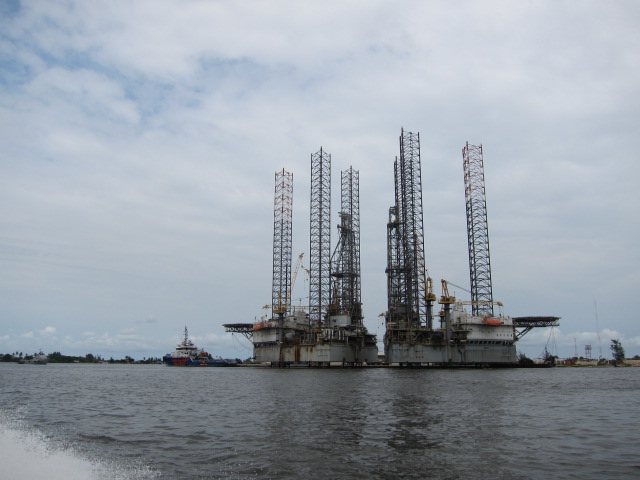
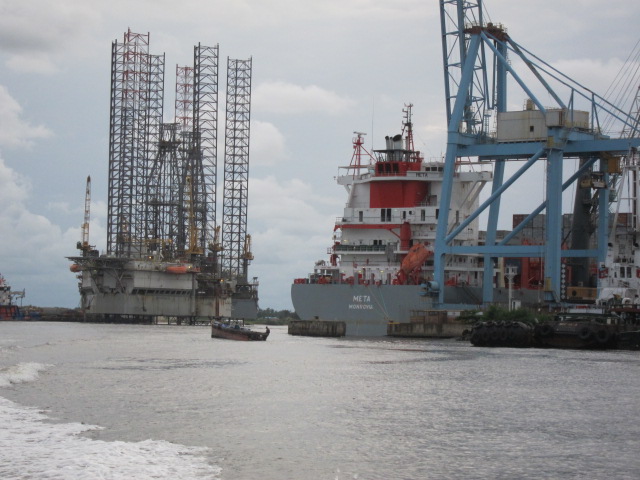
On the way there are a number of views, notable of which are ships and vessels of various sizes. There is an abandoned oil rig about ten minutes into the lagoon, noted, as my guide specified, by the fight to buy and make it viable by a popular bank in Nigeria. The water is clean, and dirty, and clean again at different times, forcing the driver of the speedboat to stop at least once in the middle of the water in order to “flush” out the engine of debris that the boat may have ingested. (Pure water sachets, other plastic bags, combs, toothbrushes, paper, scrap clothings, rags and other flotsam do not belong in the jet engine, one realizes, or in the lagoon, for that matter. But this is the Nigerian Waterways Administration we’re talking about. They haven’t been exactly busy keeping our lagoons clean.)

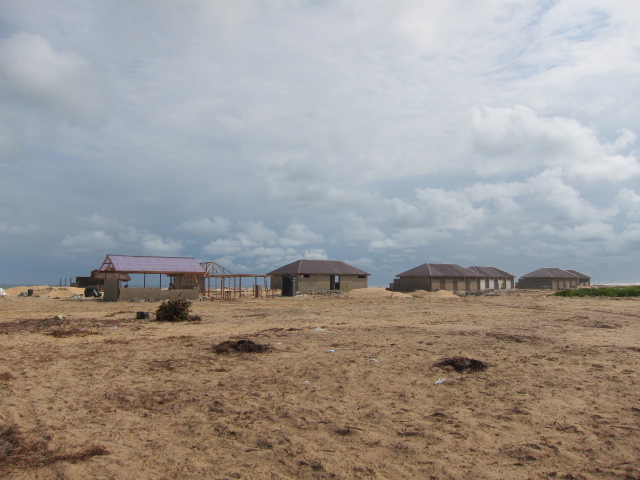
We arrive at the resort eventually, a handiwork of Grand Imperio Resorts, a real estate company based in Lagos and headed by Mr. Adeyeye Ogunwusi (present also on this trip). We met again in Lagos a couple of months ago and he invited me to come take a look at the resort. According to him, the land area was acquired on lease from the Esinmikan Royal Family, who are joint partners in the resort project, many years ago. The ground breaking ceremony to kick off construction was done in August 2013 since when the centre has continued to be developed at such an impressive speed that a visitor would hardly believe that it is still a work in progress.

The proposed 18-hole golf course now has 5 holes. Many of the proposed guest chalets have already been developed and open to guests already. And even if the resort isn’t yet officially open to the public, Mr. Ogunwusi says that it is already playing host to a number of prominent and ordinary middle-class Nigerians willing to take a little break out of the busy city for some R&R. One could, he says, register to be a member of the resort (a privilege that costs some money, for those able to afford it) or just come for a one-time or weekend visit. The cost of staying over at the resort is about 35,000 ($200) with complementary breakfast.

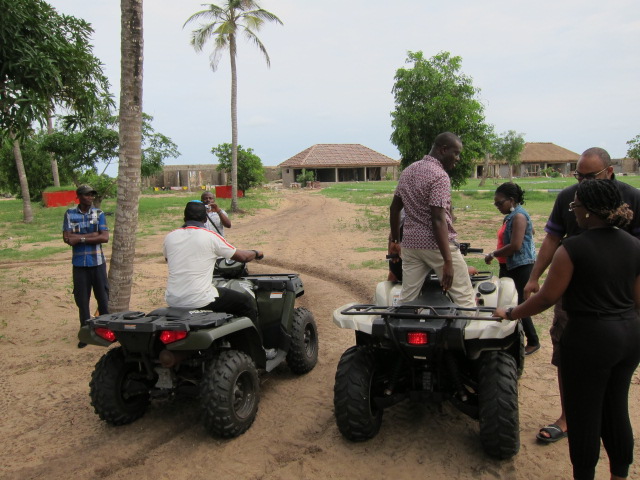
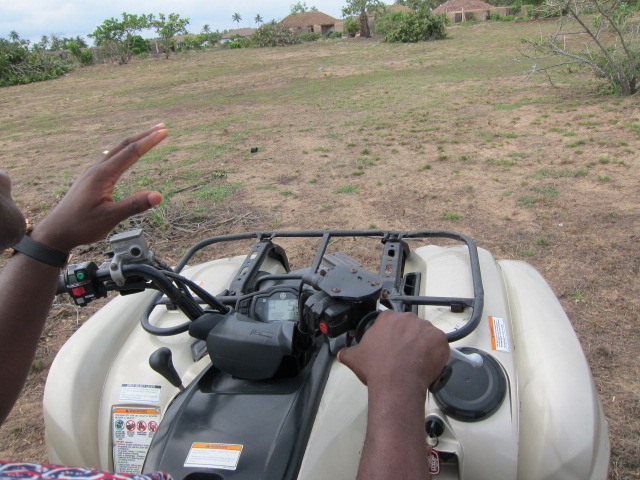
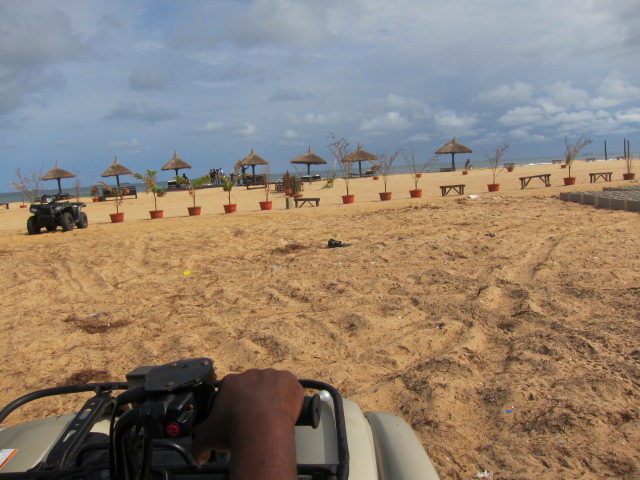
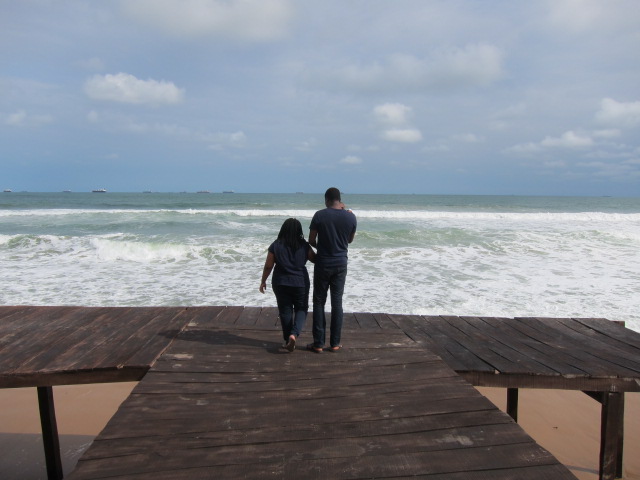
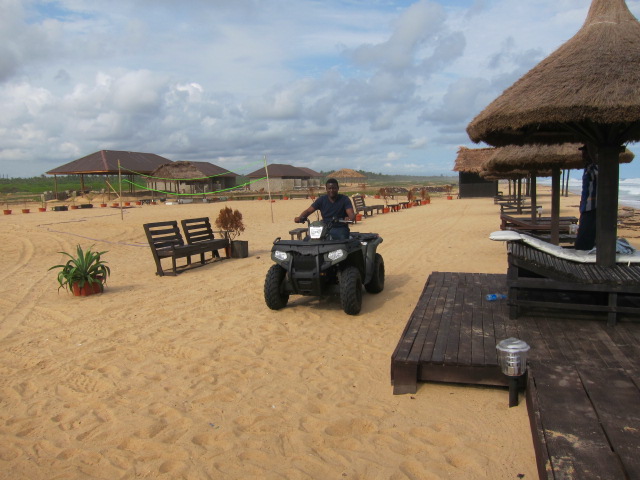
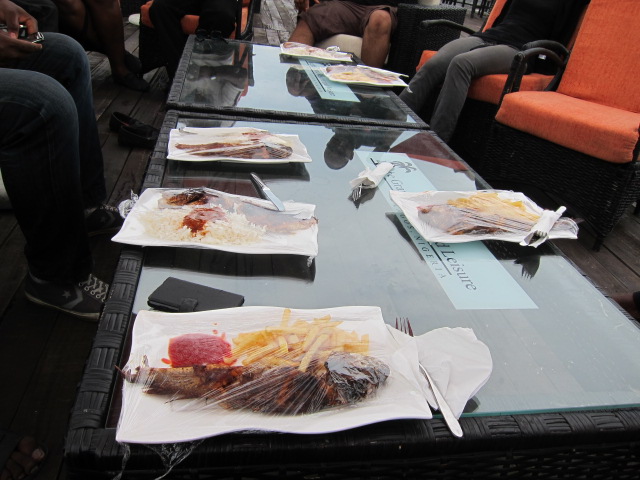
On this visit, we were treated to good food, music, and a trip around the island on a couple of beach buggies (all terrain vehicles which, we were told, will be available for occasional leisure races). Aside from the golf courses, the resort has sites for beach soccer, football pitches, race tracks, lawn tennis pitches, and a lagoon and an ocean view that is rare but impressive. One can already think of many uses for this kind of a place: a destination wedding with only invited guests, an elite birthday get-together, a couples’ retreat (as we found out with a group of young Lagos couples who had come to scout the place out for a retreat they had planned for November with other members of their church group), a writer’s retreat in one of the single-room guest chalets, a conference, an excursion with a group of students, a television reality show, a movie set, a personal pilgrimage away from the city, or just a weekend out with the family.

Having been away from Edwardsville for a couple of years, with the luxury of impulsive traveling that usually leads me to great discoveries around the American midwest, I have been pleasantly surprised by what Lagos can offer if one looks hard enough. Here are pictures from Inagbe which, still incomplete as a project, still dazzles with beauty, grace, and a scenery that is rare around the city. I hope to return sometime.

Highly recommended.

Lagos by Speedboat

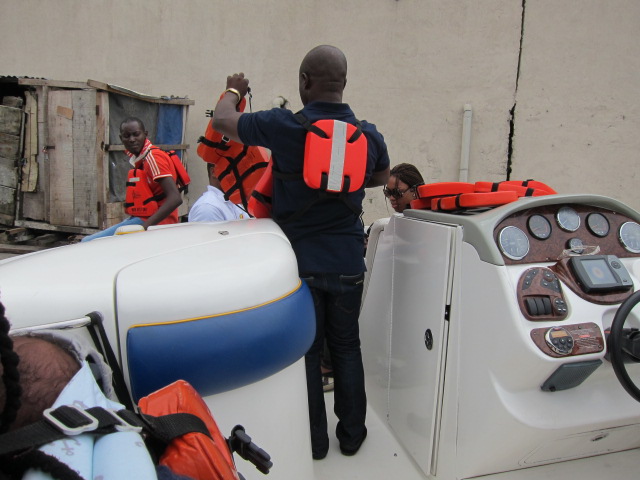
IMG_1269IMG_1274IMG_1275IMG_1277IMG_1281IMG_1291IMG_1319IMG_1324IMG_1300IMG_1305IMG_1587IMG_1602IMG_1615IMG_1619IMG_1311IMG_1581IMG_1591IMG_1316IMG_1304IMG_1302IMG_1603IMG_1608IMG_1613Most IMG_1612of those who have bothered with the matter have concluded, faced daily with incontrovertible evidence of that certitude, that the Lagos of commuters is one of unavoidable stress, distressing heat, grating noise, and rowdiness. Workers spend almost half of their commuting time at a standstill in traffic, most times with sweat and grime of fellow passengers rubbing them at all ends.

In this post, surrounded by the flourish of that attempted grand locution of mine in the first paragraph, I present photographic evidence of another side of Lagos, a city marked both by its name derived from the Lagoon, and its dynamic ability to constantly remake itself in the eyes of its denizens. This trip, undertaken on Sunday, begins at Sandfill (former Maroko), by speedboat, proceeds through Falomo, to Bonny Camp – all on water – towards Tin Can Island, Apapa, Ajegunle, and Snake Island, before arriving at our destination: a place of sublime beauty called Inagbe Grand Resorts.

(Reports about the resort itself will take a blog post of its own.)

It turns out that regular view isn’t the only side of Lagos that exists, as commuters by boat and other water vessels will testify, whether one rides on an open canoe propelled by paddles of fishermen, or on open speedboats with a private driver; whether one transits, as do many commuters from Ikorodu to Victoria Island everyday, in a large ferry run by businessmen hoping to turn a profit with as many passengers as possible, or whether one sits in comfort – like Aliko Dangote and Femi Otedola whose private speedboats lay beside each other across from the United States embassy at Victoria Island.

There is a view that traces the path of the waters all around the islands and peninsulas that make up Lagos. There, there are no traffic hold-ups, no bodily heat exchange except desired, little noise apart from that made by the engine of the speedboats, and sparse pollution except for whatever ships and those other large vessels emit. In short, to enjoy the city is to experience as many means of transporting oneself as are publicly available – and traveling by boat seems to be a nearest affordable alternative to the fumes and stress of driving.

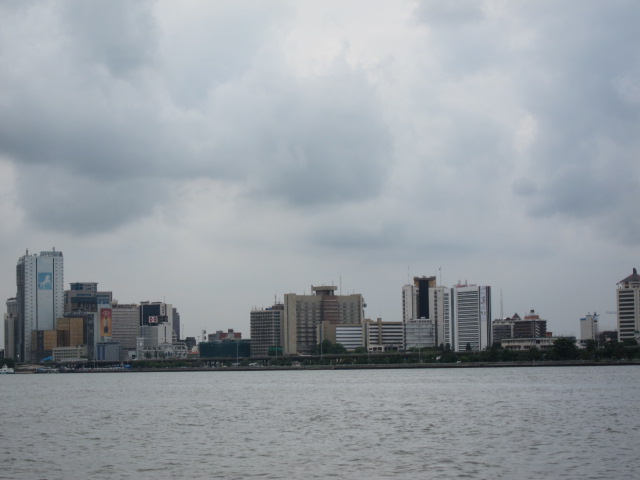
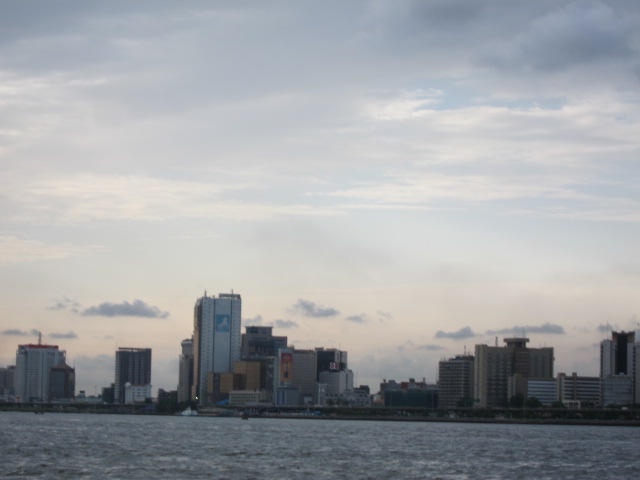
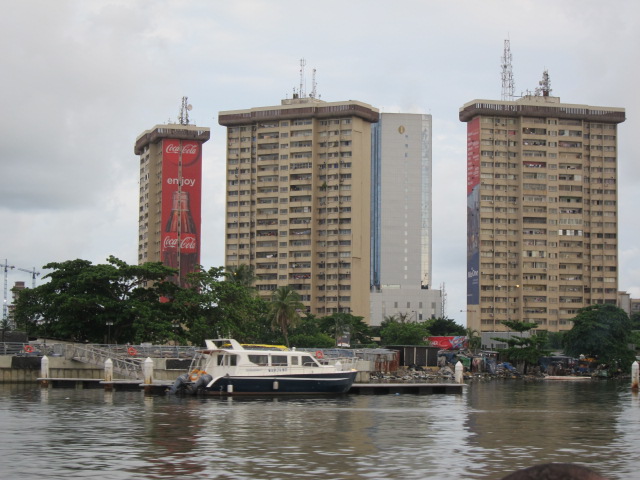
On the way to this resort are splendid views of the city, including a brief but captivating skyline of Marina and much of Lagos Island, as well as a few dozen ships many of which seemed – by their appearance – to have outlived their time and usefulness. On another boat, a far smaller, far inferior vessel in which about seven travelers with flotation devices sat carefully as if afraid that they might fall into the water, one person waves from afar, signalling a type of camaraderie like one between two strangers who suddenly find themselves sharing a mental fellowship of some kind in which the sharing of each other’s fears and exhilaration can be exchanged without ever uttering a word.

Bridges, more ships and vessels, canoes, speedboats, and an abandoned oil rig; more water frothing behind like the wide liquid smile of the goddess; less and less number of buildings, and a horizon ahead, pregnant with promise. Then we arrive. A destination away from all the troubles of the world… Of that oil rig, my tour guide remarks: “There is a story about that, and how First Bank almost got bankrupt because of a deal that would have made it a stakeholder in the oil and gas business. Powerful interests prevailed and the deal was called off. The rig now lay abandoned in the waters…”

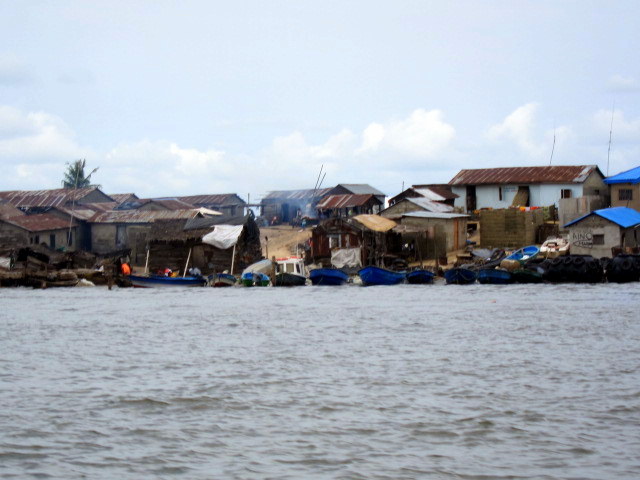
After a few minutes, we pass by what I guess could be Ajegunle, defined from afar by a type of resilient squalor, one that we’ve heard so much about. One that produced great artists like Daddy Showkey and (to a lesser extent) African China, and many more. Brown boats, brown waters, brown coconut trees that sway quietly as if bereft of will, and brown little children by the shoreline running around without any regard for the stranger’s distant gaze. Blue and brown smoke tell of some roasting, and the promise of a nice evening in cheerful company if one would dare such an unscheduled visit.

On return, the views are the same, enhanced this time by the setting sun, slightly tired limbs and a refreshed spirit from having visited one of the finest resorts in the city, many miles into the waters. The city welcomes its children back with concrete and paint, a skyline of Marina in the distance.

It has been a pleasant ride.

New at the Lagos Airport

Until a few months ago, the only way to access the Murtala Muhammed Airport in Lagos as a guest was to park one’s car in an old and decrepit parking lot that was remarkable for its inadequate space, its pothole-ridden mud pavements, and its general soreness to the eyes. Alternatively, in order to pick up an arriving guest, one could keep driving around the arrival terminal for as long as it takes for one’s guest to get out after waiting for about half an hour (or more) to pick up their bags, or one could pay the 400 naira (it was kind of an extortion) fees and park in the said parking lot, and then walk to the terminal about a quarter mile away to await one’s guest’s arrival. At the arrival itself, one waits standing among a crowd of other patiently waiting guests. In the heat of an African evening, standing outside presents great and unnecessary inconvenience. Airport officials regularly came around to upbraid someone who had overstepped the lines of the guest area, or another who had sat on a concrete slab that wasn’t meant for sitting on. For many guests, it was better to stay in one’s car at the rowdy parking lot nearby and hope that one’s returning traveler has a mobile phone with which to call whenever they are done with baggage clearing.

WP_20140128_015

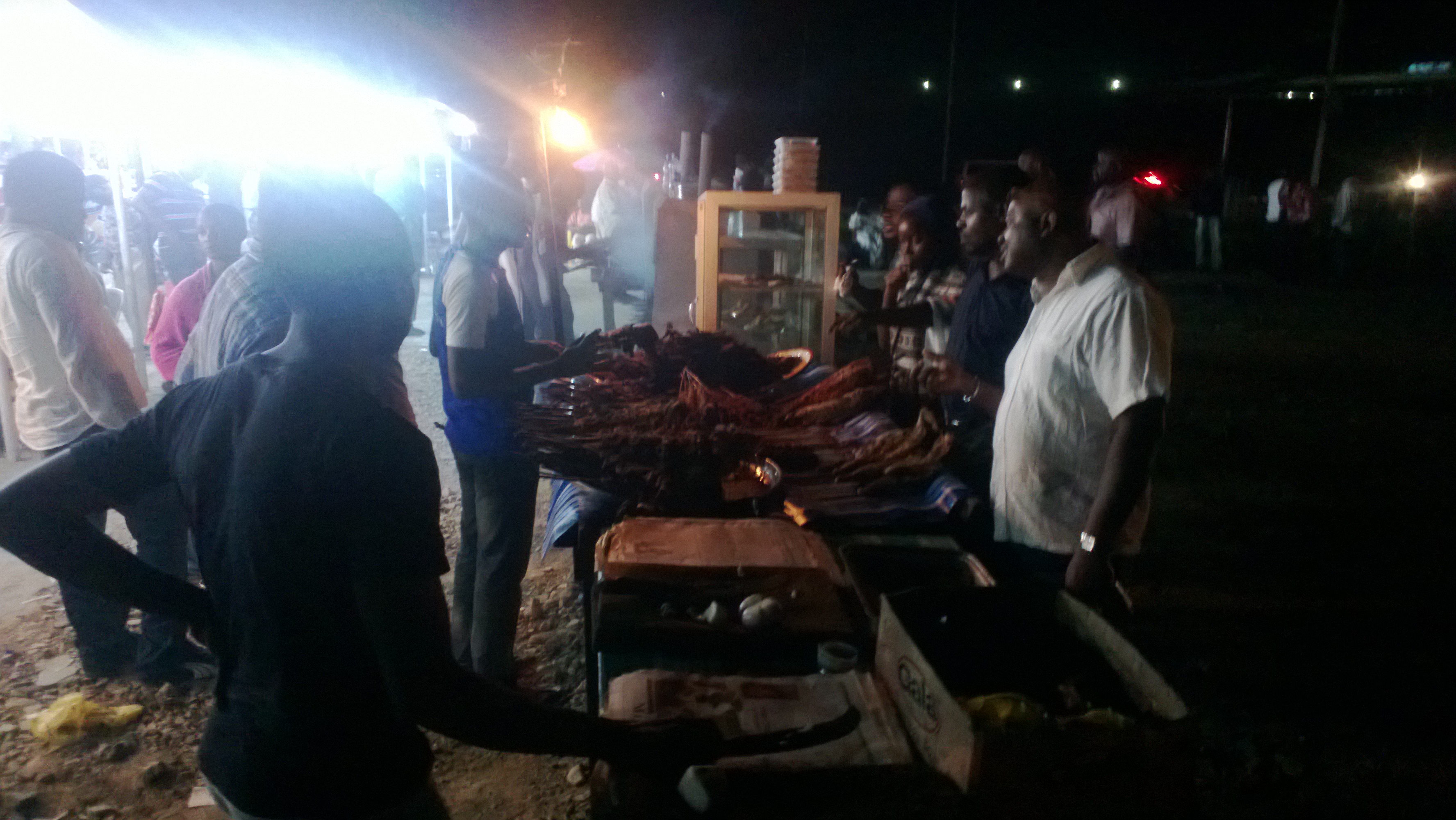
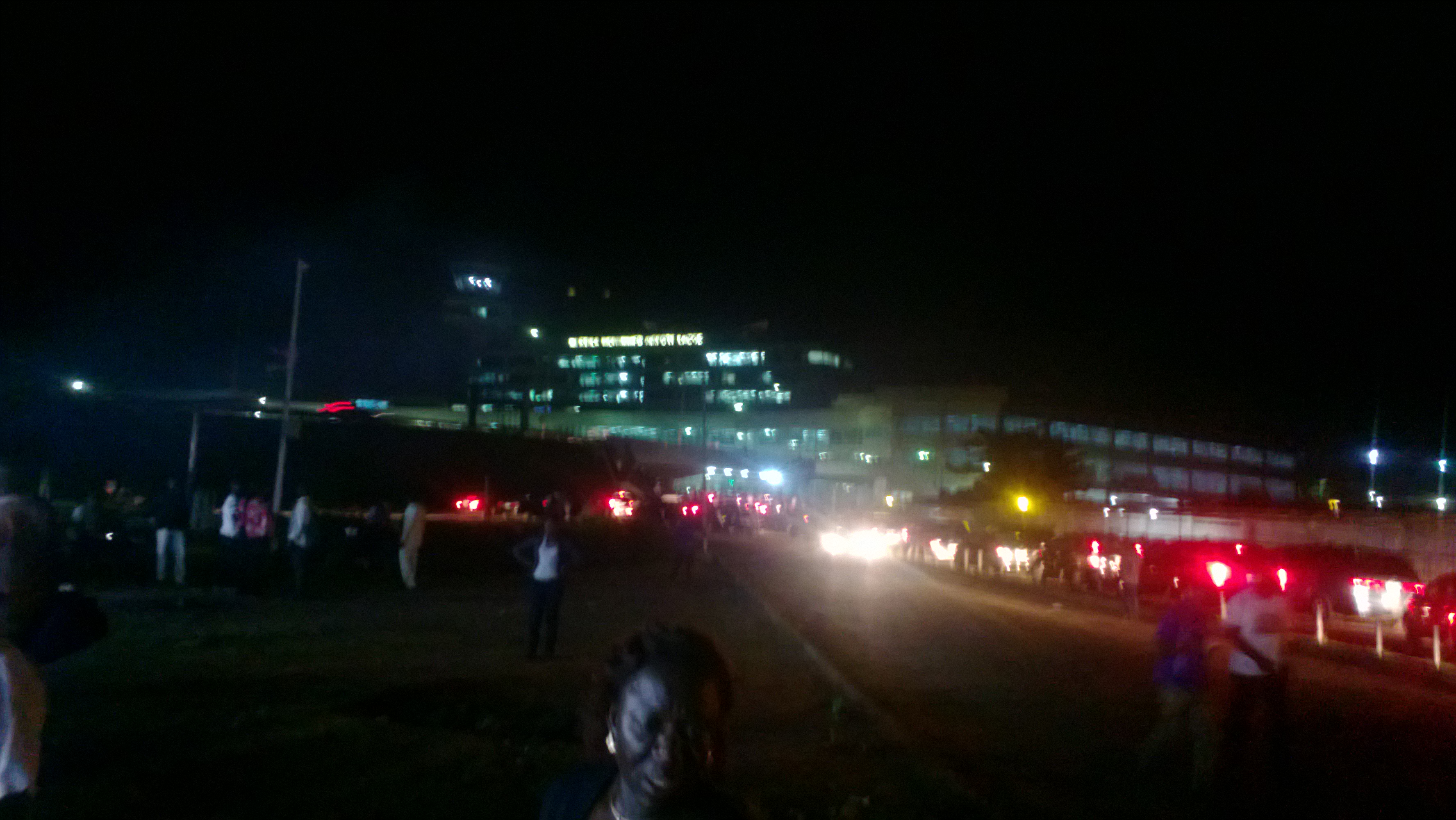
OLD: Customers buying suya, changing money, enjoying the night in the glow of light.

WP_20140128_014

OLD: The airport from around the old parking lot (and suya spot)

At the entrance to the said parking lot outside the terminal was a suya stand and a row of shops where one could buy anything from soft drinks, cookies, and cigarettes, to any foreign currency. At night, it was a market scene lighted by the light from the faraway terminal and a glow from the shops and the coal fire used for roasting meat. Crowds of money changers, idle travelers, and guests of traveling men and women moseyed around in droves. It was mini chaos, but chaos all the same: an African night marked by heat, noise, and people. Driving out of the parking lot after one’s business is done, the guard who collected money earlier on entering the premises doesn’t notice one anymore, and one drove into the night with a feeling of having been dispossessed of something a little valuable without knowing what exactly it was.

Because of the terrible arrangement that got the parking lot in that location in the first place, many would have wondered a number of things: why the amount collected daily had never been put to any good use in upgrading the facility, whether the money went back into the coffers of the state or into a private pocket, and whether the fact that the parking lot had become insufficient in catering to the number of daily visitor cars at the airport shouldn’t have moved a caring federal government to deliver on its promise to completely upgrade the airport into a world standard complete with a top class parking lot that gives value for money.

IMG_1144

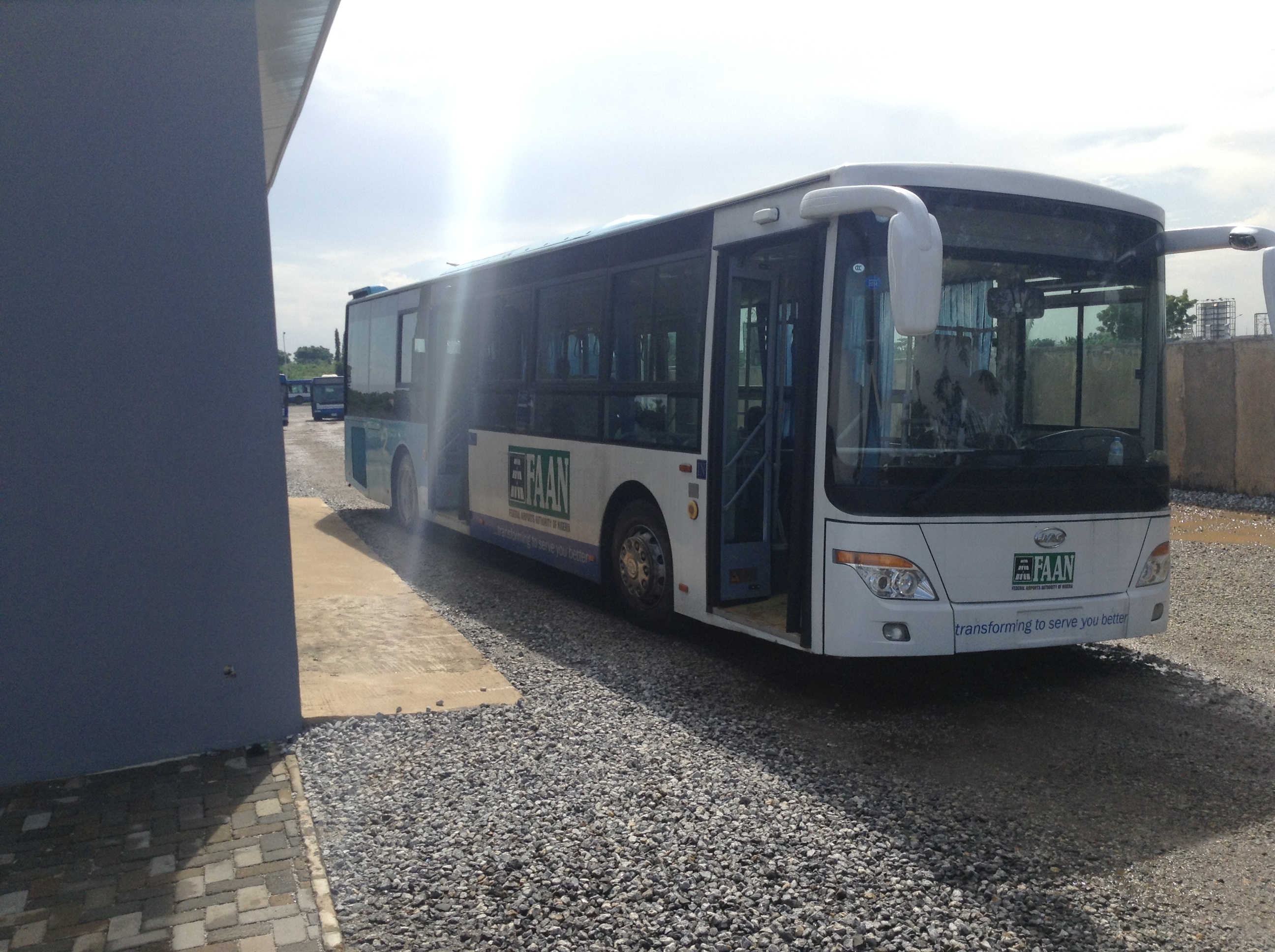
TODAY: One of the new shuttle buses

IMG_1139

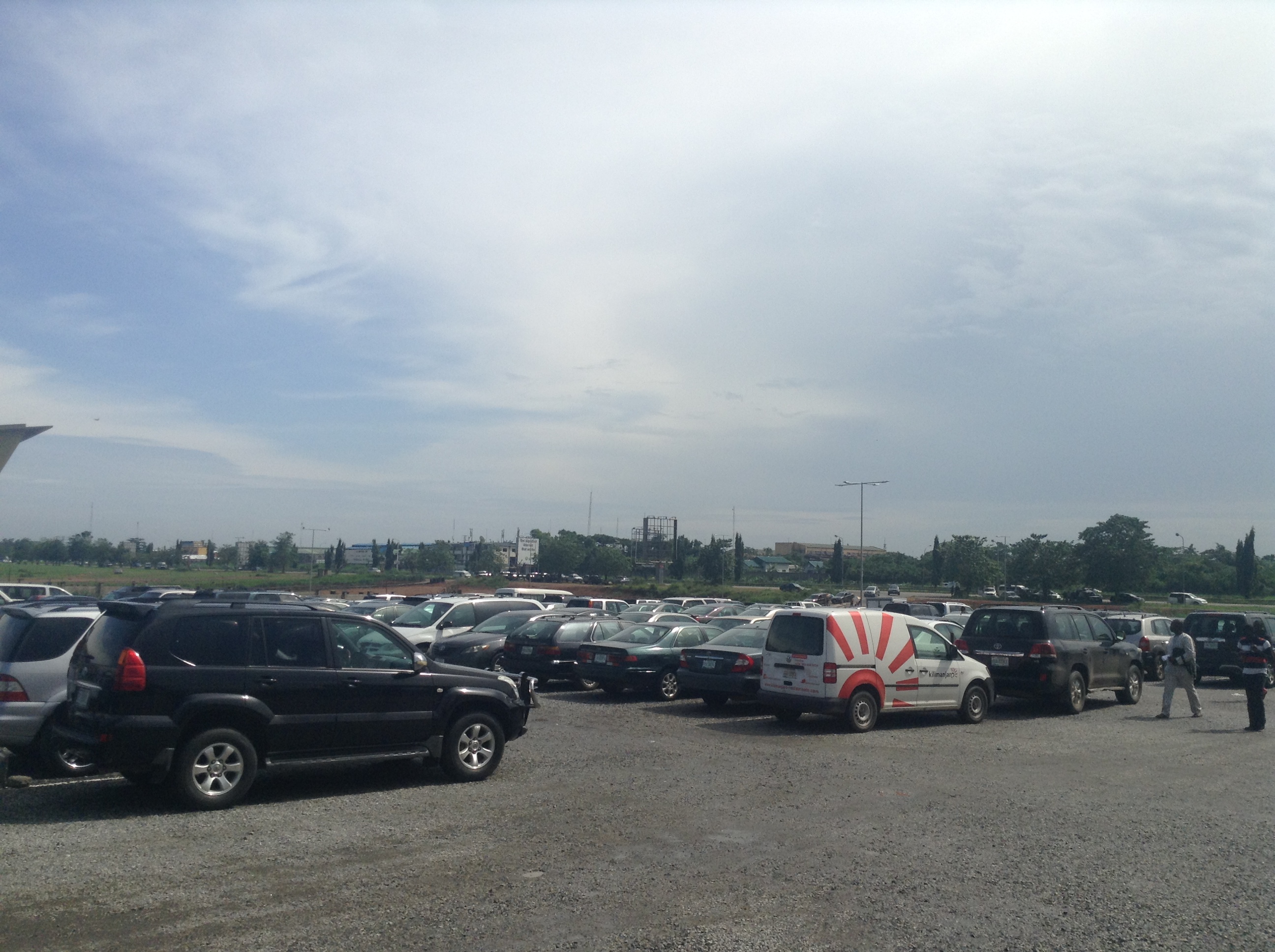
A view of the now organized parking space with ruled demarcated lines.

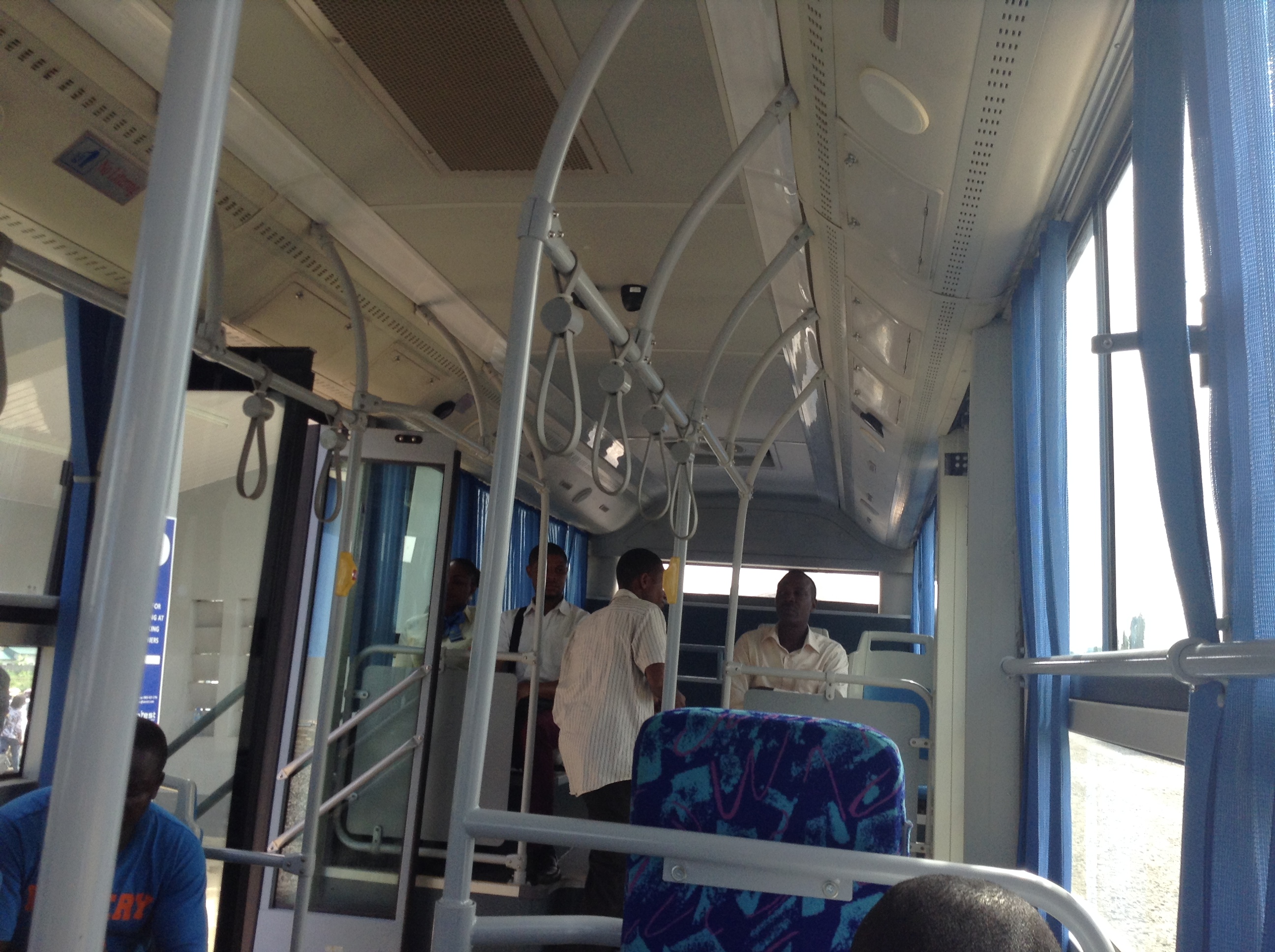
Visiting the airport a couple of weeks ago presented a surprise: the old parking lot has now been demolished, replaced by a well-organised, safely removed, and less cluttered one about a mile away from the airport terminal. There is also a shuttle bus that transports commuters/travelers/visitors from the new parking lot to a spot close to the terminal from where they can safely walk in. Gone are the night crawlers. Gone are the suya sellers and the money changers (many travelers might feel inconvenienced by these. A friend of mine once recalled, fondly, one time when he missed his flight because he was waiting to buy suya). Gone, also, is the terrible mud road. The shuttle bus goes through a newly constructed inside road and delivers passengers and their guests back at the parking lot in under five minutes, where they can pay for their parking, and leave in an orderly fashion.

IMG_1170

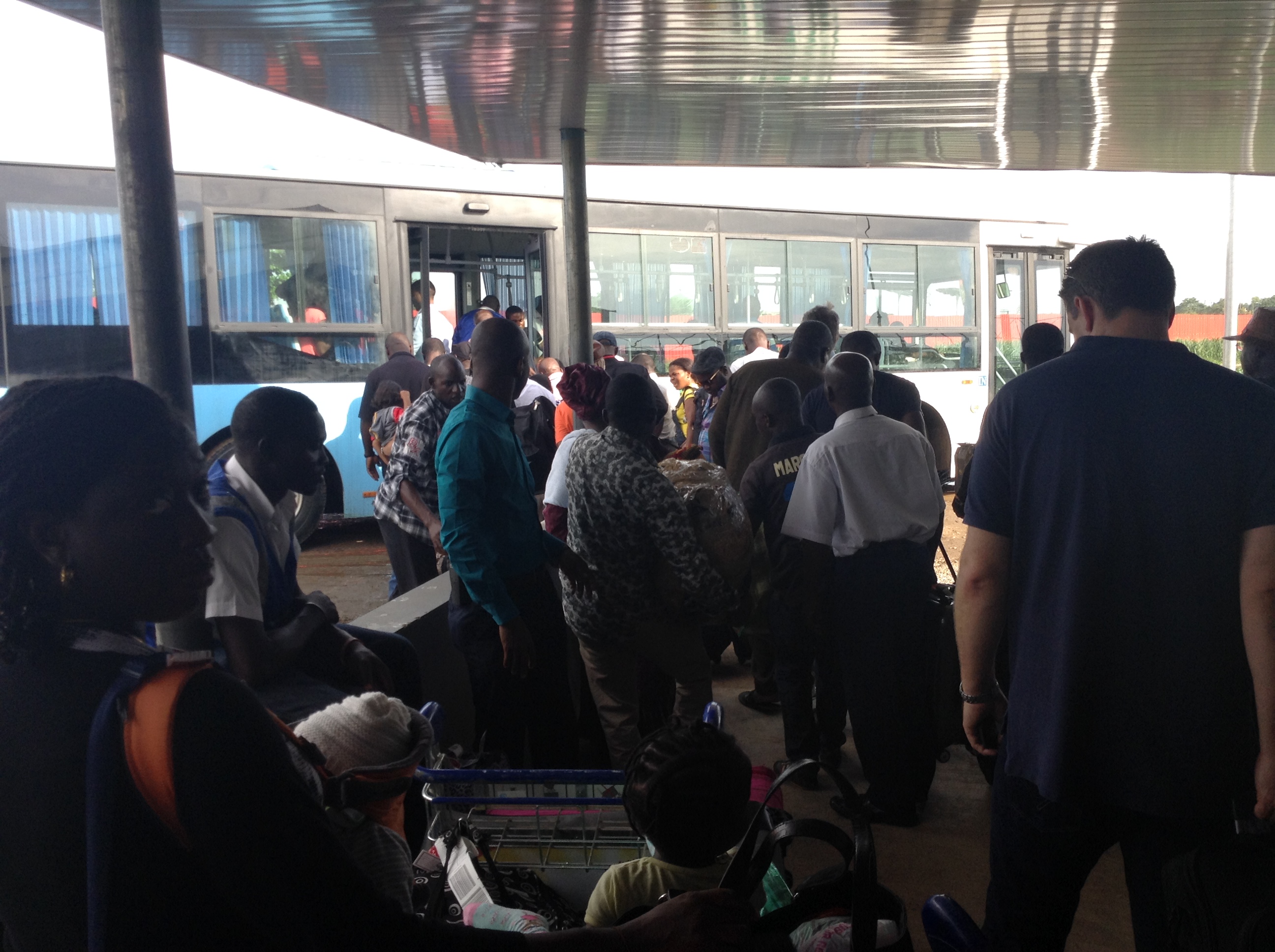
A crowd of travelers and their loved ones about to board the shuttle bus back to the parking lot.

There is a snag though: there are not enough shuttle buses. Sure, when you’re entering the airport alone after having parked in the said lot, it is an easy ride into the terminal, since people usually come into the airport in trickles. But after a major flight or two has offloaded its passengers and crew into the arms of their loved ones in the arrival lounge, commotion begins. There are occasional golf carts to transmit some from inside the arrival lounge to the bus pick-up location, but how many people can a golf cart sit? And how many golf carts would we need to carry everyone even when many have have already decided to walk with their luggage already risking robbery or vandalism? At the pick-up location, the crowd mills in a throng. And suddenly, the comfortable shuttle bus that sat about ten people on the first leg of the journey now has to accommodate about thirty-five people or more (passengers, their loved ones, and their luggage).

Because travelers are typically tired, and because many of them are arriving with a number of luggage bags, the shuttle bus pick-up point now (inevitably) features area boys willing to help them load the bags into the shuttle buses and offload them at the parking lot (for a fee, of course! Who do they work for? What are the guarantees that they won’t steal from passenger bags when he/she isn’t looking?) The only reason why their presence is inevitable is that the struggle to get a good space in the bus when competing with a number of other people mandates that the traveler has more than one pair of hands. So, is this necessary? After tipping the first luggage help within the terminal, paying for a push cart to move luggage bags outside the terminal, paying police or custom officers who choose to keep asking the tired traveler “Sir/Madam, what have you brought for us?”, does the traveler still need another person to tip (who likely works for the government)?

If it is a work in progress, this is an encouraging start. The old parking lot was atrocious, and is best lost to memory. The new one is great and well done. The only thing left is a nice and orderly transition from the terminal into the new parking lot in a comfortable and orderly fashion.

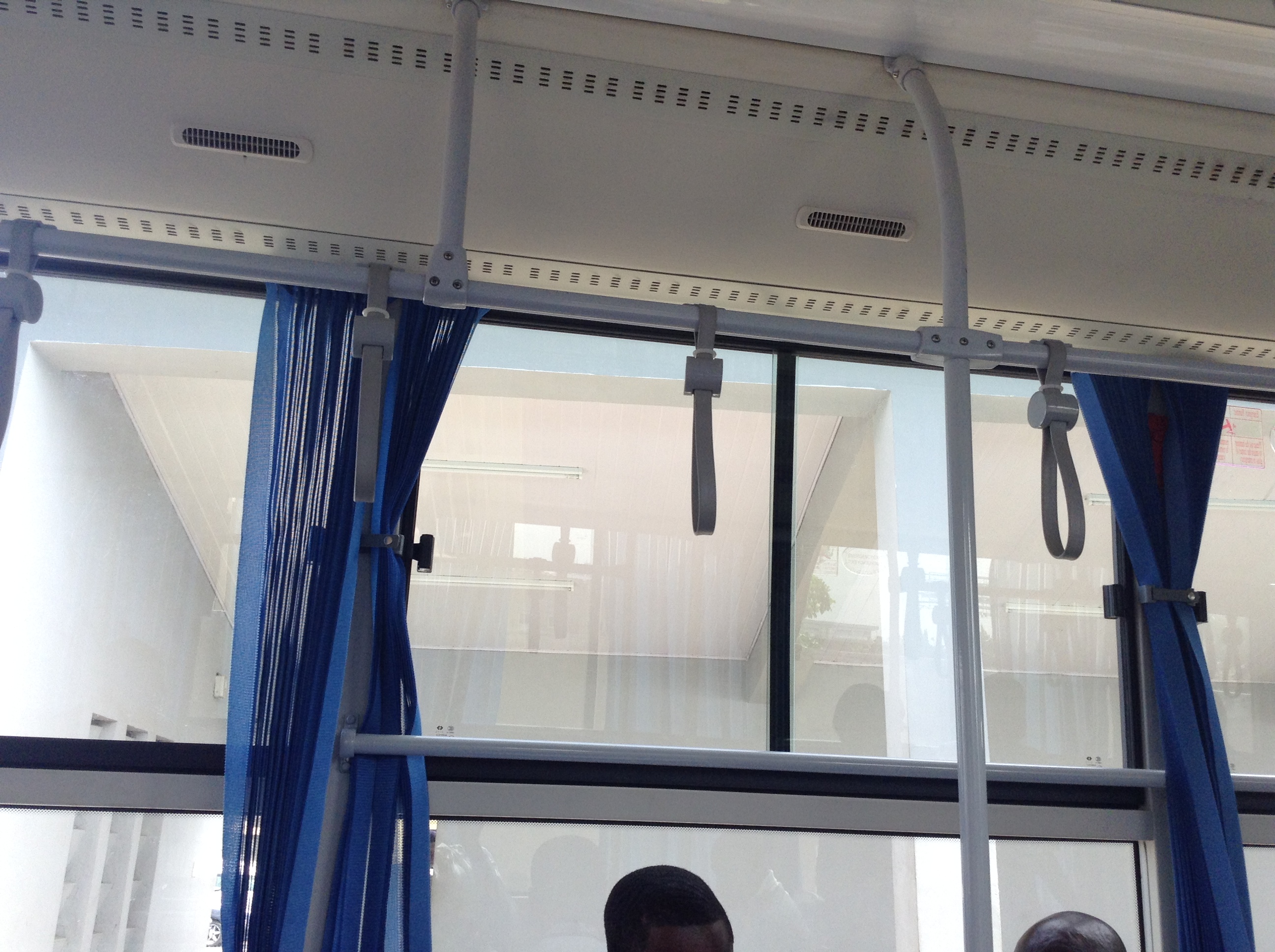
Inside the shuttle bus on the way into the terminal.

Inside the shuttle bus on the way into the terminal.

IMG_1147

The buses are new and well equipped.

An idea that makes sense is to NOT have the loved ones of travelers come into the terminal AT ALL. They say their goodbyes at the parking lot while their loved ones are transported by shuttle into the airport alone. The same applies on return: they stay at the parking lot while the nice buses bring their loved ones back to them. Many things are achieved: the terminals are tidier and more secure, the shuttle buses last longer and are saved from early wear, and the rides are more comfortable. Everybody wins.

To satisfy African longings for communality and a bustling avenue for goodbyes, an entertainment venue can be built around the parking lot. The parting goodbyes and welcomes can be done there. But the ride to and from the terminals should be for passengers alone.

_________

The airport, built during the second world war, was named in 1976 after the then recently assassinated head of state General Murtala Rahmat Muhammed.

Lagos Theatre Festival

The British Council today announced details of the 2nd edition of the Lagos Theatre Festival, the largest ever outdoor theatre festival to take place in the city which will run from 28 February to 2 March 2014.  Part theatrical experience, part real life and part city journey, the festival will transform historic Freedom Park, a public space born out of the ruins of a colonial prison and reconstructed to preserve the history and cultural heritage of Nigeria.

Look Left Look Right, a Multi award-winning interactive theatre company based in the UK will premiere their new production Make We Waka a collaboration with Nigerian performers that invites the audience to take part in an intimate promenade performance, exploring the hidden corners of the space. Using an audio guide, participants will delve into the world of the Park and the stories it has to tell.

More here.