In the Shadow of Context — an essay

“Context: The circumstances that form the setting for an event, statement, or idea, and in terms of which it can be fully understood and assessed.”

– Oxford English Dictionary

In the early twenties, Professor Ivor A. Richards, in search of a new way to teach the assessment and appreciation of poetry, came up with an idea that seems commonplace now, but at the time was interesting enough to challenge existing conventions. What he did, an experiment he detailed in his book Practical Criticism: A Study of Literary Judgment (1929), was to distribute to his students, poems written by a wide range of people from ancient masters to modern practitioners, from Shakespeare to a random poet in the reigning literary magazine, without the names of the authors printed on the pages of the poems.

This method, he realized, achieved a number of fascinating results. It brought the work to a level of familiarity, gave each poem a chance to be appraised on its individual merits or flaws, and removed the bias that the prominent or unknown name of the author brought to bear on the assessment of the work. The same yardstick that is used to judge Shakespeare’s “Sonnet 18” is used on Frost’s “Mending Wall”. And without the name of the author present—the experiment was based on the knowledge that these student critics had no prior exposure to these poems at all—the positive or negative assessments of the craft is obtained purely from contact and the learned rules of criticism. The result of this experiment was published in the 1929 book, with each chapter dedicated to one selected poem and the individual appraisal given by each of these students, affording the reader another chance to walk in the shoes of the student critics and the experience of their teacher.
Although an eye-opening experiment at the time, it was not without criticism. For one, poems, like fingerprints, are unique not just in their creation but also in form, style, content, and context, so any analysis based solely on their physical form always lacks something to make them relatable to an audience that has never been in a classroom. While it impressed educated critics and other professors, for whom such a system was already in place for the assessment of academic work for peer-reviewed journals, it failed to carry along a wide range of the writer’s’ audience. By excluding the extraneous circumstances not obtainable by primary contact, each work was assessed like the other, with little regard for what made them different, or what truly brought them alive. A certain assumption had to be made about the homogeneity of the writings in order to successfully treat something from people of different generations, class, gender, age, and influence in the same way for the purpose of criticism.

From 2014 to 2015, while I taught as a high school teacher in Lagos and edited a print anthology for students, I initiated a similar experiment, but this time for a writing competition for poetry, short fiction, and essay writing. All the entries received were stripped of identifying information, re-typed for uniformity of font, grouped into their different categories, and sent to judges. For poetry, a judge was selected who received the formatted package containing dozens of students’ writings without their names, age, or class. For fiction, the same was repeated, with the judge receiving dozens of short stories bearing nothing on the stories but the title of the work. The essay writings received similar treatment. Our instructions to the judges was that they return the scripts with an assessment of the overall quality of the work, and a rating of all the entries with a view to choosing the first, second, or third prize-winners in each category.

The result of the judging, similar to what I.A. Richards had expected and received from his student critics, was something close enough to an objective-subjective assessment: objectivity from knowing that nothing outside of the work gave away the authors’ “reputation”, except for their competence or otherwise in handling the plot and style, from knowing that all that the work received would have been ranked highly or lowly on their own merit; and subjectivity from our inevitable reliance on that one judge for our selection of the winning work for the year in that particular category. (For bigger competitions like the Booker, Orange, NLNG, Caine, etc, there are usually more than one judge, so that a comparison can be made of subjective opinions of judges before results are declared). Parents were happy with the results, and so were the students, particularly in the knowledge that the works had impressed without any personally identifying information.
For that competition focused on high school students, it might seem quite odd that any notable factor outside of the text was thought capable of influencing the judges in any direction of note. But a question from one of the judges during the process put this assumption to rest. He had written back to ask what the age range of the students under assessment was. This was for his own notes, some of which were to be used on the book’s blurb. Because the question dealt with all the works under consideration, the information was not “damaging” enough to have been withheld. But one imagines that if one particular work had impressed solely because of the author’s perceived youth, that information would have become prejudicial to the overall assessment of other parts of the work’s failure or success.

So obsessed was Professor Richards with his desire to preserve the sanctity of this method that he ensured that the names of the authors of the poems used in each of the book’s chapter were left not just at the tail end of the book, but written in reverse, to be decoded only by holding the book to a mirror. That seemed a little extreme, but the message was clear. With The Sail, the high school anthology to which I alluded earlier, all it took was a private spreadsheet in which the names of the original authors were properly matched with the title of their work, kept away not just from judges but also from fellow teachers to whom the student authors often went in pursuit of information about the status of their entries. One imagines that if modern prizes for writing pursued a similar course, the process would require a lot more time. To strip a novel, for instance, of identifying information might require more than just ripping off its cover or book spine but retyping it in total. Now how much effort would that need in order to choose a Booker Prize winner? The result, in any case, might not be any more subjective than they currently are, but might they be more objective? Will they make the prizes better insulated against charges of subconscious bias and arrive at what T.S. Eliot referred to as “a juster estimation of actual [work], good and bad”?

I brought this question up once on Twitter with the administrator of the Caine Prize, curious, at the time, about the perception that the return of previous winners into the shortlist that year might indicate that favouritism, intended or not, had begun to mar the selection process. That 2015 shortlist was called “probably the weakest line-up” that was intensified by a comment by E.C Osondu—a previous winner himself—who asked if the judges had thought of how their decision to shortlist past winners would “complicate things going forward”. My primary curiosity in raising the Twitter question was whether the judging process could offer some clarity in either direction. If the entries were judged blind, then it wouldn’t matter who showed up on the shortlist, or how many times they did. The rules for the prize hadn’t precluded anyone from entering their work, so if whatever was entered was good enough, it deserved to make into the shortlist, or win.

However, the Caine Prize had branded itself over time as a prize for upcoming and emerging voices in African literature. The prize was launched, according to its website, “to encourage and highlight the richness and diversity of African writing by bringing it to a wider audience internationally.” That could suggest that previous prize-winners, already exposed to the wider international audience, deserved to be excluded before the submissions are sent to the judges. Not doing this in 2015 meant that something was askew. Realizing that the entries were not even sent blind to the judges raised the question: what exactly were the judges assessing? Or, put another way, was there anything that they were prevented from using as means of assessment? And was the audience justified in its discomfort with the judges’ lack of insulation from positive or negative bias brought by the presence of (name, reputation, bio, worldview) context?

I realised in time that these questions aren’t met with smiles. To begin with, every prize is subjective, seeking a certain type of writing with which its name can be associated. The Caine, fairly or not, has over time been associated with what has been called “a riot of exhausted clichés”, rewarding writers who—according to Helon Habila—“perform Africa for the world…”, inundating their writings “with images and symbols and allusions that evoke… pity and fear… in a CNN, western-media-coverage-of-Africa, poverty-porn sense.” Were that the case, nothing in the suggestion that the names of the authors be removed before the judging process starts will bring about the expected change in overall direction of the Prize’s gaze, so it was also a waste of time. What should have been suggested is a clarification of what is the true object of that gaze. And that is an ongoing conversation.

I first read Practical Criticism eager to understand how English poetry worked, interested in learning how to identify a good poem or a bad one, and curious about the process underlying the critical assessment of that kind of literary output. I came away suddenly freed from the hefty burden of perfection that modern practitioners and valorised teachers exuded through abstruseness and “authority”. But what was lost in the demystification of poetry was gained in the stronger respect for the field of criticism and that particular method of interrogation. Poetry, it showed, is first a craft, much as it is also an extension of a writer’s worldview and influences; but the appreciation of this craft is primarily a subjective one too, even when passed through a seemingly objective filter of a blind assessment. Yet, that blind assessment, helpless as it might be, has had its moments.

In 2014, American writer Michael Derrick Hudson, having been denied entry into the prestigious Best American Poetry anthology forty times prior, invented “Yi-Fen Chou” as a pen name. Suddenly, his work seemed to acquire visibility and was promptly accepted, to his surprise and delight. When he later disclosed what he had done to suddenly “earn” this respect, an uproar ensued, and charges of fraud followed. The editor of the collection, Alexie Sherman, did himself no favours by then refusing to rescind the offer, remarking that “if I’d pulled the poem then I would have been denying that I was consciously and deliberately seeking to address past racial, cultural, social, and aesthetic injustices in the poetry world… But I believe I would have committed a larger injustice by dumping the poem… It would have implied that I chose poems based only on identity. But that’s not what happened. In the end, I chose each poem in the anthology because I love it. And to deny my love for any of them is to deny my love for all of them.”

Leaving aside the unconvincing nature of a “love” that didn’t show itself during the forty previous attempts, the simultaneous denial and acceptance of bias in one paragraph showed the complexity of the problem. Other factors not relevant to the work at hand are superimposed on it by the intrusive “goodness of heart” of the sensitive judge/editor/critic, and what emerges on the other side becomes less of a credible product of unbiased diligence than a labour of love. This, as have been argued, is not always a bad thing. Minority writers, typically left out of prominent selections, have been given exposure by this kind of affirmative action. But this only further illustrates the problem. Would an increased diversity of judges not improve the system better than what amounted to editorial tokenism? Would a V.S. Naipaul, who has judged women’s writing as primarily “sentimental, with a “narrow view of the world” be a valuable member of a prize panel in which the gender of the entrant is publicly known?

Now, to say that a process exists that will totally eliminate bias, or remove any way of making assumptions of the writer’s background, skill, interests, preoccupations, from the text of their creative work, is near impossible. Writers themselves make it very hard. In my June 2016 review of Tọ́pẹ́ Fọlárìn’s Caine Prize shortlisted story, written in practical interrogation of this question, I referred to the work as being “nakedly autobiographical”. It was a categorization helped along by the overwhelming shadow of context which the writer himself had unwittingly provided via publicly accessible interviews about his life, begging the question as to whether the work, entered for a fiction prize, could be so-categorized. It started off a feisty internet debate that lasted for weeks. What most of the negative responses to the review’s argument failed to resolve, however, was the purpose, usefulness, relevance, or limit of context itself. If the Caine Prize judges had access to all the same publicly available information the critic cited, and were most likely to use them in the assessment of the work under consideration, what precludes the reviewer from using them as well? Conversely, if all that mattered was the text and nothing more, would the concerned metacritics also be up in arms about the disclosure that entries were sent to the Caine Prize judges along with accompanying personal biographical information of the shortlisted writers?

Still, sending entries to judges, and critics, without identifying information—bios, names, previous prizes won, etc—will only offer a primary layer of protection against deliberate or unconscious bias. Won’t there need to be a conclave-like insulation (or a truly honour-based system) to prevent them from just googling keywords to bring out the work to them on the computer in its full publicly available form? I’ve tried to imagine, many times, how this would work out in real life and I keep coming short of a truly perfect system. The suggestion, by readers less intently obsessed with the question, always provided an exculpating alibi: “What do you mean by a perfect system anyway? They don’t exist. This is not an academic exercise. Some writers even have such a distinct style that will permeate through every layer of protective insulation. Best to trust the subjectivity of the current system than chase an impossible ideal. Opinions are subjective, and imperfect, and will always be.”

Professor Richards’ method is situated in formalism, “a style of inquiry that focuses, almost exclusively, on features of the literary text itself, to the exclusion of biographical, historical, or intellectual contexts” as Wikipedia puts it. The approach is called new criticism, which emphasizes “close reading, particularly of poetry, to discover how a work of literature functioned as a self-contained, self-referential aesthetic object.” Much of modern literary criticism has moved away from formalism, perhaps for the better, opening its arms to issues declared relevant with the subject matter of the author’s preoccupations: feminism, racism, sexism, ageism, ethnicism, nationalism, and many more. The 20th century, affording us so many issues against which to rebel or with which to identify, has either saved literature from the tedium of closed assessment, which had disproportionately benefited the high society of literary criticism, the elite prescriptivists and guardians of the form; or condemned literature to the gutters of plebeian society where each word, line or paragraph is smeared with an allegiance to or rebellion against a real or imagined social norm or ill in the writer’s supposed conscientious pouch.

How much is Wọlé Ṣóyínká’s “Telephone Conversation” (1962) enhanced by the knowledge of the writer’s background? One can argue that everything that needs to be known about it should already be obvious within its lines. Yet, it is also true that knowing it was written in the early 60s adds a new knowledge that will be lost when appraised in isolation. Why is the landlady concerned about the potential tenant’s skin tone if she wasn’t of a different race, and in a different country? Appraisal of other works follow similar concerns, from J.P. Clark’s “Casualties” (1970) to W.B. Yeats’s “An Irish Airman Foresees His Death” (1919). There’s insufficient satisfaction in enjoying the latter’s iambic tetrameter than in knowing that the subject of the poem, a 36 year-old aviator friend to Yeats, was shot down over Italy, by mistake, in 1918. And though that context helps to better situate the work and understand the author’s obsession with the theme in later poems like “Memory of Major Robert Gregory, Shepherd and Goatherd, and Reprisals”, it does nothing to enhance the poems’ individual integrity as commentary on the nature of war.

The case of Elena Ferrante’s anonymity presents perhaps the most extreme case of rebellion against the scourge of context. But even that doesn’t much succeed. The experiment fails not because of the writer’s “outing” by a restless journalist, but by the shadow of the context that still naturally arises from the writer’s constructed biography. That “George Orwell” was not a distinguished gentleman from the British royal family but a cynical ex-policeman and journalist Eric Blair from Burma neither adds nor removes much from the enduring relevance of Animal Farm or 1984, yet the relevance of the existence of either information, constructed or otherwise, poses an interesting paradox. If the writer’s bio is important at all, why are pen names even a thing? And if it’s not, then why do we place any attention on it in our overall appraisal of the work? If, as Ferrante argues, “books, once they are written, have no need of their authors”, then why are authors’ names part of the package in the first place? The writer who became Elena Ferrante may be assumed to have separated the real human self from the constructed artistic one. But Elena Ferrante, even as a constructed person, has come to embody enough of a sufficient distraction herself — as a brilliant writer of heart-wrenching stories, to ever be truly ignorable. So, the cycle never ends.

What is left then, particularly of the stamp of approval that literature prizes confer—perhaps the most distracting context of all—is the settlement of the argument of what exactly is being assessed when works are entered. Aaron Bady, in our interview from 2013, wondered whether these prizes set up to reward the best writing or to allow certain regular (or upcoming) names thrive? The answer to this will be varied. I don’t assume that the Booker and the Caine have the same intentions, so their process should be equally as diverse. But if this is not the case, then what does that tell us? Tidbits from behind the scenes of forty years of the Booker Prize throws up fascinating discoveries, from guilt about having awarded an author the same prize over a decade earlier (see Coetzee’s Disgrace, 1999), to disagreement about whether the work was a “novel” in the strictest sense or a non-fiction documentary (see Naipaul’s A Bend in the River, 1979; Julian Barnes’s Flaubert’s Parrot, 1984), to disinterest because of the small size of a book (Great Granny Webster by Caroline Blackwood, 1977) or resistance to a novel’s perceived “domesticity” (Margaret Drabble’s The Waterfall, 1970). This description of the process by Jonathan Coe (a 1996 judge) makes the point more soberly:

“The process consists of nothing more rigorous than five people sitting in a room together for a few hours, swapping personal opinions. And as far as I remember, not a single judge (including me) ever changed his or her mind, or shifted his or her position, in response to an argument put forward by a colleague. In the midst of it all, the novel which I now remember as being the finest of all – Asylum, by Patrick McGrath – slipped through our net, and failed to make the shortlist by a whisker. If it had reached the shortlist, such is the randomness of the final selection process, it might easily have won the prize itself.”

And from James Wood (1994):

“I liked the winning book a great deal (James Kelman’s How Late It Was, How Late) – it was one of my choices – and would have been happy with either that book or Alan Hollinghurst’s The Folding Star. But I intensely disliked the way we reached that verdict, and felt that the arbitrary, utterly political process discredited the whole project.”

If cost is the biggest reason for the infeasibility of blind assessment, what is the excuse of the Nigeria LNG Literature Prize, with its $100,000 prize booty and much more in administration costs? What is the Booker’s or any of the bigger budget book prizes’? Smaller budget prizes like the Caine have hinted at that excuse as have others, but is it valid? The presence of mostly prominent contemporary names in the last shortlist of writers on the Miles Morland Writing Scholarship will certainly do little to assuage concerns that the effort is driven mostly by the entrants’ reputation.

Lizzy Attree once told me that prizes are only “as good as the writers who enter for them”. It is worth asking, as I.A Richards might have, whether they, instead, should be as good as the writings that the prizes uncover.

____

This essay was first published on 20th March 2017 at Enkare Review. It is reproduced here in its original form because Enkare.org is no longer live.
The Longlist of 11 for the 2019 Nigeria Literature Prize


On July 18, 2019, The Advisory Board for The Nigeria Prize for Literature announced the shortlist of 11 books, taken from 173 books entered for the 2019 edition of the prize.

The 11 books on the shortlist of 11, in alphabetical order by title of book, are: 

  1. A Hero’s Welcome, Ndidi Enenmor
  2. Boom, Boom, Jude Idada
  3. Buried Beneath the Baobab Tree, Adaobi Tricia Nwaubani
  4. Double ‘A’ for Adventure, Anisa Daniel-Oniko
  5. Ginika’s Adventures, Nnena Ochiche
  6. Igho Goes to Farm, Anote Ajeluorou
  7. Mystery at Ebenezer’s Lodge, Dunni Olatunde
  8. Obioma: A Girl’s Journey to Self-Discovery, Nkiru Uzoh
  9. She Calls Him Daddy, Oladele Medaiyese
  10. Spurred Surprises, Lami Adejoh Opawale
  11. The Great Walls of Benin, O. T. Begho

The list was presented by the chairman, panel of judges for this year’s prize, Professor Obodimma Oha, professor of Cultural Semiotics and Stylistics in the Department of English, University of Ìbàdàn. Other members of the panel of judges include Professor Asabe Usman Kabir, professor of Oral and African Literatures at Usmanu Danfodiyo University Sokoto and Dr. Patrick Oloko, a Senior lecturer at the University of Lagos Nigeria who specialises in African postcolonial literature, gender and cultural studies.

A shortlist of three is expected in September, and a winner will be announced by the Advisory Board in October.

Today, Sunday, July 28, 2019, there will be a Book Party with the 11 shortlisted writers, to discuss their work and interact with the public. The event will hold at Shell Hall, Muson Centre, Onikan, Lagos, at 2pm.

Evolusi Hiburan Slot Online Modern dan Pengalaman Gaming Digital Masa Kini

Dunia hiburan online terus mengalami perubahan yang sangat cepat seiring agendunia55 perkembangan teknologi yang menghadirkan berbagai cara baru bagi masyarakat untuk menikmati pengalaman digital yang lebih interaktif. Dari sekian banyak jenis hiburan berbasis internet, permainan bergaya slot digital menjadi salah satu kategori yang banyak diperbincangkan karena menghadirkan perpaduan antara kreativitas visual, kemudahan akses, serta konsep permainan yang dinamis. Saat ini, platform hiburan digital tidak lagi hanya bergantung pada perangkat dinasti33.xyz komputer seperti zaman dahulu. Pengguna kini dapat menikmati berbagai pengalaman gaming melalui smartphone, tablet, maupun perangkat pintar lainnya dengan tampilan yang semakin responsif dan nyaman digunakan.

Perkembangan industri gaming online telah menciptakan eslot era baru di mana faktor kemudahan, inovasi, dan kualitas layanan menjadi hal yang sangat diperhatikan. Pengguna modern tidak hanya mencari sebuah platform yang dapat diakses dengan cepat, tetapi juga menginginkan pengalaman yang simpel, lancar, dan sesuai dengan kebutuhan mereka. Karena itu, banyak pengembang https://eslot.sbs/ terus melakukan pembaruan agar sistem yang dibuat terasa lebih modern, interaktif, serta memberikan kenyamanan maksimal bagi penggunanya.

Perubahan Teknologi Dalam Dunia Hiburan Digital

Salah satu perubahan terbesar dalam beberapa tahun terakhir indobet adalah meningkatnya kemampuan teknologi mobile. Smartphone kini bukan hanya digunakan untuk komunikasi, tetapi juga menjadi perangkat hiburan yang praktis dan fleksibel. Pengguna dapat mengakses berbagai permainan digital kapan saja, baik ketika sedang santai di rumah, mengisi waktu luang saat perjalanan, maupun menikmati waktu istirahat singkat. Kecepatan akses yang semakin baik, kualitas grafis yang lebih detail, serta desain antarmuka yang lebih ringan membuat pengalaman bermain https://indobet.cfd/ terasa semakin dekat dengan aplikasi hiburan premium.

Perkembangan teknologi membuat industri hiburan situs indobet semakin kompetitif. Setiap platform berlomba menghadirkan layanan yang lebih cepat, stabil, dan mudah digunakan. Tidak hanya mengandalkan tampilan visual, tetapi juga memperhatikan pengalaman indowin88jp pengguna secara menyeluruh mulai dari proses akses hingga kenyamanan saat menggunakan layanan.

Faktor Utama Perkembangan Platform Digital Modern

Beberapa faktor yang membuat hiburan digital berkembang pesat antara rajapoker lain adalah kemajuan teknologi, perubahan gaya hidup masyarakat, serta meningkatnya kebutuhan terhadap hiburan yang fleksibel. Saat ini pengguna ingin mendapatkan pengalaman yang dapat menyesuaikan aktivitas sehari-hari tanpa batasan tempat dan waktu.

  • Akses digital yang semakin cepat melalui perangkat mobile.
  • Desain platform yang lebih sederhana dan mudah dipahami.
  • Performa sistem yang lebih stabil untuk pengalaman pengguna.
  • Inovasi fitur yang mengikuti tren teknologi terbaru.
  • Peningkatan keamanan untuk memberikan kenyamanan digital.

Peran Sistem Pembayaran Digital Dalam Ekosistem Online

Selain perkembangan perangkat, sistem pembayaran digital juga menjadi bagian penting dalam perubahan dunia hiburan online. Saat ini banyak pengguna menginginkan metode transaksi yang praktis, cepat, dan mudah dipahami. Kehadiran berbagai teknologi pembayaran online memberikan kemudahan dalam mengelola aktivitas digital secara lebih efisien. Sistem keamanan transaksi, proses verifikasi yang semakin baik, serta perlindungan data pengguna menjadi faktor penting yang membantu membangun rasa percaya terhadap layanan digital.

Kemudahan pembayaran menjadi salah satu alasan mengapa berbagai layanan https://rajapoker.top/ semakin diterima oleh masyarakat modern. Pengguna kini lebih terbiasa dengan sistem online yang menawarkan proses sederhana tanpa prosedur rumit. Hal tersebut mendorong industri digital untuk terus meningkatkan kualitas layanan agar tetap relevan dengan kebutuhan pengguna.

Kreativitas dan Inovasi Dalam Permainan Digital

Daya tarik hiburan slot digital modern juga tidak terlepas dari kreativitas dalam desain dan konsep permainan. Para pengembang terus menghadirkan tema yang beragam, animasi menarik, efek suara berkualitas, serta fitur interaktif yang membuat pengalaman slotvip terasa lebih hidup. Jika sebelumnya permainan hanya berfokus pada konsep sederhana, kini banyak produk digital menggabungkan unsur cerita, visual futuristik, dan mekanisme unik agar mampu memberikan pengalaman yang lebih imersif.

Perubahan ini menunjukkan bahwa dunia gaming tidak hanya mengutamakan fungsi utama sebuah permainan, tetapi juga memperhatikan aspek hiburan secara keseluruhan. Desain menarik, pengalaman visual, dan kemudahan navigasi menjadi kombinasi yang membuat pengguna merasa lebih nyaman ketika menjelajahi sebuah platform digital.

Elemen Penting Dalam Pengalaman Gaming Modern

  • Tampilan visual yang menarik dan mengikuti perkembangan desain digital.
  • Fitur interaktif yang memberikan pengalaman lebih dinamis.
  • Sistem navigasi sederhana agar mudah digunakan berbagai kalangan.
  • Optimalisasi perangkat mobile untuk akses yang lebih fleksibel.

Pengaruh Komunitas Online Terhadap Tren Digital

Perkembangan komunitas online juga memberikan pengaruh besar terhadap cara masyarakat mengenal dan membahas dunia gaming digital. Melalui media sosial, forum internet, serta komunitas pengguna, banyak orang dapat berbagi pengalaman, memberikan pendapat, dan mengikuti tren terbaru. Interaksi digital ini membuat dunia hiburan online menjadi semakin luas karena informasi dapat menyebar dengan cepat melalui berbagai jaringan komunitas.

Budaya komunitas membuat industri digital semakin berkembang karena pengguna tidak hanya menjadi konsumen, tetapi juga ikut memberikan pengaruh terhadap arah perkembangan layanan. Masukan, ulasan, dan diskusi online menjadi bagian penting dalam menciptakan inovasi baru yang sesuai dengan kebutuhan pasar.

Keamanan dan Kepercayaan Dalam Dunia Digital

Pengguna masa kini juga semakin pintar dalam memilih layanan https://slotvip.cfd/. Mereka tidak hanya tertarik dengan tampilan yang menarik, tetapi juga memperhatikan faktor keamanan, stabilitas sistem, transparansi informasi, serta kualitas pengalaman secara keseluruhan. Sebuah platform dengan tampilan rapi, performa stabil, dan navigasi yang mudah biasanya lebih mampu memberikan kesan positif dibandingkan layanan yang hanya mengandalkan promosi berlebihan.

Keamanan digital menjadi aspek yang semakin penting seiring meningkatnya penggunaan layanan berbasis internet. Perlindungan informasi pribadi, sistem keamanan akun, dan teknologi enkripsi menjadi bagian dari standar modern yang harus diperhatikan oleh penyedia layanan digital.

Aspek Keamanan Yang Menjadi Perhatian Pengguna

  • Perlindungan data pribadi pengguna.
  • Sistem keamanan akun yang lebih kuat.
  • Teknologi verifikasi untuk meningkatkan kepercayaan.
  • Pengelolaan layanan yang lebih transparan.

Masa Depan Hiburan Digital Dengan Teknologi Baru

Teknologi akan terus menjadi faktor utama dalam membentuk masa depan hiburan https://www.ktravula.com/2019/04/the-nigeria-prize-receives-173-entries-for-childrens-literature/. Perkembangan kecerdasan buatan, peningkatan kualitas mesin grafis, sistem berbasis cloud, serta jaringan internet yang semakin cepat membuka peluang baru bagi industri gaming. Berbagai inovasi tersebut memungkinkan pengembang menciptakan layanan yang lebih personal, memiliki rekomendasi lebih pintar, serta menghadirkan fitur interaktif yang semakin menarik.

Teknologi cloud juga membawa perubahan besar dalam cara layanan hiburan digital digunakan. Pengguna tidak selalu membutuhkan perangkat dengan spesifikasi tinggi karena berbagai sistem dapat dijalankan melalui jaringan online. Hal ini membuat akses terhadap hiburan digital menjadi lebih fleksibel dan memungkinkan lebih banyak orang menikmati pengalaman modern menggunakan perangkat yang sudah mereka miliki.

The Nigeria Prize Receives 173 Entries for Children’s Literature

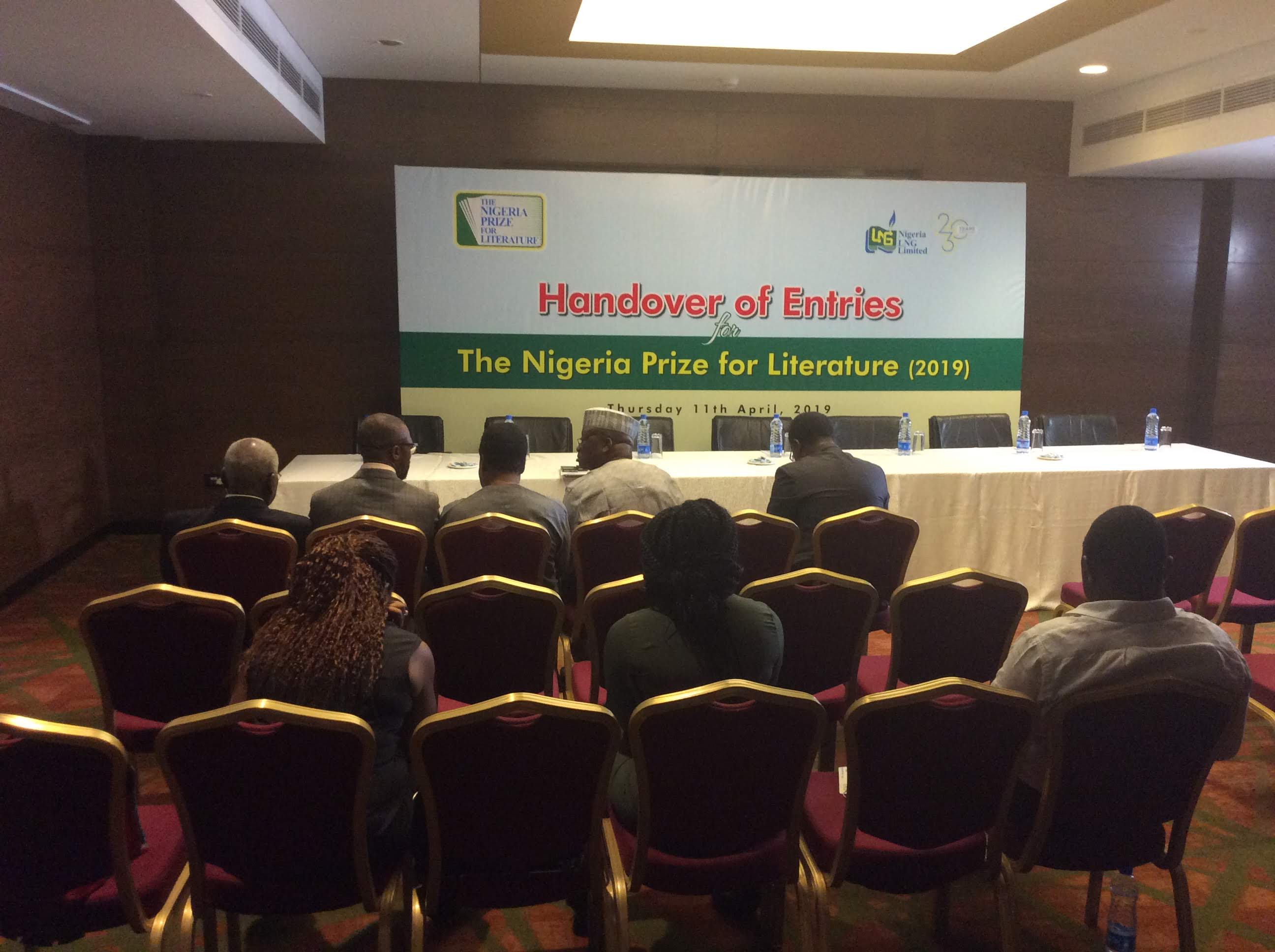
On Thursday, April 11, the entries received for the 2019 Nigeria Prize for Literature were handed to the panel of judges. There were a hundred and seventy-three (173) entries in all.

The event took place at the Ebony Hall of Èkó Hotels in Lagos, and was attended by members of the press, as well as the Prize Advisory Board and the members of the NLNG Corporate Communications and Public Affairs division.

The prize this year will focus on Children’s Literature. The number of entries this year show a 59% increase as compared to number of entries received in 2015, when the genre was last up for competition. The company also received 10 entries for the Literary Criticism Prize.

The Literature Prize, which is now in its 15th year, has a cash prize of $100, 000 while the Literary Criticism Prize has a prize money of N1 million (though it has been hinted that this might undergo a significant upgrade this year).

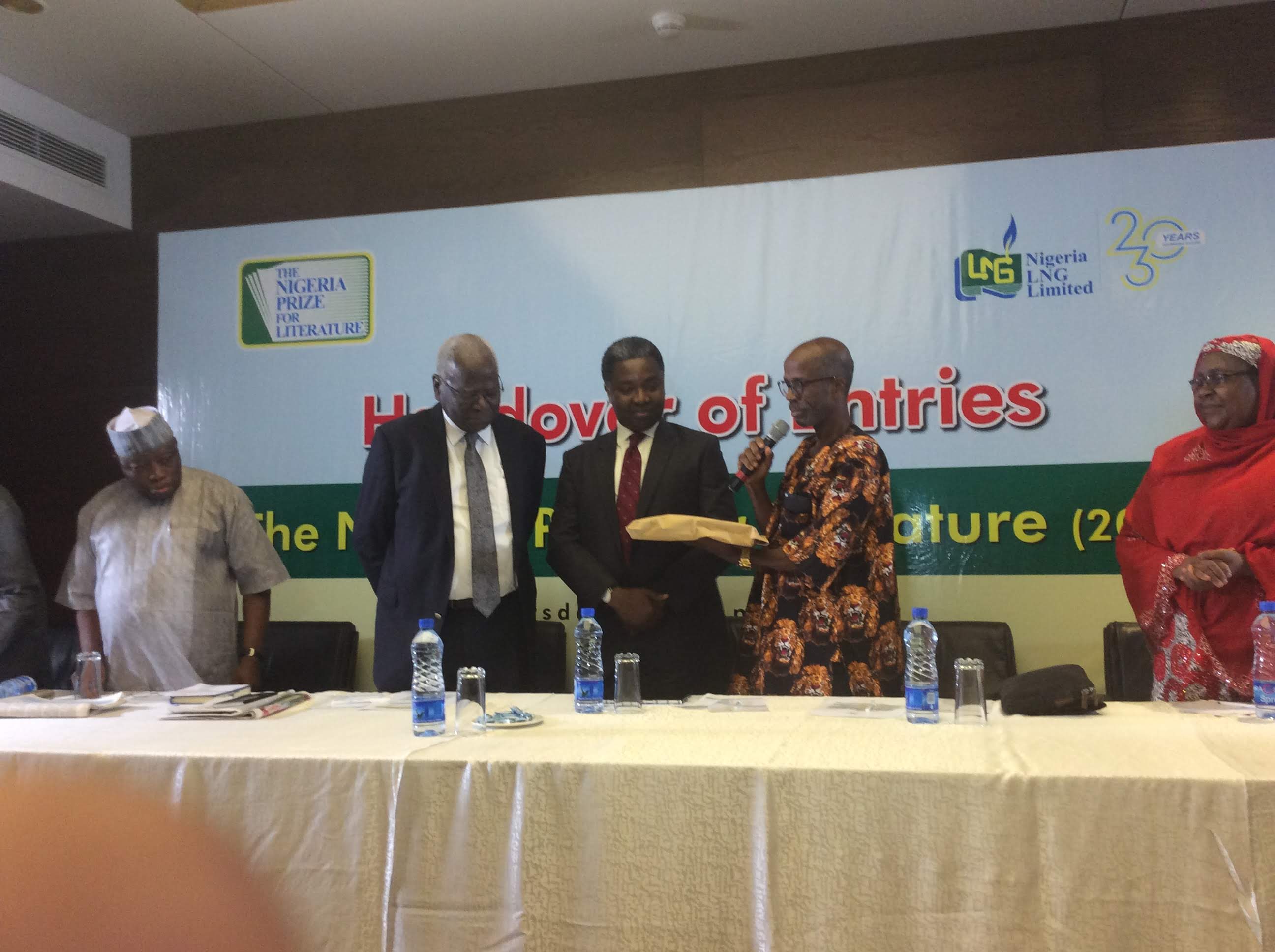
While handing over the entries to the Advisory Board, chaired by Professor Emeritus Ayo Banjo, NLNG’s Manager, Corporate Communications and Public Affairs, Andy Odeh, said “as we deliver these 173 books for your vetting, we eagerly look forward to the discovery of yet another literary gem that will open up possibilities for millions of children not only in Nigeria, but all over the Africa.”

“We can confidently say that the Nigeria Prize for Literature has brought some previously unknown Nigerian writers to public attention. Our generation and those after us are becoming familiar with not just legends like Wọlé Ṣóyínká, Chinua Achebe, Gabriel Okara, Elechi Amadi, and Akachi Adimora-Ezeigbo, Mabel Sẹ́gun and other writers of longstanding acclaim that, perhaps, some of us had the opportunity of reading as children, but also a new cadre of writers like Kaine Agary, Adélékè Adéyẹmí, Tádé Ìpàdéọlá, Ikeogu Oke, Sọjí Cole and others.”

During the handover, Chairman of the Advisory Board, Professor Ayọ̀ Bánjọ recalled it was exactly 15 years after the first handover event was held.  He stated that at the start of this year’s cycle, the board was a bit jittery over the prize not being awarded in 2015 and writers being discouraged to send in their entries.

“When the call for entries was made, entries trickled in at the beginning but toward the deadline, it picked up and crossed the 100 mark. Professor Bánjọ said further that the board is hopeful that the numeric strength of the entries will be matched by strength in quality of the submissions,” he added”

He commended NLNG for having the vision to create the literature prize and The Nigeria Prize for Science, saying “the prizes have raised the creativity in the country, whether you are writing poetry or trying to solve the problem of electricity in the country.” He remarked further that NLNG has done its share of work in promoting innovation and creativity in the society, adding that “the company is contributing to the emergence of original thinkers and highly creative people in the society. It has managed to do that in the space of 15 years.”

The entries were immediately handed over to the panel of judges led by Professor Obododinma Oha who is a professor of Cultural Semiotics and Stylistics in the Department of English, University of Ìbàdàn with great interest in technology and language.

Other members of the panel include Professor Asabe Usman Kabir and Dr. Patrick Okolo. Professor Kabir is a professor of Oral and African Literature at Usmanu Danfodiyo University Sokoto. Dr. Oloko, a Senior lecturer at the University of Lagos Nigeria, specialises in African postcolonial literature, gender and cultural studies. 

The winners of the Literature and Literary Criticism prizes will be announced at an award ceremony in October 2019, to commemorate the anniversary of the first LNG export from the NLNG’s Plant on October 9, 1999. 

Members of the Advisory Board for the Literature Prize, besides Professor Bánjọ, two-time Vice-Chancellor of Nigeria’s premier university, University of Ìbàdàn, are Prof. Jerry Agada, former Minister of State for Education, former President of the Association of Nigerian Authors, and Professor Emeritus Ben Elugbe, former President of the Nigerian Academy of Letters and president of the West-African Linguistic Society (2004-2013).

One other piece of news that came out of the press conference is the commitment by NLNG, through Mr. Andy Odeh, its Manager, Corporate Communications and Public Affairs, to provide copies of the three shortlisted books to any reviewer/journalist interested in reading and reviewing them for the public while the judging process is going on. “But with a caveat,” Professor Ben Elugbe added, “that this is not an endorsement by the NLNG of the views of the reviewer on the works or on their viability for the prize.”


Menjelajahi Hiburan Slot Online Modern: Tren Digital, Pengalaman Pemain, dan Perkembangan Dunia Gaming Virtual

Dunia hiburan digital telah mengalami perubahan yang sangat besar dalam beberapa tahun terakhir. Jika sebelumnya aktivitas gaming hanya dikenal melalui perangkat atau lingkungan bermain tradisional, kini semuanya telah berkembang menjadi ekosistem online global yang memungkinkan pengguna menikmati berbagai pengalaman interaktif kapan saja dan di mana saja. Dari sekian banyak bentuk hiburan digital yang hadir saat ini, permainan bergaya slot virtual menjadi salah satu kategori yang cukup populer karena menawarkan konsep sederhana, tampilan visual menarik, serta gameplay yang cepat dan mudah dipahami.

Perubahan Besar Dalam Dunia Hiburan Digital

Perkembangan dunia gaming online saat ini bukan lagi hanya tentang memutar gulungan virtual beton88 atau sekadar mengejar hasil tertentu. Industri ini telah berubah menjadi perpaduan antara teknologi canggih, kreativitas desain, interaksi komunitas, hingga pengalaman personal yang disesuaikan dengan kebutuhan pengguna. Platform modern kini dirancang dengan sistem yang lebih pintar, mengutamakan bolaklik kemudahan akses, performa stabil, serta tampilan yang nyaman digunakan oleh berbagai kalangan.

Di era digital yang serba cepat ini, para pengguna tidak hanya mencari hiburan biasa, tetapi juga pengalaman yang praktis, fleksibel, dan bisa dinikmati melalui berbagai perangkat. Baik melalui komputer maupun smartphone, akses terhadap dunia gaming kini semakin mudah. Hal tersebut membuat hiburan digital menjadi bagian dari gaya hidup modern, terutama bagi mereka yang ingin menikmati waktu santai tanpa batasan tempat dan waktu.

Peran Teknologi Mobile Dalam Evolusi Gaming

Kemajuan teknologi mobile menjadi salah satu faktor terbesar yang mendorong perubahan molaplay tersebut. Kehadiran smartphone dengan koneksi internet berkecepatan tinggi membuat berbagai jenis hiburan digital dapat dijangkau dengan lebih mudah. Pengguna tidak lagi membutuhkan perangkat khusus untuk menikmati pengalaman gaming karena hampir semua aktivitas dapat dilakukan langsung melalui perangkat genggam yang selalu tersedia.

Fenomena ini juga membuat munculnya berbagai istilah populer dalam komunitas online mpo88. Kata-kata seperti “gacor”, “hoki”, atau “maxwin” sering digunakan sebagai bahasa santai untuk menggambarkan momen seru, pengalaman menyenangkan, atau keberuntungan yang dirasakan seseorang saat bermain. Istilah tersebut kemudian berkembang menjadi bagian dari budaya internet, khususnya di kalangan komunitas digital yang sering berdiskusi mengenai fitur, pengalaman, dan tren terbaru.

Pentingnya Memahami Konsep Hiburan Digital

Namun, penting untuk memahami bahwa permainan berbasis keberuntungan tetap memiliki unsur ketidakpastian mpo88.cfd. Tidak ada hasil yang dapat dijamin karena setiap sistem permainan memiliki mekanisme yang berjalan berdasarkan proses tertentu. Oleh karena itu, aktivitas hiburan digital sebaiknya tetap dilakukan dengan pemahaman yang bijak dan tidak dianggap sebagai cara pasti untuk mendapatkan keuntungan.

Inovasi Visual dan Fitur Modern Dalam Gaming Virtual

Perkembangan hiburan slot virtual modern juga terlihat dari peningkatan kualitas slot777 grafis, efek suara, serta fitur interaktif yang semakin kreatif. Para pengembang kini tidak hanya menghadirkan tampilan sederhana, tetapi menciptakan pengalaman yang lebih hidup melalui tema sinematik, animasi dinamis, serta konsep permainan yang lebih variatif.

Jika dahulu desain permainan cenderung monoton, kini banyak inovasi baru yang menghadirkan suasana berbeda. Beberapa konsep menggabungkan elemen petualangan, dunia fantasi, hingga gaya visual futuristik untuk memberikan pengalaman yang lebih imersif. Perubahan ini menunjukkan bahwa industri gaming terus bergerak mengikuti perkembangan teknologi dan selera pengguna modern.

Faktor Yang Membentuk Pengalaman Pengguna

  • Kualitas tampilan visual yang menarik dan modern.
  • Sistem navigasi yang mudah dipahami oleh pengguna.
  • Performa platform yang cepat dan stabil.
  • Fitur interaktif yang memberikan pengalaman lebih menarik.

Peningkatan User Experience Pada Platform Digital

Selain aspek visual, peningkatan pengalaman pengguna juga menjadi fokus utama dalam perkembangan platform tebaknomor. Sistem navigasi yang lebih rapi, waktu akses yang lebih cepat, serta tampilan yang responsif menjadi standar baru dalam dunia hiburan online. Tujuannya adalah memberikan pengalaman yang nyaman bagi pengguna lama maupun pendatang baru yang ingin mencoba layanan digital.

Proses penggunaan yang sederhana juga menjadi faktor penting. Tampilan yang mudah dipahami, menu yang jelas, serta sistem yang ramah pengguna membuat seseorang dapat beradaptasi dengan lebih cepat. Dalam dunia digital yang penuh persaingan, kenyamanan pengguna menjadi salah satu faktor utama yang menentukan kualitas sebuah platform.

Pengaruh Teknologi Terhadap Sistem Gaming Online

Teknologi juga terus memberikan pengaruh besar terhadap cara kerja industri gaming online. Sistem perangkat lunak modern, analisis data, serta peningkatan keamanan digital menjadi bagian penting dalam membangun ekosistem hiburan yang lebih baik. Infrastruktur teknologi yang kuat membantu menciptakan pengalaman yang lebih lancar sekaligus menjaga keamanan informasi pengguna.

Seiring meningkatnya aktivitas online, isu mengenai privasi, transparansi sistem, dan penggunaan teknologi secara bertanggung jawab menjadi perhatian utama. Pengguna saat ini semakin cerdas dalam memilih layanan digital karena mereka tidak hanya melihat tampilan menarik, tetapi juga mempertimbangkan keamanan dan kredibilitas sebuah platform.

Tren Hiburan Instan Di Era Digital

Popularitas permainan digital juga berkaitan dengan perubahan gaya hidup masyarakat mpo77.icu modern yang menginginkan hiburan instan. Di tengah rutinitas yang semakin padat, banyak orang lebih memilih aktivitas yang dapat dinikmati dalam waktu singkat tanpa membutuhkan persiapan panjang. Hiburan digital memberikan solusi dengan menghadirkan akses cepat dan pengalaman interaktif yang bisa dilakukan kapan saja.

Penerapan Penggunaan Digital Yang Seimbang

Meski begitu, keseimbangan tetap menjadi hal yang penting. Aktivitas gaming sebaiknya dipandang sebagai sarana hiburan dan relaksasi, bukan sebagai sesuatu yang harus dijadikan tujuan utama. Mengatur batas waktu, memahami sistem permainan, dan menjaga pola penggunaan yang sehat merupakan langkah penting agar pengalaman digital tetap memberikan dampak positif.

Perubahan Perilaku Pengguna Gaming Modern

Pengguna gaming modern juga semakin berkembang dan memiliki wawasan lebih luas. Mereka tidak hanya tertarik pada desain yang keren atau fitur menarik, tetapi juga memperhatikan kualitas layanan, stabilitas sistem, serta pengalaman pengguna lainnya. Ulasan online, diskusi komunitas, dan berbagai percakapan digital sering menjadi sumber informasi sebelum seseorang mencoba sebuah layanan hiburan.

Peran Komunitas Digital Dalam Perkembangan Gaming

Media sosial juga memiliki peran besar dalam mempercepat perkembangan budaya gaming online. Saat ini, pengguna dapat dengan mudah berbagi cerita, pengalaman bermain, pendapat, hingga mengikuti tren terbaru melalui berbagai platform digital. Interaksi tersebut menciptakan komunitas yang aktif dan membuat dunia gaming menjadi lebih dinamis.

Masa Depan Hiburan Virtual Dengan Teknologi Baru

Melihat perkembangan teknologi yang terus berjalan, masa depan hiburan virtual diprediksi akan semakin menarik. Kehadiran kecerdasan buatan, sistem personalisasi yang lebih canggih, serta teknologi visual terbaru berpotensi menciptakan pengalaman digital yang semakin interaktif dan realistis.

Teknologi seperti virtual reality dan sistem imersif lainnya juga diperkirakan akan membawa perubahan besar dalam cara manusia menikmati hiburan. Walaupun konsep gaming tradisional masih memiliki tempat tersendiri, inovasi masa depan dapat menghadirkan lingkungan digital yang terasa lebih nyata dan memberikan tingkat keterlibatan yang lebih dalam.

Fokus Pada Transparansi Dan Keamanan Digital

Selain inovasi teknologi, kebutuhan terhadap lingkungan digital yang adil dan transparan sbobet.ag juga akan semakin meningkat. Pengguna ingin memahami bagaimana sebuah sistem bekerja dan mengharapkan informasi yang jelas mengenai fitur serta layanan yang tersedia. Keamanan, keterbukaan, dan desain yang bertanggung jawab akan menjadi nilai penting dalam perkembangan industri hiburan digital.

Evolusi Bahasa Dalam Komunitas Gaming

Bahasa dalam dunia gaming online pun ikut mengalami evolusi. Istilah slang internet, ungkapan komunitas, dan gaya komunikasi digital menciptakan kosakata unik yang mencerminkan cara pengguna berinteraksi. Kata-kata yang berkaitan dengan keberuntungan, pencapaian, dan keseruan menjadi populer karena menggambarkan reaksi emosional seseorang terhadap pengalaman hiburan yang mereka rasakan.

Kesimpulan Tentang Perkembangan Gaming Virtual Modern

Walaupun teknologi terus berkembang dengan sangat cepat, tujuan utama dari hiburan https://www.ktravula.com/2019/10/decolonizing-innovation/ tetap sama, yaitu memberikan pengalaman yang menyenangkan. Baik pengguna yang menyukai permainan santai, konsep kreatif, maupun tantangan interaktif, platform digital terus beradaptasi untuk memenuhi berbagai kebutuhan dan preferensi.

Pada akhirnya, dunia gaming virtual modern bukan hanya sekadar aktivitas digital biasa. Perkembangannya mencerminkan perubahan besar dalam teknologi, komunikasi, serta budaya hiburan masyarakat global. Dengan penggunaan yang bijak dan inovasi yang terus berjalan, pengalaman hiburan online akan terus berkembang mengikuti perubahan zaman serta kebutuhan komunitas digital di masa depan.

NLNG presents $200,000 to 2017 Literature, Science Prizes winners

Nigeria LNG (NLNG) Limited, yesterday at a Public Presentation in Lagos, formally presented The Nigeria Prize for Literature and The Nigeria Prize for Science, which come with a cash prize of $100,000 each, to four winning entries that emerged from the 2017 cycle.

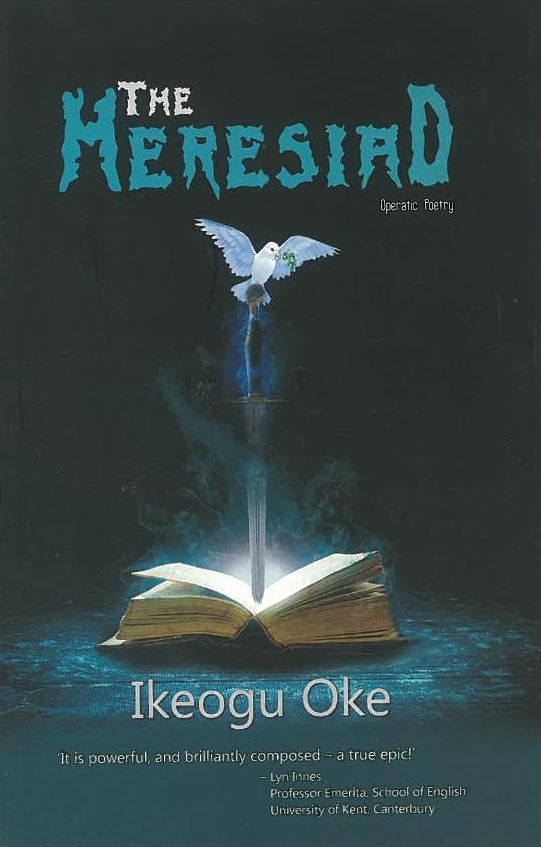
Author of the winning entry for The Nigeria Prize for Literature, The Heresiad, Ikeogu Oke, was awarded a $100,000 cheque, while joint science prize winners Ikẹ́olúwapọ̀ Àjàyí, Ayọ̀délé Jẹ́gẹ́dẹ́, Bídèmí Yusuf, Olúgbénga Mokuolu and Chukwuma Agubata were awarded the Nigeria Prize for Science, with a cash prize of $100,000, split evenly.

The science prize sought to find solutions to malaria through its theme for 2017, Innovations in Malaria Control.

The joint winning entries for the science prize were “Improving Home and Community Management of Malaria: Providing the Evidence Base” by Ikẹ́olúwapọ̀ Àjàyí, Ayọ̀délé Jẹ́gẹ́dẹ́ & Bídèmí Yusuf; “Multifaceted Efforts at Malaria Control in Research: Management of Malaria of Various Grades and Mapping Artemisinin Resistance” by Olúgbénga Mokuolu; and “Novel lipid microparticles for effective delivery of Artemether antimalarial drug using a locally-sourced Irvingia fat from nuts of Irvingia gabonensis var excelsa (ogbono)” by Chukwuma Agubata.

The 2017 cycle of the science prize ended a seven-year drought of winners. There had been no winner since 2010.

VIPs who were present at the high profile event include the Executive Governor of Lagos State, Akínwùnmí Ambọ̀dé, represented by the Commissioner for Special Duties, Honourable Olúṣẹ̀yẹ Adédèjì; the Honourable Minister for Science and Technology, Dr. Ogbonnaya Onu, represented by Dr (Mrs) Julie Momah; Honourable Minister of Education, Adamu Adamu, represented by Mrs Elizabeth Ibezim; the Obi of Onitsha HRH Nnaemeka Achebe; Egbere Emere Okori 1 Eleme, His Royal Highness Appolus Chu; Paramount Ruler of Ondo Kingdom, HRM, Oba Dr Victor Adésìḿbọ̀ Kiládéjọ Jilo III; members of the NLNG Board of Directors; members of the diplomatic corps; members of the Advisory Board for Literature and Science; members of the panel of judges for both prizes; the media; the academia; as well as invitees from the Nigerian literary community and secondary schools in Lagos.

Tony Attah, Managing Director and Chief Executive Officer of NLNG, in his keynote remarks, said “The question is often asked, why Nigeria LNG Limited chose to honour writers and scientists despite its huge basket of Corporate Social Responsibility programmes that include the provision of roads, light, water and wide-ranging education intervention scholarship schemes.

“Our answer is very simple. No business can exist in isolation and be sustainable. Just like the adage says, “If you want to go fast; go alone, but if you want to go far; go together”. And for Nigeria LNG Limited, as a company, we have chosen to walk together with Nigeria.

“In Nigeria, we have the intellectual capability, we also have the resources; what we need is the will, and together we can all continue to progress the reputation of Nigeria in these spaces,” he added.

The Deputy Managing Director, Sadeeq Mai-Bornu, also remarked: “The Science and Literature prizes have come this far because stakeholders, especially the advisory boards, the panel of judges and our very distinguished guests have shown rare commitment towards making the prizes a success and one of the most prestigious initiatives of its kind in Africa.

“It is important to highlight here that Nigerian Scientists have continued to demonstrate that they can defend their space against the best anywhere in the world. So we look forward to more entries to provide solutions to issues classified as Nigerian problems in our subsequent competitions to enable us actualize this lofty ambition to speed up Nigeria’s socio economic advancement,” he said.

He announced that 2018 literature competition would be on Drama while the science prize theme is Innovations in Electric Power Solutions.

Accepting the award for Literature, Oke said: “In a world in which we do not always get what we deserve, and fortune does not always favour the most qualified or hardworking, I think we should all feel humble and appreciative for any success we achieve. This, besides happy, is how I feel as the recipient of this honour. To Nigeria LNG Limited, the members of the Advisory Board of the Nigeria Prize for Literature and the award-giving judges, I say, “An award-winning poet salutes you!”

The winners of the science prize also commended NLNG for instituting the prize and urged the academia and innovations to have more interest on the prize to showcase Nigeria’s talent.

The Nigeria Prize for Literature has since 2004 rewarded eminent writers such as Abubakar Adam Ibrahim (2016, Prose) with Season of Crimson Blossoms; Sam Ukala (2014; Drama) with Iredi War; Tade Ipadeola (2013; Poetry) with his collection of poems, Sahara Testaments; Chika Unigwe (2012 – prose), with her novel, On Black Sister’s Street; as well as Adeleke Adeyemi (2011, children’s literature) with his book The Missing Clock.

Others are Esiaba Irobi (2010, drama) who clinched the prize posthumously with his book Cemetery Road; Kaine Agary (2008, prose) with Yellow Yellow; Mabel Segun (co-winner, 2007, children’s literature) for her collection of short plays Reader’s Theatre; Professor Akachi Adimora-Ezeigbo (co-winner, 2007, children’s literature) with her book, My Cousin Sammy; Ahmed Yerima (2006, drama) for his classic, Hard Ground; and Gabriel Okara (co-winner, 2005, poetry), Professor Ezenwa Ohaeto (co-winner, 2005, poetry).

The Nigeria Prize for Science has also been awarded to science laureates such as Professor Akii Ibhadode (2010); the late Professor Andrew Nok (2009); Dr. Ebenezer Meshida (2008); Professor Michael Adikwu (2006); and joint winners Professor Akpoveta Susu and his then doctoral student, Kingsley Abhulimen (2004).

The Nigeria Prize for Literature and The Nigeria Prize for Science are some of Nigeria LNG Limited’s numerous contributions towards building a better Nigeria.

A Poem as a Dreamer and Pacifist

By Ikeogu Oke

(Being the Acceptance Speech for the 2017 Nigeria Prize for Literature)


The Way I Want To Go

What you do you must do on your own.

The main thing is to write

for the joy of it.

– Seamus Heaney, “Station Island”


Father has called and warned me not to go

The way I want to go:

“It is no life you spend among the trees!”

Mother as everyone at home agrees.

And good opinion says the trend of the era shows

That those whose pen must feed must write in prose.


“To write in verse,” they say, “is agony.

For poets,” they press, “do not make money.”


And I have given thought to what they say,

While alone and headed on my way.

The wisdom of the world and age apart,

The truly wise must listen to his heart.

And yet the poet should not deny his pain,

Or fail for lack to stress his fair bargain.


For if poets do not make money,

Then, neither does money make poets.


O World, Thou Choosest Not

O world, thou choosest not the better part!

It is not wisdom to be only wise,

And on the inward vision close the eyes,

But it is wisdom to believe the heart.

Columbus found a world, and had no chart,

Save one that faith deciphered in the skies;

To trust the soul’s invincible surmise


Was all his science and his only art.

Our knowledge is a torch of smoky pine

That lights the pathway but one step ahead

Across a void of mystery and dread.

Bid, then, the tender light of faith to shine


By which alone the mortal heart is led

Unto the thinking of the thought divine.


– George Santayana


Let me proceed by thanking all of you for honouring the invitation to attend this event, and the Nigerian Liquefied Natural Gas Limited without whose commitment to the growth of Nigerian Literature we might not have gathered here.

I am grateful to the panel of adjudicators for the 2017 Nigeria Prize for Literature for pronouncing my entry, The Heresiad, as the winner, vindicating my expectation. I believed the entry rule which stated that the adjudication would be based on merit. Merit is a value to which I am strongly attracted and cherish highly but which, alas, Chinua Achebe described as “quite often a dirty word” in our country. And I believe its entrenchment in the affairs of our nation, beyond such adjudication of literary prizes, can have far-reaching transformational effects.

In a world in which we do not always get what we deserve, and fortune does not always favour the most qualified or hardworking, I think we should all feel humble and appreciative for any success we achieve. This, besides happy, is how I feel as the recipient of this honour. To the Nigerian Liquefied Natural Gas Limited, the members of the Advisory Board of the Nigeria Prize for Literature, and the award-giving judges, I say, “An award-winning poet salutes you!”

I thank my publisher, Kraft, our chef of delicious books, for indulging my insistence on perfection. I thank my fellow poets for a great contest, especially my fellow finalists whose calls to congratulate me for winning was for me the hallmark of literary sportsmanship, a profoundly moving gesture. I thank my father, an unceasing fount of fond memories. He taught me the virtues of hard work, steadfastness, self-belief, self-denial and sacrifice. Without his lessons I might not have devoted twenty-seven years working on The Heresiad, running a compositional marathon and expecting no reward beyond the satisfaction, after crossing the finish line, that I had run a good race. I thank my family, especially my wife and children, for enduring the quirks of a restless poet.

The first of the poems I have furnished as an epigraph to this speech has served me as a literary manifesto since I wrote it about fifteen years ago, as a response to the concerns expressed by those who thought my career choice of poetry was a waste of time and tantamount to entering into a life-long pact with penury. Poetry is the only healthy narcotic on earth. I am happy to be addicted to it as shown by my refusal to be swayed by such concerns. I have invoked the poem here hopefully to arouse the contemplation of how one’s resolve to pursue one’s dreams in spite of such concerns is the best decision that can lead to a fulfilled life.

The second, a sonnet by George Santayana, is my polestar of inspirational poetry. I have invoked it here because I believe its cardinal themes of vision, faith, self-belief and resolutely acting on one’s dreams reinforce and anticipated similar themes in my own poem.

That way, we can all see that if I were to say, as part of the use to which I wish to put this historic opportunity to speak to you, that vision, faith, self-belief and resolutely acting on one’s dreams are virtually all one needs to attain one’s purpose in life, and perhaps inspire those among us who still have the courage to dream dreams, especially the young, I would not be a solitary voice in some poetic wilderness.

So you can see that some master, far wiser than I, had said it before me. And that the veracity of his words, even when subjected to logical scrutiny, is proof that the poet does not lie whether he speaks for faith or reason, or in any circumstance whatsoever. And that he perhaps deserves our attention more than we are currently inclined to give it to him – in our own interest.

And need I, as one of such other circumstances of proof that the poet does not lie, point out that the experience I relate in “The Way I Want to Go” regarding my family and “good opinion”, took place only in my imagination, even though it hints at real behaviours? My family members will disavow it if their idea of truth is confined to the literality of events, and infer that the poet lied, and if they lack the understanding that the truth as spoken by poets may be but need not be literal, in the sense of being a rendition or reflection of a physical occurrence or phenomenon.

In the wake of my announcement as the recipient of this honour, I spoke with someone who shared with me the challenges he is facing in becoming a successful writer. From our conversation I drew a hint – I believe rightly – that he would like me to lead him into the secret to success in the literary vocation.

I have also been asked repeatedly, “What kept you going all these years?” by various individuals, some of whom are interested in becoming writers. I believe the question seeks to elicit a similar response from me to that of the acquaintance who shared his challenges about succeeding as a writer with me.

Unfortunately, I do not know the secret to success. Nor do I think that writers would have a different secret to success from the rest of humanity. If I knew such a secret, I would readily reveal it to end the difficulties we all face as human beings in making our dreams fructify. And, not knowing any such secret, I offer these admonitory words, drawn from the depths of my personal convictions, in lieu of my ignorance.

Believe in yourself. Commit to a dream only you have the last say in its survival, so you may not despair even if you must stand alone in its pursuit, ignored by the rest of the world. If they tell you that your dreams are impossible, ignore the first two letters and move on with your dreams. Give all you have to what you do and love it with all your heart. Do it with your whole heart, with integrity, seeking first the kingdom of excellence for which other things should be added to you. But still plan to end up only with the satisfaction of having laboured for the love of your vocation, in case nothing more is added to you. Time is too precious to waste doing something you do not love even if it brings you fortune.

In life you will meet people who will try to snuff out the candle of your dreams. You will meet people who will help to keep it burning. I have been fortunate to meet more of the later type of people and I hope that becomes your lot too. But you have the final say as to how long the candle of your dreams will keep burning, regardless of what others tell you. And never forget that the fruits of vicious dreams often harbour the bitter taste of comeuppance.

There is no greater mission in life than making others genuinely happy, bringing them healthy joy. You are a success however you are able to accomplish this. Those you bring true happiness will ensure your success by patronising the means by which you do so.

Never accept the circumstances of your birth as a limitation to the realisation of your dreams, even if they are more fraught with lack, more underprivileged, than mine. From the age of twelve, in secondary school, I was constrained to earn all the money I paid as school fees from menial jobs because my parents, though responsible and firm in their resolve to give all their six children a good education, could never have earned enough to do so owing to inhibitions imposed by their own underprivileged backgrounds.

I can even say that I am proud of my heritage of an underprivileged background for teaching me the invaluable lessons of self-denial, of delayed gratification, and the transcendence of hard work, far better than I might have been taught had I come from a privileged background. And these, in my view, are important lessons for success.

And if, in spite of the privation associated with being lowborn, I can arrive at the privilege of being the recipient of this extraordinary honour, so can any child born of poor parents, any parent in fact. It can be any child who can set forth at dawn1, set their goals and priorities right, pursue them with single-mindedness, and be ready to crack their palm kernel if no benevolent spirit2 shows up to crack it for them. It can be any child who understands that, as Thomas Carlyle said, “Perseverance is the anchor of all virtues.”

Also, that I stand here today disproves the charge that Nigeria does not reward merit, excellence or hard work. My experience that culminates in this event is proof that it does, that it is actually a land of possibilities in which even improbable dreams can come true in spite of the crying need to make it “a more perfect union” as the former Unites States President, Barak Obama, once said about his country.

It is an experience more sour than sweet, more painful than joyous. It includes waking up one morning about sixteen years ago to realise that my severance benefit from my first job from which I was retired prematurely and placed on pension at thirty-three years, after fifteen years’ untainted service, had been trapped

– and it remains trapped – in Savannah Bank, following its closure for an alleged breach for which the depositors who bore the brunt of the precipitate closure by the authorities were not responsible. It includes being persecuted out of several jobs by bosses averse to propriety in the workplace.

But what does my current experience say? The same land that can rip hope out of your breast can restore it in manifolds if you will not give up on it.


I have a story,

I shall tell it without vainglory,

A story to inspire,

And light men’s souls with fire.


The primary role of the poet is to create beauty with words, like other types of artists whose primary roles are to create beauty through their various mediums of expression. Yet, we know that art is hardly, if ever, unalloyed with functionality. That it is almost always applied and hardly pure. That even its affective function implicates inherent applicability, if utilitarianism. That it is hardly ever strictly an ornament.

And, as poets and other forms of artists, I think we should never cease to ask ourselves if we should be satisfied with merely creating beauty through our work in a world in which ugly occurrences constantly threaten such beauty. To pose it as a question: Should we plant gardens and allow them to be overrun with weeds, or adorn our world with our work and overlook its being blighted by injustice and other ills that may threaten its peace? Or, put differently, can we not be cultivators of beauty as well as what Niyi Osundare calls “the eye of the earth,” using our work to police the earth against harm, while engaging in other possible activities to improve its lot and cultivate its wellbeing? If we say yes to the former and no to the latter, which should be surprising especially for the former, then why do we praise Pablo Neruda’s Spain in Our Hearts3? Why do we commend Pablo Picasso’s Guernica? Why do we acclaim Nadine Gordimer’s My Son’s Story, Wole Soyinka’s A Play of Giants, and many more of such remarkable works of art which meld their originators’ love for creating beauty with their interest in championing a better world? A Stradivari violin, an Amati, are beautiful objects. But from that beauty we extract music, and our world is better off for it. Art is basically an instrument for transmitting aesthetic pleasure. But it can transmit more. And artists can consciously make it transmit more for the betterment of our world.

If permitted a singular use of metaphorical license, I would describe The Heresiad as a mirror of a poem as a dreamer and pacifist, among other germane inferences that may be drawn from the work. For while defending the various freedoms I think we should all uphold as humans, those freedoms that form the bedrock of liberal values, especially freedom of expression, it urges their exercise with sensitivity to the legitimate feelings and interests of others. And even in the face of an offensive breach of such sensitivity, it encourages supporters of the offender to pacify the offended by acknowledging the offence. It then urges the latter to show leniency, as in the last of its following couplets spoken by one of the loyalists of Reason seeking to prevent the execution of the death sentence pronounced on the author accused of heresy in the poem as an aftermath of his exercising one of such freedoms:


And though I have the will to face their five,

And help our protégé to stay alive,

I’ll rather urge their anger, just but high,

To view his error with a lenient eye.

(Canto II, lines 197-200)


And even in the face of an imminent armed confrontation, the poem creates a hero, Reason, who makes a personal commitment to pursue his interest in saving the author without recourse to arms. Thus:


And Reason, mounted on a higher ground,

Waited, as his anxious thoughts unwound,

And while he waited muttered to himself


(As he focused on a granite shelf):

“I still think that strife cannot be proper;

No weapon fashioned for my use shall prosper;

I’ll go, unhurried, with the one they seek,

Though his hope may now be worse than bleak;


If the power of thought cannot avail,

Then the force of strife must not prevail;

If persuasion cannot help our cause,

Nor, I think, can any lethal force.

To explore the argument of grace – I go,

And take my thoughts for arrows and for bow!”

(Canto III, lines 607-620)


Here, then, lies the essence of the poem as a dreamer and pacifist: its simultaneous envisioning of the de-escalation of conflicts strictly by conciliation and their resolution through personal commitment to eschew the use of arms. In fact, it offers these, within and beyond the bounds of verse, as general principles for engendering peace in the world. They are also reflections of my belief that, though as artists we must fulfil our primary obligation to create beauty through our work, we can also make art more useful by using it to stimulate the evolution of a more liveable world. The poem does the latter by promoting peace (in a context that integrates respect for life) among countless options of such engagement open to artists across the world. And I have tried to do the former by creating such a book-length poem whose every line can be sung and set to music, making it a book-length art song, a musical epic in four cantos that may also be described as a literary symphony in four movements. I call it operatic poetry, a new genre of poetry intended to open new frontiers for its enjoyment. For I consider its action, drama and music primed for realisation – and to be realisable and awaiting realisation – as opera. And I clearly anticipate the materialisation of this artistic vision like the world which, as Santayana reminds us, Columbus found without a chart.

I might not have entered for let alone won this prize but for a friend and fellow writer who read the manuscript of The Heresiad and asked me to submit it for the prize, describing it as “a magnum opus”. Though flattered by the description, I hesitated, explaining that it was unpublished and needed more work before I would consider it publishable. He later wore down my resistance with his gentle insistence. Would we have been here today, I on this side of the proceedings, but for his special encouragement? I doubt it.

To this inspiring friend, Wale Okediran, I dedicate this prize, and to many others like him who offered various forms of encouragement for the twenty-seven years I worked on The Heresiad.

“We must always give back,” Nadine Gordimer, my friend and mentor, said to me at our last meeting before her demise in 2014. To this friend I have given back a token of a poem, entitled “Goodwill and Destiny”, that is also a song. But I have modified it to the following lines for the purpose of this speech and have had it set to music, which I consider the worthiest companion of poetry.


I crave your indulgence to rise and join me and let us read and sing it as believers in the value of goodwill, friendship, gratitude, and as a song of universal brotherhood, and to the glory of the Nigerian Liquefied Natural Gas Limited, my Muse, the Ebony Pearl, and Nigerian Literature, addressing the fourth and sixth lines respectively to the male and female next to us as we read and sing:


We are what we are because of others

With whom the heavens steer our lives like rudders.

And may the heavens gift your life a rudder

Like this brother from another mother;

And may the heavens gift your life a rudder

Like this sister from another mother.


________

Footnotes

  1. The phrase “who can set forth at dawn” alludes to a title of a memoir by Wole Soyinka entitled You Must Set Forth at Dawn.
  2. The phrase, “ready to crack their palm kernel if no benevolent spirit shows up to crack it for them”, alludes to a remark by Chinua Achebe in Things Fall Apart about those whose palm kernels have been cracked by a benevolent spirit not knowing that the cracking of palm kernels is hard.
  3. A translation of Espana en el Corazon (Spanish), the original title.

_______

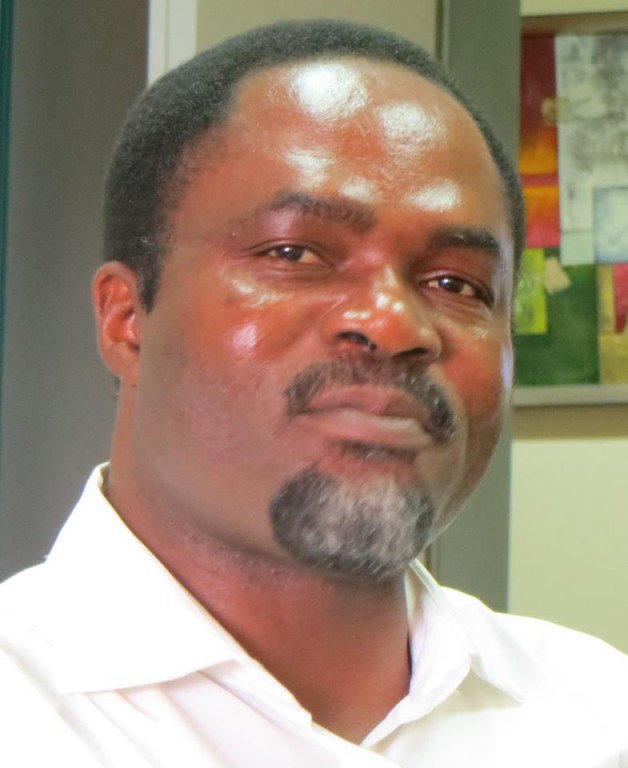
Ikeogu Oke is the winner of the 2017 Nigeria Prize for Literature (Poetry) for his volume The Heresiad