I think back often to when I spent most of my time on this blog, writing about everything that caught my fancy. Granted, this was when I was a grad school student, with days filled with adventure, youthful exuberance, travels, classroom experiences, and all manner of observations. At some point, I published twice a day. Good days. These days, I’m babysitting a two-year-old, when the ten-year-old is in school, and managing to squeeze my own reading and writing in-between.
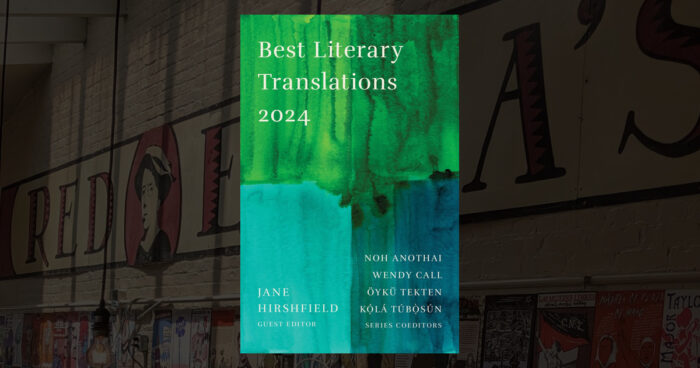
Today, I got an email from our publisher that the sophomore edition of Best Literary Translations anthology will soon be in print, and we’d soon get our galley/complimentary copies. Yes, this is the first time I’m mentioning the book here so a little background is helpful.
One of my favourite things about the publication is the number of wonderful guest-editors we get to work with. The first edition had Jane Hirshfield, the second edition had Cristina Rivera Garza, and the 2026 edition, which we’ve begun work on, will be guest-edited by Arthur Sze.
When I am done with this blog, I will start reading my own pile of entries for the 2026 edition.
So, what was I saying earlier? I miss writing here, and I hope to fix that in 2025. And why did I stop earlier? Overthinking, perhaps. Twitter? The craziness of the last years? Or a desire for something new. I did write and direct a documentary film last year, after all. And before that, in 2023, I was neck deep in some research project that became YorùbáVoice. In 2022, I moved countries, welcomed a new child, and hoped to spend more time in the United States so I can complete a number of book projects, one of which became my second collection Èṣù at the Library, and the other which became An African Abroad. 2021 was the pandemic, and so on. I also continue to work at OlongoAfrica, a platform I founded in 2020 to curate some literary, research, and translation projects on the continent; and at FlamingHydra, a subscription platform I co-founded via The Brick House Cooperative, where I also manage to continue to write.
Anyway, enough excuses. Let’s see how much this new year resolution holds.
It’s becoming cliché to say that the year flew by pretty fast, but that happened this year again, and I have a number of books to thank for providing a hiding place from the overwhelming nature of reality. Now, the time has come to take stock of progress and setbacks, and to reminisce about the delight that words in print provided to carry one through a tumultuous year.
Here are books I read, wrote, or contributed to this year, in no particular order. Where a link is provided, it’s usually to a review of the work that I wrote.
I enjoyed all the books I completed this year, especially in the prose department. Ayọ̀bámi Adébáyọ̀’s anticipated debut blew me away in a number of ways, and perplexed me in others. I also enjoyed Mohale Mashigo’s debut which explores trauma and mental illness, Olúmìdé Pópóọlá’s delightful prose and a story of friendship, Lauren Beukes’s collection of dystopian stories, and Sarah Manyika’s beautiful and unconventional book about love in old age. I think I should read more non-conventional prose like these in the next year. Normal is boring.
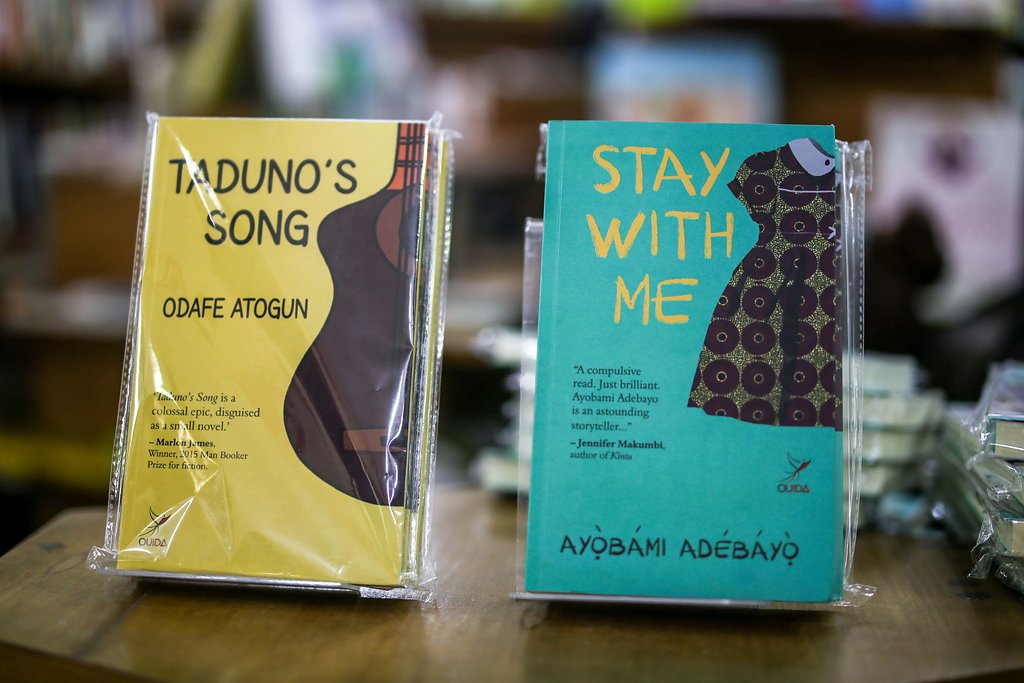
I was honoured to be able to speak with Laila Aboulela in Kaduna in July, discussing her historical novel The Kindness of Enemies. I’ve always found work that incorporate elements of fact into fiction to be very engaging. That way I can pretend that it’s nonfiction when it is really not. I loved Taduno’s Song for the same reason. I look forward to reading more of such work.
Started But Not Finished
A Woman’s Body is a Country by Dami Àjàyí
Masks of Light by Robert Eliot Fox
What It Means When a Man Falls from the Sky by Lesley Nneka Arimah
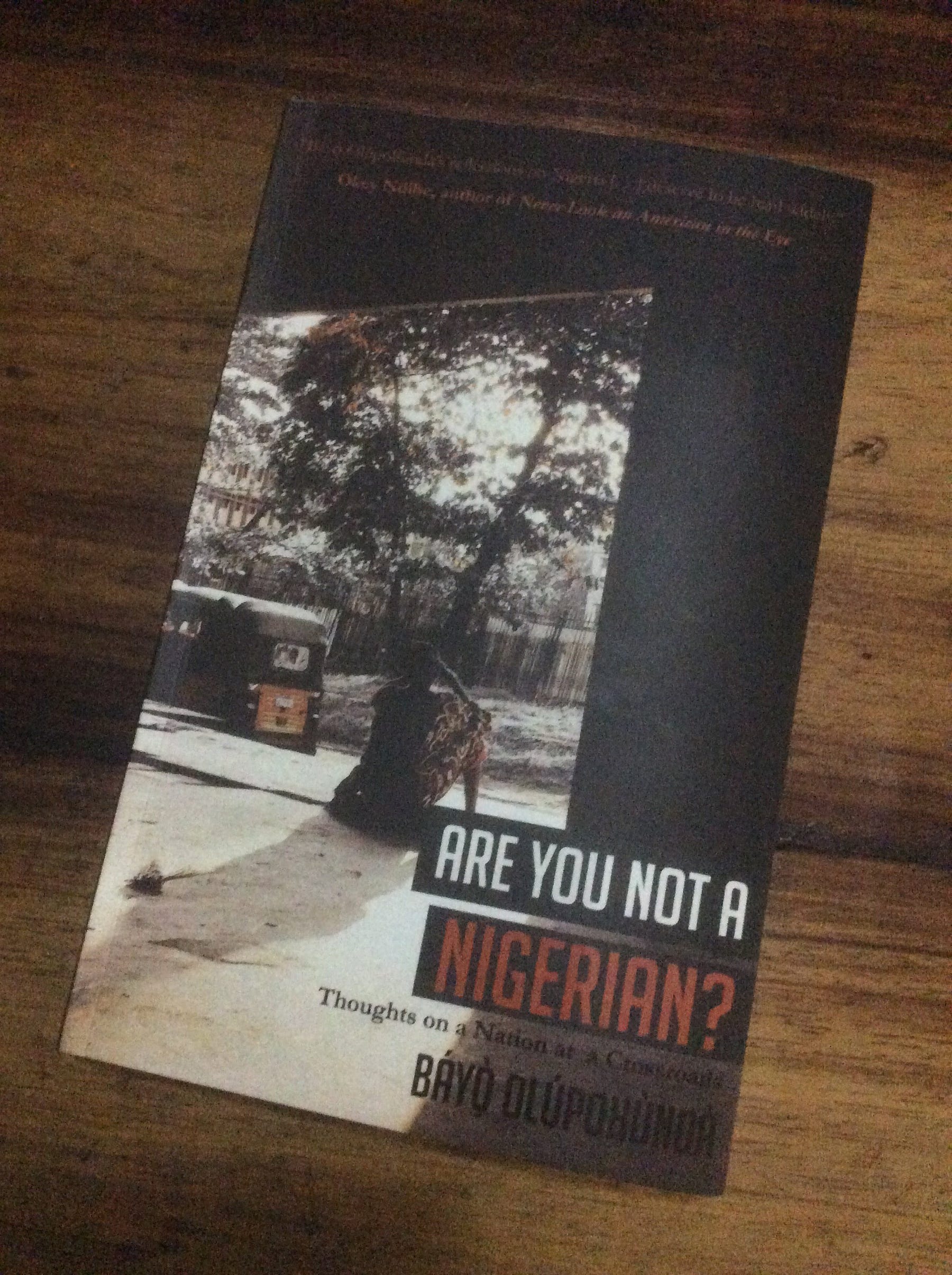
Are You Not a Nigerian? by Báyọ̀ Olúpohùndà
The Pleasure of the Text by Roland Barthes
The Book of Memory by Pettina Gappah
The Sellout by Paul Beaty
Facade by Emem Uko
The Idiot by Elif Batuman
Beyond Linguistics and Multilingualism in Nigeria: Essay on linguistics and multilingualism, language in education, English language, Yoruba language & Literature by Ayọ̀ Bámgbóṣé.
Beethoven Was One-Sixteenth Black by Nadine Gordimer
In Praise of Slowness: Challenging the Cult of Speed by Carl Honoré
Speaking of delightful prose, one book I can’t wait to finish is Lesley Nneka Arimah’s What It Means When a Man Falls from the Sky. It is my first time reading anything she’s written and I’m blown away. Thanks to the folks at Farafina for sending me a complimentary copy. The book is a collection of short stories each carrying a heavy punch. Her words are sweet and svelte, capable of telling a story, no matter how difficult, with care and beauty. Two of my friends, Báyọ̀ Olúpohùndà and Dami Àjàyí also published a book each this year, and I look forward to spending quality time with them. I’ve read Àjàyí’s book as a manuscript, and many of the articles in Olúpohùndà’s when they were newspaper columns. But I look forward to reading them again. I also highly recommend Robert Eliot Fox’s collection of poetry, published by a publishing outfit by Frank Chipasula whom I met for the first time in Abu Dhabi in April.
Bought But Not started.
Nollywood by Jonathan Haynes
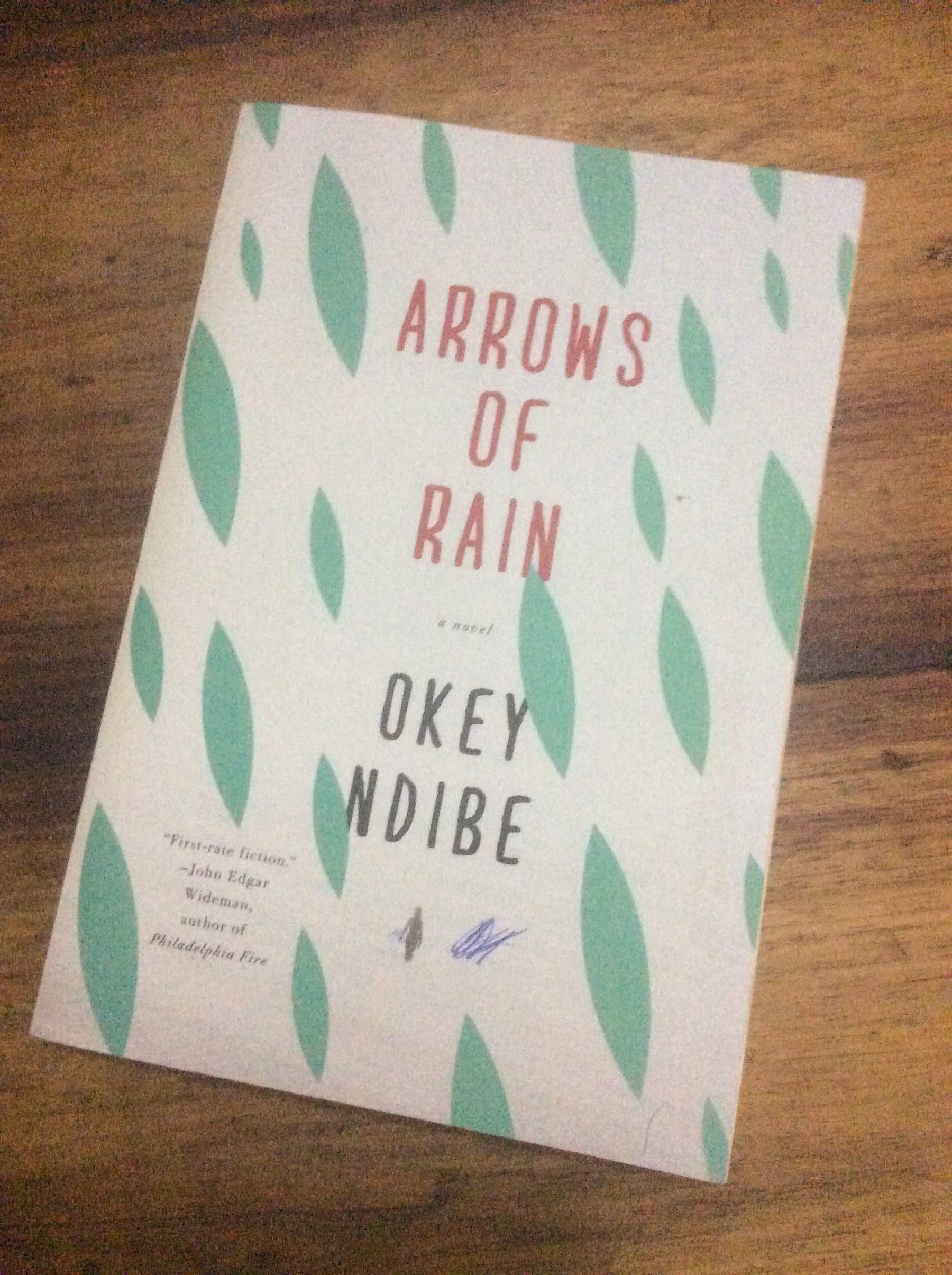
Arrows of Rain by Okey Ndibe
White Lagos by Pẹ̀lú Awófẹ̀sọ̀
Al Franken: Giant of the Senate by Al Franken
King Baabu by Wọlé Ṣóyínká
The Fisherman by Chigozie Obioma
Letterman: The Last Giant of Late Night by Jason Zinoman
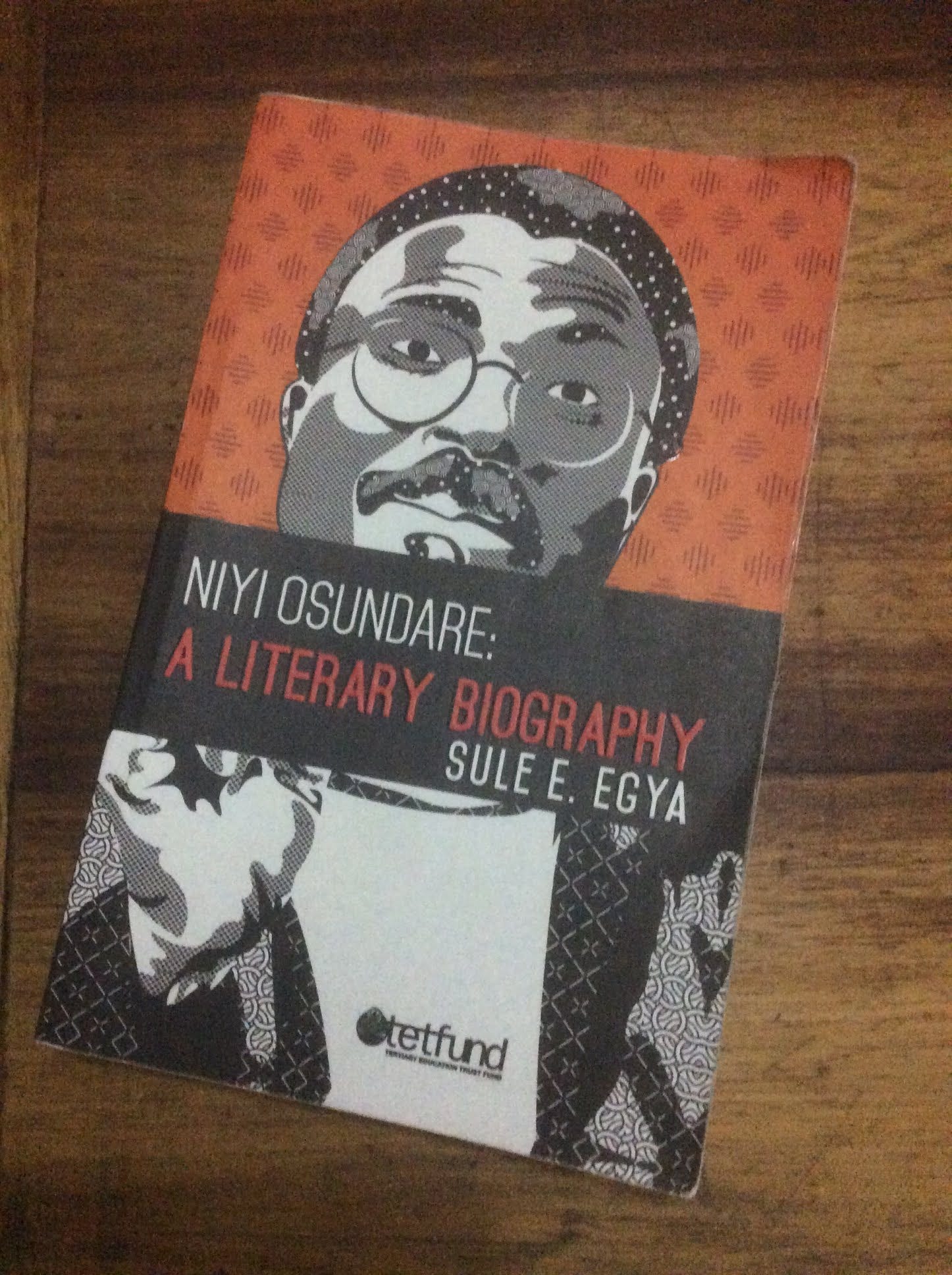
Dialogue With My Country by Niyi Ọ̀súndáre
The Translator by Laila Aboulela
A Black Man in the White House by Cornell Belcher
Kintu by Jeniffer Nansubuga Makumbi
Who Thought This Was a Good Idea? And Other Questions You Should Have Answers to When You Walk in the White House by Alyssa Mastromon
Of these twelve, the one less likely to be read in a hurry now is Al Franken’s autobiography which I was actually looking forward to. His resignation from the Senate amidst allegations, by about eight women, of sexual impropriety will certainly cast a shadow on any of the jokes he makes in the work about working with women. Not like the Letterman story will be any less cringe-inducing, but one of them managed to escape unscathed from public life. Some irony in that. Both of them, however, still occupy a very important place in American public life, as well as in comedy. I bought the Nollywood book at the Lagos Conference this summer, on impulse purchase, and because the author was there. But don’t know when I’ll ever get to it now. It does look like a good reference material on the story of Nigeria’s thriving movie industry though. I also look forward to reading Okey Ndibe’s Arrows of Rain which actually preceded his memoir published last year. Will be interesting to trace his creative development and style.
Publications my works appeared in.
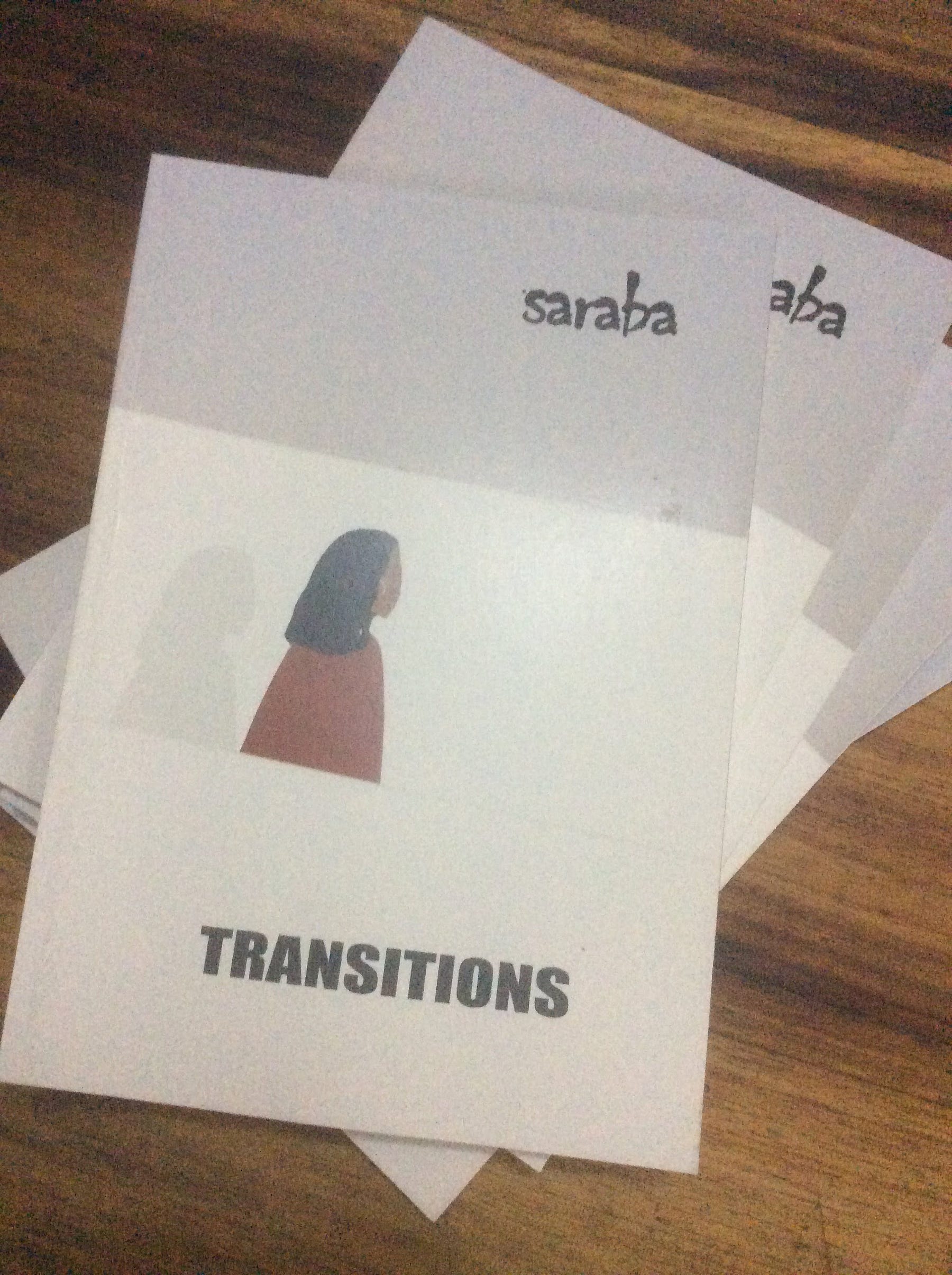
GENERAL NONFICTION. Saraba Magazine’s published its first print issue this year, titled Transitions. In it, I have a nonfiction piece, co-written with Tèmítáyọ̀ Ọlọ́finlúà titled “House 57”, about a house in Ìbàdàn that means a lot to me, but also carries an important story that touches more than just its immediate characters.
REVIEWS AND INTERVIEWS. I published a number of reviews and interviews on Brittle Paper this year, of works of writers like Sarah Ládípọ̀ Manyika, Ngugi wa Thiong’o, Níyì Ọ̀ṣúndáre, Chibundu Onuzor, Odafe Atógun, Lauren Beukes, Tádé Ìpàdéọlá, and Wana Udobang. I also published a couple of works on AfricanWriter.com, most notably my interview with Yẹ́misí Aríbisála (February 2017) and Titilope Sonuga (July 2017). I also joined This is Africa later in the year as a resident interviewer, publishing interviews with Dami Àjàyí (October 2017), Abubakar Adam Ibrahim (November 2017), and Igoni Barrett (December 2017). In Ake Review 2017, I have an interview with debut author Ayọ̀bámi Adébáyọ̀ on her work, her process, and on the presentation of women in fiction. It’s aptly titled “There’s Not One Way to Write a Feminist Character” — a quote taken directly from the author’s response to a question I had posed.
ESSAYS. Earlier in March, my literary essay In the Shadow of Context was published in Enkare Review. It was later nominated for the Brittle Paper Award for Think Pieces. In June, I contributed an essay titled Wetin Dey? Nigerian Pidgin and its Many Pikin as a preface to Inua Ellams’s Barbershop Chronicles staged and published by the UK National Theatre. In November 2017, my essay appeared in Il Suono di Pan an anthology edited by Prof. MM Tosolini and launched at Cividale del Friuli, near Udine in November 2017. The essay was titled The Suspended Leg in the Tripod of Identity: Yorùbá Around the World Today. it was also translated to Italian.
FEATURES. In January this year, Latterly Magazine’s Ashley Okwuosa shadowed me around places in Ìbàdàn where I grew up, asking relevant questions about my work as a writer and linguist. We visited Àkóbọ̀, the University of Ìbàdàn, and she met a couple of my professors. The result was a long profile titled “The Yorùbá Guardian” in the Spring Issue of the magazine. So, while this is technically not my work, it’s one I’m glad to have participated in.
Books Lost
This one is a tragedy A book I’ve had with me since 2002 was “borrowed” from me without my permission while I was attending the Kaduna Book and Art Festival (KABAFEST). Still waiting for whoever has it to send it back, graciously.
Hello 2018!
Thinking back, it’s hard to believe I read (or wrote) this much this year. My pocket certainly doesn’t believe it. There are so many more books I have bought and I’m looking forward to reading. The complete works of Nnedi Okorafor, for instance. Something tells me that the time for sci-fi and fantasy fiction is upon us. Every year I promise myself not to buy more books than I can read. I’ve failed this year, but 2018 is another year.
So, what books did you read and enjoy this year? And will you lend me to read?
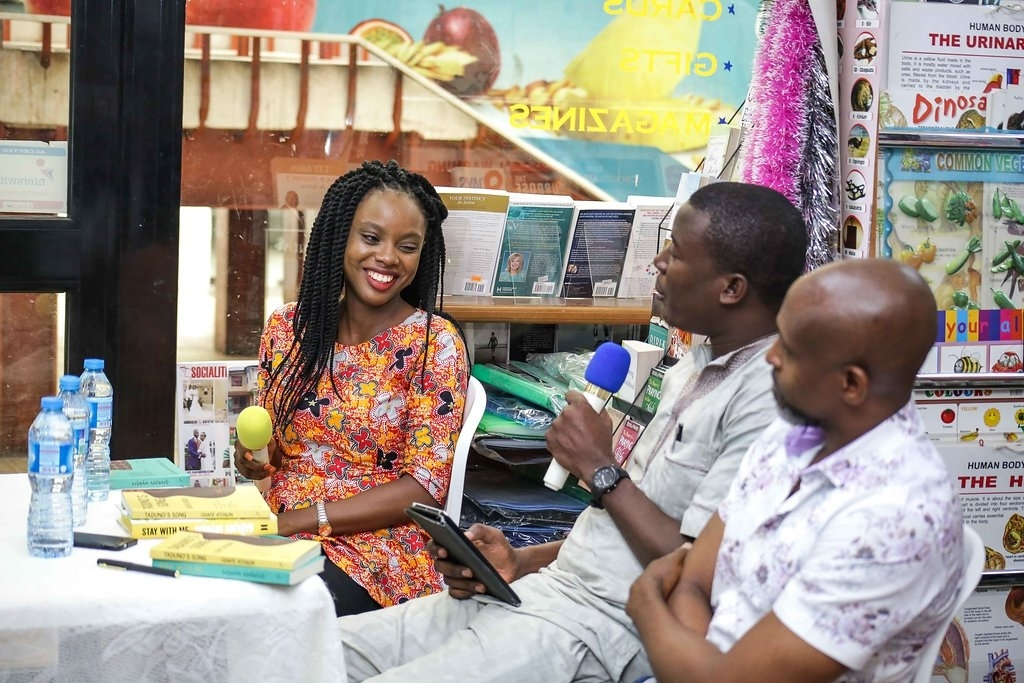
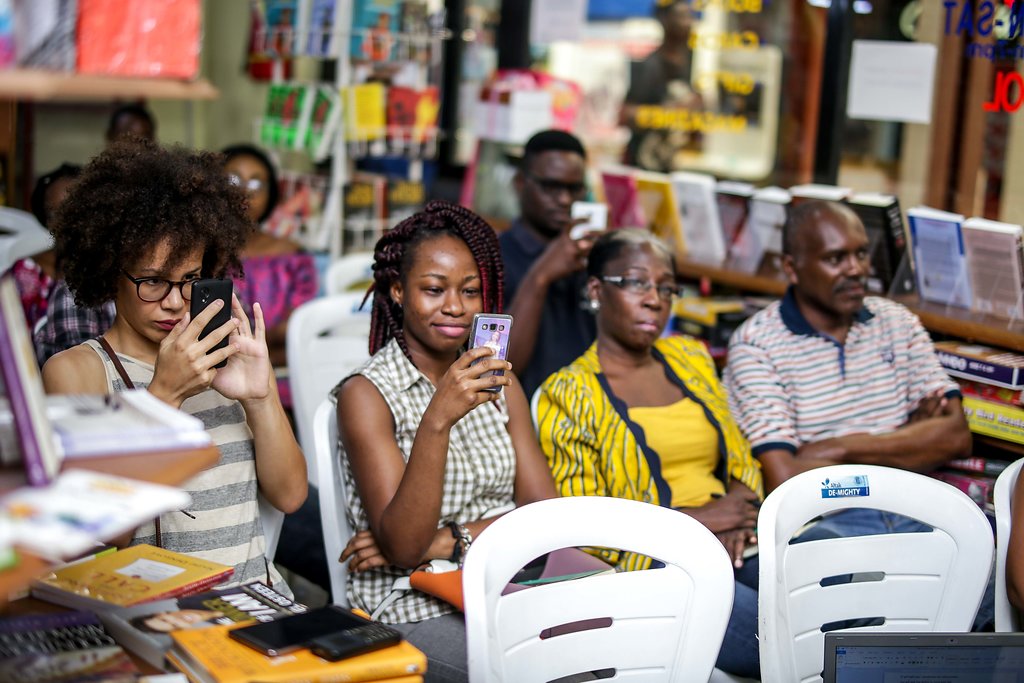
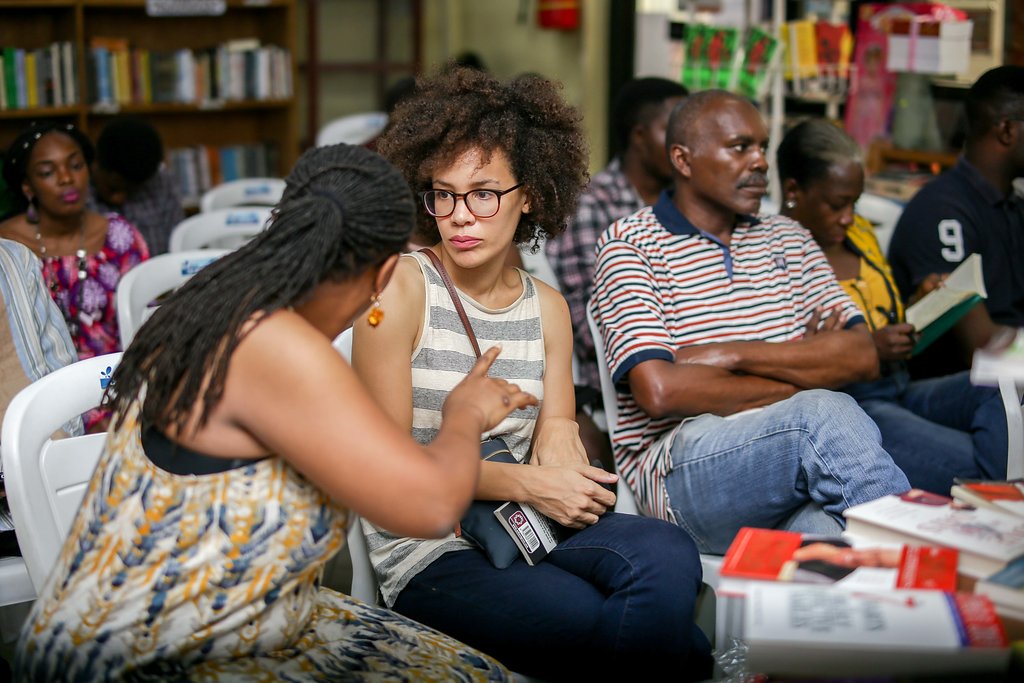
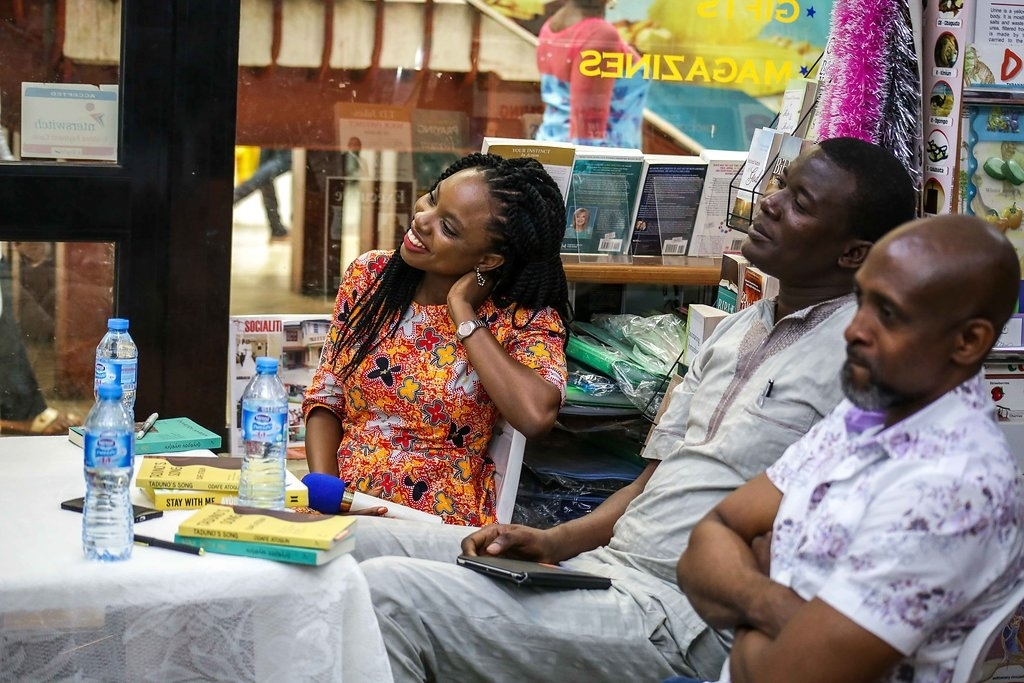
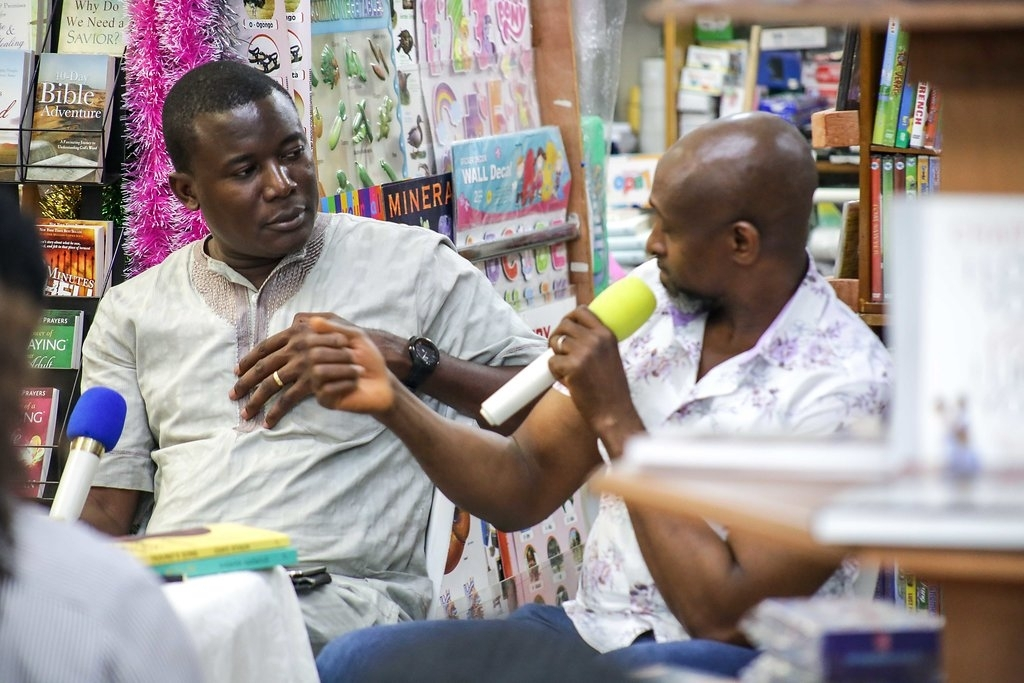
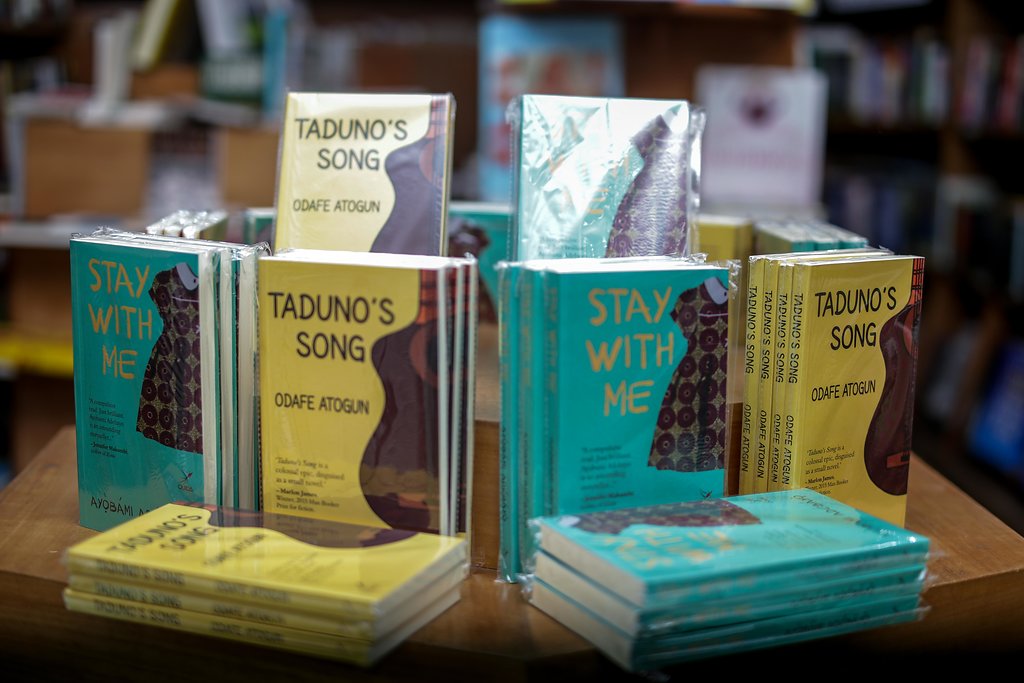
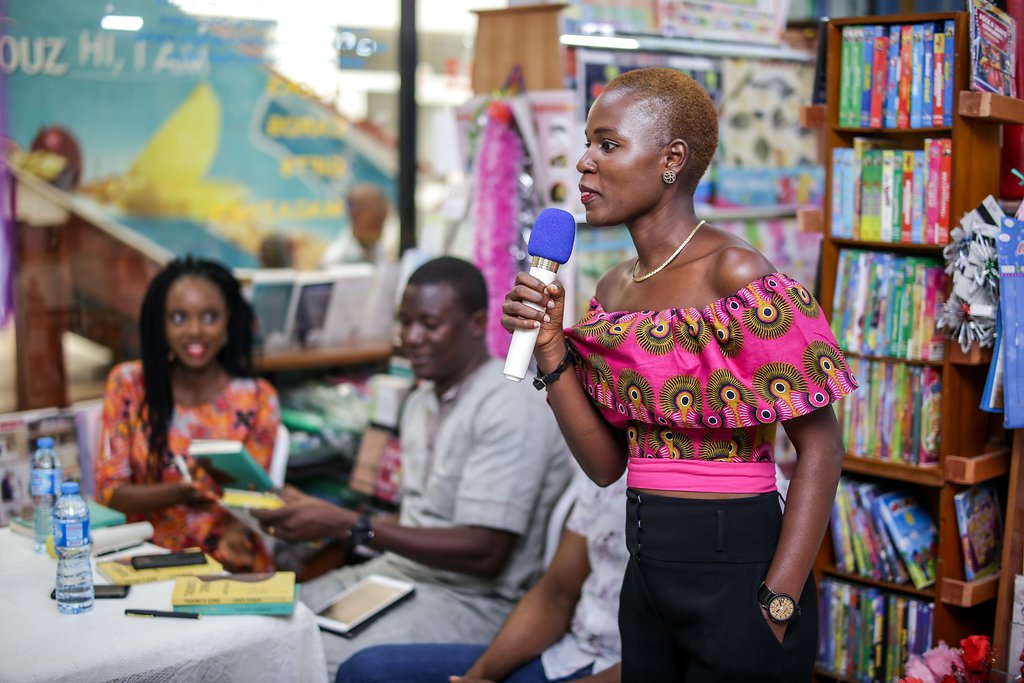
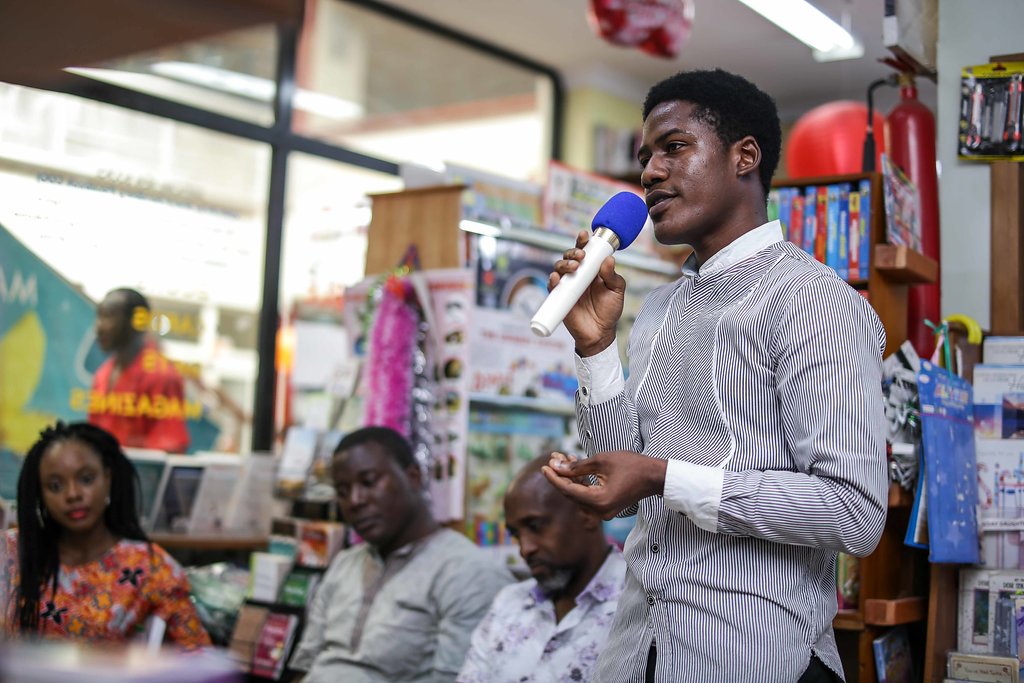
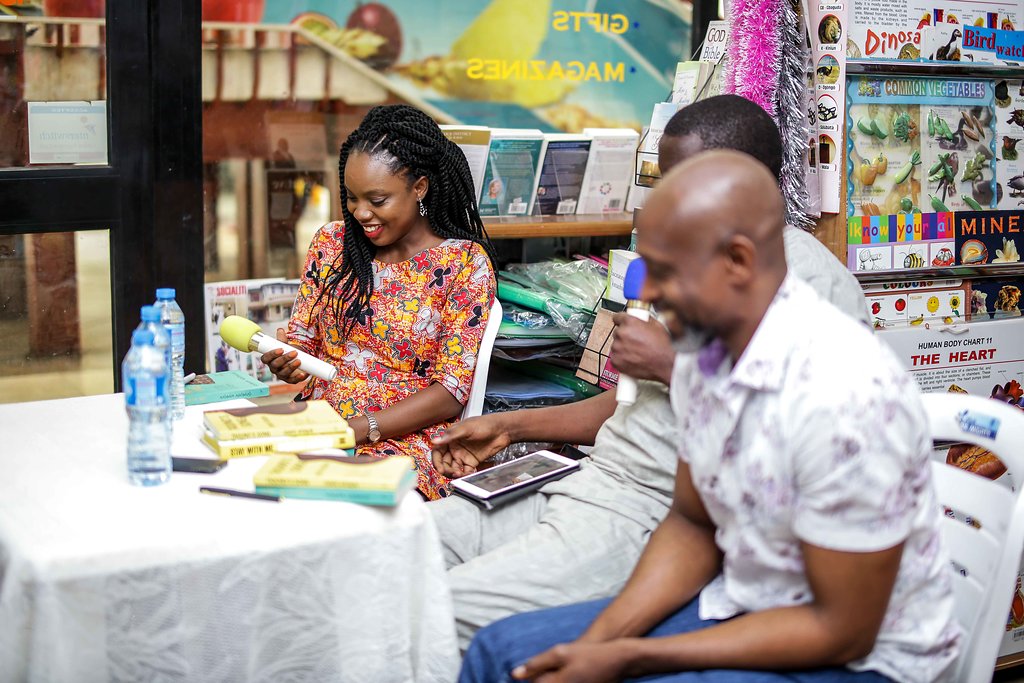
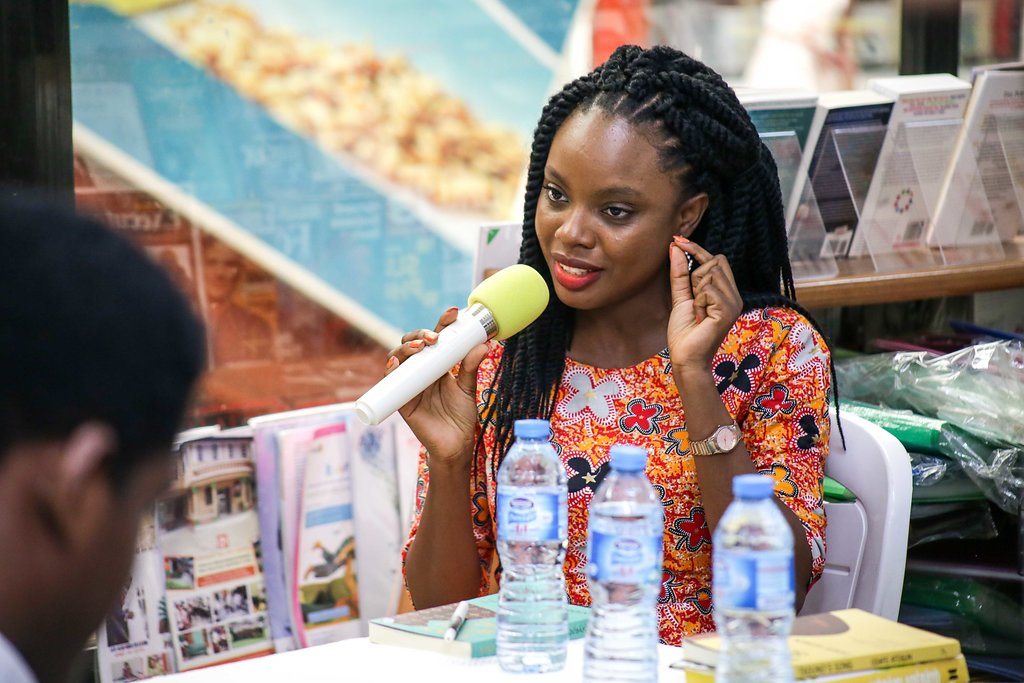
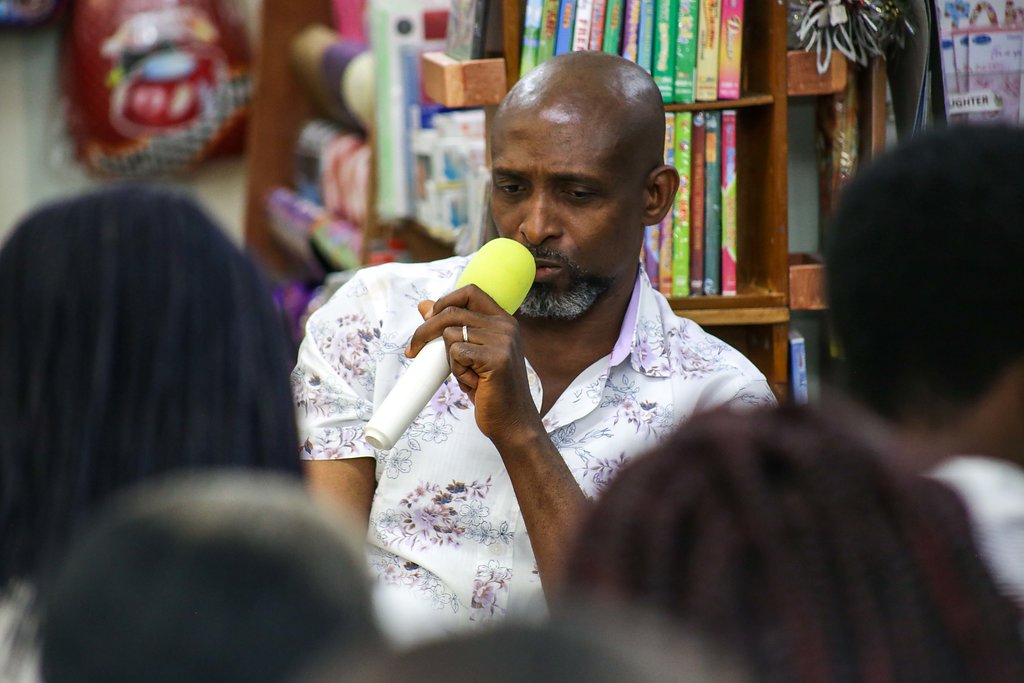
On Sunday, May 14, 2017, I hosted a book chat with two debut authors Odafe Atógun and Ayọ̀bámi Adébáyọ̀. It was organised by Ouida Books, the Nigerian publisher of their two novels Taduno’s Song and Stay With Me respectively. They also share a publisher in the UK and in the US.
Atogún is a full-time writer who was born in Lokoja and studied Journalism in Lagos while Adébáyọ̀, though born in Lagos, has lived in Ilé-Ifẹ̀ and Iléṣà where her novel was set. I have enjoyed reading the two books, which deal with love against the background of a social upheaval. They have a number of other similarities and many differences. For a start, Atógun’s book mixes elements of fantasy and magical realism with into the plot while Adébáyọ̀’s book goes the route of traditional plot, though with a twist on the narrative style and direction in time.
This is not a review of the novels. That will come later. But I enjoyed talking to both authors who are also smart and lovable human beings. I look forward to sharing more thoughts on the books in coming days. The event was held at Patabah Bookstore on Adéníran Ògúnsànyà street, Súrùlérè, with a full house of attendees.
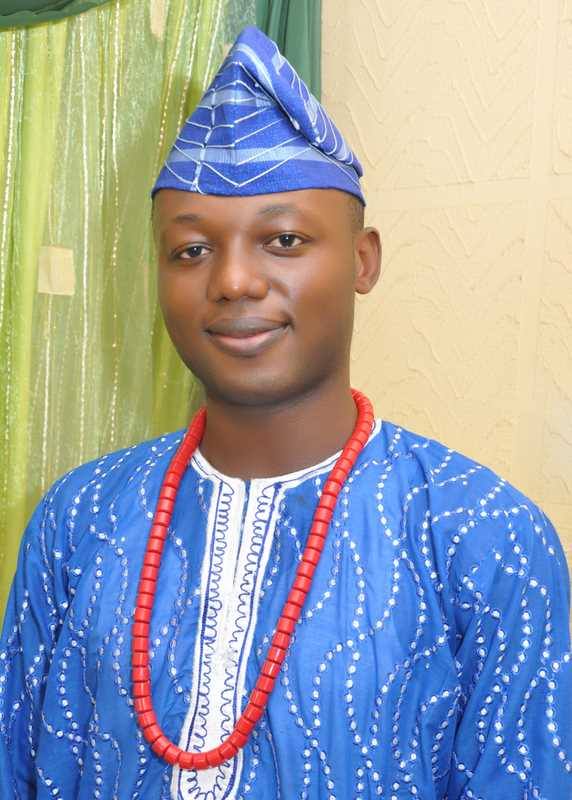
I first “met” Fiyin Onarinde one day in April, 2014, when I called to tell him, in Lagos, that I had once occupied the Fulbright FLTA role that he had by then being selected to fill at my old university. His supervisor, the director of the SIUE International Programmes Office, had sent me a mail and asked me to talk to him, answer some of his questions, and generally make him comfortable about travelling to the US for a new experience. We talked for a while, and he promised to call me back, which he did.
He eventually went to SIUE to become one of the memorable Fulbright FLTAs at the Department of Foreign Languages where he taught Yorùbá for two semesters, and made lots of friends. While he was there, we kept in touch regularly, and got feedback from his colleagues, who saw him as a kind and sensitive soul. Later that year, I got a request from him to write an introduction to his book of poems which he had been trying to publish. It was a heartwarming request, which I immediately jumped at. You can read the introduction here, on his Facebook page. The book was published in February 2015.
I heard the sad news last week through the same person who had first introduced me to him (who is now based in Ghana, who also heard the news from the university). After his Fulbright year, Fiyinfoluwa had moved from Southern Illinois University in Edwardsville to SIU Carbondale to begin a graduate programme. We lost contact for a while, and connected briefly in July while I was in the US. He had wanted to meet, and so did I. We scheduled a meeting, but it didn’t come through, and I haven’t heard from him since. Nobody knows the cause of his death, yet, but foul play has been ruled out, and an autopsy is pending. He was 31 years old, born on Apr 24, 1984, and died on October 18, 2015.
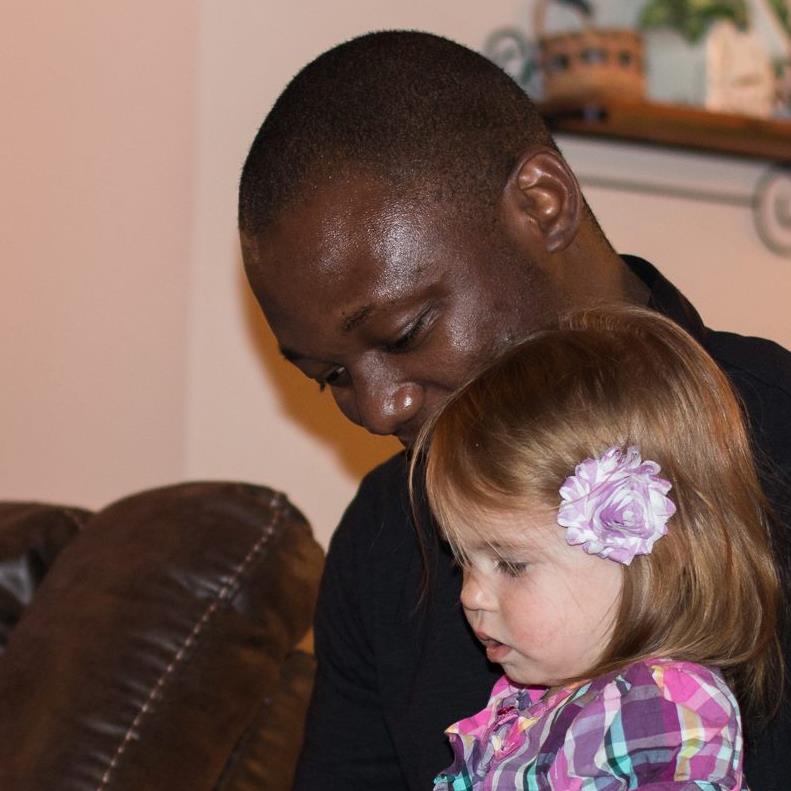
In this picture, he’s reading to the daughter of his host parent. (Photo: Facebook)
The little I know about him show him to be a kind, sensitive, creative, and decent young man. Our Facebook messages were intermittent, but when we talked, we shared ideas about foreign language teaching, poetry, and the university culture in general. I regret not having met him in person, but the outpouring of condolences from those who did confirms that he made quite a significant impact on those who called him friend. His colleagues and supervisors had only nice things to say about him. He is survived by his parents, and a wife, Busola Asaolu Onarinde.
The SIUE African Student Association is holding a memorial service for him on Friday, November 6 at 4:30 at the Center for Spirituality and Sustainability. An online memorial has also been opened for him here.
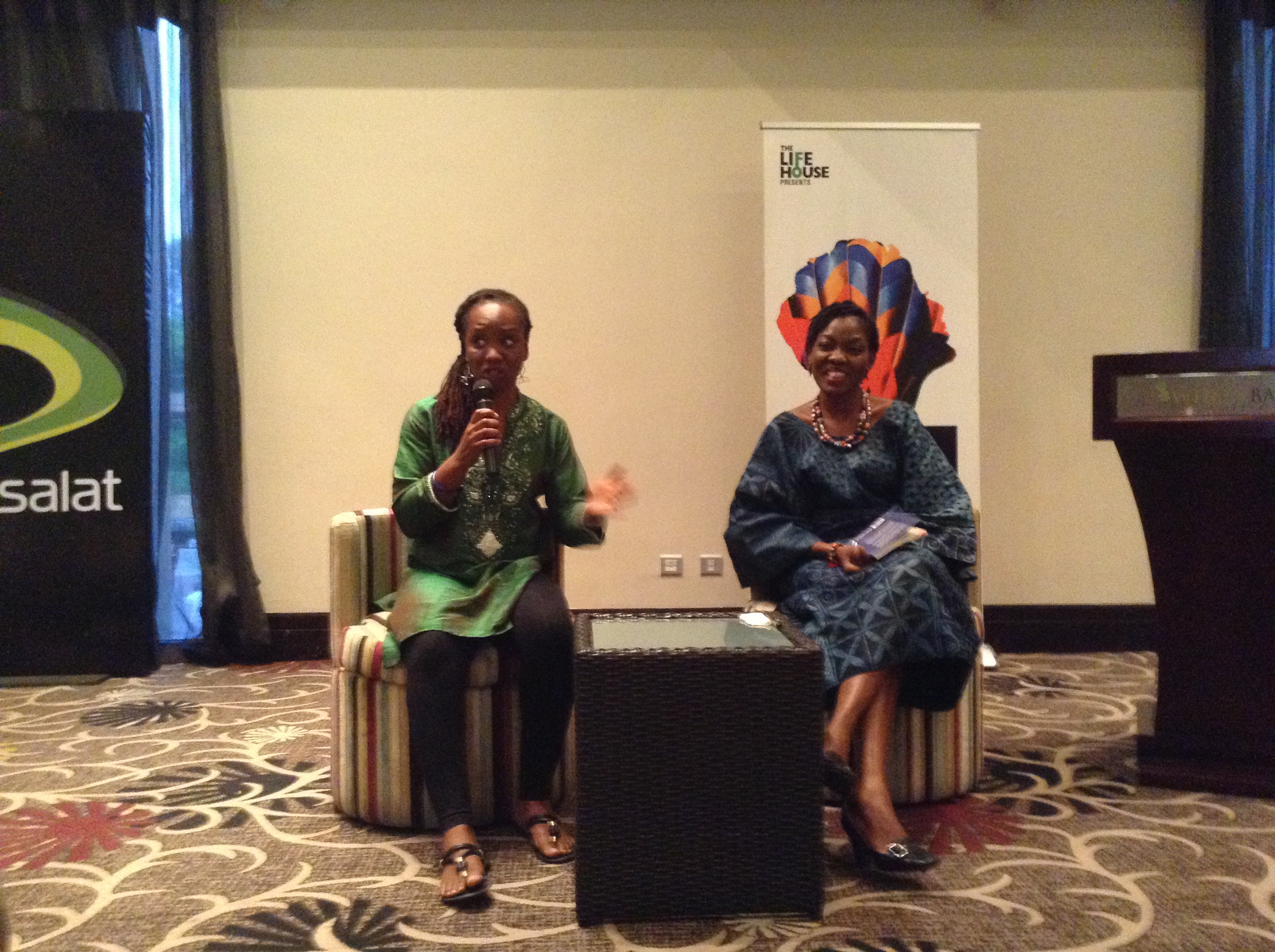
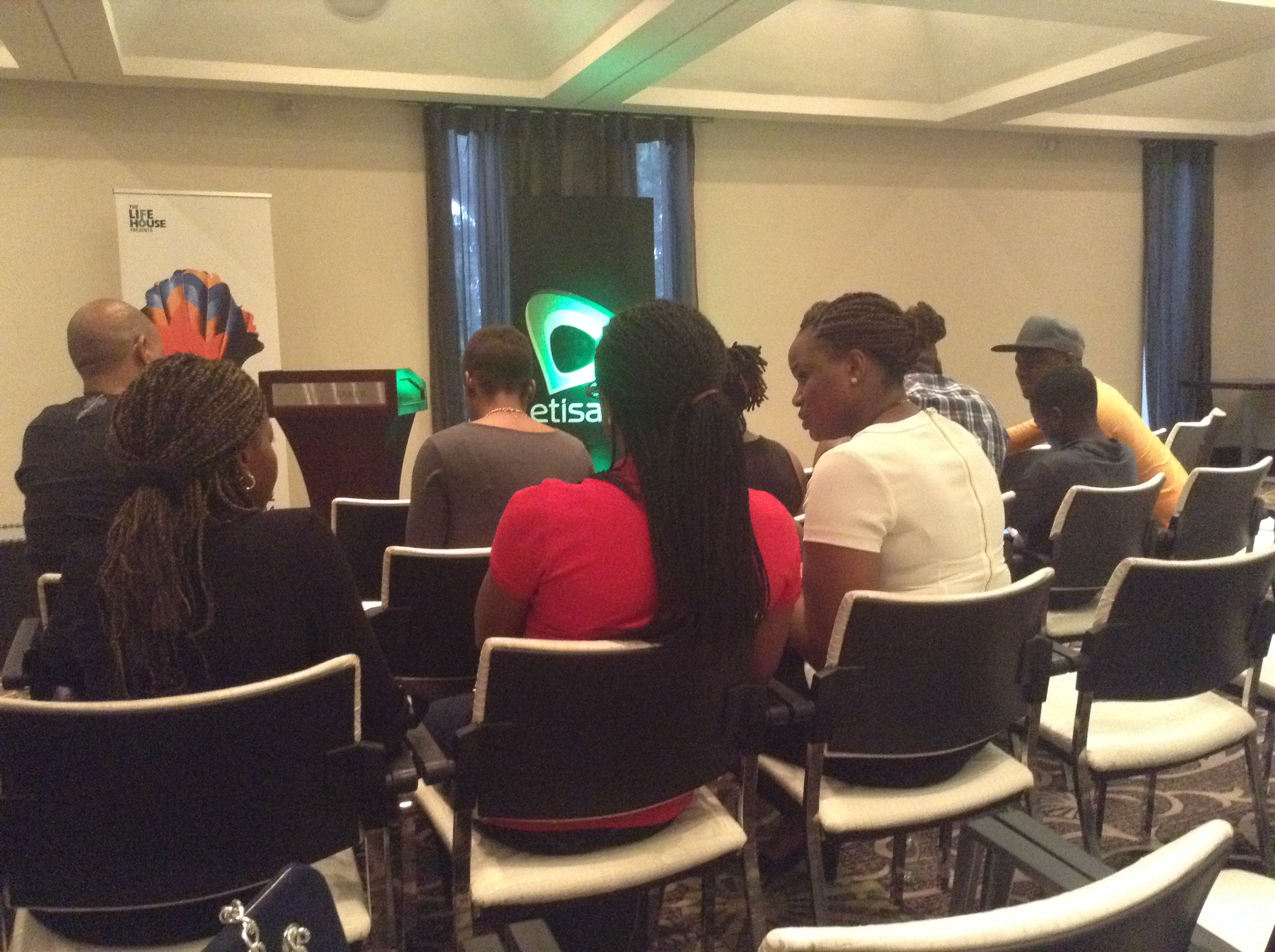
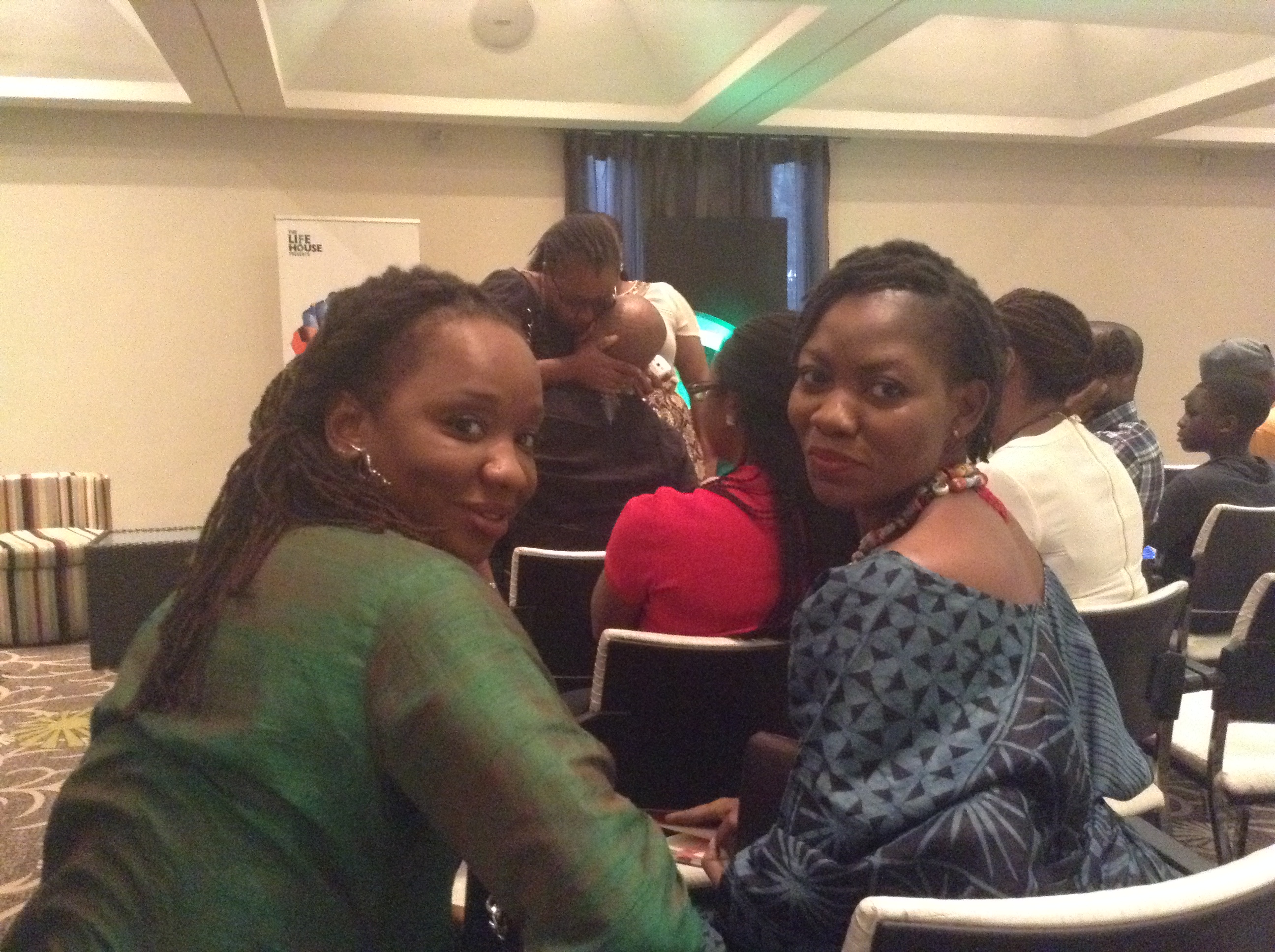
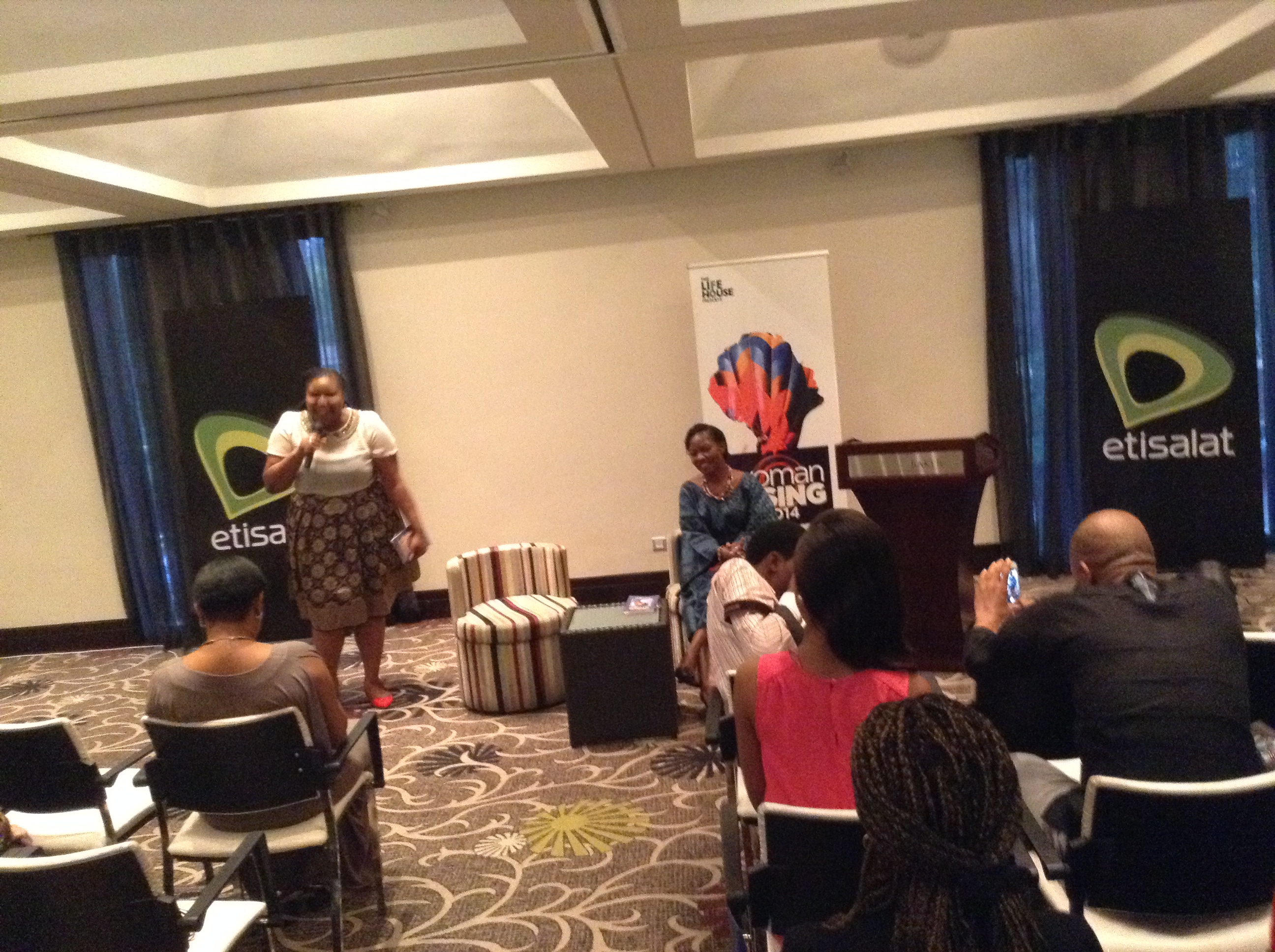
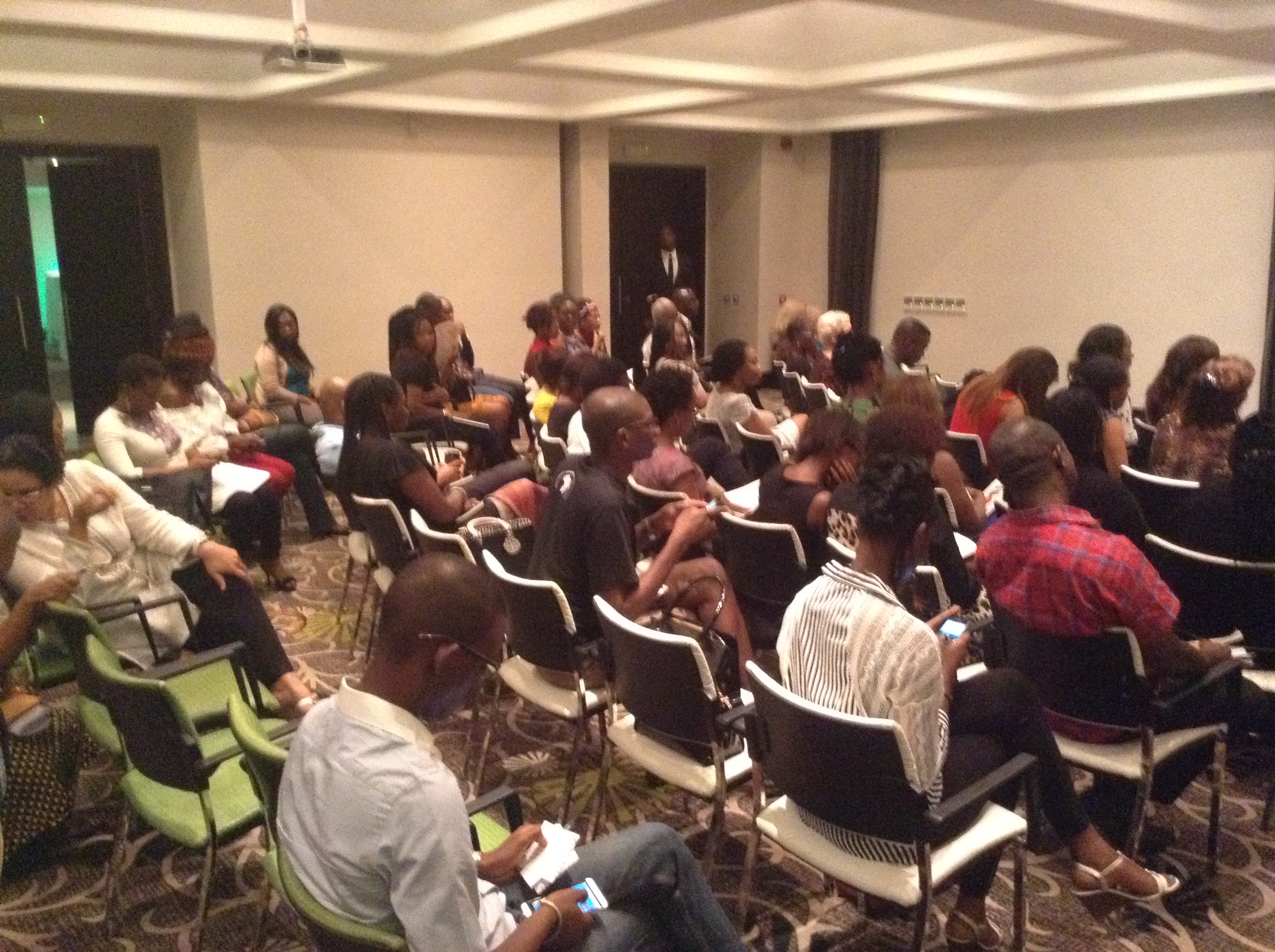
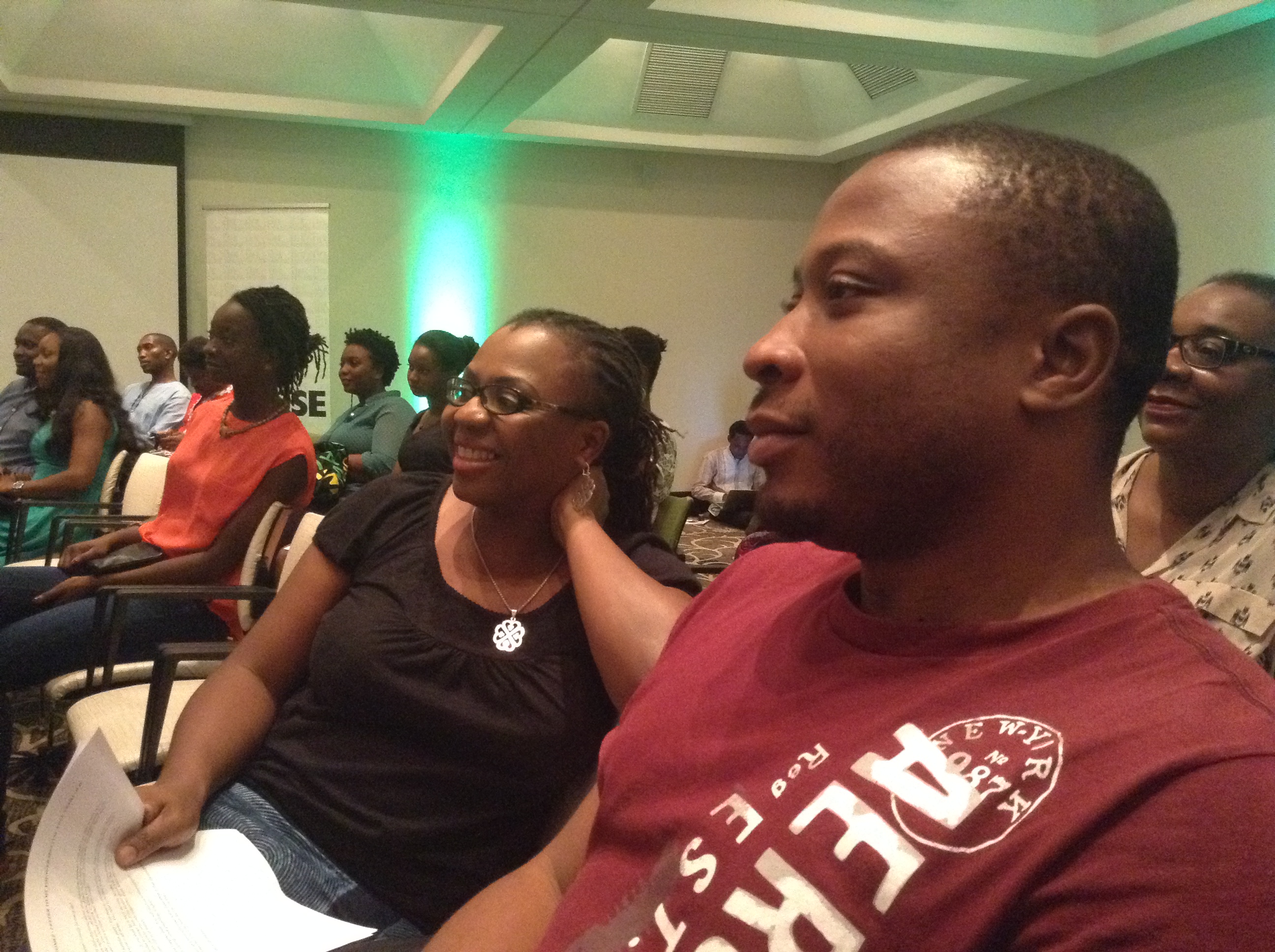
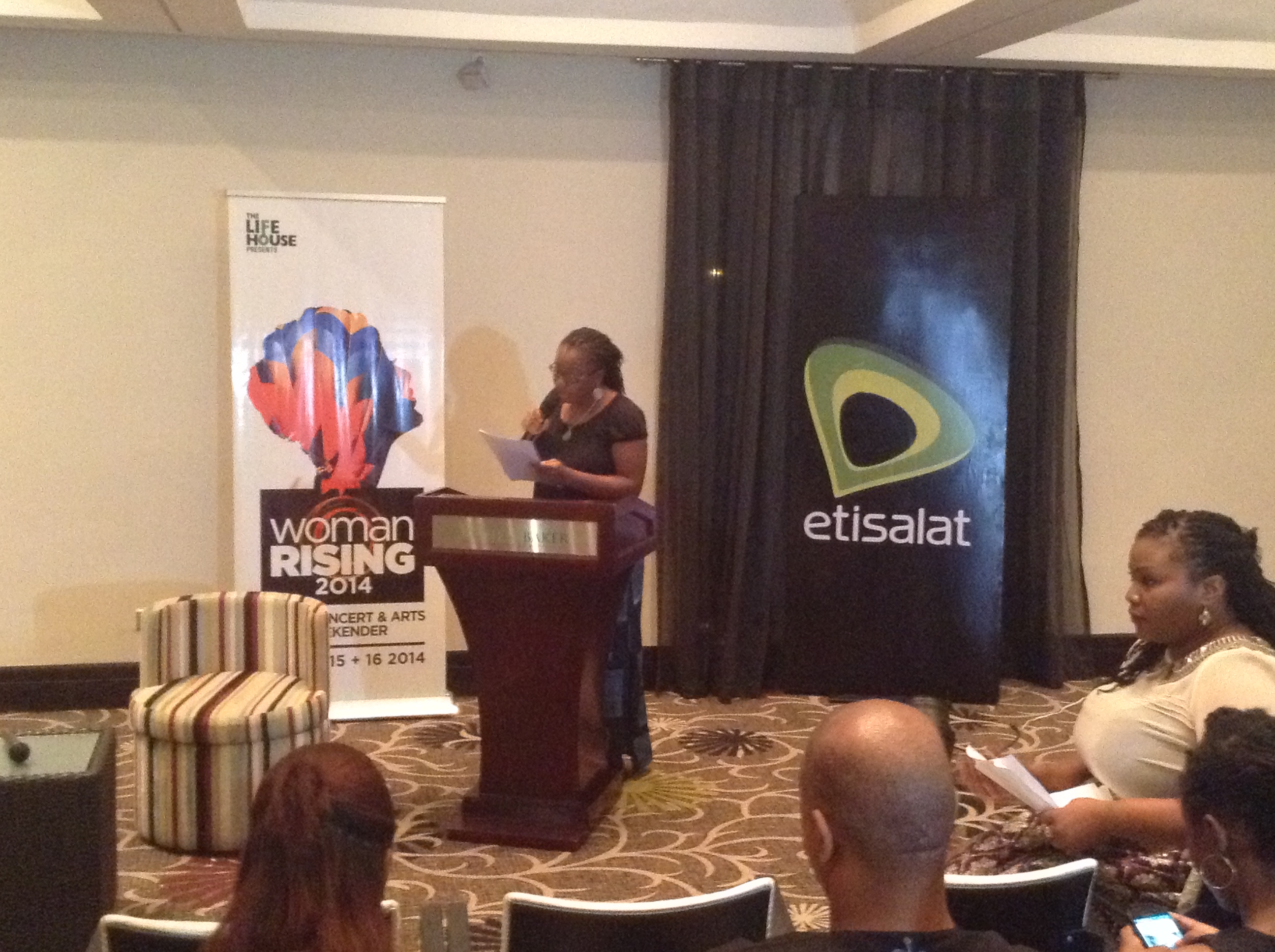
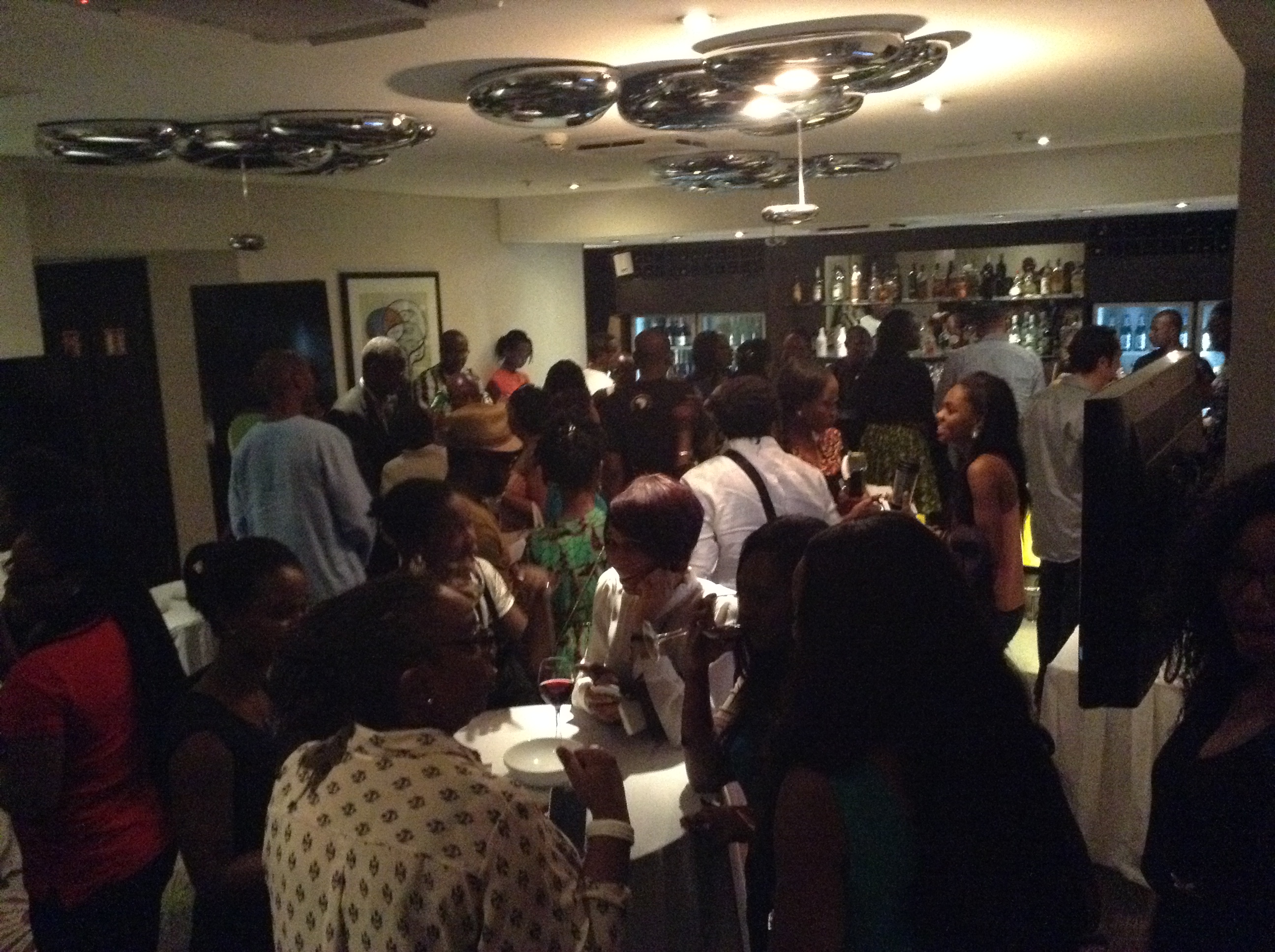
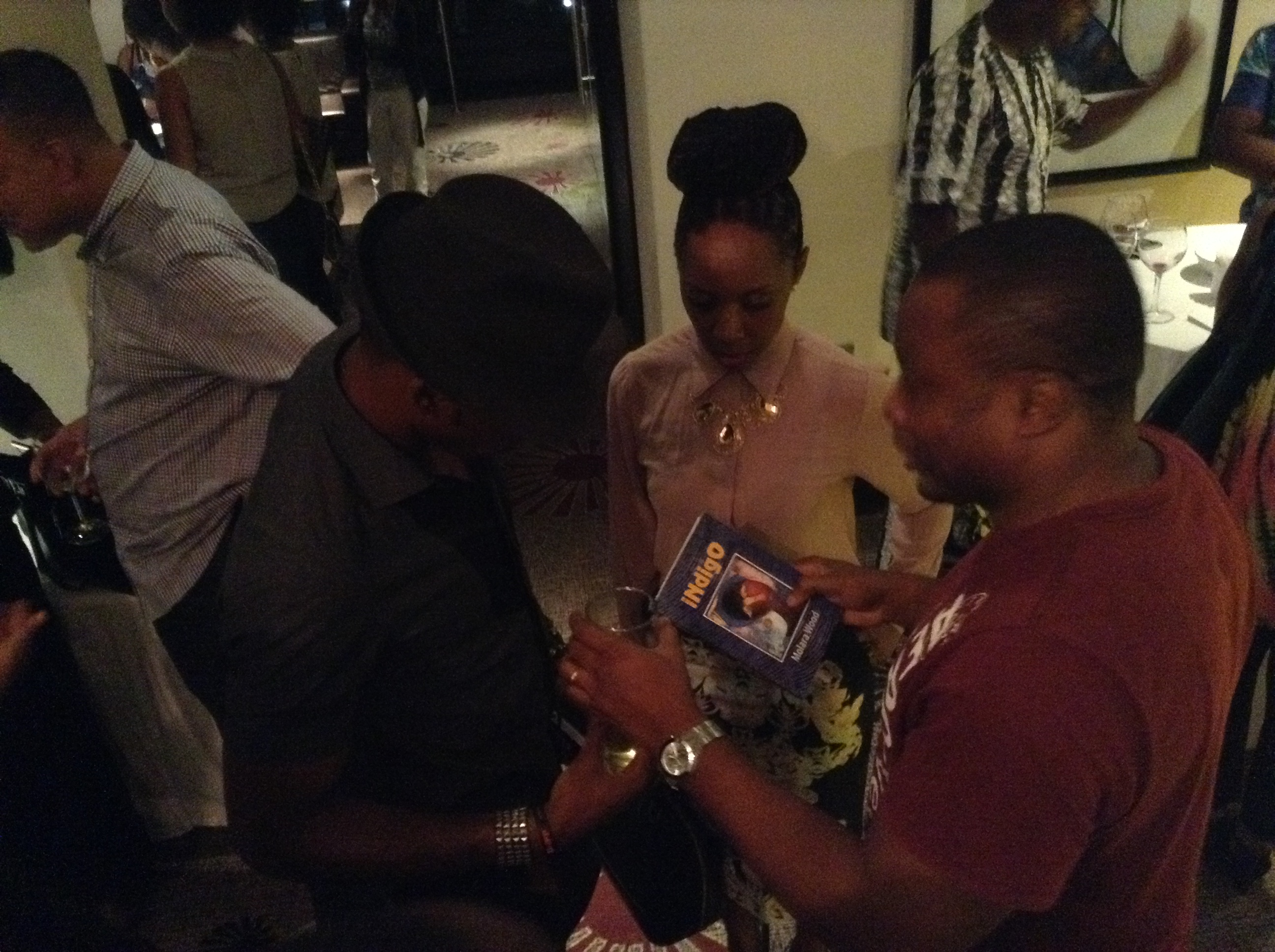
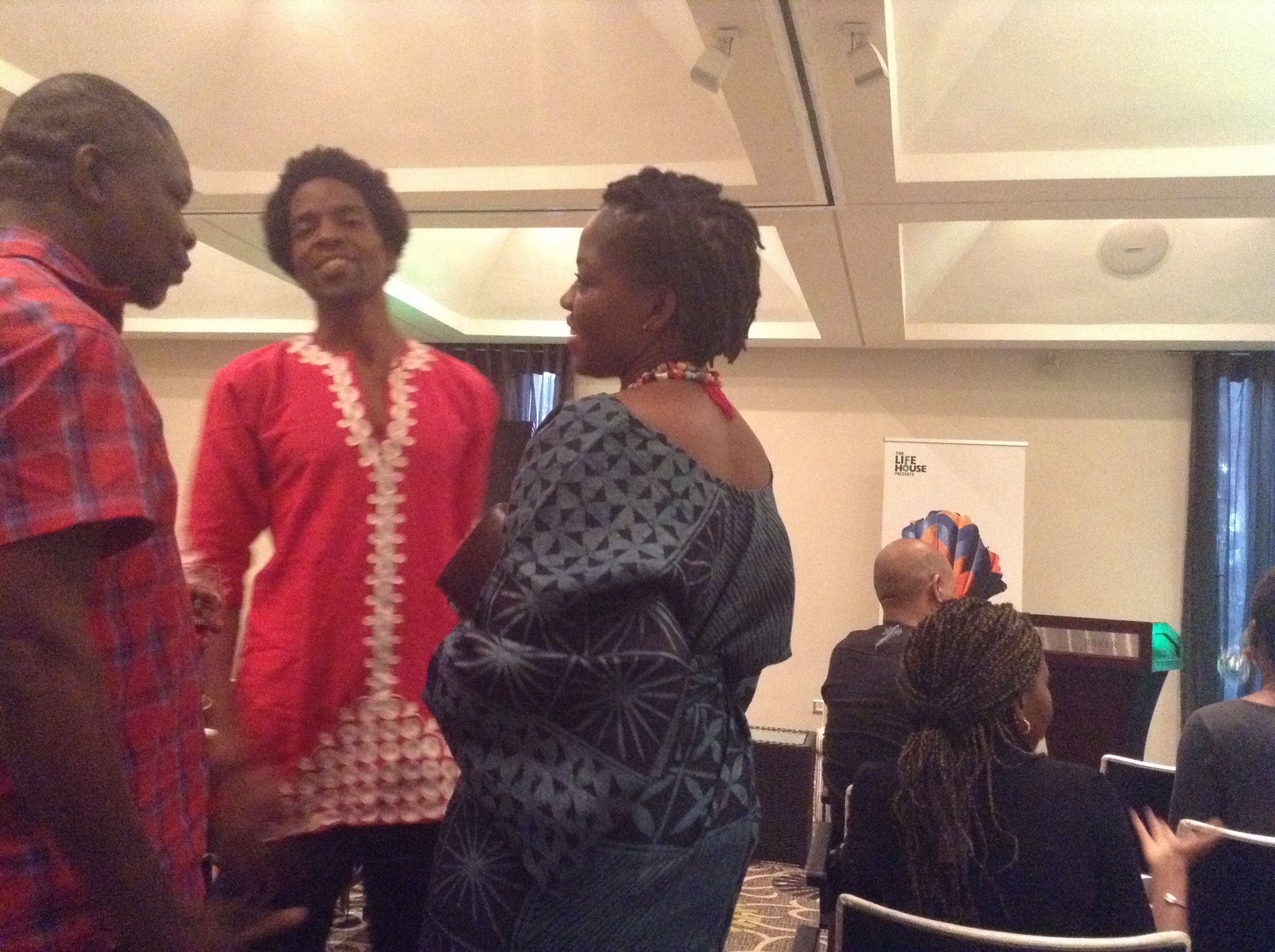
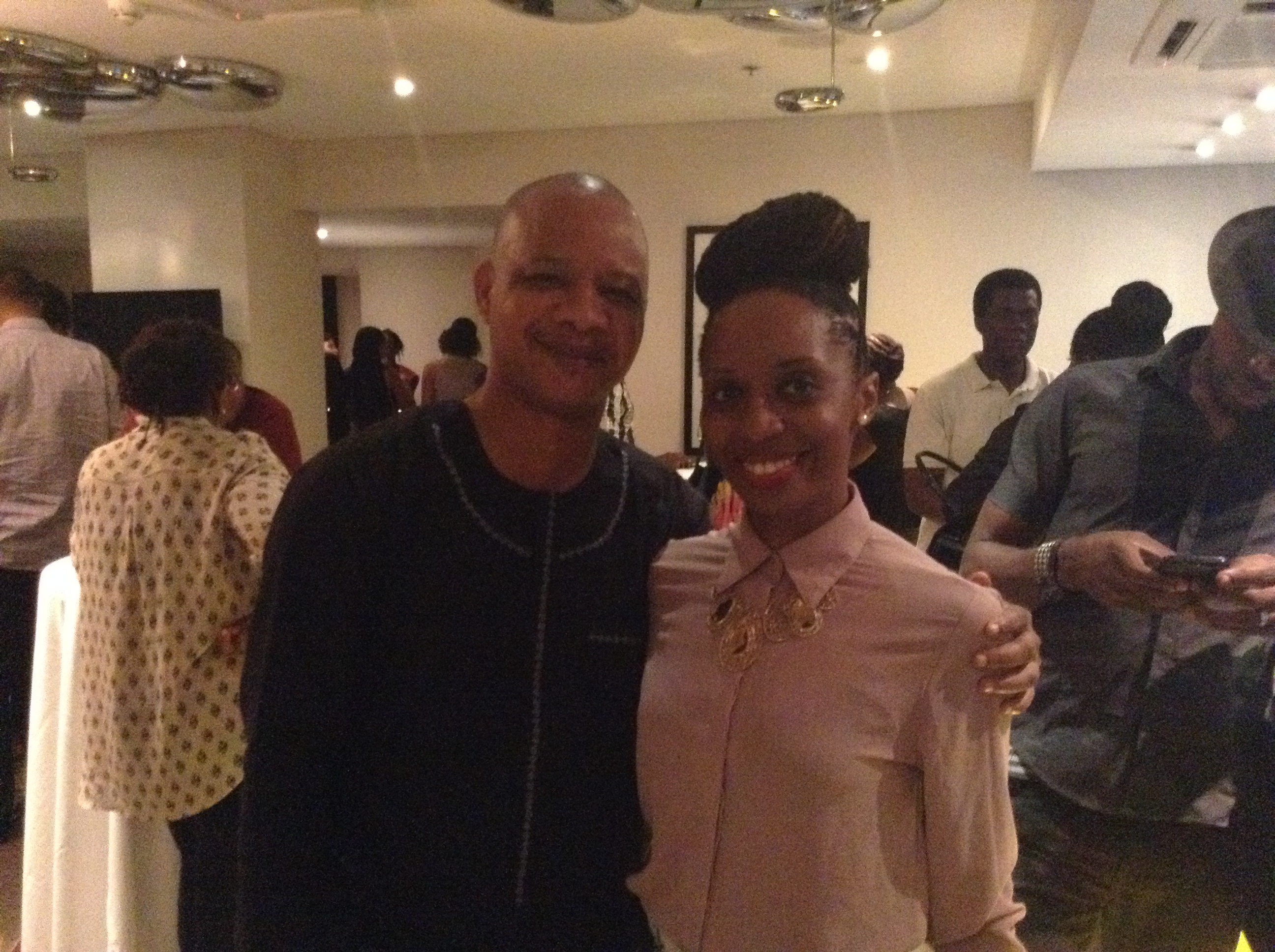
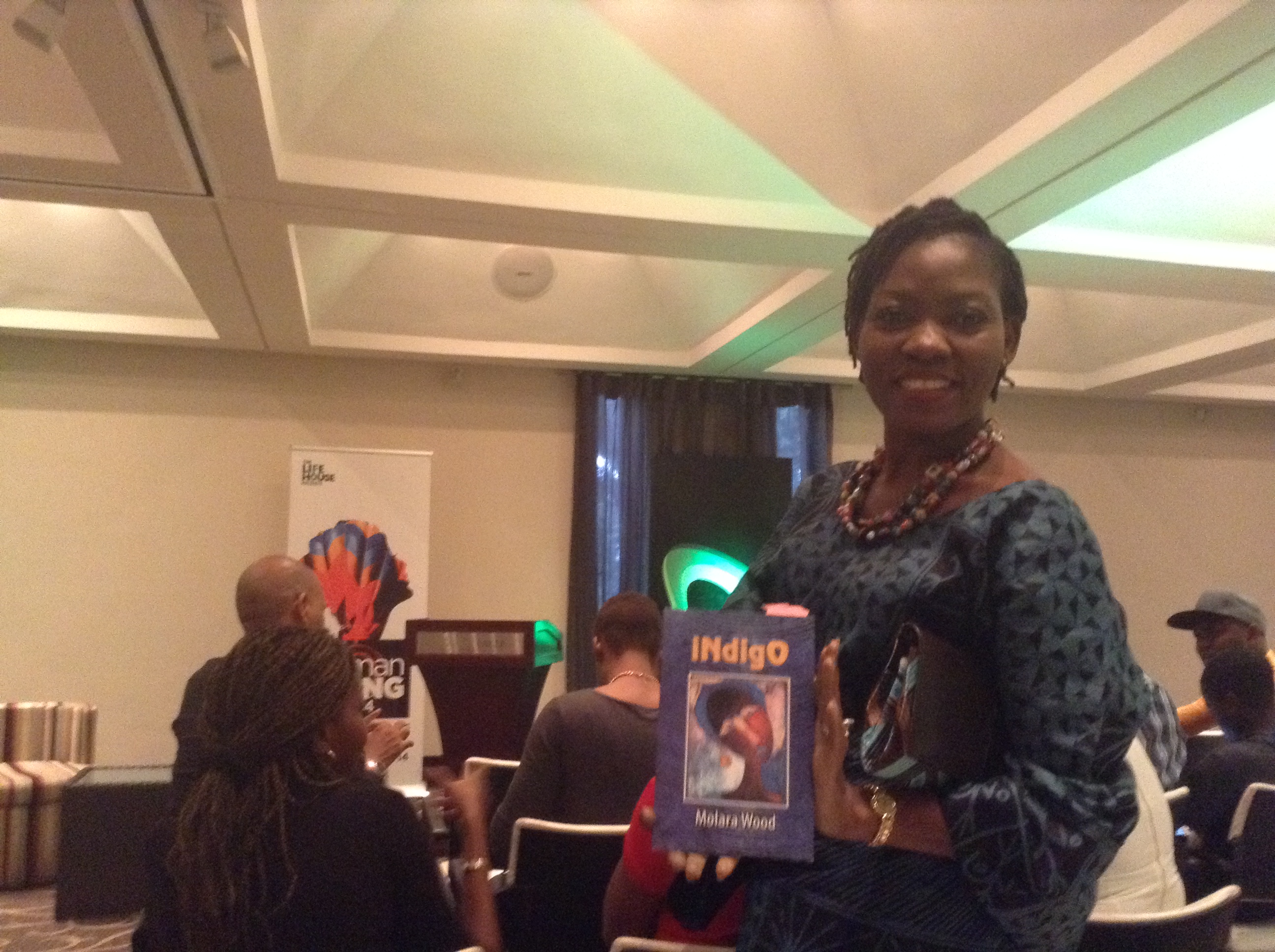
These were taken yesterday at the Women Rising event described as “Music Concert & Arts Weekender”, organized by The Life House in special celebration of the International Women’s Day, 2014. The Day 1 event held at the Wheatbaker, Ikoyi to a room full of diverse guests.
In this photo are some of the guests, guest readers, and performers. The event itself centred around Molara Wood and her new collection of short stories Indigo from which she read a few excerpts.
The other part of the evening, sponsored by Etisalat, was the reading of letters to younger selves by invited guests.
Guests present, some of which are in this photo album, include Lola Shoneyin (Secret Lives of Baba Segi’s Wives), Eghosa Imasuen (Fine Boys), visual artist Victor Ehikhamenor, spoken word poet Bassey Ikpi, Director of CORA Toyin Akinosho, among many others.
The show was moderated by Wana Udobang and Najite Dede. More poets and performers expected during the rest of the weekend event include Kemi Lala Akindoju, Aderonke Adebanjo, Sian, Waje, Fatima, Aramide, Diwari, Pilani Bubu, and Dupe Ige Kachi.