At Ake Arts and Book Festival

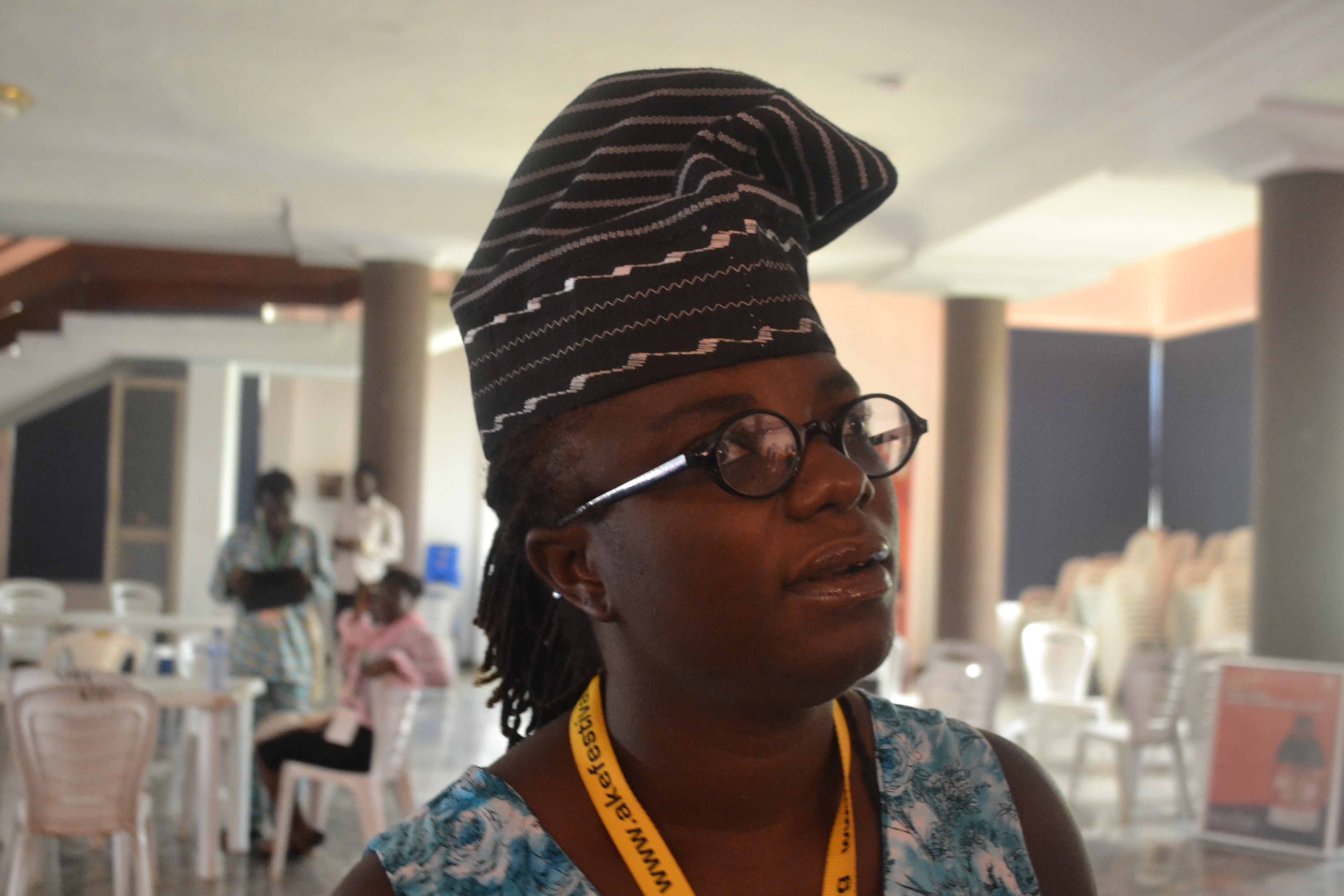
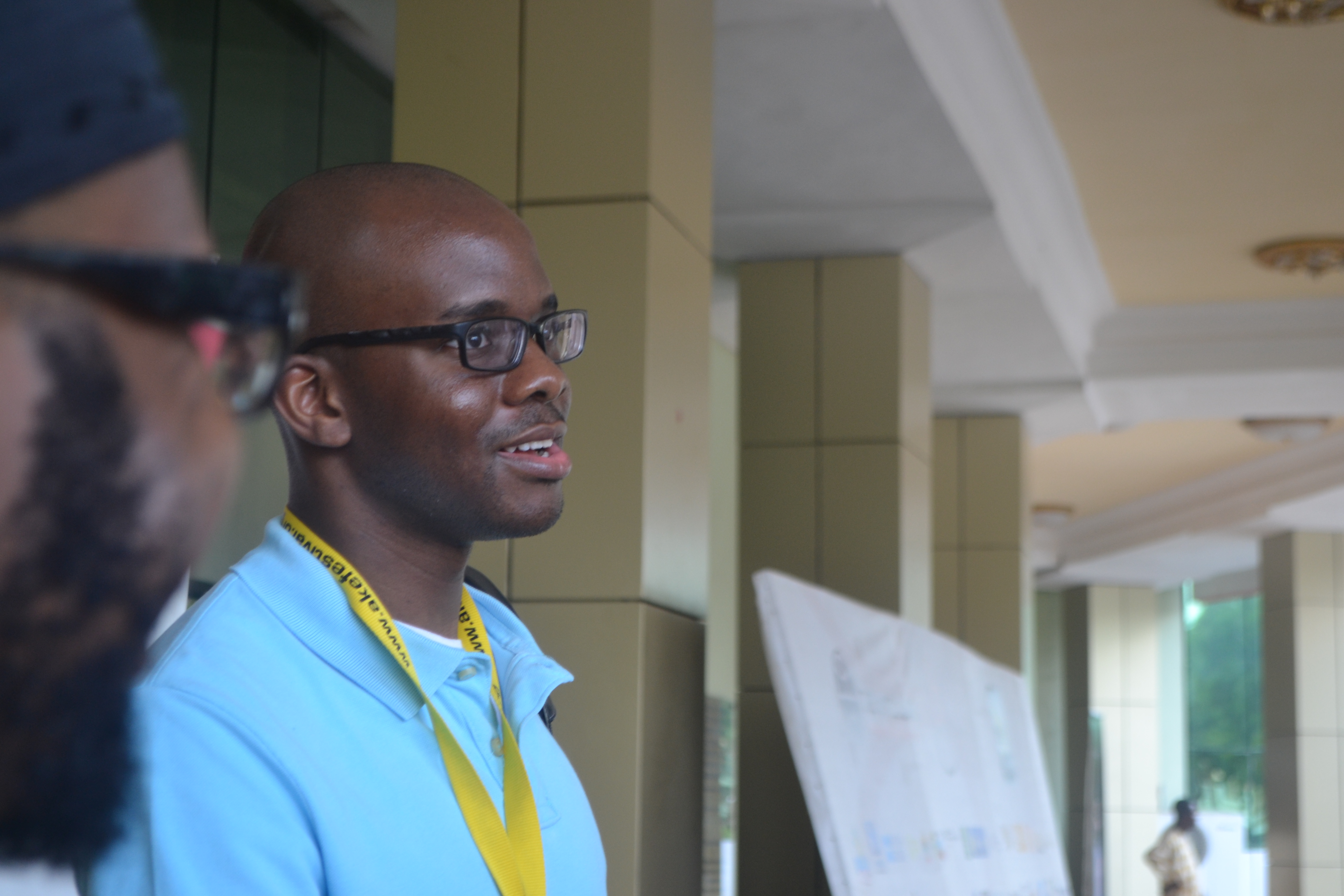
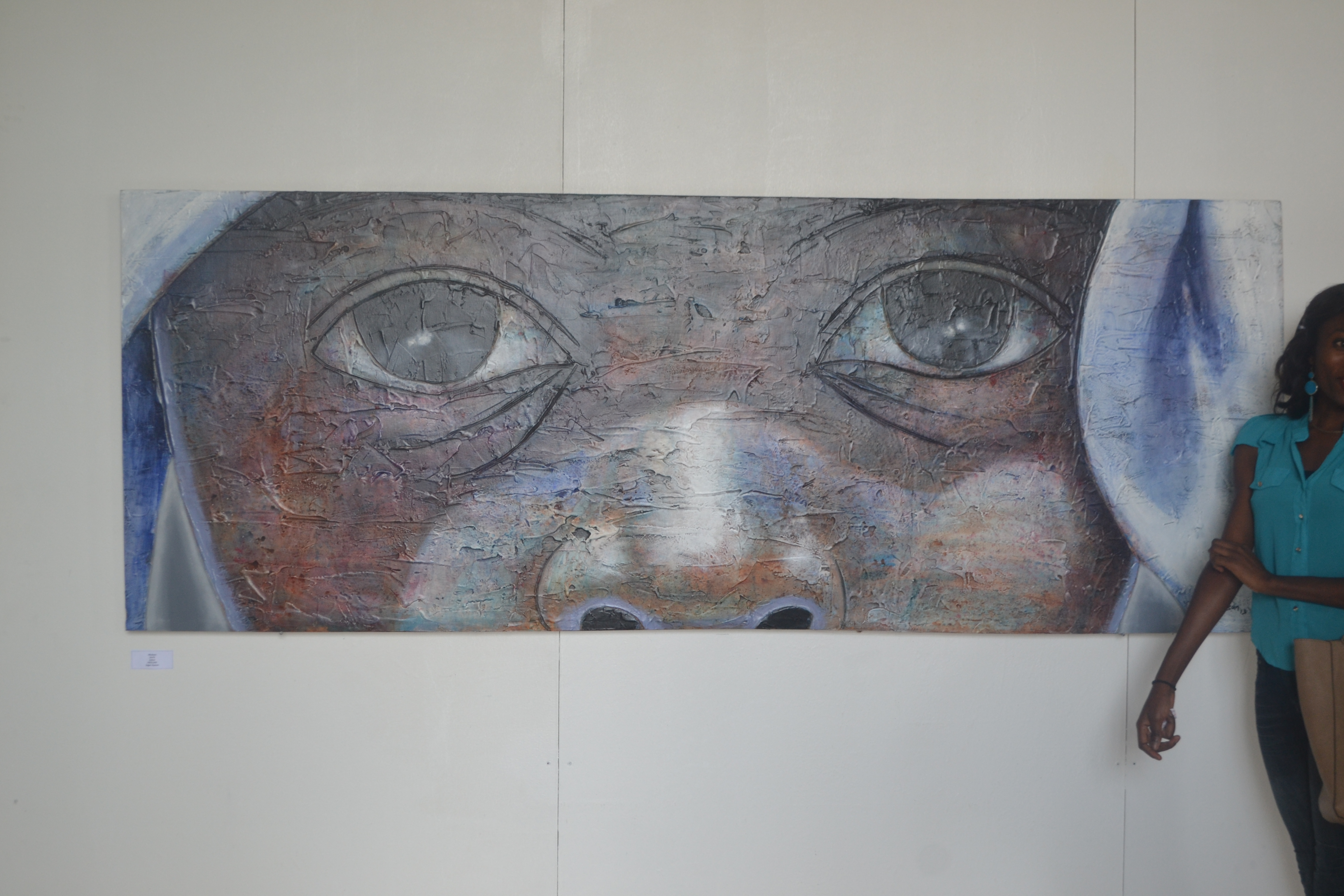
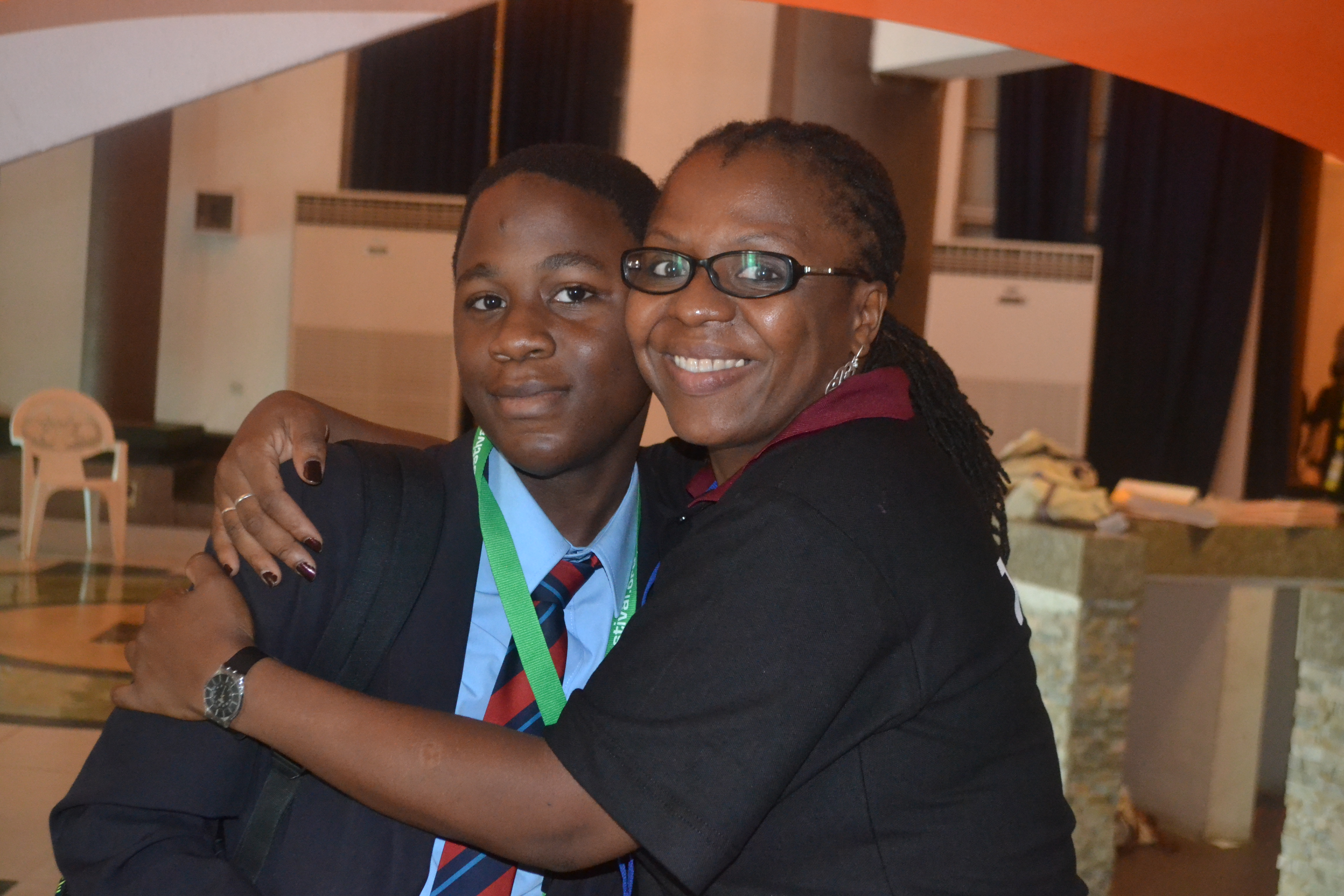
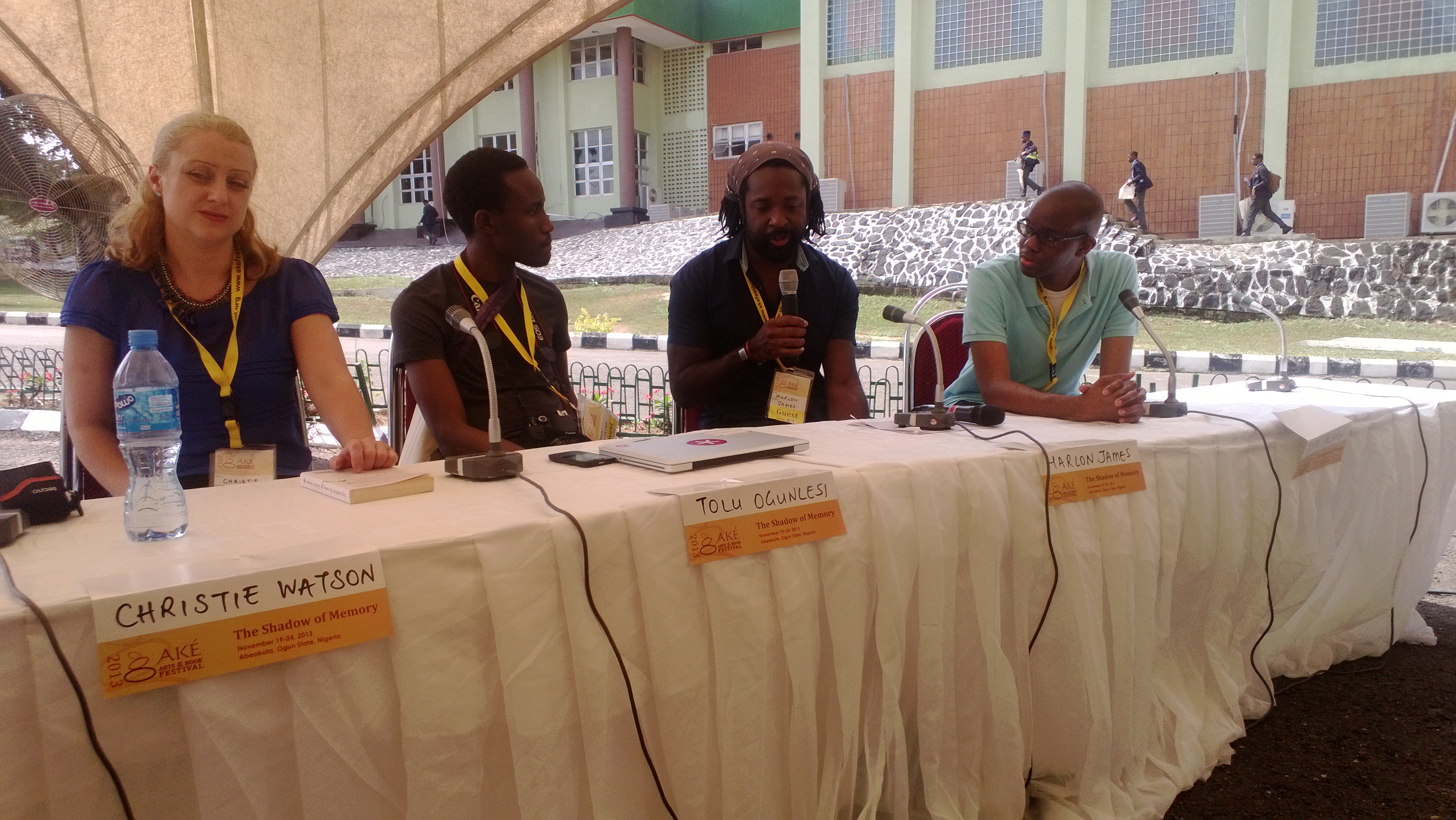
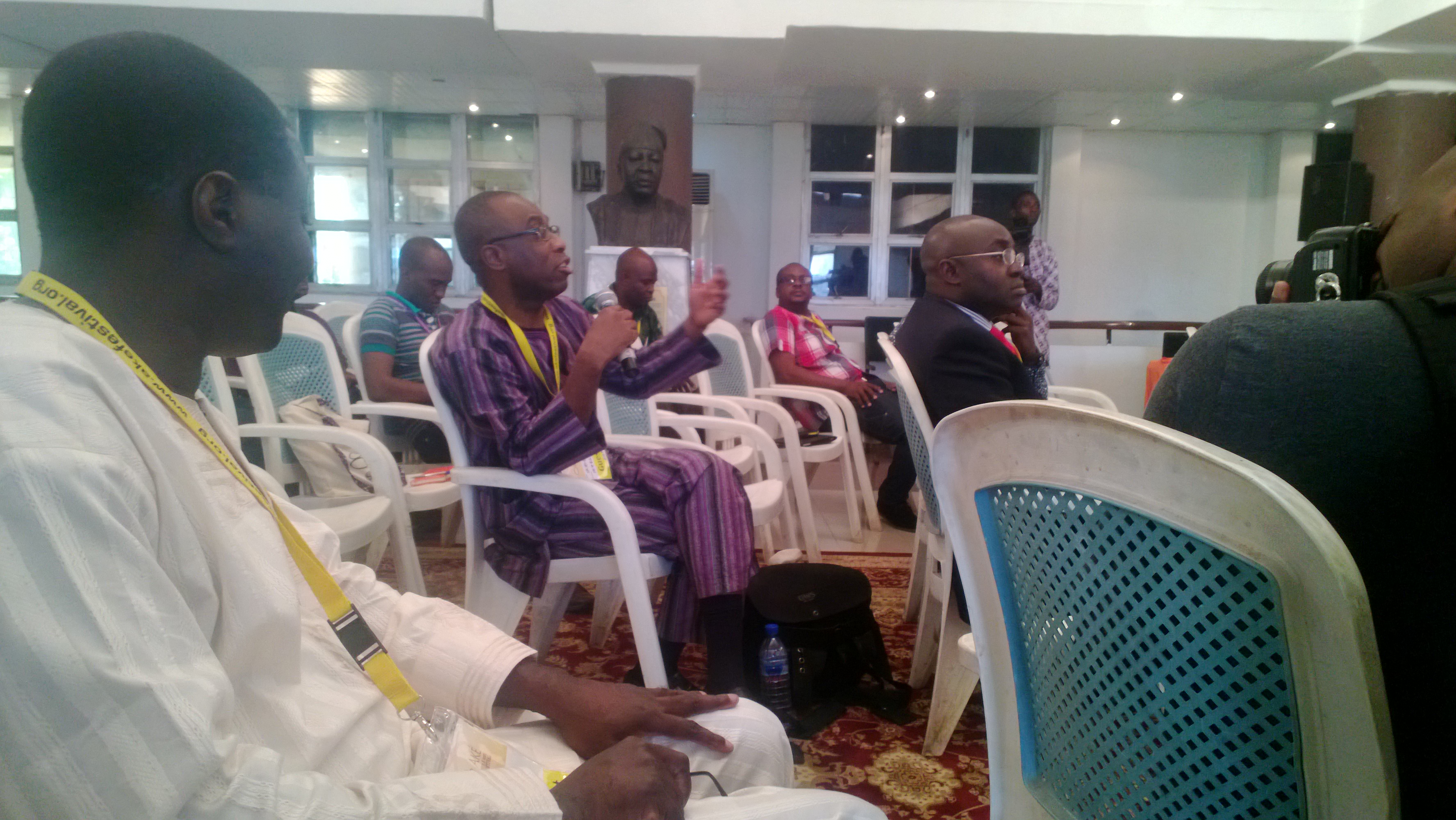
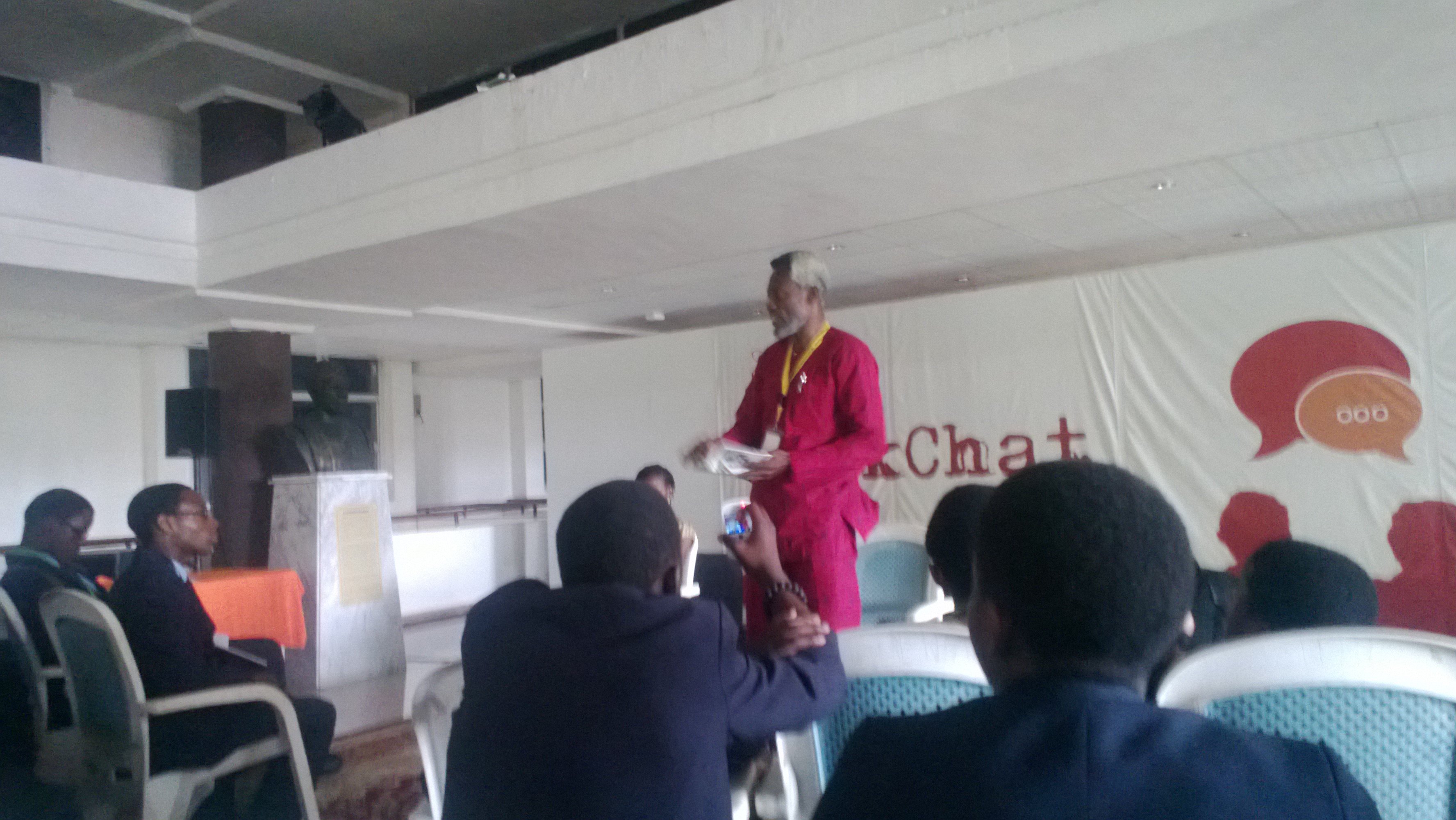
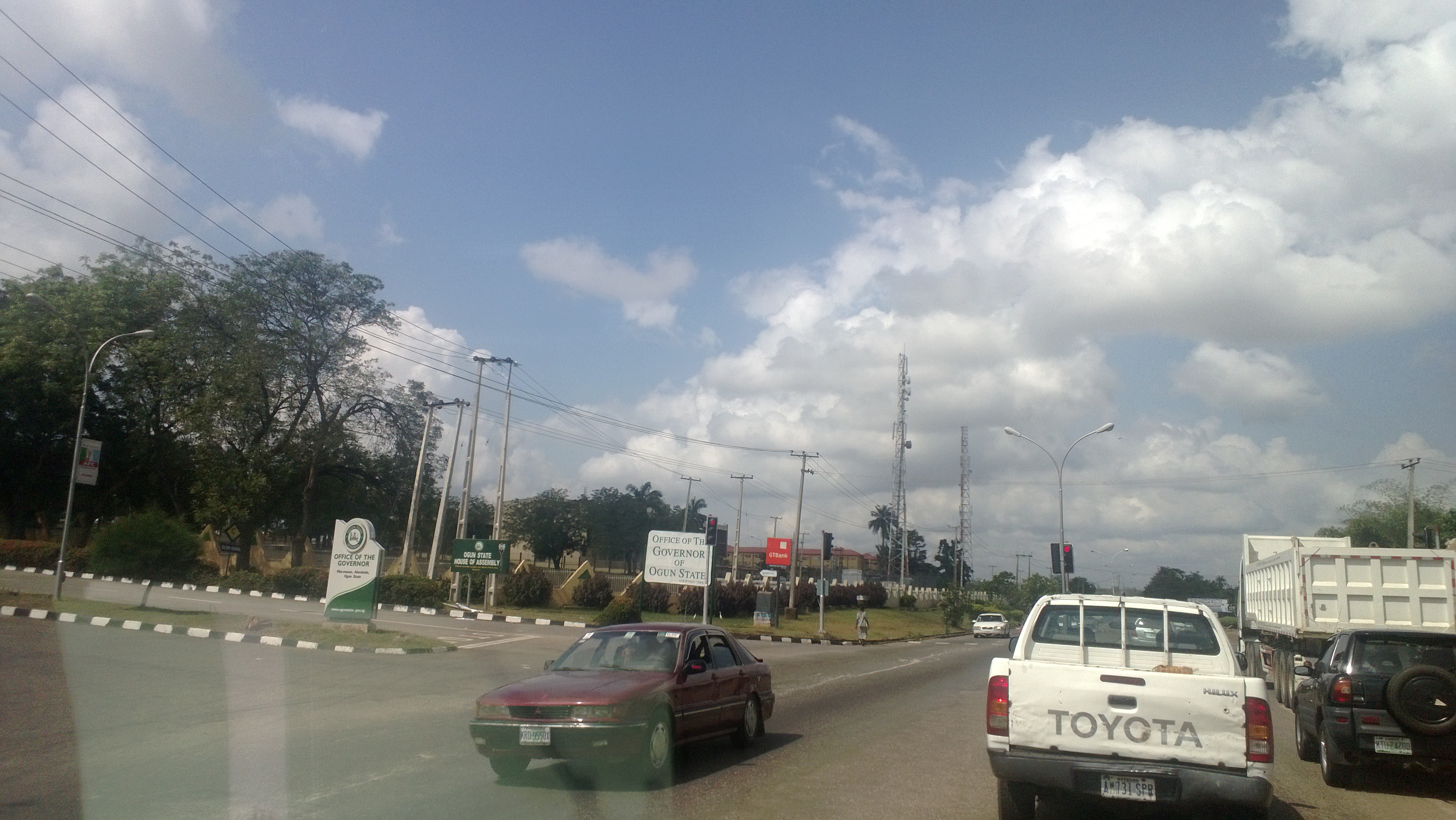
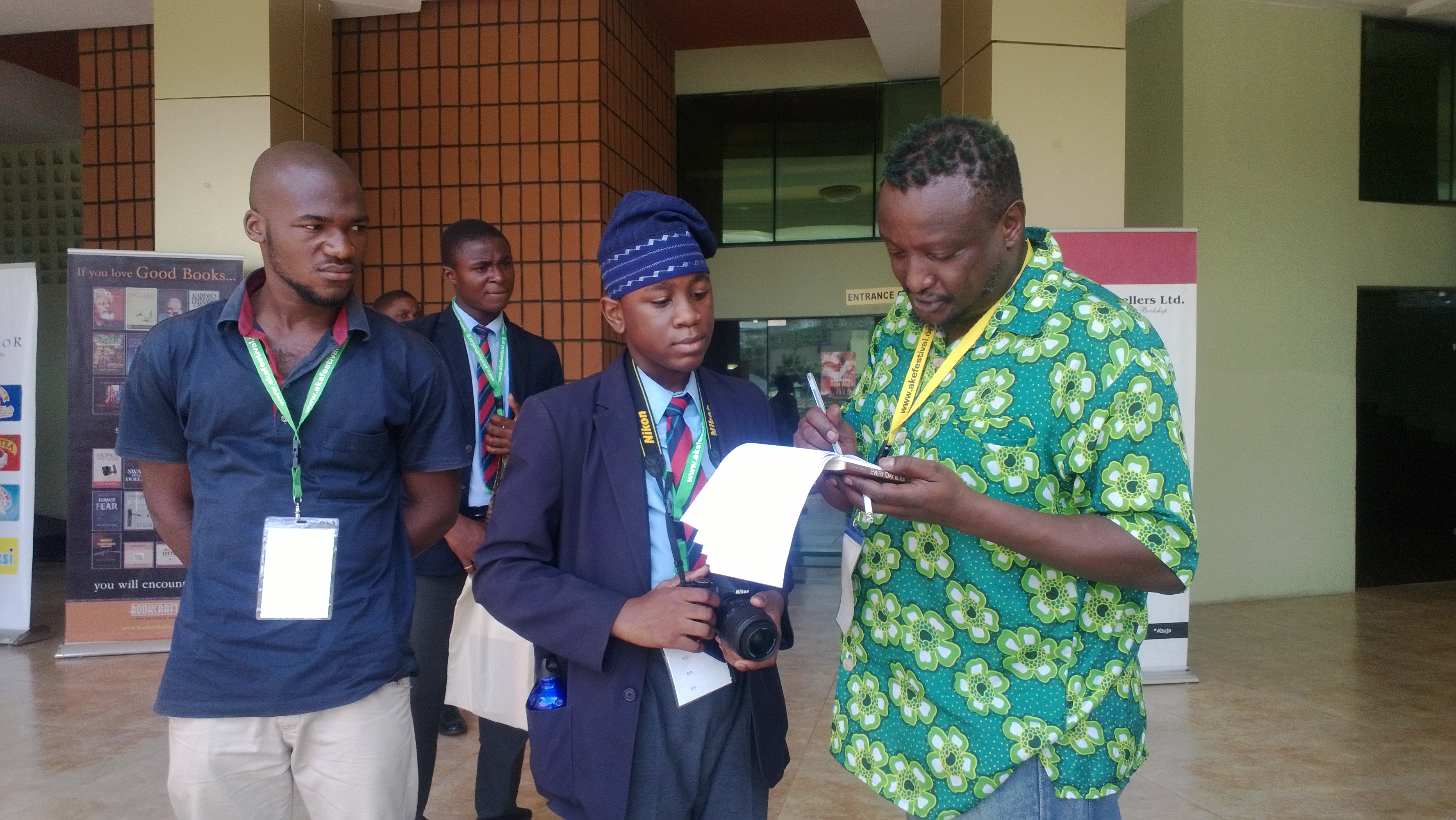
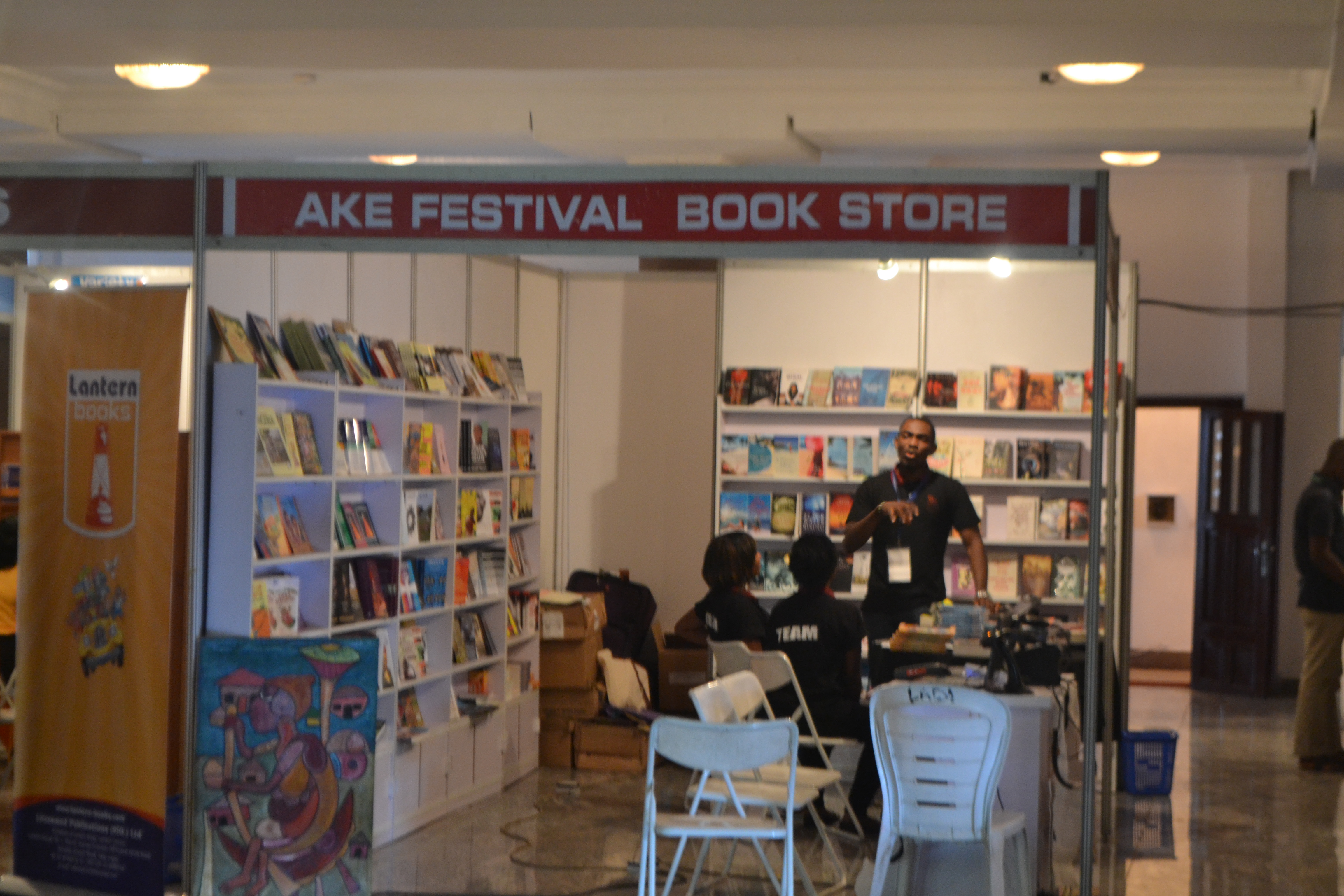
DSC_0034DSC_0063DSC_0046DSC_1178WP_20131122_039WP_20131122_008WP_20131122_015WP_20131122_005WP_20131122_032DSC_0069For the last six days since Tuesday November 19th, writers, artists, book lovers, poets, and a few politicians, have gathered in Abeokuta for the maiden Ake Arts and Book Festival. A brain child of writer and poet Lola Shoneyin, the Festival played host to hundreds (and perhaps thousands) of visitors in the rock-head town, home to Africa’s first Nobel Laureate, Wole Soyinka – himself a presence at the event which took place at the June 12 Cultural Centre, Kuto.

The Festival featured the launching of Wole Soyinka’s play Alapata Apata as well as the command performance of the (Caine Prize-winning Rotimi Babatunde’s) stage adaptation of Lola Shoneyin’s The Secret Lives of Baba Segi’s Wives. There was also a number of “Book Chats” and dialogues with authors, as well as art exhibitions, symposiums, book fairs, one-one-one conversations with Wole Soyinka, poetry reading, among very many others.

Other writers and artists present for the Festival include Chibundu Onuzo (The Spider’s Daughter), Tope Folarin (Winner of the 2012 Caine Prize for African Writing), Peter Akinlabi (notable poet), Teju Cole (Open City), Ikhide Ikheloa (writer and critic), Victor Ehikhamenor (artist, and author of Excuse Me!), Molara Wood (blogger and author of Indigo), Binyavanga Wainaina (One Day I Will Write About This Place), Eghosa Imasuen (Fine Boys), Ayodele Morocco-Clarke, Igoni Barrett, Christie Watson, Remi Raji, Marlon James, Pelu Awofeso, Tolu Ogunlesi, Toni Kan, Ayodele Olofintuade, Chuma Nwokolo, Kunle Ajibade, among very many others. There was also the governor of Ekiti State, Kayode Fayemi and the Commisioner of Health in Ogun State, Dr. Olaokun Soyinka.

Pictures courtesy of KT and Tamilore Ogunbanjo

An e-Book is a Book – Conversations

For anyone interested in literature, and literary development, this is a good time to be alive, not just because of the quality of output and the zeal of the participants, but also because of the presence of new media and the dynamism it has allowed for the production of new forms, and new ways of expression. We have a new generation of writers doing great things in the face of tremendous odds. We are doing well. Last year’s Caine Prize had four out of five Nigerians (Five writers of Nigerian descent, if you consider Pede Hollist). Teju Cole, Chimamanda Adichie, Chika Unigwe, Igoni Barrett are doing great out there, and new ones are coming up behind them: Emmanuel Iduma, Dami Ajayi, Ukamaka Olisakwe, Ayodele Olofintuade, etc. The Booker also has Zimbabwean NoViolet Bulawayo, who might as well win it. I think we’re doing well.

I hope, of course, that new media eventually gets its pride of place in the mainstream of literary appraisal. It already does well in consumption and reach. Until the Booker, the NLNG, the Orange, or any other major prize rewards someone whose platform is mainly online, then we haven’t reached there yet. I don’t advocate for the death of the book, just like inventors of the automobile didn’t go ahead and shoot all the horses. But judges of prizes need to start looking at the quality of production in the new media, and begin to pay attention to them. It is the future. We may as well get used to it.


From an interview I had with Nwachukwu Egbunike of Global Voices, a few days ago, in which I discussed among other things, writing in indigenous language, my contribution to the TweetYoruba Project, and the state of writing in the world today.

Excerpts from the interview made it into Andrew Sullivan’s blog, discussing writing and other matters.

On Poetry as Science

One piece of prose floating from the fading memory I have from reading Czeslaw Milosz’s Visions from San Francisco Bay occasionally come back to haunt me in my still moments. It asks amidst a whole lot of other questions what the purpose of words are beyond their ability to convey meanings. In one recent interview with Stephen Colbert, Astrophysicist Neil deGrasse Tyson compares the inconsequentiality of our presence on this planet to that of a billion (and some) bacteria living in the walls of our intestines whose number is equal to almost three times the number of all human life that ever existed and died. Like those bacteria, he suggests, who live without the mental capability of understanding the dimension of their inconsequentiality when compared to six billion other intestines walking the earth (with the multibillion units of bacteria they carry in them), we may not possess the mental flexibility to understand our insignificance (along with our equally possible random relevance as evidenced by our current existence).

Milosz asks as if to himself what makes it so that words, in their utmost insignificance beyond immediate use, lends themselves to entendres, rhyme and poetry. Did there exist on some magical plane a predestination for the word “apple” to become the symbol of ultimate taboo, pleasure and sin? In which realm of serendipity did “gain” and “pain” acquire the paradox of their rhyming complementarity. Sure computers may not write poems now (and I have no doubt that this is false), but the lexical matrix of today’s world endows us with a gazillion ways of expressing thoughts in inventive ways. The order in which I have written the last couple of sentences in this post (with almost a 100% certainty) is an order in which these words have never ever been arranged and never will anymore by anyone else. There is something to that. The process of writing poetry, for me, taps into the science of this randomness. The art resides in the chance of success – that moment when meaning, form, and words meet at the tip of the writer’s hands. See below:

I balanced all, brought all to mind,

The years to come seemed waste of breath,

A waste of breath the years behind

In balance with this life, this death.

from W.B. Yeats’ An Irish Airman Foresees His Death

This concise beauty, and an underlying deceptive simplicity that wows, has always defined for me one of writing’s unreachable bars; the place where science, art and meaning collide with the earnest needs of the present.

Book, Blook, Bloog, Blog…

Ikhide Ikheloa has joined the blogging community. This next sentence, otherwise supposed to describe him in a few words and put him in the context of Nigerian and African literature, will however be used to tell you something else: that blogging is the future, or at least the way to it. With electronic data content and text being gradually becoming the most viable medium of communication, it takes no prophet to see that what literature is will also eventually take on a more pro-electronic bias. I have said this before, and let me repeat it here (as if it needs repeating, duh) that the future of literature depends in some form (if not entirely) on the internet. A future Nobelist from blogging, anyone?

You should also follow @SalmanRushdie and @TejuCole on twitter while we’re still talking about the internet as a literary resource.

Welcome New Contributors

This month is the third September in the life span of this blog and thus the beginning of another season. As from this month therefore and in the coming days, you will be reading from new writers who are joining us from different parts of the world to share thoughts, ideas, opinions and creativity, as regular and irregular contributors.

There will be Emmanuel Iduma who co-edits a literary magazine Saraba, and Hilal Ergul a fellow FLTA from 2009 who now lives and travels around Turkey. Benson Eluma will also be joining us from the University of Ibadan, and a few more folks I’m still trying to convince that it always helps to complain and reflect publicly than grumble in private all day long. Where are those in Mexico, Kuwait, Uganda, Birmingham, Tahrir, Casablanca, Benghazi?

I look forward to more contributors and a series of new experiences and viewpoints from around the world. Give them some love.