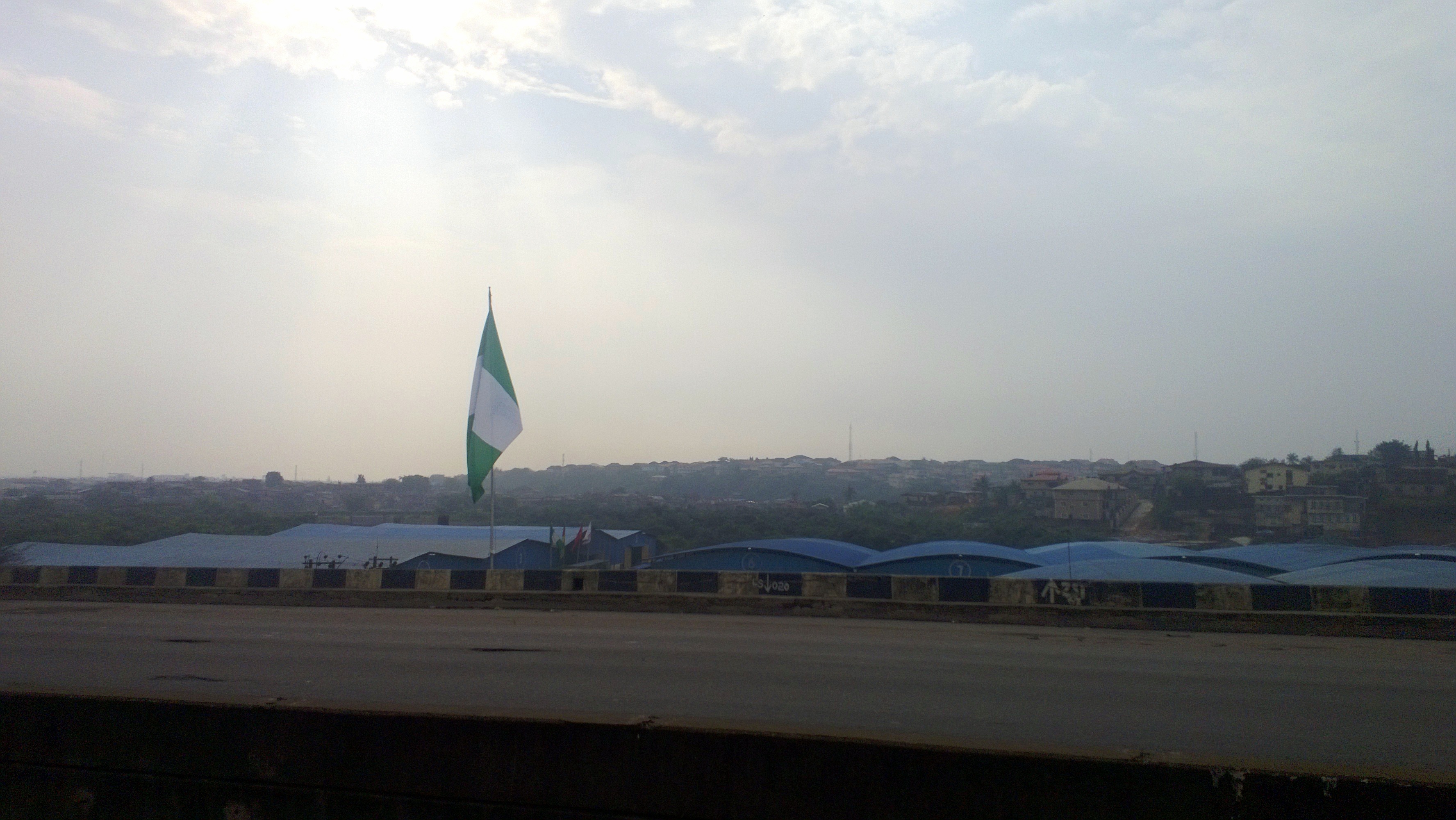

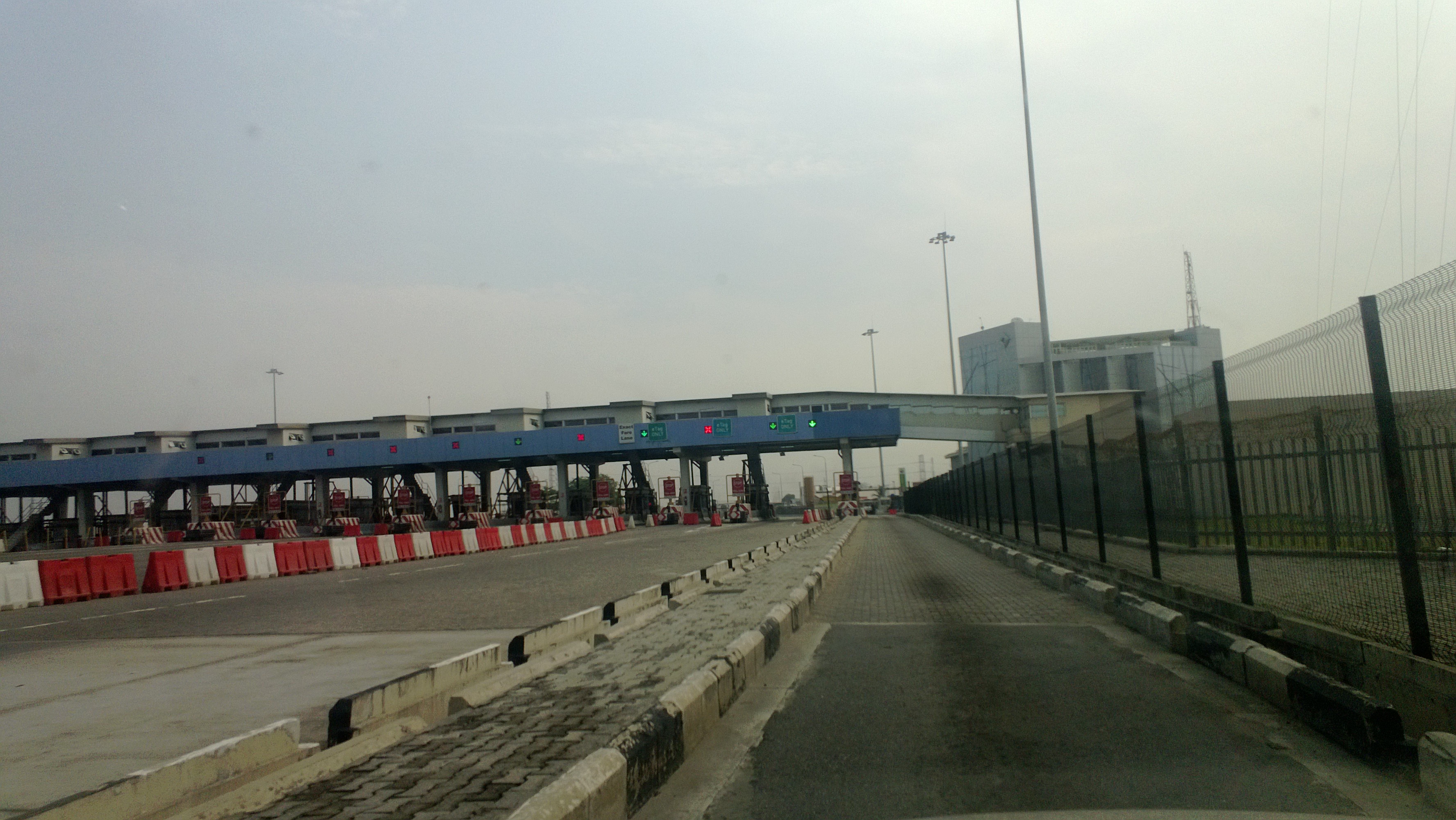
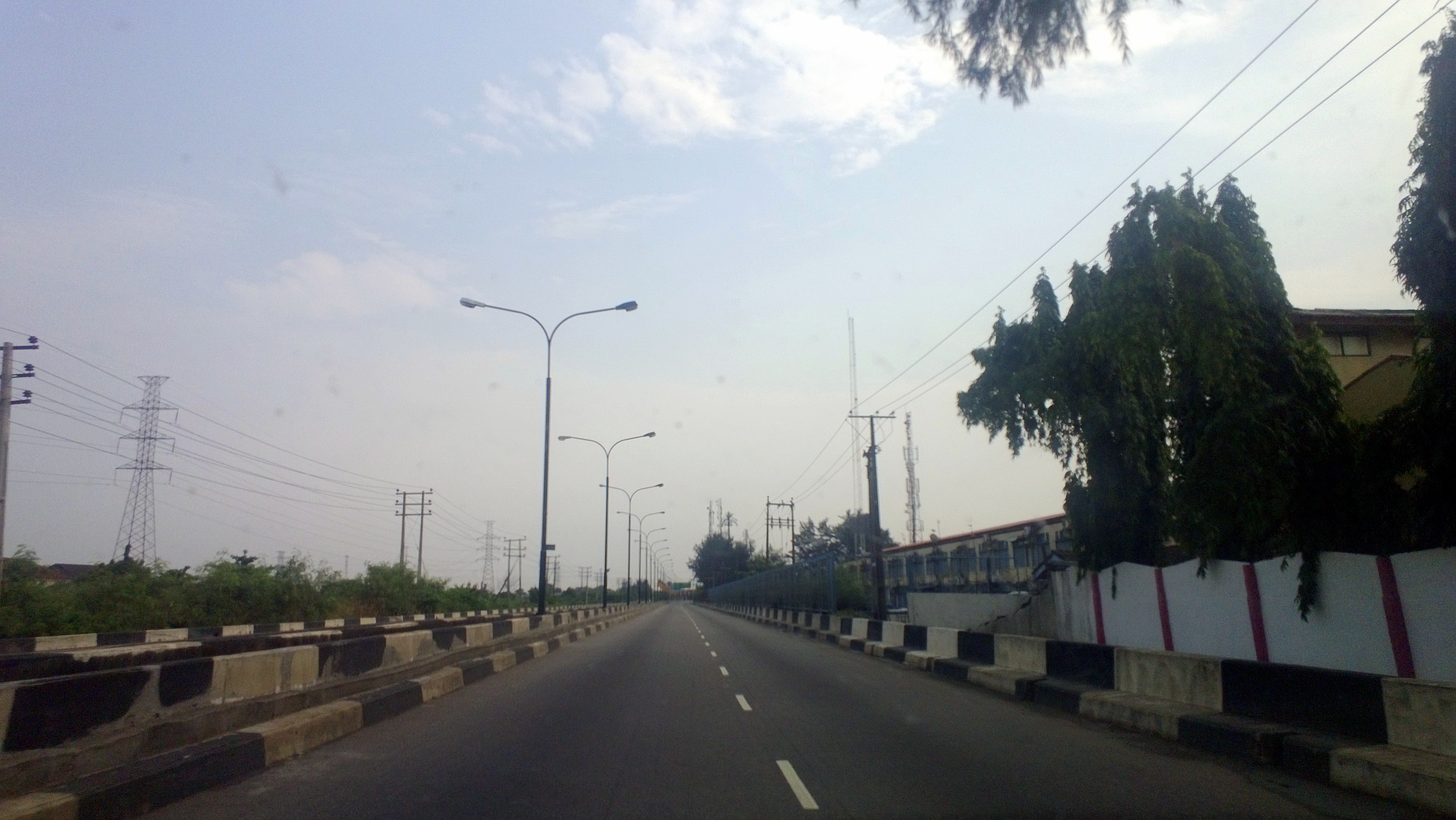
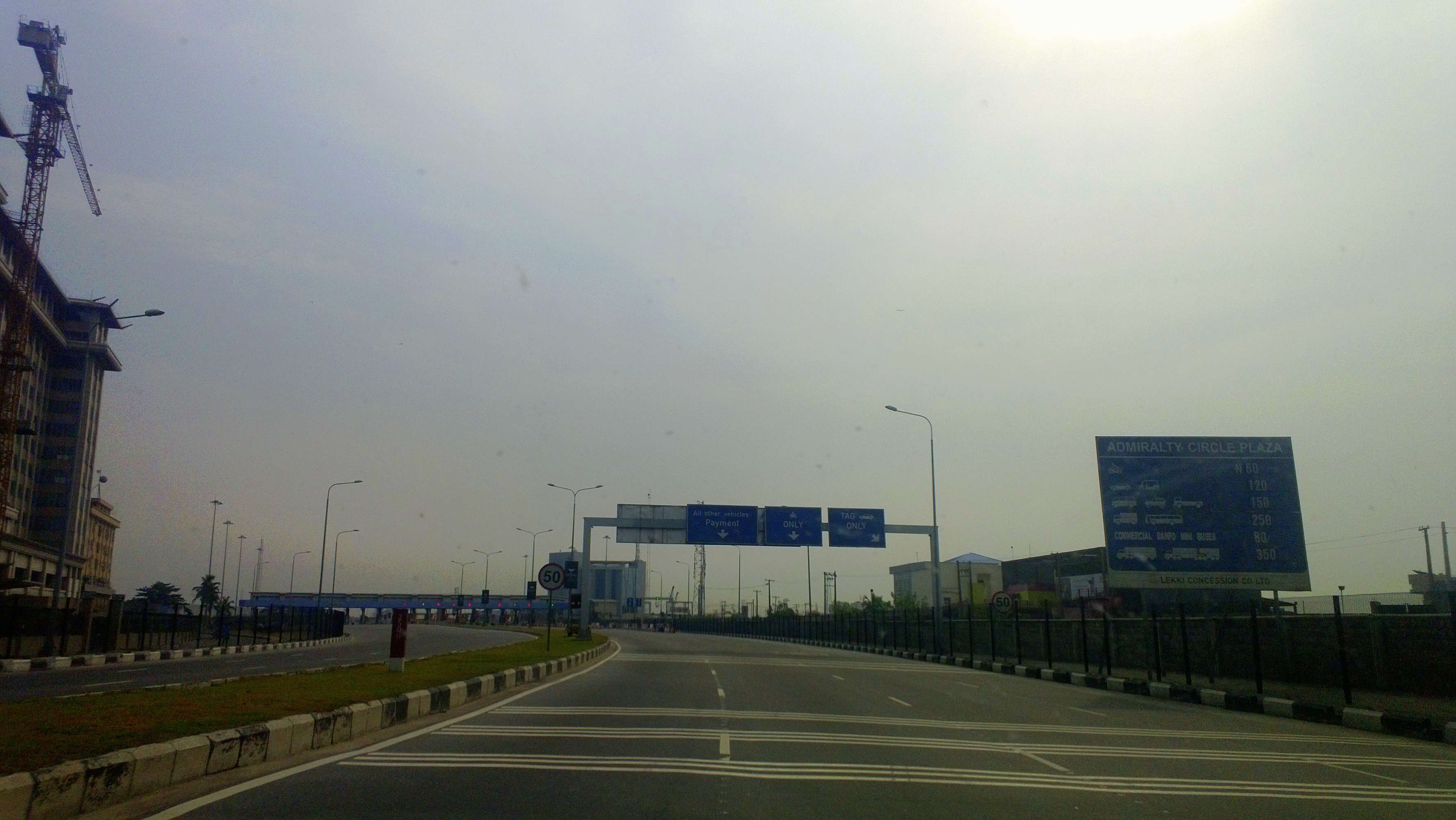
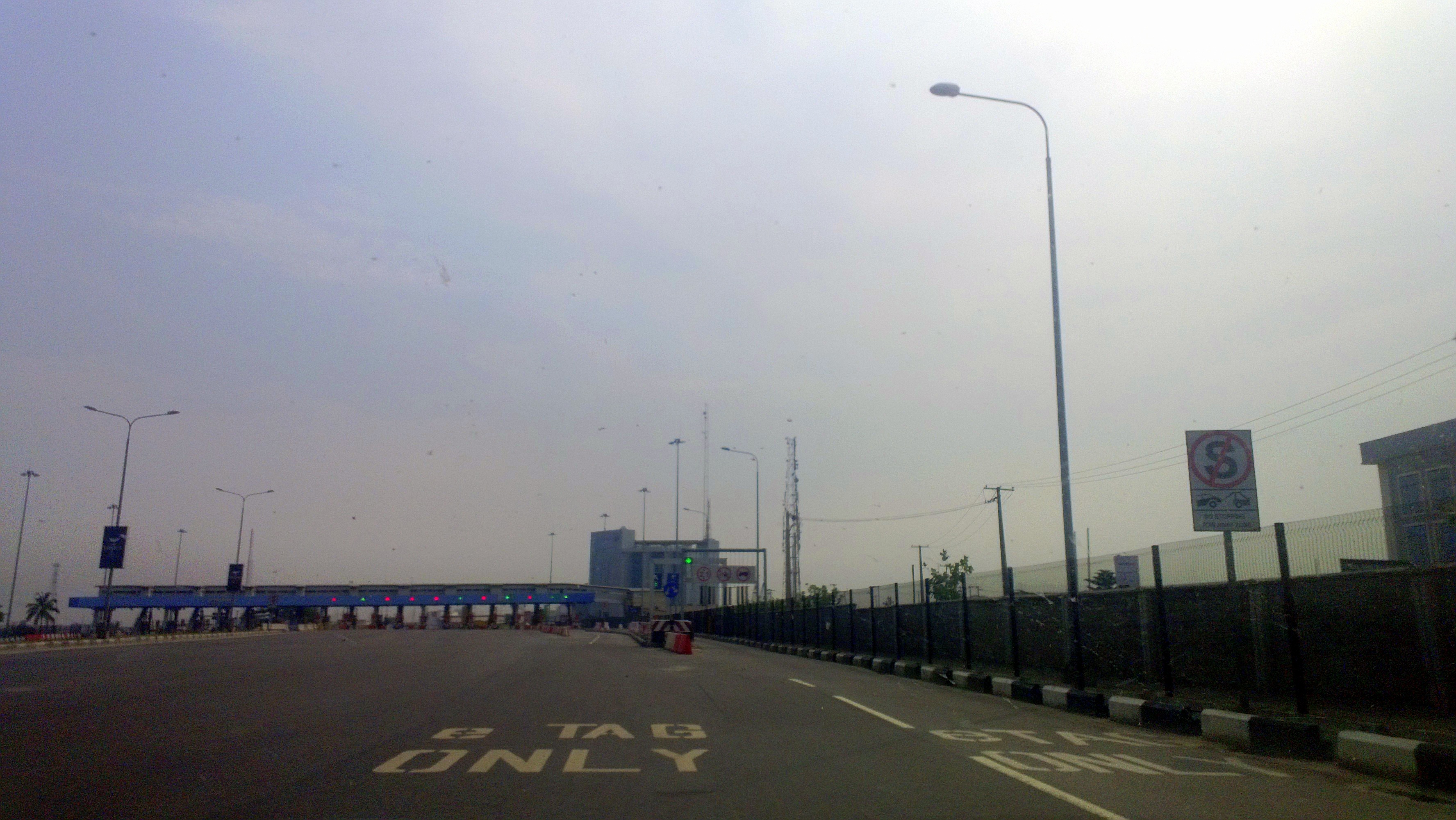
 The shots aren’t the best, but they are what I could get: shots of Lagos with no other cars. A few streets of Lagos anyway. You don’t see that often.
Berger, Magodo, Ikoyi, Victoria Island, and Lekki.
The shots aren’t the best, but they are what I could get: shots of Lagos with no other cars. A few streets of Lagos anyway. You don’t see that often.
Berger, Magodo, Ikoyi, Victoria Island, and Lekki.
I remember, with fondness now, a time when I would – on impulse – get in my 1997 Nissan Maxima and drive to a far or nearby town in search of food. It was a pleasure ride, for sure, because I lived in Southern Illinois where – like most parts of the United States, food could be ordered directly on the internet. A few minutes and a little tip later, the food was in one’s hands, delivered by a person who has gone through the hassle (of weather and traffic) to get the food down to the house.

Choosing to, by myself, drive out was therefore good only for the fun of leaving the house, discovering new places, and of course hanging out with real people out of the house. For a small town, downtown Edwardsville boasted of a variety of tasty diners, for every meal of the day. Peels (I think that is what it was called), a restaurant near the campus, had the best pizza, different from what Papa Johns and other name pizzerias made. There was a Chinese buffet that cost just $10 and had a variety that at that time impressed and delighted. A few miles from downtown was a small 18th century cottage that housed a winery. It didn’t serve food, but wine could be tasted (as many bottles as one wanted) before a purchase is made. It was a good place to spend warm fall evenings.
Lagos has occasionally surprised, the biggest being the absence of a major breakfast diner. None – at least as far as I know – on the Island, and the one I have been told on the mainland doesn’t have such wide variety. There is a Mexican restaurant in the building right beside Cool FM open, as I’ve experienced it, till 11pm, with great (though not altogether convincing) Mexican food. There is also a Chinese restaurant somewhere close to Law School, with a beautiful menu. The last eating out I enjoyed was at Orchid Bistro in Ikeja. The service was great. The ambiance was even better. And who could forget the good hot homemade meals that Terra Kulture serves every day of the week. Beside the absence of (and affordable) breakfast diners in Lagos, one other thing about it is a perception (I had until experiencing it first hand) that restaurants are only for rich people. We don’t typically eat out in Nigeria.
A couple of months ago, through their involvement in the launch of LifeBank at the CCHub, I came across HelloFoods, a service in Lagos that seeks to connect the consumer to the source of food. The business model made sense to me then as it does now – a food delivery service that – without owning a restaurant themselves – allow folks to sit in their houses or offices and order food from any restaurant in the state (even those without a website of their own). I haven’t used them yet (because I still prefer to drive around the Island looking for new outlets), but the website presents an easily navigable way to compare prices, and get different types of food anywhere in the state, with the click of the mouse. It is a smart business model for sure, and one that fits into the patterns of behaviour by people in the city. For those interested in discovering new places to eat, it also provides an online database of names.
All that’s left to ask is this: beside cost, why are we not an overwhelmingly outgoing people when it comes to food?
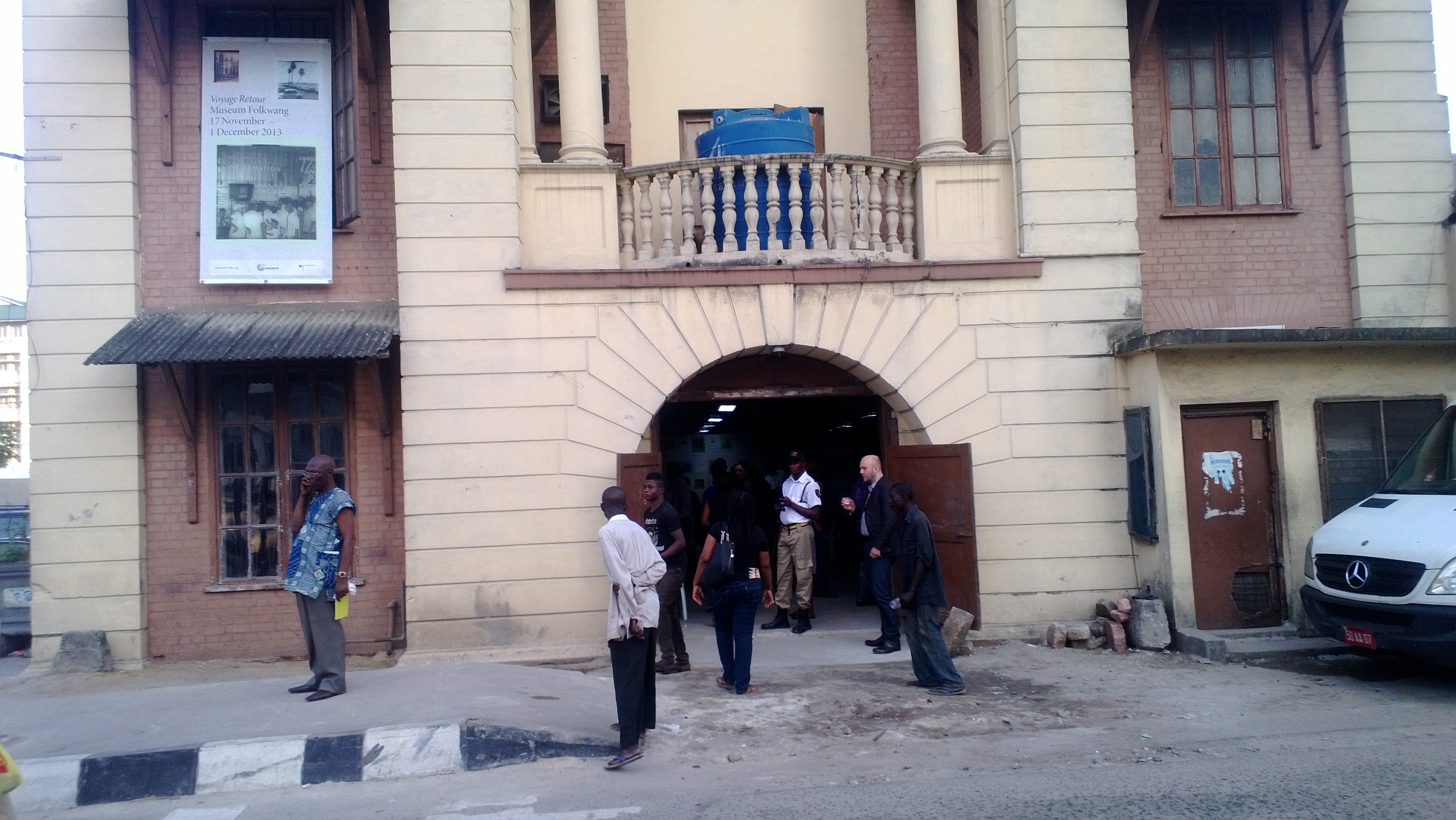
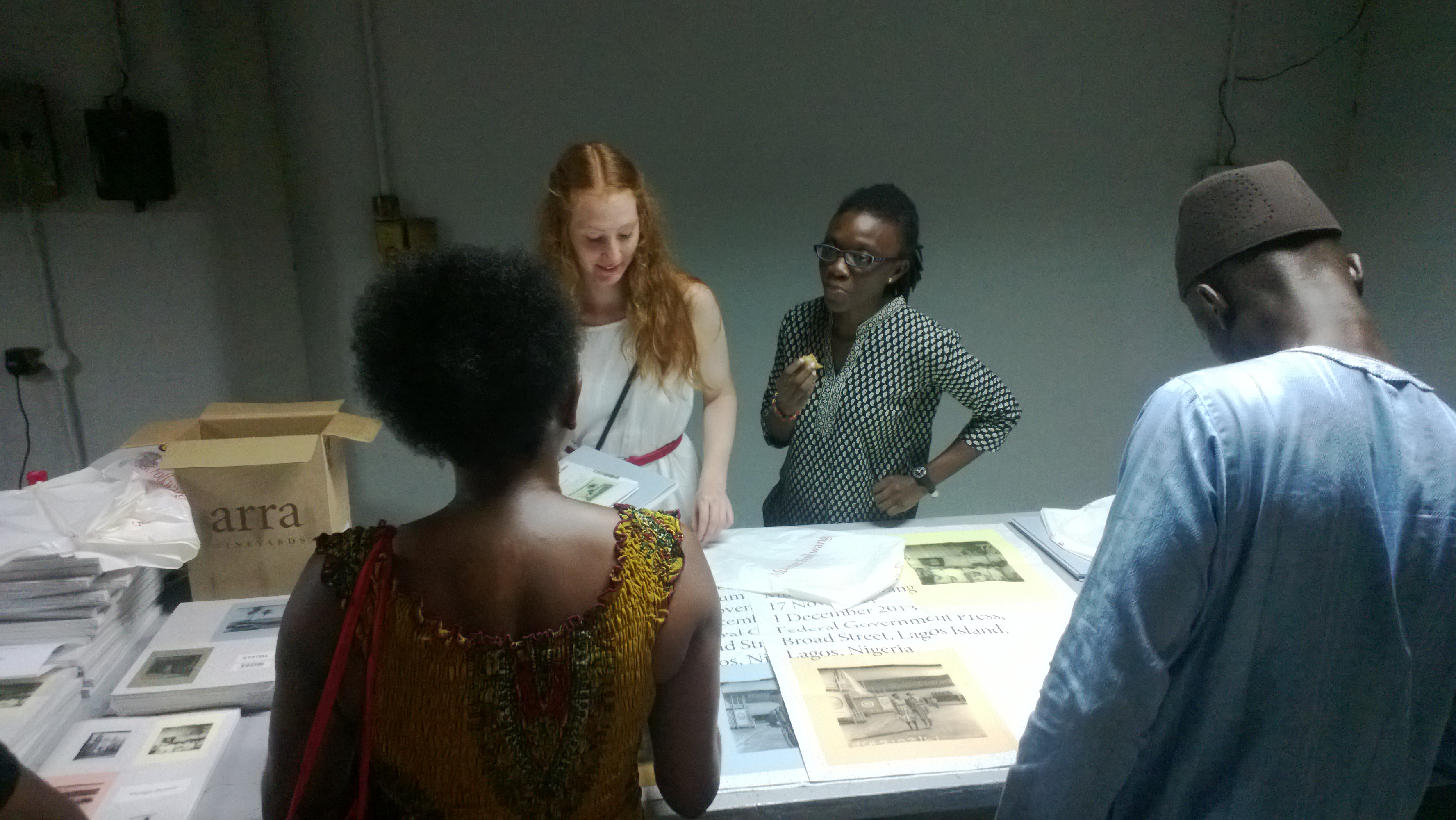
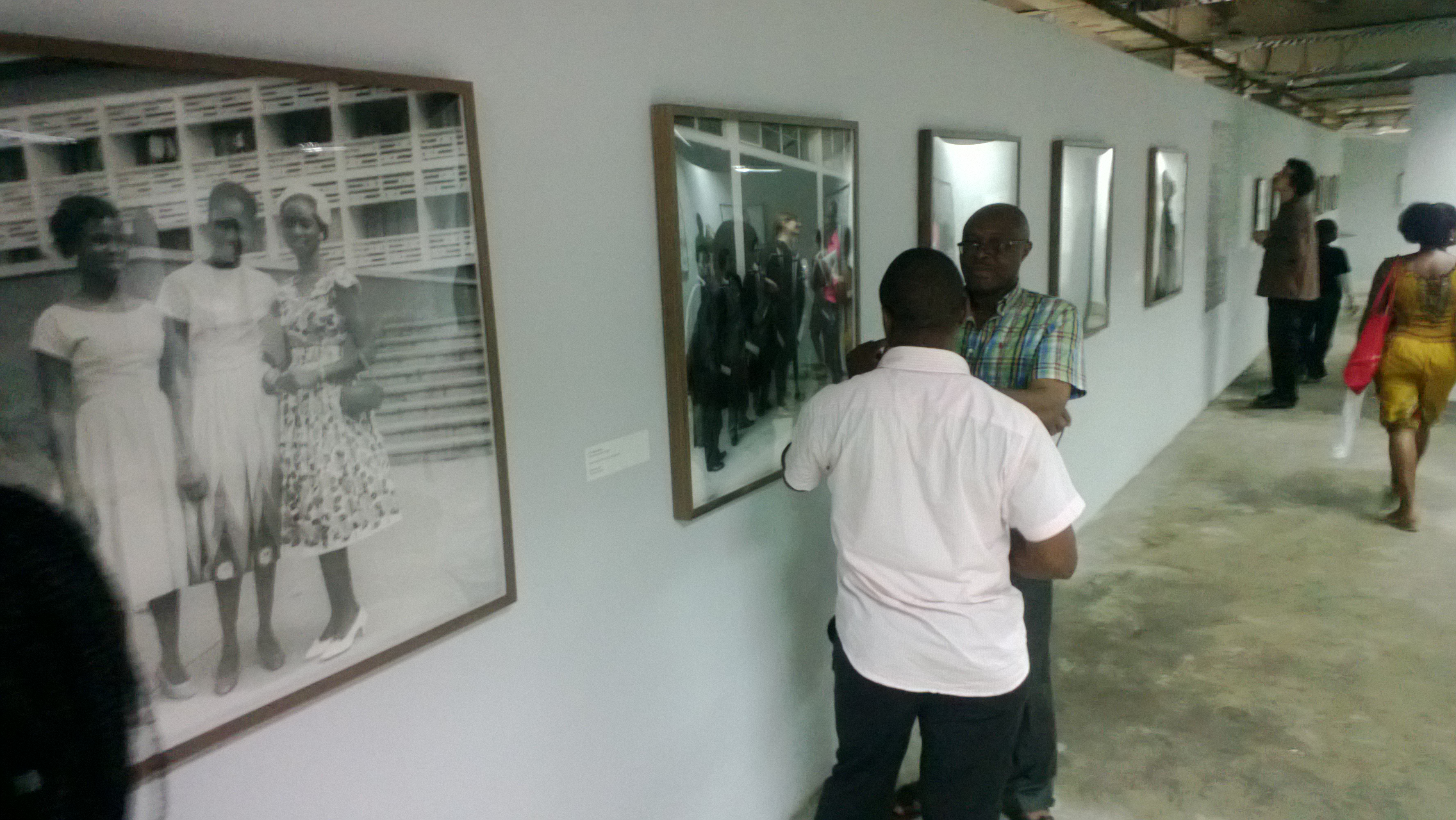
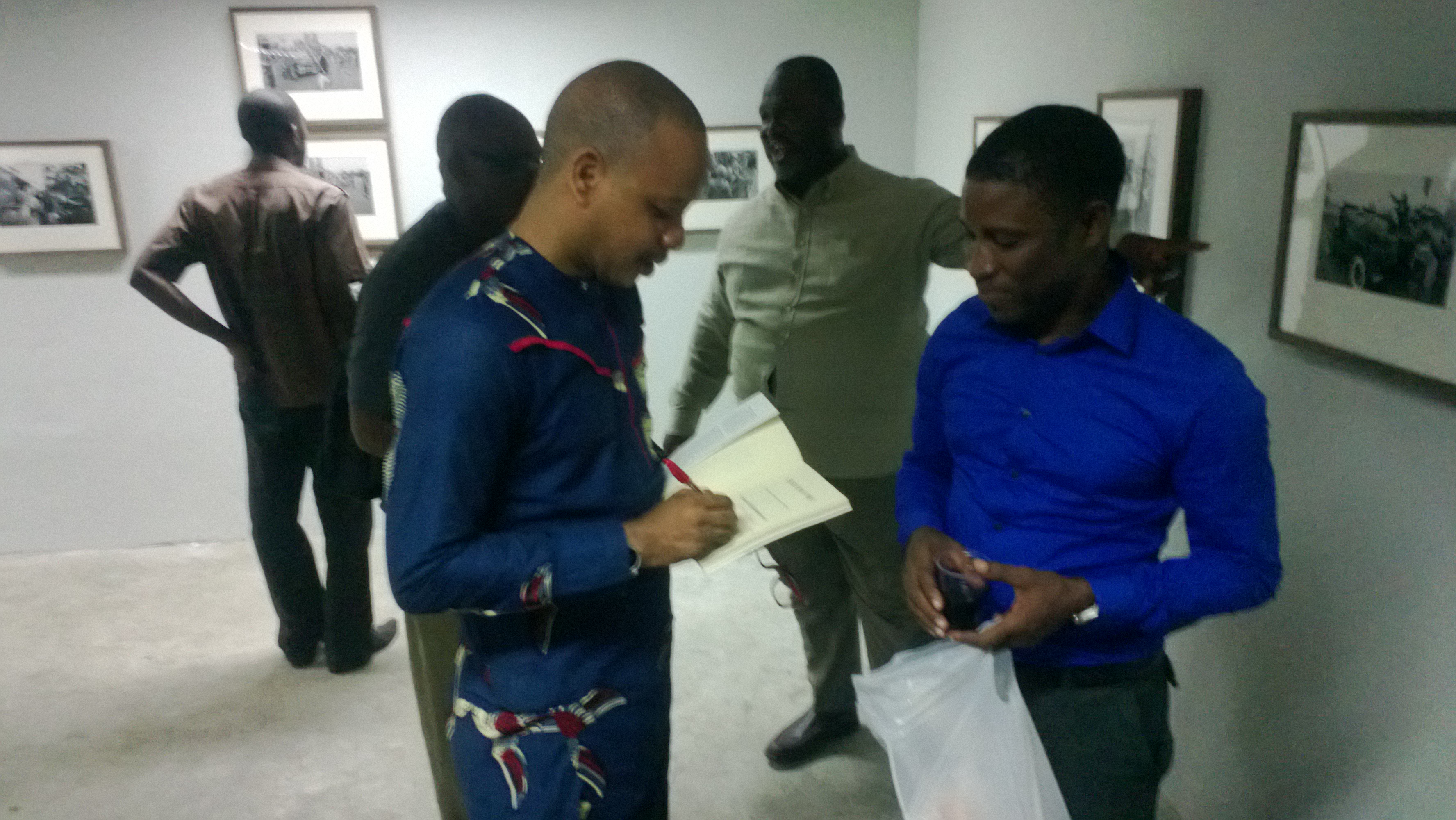
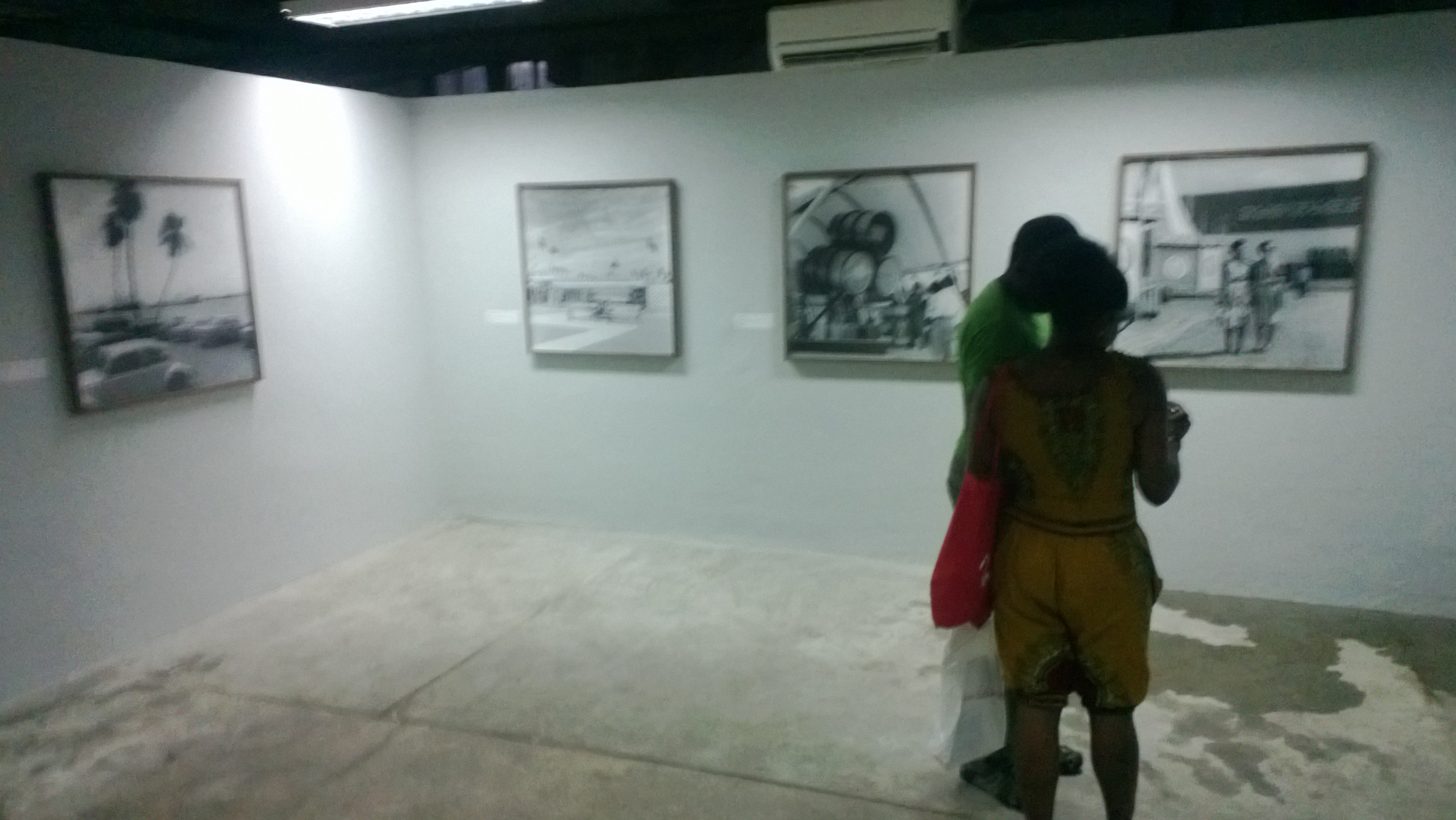
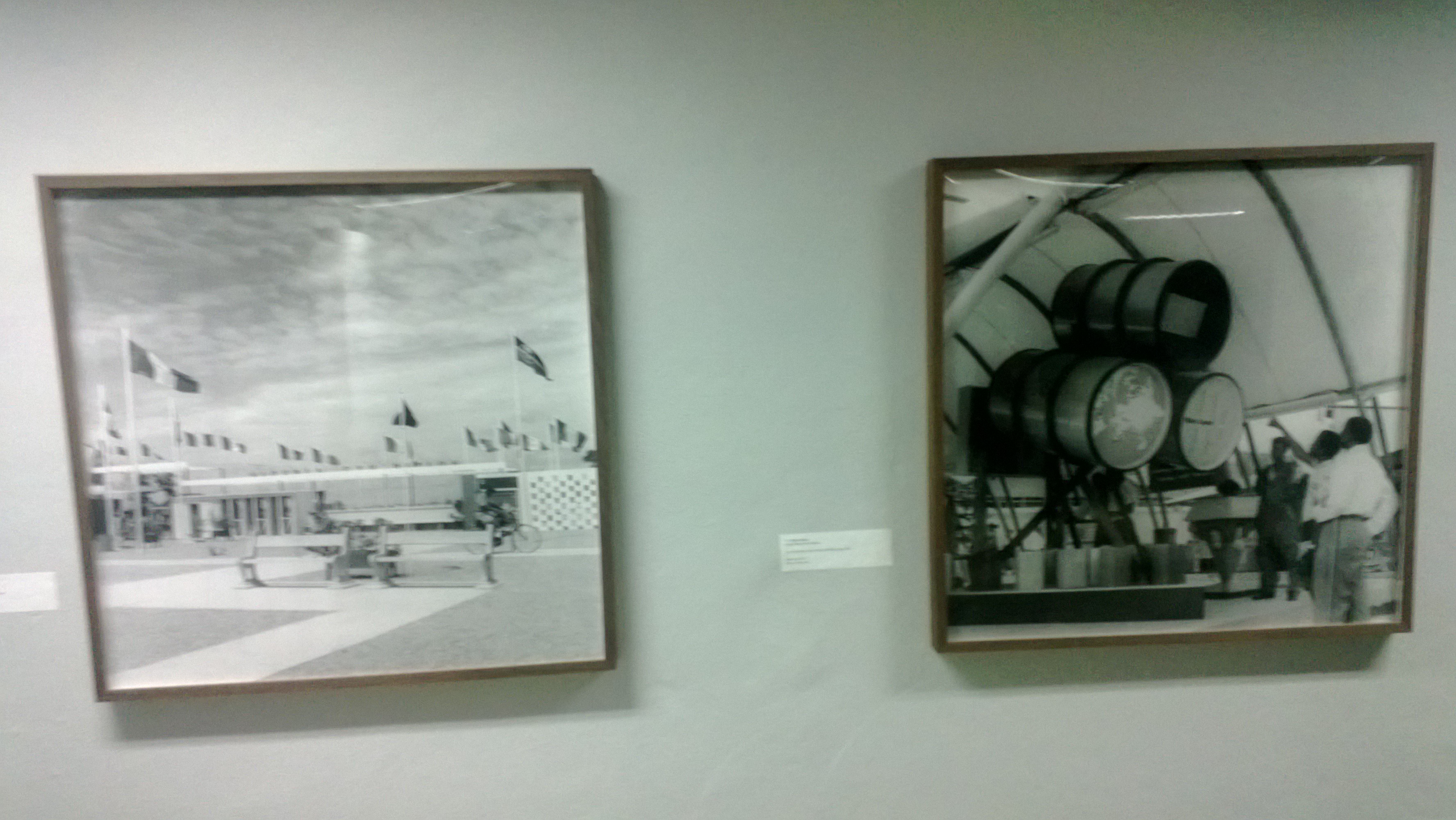
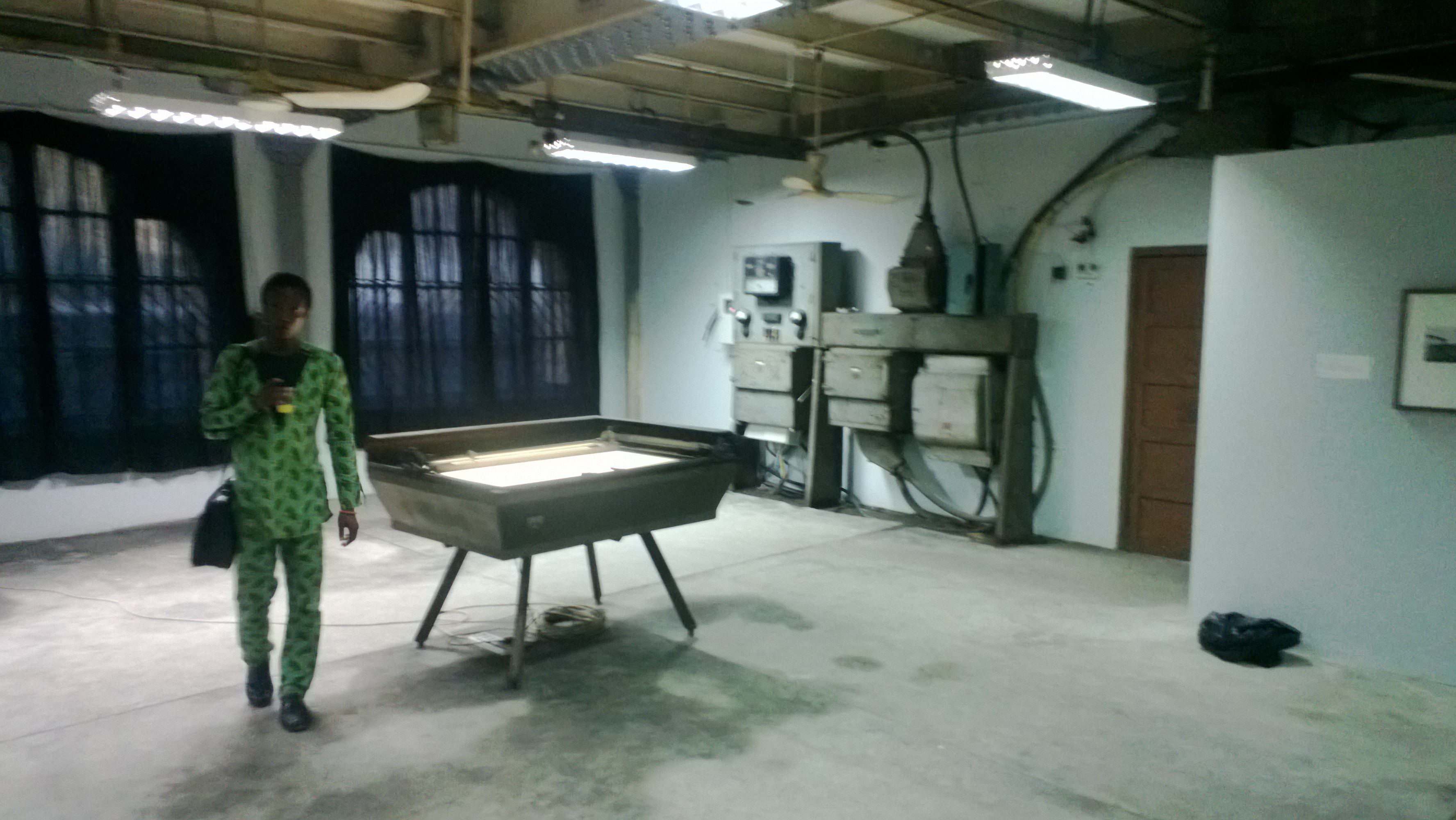
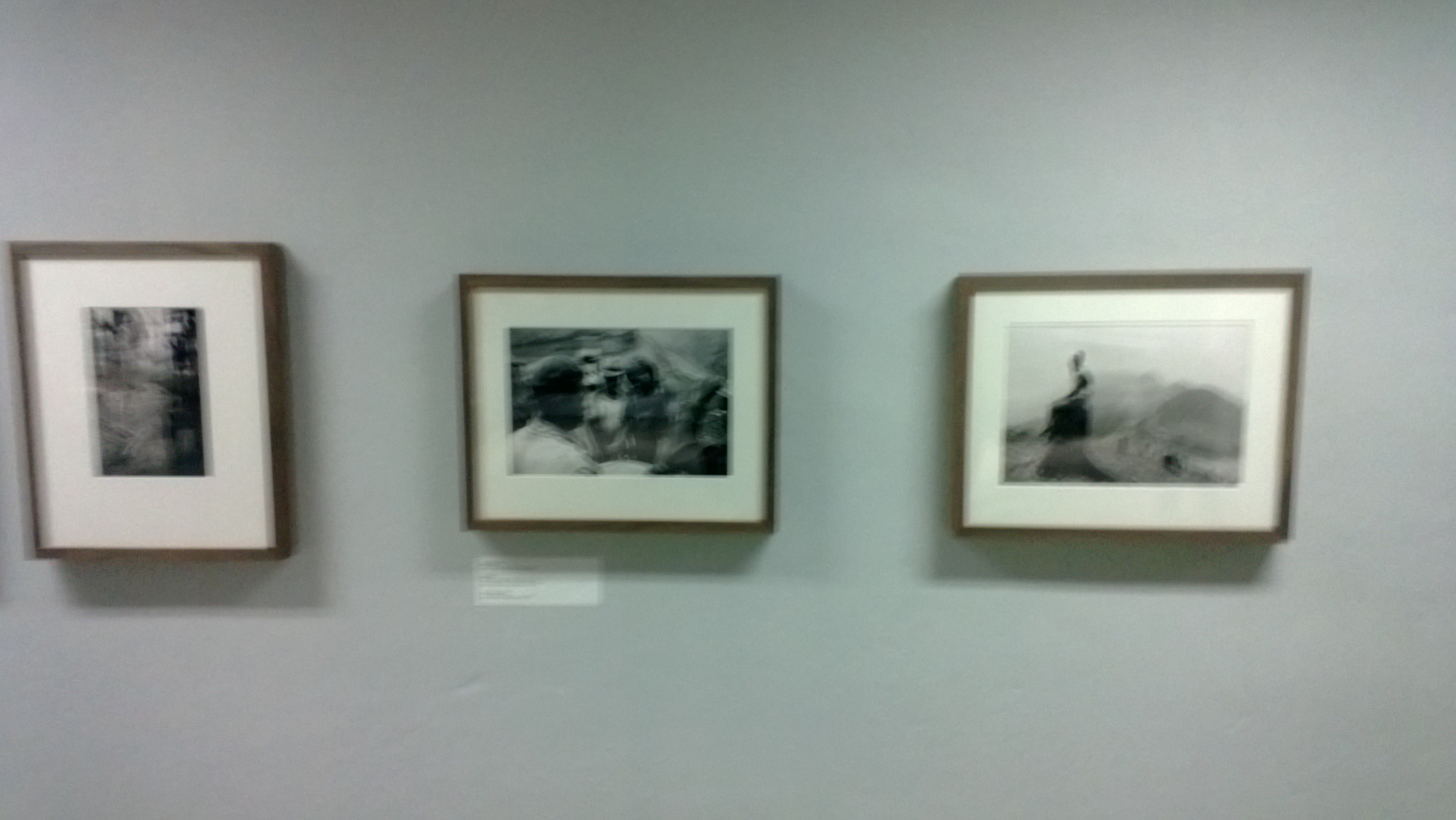
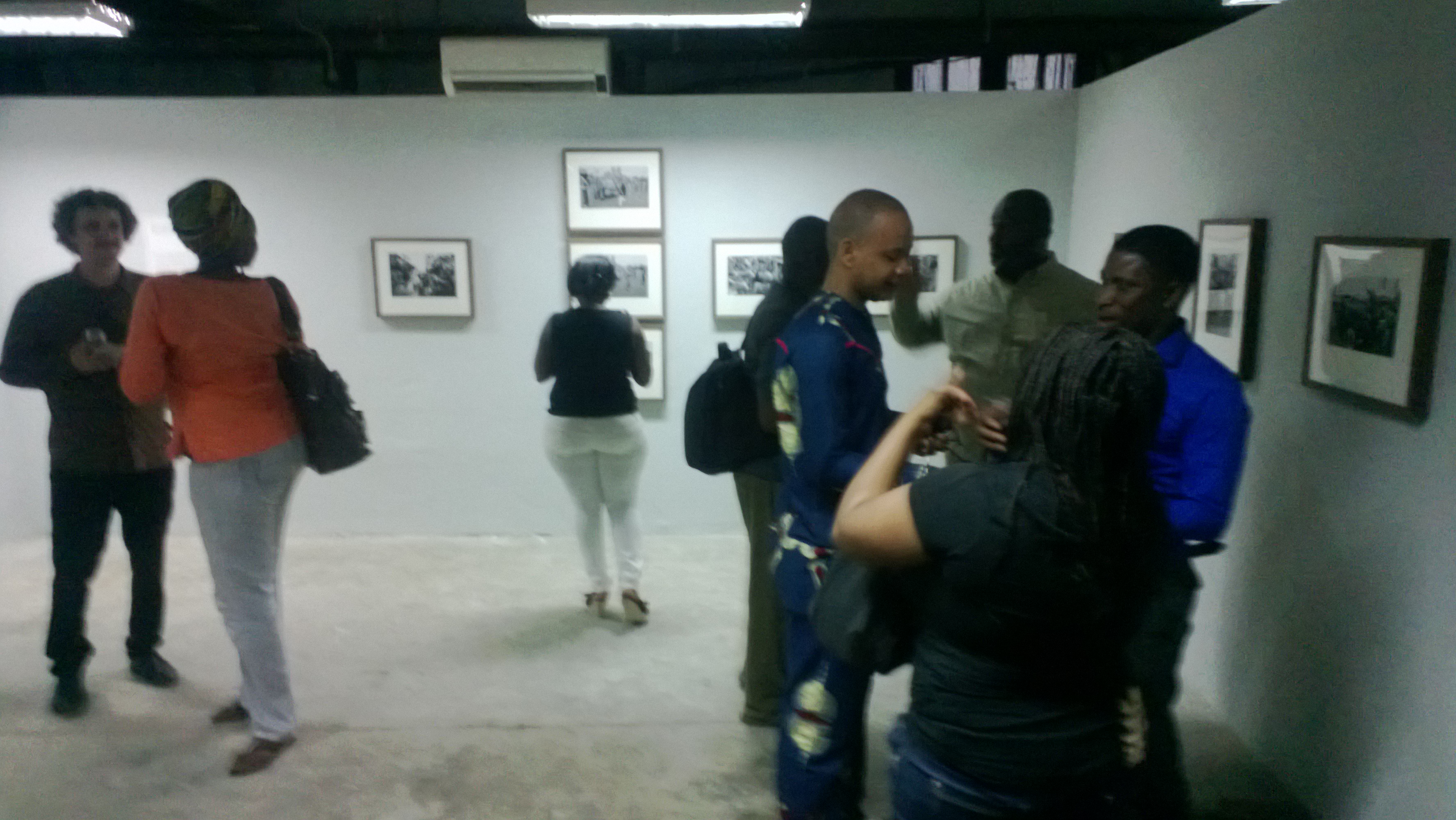 An exhibition project by Museum Folkwang, Essen, Germany, in collaboration with Goethe-Institut, Lagos, took place on Saturday at the old Federal Government Printing Press on Broad Street, Lagos Island, adjacent from the Freedom Park (aka Old Colonial Prisons).
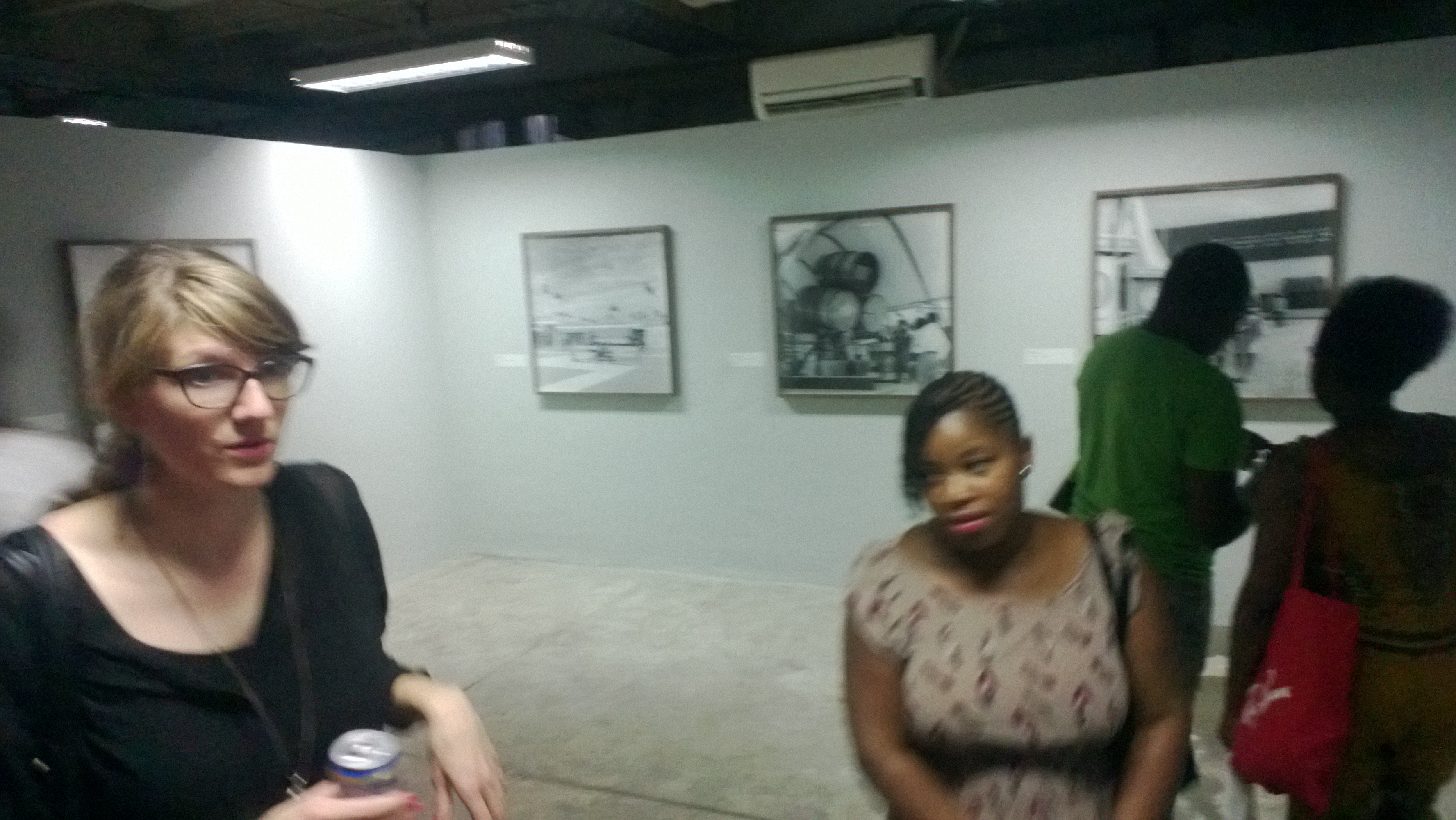
It was, according to the organizers, an exhibition of German and Nigerian photography on Nigeria and Africa. The content of the exhibition bears out the theme – photos spanning pre- and immediately post-independent Nigeria (and a few other African nation-states). It was also well-attended by interested art curators and producers in Nigeria.
These are a few photos from the event, featuring works from Nigeria, Leipzig, Ghana, Hamburg, and Congo, among others. Notable names under the works include Rolf Gillhausen (1922-2004), Wolfgang Weber (1932-1983), Germaine Krull, Robert Lebeck, J.D. ‘Okhai Ojeikere (b. 1930), and Malick Sidibe.
The exhibition will be on from November 17 to December 1, 2013. 10am – 4pm (working days) and 12am-6pm (weekends).
Enjoy the photos.
More information at Museum Folkwang and Goethe-Institut, Nigeria.
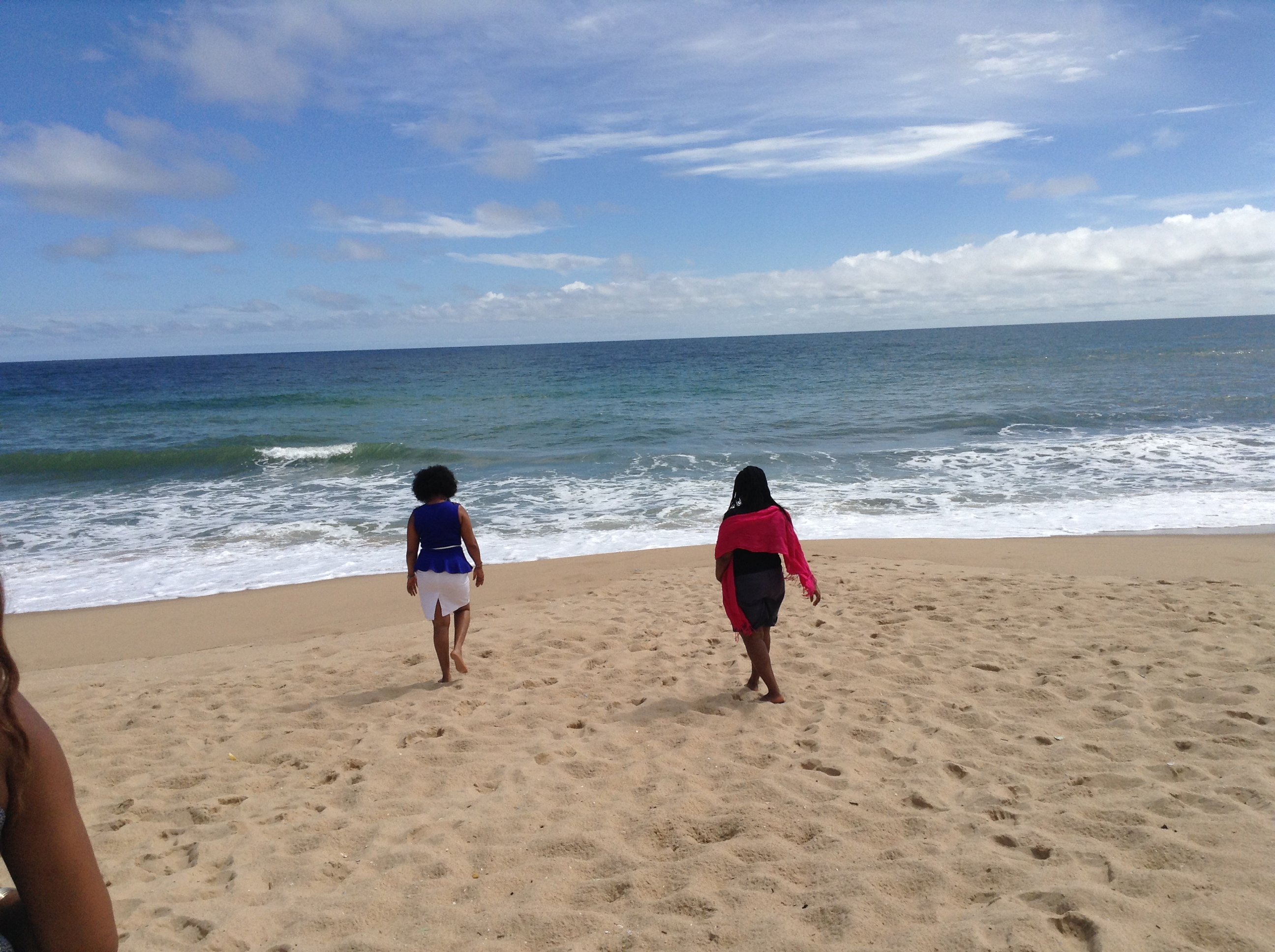
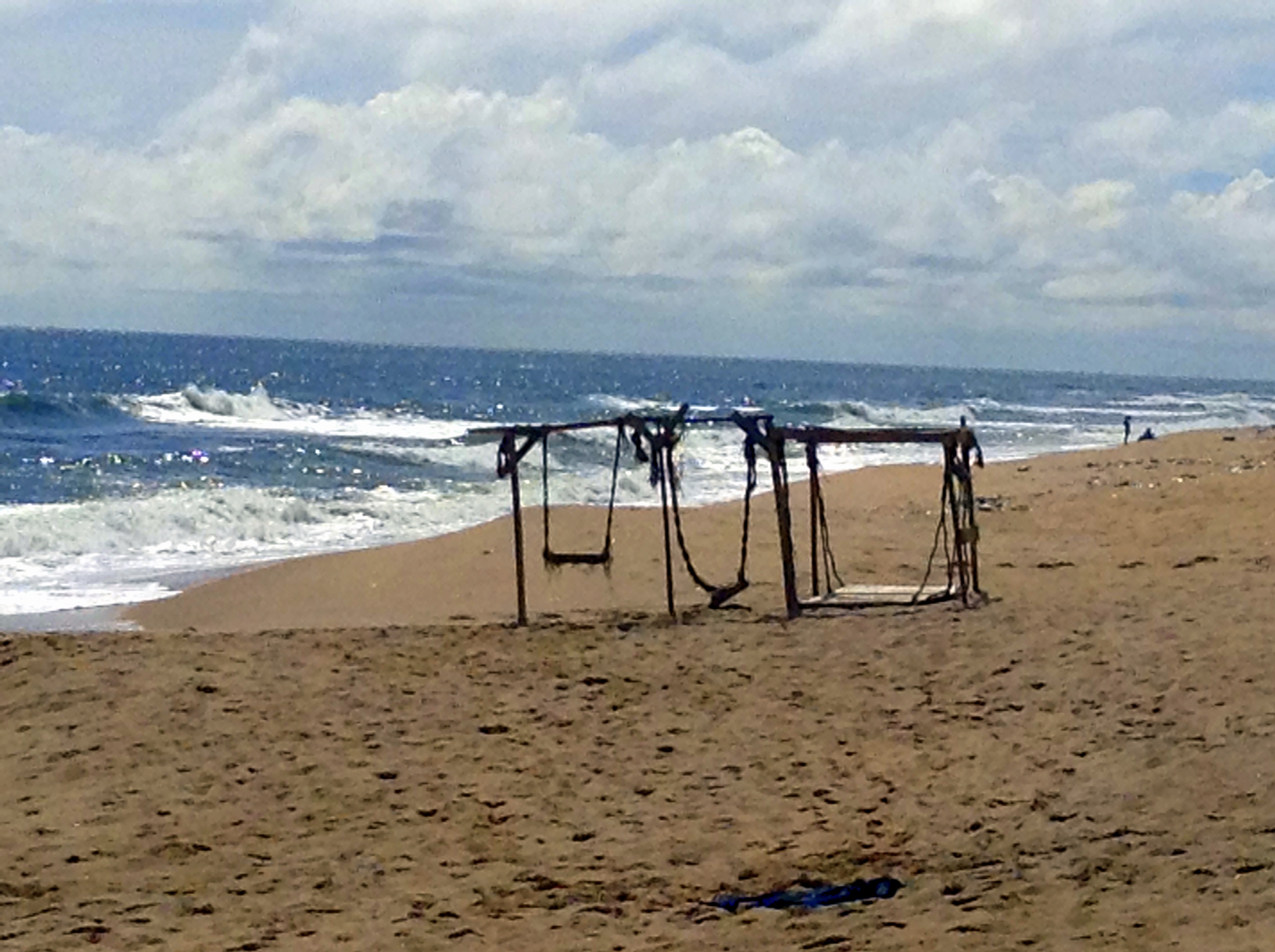
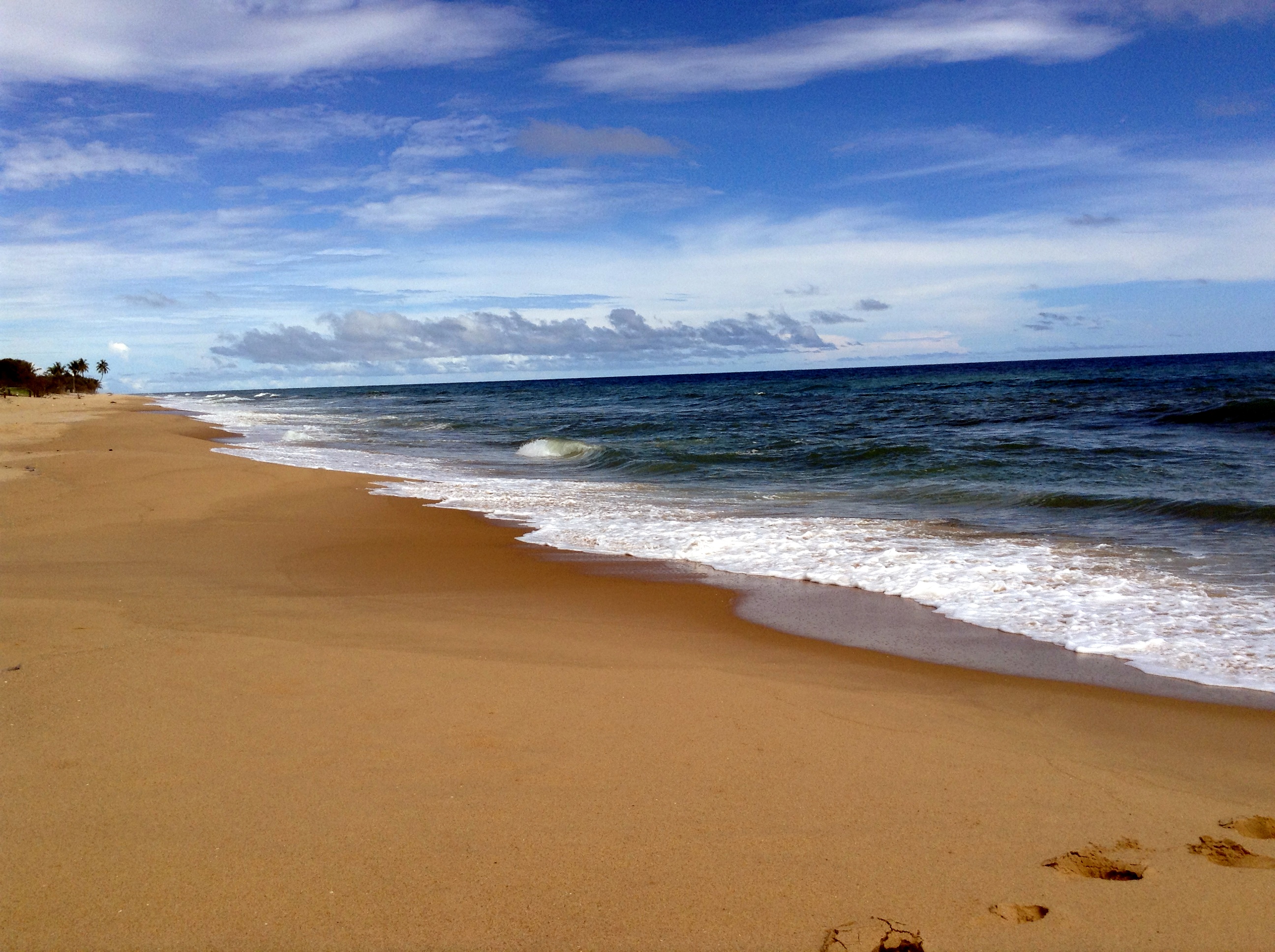
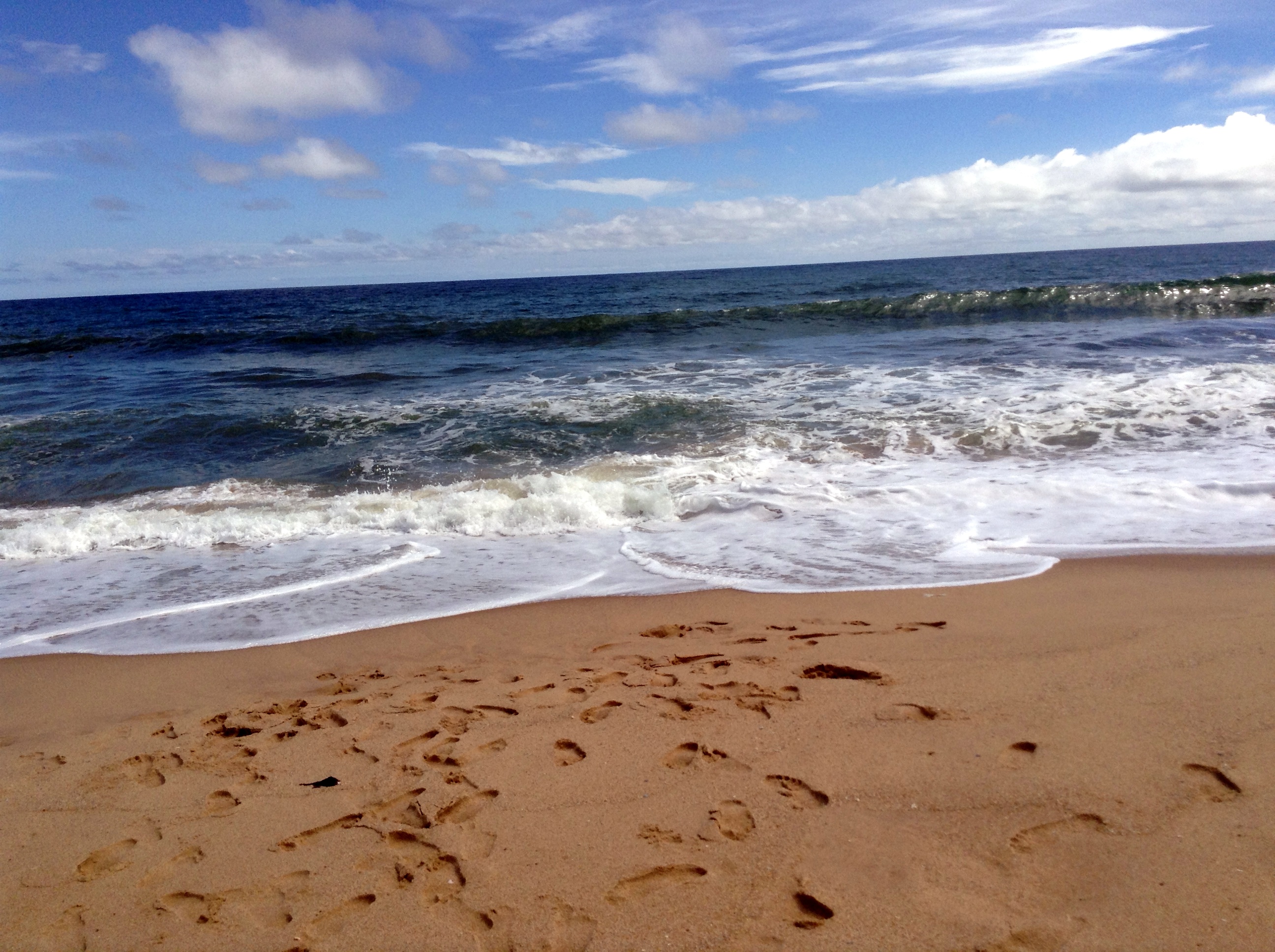
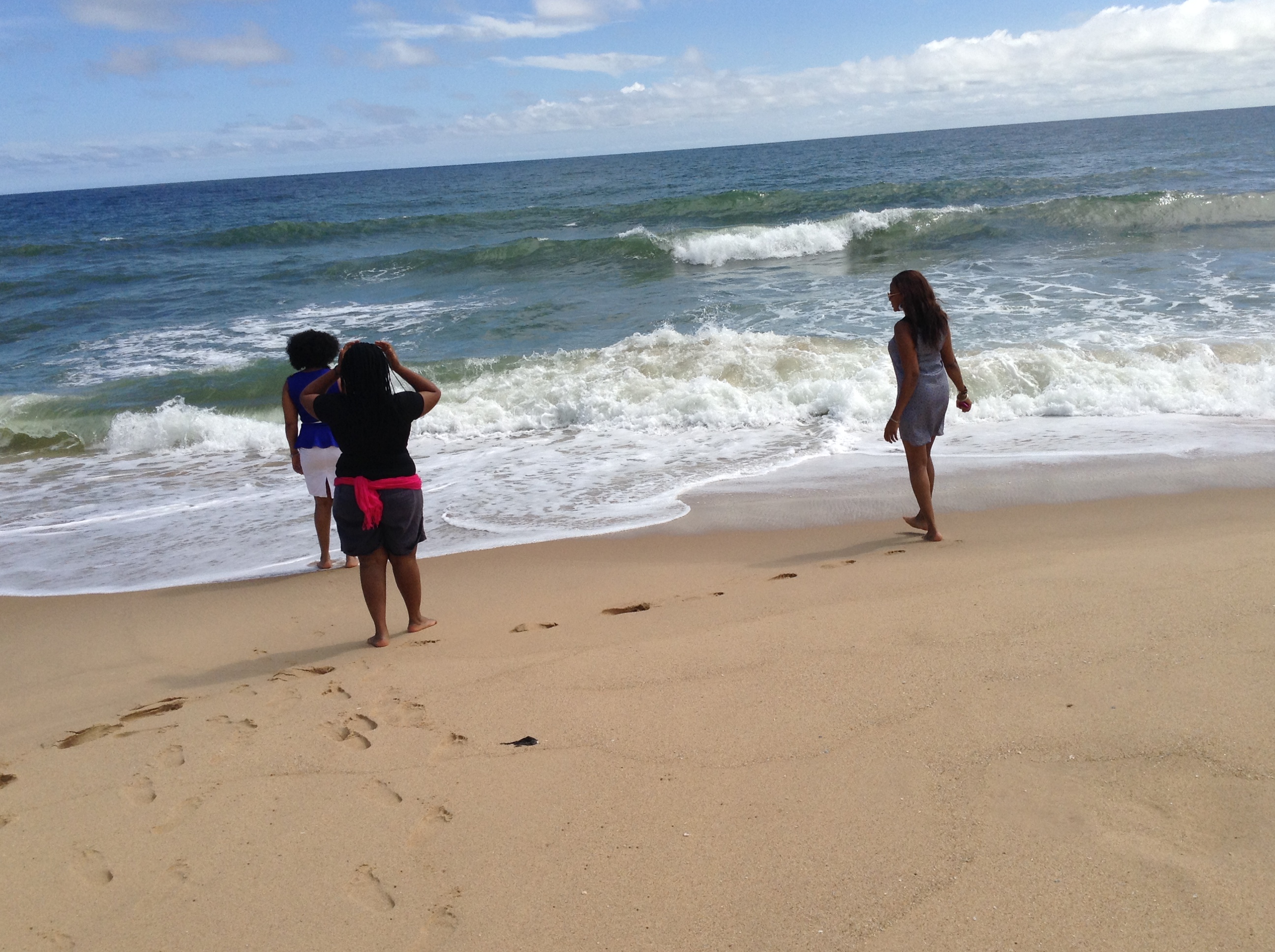 I’d refrained from visiting any more beaches in Lagos because my earlier experiences weren’t impressive: crowd
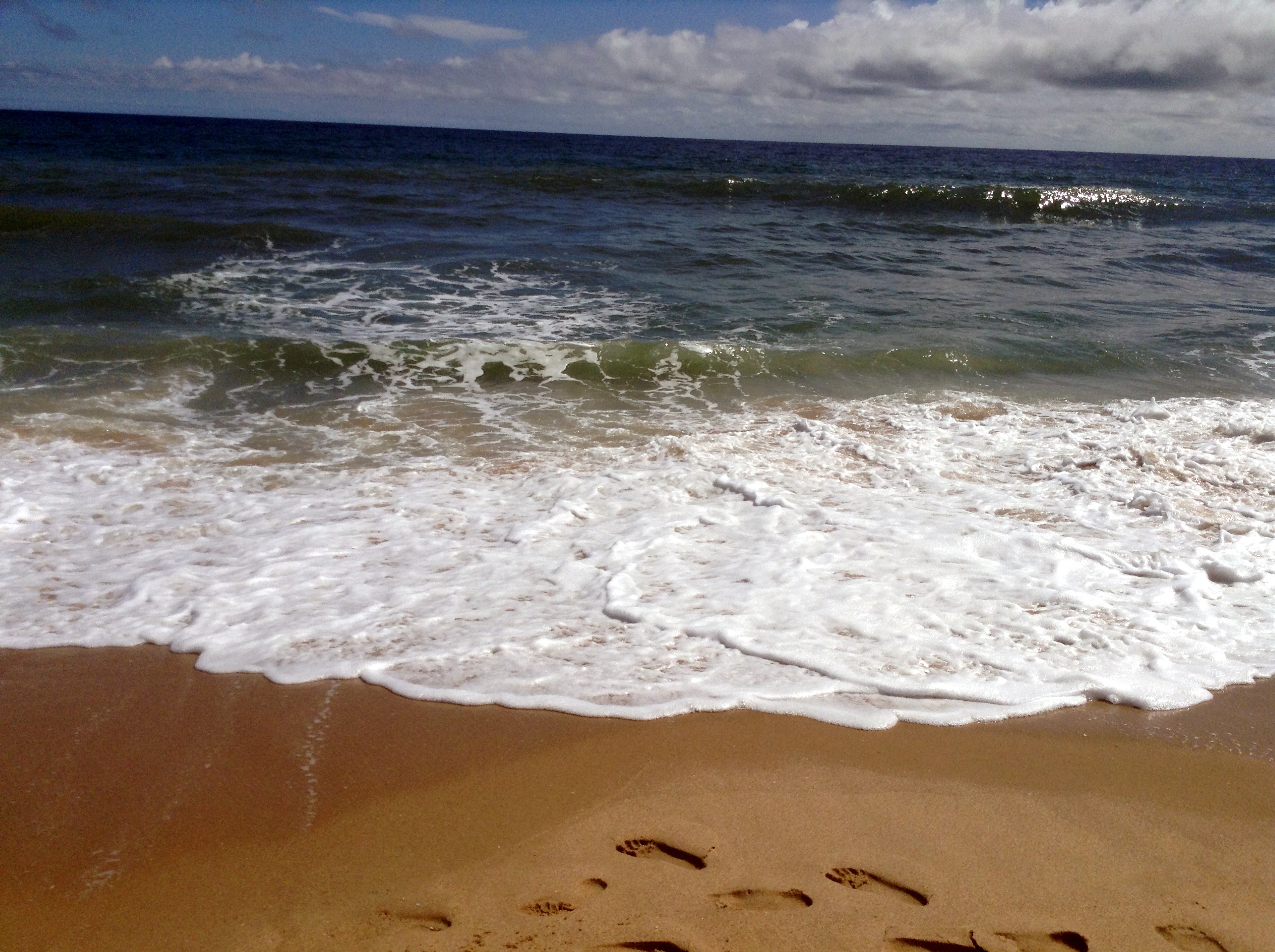 ed and unsafe parking lots, extorting touts, exorbitant beers, unsafe environment, dirty sand/vicinity, etc. (I’m talking to you, Bar Beach, Lekki Beach, Elegushi Beach…).
However, what I heard from a trusted friend about the Atican Beach resort convinced me to give it another shot, so I went there a couple of weeks ago. It was one of my most enjoyable beach experiences anywhere. It is clean, safe, private, and has a parking lot that is removed from intruders. Gate fee is 500 naira ($3)
Here are a few pictures. If you ever have the chance, you should pay it a visit. It’s a great place to relax. If you’re a lover of palm wine, this beach is also a good place for a good supply.
One of the most problematic obstacles to driving anywhere in Nigeria is the process of obtaining a driver’s license. Living in Lagos adds an additional layer of having to compete with one of about two million motorists that have to get the new driver’s license being mandated by the Federal Road Safety Commission. From the response I’ve got from those who have applied for this new license, it takes from three months to seven to finally lay hands on the official card. (As some consolation, however, drivers are given a temporary form, also called the permit, with which to drive until the seven months – or whatever length of time one is given – is complete). Oh, the length of time to get said card is also dependent on whom one knows, and how much one has!
It’s hard to talk about this without the inevitable comparison to other places where the highest it takes from the time one passes the road driving test to getting the official certified card is about fifteen minutes, tops! But that now out of the way, it’s important to ask what exactly is the problem with decentralization of card issuance, and government employing more (adhoc?) staff for summer jobs to take care of the backlog? And if the government can’t handle it, what is wrong with outsourcing it to a monitored private enterprise?
I have noted down a few other (less depressing) observations about discovering roads and routes on Lagos roads, but they will come with subsequent blogposts. For now, it’s enough to rail at a government, in 2013, that is still too reluctant to move into the electronic century.