Ebrohimie Road: A Museum of Memory

In 2024, I wrote and directed my first documentary film titled Ebrohimie Road: A Museum of Memory.

It is a story about a house at the University of Ibadan where Wole Soyinka lived and worked between 1967 and 1971 as the first indigenous director of the School of Drama (later Theatre Arts Department). The film is now on Vimeo, pending general distribution. See below.

Ebrohimie Road premiered in Ibadan on July 12, 2024. Since then, it has travelled the film festival circuits making new friends, gathering laurels, and generally exploring the world as a new creative work.

It examines not just the events surrounding Soyinka’s 1967 arrest, but also the lives of other members of that neighbourhood, and their interwoven lives. For the first time, it also documents the issues surrounding why Soyinka left the University of Ibadan and went into excile. “How do we preserve not just what we remember, but the physical markers of such transient memory?” we ask.

Thanks to family members, colleagues, and generous funding from Open Society Foundations and Sterling Bank Nigeria, the film continues to travel, and to engage with the question of memory, heritage, home, and history.

You can read more about it at ebrohimie.olongoafrica.com
Two Plays in Ibadan

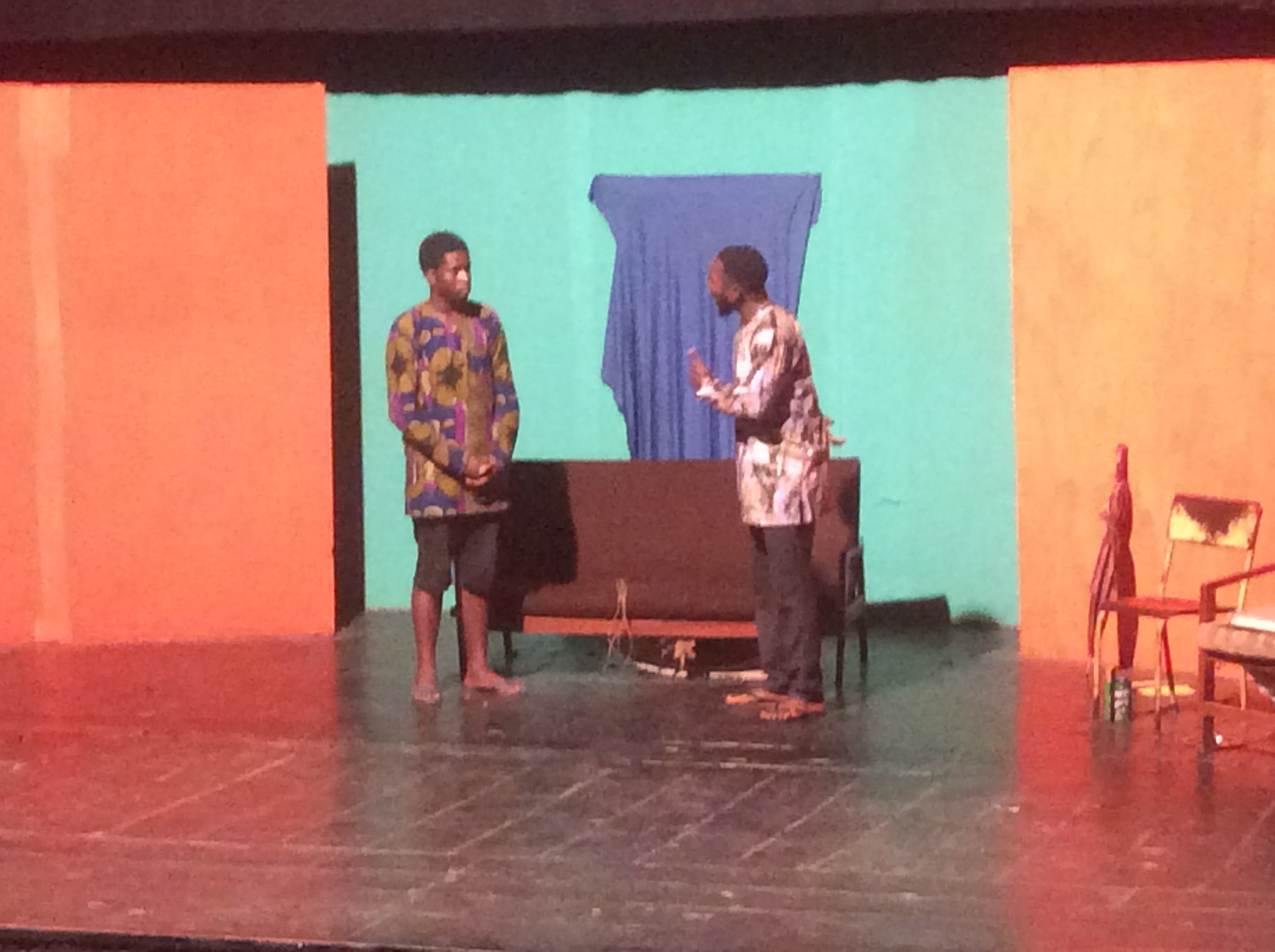
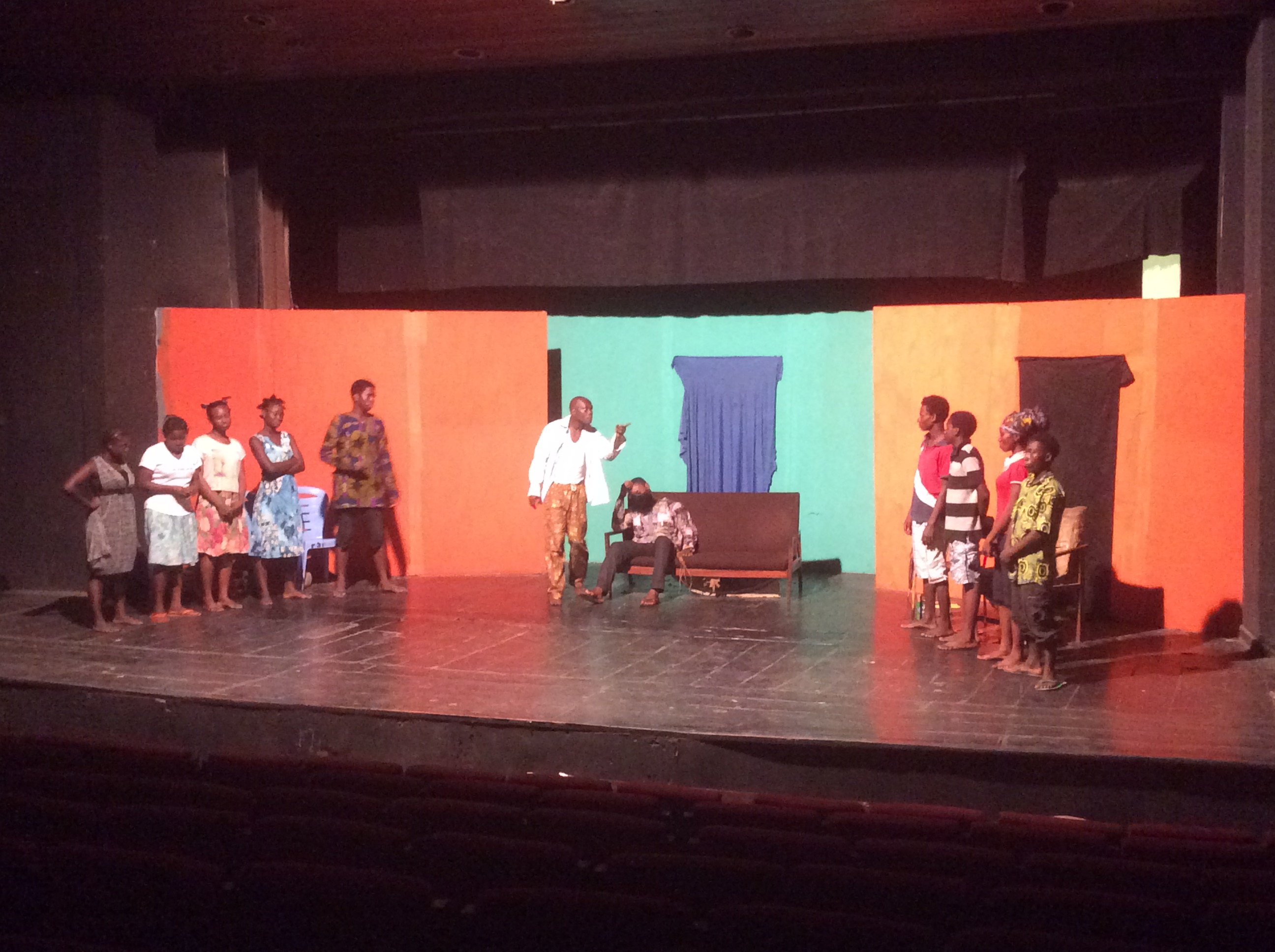
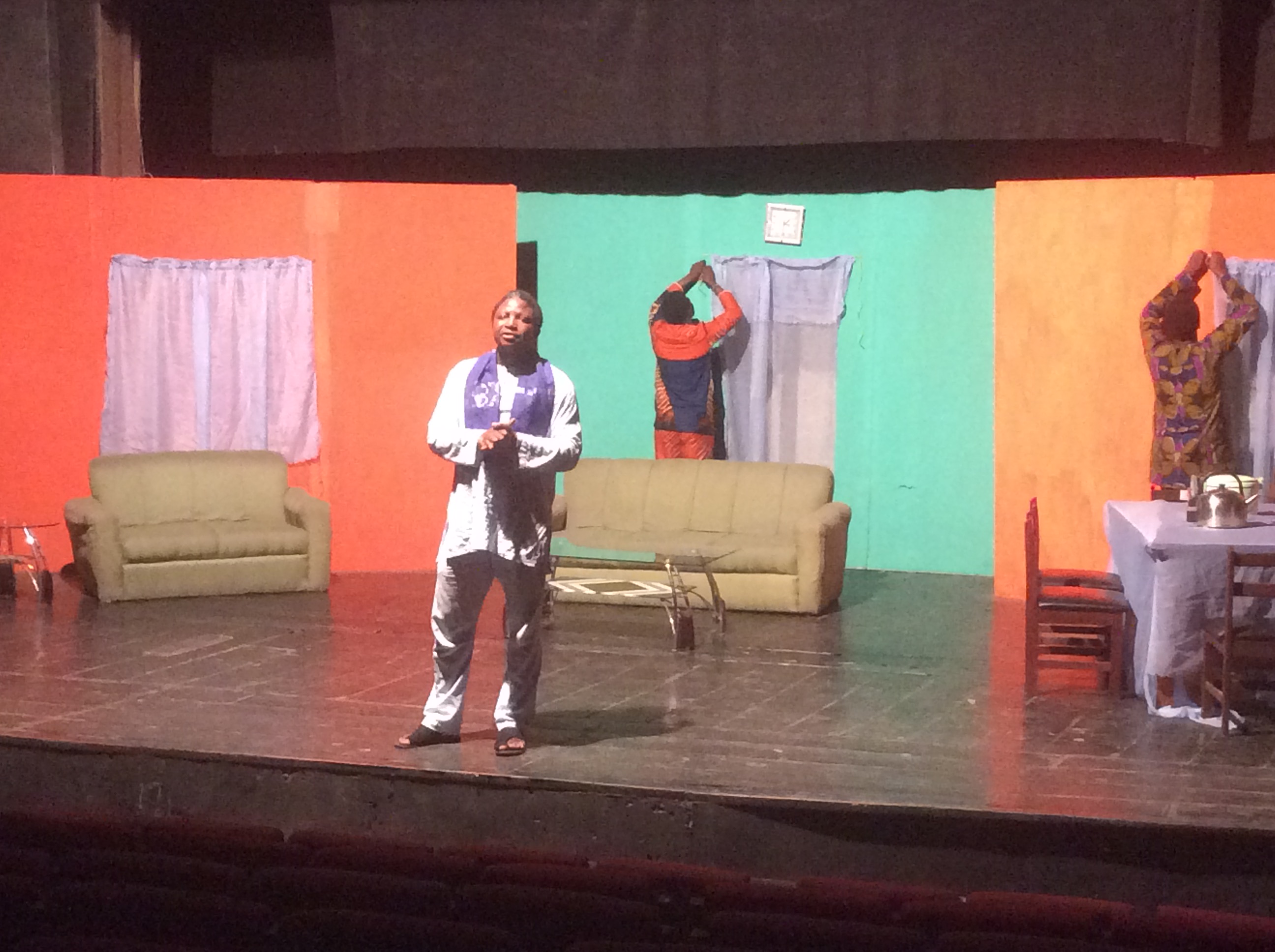
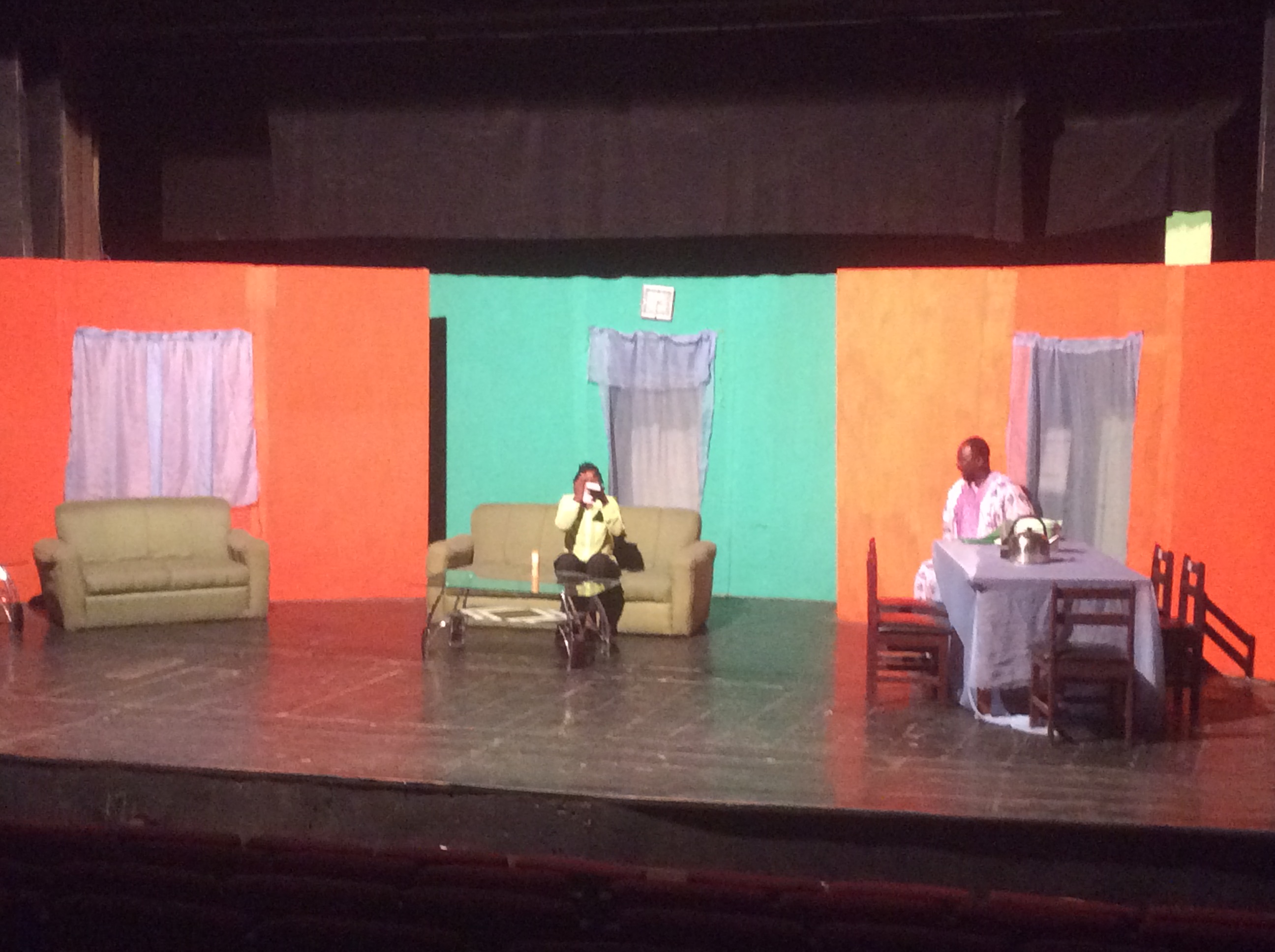
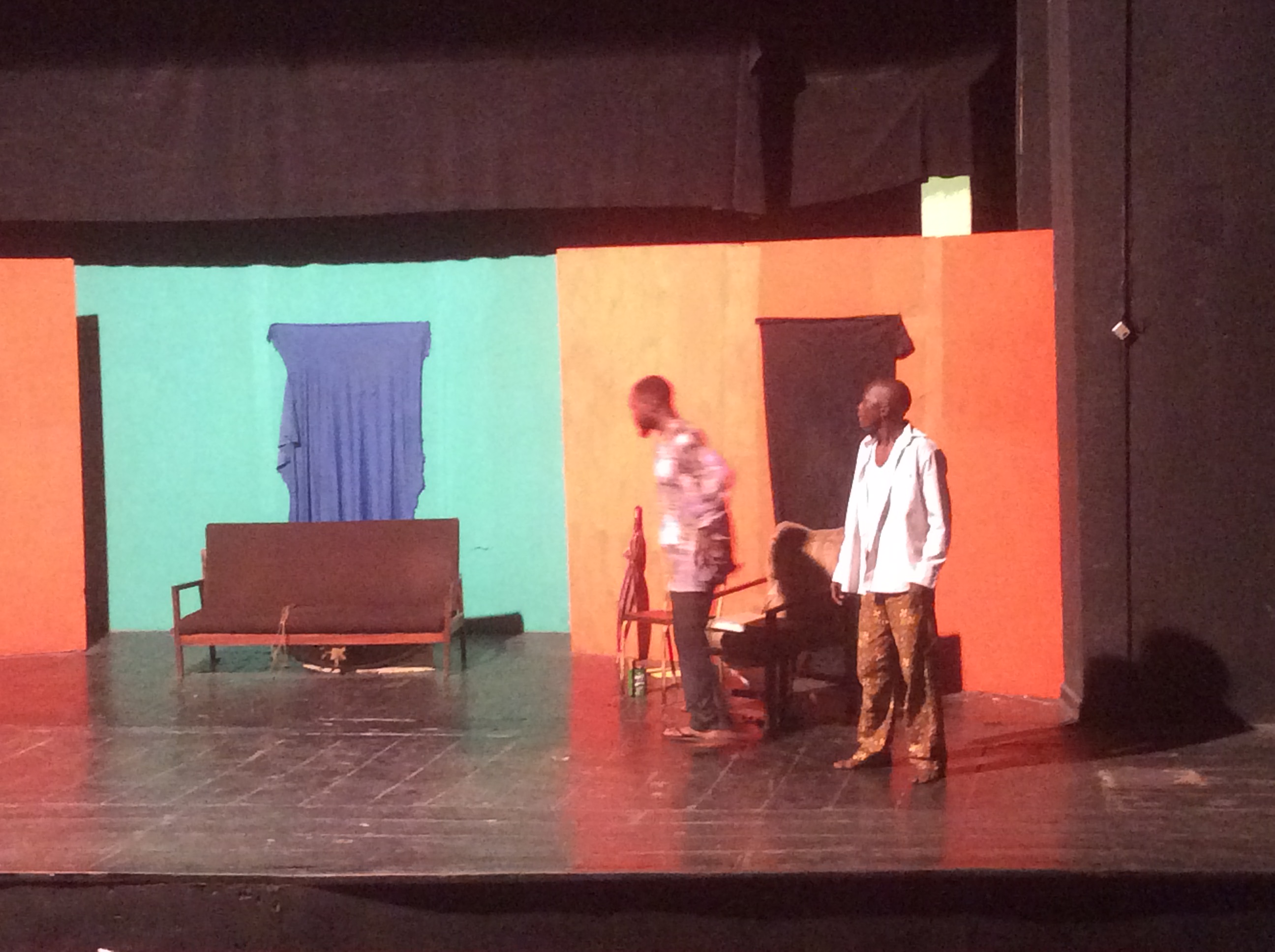
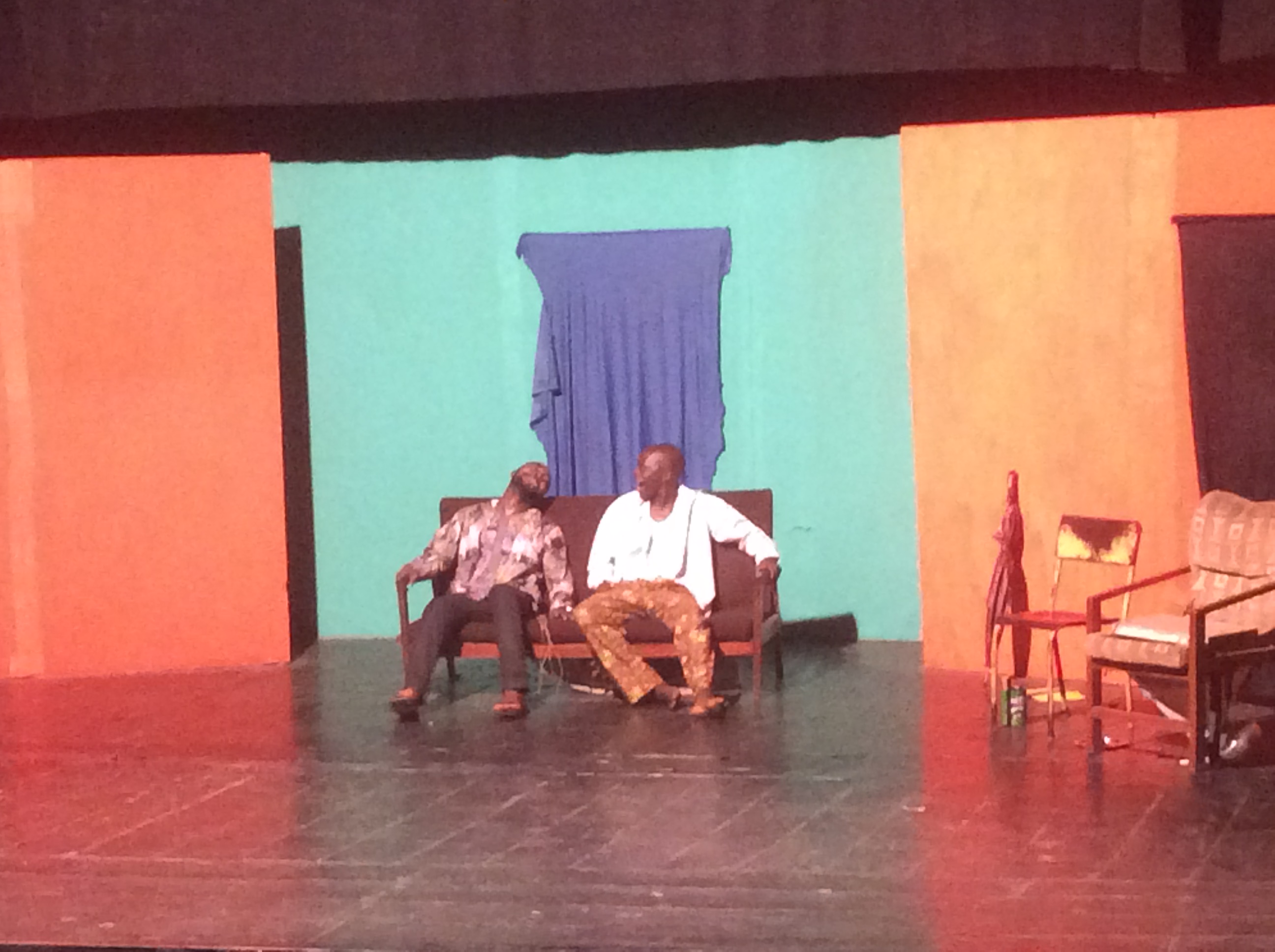
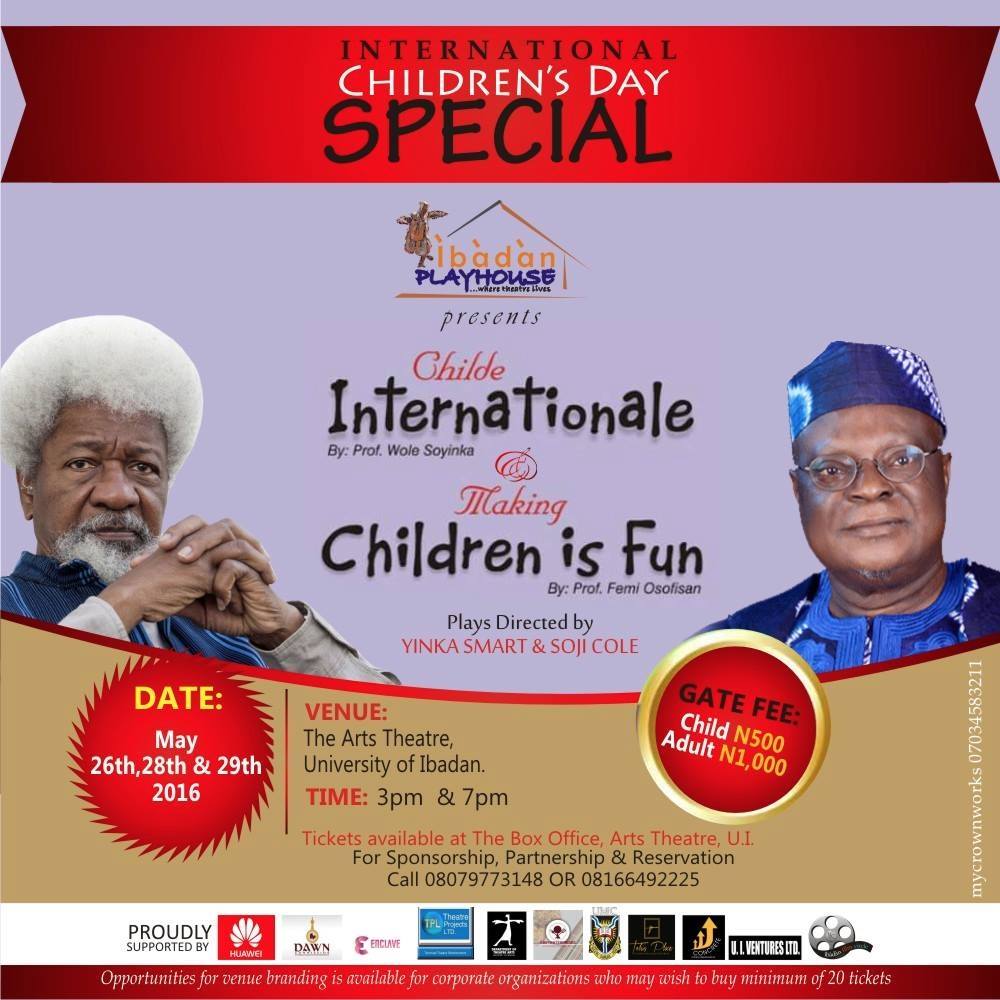
Ibadan PlayhouseI was at the University of Ibadan’s Arts Theatre last weekend to see the staging of two children-oriented plays by two of Nigeria’s best playwrights Wole Soyinka and Femi Osofisan. The plays were Soyinka’s Childe Internationale and Osofisan’s Making Children is Fun. The selection was in honour of the International Children’s Day, and was performed by the Ibadan Playhouse, a theatre company based in Ibadan, and directed by Yinka Smart and Soji Cole.

Both plays are unique in that they show their writers in their most accessible (and playful) format. This applies more to Soyinka than to Osofisan, but the duration of each play (less than forty minutes each) marked both works as more of skits/sketches and short interventions than heavy and serious work. But that notwithstanding, the works addressed serious social, political, and cultural issues of today and of the time when they were written.

IMG_5393 IMG_5398 IMG_5403 IMG_5405IMG_5395 IMG_5396Speaking in-between the plays, as well as when the show was over, the director of the company, Mr. Ropo Ewenla, expressed appreciation for the presence of the audience, while speaking about the mission of the theatre company. Not only was it created to recreate a culture of theatre-going in Ibadan and around the country, the company is also on a mission to bring plays of significance to the audience at affordable gate fees. But more than that, he spoke about a mission to use the vehicle of drama to reach the less advantaged in the society.

Children from orphanages around Ibadan are invited regularly to attend command performances and martinées for free. Secondary school children are also invited to watch performances at reduced rates, and the theatre company hopes in the future to go out regularly to perform in Nigerian prisons as a way to humanise the inmates and workers. Definitely something to laud and to support.

My experience at the University Arts Theatre both as a student and as a regular visitor to the university has always been a fun and stimulating experience, and this was no different. I strongly commend what the Ibadan Playhouse is doing. They can do with even more (corporate, moral, financial) support.

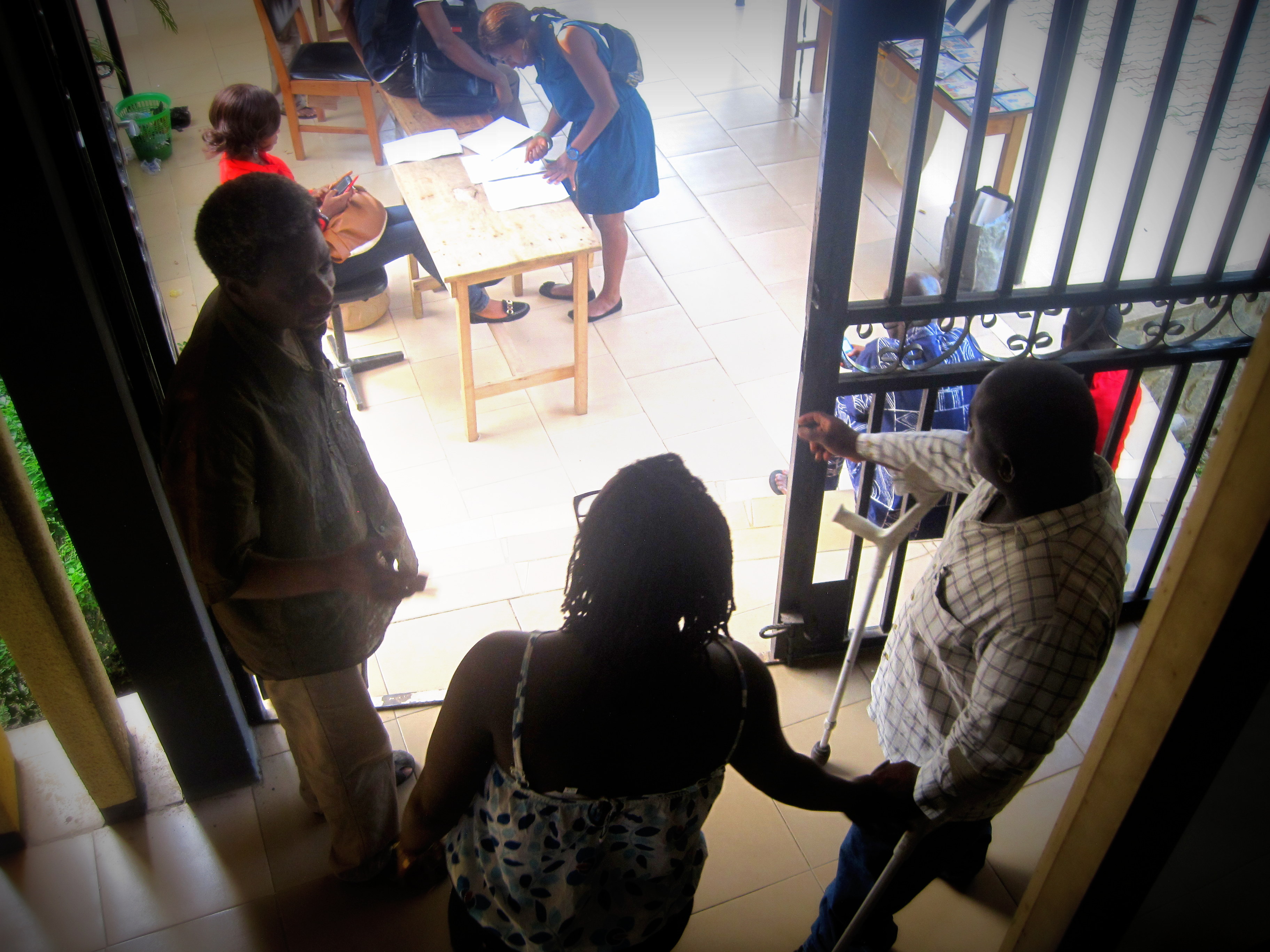
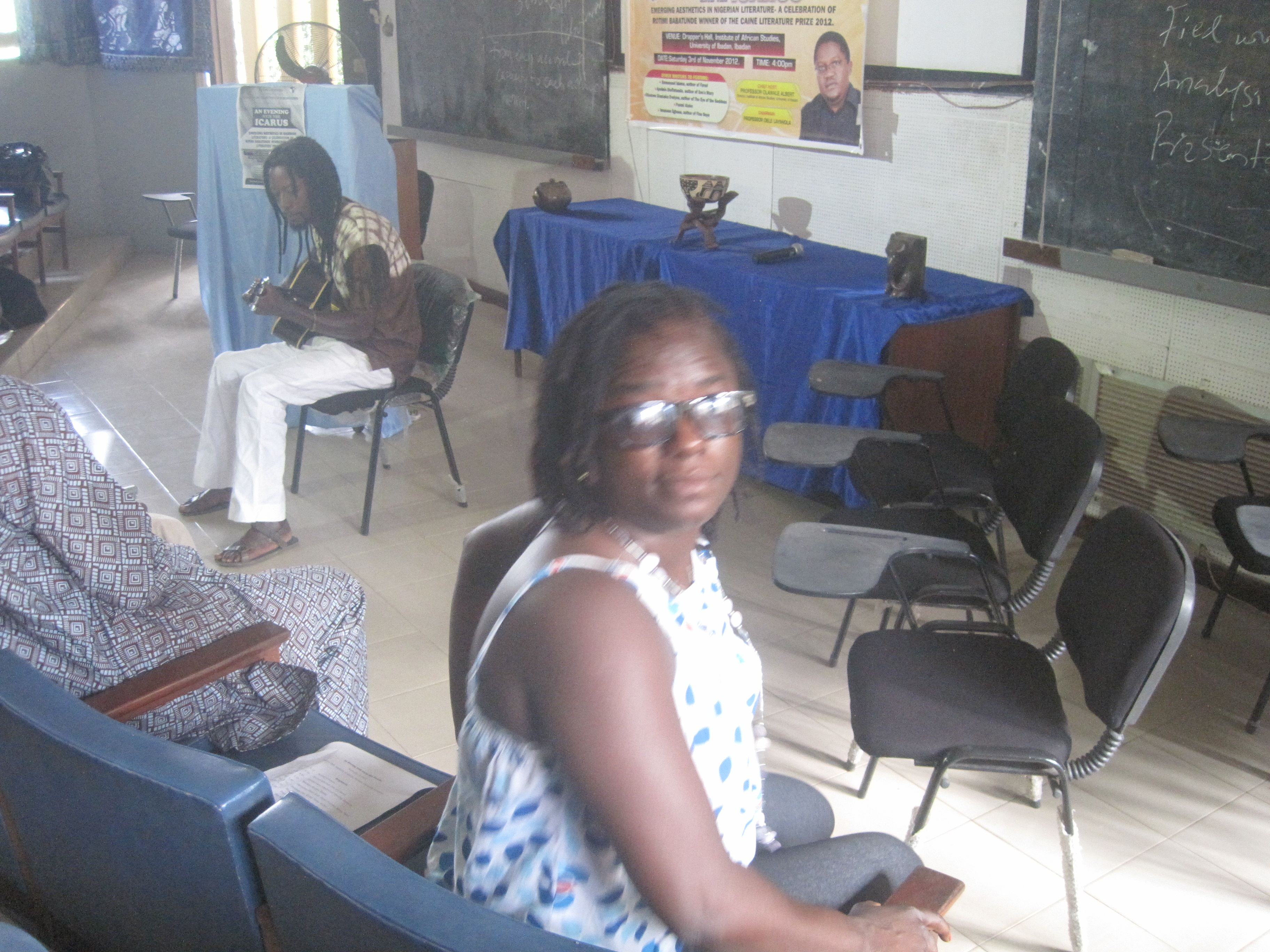
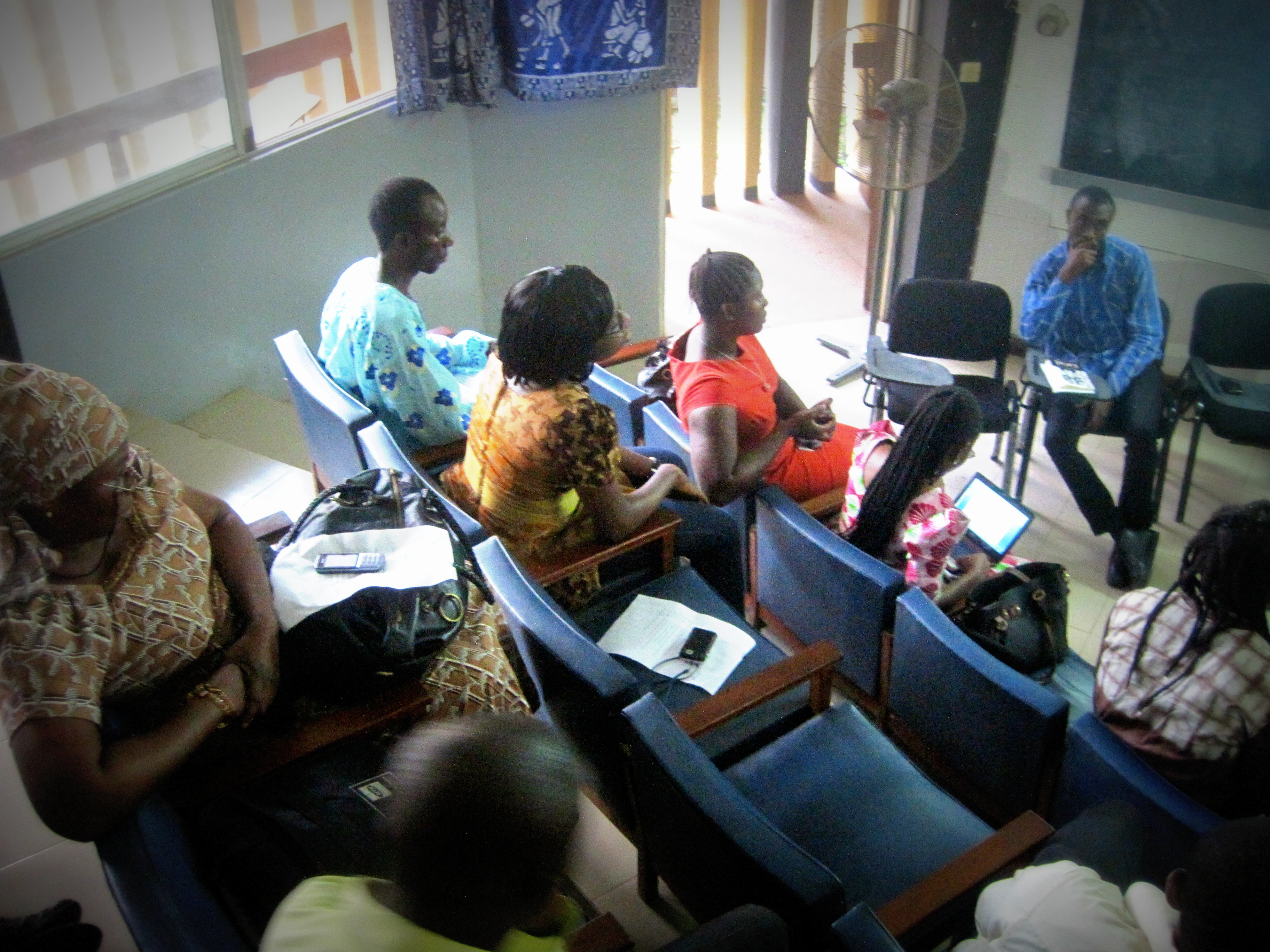
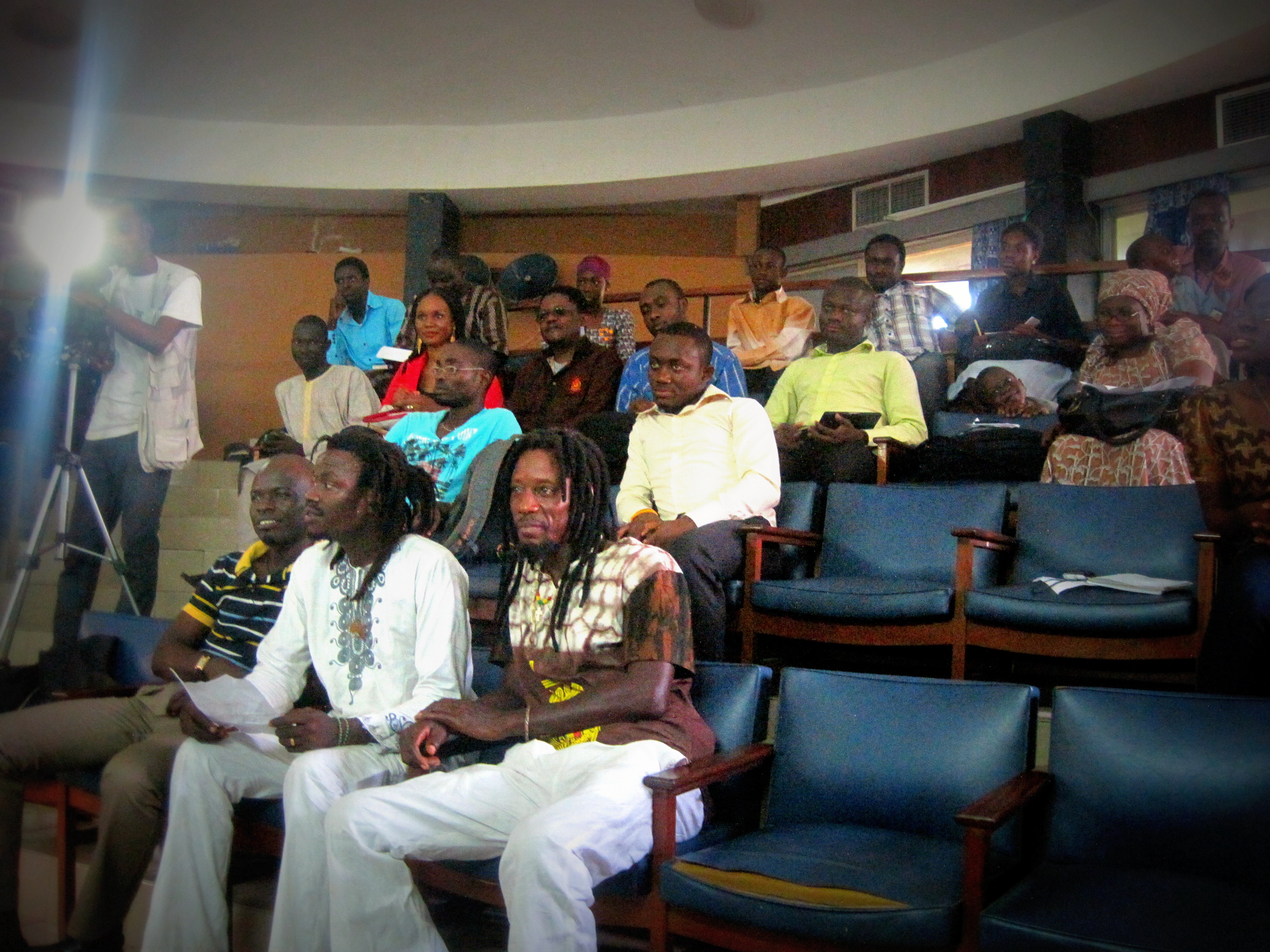
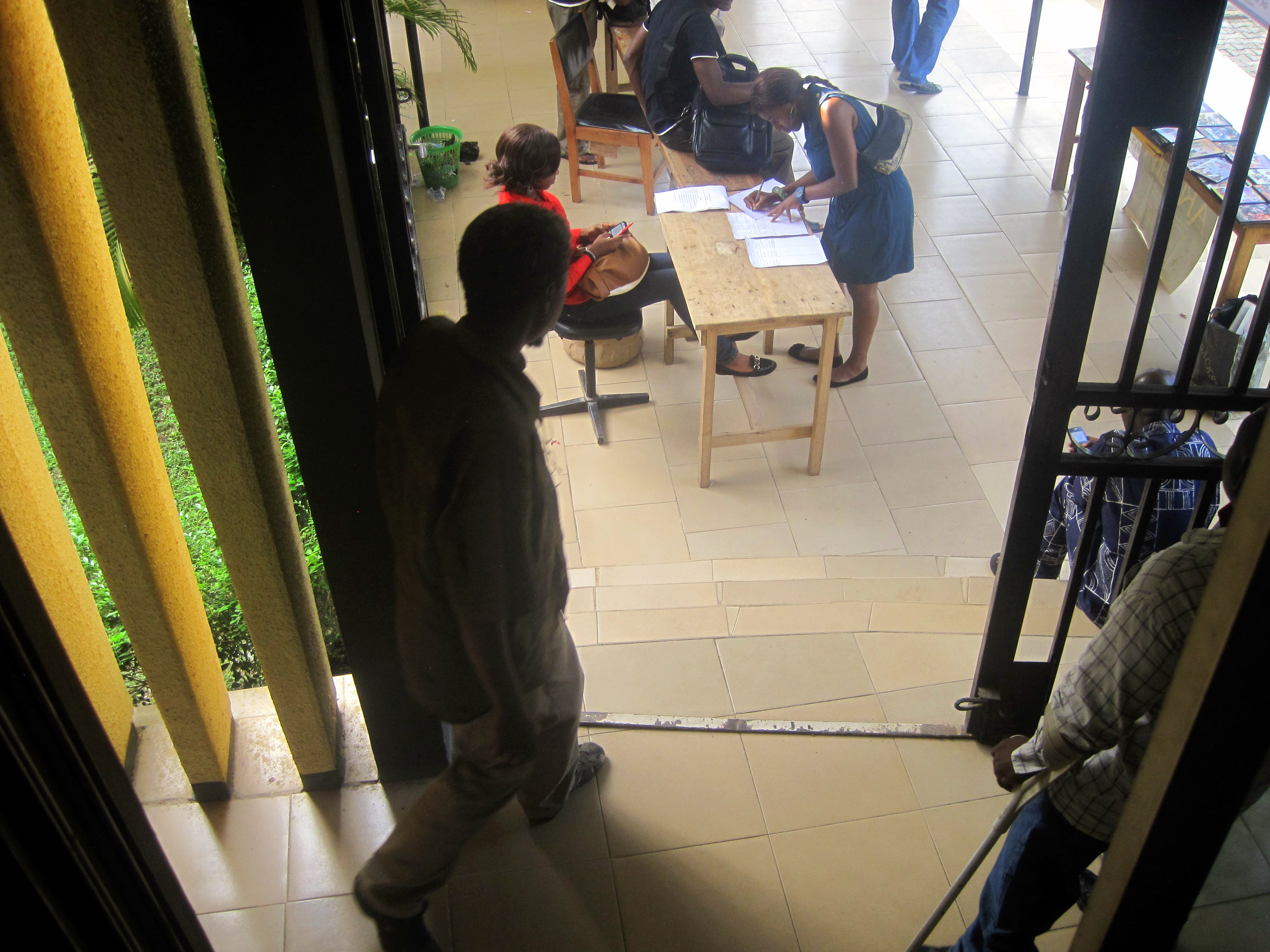
From the Icarus Event (Photos)

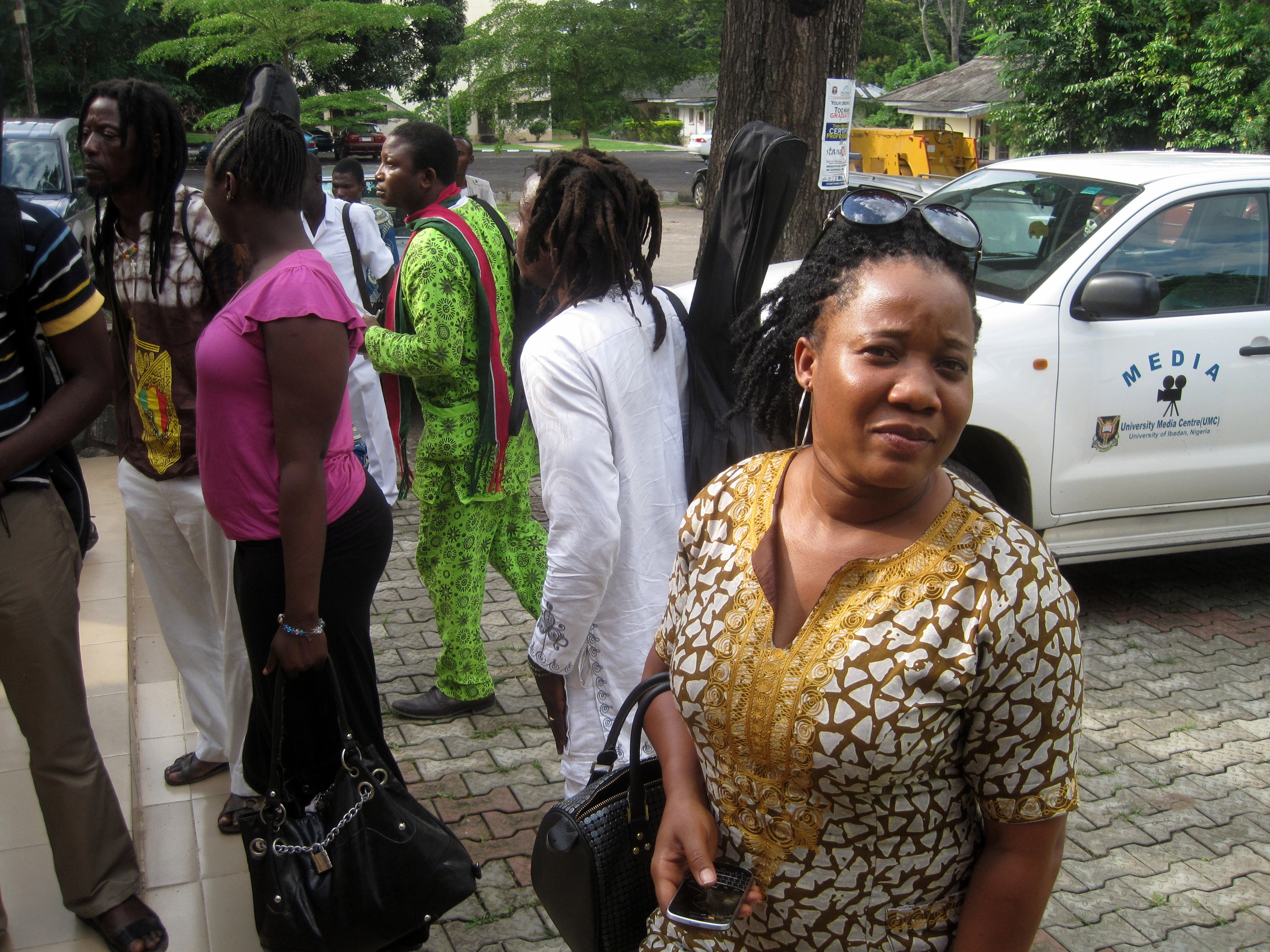
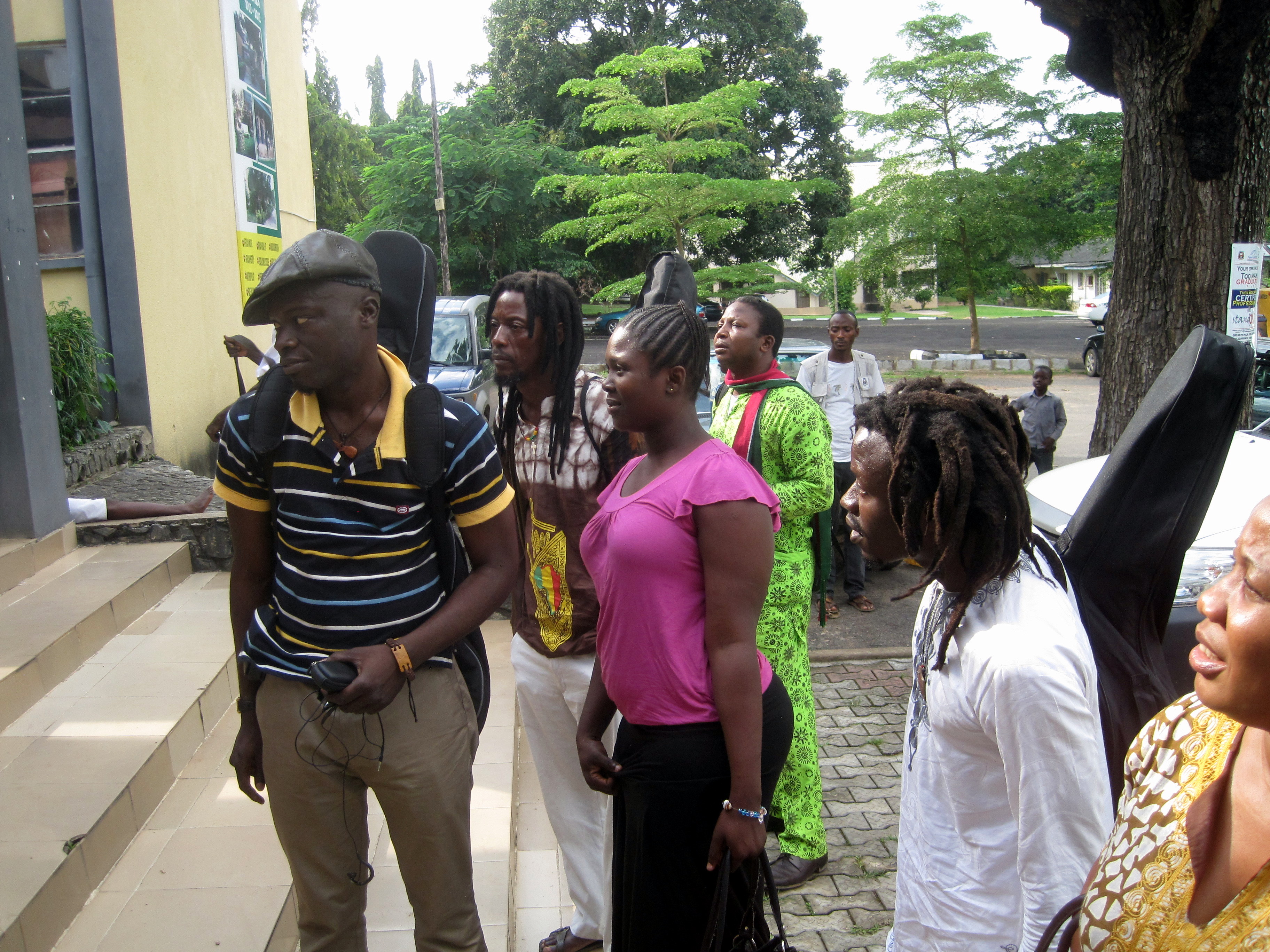
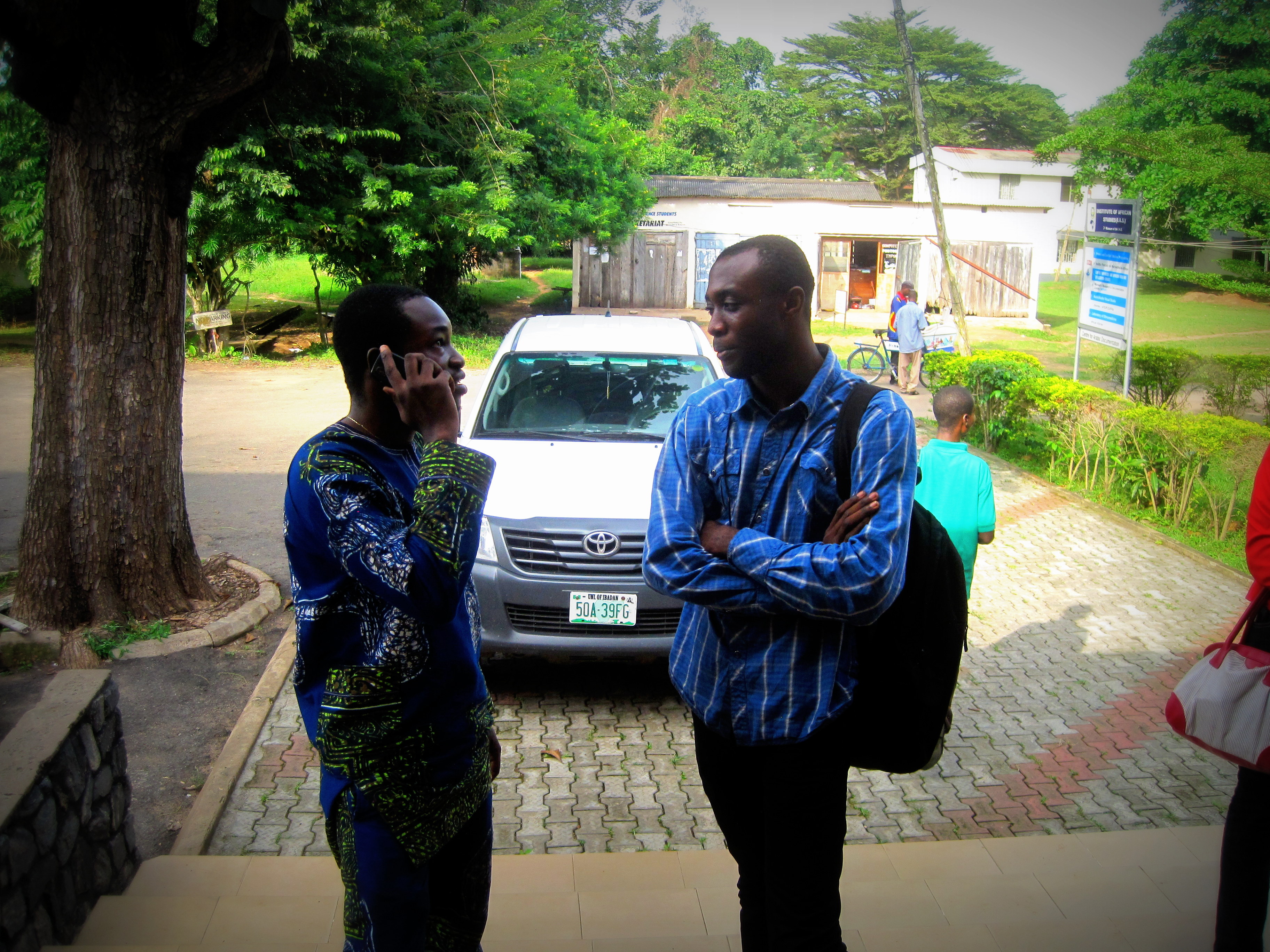
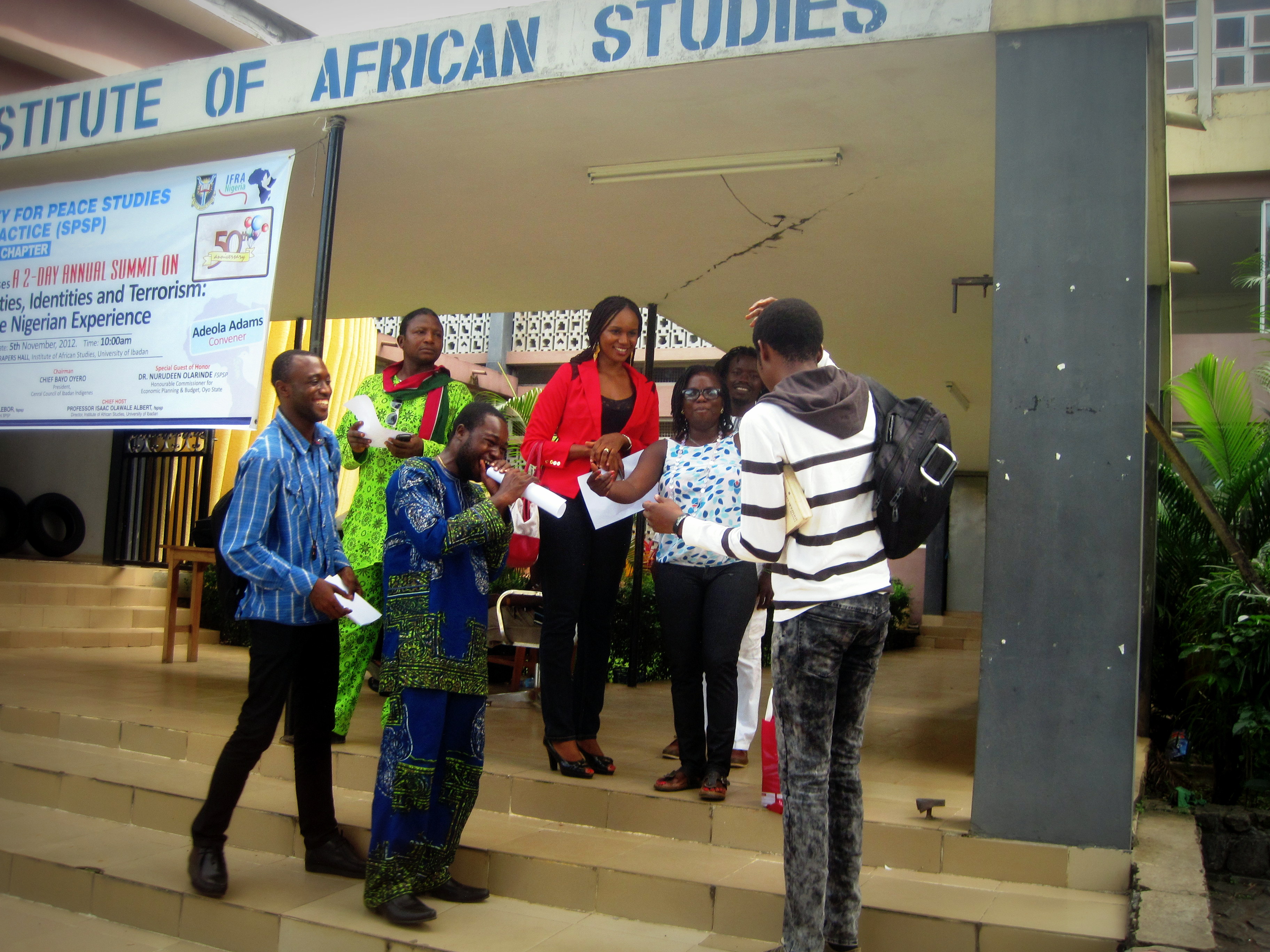
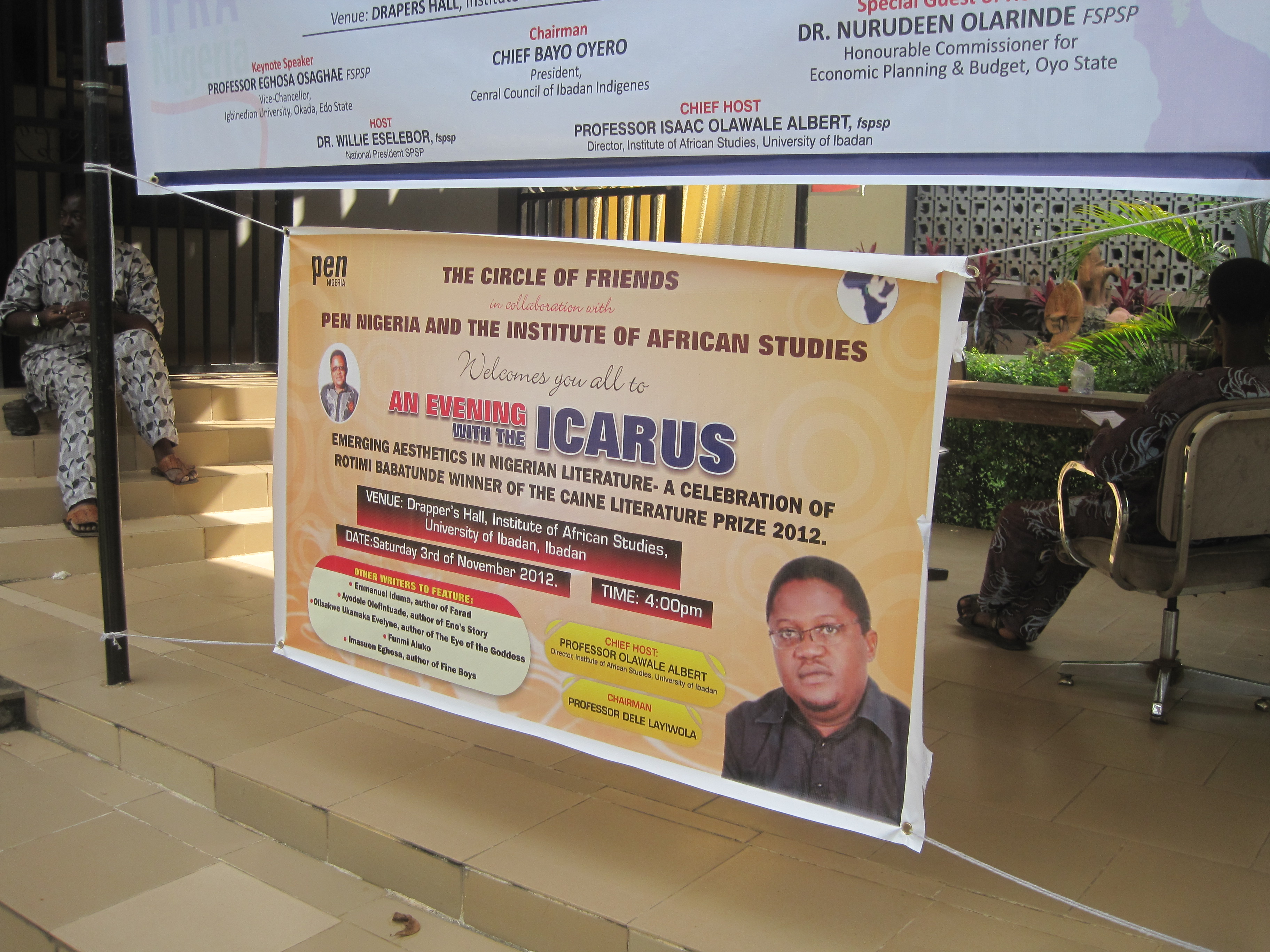
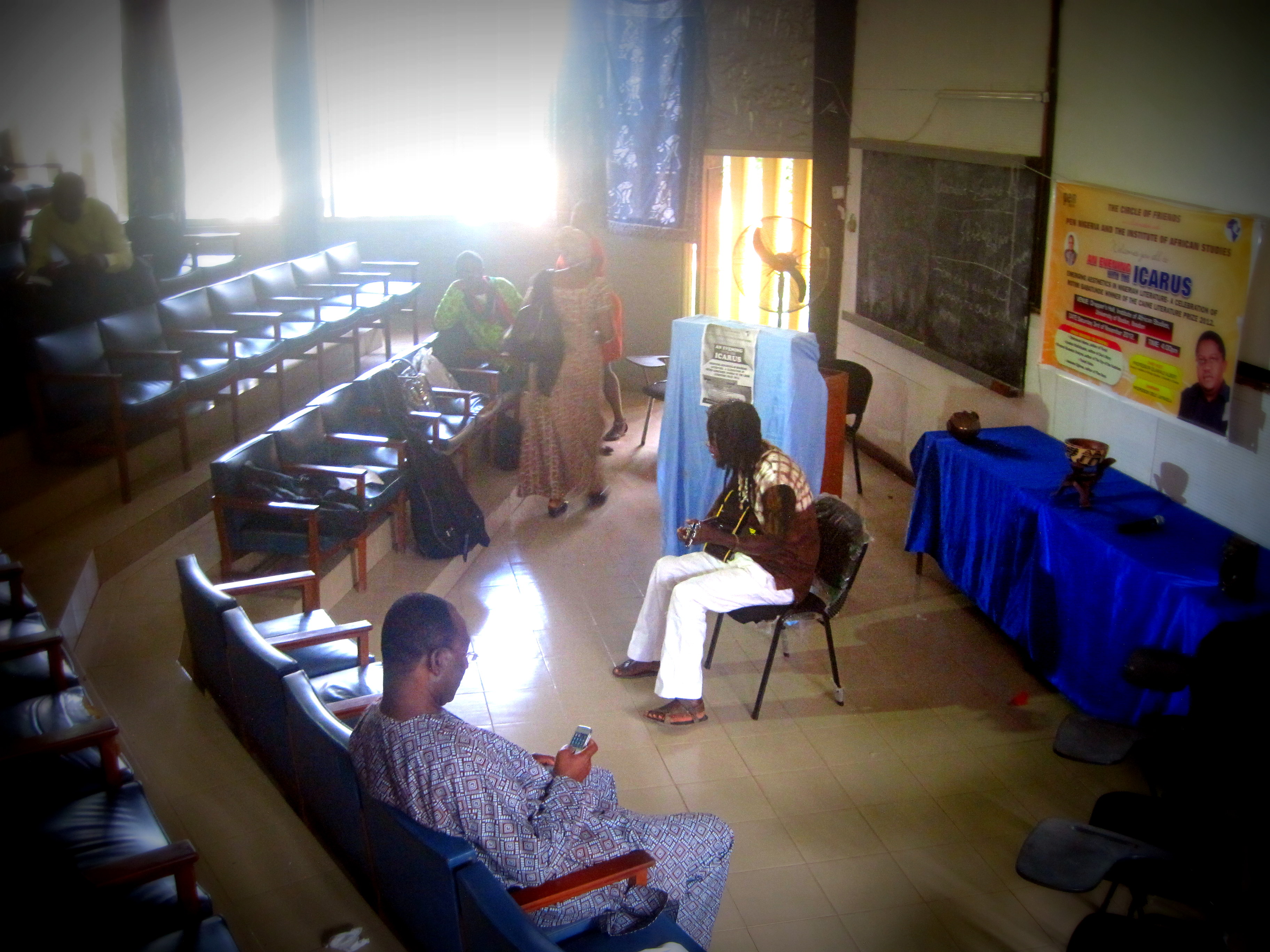
Ibadan, November 3, 2012, at the event to honour the winner of the 2012 Caine Prize.

Photos from the event.

“Emerging Aesthetics in Nigerian Literature”

As a symposium participant in an event at the Draper’s Hall, University of Ibadan, at the weekend to celebrate the work of Rotimi Babatunde, winner of the 2012 Caine Prize for African Writing, I made a few points regarding the distinguishing features of Rotimi’s work, and the opportunity it offers for emerging writing. More importantly, the way it conforms to the already established trends in great storytelling.

In craft, Bombay’s Republic distinguishes itself by being able to re-tell a story already told in a longer form in Biyi Bandele’s Burma Boy in a different form, and from a different angle. This is not an easy feat. As a contribution to history, the work also moves between fiction and real life in a way that is not only authentic, but also affecting. Like Eleshin Oba in Wole Soyinka’s famous Death and the King’s Horsemen, and Okonkwo in Chinua Achebe’s Things Fall Apart, the main character in Bombay’s Republic lived at a crossroads of a certain time in history and automatically assumed the perils and rewards of such serendipitous existence.

As a contribution to language, I made note of my most fascinating discovery, made close to the end of the story, that the author had not used quotation marks at all throughout the text of the short story. That I discovered this towards the end of the piece only added to the interesting point that unlike what prescriptive grammarians would have us believe, our brains usually process text in chunks rather than as individual pieces of written information. Quote marks, as good as they are, and as aesthetically pleasing their presence on the page might me, fade in significance if a story can still be told, brilliantly as was in this case, without any use for their now rather annoying presence.

The event was hosted by a Committee of Friends, including Yomi Ogunsanya, Ropo Ewenla, Benson Eluma, Iwalewa Olorunyomi, et al. Other participants included Sola Olorunyomi (Author of Fela: Afrobeat and the Imagined Continent), Benson Eluma, Tade Ipadeola, Niran Okewole, Jumoke Verissimo (Author of I Am Memory), Biyi Olasope, Remi Raji (President of the Association of Nigerian Authors, and poet), Ayodele Olofintuade, and Olisakwe Ukamaka Evelyn.

An Evening With Icarus

EMERGING AESTHETICS IN NIGERIAN LITERATURE –

A CELEBRATION OF ROTIMI BABATUNDE WINNER OF THE CAINE LITERATURE PRIZE 2012.

Dear All,
This is to draw you into the circle of friends who are planning an event in honour of our dear friend ROTIMI BABATUNDE for his success in winning the Caine prize for African Literature 2012. Our intention is to use this forum to not only celebrate one of our own, who has been acknowledged as one of the best by others, we also feel strongly that this forum would provide an avenue for us to widen and further our discussion on the passion we share as writers, performers and as literary and culture advocates with Babatunde’s Bombay’s Republic as pointer.

The spectrum of discussants would be:
a. Deji Toye,
b. Benson Eluma,
c. Jumoke Verissimo
d. Iquo Eke
e. Niran Okewole
f. Kola Tubosun
e. Peter Akinlabi
The committee directly responsible for the organization of this event is constituted as follows:
a. Benson Eluma,
b. Kayode Adeduntan,
c. Adebayo Mosobalaje,
d. Kola Tubosun
e. Ayo Olofintuade
f. Ropo Ewenla and
g. Yomi Ogunsanya
The following writers will also read from and have their works discussed works on that day:

1. Emmanuel Iduma, author of Farad
2. Ayodele Olofintuade, author of Eno’s Story
3. Olisakwe Ukamaka Evelyne, author of The Eye of the Goddess
4. Funmi Aluko
5. Imasuen Eghosa, author of Fine Boys


Date: Saturday, November 3, 2012

Venue: Drapper’s Hall, Institute of African Studies, University of Ibadan, Ibadan


For further information/clarifications, please contact:
Yomi Ogunsanya
08023904112/ogunmaren@gmail.com
Organizing Secretary