Browsing the archives for the Travelling category.

Travel as Life: A Review of Route 234

I haven’t read many books about travelling around Nigeria written by Nigerians. No doubt they exist (and readers should please recommend some for me in the comment section). I have however read many about traveling in other parts of the world. Tẹ́jú Cole’s (2016) essay collection comes to mind as well as Wọlé Ṣóyínká’s memoir You Must Set Forth At Dawn (2006). There is also America Their America (1964), an “autotravography” by J.P. Clark which caused controversy for what critics thought was a narrow and judgmental view of American values. Recently, there is Okey Ndibe’s Never Look An American In the Eye (2016), an autobiography, and many more.

There are however many more narratives written about the country, and about the continent, by visiting (foreign) journalists, writers, novelists over the years. Karen Blixen‘s Out of Africa (1937), JMG Le Clezio’s Onitsha (1991) and VS Naipaul’s The Masque of Africa (2010) come to mind easily. But so does this one. The overall impression of such books has always been the worry that they rarely depict reality as is, but only as perceived by the visiting foreigner, which – to be fair – is the whole purpose of the subjective narrative. I expect that the impression of America I’ll get from reading travel notes from an African visiting the US in the 1960s will give me an idea of America through that writer’s perspective of events as they unfold to him/her.
fullsizerender-6-1

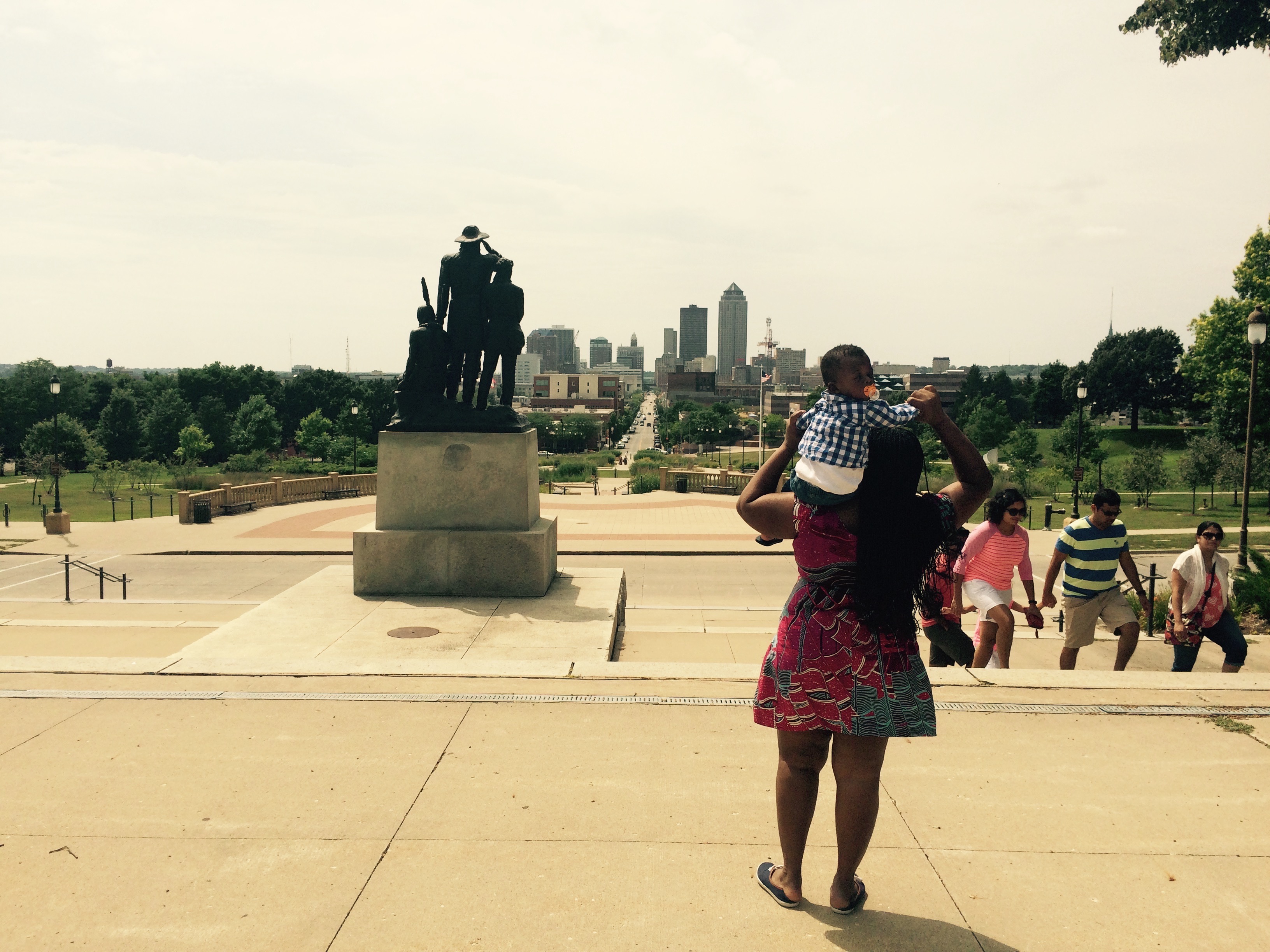
At the Des Moines Capitol, Iowa (2015)

Even in the online space, one might easily find blogs written by foreigners about travel around the continent than one might of blogs by Africans of travel experiences in their own continent. (This is changing, of course. You’re reading this on a travel blog managed by an African, after all). But why is this the case? Human civilization itself is an experiment in travel, documentation and adventure conditioned by necessity, curiosity and sometimes nationalism. We have always left our comfort zones for new experiences. And, as archaeology and anthropology tell us, we have always documented those movements, even unconsciously, in hieroglyphics, and oral poetry, tribal marks, and lately in writing. In the 21st century Africa, the prevailing narrative is that travel for leisure and travel writing is a Western chore, done by the privileged few, and those conditioned to it by their profession in journalism.

Reality, unfortunately, seems to bear it out for the most part except in some rare cases. Olábísí Àjàlá was a Nigerian student who found himself in the United States at age 18 in the late 1940s. Having failed to succeed as a medical student at DePaul University, Chicago, he decided to travel through the country to Los Angeles, on a bicycle and document his experiences along the way. Through deportations, skirmishes with authorities, short Hollywood career (including meeting then actor Ronald Reagan), many short-lived marriages, children, and global fame, through the fifties, sixties, and seventies, he became the patron saint of all adventurers, and an icon in popular culture for African travel. Being called Ajàlá Travels in Nigeria today is a homage to his larger-than-life reputation. He also wrote a book An African Abroad.* 

So why is it that unless in rare cases Africans are not known globally to document our adventures in writing, or is it that we are just generally averse to travelling for its own sake? My friend and scholar Rebecca Jones has been asking this question for a while. In a conference she facilitated in Birmingham earlier in the year, the Call observed:

“For a long time study of African travel writing in the West has focused on Western-authored travel writing about Africa. But this has ignored both the long heritage of the genre amongst African and diaspora authors. African travel writers have traversed both the African continent and the rest of the world, writing about encounters and differences they meet in their own societies and others. They have engaged with colonialism and the post-colonial world, have produced ethnographic description, reportage, poetry, humour and more. They have traversed genres and forms, from the Swahili habari written at the turn of the twentieth century to Yoruba newspaper travel narratives of the 1920s, from accounts of students and soldiers abroad, to newspapers and today’s online travel writing.”

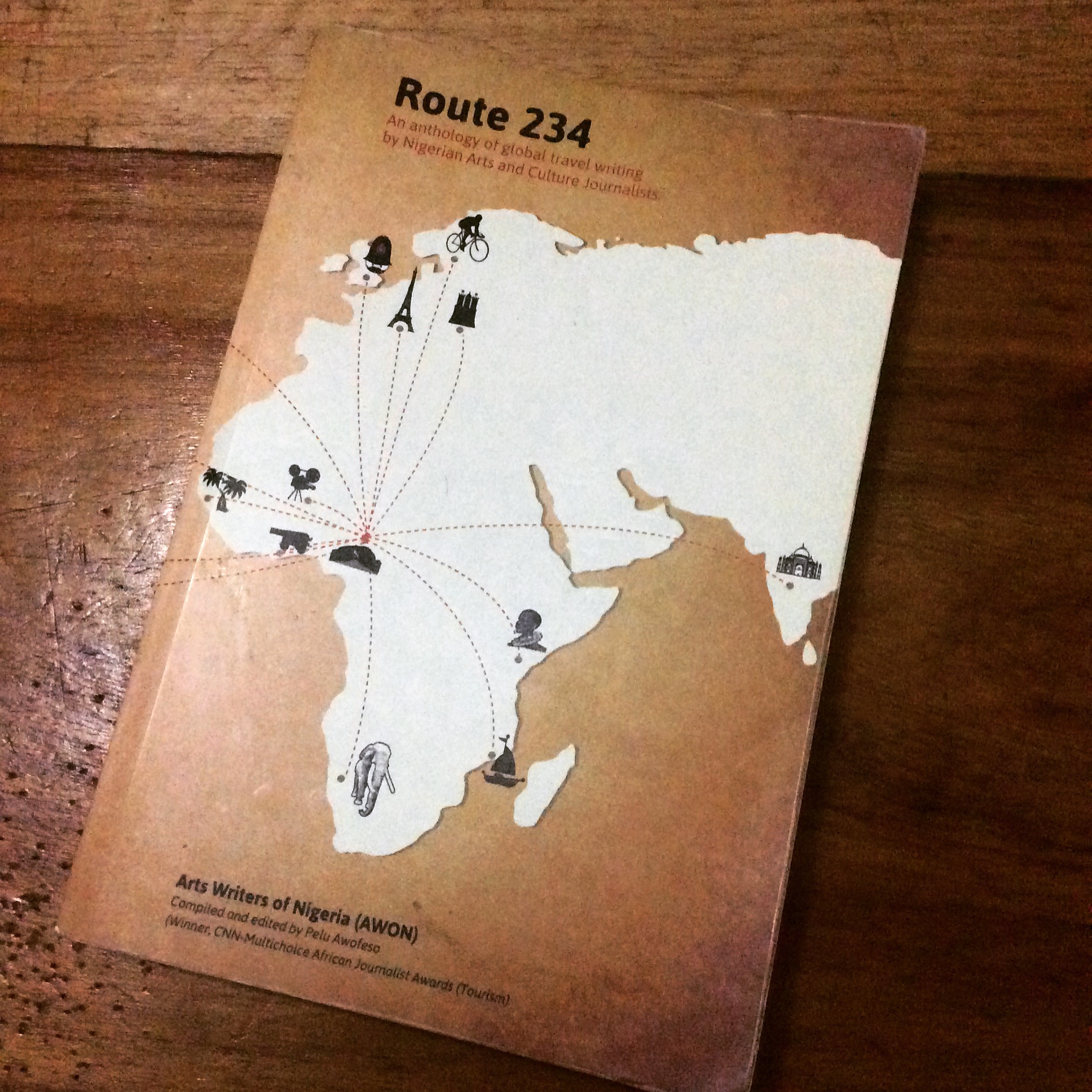
Aside from this blog, there are quite a few other ones online with focus on travel as an African hobby, done especially without the express purpose of becoming a travel “journalist” working for a media house, but for its own sake. Why are there not more. Africans, after all, travel as much as everyone else. Is it that we don’t care about documenting our experiences the way that others do? I have just finished reading Route 234 (2016), an anthology of global travel writing by Nigerian arts and culture journalists, compiled and edited by Pẹ̀lú Awófẹ̀sọ, an award-winning culture journalist. It is a delightful read of many fun, scary, heartwarming, and diverse experience of Nigerians in many different local and international situations. The contributors are however many of the continent’s known arts and culture journalists. This fact will not help our subject matter, but it shouldn’t remove from the value of the book as a necessary work and a delightful read.
image

Route 234(2016), edited by Pẹ̀lú Awófẹ̀sọ̀

According to the editor, the idea for the book came from a private listserve conversation among these culture/travel writers earlier in the decade about documenting some of their travel experiences. It took many years before the idea finally became concrete.  The 211-paged book lists Kọ́lé Adé-Odùtọ́la, Olúmìdé Ìyàndá, Ọláyínká Oyègbilé, Èyítáyọ̀ Alọ́h, Mọlará Wood, Steve Ayọ̀rìndé, Pẹ̀lú Awófẹ̀sọ̀, Jahman Aníkúlápó, Túndé Àrẹ̀mú, Nseobong Okon-Ekong, Akíntáyọ̀ Abọ́dúnrìn, Ayẹni Adékúnlé, Fúnkẹ́ Osae-Brown, Sọlá Balógun and Ozolua Uhakheme as contributors. The scope of the travel experiences documented therein covers Los Angeles, Atlanta, Bahia, Juffureh, Accra, Plateau, Nairobi, Durban, Pilanesberg, India, London, France, Frankfurt, Nice, and Holland.

One of my favourite narrative in the work is Mọlará Wood’s “Farewell Juffureh” (page 35), covering a visit to Alex Haley’s ancestral hometown in the heart of Gambia as well as Nseobong Okon-Ekon’s “Trekking the Mambilla Plateau” (page 93). In both, the reader is vividly guided through experiences that must have been much more intense and affecting than words could capture. Some of the others detail culture shocks at visiting a new place for the first time and re-setting their opinions and expectations preconceived from a distance (“Accra Mystic” by Jahman Anikulapo, page 79) while some focus on their immediate task; covering a film festival, for instance (“Film, FESPACO, Ezra” by Steve Ayọ̀rìndé, page 61). A heartwarming one by Ṣọlá Balógun (“The Good Samaritans of Nice”, page 181) describe an experience common to many frequent travellers: being stranded in a strange city after a missed flight.

What the book represents overall is an intervention in a space where much more effort of this nature is needed. But travel isn’t, and shouldn’t be, the preserve of just culture writers and journalists. Writing about it shouldn’t be either. Tourism isn’t a big deal in Nigeria today because of lack of government (and private sector) care, yes, but also because of a seeming lack of interest in the populace itself. As I argued in this recent piece on a visit to historical locations in Ìbàdàn, commercial attention will come when governmental and private sector intervention takes the first step:

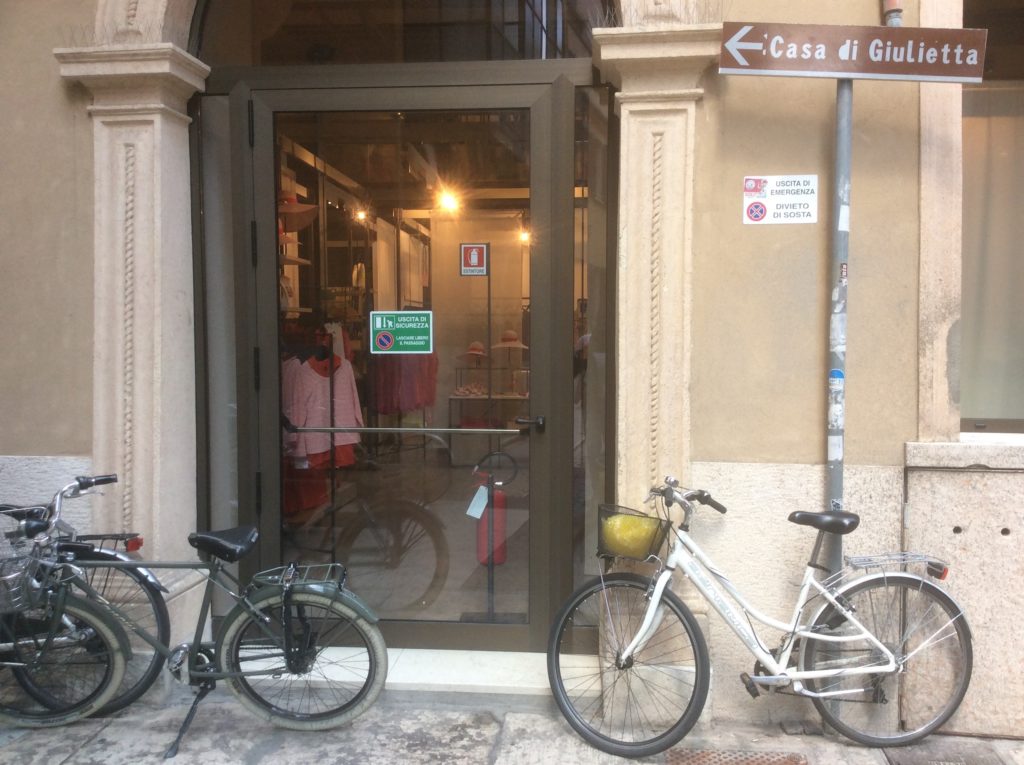
“I think back to a recent experience, in Italy, where tourism has built a thriving industry of restaurants, malls, and gift shops around notable structures that tell the country’s history, real and fictional, and how much value that attention (and tourist dollars) has brought to the country. Old churches and abbeys, ancient arenas in Verona and the Colosseum in Rome, among others, are all just ruins of a certain past. But they have been preserved and well branded in order to attract foreigners and their resources. Even a fictional character, Juliet, from Shakespeare’s Romeo and Juliet, has a touristy structure built in her honour, called Casa di Giulietta.”

Travel is fun. And even when it is not, it is always an enlightening exercise. As Mark Twain said in The Innocents Abroad (1869), “travel is fatal to prejudice, bigotry, and narrow-mindedness, and many of our people need it sorely on these accounts. Broad, wholesome, charitable views of men and things cannot be acquired by vegetating in one little corner of the earth all one’s lifetime.” That same perhaps can be said about travel writing, if not as a way to reflect on one’s adventures, as a way to keep said experiences in the memory of the world.

The book is a delightful read, but much more is needed.

_________

There are many other stories like this, no doubt. Ravi on twitter has pointed me out to “Sol Plaatje’s sea travel piece” (by which I assume he means this bookMhudi, an epic of South African native life a hundred years ago), and Rebecca, in the comment section, to a few more published narratives, also of a few years back. Their input also reminded me of Olaudah Equiano’s  equally notable memoir. There are many more like these, I agree. My point is that there are not many more, and certainly not as many notable ones as there should be).

For more reading
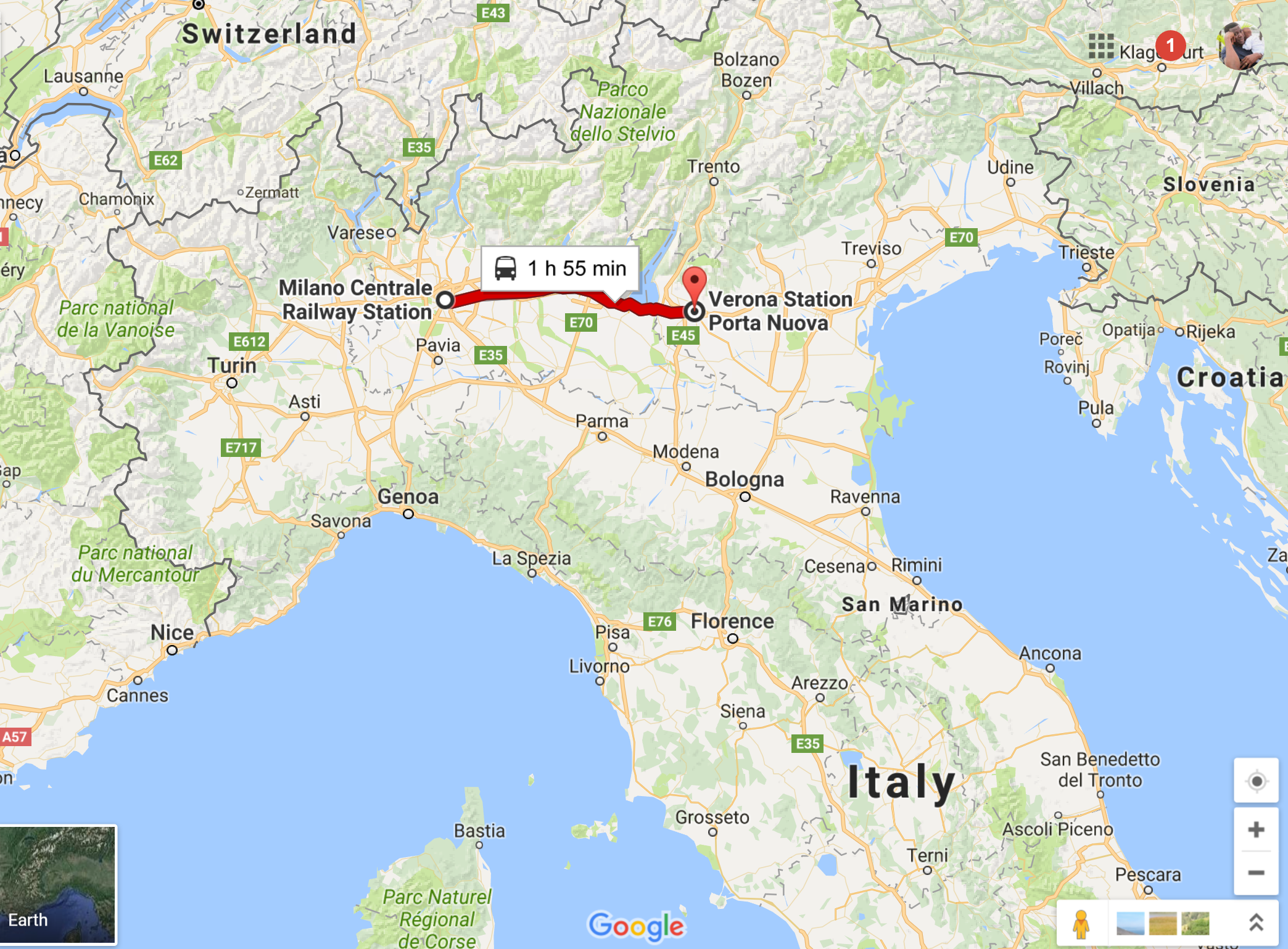
Visiting Verona

The city of Verona is about two hours from the Milan Central Train Station, but until a chance conversation with Valentina, my host, about the nearest Italian city with promising attraction for restless legs, I had no idea just how close it was. I also didn’t know just how easy it would be to get there, by myself, by train, in a country where English was a minority language.screenshot-99

The train ride to Verona travels through a colourful part of town that visitor postcards of Italy would not usually depict. Not negative – for how much can you experience sitting on a train – just quiet and normal, uneventful, like any modern city. The huge array of graffiti one encounters on the walls at almost every train stop however sent a sign that the universal language of expressing boredom consist somewhat of paint.

img_6084

More than two-third way into the trip, we spot on the left a majestic lake whose banks are visible for about a minute or two from the train, but not at the station when the train stops. It is Lake Garda (Lago di Garda), the largest lake in the country. Pictures will do it no justice – there are none – but the encounter from a vantage viewing point in a moving train was somewhat delightful. One moment it was there, then it was gone. For most of the other parts of the trip, views of residential houses all of which had flower gardens on their penthouses became subject of fun conversations. No pictures of those either.

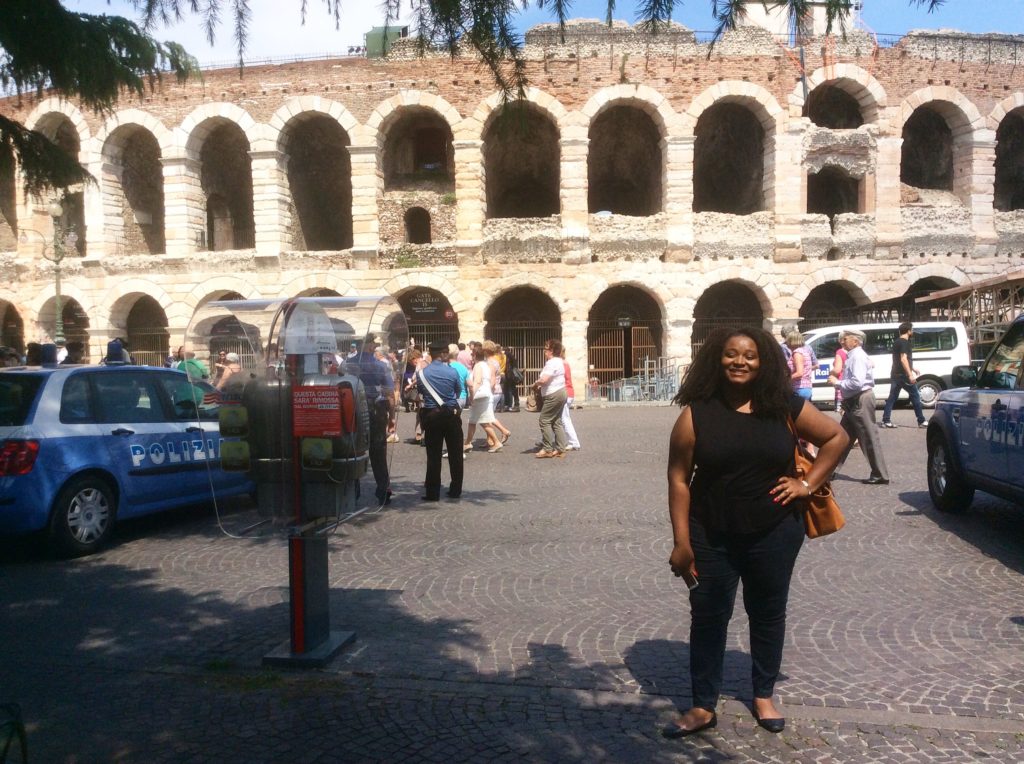
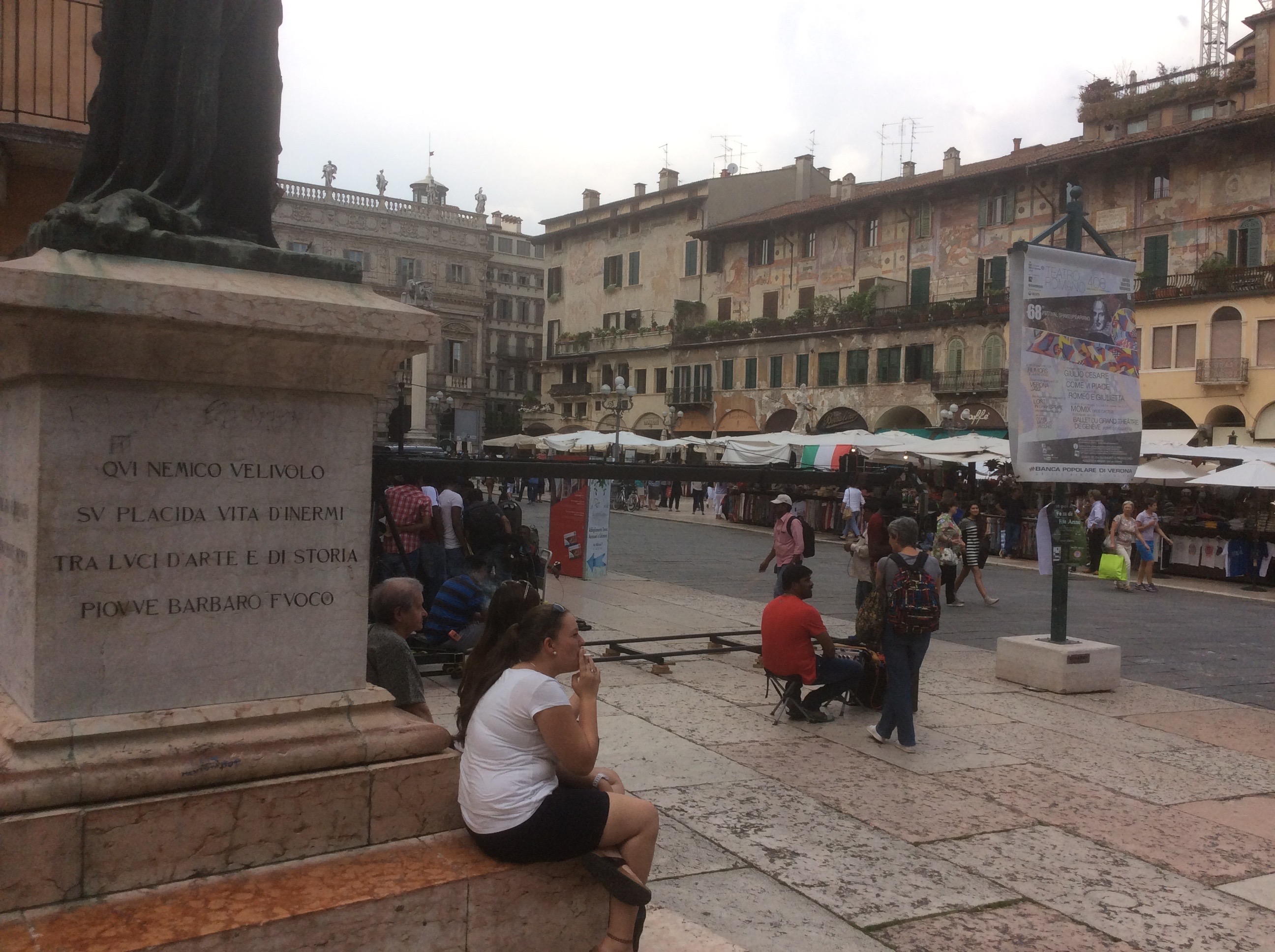
Verona is notable, for readers, through three of Shakespeare’s famous works: Two Gentlemen of Verona, Taming the Shrew, and Romeo and Juliet. I’ve only read two of those. A big motivation for the trip was its description as ostensibly a poor man’s version of Rome, but in reality a more enchanting one. Rome has the Colosseum but Verona has the Arena, which is much about the same structure with the same purpose, but a more complete one even though it was built at an earlier time than its Roman equivalent.

img_6159

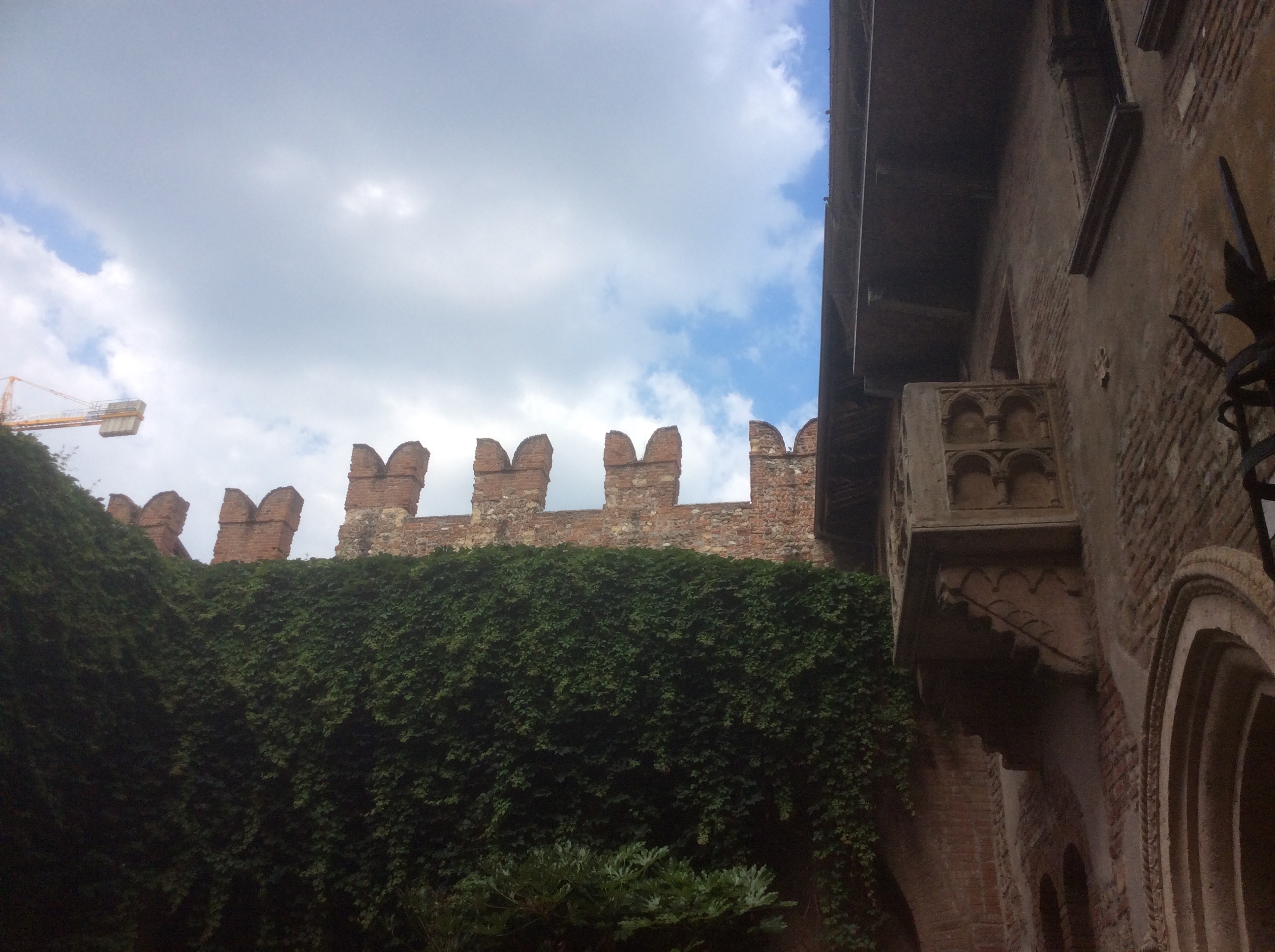
Speaking of Shakespeare, just a few feet away from the Arena is Casa di Giulietta, Juliet’s Balcony, a modern architectural reenactment of Juliet’s love balcony. Visited every year by more tourists than visit any other Italian location, the Balcony features a gift shop, a real balcony, a wall for lovers’ selfies and proposals, and a bronze statue of “Juliet” whose breastplate is reputed to bring good luck to all who rub it. (I heard the same of Abraham Lincoln’s nose in Springfield).

img_6127

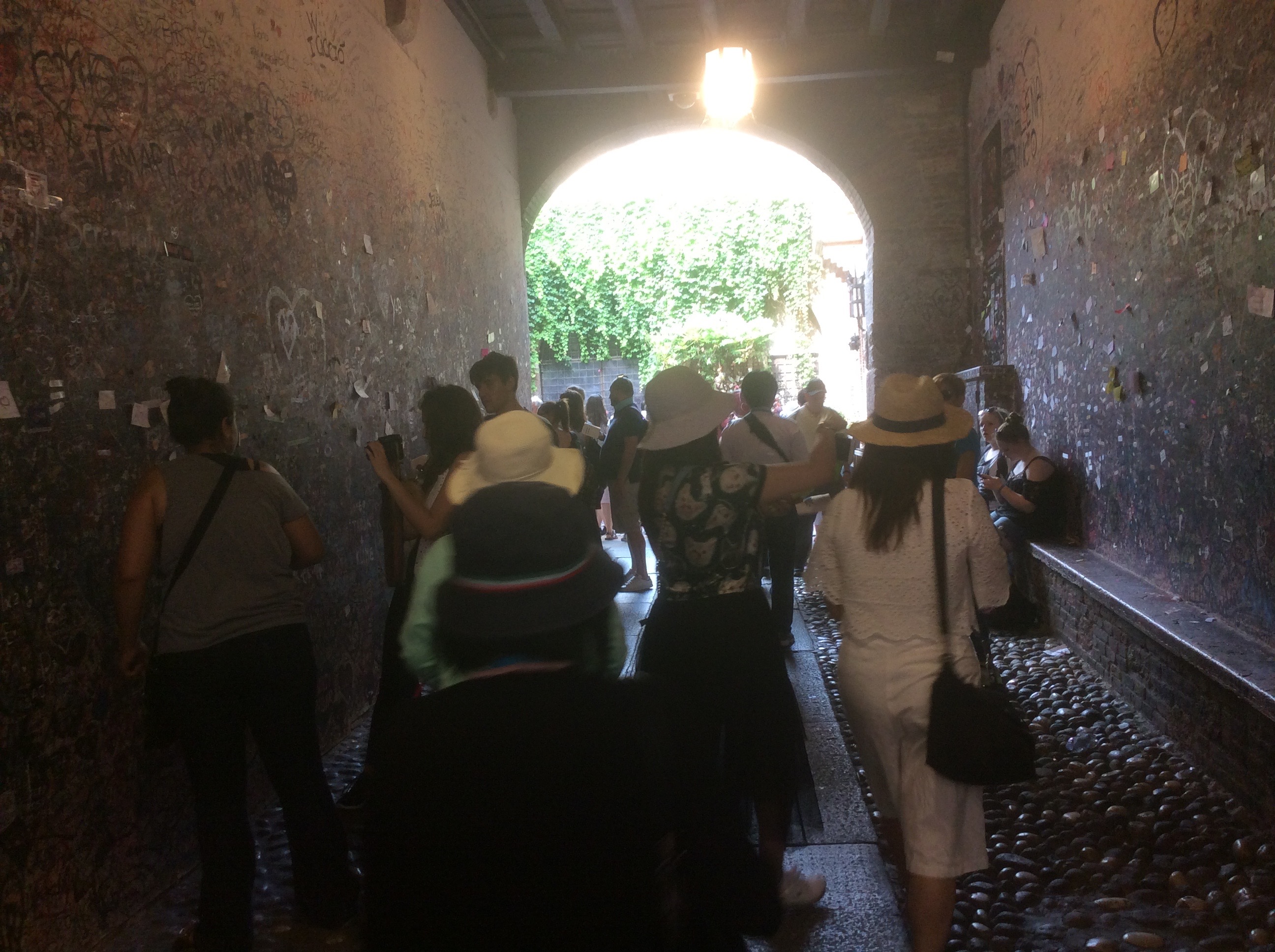
Visiting the Balcony was not as enjoyable as finding one’s way there, through finely paved streets between ancient structures.img_6137

The crowd one meets at the Balcony made the experience slightly unbearable.img_6131


But in the end, the most enchanting thing about Verona wasn’t the tourist attractions of which there were many (castles, restaurants, food, a town that balances modernity with history to profitable outcomes), but the sense of order that seemed surprisingly welcoming, surprisingly normal in a re-assuring way that is not often the case in many American (and perhaps Nigerian) big towns.

img_6152

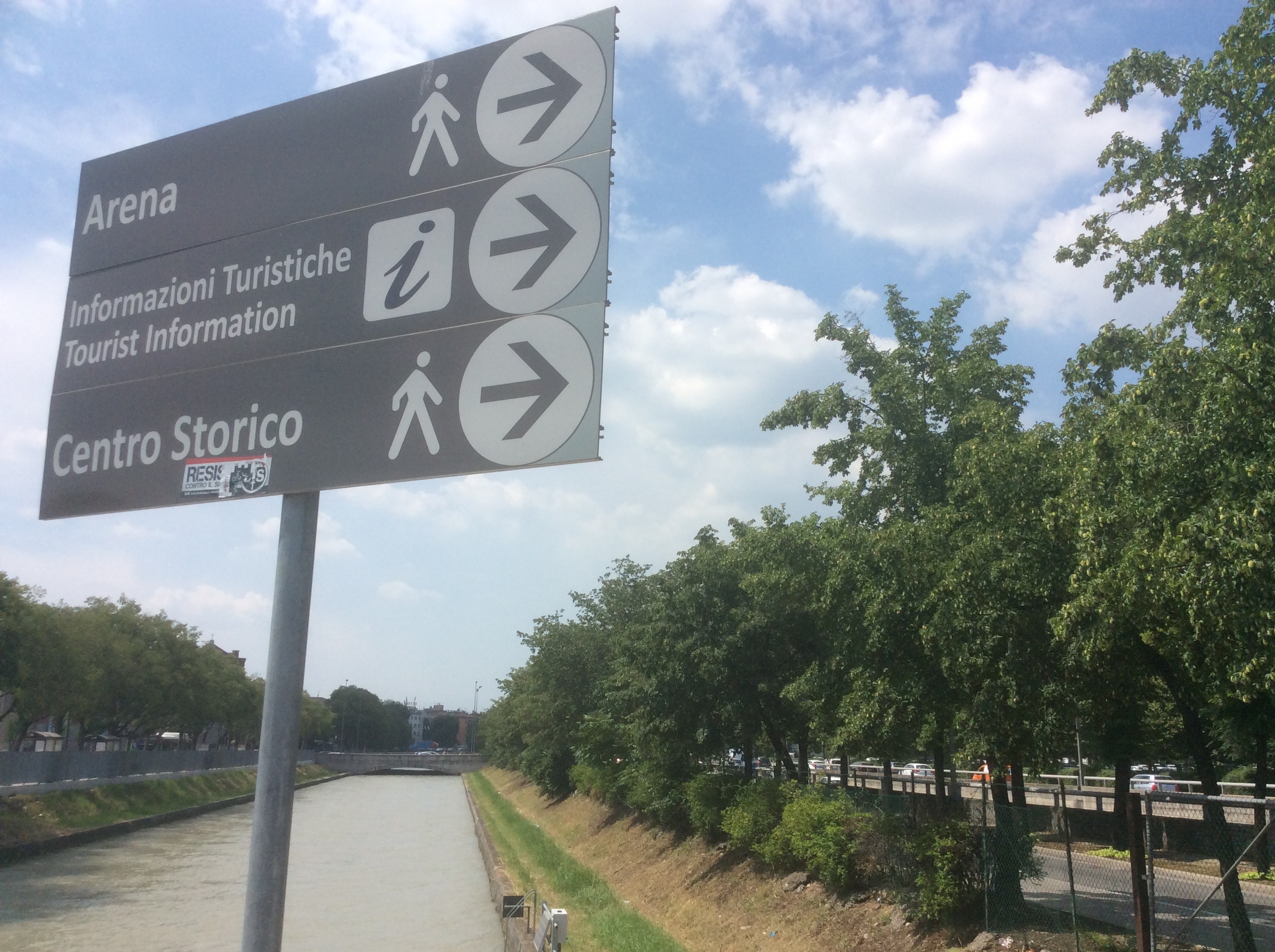
That, plus the fact that one could walk from the train station to the Arena, by oneself, without being able to speak Italian, and without feeling any more visible as a foreigner than any other tourist on the streets.

img_6089

A dry and breezy weather didn’t hurt.

My Ostana Album

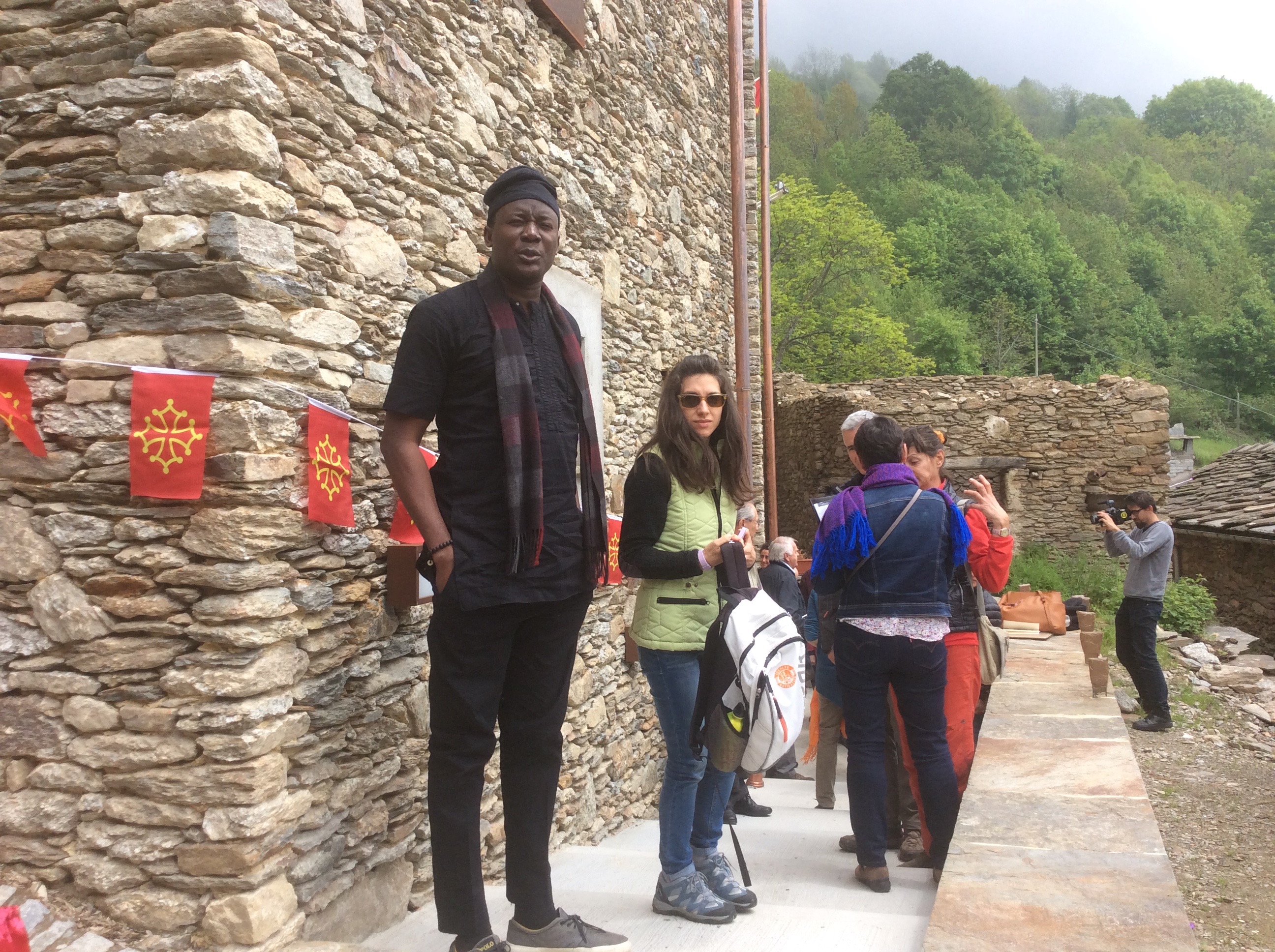
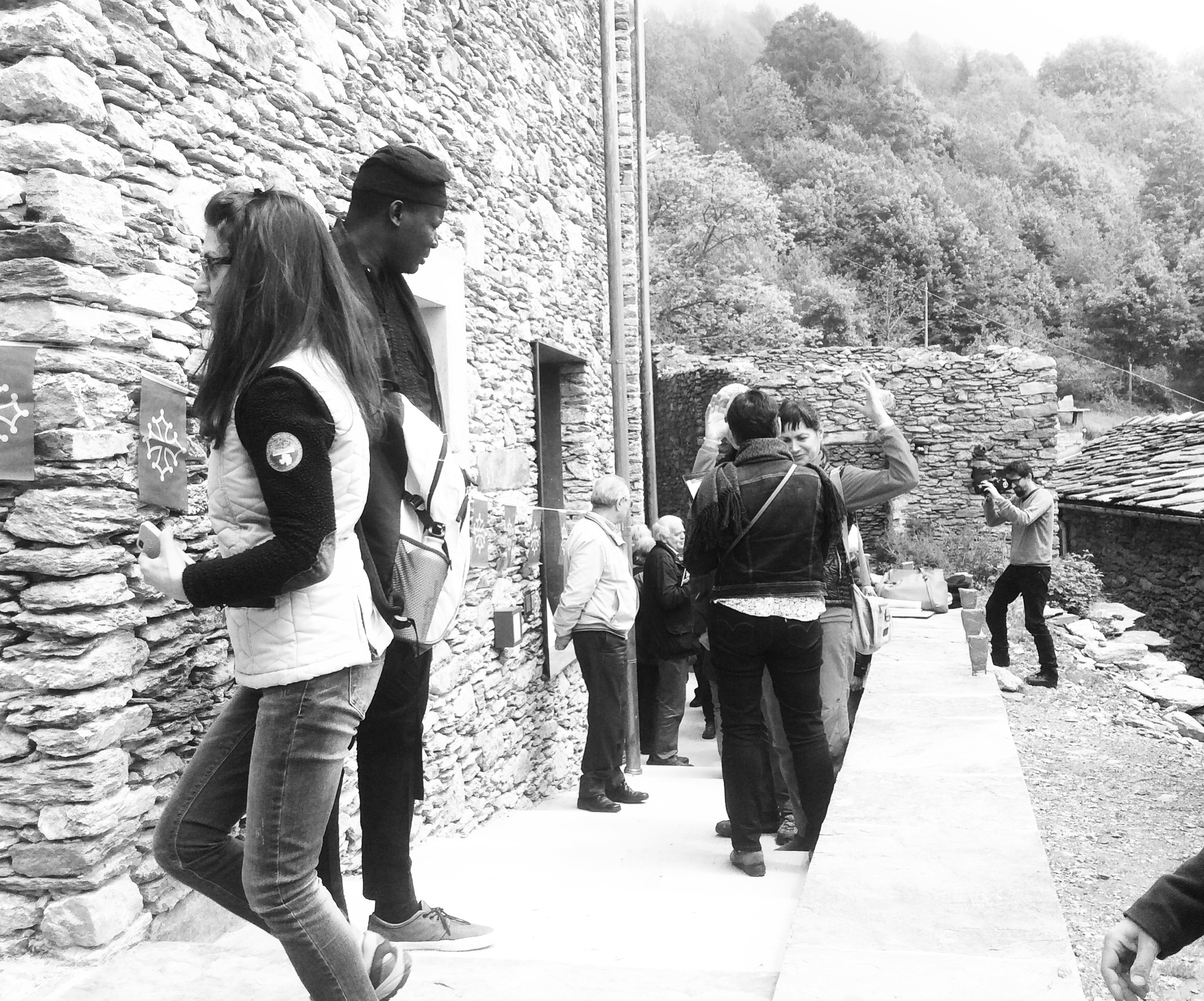
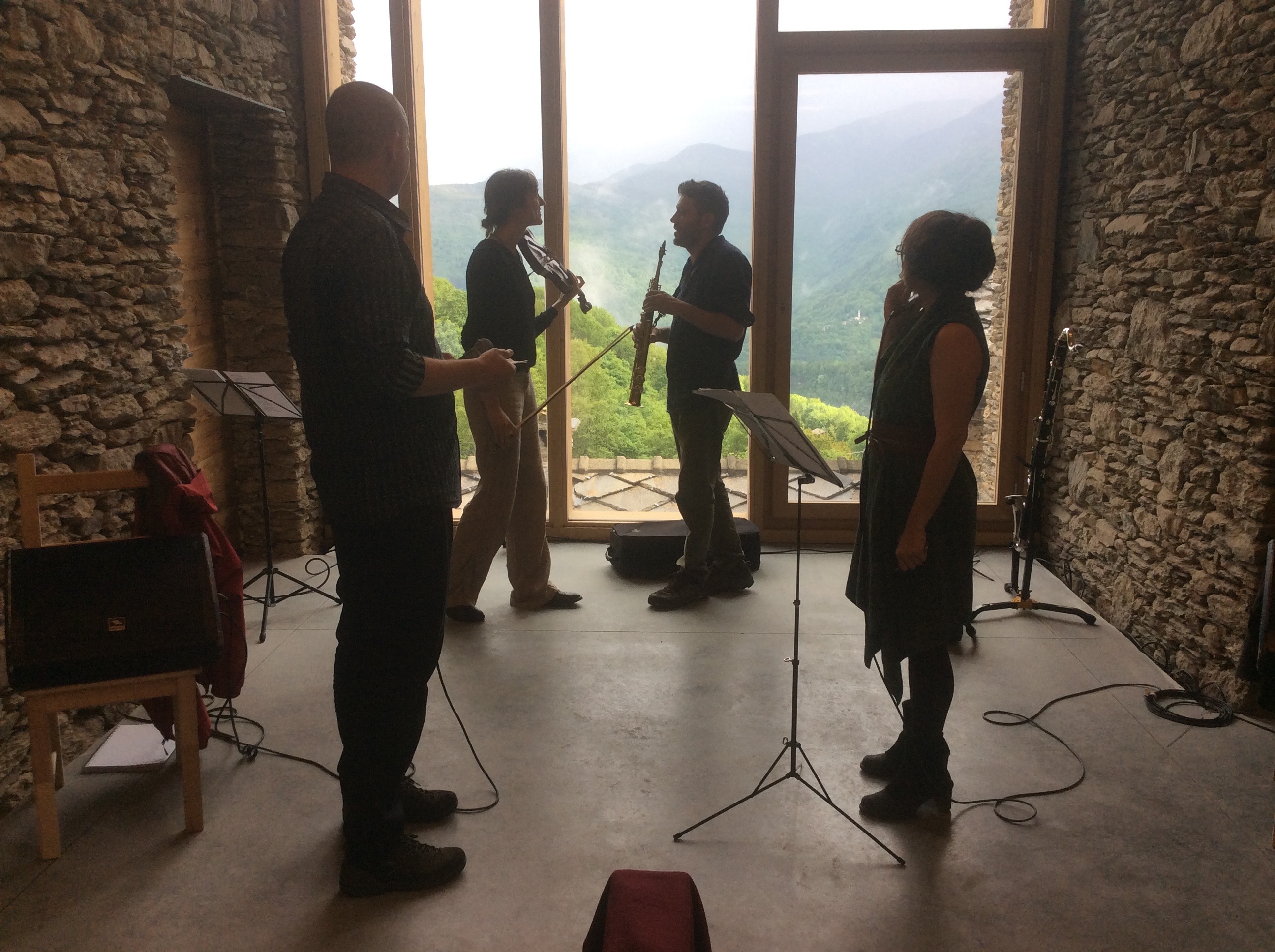
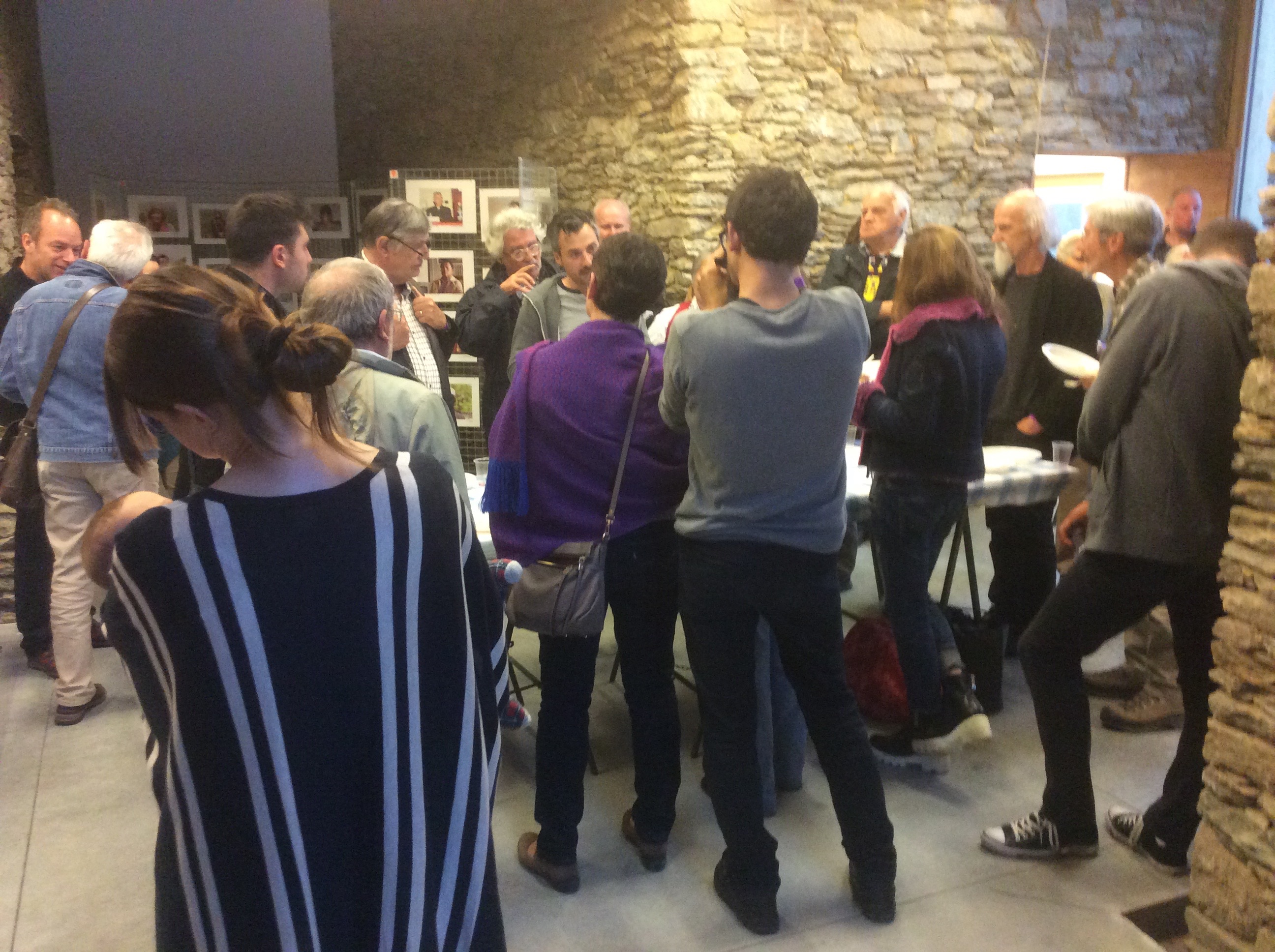
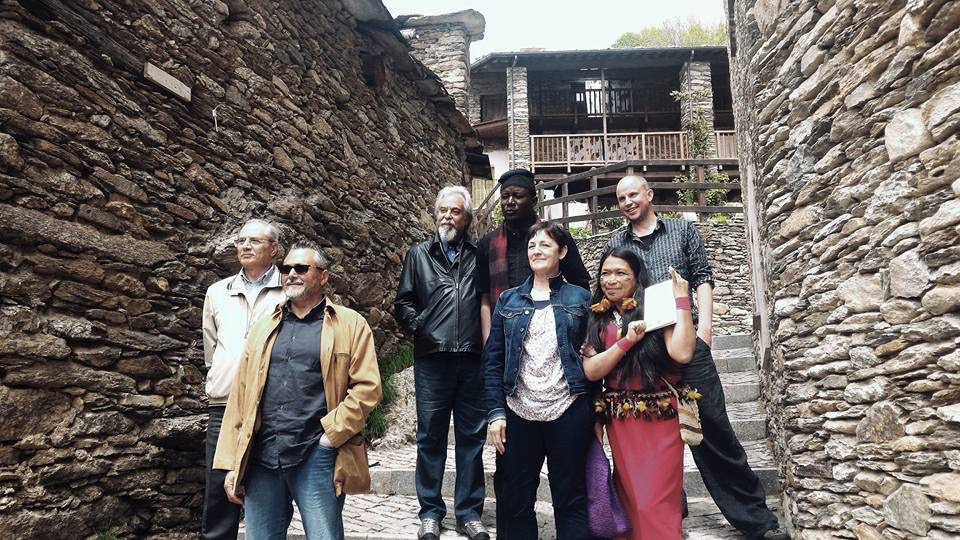
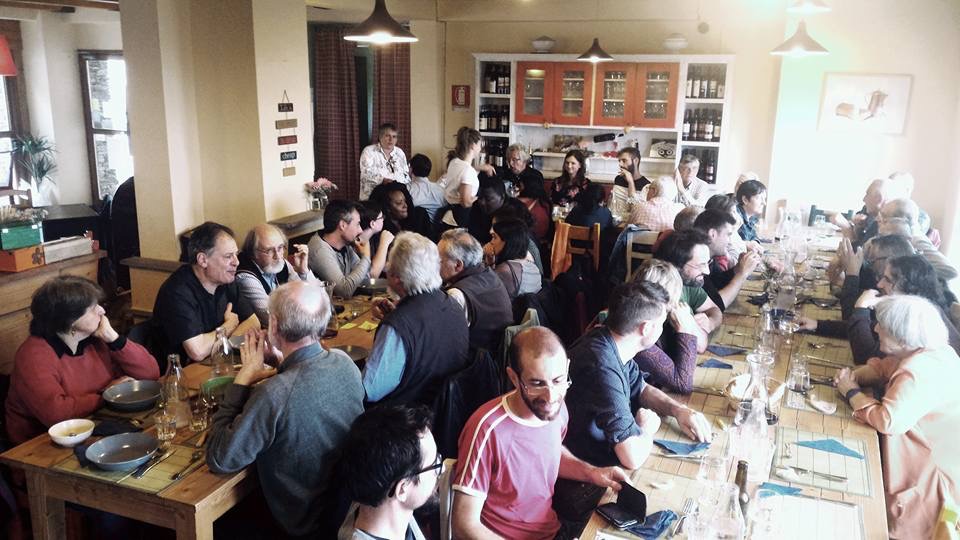
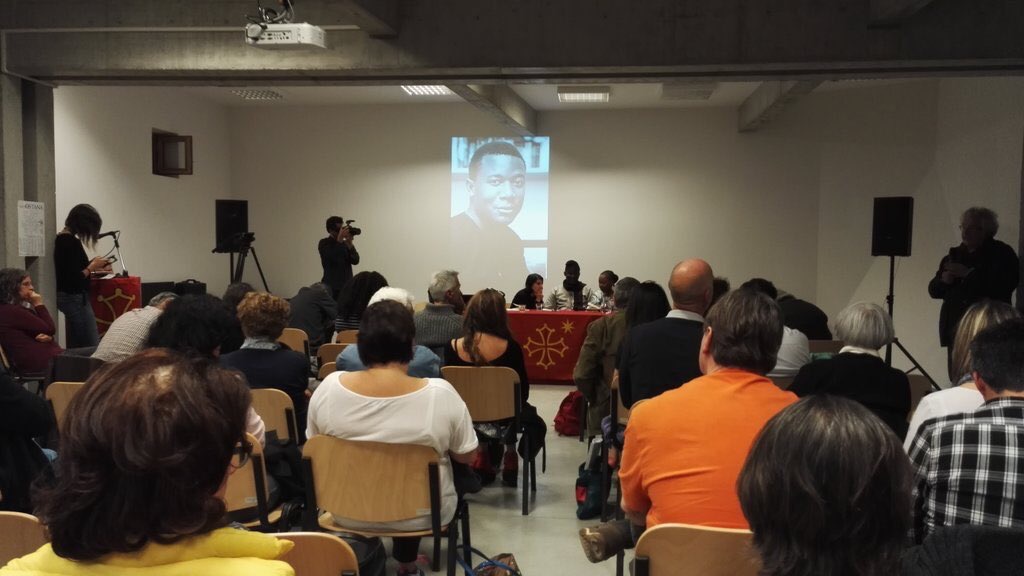
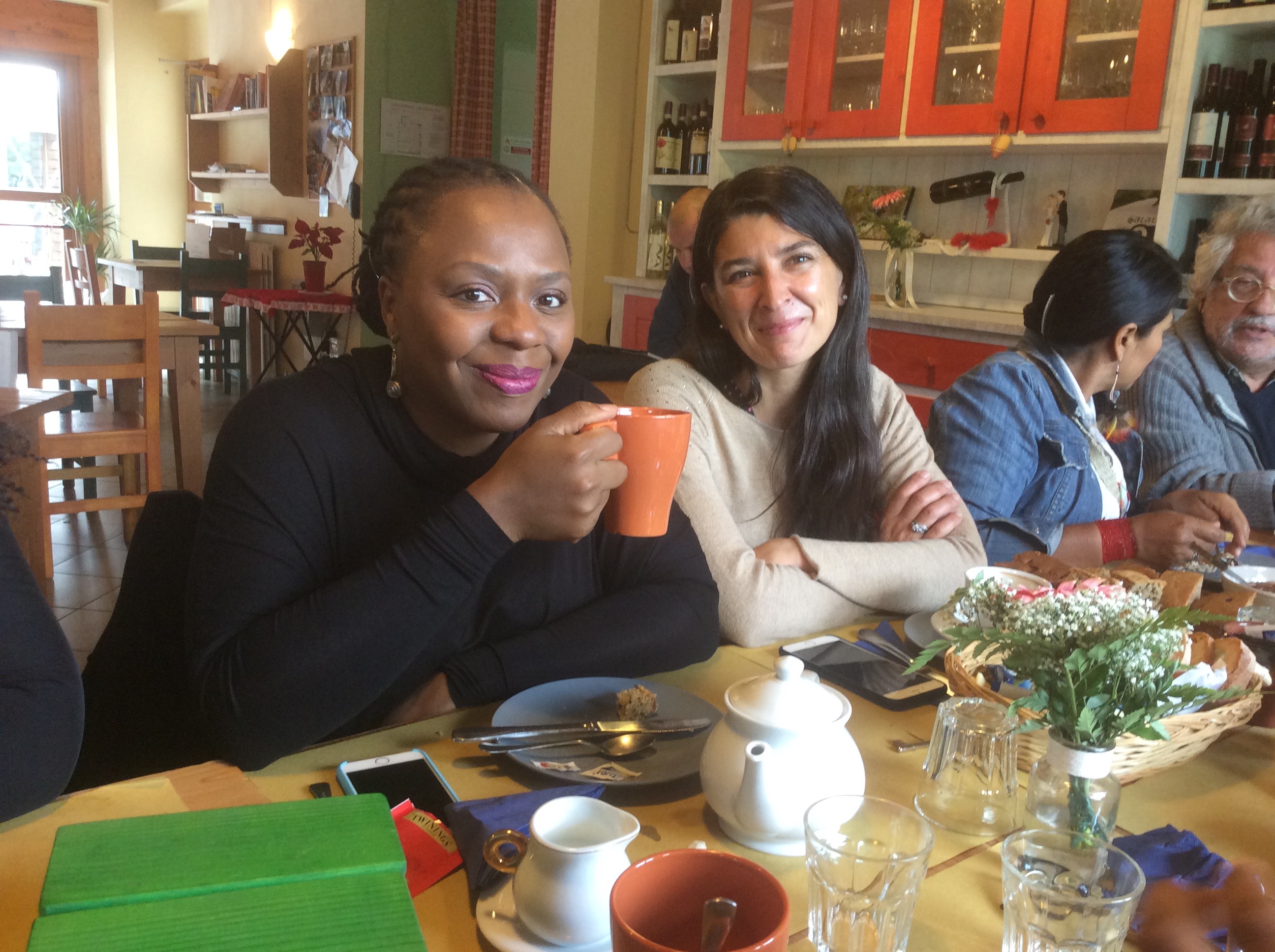
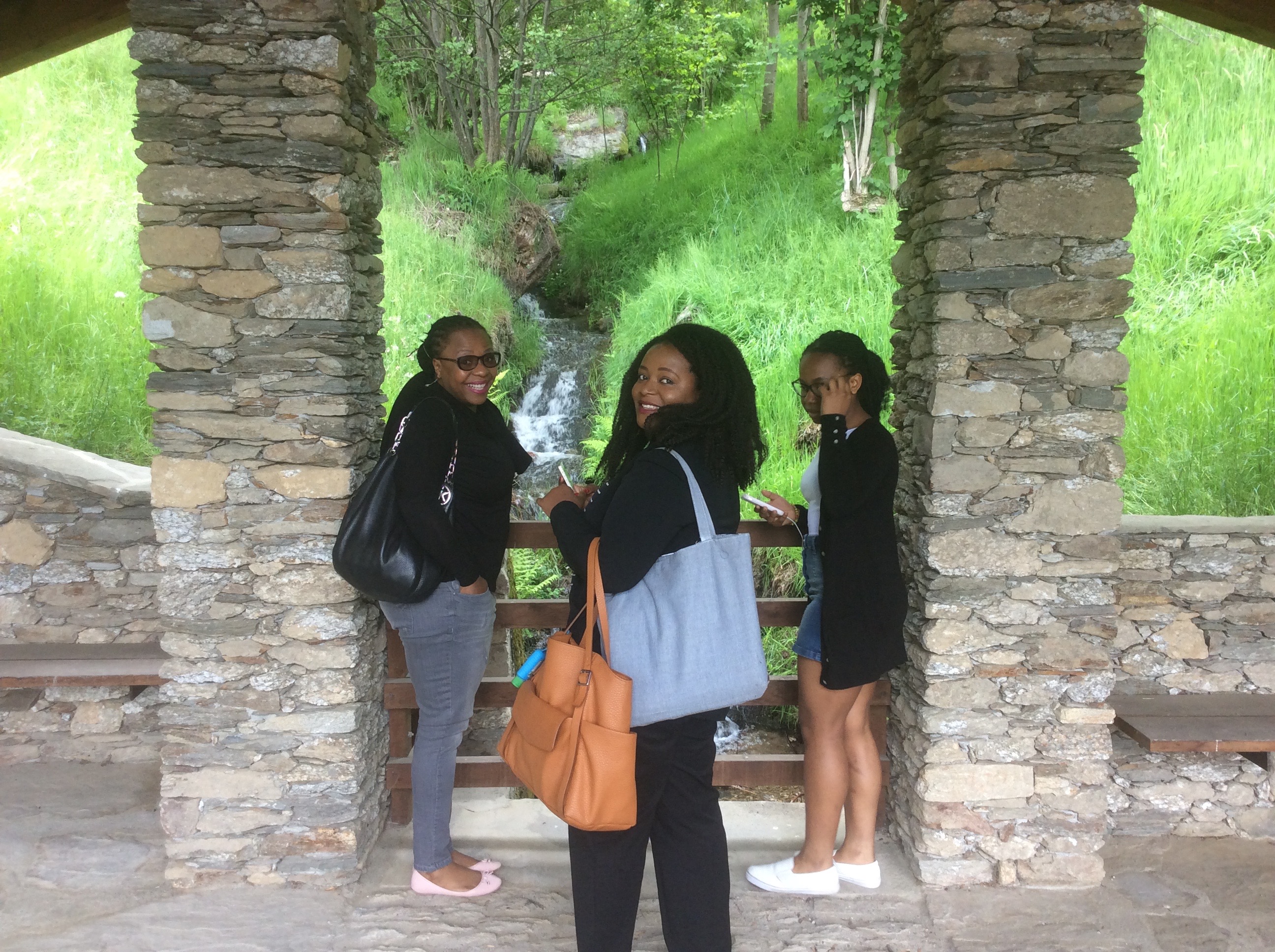
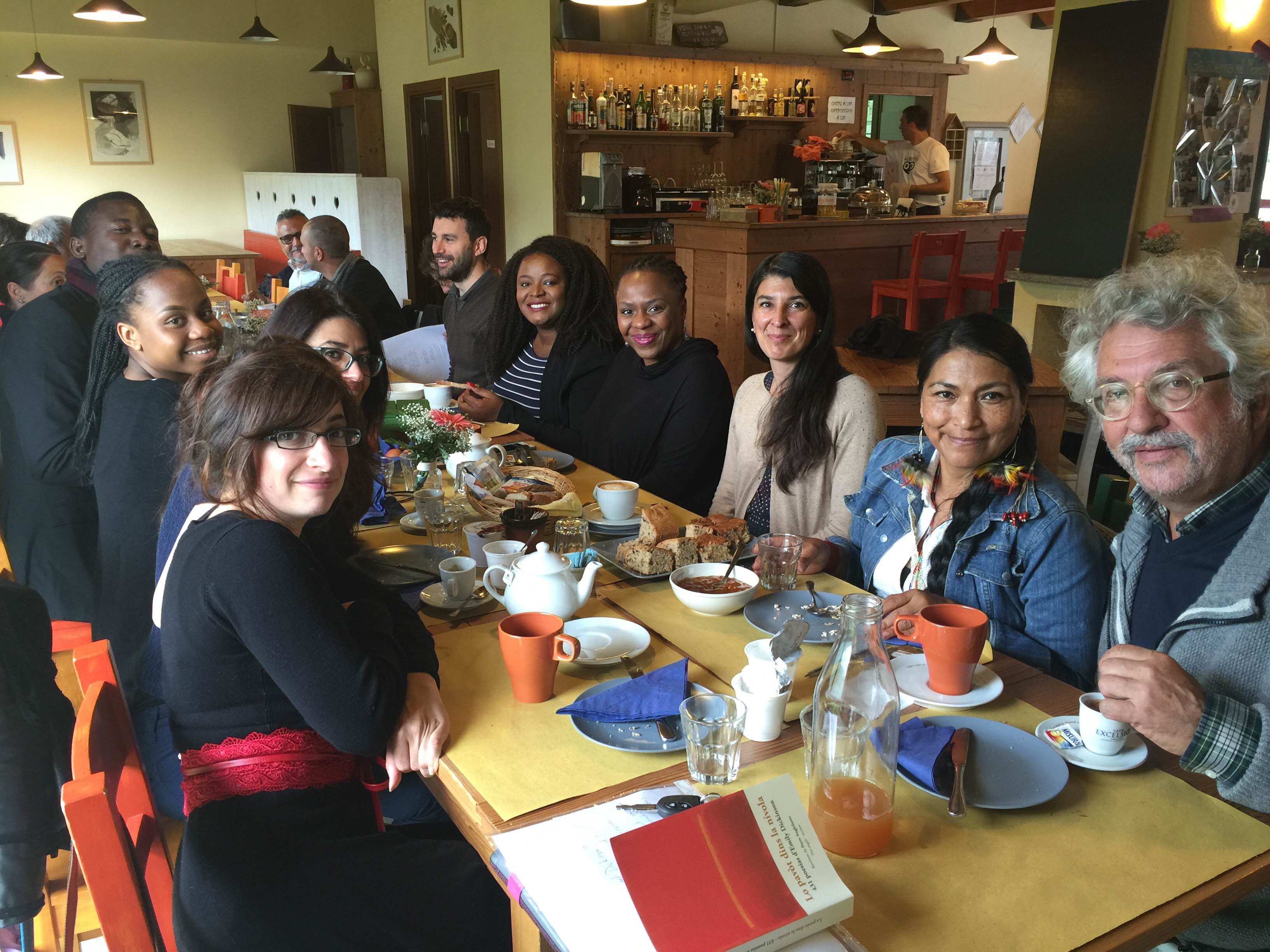
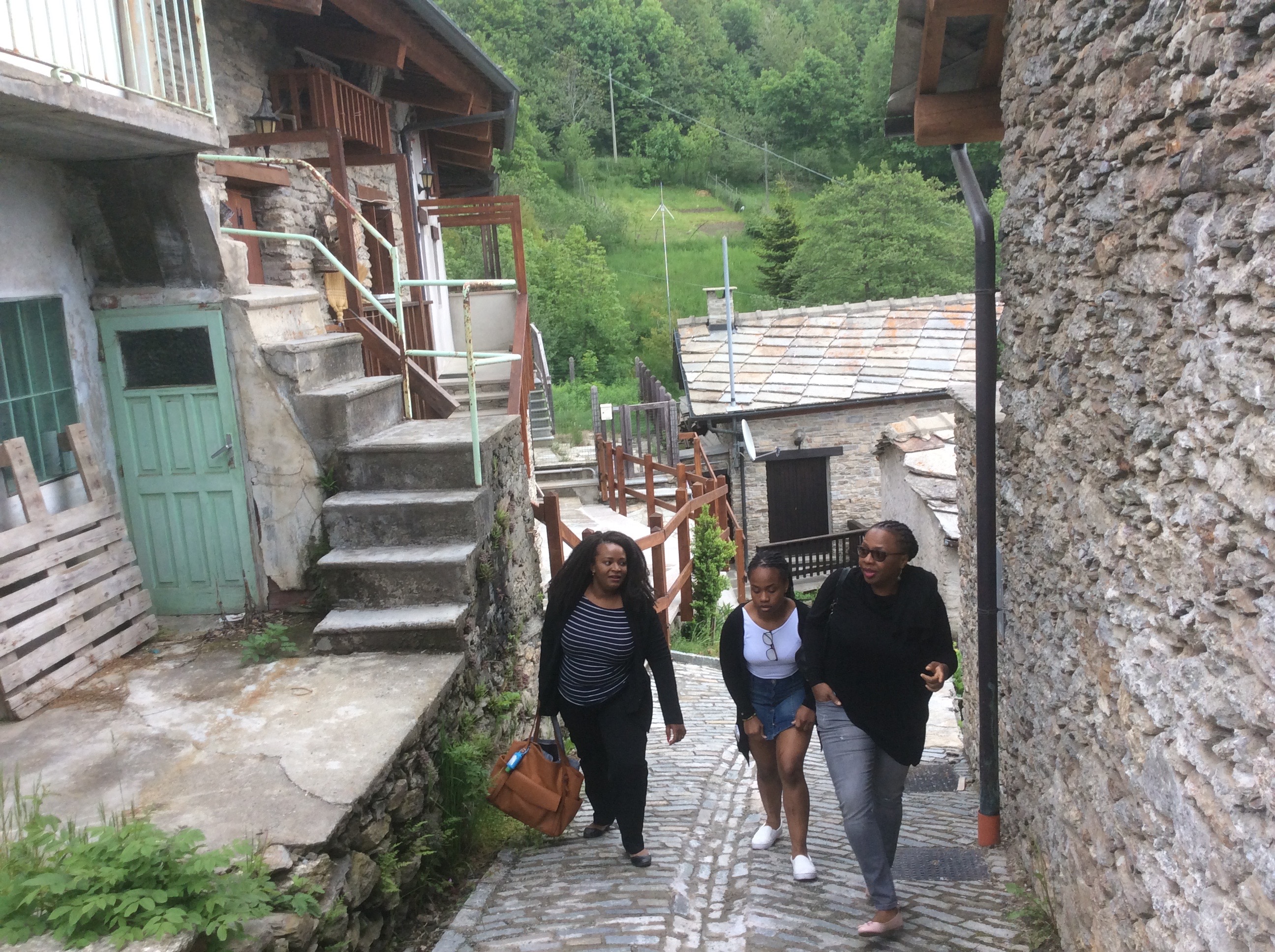
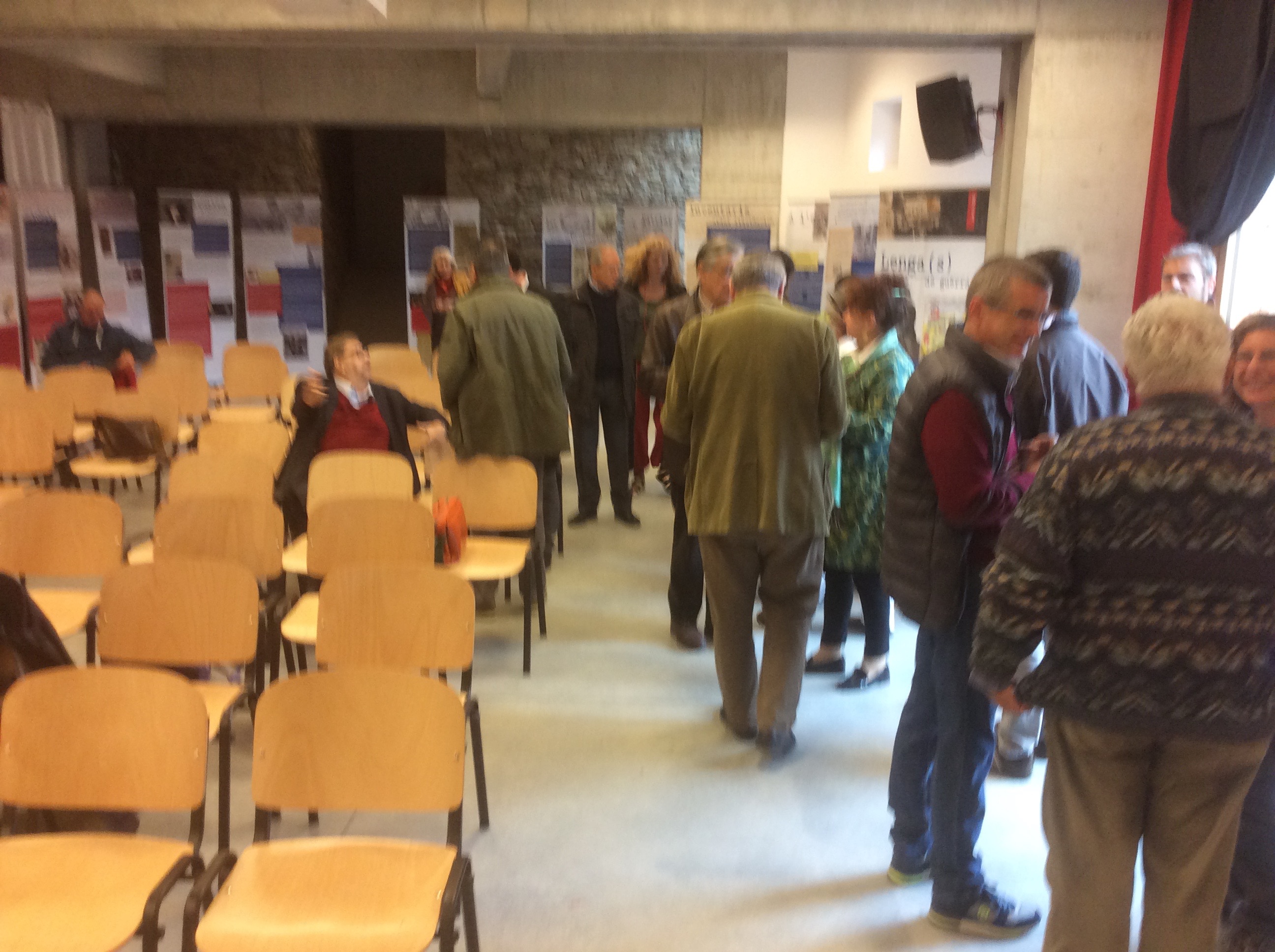
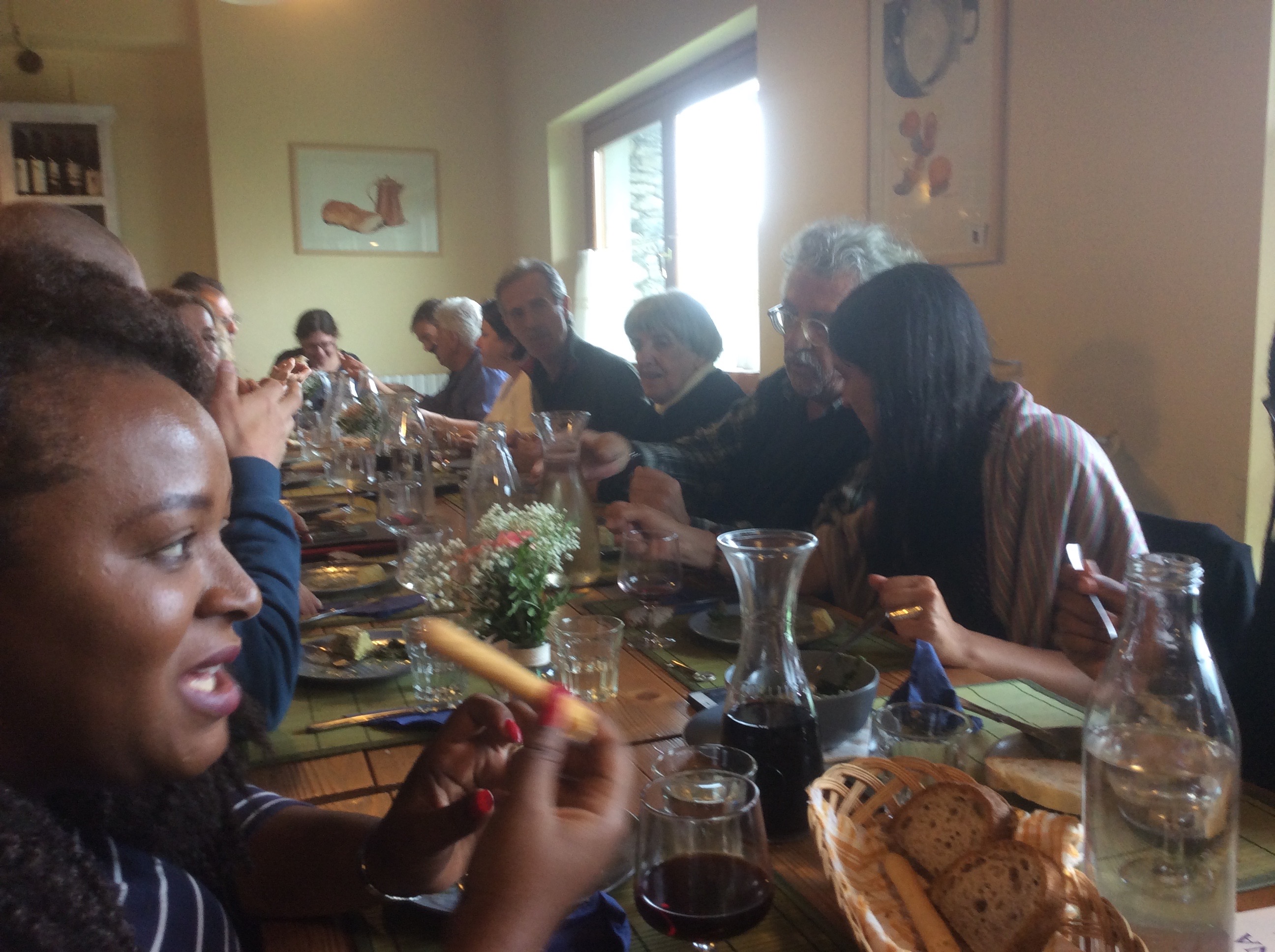
IMG_5797 IMG_5816 IMG_5837 IMG_5842 IMG_5865 IMG_5888 13335897_1034680086622122_3478877868362684628_n 13319997_1034680016622129_8453338218538722082_n IMG_5798 IMG_5552 IMG_5574 IMG_5599 IMG_5589 IMG_5598 IMG_5632Here are some of my favourite shots from Ostana, Cuneo, a trip I’ve written about extensively already. These shots feature informal and formal activities around the Premio Ostana Prize which lasted almost all week. In it are my wife, sponsor, Valentina Musmeci, Lọlá Shónẹ́yìn, colleagues, visitors and fellow prizewinners.

At Museo Egizio: Photos

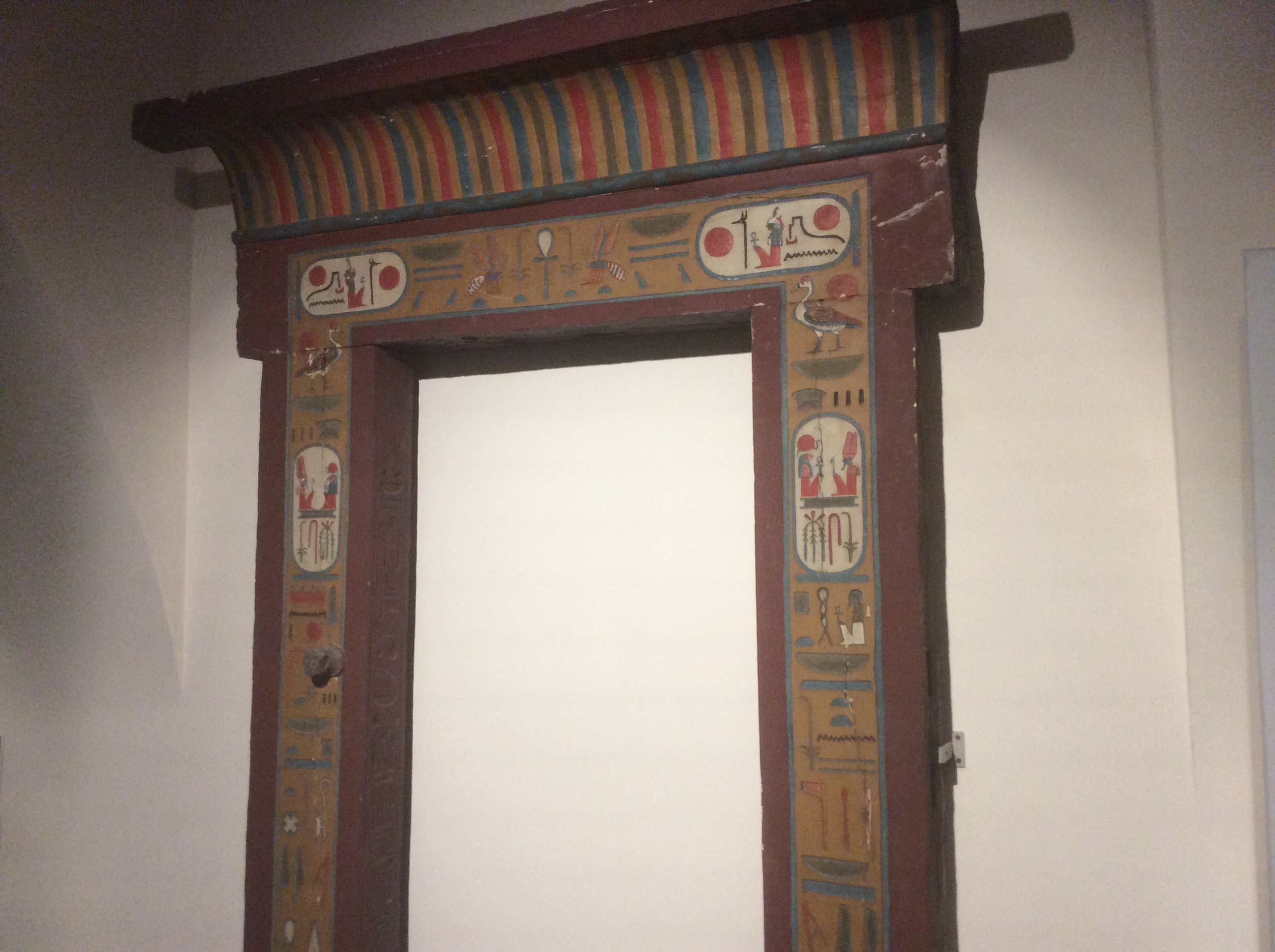
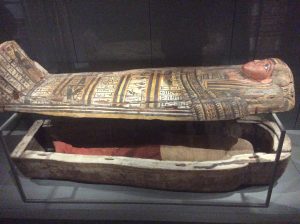
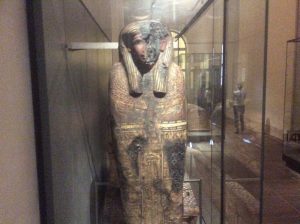
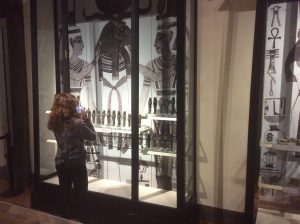
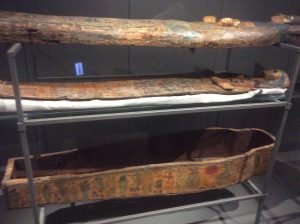
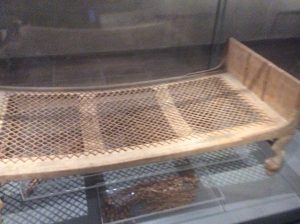
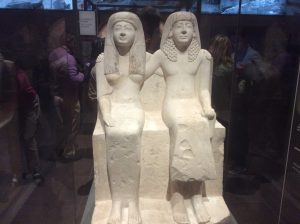
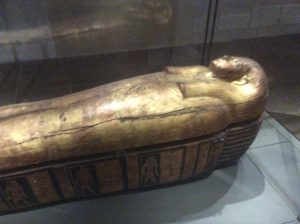
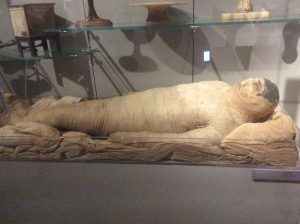
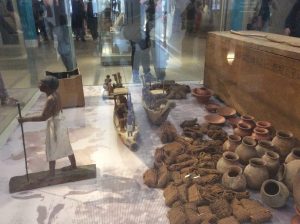
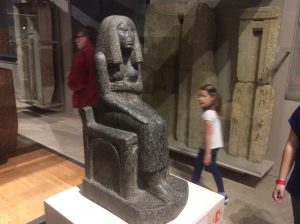
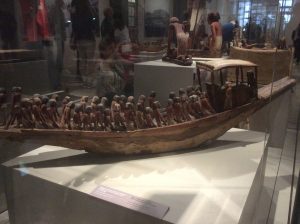
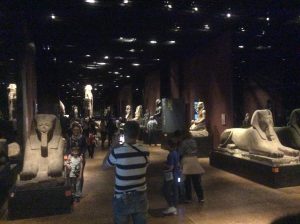
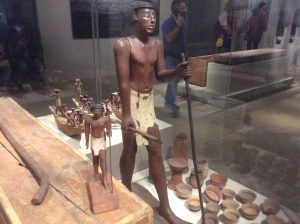
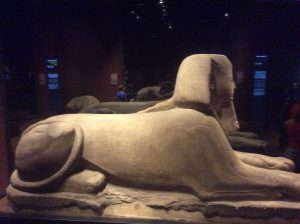
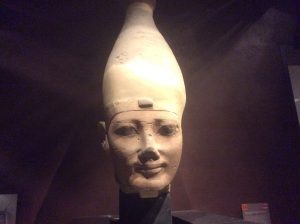
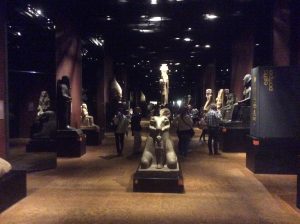
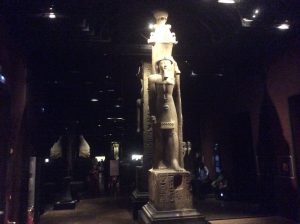
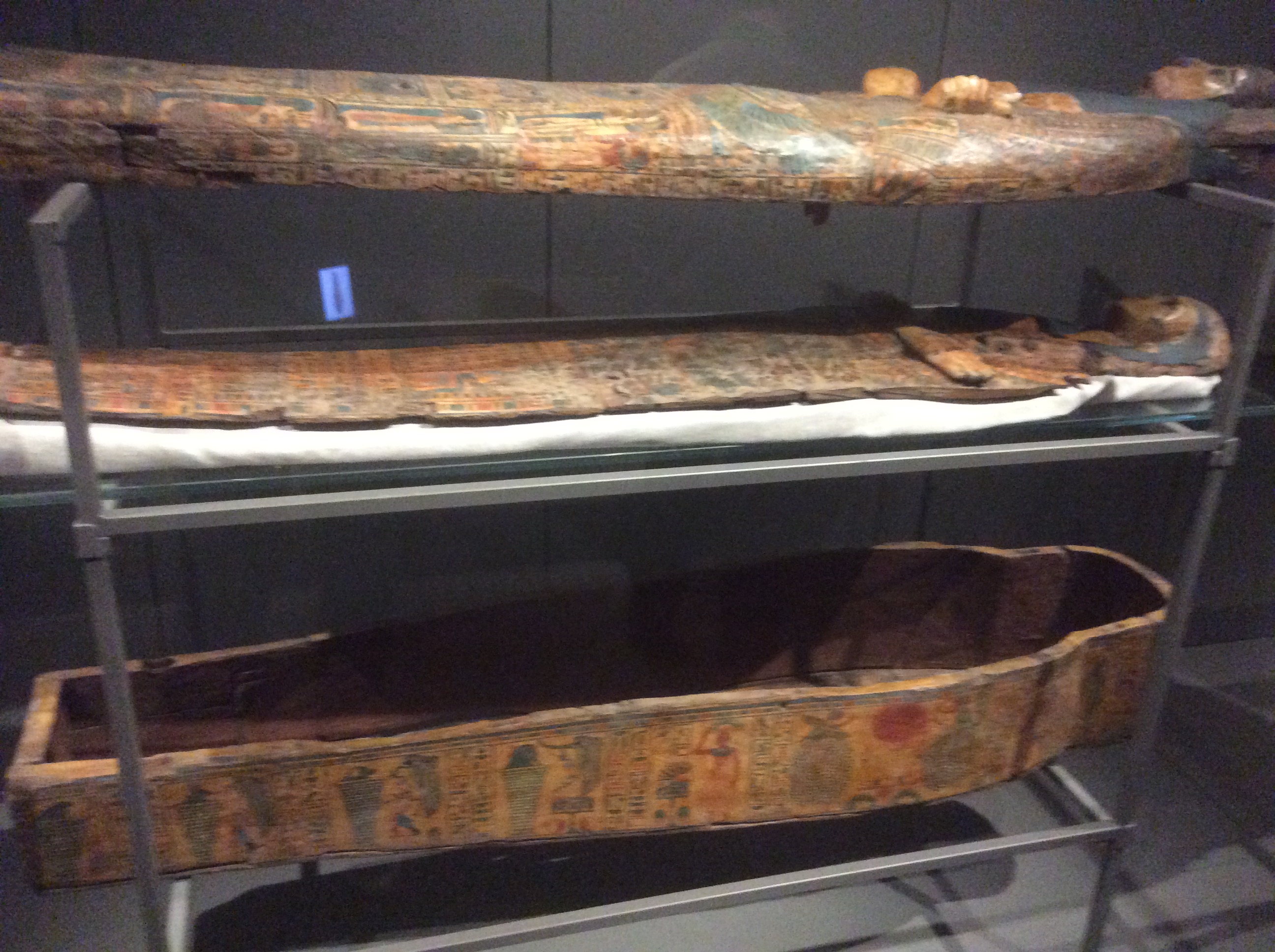
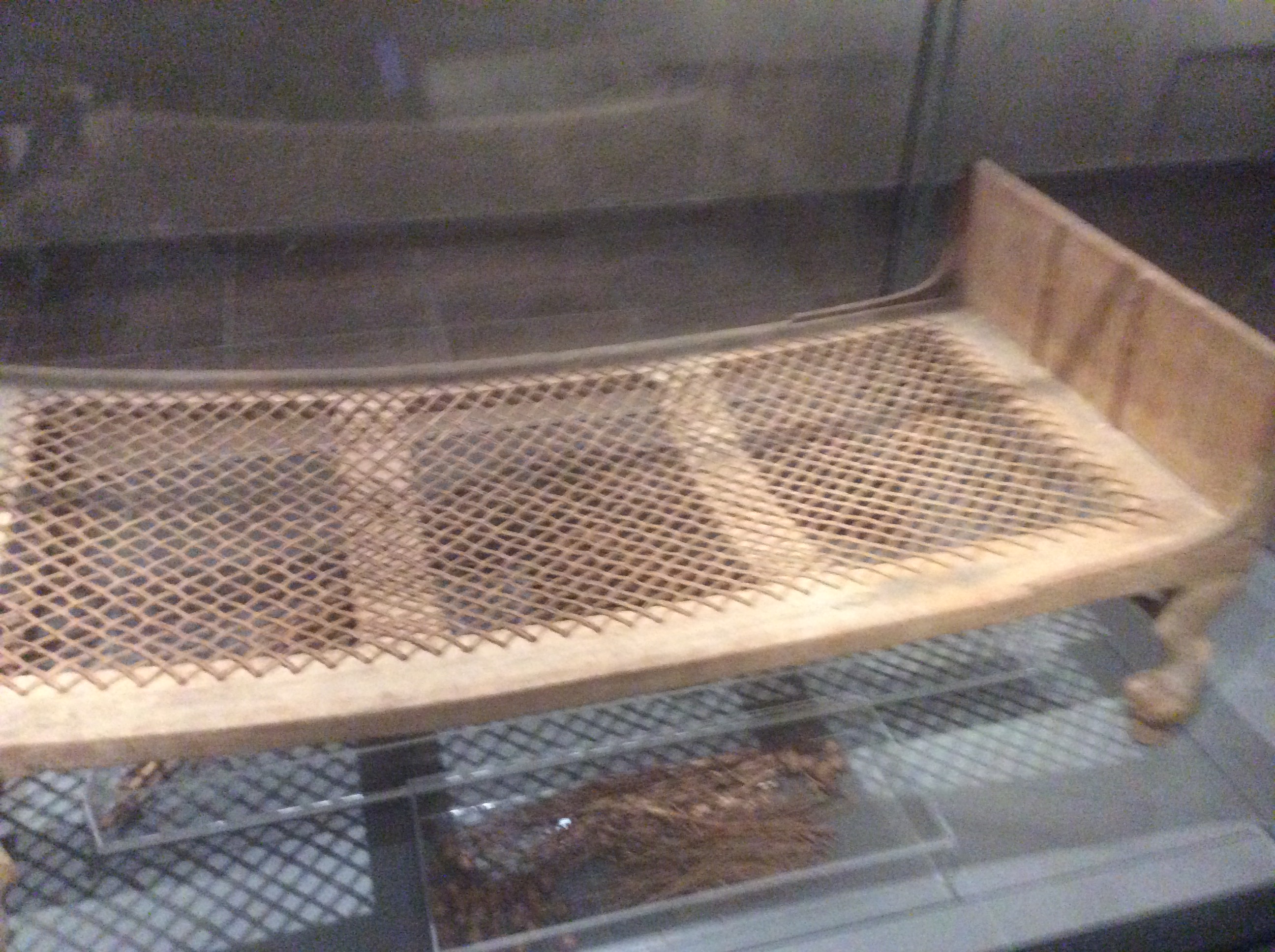
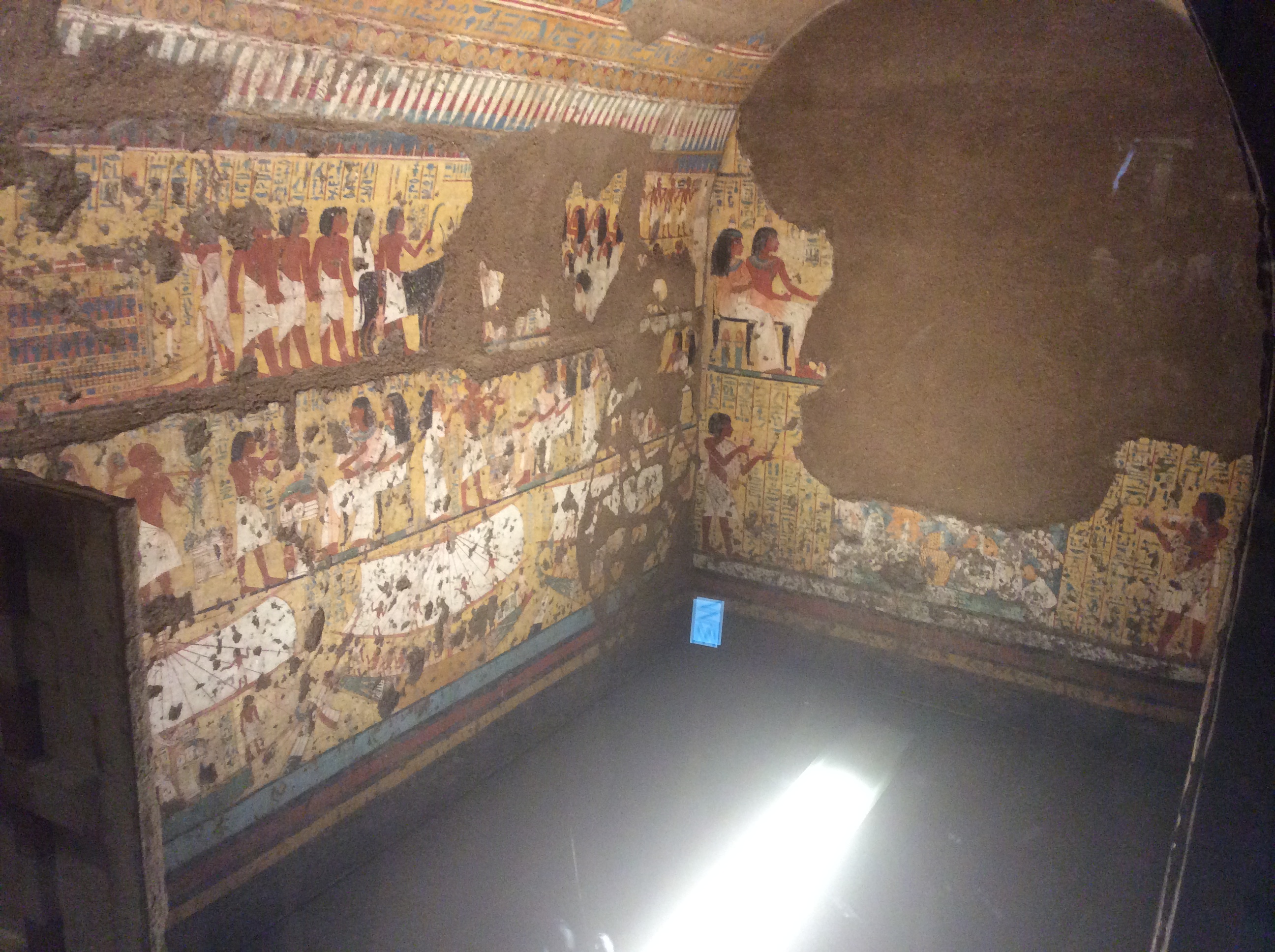
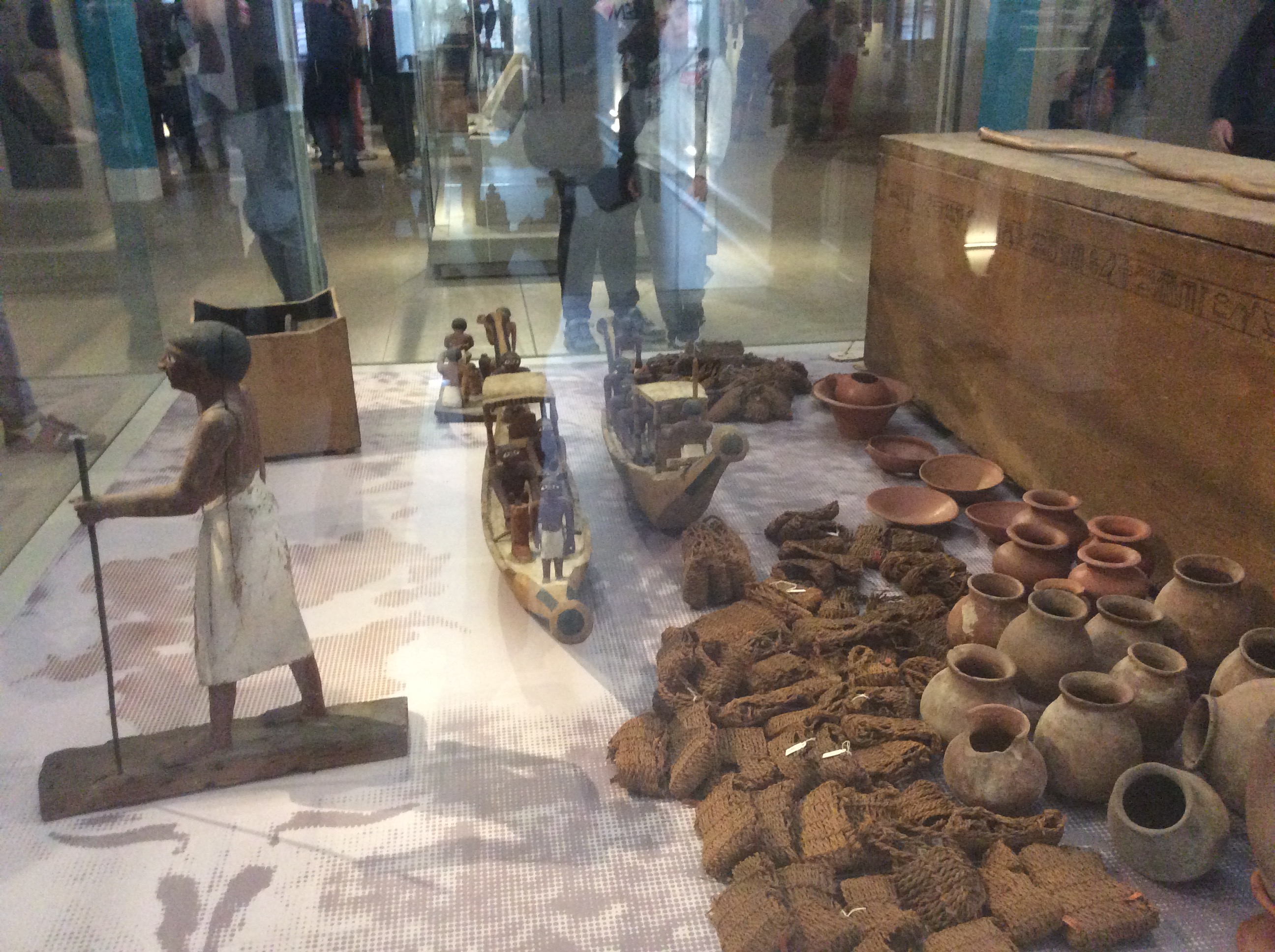
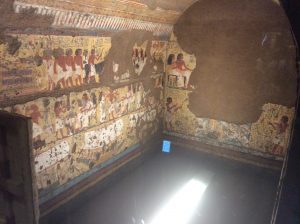
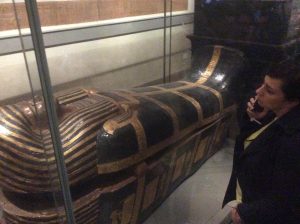
IMG_5692IMG_5687IMG_5695 IMG_5694IMG_5696IMG_5699IMG_5703IMG_5700IMG_5706IMG_5707IMG_5711IMG_5713IMG_5705IMG_5717IMG_5718IMG_5714IMG_5721IMG_5720IMG_5725IMG_5726IMG_5722IMG_5728IMG_5732IMG_5727IMG_5735IMG_5737IMG_5733IMG_5738

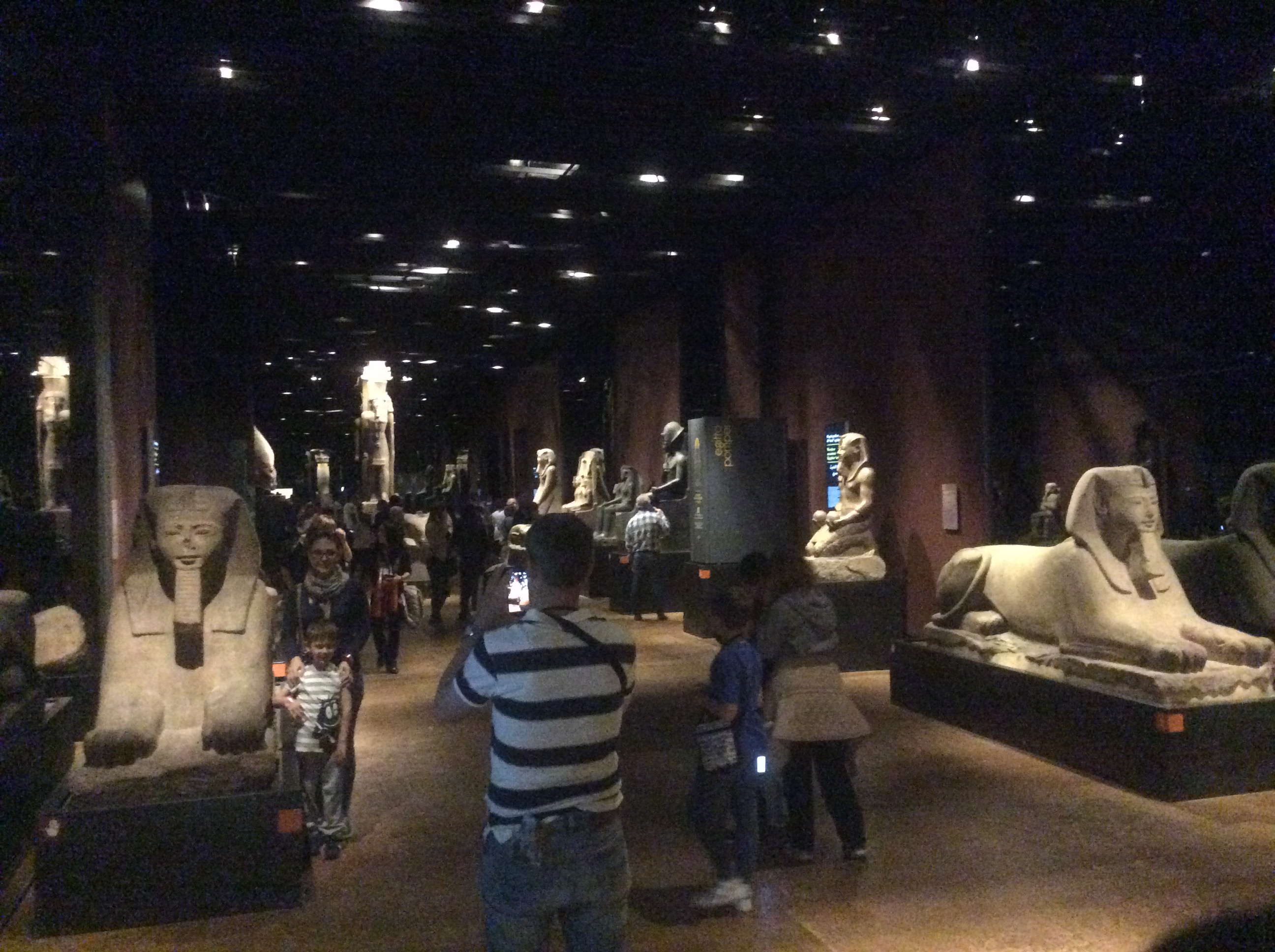
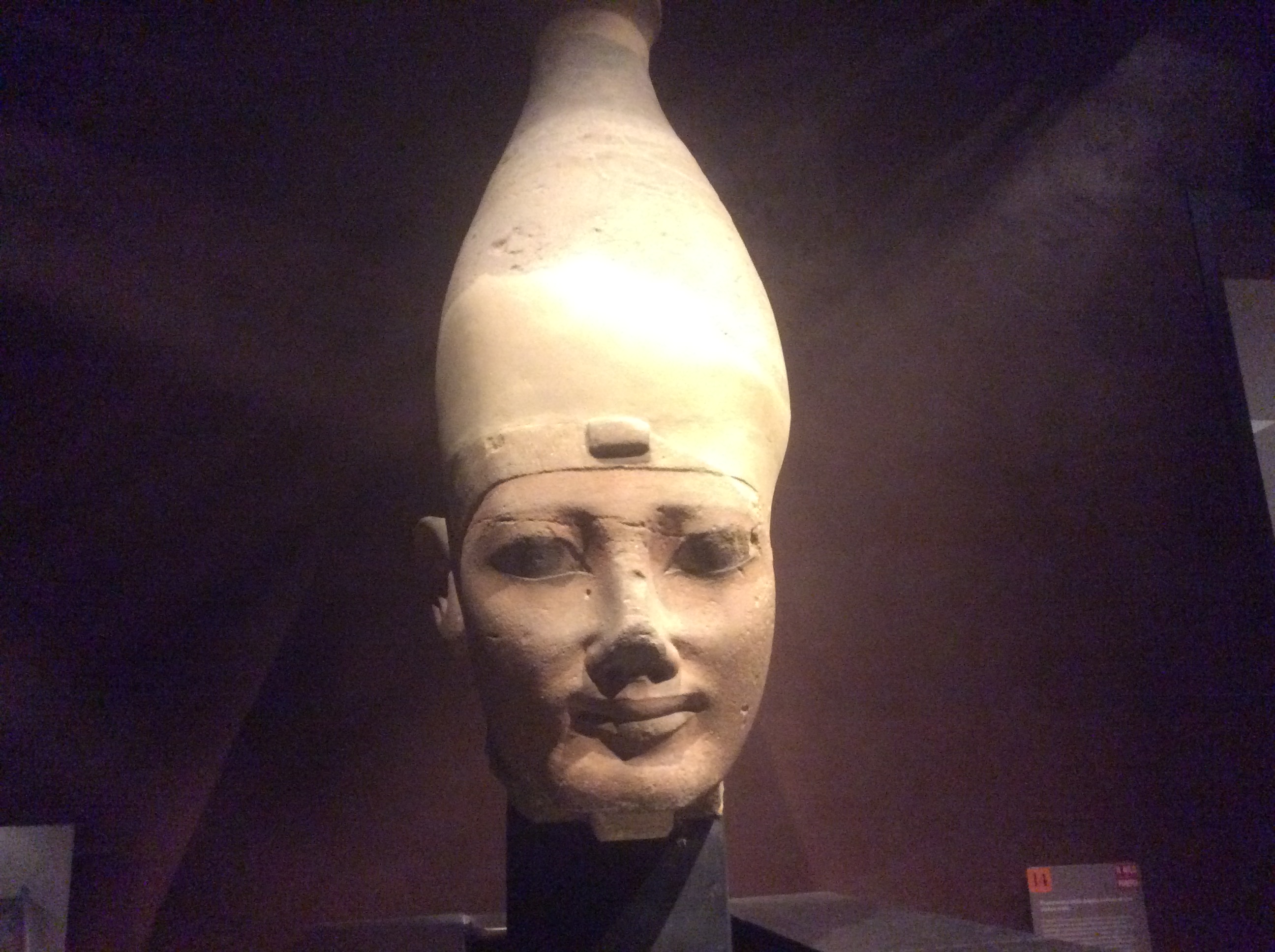
I’d leave this post to speak for itself through the pictures taken at the Turin Egyptian Museum. But I’m leaving the pictures here for another reason: to save my hard drive  from having to store up all of these for all eternity. Photos, like the many of the dead relics in the museum, must – if they will live forever – find a well-visited and well-curated place worthy of their presence.


I must, also, strongly suggest that anyone who cares for ancient history, art, and Egypt should check out the museum. It is worth spending the whole day enjoying, and learning from.


Through Crocetta

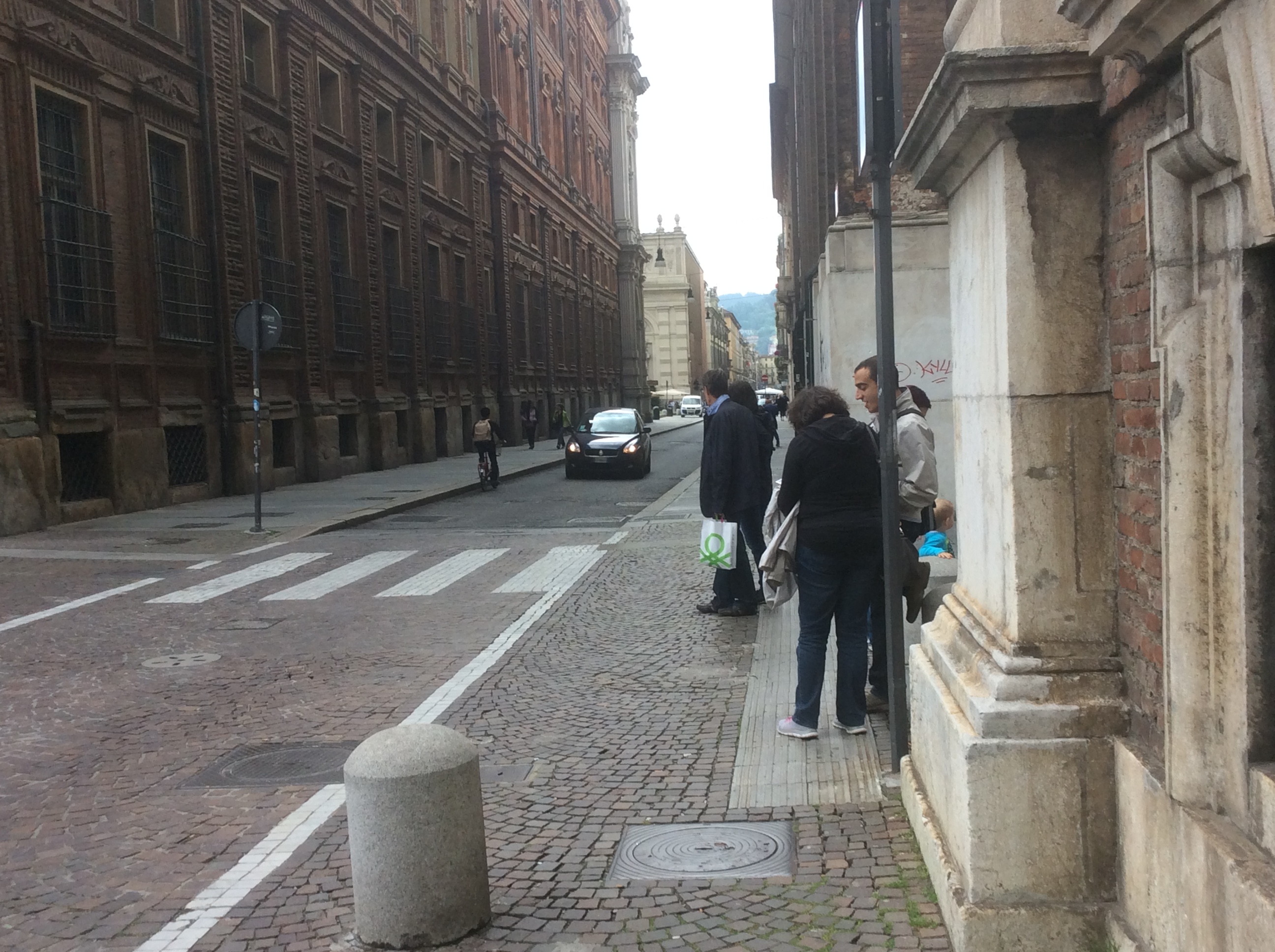
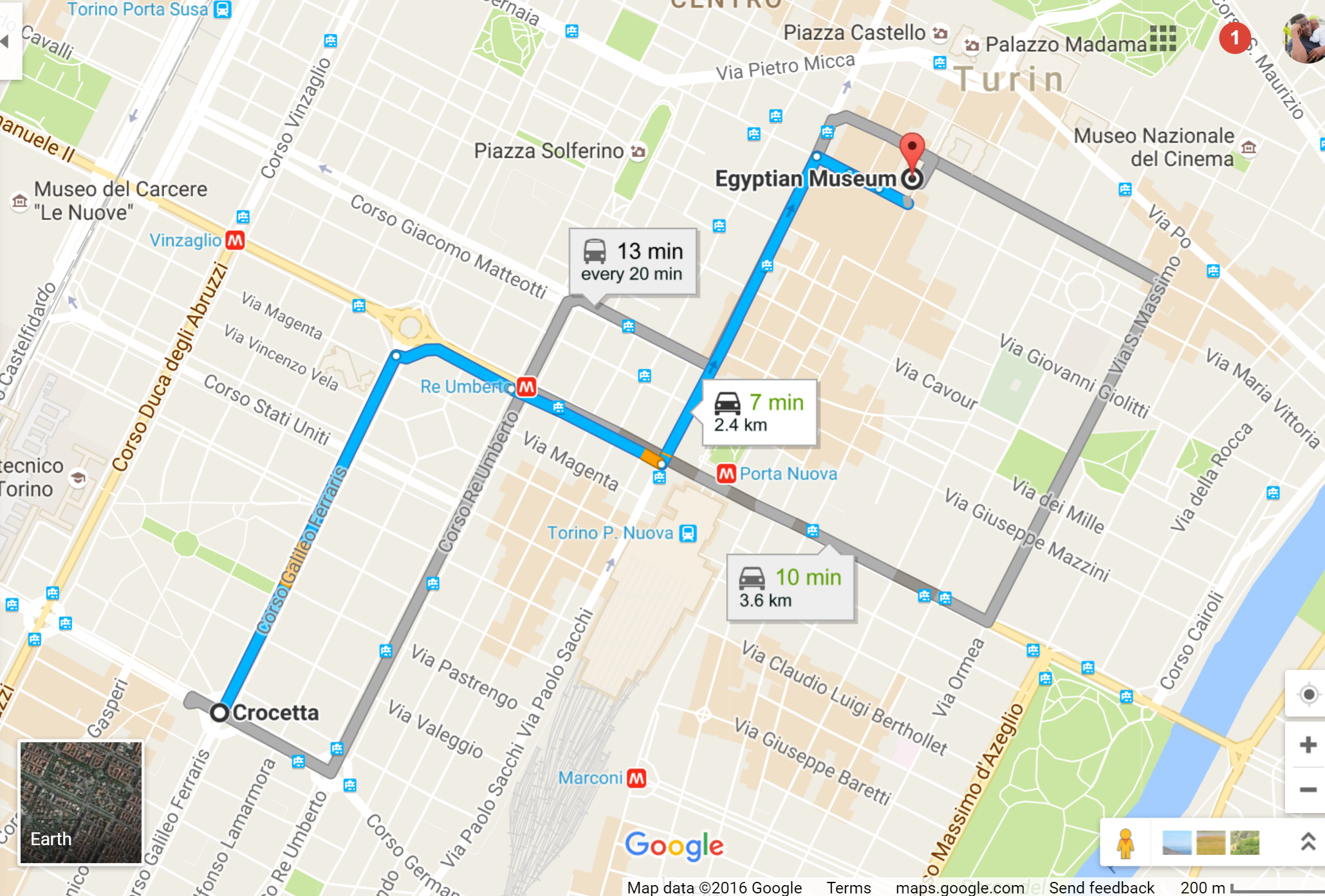
Getting to the Egyptian Museum from central Turin was supposed to be straightforward, but the mapping of someone else’s city always looks easy on paper. What we planned, the five of us cramped excitedly into a small car in pursuit of the mysteries of the Torino archaeological museum, was to get ourselves into the city center, disembark, and then take one of the numerous city trams towards the museum itself. Simple enough. In reality, when we landed at Crocetta – which isn’t the city centre as much, but just slightly south of it, a few of us needed cash from the ATM machine, some needed a smoke, all of us were hungry, and time was ticking. Two members of the group had a plane to catch in a few hours.

Screenshot (121)

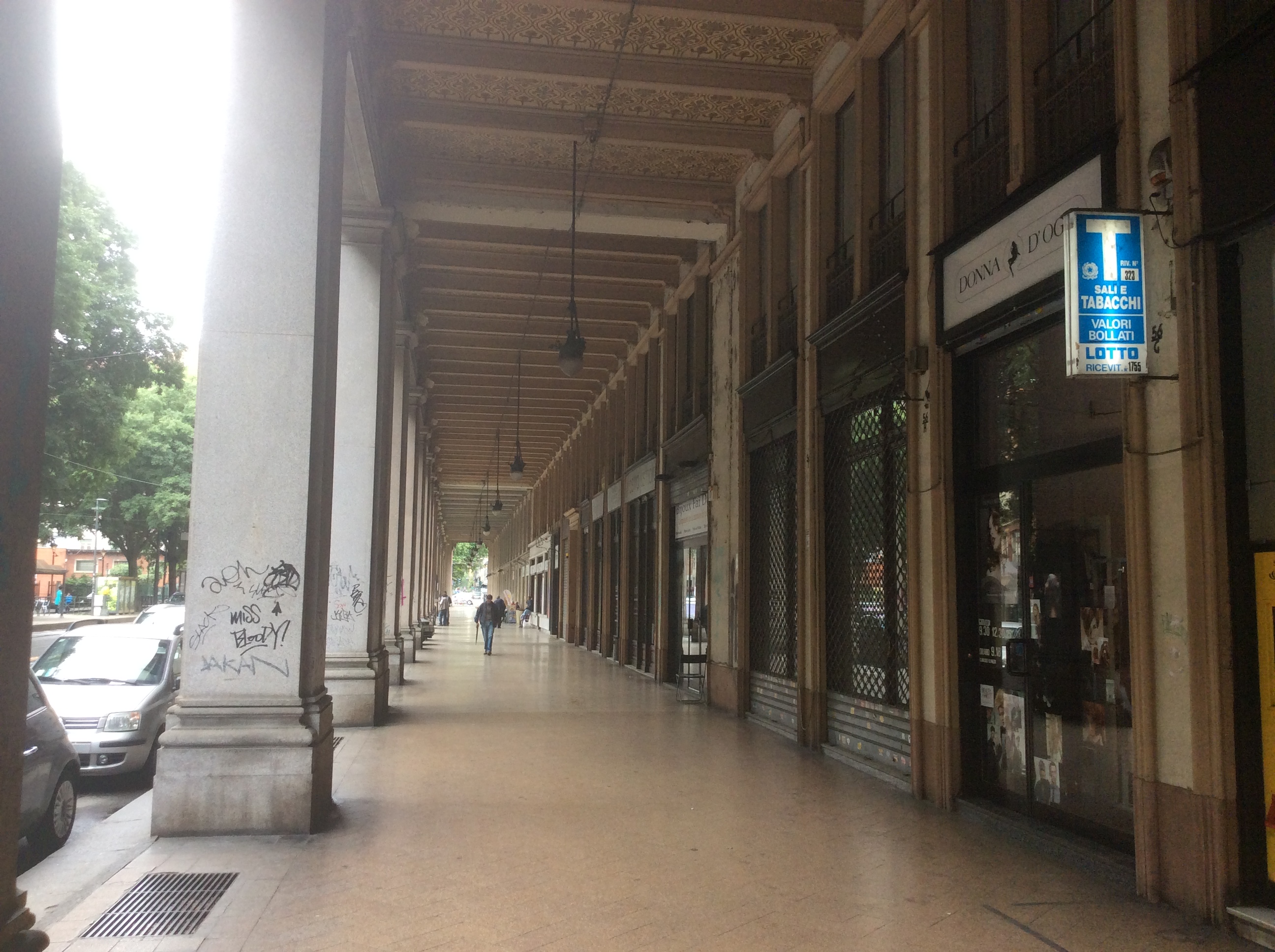
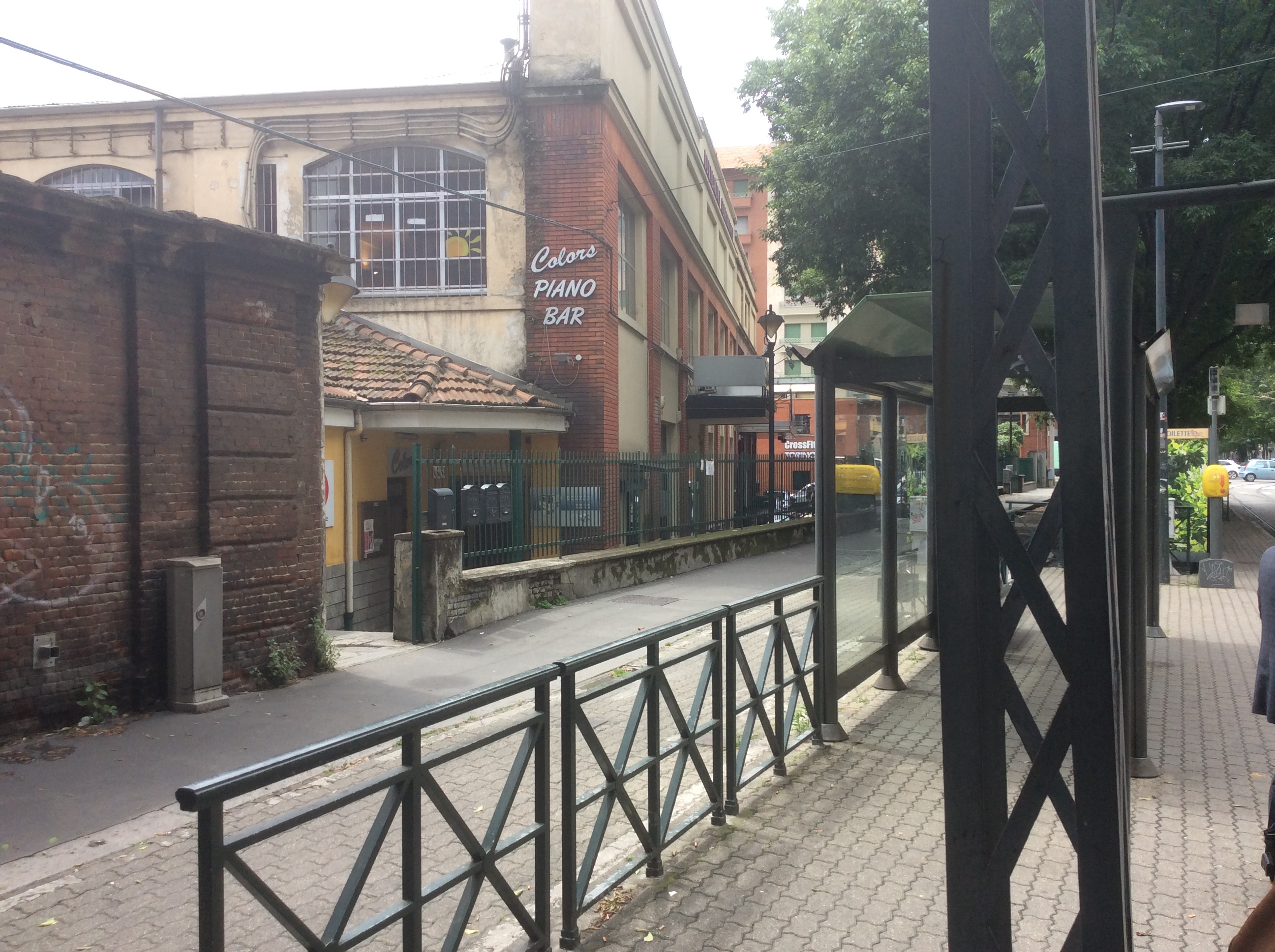
The first impression of Crocetta isn’t notable, perhaps because the town wears a garb of normalcy that seemed out of place for some reason. But reading later that it is one of the most prestigious neighbourhoods in Turin puts that atmosphere in context. One thing I remember is how tall the buildings were and how much they seemed to extend into each other, with long corridors that stretched as far as the eyes could see. I realised, eventually, that this isn’t a localised phenomenon but an Italian thing. Not just the buildings, by the way, but the roads too. Inspired by the military strategies of the Roman empire, most streets and buildings were built in such straight lines as to allow an observer to see as far ahead as possible from one location.
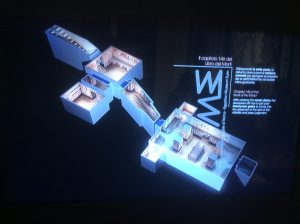
IMG_5667

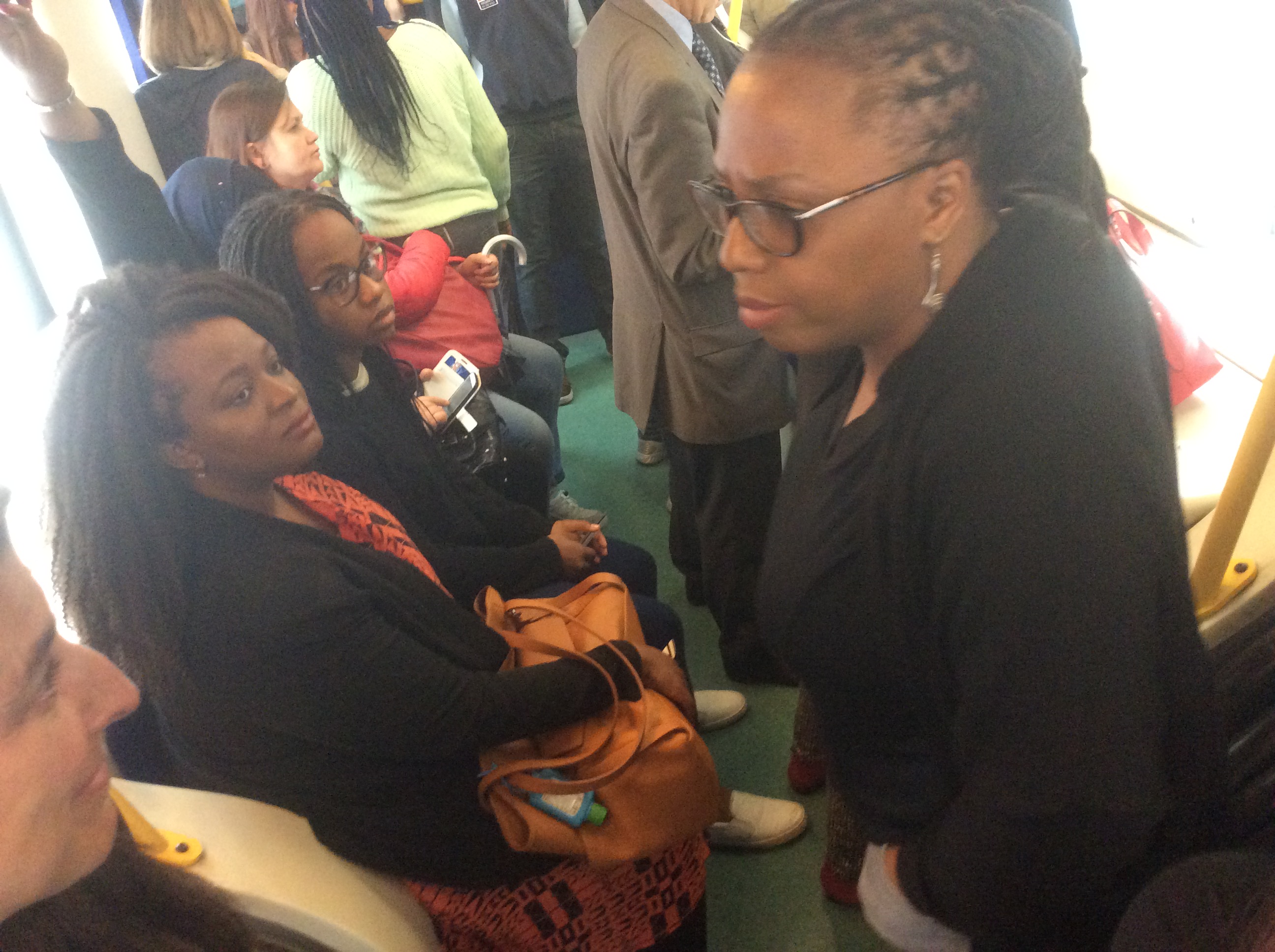
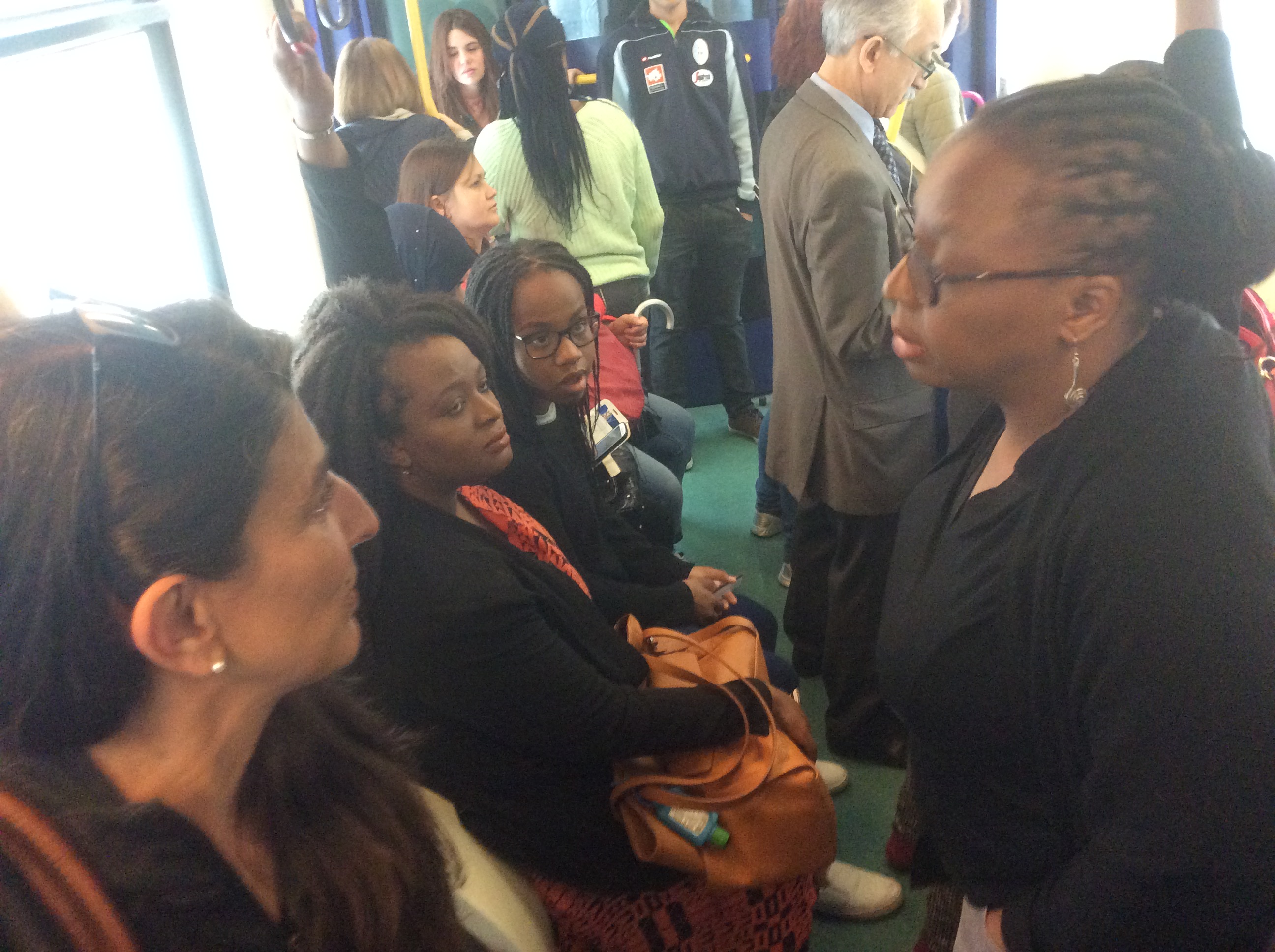
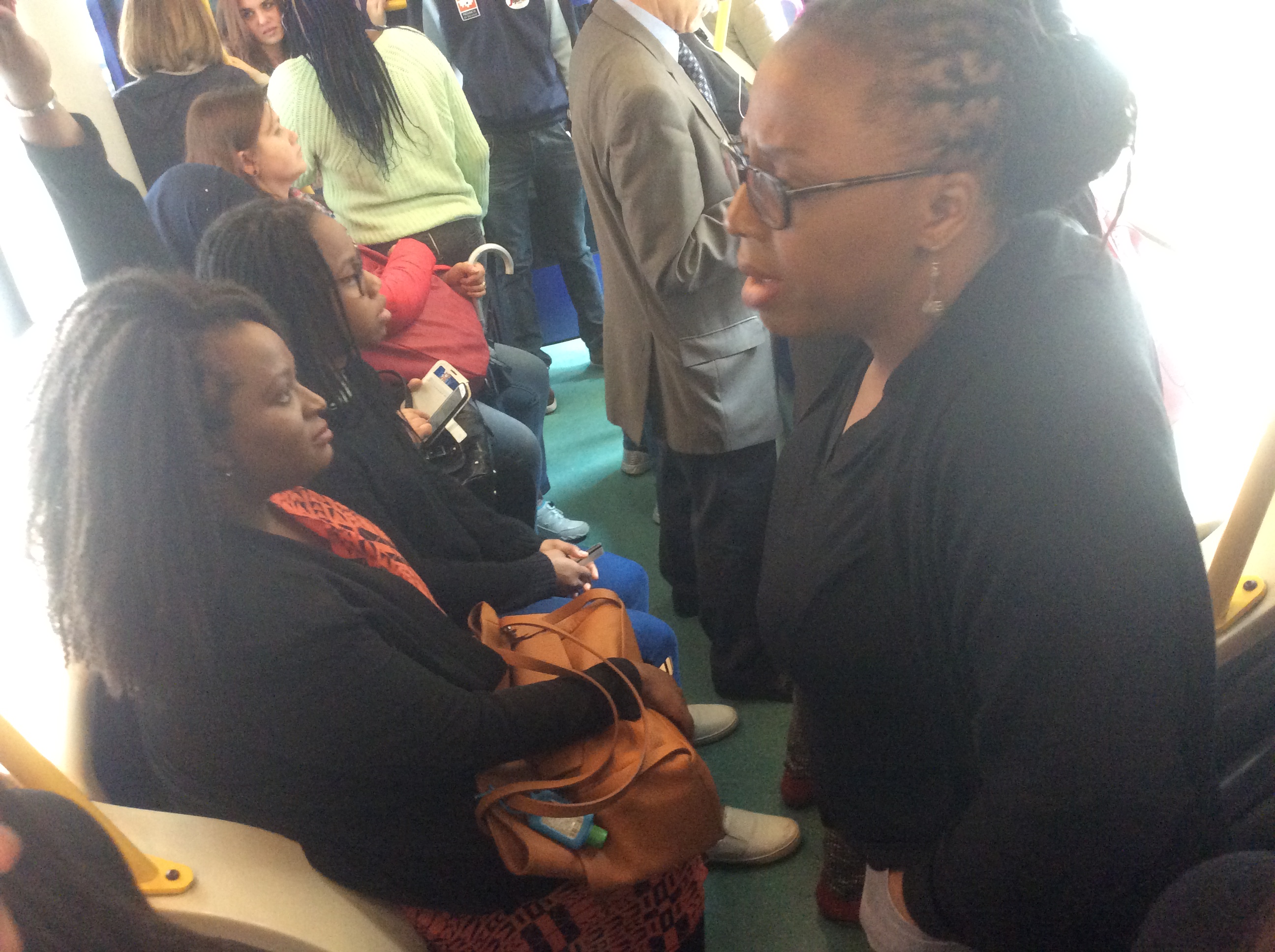
The ride to the museum was as bumpy as most tram rides are, and sufficiently contrastive with both the earlier ride in a private vehicle and a typical city commute in another familiar city many thousands of miles away. A recurring thought in the traveller’s head in moments like this is the extent of work that would be needed to modernise a city like Lagos to this level of infrastructural development. A tram, after all, is just a fancy name for a longer-than-usual bus that runs on a designated track and with electricity. A weightier matter on the mind was something of far greater significance that had happened just a few days prior: I’d lost my younger sister in Lagos to preventable maternal mortality and the Nigerian healthcare system. Every opportunity for interaction with things signifying of the continuation of life seemed satisfying enough even in their imperfection.

IMG_5673 IMG_5674 IMG_5672

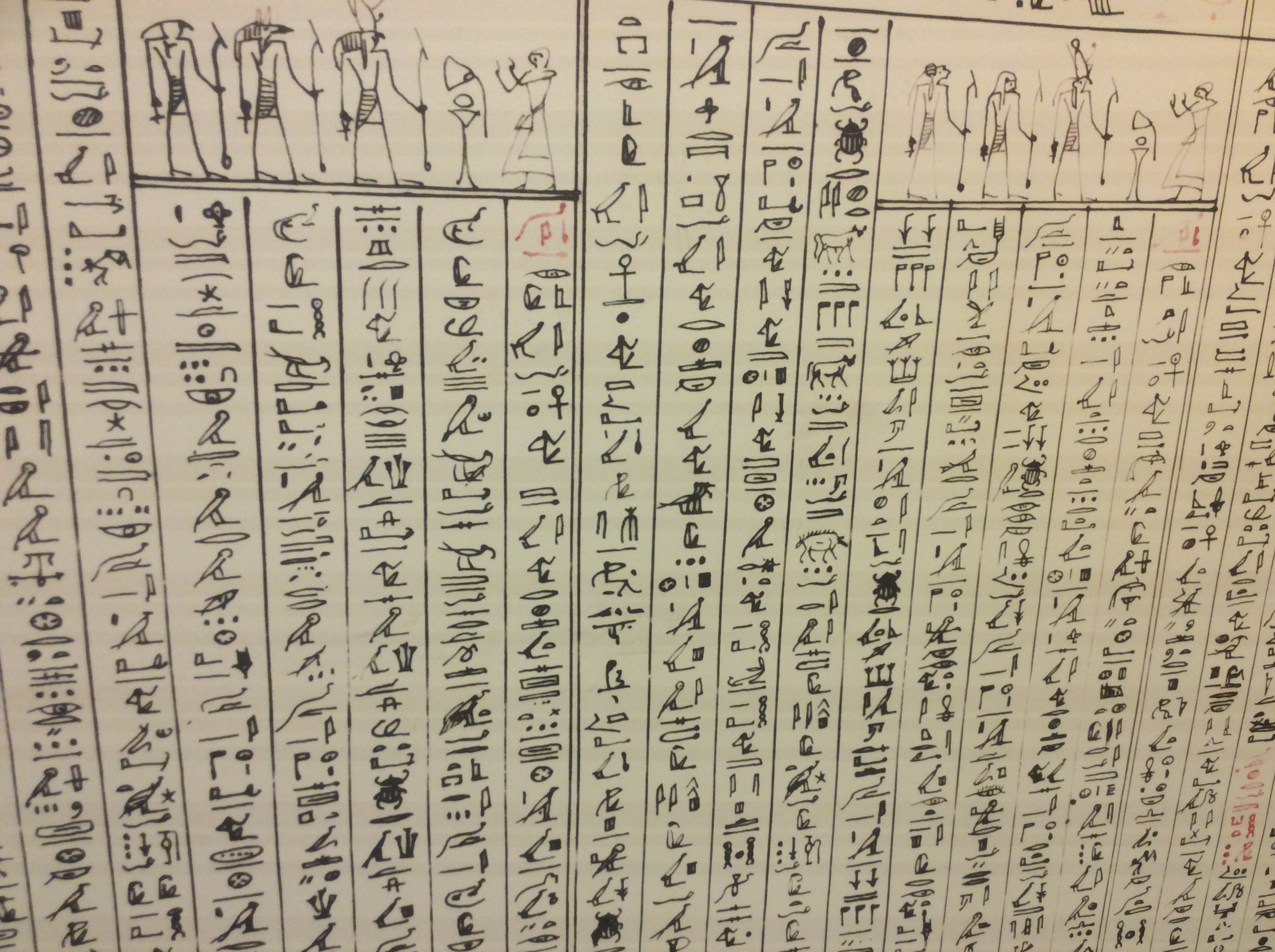
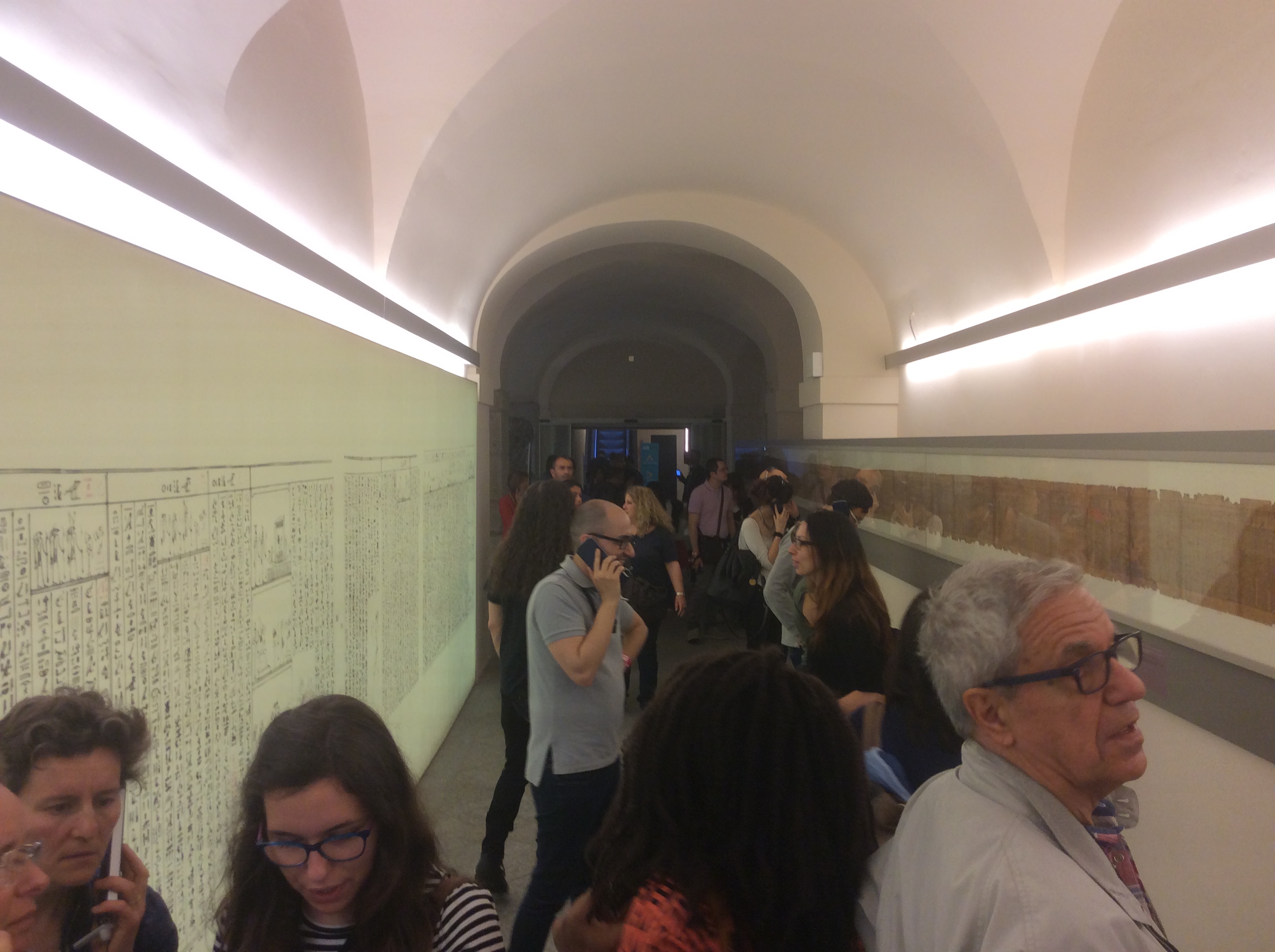
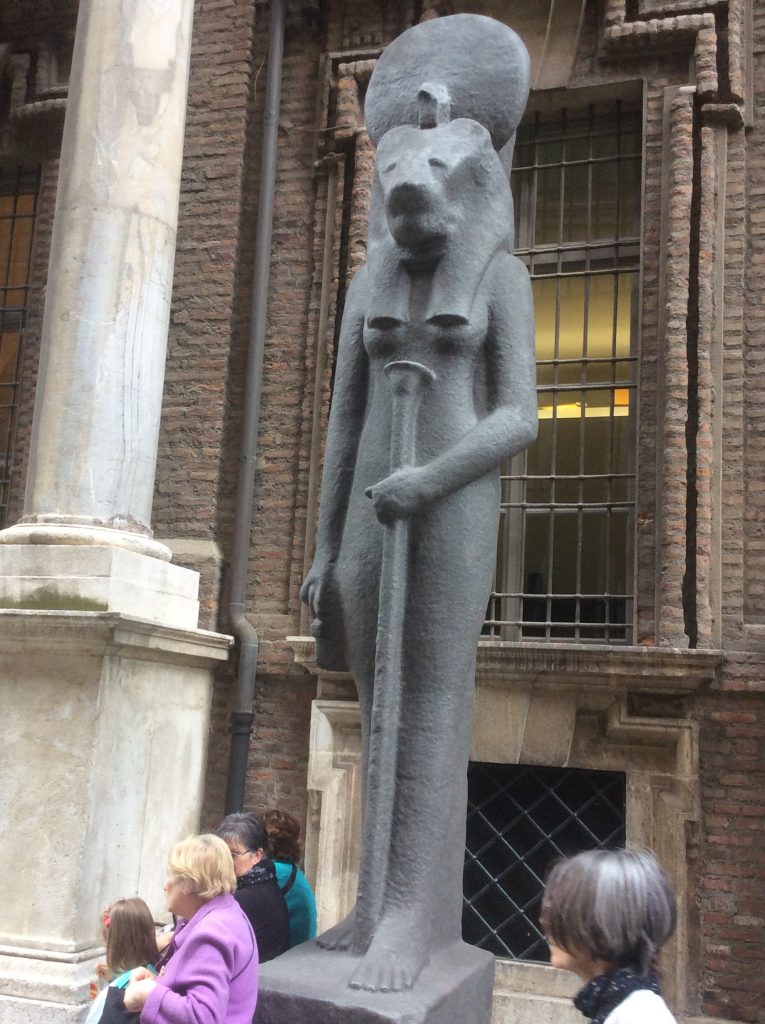
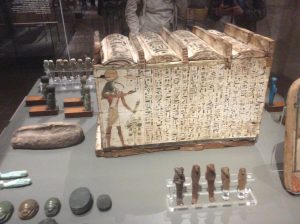
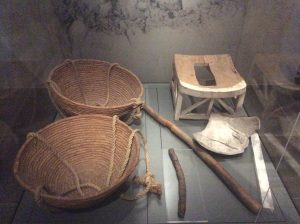
It makes sense now, everything already said about loss and the perspective it brings. Being far away from the scene of grief, where nothing was ever going to remain as they were, was no consolation, and certainly no relief. So, going through the halls of the Egyptian Museum, travelling into the past where death and renewal were matters of natural law and importance only provided temporary but welcome succor. Sarcophagus, scrolls, mummified remains from hundreds of years ago still remaining intact in their exhibition cases spoke to far more than the ability of humans to preserve that which is no longer practically immediately useful, but also to the value of that pursuit itself, capable of revealing (or ennobling) something more about ourselves than about those already dead.

With over 30,000 artifacts, I often wondered how long it took to excavate much of the work currently exhibited in the museum. The first item received, according to Wikipedia, arrived almost 400 years ago. A more awe-inspiring question is about how much more of these types of work with spiritual-artistic significance from that ancient civilization is still left buried under the many ruins in today’s Egypt, and how much more they may still inspire us. And also, a little unnerving, what chance of survival would many of them have had they been left in their homeland rather than having been transported over the distance into this beautiful place in Turin. Perhaps many of these gods are glad to have been saved from the fanatic distress currently sweeping through the Middle East.
IMG_5689

The ride back to Crocetta was, perhaps, slightly more animated than introspective, as the aftermath of spending two hours staring through enchanting history. We had plenty to talk about, gifts purchased at the gift shop to compare, and promises to make that we would return here at a later date for a more thorough exploration of an exhibition that couldn’t possibly be properly enjoyed in less than two hours. Then we alighted from the tram and couldn’t find our car. We had got down at the wrong stop. Ten to fifteen minutes later, we found the car parked safely where we’d left it, at a location similar to all the other spots on all the other similarly-looking streets we’d had to walk through, sometimes terrified of staring groups of strangers, and sometimes nervous about LS and her daughter missing their flight.

IMG_5668

Having a street with so similarly-looking blocks of buildings, with very few (to a stranger) landmarks to help navigate, it turns out, had its negatives.