 The invitation from my friend for me to come along to Highlands – a town about twenty-five minutes away from Edwardsville – included a caveat that I would be entering a “redneck” zone. I immediately conjured up images of a rural and underdeveloped small town with no non-white person in sight, and everyone driving trucks with “NObama 2012” bumper stickers. The immediate second thought of course was that it was going to be a fun experience witnessing a county fair or a demolition derby for the very first time. I absolutely have to go see this, I said, and started looking for my camouflage fisherman hat.
I have now returned, and I am alive which must mean something (especially to those whose imagination of a “redneck” town includes a horde of black-hating, gun totting, motorbike riding people with tatoos all over their bodies who eat hamburgers, listen to Rush Limbaugh and watch Fox News). In actual fact, what constitute a small town is not really its ethnic homogeneity (even though that is certainly noticeable). What makes a small town a small town is the ordinariness of the way they look at the world, their down-to-earth-ness (as literally as you can interpret that), and the otherwise silly, playful ways in which they spend their leisure (and the seriousness with which they take it).
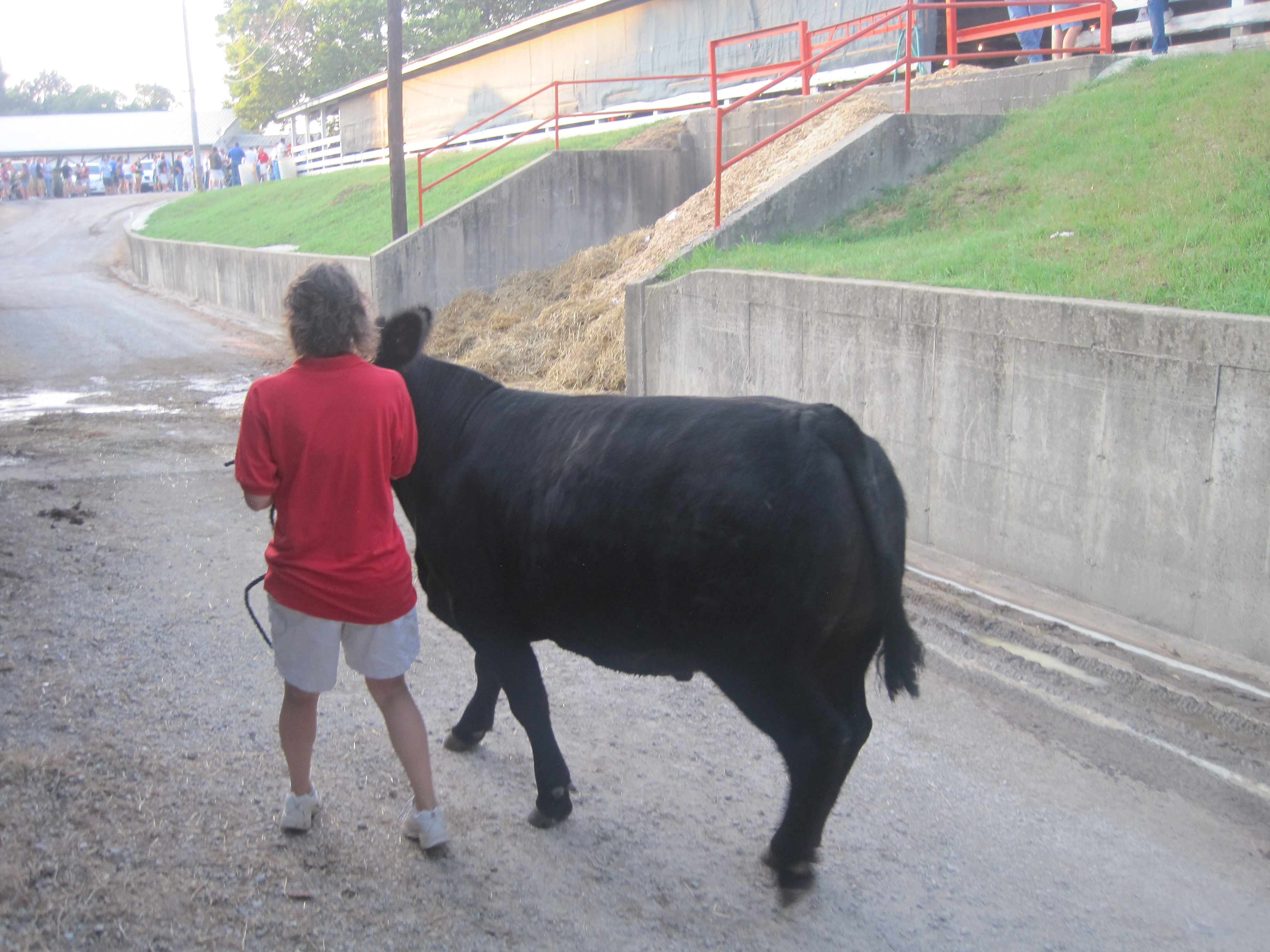
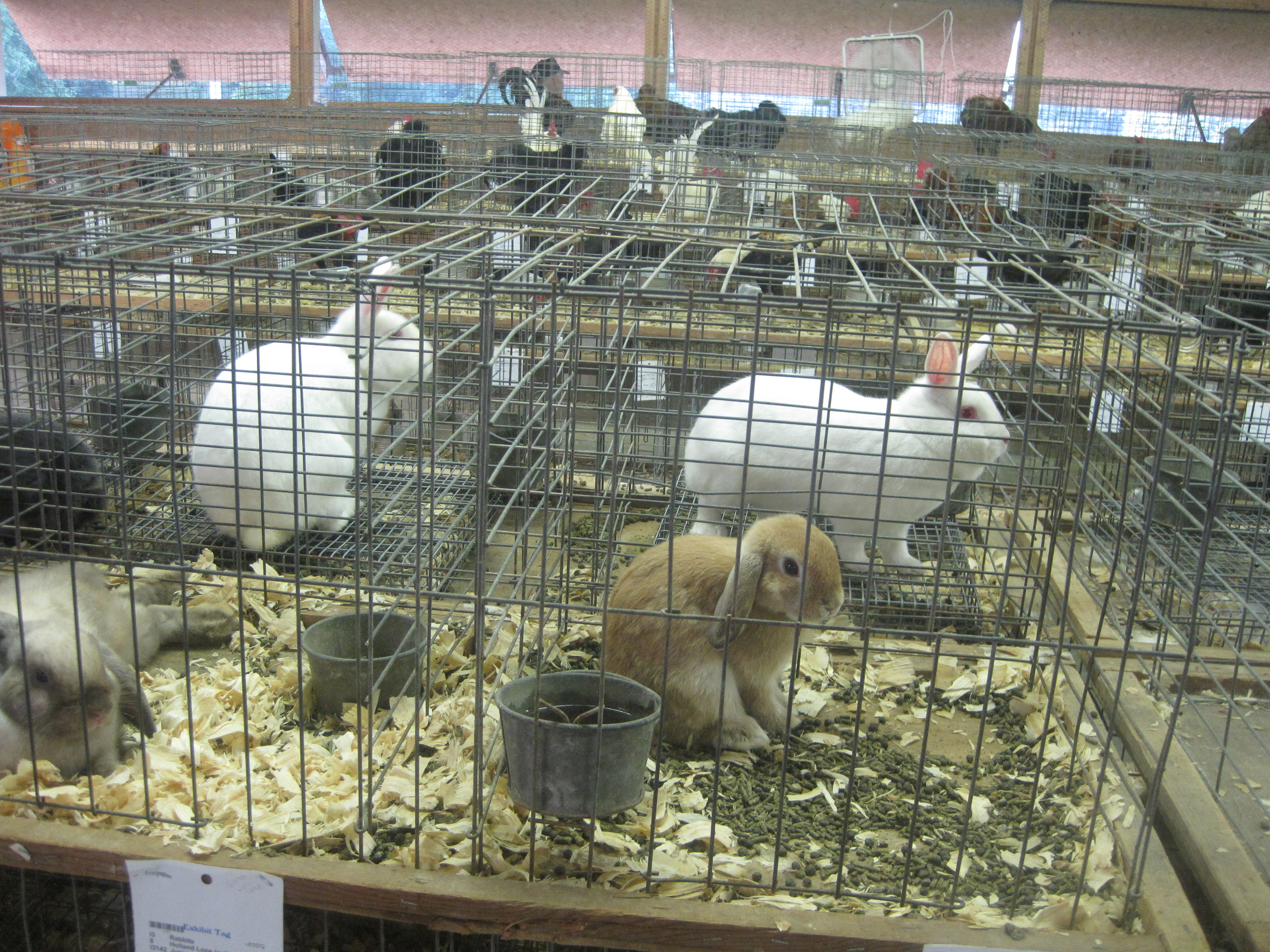
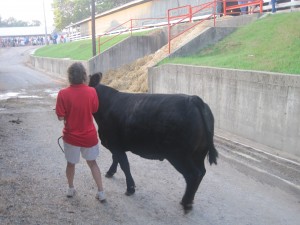
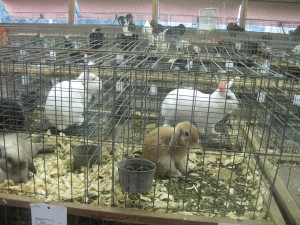 The county fair is an annual event, I’m told, and it includes a public auction of farm animals. The ceremony is graced by the distinguished presence of the year’s beauty queen of the town who stands gracefully with a tiara on her head beside the stall of the waiting animals. There are also live barns in the fair where if one chooses one could purchase of any of the animals. The cattle are extremely huge and in pretty colours. I saw a sheep wearing a military camouflage jacket. We also saw a hall full of rabbits all for sale for about $2 each. “Do you eat rabbits?” I asked Karla who immediately began to giggle. “No, I don’t.” She said “They’re pets. They’re cute.” Yea right! A few seconds later, the barn owner who had overheard us had a few more words to add. “Of course we eat rabbits. And more, we use parts of them for very many other things too. You know those pee sticks you use for pregnancy tests at home? They’re made from rabbit brains! Their eyes are used for glaucoma testing and the animals are also used to test beauty products before they are released to the market… Of course we eat them. We have about 1,200 of them in our farm at home.” Well, there you go.
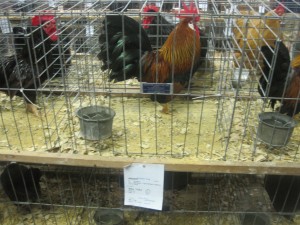
There were roosters of various colours and kinds which reminded me of Chicken George in Alex Haley’s Roots. I have never seen so many different kinds of cocks in one place. (I have a different post coming up on this come later. There was something distinctly familiar about the smell of so many free-range roosters put together in one place, cackles, colours, and all. It comes from distant memories of my own childhood).
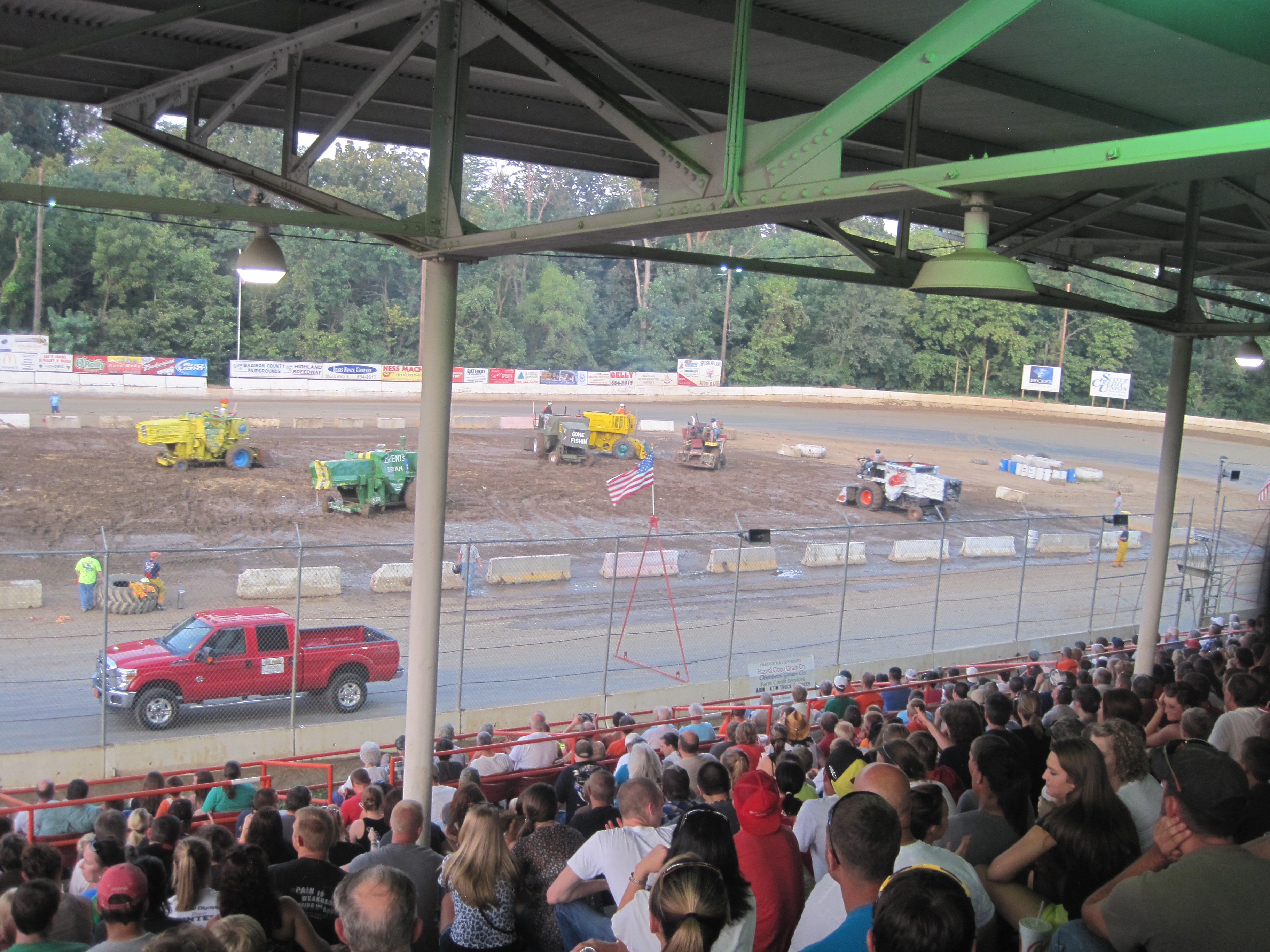
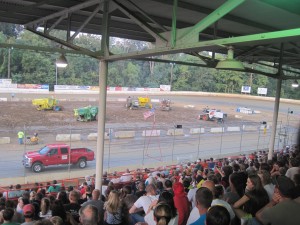 The demolition derby itself – the fair’s biggest attraction – took place in the arena surrounded by an anticipating crowd. Imagine the arena in Rome with gladiators in the ring. The gladiators in this case are trucks constructed specially for the occasion. The aim is to ram them into other competitors’ trucks as much as possible until there is only one functioning truck left in the arena. Think again of the WWF’s Royal Rumble of those days. By the time we arrived, one truck was already out of commission. The remaining five slugged it out in the mud for a while, and by the time we left, there were three of them left chasing each other around the muddy stage. I’m told that the grand event will take place today with even smaller vehicles still driven by real people, playing the same game. I guess the idea of building something that will eventually be crashed for the purpose of entertainment makes a whole lot of sense. From sitting in the stand and watching along with the intense excitement of fellow spectators, I can at least say that it has its thrilling moments.
All that remained was walking around the fair grounds, observing small town park entertainment, having a first taste of some new snacks (a corndog is a hotdog covered in corn bread and fried. A funnel cake is not a cake. It’s a fried sweet dough covered in icing sugar). In the end, I also discovered that I was not the only black person in a fair of many thousands of people. There was this other guy I saw at the auction close to the horse, but he was probably American.
_______
* I use the term advisedly. Wikipedia tells me that unless you are one yourself, it’s not a word you should use to refer to someone else.
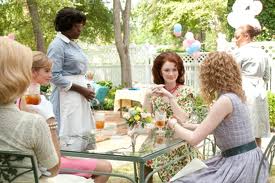 A group of young southern housewives (all brought up by black maids working for meagre payment) gathered around to play bridge every week in each other’s house drinking wine and having fun. Beneath this facade is a series of complex relationships which included jealousy, in-fighting, pretense, hate, and compassion, courage, inferiority, humour, discrimination, ignorance, among very many others. The time was early to late 60s, and the place was Mississippi. The movie is an adaptation of “The Help” a best-selling novel written by 40 year old Kathryn Stockett.