Browsing the archives for the Observations category.

Secondary School Days

It was always cold and dry in November towards the end of the school year, and the season always came with a certain bubbling feeling and restless feet. School was at Agodi, a stone throw from the governor’s office, and the state prisons. It was bordered by a military housing project/barrack which had some of the best eating shacks we had ever encountered. It was also the only place where we could go have burukutu in the after hours with the little money we could save. Fufu at Barracks was the best, for some reason. It was rock solid, and filling. It was just as well since the majority of the customers of the eating joints were military people expected to be tough, filled, and healthy.

The broadcasting corporation was about two miles away. It had a very large fenced compound where at this time of the year an exhibition was held. It was called an exhibition because it was conceived as a carnival for the Christmas season. In time, it became a spot for gaming, alcohol and peppersoup and not much else. It was the ultimate taboo spot of escape from school, and we took the liberties many times daring the always looming risk of being apprehended by state law enforcements sent out to find school children loitering the streets during school hours. The best way to get to the broadcasting corporation from the school without getting caught was to walk through a winding short-cut road that went through the Officer’s Mess of the Second Mechanized Division located just across the road. I see it now, a quiet living estate with fancy houses and barking dogs. Three, and sometimes four, young school boys in blue checkered shirts trekking across the land under a sometimes scorching sun. In their pockets are a few coins each, and some roasted groundnuts tied in transparent nylons.

The excitement at the exhibition grounds never always justified its anticipation, but it almost always compensated for gloom of confinement that the walls of our school represented. Dry harmattan Novembers on the streets of Bashorun as pesky loose cannon truants from a faraway place looking for a lost piece of their precocious childhoods… were good times. They also featured really dusty feet in rubber sandals.


Poor Linguists

Bantering with a linguist friend in UK about the possibility of me coming over to the country for a visit, I told her that it would only work if I won a lottery or a major prize. “You have to buy tickets, dear,” she gently advised. “There is no Nobel Prize for Linguistics.”

Zing!

Chicago Outdoors

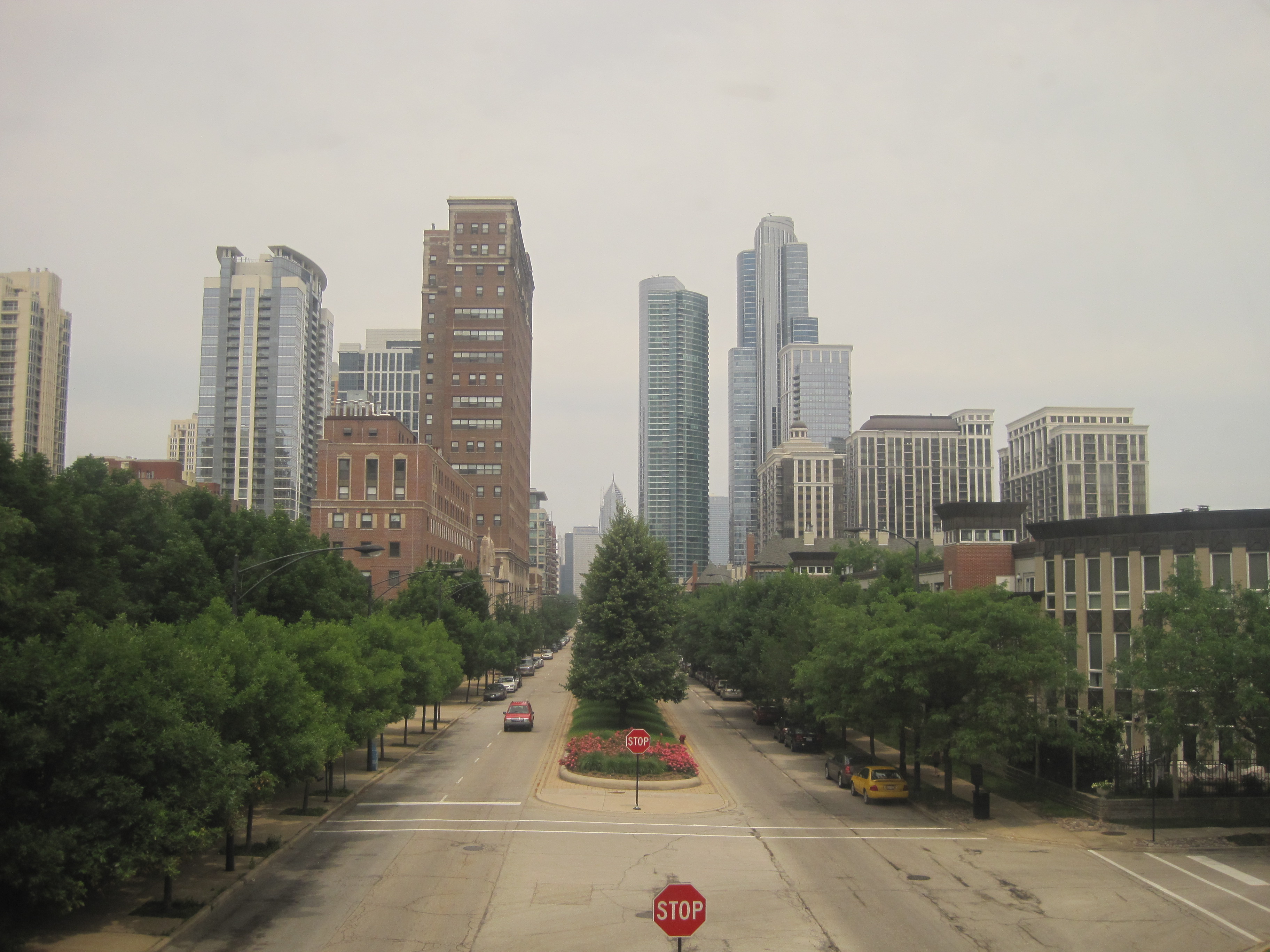
The city hasn’t changed much since the last visit. Only the traveller has. The lake front remains in its deceptive calmness, with boats and geese competing for space and attention. On one street corner is a lone saxophonist playing for change. On the other side of the street is a group of barely clad black dancers showing off to impressive hip-hop beats. They have an audience. A few feet away is a gay advocacy group holding up cards and urging pedestrians to get on the move to legalize same-sex marriage in Illinois as it is being done everywhere else. (After all, Chicago used to be the third biggest city in the US and thus the next biggest place to gather for such protests).

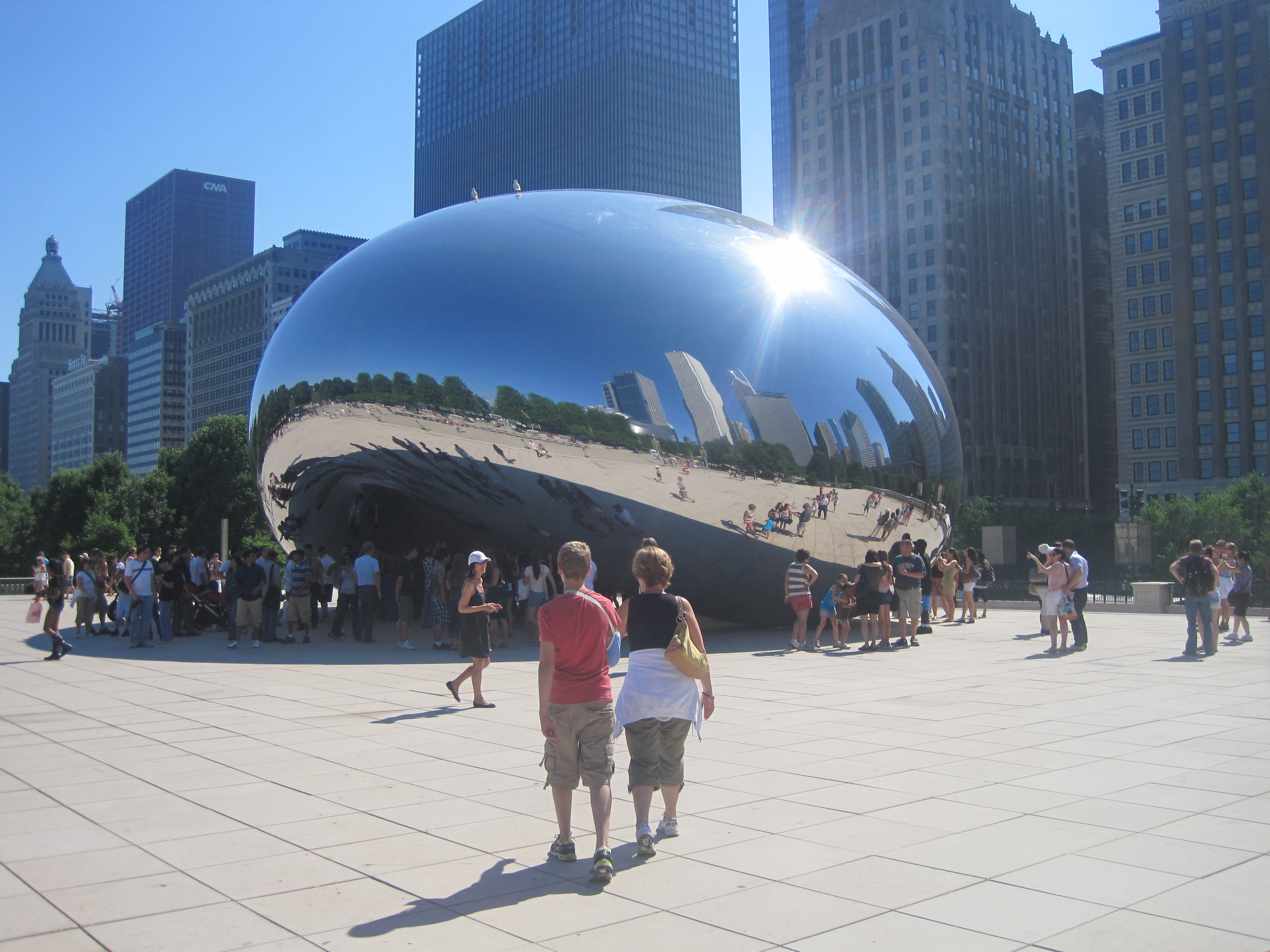
The other differences are conditional: a summer heat, a working fountain which – according to a guide – was said to have also been donated to America by France (just like the Statue of Liberty). The truth is less direct, of course. Wikipedia says the fountain was only designed by a Frenchman. The Bean of Chicago (actually called “Cloud Gate”) remained where it had always been, eluding contact on the first visit, and still impressive on contact. It’s made of stainless steel although everything else suggests otherwise. But of course, glass does not curve like that and would not have survived so much touch, knock and human contact, so there.

The Abraham Lincoln statue still sits in Grant’s Park, and the Ulyses Grant’s statue still stands at Lincoln Park. Chicago’s park humour. There are a few more: a homeless guy with a sign that says “Why lie. I (just) need a drink.”


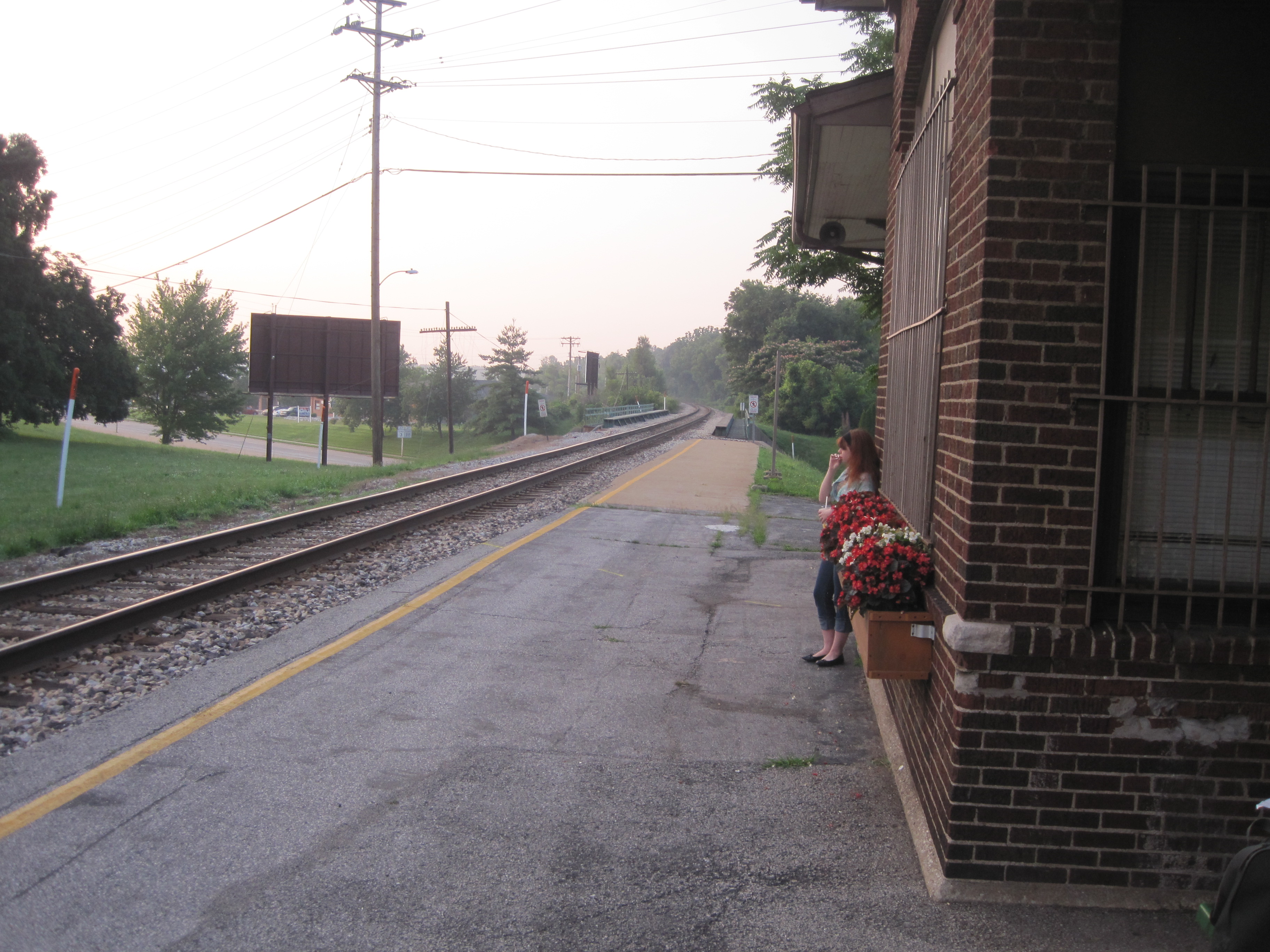
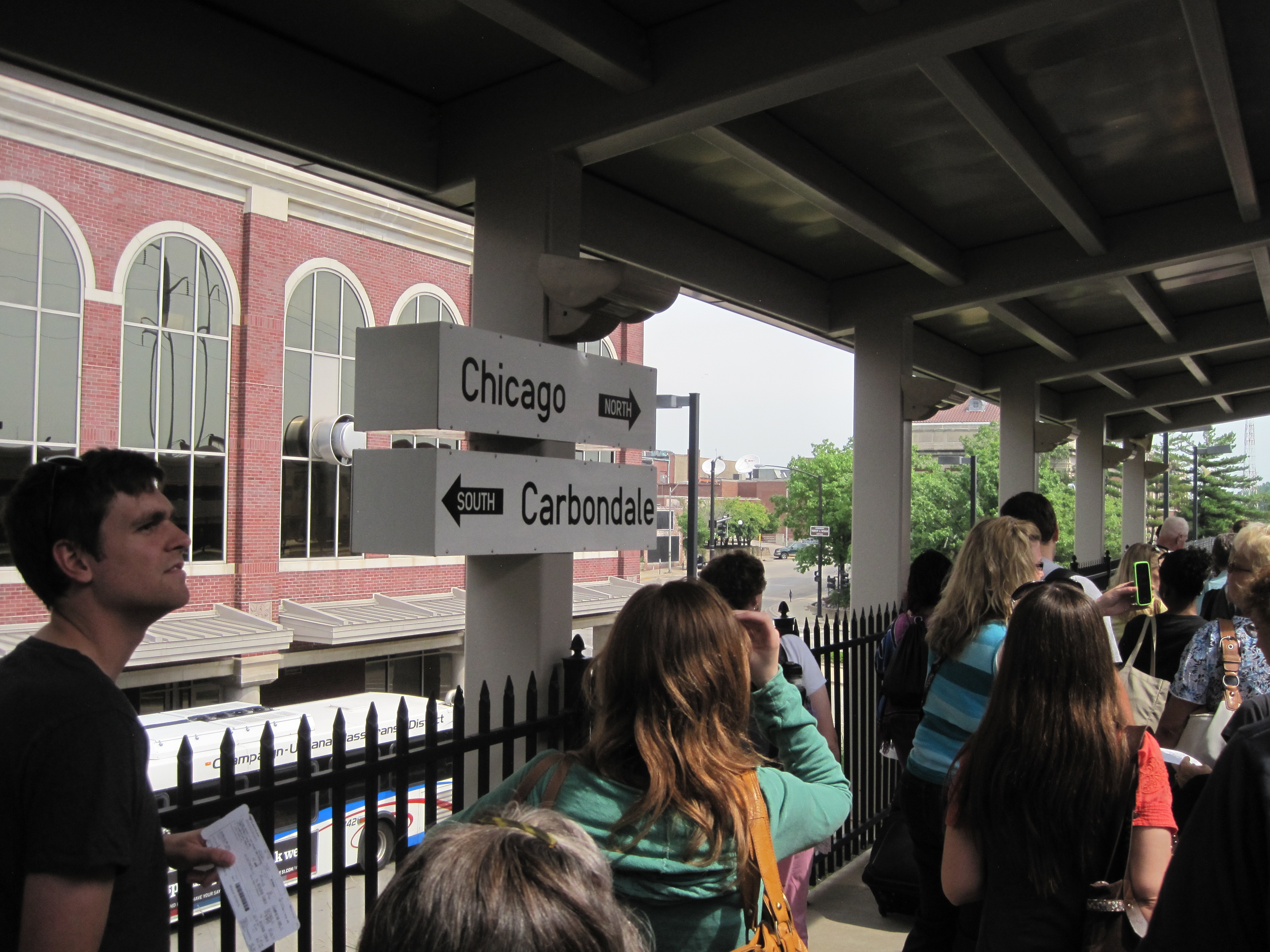
Train Ride

going somewhere…

It was certainly a different experience than by car.


Open City*

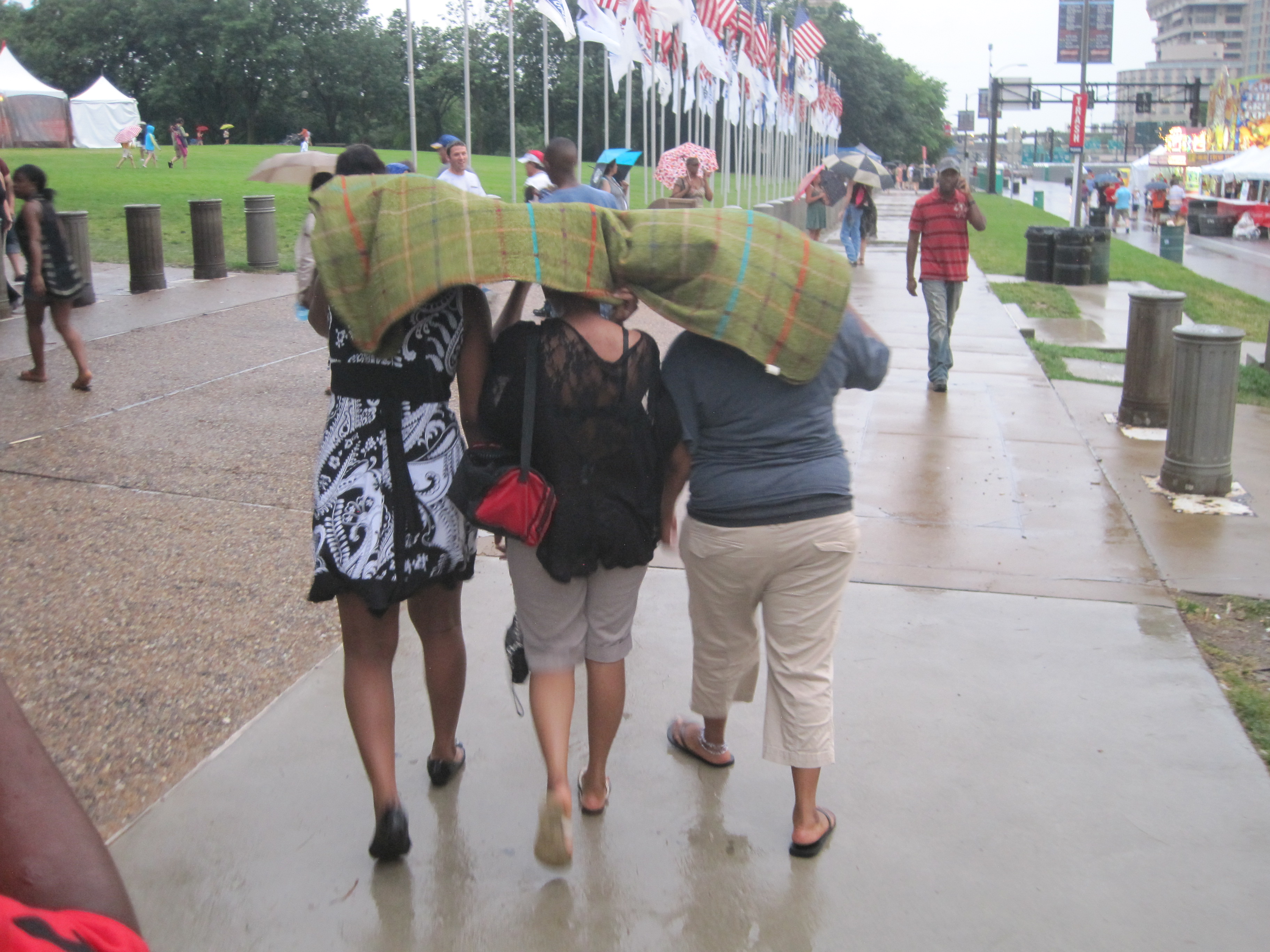
A lighted street, an alley. A road closed for construction or a botched concert featuring a boy rock band. I have always wondered what makes a city run, what makes it what it is. What makes it tick – the soul and the fabric of its existence and sustenance. An underground tunnel, a monument. Hotels with distinguished butlers and visiting guests. Cars, concrete, curbs. Lights. People walking around with a thousand different motives and stages of contemplation. A gathering of friends at Hooter’s. Fireworks. Sparklers. Fourth of July. The hovering however-you-define-it American Spirit.

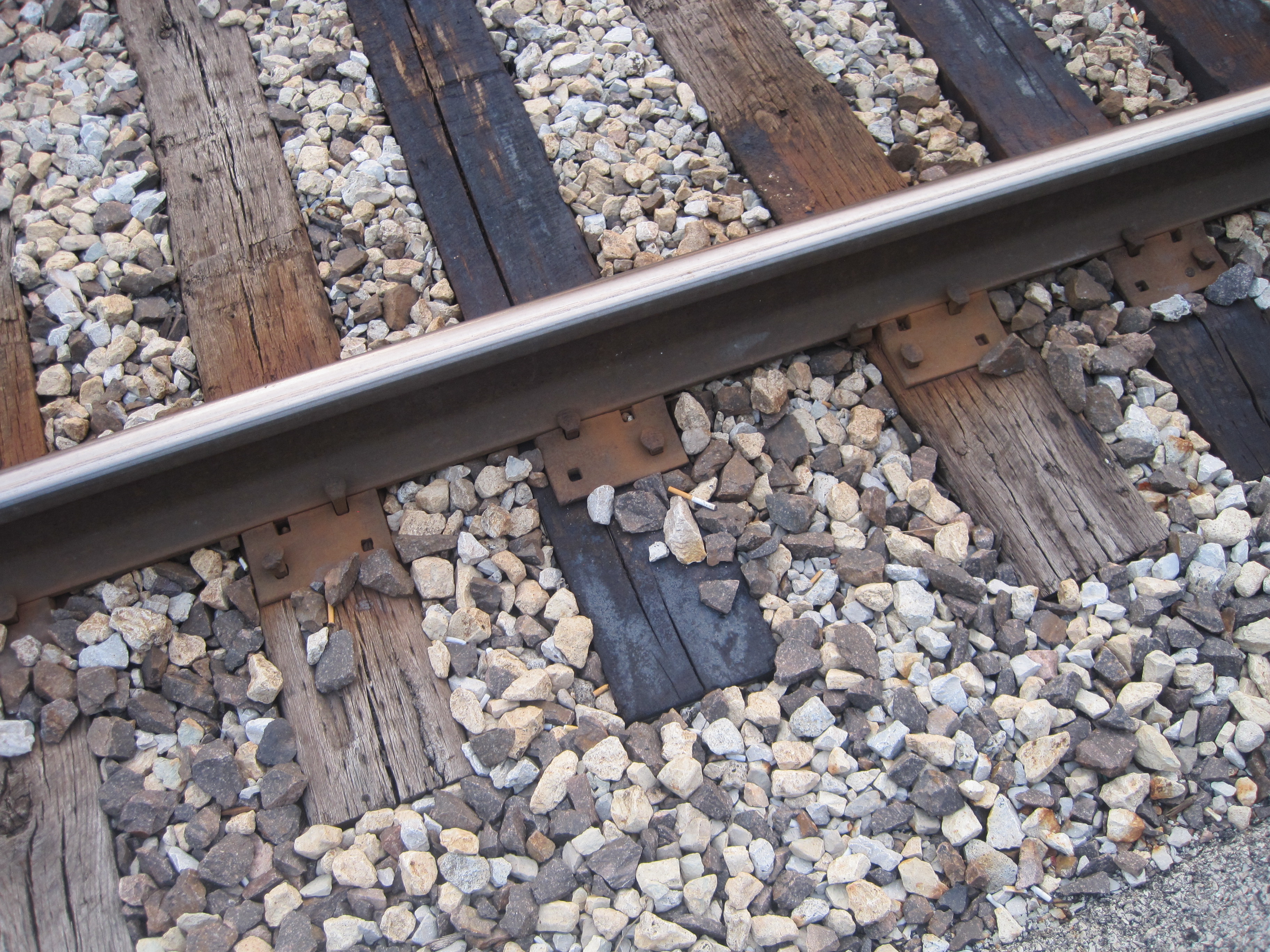
There is all humanity represented sometimes within a square mile. The angry driver. An open sewer covered with a wire mesh. Laughing, nervous children chaperoned by parents. A stranger smoking outside a tall building. Stacked rows of mobile bathrooms. Traffic lights. Taxis in city colours. Noise. The reported crime rate that rivals any other across the country. A wrong turn towards an abandoned railway and the occasional hair-raising contemplation of the consequences of abandonment. Old city. New city. Open city. St. Louis, or a thousand others. The beating heart of humanity condensed in one spot in time and history. One minute, and a slice of a much larger story.

*Open City is the title of a new acclaimed book by Nigerian writer Teju Cole about an immigrant in New York City. This post is only a creative anticipation of the novel’s premise.