Browsing the archives for the Observations category.

The Murtala Cenotaph

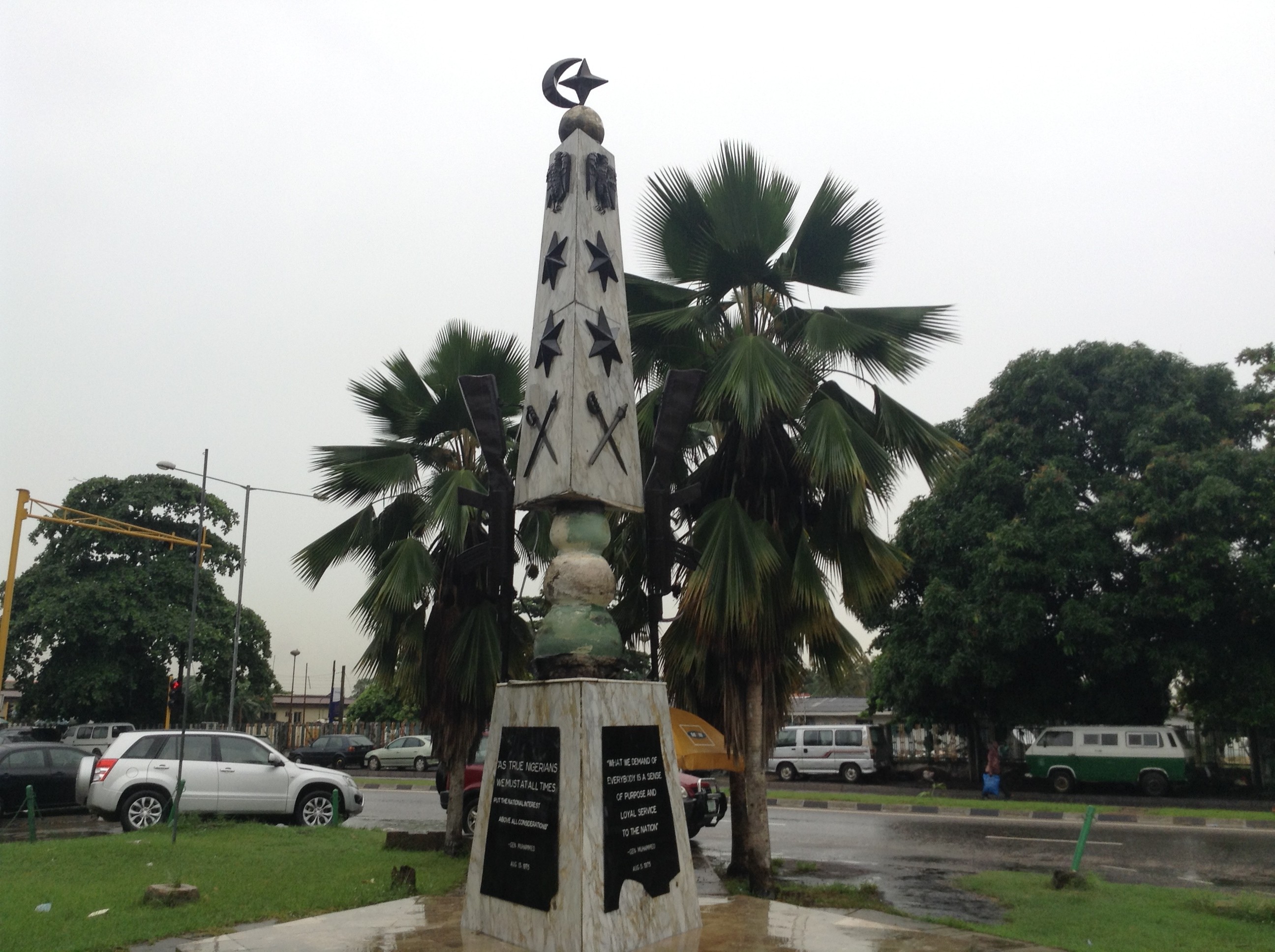
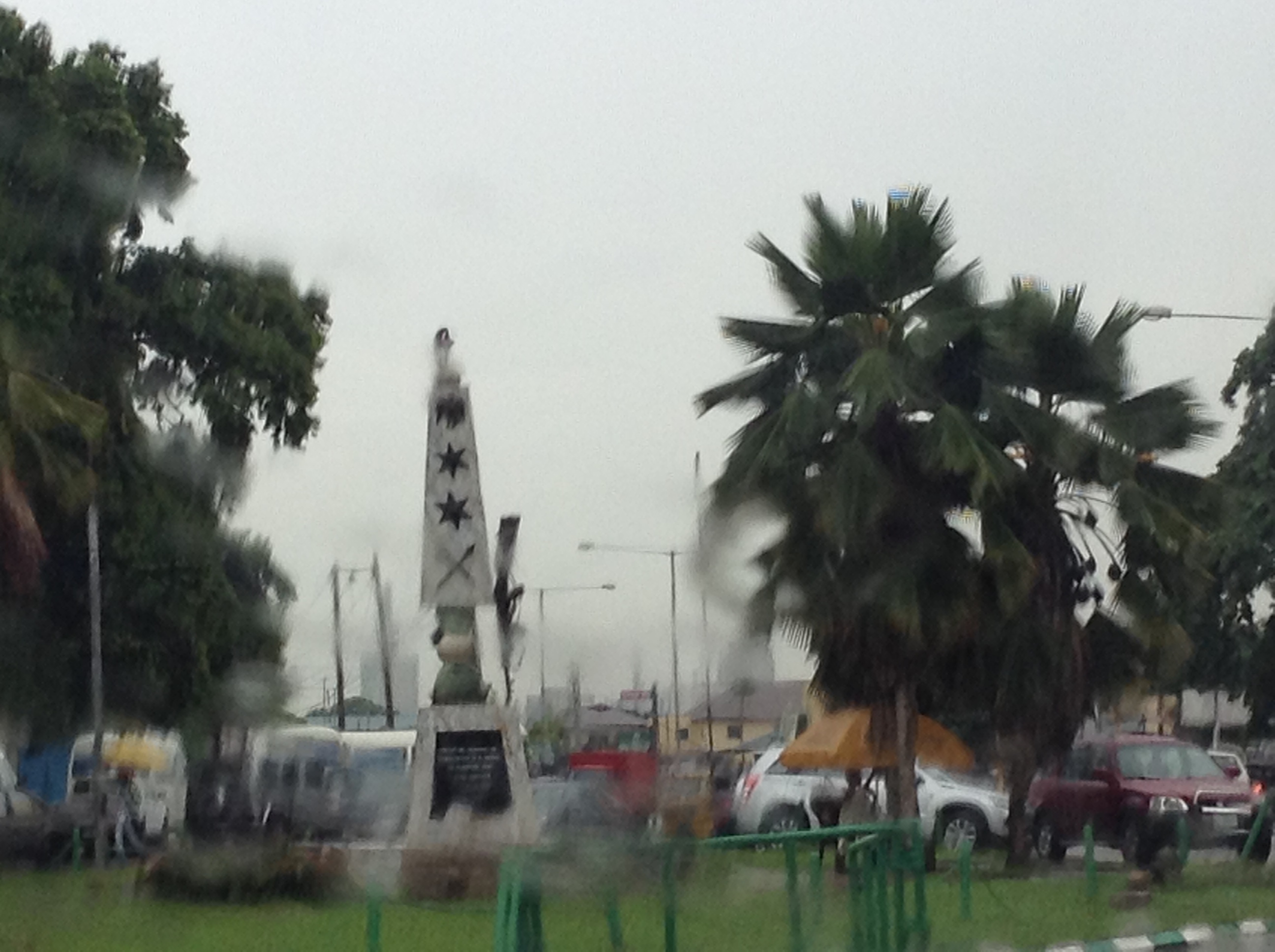
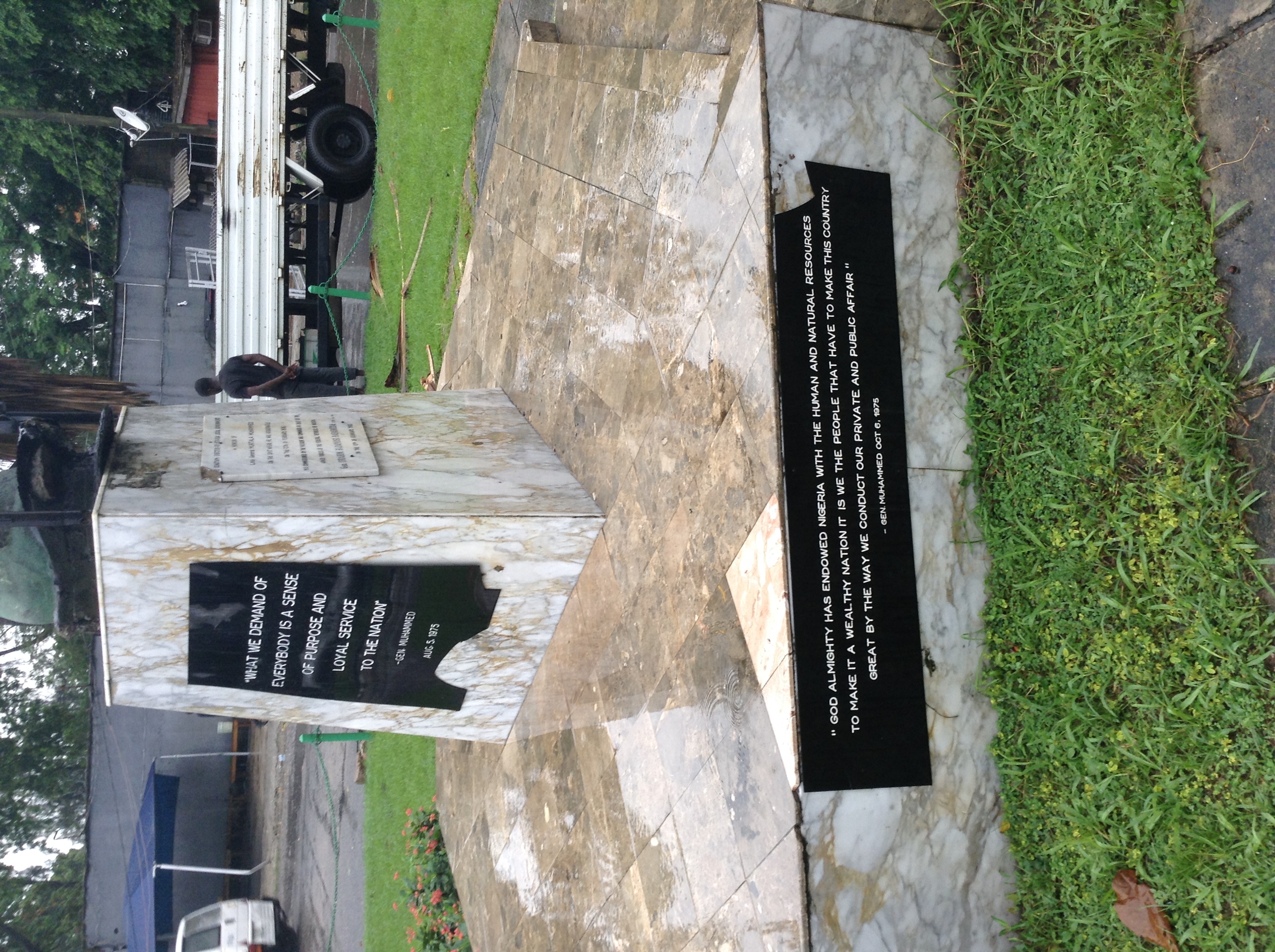
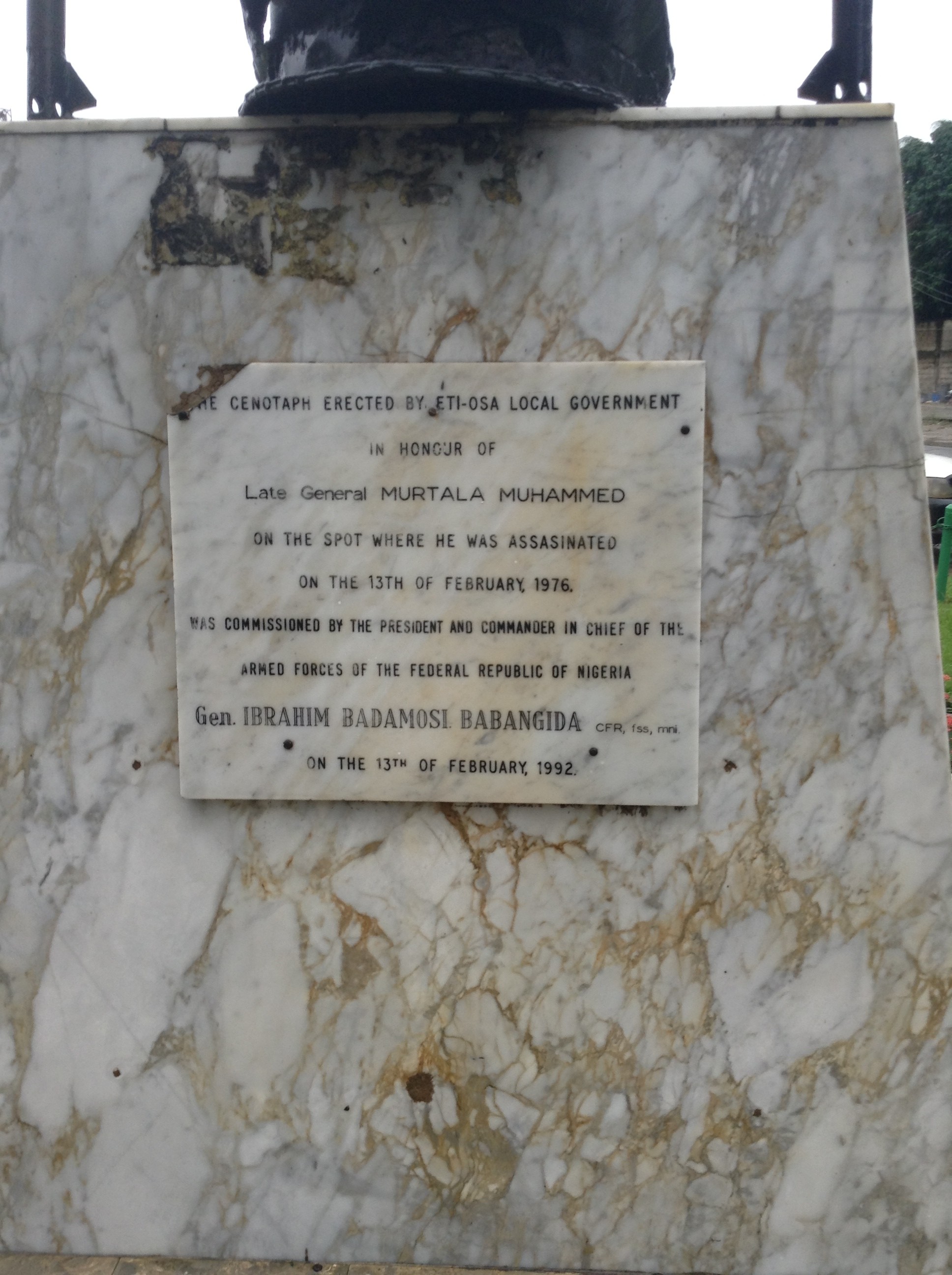
IMG_1695IMG_1701At a small roundabout facing the old Federal Secretariat in Obalende, Lagos, is an almost inconspicuous artwork designed in the form of a military epaulette bearing the rank of a general. For those familiar with it, it is a cenotaph, commissioned 24 years ago at the spot of the gruesome act, to commemorate the assassination of Nigeria’s third military president, General Murtala Muhammed. On the way to work on the morning of February 13, 1976, without adequate security detail (a result of personal modesty), the then thirty-eight year old head-of-state with a reform agenda was shot and killed in a coup attempt.

IMG_1685Those unfamiliar with the story will only notice the spot as a weird anomaly at a roundabout between a fuel station and the old Federal Secretariat. Worn by time and a poor maintenance culture, the object merely (and barely) puts up a dignified presence where the intention must have been a bold and defiant resistance to the memory of terror. The plaques describing its purpose are broken and dirty, the lawn around the object is barely tended, and the object itself seemed needing of a face lift at worst, or an upgrade at worst.

IMG_1688This is not a peculiar problem to this location. A few miles from here, at the Onikan premises of the National Museum, the Mercedes Benz car in which the president was assassinated lay within the dusty corridors of a poorly maintained room. The bullet holes and the caked dried blood from the gruesome event can be seen (and touched), providing at least some relief to a museum without any other redeeming quality. Original artworks that used to be housed in there have either been stolen and sold, or given, in a fit of subservient generosity, to foreign sovereign.

On one of the  four sides of the base on which the epaulette and two gun replicas stand is the inscription: “The Cenotaph erected by Eti-Osa Local Government in honour of Late General Murtala Muhammed on the spot where he was assassinated on the 13th of February, 1976, was commissioned by the president and commander in chief of the armed forces of the Federal Republic of Nigeria, Gen. Ibrahim Badamosi Babangida CFR, FSS, MNI, on the 13th of February, 1992. On the others are quotes attributed to the late head of state.  One of them reads: “As true Nigerians, we must at all times put the national interest above all considerations.”

We could do with some of that.

A Review of Tendai Huchu’s “The Intervention”

“The Intervention”, a short story by Tendai Huchu, which can be read here, was recently shortlisted for the Caine Prize for African writing. Here’s my take on the work.

_____________

“Intervention” could be read in many different ways: as a tale of distant compatriots grown impotent by time and distance; the futility of armchair activism or the inevitability of same in the face of real challenges; or as a common allegory on the state of the continent in tumult.

It could, however, be read simply as a story of love, lust, disappointment, and one man’s care-free interrogation of it all. That man was Simba in this case, a poet, along with his friends, Z and Tamu (and their girlfriends).

The texture of Huchu’s story goes from casual to mundane to judgmental observations of people made by the principal character, Simba, who lives in the United Kingdom, far away from the scene of electoral action in Zimbabwe, his hometown.  The story climaxes at the end of a national election in Zimbabwe where the president who has ruled since the country’s independence in 1981 was “elected” into office for another term. Then it descends gently into the chaos of domestic dispute between lovers and friends: a not so subtle subplot that had followed the story from the start.

So, is this an allegory on the state of our impotence and confusion on the continent? I’m more inclined to that conclusion. Or, in trying to find other ways to appreciate a story so ordinary yet representative of a slice of some immigrant life from a failed African country, I might be forced to dismiss it as a neophyte attempt at storytelling (at worst) or an effort carefully riddled with levity, for particular effect (at best). The characters are naïve if not simple, and prosaic if not uninspired. An example:

“…I never cast a single stone in this entire charade. I was consumed with overwhelming fury, seeing what Tamu was doing to this little princess. How could he sit there, chatting nonsense about his privacy, as she trailed the list of names from his phone.

Apart from the fact that the last sentence is missing a question mark, the expression itself is not that striking, especially in a work of fiction aspiring to Africa’s largest literary prize.

In an earlier scene, Simba says: “I gave him my wtf face”, written exactly as quoted, with small letters for “wtf” which one assumes does not mean “Welcome to Facebook”.

Maybe the pedestrian storyline of a bunch of immigrants in England watching and pontificating about their home elections does call for equally carefree characters speaking in insipid turns of phrase. Or maybe the primary character is an extension of a writerly experimentation that didn’t quite achieve its goals. Either way, one is left with a feeling of deep dissatisfaction when it all ends. This is 2014. A failed African state and the disappointment of its emigrated elites isn’t such a tantalizing storyline except something new is added in the form of great and captivating writing.

More:

“The kids didn’t speak Shone, so we were introduced in English, and check this out; I was “Uncle Simba”… The kid just looked at me blankly like I was talking effing Zulu.”

Effing, really? Who is this character? A twenty-two year-old Zimbabwean visiting England for the first time and intent on convincing us of his acquisition of street and teen lingo?

So, maybe the writer didn’t care much for inspiring our imagination or challenging our capacity for linguistic fireworks. Or maybe he couldn’t. We may not know until we read his other offerings.

Or maybe the story is a deliberate simplistic portrayal of simplistic existence. Zimbabwe goes on in its charade of a government. AIDs continues to ravage the continent. Sudan is now two countries. Egypt has changed its government more than twice in three years. Boko Haram has turned the fragile Nigerian state into a colander of dust and dead bodies. Kenya is fighting Al-Qaeda on its streets. Somalia is a violent ghost of whatever was there before, and Libya after Gaddaffi hasn’t lived up to Western (and African) hopes of its survival. Yet here we are in a quotidian cycle of daily vanities: dating, cheating, smoking, etc, and goofing around in our new realities, too impotent to act in any meaningful way. On this level, I understand and appreciate the effort and direction of the work. Otherwise, I should also probably go for a smoke (and hopefully not “cry like a pussy.”)

In any case, if it is the writer’s first, it shouldn’t necessarily be his worst. Next, please.

___________

First published on Brittle Paper.

The Church at Abeokuta

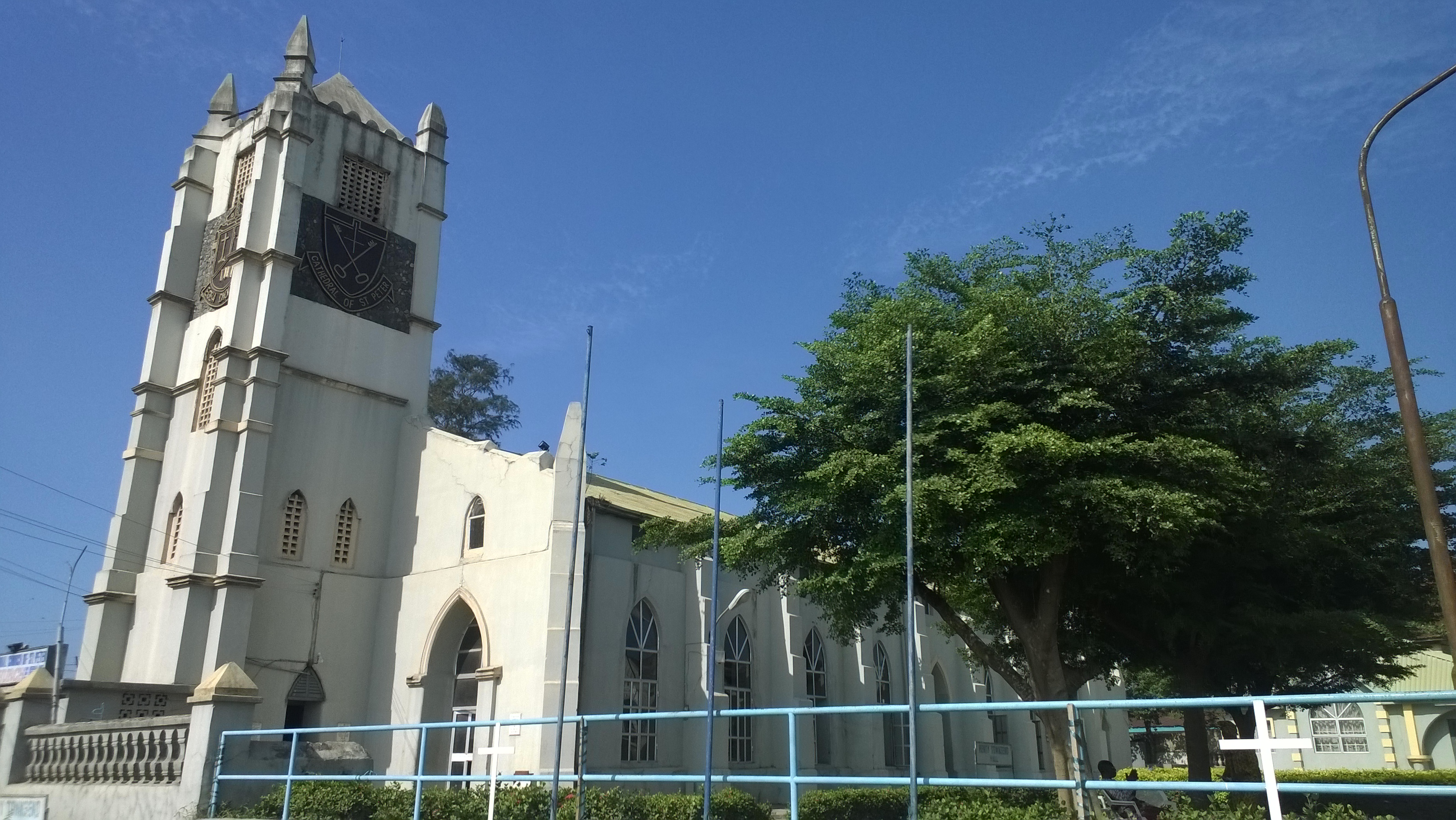
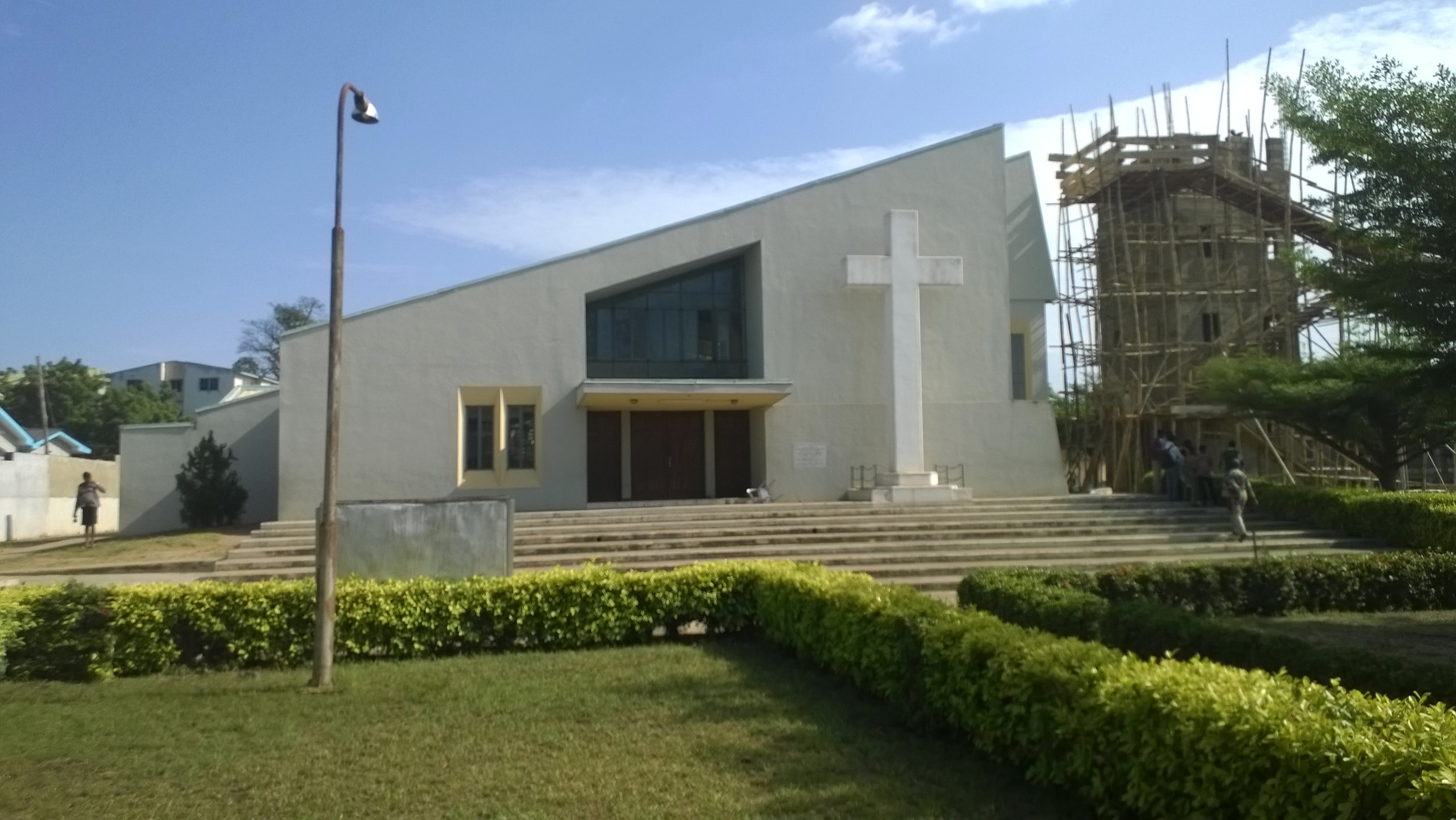
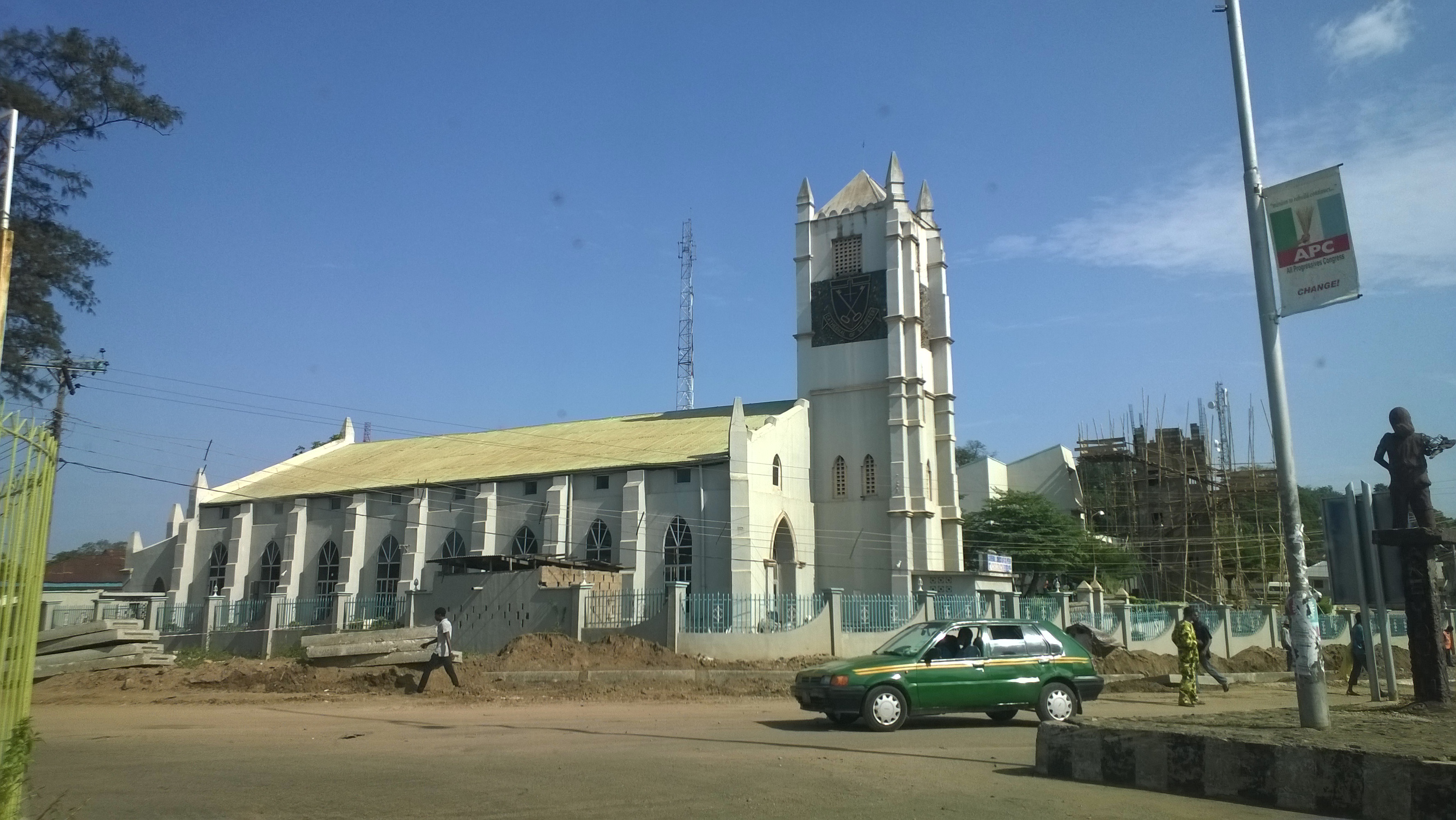
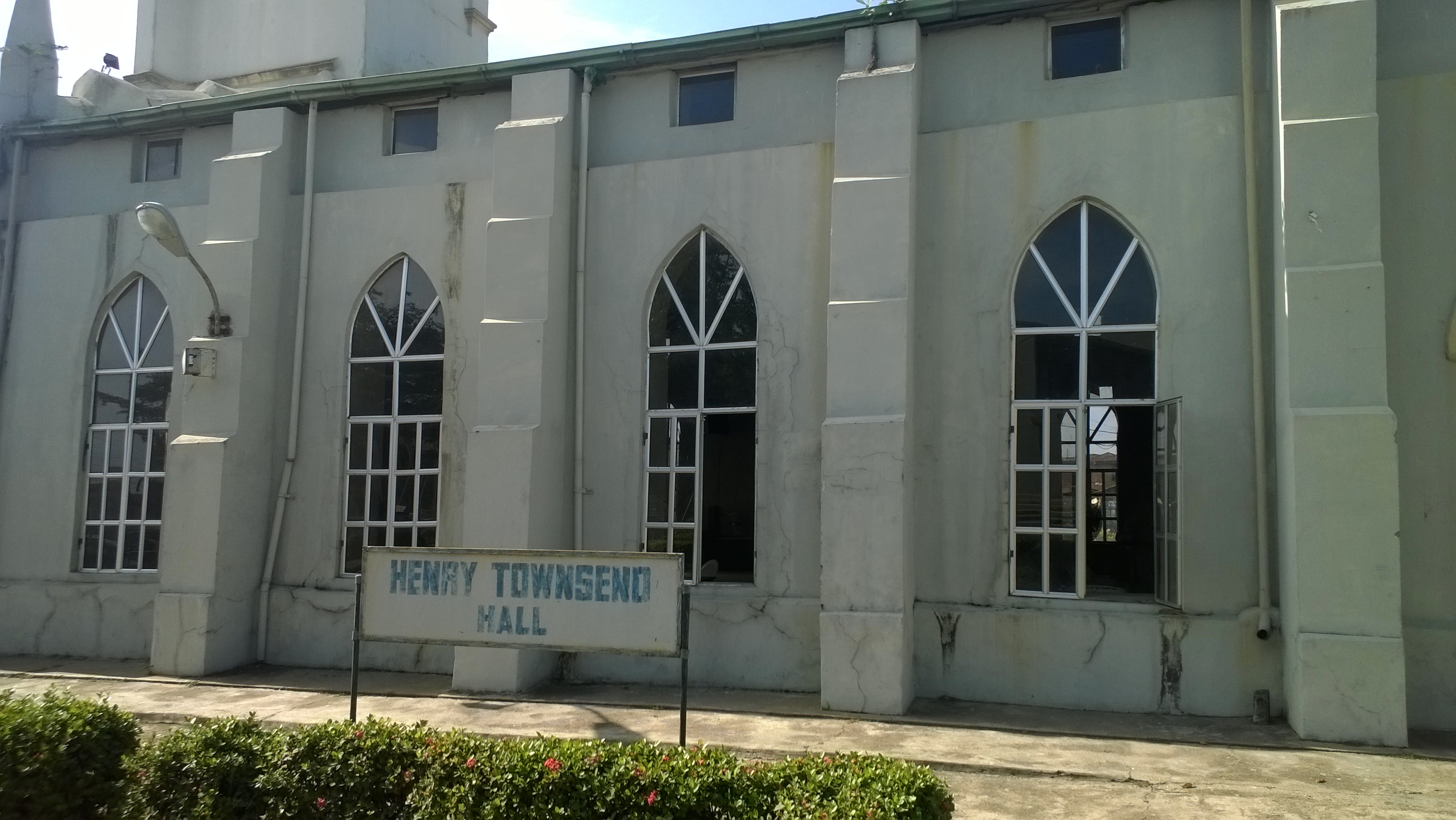
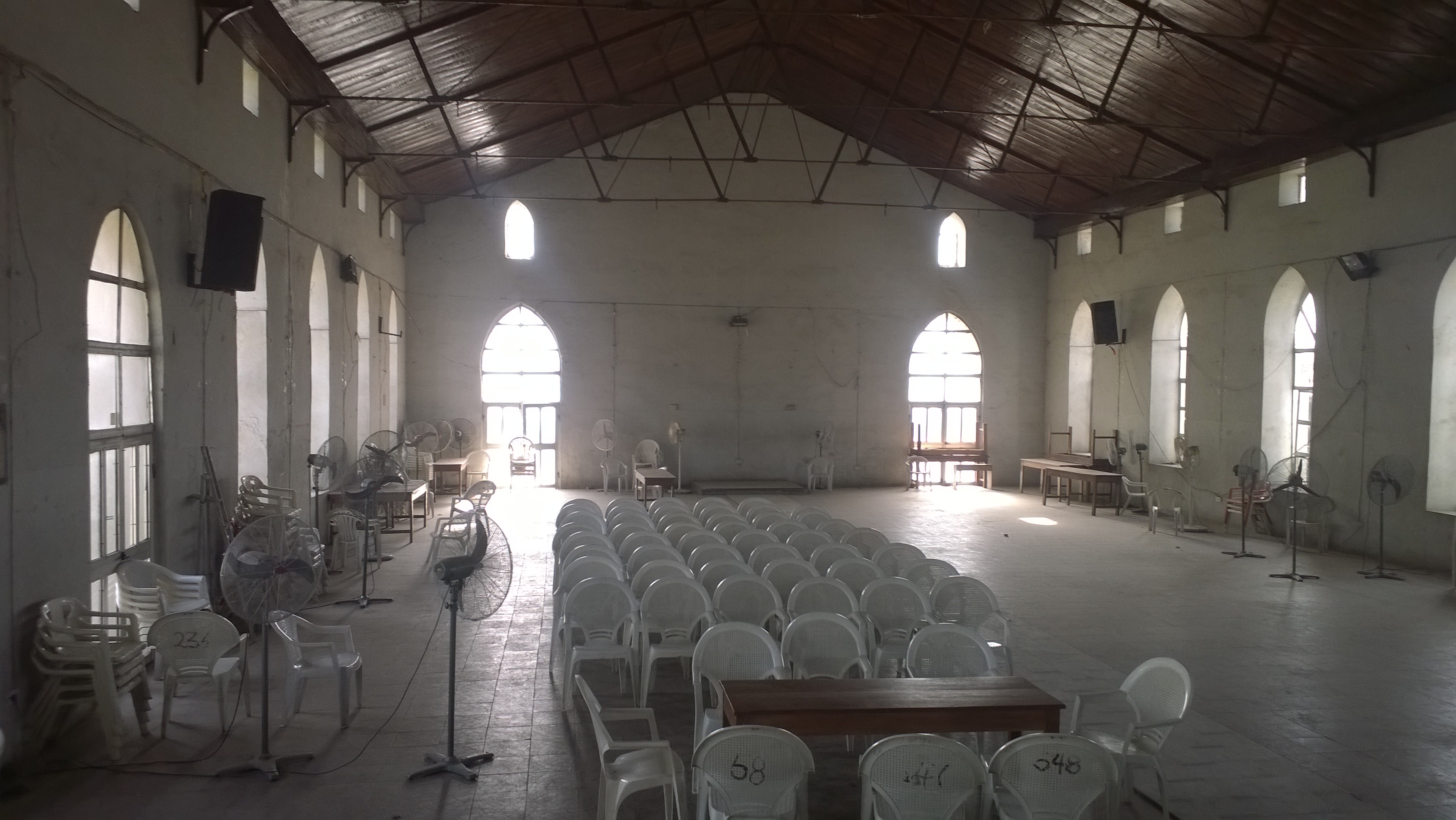
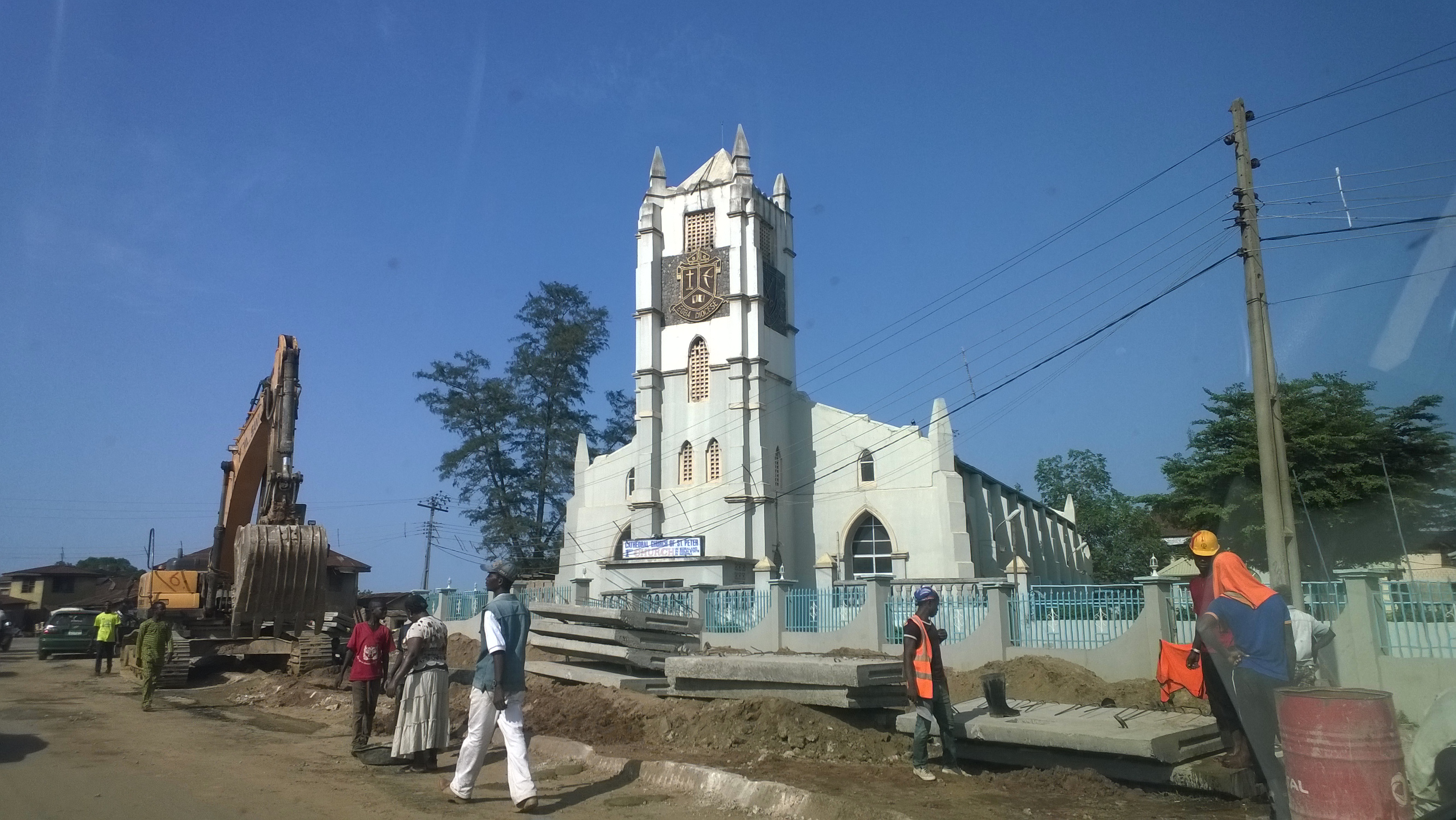
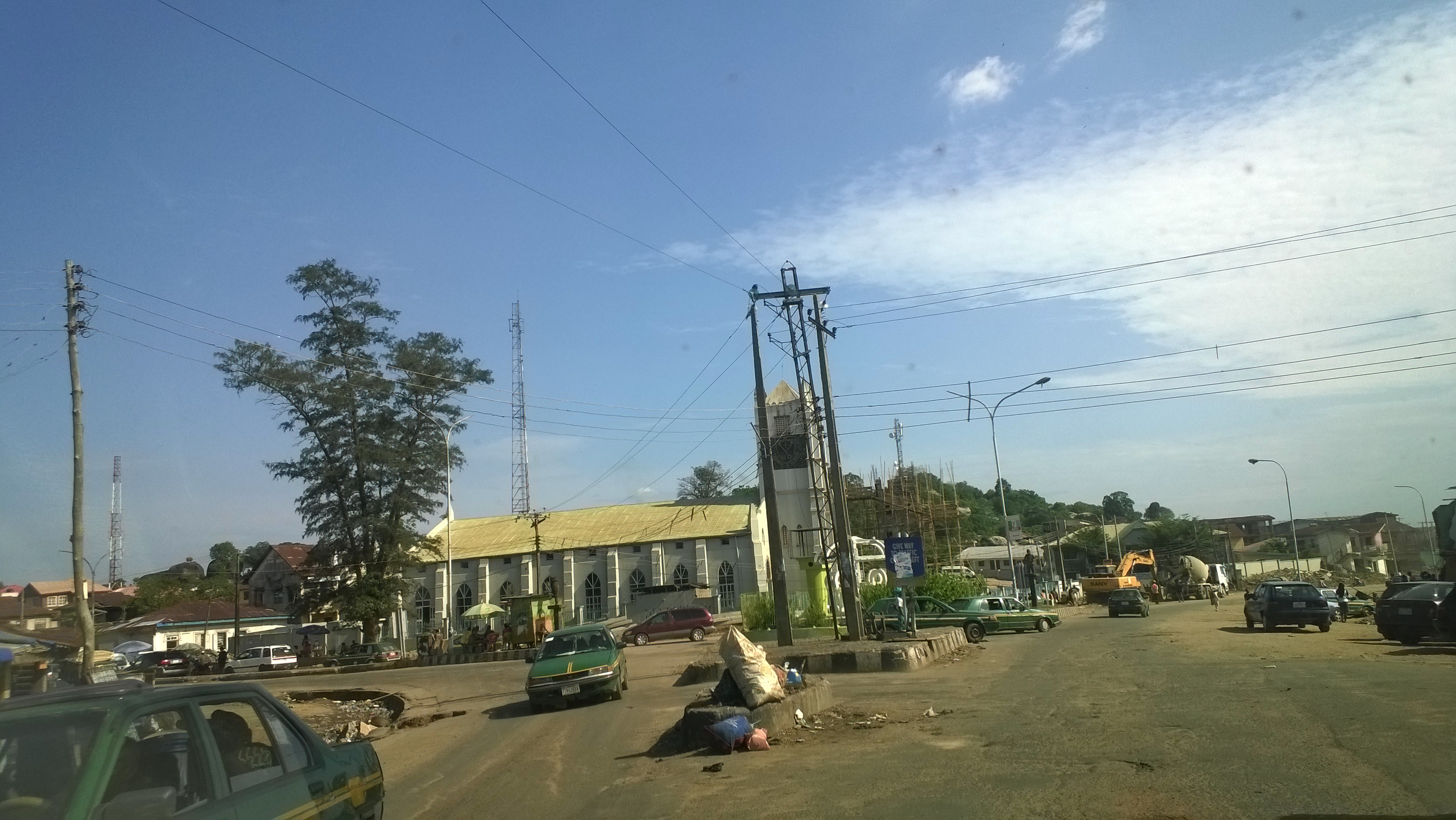
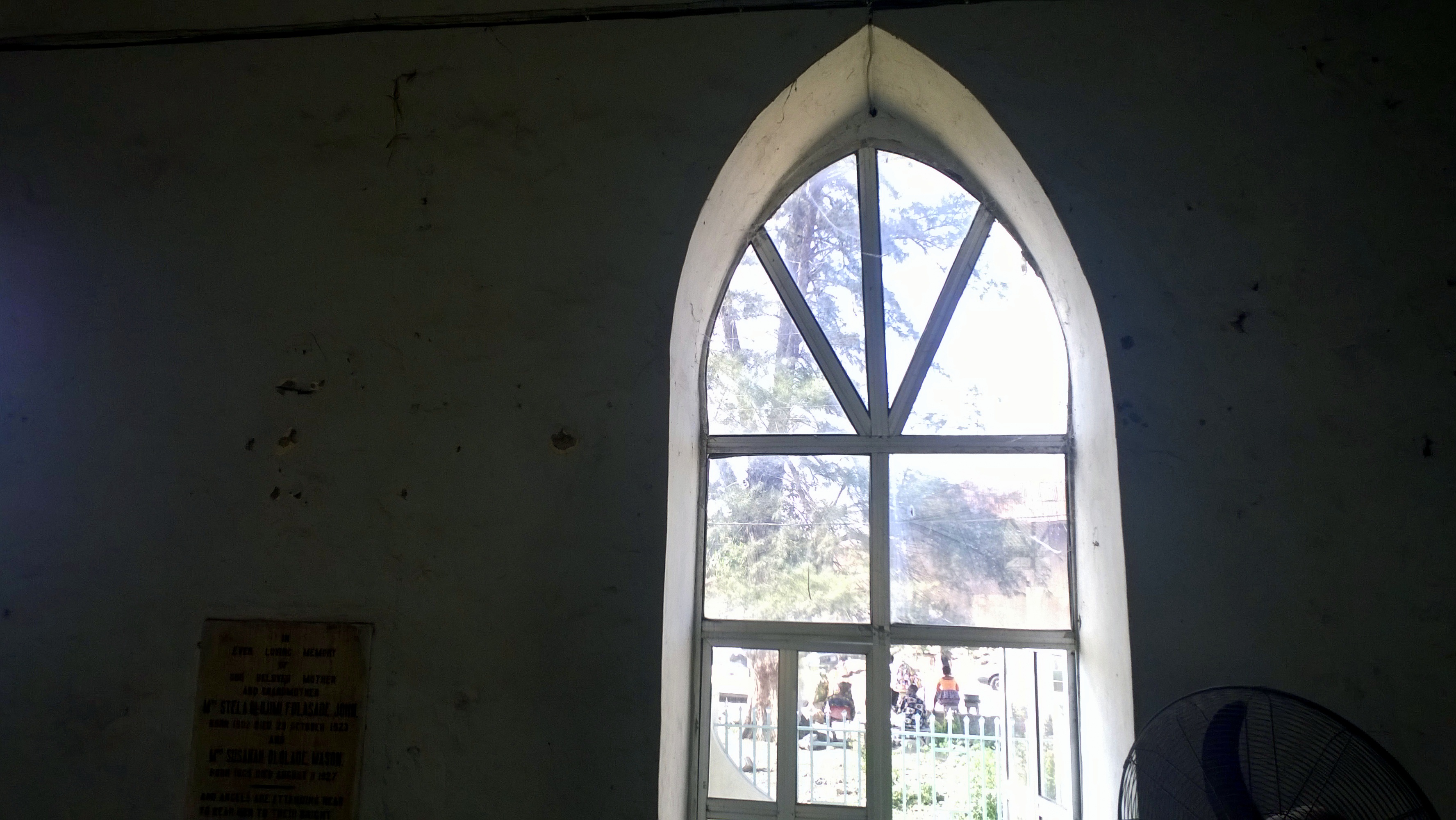
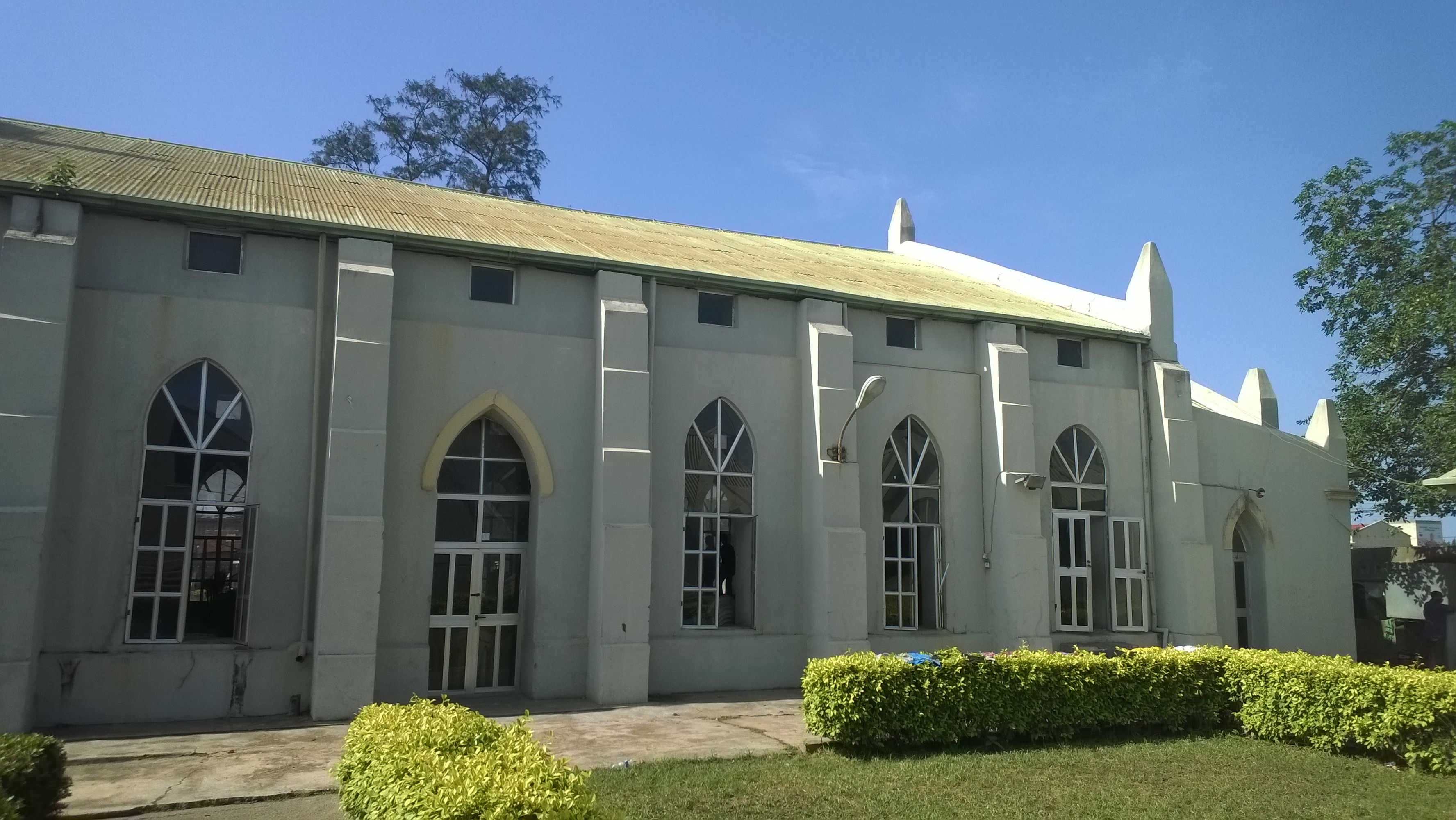
WP_20140410_072WP_20140410_080WP_20140410_069WP_20140410_081WP_20140410_073WP_20140410_079WP_20140410_085WP_20140410_068WP_20140410_076WP_20140410_083The Cathedral of St. Peter at Ake, Abeokuta, is the oldest church in Ake, the oldest church in Abeokuta, the oldest church in Western Nigeria, and – due to the proximity of the town to the Atlantic Ocean and the coming of the first missionaries – the oldest church in all of Nigeria. Built reportedly in 1898, it served as a rallying ground for a number of initial missionaries to Abeokuta many of who played other roles in the government of indirect rule between the Crown in England and the chiefs in Egbaland. The foundation of the church was laid by one Reverend Andrew Desalu Wihelm around 1846, and completed during the time of Henry Townsend.

One of the most known pastors of the church include the Reverend Josiah J. Ransome Kuti (also known as the grandfather of Fela Anikulapo Kuti, the inventor of Afrobeat), among many others. A hall in the church premises is named after another famous pastor, the Reverend Henry Townsend.

In some ways, it is the Southern equivalent to the Church in Wusasa – also a first in the north, built in 1902 – whose survival depended very much on the hard work of volunteer priests battling a society that – at the time – very much resisted the change it represented. In the account written in Wole Soyinka’s 1981 Autobiograpy Ake – the Years of Childhood, most of the early missionaries faced life-threatening confrontations with the elders of the town to whom Christianity represented a real and present threat. Many churches fell down after being visited by men from the local cults, sometimes while people worshiped inside. In the case of the Wusasa church, the threat came from the Muslim societies in the north who felt threatened by the new religion. That these structures have lasted so long is homage to maintenance, but more importantly, the cultural place they occupy in the societies that own them.

To My Wife

It has been a while since I’ve been mushy, but seeing my wife through the physical and emotional burden of being the primary caregiver for our little son has filled me with tremendous appreciation for the role of mothers in the life of children, and as pillars of families. Yes, I provide support in all the best ways I can, but nothing compares to being the sole source of food and care for a tiny being who also happened to have lived in your uterus for about 9 full months. There were the days of crazy cravings of pregnancy, and those involving spontaneous vomiting in uncomfortable places. There were the fevers, and the cramps, and the final days in the labour ward. And now, even after all that, a tiny thing latches onto your body for survival for about a couple of months more. Sleepless nights, nipple sores, worry, and days spent fretting about every new development in the stages of the newborn’s life.

For many, like her, driven and ambitious career-wise, giving up full-time work is just one of the sacrifices to make in pursuit of the having it all. And in today’s patriarchal societies with no paid maternity or paternity leave, it is often a costly trade-off. Maybe if everyone lived in Sweden, for instance (with a reported 13 weeks paid leave for parents of a new child), or Canada (with about 35 weeks of paid maternity/paternity leave, life might be a bit easier for everyone. A shame, in this case, that Nigeria, the 26th largest economy in the world, and the largest in Africa, can’t afford to give its citizens the comfort and peace of mind that comes from paid leave for child care.

This post is to appreciate all the mothers doing well by their families, sometimes at the expense of their own careers of individual pursuits. This post is to appreciate my wife for all her work and dedication to the building of a great, functional, and healthy family.

On the “Giants of History” – Book Review

One of the projects I worked on from the middle of last year (in many capacities, most notably as an editor and all-round busybody) is a book of profiles and biographies titled Giants of History. (322 pages. Sage Publishers. Lagos)

WP_20140220_001 (1)

Written by journalist, and politician, Lateef Ibirogba (Currently the commissioner for Information in Lagos State), it is a look at 150 selected great men and women in history whose lives were exemplars of tenacity, dedication, leadership, and hard work – most of them. Readers who pick up the book will see why these descriptors don’t apply to all of the “giants” selected. The only thing that ties them together as deserving of being in the book is the extraordinarily notable lives they lived, the number of lives they touched, the power of their example, and their tremendous influence on the generations that followed them.

I was drawn to the book because of a number of reasons. When I was young, one of the most notable books I read that opened my mind to the idea of doing great things, and living a life worthy of being written about, was a book by Sanya Onabamiro titled Philosophical Essays (1980), and another by Tam David West, also with a similar title: Philosophical Essays: Reflections on the Good Life (1980). What both of them did – and I can’t tell one apart from the other anymore now – was lay down arguments supporting or opposing particular events in history, while highlighting why they had to happen and who was responsible. I will get those books again if I can ever find them, but one of the most important things they did for me was to open my mind, and challenge me to dream. They also informed me about a number of relevant historical events and their effect on the world. When I was invited to work on Giants of History, I had flashbacks to my delight with these great books. The format that Lateef Ibirogba chose to use in presenting this book in was just as important, and the role of his book serves just about the same purpose as highlighting history for those interested in it, and giving credit where due to the important human precursors to today’s important inventions and achievements.

frontThe book has now been published, to be launched in Lagos on April 22nd. I will be there at the launch, which should feature a number of heavy names in politics, publishing, and writing in Nigeria. The book reviewer, Tade Ipadeola – a lawyer and creative writer – was the winner of the 2013 Nigerian Prize for Literature (the highest literary prize on the continent, which carries a prize money of $100,000). I expect that the governor of the state will be there as well, along with a number of other still-living Nigerians whose names also made it into the book. It is important to mention that one of the impressive nature of a work of this kind is its good sense to include in the work not just historical figures from older civilizations around the world, like Plato, Aristotle, Isaac Newton, Mahatma Gandhi, Abraham Lincoln, but also notable historical figures from our own national environment, like Obafemi Awolowo, Nnamdi Azikiwe, Mary Slessor, Funmilayo Ransome-Kuti, Madam Tinubu, Fela Kuti, Chinua Achebe, among many others.

backI invite you to look out for the book, and to buy not just for yourself, but for your relatives, especially the young ones not yet sure of where life would take them, or what the point of everything is. If I could still remember the influence of a book on me as a thirteen-year old reader, then precocious thirteen year-olds around you will definitely appreciate you giving them a gift of such work.

A contrarian case might be made as to why publish a book of biographies when there is Wikipedia and the world-wide web to inform us – in multimedia richness – of the lives of living and dead heroes. The answer would be that the book is not dead. It is movable and presentable, and it is still the closest way to reach a reader, not hindered by access to electricity or the internet. It can be read in the village as in the city, and thus its relevance.

The book is available for purchase for now at www.digitalbooks.com.ng.