Someone had searched for the following phrase “fulbright grant stipend how to survive” and have been referred to my blog. Since I’ve never written anything on the subject, I doubt they’d have learnt anything so far. Leaving one’s country and base to go abroad is already a trying experience. Add to that, having to survive on a stipend not figured to encourage extravagance as to guarantee qualitative subsistence could be harrowing at worst, or unsatisfactory at best. So here would be my response – from experience – if I were asked. Most of them are actually commonsense guides to surviving college.
Dear Fulbrighter in the US,
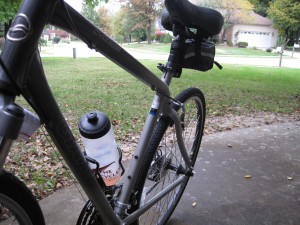
1. Get a Bicycle. Transportation is a bada$$ in any little town. If you are at SIUE, you’ll most likely have the bus shuttle,but then it comes at intervals. If you want to get to where you want to go at your own time without paying for gas or being frustrated by transport, a bicycle it is. I bet this works in every little town. If it is a big town/city. A bicycle might still work, but you’ll need a map and it might take a while getting used to it. Ask friends or faculty members for a ride. They will gladly help get you around. You’re an international exchange student. You’re VIP. Take advantage of it and enjoy every moment. If you ever get lost, you can also ask the police for a ride. They will eagerly help you (although they might have to search you for weapons first).
2. Cook rather than eat out. Papa John’s pizza costs about $20 bucks, and it lasts only for one sitting. A meal at a restaurant costs about $10. Home cooking will cost far less on the long run, and it will be more filling. Shop for groceries at weekends, and spend your time cooking at home. Attend campus events. Many of them come with free food and is open to all. Attend other social events too, and eat to your heart’s desire. In many cases, you are even allowed to take home fruits. Visit people. If you have host parents, visit them when you can. Tell them of memorable events in your life, like your birthday. They might throw a party for you and cook lots of food. Express interest in outdoor events and you’ll get plenty invitations.
 3. When you buy books online, buy used books. They’re usually as good as new, and they’re much cheaper than new ones. Watch plenty TV rather than buy DVDs as they come out. You would have too much load to carry home at the end of your grant and may have to pay for excess luggage. All movies eventually come to the TV anyway, so spend your time watching the old ones you may have missed instead of amassing new ones that would chop off your stipend. If you must go to the movies, go in the mornings during weekdays. They usually cost $5 at those times. I wouldn’t say you should download movies or music illegally online, but there are many sites where you can watch movies for free or listen to music for free. Use them. Some will even stream movies going on at the theatres at the moment.
4. Do not get a mobile phone. You really don’t need it. Most campuses give you access to a house phone that you don’t pay for for calls to places on campus. You can also receive calls through them for free. But they’re fixed and not mobile. For mobile phone calls, use many of the cheaper VOIPs online. At the moment Google offers free phone calls on Gtalk to anywhere in America, for free. For international calls, use Skype to Skype conversation with your friends and family. You don’t need to pay for international calls. Mobile phones are a rip off, and you don’t need that. When you think about it, you don’t have that many friends in the US anyway. Those you know are mostly in your campus, and would be able to track you with your office hours. The rest can find you on Facebook. If you have to pay to call home, especially Nigeria, use Rebtel. The value you get from calling with Rebtel is twice that of every other online call services including Skype. Trust me on this. More than that, you can also use it with your mobile phone rather than scratch cards.
 5. If you start a blog, don’t get a domain name (like KTravula.com). You get to pay for that. Use the free ones (like ktravula.wordpress.com or igwatala.blogspot.com. WordPress.com and Blogger.com can tell you how to get those. If any telemarketer calls you (you can tell their voice by how polite they sound and how fast they try to tell you all they’ve been paid to say in that little space of time that they have your attention), hang up immediately. They usually start with a question: Are you interested in free grant for your studies? etc. If you need to buy anything in the store, there are usually cheaper versions of that same product. Ask the shop people. Questions will get you out of any panic buying. If you buy any product, ask for warranties. Most places have them. If anything you buy gets bad, even after seven months, take it back. They might take it back from you and give you a replacement.
6. If you want to send money home (since a few cousins or friends or family might need it at some point – depending on how responsible you were before you travelled) – do not use bank wire transfer. It’s damned costly. Do not use Western Union either (Sorry Brian), except you can get them to offer you a discount. (Ask me more about this). So what should you use then? Well, how about take the money home when you’re actually going by yourself? I know it sounds lame, but when you get home, everyone would expect that you’ve become a millionaire, so you might not want to disappoint them. Besides, money is easier to carry in one’s own wallet. Else, you can use it to buy gift items and take them along, but remember that excess luggage charge is no peanut. Airline people are bada$$es.

7. Use Craigslist.com. There are very many things you can buy there for really dirt cheap prices: a good camera, an ipod, a DVD player, and even a bicycle. When you want to travel by road, or by air, book far ahead. By land, Megabus.com offers incredibly cheap rates. A five hour trip from St. Louis to Chicago could cost you just $1 if youbook about two months ahead. Look out for coupons. It’s America’s shopping culture/secret. Coupons will save you a lot of money. When you go to Washington in December, don’t stay back or go visiting friends in other states except those states are close by (Maryland, New York, Boston, Connecticut, Pennsylvania etc). If you have to fly to Texas on your own money, it’s not really worth it. Let your friend who’s inviting you pay half the flight, and then you may go. Else, visit states that you can get to by road, or train.
Here are the few I could come up with right now. You do not have to comply with everything, especially since I haven’t obeyed all of these rules myself faithfully. However, I felt that since you’ve been searching for information, I should be able to help from experience and observation. And now, I’ve run out of points. You may have to make up yours as you go along. Oh, and if this helps, do send me a mail or something. It’s cheaper than a gift card or a postcard. Cheers, and have fun in America.



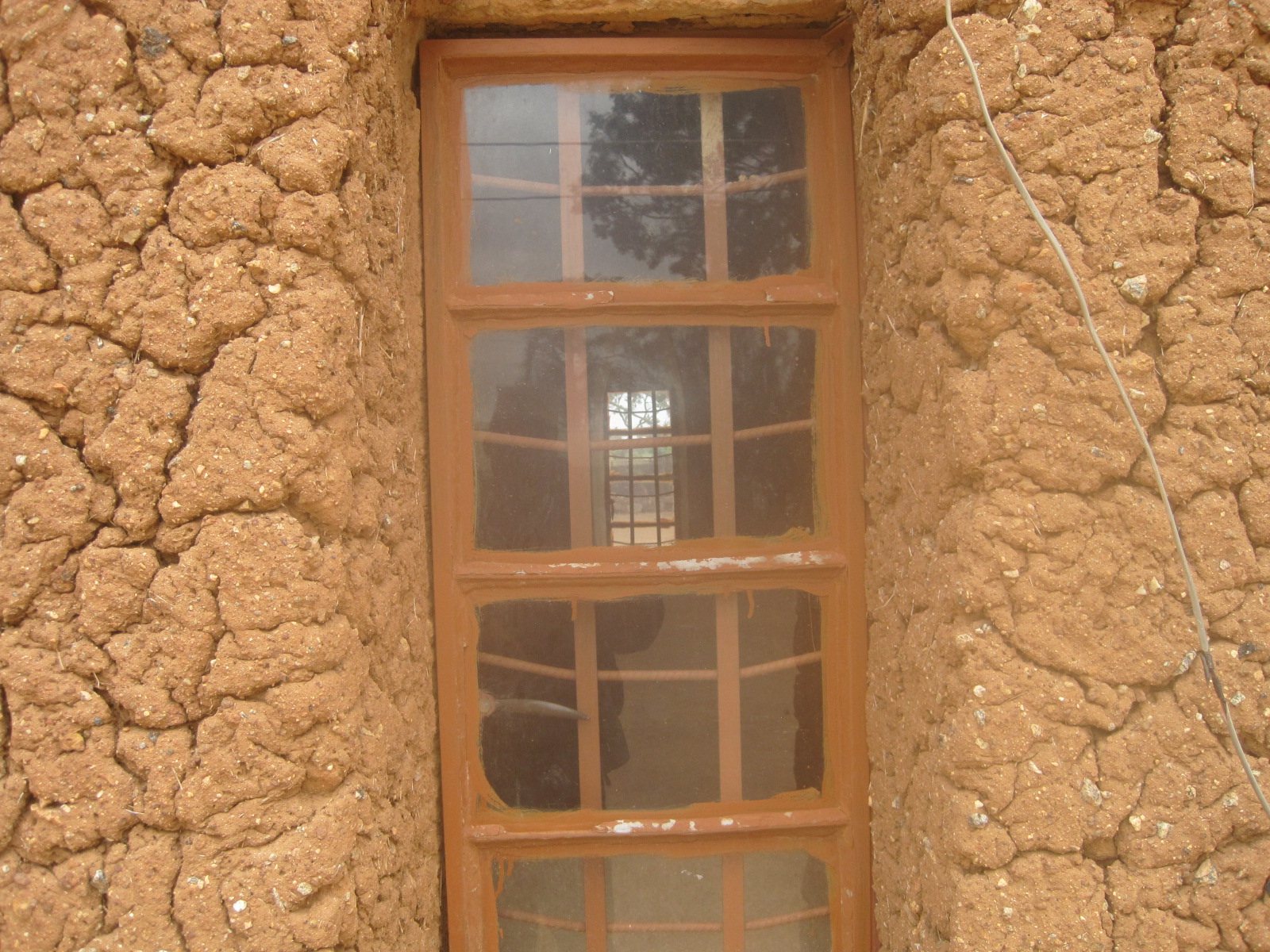

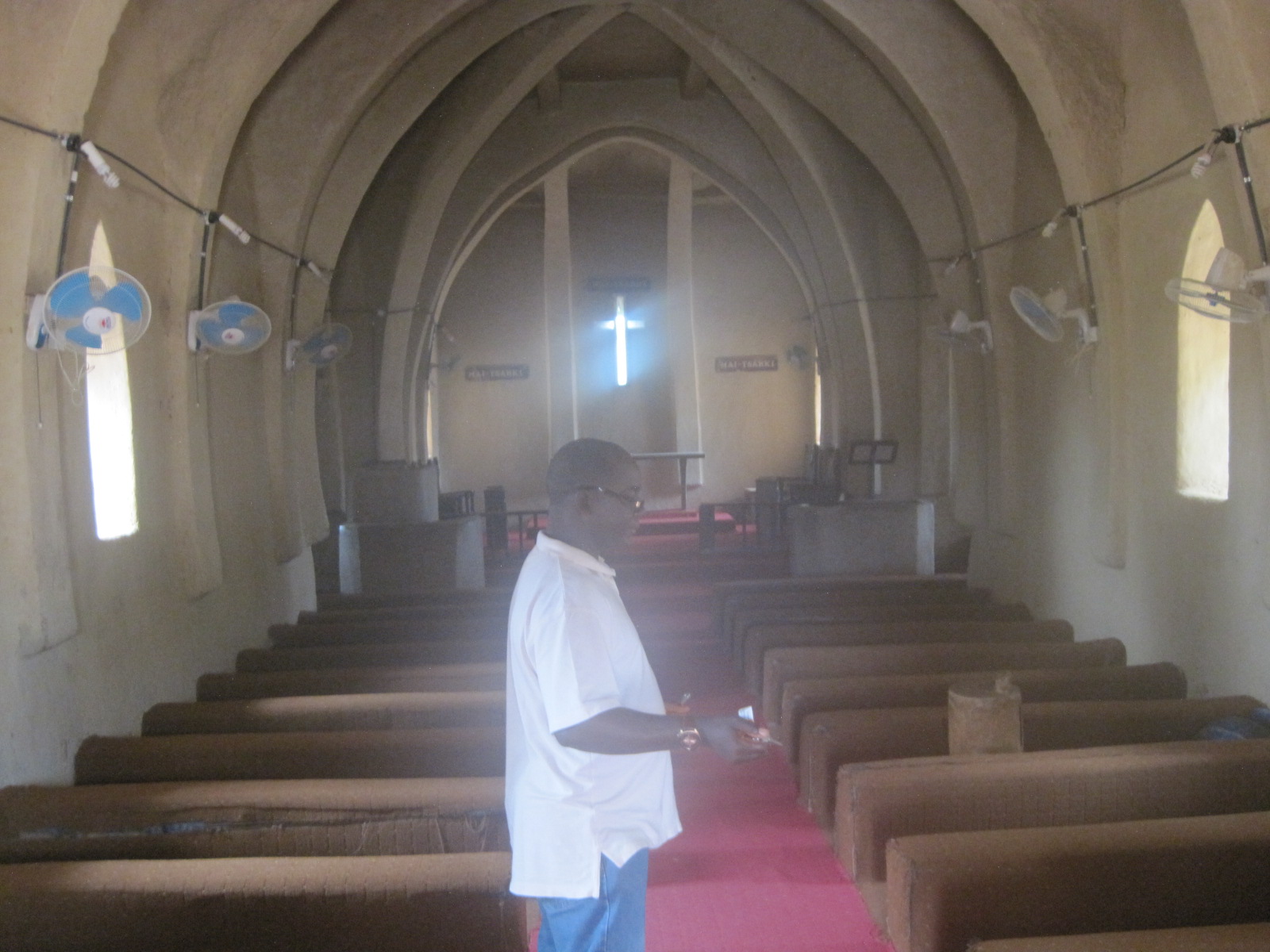



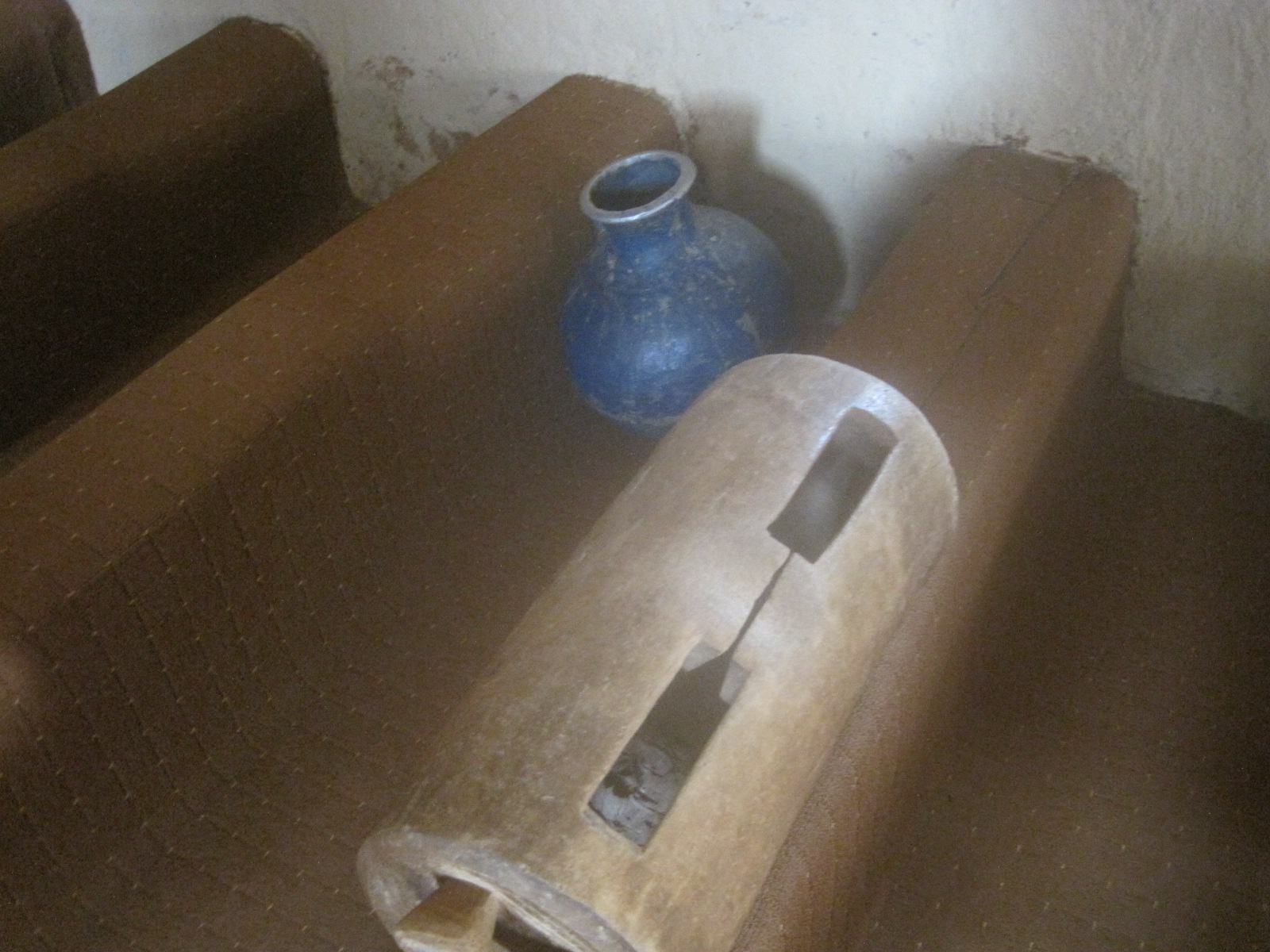 Today, I want to tell you about Wusasa. I never did tell you about my visit to that little village of one square mile, three miles outside Zaria City in Kaduna state, Nigeria. I was there in July.