Browsing ktravula – a travelogue! blog archives for August, 2010.

Friggatriskaidekaphobia

I came across this word while reading a Wikipedia entry about Friday the 13th or the fear thereof. Thirteen is supposedly an unlucky number and many skyscrapers have been known to name their 13th floor 12b. Friday, apparently, is another of such unlucky days. Even in the Yoruba culture, the fifth day of the week is Ojo Eti, supposedly a day on which one is not supposed to do anything worthwhile. So when Friday and 13 decide to fall on the same day, like will happen this month, it is believed to be catastrophic. What led me to this search was a curious discovery that the cost of purchasing a ticket for a flight due for 13th August is costlier than any other surrounding days, costlier even than the 12th, 14th or 19th.

The logic is that since majority of the people are afraid of Friday the 13th, there will be less delays for said flight, more room on the airplane and thus more comfort. The economics of it is that the airline will have to make up for the sparse patronage on that day by levying all other passengers. But in the end, for me, the fear of flying on Friday the 13th will be not out of fear of anything but the flight rates. And that sucks. It would have been nice to put fate to the test, or would it? 😉

And secondly, just how do you pronounce the word?
Brokeback Mountain

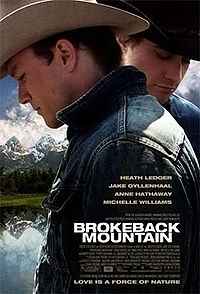
I find it interesting that the historic “Proposition 8” ban on gay marriages in the American State of California was struck down on the same day that I’d plan to blog about this movie that I was seeing for the first time. Brokeback Mountain (2005) is a very moving (but to me a little discomforting) story of two men whose friendship evolved into something more and lasted for a lifetime, withstanding even the challenge of their individual marriages and separate heterosexual lives. I doubt that bisexual love has been depicted on the screen with this level of boldness before or since Brokeback. Wikipedia compares it to the great romance stories like Romeo and Juliet and Titanic.

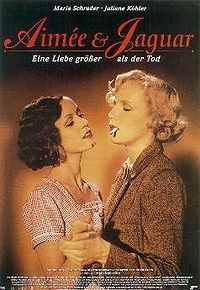
I had also recently seen a German movie called Aimee & Jaguar (1999) set in the Second World War, a true life story of an “abominable” (by standards of the time) relationship between a German woman, wife of a German officer, and a Jewish woman. Adapted from a book which contained photos of the many letters shared between the two, and official correspondences post WWII, the movie was remarkable not only because of the same sex nature of the relationship but because of the way the story depicts the love within the dangerous power relations and politics of the time. I know I could have enjoyed it better if my German was as good as that of the actors. Translations didn’t help much.

Both films – given to me by the same person who felt that I needed to update my tolerance credibility by exposing myself to the two prominent sides of the controversial coin – were refreshing in their own way. They both ended up very sad, yet moving, with very affecting moments,  good acting and nice picture.  Brokeback Mountain features Heath Ledger and Jake Gyllenhaal and it was nominated for the most Oscars at the 78th Academy Awards. It won three but lost “Best Picture” to Crash.

Re-reading History

For the past few days, I have been reading Nigeria’s history (again), especially as regards military politics and the slow and significant steps that brought us to where we are today. The curious search began with a visit to Ilorin and Kaduna where I first heard of Ibrahim Taiwo road. Now Ilorin and Kaduna are both very distant places from each other and the Yoruba military man must have been significant to have had a major road named after him in two (perhaps more) states in Nigeria. I came online, and I was led from one relevant link to another until I satisfied my curiosity.

At the end of two full days of reading through a verifiable history that has also been written about in many other publications, I came to very many realizations. One of them of course was that the civil population never stood much of a chance from the beginning, especially since military tasted power. Ego, politics, greed and corruption took over and we have not remained the same ever since, nor has the players since independence really stepped aside for others or dialogued with alternative viewpoints, for the most part. We could say that much of Nigeria’s military history shares the stage with much of its political history.

There were very many complex stories many of which lent itself to interesting engagement. The first coup and its ethnic sentiments, the counter coups and military politics, the civil war heroes and villains, the players and the losers, and the very many incidental occurrences that read like stuff for movies or great literatures. General Gowon stands out with his far-reaching reforms, his engaging personality, and his position at a crucial time in history. In comparison, he is the only one of Nigeria’s leaders that could stand in Mandela’s image. At the end though, placed beside the reality on the ground where at fifty years we have not been able to supply electricity uninterrupted to all parts of the country, all the gallantry and “gentlemanliness” or the Nigerian military officers (who have interestingly all remained in the political and diplomatic limelight since then) all fade away into the murk of irrelevance. A waste.

Much of those stories can be found online at Dawodu.com. People interested should check here, here and here for detailed analysis of the first coups and how it changed the course of the nation’s history.

Waffi No Dey Carry Last

A joke.

A man walked into the produce (foodstuff) section of a supermarket in Port Harcourt, Nigeria, and asked to buy a half head of lettuce. The boy working in that department told him that they only sold whole heads of lettuce. The man was insistent that the boy ask his manager about his request.

Walking into the back room, the boy said to the manager, “One idiot wan buy half head of lettuce.” As he finished his sentence, he turned to find the man standing right behind him, so he added, “but this Oga here don kindly agree to buy the other half.” The manager approved the deal and the man went on his way.

Later the manager said to the boy, “I was impressed with the way you got yourself out of that situation earlier today, we like people who think on their feet here”. “Where are you from, son?”

“Warri, sir.” the boy replied.

“Well, why did you leave Warri?” the manager asked.

The boy said, “Oga, nothing dey there apart from ashawo* and footballers”.

“Really?” said the manager. “My wife is from Warri.”

“Really?” replied the boy. “Which club she been dey play for?

______________

Culled.

*ashawo = Prostitutes

Faculty of Arts

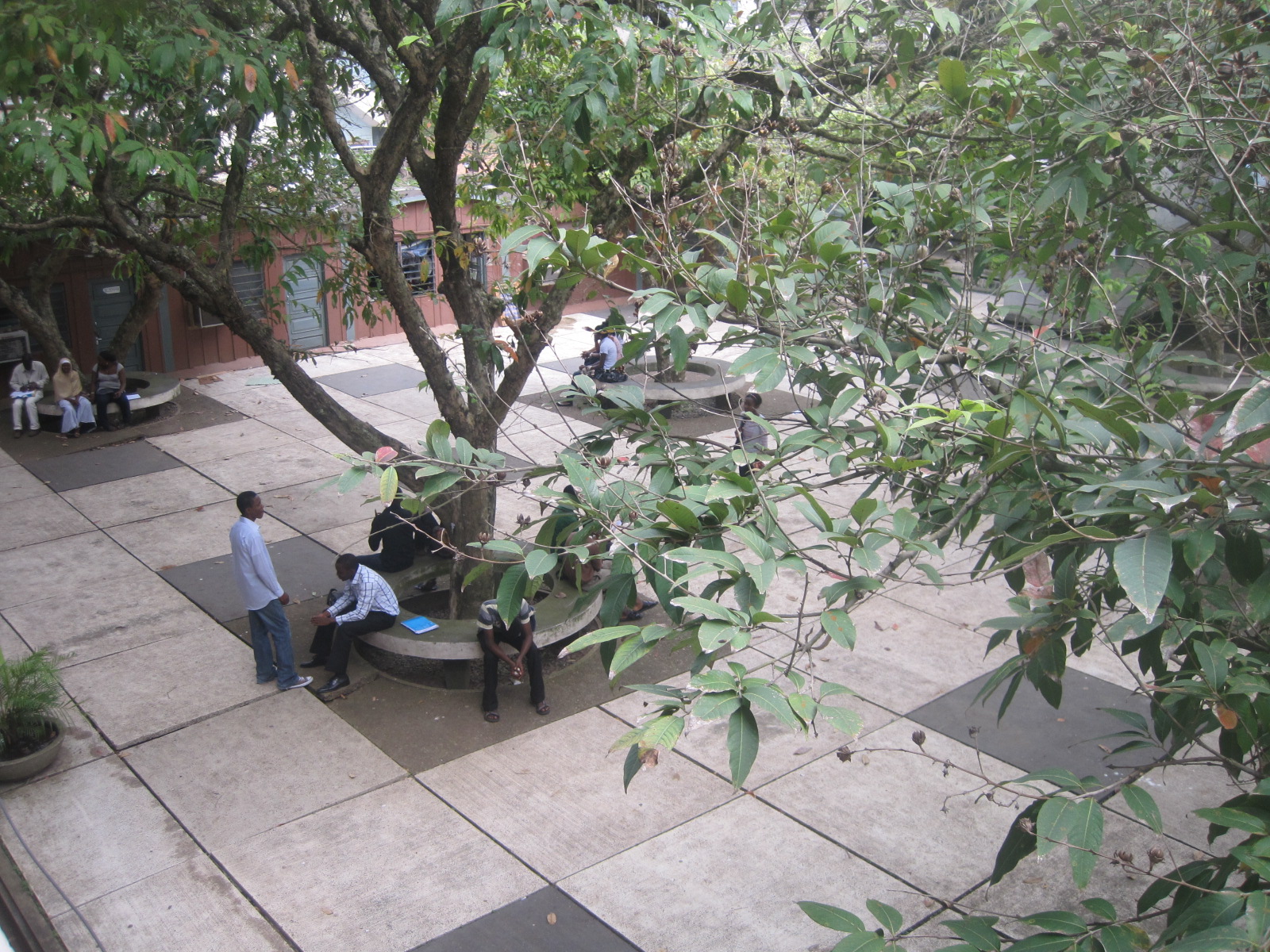
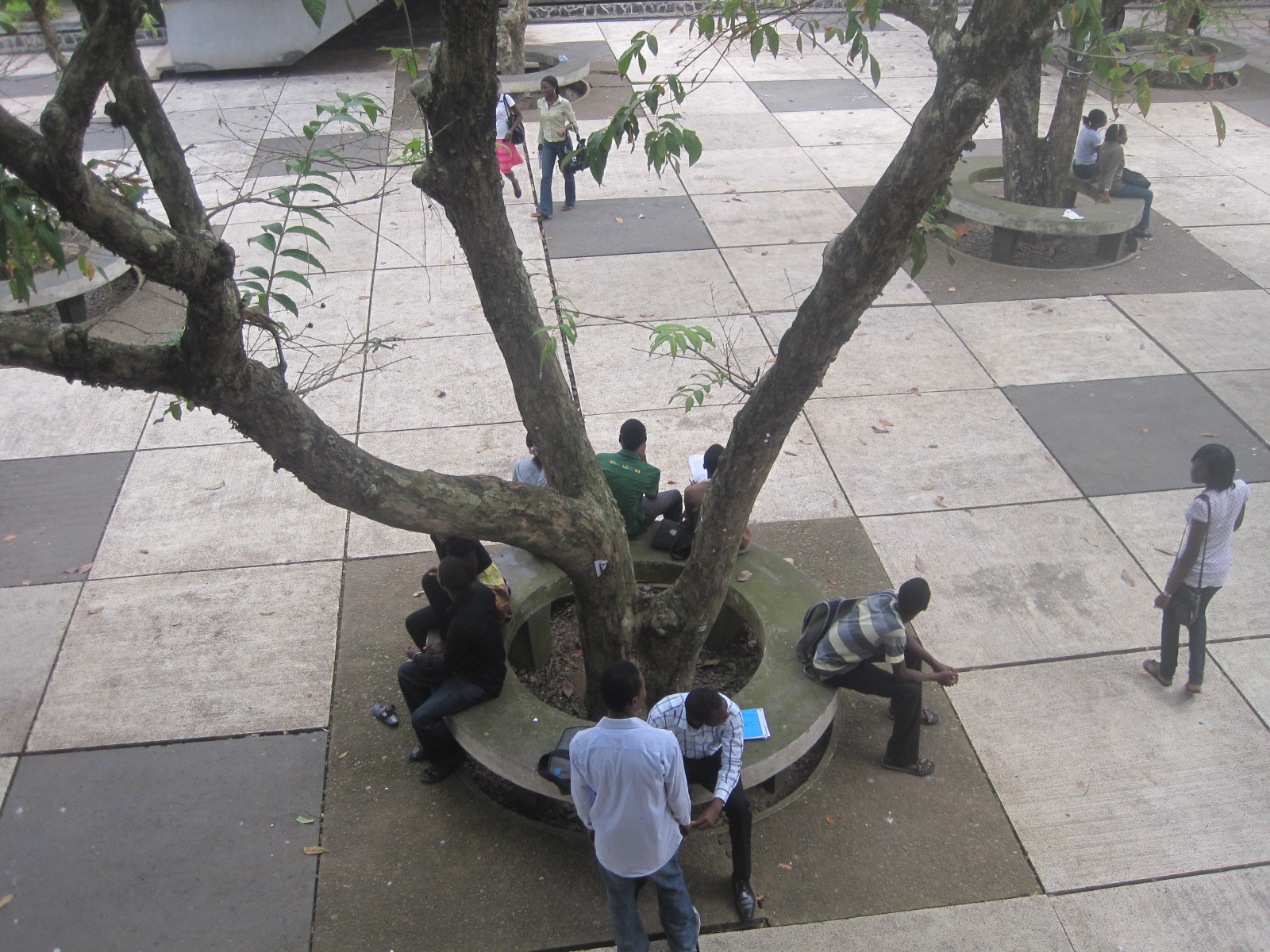
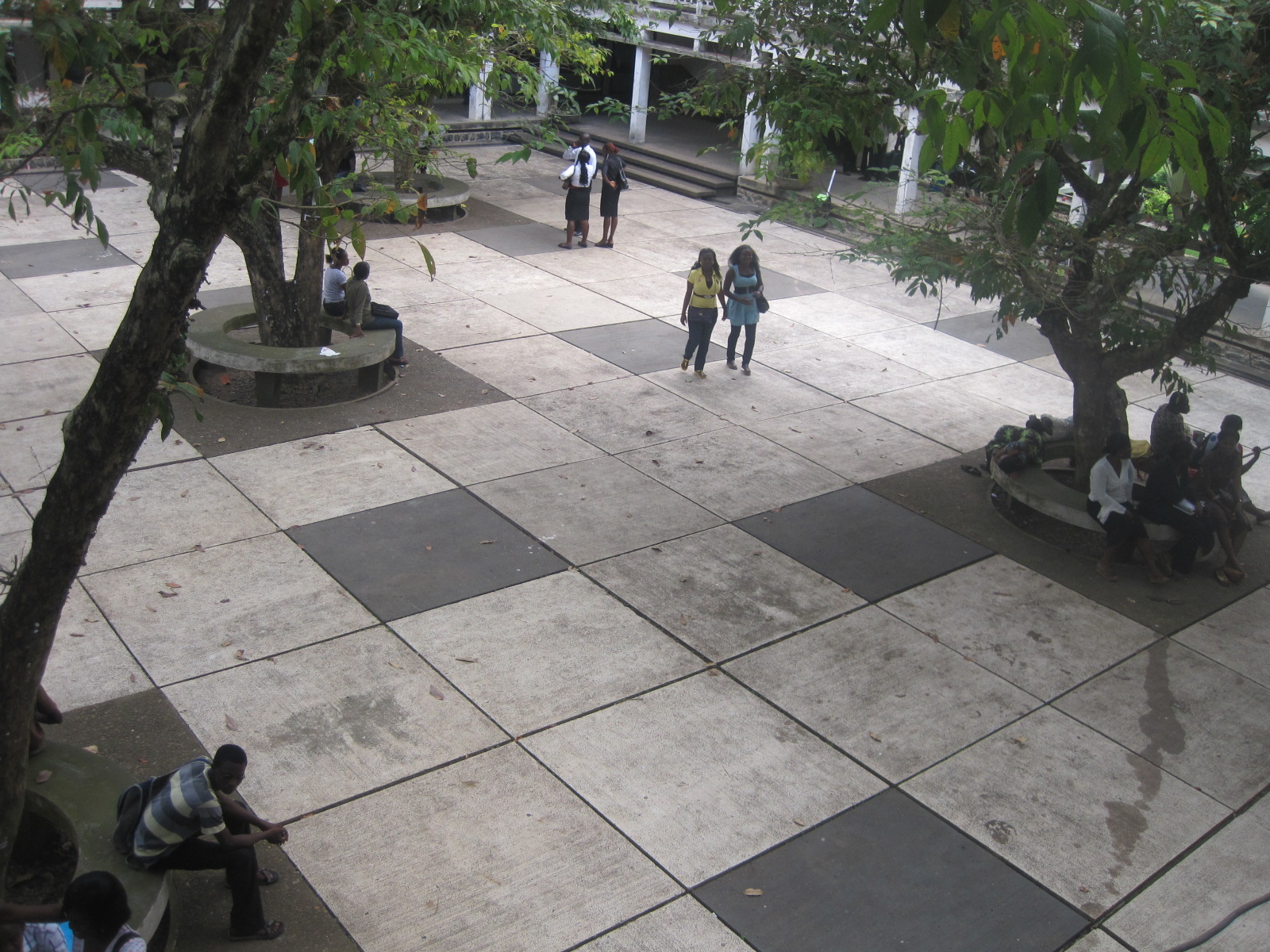
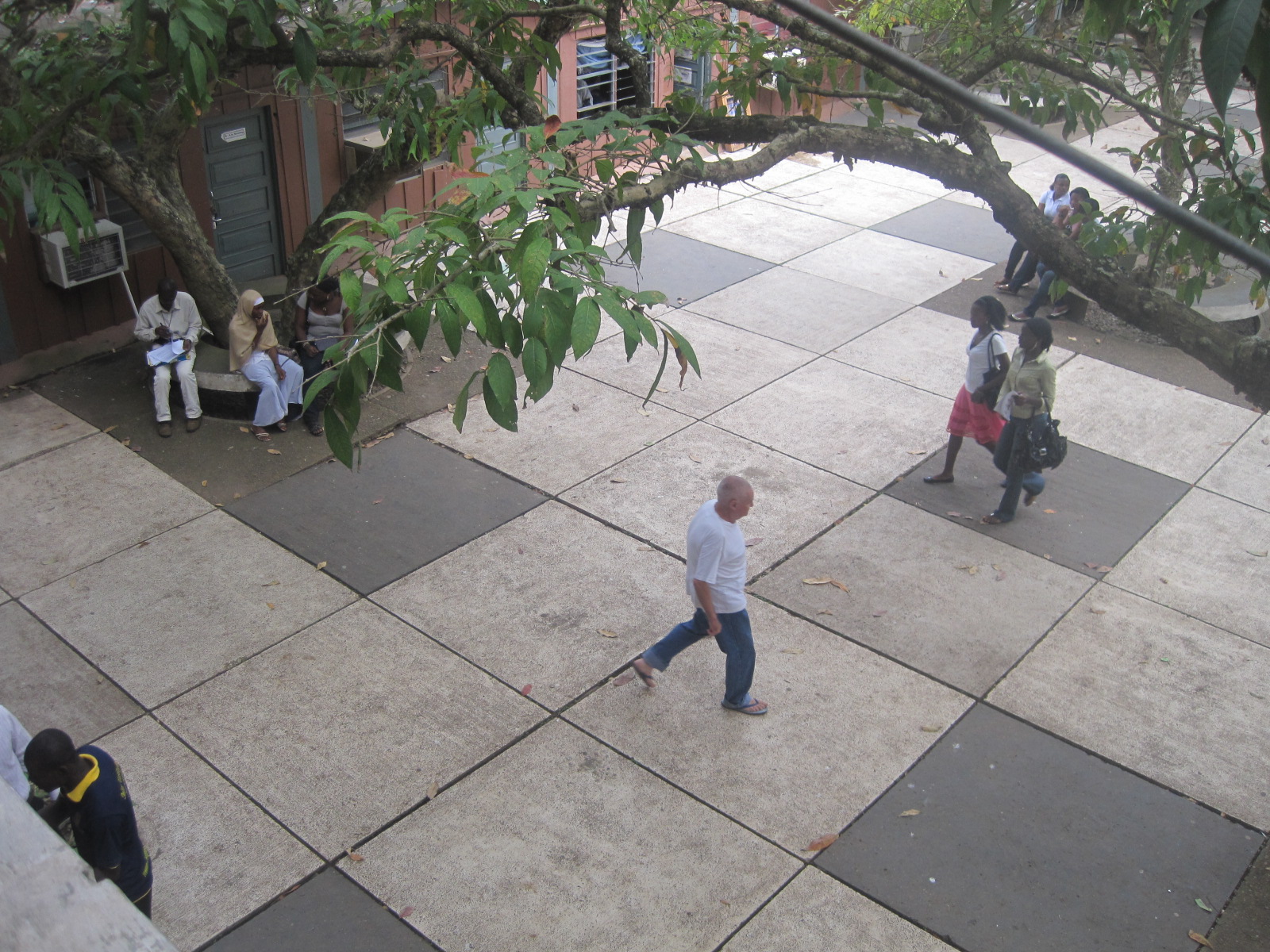
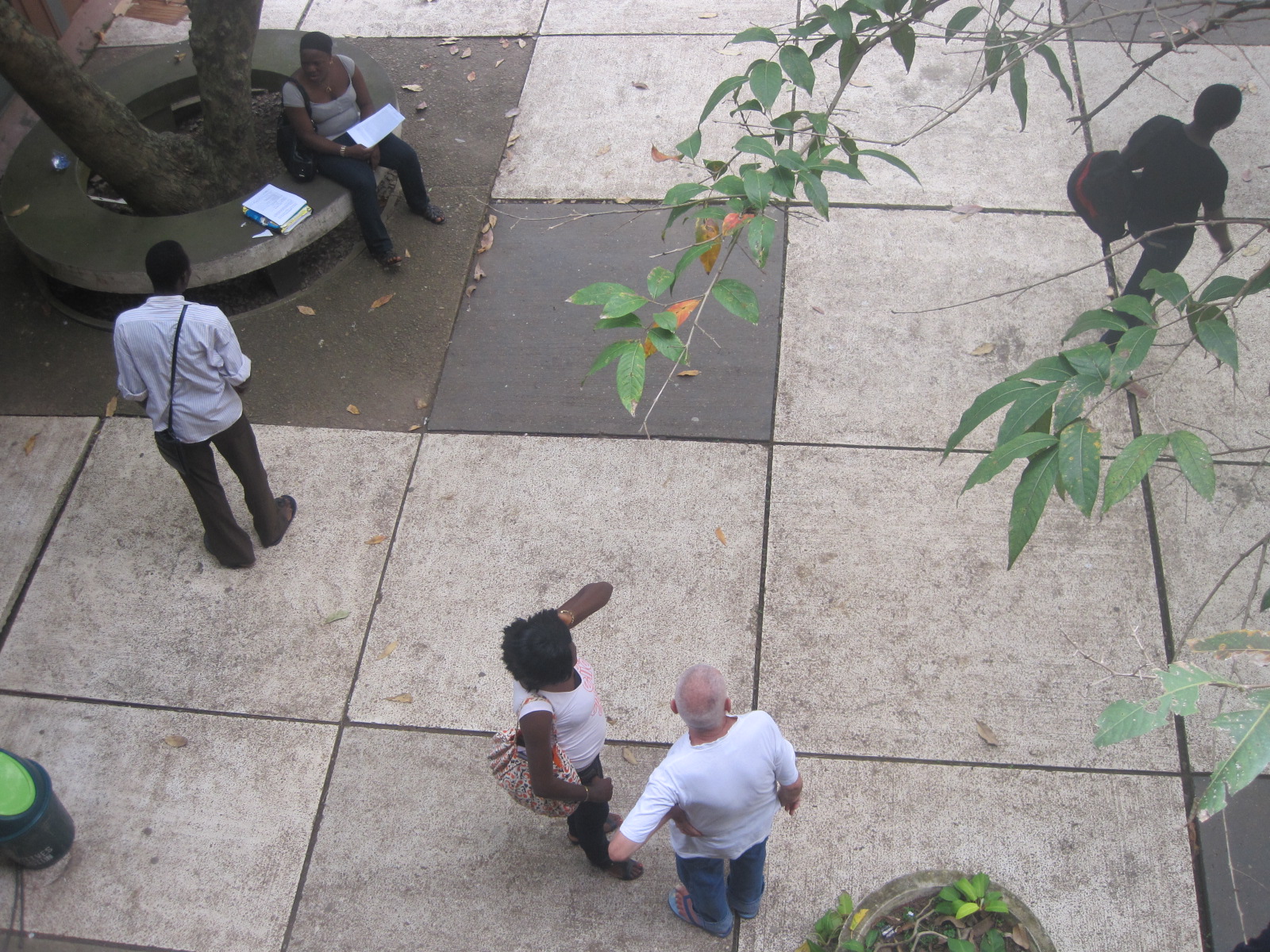
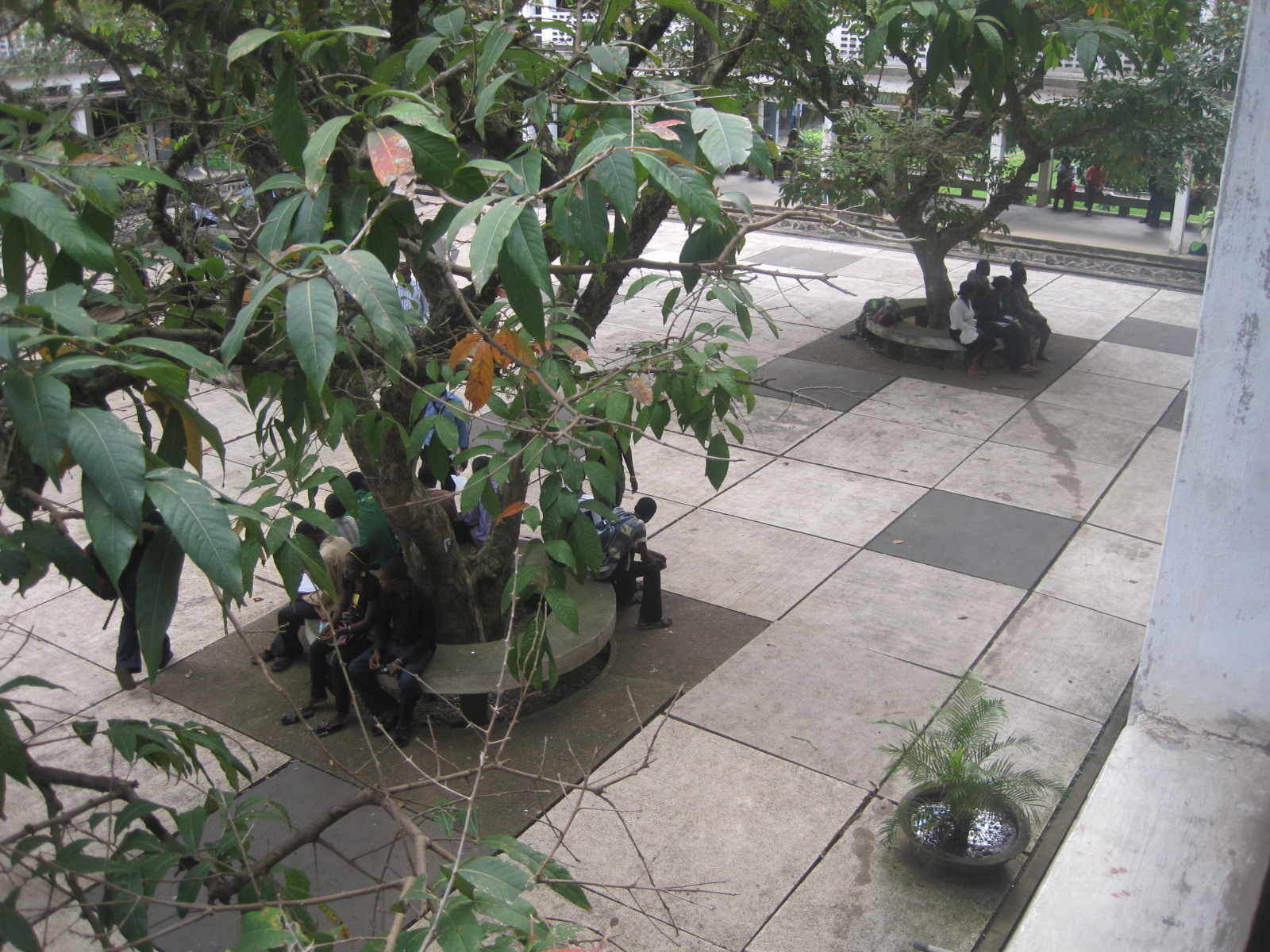
I took these random shots at the Faculty of Arts, in my former University in Ibadan, a few days ago. I also discovered that the very first female Head of the Department of Religious Studies since 1948 when the Univeristy was founded, has just been appointed, effective August 1st. It’s a positive news, tinted with the disillusionment that this should have been commonplace since very many years ago. I took these pictures from the balcony of the Department.