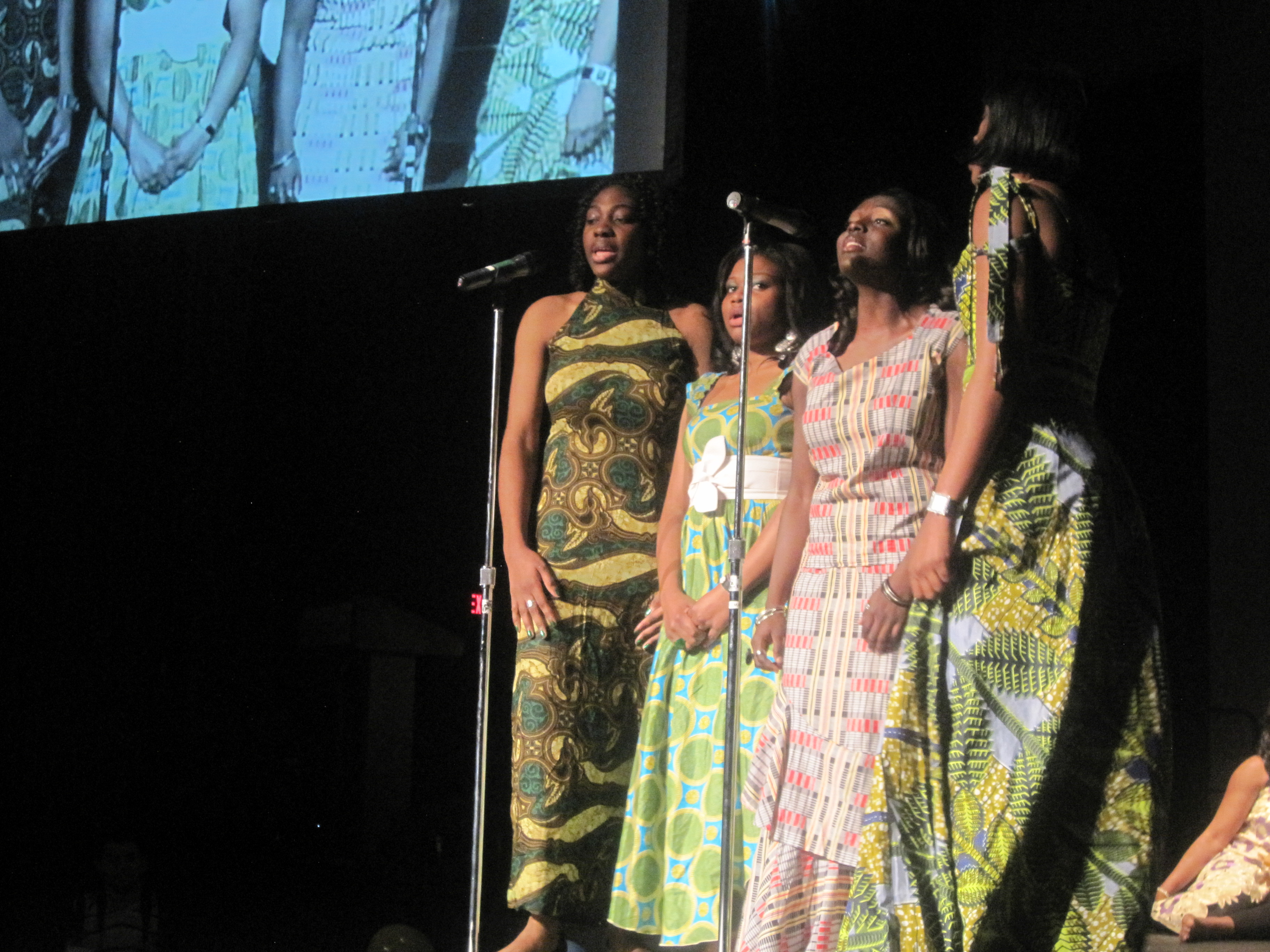
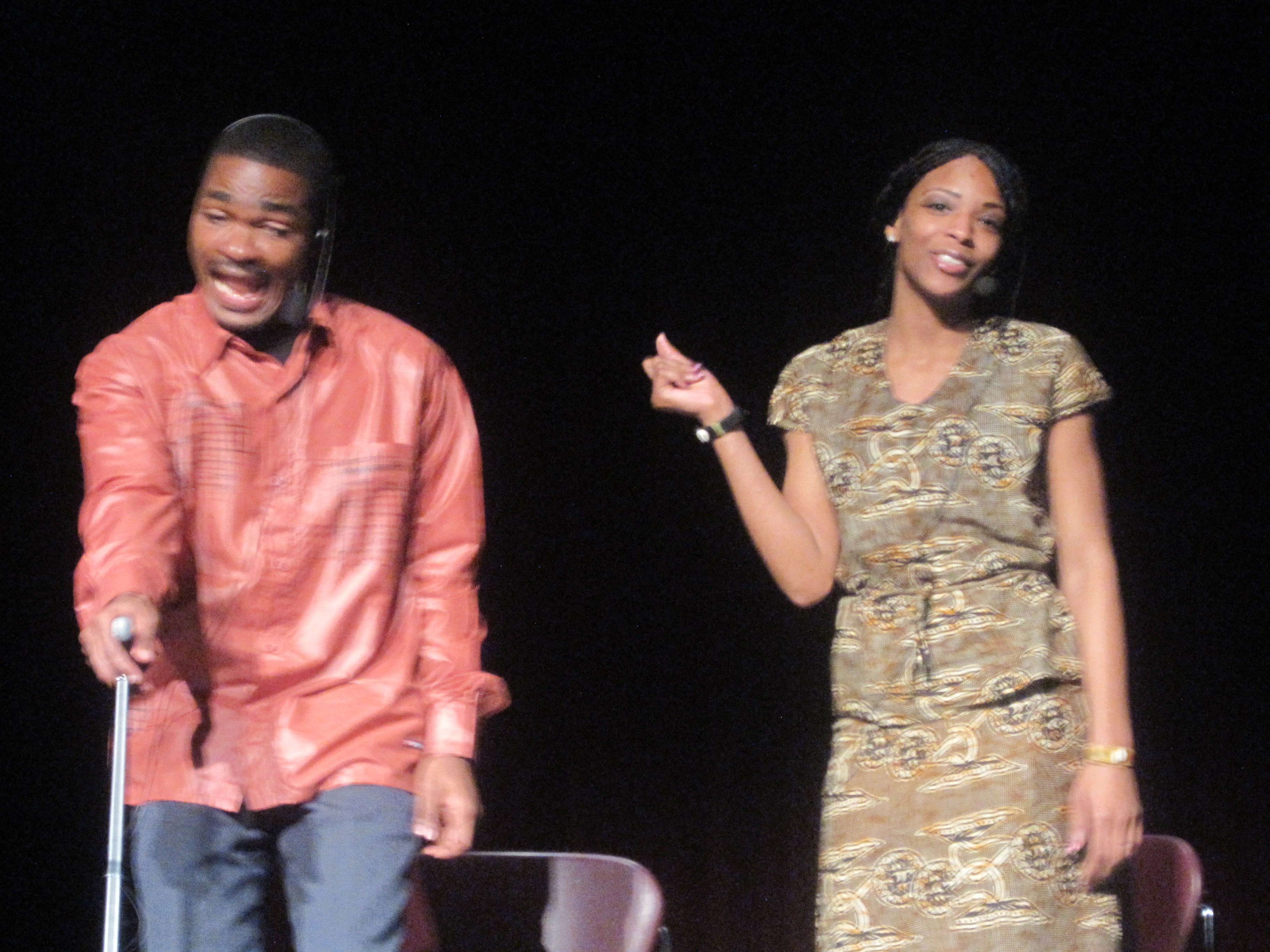
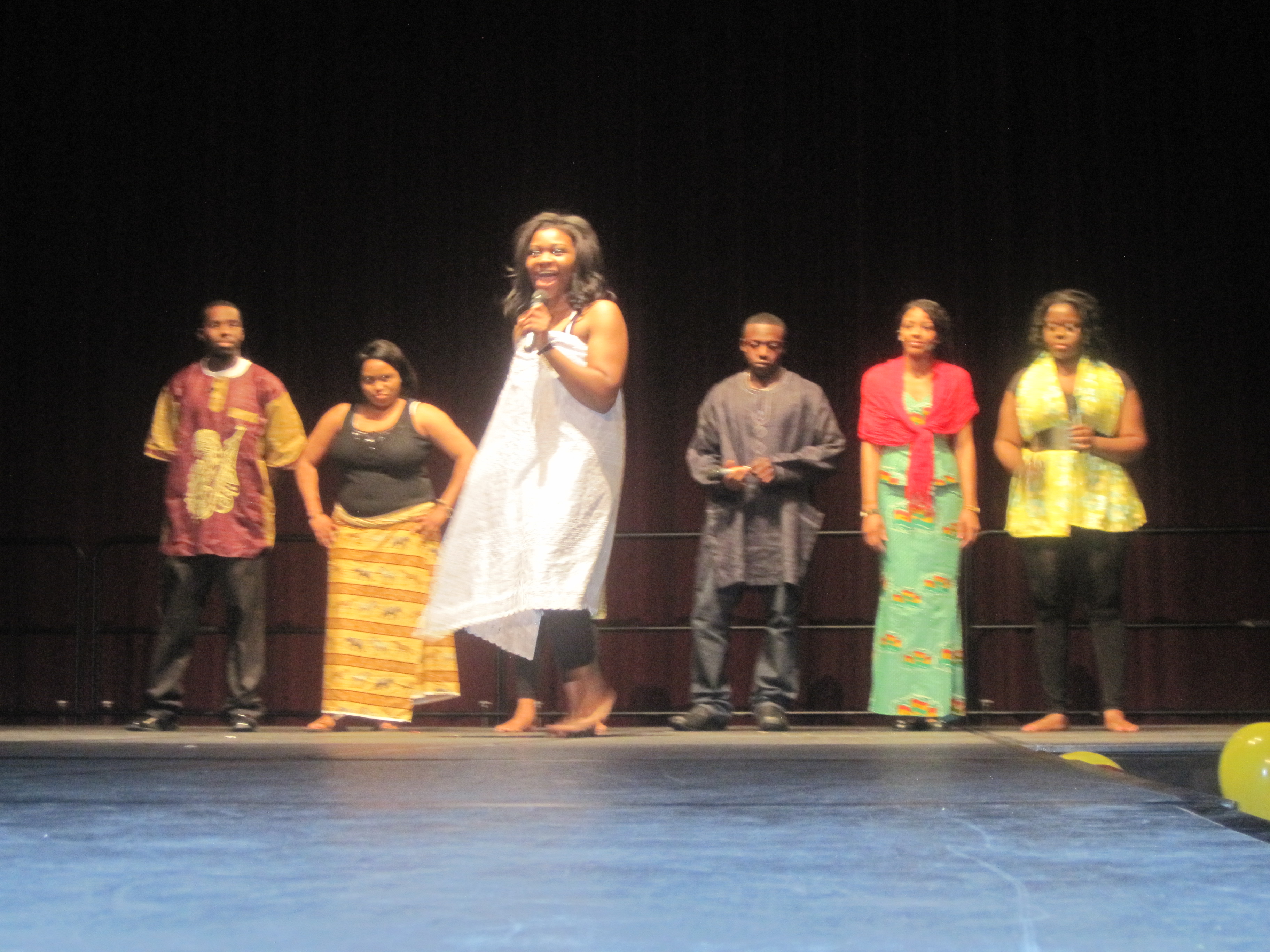
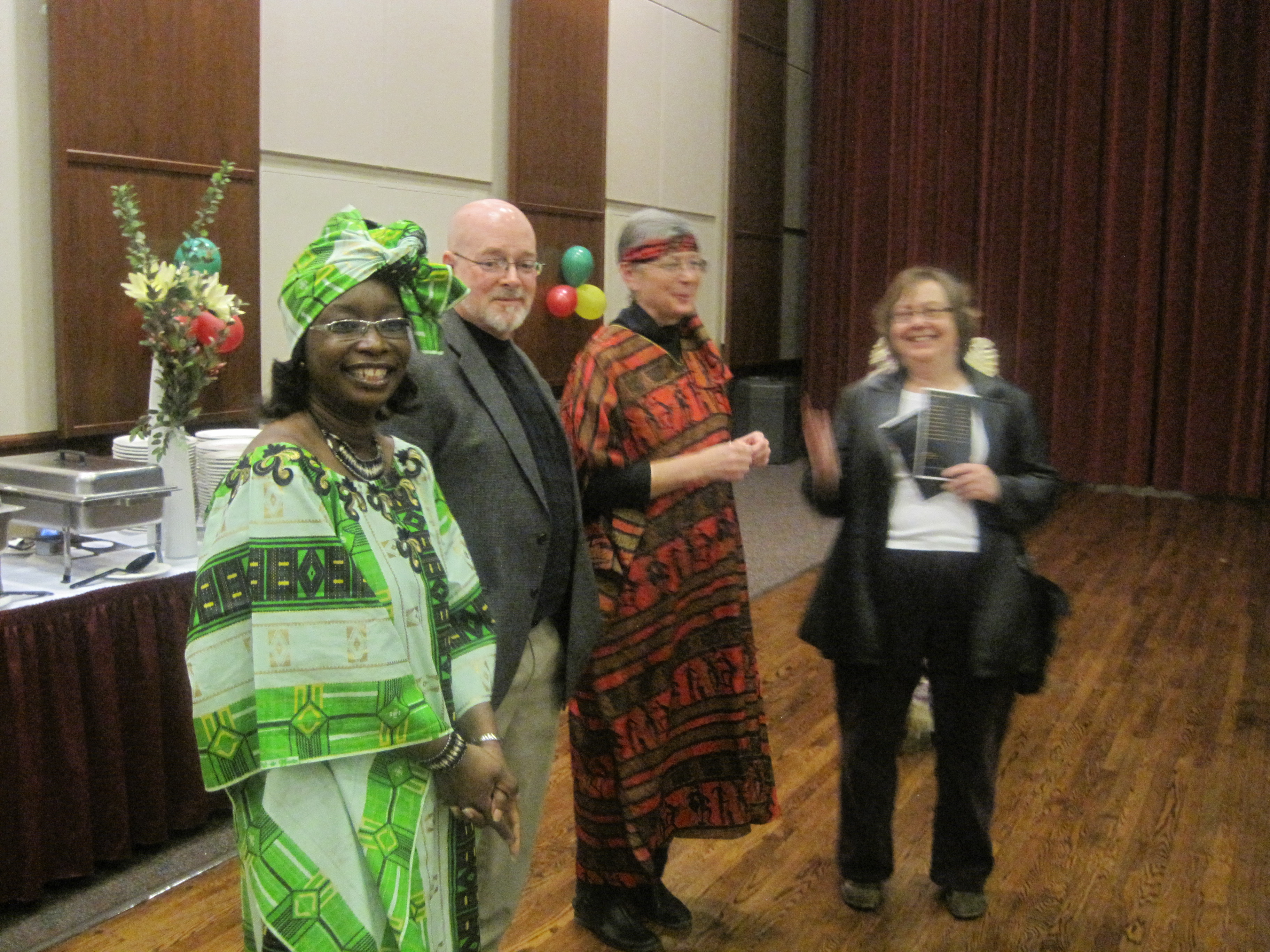
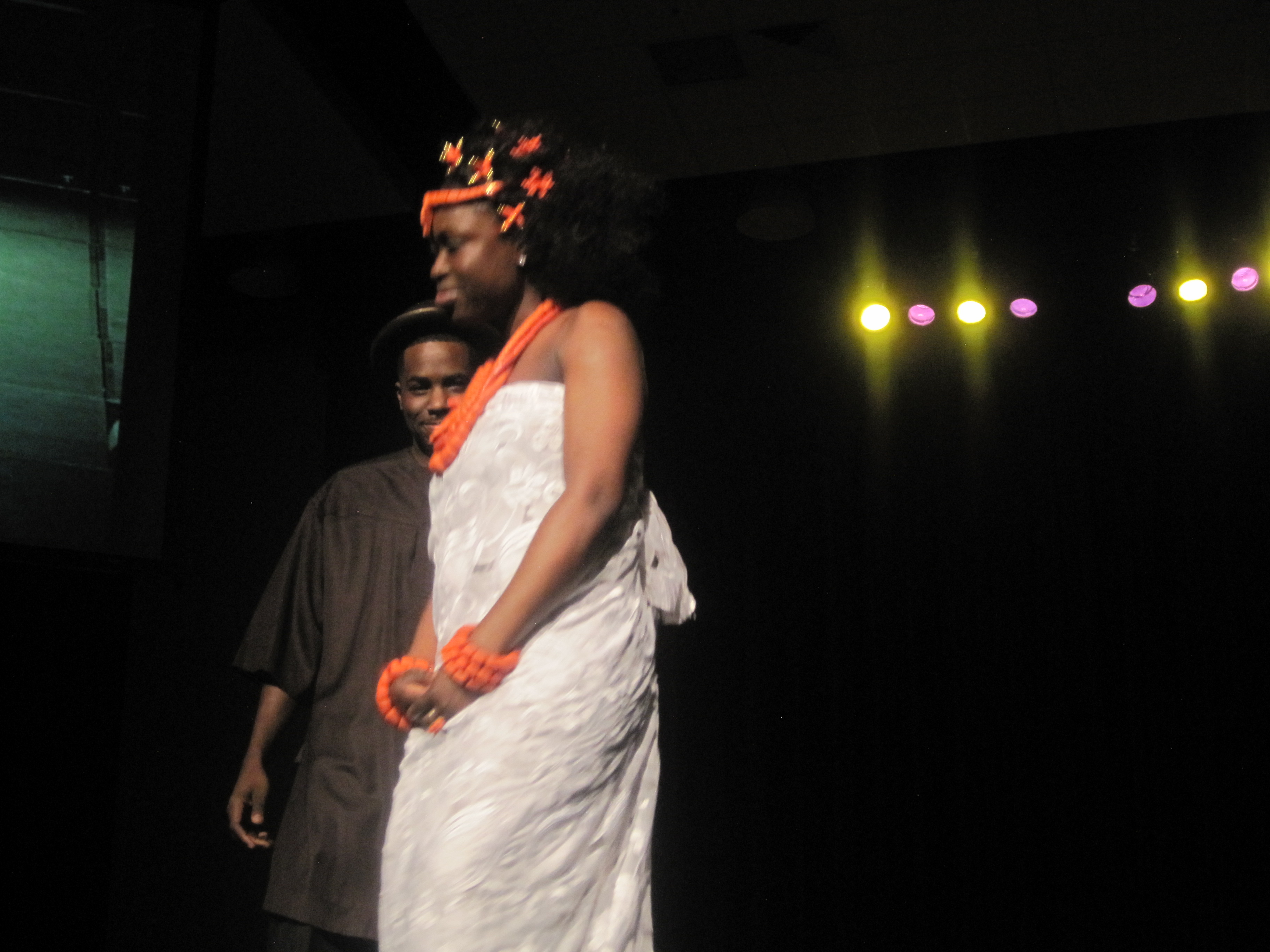
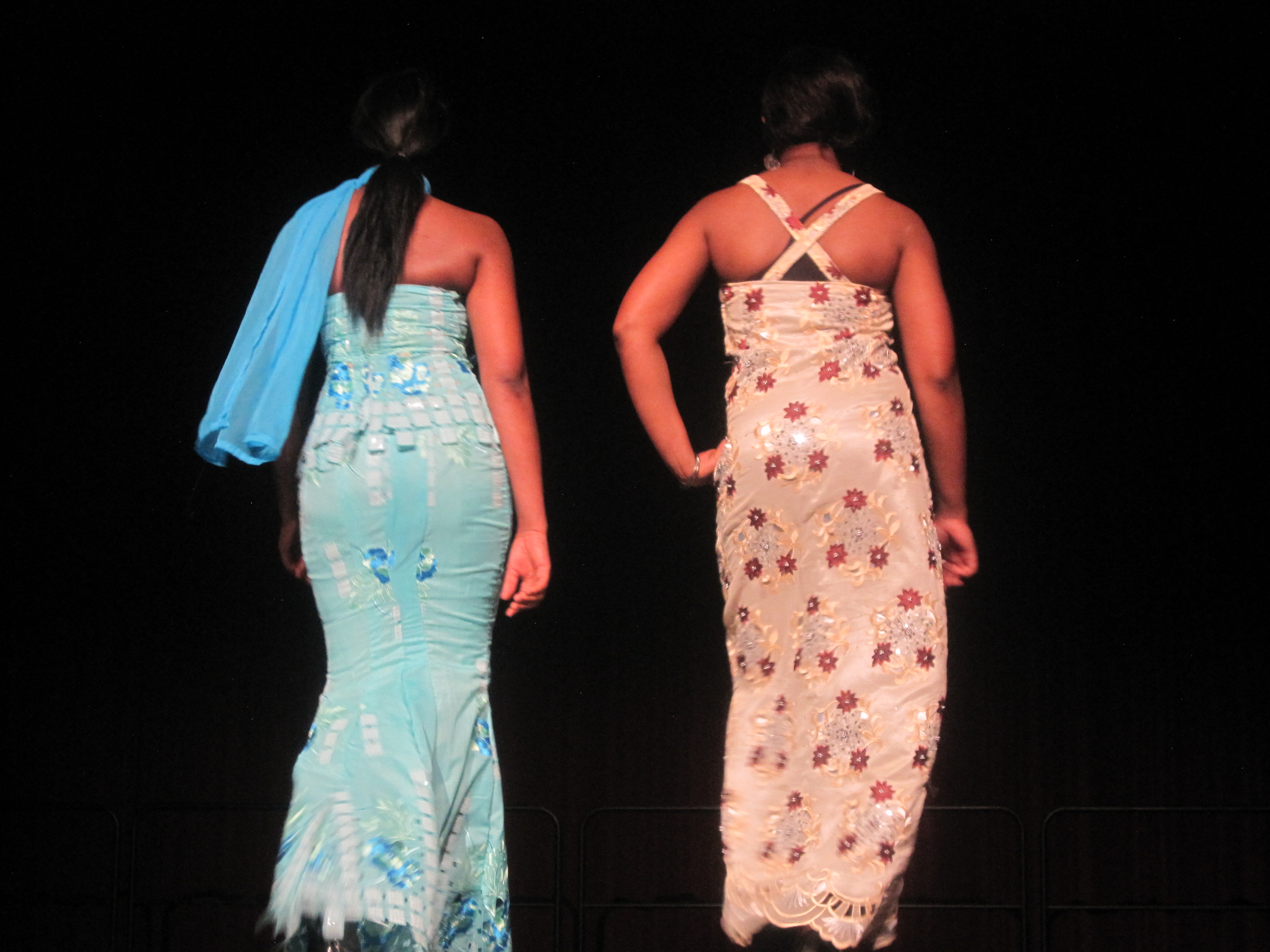
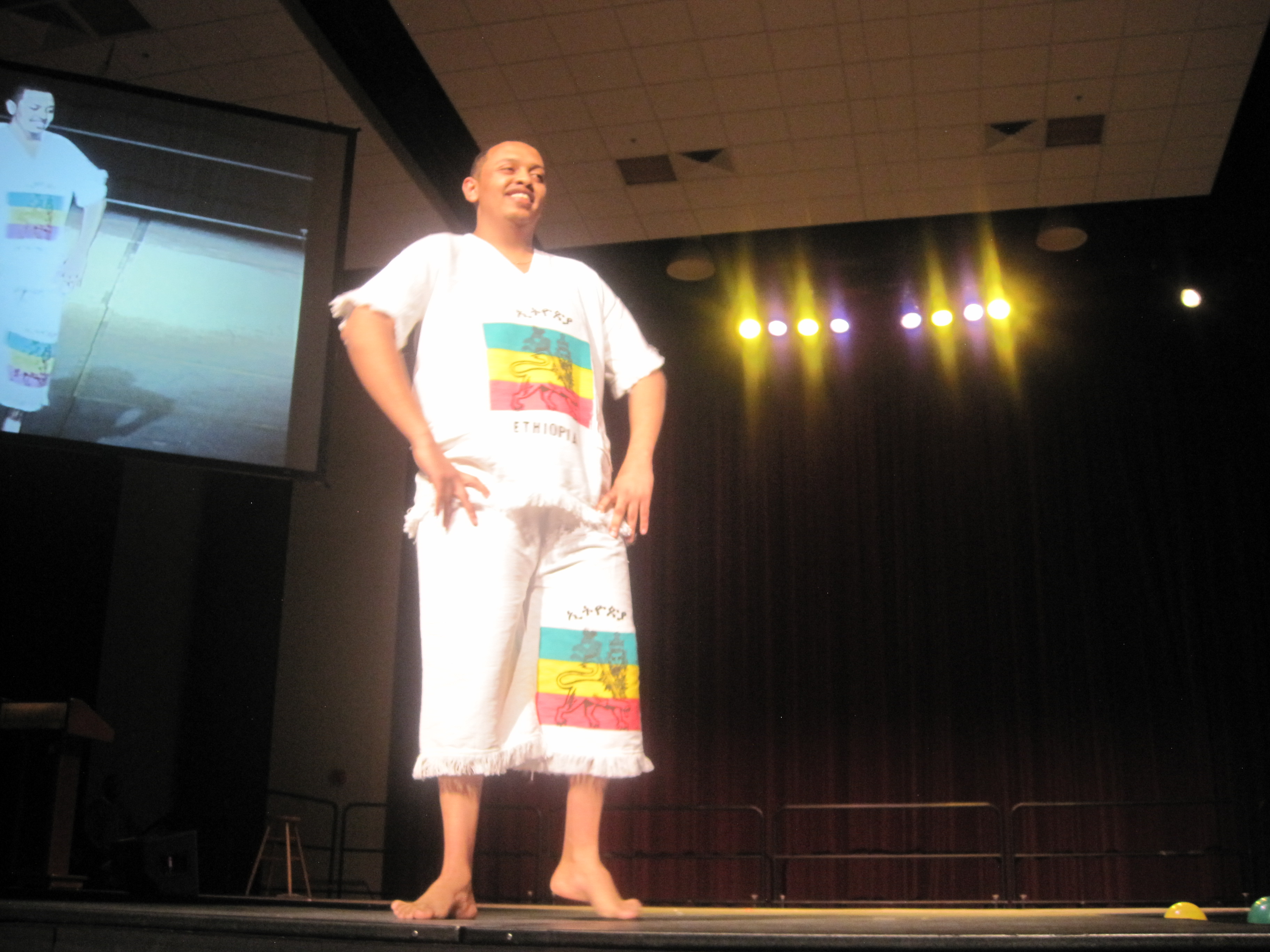
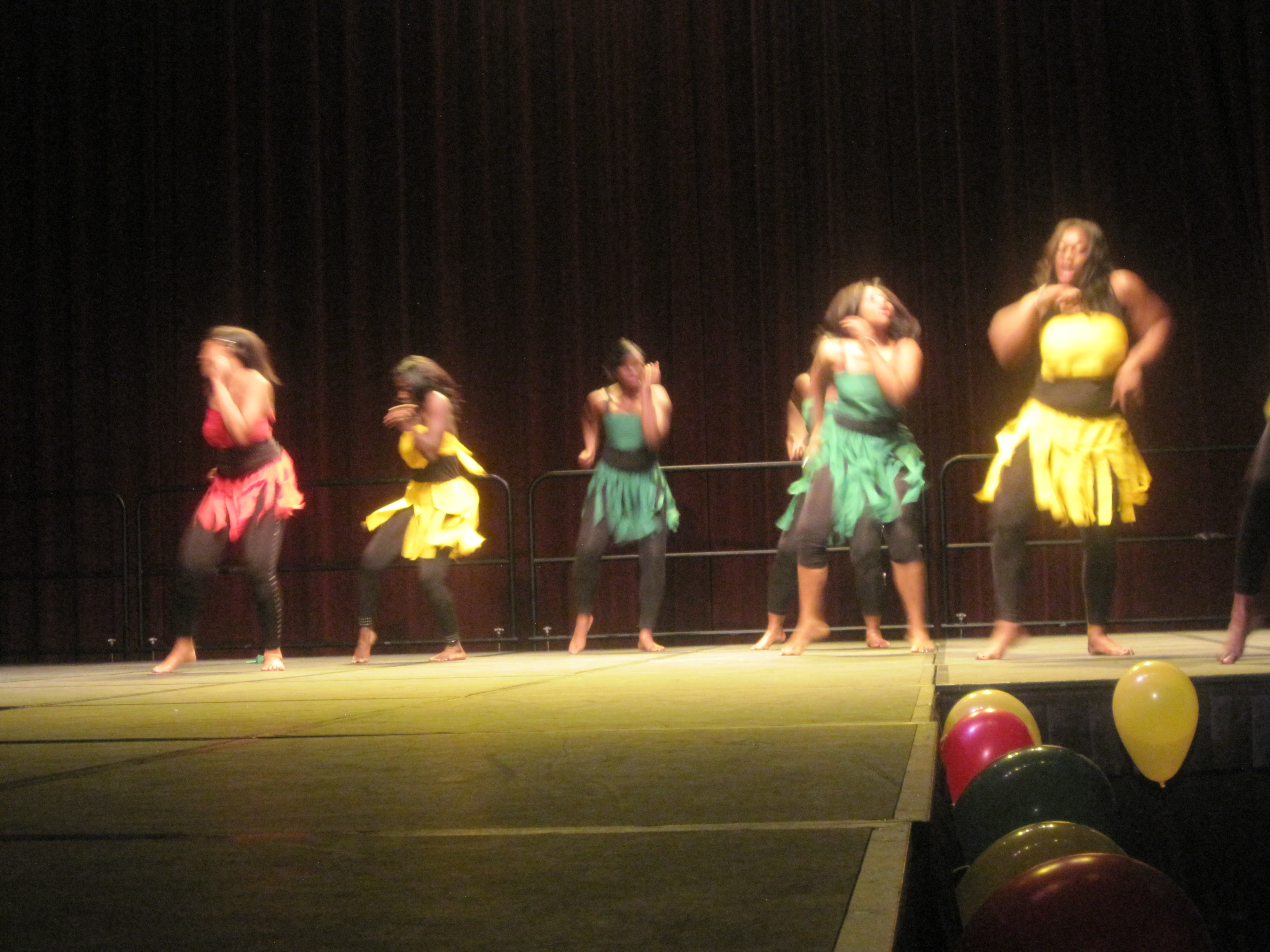
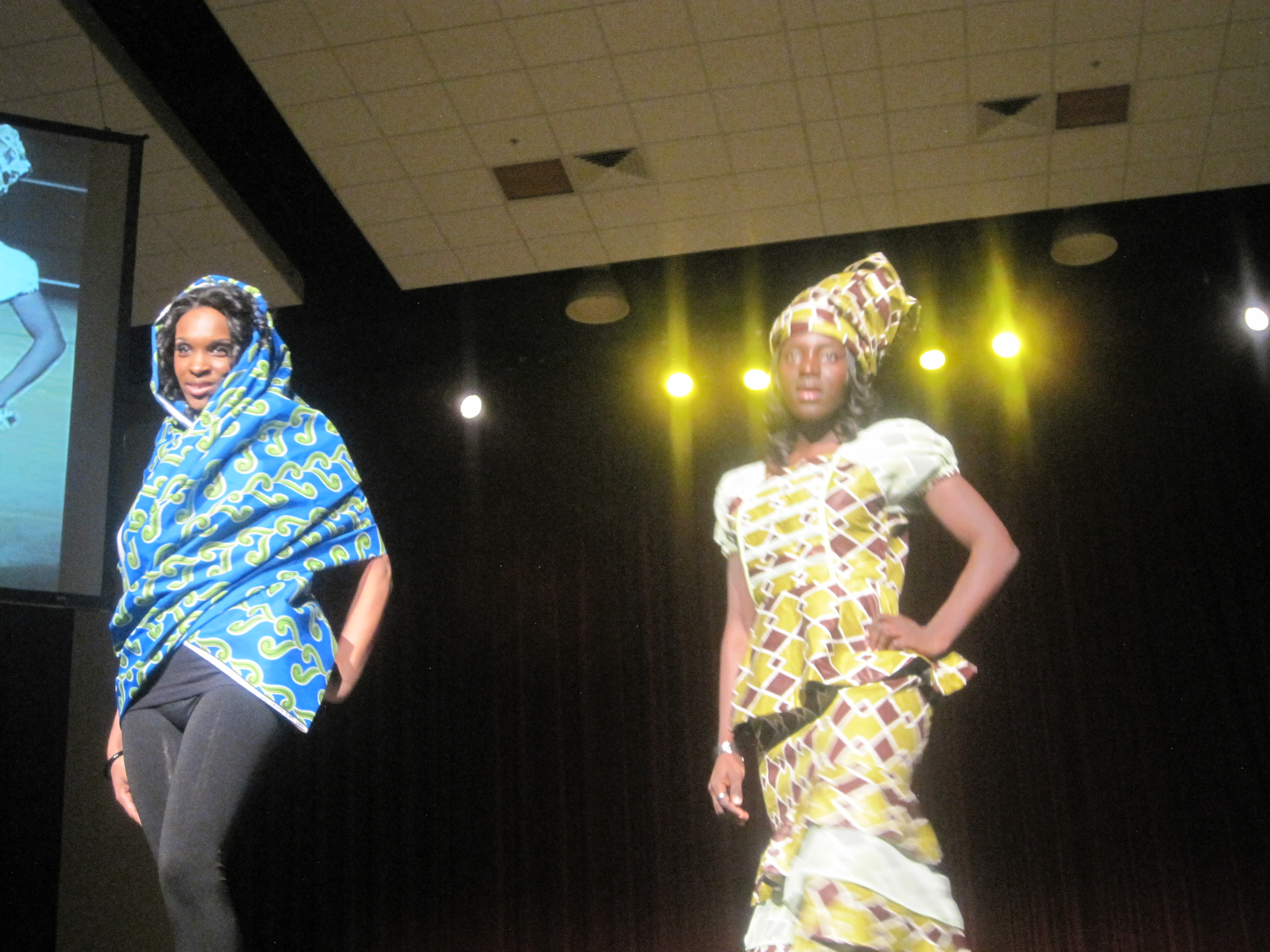
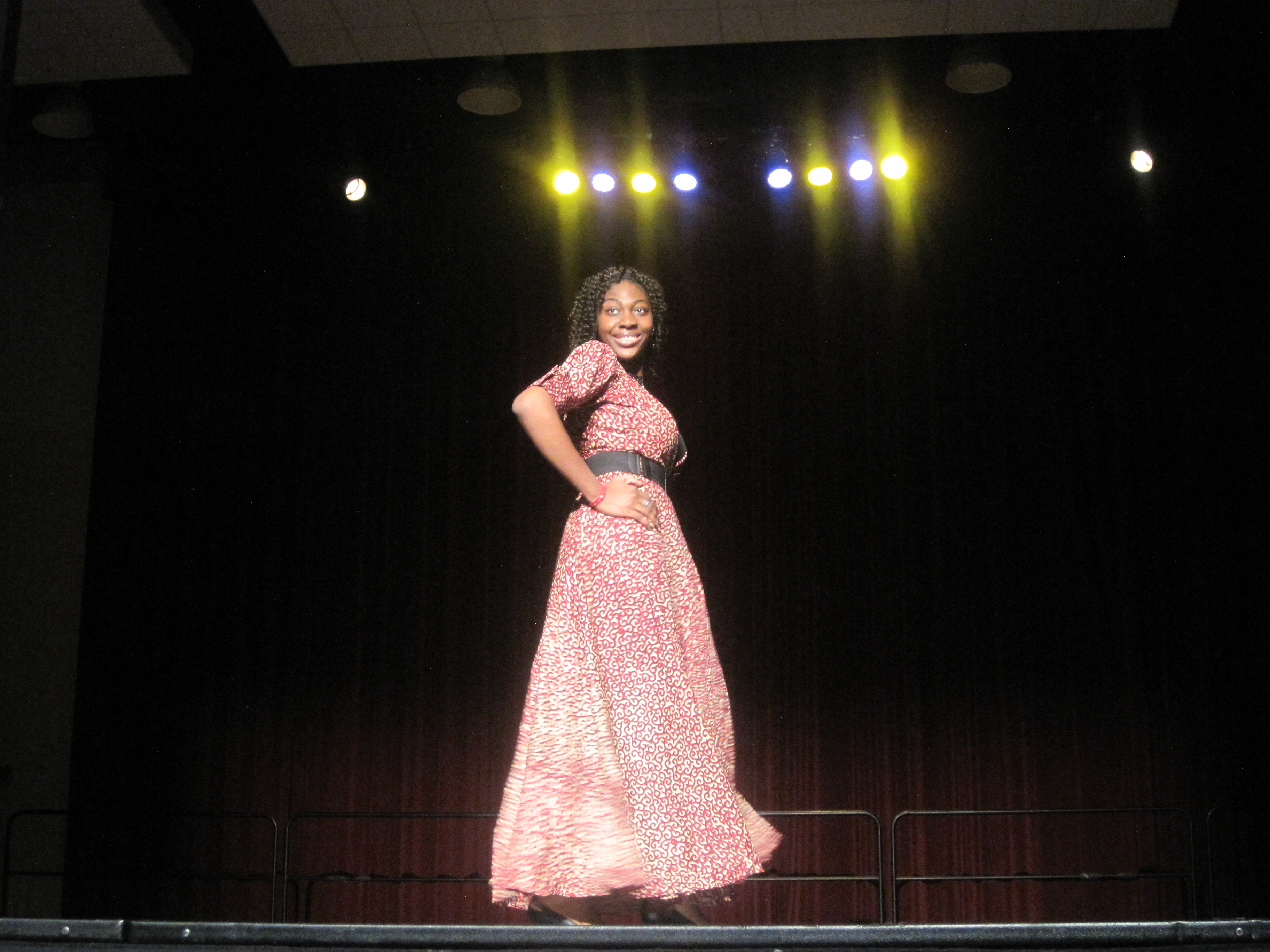
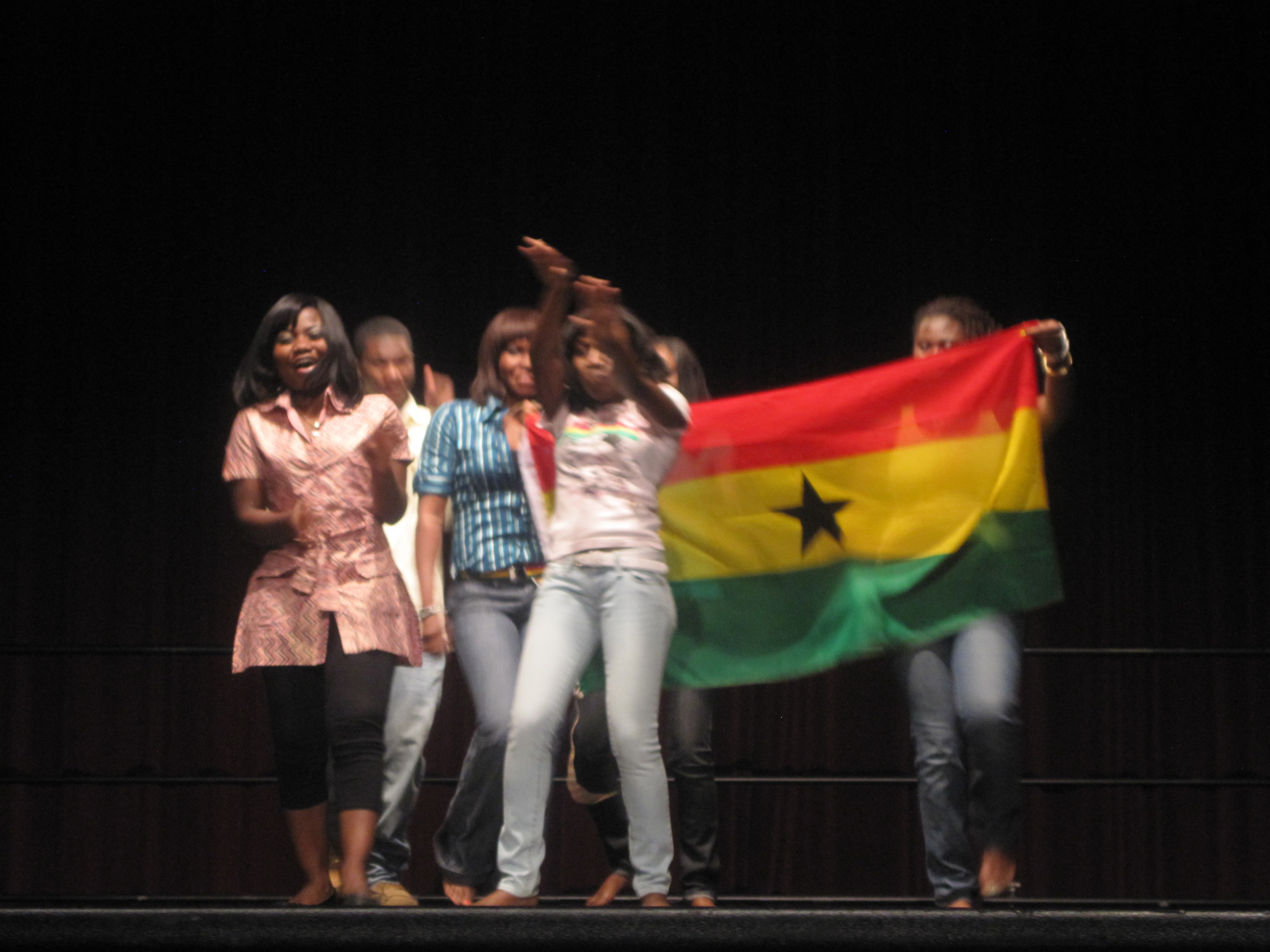
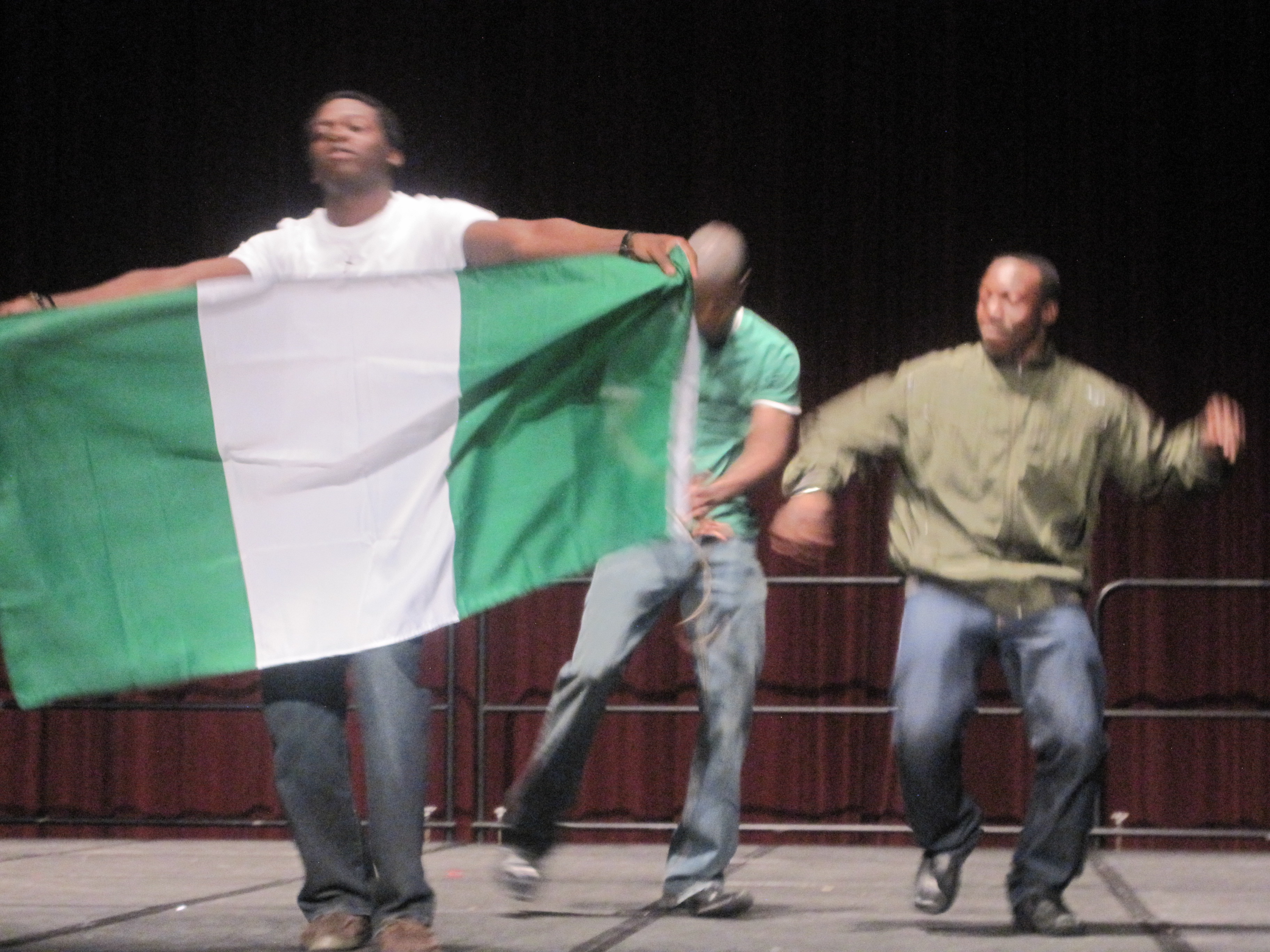
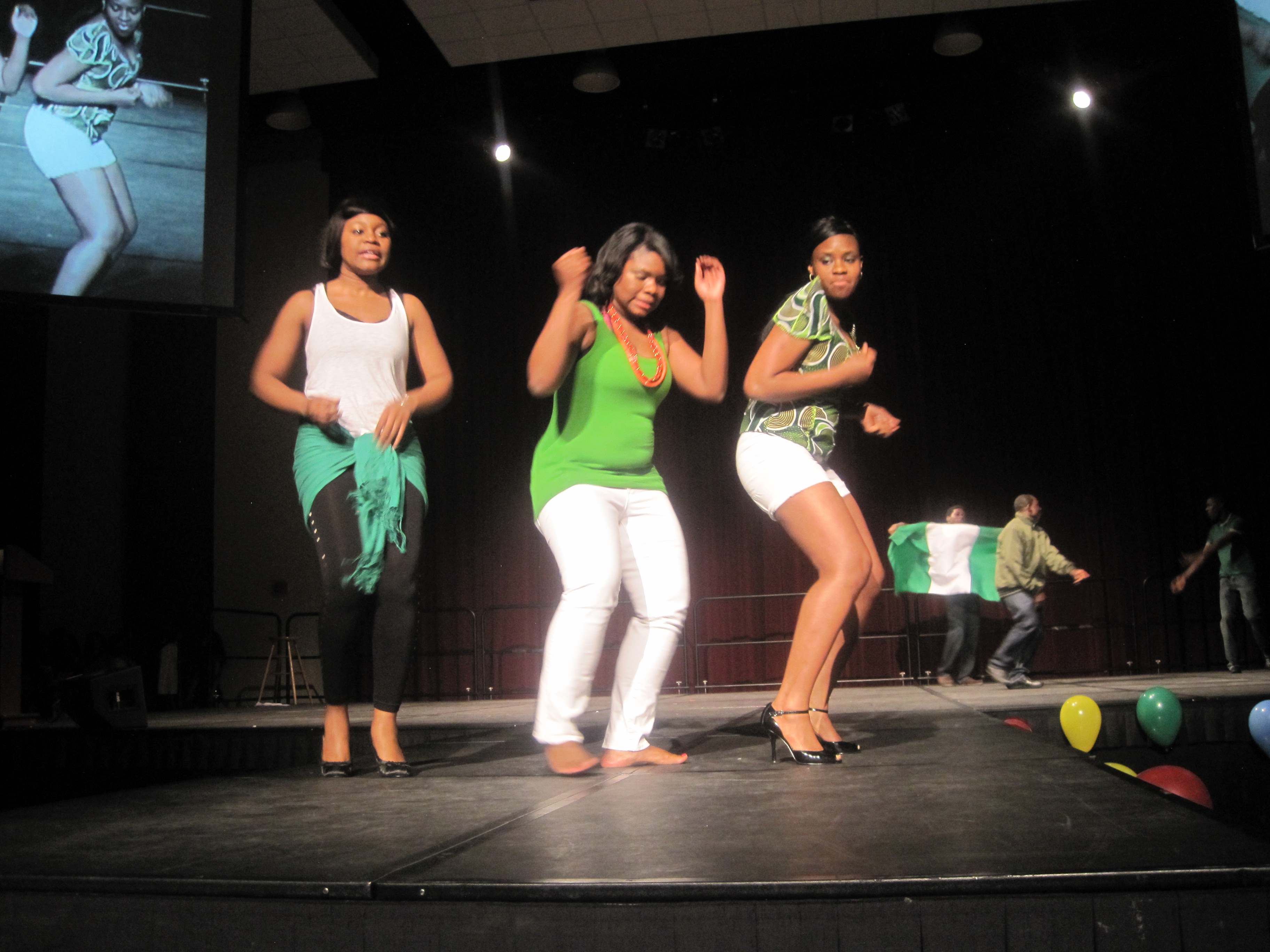
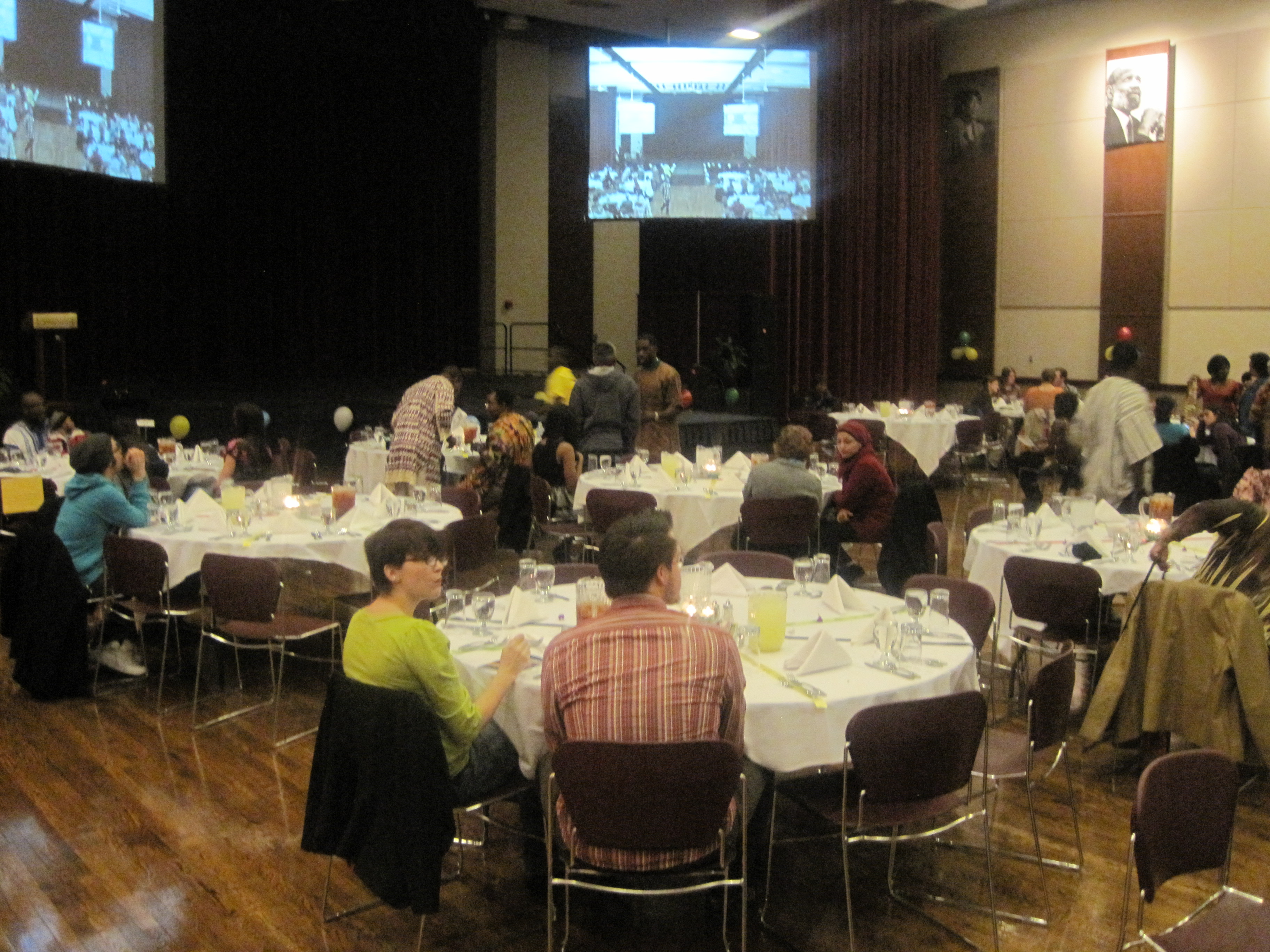
A night (on Sunday 20th February at the University) featuring dance, music, acting, comedy, fashion parade, and food.
Browsing ktravula – a travelogue! blog archives for February, 2010.
A night (on Sunday 20th February at the University) featuring dance, music, acting, comedy, fashion parade, and food.
 Yesterday was special in the history of this blog because we set a new (world) record of hits and visitor numbers. You will understand why this memorable when you realize that the last time we had a record number of visit was December 27th when I published my opinion on the Nigerian guy who tried to take down the plane. Yesterday, that record was surpassed by about a hundred more visits. Can you believe that?
So what was the topic that turned my blog into a mecca of visits and contribution? You guessed it: another potentially terrorizing topic – women’s hair. Apparently, it is deserving of more than one posts, thus my decision to write this one.
Fact #1. Women care so much about their hair
Fact #2. Women don’t like people to tell them what to do with their hair.
Fact #3. Women’s hair is serious business.
But instead of rehashing the issues raised in this wonderful discussion, I will refer you to the post again to read and leave your comments, but not before I refer you to read Clarissa’s take on her hair adventures and ordeals. Apparently, Africans or Americans are not the only ones with which growing one’s hair in the natural state is a statement of revolt or rebellion. Far back in the Soviet Union, school children were punished for wearing their hair long. Clarissa had told me this during the coffee get-together with the Argentinean writer, and I had expressed my interest in the topic believing that it should be explored some more in detail. Why for instance did the Soviet rulers think that women’s hair represented luxury or militated against the state victory over capitalism. Needless to say, I like it when Clarissa writes about her growing up and how the system in the Europe of her youth influenced her thoughts and perception of life as an adult.
Fact #4. This interesting discussion on women’s hair is not likely to end today, or soon, but I like it.
My most-recent recollection of self-consciousness about my hair must have been less than three weeks ago, even if it had always been in my subconscious one way or the other long before then. I do like my hair, and I’ve never had any problems with it except when it becomes too much to carry around, and I have dealt with that by cutting it down at the right time, getting a good comb, or wearing a nice-fitting cap. But a friend had looked at my hair during a minor discussion about interracial marriage and said “Whooo! I’d never ever want my child to have your kind of hair. It’s looks like jute! I would cry if I had to look at something like this on my child’s head every morning. How will I live with myself?” It would have been funny if she was only joking, but in the expressions of her hair preference for an unborn child, I found a certain seriousness that has kept the relevance of the issue around my head (no pun intended) for a while.
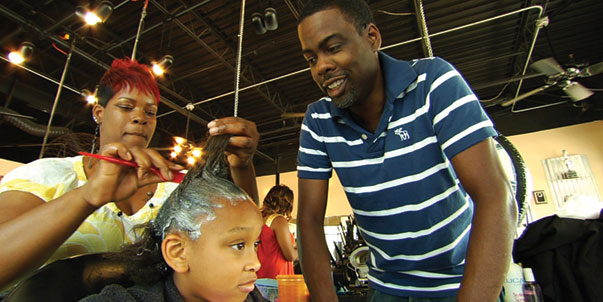 So when I finally sat down on Saturday to watch Chris Rock’s comedy/documentary called Good Hair to the end, I was prepared for a journey of discovery, pleased that someone was taking a journalistic trip into the politics, the culture and the world of hair, and I was there to witness it with him. Chris Rock has been one of my favourite comedians and thinkers, and I had heard good things about the movie. But all through the theatre run of Good Hair in the theatre, it just never showed up in Edwardsville, so I have had to wait for the DVD. Now that I am finally through with it, I can tell you without a doubt that it is one of the best documentaries I’ve seen in a long while. Ever.
The documentary according to Rock was inspired by his three year old daughter’s question to him about whether her hair was “good hair”. The pursuit of the answer to the question took the comedian around the world from his base in the United States to India where young religious women in the country volunteer to have their heads shaven in temples every time, to Los Angeles and Atlanta in the United States where said hair are eventually used as beauty enhancements after having been sold by the priests in whose temples the hairs were acquired, to the dealer who would later process them into a presentable and usable form. Apparently, as the movie shows, India is the biggest source of hair weaves and attachments to the developed world, especially black women. What Chris Rock very vividly portrays is not just a kind of displeasure of (black) women with their own hair types for a foreign one, but also their sometimes unexplainable nonchalance as to the implication of economic enslavement that comes with it. I grew up in a household of so many women so the idea of weaves is not strange to me, yet over the years of interaction with women either as family, friends, lovers or just plain acquaintances, I still haven’t got myself around the motivations that must fuel such an addiction to straightening, weaves, and a different kind of look than permitted by the hair’s natural characteristics.
So in putting the movie/documentary together, Chris Rock interviewed the Reverend Al Sharpton, the civil rights activist and a former James Brown fan whose physical identity is defined by his straightened all-back hairstyle; the poet and writer Maya Angelou who revealed to much surprise that she never used the “relaxer” until she was seventy years old; Nia Long, a hollywood actor with a fondness for weaves; Ice-T, who once confessed to have had a mug shot while wearing one of the hair rollers used after a relaxer; Eve, Salt N Pepa, and very many others ordinary Americans as regards their motivations, drawbacks and challenges of wearing weaves, as well as their dos and don’ts.
Dos:
(I can’t remember)
Don’ts:
Never touch a black woman’s hair (except you’re friends)
Never touch your girlfriend’s hair. (What? Yes, you heard right. Don’t do it, even while in bed together. Alright! I’d never heard this one before.)
(For women) Never immerse your hair in water, not even in the pool…
Don’t ask a (black) woman whether her hair is real or fake.
among many others.
The movie has however been criticized for failing to provide answers to the question of motivation of the women who go through extreme pain to look “good” with Sodium Hydroxide relaxers or imported Indian hair obtained mostly by some kind of exploitation, or whether the percentage of African and African-American women who prefer straightened or weaved hair fall into a majority. In my opinion, it wasn’t really the comedian’s place to provide such answers. From it’s very nature, the movie/documentary was made to be eye-opening through questions and queries rather than through answers through the actor’s mouth. And this format worked very well to take the viewer into the very many dimensions of the politics of hair.
From the despair in my Indian friend’s mind about the possibility of ever having a child with “jute” African hair, to the not favourable (or at least understandably condescending) perception that educated Indians must now have of Hollywood stars and ordinary African folks from all over the world who spend a fortune every year to acquire their kind of human hair, to the criminality of such religion that must brainwash young women to give up their hair for free as sacrifice to God while such is immediately sold for huge sums of money to the highest bidder, to the very many dynamics that makes the business of hair a multi-billion dollar industry in the world (with the black community occupying only on the paying – and not the earning – side), and the finickiness of all my female friends about how their hair looks whenever I whip out my camera for a quick shot, I have definitely found a renewed interest – thanks to Good Hair – in the phenomenon of women’s hair, and the cultural/economic/political dimensions of their shade, colour, length and style. And I’m not always pleased.
What I should add here is that the movie/documentary is VERY hilarious. What else would you expect from Chris Rock? Every family should watch it. Find the trailer here.
Talking with Ben about starting a business in Nigeria has reminded me once again of the problems that mitigate against successful enterprises in Nigeria. The chief is still electricity. Then security. Why do we have guards at our gates in Nigeria? I’ve never asked myself that question. Now, I can answer it. I think it is from the absence of a right to bear arms. If everyone had guns, we won’t need to pay people to watch over our houses. And now I believe that just mentioning to an intending immigrant/visitor to the country the fact that most residential houses in industrial areas of the country have guards that watch over them at night could be a very strong deterrent. In any case, just like the problem of electricity, water or good roads, it is a failure of government.
A second victory was in one moment of magical discovery, that in Nigeria the Press is actually more responsible, and responsive than the police. Maybe a little tyrannical as well at times, but they’re usually on the side of the people. So in a moment of epiphany while reeling out the things to remember if one wants to move to Nigeria as an expatriate, I said to Ben that if an expatriate was to ever be in any kind of trouble while in Nigeria, he should call a journalist first, before calling the police. Thinking about it again now, I’ve discovered that newspapers in Nigeria should actually adopt it as a public brand. Police cars here in the US go around with the large writing on the body of their car “When in trouble, dial 911”. It’s there for everyone to see, and even three year olds in America today know the short code in case any bad thing happens. Think about something like that on the front page of all newspapers in Nigeria every day. “When you’re in trouble, call 419” or any other easily-memorable number. The truth is that the police are held more accountable by the media than by the politicians, and there is a chance of redress if said victim brings a journalist along to the police station while reporting an incident. It works even better for expatriates/foreigners.
Don’t call the police first – they’re not your friend. Call a journalist!
_______________
PS:
 I came late to this talk by the Argentinean writer Paula Varsavsky who had come to our University at the behest of the the tenacious Professor Bezhanova. The professor of Spanish had brought the brilliant writer to enlighten students of Spanish language and literature here on campus, as well as other interested listeners, in spite of financial straits in the University that made it impossible to financially compensate the writer in any way. Paula the writer writes mainly in Spanish and grew up in Argentina and the United States. She works now as a journalist, translator, short story writer and novelist.
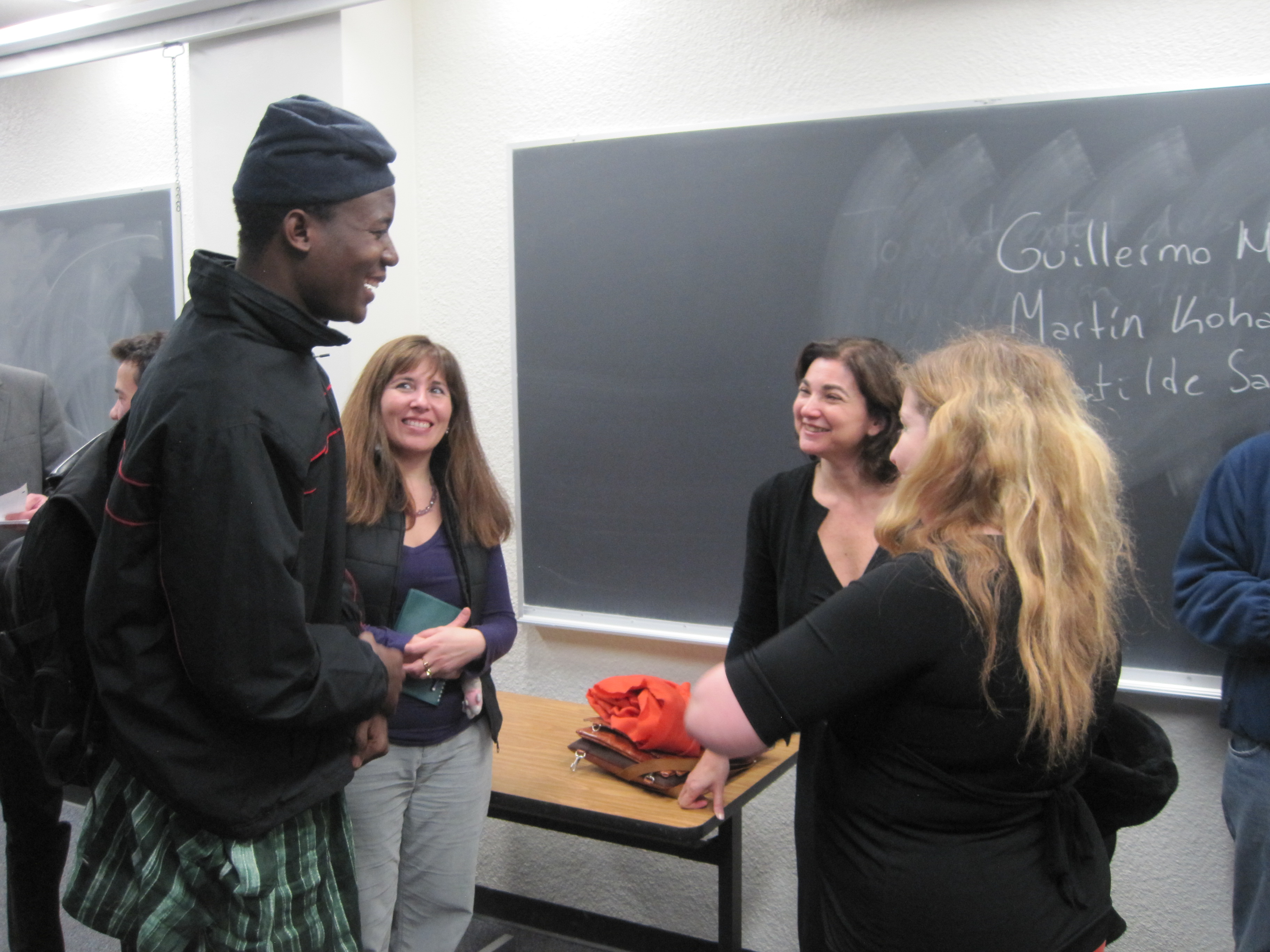 Notwithstanding my late coming, I found a choice spot to sit, and I listened to much of the talk from a distance. The beautiful and soft spoken writer spoke of the repression of women writers in Argentina, the person of Evita Peron and her polarizing figure, writing in Spanish and its challenges, her life story and progress up to date, the politics of women writing, and military dictatorship (The wealthy people in Argentina were the ones who instigated and sustained the military for their own selfish reasons. The military didn’t strike of their own accord). At the end, she read a chapter from her first novel No One Said A Word (I have the video of her reading it on camera.) The chapter was descriptive of a very tender moment between a father and daughter some time before the general election in the country.
Here are a few things I learnt from the talk: Women writers are unknown in Argentina, she said. Even in cases when women writers wrote far better or were more prolific than the male writers, the male writers’ names still dominated the literary landscape. She gave an example of the woman writer and poet Silivina Ocampo who even though was a better writer than many of the contemporary male writers was not given the required recognition in the country because women are not supposed to be heard out of the home. The public voice effectively belonged to the man, and becoming a writer in such a country is like trying to usurp a position reserved for the men. Argentina, even till date, is still a repressive society for women. Another thing I learnt was the relationship between the class of wealthy Argentineans and the military. Apparently since 1930, the military that took over the government had done so at the behest of a small group of wealthy landowners who wanted to gain total control of all the resources of state. So to achieve this, they instigated the military to take over – much like what happened in many parts of Africa after independence as well. Some people, a cabal, to retain their hold on the land resources, backed military people to keep the people in check and control the land. As soon as the country went back into poverty, democracy took over. According to Paula, they are not totally gone yet and may return if the country gets back to prosperity.
The best part of the day was at a get-together that took place later at Starbucks. Present was the writer and a few members of staff who had attended the talk earlier in the day, along with plenty coffee. Earlier in the day, I had read a translated short story of her titled El Retrato or “The Portrait” and found it very refreshing. Another one of her story, The Golden Dome, is online for reading and downloading. The informal get-together helped get to know her better, her influences, her interests, and her challenges. Meeting writers is always an exciting opportunity. I’m guessing that the only thing more interesting would be being a writer oneself.