- I don’t usually write the word “Programme” as “Program.”
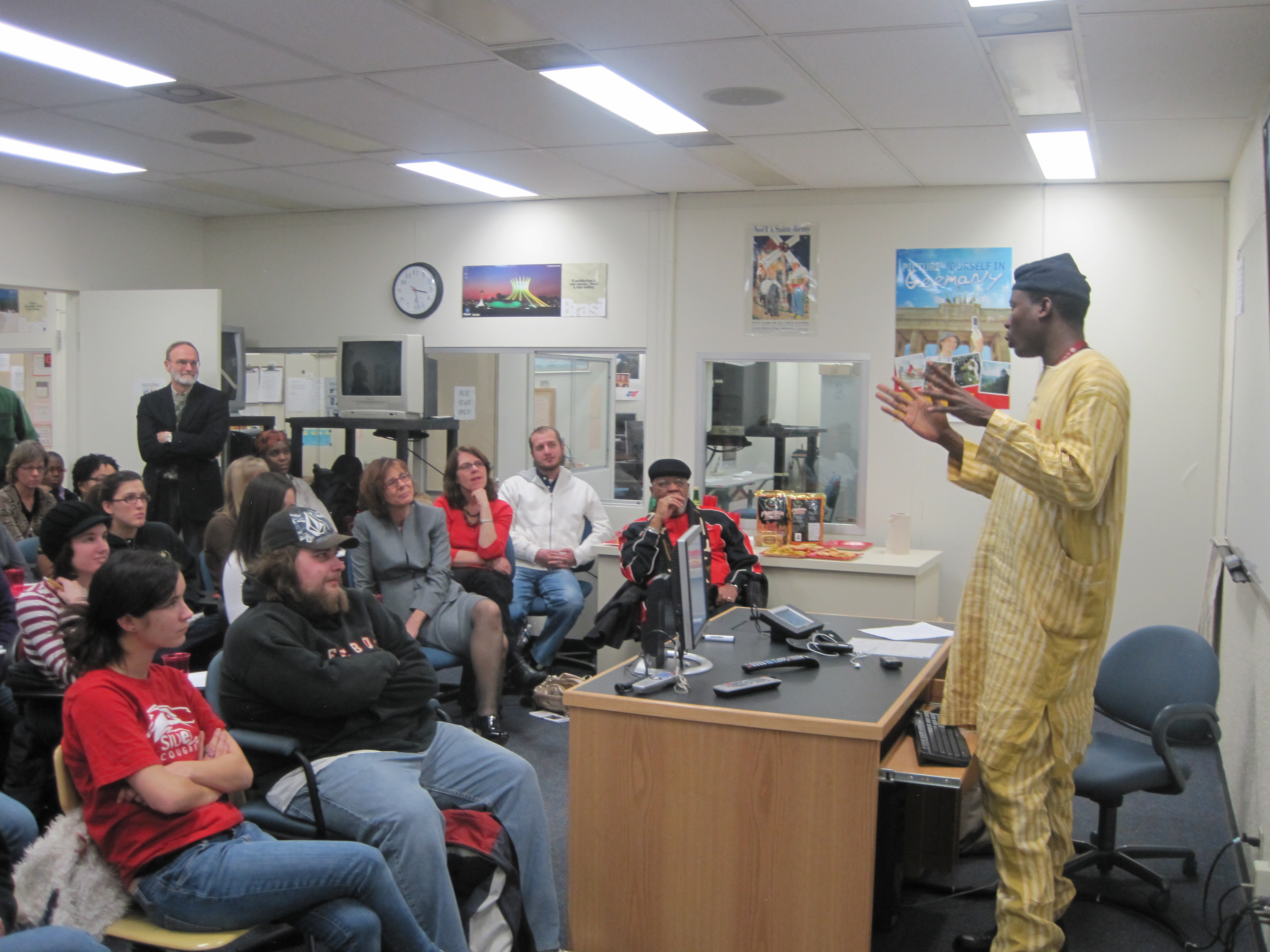
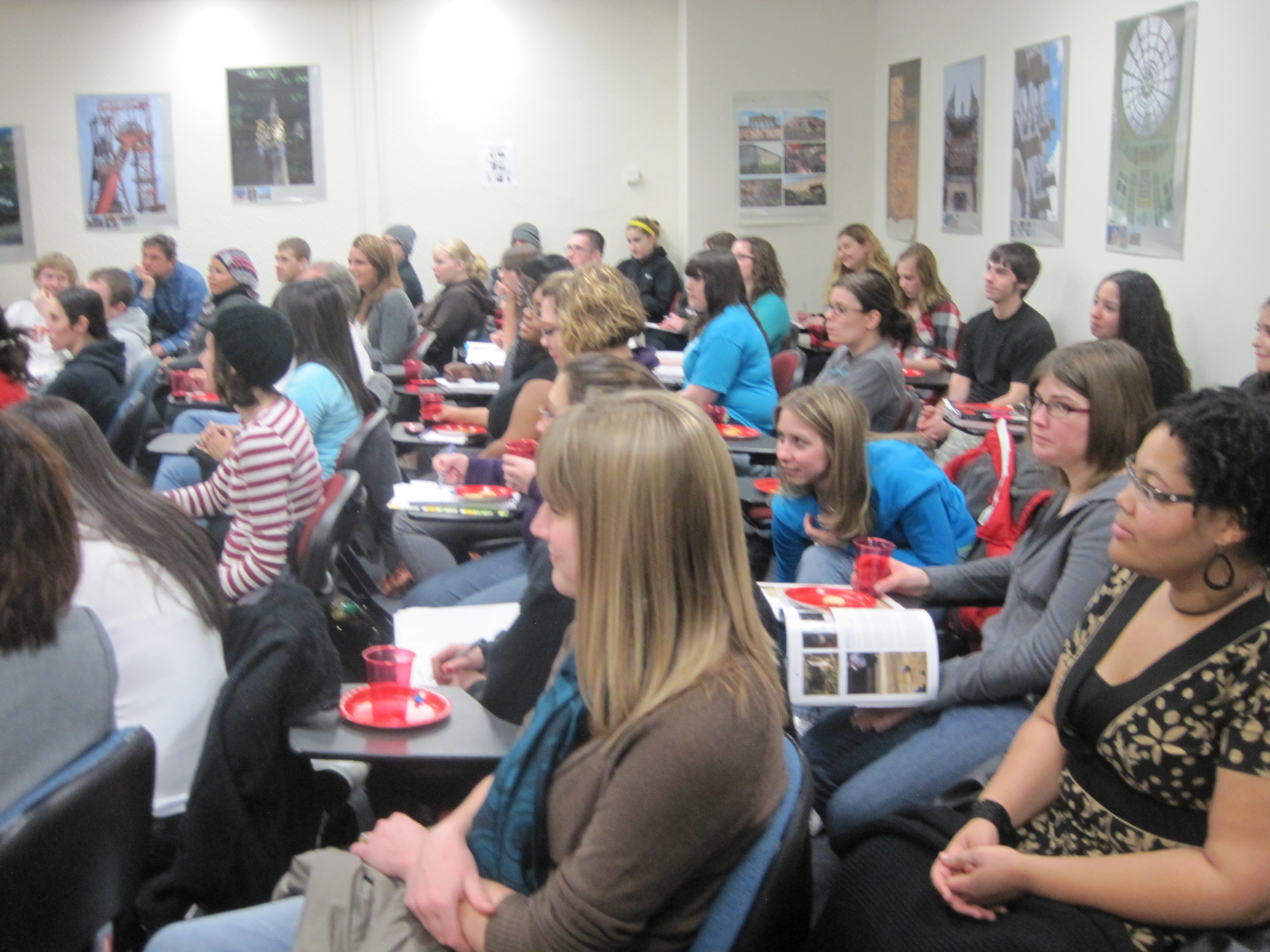 The long process that became today’s presentation began a little over a week ago when Prof Tom Lavalle, a professor of Chinese language and literature sent me a mail asking if I would be willing to kick off the “Discover Languages Month” with a public presentation. I said yes. He asked me to suggest a title, and I did. He liked it. I didn’t have too much time to plan for it however, which would explain why I had spent a few nights sleepless putting everything in form. For this, I also owe credits to the pictures on my room wall who listened to my mock pre-presentation, and to Deola, Zainab, Tayo and Chris who offered valuable suggestions after previewing the presentation. I also thank Clarissa who sat gently and almost anonymously at the back, smiling at almost everything I said, and blogging 🙂 but whose presence along with that of other colleagues and friends gave me the needed encouragement; and Belinda Carstens, my head of department who barraged me with questions when necessary, thus inevitably pointing me to a few things I seemed to have been taking for granted talking to a people from a different background.
- My undergraduate project in the University was called “The Multimedia Dictionary of Yoruba Names.”
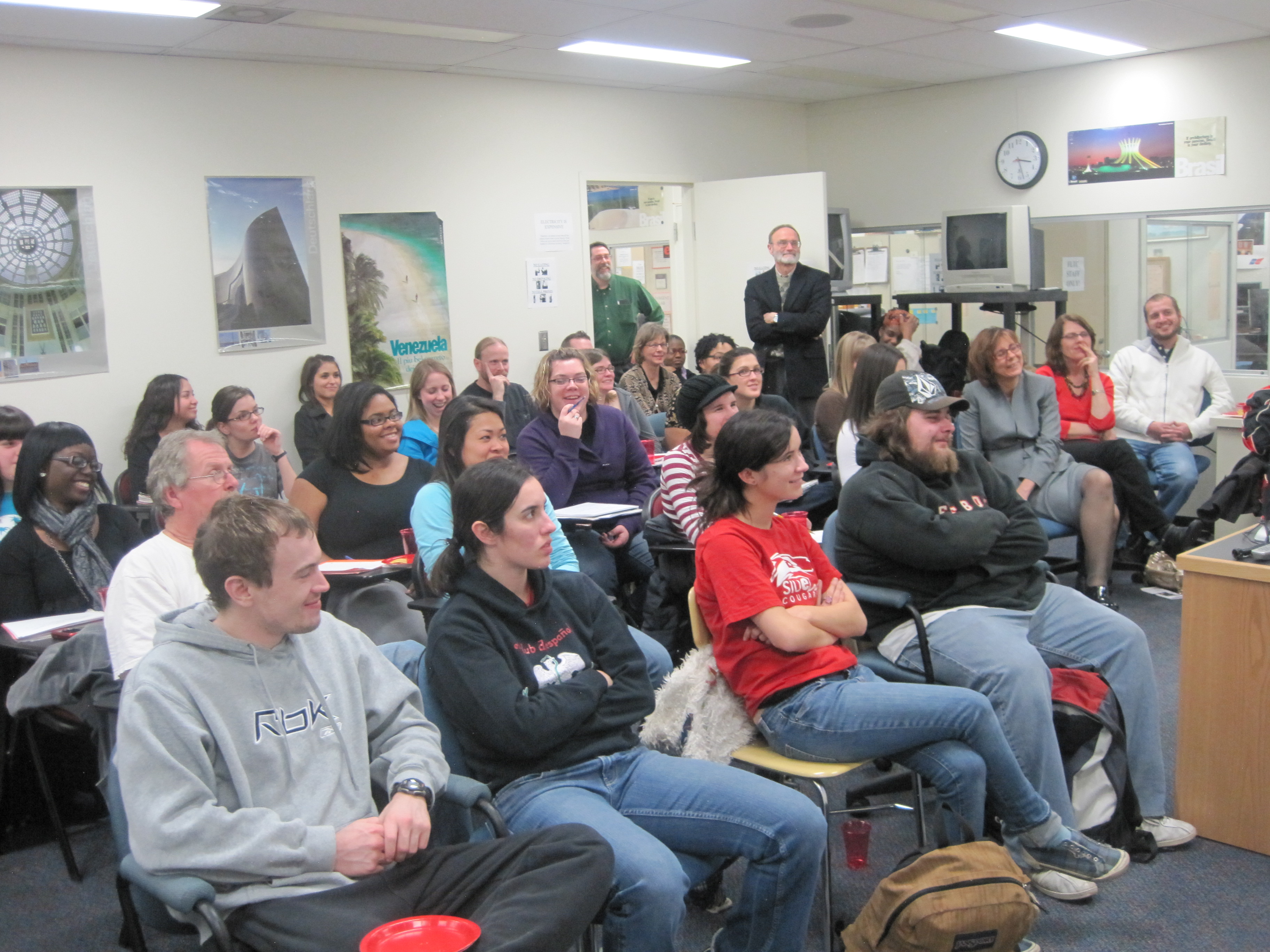 One of the most intriguing discussion from the talk came during the realization by a few members of the audience that we still had kings in Nigeria, within Yoruba kingdoms. “Are they all monarchies?” Someone asked. “No,” I said, and went into a long explanation about the peculiar (and prehistoric) republican nature of the kingship system in Ibadan in sharp contrast with the rest of Yoruba kingdoms in Oyo, Ife and elsewhere. Even to me, that was a moment of personal reflection and pride in the accomplishment of Ibadan ancestors who broke with tradition long before the British came, and did away with a succession system of government that is based on heredity like is practised in Oyo or Ife for a more meritocratic system based on long-standing and verifiable contribution to the society. Even at the end of the talk, a few more scholars came over to talk to me and ask questions about the kingship system. The kings, we discussed, do not have political powers as such in the country, but do occupy a status of responsibility that makes them indispensable in the proper governance of the country. There was also a question about spirituality. This elicited a response in reaffirmation of the Yoruba worldview: that which has never sought to impose its belief system on any other group of people for any reason. We had fought wars for women, for land, but never ever to spread a system of belief or to proselytize to our own way of life.
- Do you have Six Flags in “Yorubaland”?
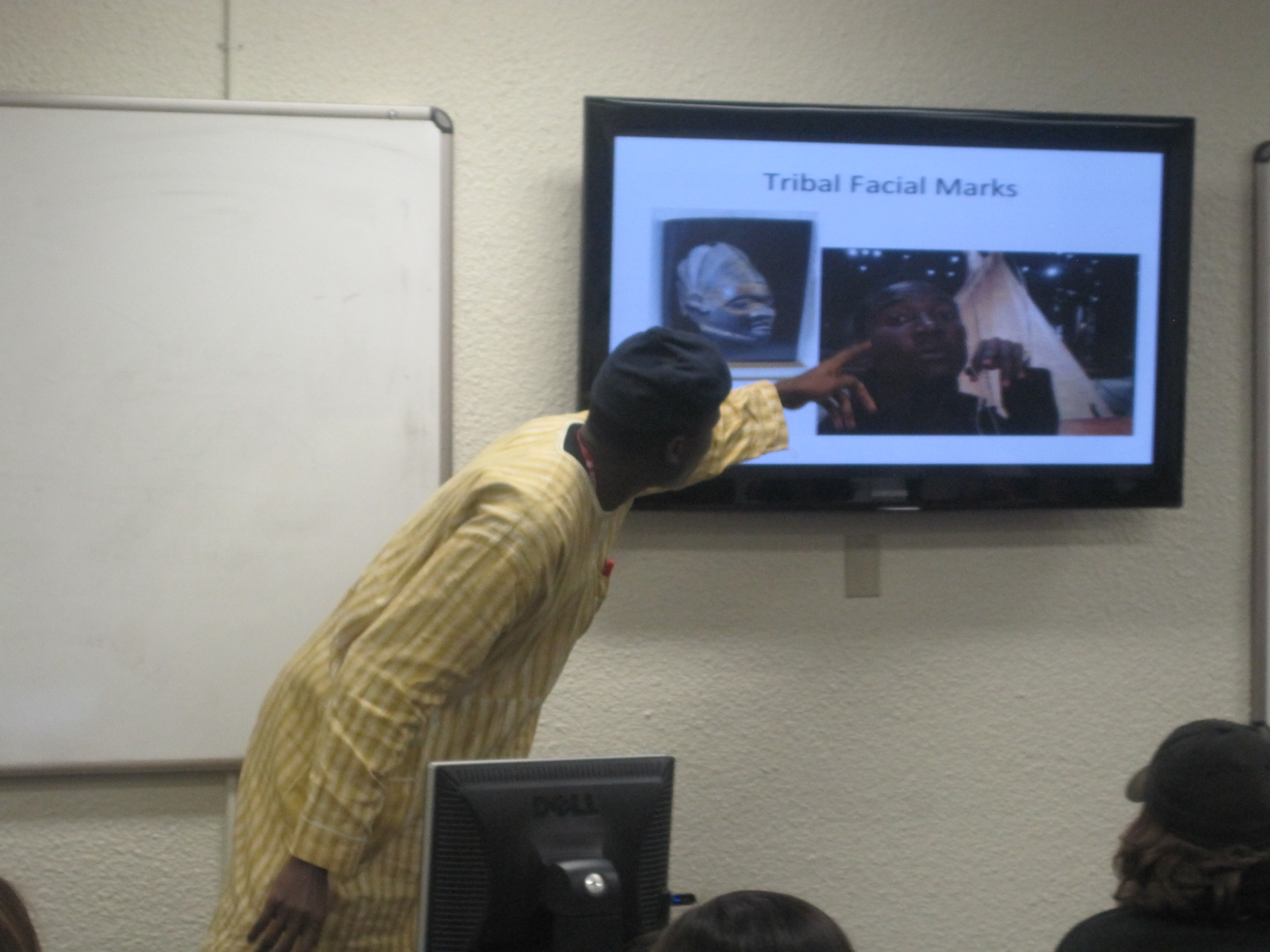 So there was food, plantain chips. There were over forty people in the audience, many of them standing. I saw a few old students in the audience, and a few current ones as well. How the old students knew about the event, I have no idea. Professor (Papa) Rudy showed up as well. It was my first time of seeing him this year. Also present was Prof Schaefer, professor of Linguistics, and SIUE Director of International Programmes who is no stranger to Nigeria himself, having taught at UNIBEN for many years and worked on the Edo language of Emai for a long time. I spoke about the mark on my face. I also spoke about the noted similarities between the Opa Oranmiyan and the Washington Monument; and about why I wear the cap in the United States even though I never did while I was in Nigeria; and about the meaning of names; and about masquerades, Lagbaja and the KKK (a little uncomfortable for me to broach); about Wole Soyinka and the many things he wrote about; among other topics. And then read a translated poem about The Owner of Yam and his Neighbour, which everyone seemed to have loved.
- Is “Yorubaland” like Disneyland?
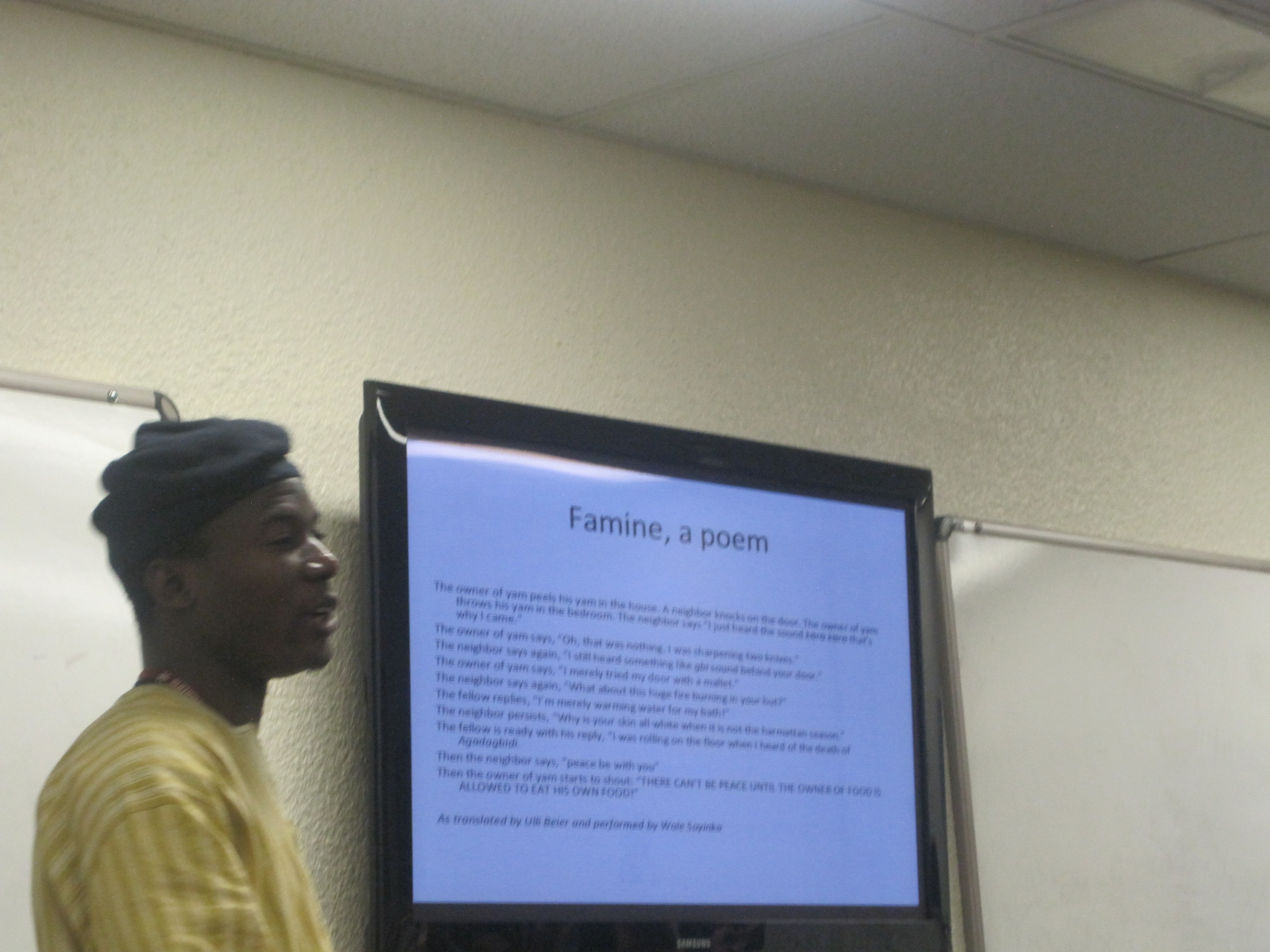 It was nice. I had fun. I’m guessing that from the response there will be more students next year registering for the Yoruba if the Fulbright commission decides to send more Yoruba teachers to this institution. I have also been told by professors whose students came to listen that they would be discussing what they learnt from the talk in their subsequent classes, and on Facebook groups created for the discussion of language ideas. I look forward to getting feedbacks from there. I enjoyed the talk. It was a nice but busy day. And oh, I also got the side pocket of my dress badly torn by a loose metal during the first jittery moments of sitting alone in front of the so large audience. Now I’ll need to find a good tailor to mend it, or leave it as a marker of this interesting speech-giving experience.
Well, there’s the report. I am glad to be here at this department of foreign languages at this point in time. You too should have been there.
- Q: Why learn a new language? Why learn about a new culture? A: The same reason why we learn anything new… to acquire new ways of interacting with the world around us.
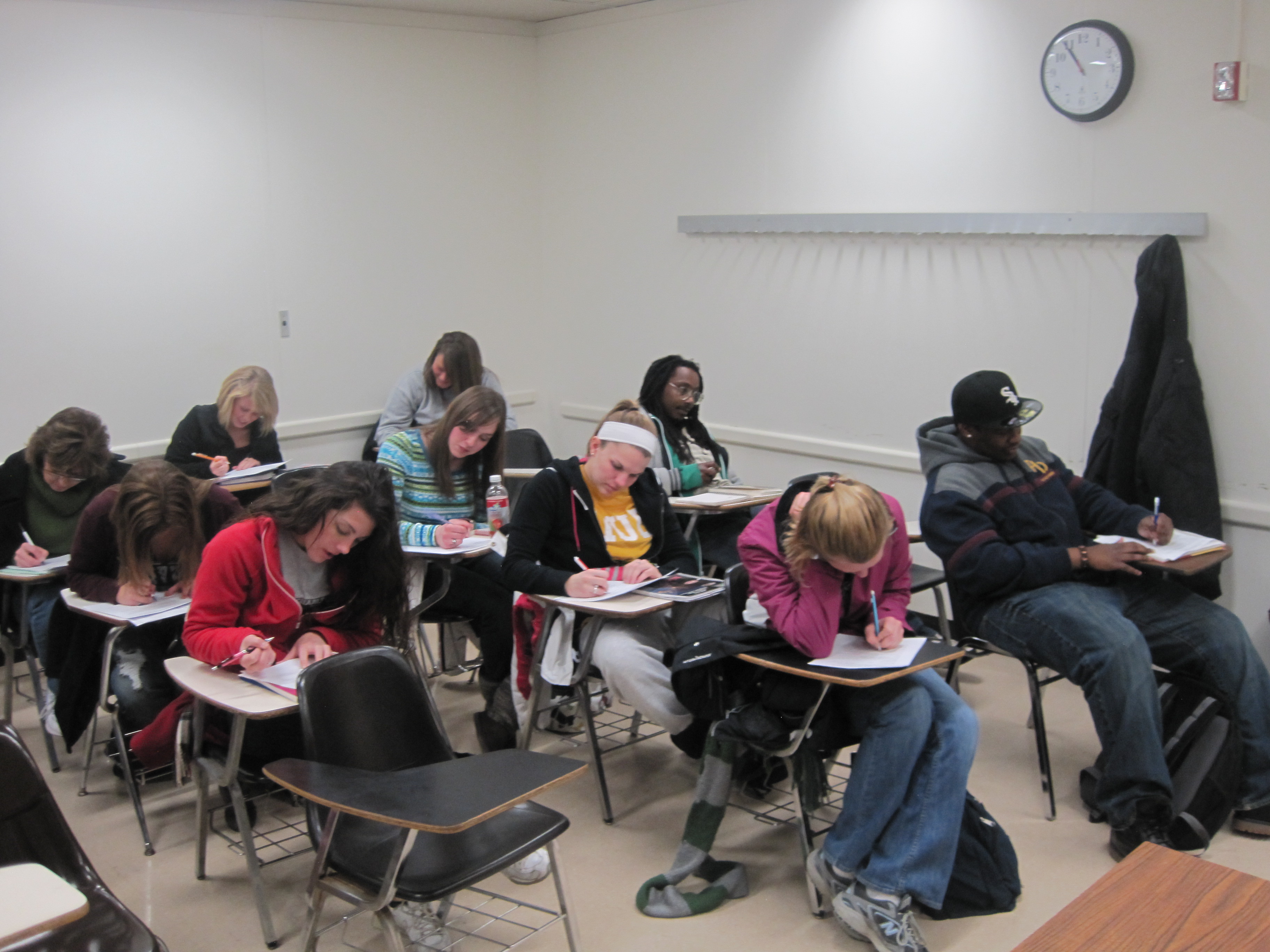

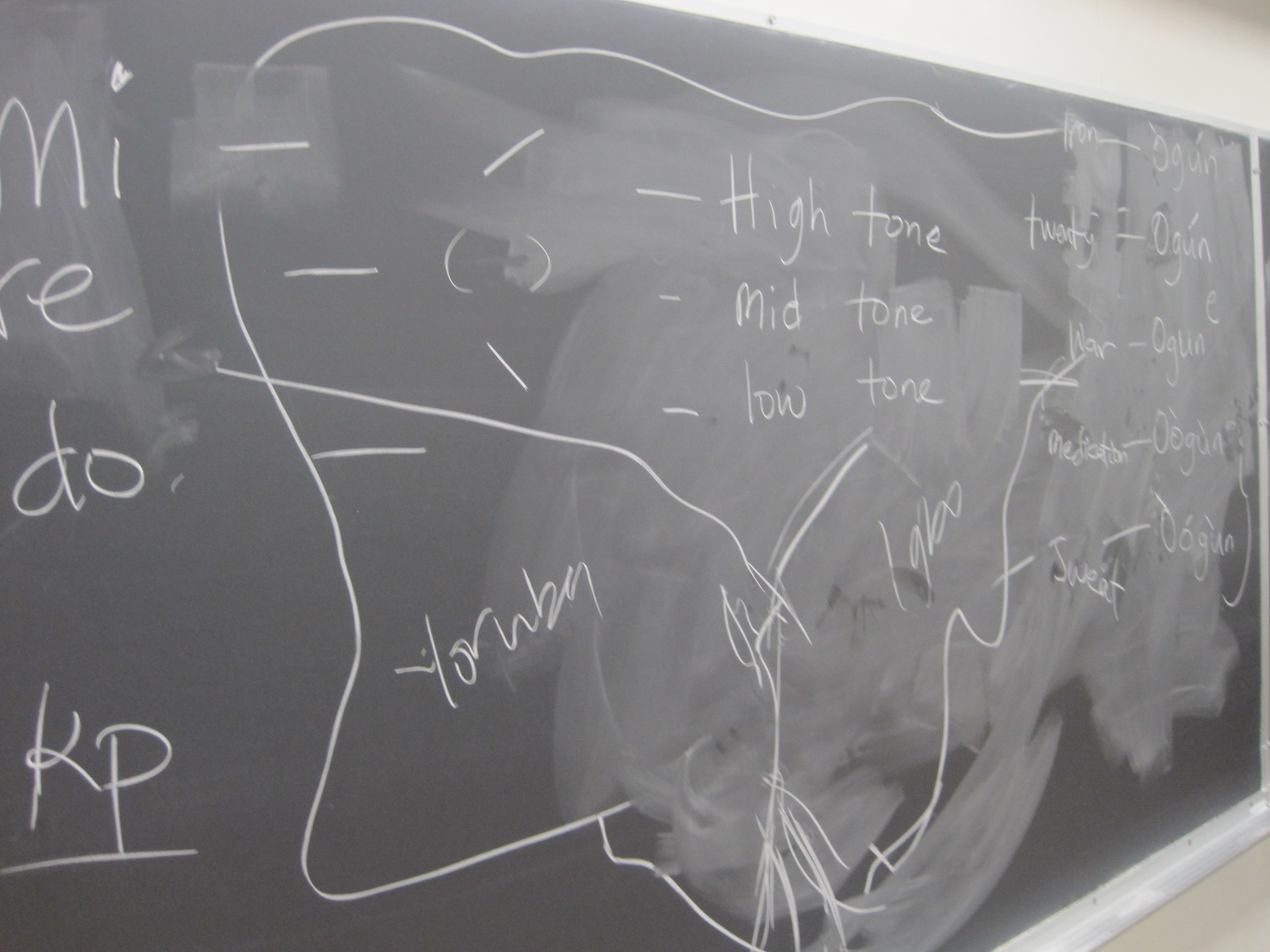
 One day very soon, I am convinced, I will write a post on this blog that might begin with words like “tttoooeddydyy isssss teiehehe ffirissttt ddyofff snoeoow”, which would only mean that I was cold, freezing and shivering enough not to be able to edit simple sentences. I am convinced that that day is very, very soon. In fact sooner than I expect. Yesterday was my coldest night ever in Edwardsville and it reached -3degrees by my blog temperature meter, and 30degrees Fahrenheit. Even my bed now is too cold for comfort. Very soon I won’t have to go out to feel cold, and I am not looking forward to that.
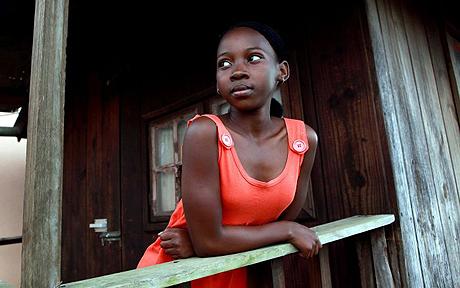
 Meanwhile, I’ve just returned from another day of feasting – probably my last of the Turkey Genocide season. This time, to the house of my “official” host family: the Indian father and the American mother. The special attraction was another visiting family from Chicago, who were originally from Nigeria. It had a father, let’s call him Dr. O, his wife, and two kids who would not speak Yoruba to me however I tried to make them. They were born in Nigeria but have lived in the States for a long time that they have become Americanized in dressing, speech and conviction in a way that could have been bad if it had hampered their cultural awareness. Apparently it hadn’t, and although they would rather not communicate in the language, they had a kind of cultural awareness that could only have resulted from good upbringing and appropriate socialization. To them, I must however have been a special kind of attraction as someone sent specifically from the home country to teach Americans the language. But if that was the case, I didn’t notice it. It was mostly a gathering of laughter, wine, food, and practical jokes. The first born of the Dr. Os is married to a beautiful American girl who was also present, and who I am discovering to be a masters student of my University as well.
 In gatherings like this, I am almost always bringing back the topic of language and awareness, and here’s how Dr. A, my Indian host rationalized it from his reading in German, Indian, Irish, French, and African migrations to the United States: First generation immigrants usually speak and understand the language, being a product of the two cultural experiences, and usually try to pass it along to their children. Their children – the second generation with little connection to the cultural experience of the homeland beyond their parents’ teaching usually become rebellious and toss out the language and cultural ideas of their immigrant parents while opting for the American way of life. It is the third generation however – without any link whatsoever to their original culture and language, according to him – who make the most effort to reconnect with their grandparents’ cultural base. This, obviously, is because they are usually the ones without an anchor. They most experience the feeling of homelessness and limbo, and usually find themselves going back in research to connect with what they feel most deprived of. According to this theory, it is only a most natural process when children of first generation immigrants try to become “Americanized”. And everything made sense to me.
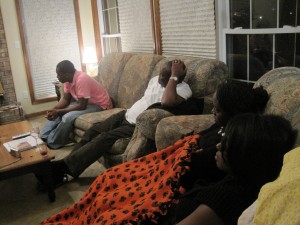 However, contrary to the seriousness of this last discussion which actually took place in the car drive back from his house, the atmosphere of the get-together was one more of conviviality, guitar playing, joking and generally fooling around. It was like one of those old times of my upbringing when I sat around my siblings on an idle night after a game of cards, just tossing around all the craziest ideas in the world, laughing, arguing and generally being silly. I bring it up here because now that I think about it, I suddenly miss those times when all that mattered was who had the silliest ideas, and we would stay up all night singing, scrawling on the wall, or decorating the house for Christmas with little coloured paper decorations cut out and sealed with pap syrup and stretched across the house ceiling sometimes with multicoloured Christmas lights. It is usually towards this time of the year as well when we begin to learn new Christmas songs or make a fool out of the old ones, all the time trying to be careful not to make too much noise that could get us the beating of our lives. Oh the times we had. Tonight, I’m convinced that we could never get back that memorable childhood in the same old form we enjoyed it, but I look forward to a grown-up future recreation of those experiences, this time along with nieces and nephews, and a bigger happier family. Some day soon folks…
 The test of students’ progress is not always as tricky if one is lucky to have listened to the students beforehand and to have understood what they are used to and what they are not. In most cases, as long as the teacher knows that his purpose in the test is not just to surprise and attack but to monitor his own progress, there would be less tears and heartbreaks when the day is over.