Poetry Collection: “Edwardsville by Heart”

Since I started this blog in 2009, I’ve imagined a book of travel stories, covering many of the journeys and memories I have made since I first set out of my country, and continent, in search of knowledge and adventure. Sometime last year, I completed one, a book of recollections of one particular period of my life: the three years I spent in the United States first as a Fulbright Scholar teaching Yorùbá and later as a graduate student of linguistics.
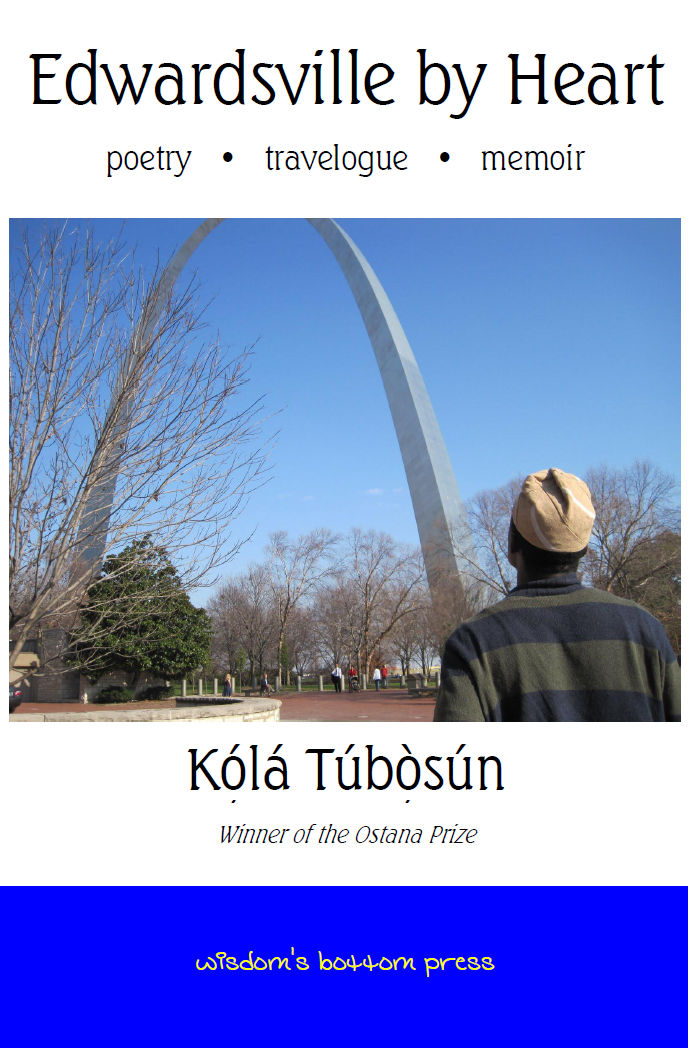
Earlier this year, the work was acquired by Wisdom’s Bottom Press, an independent publishing collective based out of Oxford in the UK. It will be released to the public in November this year, followed by a number of reading events in the UK (notably in Oxford, London, Wales, and a few other places as schedule allows).

Needless to say, I am excited for this new journey as a published author of poetry steeped in travel stories. My interest has always been in the preservation of memory, stories, and history. The background of an American experience whose value increases with nostalgia and every new story out of that changing environment is only an added complement. Over the years, many have asked me to share my experience of living in the US as a scholar or as a student, looking for some insight to help their own new journey. I have written on this blog, often, about some specifics. Yet every experience is different and unique. Still, having someone else’s as a reference point doesn’t hurt. It might actually offer a measure of comfort whenever despair shows up, as it often does.

I’ve been grateful to get blurbs for the book from some Nigerian writers whose work I respect, some of who also have some link with Edwardsville in particular or the United States (or Western environments) in general. You can read the blurbs here.

Follow the Facebook page of the book for updates about reading schedules in your area. The first of these happens at Pembroke College, Oxford, on November 7, 2018.

You can now get the book on Amazon here.
NEWS: New Book-ish

I am currently rounding off work on a new book. It’s a collection of essays exploring my thoughts on language.

Those who have read this blog from the start may already be familiar with the direction of my thoughts on a number of linguistic and language issues. In actual fact, many of the thoughts in the book first debuted on this blog in form of small blog-sized arguments and opinions. Many more were written but never published, and a few were published as guest-posts on websites focusing on language survival, language endangerment, or mother tongue use.

This, along with a full-time job as a teacher of English language in Lagos, Nigeria, and a father of a young son under two, has kept me busier than I thought I’d be. It has also kept me quite engaged, and quite surprised at the number of things I’d said about language over the last five years. My current word-count is 50,000 words. I think I should stop now, before it becomes an epistle.

I hope to be in the United States again, for the first time in three years, this July, just for one month. One of the things I hope to do while I’m there (besides travel, spending time with family and friends) is to find a publisher – perhaps a university press – to publish the book. What I’ve heard from friends and other authors doesn’t give me much to be encouraged by, but when is that ever enough? There’s usually some good news out there. If you, my dear blog reader, have any tips that can be of help, please drop me a hint.

It’s been a while. I hope you’re all doing well in your chosen endeavours.

At Lewis and Clark

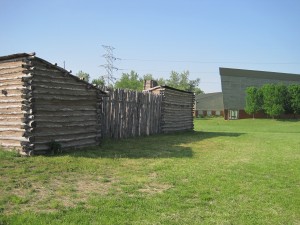
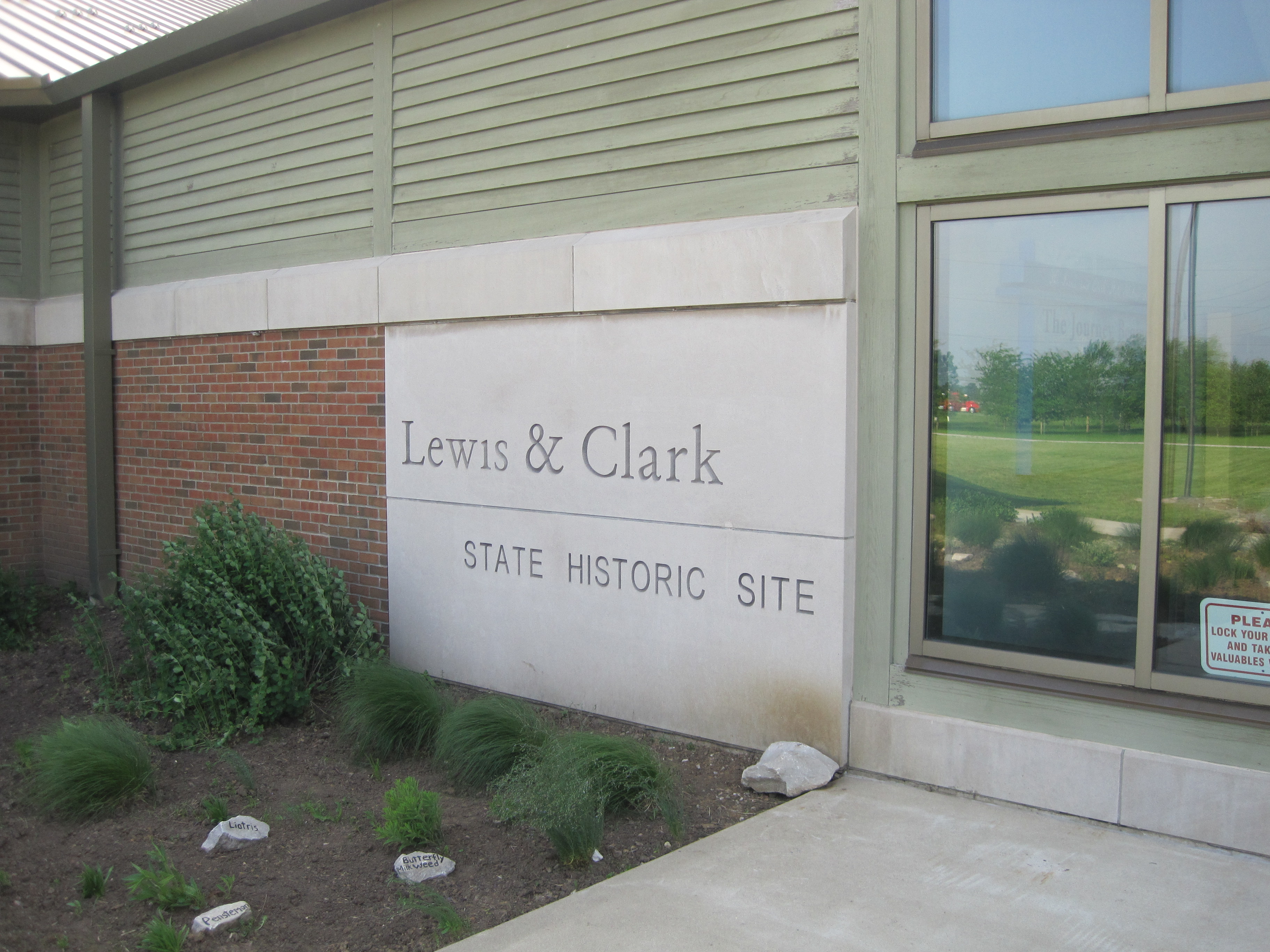
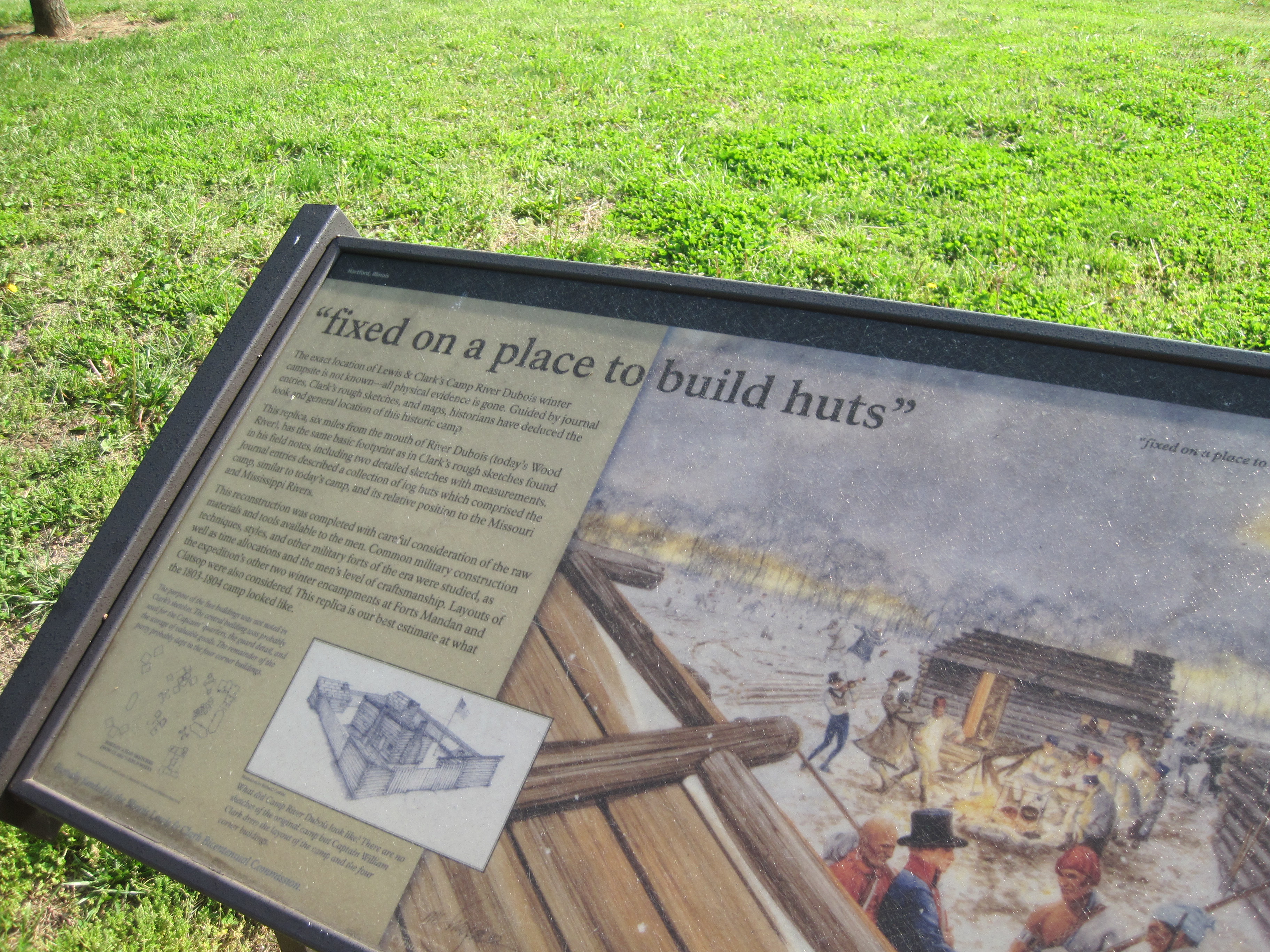
The Lewis and Clark interpretive centre is built to commemorate the spot where the expedition of Meriwether Lewis and William Clark departed on the orders of President Jefferson to discover what lay in the piece of land by then just recently purchased from France. It was called the Louisiana Purchase and it contained what is now must of the Midwest United States reaching to Arkansas, Minnesota and North Dakota. (A most fascinating look-back to those times would wonder what kind of country we would be living in now if the land hadn’t been sold and the land – as it was then – consisted of English speaking people on the east, Native Americans and some French speaking people in the middle and Spanish speaking people on the West.)

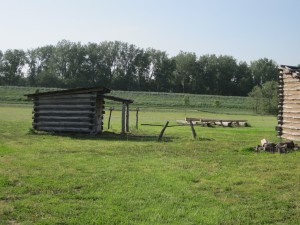
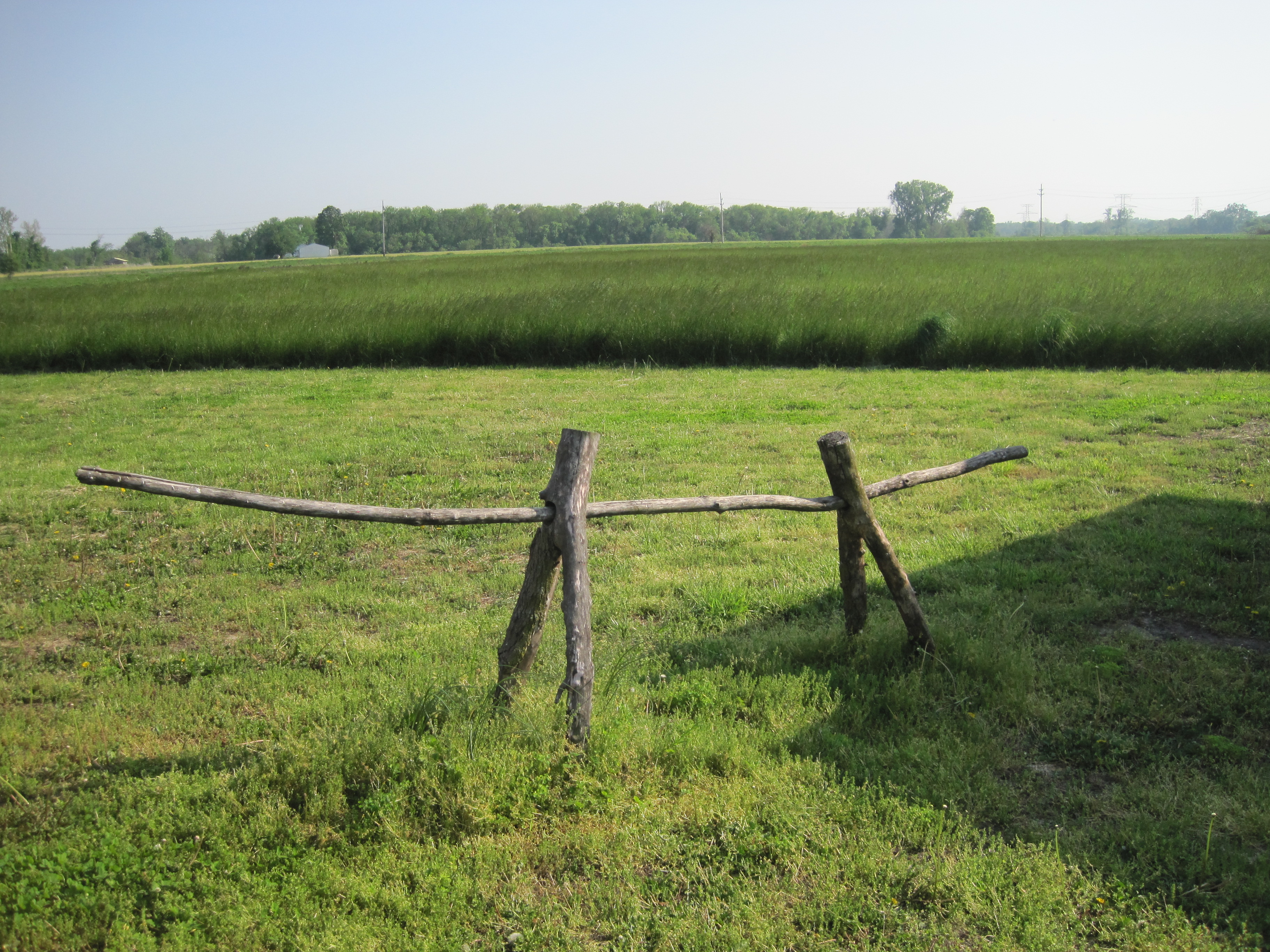
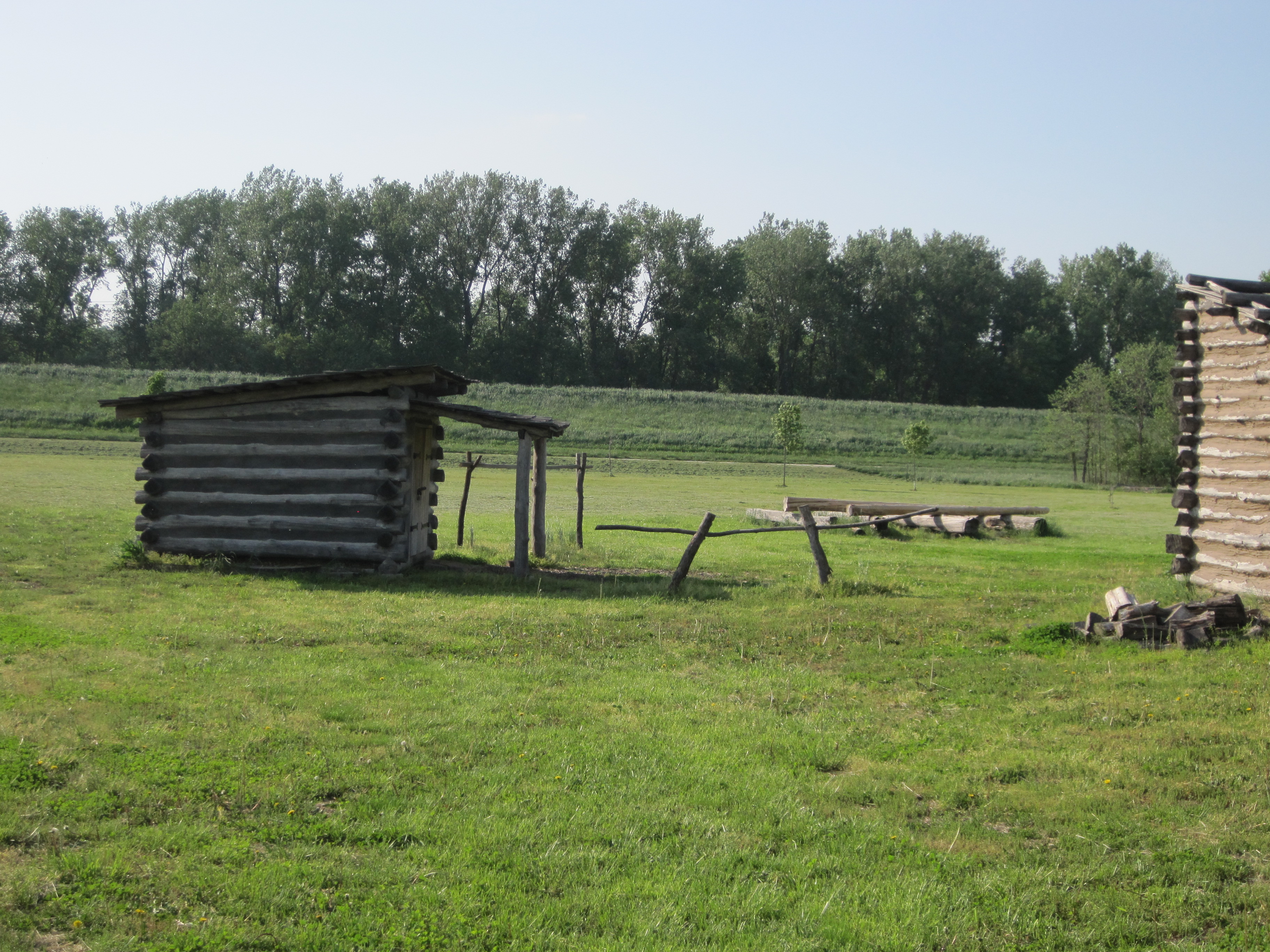
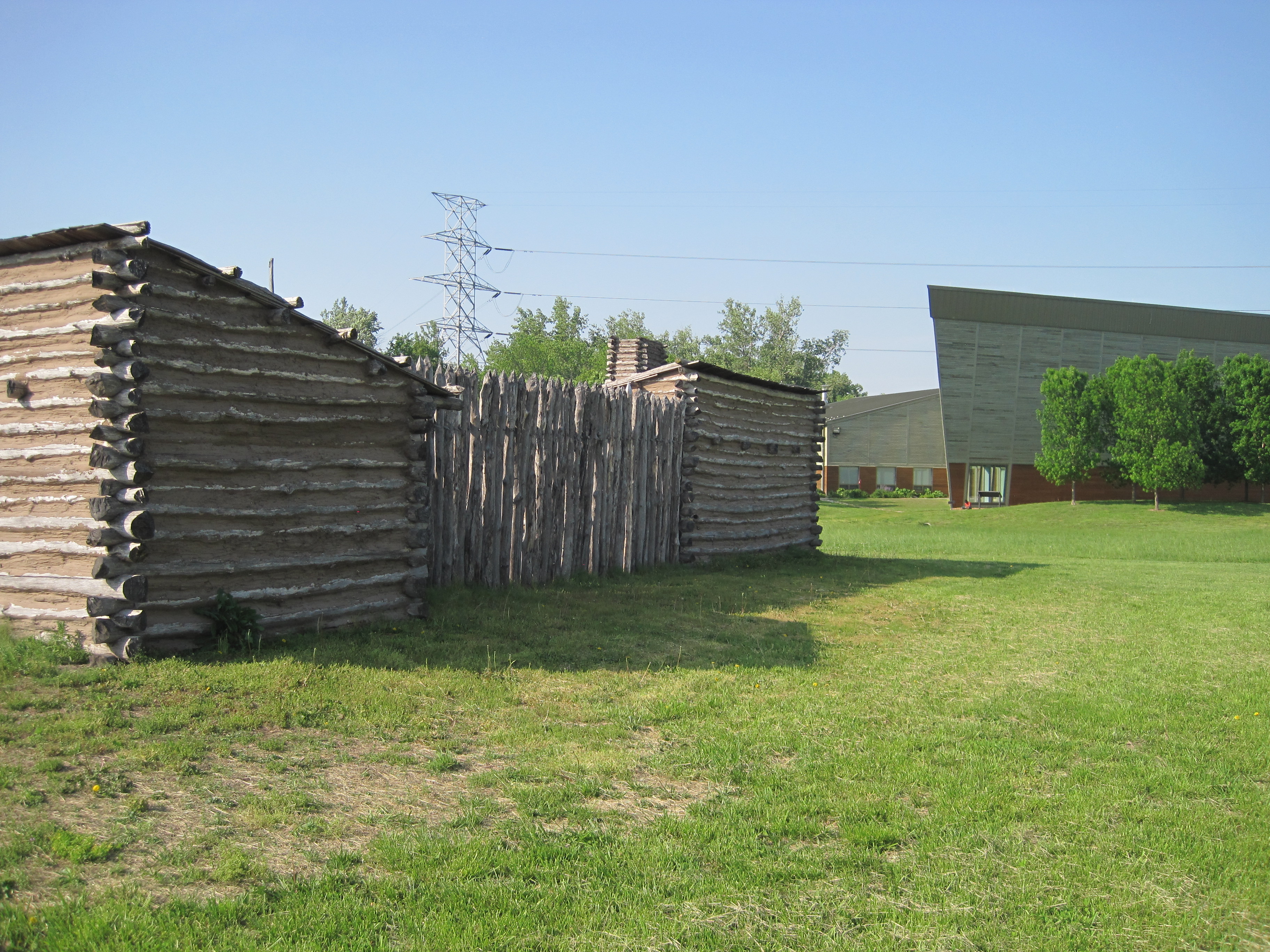
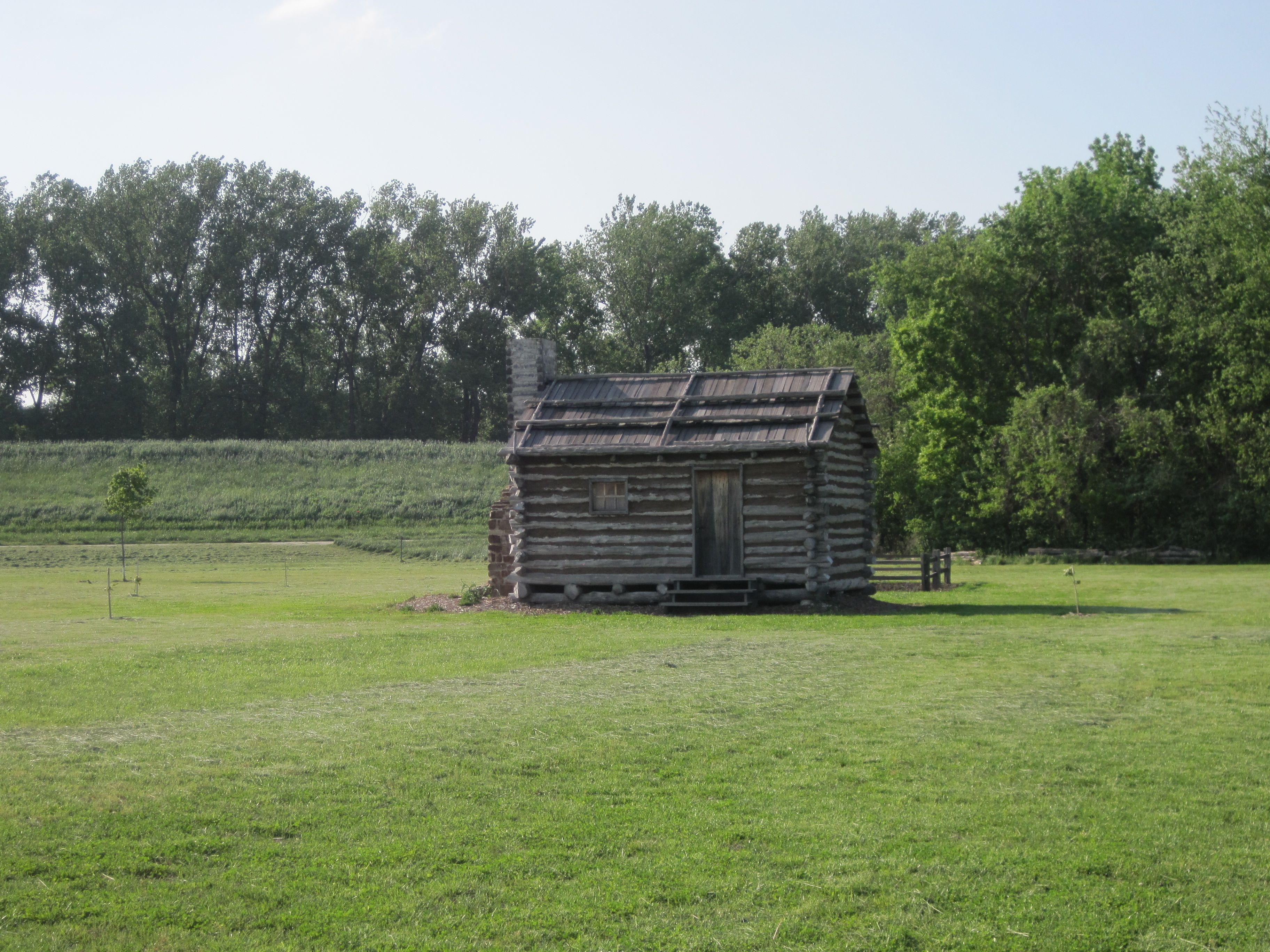
Here are some of the pictures I took on a visit to the state historic site a few miles away from here. The old houses there are replicas of the camps that must have been built by the expedition party before they set off on the Mississippi river trying to discover the flora and fauna of the wild west. The models, according to information, were rebuilt from the notes and diaries of Lewis and Clark.

Literally Disengaging

Whoever has lived in America for up to a year would have acquired a new kind of identity whether they like it or not. It could be the one they themselves realize, or those that is bestowed upon them from those who occupy a different clime. In the case of someone like me, he might have learnt to spell the word learnt as “learned” and mum as “mom”, to write dates with the month first, to eat pizzas, to shake hands firmly, smile everytime his eyes make contact with a stranger’s, use expressions like “I was like…” and wash clothes with washing machines rather than with hands. If he’s also from Nigeria, like me, he would also have learnt to stay up all night making most use of the internet, or leaving the lamps on in his bedroom for as long as possible. And eating grapes. And getting home deliveries of food whenever one is too tired to cook or to go out. In any case, all those are about to change, along with new disengagements in language.

I do not yet know the extent of my enslavement or adaptation to the American English speech patterns, and I might not know until I get back home. But this I know for sure, somebody is going to point out to me soon enough when I get to Lagos that “going to the bathroom” could only mean one thing: going to take a shower. If I want to go to the toilet, I will have to say so. I will leave medication in the United States and return to drugs in Nigeria and not feel ashamed to call it that. Old people will return to being old people and not senior citizens, and when I say I’d like to eat yam, I will have yam, I will be sure that impostor potatoes won’t surprise me in the most unexpected part of the plate. Potato chips will return to being potato chips, and the fries will remain the America.

Let the disengagement begin.