Travel as Life: A Review of Route 234

I haven’t read many books about travelling around Nigeria written by Nigerians. No doubt they exist (and readers should please recommend some for me in the comment section). I have however read many about traveling in other parts of the world. Tẹ́jú Cole’s (2016) essay collection comes to mind as well as Wọlé Ṣóyínká’s memoir You Must Set Forth At Dawn (2006). There is also America Their America (1964), an “autotravography” by J.P. Clark which caused controversy for what critics thought was a narrow and judgmental view of American values. Recently, there is Okey Ndibe’s Never Look An American In the Eye (2016), an autobiography, and many more.

There are however many more narratives written about the country, and about the continent, by visiting (foreign) journalists, writers, novelists over the years. Karen Blixen‘s Out of Africa (1937), JMG Le Clezio’s Onitsha (1991) and VS Naipaul’s The Masque of Africa (2010) come to mind easily. But so does this one. The overall impression of such books has always been the worry that they rarely depict reality as is, but only as perceived by the visiting foreigner, which – to be fair – is the whole purpose of the subjective narrative. I expect that the impression of America I’ll get from reading travel notes from an African visiting the US in the 1960s will give me an idea of America through that writer’s perspective of events as they unfold to him/her.
fullsizerender-6-1

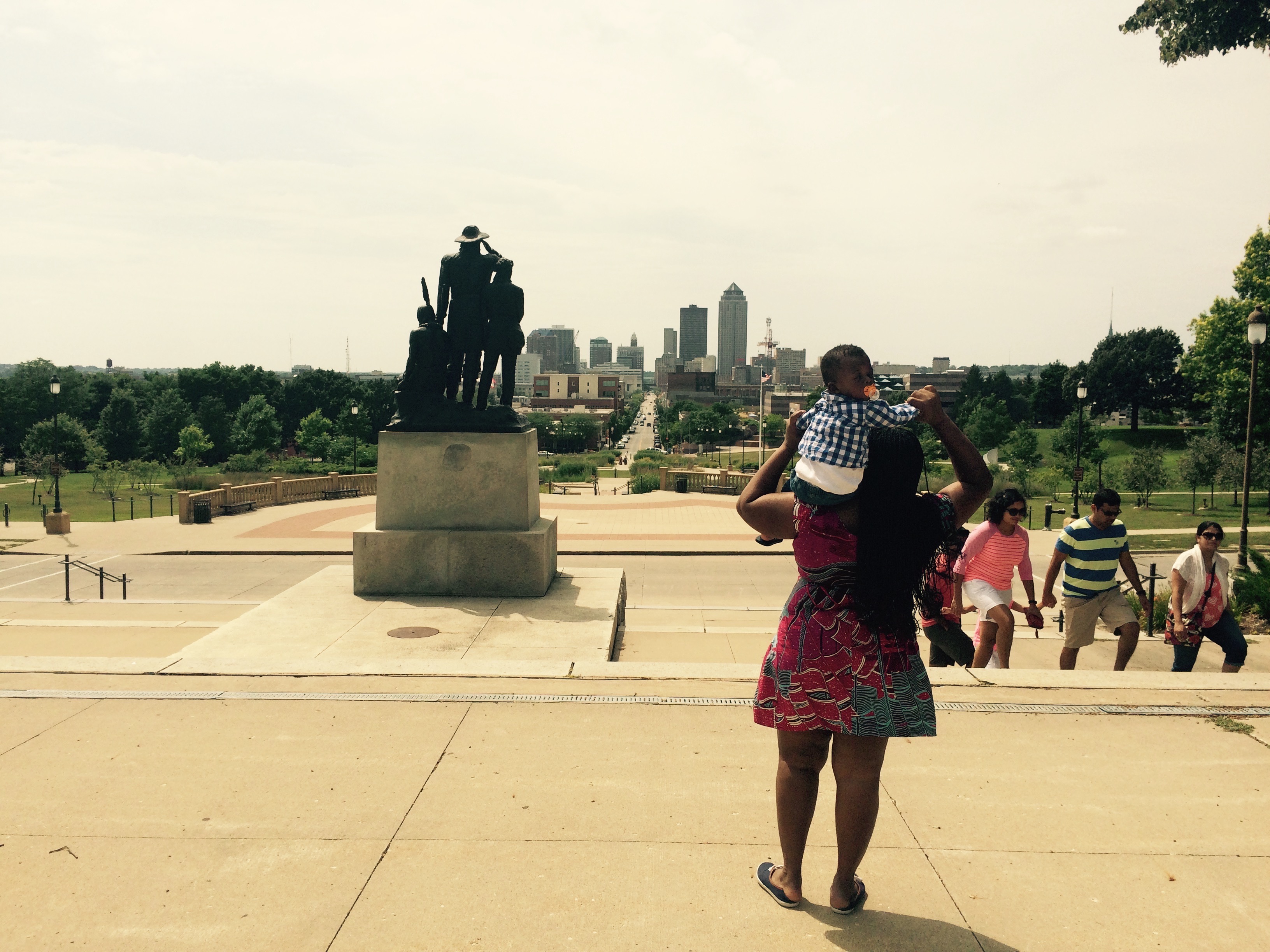
At the Des Moines Capitol, Iowa (2015)

Even in the online space, one might easily find blogs written by foreigners about travel around the continent than one might of blogs by Africans of travel experiences in their own continent. (This is changing, of course. You’re reading this on a travel blog managed by an African, after all). But why is this the case? Human civilization itself is an experiment in travel, documentation and adventure conditioned by necessity, curiosity and sometimes nationalism. We have always left our comfort zones for new experiences. And, as archaeology and anthropology tell us, we have always documented those movements, even unconsciously, in hieroglyphics, and oral poetry, tribal marks, and lately in writing. In the 21st century Africa, the prevailing narrative is that travel for leisure and travel writing is a Western chore, done by the privileged few, and those conditioned to it by their profession in journalism.

Reality, unfortunately, seems to bear it out for the most part except in some rare cases. Olábísí Àjàlá was a Nigerian student who found himself in the United States at age 18 in the late 1940s. Having failed to succeed as a medical student at DePaul University, Chicago, he decided to travel through the country to Los Angeles, on a bicycle and document his experiences along the way. Through deportations, skirmishes with authorities, short Hollywood career (including meeting then actor Ronald Reagan), many short-lived marriages, children, and global fame, through the fifties, sixties, and seventies, he became the patron saint of all adventurers, and an icon in popular culture for African travel. Being called Ajàlá Travels in Nigeria today is a homage to his larger-than-life reputation. He also wrote a book An African Abroad.* 

So why is it that unless in rare cases Africans are not known globally to document our adventures in writing, or is it that we are just generally averse to travelling for its own sake? My friend and scholar Rebecca Jones has been asking this question for a while. In a conference she facilitated in Birmingham earlier in the year, the Call observed:

“For a long time study of African travel writing in the West has focused on Western-authored travel writing about Africa. But this has ignored both the long heritage of the genre amongst African and diaspora authors. African travel writers have traversed both the African continent and the rest of the world, writing about encounters and differences they meet in their own societies and others. They have engaged with colonialism and the post-colonial world, have produced ethnographic description, reportage, poetry, humour and more. They have traversed genres and forms, from the Swahili habari written at the turn of the twentieth century to Yoruba newspaper travel narratives of the 1920s, from accounts of students and soldiers abroad, to newspapers and today’s online travel writing.”

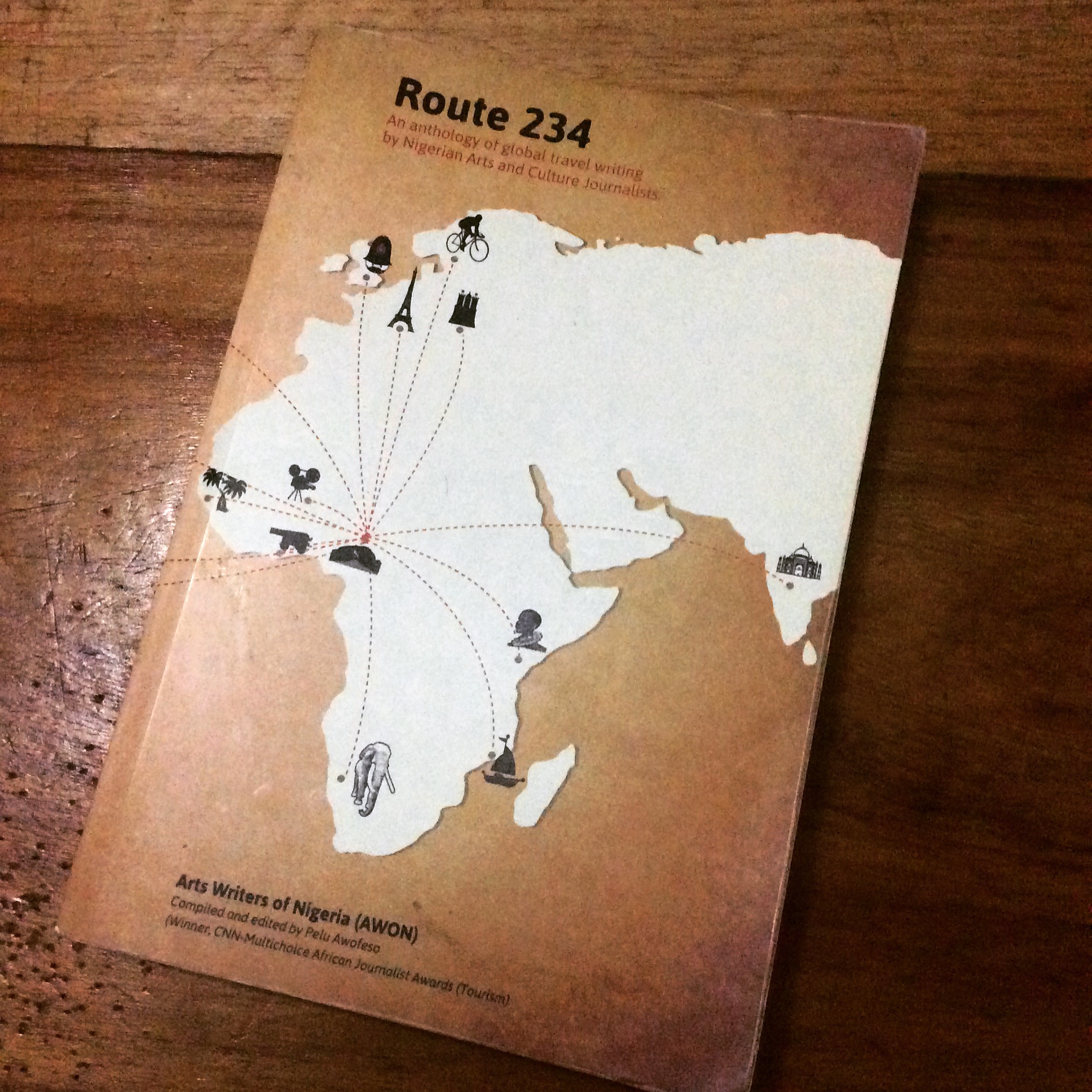
Aside from this blog, there are quite a few other ones online with focus on travel as an African hobby, done especially without the express purpose of becoming a travel “journalist” working for a media house, but for its own sake. Why are there not more. Africans, after all, travel as much as everyone else. Is it that we don’t care about documenting our experiences the way that others do? I have just finished reading Route 234 (2016), an anthology of global travel writing by Nigerian arts and culture journalists, compiled and edited by Pẹ̀lú Awófẹ̀sọ, an award-winning culture journalist. It is a delightful read of many fun, scary, heartwarming, and diverse experience of Nigerians in many different local and international situations. The contributors are however many of the continent’s known arts and culture journalists. This fact will not help our subject matter, but it shouldn’t remove from the value of the book as a necessary work and a delightful read.
image

Route 234(2016), edited by Pẹ̀lú Awófẹ̀sọ̀

According to the editor, the idea for the book came from a private listserve conversation among these culture/travel writers earlier in the decade about documenting some of their travel experiences. It took many years before the idea finally became concrete.  The 211-paged book lists Kọ́lé Adé-Odùtọ́la, Olúmìdé Ìyàndá, Ọláyínká Oyègbilé, Èyítáyọ̀ Alọ́h, Mọlará Wood, Steve Ayọ̀rìndé, Pẹ̀lú Awófẹ̀sọ̀, Jahman Aníkúlápó, Túndé Àrẹ̀mú, Nseobong Okon-Ekong, Akíntáyọ̀ Abọ́dúnrìn, Ayẹni Adékúnlé, Fúnkẹ́ Osae-Brown, Sọlá Balógun and Ozolua Uhakheme as contributors. The scope of the travel experiences documented therein covers Los Angeles, Atlanta, Bahia, Juffureh, Accra, Plateau, Nairobi, Durban, Pilanesberg, India, London, France, Frankfurt, Nice, and Holland.

One of my favourite narrative in the work is Mọlará Wood’s “Farewell Juffureh” (page 35), covering a visit to Alex Haley’s ancestral hometown in the heart of Gambia as well as Nseobong Okon-Ekon’s “Trekking the Mambilla Plateau” (page 93). In both, the reader is vividly guided through experiences that must have been much more intense and affecting than words could capture. Some of the others detail culture shocks at visiting a new place for the first time and re-setting their opinions and expectations preconceived from a distance (“Accra Mystic” by Jahman Anikulapo, page 79) while some focus on their immediate task; covering a film festival, for instance (“Film, FESPACO, Ezra” by Steve Ayọ̀rìndé, page 61). A heartwarming one by Ṣọlá Balógun (“The Good Samaritans of Nice”, page 181) describe an experience common to many frequent travellers: being stranded in a strange city after a missed flight.

What the book represents overall is an intervention in a space where much more effort of this nature is needed. But travel isn’t, and shouldn’t be, the preserve of just culture writers and journalists. Writing about it shouldn’t be either. Tourism isn’t a big deal in Nigeria today because of lack of government (and private sector) care, yes, but also because of a seeming lack of interest in the populace itself. As I argued in this recent piece on a visit to historical locations in Ìbàdàn, commercial attention will come when governmental and private sector intervention takes the first step:

“I think back to a recent experience, in Italy, where tourism has built a thriving industry of restaurants, malls, and gift shops around notable structures that tell the country’s history, real and fictional, and how much value that attention (and tourist dollars) has brought to the country. Old churches and abbeys, ancient arenas in Verona and the Colosseum in Rome, among others, are all just ruins of a certain past. But they have been preserved and well branded in order to attract foreigners and their resources. Even a fictional character, Juliet, from Shakespeare’s Romeo and Juliet, has a touristy structure built in her honour, called Casa di Giulietta.”

Travel is fun. And even when it is not, it is always an enlightening exercise. As Mark Twain said in The Innocents Abroad (1869), “travel is fatal to prejudice, bigotry, and narrow-mindedness, and many of our people need it sorely on these accounts. Broad, wholesome, charitable views of men and things cannot be acquired by vegetating in one little corner of the earth all one’s lifetime.” That same perhaps can be said about travel writing, if not as a way to reflect on one’s adventures, as a way to keep said experiences in the memory of the world.

The book is a delightful read, but much more is needed.

_________

There are many other stories like this, no doubt. Ravi on twitter has pointed me out to “Sol Plaatje’s sea travel piece” (by which I assume he means this bookMhudi, an epic of South African native life a hundred years ago), and Rebecca, in the comment section, to a few more published narratives, also of a few years back. Their input also reminded me of Olaudah Equiano’s  equally notable memoir. There are many more like these, I agree. My point is that there are not many more, and certainly not as many notable ones as there should be).

For more reading
A Lunch in Jos

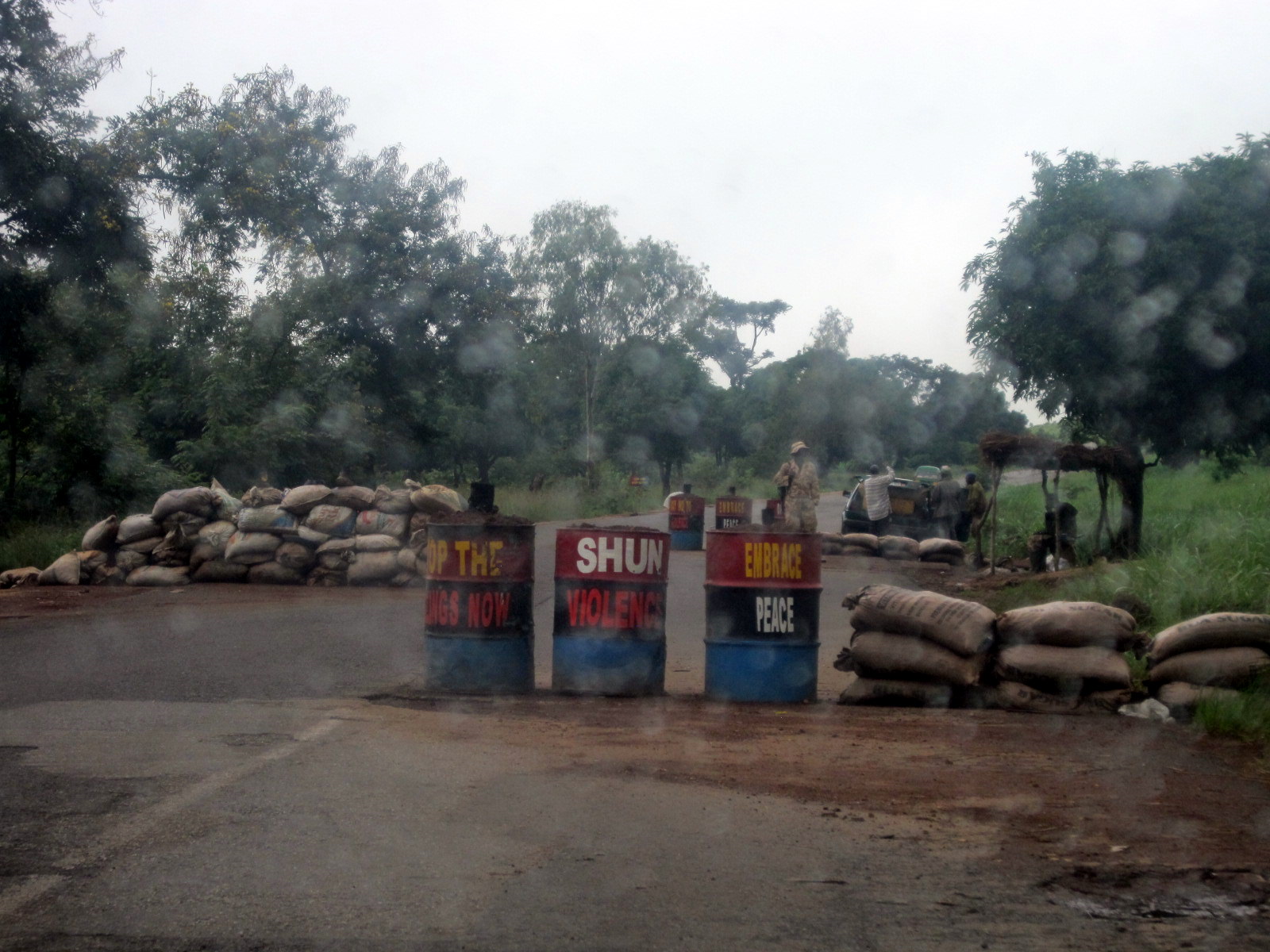
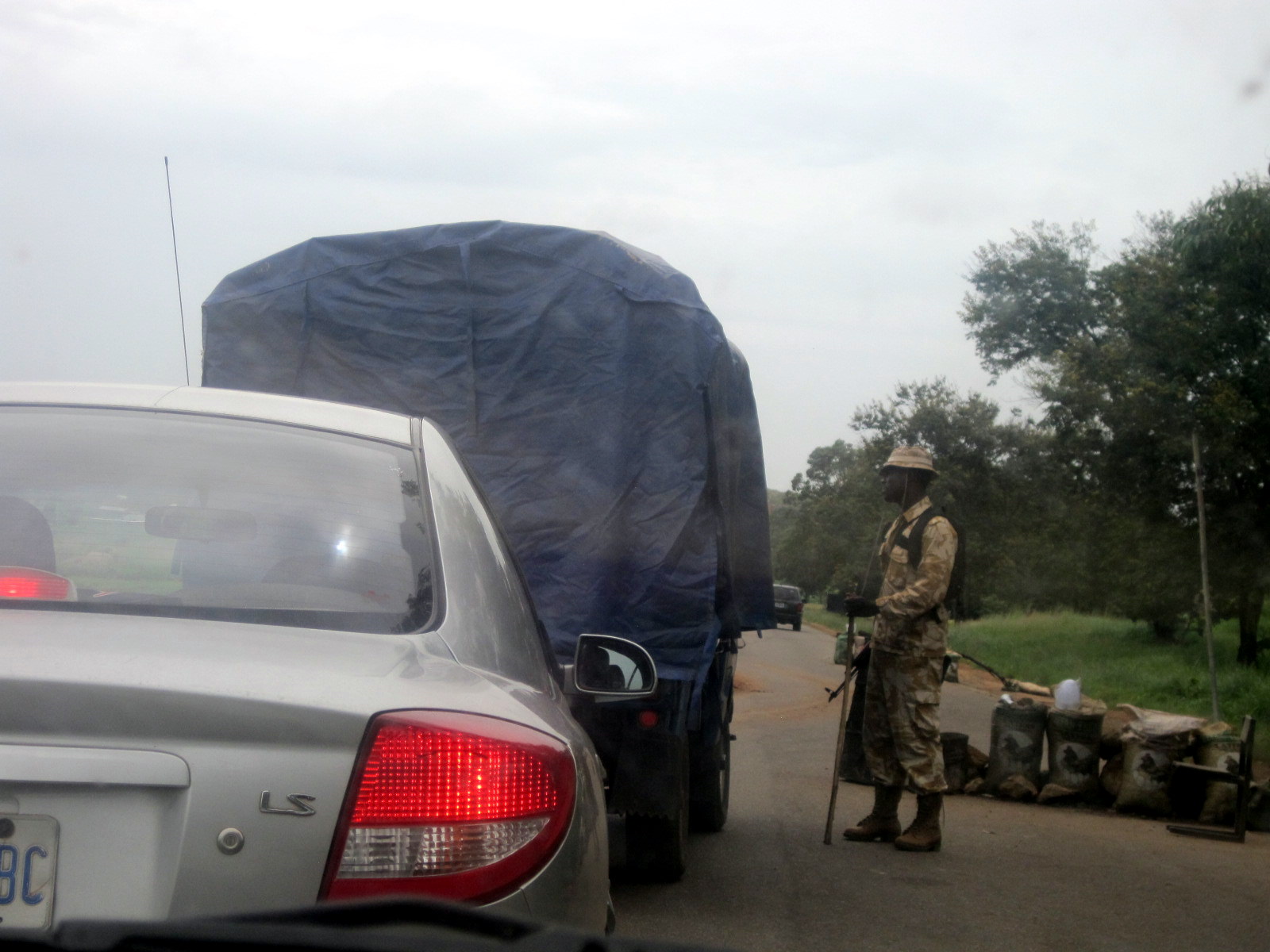
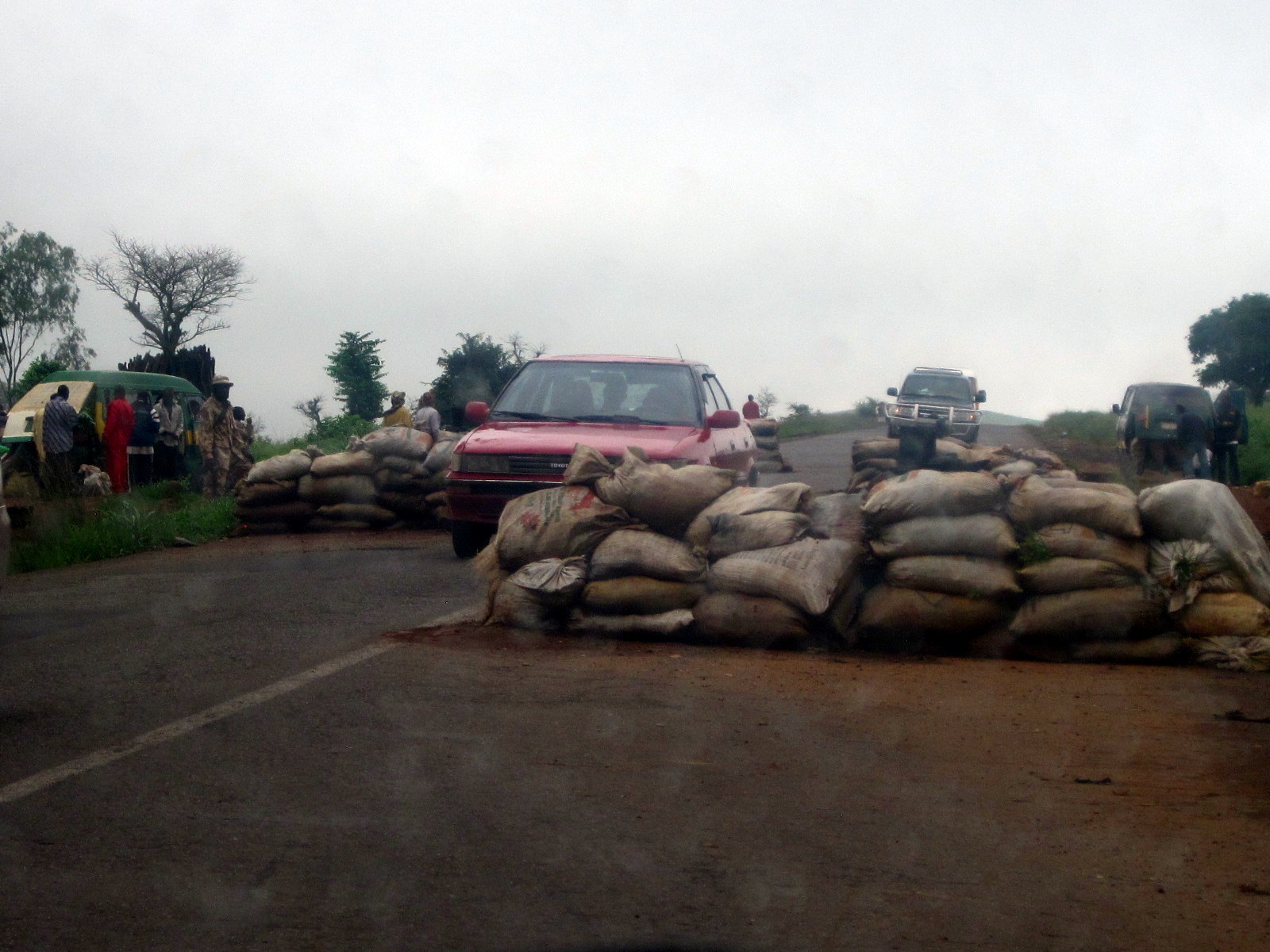
It didn’t take me long to locate him at Rayfield where he teaches in a private school. Once upon a time, he was in Riyom, a local government that has now made a name for itself in the spots of unrest around the state. On my way there, there were at least ten military checkpoints along the way so I naturally had a hundred and one questions that I threw at him. We went out and sat down for lunch at a restaurant at the old airport junction.

It all didn’t make too much sense at the beginning, and he didn’t even seem much perturbed by the whole situation.

“Plateau is still the home of peace and tourism.” he said.

“But,” I asked, “Aren’t you concerned by the presence of soldiers and police checkpoints on almost every hundred metres from Hoss to Jos?”

“It’s all politics. It’s not that bad,” he said. “Let me explain it to you.”

“Okay”

“You see, it’s politics. They are bent on painting a picture of unrest in the state for their own benefit.”

“How?”

“You know, recently we hosted the First Lady from Abuja. They knew that if they let her leave without incident, she’ll go with the impression that everything is fine, so they caused some unrest somewhere in Jos, just to make the point that all is not well.”

“And how do they gain from doing so?”

“They gain because their aim is to make the state ungovernable if they won’t have their way. The skirmishes used to be minor, but now they’re attacking prominent people just to create a state of chaos. They know that whenever the name ‘Jos’ is mentioned in the news, people panic, so they have stepped it up. But they won’t win because everyday people still come in here living their lives as usual.”

“I don’t get something,” I said. “I saw the killings in January and March in the news. They weren’t pretty. Why did it get that bad? Jos used to be a serene city.”

“I told you, it is still serene. it’s politics, and they are using the soldiers to perpetuate their acts of violence.”

“No, you don’t mean that.”

“I do. Seriously.”

“But the soldiers are from all around Nigeria. Surely they can’t all be used.”

“You’re naïve. You see the uniform they’re wearing. You should have noticed that it’s different from the one soldiers in this state used to wear. They changed it because there have been cases of the attackers wearing soldier uniforms.”

“Really?”

“At night, some of them give the uniform to the miscreants and they go to the villages and wreak havoc. How else can you explain that there are thousands of soldiers in the state, yet people keep getting killed.”

“This is sad.”

“Even now, with the new uniform, things still haven’t changed. Look at what happened on Saturday.”

“And no one has been arrested?”

“No one. Until they remove the GOC in Jos, things won’t change. They’re all acting a script.”

“The General Officer Commanding? The head of the Armed forces in the whole state?”

“Yes.”

“Oh come on, the military belongs to the federal government and the federal government is no longer controlled by the North. How could that be?”

“Well, the new president hasn’t changed the GOC yet. Until he is replaced, this would keep happening. He has an interest in perpetuating the violence. He is very biased. He’s part of the problem.”

“Alright, I get you, but here is one question. What exactly do they want?”

“They want the chairmanship of Jos North local goverment.”

“That’s it?”

“Yes, and don’t sound like it’s not important. We allowed them to settle down here over years, and now that they have become many, they want the chairmanship of the local government. Heck, they even want to install an Emir. In Jos.”

“Really?”

“Yes. Even to you, how does that sound? ‘The Emir of Jos.’”

“I know that Jos is a mostly Christian place, but isn’t the Emir going to be the head of the moslem community alone?”

“Jos is not an extension of the Emirate. We don’t want an Emir.”

“Now, with violence everywhere, the name of Jos in the news almost every day for the wrong reason, how do you think this will all end?”

“I don’t know, but we don’t want anyone to impose anything on us. Let them just be happy with the position of the deputy speaker which they already have. They have one more position after that in the legislative house. That should be enough.”

I sighed. It is all politics after all.

“I want you to go and tell the world what is happening here. Some people are just bent on destroying the peace, and then they give it a religious colouration.”

“But there is religion involved, like you yourself has admitted.”

“Yes, but it’s politics too. You know this journalist Olatunji Dare, right?”

“Yes. I’ve heard the name.”

“He lost a relative in the March killings.”

“Really?”

“Yes. They have been attacking the Berom villages, but now it seems they’re not attacking everyone just to cause a general state of unrest. We need you to tell the world what’s happening here. We are a peace-loving people. You should know. Look at Rayfield. From here onwards is the GRA. All of Nigeria’s big men have houses here, from Babangida to Abubakar because this is a nice place to live. Why do we need to keep fighting?”

“I wanted to ask you that.”

“ But, like I said, it is not usually as bad as the news says it is,” he said.

I thought that it is, but I felt it best not to point out that obvious fact anymore.

What I took away from the encounter however was the fact that he doesn’t feel any need for pity from anyone, but action from the right quarters, and justice where necessary. And he was right on two points: that the media always jumps on stories that have to do with Jos, and for good reason. With all the reports that have come from there all over the years, there still hasn’t been any lasting solution of peace, and this is sad, for a land that should ordinarily be a model for all other parts of the country. The other truth is that in spite of these now frequent attacks that have painted Jos black in the eyes of the rest of the country, and in spite of the presence of soldiers and police patrol vehicles at strategic points, life in Jos is actually pretty normal without any sense of unease. And life goes on as it always does.

Jos, Plateau

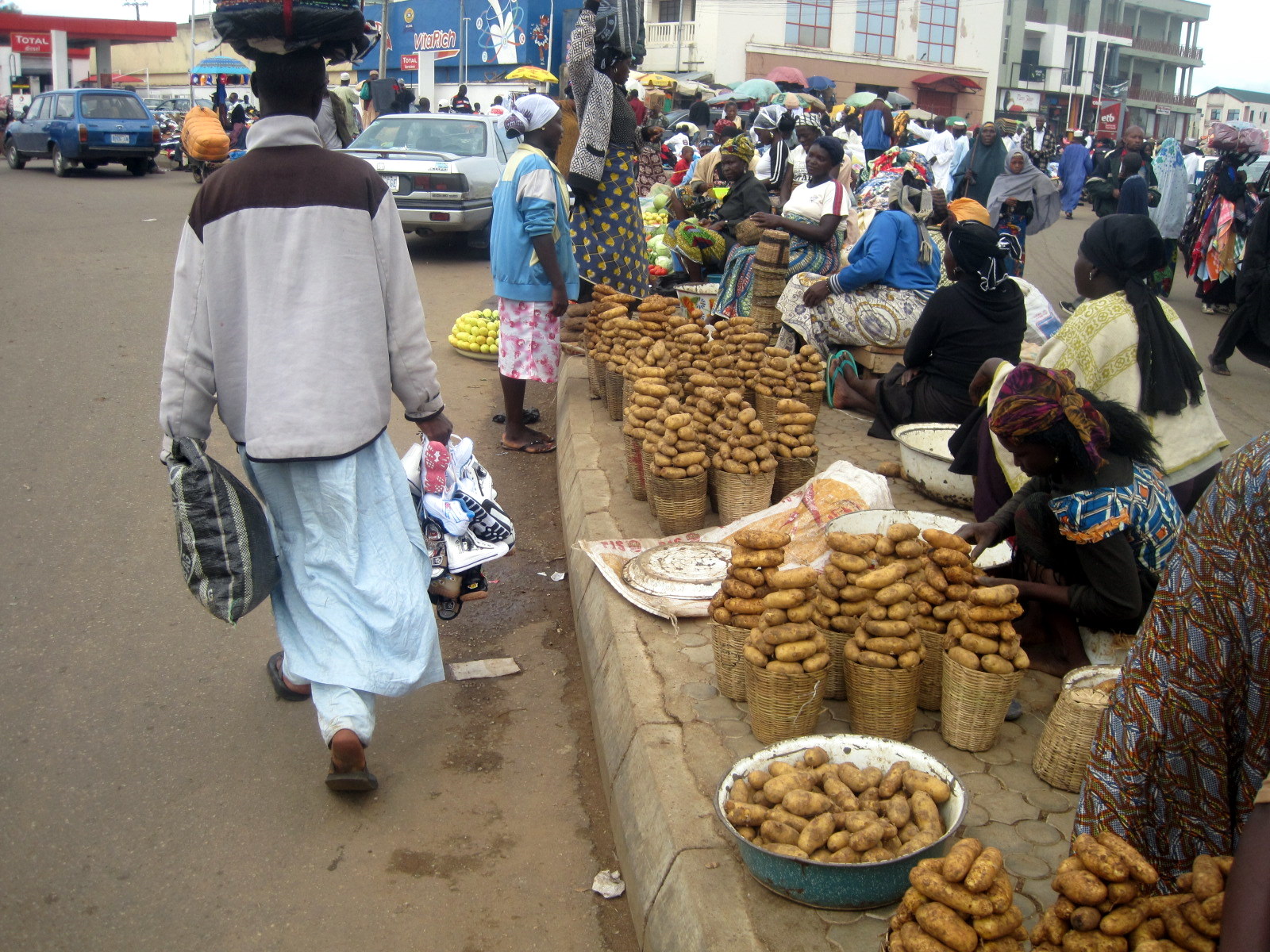
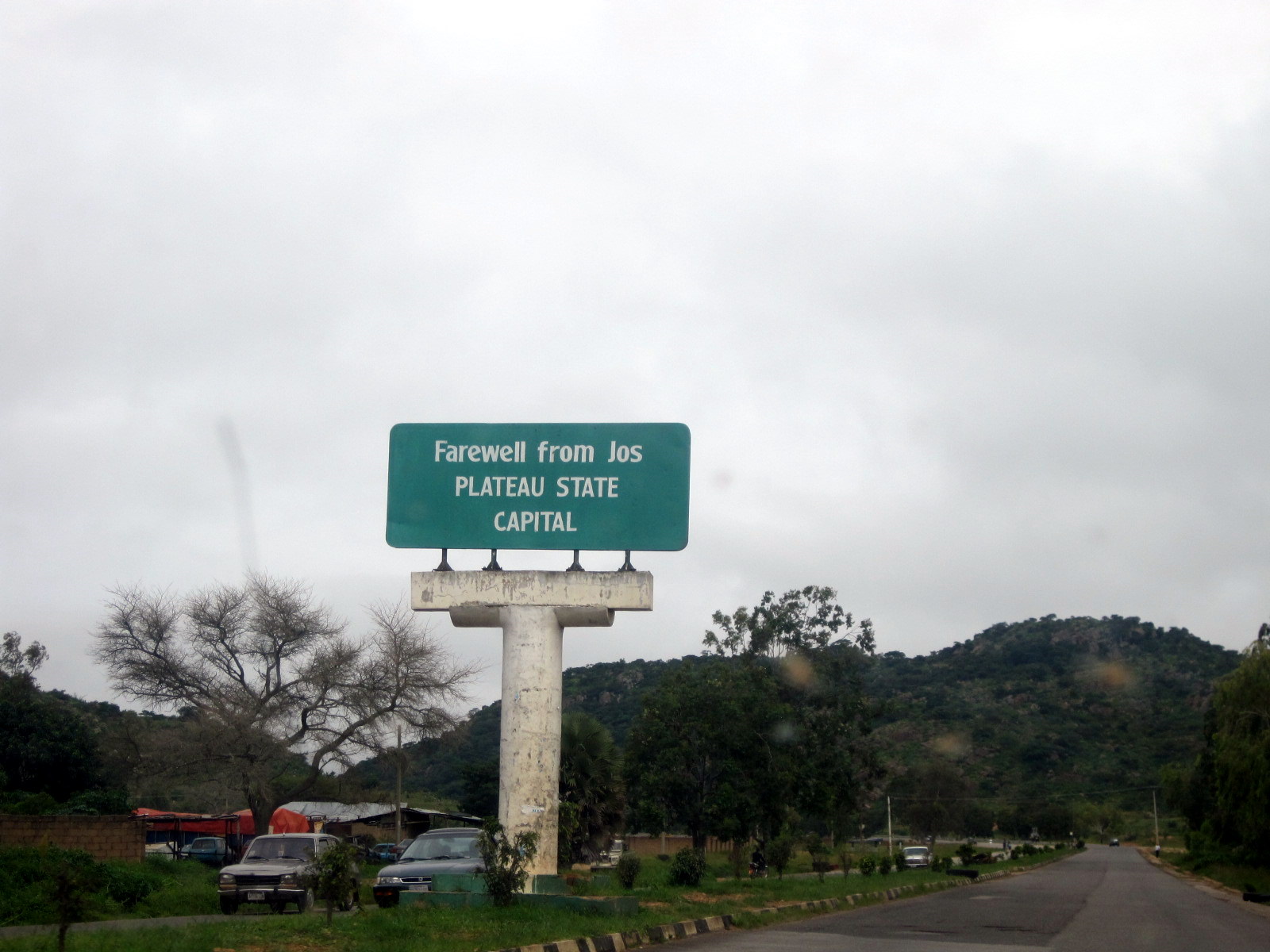
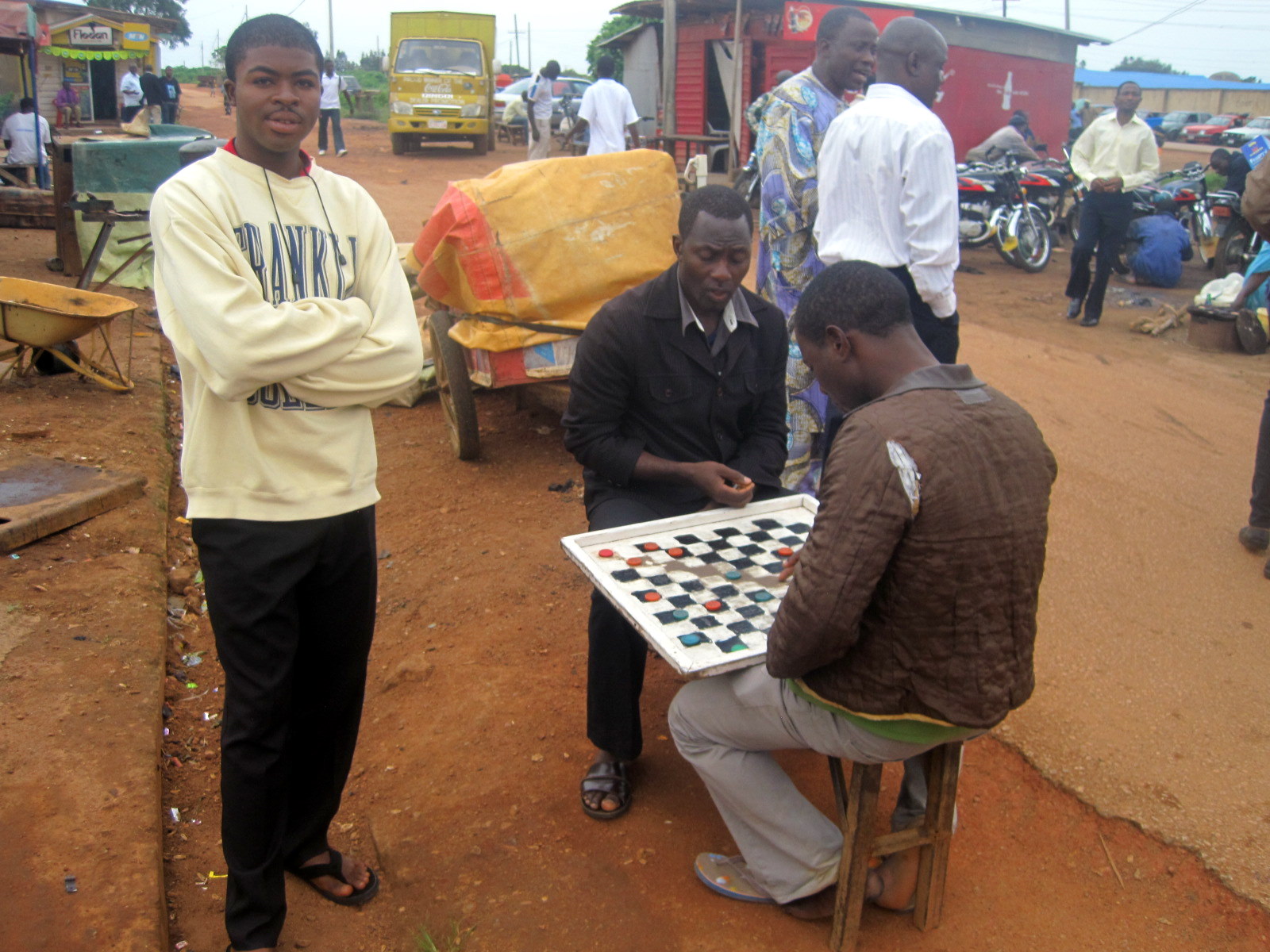
I entered Jos with some trepidation, but with an open mind, and a five year nostalgia waiting to be assuaged. I also went with an exhilaration reserved for a beautiful place that has gone with me everywhere I went since we first met. When I left the town a few hours later in the evening of Tuesday, I left with some sadness, and a mild confusion as to where the State is headed, and where the crises will lead. On the one hand are ubiquitous police patrols at every hundred metres from Ta Hoss to Makira to Riyom, and on the other hand is a town that still moves as it always does, cheerful, without any hint of danger. Well, welcome to Jos.

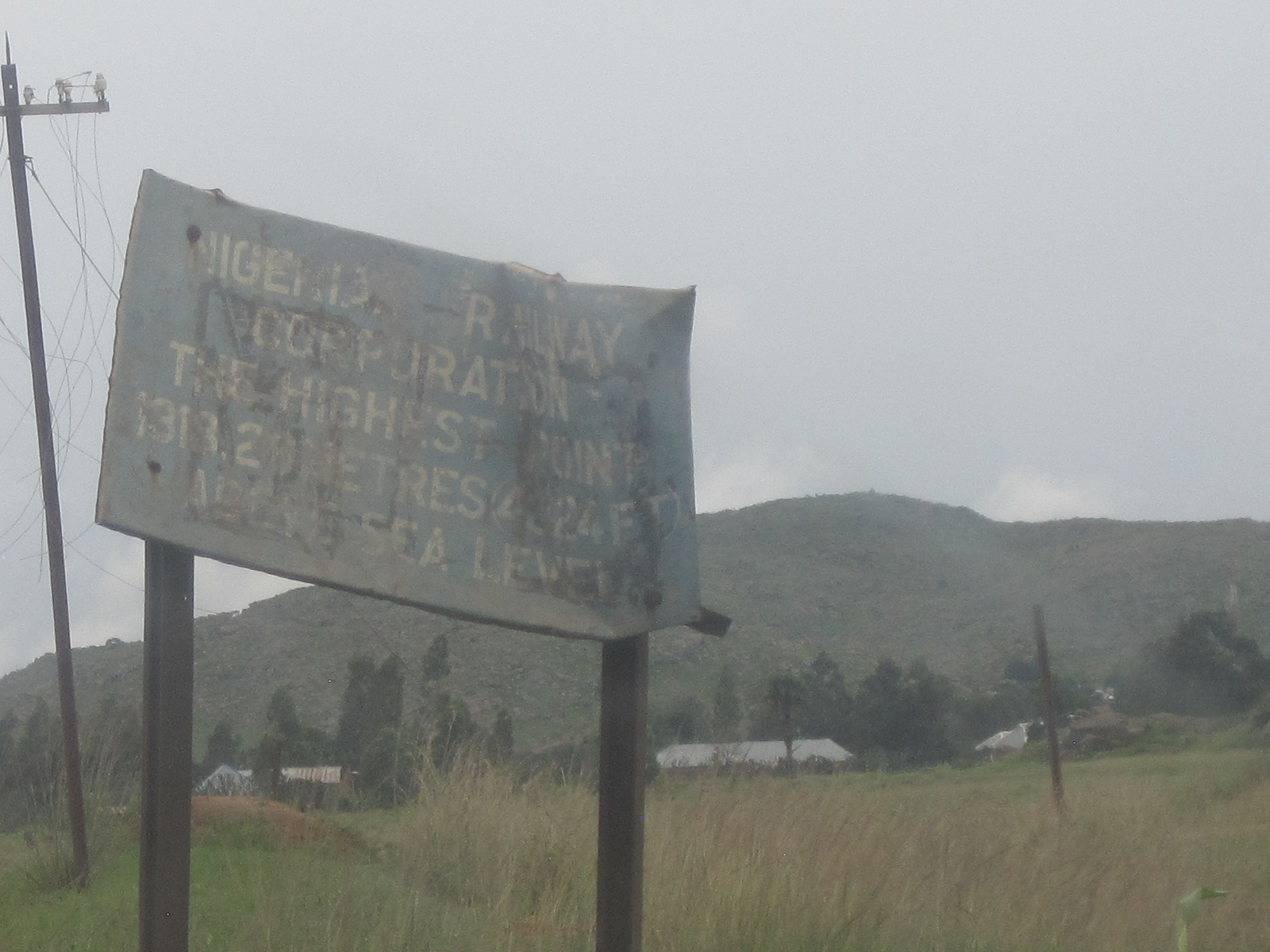
Picture #3 is the sign at Kuru which reads: “Nigerian Railway Corporation: The Highest Point in Nigerian Railway. 1318.20 metres or 4324 ft above sea level.

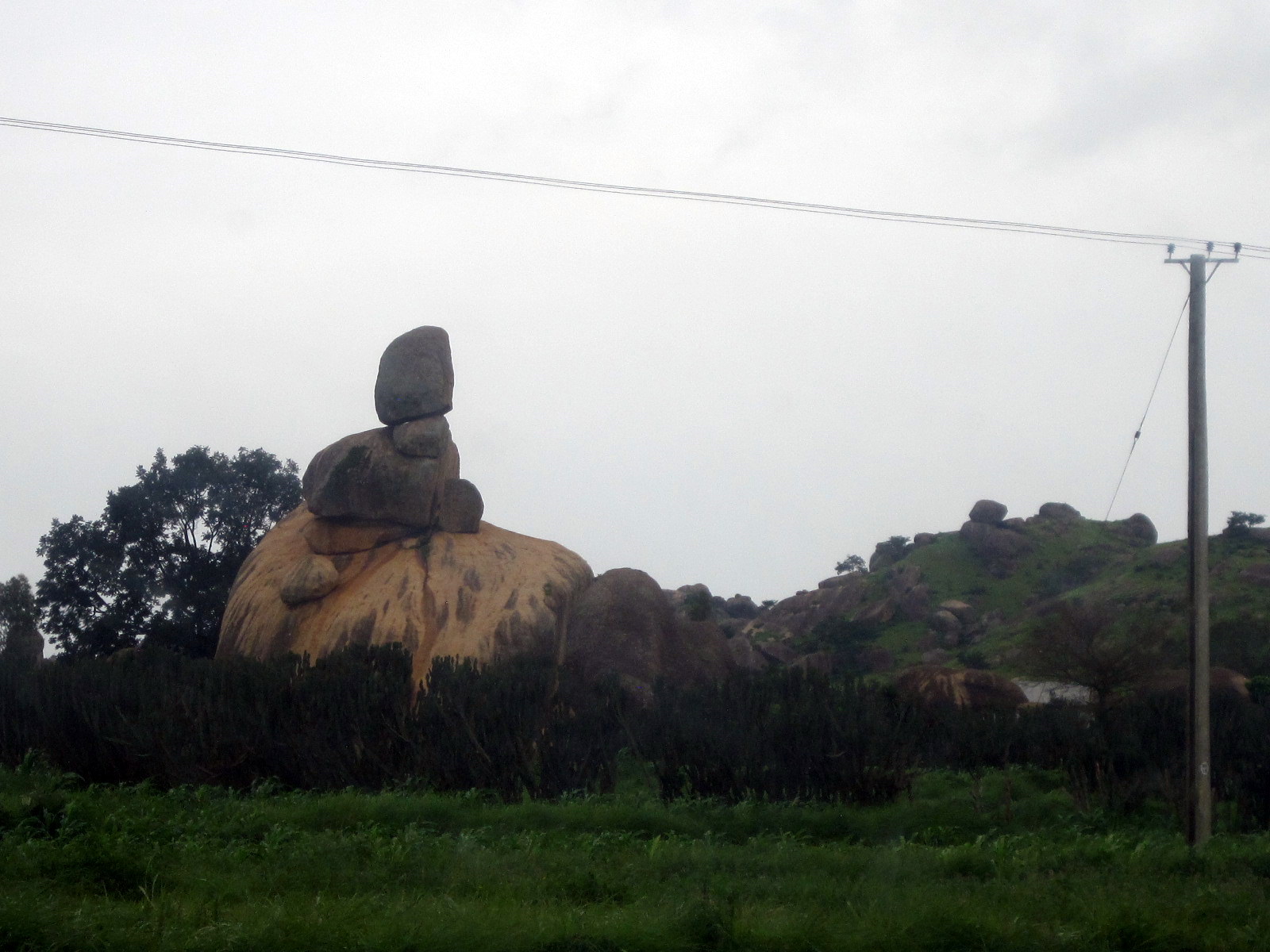
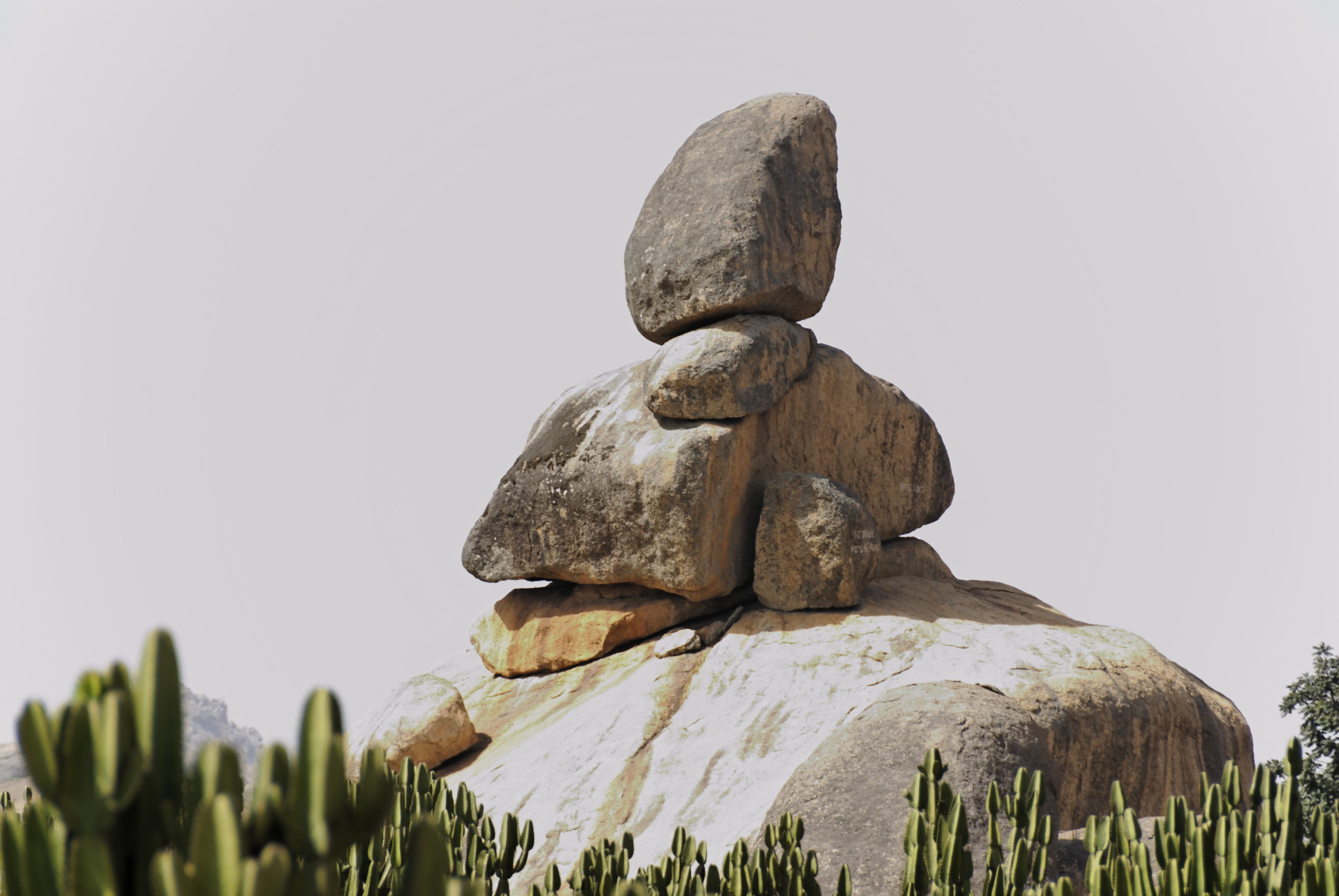
Picture #8 is the famous Riyom rocks that have stood in that delicate design since centuries.

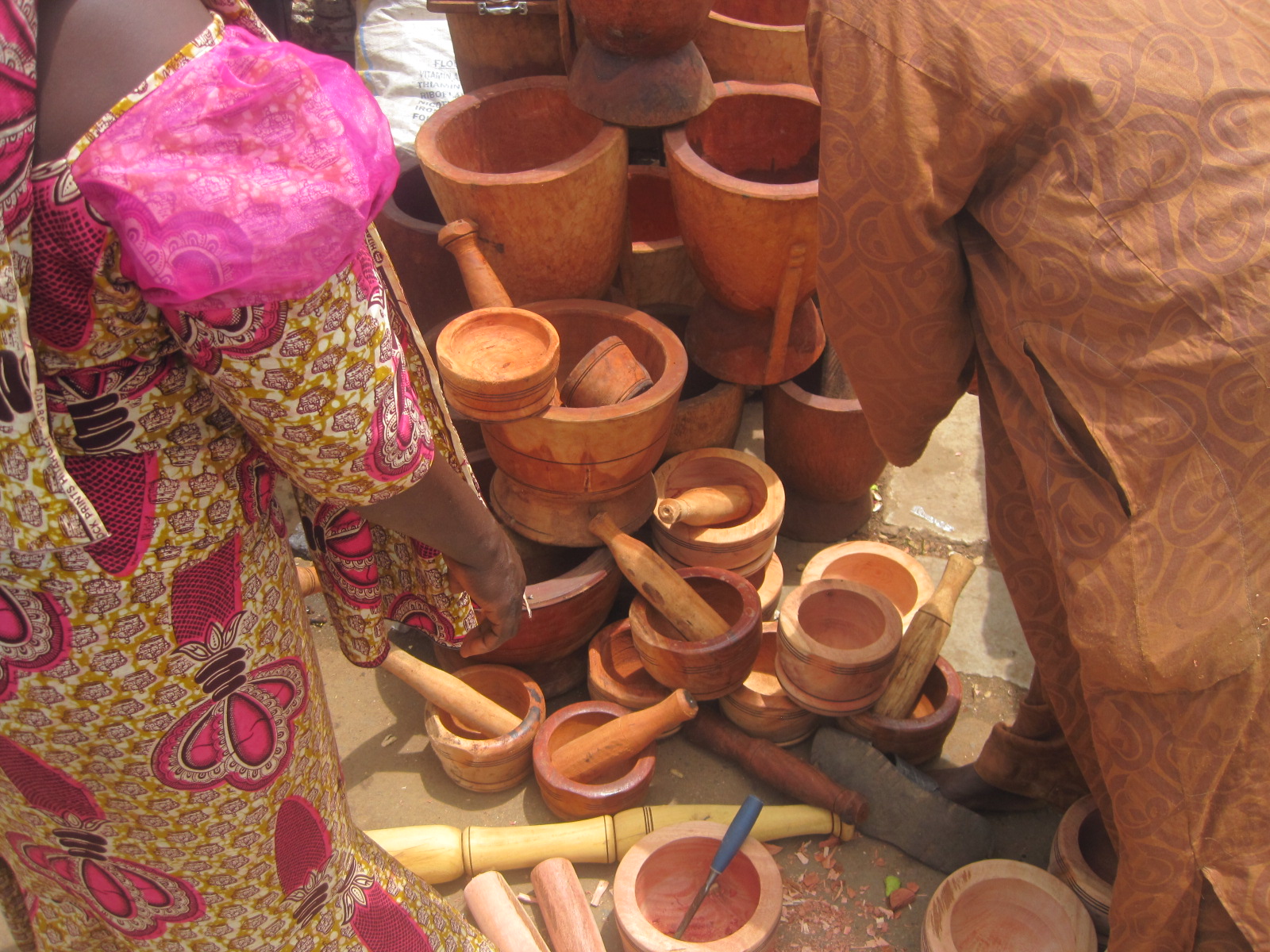
Picture #9 is a carver I saw in Jos, making mortar and pestles with his hand, a chisel and a wooden mallet.

10 Reasons To Buy KTravulart To Help Jos

10. It is one of Nigeria’s most serene cosmopolitan cities, now facing a humanitarian crises that could as well be called genocide going by motive, and the number of deaths recorded in the last couple of weeks.

9. It is a tourist destination for expatriates living in Nigeria maybe because of its altitude. If there is peace, stability and vitality in Jos, there is peace, stability and vitality for all who visit the place. And it’s a good place to visit if you are ever in Nigeria.

8. It is the site of a very advanced Nok culture and civilization who lived there from around 3000BC and disappeared in the late first millenium.

7. Its National Museum is one of the best in the country, and it boasts of some fine specimens of Nok terracotta heads and artifacts dating from between 500 BC to AD 200. It also incorporates the Museum of Traditional Nigerian Architecture with life-size replicas of a variety of buildings, from the walls of Kano and the Mosque at Zaria to a Tiv village. (Source Wikipedia)

6. The state has over forty ethno-linguistic groups, some of the largest in the country as far as linguistic diversity is concerned.

5. It has the potential to be – as it has always been – one of the best places to live in Nigeria.

4. You will have a beautiful photographic artwork hanging in your living room, signed by KTravula, all the way from the Midwest of the United States.

3. You will have something to show for it beyond the beautiful photograph hanging in your living room: a peace of mind that comes from giving.

2. For Nigerians, you will have done your little part to contribute to the progress of the country Nigeria, without having to occupy a government office, and be sure that your money is making an impact, and not going to a corrupt pocket.

1. I said so. And you love me, don’t you?


PS: That photo above is of the famous Riyom Rocks. It is located in Riyom, the local government in which I spent twelve months in 2005/2006 on the National Youth Service programme. (Picture Source: Paramino.)

PSS: I got an $80 cheque from Clarissa today, as donation to Jos. She had mistakenly addressed it to Access Bank Nigeria instead of to me, but that’s fine. I can’t post the cheque to Nigeria because no Nigerian bank will cash an American cheque. On Monday therefore, I will make her re-write it, address it to me, I’ll cash it and transfer it to the Access Bank Account of the Nigerian Red Cross for Jos Relief or send by Western Union to them, or to someone who will pay it into the Access Bank Account and provide me with proof. It shouldn’t be so hard jare!