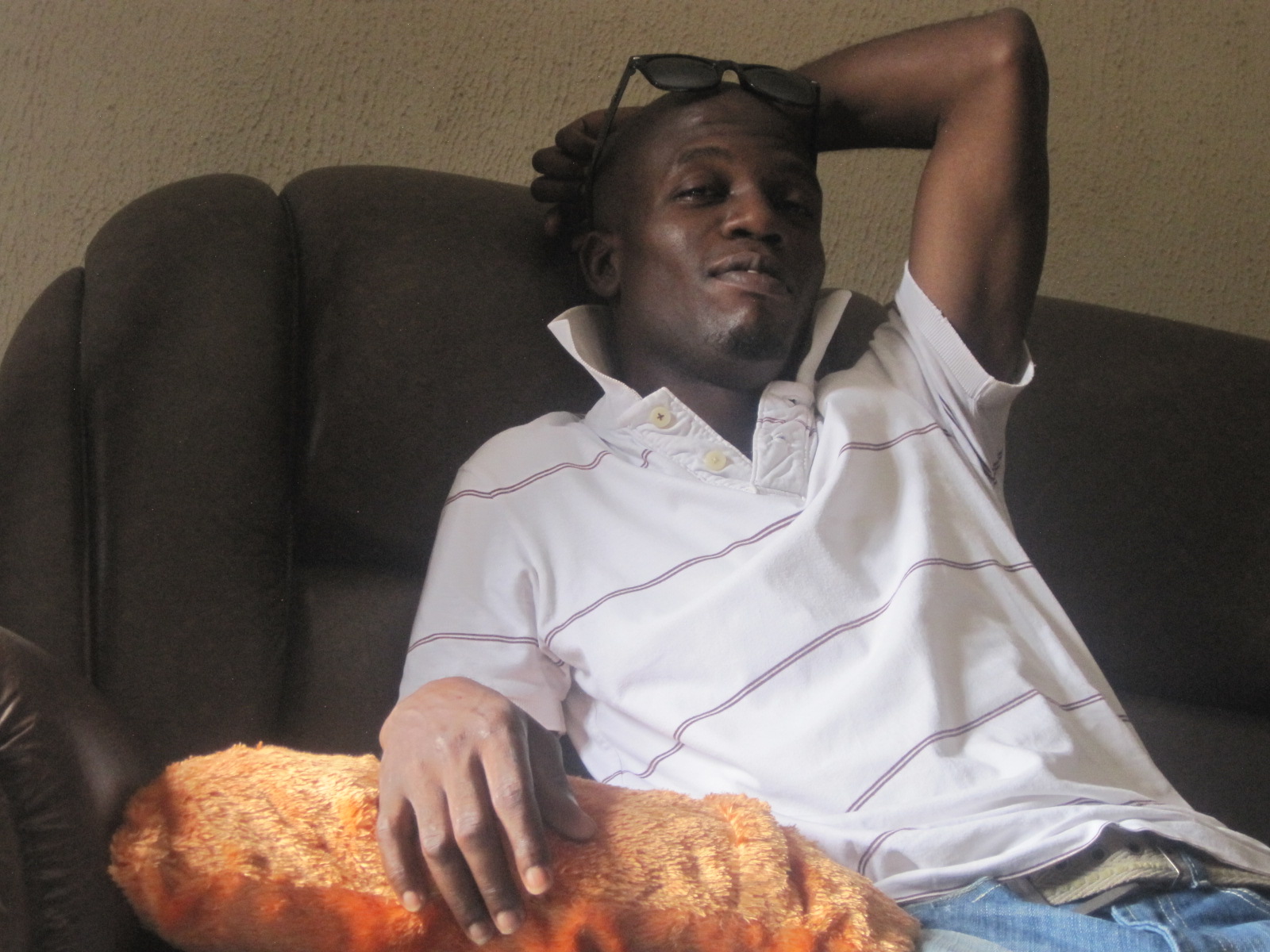
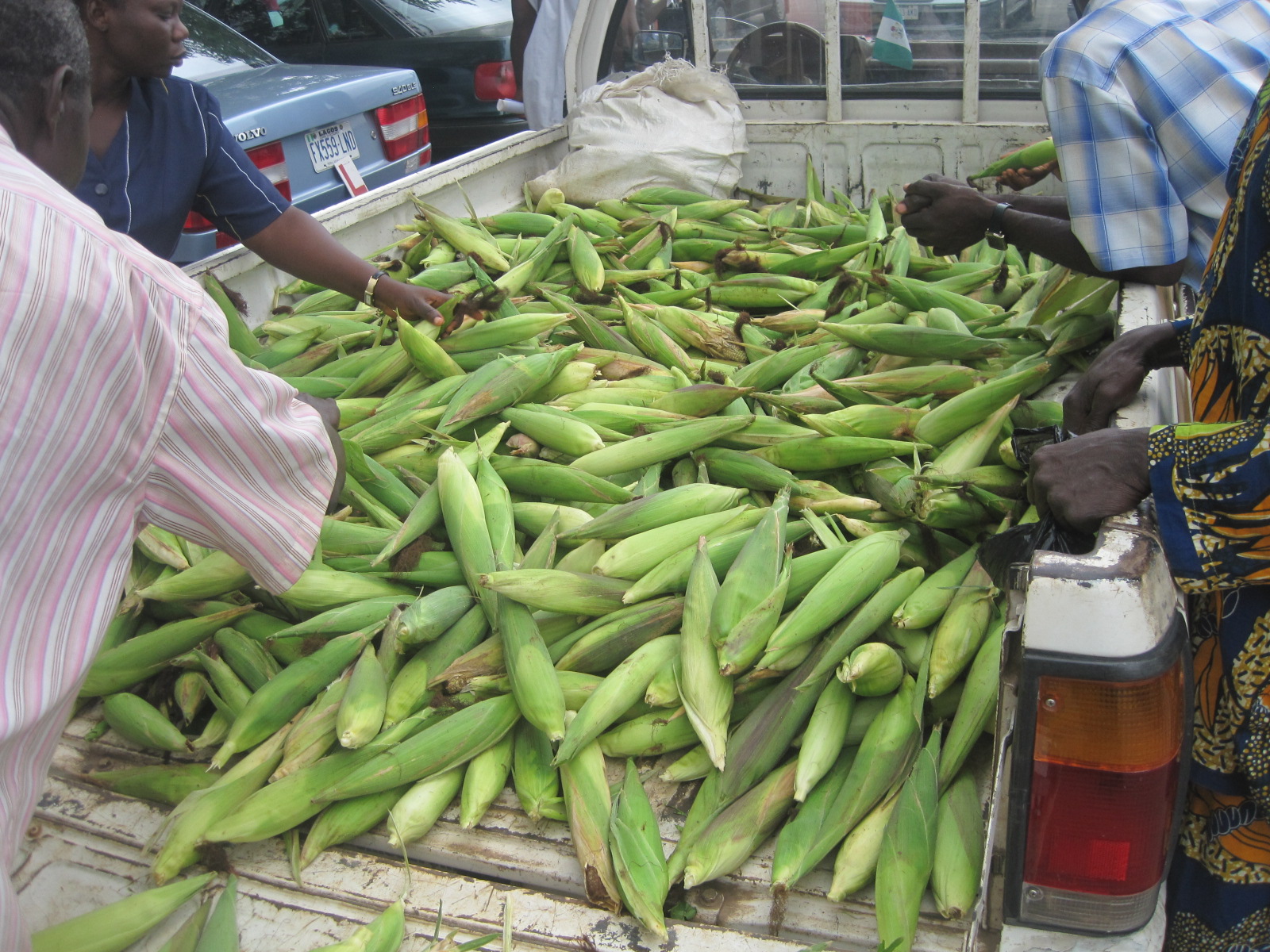
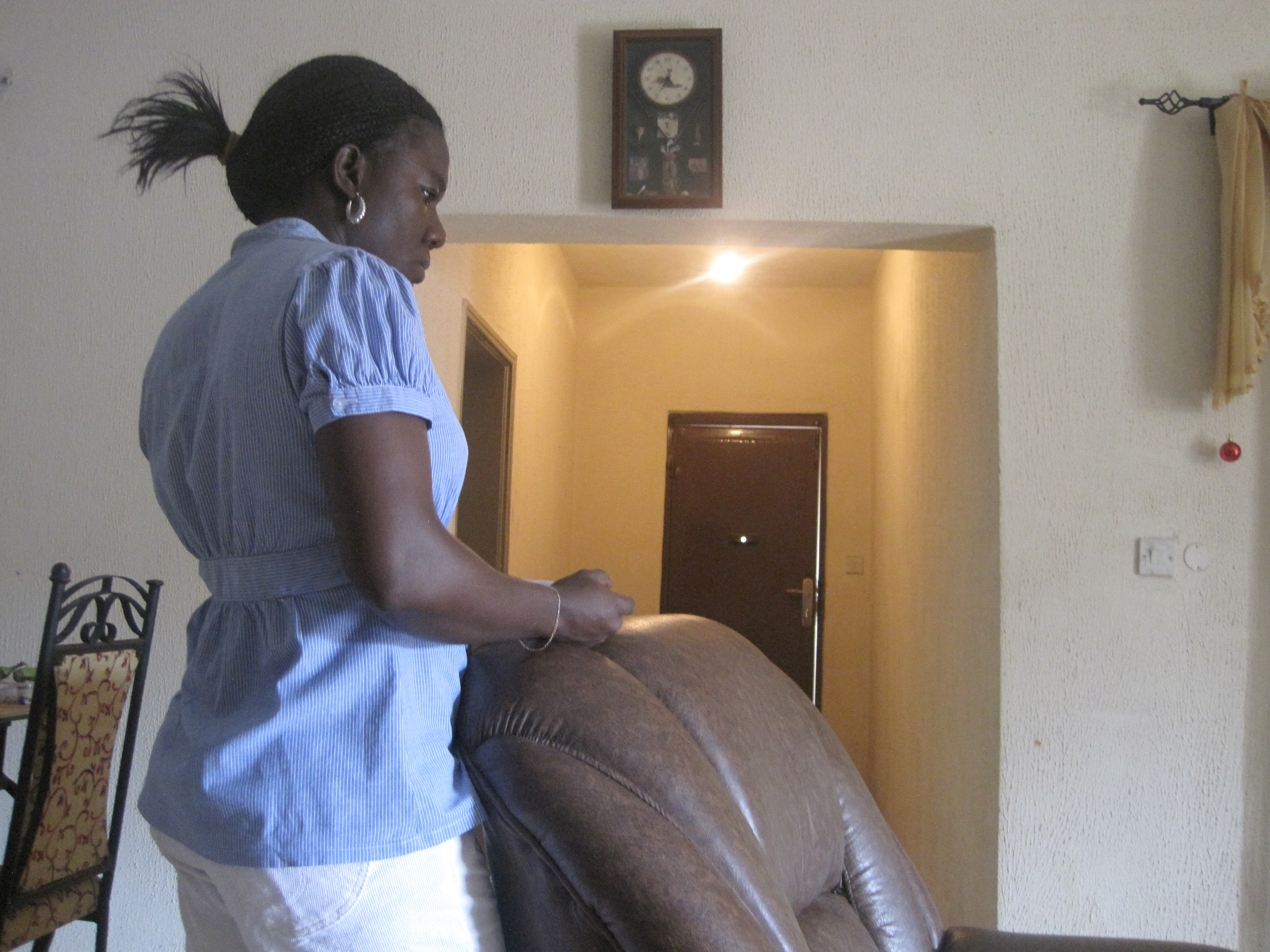
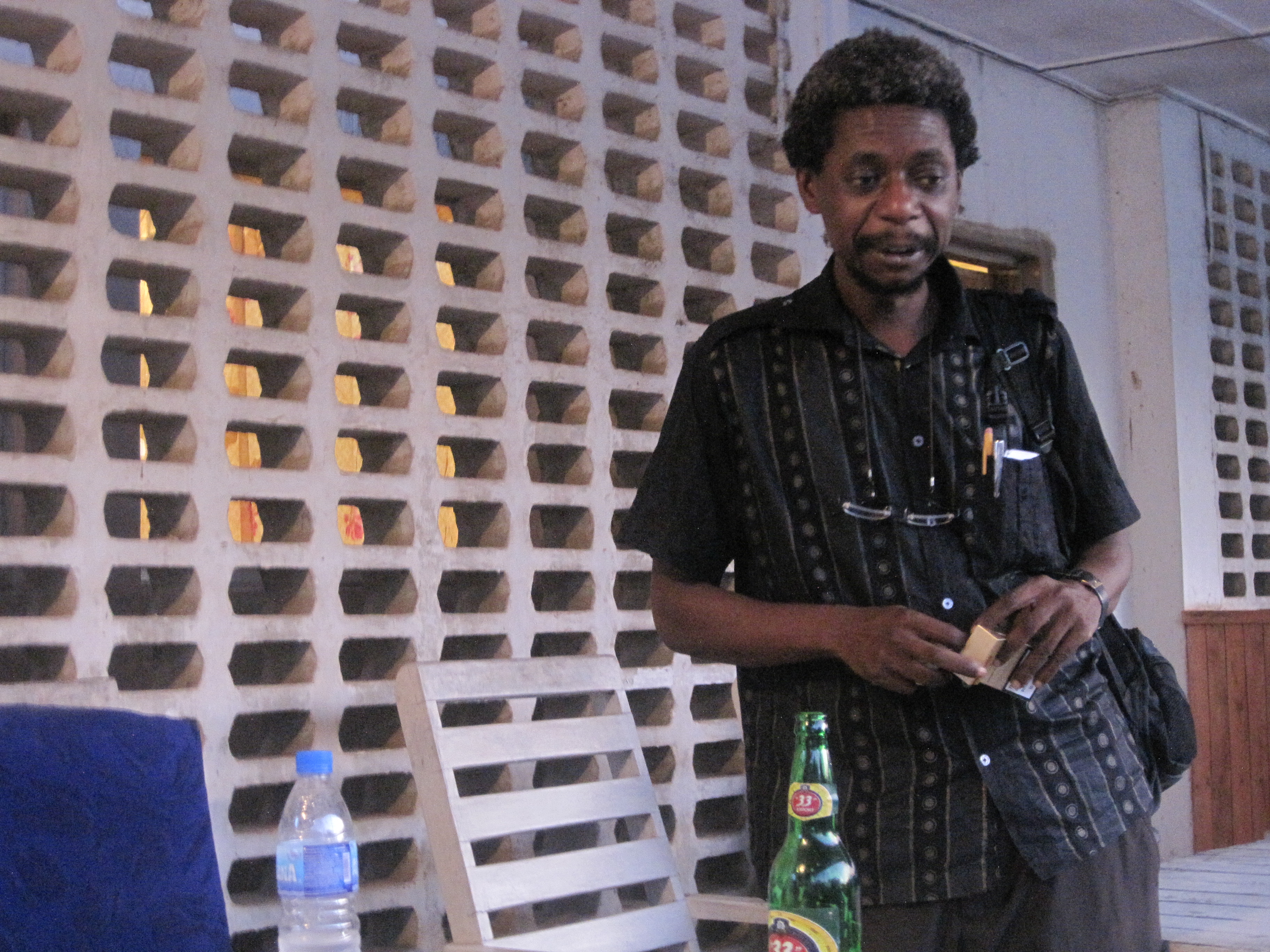

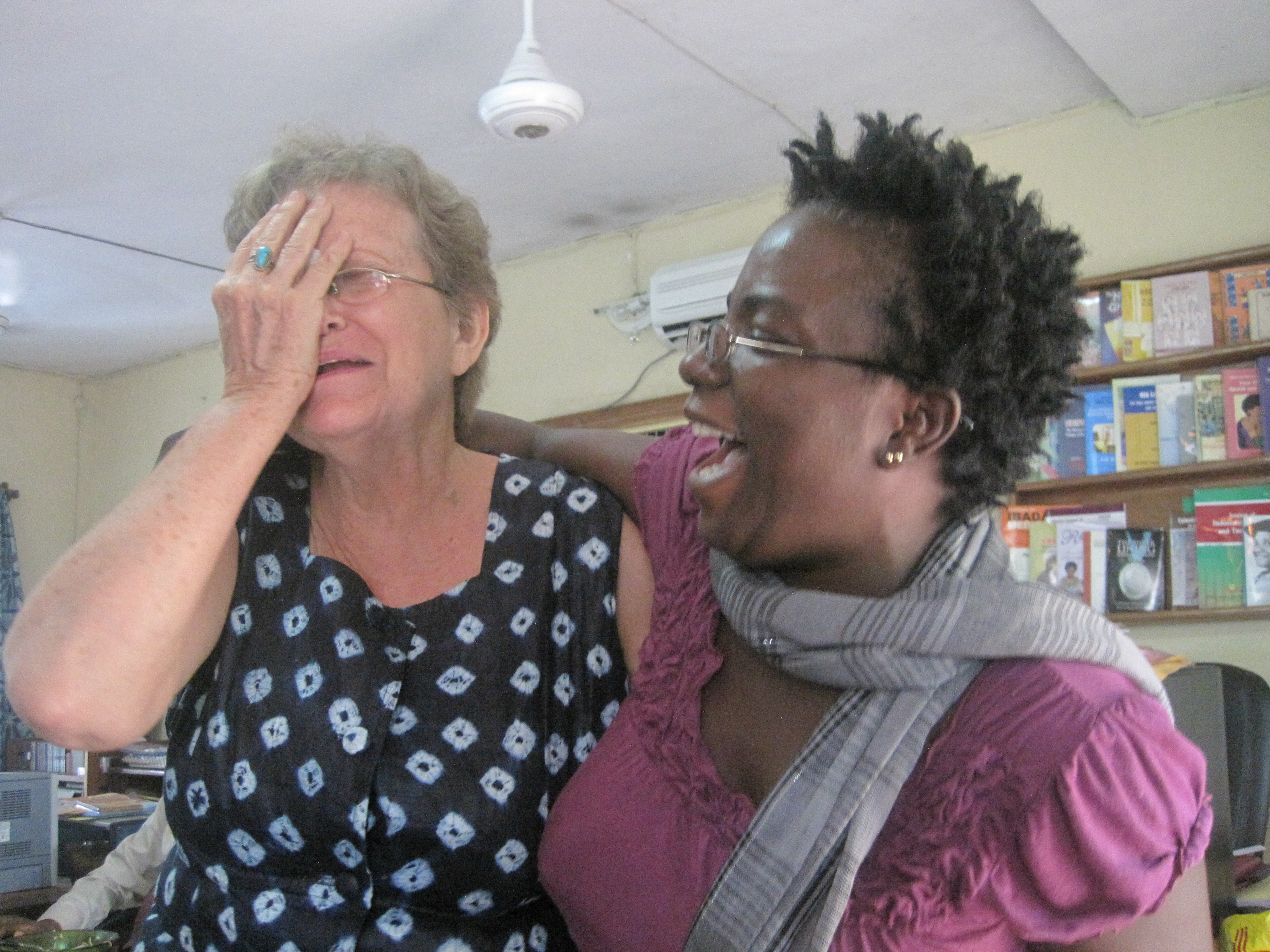
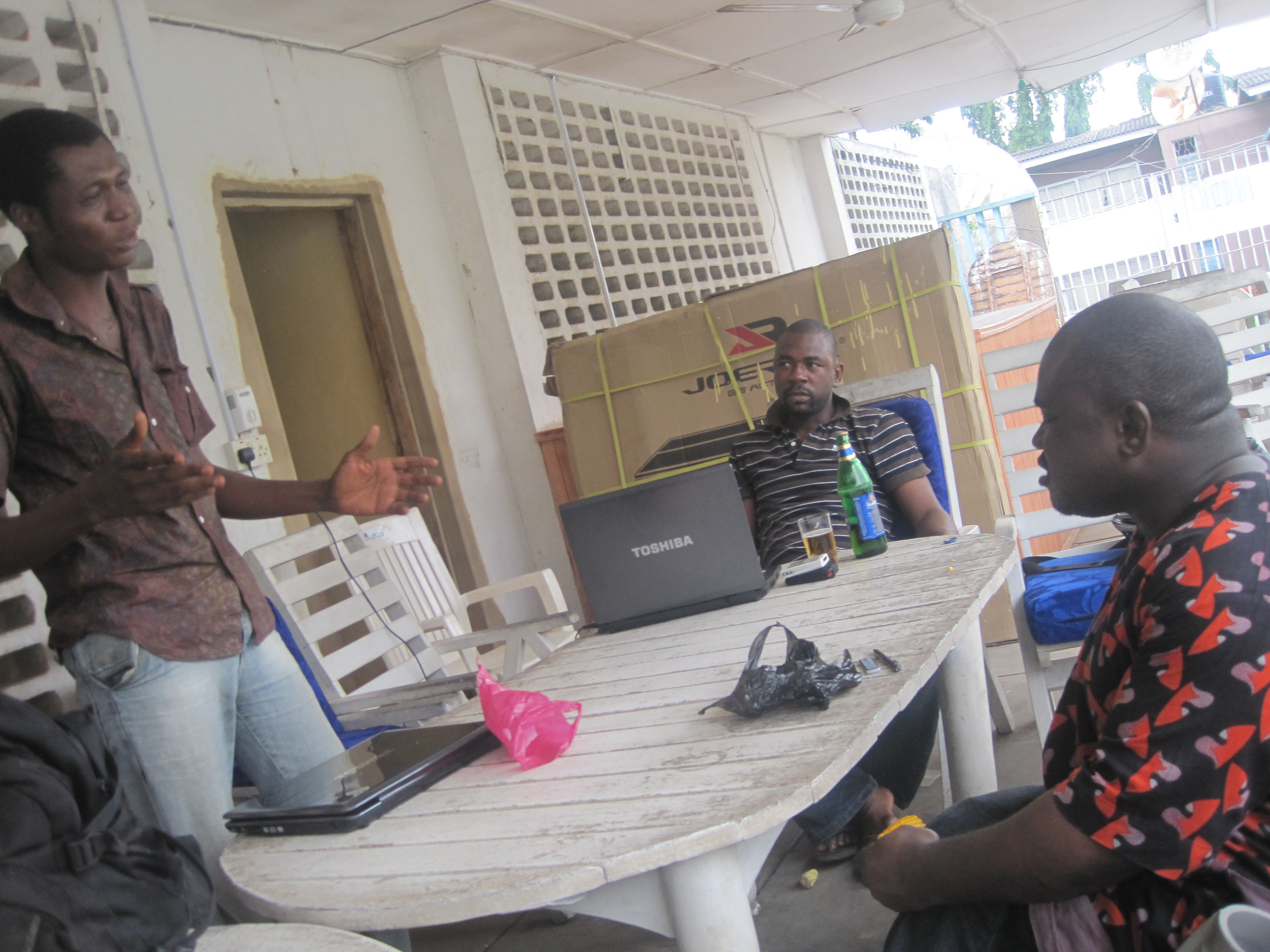
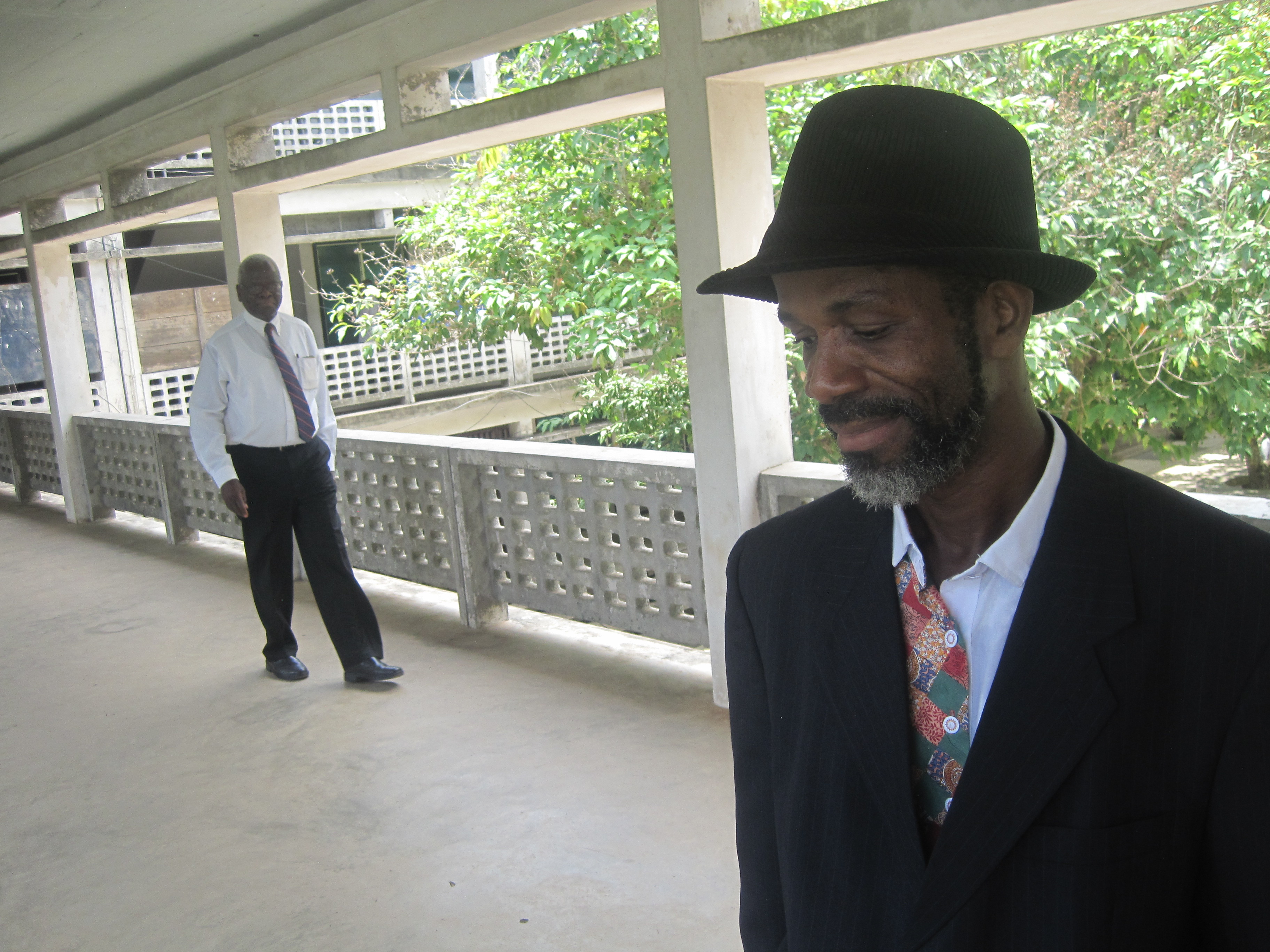
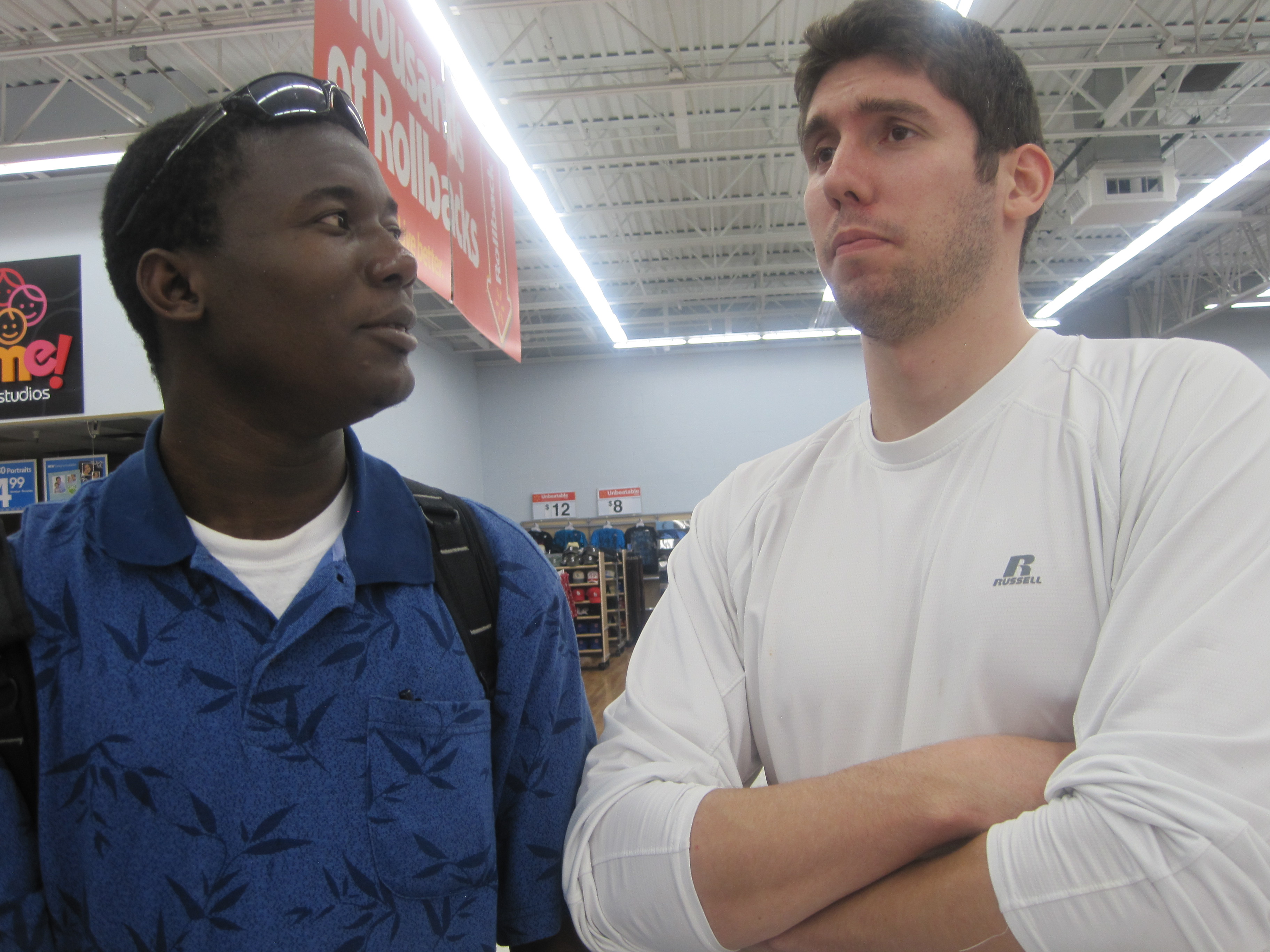
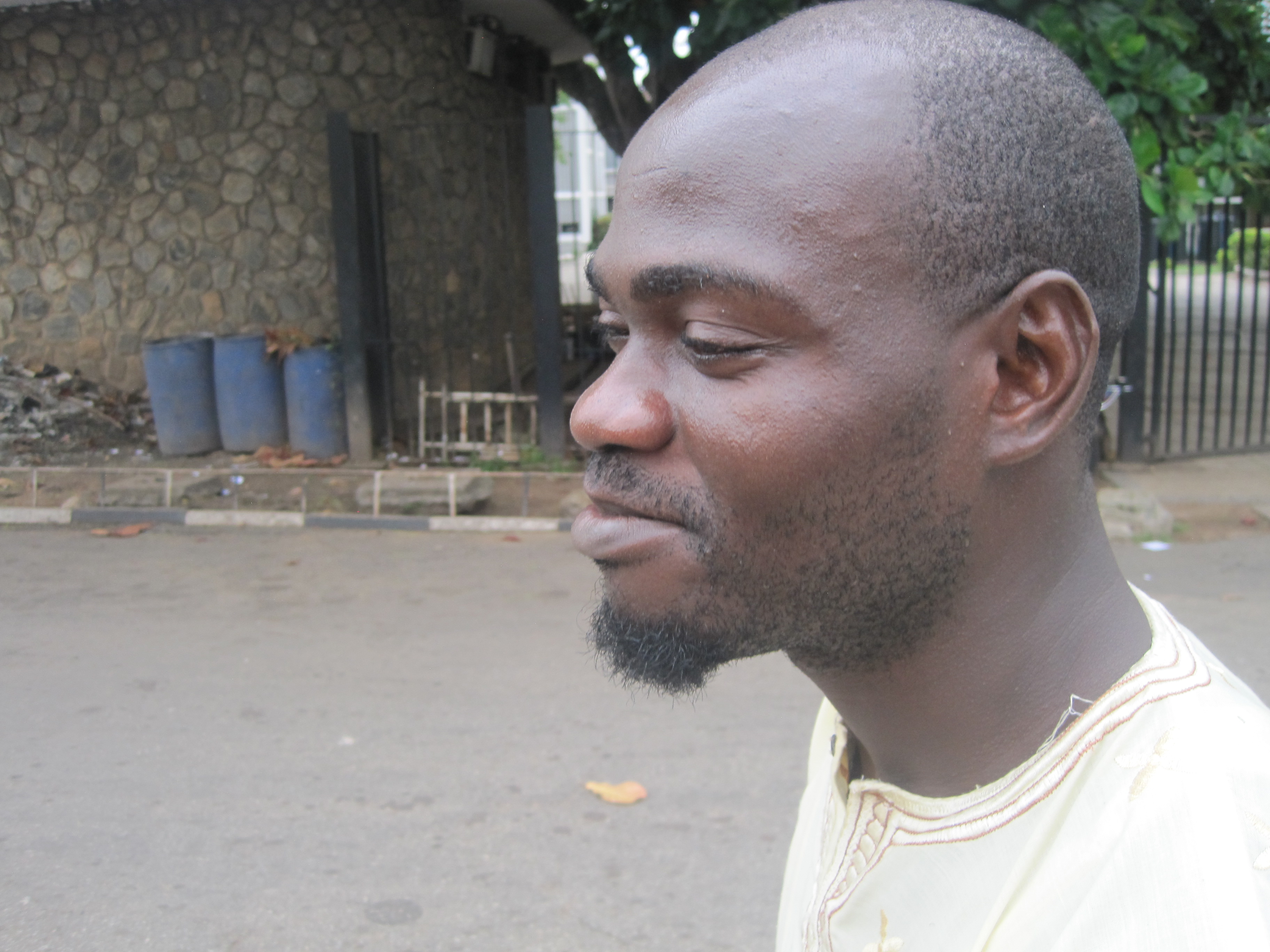
 In response to a memory of faces and places, here is the (I hope) last installment of my summer people posts. Or not.
There’s Ayo, Prof. Banjo, Benson, Aunt Grace, Nikola, Niyi, Dr. Oha, Rahman, Sola, Yemi, and Yomi .
In response to a memory of faces and places, here is the (I hope) last installment of my summer people posts. Or not.
There’s Ayo, Prof. Banjo, Benson, Aunt Grace, Nikola, Niyi, Dr. Oha, Rahman, Sola, Yemi, and Yomi .
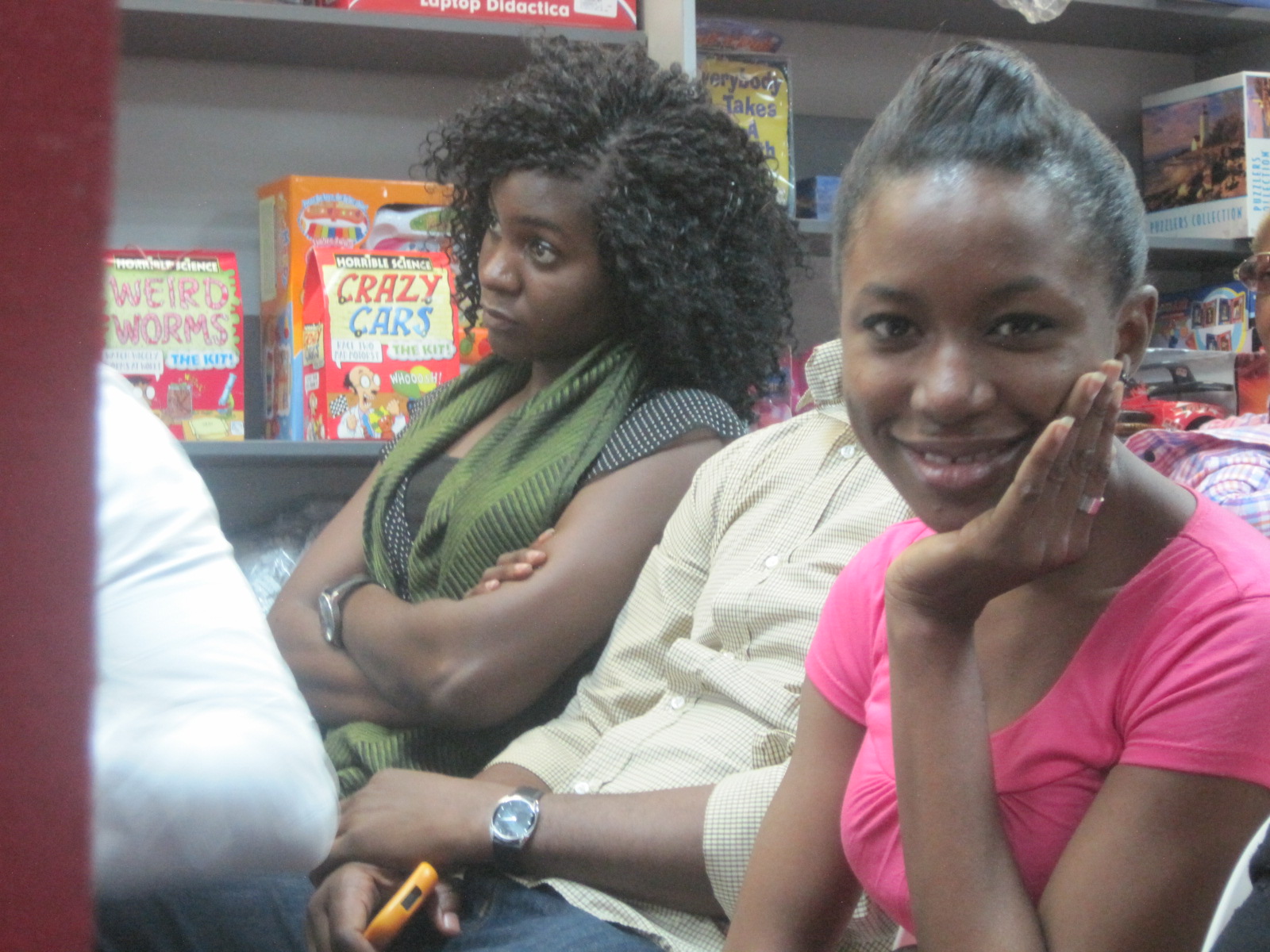
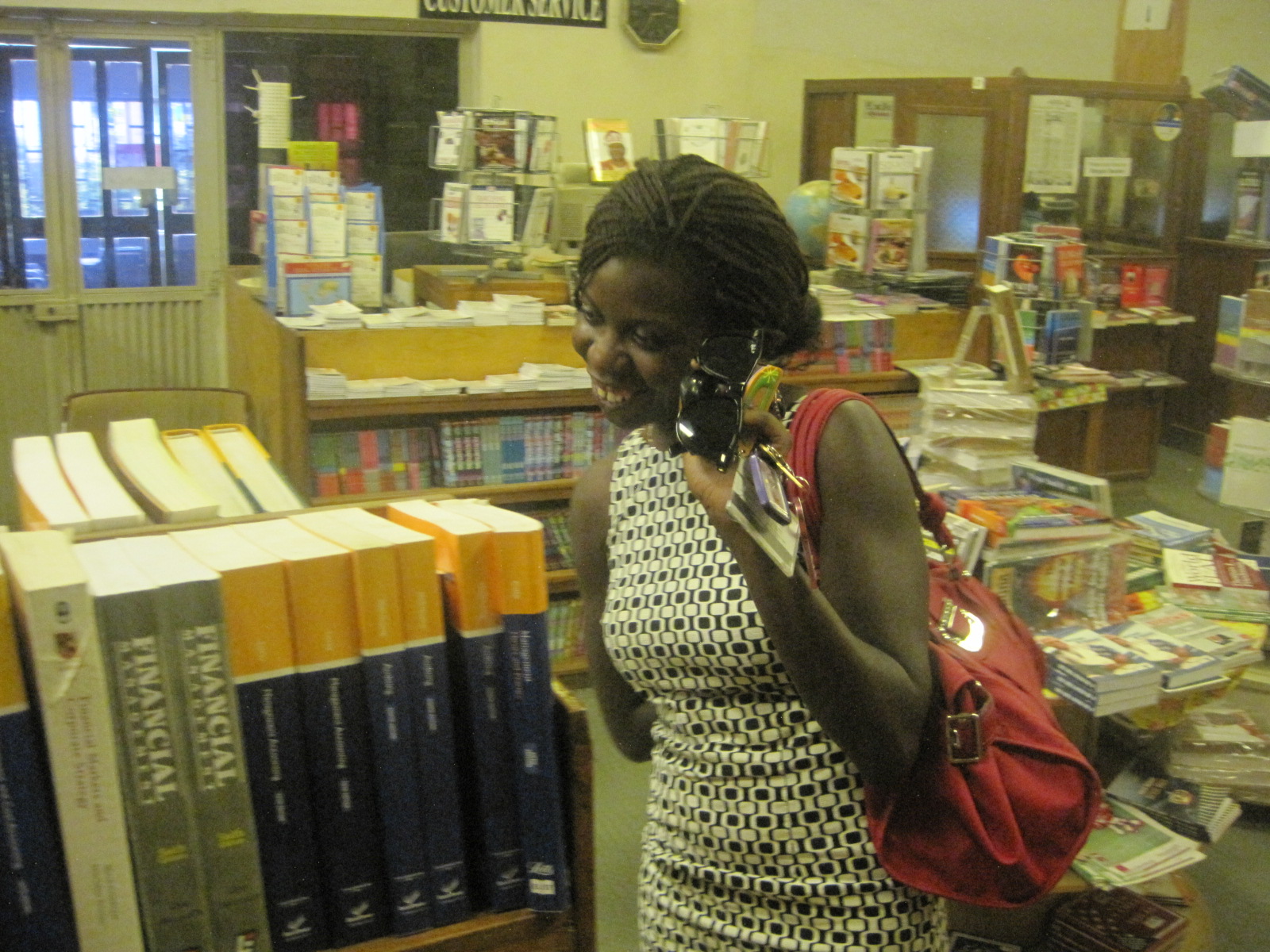

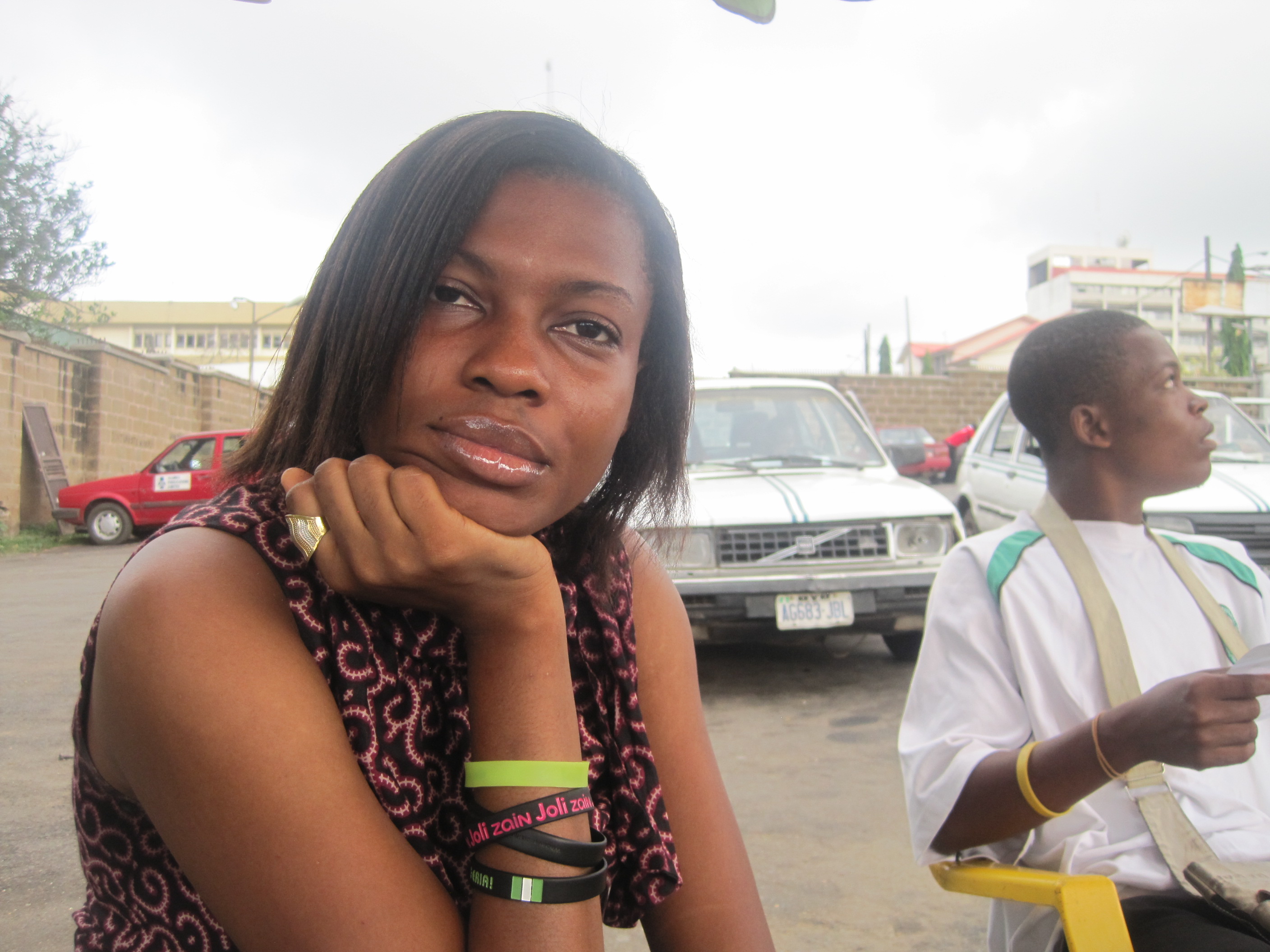
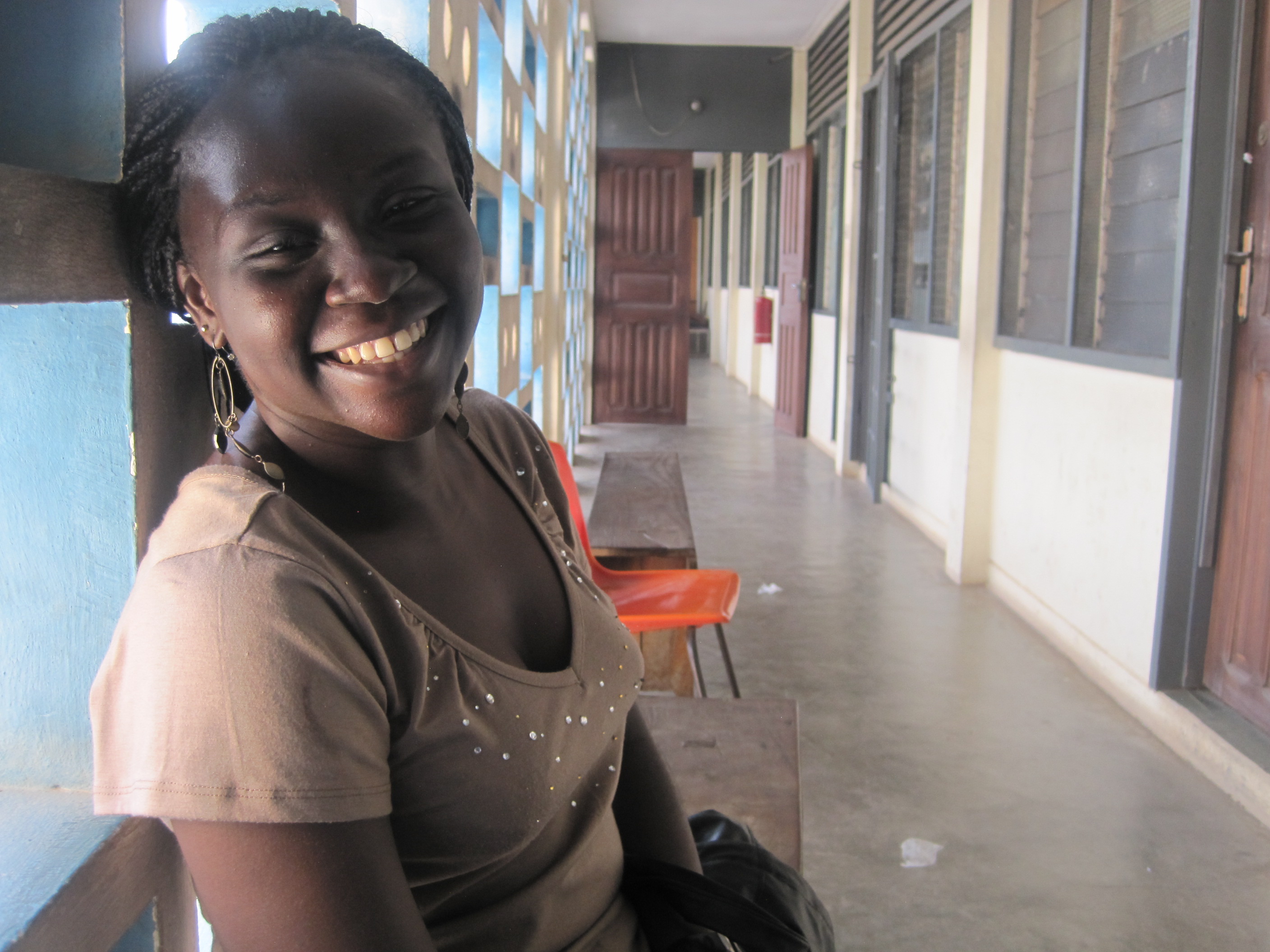
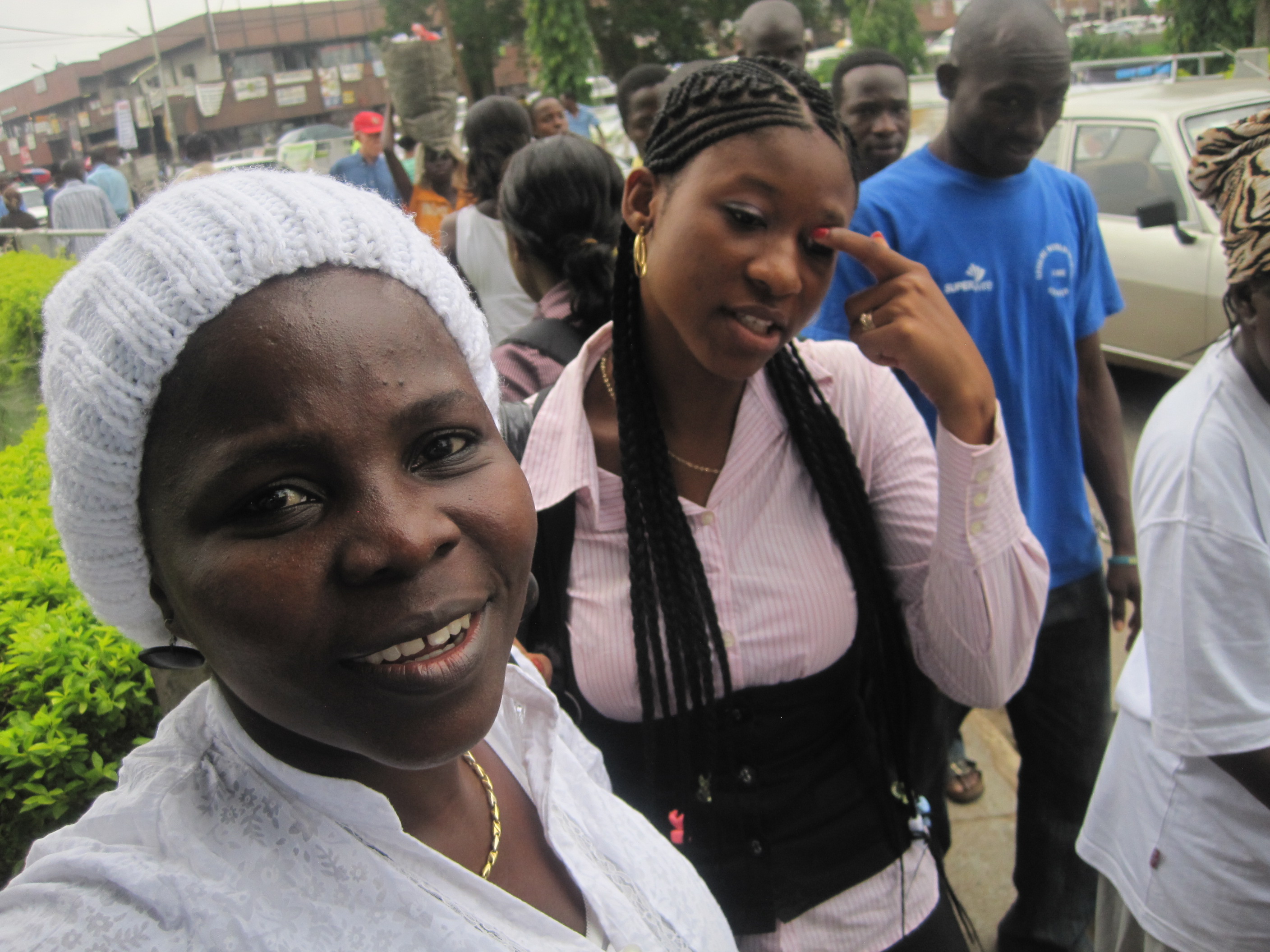
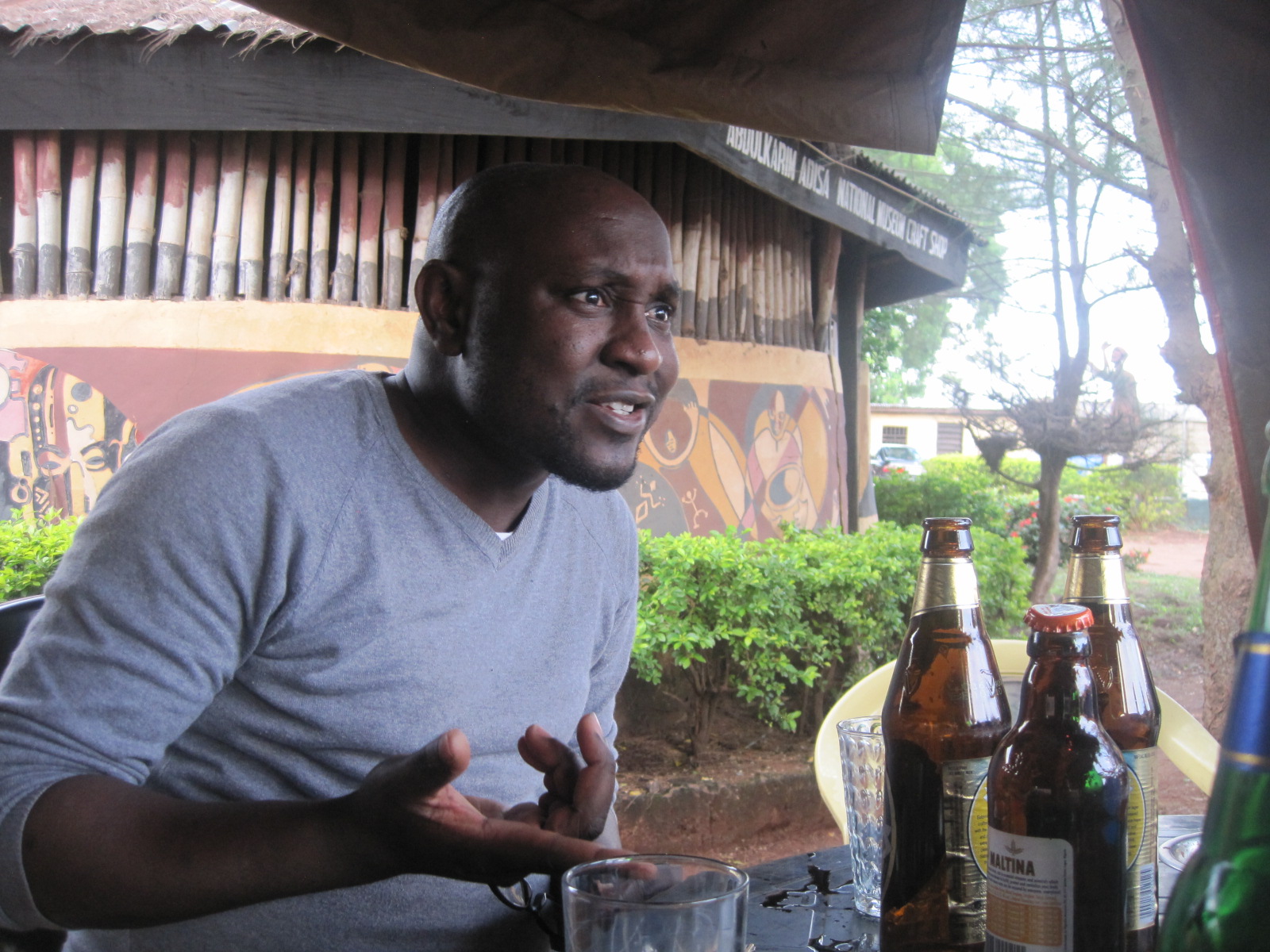
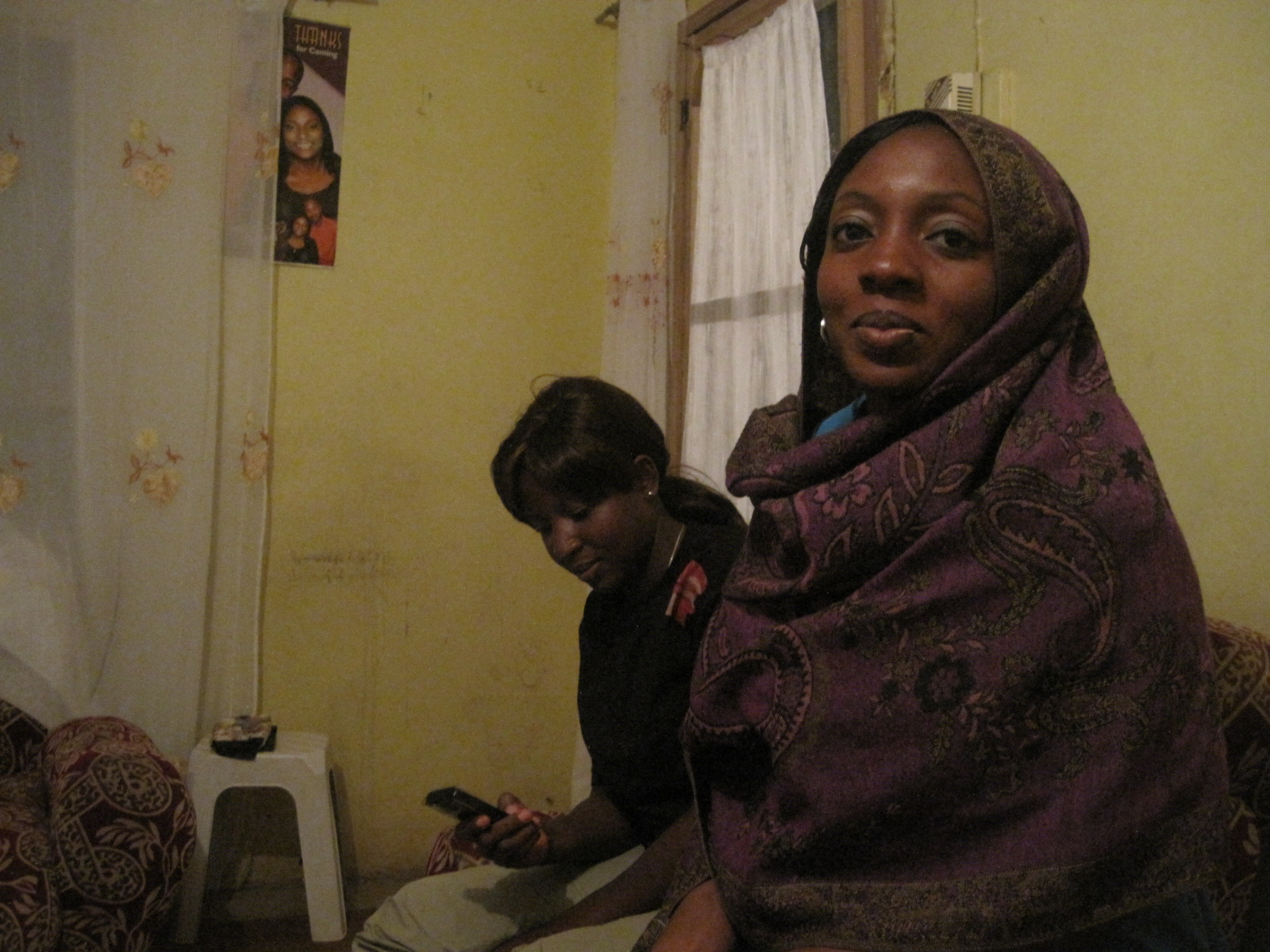 More.
More.
Here we have, in alphabetical order, Adunni, Ayo, Bimbo, Bukkie, Damilola, Nikita, Olga, Olo, Peter, Rayo, Shaban, and Zainab.
Best of luck matching the names to the photos :).
And what is it with the hands under the chin? There must be something on my face that elicits this kind of “wondering” reaction. Hmm.
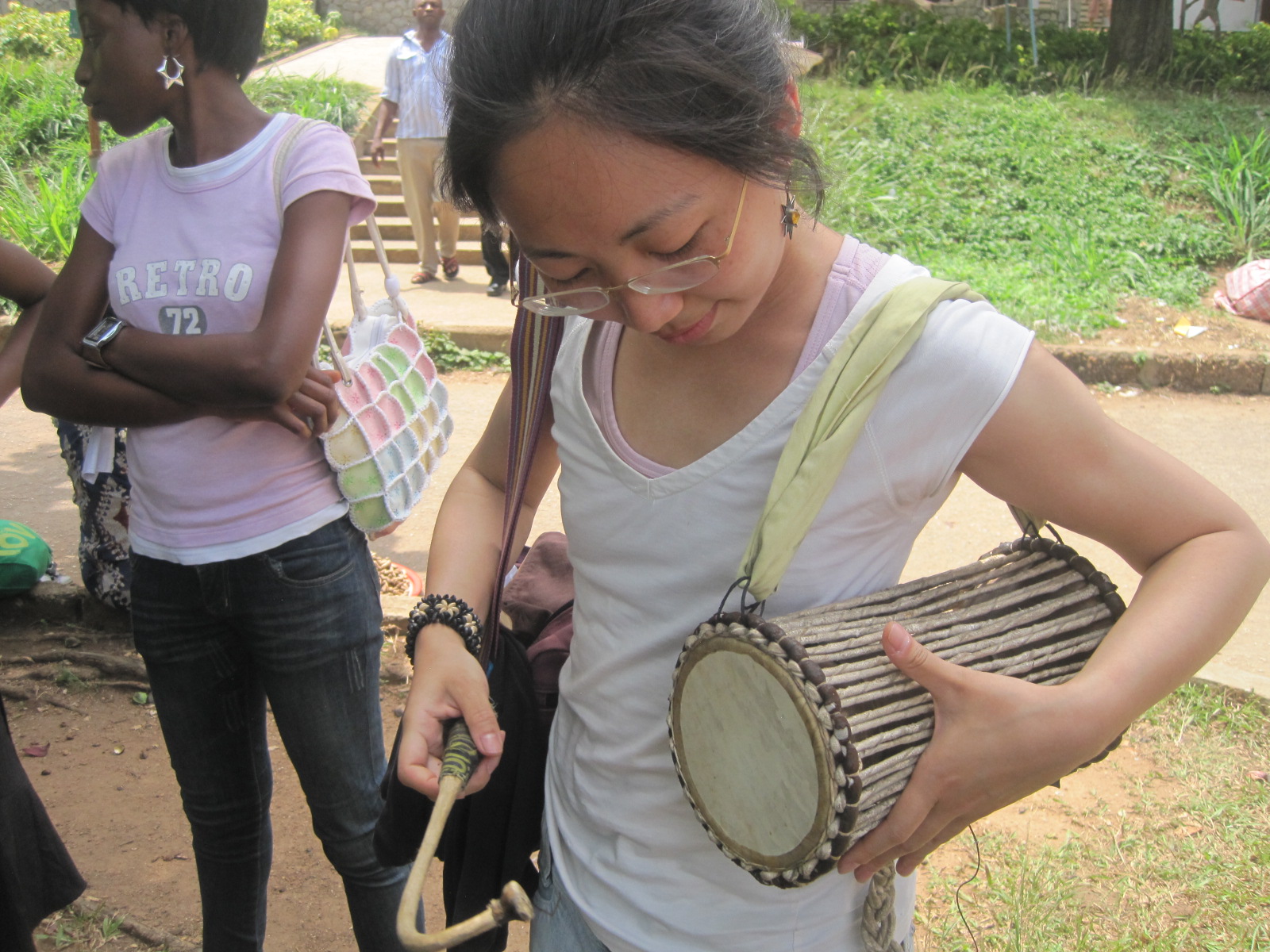
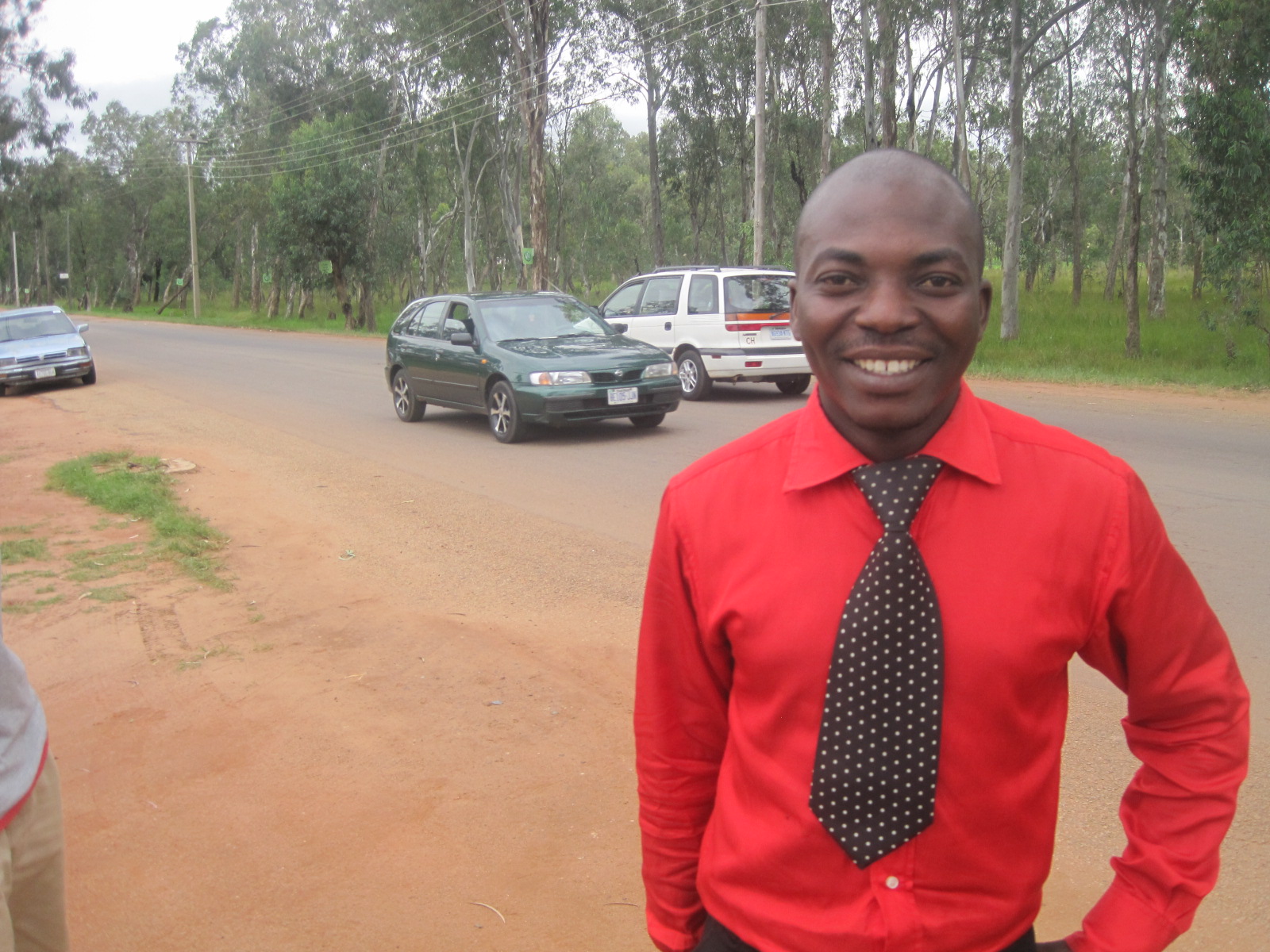
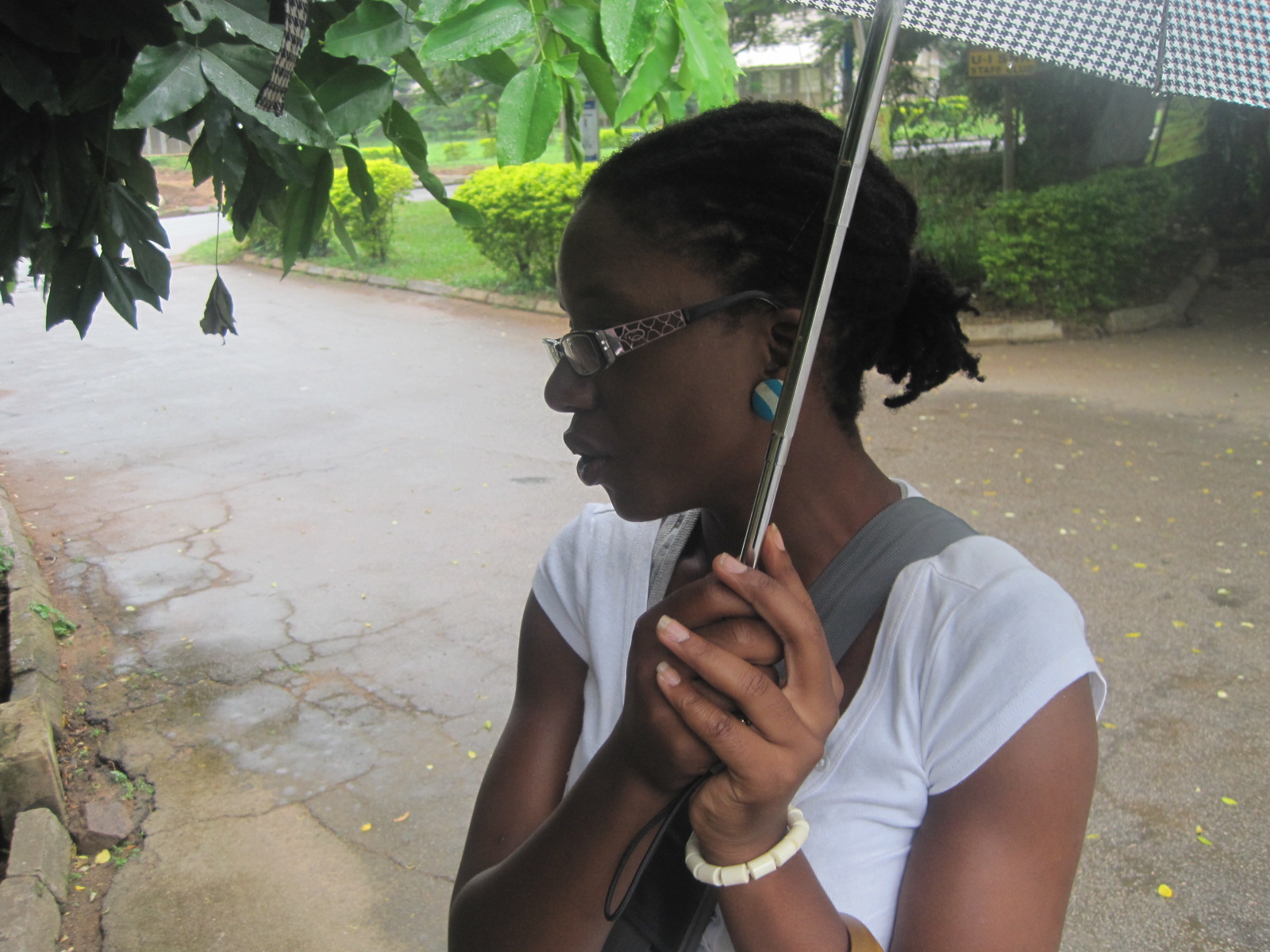
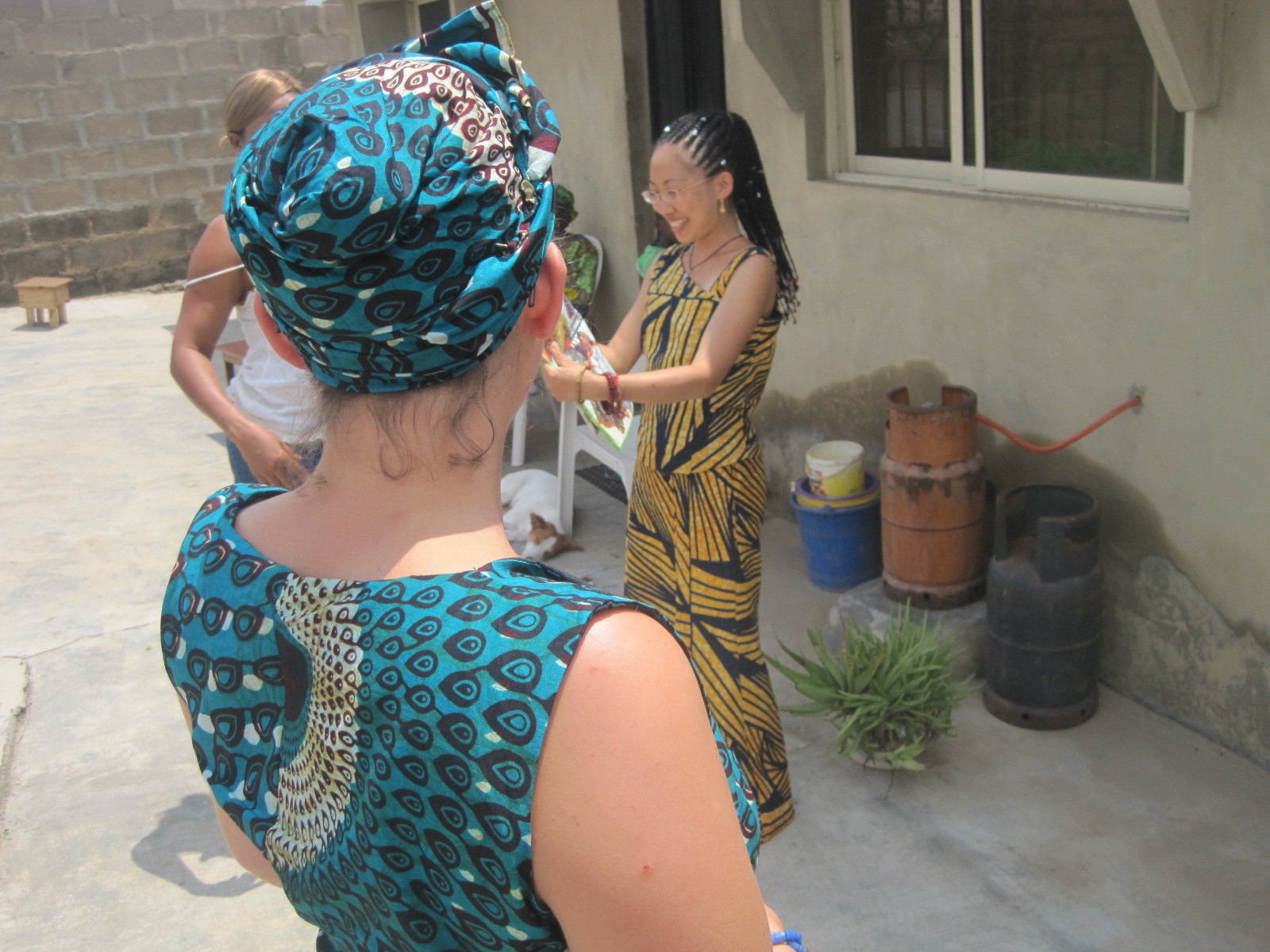
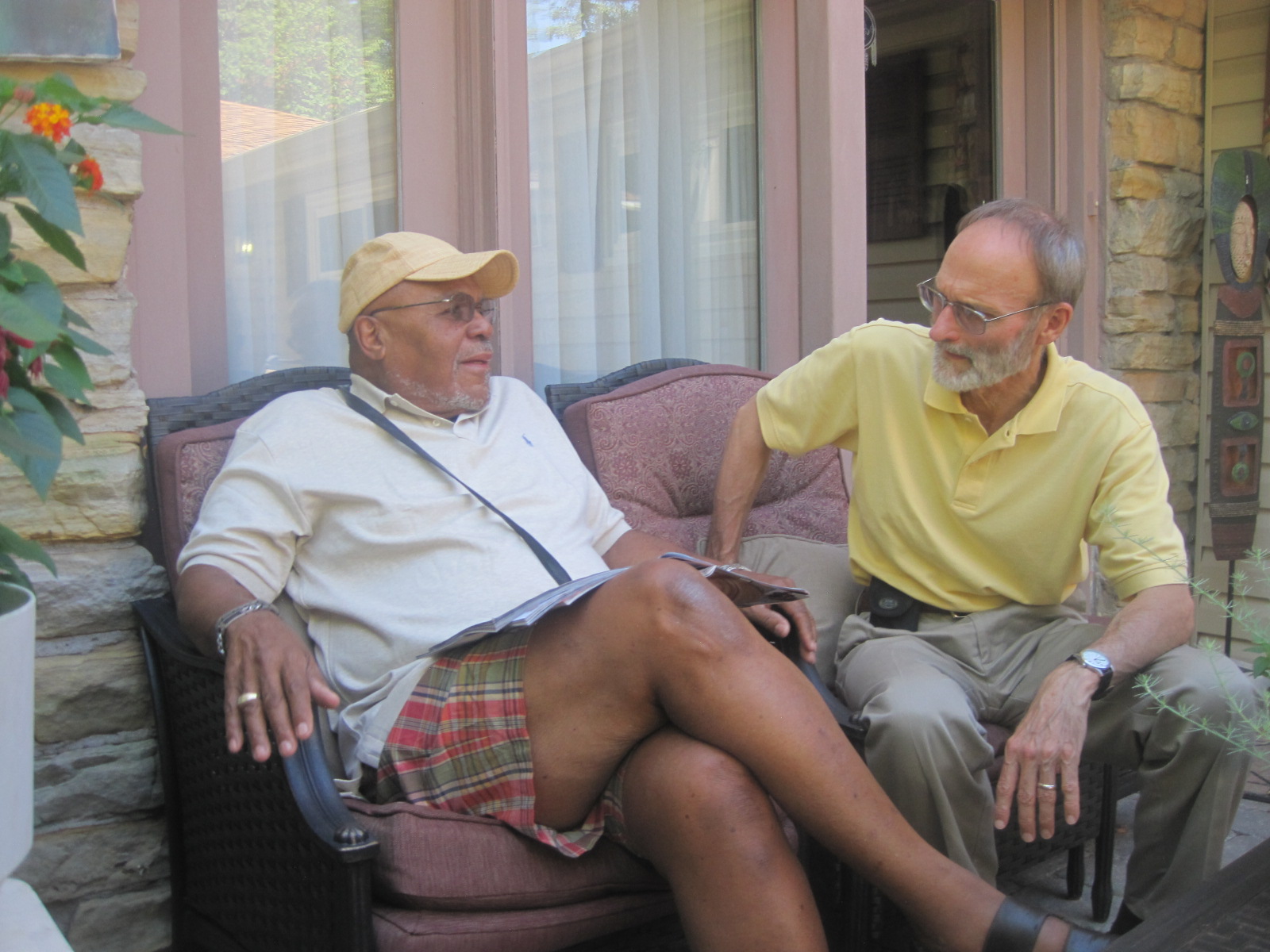
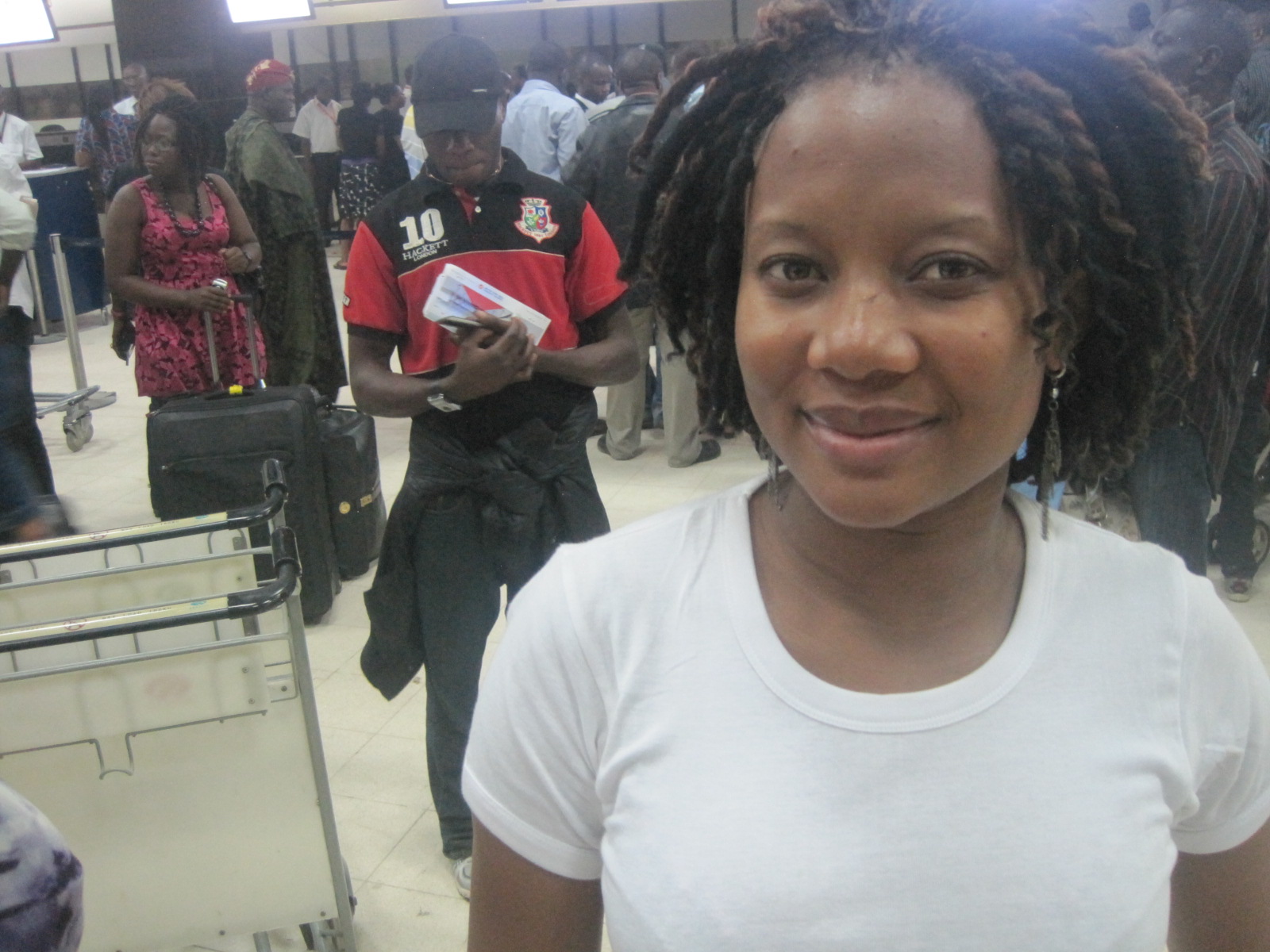
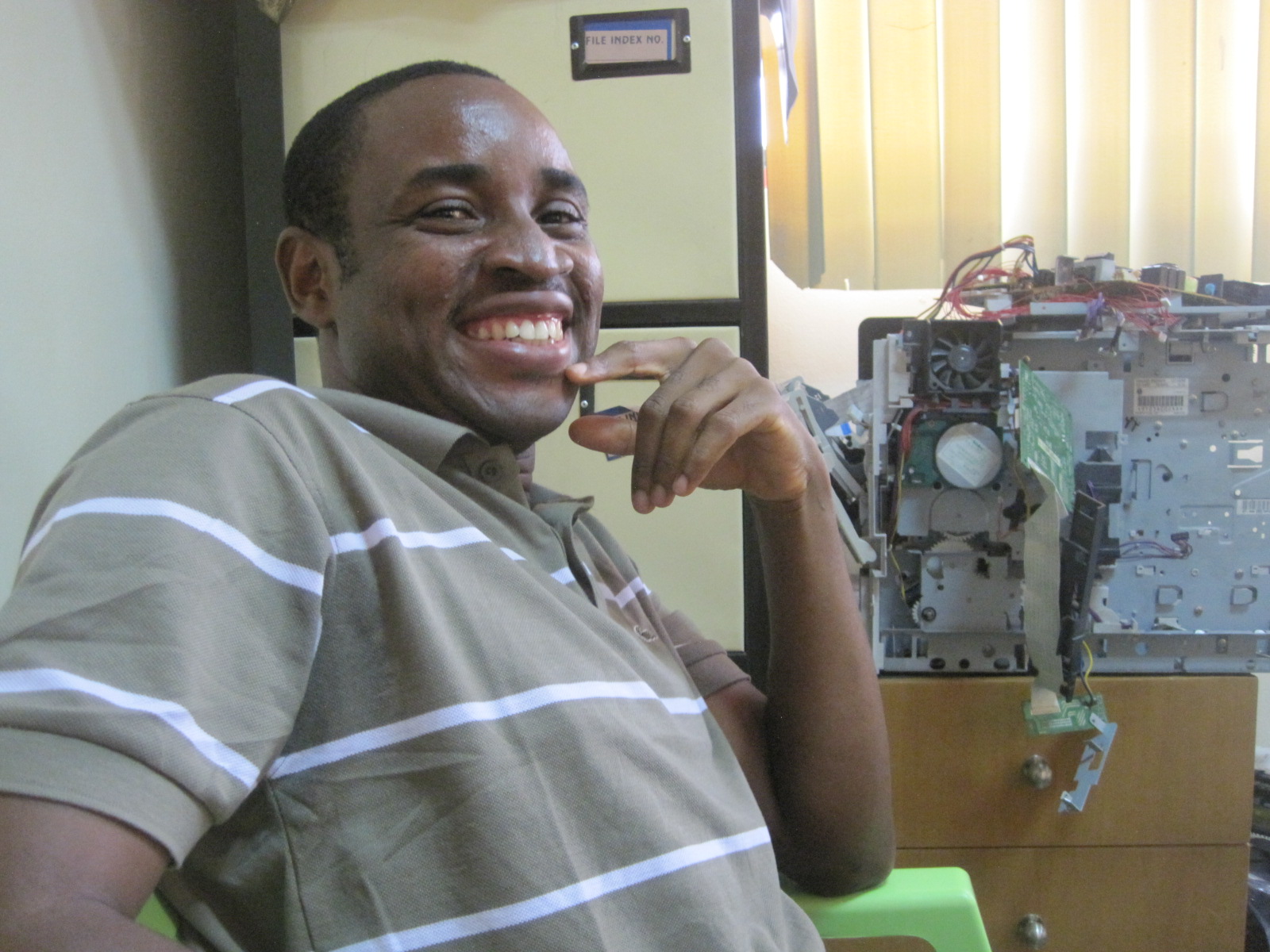
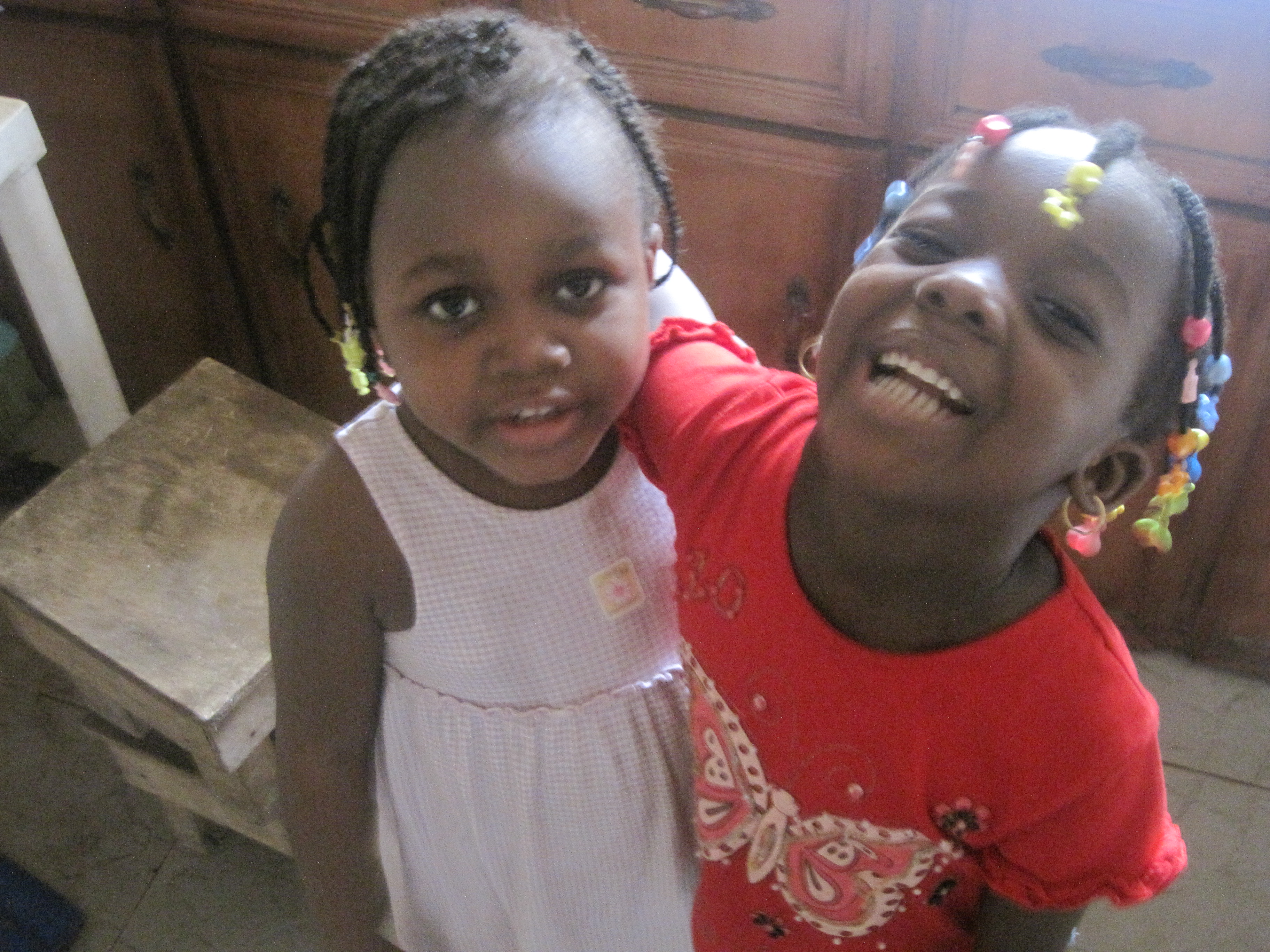
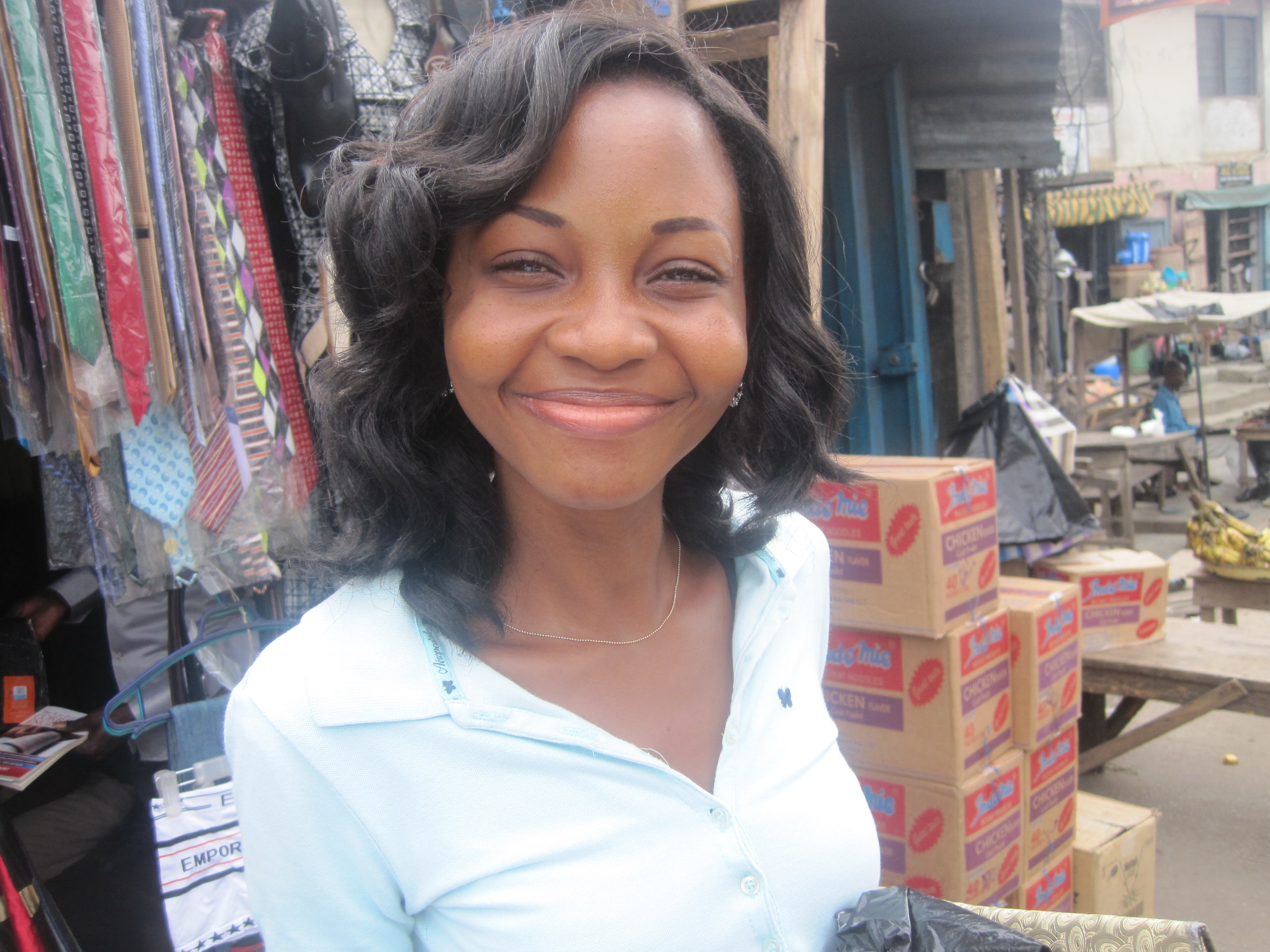
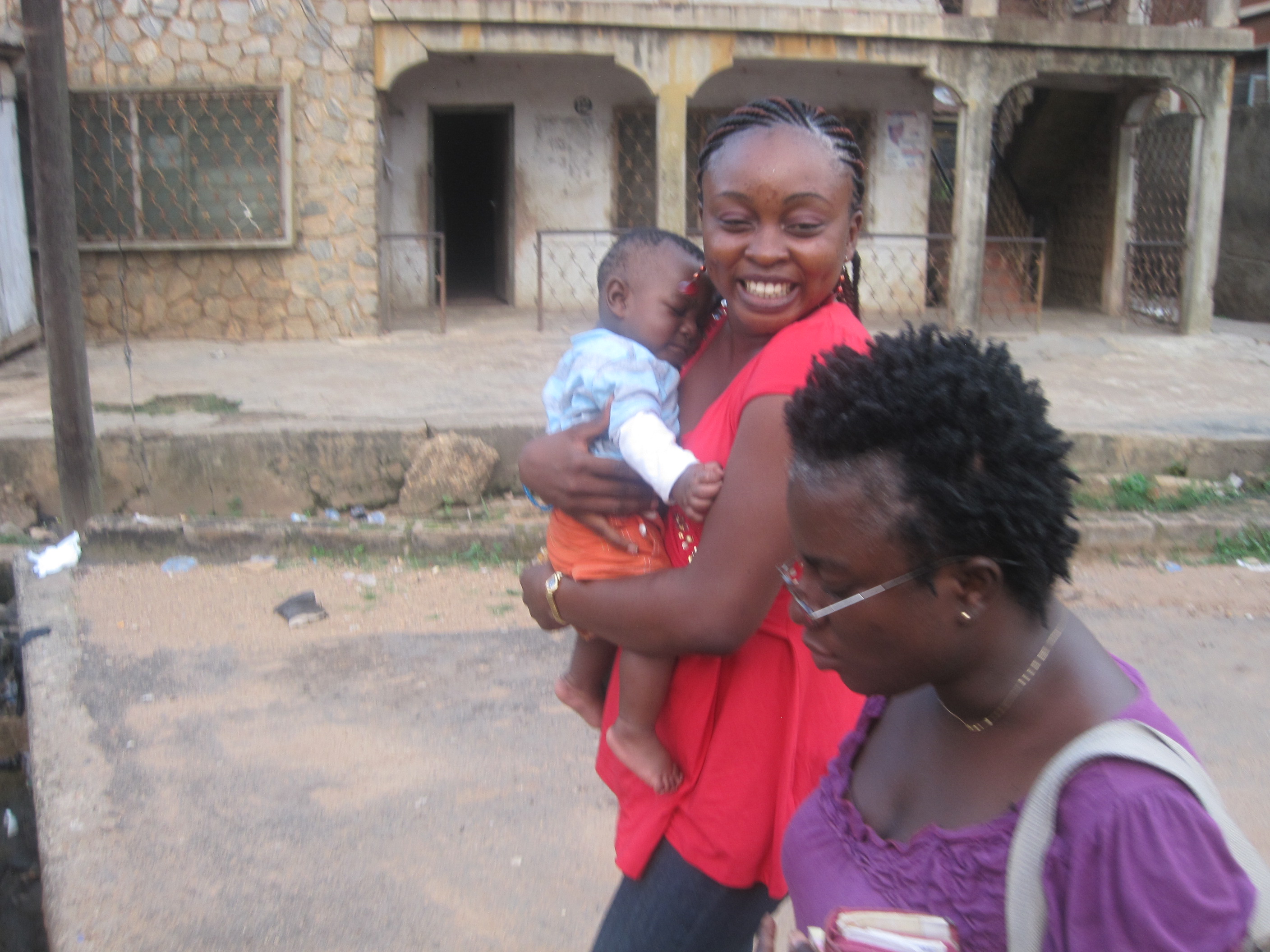
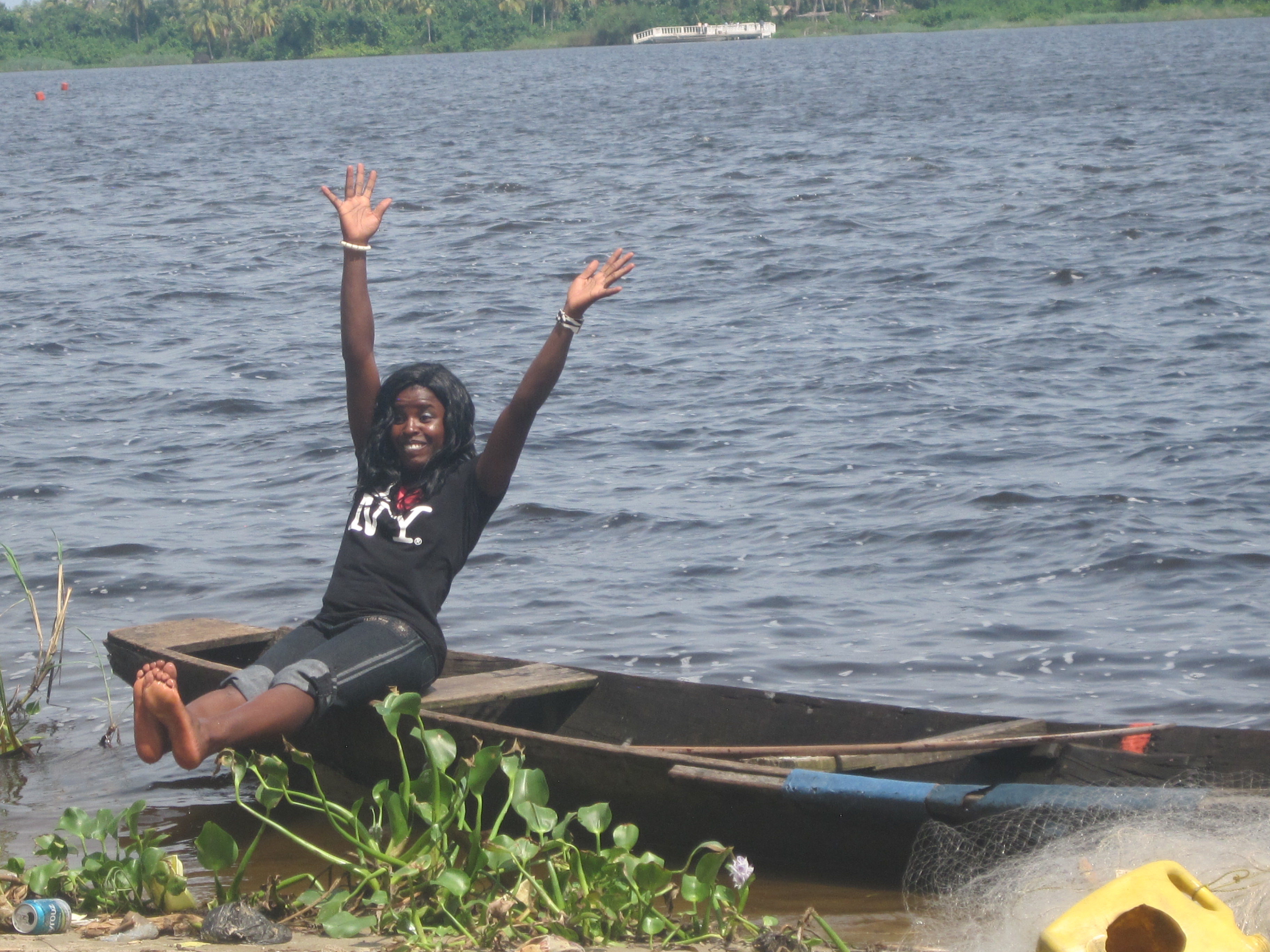 Random images of people I met and interacted with during the summer.
Includes Bola, Rotji, Yun Hsin, Nneoma, Laitan, Ron, Jolaade, Papa Rudy, Chiedu, and Elizabeth in no particular order. One of those light-skinned beautiful women is my sister. Go figure.
For the past few days, I have been reading Nigeria’s history (again), especially as regards military politics and the slow and significant steps that brought us to where we are today. The curious search began with a visit to Ilorin and Kaduna where I first heard of Ibrahim Taiwo road. Now Ilorin and Kaduna are both very distant places from each other and the Yoruba military man must have been significant to have had a major road named after him in two (perhaps more) states in Nigeria. I came online, and I was led from one relevant link to another until I satisfied my curiosity.
At the end of two full days of reading through a verifiable history that has also been written about in many other publications, I came to very many realizations. One of them of course was that the civil population never stood much of a chance from the beginning, especially since military tasted power. Ego, politics, greed and corruption took over and we have not remained the same ever since, nor has the players since independence really stepped aside for others or dialogued with alternative viewpoints, for the most part. We could say that much of Nigeria’s military history shares the stage with much of its political history.
There were very many complex stories many of which lent itself to interesting engagement. The first coup and its ethnic sentiments, the counter coups and military politics, the civil war heroes and villains, the players and the losers, and the very many incidental occurrences that read like stuff for movies or great literatures. General Gowon stands out with his far-reaching reforms, his engaging personality, and his position at a crucial time in history. In comparison, he is the only one of Nigeria’s leaders that could stand in Mandela’s image. At the end though, placed beside the reality on the ground where at fifty years we have not been able to supply electricity uninterrupted to all parts of the country, all the gallantry and “gentlemanliness” or the Nigerian military officers (who have interestingly all remained in the political and diplomatic limelight since then) all fade away into the murk of irrelevance. A waste.
Much of those stories can be found online at Dawodu.com. People interested should check here, here and here for detailed analysis of the first coups and how it changed the course of the nation’s history.
Today was a strange day of many proportions. I missed a robbery shootout between robbers and the police at three different parts of the city, many times during the day. It’s not pretty. Earlier in the morning, I came across a crowd of people gathered around a young man recently hit by a stray bullet by fleeing robbers. He died on the spot. Had I left home just three minutes earlier, I would definitely have been in the vicinity of the attack. Returning home a few moments ago, I had missed another robbery on a fuel station on my way home by about five minutes. I’m shaken.
The spate of robbery attacks on banks and other financial centres in the city has been on the rise for a while now. This was just one of my closest encounters. The good news was that one of the robbers was shot dead while one other was captured. The bad news is that the situation that makes robbery viable to unemployed youths still remain in the country while the government plans over a feast of millions of dollars to celebrate the nation’s 50th anniversary of official existence. Shame!
We all deserve a national award for survival.