Ibadan Memories

In advance of a live twitter interview with the folks at @thinkoyo on my memories and opinion of Ibadan at 8pm (Lagos Time) this evening, let me list a few things I remember from growing up:

A serene quasi-communal neighbourhood in Akobo. A sprawling house in the middle of a bustling neighbourhood, we lived with everyone in the area in mutual respect and love for family. We played ball on the dust fields, played ping-pong at evenings, and did all normal young people did during idle, hot, afternoons. I remember crafting a Christmas firework at some point out of the cap of a motor plug, a small nail, and a piece of wood. You added crumbs of fire powder from the tip of a match, hit it against a wall, and heard the loudest sound you can ever make.
IMG_9696A pretty moderate traffic situation on the city’s many roads. Today, there are more roads (due to increase in population) but the traffic situation on major roads have got far worse. I went back to Akobo a few months ago, and I was shocked at how many people now live there. The distance from IDC to Anifalaje used to disappear in minutes under the small steps of my rubber sandals. Now it looks farther than I remember, and the last time I walked it (just a few months ago), I returned home panting for air. And yet, I may have got a better deal than the people who remained on the road, in their cars – to slightly exaggerate the congestion that the place now faces because of traffic.

Things that have not changed: rickety buses. Many of them are now more beautifully painted in the colours of the state, but the terrible state of the automobiles that provide commercial transport services is heartbreaking. (And maybe that would explain the reason for more private cars). More things that haven’t changed: Orita Bashorun. Slightly changed in outward appearance for reason of season, the basic layout remains the same. The radio/tv complex (where I once worked as a teenage broadcaster) still lay sprawled across the centre, while a tiny shopping “mall” flanks it on the right, and then a few more blocks until we get to the main Bashorun Market itself. None of it seems to have changed. St. Patrick’s church and school are on the other side of the road. At Christmastime, all the premises of the broadcasting corporation becomes a large trade fair grotto for holiday fun lovers.

A few names I remember: Dele Tomori (who eventually went to Osogbo as a radio presenter), Bade Ojuade, Sade Ogedegbe (my producer), Folusho Taiwo, Femi Daniels Obong, or FDO as he used to be called then (now a Lagos sports broadcaster), Sola Kayode, Prof (from a popular tv soap shot at BCOS), Folake Ladiipo, Papa Demmy, DeeJay Big El, DeeJay Freeze, Dapo Aderogba (who died), Dapo Adelugba (from the University), Kola Olawuyi (at Radio Nigeria, before he moved to Lagos), Larinde Akinleye (at the University, and his house in Sango), Lawuyi Ogunniran (a constant presence around the house), Yinka Ayefele (a lanky figure before his first hit album), Subuola Gandhi, Bamiji Ojo (and his crew on that Ombudsman show on Sundays), Yemi Ogunyemi, and a number of others whose names and faces have now become a blur. If I ever get to write a book about what I remember, I must title it Name Droppings.

UPDATE: The interview, storified, is here.
Pen for Chickens

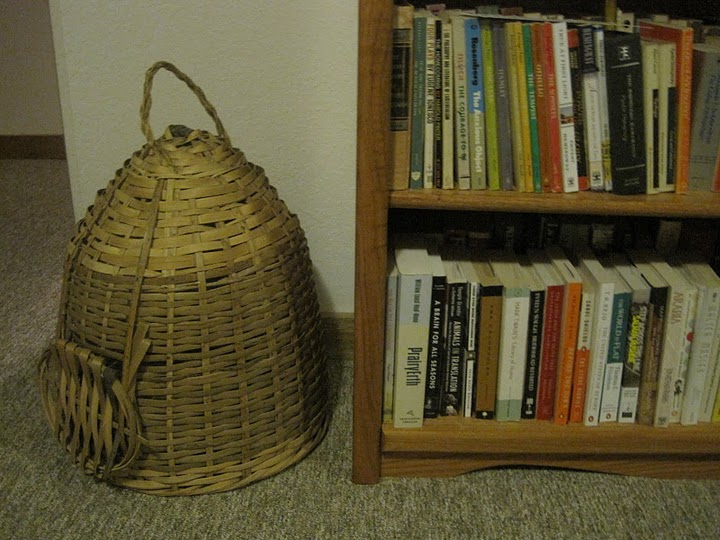
The smell is familiar. Almost every family at one time or the other in South-Western Nigeria has kept a chicken farm. And a farm is usually too serious a name for it. Free range chicken running around the house cackling and providing needed amusement for little children with idle hands. There is a rooster that crows unfailingly at five in the morning, and then there is the hen which lays cute little white eggs and then sits on them for about twenty-one days before little chicks come out looking like tiny little dolls. Get close to them while they waddle around their feisty mother around the large compound of the house and see the wrath of a woman (bird) scorned. An angry mother bird is not a pleasant sight to see.

Grandmother had a theory about predating hawks who found these little chicks a delicious specimen and preyed on them regularly for lunch. Paint them in bright red colours and the hawks and kestrels thought they were dangerous aliens and stayed away. I don’t know how well the theory worked but it was usually funner to see the motherbird walking around with a set of red coloured little chicks hand painted with red ink obtained from a certain leaf… The sight of a hawk swooping to pick up its favourite dinner of little chicks from behind the nursing motherbird is usually a sight too, but it happens usually really fast. One moment you have a piece of boiled yam on the way to the mouth. The other, you are staring at a noisy little battle that lasts just a second. A bigger bird has swooped down and made away with its living lunch and the angry mother is out there in the sun wailing in loud chicken cackles. Some times, the other little chicks are still too frightened to come out of where they had gone to hide at the prompting of the mother.

My first other conscious memory of chicken pens comes from the brown, sometimes black, imported “agric” type ones in fancy cages, fancy feeds and fancy golden eggs. Those lay eggs without mating, get large in no time and usually get slaughtered for Christmas “because they taste good”. But they are never usually allowed to range around the house, staying confined to a specially made pen with saw dust all over its ground which is changed after a few days. Too much work, if only mother cared about that. She was always already too busy worrying about raising us to bother with how much time and effort it took to change dirty saw dust layers on the floor of a large poultry. That, of course, unless we had to do it ourselves. Thinking back to this specific time, it always made it necessary to hope that one didn’t grow old fast enough to be able to take up the responsibility of cleaning a whole room full of chicken dung. It was a hope that never manifested.

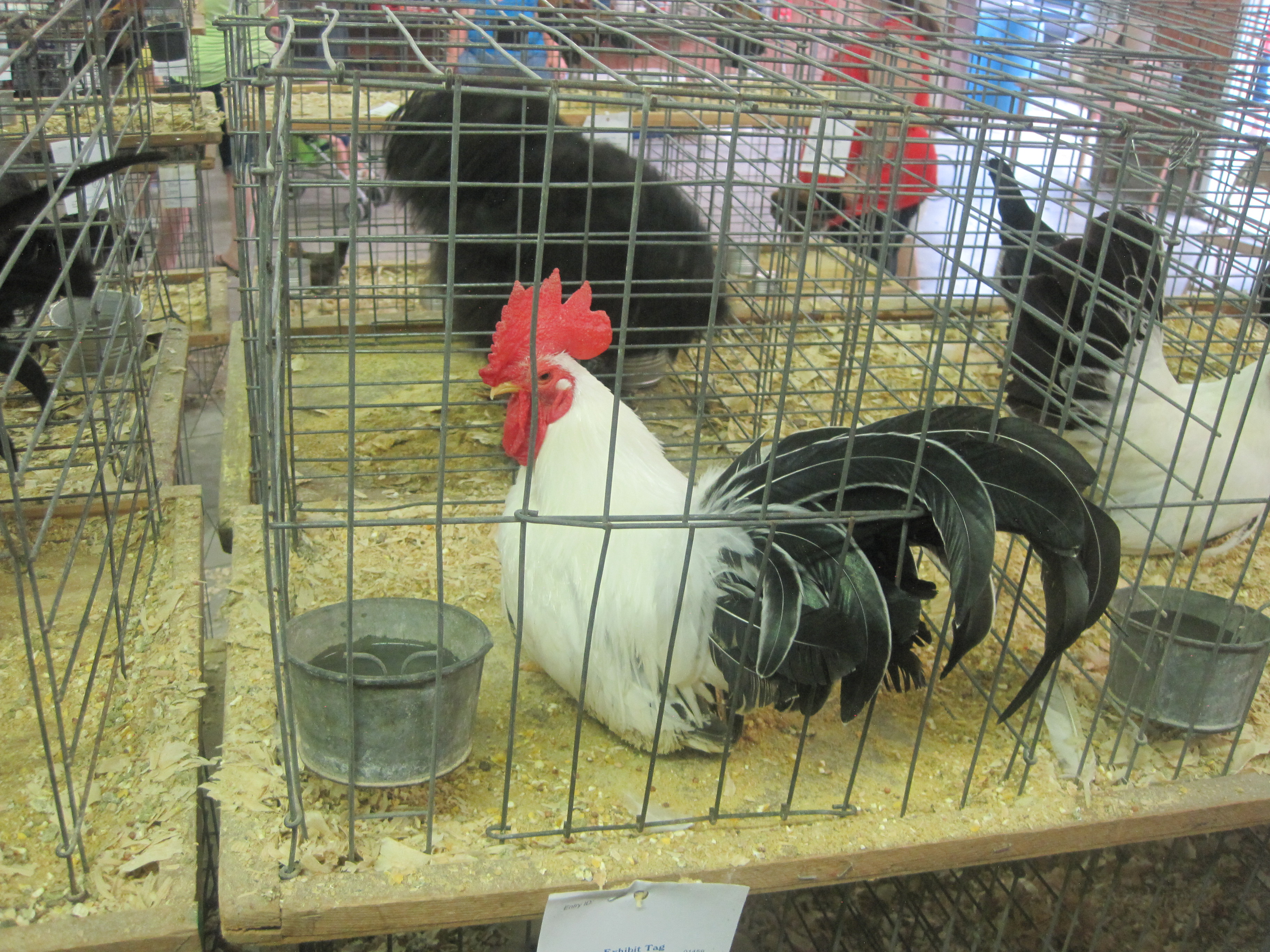
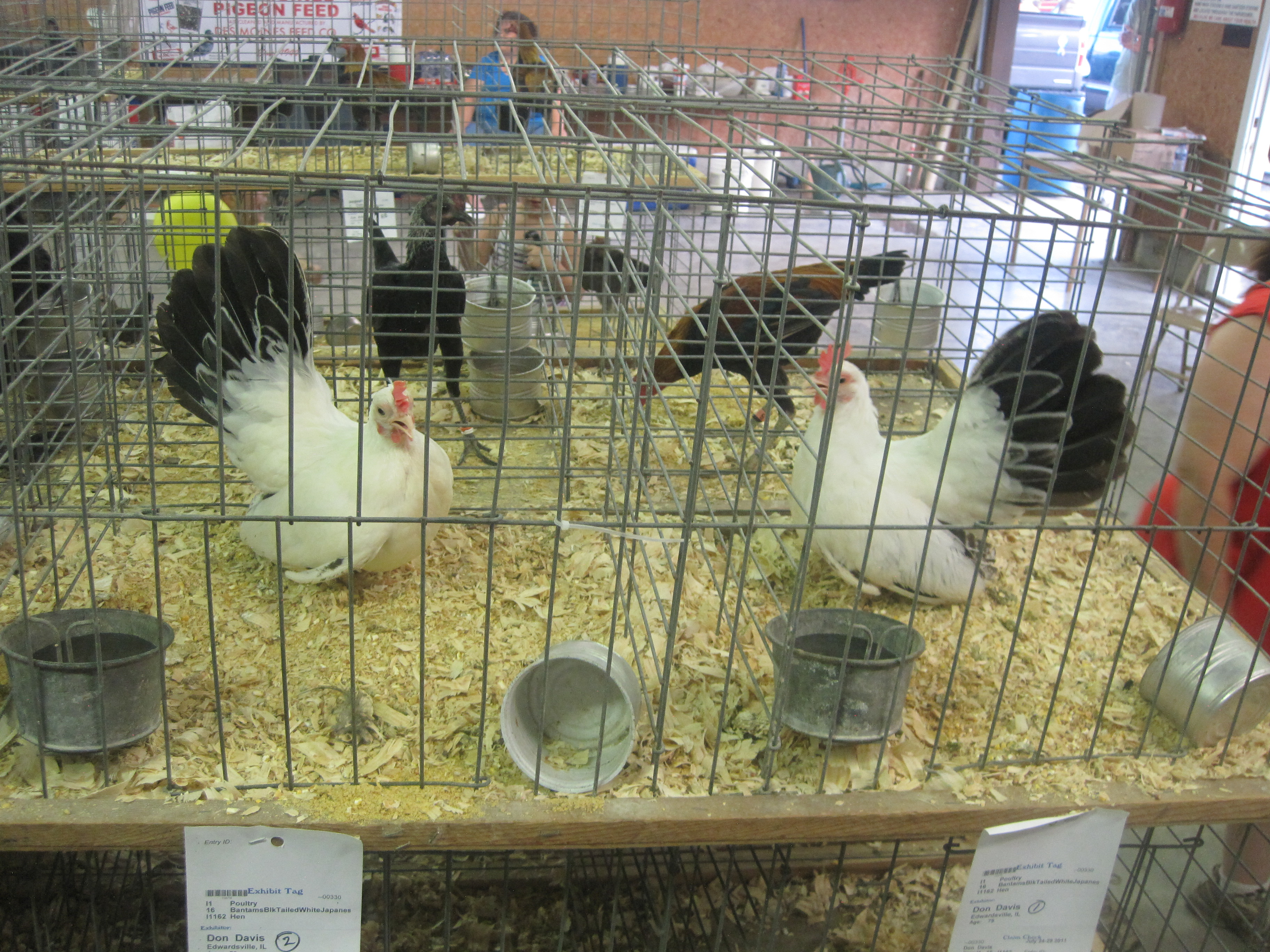
Back to the large smelly room of the county fair in Highland last week was that moment where all that sounded, smelled and surrounded the traveller was a sight from a very distant past. He wasn’t a graduate student travelling with an equally adventurous colleague to check out the “country” side of America in form of a hundred cackling roosters of different shapes and sizes in familiar cages, he was a little boy by his grandmother’s side smelling chicken poo all over the house, discovering the delight in a boiled white egg of a local breeding chicken, crying over the death of one run over by a careless driver, watching her paint little chicks with locally-made crimson dye, running scared of the little white covering around the chicken’s eye whenever it blinks, and wondering with a thousand unanswered questions how chickens always found their way home to roost after such long wanderings around the neighbourhood.

The smell in that room came with a little more than just memories.

A Visit to the Old School

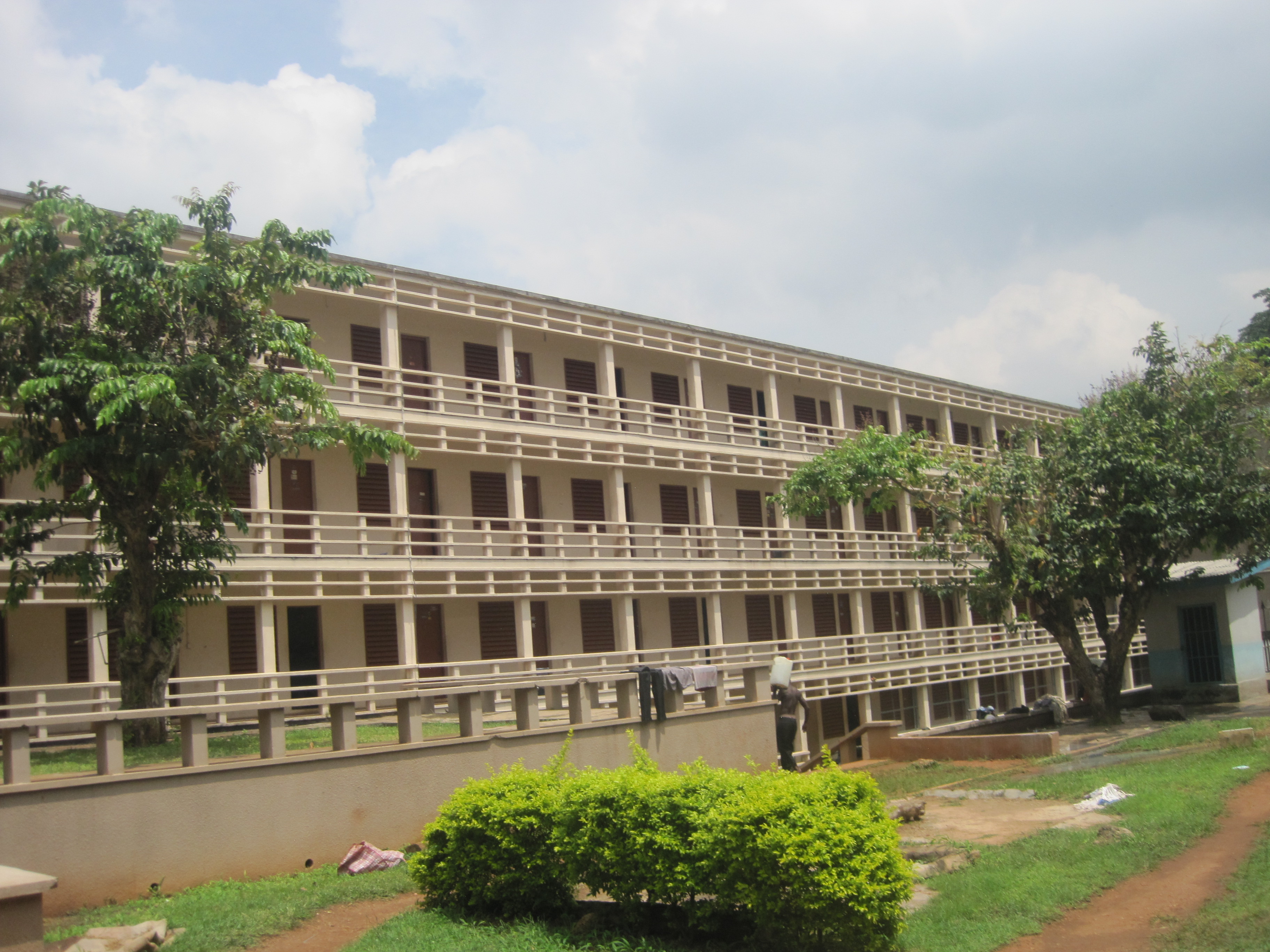
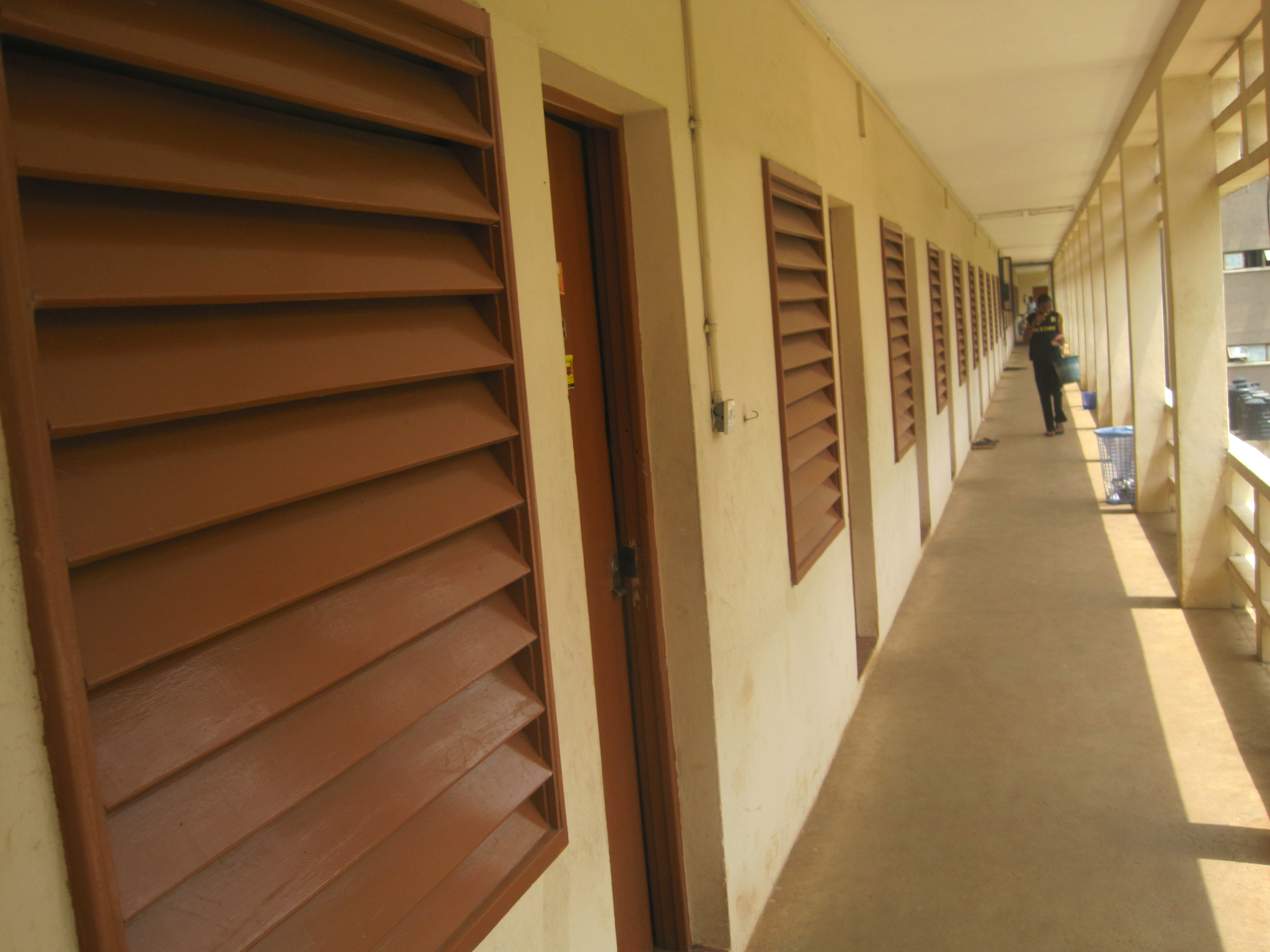
No return visit to the old hall of residence would be complete without a visit to the old rooms that played host to my errant self during those five gruelling years.

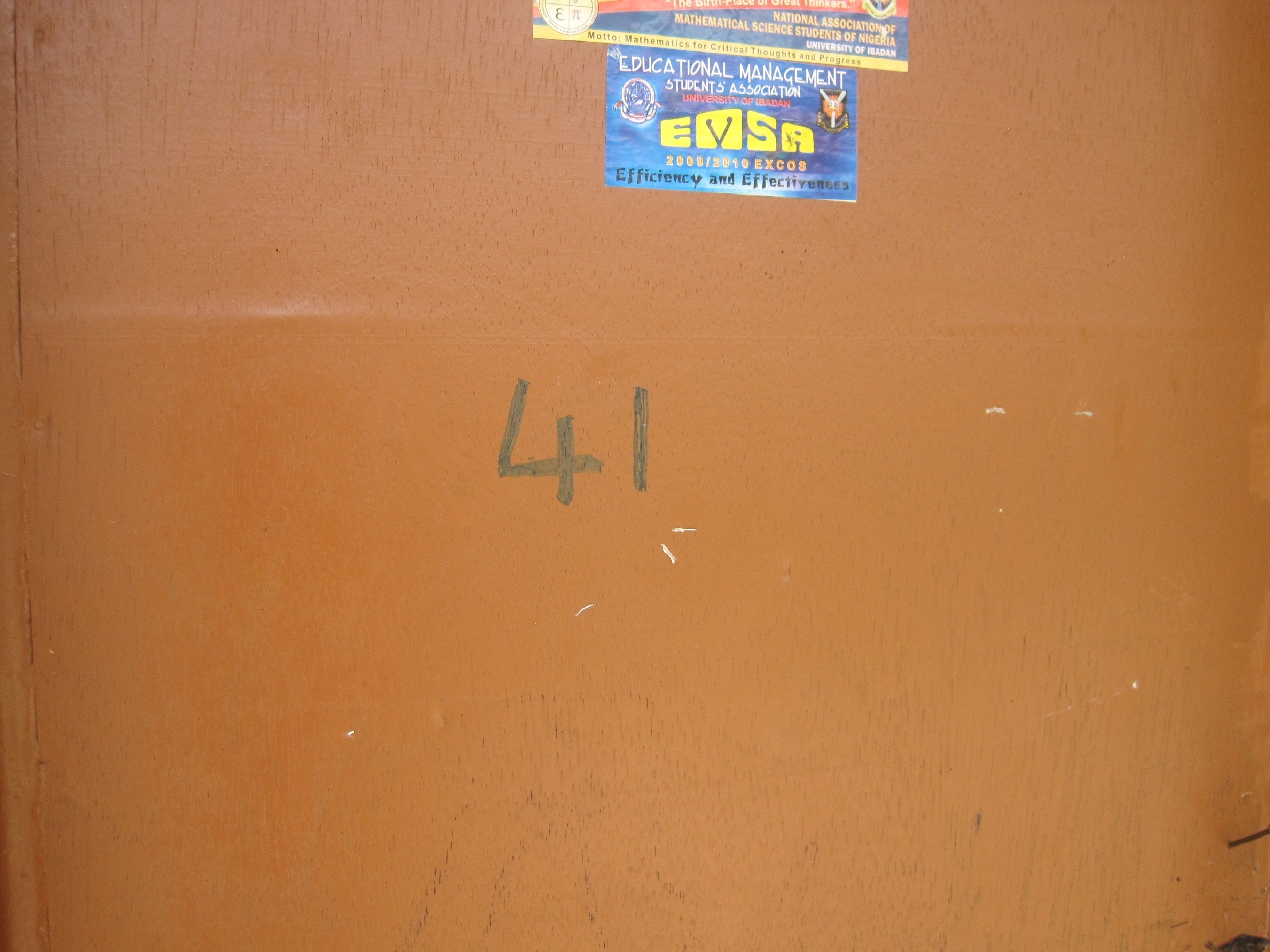
So when I went there during the week, I stopped by room A41 where I spent my first year, meeting new people, learning to play chess, and discovering Don Williams.

Then I went to room A52 where I met even more people, ate more food, listened to more music and read more books. The walls of that room is witness to so much history. My last room was D20, and I went there too. I did not go in because the current occupants do not know me and I was not in the mood for introductions.

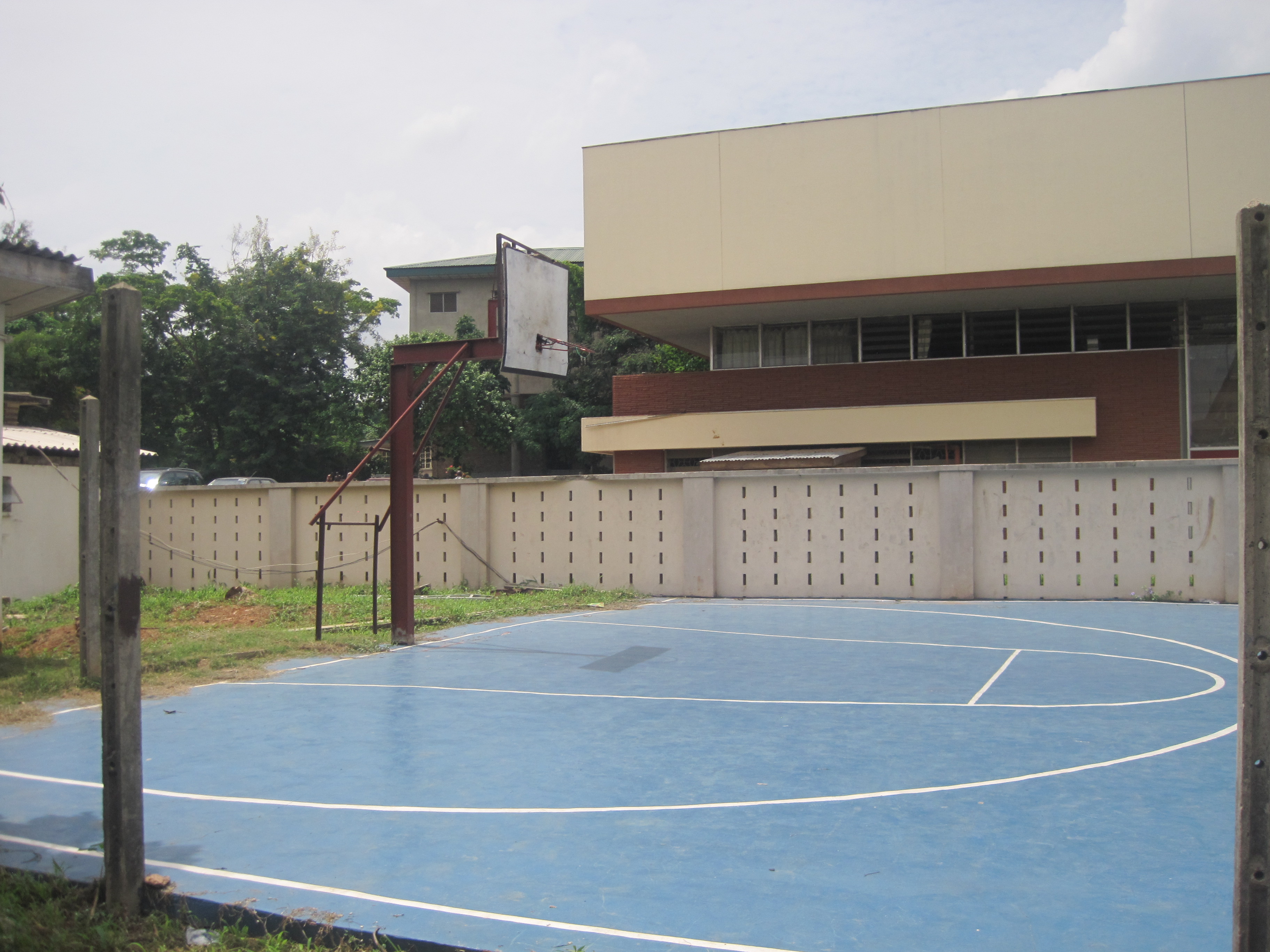
I also visited the reading rooms, the toilets, the cafeteria and the new basketball court behind the warden’s office. In some way, it was as if I never left. In other ways, it looked like an old prison cell housing a bunch of inmates just waiting to burst loose. There are no monuments to my stay in the hall, fortunately, and I slipped out just as I slipped in, anonymously, taking the memory again with me as I left.

To Good Times

I like to be happy, most times. Actually, I like to be happy all of the time, although I have realized that it is when I am not so extraordinarily happy, yet charged with sufficient energy that I am the most creative. I like to be happy because there is no trophy for sadness. Nothing is romantic about it. There is no medal for a constant gloomy state of mind. I have discovered that cheerfulness, laughter, conviviality are better alternatives to gloom, and sadness. I like to be sarcastic only because it gives me more avenue to laugh and be happy. I am an optimist in a way that can sometimes manifest in occasional pessimism, or is it sacrasm. But I love life, and I enjoy it, each second of the way. This is my affirmation of life.

I’m thinking back to some good times I’ve had in life. Some times, the days appear long and a simple conversation with a pleasant company either over the phone or in an internet chat brings back moments of familiar conviviality, I relapse into a sweet nostalgia of the fun care free days. They are not gone yet. They are here still. I smell them in the cold night air. Tonight I remember Ibadan, not of childhood and innocence, but of youth and pseudo-recklessness and revelry. Well, not so much. I remember Sola Olorunyomi with his truck, his bicycle and his guitar at the Students Union Building bar in the Ibadan University campus in the early 2000, discussing poetry and politics within cigarette smokes, beers and music. There was Loomnie. There was Benson. There was Bukky who loved Benson, and there was Benson who loved his bottle. There was Luvles. There was Olads. There was Kemi who later became Idayat. There was Pinheiro. There was Lola. There was Kunle. There was fun. There was the religious Seni who had a bible verse for every situation. There was Chiedu, and Chido. There was Busola, who had a first class in Linguistics. Then there was Ropo, and Chris Dudu, and Funmi who liked to write daringly. There was poetry. There was Ify. There was Najite. There was harmattan and the dry wind of November. Then there was Uncle Prof whom we embarrassed by reading his love poems back to him in that public get-together. There was his lovely wife. There was Adelugba. There was the Arts Theatre which never ever ceased to be a fun place to be at evenings. And then, there was Nike who was so thin she almost didn’t have a shadow. There was Sophie who smuggled tobacco in from Germany to give to Benson, and there were Nadine and Bettina who saw Ibadan once with Sophie and could not wait to return, just to see us. There were days of walking all night from the University all the way to Dugbe. There was Noffield House. There was palm wine and pepper soup at Niser. There was Elizabeth. And there was Bidemi. There was fun Biodun who died, but was so tall that his legs stuck out of the coffin. There was Henrietta who I liked, and who Olumide liked, but who perhaps thought that we were all bad boys. There was Demola who was going to be a monk, and who became a butt of beer jokes. And later there was changed Demola who finally fell in love and got Ope before Pinheiro made his move. There was UCJ, and the different folks it attracted. There were endless dinners. There were endless protests. There was Mellamby Hall. There was Upper Mellamby. There was room A52 and its many adventures. There was Fidho. There was Ibukun. There was Kunle. There was Ositelu. There were riots. There were strikes. There were moments of silliness and idleness. There were moments of stupidity. They were good times.

I remember Lagos a few days before I travelled to the United States, at the Silverbird Galleria for a mini bear summit. There were books. There was laughter. There were jokes. There was Tolu, and Chris, and Rayo and Kris, and Bukky and Sunkanmi, and music. And ice cream. There was fun. And food. Before then, there was Bimbo on the expressway. Then Elizabeth, sometimes earlier in the day. Then there was Food Major, and roasted beef. And family. And Jolaade. And Leke. And Yemi. And Laitan. And strawberry juice. And suya. Tonight, I remember the good times. Whenever the cold wind blows within recurring laughters, whenever I smile, whenever the days seem long and only a phone conversation, or a pleasant internet chat, connects me with a world I have since left for a little while, I remember the good fun times. Those are the moments that count.

It’s Been Twenty

On a cold September night in 1989, an extra ordinary event happened in a brick house in Akobo, Ibadan, a memory of which that I’ve never lost.

It was father’s fourty-sixth birthday, and we had all gathered at night as usual on the large sofa in the sitting room, surrounding him and listening to stories and the many songs father sang to us. It was a cheerful moment, one of the many that I remembered that took place every night after he returned from work. It always took place on the big leather sofa, and as there was not often electric power, but a glow of a kerosene lamp or sometimes none at all. The beauty of the room was often from the glow of our spirits as we learned from the stories and songs. It was always a priceless moment.

This day however became memorable not because it was his birthday, but because a little shortly into the evening of singing and happy birthday revelry, my grandmother passed away. She had been bed-ridden for a while before then, but it was of an eerily moving significance that she had chosen the night of her son’s birthday to depart from the world, and the coming days would witness a deluge of guests and well wishers who knew her both as a storyteller and as a deeply reflective woman. I do remember a few of my times with Mama as she was fondly called by all, but a few of those instances included some rascality on my part as well. I do vividly remember the day that I took off with a pack of Chocomilo chocolate cubes from her wooden selling counter, in order  to retaliate for something she had done to tick me off. My defence was that she deserved to be so punished because I didn’t deserve the flogging she had given me earlier, and that I deserved the sweets for myself anyway since I was a little boy without money to buy it.

Mama always had a long cane to deal with errant children. She also always had a story to tell, or a song to sing. From my earliest memories, I knew her as a fascinating human being who also made the most delicious efo riro whenever we came back from school hungry. I loved her, but back then as a rascally young boy almost on his way out of primary school, I couldn’t have put it this way, not exactly knowing what love meant besides writing fictive love stories about my primary school crush and other romantic interests. I only knew that she was there when we wanted her to, especially when we were about to get a deserved beating from either mum or dad, to intervene, and pacify them. I surely wasn’t prepared for her departure, having known her for such a little time.

Today, I remember my grandmother. It has been twenty years, and the vivid, and often distant memory of her remains with us, especially – I’m sure – her son, whose birthday today will always be a day to remember, and the celebrate the extraordinary gift of life, and love. Here’s to two extraordinary people in my life whose blood runs in me and whose stories I carry, and who by being themselves gave me a tremendous opportunity and mandate to always, always know, and discover myself. Because of who they are, here I am. It is a circle of life.

Happy birthday father.

I remember you Mama.