Travel as Life: A Review of Route 234

I haven’t read many books about travelling around Nigeria written by Nigerians. No doubt they exist (and readers should please recommend some for me in the comment section). I have however read many about traveling in other parts of the world. Tẹ́jú Cole’s (2016) essay collection comes to mind as well as Wọlé Ṣóyínká’s memoir You Must Set Forth At Dawn (2006). There is also America Their America (1964), an “autotravography” by J.P. Clark which caused controversy for what critics thought was a narrow and judgmental view of American values. Recently, there is Okey Ndibe’s Never Look An American In the Eye (2016), an autobiography, and many more.

There are however many more narratives written about the country, and about the continent, by visiting (foreign) journalists, writers, novelists over the years. Karen Blixen‘s Out of Africa (1937), JMG Le Clezio’s Onitsha (1991) and VS Naipaul’s The Masque of Africa (2010) come to mind easily. But so does this one. The overall impression of such books has always been the worry that they rarely depict reality as is, but only as perceived by the visiting foreigner, which – to be fair – is the whole purpose of the subjective narrative. I expect that the impression of America I’ll get from reading travel notes from an African visiting the US in the 1960s will give me an idea of America through that writer’s perspective of events as they unfold to him/her.
fullsizerender-6-1

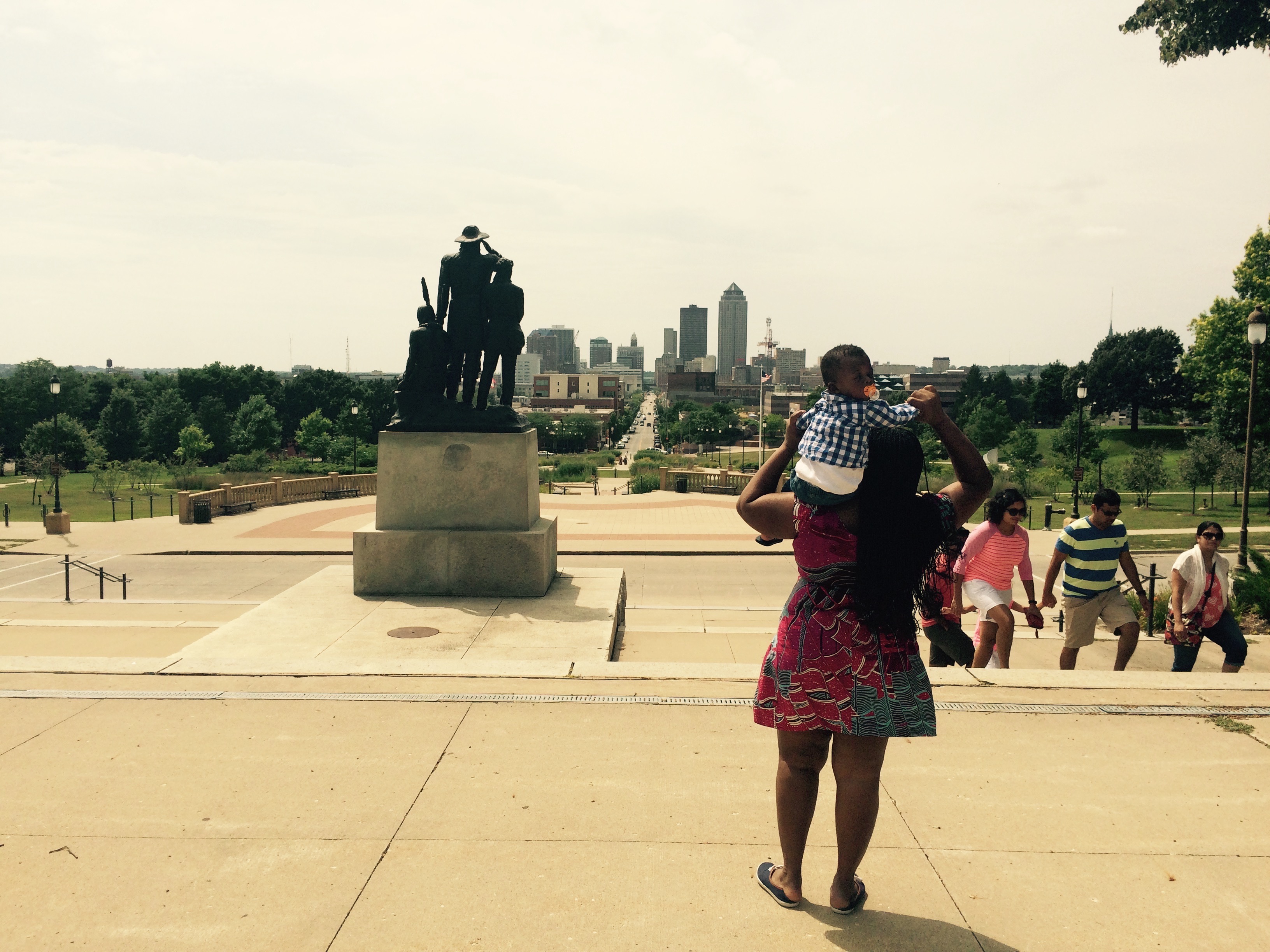
At the Des Moines Capitol, Iowa (2015)

Even in the online space, one might easily find blogs written by foreigners about travel around the continent than one might of blogs by Africans of travel experiences in their own continent. (This is changing, of course. You’re reading this on a travel blog managed by an African, after all). But why is this the case? Human civilization itself is an experiment in travel, documentation and adventure conditioned by necessity, curiosity and sometimes nationalism. We have always left our comfort zones for new experiences. And, as archaeology and anthropology tell us, we have always documented those movements, even unconsciously, in hieroglyphics, and oral poetry, tribal marks, and lately in writing. In the 21st century Africa, the prevailing narrative is that travel for leisure and travel writing is a Western chore, done by the privileged few, and those conditioned to it by their profession in journalism.

Reality, unfortunately, seems to bear it out for the most part except in some rare cases. Olábísí Àjàlá was a Nigerian student who found himself in the United States at age 18 in the late 1940s. Having failed to succeed as a medical student at DePaul University, Chicago, he decided to travel through the country to Los Angeles, on a bicycle and document his experiences along the way. Through deportations, skirmishes with authorities, short Hollywood career (including meeting then actor Ronald Reagan), many short-lived marriages, children, and global fame, through the fifties, sixties, and seventies, he became the patron saint of all adventurers, and an icon in popular culture for African travel. Being called Ajàlá Travels in Nigeria today is a homage to his larger-than-life reputation. He also wrote a book An African Abroad.* 

So why is it that unless in rare cases Africans are not known globally to document our adventures in writing, or is it that we are just generally averse to travelling for its own sake? My friend and scholar Rebecca Jones has been asking this question for a while. In a conference she facilitated in Birmingham earlier in the year, the Call observed:

“For a long time study of African travel writing in the West has focused on Western-authored travel writing about Africa. But this has ignored both the long heritage of the genre amongst African and diaspora authors. African travel writers have traversed both the African continent and the rest of the world, writing about encounters and differences they meet in their own societies and others. They have engaged with colonialism and the post-colonial world, have produced ethnographic description, reportage, poetry, humour and more. They have traversed genres and forms, from the Swahili habari written at the turn of the twentieth century to Yoruba newspaper travel narratives of the 1920s, from accounts of students and soldiers abroad, to newspapers and today’s online travel writing.”

Aside from this blog, there are quite a few other ones online with focus on travel as an African hobby, done especially without the express purpose of becoming a travel “journalist” working for a media house, but for its own sake. Why are there not more. Africans, after all, travel as much as everyone else. Is it that we don’t care about documenting our experiences the way that others do? I have just finished reading Route 234 (2016), an anthology of global travel writing by Nigerian arts and culture journalists, compiled and edited by Pẹ̀lú Awófẹ̀sọ, an award-winning culture journalist. It is a delightful read of many fun, scary, heartwarming, and diverse experience of Nigerians in many different local and international situations. The contributors are however many of the continent’s known arts and culture journalists. This fact will not help our subject matter, but it shouldn’t remove from the value of the book as a necessary work and a delightful read.
image

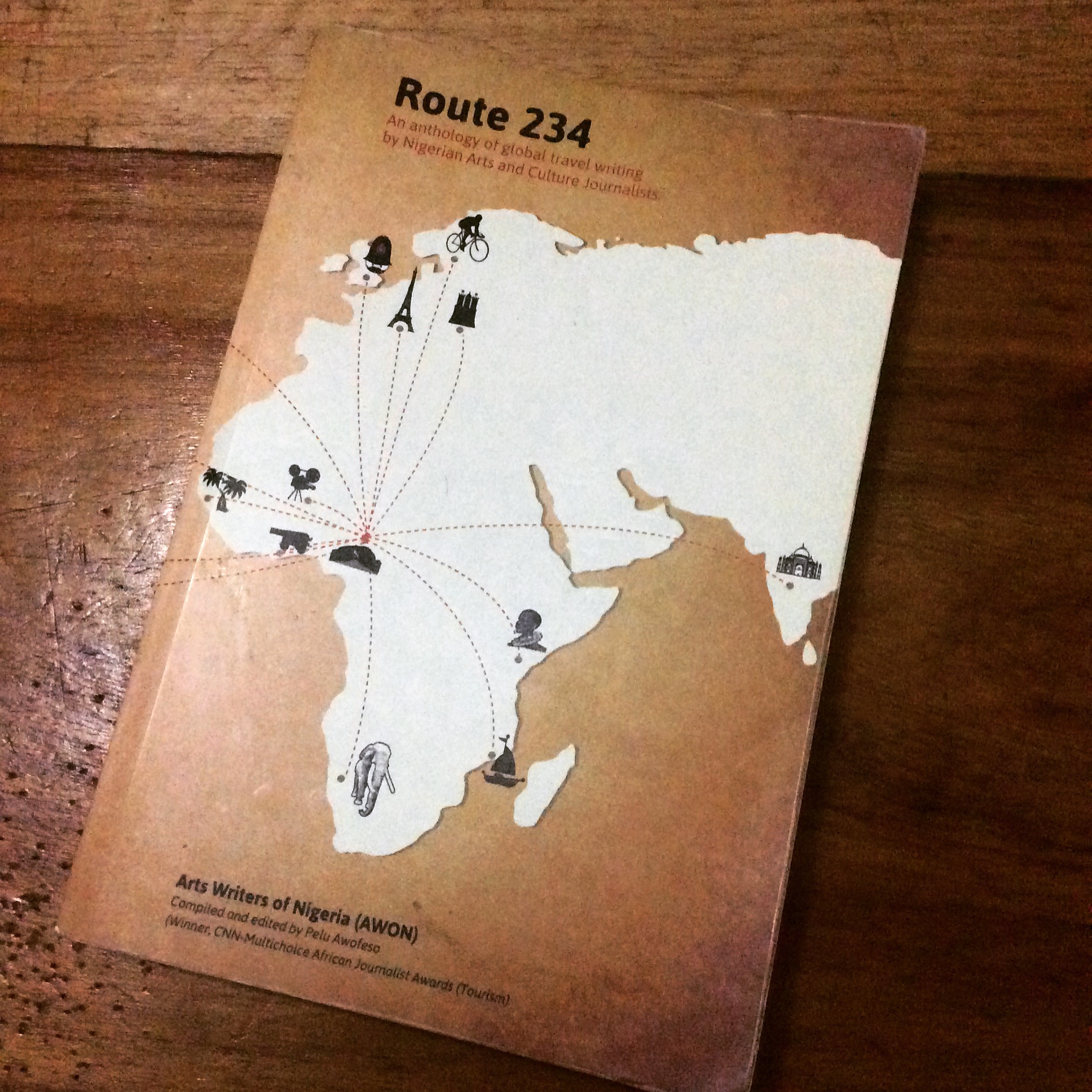
Route 234(2016), edited by Pẹ̀lú Awófẹ̀sọ̀

According to the editor, the idea for the book came from a private listserve conversation among these culture/travel writers earlier in the decade about documenting some of their travel experiences. It took many years before the idea finally became concrete.  The 211-paged book lists Kọ́lé Adé-Odùtọ́la, Olúmìdé Ìyàndá, Ọláyínká Oyègbilé, Èyítáyọ̀ Alọ́h, Mọlará Wood, Steve Ayọ̀rìndé, Pẹ̀lú Awófẹ̀sọ̀, Jahman Aníkúlápó, Túndé Àrẹ̀mú, Nseobong Okon-Ekong, Akíntáyọ̀ Abọ́dúnrìn, Ayẹni Adékúnlé, Fúnkẹ́ Osae-Brown, Sọlá Balógun and Ozolua Uhakheme as contributors. The scope of the travel experiences documented therein covers Los Angeles, Atlanta, Bahia, Juffureh, Accra, Plateau, Nairobi, Durban, Pilanesberg, India, London, France, Frankfurt, Nice, and Holland.

One of my favourite narrative in the work is Mọlará Wood’s “Farewell Juffureh” (page 35), covering a visit to Alex Haley’s ancestral hometown in the heart of Gambia as well as Nseobong Okon-Ekon’s “Trekking the Mambilla Plateau” (page 93). In both, the reader is vividly guided through experiences that must have been much more intense and affecting than words could capture. Some of the others detail culture shocks at visiting a new place for the first time and re-setting their opinions and expectations preconceived from a distance (“Accra Mystic” by Jahman Anikulapo, page 79) while some focus on their immediate task; covering a film festival, for instance (“Film, FESPACO, Ezra” by Steve Ayọ̀rìndé, page 61). A heartwarming one by Ṣọlá Balógun (“The Good Samaritans of Nice”, page 181) describe an experience common to many frequent travellers: being stranded in a strange city after a missed flight.

What the book represents overall is an intervention in a space where much more effort of this nature is needed. But travel isn’t, and shouldn’t be, the preserve of just culture writers and journalists. Writing about it shouldn’t be either. Tourism isn’t a big deal in Nigeria today because of lack of government (and private sector) care, yes, but also because of a seeming lack of interest in the populace itself. As I argued in this recent piece on a visit to historical locations in Ìbàdàn, commercial attention will come when governmental and private sector intervention takes the first step:

“I think back to a recent experience, in Italy, where tourism has built a thriving industry of restaurants, malls, and gift shops around notable structures that tell the country’s history, real and fictional, and how much value that attention (and tourist dollars) has brought to the country. Old churches and abbeys, ancient arenas in Verona and the Colosseum in Rome, among others, are all just ruins of a certain past. But they have been preserved and well branded in order to attract foreigners and their resources. Even a fictional character, Juliet, from Shakespeare’s Romeo and Juliet, has a touristy structure built in her honour, called Casa di Giulietta.”

Travel is fun. And even when it is not, it is always an enlightening exercise. As Mark Twain said in The Innocents Abroad (1869), “travel is fatal to prejudice, bigotry, and narrow-mindedness, and many of our people need it sorely on these accounts. Broad, wholesome, charitable views of men and things cannot be acquired by vegetating in one little corner of the earth all one’s lifetime.” That same perhaps can be said about travel writing, if not as a way to reflect on one’s adventures, as a way to keep said experiences in the memory of the world.

The book is a delightful read, but much more is needed.

_________

There are many other stories like this, no doubt. Ravi on twitter has pointed me out to “Sol Plaatje’s sea travel piece” (by which I assume he means this bookMhudi, an epic of South African native life a hundred years ago), and Rebecca, in the comment section, to a few more published narratives, also of a few years back. Their input also reminded me of Olaudah Equiano’s  equally notable memoir. There are many more like these, I agree. My point is that there are not many more, and certainly not as many notable ones as there should be).

For more reading
My Dad and I

A guest post by Angura Rani Elke

________________________________

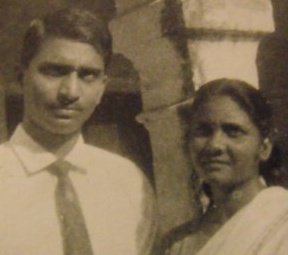
Today is the birthday of the first man that I ever loved, my father. I met my father on October 22, 1956, you see that was the day that I was born in Jahnsi, India.

My Father’s name is Bharat Bhooshan, a second generation preacher. My Grandfather and my Papa were both ordained as Methodist Preachers. Papa moved to United States of America in the fall of  1961, reuniting with my Mama. She came here in Januarry of 1961, leaving their five children in the care of my dad’s mom. During this time my parents were doing college credits because they were here on student visas. Life was hard for them, but they were a team. They worked at anything and everything they could do to make money for their children back in India.

My parent’s worst nightmares were coming alive. My brother (their only son) lived with an aunt and was diagnosed as being an eplepitc. I was crippled by a quack of a doctor when my two sisters were in boarding school. My little sister and I lived with our grandma. Its funny to think about the past and not feel sick at what my parents were doing here and what was going on in India to their children. Physical, verbal, emotional and yes sexual abuse was going on and they had no idea. My brother finally came to America in 1963. My little sister and I came in 1964, I went into to a hospital almost right away, I somehow had gangrene up to my knee. My older sisters finally made it to America in 1965. That is when the healing began for all of us.

Papa got his first church in Northeren Wisconsin, He became a United Church of Christ Congrational preacher. We lived in Elco, Winsconsin. We were the only “dark” people that some of them had ever seen. We lived here for three years, moved to Appleton, WI, which was another town that had never seen our kind. Wisconsin is very cold in the winter and very pleasant in the summer. Papa had his first heart attack in 1978 at the time I was living in Arizona going to college. They moved from Appleton in 1979 to Grantfork, IL. 20 miles from Edwardsville (where I now live.)

My relationship with my Papa was a very smart and loving. I was the tomboy, that wanted to learn from everything, the only one that went to college out of the five kids. I was the one that would listen to him and let him feel that I knew what he was saying. We would go for walks together. You see. I was the one when I could talk, would tell my mom that I didn’t want my diaper changed by anyone but him. So, ya stubborn was a good word. When I came to the USA, he would carry me up and down the stairs from the apartment that we lived in. When the pain was unbearable he would make a concoction of milk and brandy, it would knock me out. I loved to read books which I got from him or I bought and he would read them. I could talk to him about anything. I remember having a talk with him about getting high on pot, he said Batie (darling) I got high on Jesus Christ. I laughed and we talked about how life has more meaning with Christ in our life. Pot will make you feel good for a while but Jesus Christ will be with you forever. I miss him so much.

He had a total of four heart attacks. The last time I saw him before he went to surgery he was happy and told us his Alice was coming to get him. You see Alice was my Mama’s name. By golly she did come get him, partners forever and ever.

___________________________________

I met Rani in Edwardsville, Illinois at a get-together for the Rotary visitors from Nigeria in April (I think). She’s one of the most fun adults I’ve met in my life. I hope you enjoyed reading her story which she managed to write impromptu immediately after I asked her today. I hear that Rani also means “queen” in Hindi. She could as well be an author, don’t you agree? (Previous guest-posts here.)

India – Gender and Human Dignity

Here’s a guest post by a friend and colleague Catherine Xavier. In this write-up, she talks about the less talked-about “third gender” in India – a class of people maltreated and discriminated against on the basis of their sexual orientation. Read it up to see why they do not fall into the class of homosexuals or lesbians or transgenders, but a different category of men raised or conditioned from birth to behave like women. There is a Youtube video interview with one of them here, for anyone interested in further information on the matter.

_______________________________

The India society is patriarchal to the core – simply stated, men rule the roost. The society in general seems to have resigned to this, while women have been forced to reconcile to be the ‘fairer sex’. However, we are a society that worships women. Our goddesses of strength, wisdom, love, and power, are all personified as women. I cannot understand that irony here; India has one of the highest rates of female infanticide and dowry-deaths, while the society and the government claim to vigorously promote the girl-child and women’s emancipation. How can a society that boasts of a rich, ancient, and varied culture simultaneously glorify and dehumanize women  – how can mythical womanhood be celebrated and worshiped in the form of a  goddess at the temple, while helpless women are subject to eve-teasing, torture, abuse, discrimination, and unspeakable indignity. I was taught as a young girl that there is greater modesty in ignoring the lewd comments from your male counterparts, as it saves a woman a lot of shame and disgrace – yes, the same society that celebrates week-long festivities in honor of women deities, while sublimely accepting its men resorting to eve-teasing, ogling, and trying to grab women’s breasts in crowded public places.

I could write a lot about the Indian mentality of gender discrimination and the stifling of individual feminine freedom. However, I choose to focus on that part of Indian sexuality and gender that is not broached by most Bollywood movies or Indian novels (You can find this on the BBC though). The simple truth is that the Indian society recognizes only two types of genders – male and female. We prefer to be oblivious to the third gender classification: the hijras or eunuchs.

Hijras are physiological males with feminine instincts. They adopt feminine identities and don feminine attires. The Indian society describes the hijras as ‘neither men nor women’ thereby, making them the most ostracized section of our society. Young boys with feminine instincts are a shame to their family and to the society. Most times, the family is not supportive because they fear social boycott; they abandon these young men who are forced to live with people like them, thought they are not their kith and kin. I doubt if our society recognizes the trauma that the family and the young man go through in this entire ordeal of family bonding, wanting to belong, social belonging, and social abandonment. Most times, the hijras are castrated and they earn a living by working as sex slaves, and by performing dances at the weddings and birth ceremonies of the so-called cream of our society.

It is so strange that though the hijras have a recorded history of living in groups in India since the 17 century, the Indian constitution does not guarantee them any rights – it does not even provide validity to the marriage of hijras. Ironically, the Hindu religious texts in India have several references to them since ancient times; while our society has never accorded them any respect.  I am sure that in the US, there is greater privacy, legal protection, and respect for human dignity of the parents and the young man involved. In India they are a joke, everyone laughs at them, pokes fun at them, and metes out violence and abuse to them – worse still, Bollywood portrays them as comic relief. They are no special schools for them, and regular boys/girls schools do not admit hijras – hence 95-96% of hijras are uneducated; carrying with them all the evils of illiteracy – who is to blame???

I just discovered today in a conversation with a friend that the Hijras are becoming a more and more organized community in India –the faint sign of conviction of their part and an utter failure of social justice on the part of the Indian society. I was happy to hear that hijras celebrate communal fellowship and festivities every year at a temple in Villupuram district of Tamilnadu in India, and this festivity encompasses their marriage to a god ( because  mortals are far too superior for the hijras, I guess), and to discuss their hijra rights. I would be very curious to see how they react – a caste of India that has endured the most unspeakable indignity and shame – they sure have a right to the heights of indignation towards a society that simply fails to acknowledge and respect human dignity. I wish a goddess could appear overnight to shed wisdom on the males and females of our society, while soothing the scars of abuse and shame endured by the hijras in India.

_______________________________

Catherine is an MBA holder from Southern Illinois University Edwardsville, and a PhD student in the University of Arkansas.

India Night

At the core of the events of yesterday evening was diversity, and India’s contribution to the world. India is the seventh-largest country in world by geographical area, the second-most populous country, and the most populous democracy in the world. It is home to one of the world’s oldest civilizations, and they gave us Yoga, Bollywood, Buddhism, long hair, Hinduism, Karma Sutra, and – as I discovered yesterday – the game of Chess, Ludo, and Snake & Ladders.

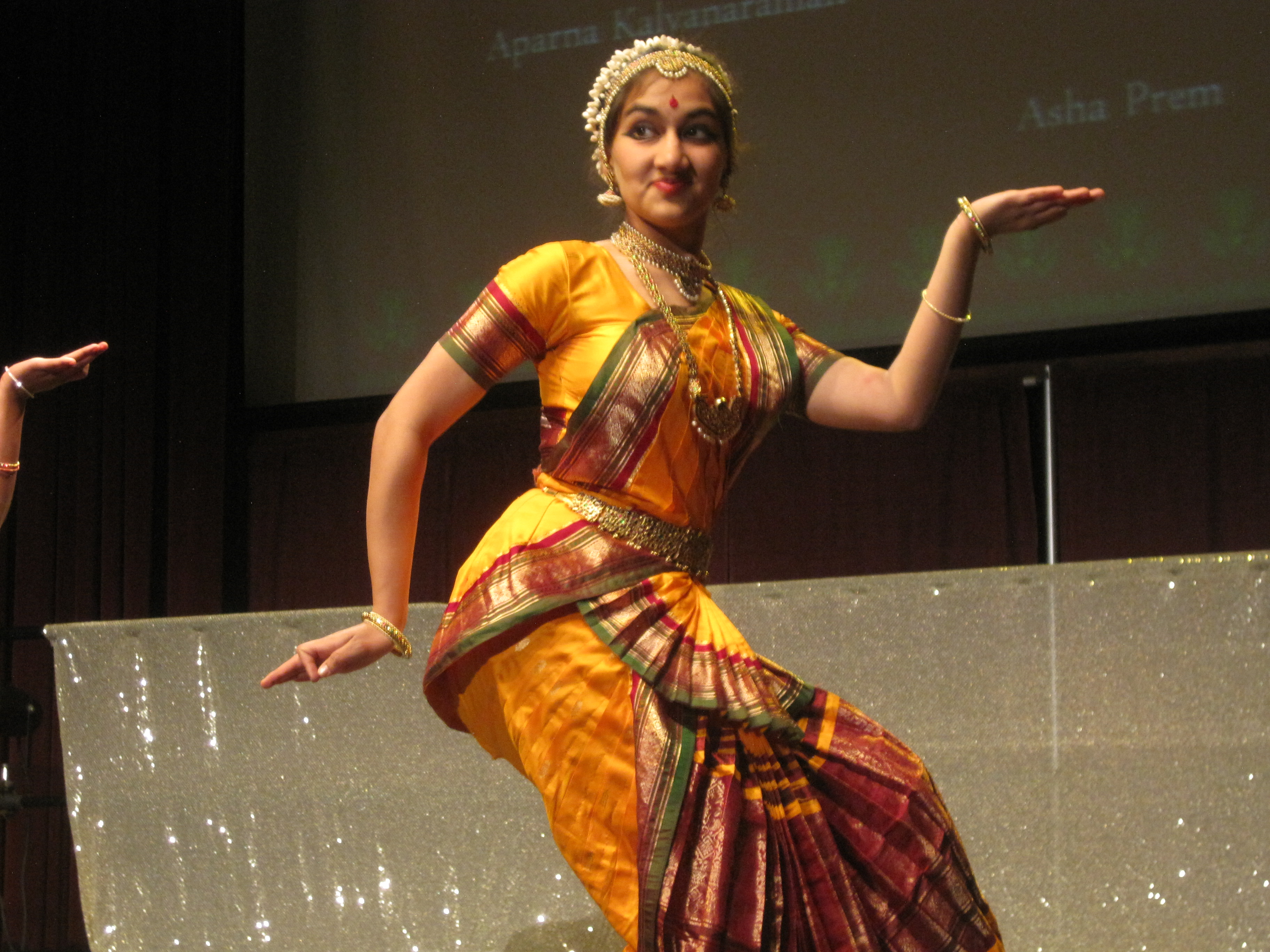
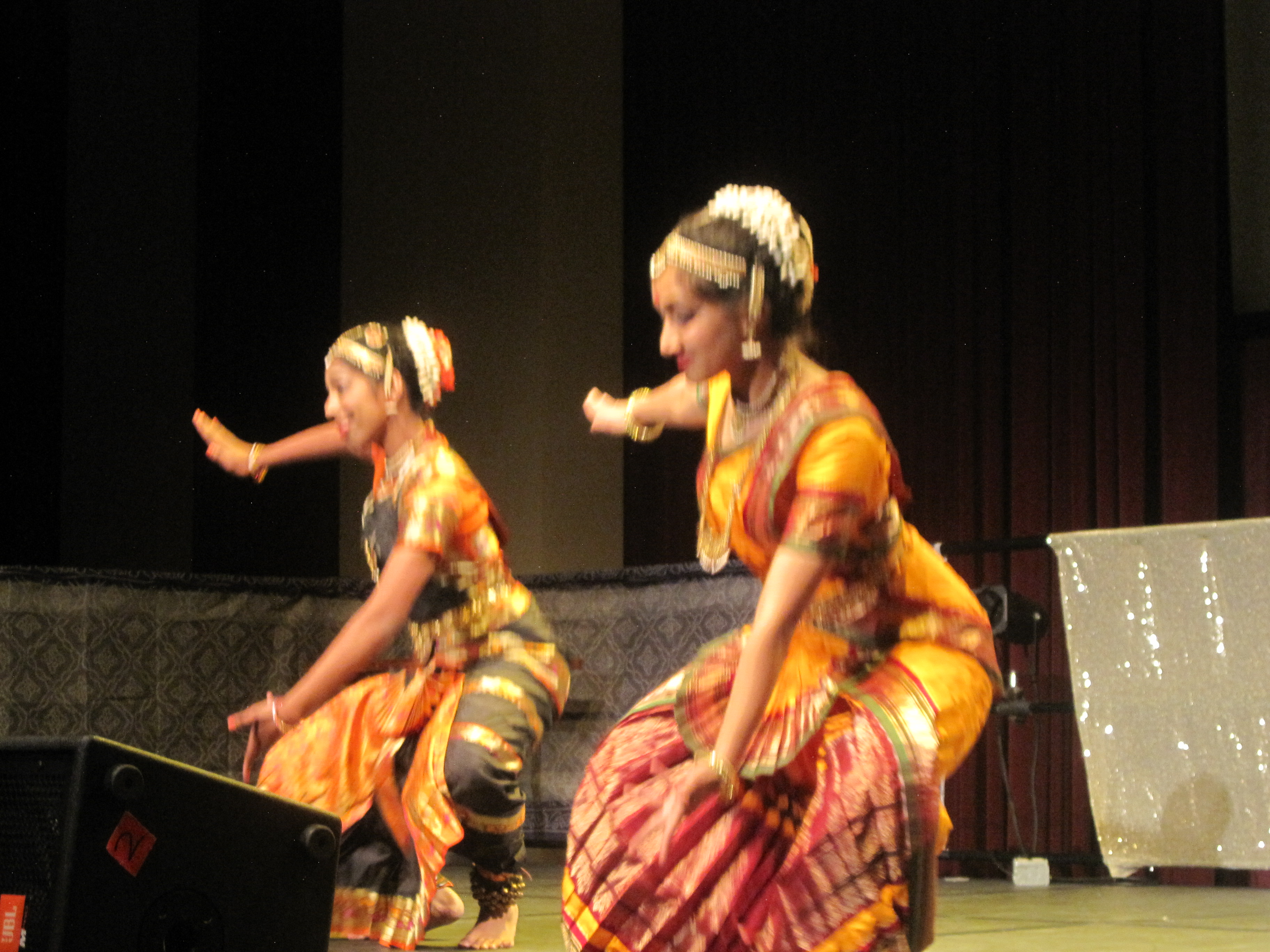
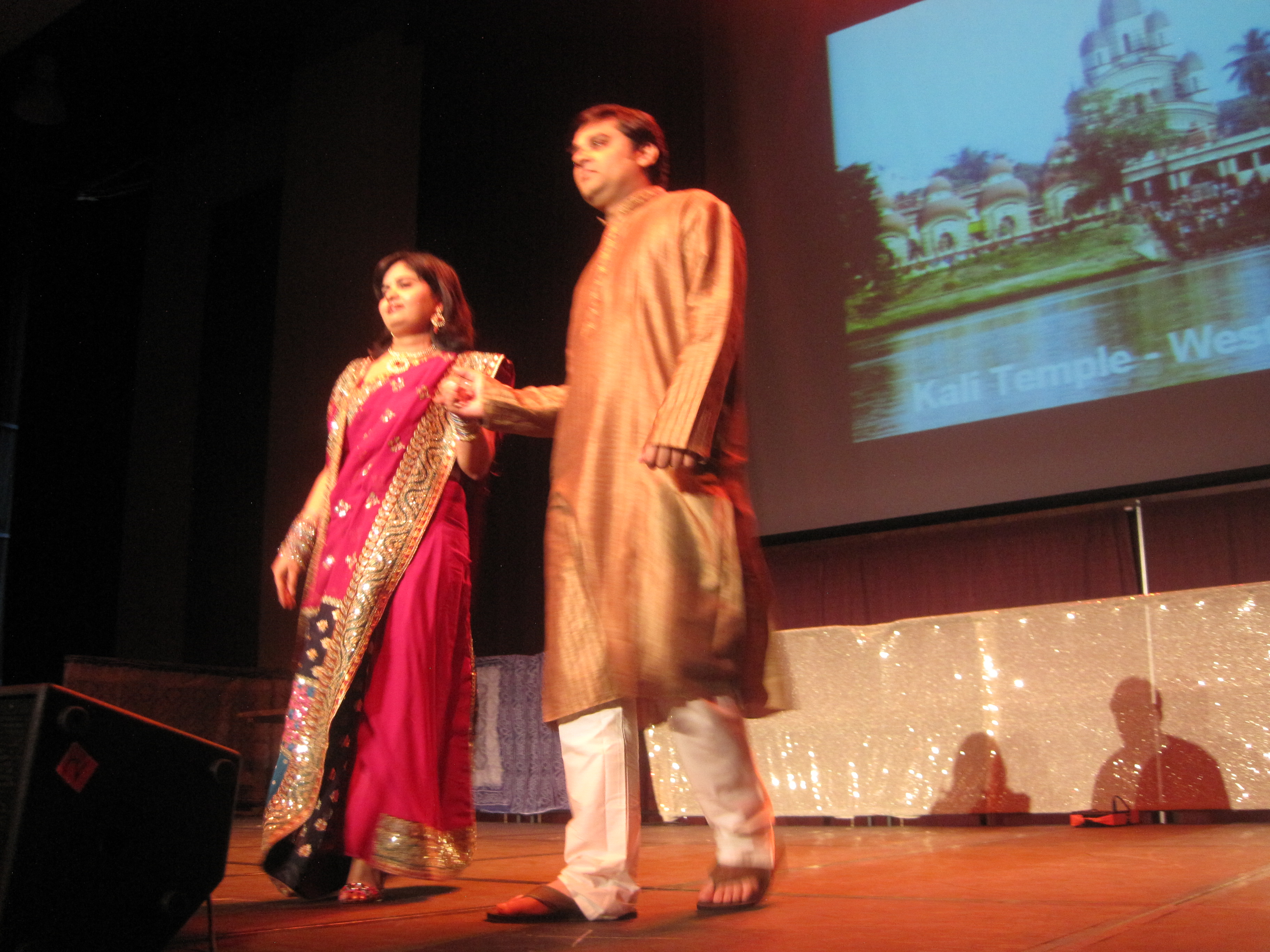
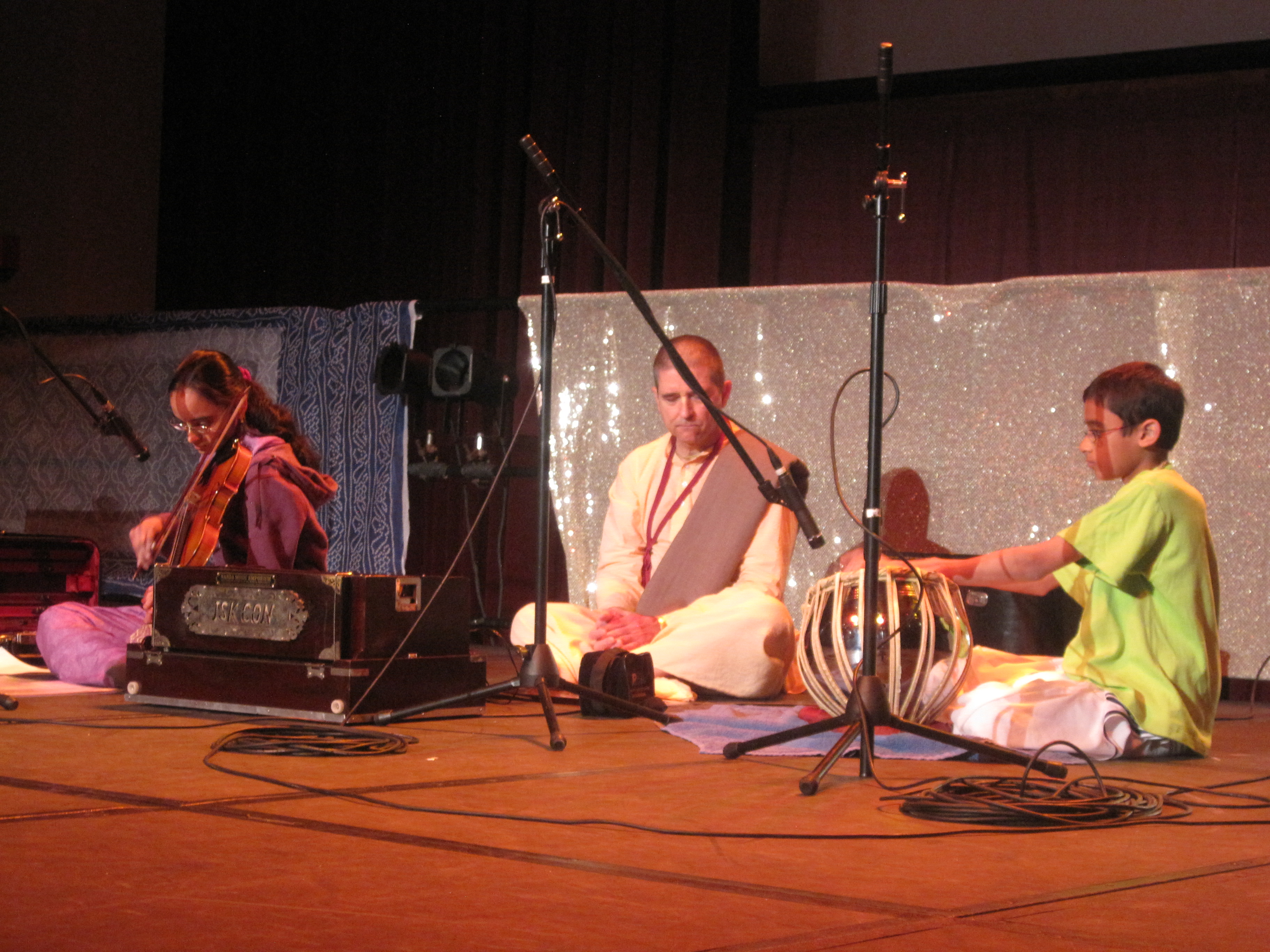
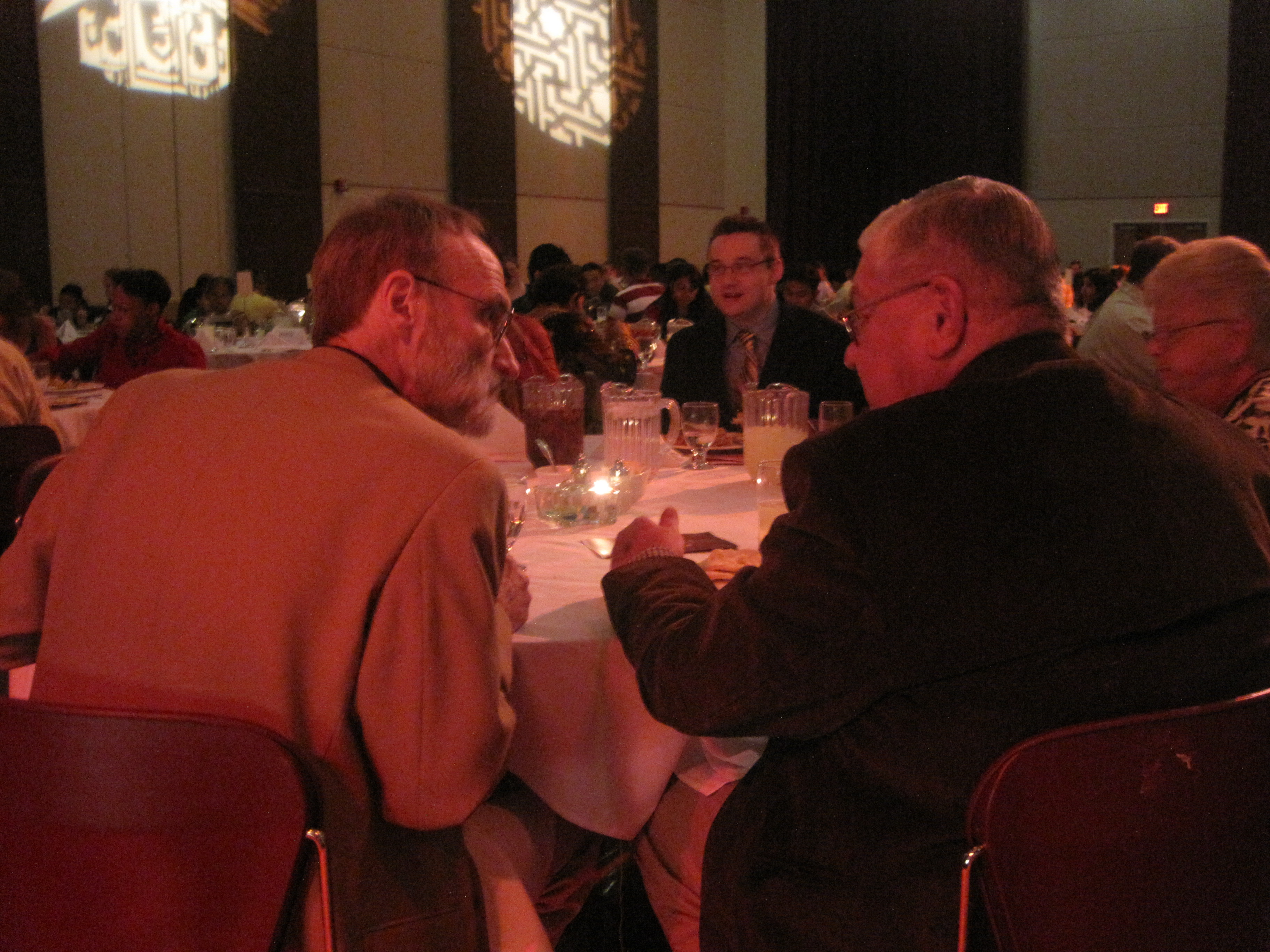
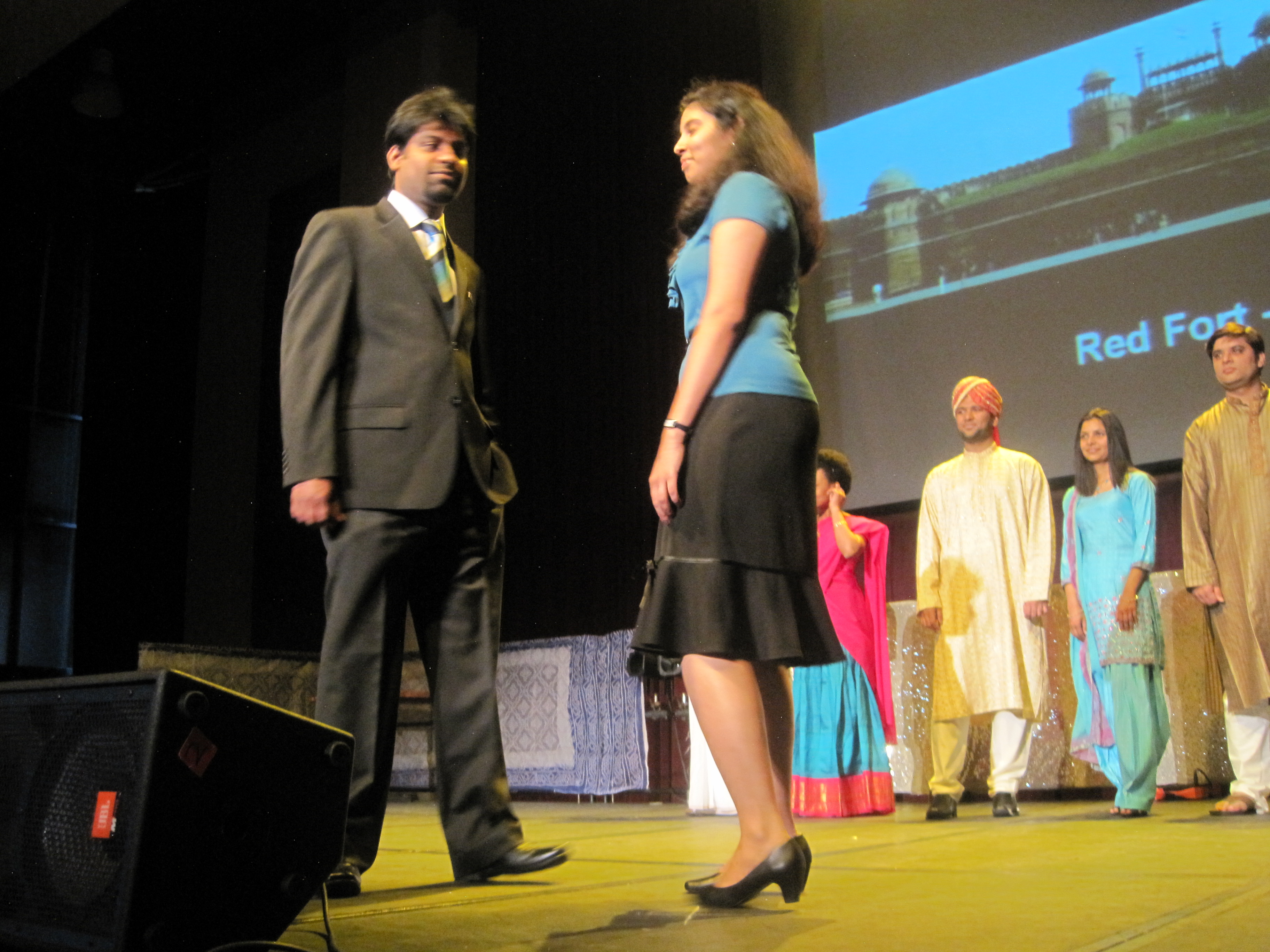
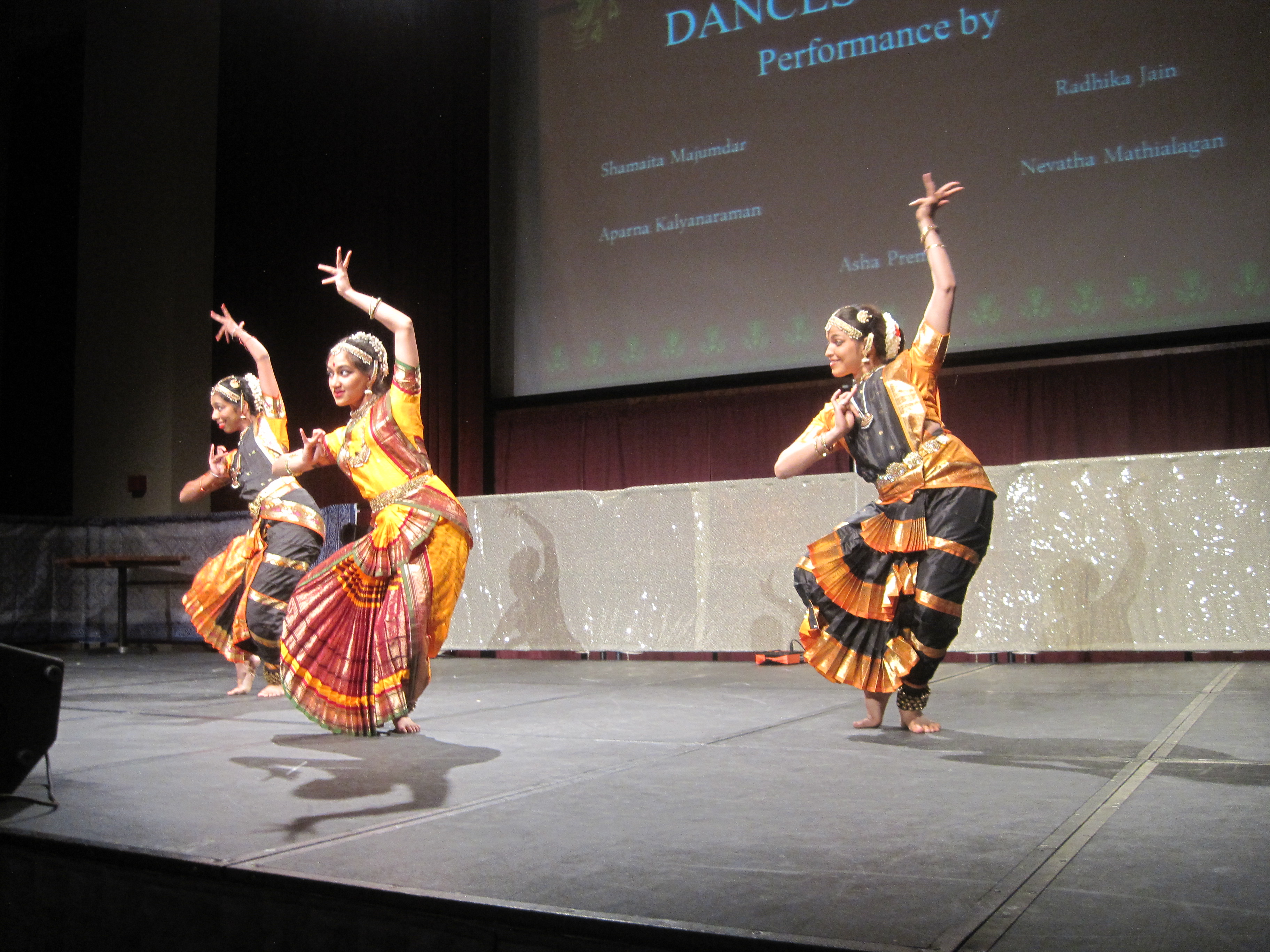
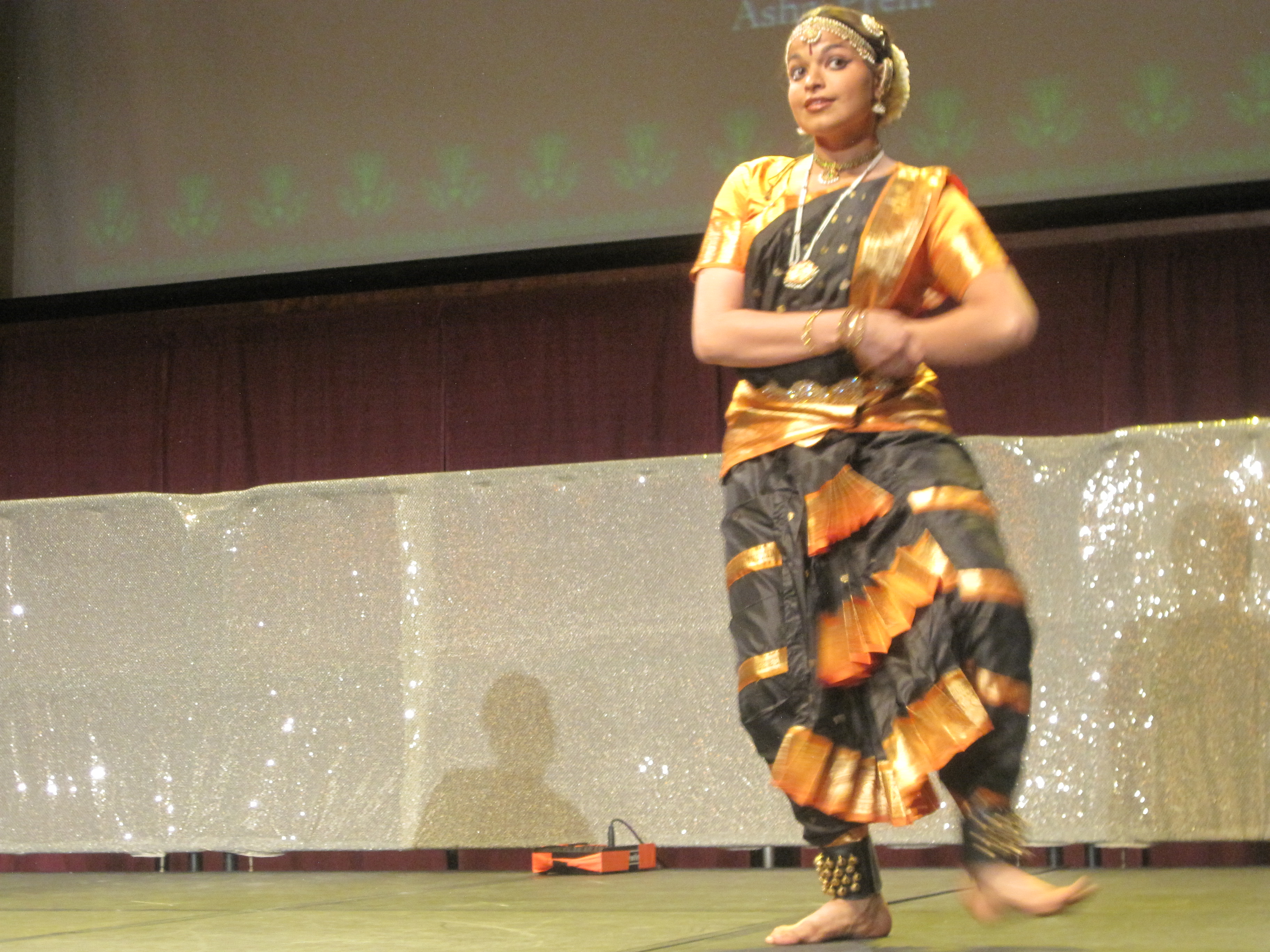
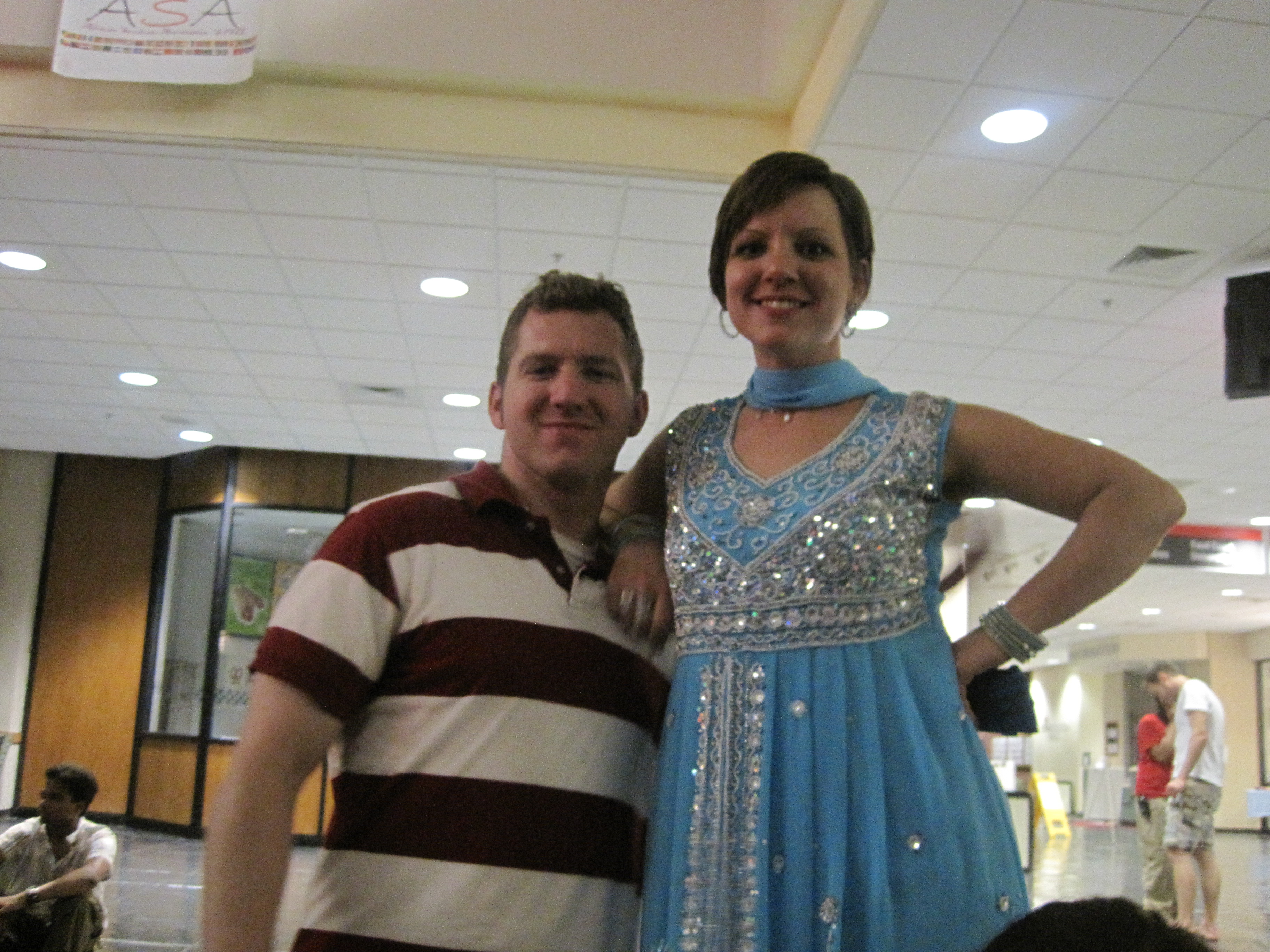
The night, just like the Africa Night, or the International Night here was for food, dancing, fashion, trivia and a general culture fest of the country. Here are pictures. it was memorable, to say the least.

India and its Plethora of Languages

Updated

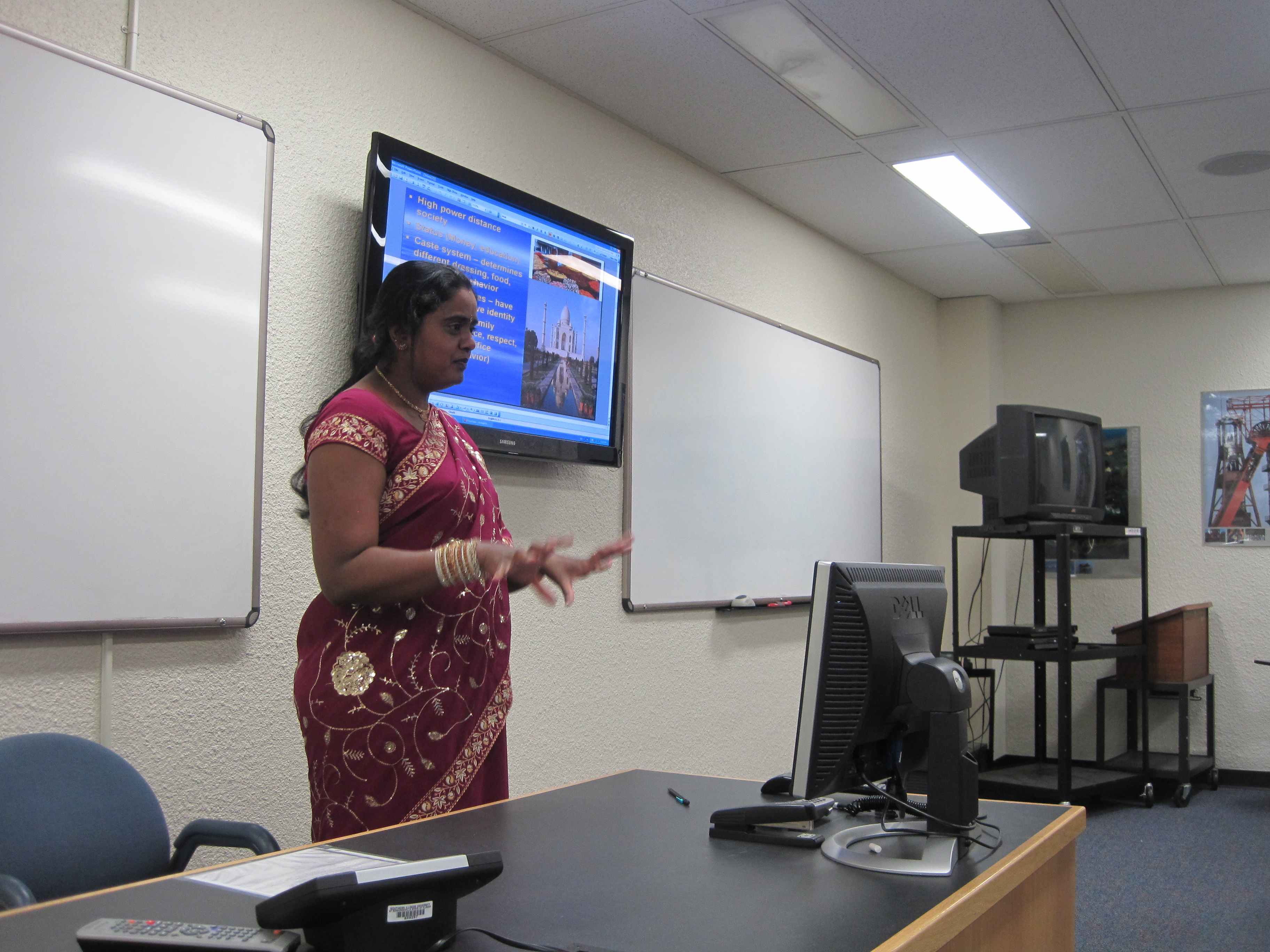
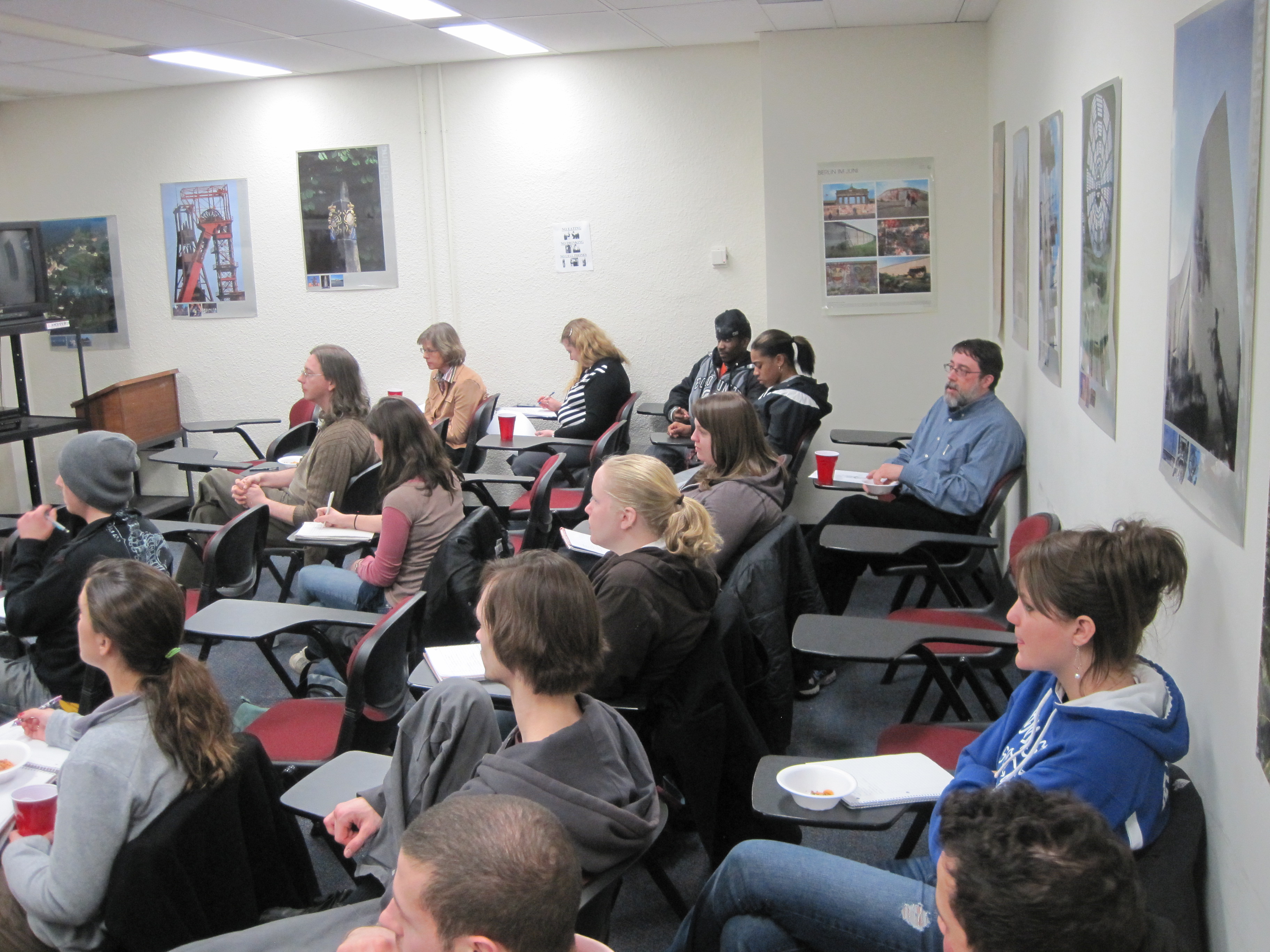
The third event in my department marking the “Discover Languages Month” took place on Wednesday and it was a talk by a graduate student of the department Catherine Xavier who spoke about India and its “Plethora of Language and Culture.”

I learnt some new things about India at this talk, one of which was that the country – as large as it is in population and land area – had only about twenty-two languages spoken in official capacity. The biggest of them was Hindi which everyone spoke and understood, but there were so many others. Much of the talk was along the lines of mine: i.e a comparison of Indian and American cultures, their similarities and differences. And from the presentation, I found that India is not much different from Nigeria as I previously thought.

One of the things she skipped however was the subject of the Karma Sutra which I believe is one of India’s biggest export to the world, and the influences of the literatures of Salman Rushdie and V.S. Naipaul – the two biggest and perhaps controversial names in Indian/English literature. According to Catherine, they were names that always stirred emotions and she had left them out in order not to make people uncomfortable or be polarizing. I do not take it against her because it doesn’t remove from the breadth of the talk, which lasted an hour and dealt with so many other things including economy, taxes, eve teasing, transportation, speech patterns, greetings and interpersonal relationship of Indians in foreign lands, and many more. As conservative as the culture in India is, it still managed to have produced a deep and colourful legacy of sensual exploration of the human body and I’d have loved to have been able to ask about it during the event. I couldn’t. It was a nice presentation over all with many laugh-out-loud moments during the talk and during some of the video clips that she played.

I love it because it was a balanced presentation of the positives and negatives of the country, unlike mine of two weeks ago which was mainly a positive representation of myself and culture. Clarissa has already accused me of being too positive about everything I observe, so it is just as well. Many of Catherine’s points reminded of me of what Nigeria and India have in common as a society. Famous Indian people in the presentation were Mother Theresa and Mohandas Gandhi.