The new Ṣóyínká Museum in Ifẹ̀ wasn’t that hard to find, it turned out. Knowing that it is located across from the Vice Chancellor’s Lodge was a helpful tip that got us there. A straight road from the university gate, after just one turning, led us right through an open road guided by trees, grass, and lamp posts, and there we were.
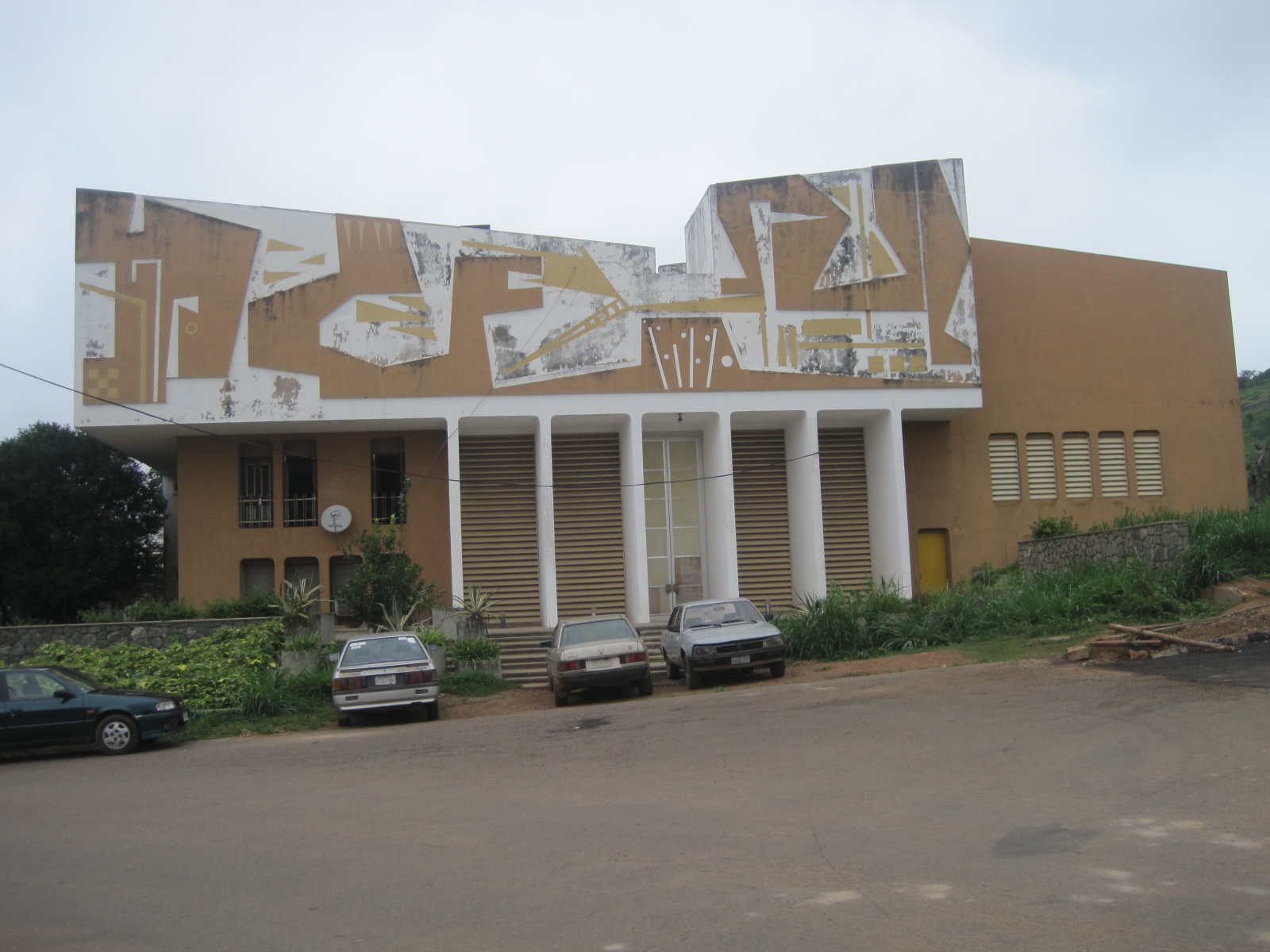
Located near the base of an impressive hill covered in thick foliage, the house, built in the simple but elegant style of other nearby structures created for the use of university staff, stuck out in white, decorated by murals portraying the Nobel Laureate in many different states. At the entrance, on top of a constructed covering, supported by metal poles, is a larger-than-life concrete bust of Ṣóyínká himself starting towards the Vice-Chancellors lodge.
 The house used to be yellow (see old pictures here), like other buildings in these staff quarters. The new white painting and decorations are a distinctive feature to mark it apart as not just any other residential property in the area. The house has now been adopted by the Ògùn State Government as a museum and artistic/exhibition space about the life of Africa’s first Nobel Laureate in Literature and famous indigene of the state and former member of staff at the university. In itself, this is an impressive and long overdue endeavour. In other parts of the world, important buildings of this nature are regularly turned into historical sites, creating great cultural value, and bringing tourists from across the world, which in turn generates funds to keep the structures perpetually maintained, to serve as valuable institutions to the preservation of memory and values of the celebrated heroes.
[Read about my visit to the Mark Twain Boyhood Home in Hannibal, Missouri here here, and here]
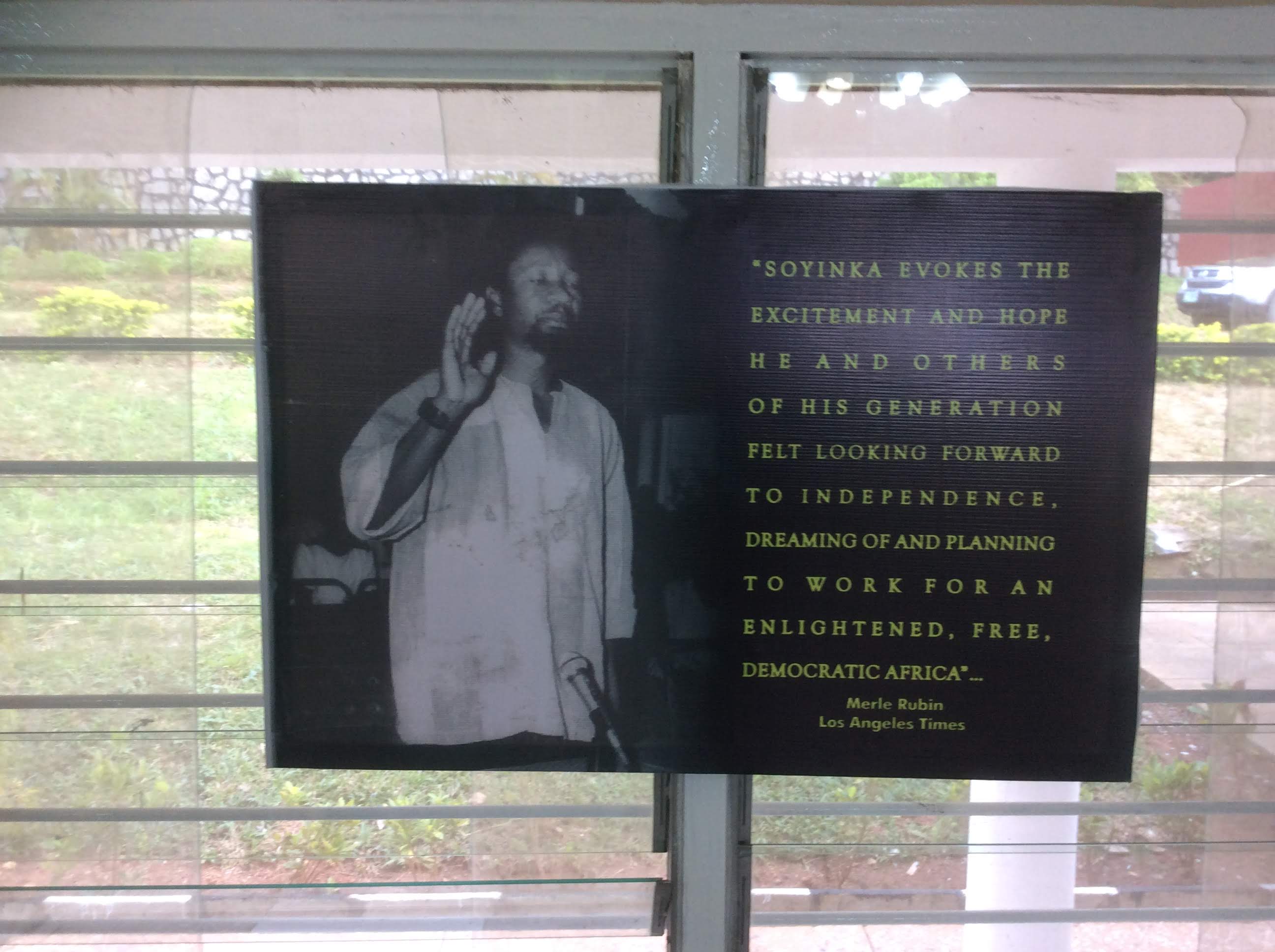
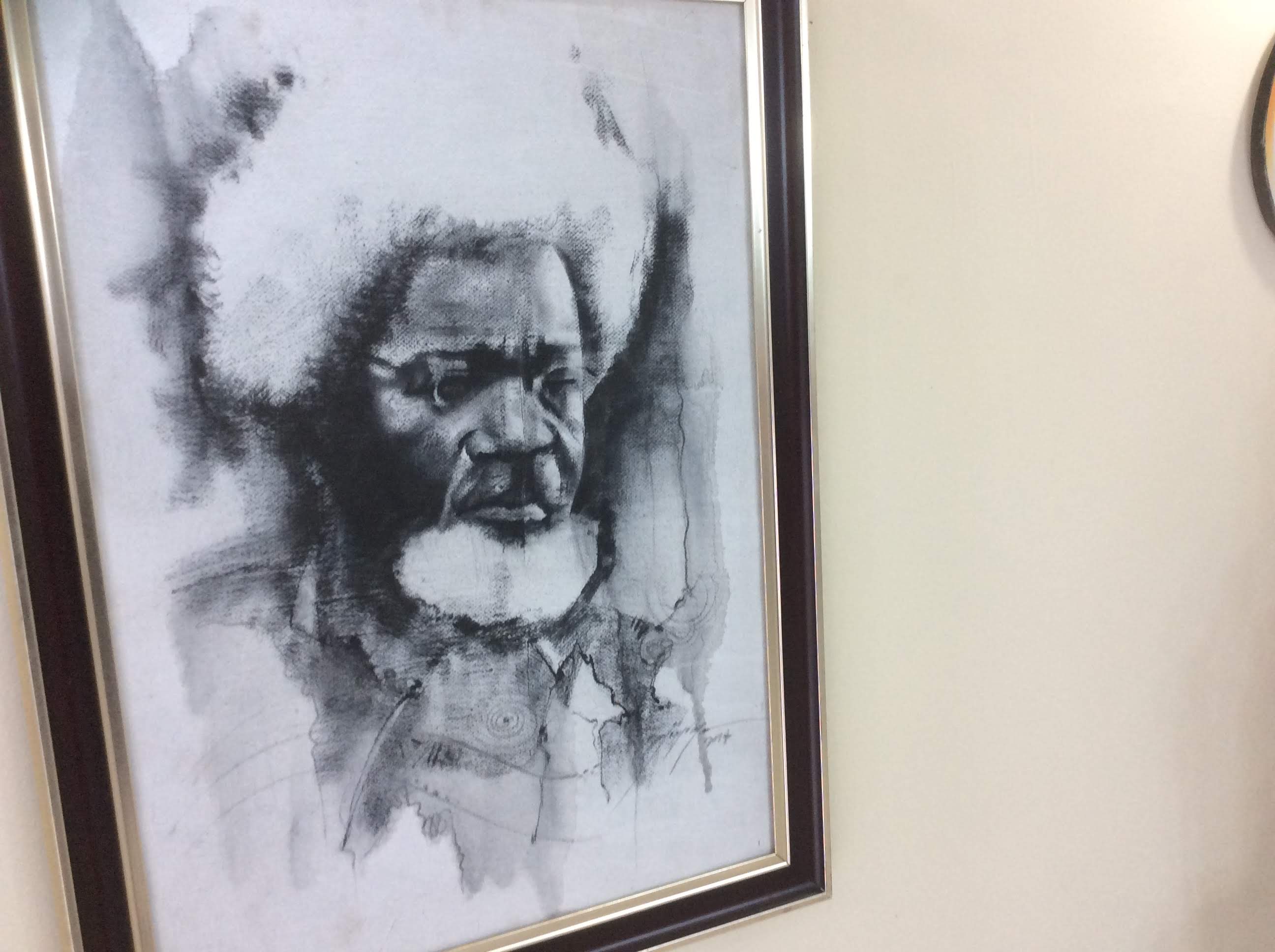
 This location, I thought, was actually quite interesting. The rumours I grew up around had it that at some point in his career as a Professor of Theatre, WS was in the running to become Vice-Chancellor of the university himself. He has strongly refuted this in an email to me, writing “I have NEVER contested or even desired any administrative position in my entire career at Ifẹ̀ or any other institution in the entire world.” This makes sense, or it would have made for some awkward interaction with whomever had won the tussle living right across from him on campus.
According to the pamphlet handed out to us as we walked through, Professor Ṣóyínká left the University of Ifẹ̀ in 1986 after having “spent about 24 years” on the staff roll. That means he joined in 1962. I’ve found this record a little conflicting with the reality that the dramatist-professor was also the head of the Department of Drama at the University of Ìbàdàn from 1967, shortly before he was arrested for visiting the breakaway Biafra, to 1970, a few months after he was released from jail. So, either he first went to Ifẹ̀ (then located in makeshift buildings in Sango and Sámọńdà areas of Ìbadàn before this permanent site in Ilé-Ifẹ̀ was opened), then returned to Ìbàdàn and then went back to Ifẹ̀ after he left jail, or we have got the records wrong. It will be nice to have this all straightened out.
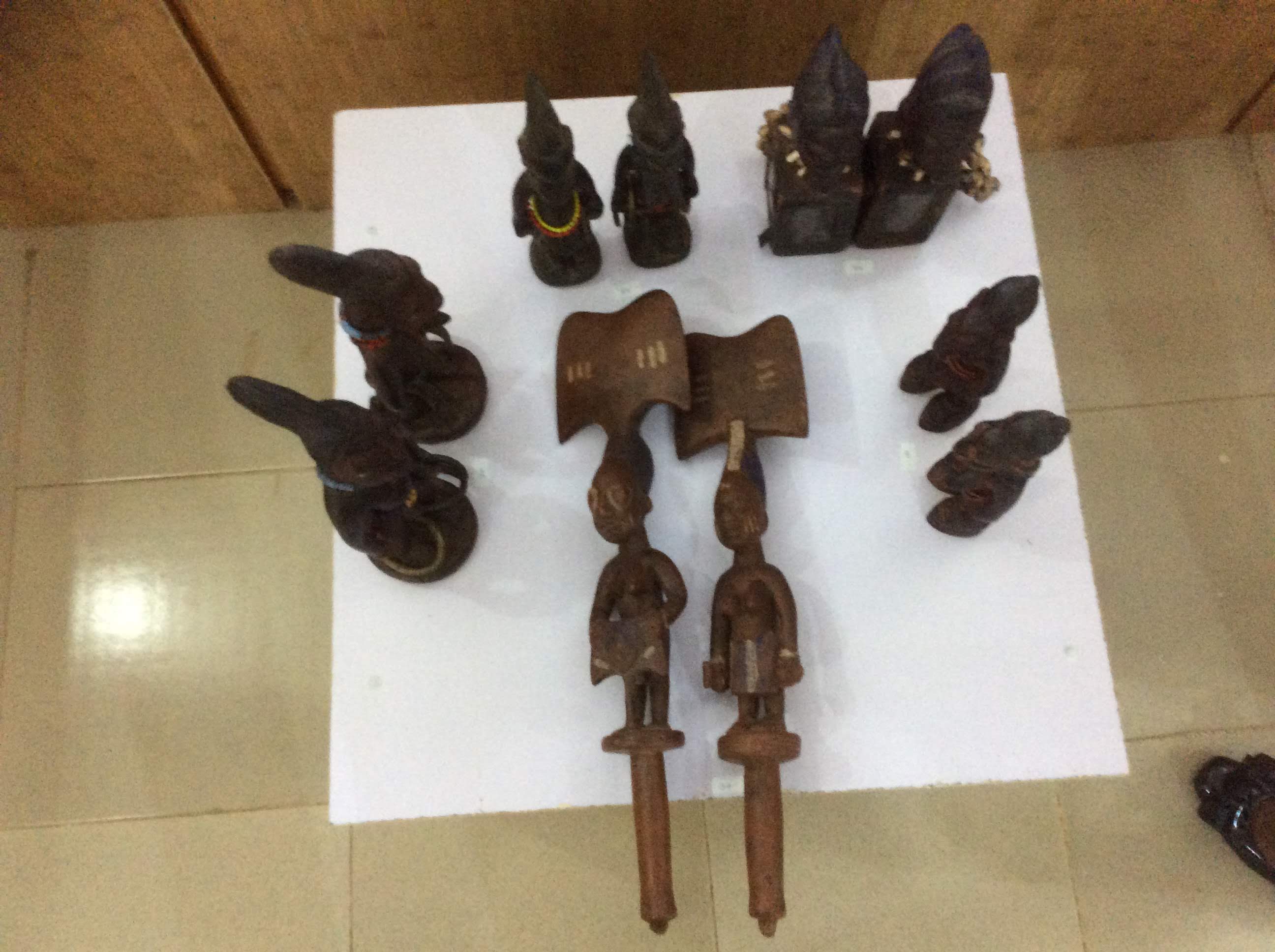
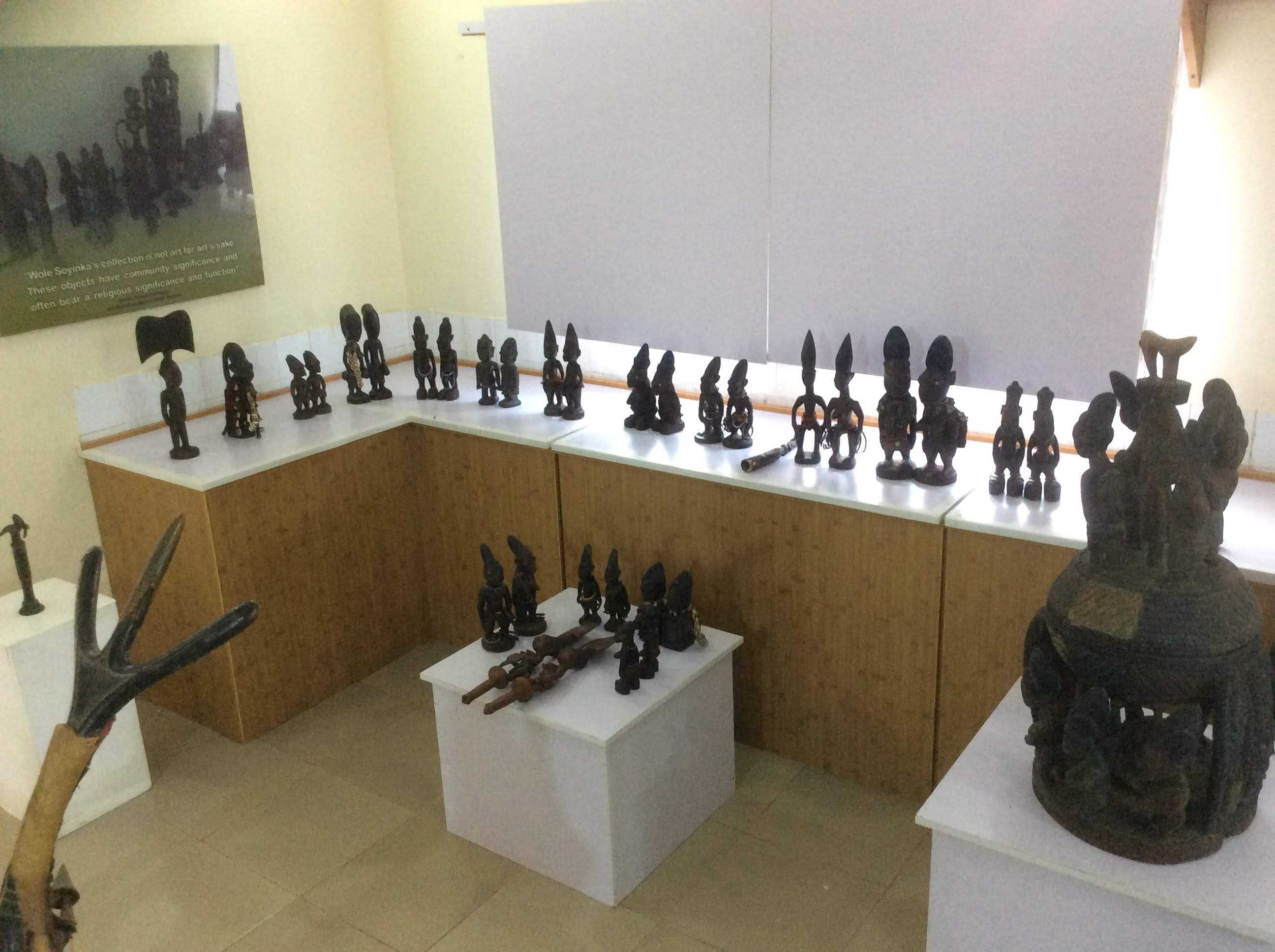
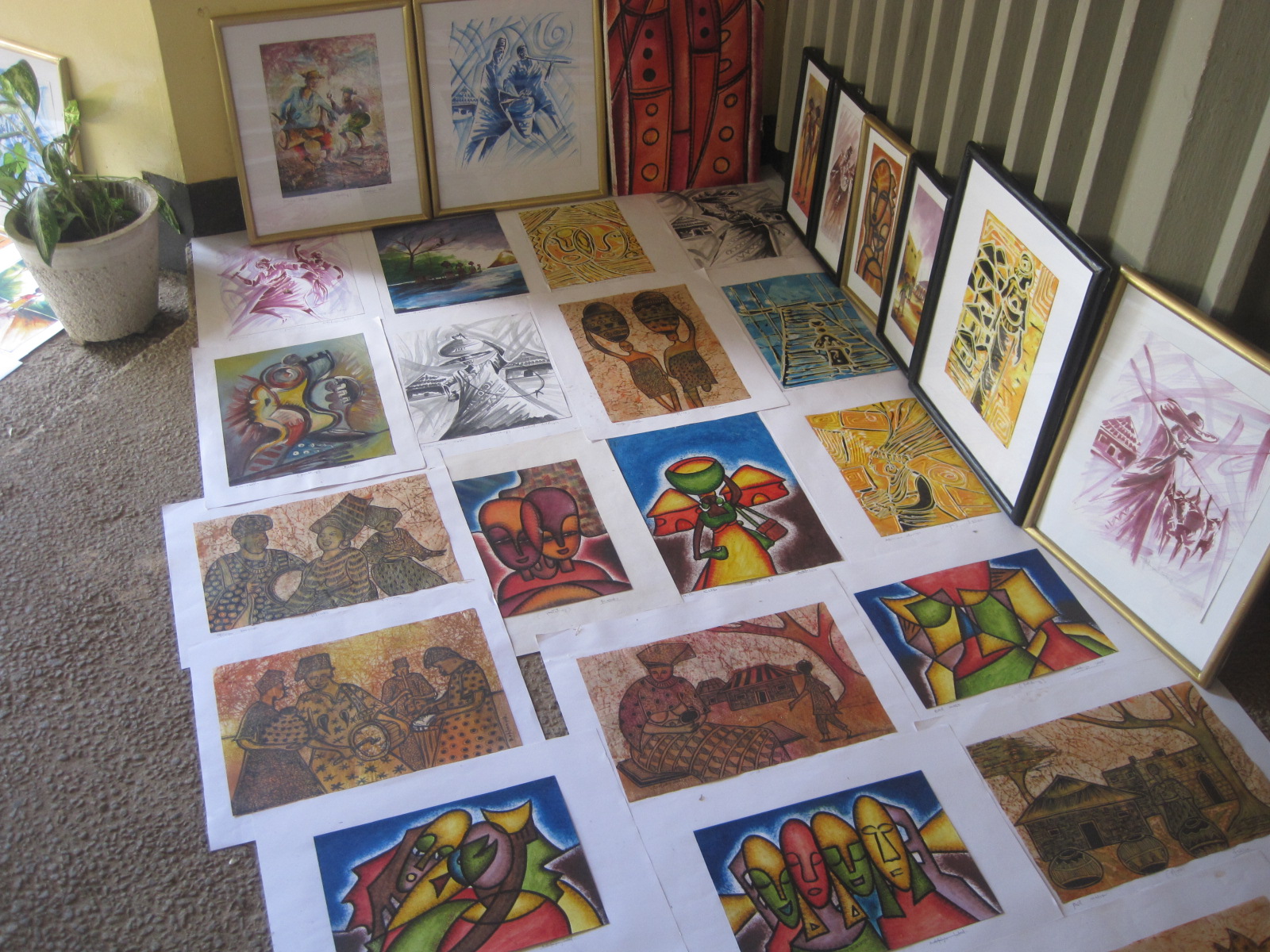
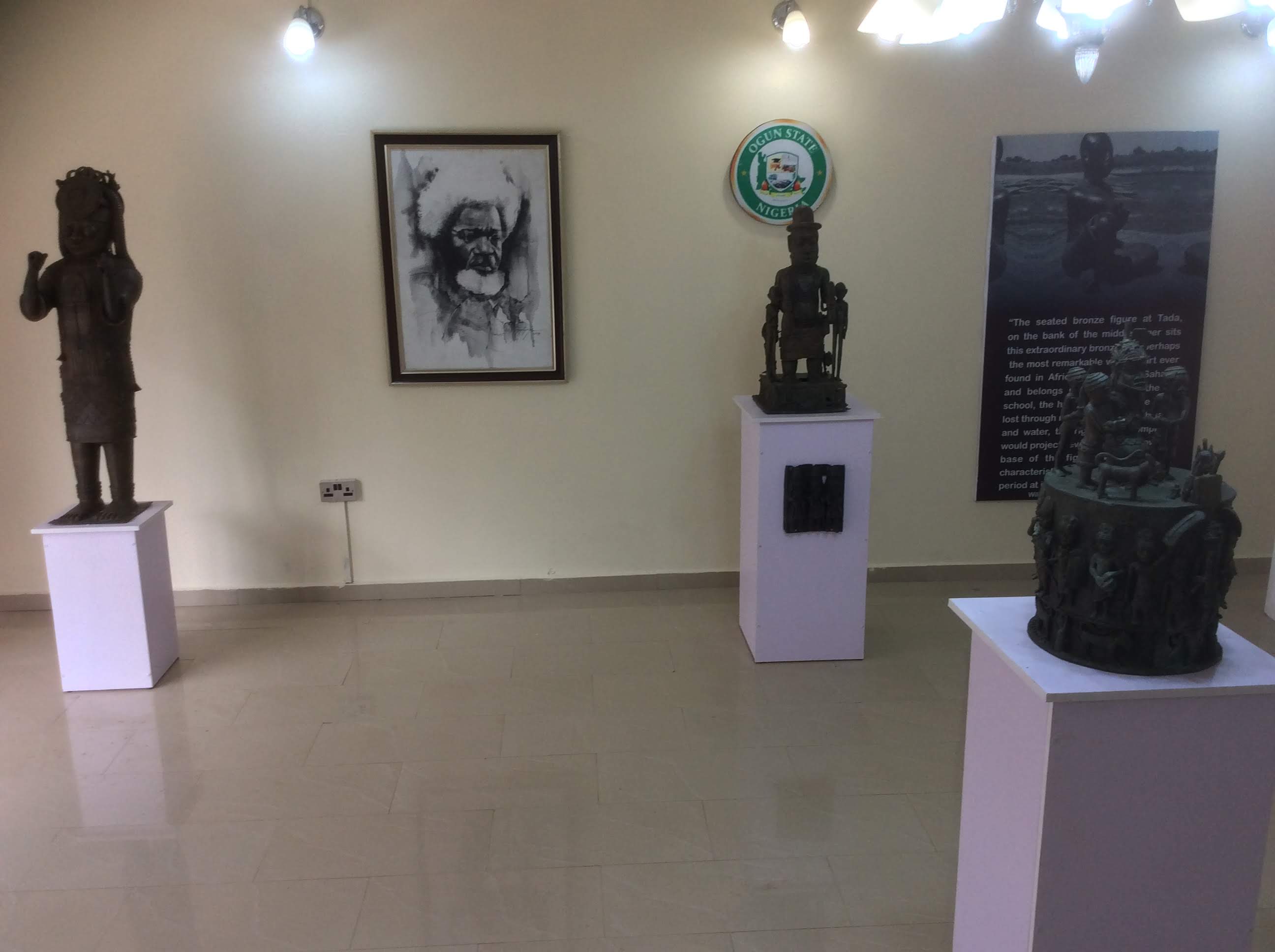
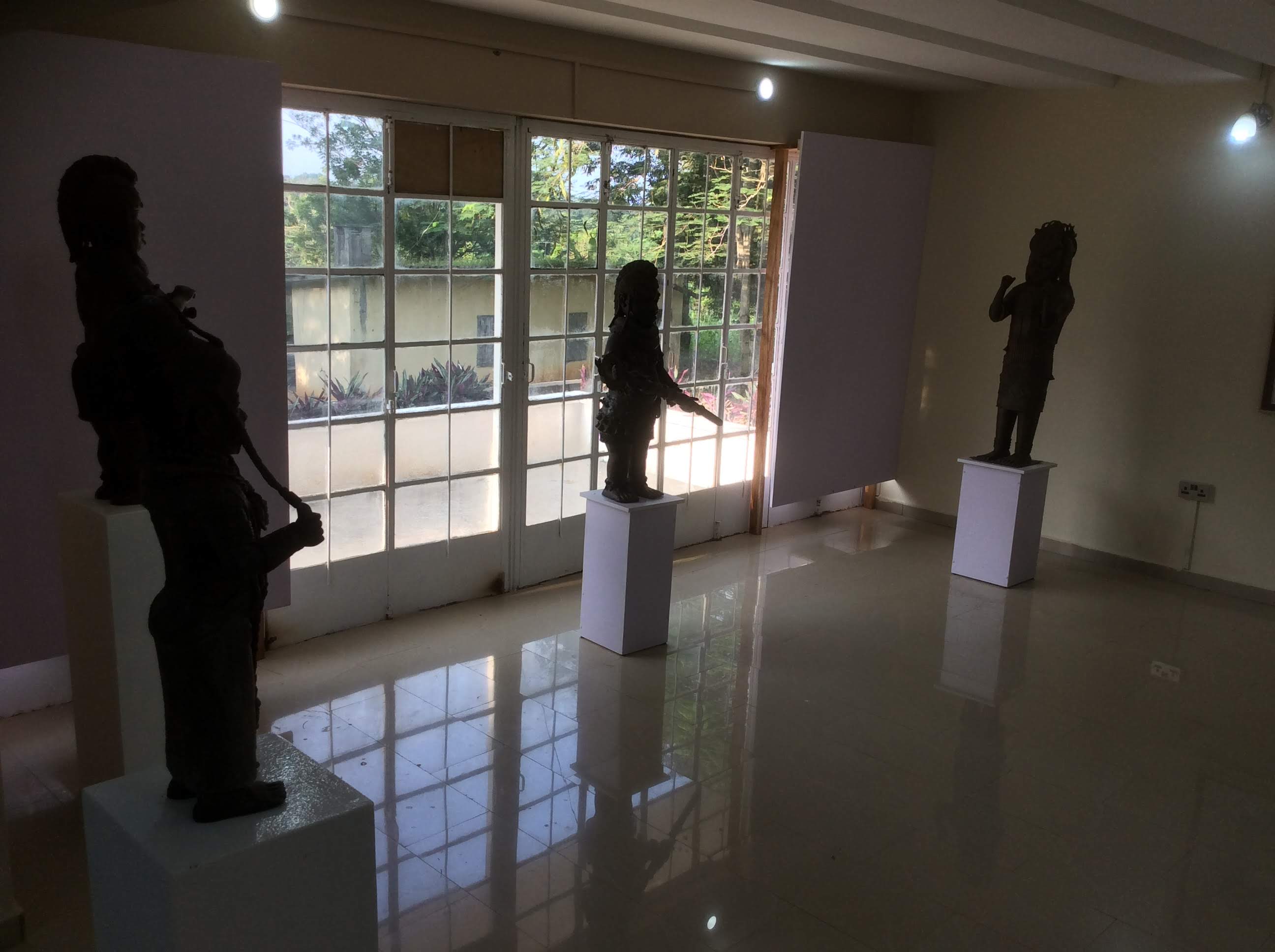
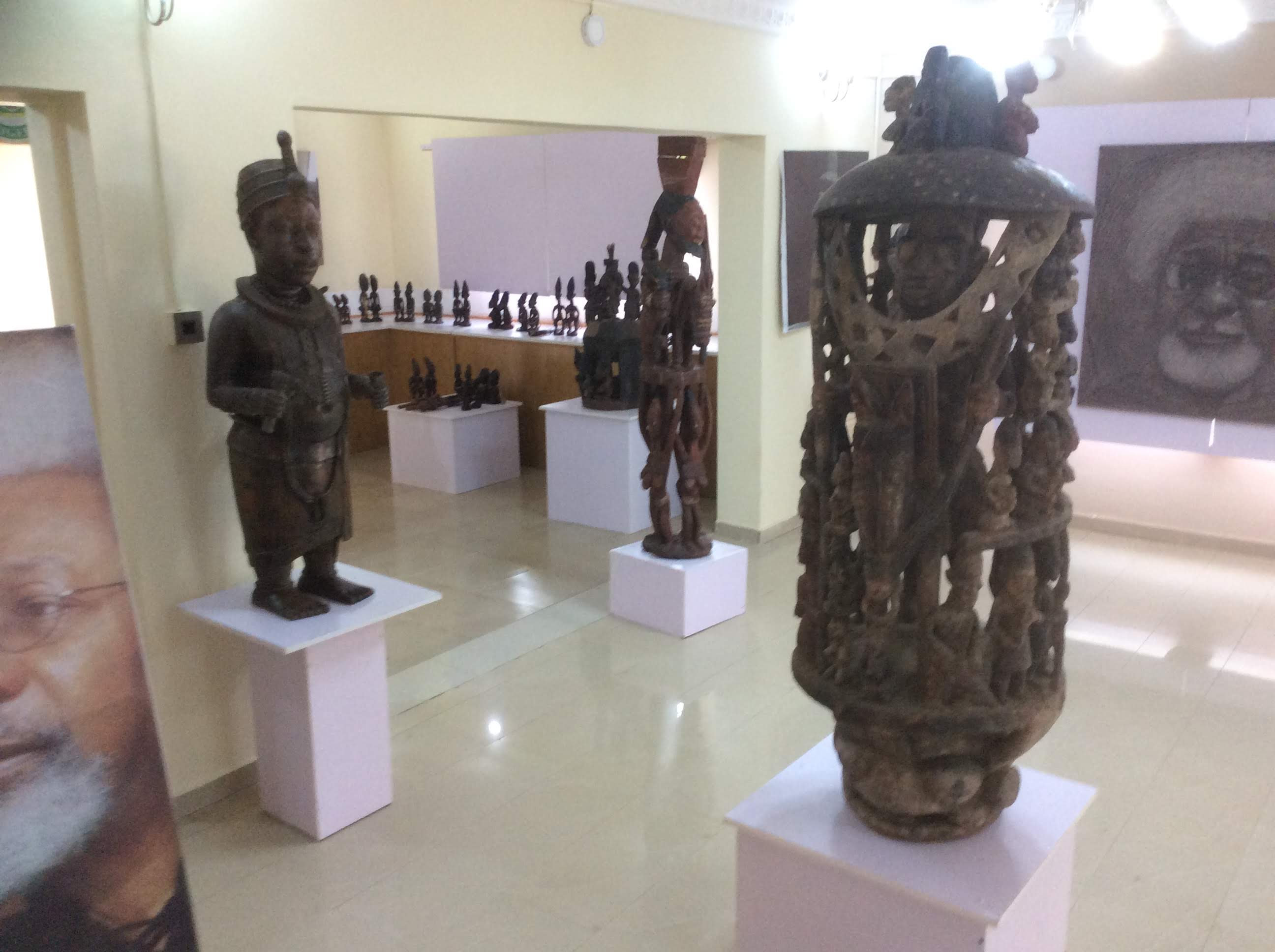
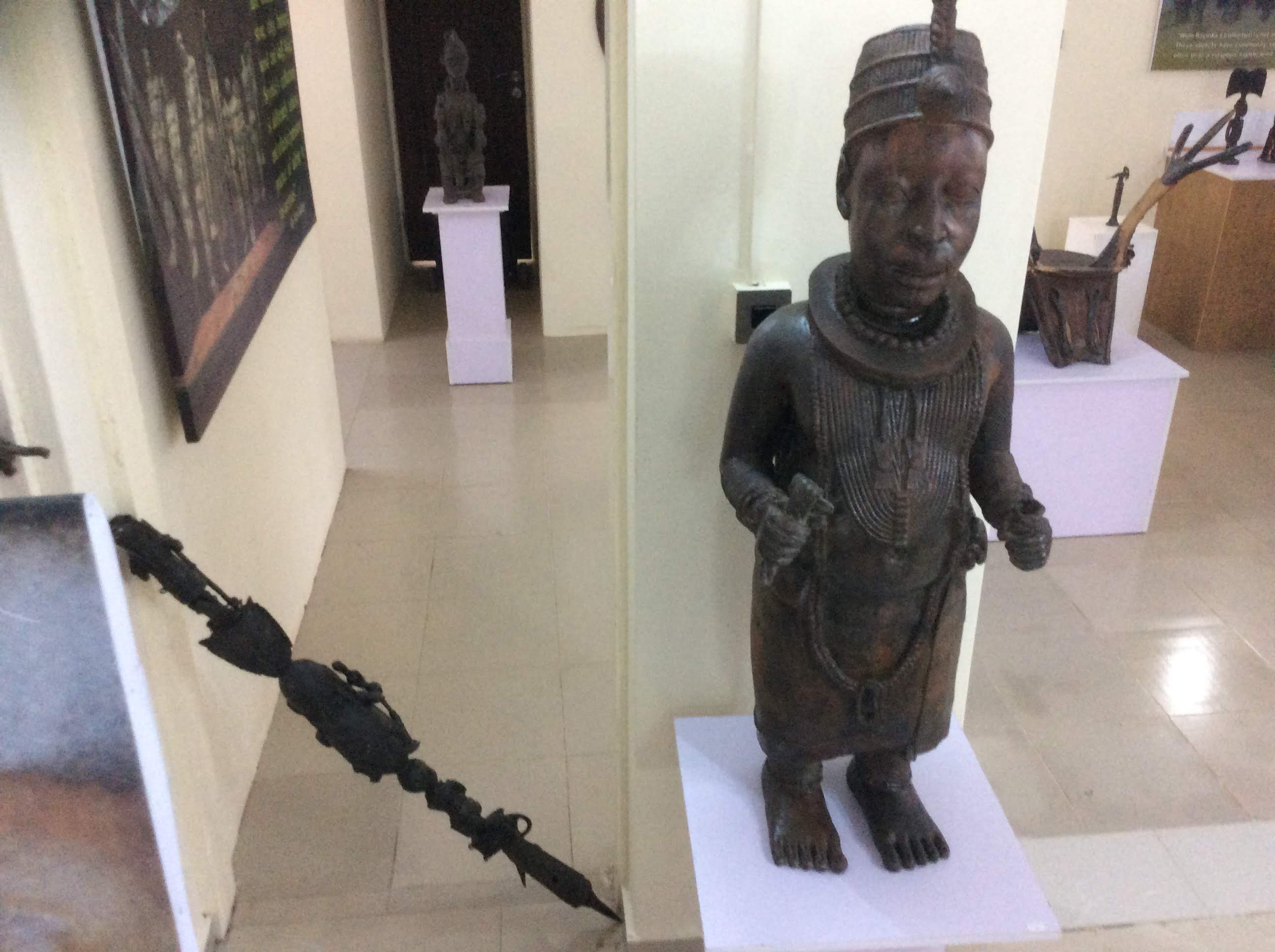 Speaking of records, the ostensible purpose of the Museum is to create ‘an academic and tourism destination’ around the writer’s life, work, and passions (including hunting), yet the only thing here, at the moment at least, are a collection of carvings and other artworks belonging to, collected by, or created around Wọlé Ṣóyínká. Nowhere in the building are directions to what each room used to be: this is WS’s former study. This is where he wrote The Road. This was his work typewriter for many years. This is the room where his children so-and-so used to live. And here is an old manuscript of Lion and the Jewel, with handwritten notations in-between the lines. etc. Maybe being in the presence of his artistic aura around the building and his art collections was supposed to be enough for the visitor. It wasn’t. There was a prevailing sense that a lot more context will need to be added to make it a true museum of the writer’s illustriious career.
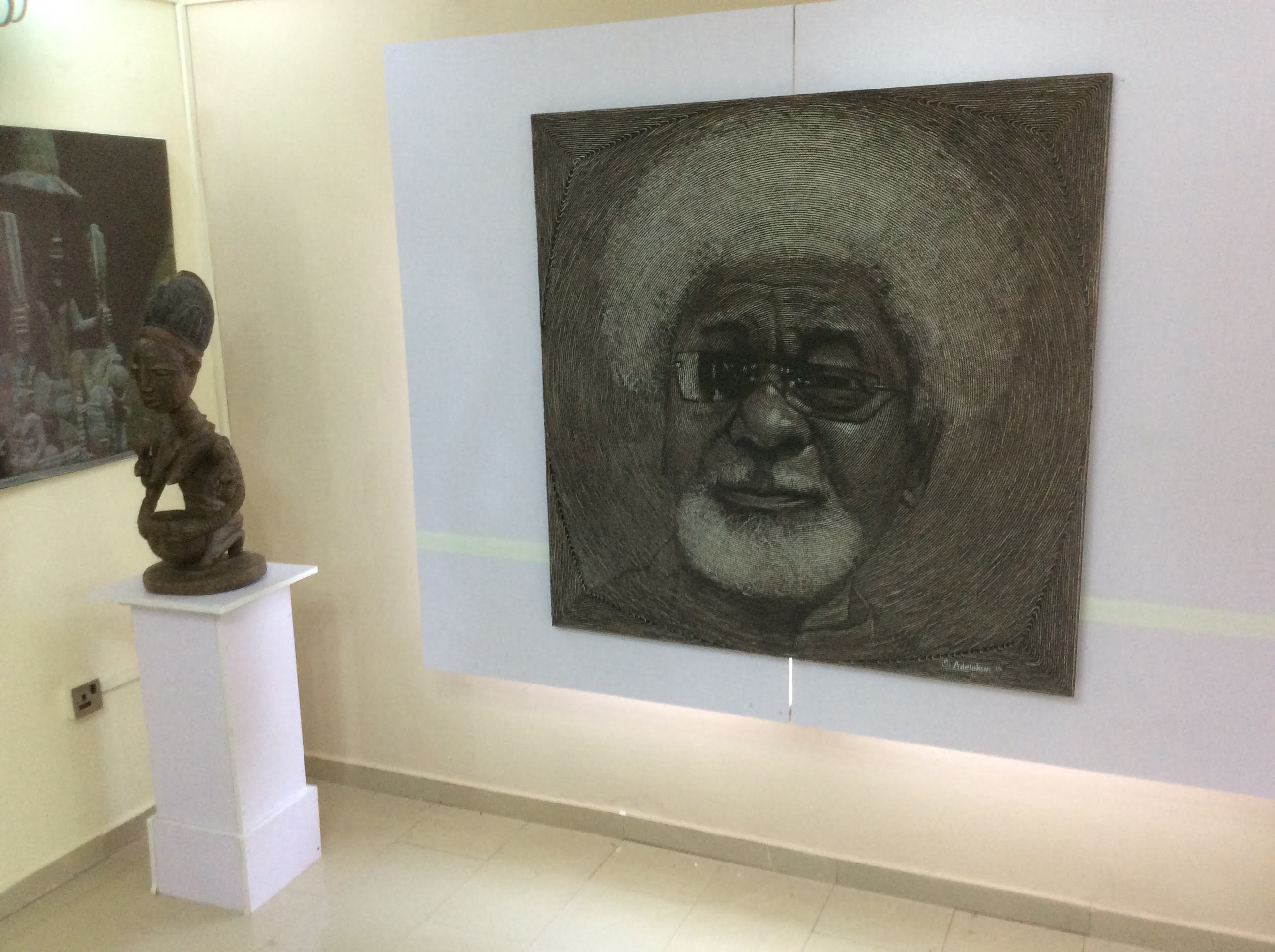
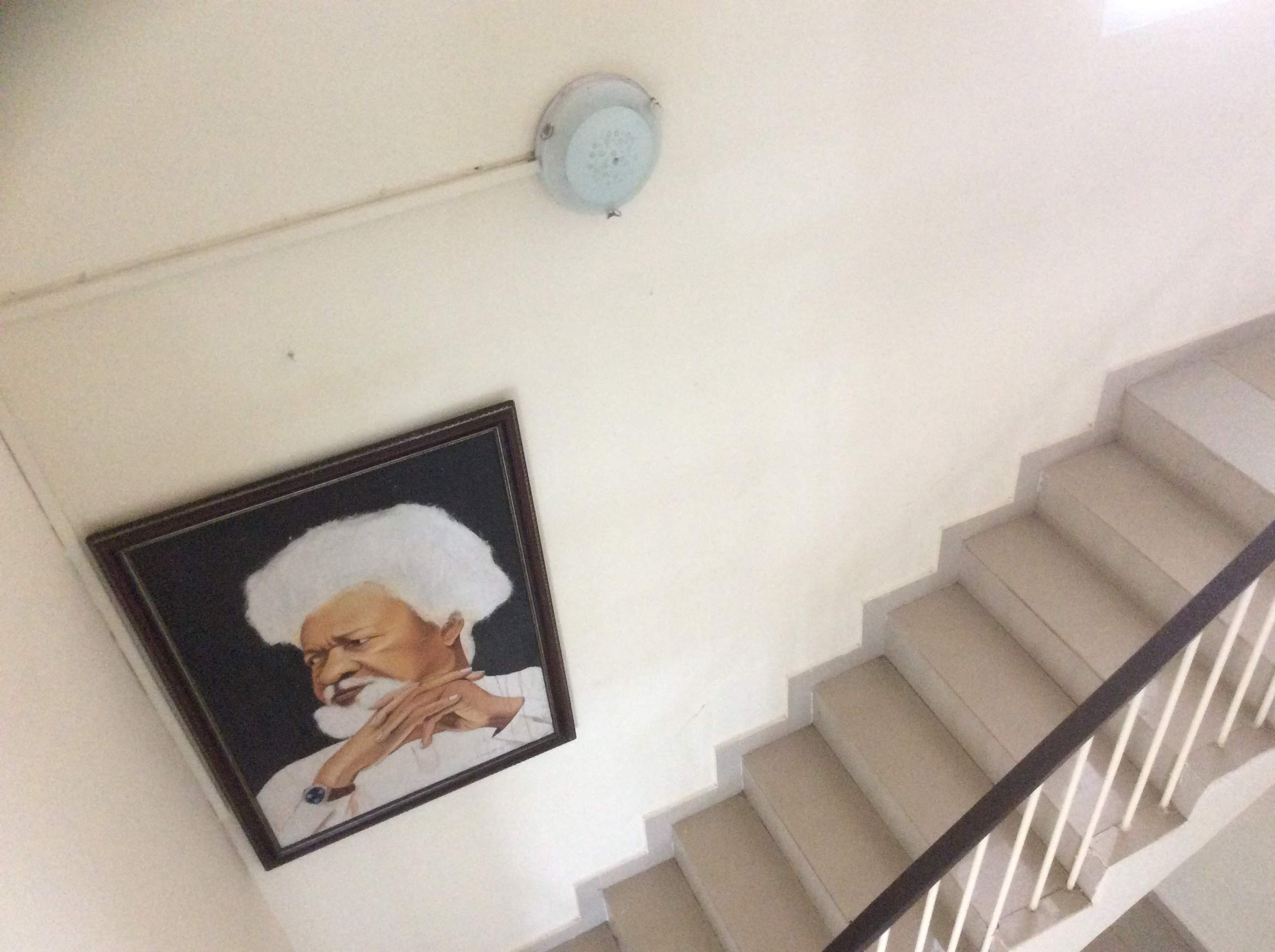
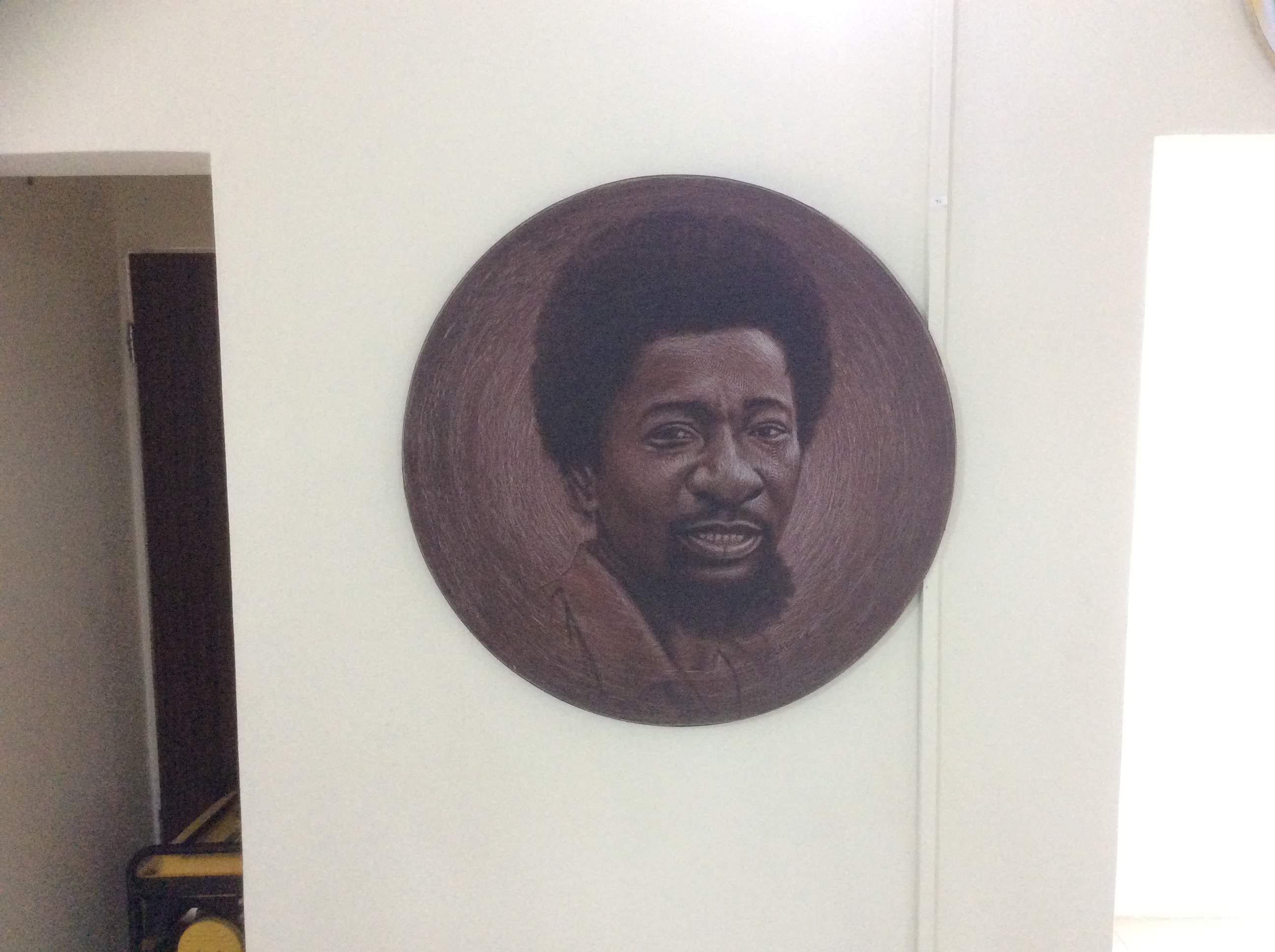 At the moment, it is simply an exhibition space, filled with an impressive collection of art from the many corners of Nigeria, collected and preserved over many years. Won’t it be nice to have the structure turned into a real-life manifestation of the creative imagination of the writer’s theatrical and poetic ouvre? At Hannibal, one could pretend to whitewash a picket fence just like Tom Sawyer did in the writer’s famous novel. One could walk around the museum, and around downtown Hannibal like a character in Mark Twain’s early works. One could also visit a gift shop and buy books and other collectables related to the author. The ‘Boy’s Quarters’ of this Ṣóyínká Museum would be a good place to turn into a gift shop if the desire so manifests. Or, perhaps, this will be the case only when Ṣóyínká’s childhood home in Abẹ́òkuta is finally acquired for a more permanent artistic purpose.
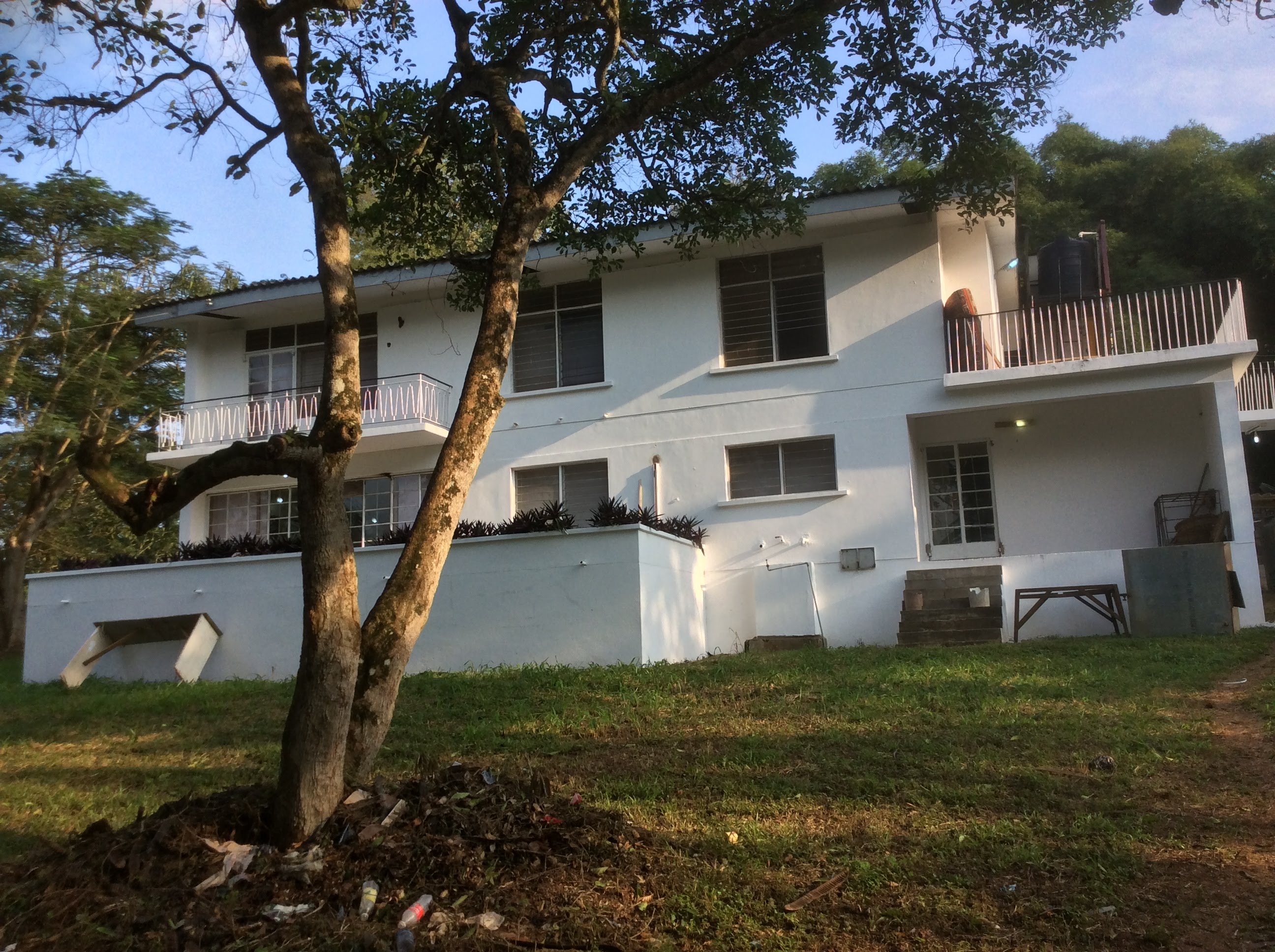
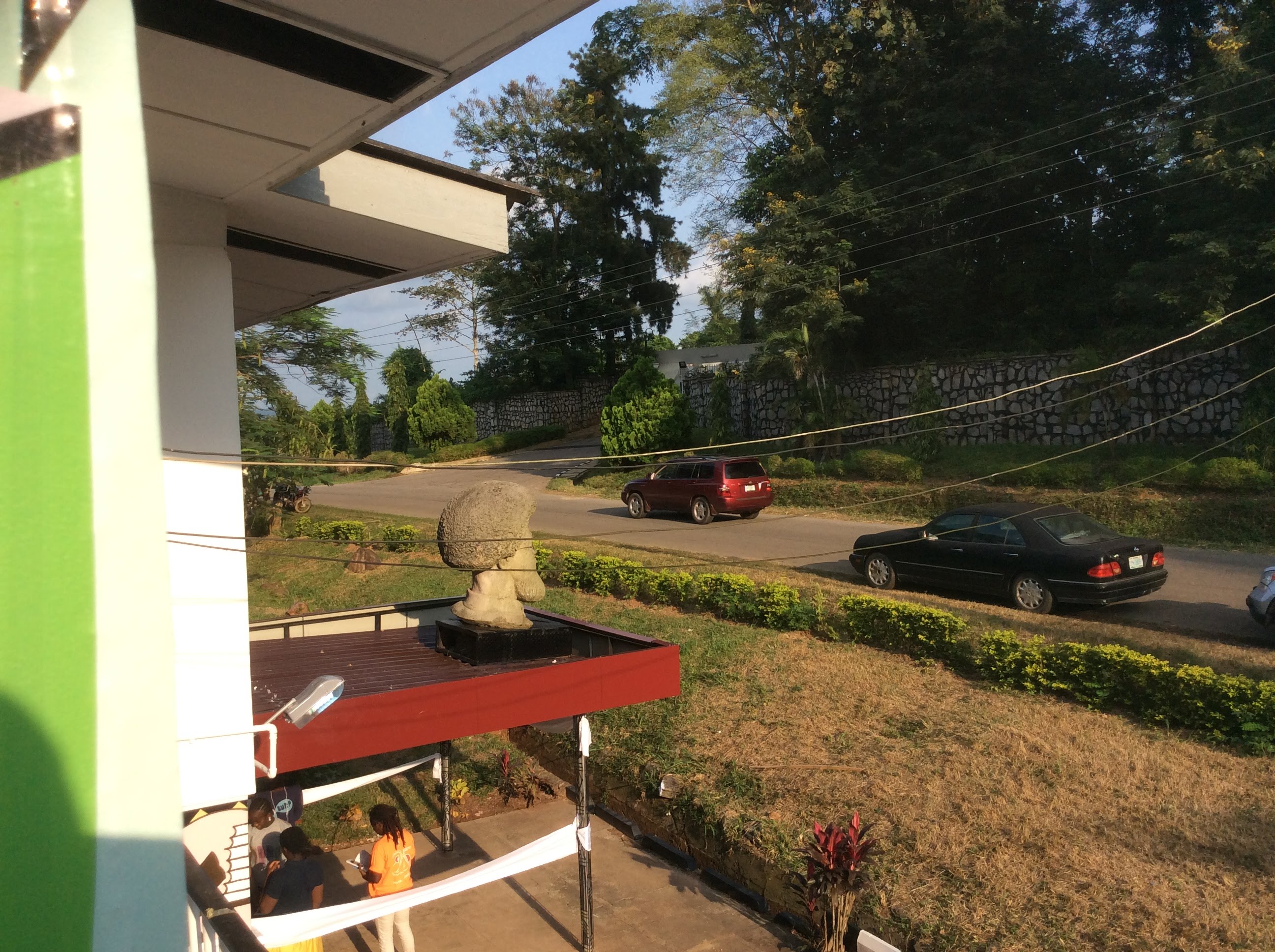
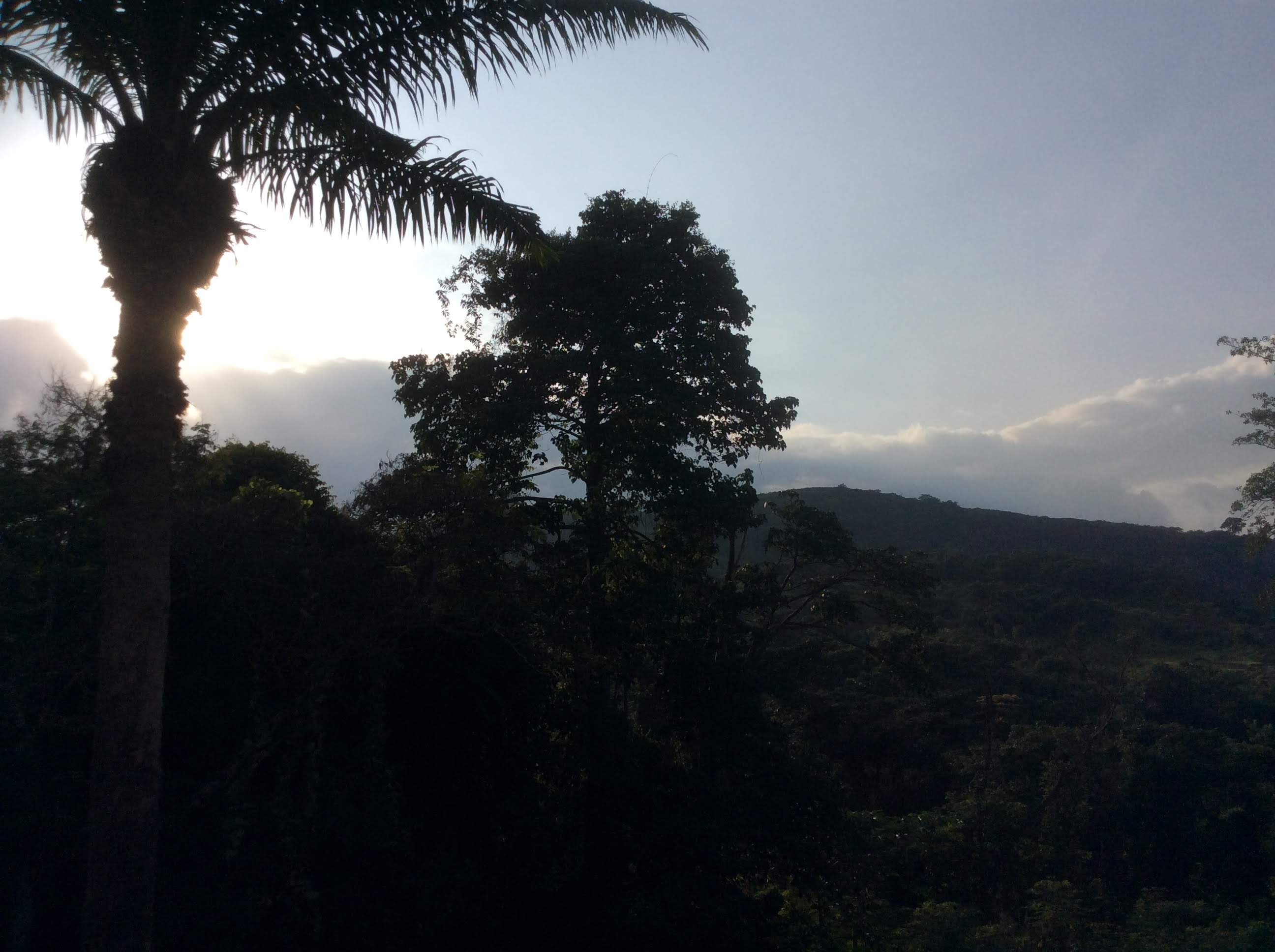
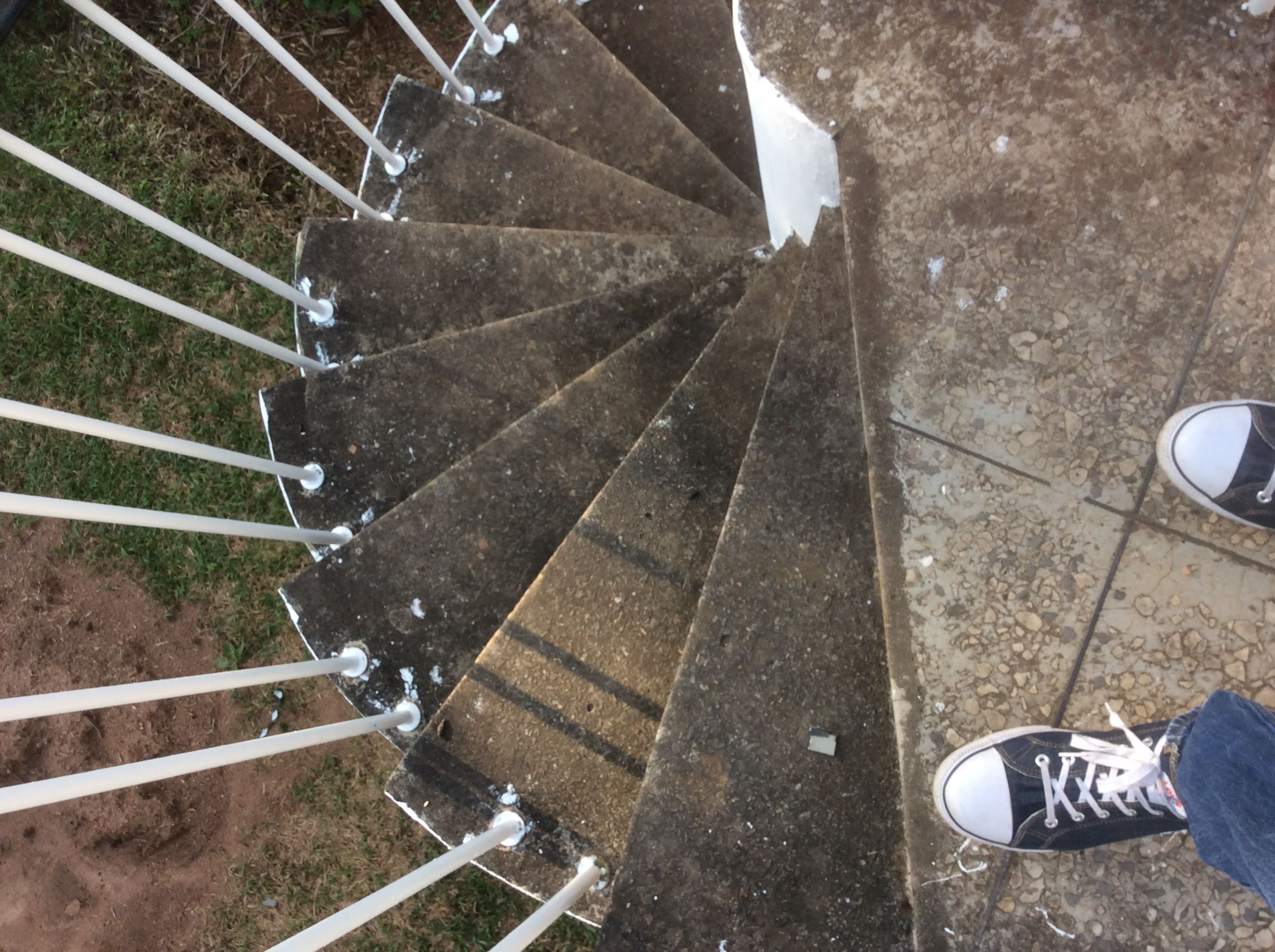 The grounds on which this museum building in Ifẹ̀ now stands will make a good venue for festivals, open literary fairs, and other artistic events. The view of the hills, glorious in the setting sun, is a delightful sight from the balcony, even when blocked by a lone palm tree that one can assume has had an illustrious life as a sater of creative thirst through the production of palm wine. One can easily imagine its former residents walking around it on cool evenings, setting traps for wild animals, or venturing into the adjourning thicket, up the hill, for a hunting expedition. Easily imagined as a venue for future writer residencies as well, there is a lot of understated potential for the project. One is glad, at least, that it has begun.
 Late Sunday evening (December 6, 2015), after a day of chasing after the new king with known and unknown cues that led us into his new renovated palace at Enuwa, a few minutes drive from the Ilésà Bus Park, I got another tip of his new destination: a location a few minutes’ drive from the Ifẹ̀ toll gate where the construction of the Ifẹ Grand Resorts was about to be flagged off. It is a replica of the Lagos equivalent called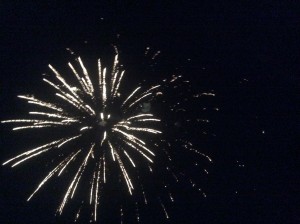
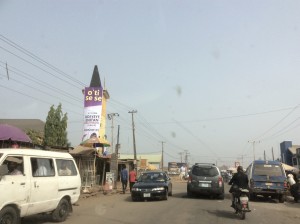
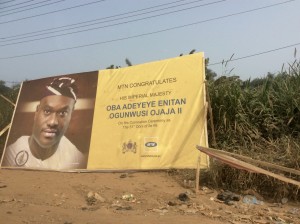
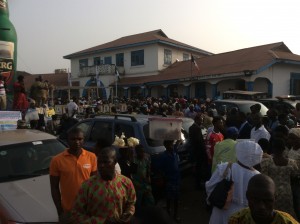
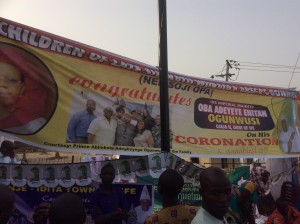
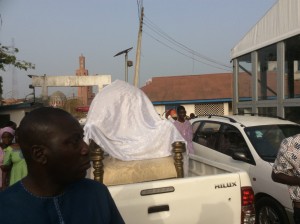
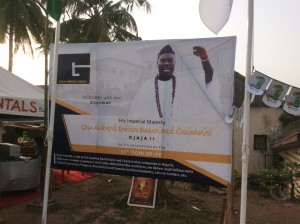
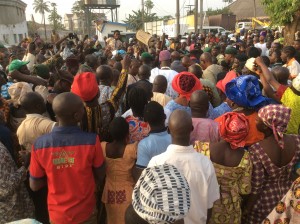
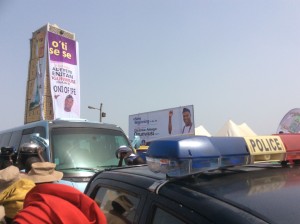
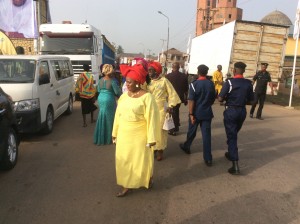
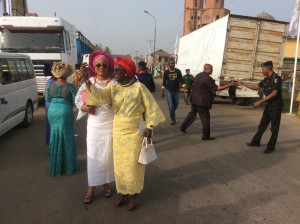
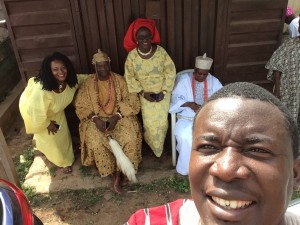
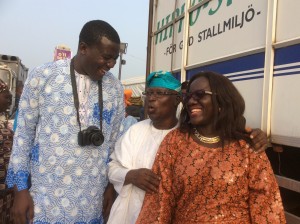
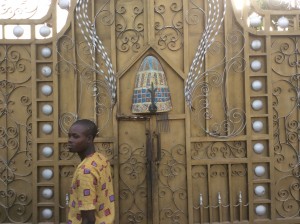 The city of Ifẹ̀ and environs wore a festive look all through the weekend. You couldn’t expect less for the coronation of the Ọọ̀ni, the spiritual head of all Yorùbá, Ọba Adéyẹyè Ẹniìtàn Ògúnwùsì (whom we last met