by Ọpẹ́ Adédèjì
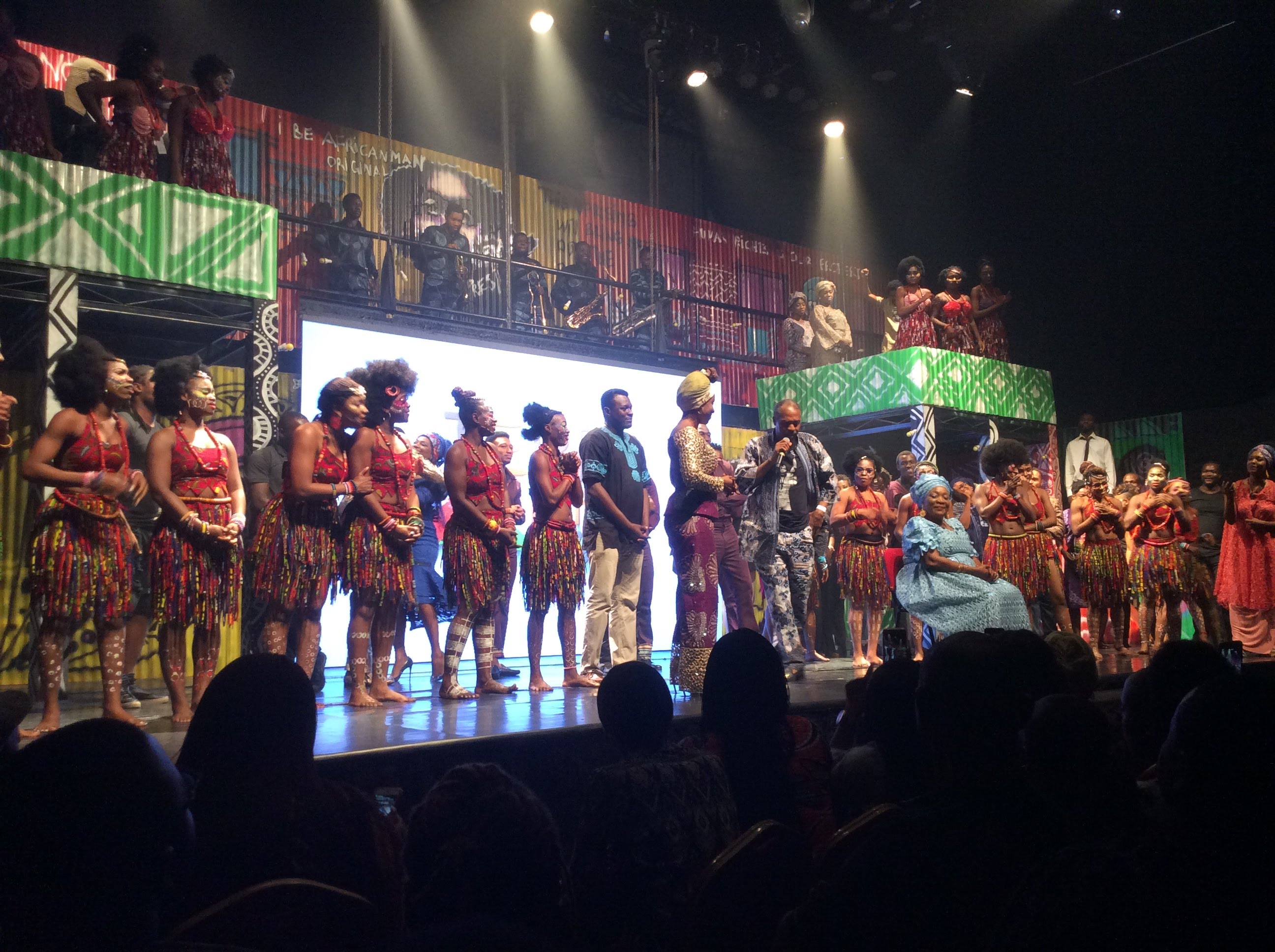
One of the living Kalakuta queens, Ọláídé is on stage with Fẹ́mi Kútì and Yẹni Kútì, two of Fẹlá’s children. They are passing the microphone around reminiscing about a time when Fẹlá was alive. They speak fondly of him, as if he stepped out of the room and would be back any minute. They are smiling. It feels like we know Fẹlá personally, beyond the music and stories we have read of him. Bọ́lánlé Austen-Peters looks tired. She stands by the trio who keep praising her genius and creativity. She has just explained to the audience that intense rehearsals had been on since October and that the show started airing in December. They have one last show before they come back in April during the Easter break. Behind them, the complete cast and crew of Fẹlá and the Kalakuta Queens stand, still in their beautiful costumes, smiling at the audience. In a bit, we are allowed to climb up the stage to take pictures with the cast.
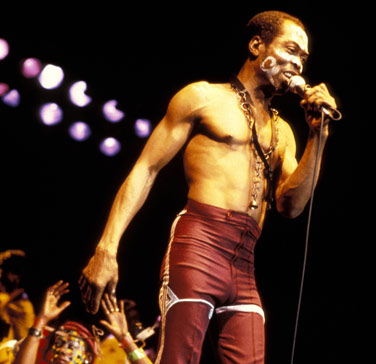
I particularly find the man who played Fẹlá – Ọláìtán Adéníji – intriguing. Apart from the fact that he did a great job with producing a close imitation of Fẹlá’s voice, mannerism, and movements, it is commendable that he has had no history or career in acting. He is an afro-jazz vocalist and saxophonist and prior to this time, definitely not an actor. The audience is awed when Bọ́lánlé says that his role as Fẹlá is his first acting role. Fẹlá, or rather Ọláìtán, smiles a modest smile. I take a picture of him. He is darker than the real Fẹlá but the resemblance is there.
On Terra Kulture’s website, they describe the event as a thrill of a lifetime. While I agree with this, I wish they had used a more adequate description. Fẹlá and the Kalakuta Queens was a thrill of a lifetime and more. It was a spiritual experience. I feel that this is the only way to capture its essence in a few words and evoke a true emotion.
In the wake of the #MeToo movement, the unveiling of several sexual harassment conducts against well-known members of the public and celebrities, especially in Hollywood, and the conversations around consent and feminism on social media, Fẹlá and the Kalakuta Queens is a timely production. It seems almost like Bọ́lánlé saw what 2017 had in store for women when she started preparing and doing research for the show a year ago. I can only imagine what extensive research and investigation she must have put into it because of Láídé and Fẹ́mi’s remark that the play is exactly what happened in real life. There is an emphasis on the ‘real life’. This leaves me short of words.
 Bọ́lánlé explains that, while Fẹlá is continuously being praised for his incredibly unique music that has outlived him and promises to outlive us, no one ever talks about the women who stood by him. After his death, they sort of became relegated to the background, and their roles ignored. It was almost as if they had never existed in the first place. Every year in October, Felabration is celebrated widely in Lagos, and perhaps other parts of Nigeria, with musical performances, art exhibitions, stage plays, film shows and several other acts. But none of these acts recognize the 27 women who became his wives, who were an entourage of his band and more than anything, the inspiration behind some of his music. Bọ́lánlé’s introduction of this narrative to Fẹlá’s living story is brilliant.
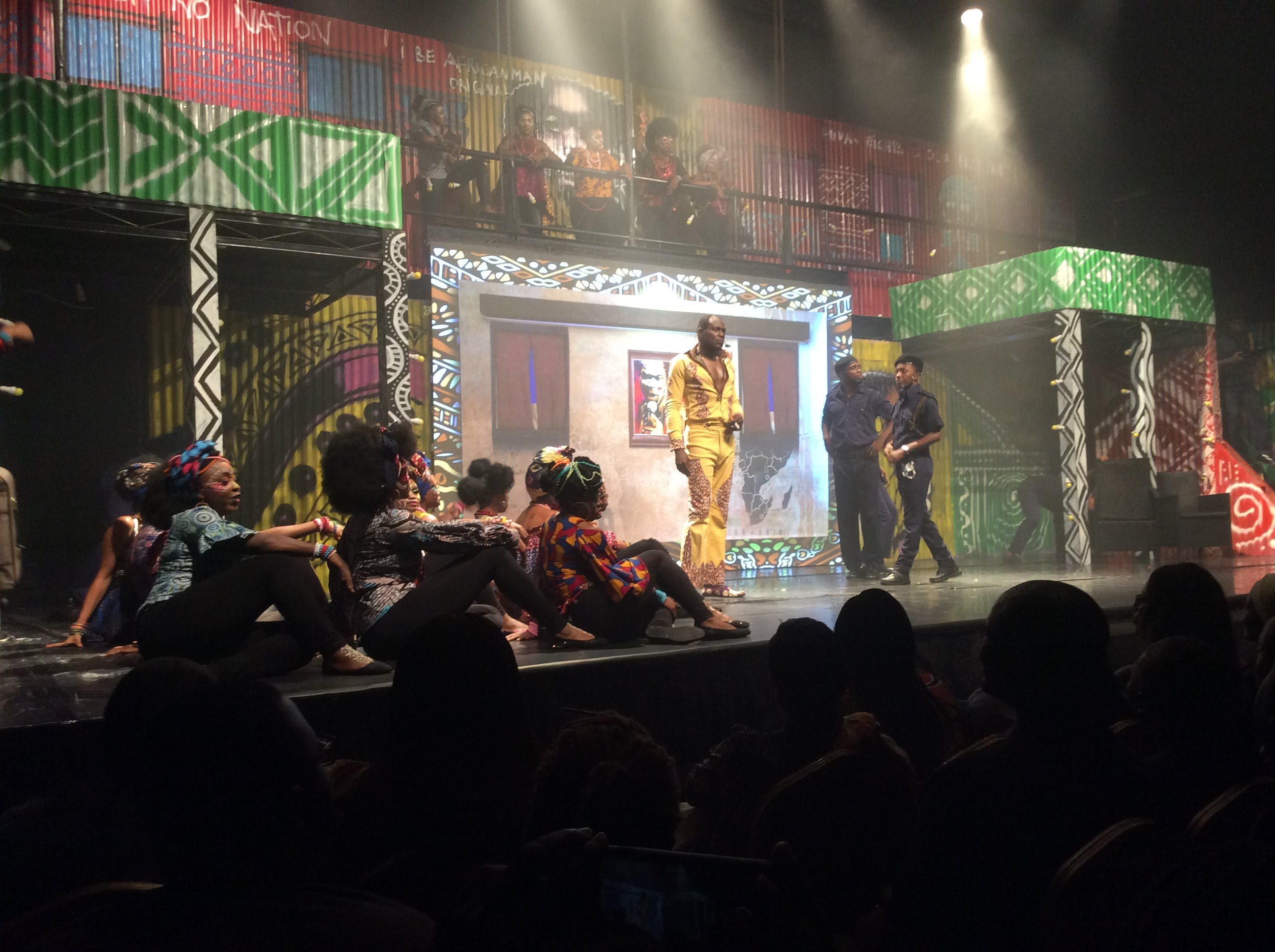
The play details the scorn these women faced from being with Fẹlá. Láídé says this. She tells us some of the adventures she had with Fẹlá and the other queens. She narrates the story the way a grandmother would tell stories to her grandchildren. This is not to say Láídé is in any way an aged lady. She is merely in her 60s but looks at least a decade younger. It is almost impossible to imagine her as the troublemaker Fẹ́mi calls her. (In return, she calls him “Ọmọ-ọmọ Ìyá Àjẹ́” – a nickname that continues the moniker that used to be attached to Fẹlá himself: Ọmọ Ìyá Àjẹ, meaning “the son of the witch-godmother”. The witch-godmother was Fúnmiláyọ̀ Ransome-Kútì. Ọmọ-ọmọ means “grandson”). She tells us of the numerous times the police arrested her and the queens, of how the queens beat the Ghanaian police officers who had arrested them, and how they were eventually deported to Nigeria. She says this amidst our laughter. Many times during the play, the women were referred to as prostitutes – ‘ashẹ́wó’ the policemen often screamed into their faces. Láídé who has probably heard this one too many times in her life, reminds us blatantly and continuously that the queens were not prostitutes. ‘We were not prostitutes,’ she says. But the relevant question here is not ‘who were these women?’ The question is, ‘why were they so keen on supporting Fẹlá? They supported him to the extent that they were raped and beaten by police officers. Why were they so ready to give it all up, in order to stand with this rebellious musician? And why did Fẹlá marry all 27 of them?
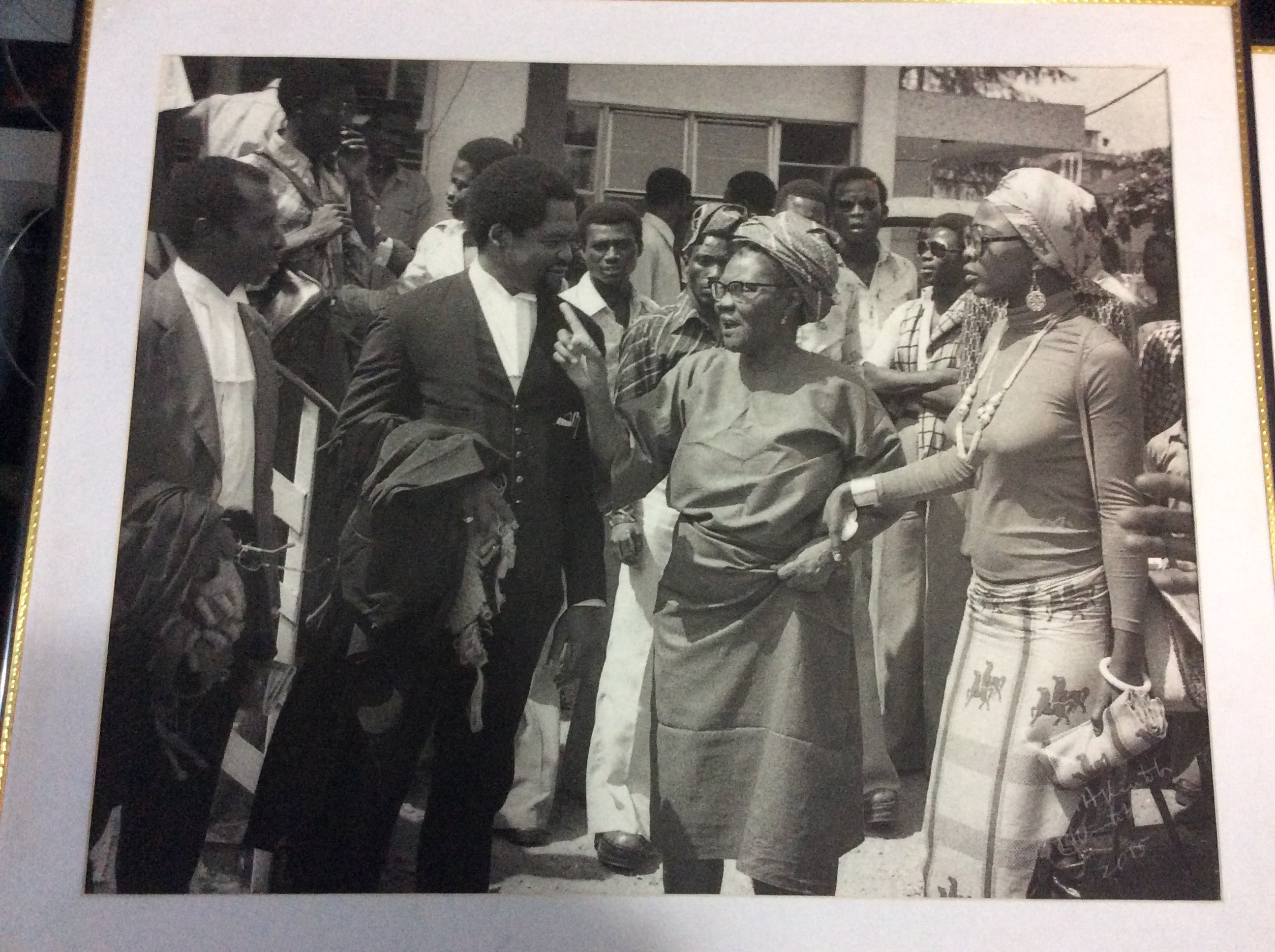
Fẹlá Kútì was absolutely nothing without his queens. Ọládọ̀tun Babátọ́pẹ́ Ayọ̀bádé writes in the dissertation the ‘Women that danced the fire dance: Fẹlá Kuti’s Afrobeat Queens, Performance and the Dialectics of Postcolonial identity’ that the women were indispensable actors in the making of Afrobeat music as well Fela’s rise to prominence as a musician and activist. The author adds however that their collaboration with Fẹlá’s anti-government ideologies as well as their often-eroticized stage performances made them special targets of state-organized violence and earned them contempt from the Nigerian society. In this play we see state actors vis-à-vis Nigerian police officers continuously demeaning and harassing them. On why they have been ignored by history despite their critical role in elevating Afrobeat music to a global level, the author writes: ‘they have been imagined as indecent underclass women undeserving of Afrobeat’s collective memorializing or as collateral damage of Fẹlá’s political and personal excesses.’
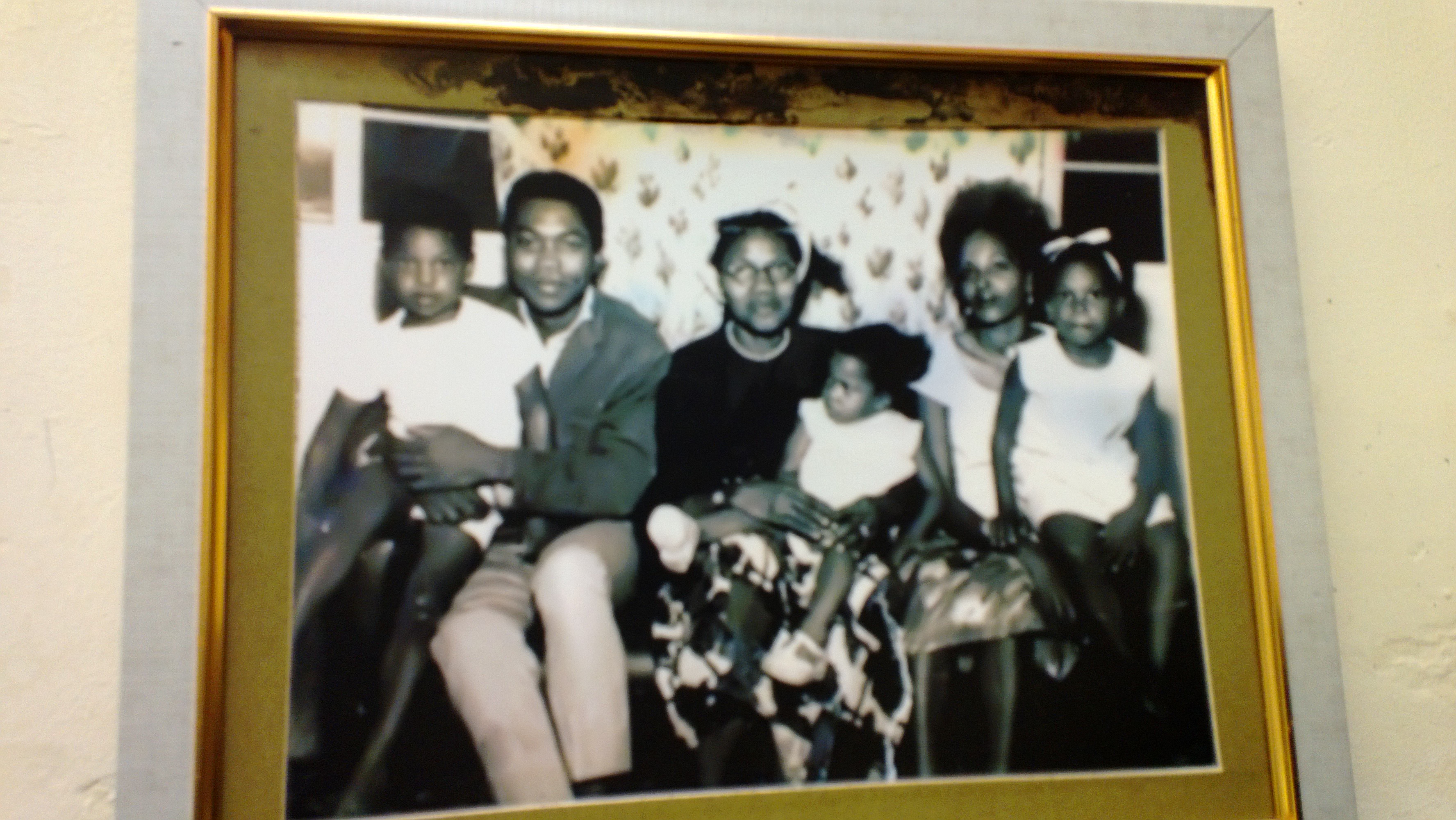
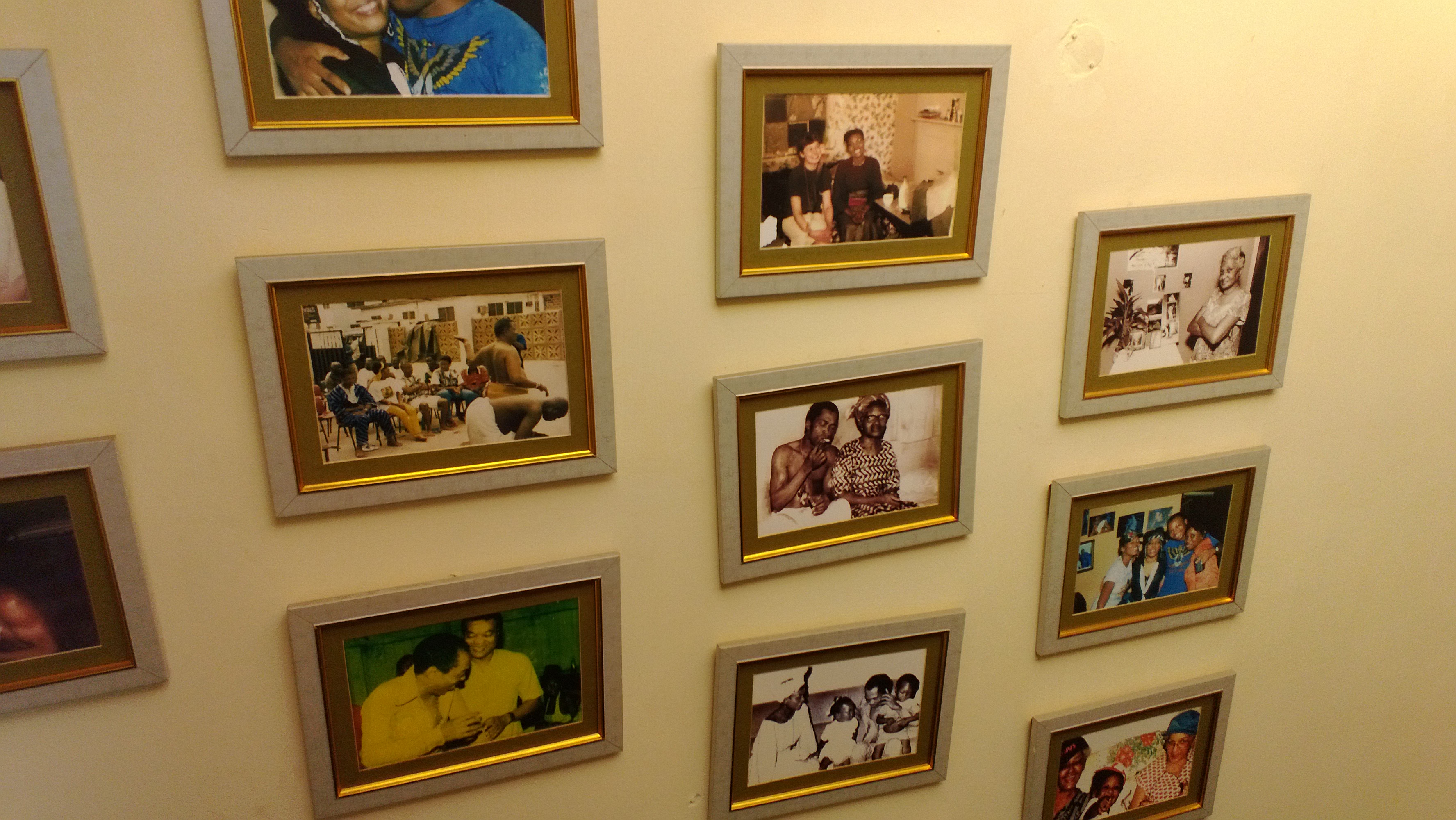
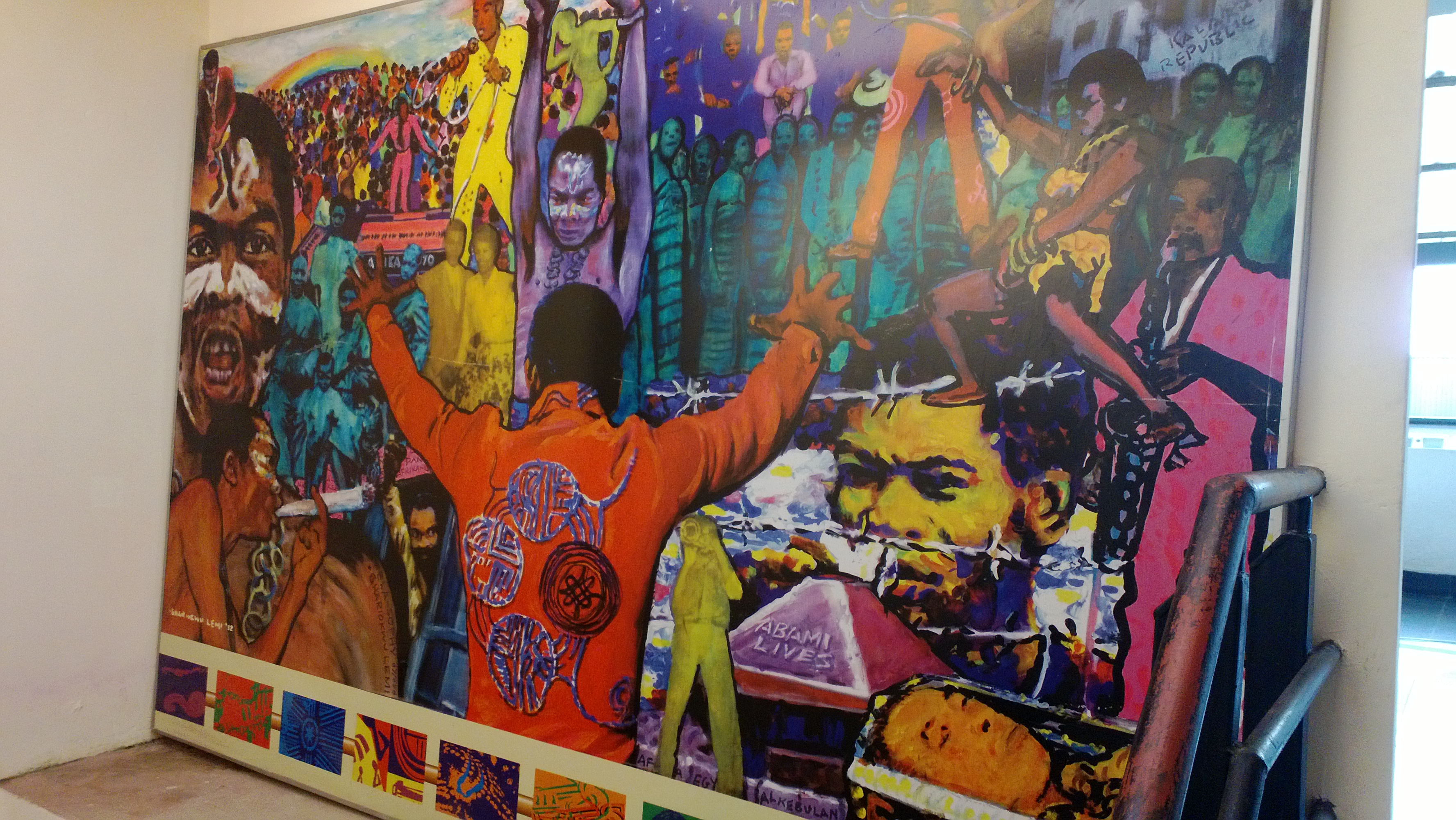
The play ran for nearly three hours. Starting around past three, music from a live band serenaded us while the lights were still on and people networked, or caught up with old friends. The music gave off Yorùbá party vibes that I felt were just right. This set the stage for the play. But the Fẹlá vibes did not start here. At the entrance, there is graffiti and the words “Afrika Shrine” inscribed. In the ticketing area and beyond, you are welcomed by photographs of the Kalakuta Queens, of Fẹlá and some of his more famous quotes like “water e no get enemy.” This gives you goosebumps even before Fẹlá’s incarnate walks on stage. When it is time for the play to begin, the lights dim. A eulogy of Fẹlá opens up the show, intensifying the mystery and its spirituality.
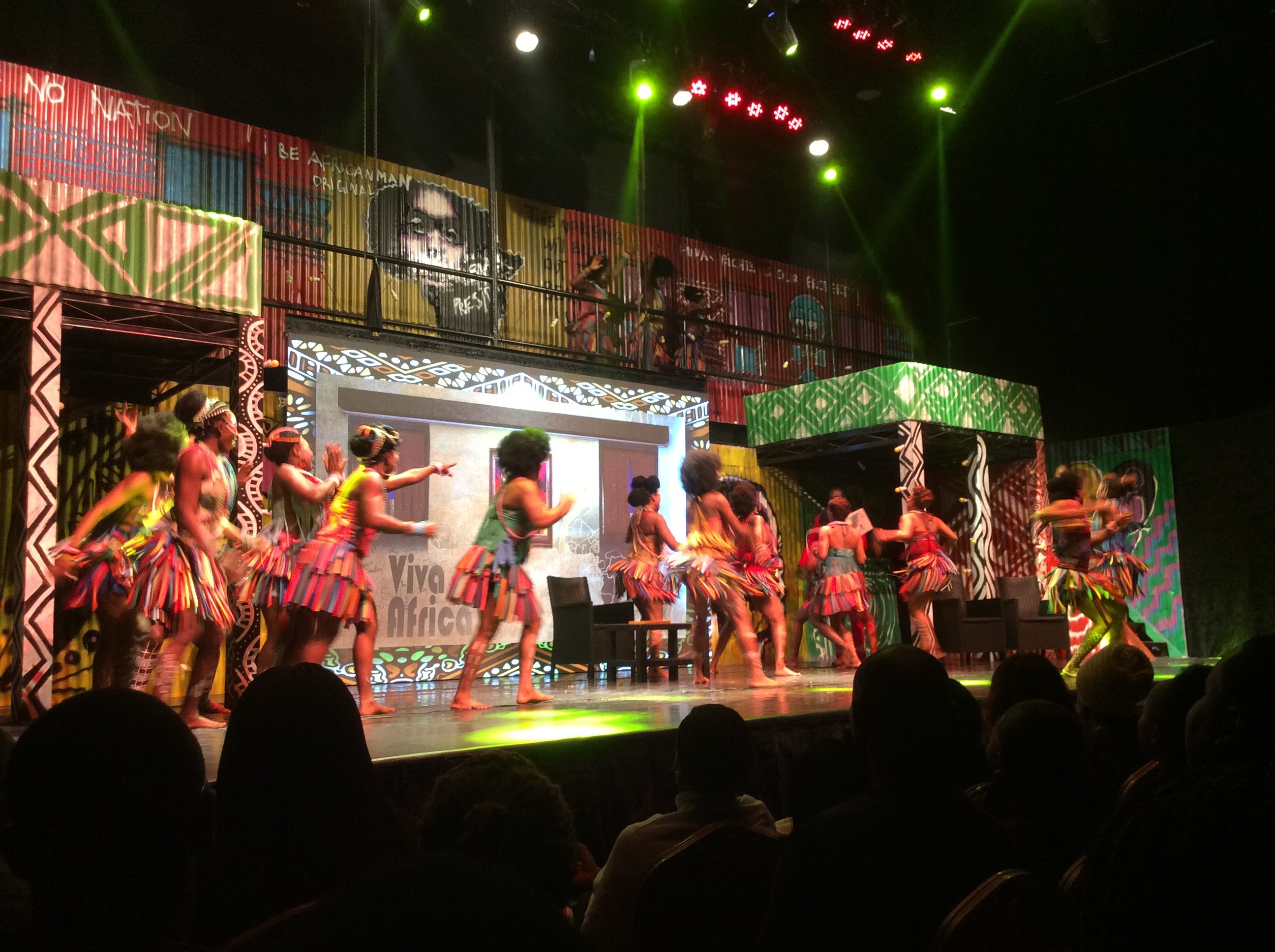 There is a tendency to criticize Nigerian stage plays – at least the popular ones, as being too musical in nature. Critics ascribe the stunted growth of Nigerian theatre to this, poor plots and terrible acting. Theatre critics also attribute the lack of growth to lack of theatres and other like spaces. While these concerns are valid, Bọ́lánlé Austen-Peters has carved out a niche in musical stage plays that continues to thrive. The construction of the new Terra Arena where Fẹlá and the Kalakuta Queens holds, further reduces the dilemma. Previous BAP productions: Saro and Wakaa the Musical held at the Muson Centre. Muson is a great space, but it is not necessarily homely. I find that what the less than spacious Terra Arena theatre does is to make things somewhat informal and yet attractive. Brymo’s concert in December attests to this. And this, I feel, is one of the reasons Kalakuta Queens was such a hit. Characters from the play sometimes walk from amidst the audience unto the stage. The audience itself is more often than not a part of the play in the way we raise our hands up in salutation to Fẹlá, sing along, and cheer with every performance.
When they perform for the first time, they are dressed in white costumes their faces painted in different colors, shapes and lines. They dance in red light and other times in blue, green and yellow lights. Their entire look, from their natural hair wigs to colourful costumes and bead ornaments made the play authentic. It was increasingly important for me that the originality of the entire play went beyond Ọláìtán’s close resemblance to Fẹlá. I wanted to feel this same sense of originality with the other characters. BAP did not disappoint. In 1983, Bernard Matussière took some beautiful shots of the Fẹlá queens. In the main, their portrayal by the actors in this show hews as close enough as possible to a true approximation of their appearance, skills, and dance dexterity. Around the world today, several stylists and fashion icons have drawn inspiration from the bold makeup and hairstyles of Fẹlá’s wives.
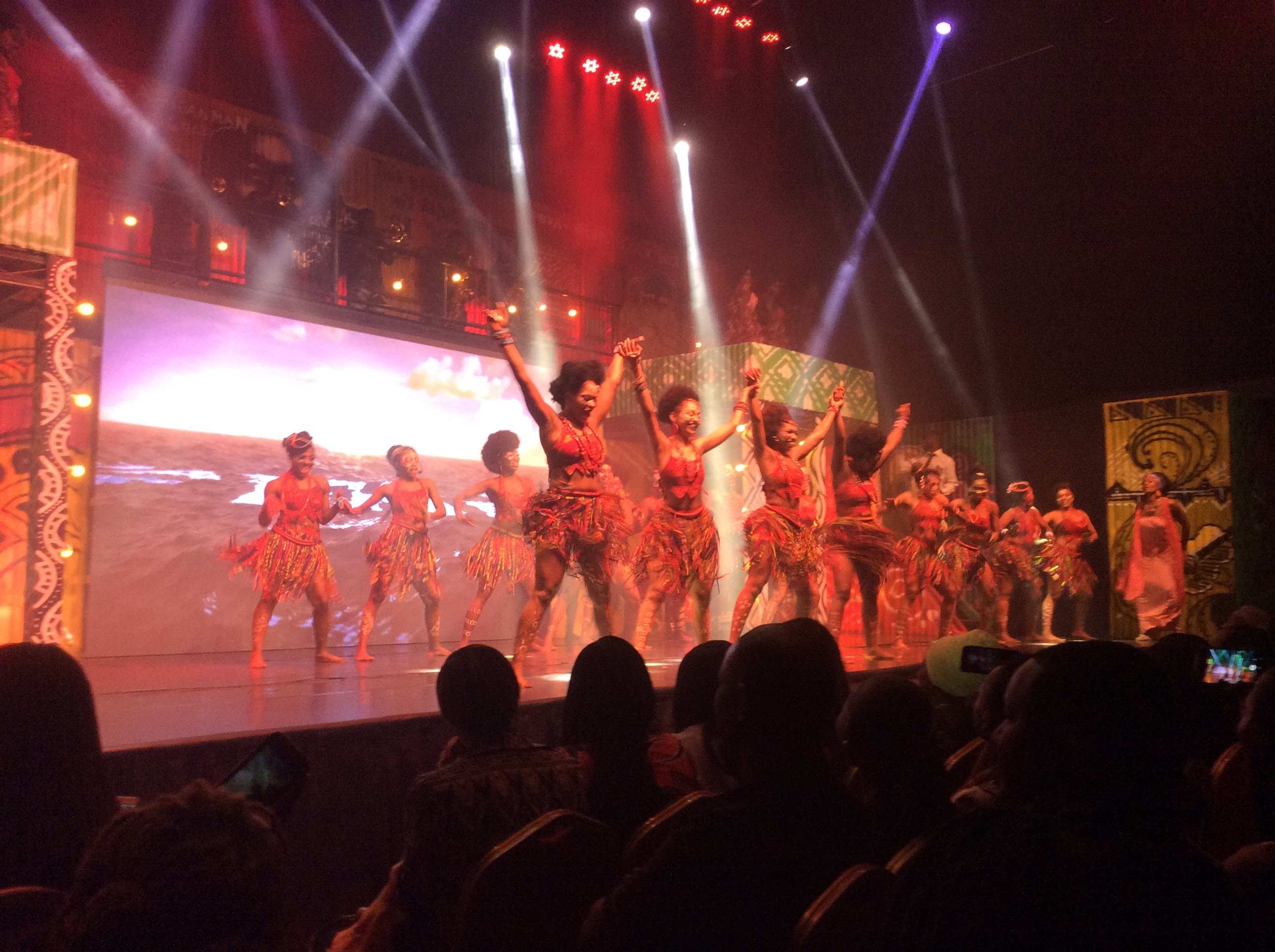
The beauty in their choreographies and dancing cannot be overemphasized. Their moves certainly mesmerized the audience. Through the show, I imagined their motions being trapped into an art frame and exhibited like photographs. Though Fẹlá’s 10 to 20 minutes songs have a life of their own, the dance these women brought to accompany them gave a deeper meaning to what it means for a song to be alive. It is without a doubt that the dancing of the Kalakuta queens made Fẹlá’s songs a complete package back then, as they did on stage during the play. It was a whole new level of energetic, sensual and majestic.
The play is hilarious. Think of the way in which Lọlá Shónẹ́yìn’s Secret Lives of Baba Segi’s Wives is hilarious, the way in which it showcases a Nigerian polygamous home and is still poignant but not crude in the messages it passes. It is in this same way that Fẹlá and the Kalakuta Queens is hilarious and serious at once. The women struggle and compete for Fẹlá’s attention. They plot against and fight with one another, often using music and dance to pass on their messages. They find a common rival in the beautiful Malaika, the woman from London who says she has come to study Fẹlá and the queens, particularly the queens. They become agitated when they notice that Fẹlá has fallen for her, and that she has gained monopoly over the Kalakondo. As with when they stand with Fẹlá, they unite as one in order to throw her out of the Kalakuta Republic. It is interesting though, that while the women stand with Fẹlá when he is arrested, Malaika does not, further establishing her traitor-hood.
 A particularly interesting scene is the court scene. After Fẹlá is arrested the first time, he is taken to court and charged with the abduction of the girls and possession of marijuana. He pleads not guilty and the judge asks the lawyers to present their case. The court clerk is a side-splitting character who seemed to overdo his role but still got the audience laughing. The claimant’s counsel presented witnesses who were emotionally inept at giving a clear and concise testimony. The first witness, Láídé’s mother, cries all through her testimony at the witness stand. The second witness is an aunt to one of the queens, Lará. Though she does not cry, she still presents a poor testimony in poor English. The two women stare at Fẹlá accusingly. While they can prove no clear case against the musician, there is another perspective when Lará’s aunt reveals that her niece is underage. On this count and on the count of being in possession of marijuana Fẹlá is convicted and sentenced.
The women call Fẹlá ‘king’, ‘Black President’ and ‘Abàmì Ẹ̀dá.’ He calls them his queens. He says, “I love all my queens. They are unpretentious and are ready to battle with me. Without them, I am nobody”. When Fẹlá decides to marry the women, he does not do it for selfish reasons. He learns that his queens are unhappy because despite standing by him, despite being dancers, singers and activists in their own right because they are women, they would never do right by society. People would continue to mock them and refer to them as ‘ashẹ́wó’. So he felt the right thing to do would be to marry them. At first, people – his lawyer, Tunji Braithwaite inclusive – try to dissuade him from marrying the twenty-seven at once. He is told that he would be prosecuted for bigamy. But this does not move him. The women are delighted to hear he is going to marry them. In an article on She Leads Africa, Halima Bakenne writes, “Marriage offers some form of validation for women in Nigeria and maybe even other parts of Africa. It is believed that irrespective of what a woman achieves, she is nothing without a man.” This succinctly describes the motive behind Fẹlá’s marriage to the queens. A priest conducts the marriage ceremony. This is followed by a brief performance after which the show ends.
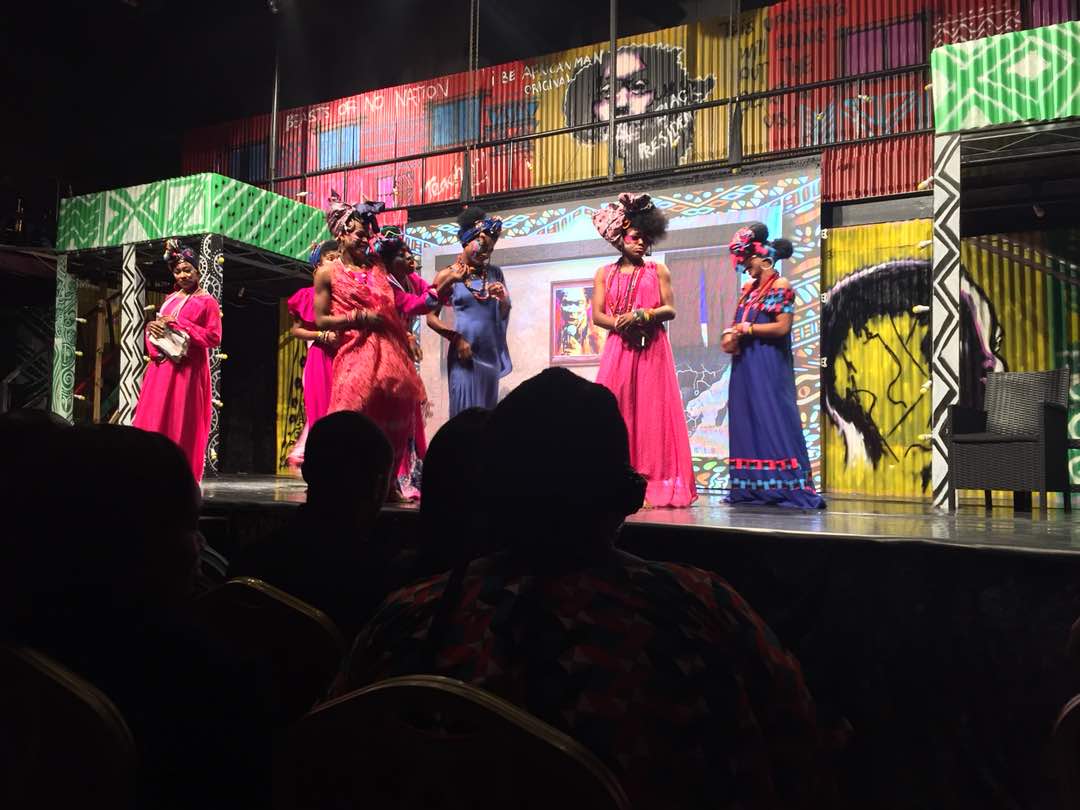 One of my favorite scenes in the play is Ihase’s performance. After the police destroyed their house and abused them, they were taken to the hospital. At the hospital, Ihase broke into soul-wrenching music. Her powerful voice reverberated across the quiet, still hall. In this same scene, Fẹlá is being treated on a gurney and behind him, in the projector, his spirit is depicted as coming out of his body – death and later on, as the music intensified, returning. Fẹlá Kútì later confirms that his father had mentioned that he once died and returned. This scene is also painful to watch. It reminds me of war-torn countries and daily domestic and street violations of women in Nigeria. It reminds me that sexual assault and domestic abuse are still endemic in our society, just as they were in the 80s. It reminds me that while most of the world has joined in on the #MeToo movement, Nigeria is still lagging behind.
 There are so many take-homes from this stage play, like most stage plays and generally from Fẹlá’s life. Despite his many flaws and the seeming patriarchal nature of his relationship with the queens, he never disrespected them. He treated them equally. Their place in history has been reintroduced and there’ll hopefully be more public recognition and appreciation for their role in his life story as time goes on. When I climb the stage to take a picture with Láídé after curtain call, I smile at her and kneel beside her. I say to her: ‘thank you for sharing your story with us.’
___
The play/musical Fẹlá and the Kalakuta Queens ran from mid-December 2017 to January 14, 2018 at Terra Kulture Arena. It is billed to return in April 2018. Photo credit: KTravula.com, Tobe, and Kalakuta Museum.
___
Ọpẹ́ Adédèjì dreams about a lot of things but most especially about bridging the gender equality gap and working with the United Nations. If you do not find her writing, you would find her reading a novel. She is the co-founder of Arts & Africa.