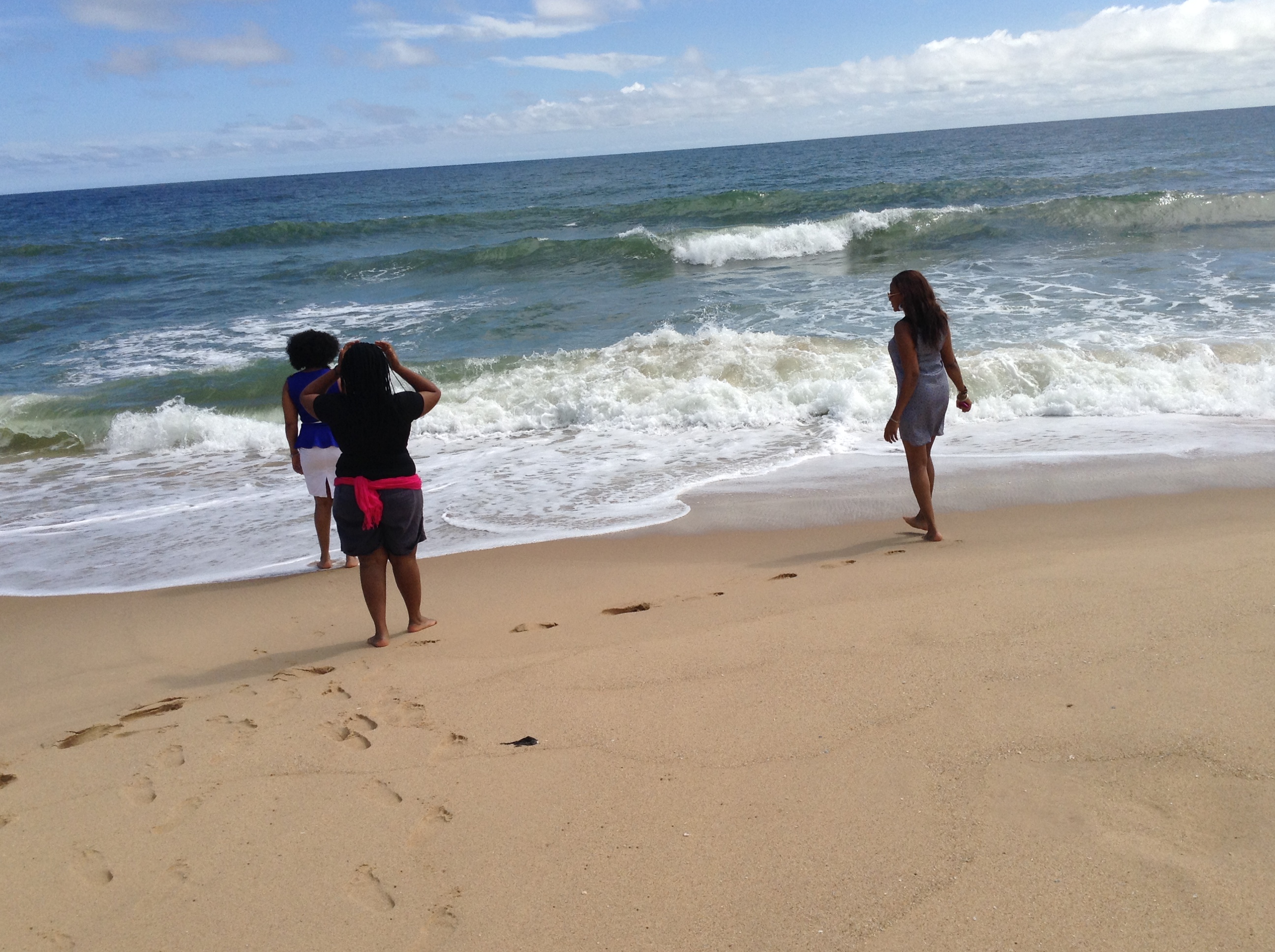
Places: Atican Beach Resort

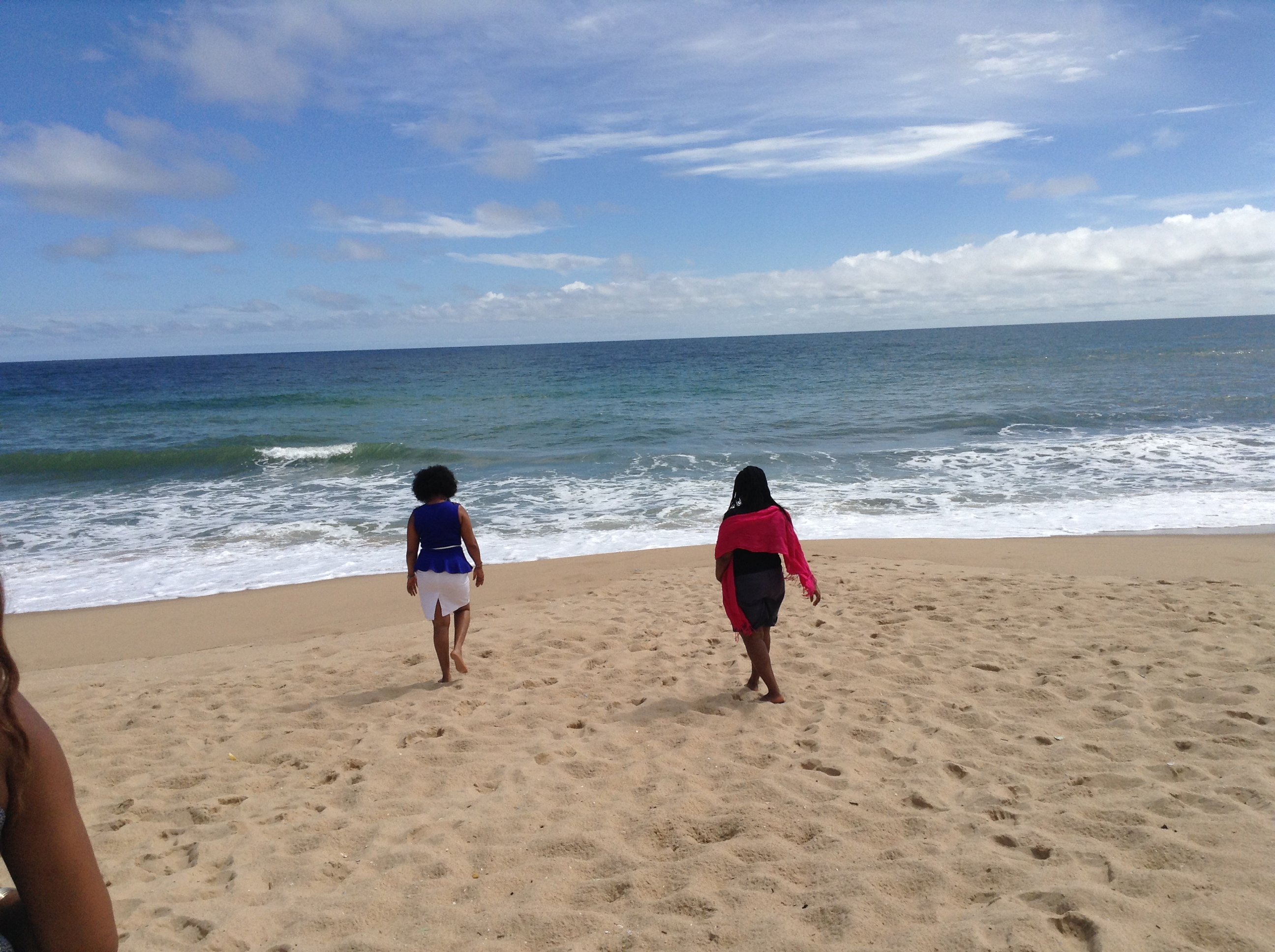
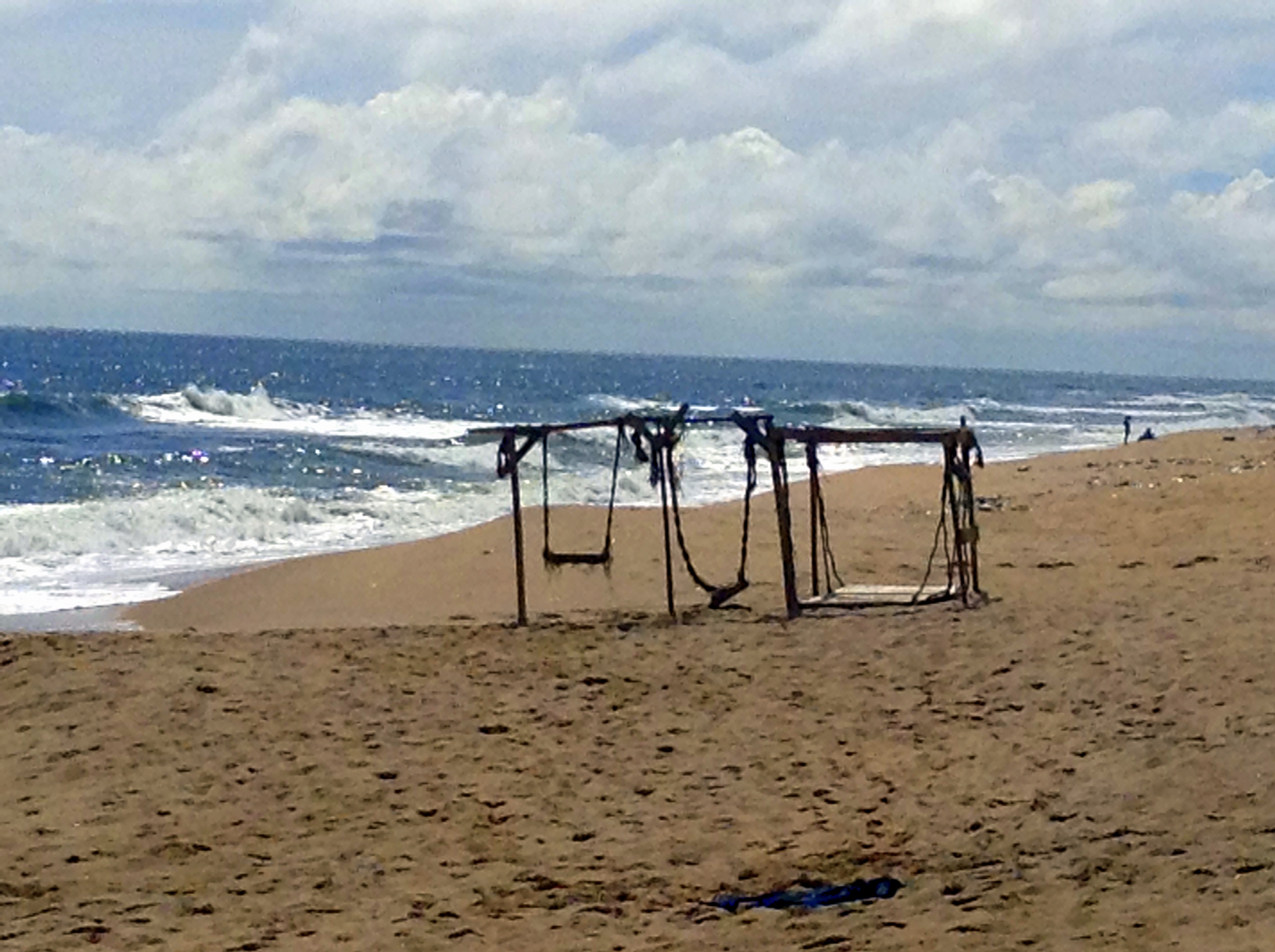
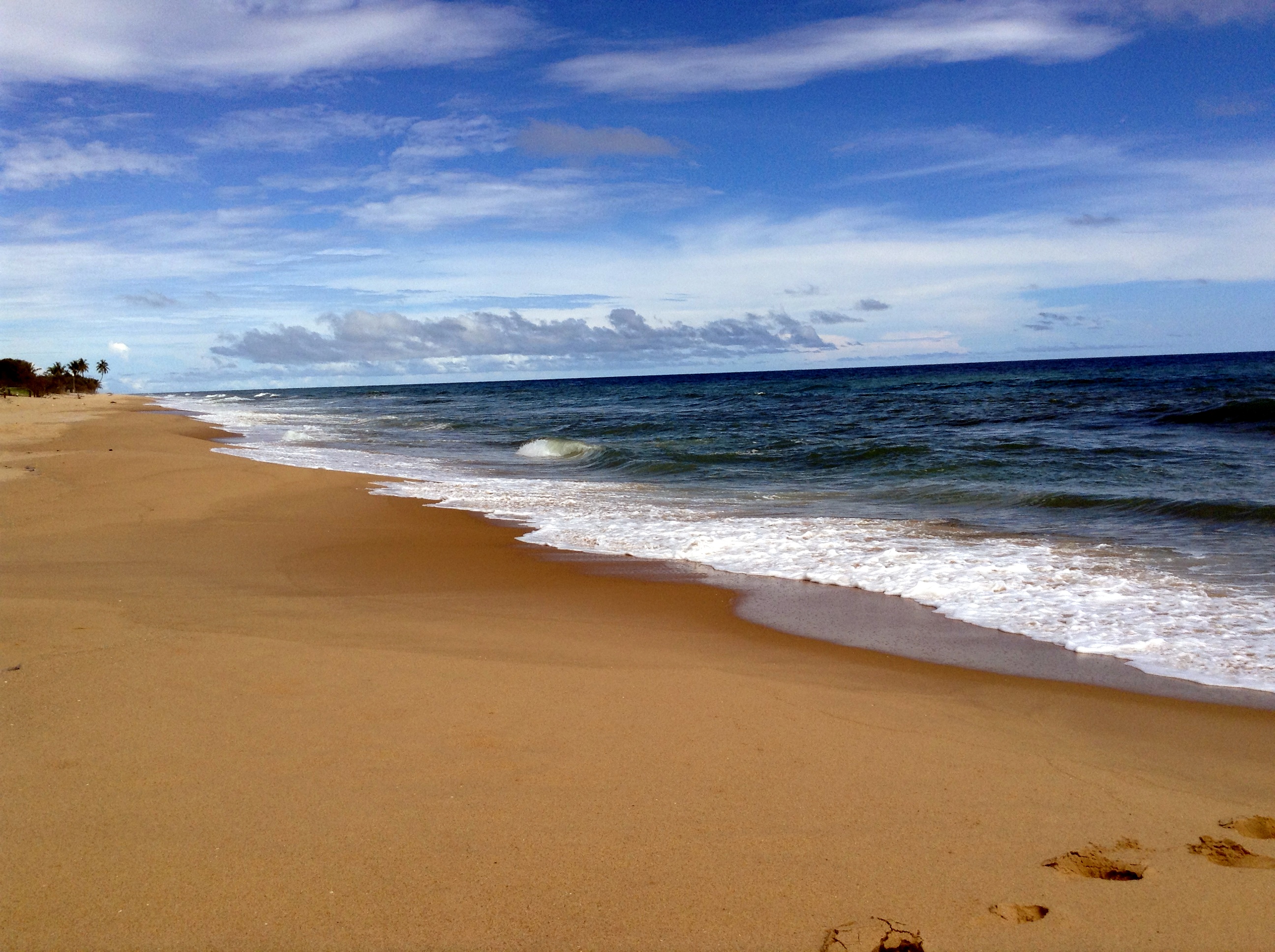
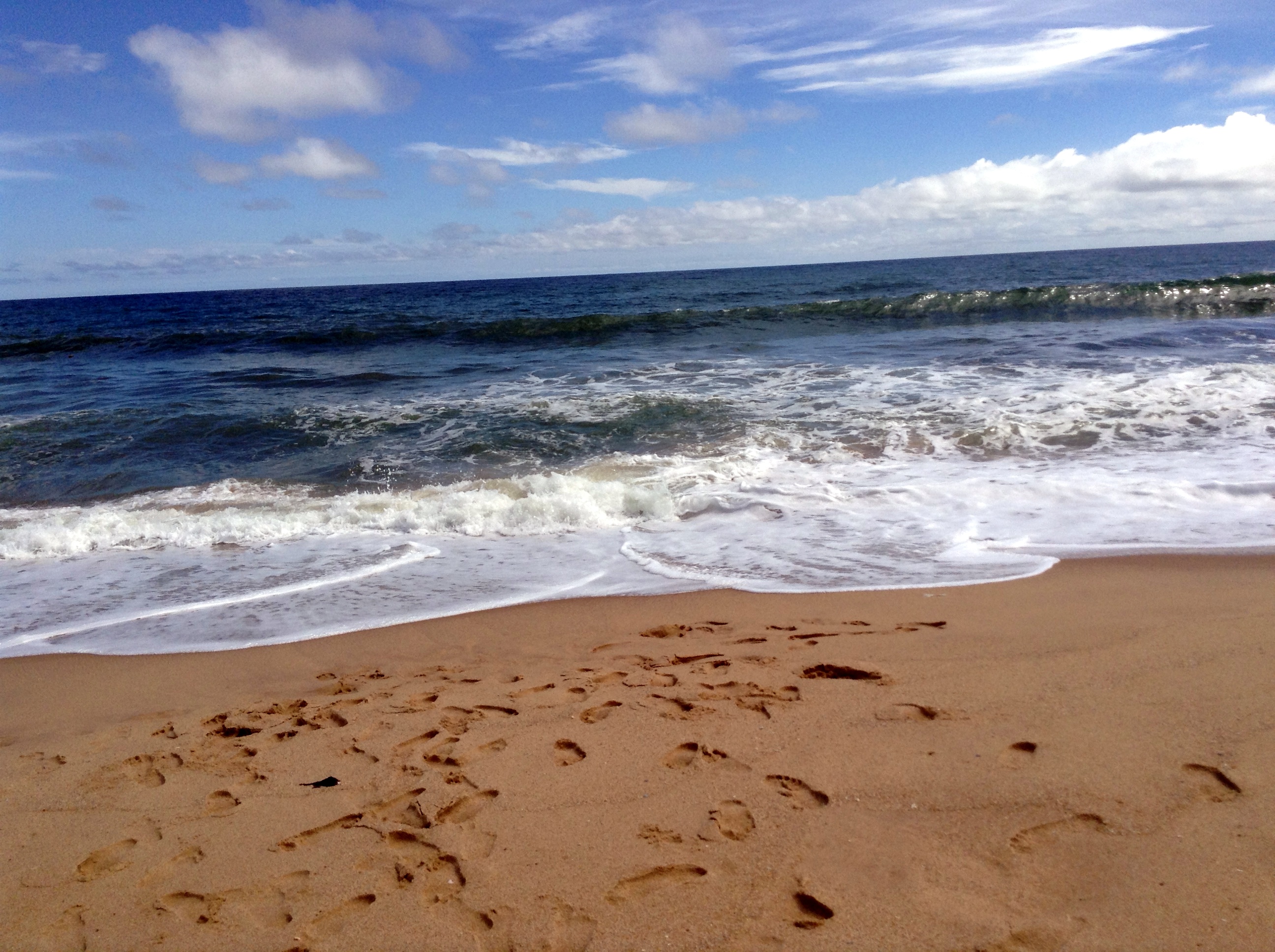
IMG_0280IMG_0382IMG_0300IMG_0293IMG_0287I’d refrained from visiting any more beaches in Lagos because my earlier experiences weren’t impressive: crowdIMG_0346ed and unsafe parking lots, extorting touts, exorbitant beers, unsafe environment, dirty sand/vicinity, etc. (I’m talking to you, Bar Beach, Lekki Beach, Elegushi Beach…).

However, what I heard from a trusted friend about the Atican Beach resort convinced me to give it another shot, so I went there a couple of weeks ago. It was one of my most enjoyable beach experiences anywhere. It is clean, safe, private, and has a parking lot that is removed from intruders. Gate fee is 500 naira ($3)

Here are a few pictures. If you ever have the chance, you should pay it a visit. It’s a great place to relax. If you’re a lover of palm wine, this beach is also a good place for a good supply.
Barrett and Wainaina in Lagos

PRESS RELEASE —

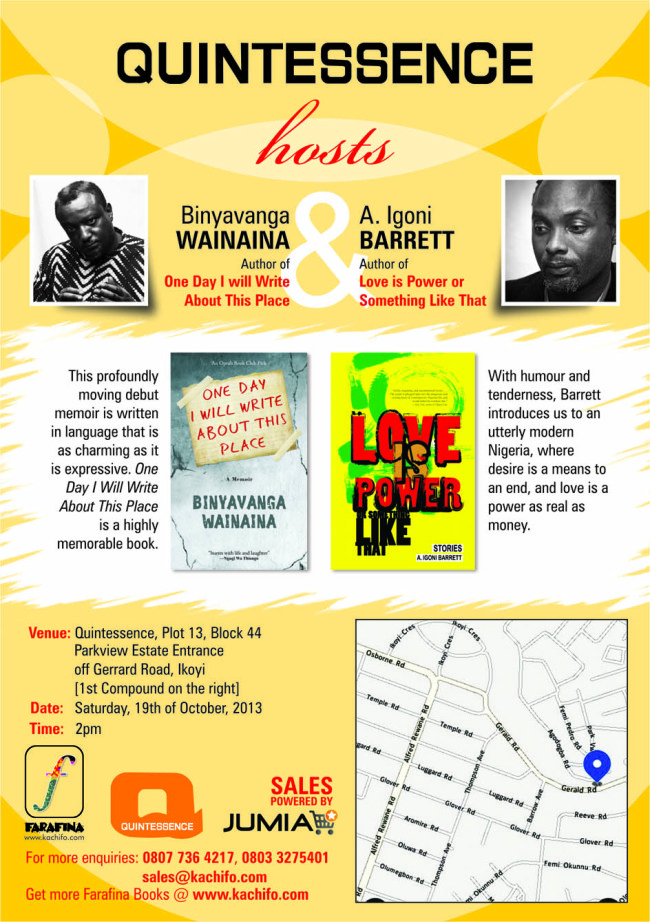
Twitter09e4c13_jpgQuintessence will, on Saturday the 19th of October, host the first readings of the Nigerian editions of critically acclaimed books by two authors.

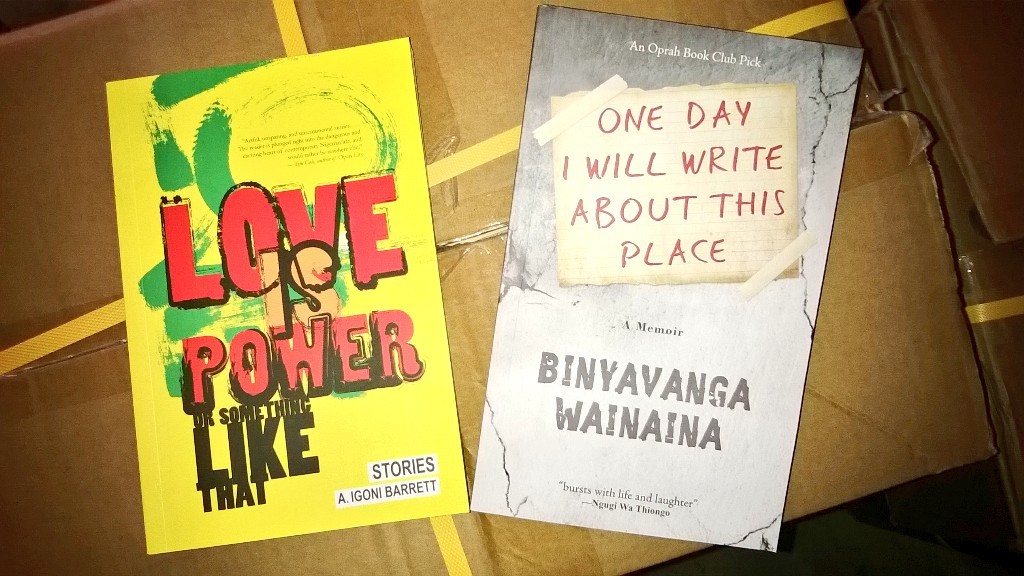
book-reading-quintessenceIgoni Barrett’s Love is Power, or Something Like That has been described as “Something alive, like that,” by none other than Nadine Gordimer. In this, his second collection of short stories, Igoni, with humour and tenderness, introduces us to an utterly modern Nigeria, where desire is a means to an end, and love is a power as real as money.

Binyavanga Wainaina, storyteller, essayist, and force of nature, won the Caine Prize in 2002 for his short story cum essay Discovering Home. This brilliant story has now been fleshed out into the incredible memoir of life lived, and home found, One Day I Will Write About This Place.

At 2 pm on Saturday 19 October 2013, Farafina presents the Nigerian editions of both books at the event of the year: Igoni and Binyavanga under one roof. We hope you can attend this double-billed reading, which will hold at Quintessence, Plot 13, Block 44 Parkview Estate Entrance, off Gerrard Road, Ikoyi. This links to the a blog post with further details of the event is here.

Fagunwa Meets Adichie

Daniel O. Fagunwa (foremost Yoruba novelist) to Chimamanda N. Adichie (contemporary novelist):

Let me leave you with a prophecy. After all, what sort of ghost would I be if I didn’t say something profound about the future? Here it goes:

‘The great African novel will come. But it will not come from writers who insist on writing stories that mirror an African reality that they have reduced to a set of social issues. It will not come from the Afropolitan generation who mistake affluence for worldliness. It will not come from realism because Africans do not like the cannibalism of being fed repacked versions of their own lives. It will come from a mind that understands what the people want, their deepest darkest fears, the archetypes that shape their dreams, the past they’ve placed beyond memory and that has for that reason become their future, their delirious present, their sadness and their fantasy. A mind that imagines a story that is an alchemy of all these, that creates out of these something strange and beautiful, something that Africans understand whether the rest of the world gets it or not, a story that Africans can hold up as a mystery that dissolves their differences. That mind is the African writer to come, the messiah that, like other messiahs, “will only arrive when we no longer need him.”’

Read the rest of the stimulating fictional metadrama here. (via Brittle Paper)

Beautiful Song

by Lianne La Havas (from Black Cab Sessions) Enjoy.

Lianne La Havas from Black Cab Sessions on Vimeo.


How are Yoruba speakers using Twitter?

KT: Same as everyone else. Code switching with English or whatever language soothes their need at the moment. This is fine. I think it’s important to mention that our intention at the start of the Tweet Yoruba project was not to turn every Yoruba speaker on twitter to monolingual Yoruba tweeters. No, it was to encourage use and improve the current attitude to indigenous language use anywhere. Yoruba just happens to be the language I’m most familiar with. I am interested in (and always encouraged by) indigenous language use anywhere/everywhere, even along with other international languages, until the attitude that one of them is inferior on the basis of the number of speakers is discredited.

Excerpt from my interview with (Egbunike Nwachukwu 0f) Global Voices. Read it here.