Writer Things at the Freedom Park

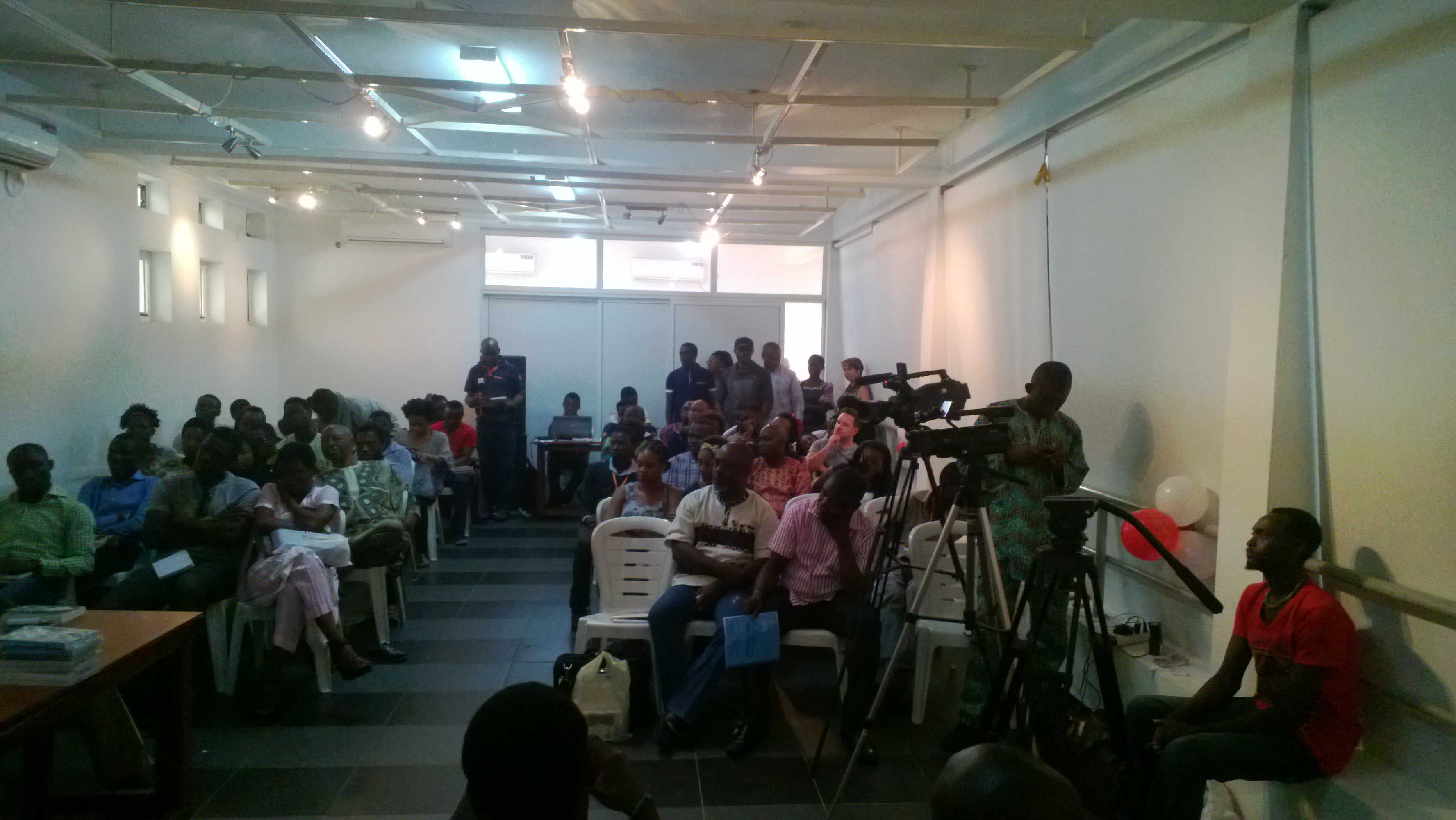
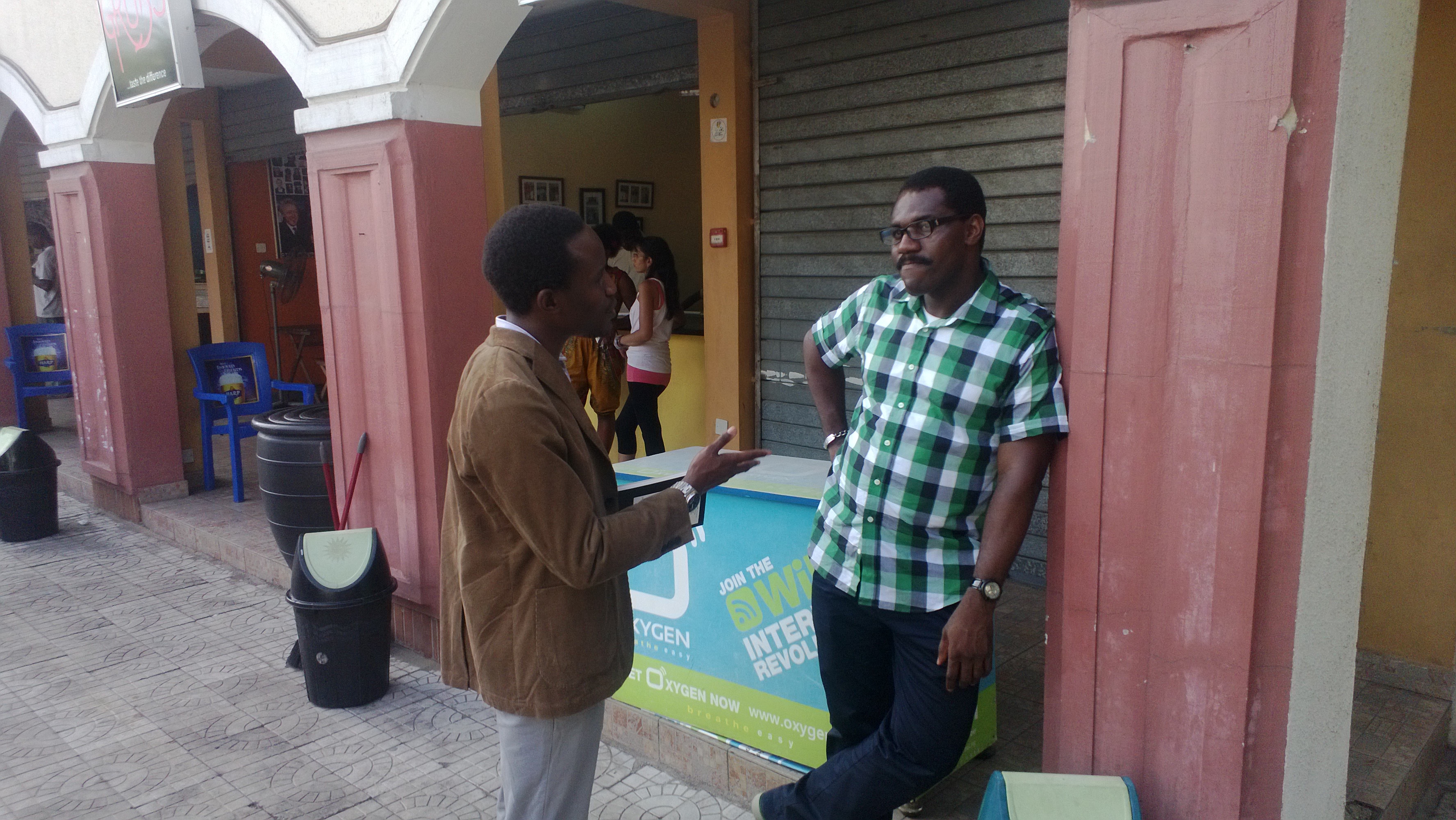
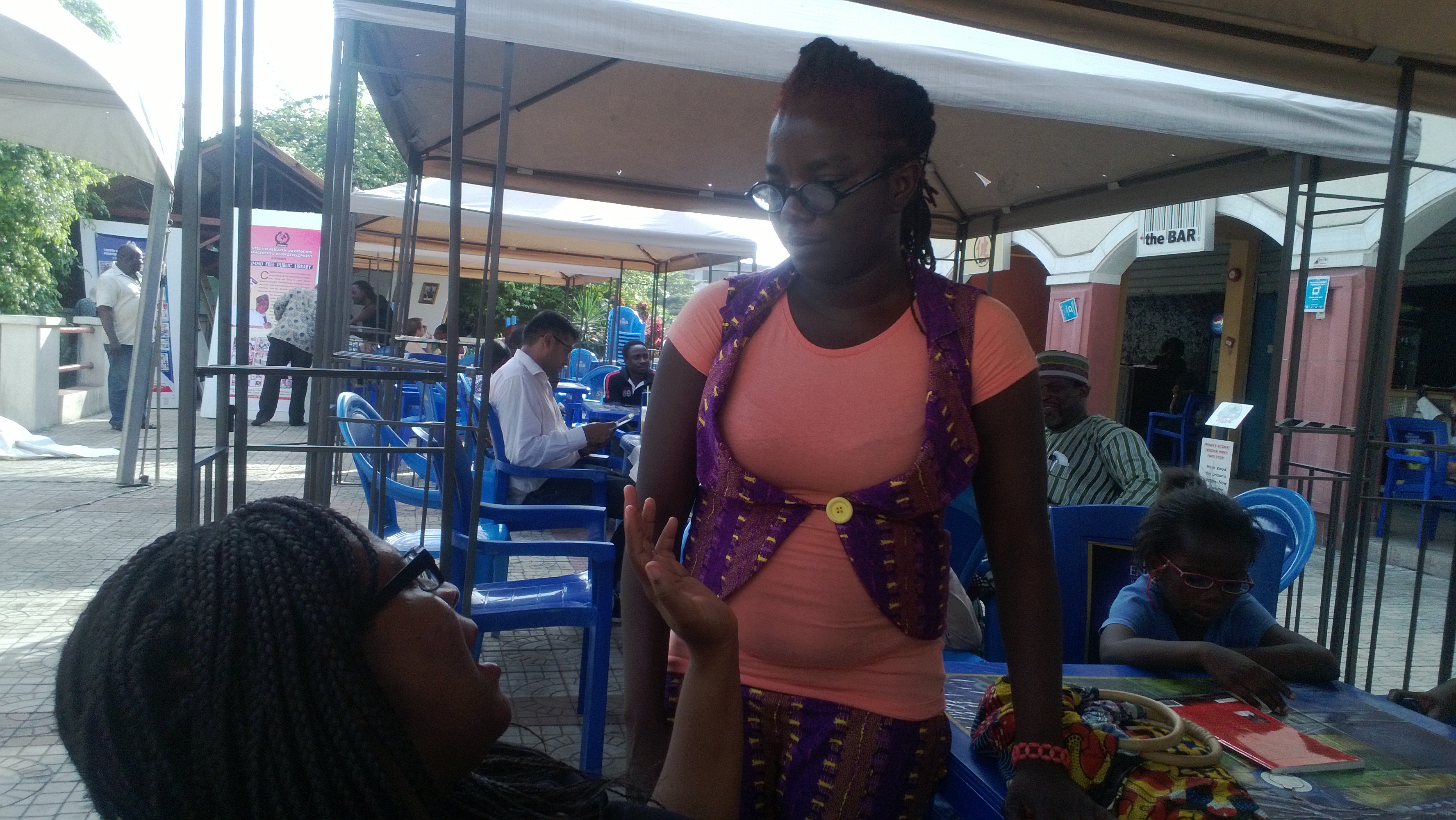
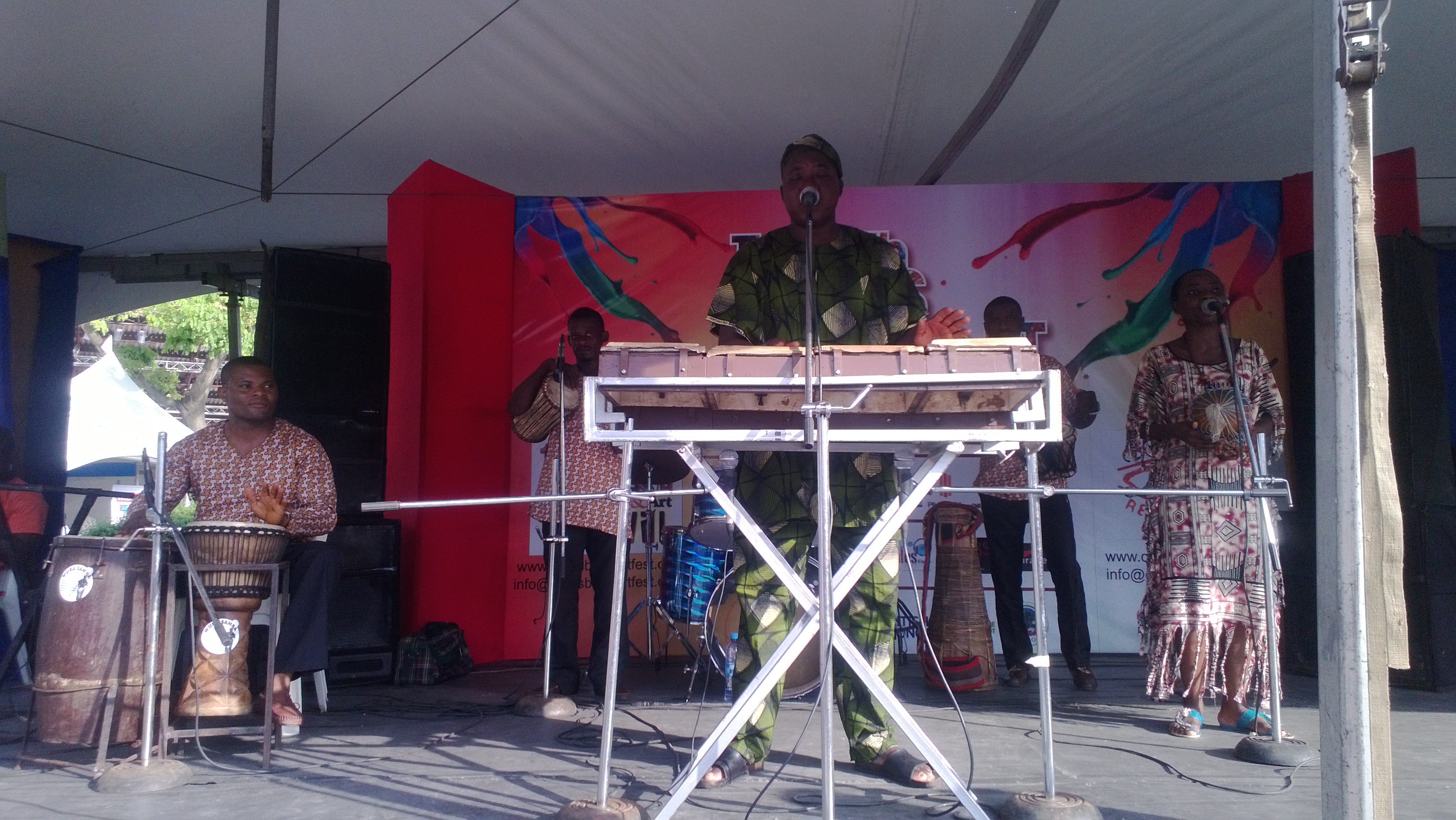
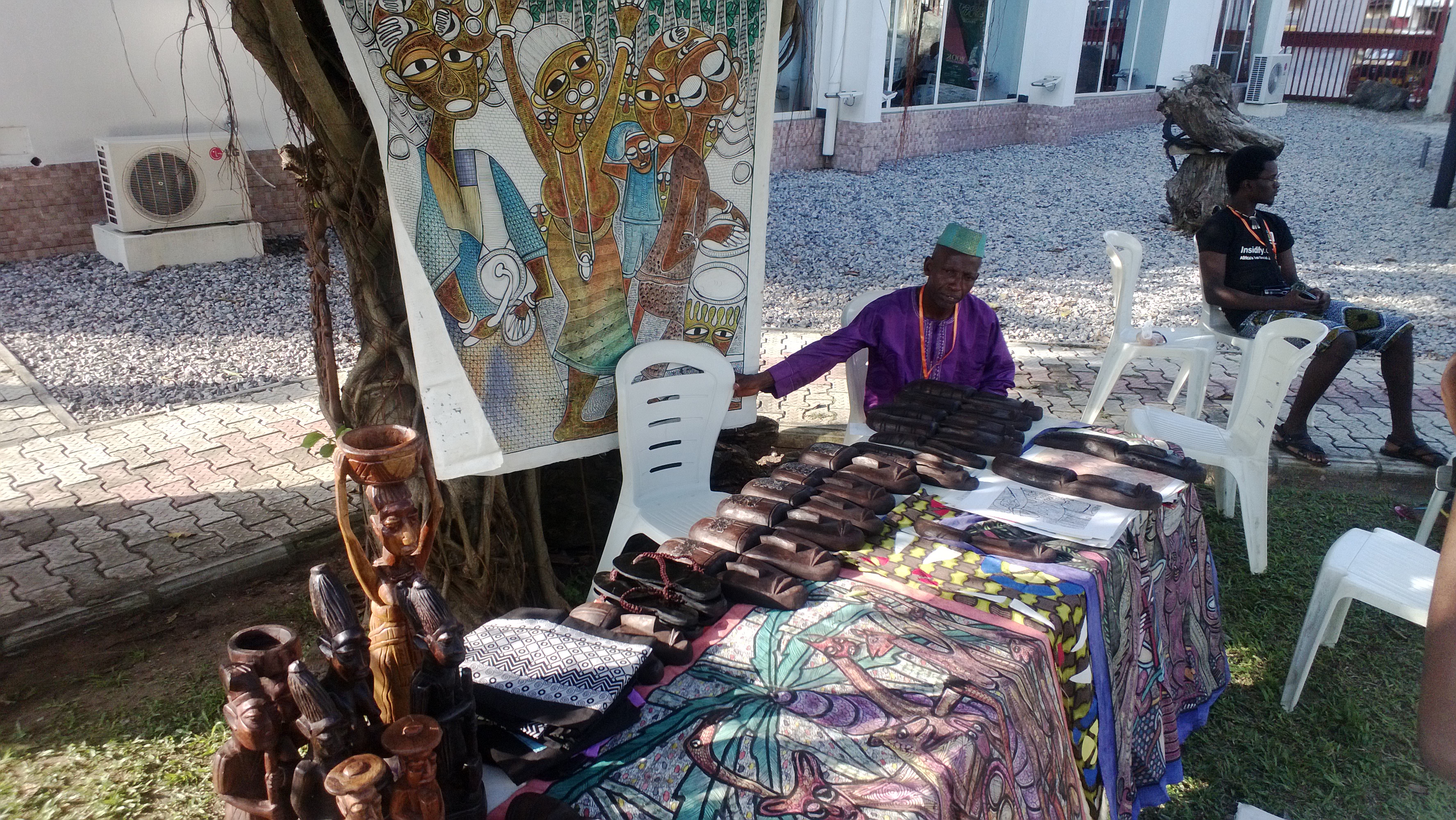
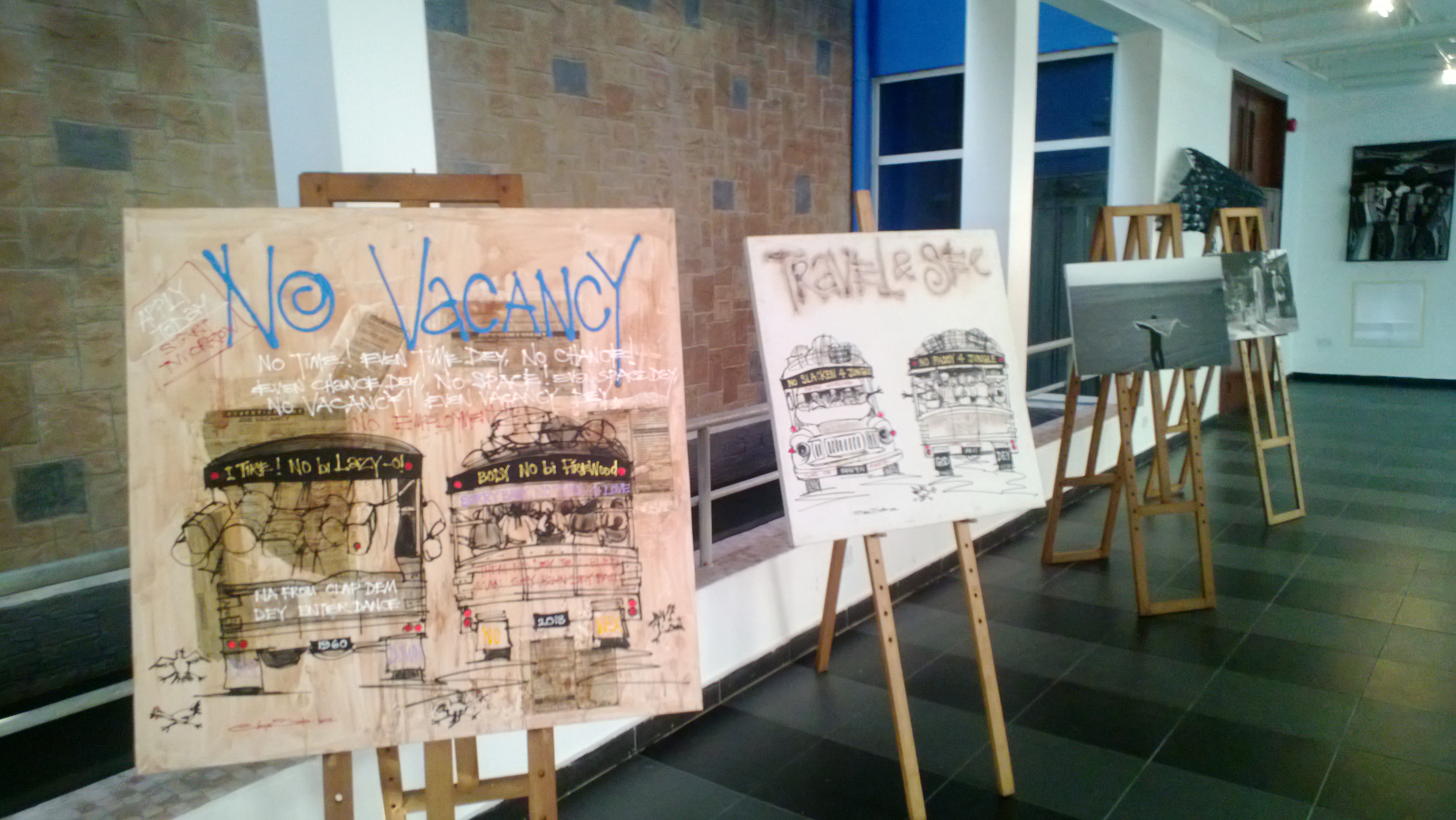
WP_20131116_017WP_20131116_024WP_20131116_026WP_20131116_021The Lagos Arts and Book Festival (LABAF) has come and gone, occupying the spaces of the (now named) Freedom Park on Broad Street. The annual event organized by the Committee for Relevant Arts (CORA) took place between 15th and 17th November, and it featured a number of art-related activities from “Art Stampede” to “Book Trek”, “Jazz Nite”, “Writers’ Seminar”, “Musical Concert”, “Visual Art Exhibition”, among others.

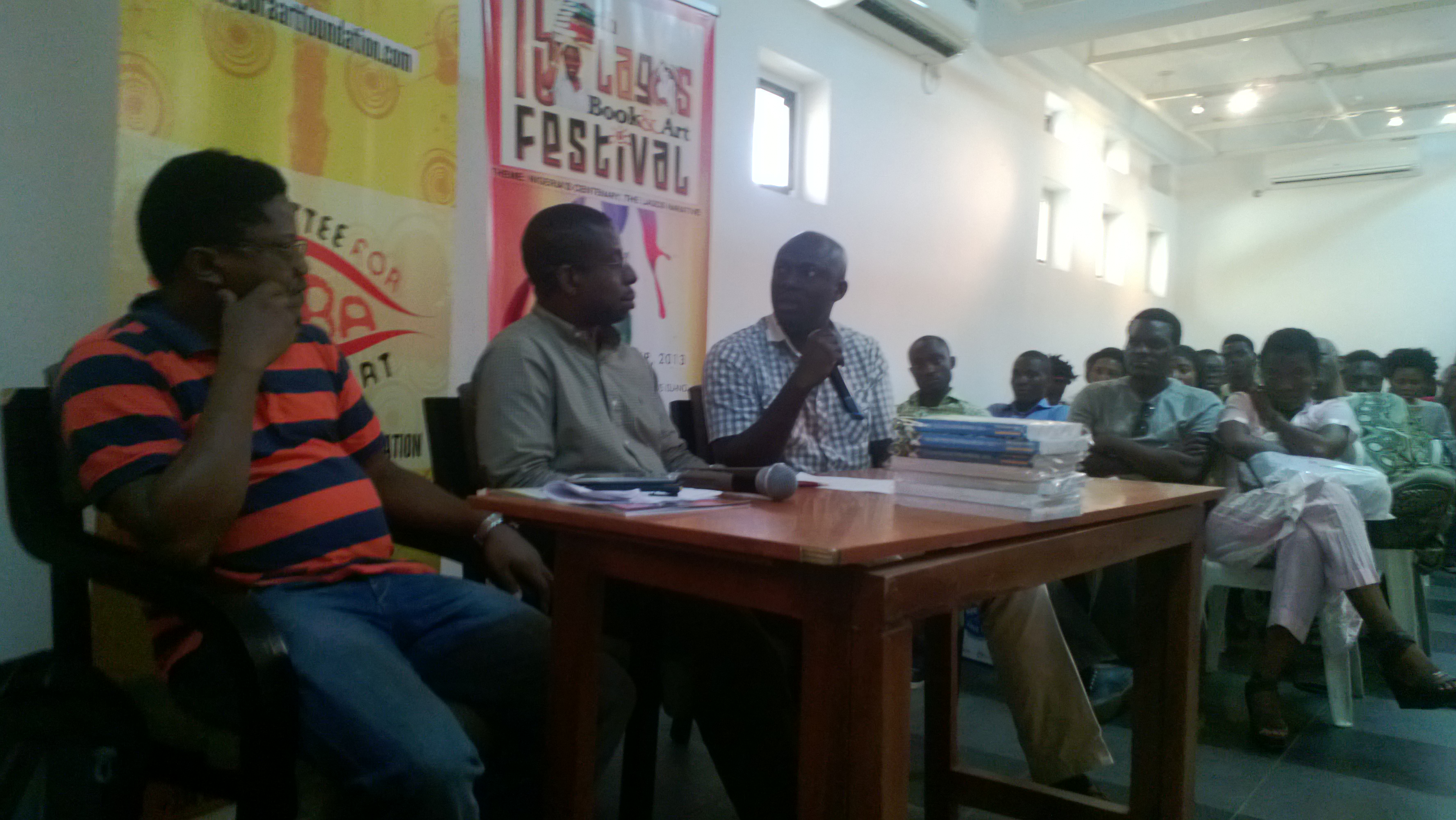
I attended one day of the events on Saturday, which featured a colloquium/workship titled the Caine Prize for Nigerian Writing. It featured discussions by Caine Prize Winner Rotimi Babatunde and Caine Prize Nominee/Finalist Elnathan John. The session was moderated by James Baldwin lookalike Ogaga Ifowodo. Conversation ranged from the influence of foreign money in African literature prizes (with Elnathan taking the position that the source and stature of foreign prizes inadvertently condition the nature and content of African stories, and Rotimi arguing that the effect is negligent, or at best an equally important addition to the dialogue and the medium of storytelling). to the influence of the Caine Prize itself on today’s writing, especially its influence on breeding more fiction than poetry writers.
WP_20131116_032WP_20131116_034WP_20131116_030WP_20131116_013WP_20131116_014The Freedom Park where the events took place used to be a colonial minimum-security prison which housed famous inmates like Chief Obafemi Awolowo, Sir Herbert Macaulay, Alhaji Lateef  Jakande, and Chief Anthony Enahoro at some point or the other. It also housed Esther Johnson, arguably its most (in)famous death-row inmate, sentenced to death in 1956 for the murder of her British husband who she stabbed with a pair of scissors in throes of a jealous passion. (More about her here). It has now been turned into a multi-purpose art venue with a serene environment for intellectual exchange. On Saturday however, it was a lively village of countless creative heads.

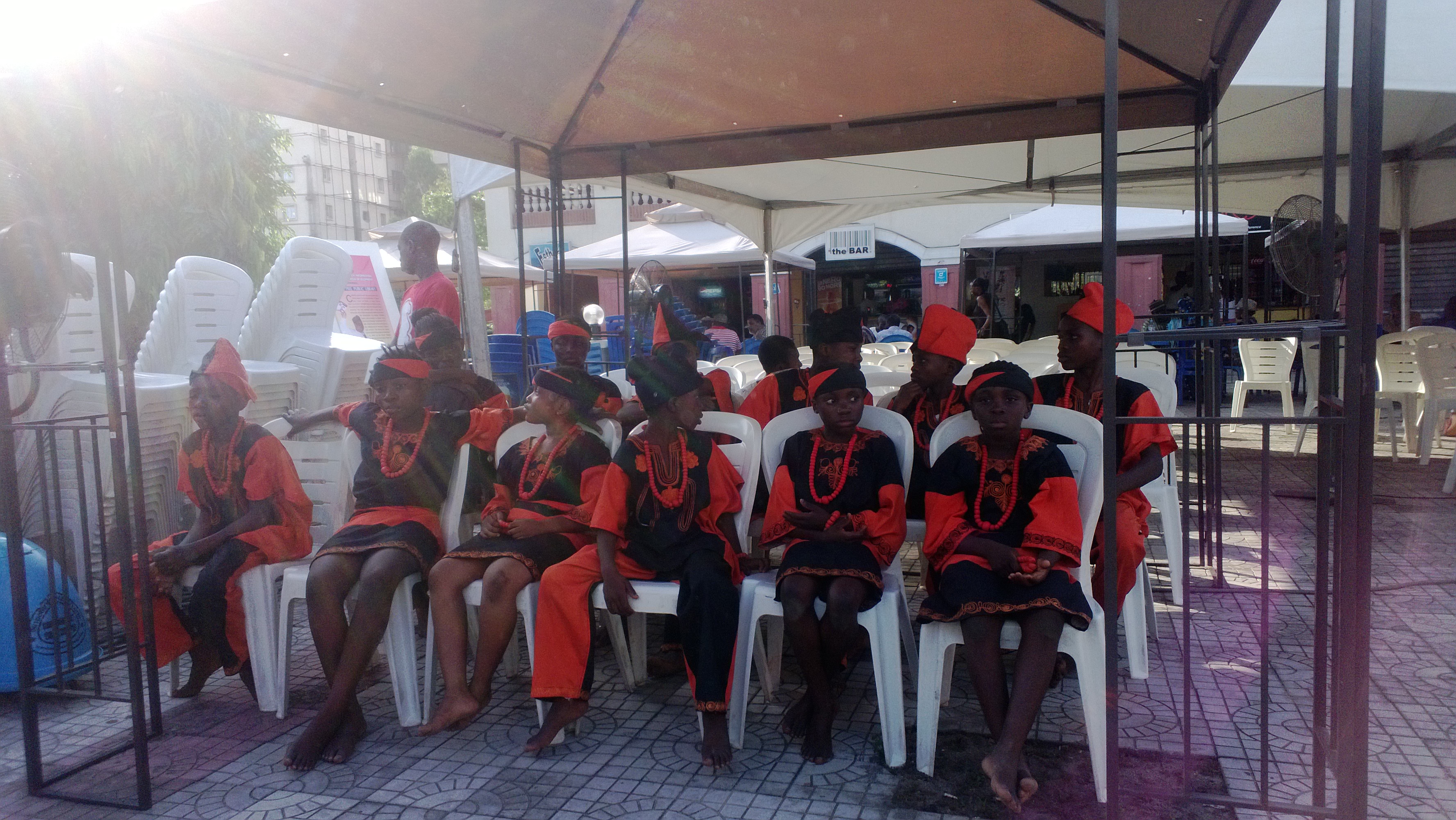
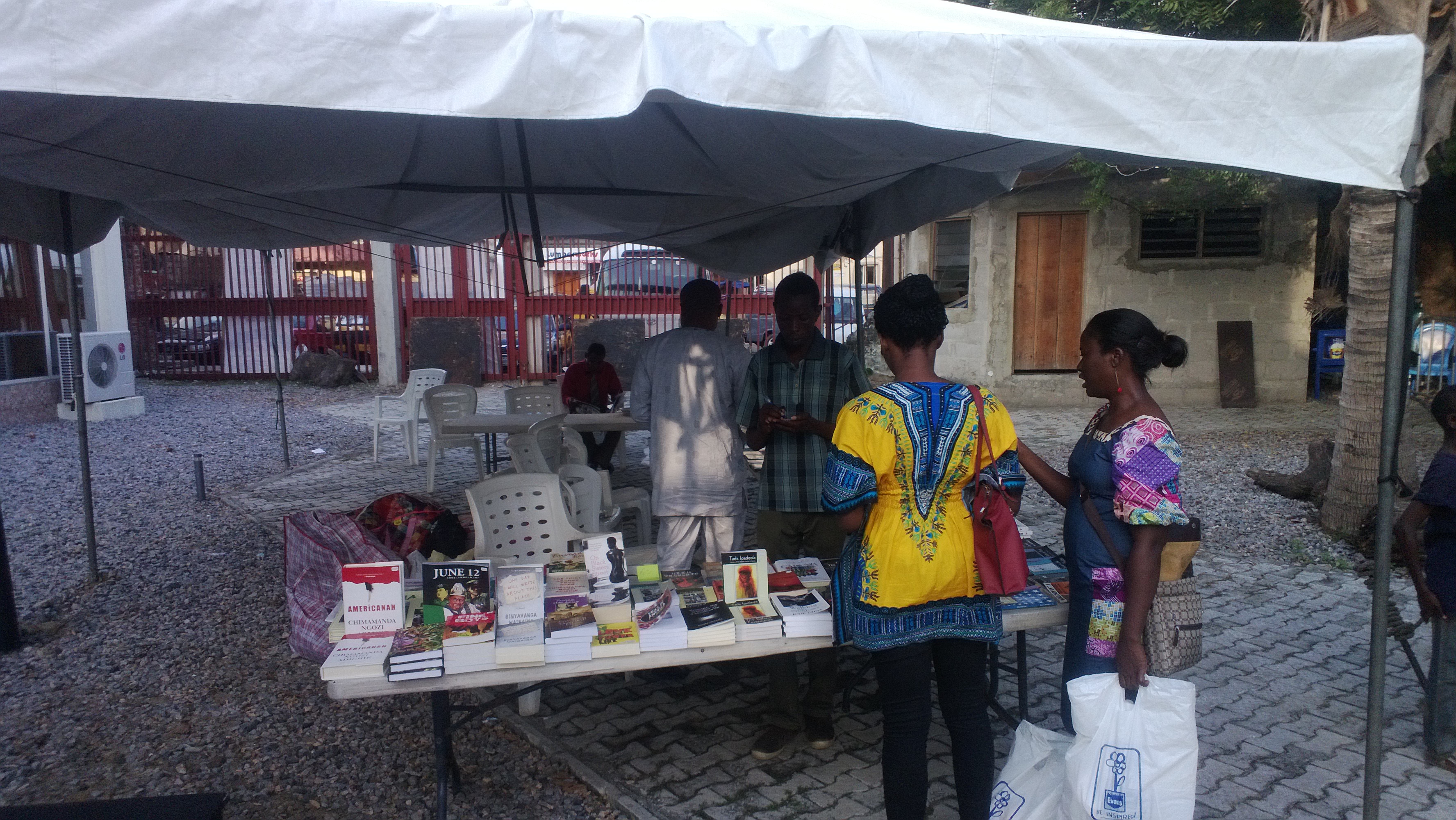
Guests at the Saturday event included writers and artists of various stripes, among whom were Victor Ehikhamenor, Ayodele Olofintuade, Pearl Osibu, Tade Ipadeola, Biyi Olasope, Toni Kan, Tolu Ogunlesi, Jumoke Verissimo, Molara Wood (author of the newly-released and critically acclaimed Indigo, a collection of short stories), Jahman Anikulapo (of CORA), Sylva Nze Ifedigbo among many others. There was music, drumming and dancing, and stage performances by a group of young children. There was also an exhibition of books and arts, with this blogger being able to buy a few – one of which was Teju Cole’s Everyday is for the Thief.
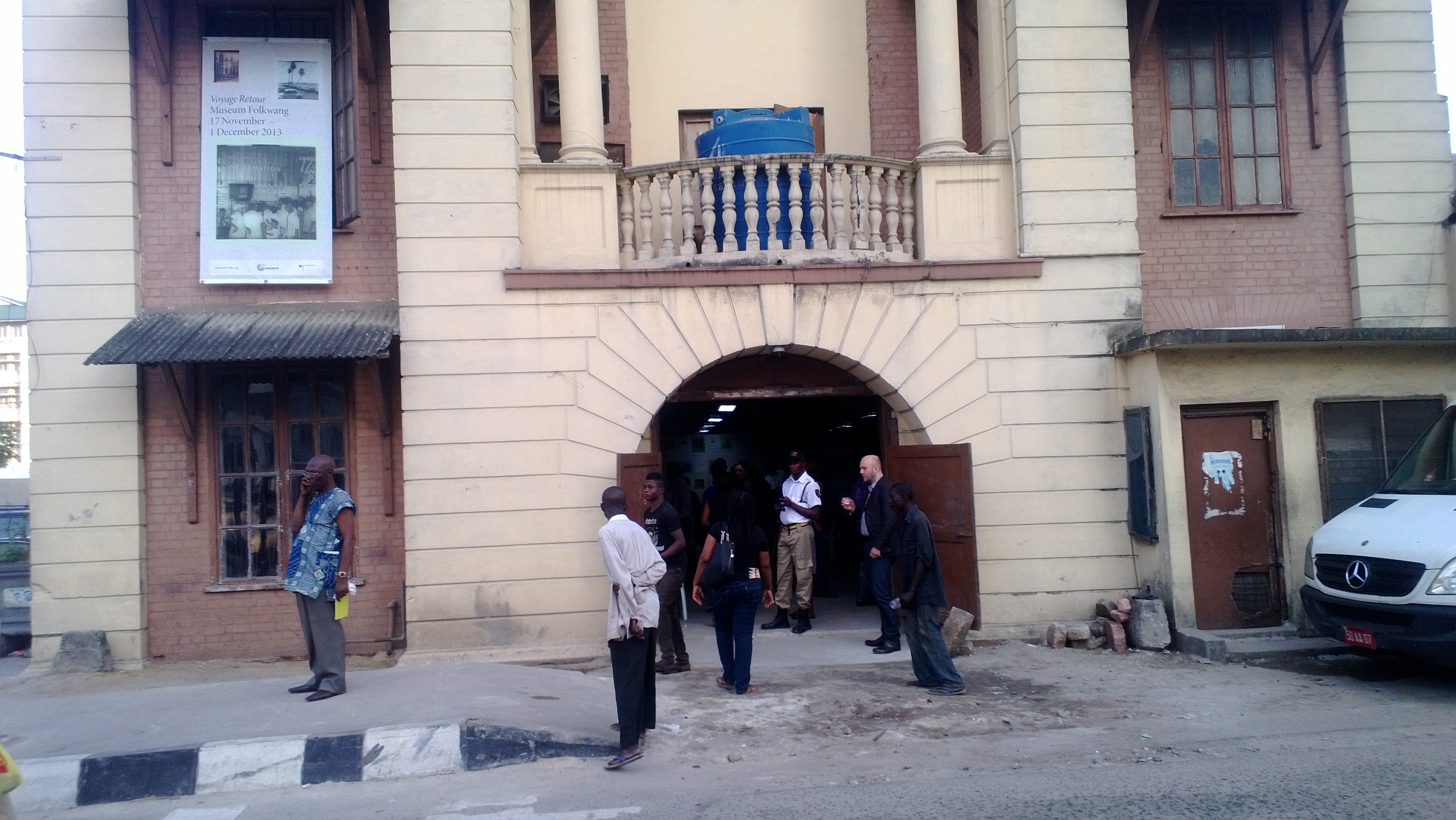
Voyage Retour: Exhibition on Broad Street

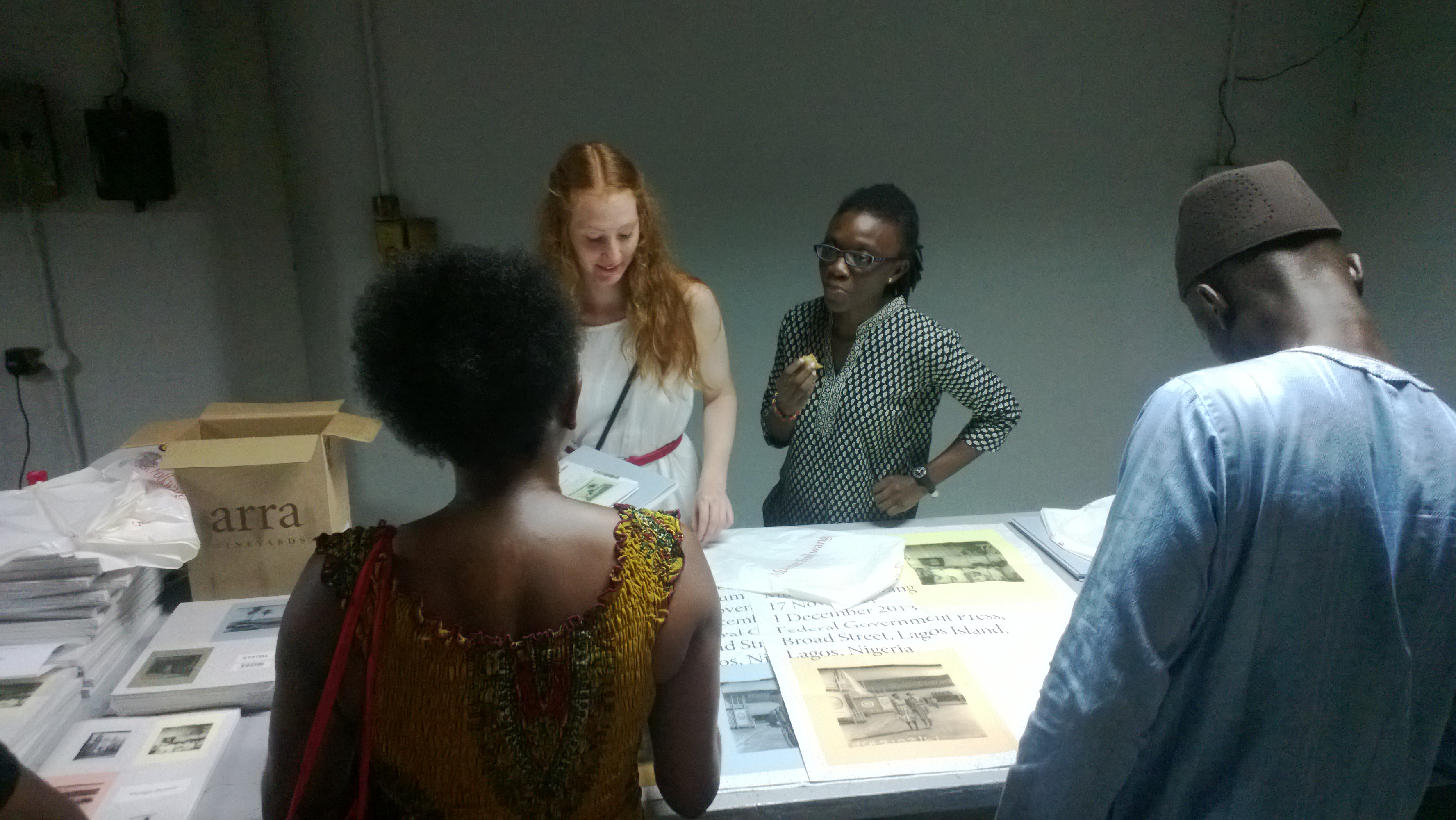
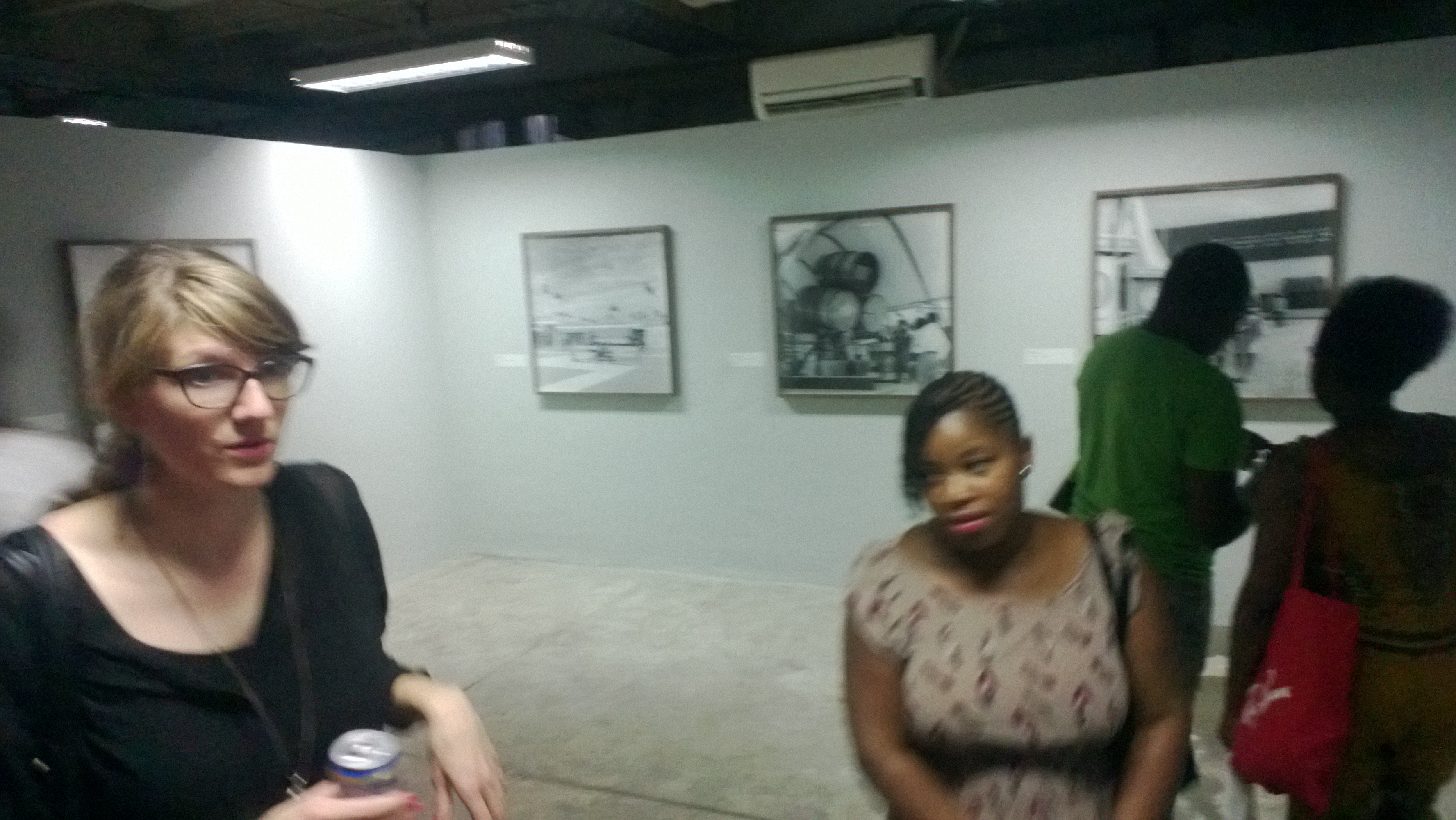
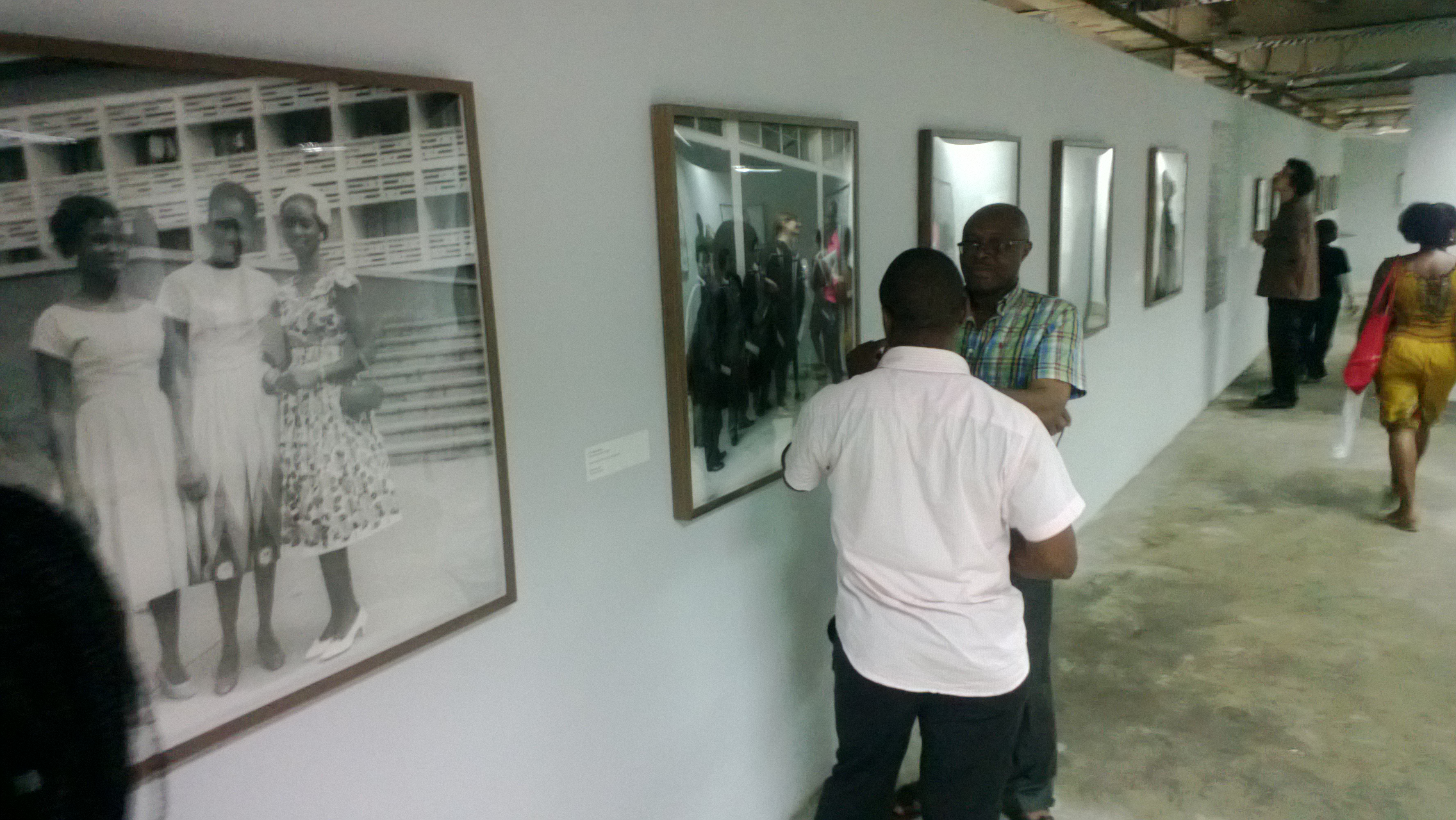
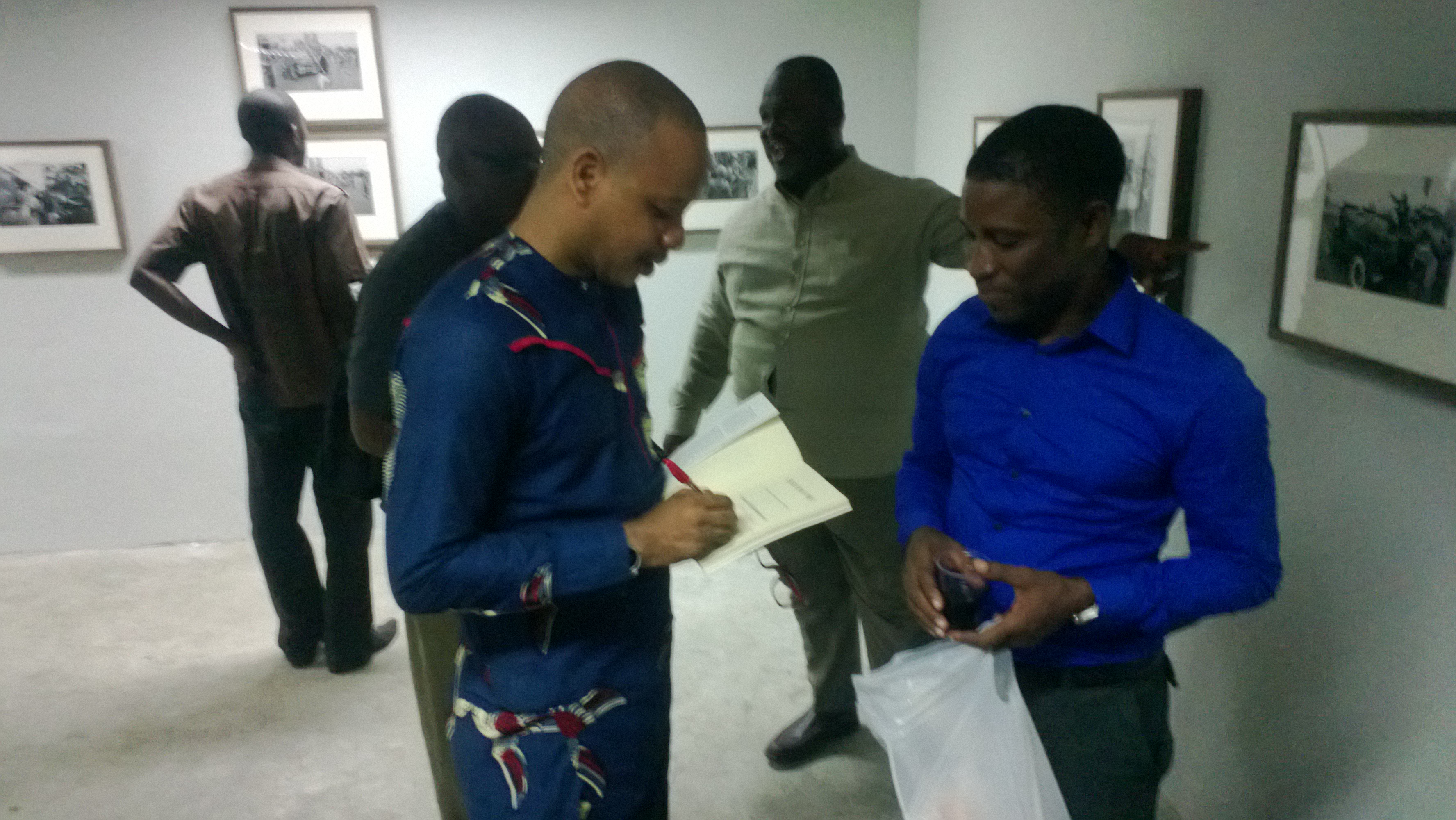
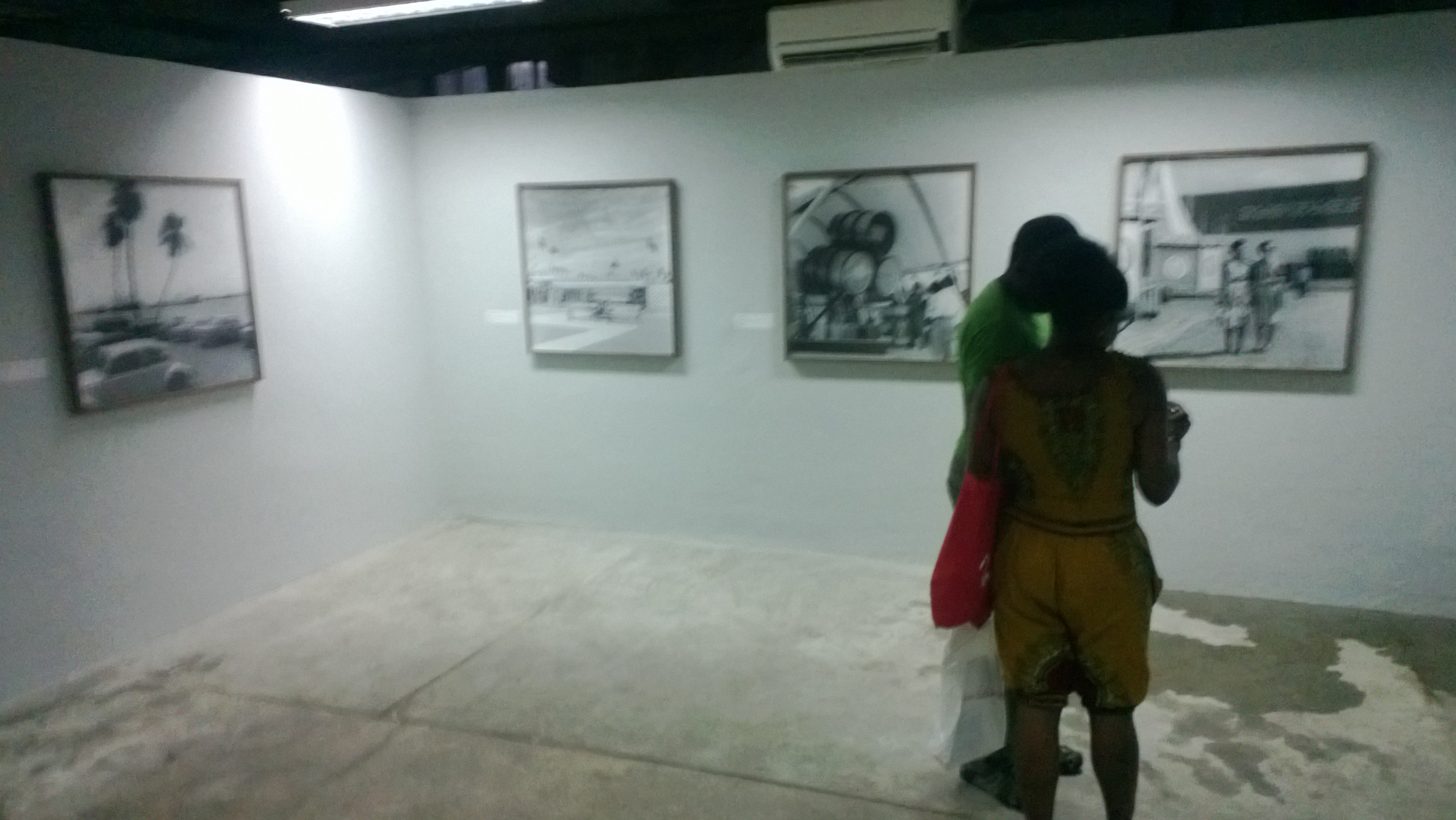
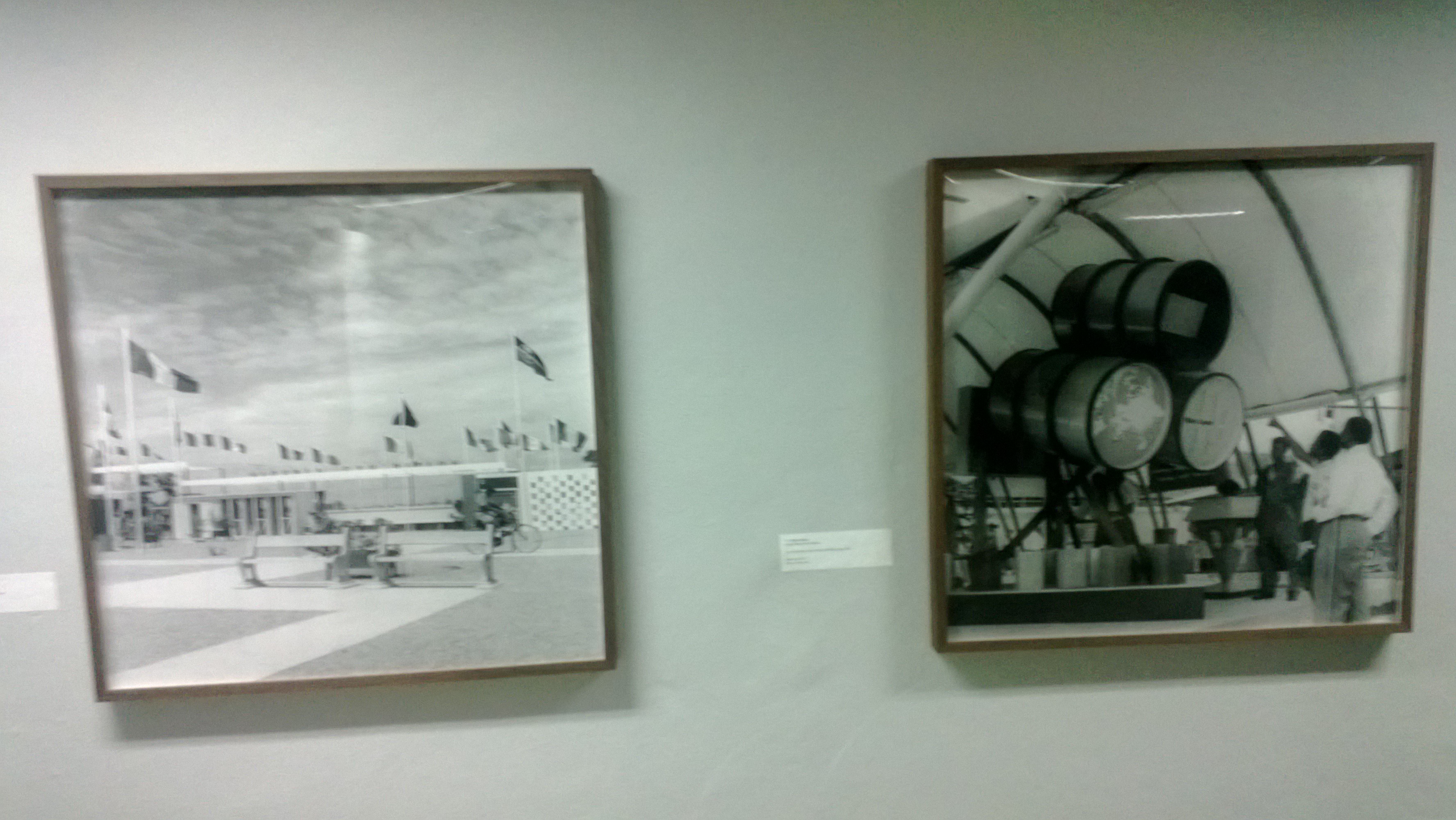
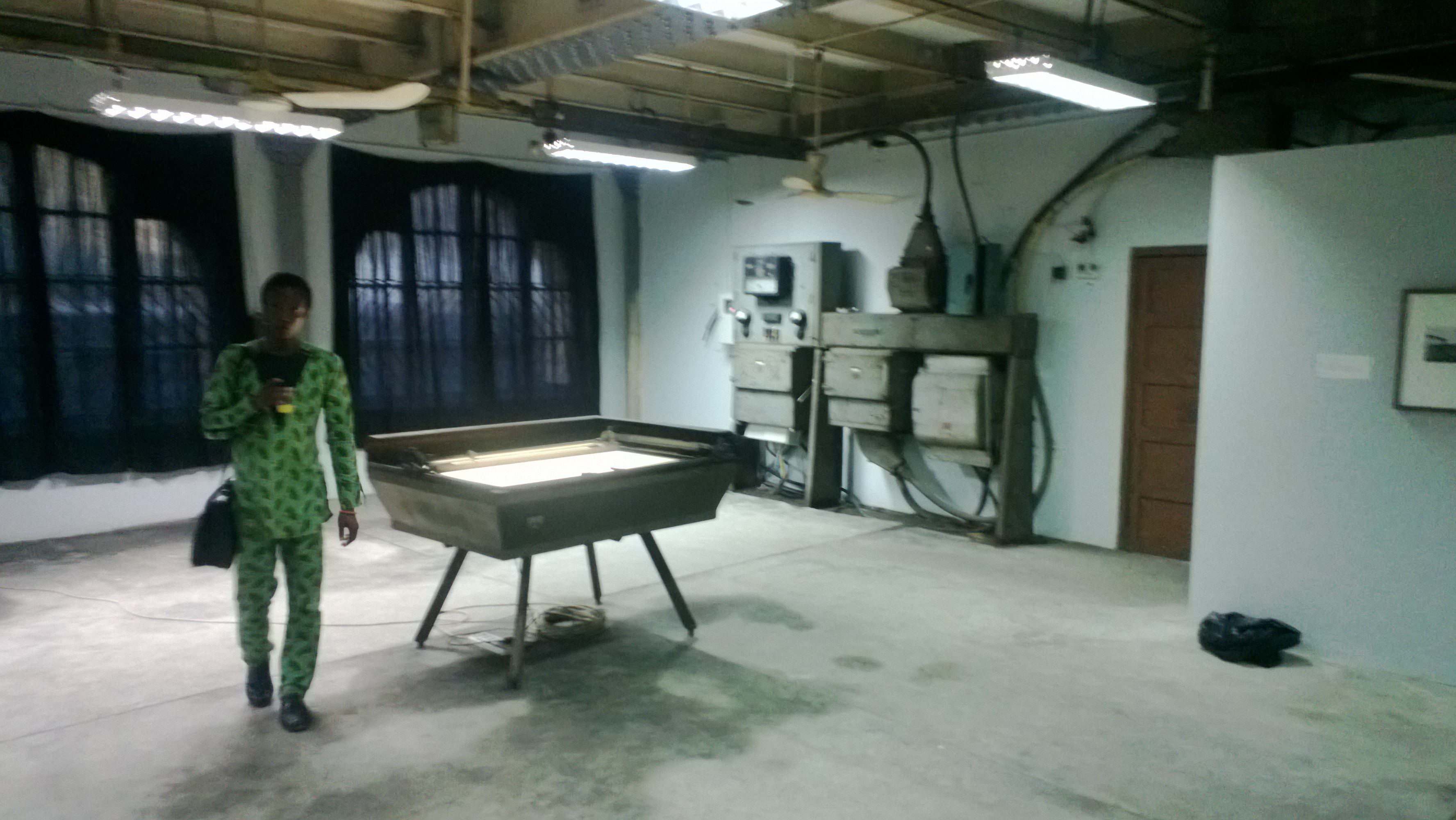
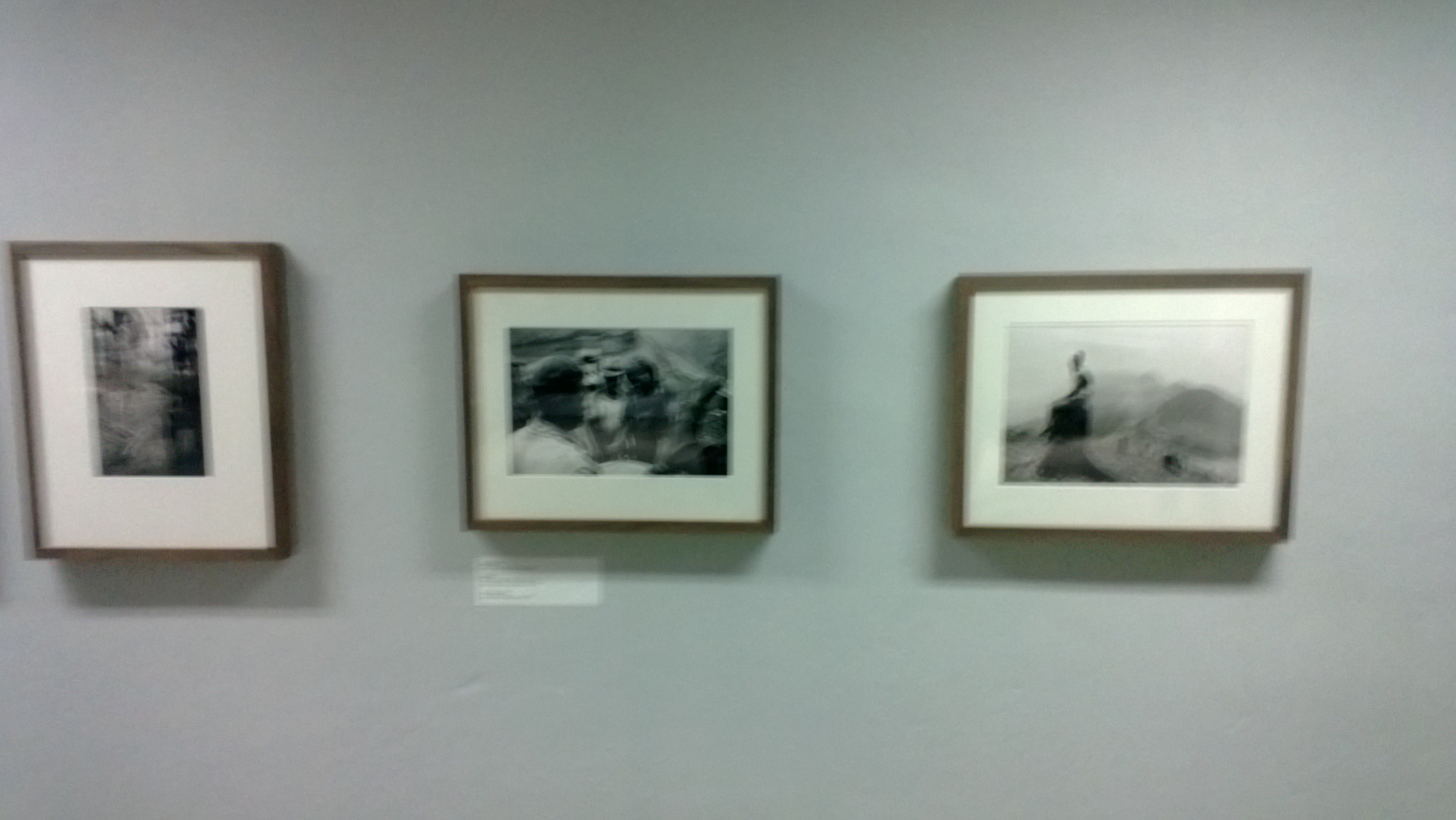
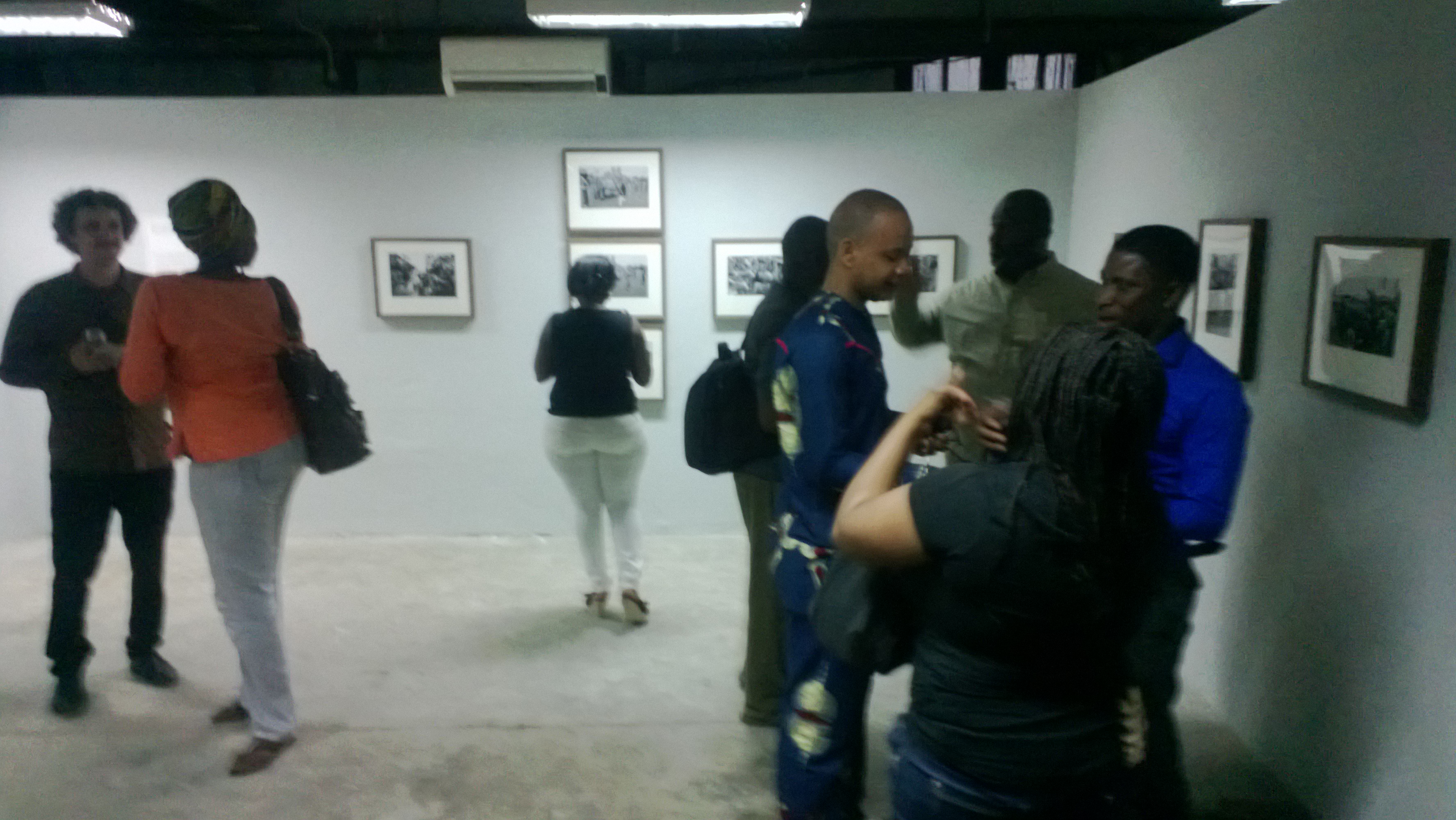
WP_20131116_042WP_20131116_047WP_20131116_055WP_20131116_052WP_20131116_068WP_20131116_056WP_20131116_063WP_20131116_071WP_20131116_073WP_20131116_066An exhibition project by Museum Folkwang, Essen, Germany, in collaboration with Goethe-Institut, Lagos, took place on Saturday at the old Federal Government Printing Press on Broad Street, Lagos Island, adjacent from the Freedom Park (aka Old Colonial Prisons).

It was, according to the organizers, an exhibition of German and Nigerian photography on Nigeria and Africa. The content of the exhibition bears out the theme – photos spanning pre- and immediately post-independent Nigeria (and a few other African nation-states). It was also well-attended by interested art curators and producers in Nigeria.

These are a few photos from the event, featuring works from Nigeria, Leipzig, Ghana, Hamburg, and Congo, among others. Notable names under the works include Rolf Gillhausen (1922-2004), Wolfgang Weber (1932-1983), Germaine Krull, Robert Lebeck, J.D. ‘Okhai Ojeikere (b. 1930), and Malick Sidibe.

The exhibition will be on from November 17 to December 1, 2013. 10am – 4pm (working days) and 12am-6pm (weekends).

Enjoy the photos.

More information at Museum Folkwang and Goethe-Institut, Nigeria.

How Do We Fix This Broken Educational System?

Nigerian writer Ikhide Ikheloa gave a couple of provocative (and really thought-provoking) recommendations on the ASUU-FG mess and what could help fix the broken educational system in Nigeria…

Regardless of where you are, there are certain things that must happen, to maintain an appropriate standard of education. With the current ASUU wahala, all sides appear unwilling or unable to learn anything new and refreshing. No one is willing to accept responsibility, and in my view, ASUU is the worst culprit. Let me simply observe that these dysfunctions did not start yesterday, they were already manifesting themselves robustly in my time at the University of Benin, Benin City, in the late seventies. It is hugely hypocritical for anyone now to suddenly wake up, look around and smell decay. And by the way, ASUU, Ikhide has been telling you to clean up something as simple as your website since 2009, yet not a typo has been touched. What gives Ikhide or anyone the confidence that anything will change when you get some more money? The culture of abuse and mediocrity is pervasive. There needs to be a Needs Assessment done in that area. Seriously.

More on his site, here.

Art and Company At Project Space, Lagos

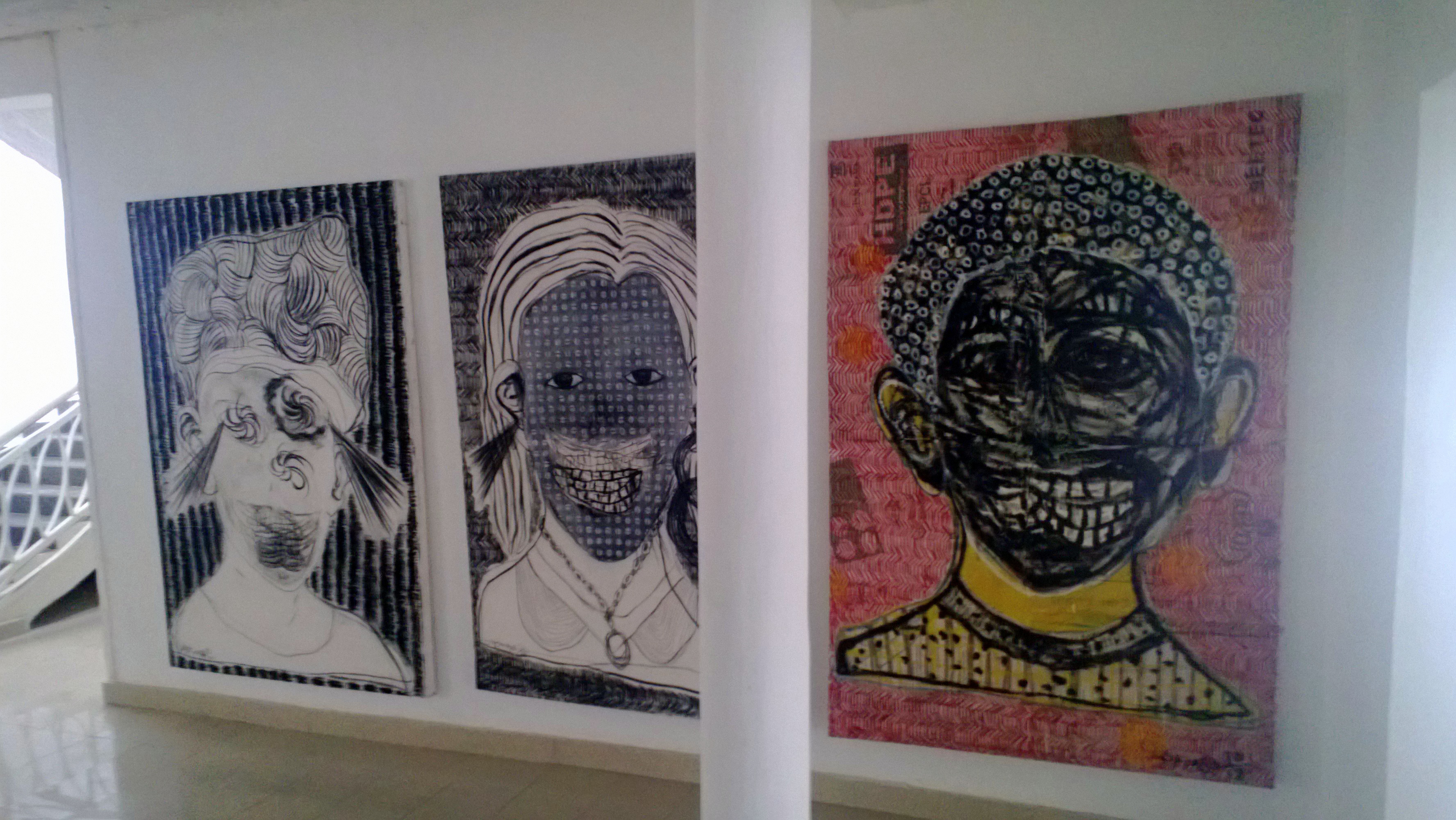
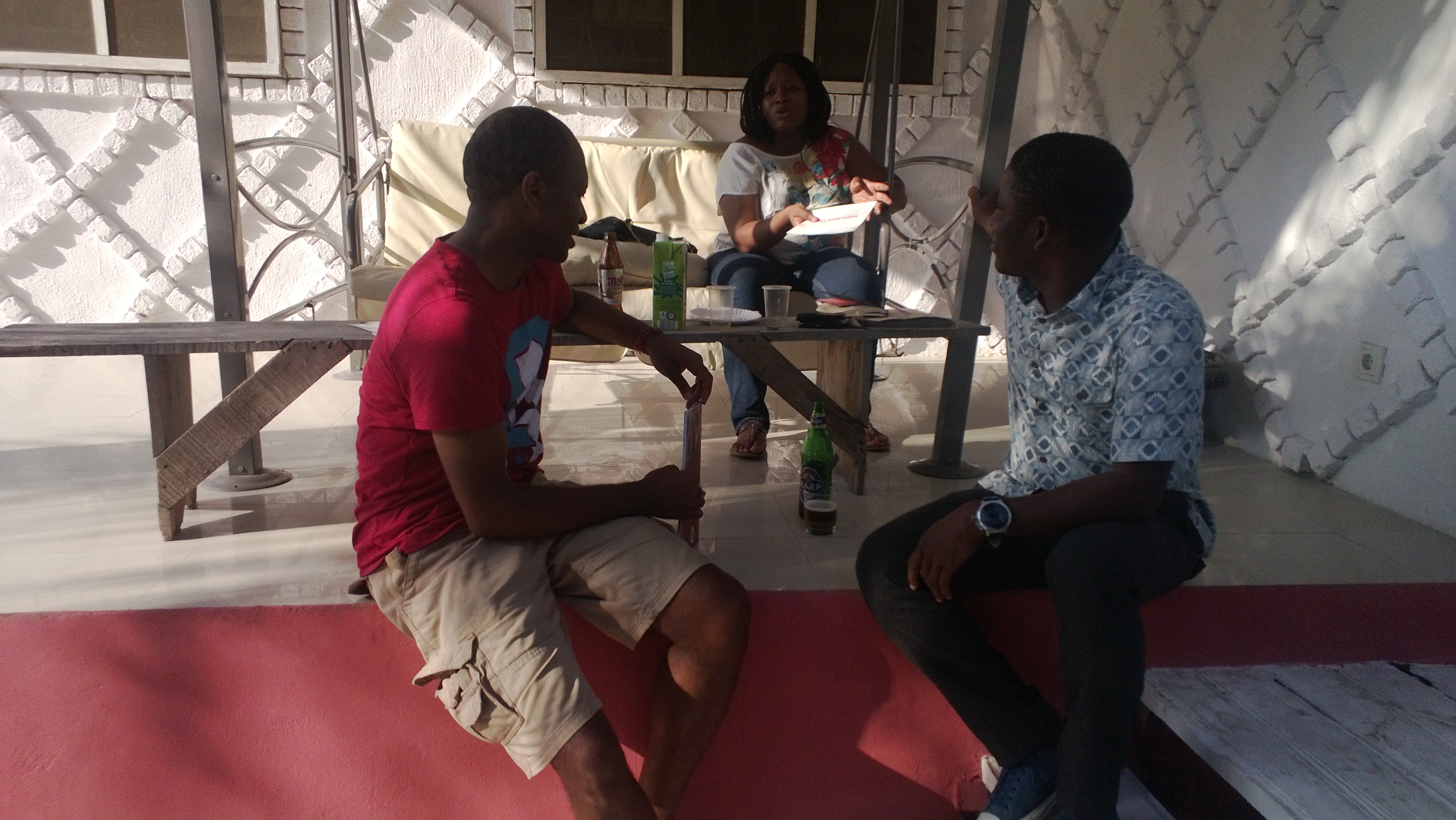
WP_20131110_011WP_20131110_015WP_20131110_017WP_20131110_003WP_20131110_031The public art project of Nigerian artist Emeka Udemba was up for discussion at the weekend, at his stomping ground at Badore, Lagos where his “Lagos Open – Ajegunle Invitation 2013” international public art project was unveiled at a cocktail for writers, artists, and journalists. The street art project itself would be open for viewing on Saturday 16th November at Ajegunle, a result of a week-long work by various artists on public structures and street corners in one of Lagos’ most popular slums.

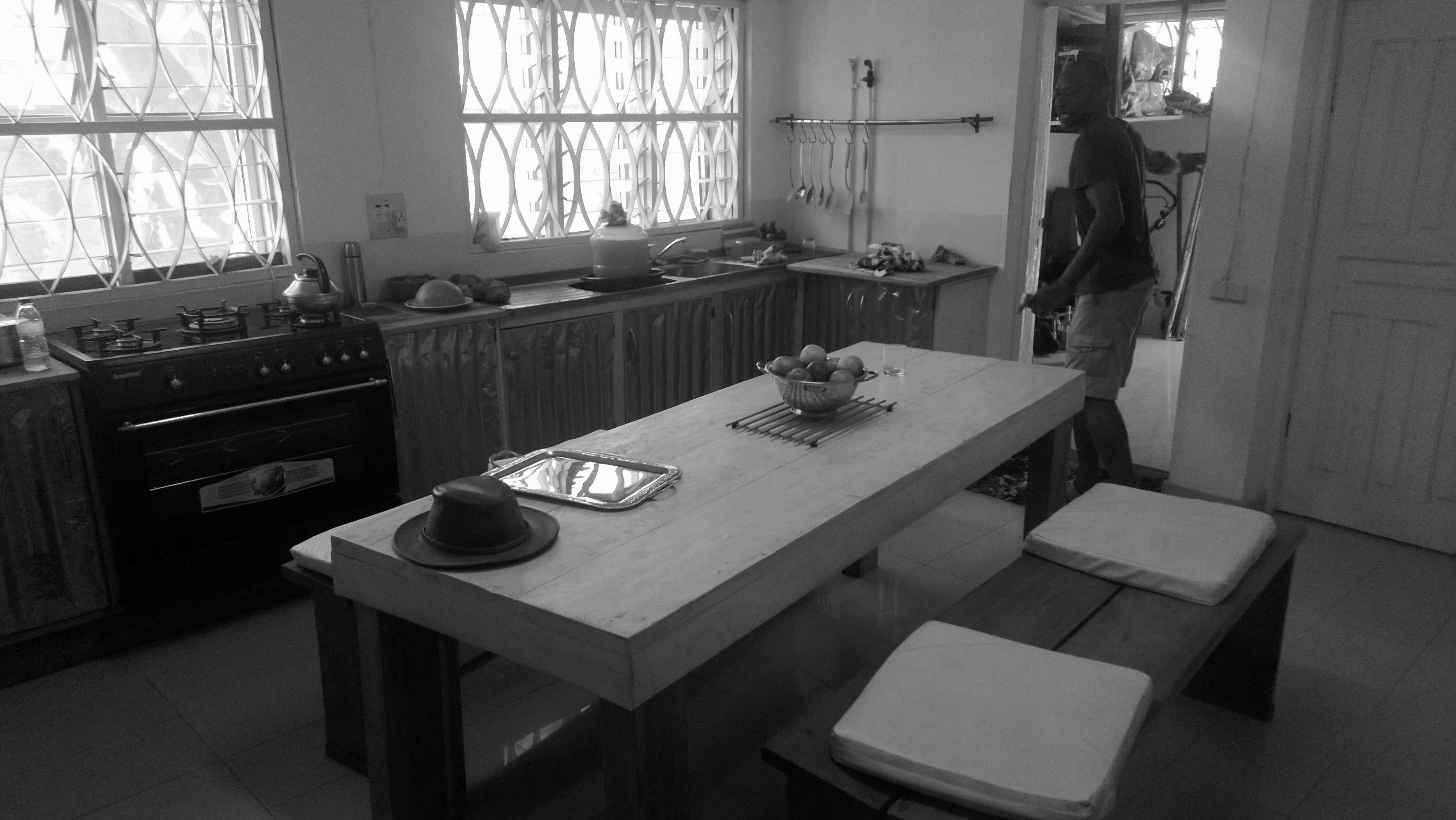
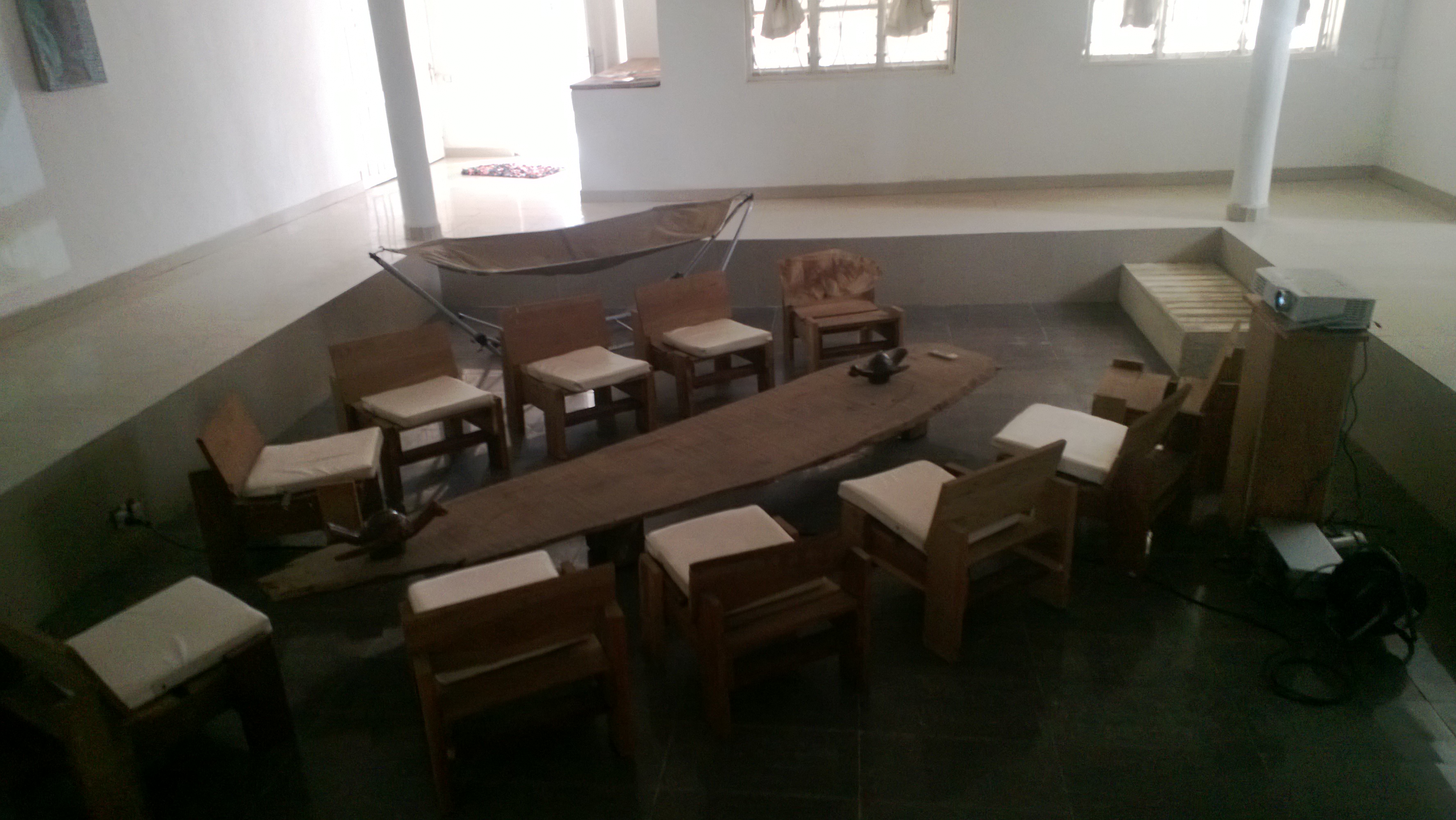
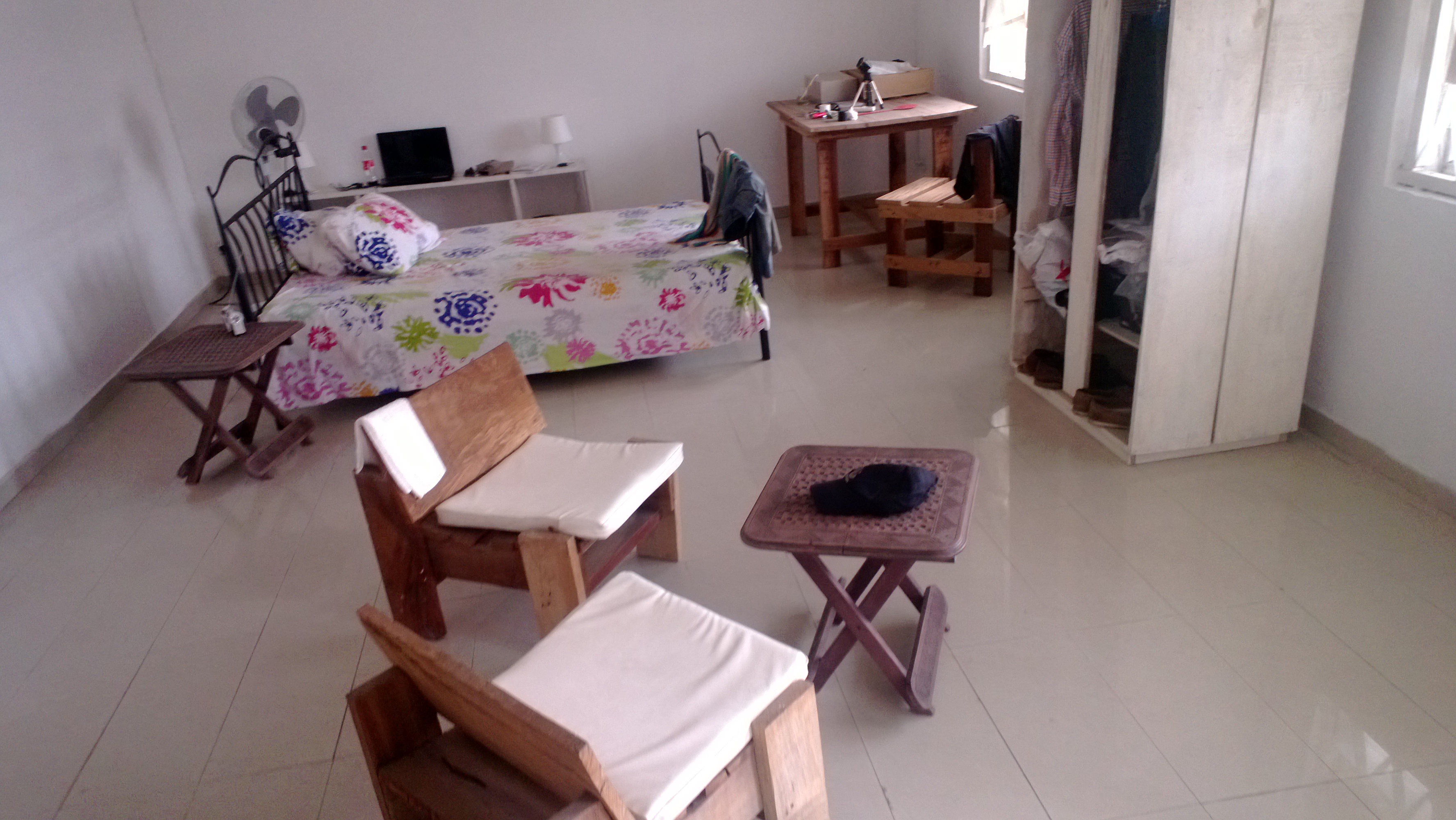
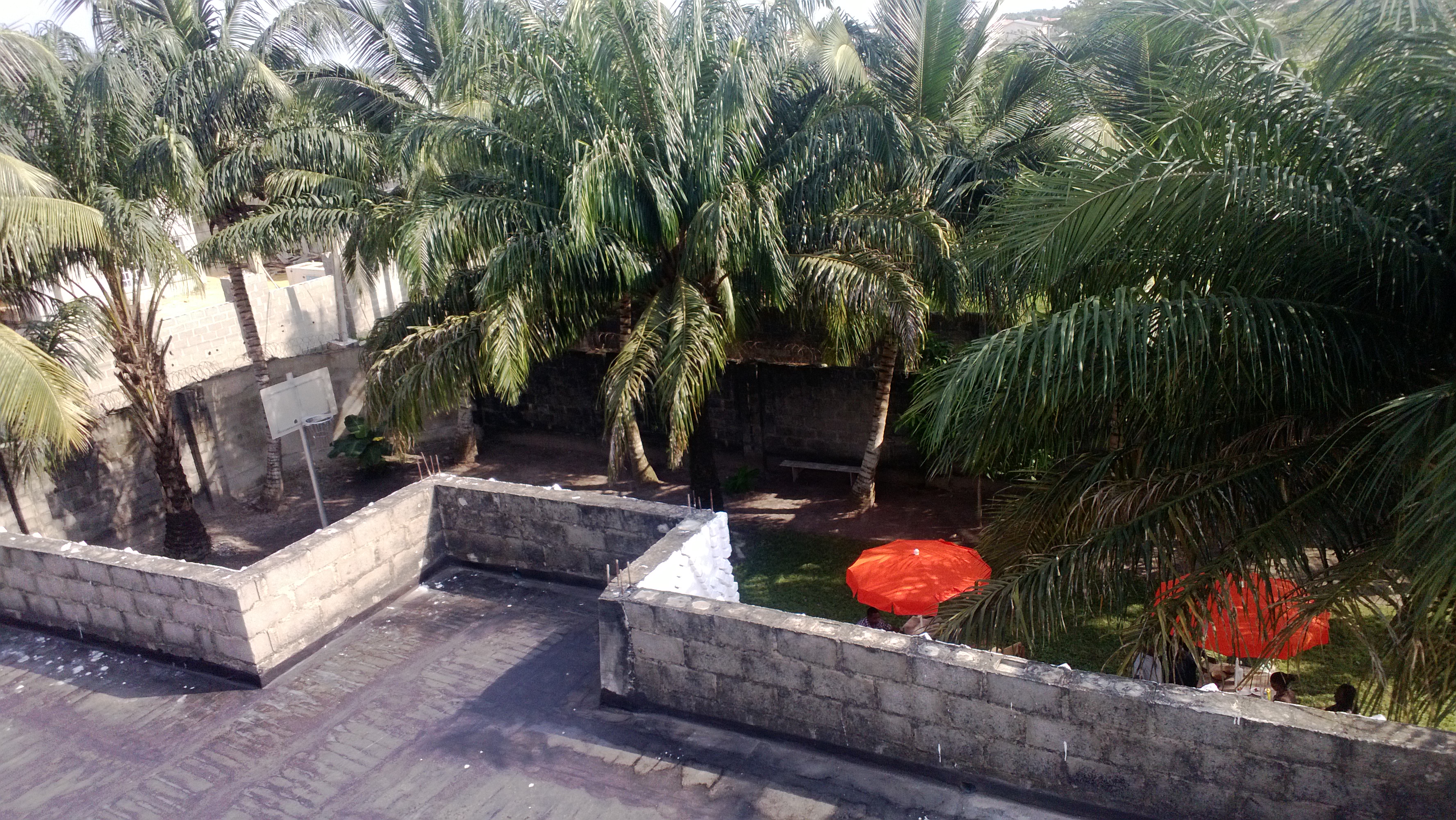
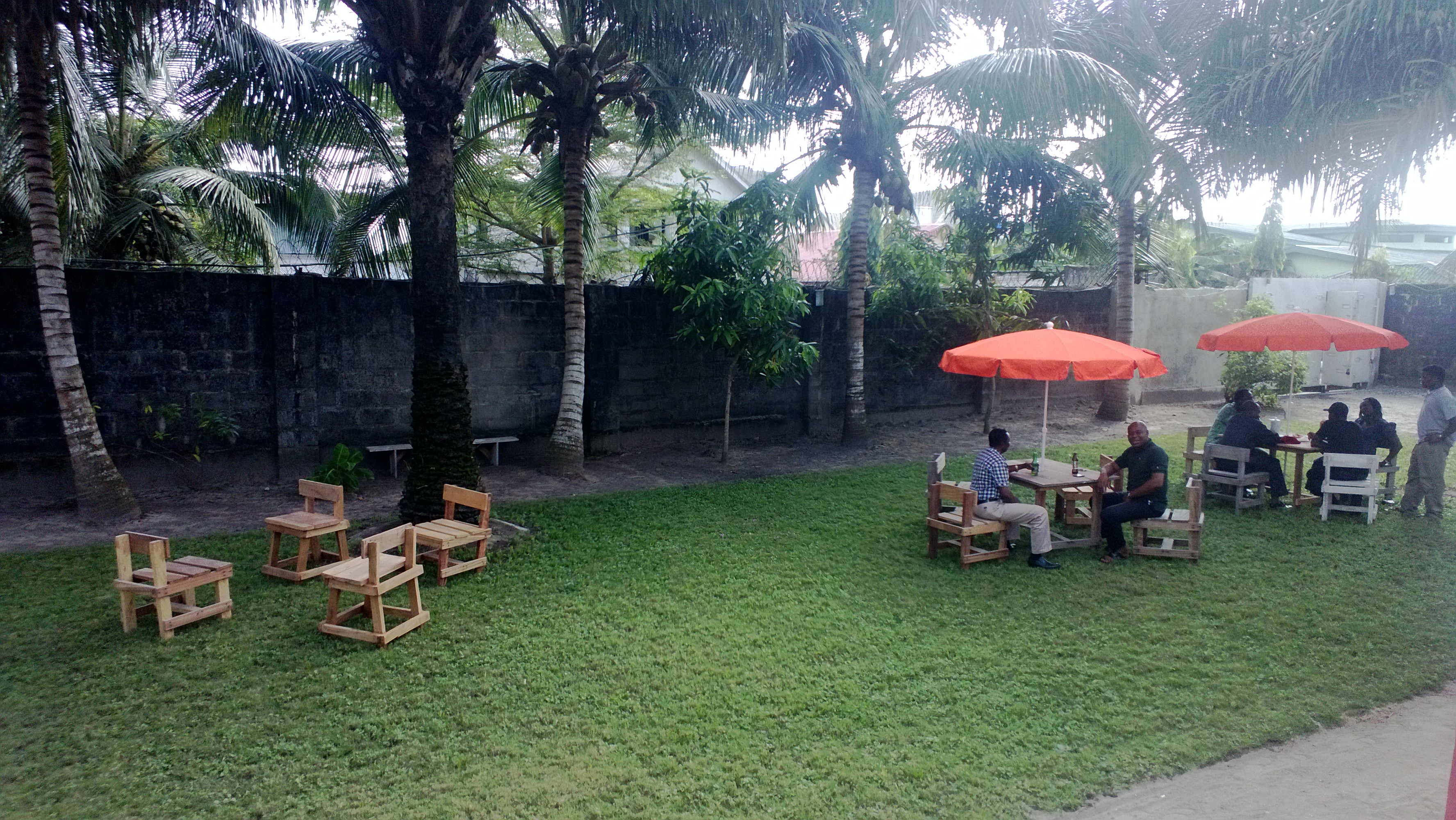
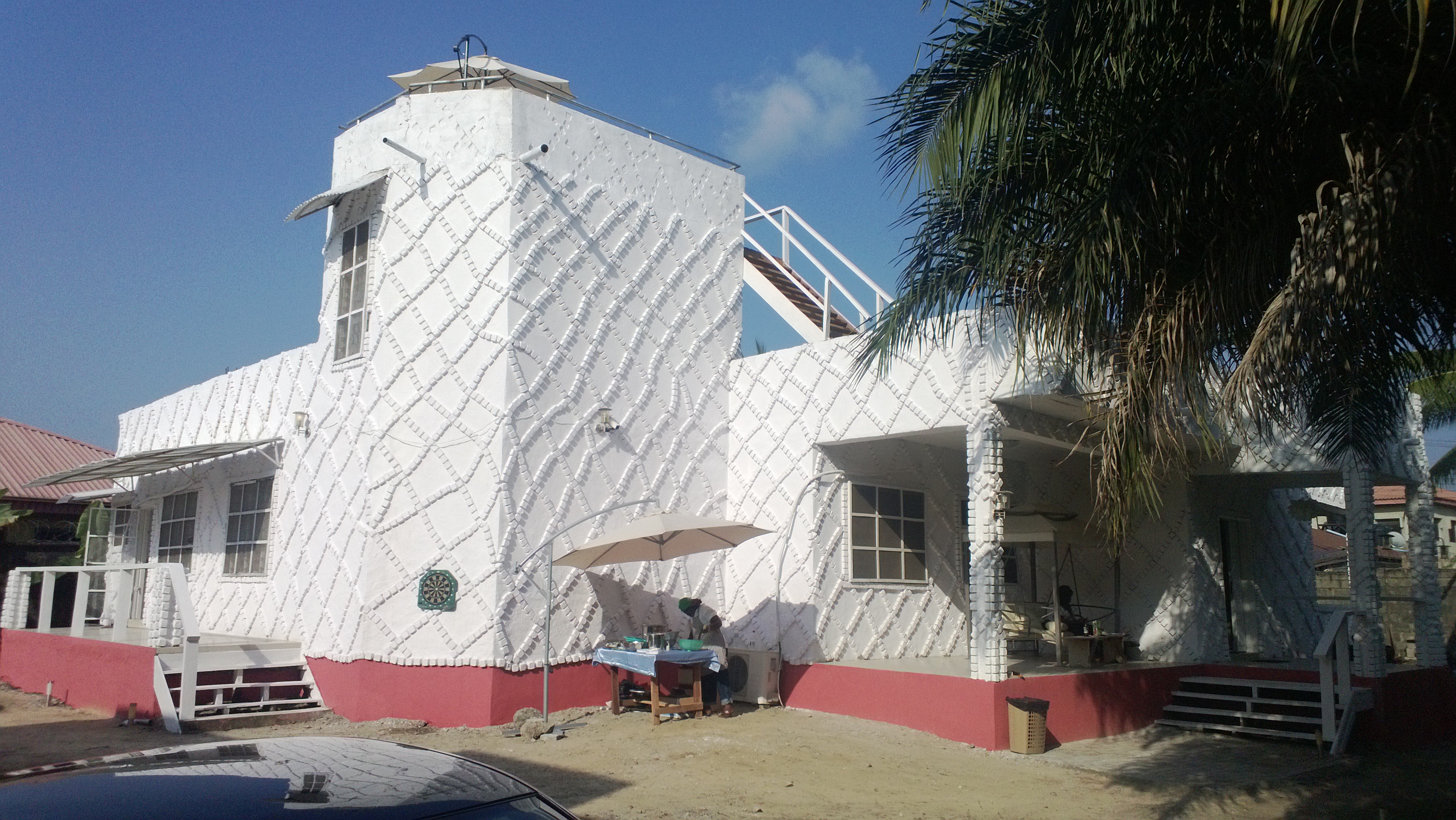
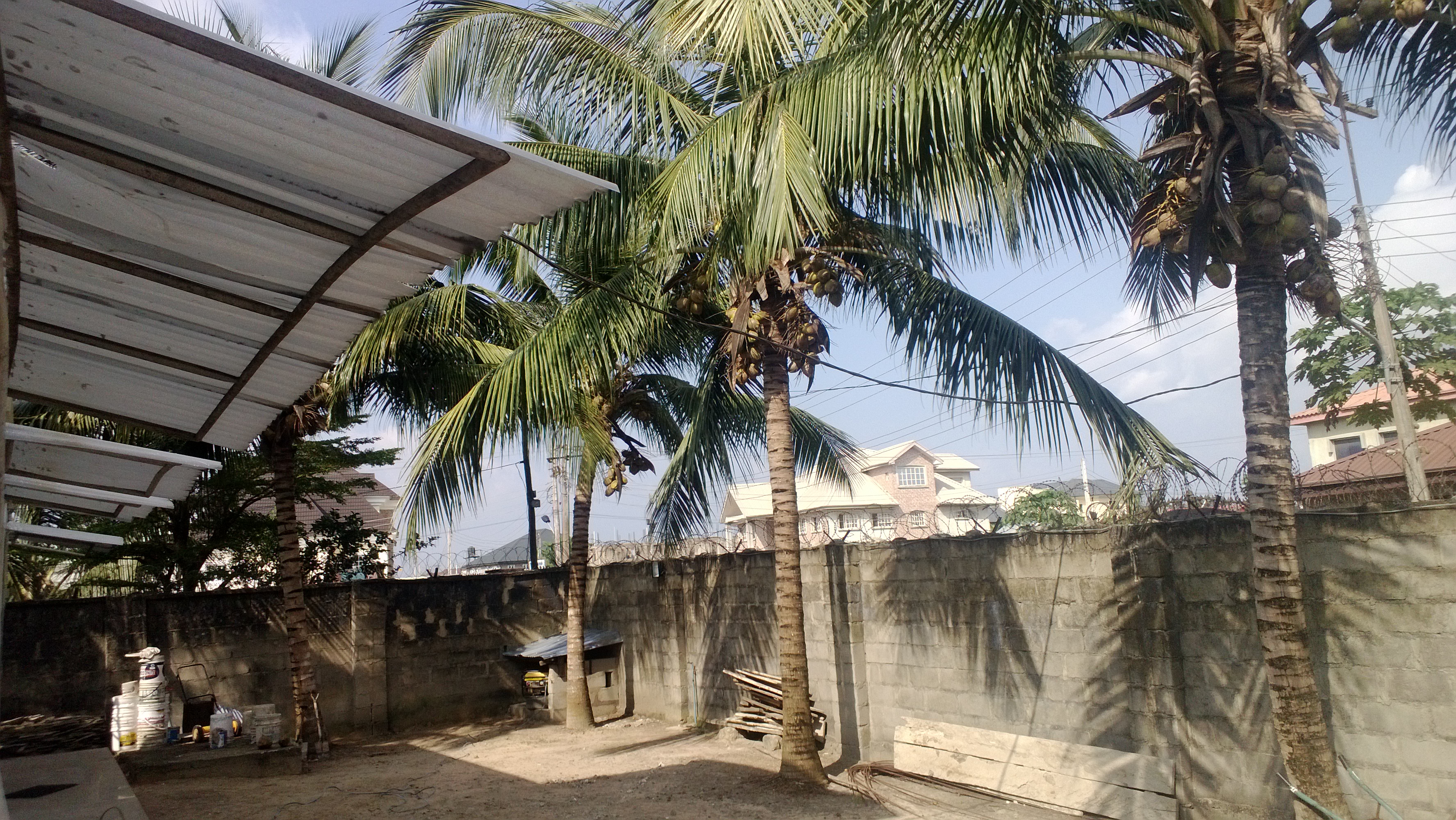
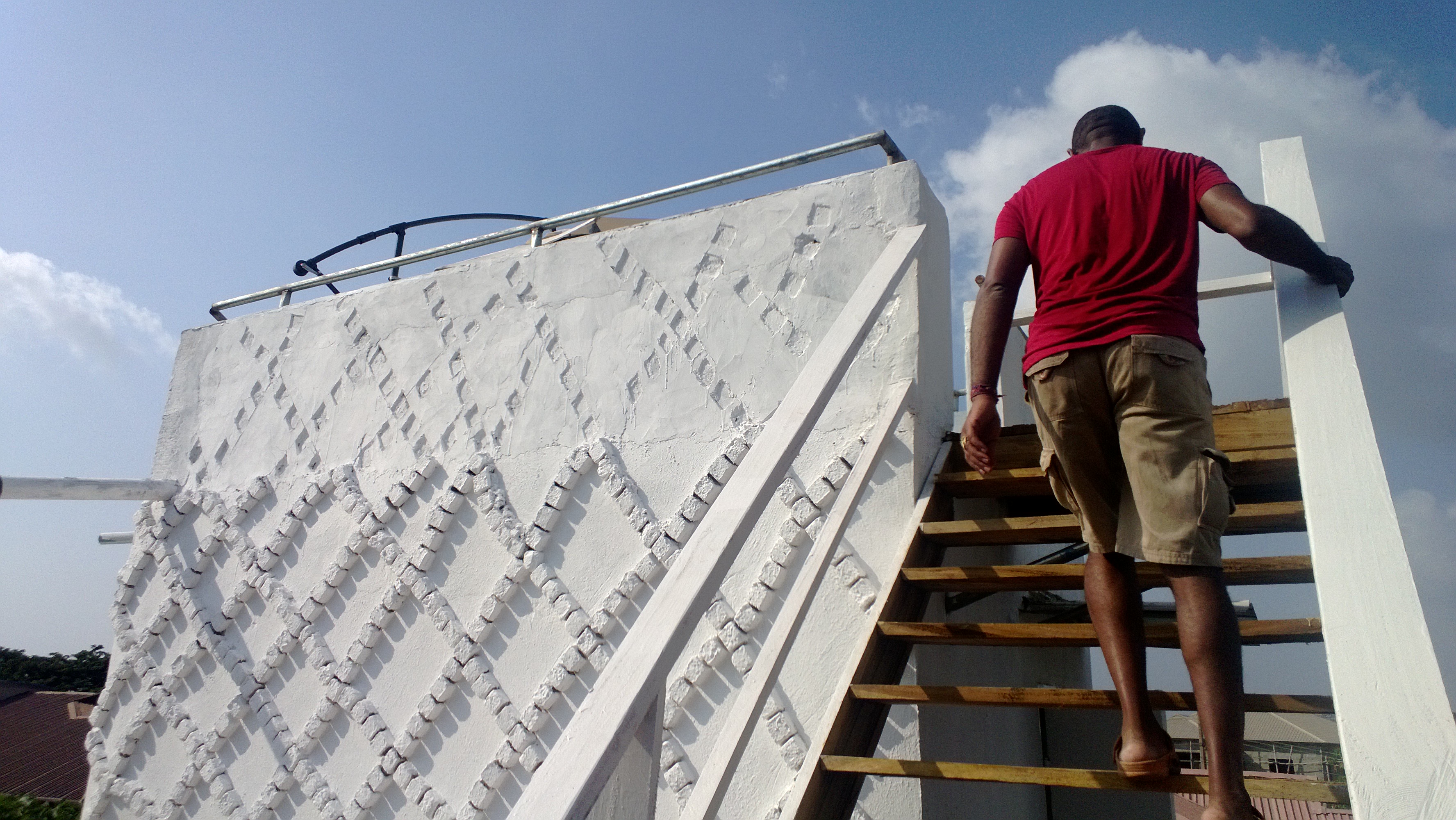
Of the housing complex called Project Space where the social gathering took place, Emeka was very effusive, and equally effacing. His enthusiasm about what he sees as a chance to make art relevant enough to engage society and engender social change was affecting as he showed us around all the rooms in the house, but so was also his humility. Art isn’t just for money, he said, but for a chance to affect society. The house is indeed private, as seen by the living quarters there where a few artists currently reside who are on residency in Lagos. It is also a public art project of itself, an art edifice built modestly and to taste in a quiet corner of the Lagos Islands. The ornateness of the simplicity of design was evident, as was the craft and deliberateness put into creating wide and stimulating spaces for artistic expression. The furniture was made with deliberate simplicity, crafted likely by local artists, and well places around the kitchen, living quarters, and the man-made lawn where many of the guests sat. Beside the fence were two bicycles resting against a coconut tree. In another corner of the house is a man-made pool, in case any of the residents feel like getting immersed in water.

WP_20131110_023WP_20131110_051WP_20131110_043WP_20131110_021WP_20131110_061This space, Emeka tellsWP_20131110_029 me, was acquired more than ten years ago, and was developed gradually with personal funds from private exhibitions across Europe. Now, he hopes to open it up for art gatherings and events as a way to contribute to the culture of Lagos art circuits as well as keep the structure utilized during the long spells he spends outside the country with his family in Germany. And while food, drinks, and barbecue flowed through the crowd present (which at some point included musician Ade Bantu, Marc-Andre Schmachtel, the director of Goethe Instituut, Lagos, Bayo Olupohunda – a columnist with the Punch Newspapers, and a number of other artists and journalists), the serenity of a Lagos evening made itself evident through the silence, the soft chattering, the blowing winds of the coconut trees, and the darkening whispers of an Island at night and at rest in good company.

The art project starts today Monday and ends on Friday. Artists from around the world will descend on Ajegunle to paint and work on public structures there in collaboration with the residents of the area. The finished product will be launched on Saturday 16th November. More information here.

Photos taken with a Lumia 820. More can be seen on my instagram feed /kolatubosun.

Video: The World is Changing

Song by Femi Kuti