Visiting Karen

“To be lonely is a state of mind, something completely other than physical solitude; when modern authors rant about the soul’s intolerable loneliness, it is only proof of their own intolerable emptiness.” – Karen Blixen (Out of Africa, 1937)


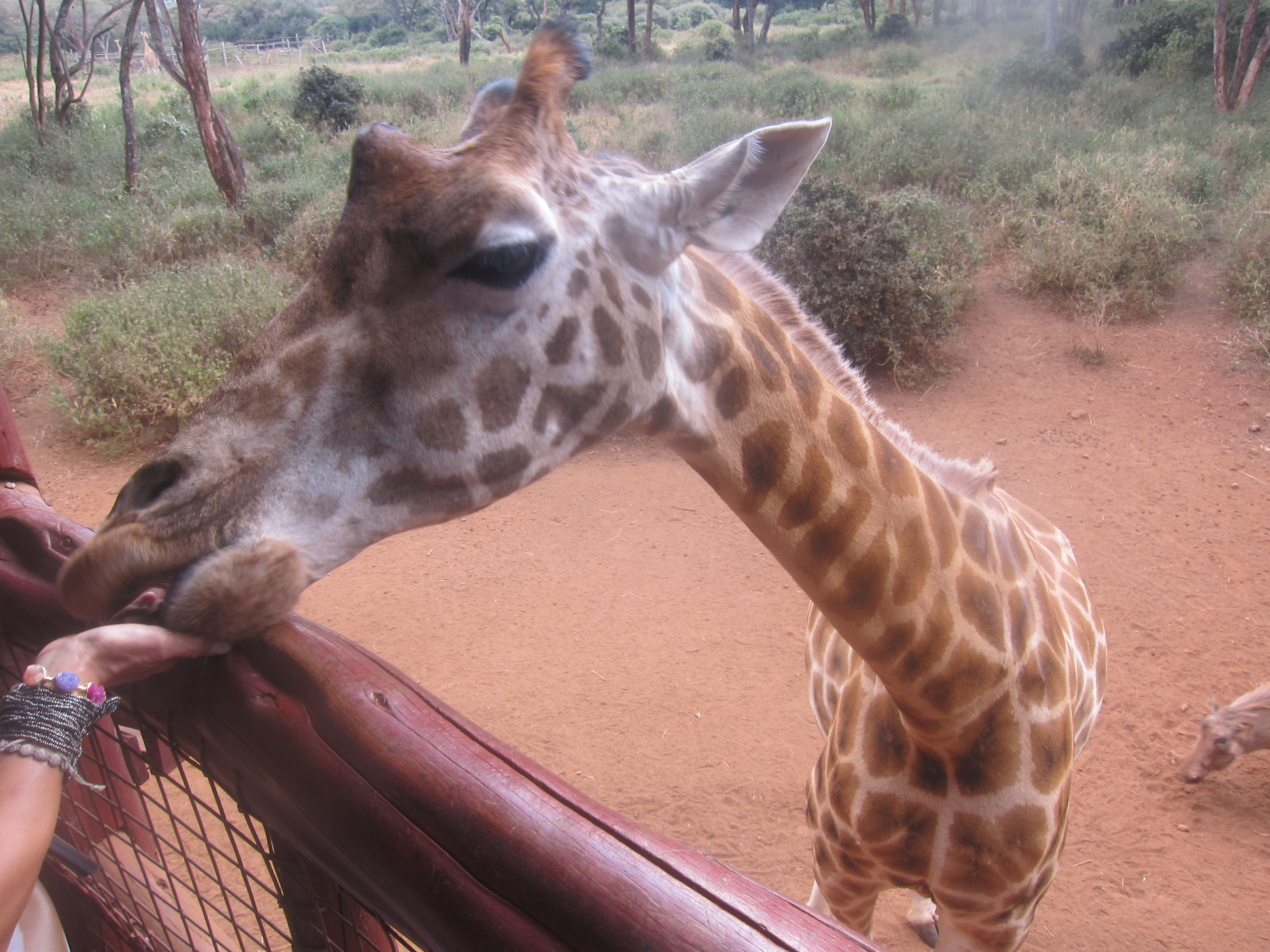
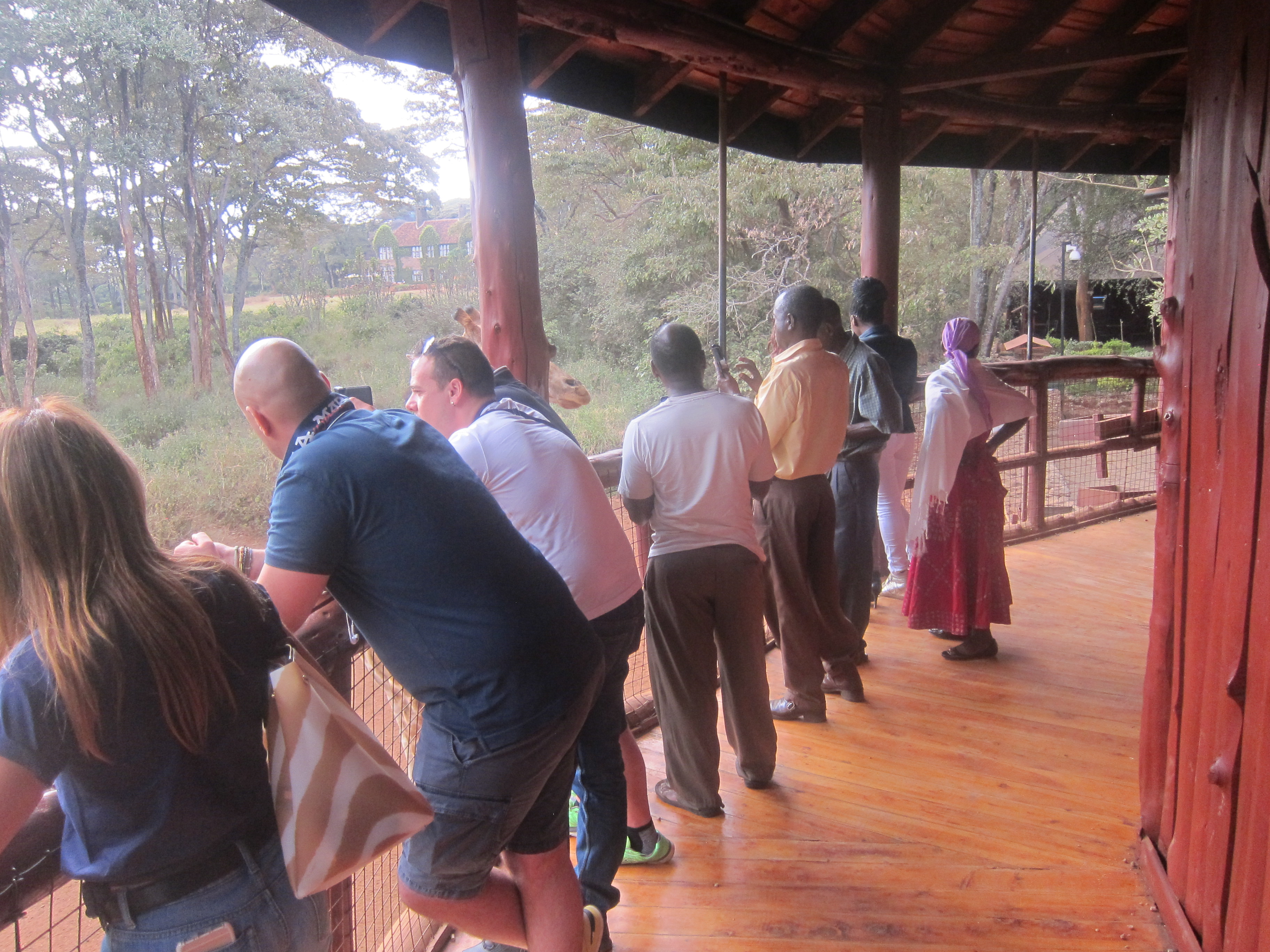
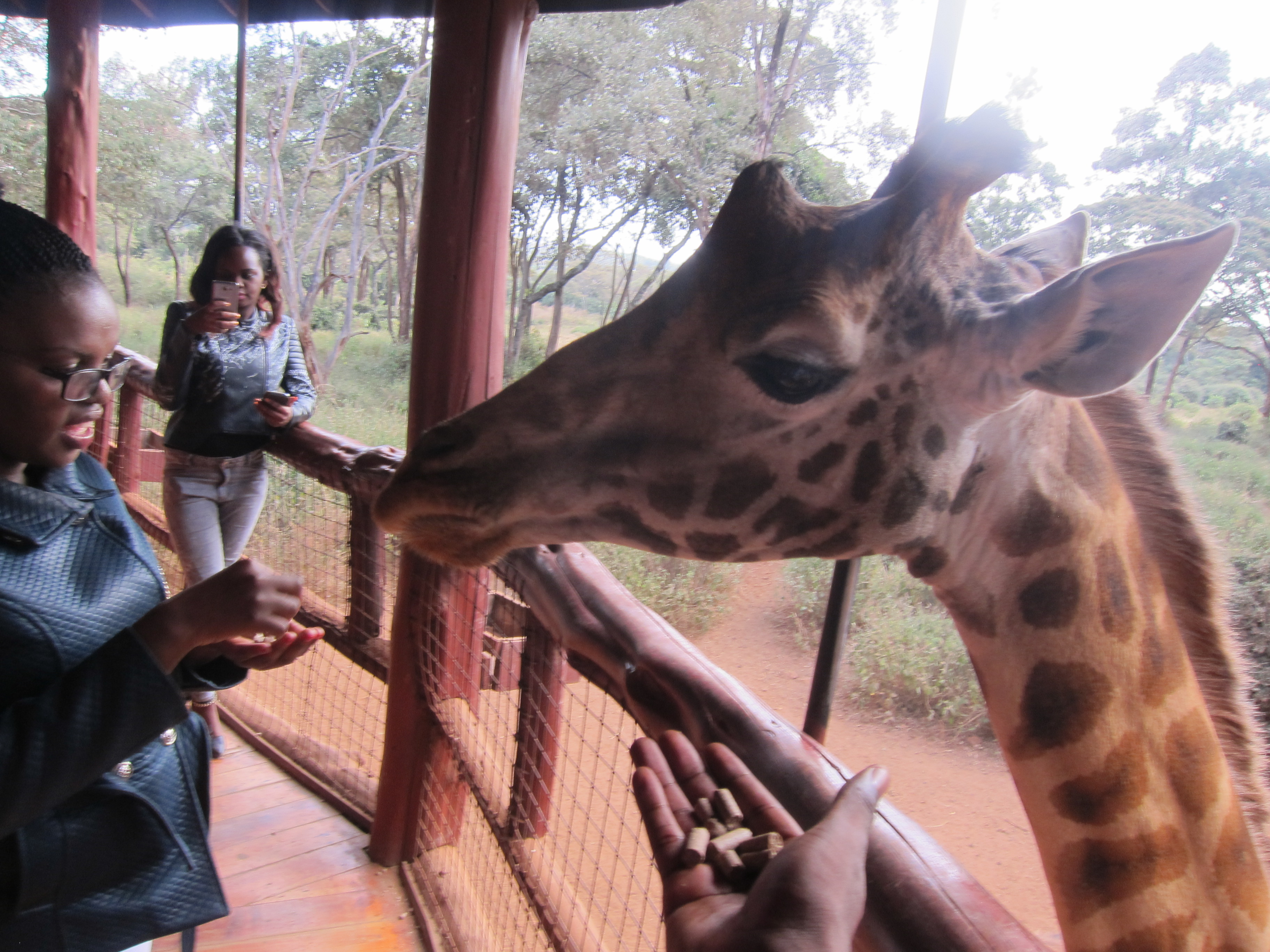
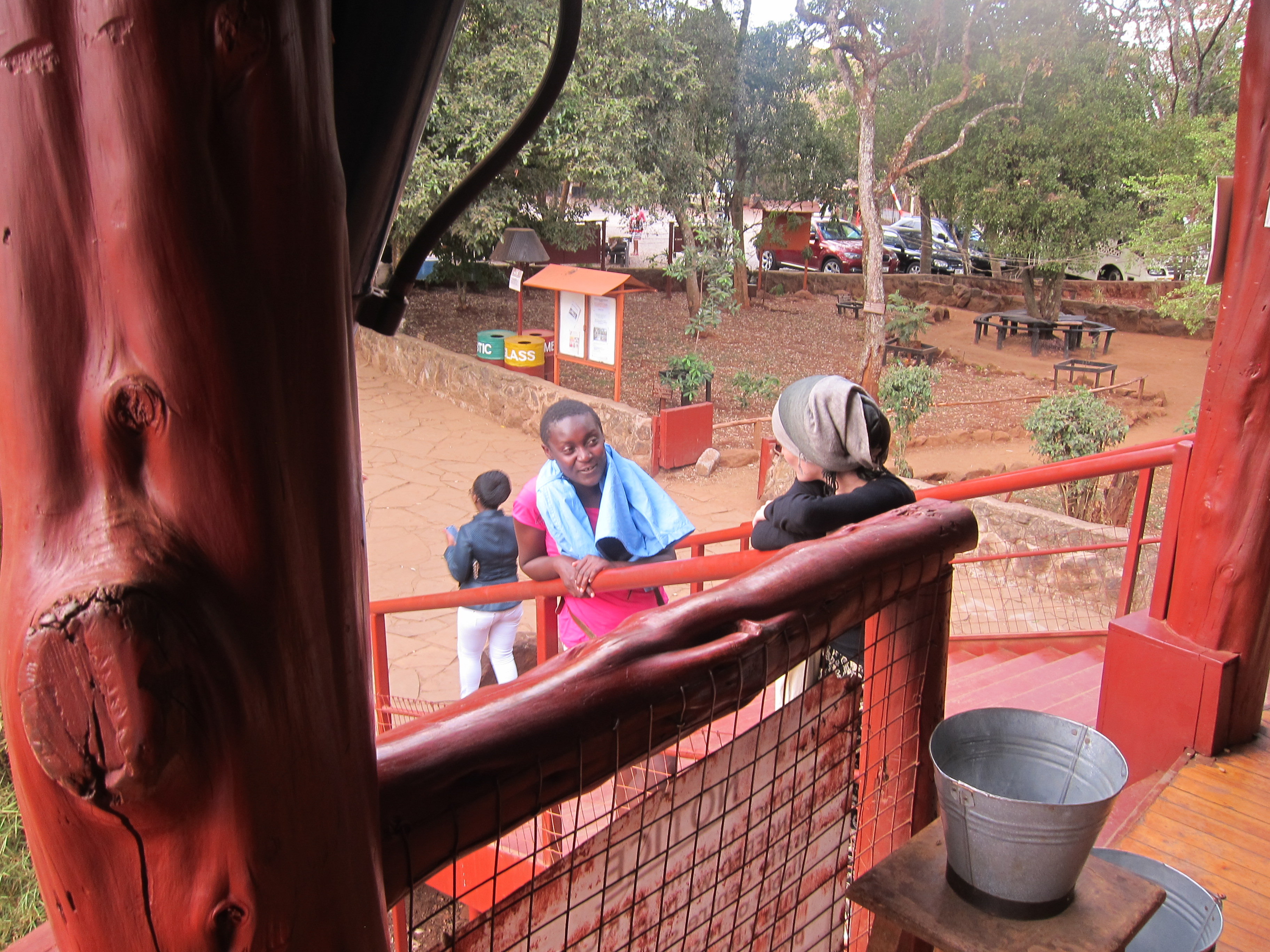
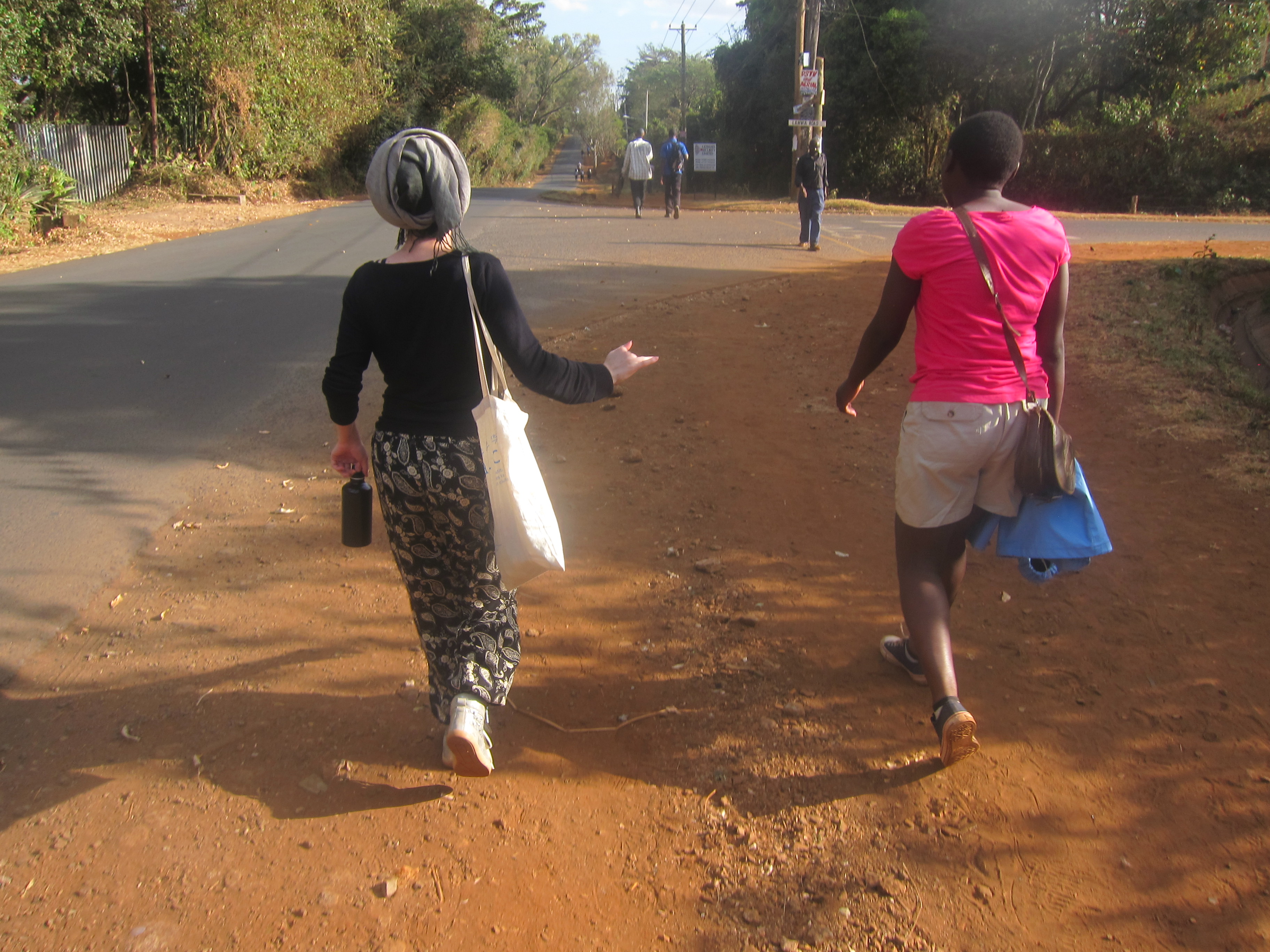
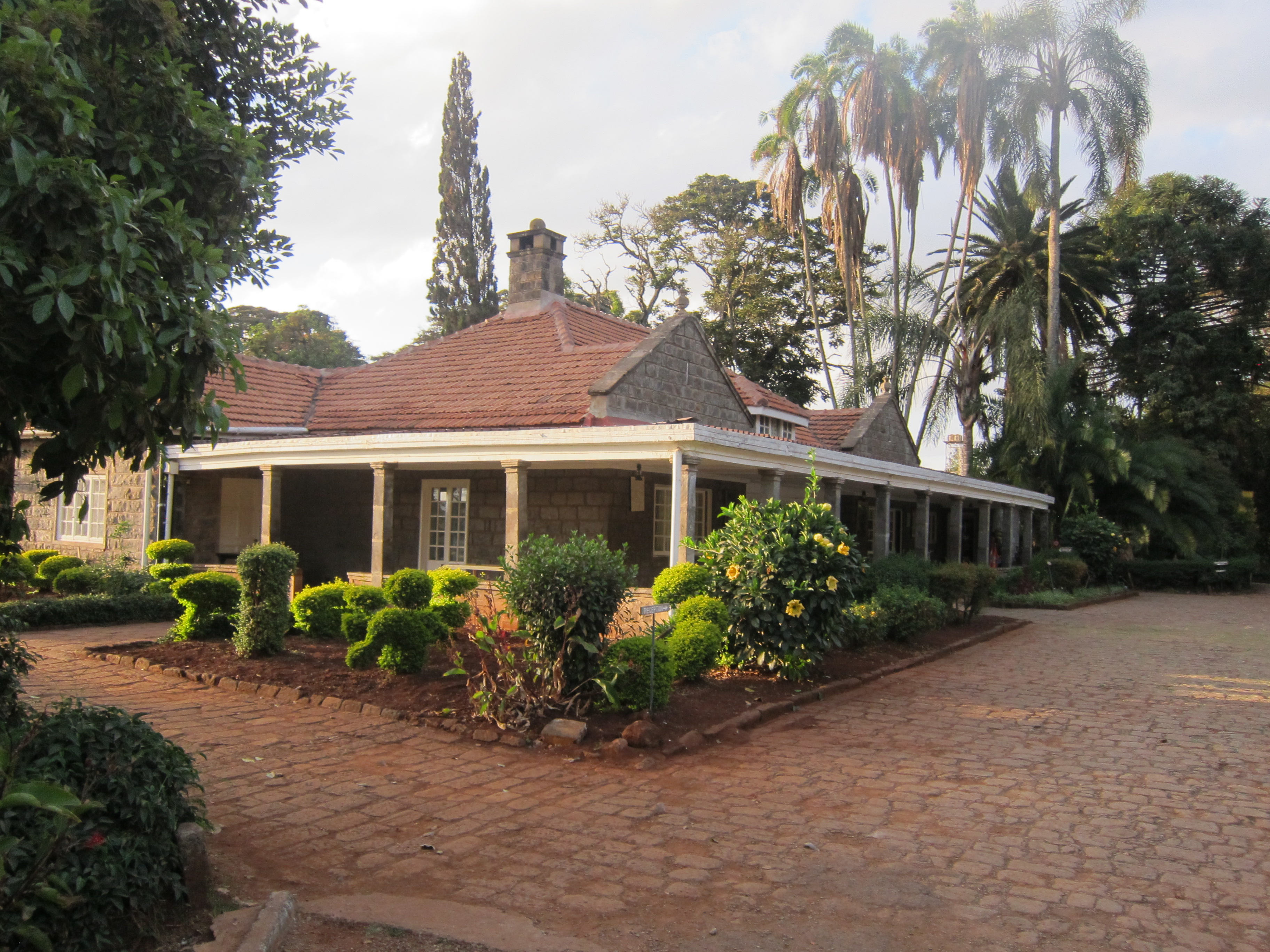
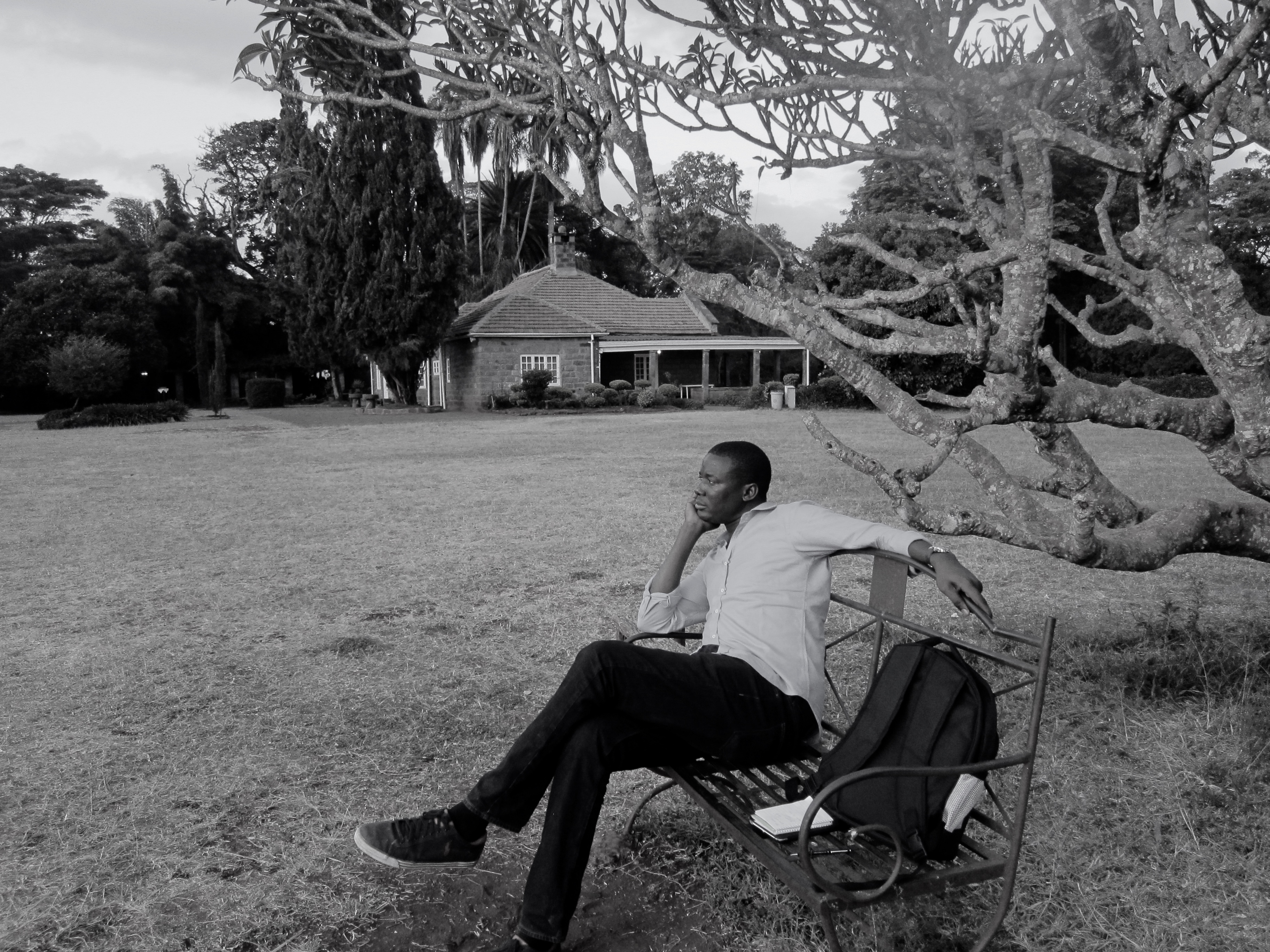
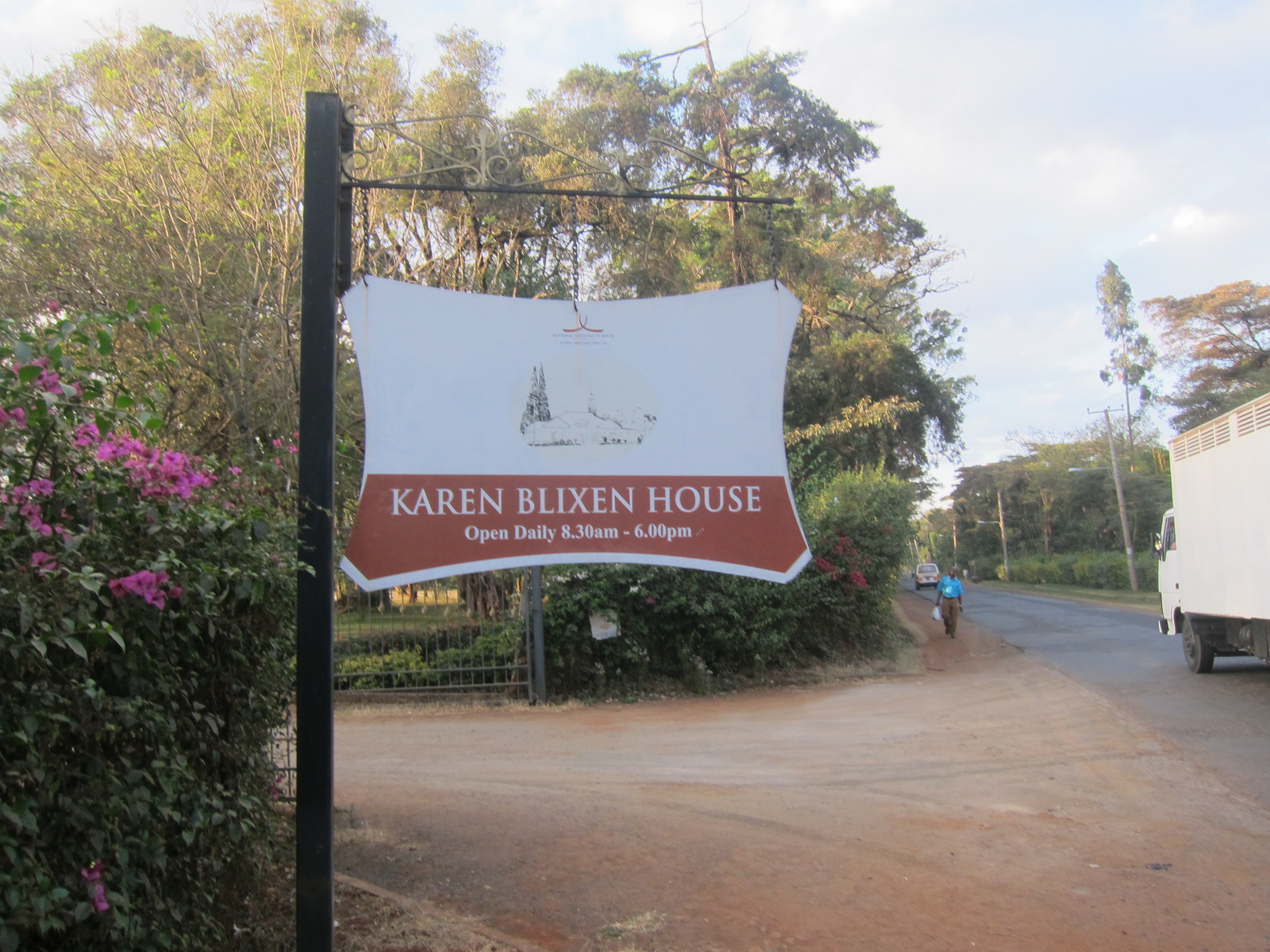
IMG_0167IMG_0178IMG_0179IMG_0184 IMG_0185 IMG_0147Last October, during my visit to Nairobi, I convinced a few friends to take me to see the Karen Blixen’s house/museum. But because I’d also indicated that I’d like to see other interesting and “authentically Kenyan” places, whatever it meant, I was invited to visit the famous Giraffe Centre as well which, as it turns out, was in the same vicinity as the house where Karen Blixen stayed during the time recounted in her bestselling book Out of Africa (1937).

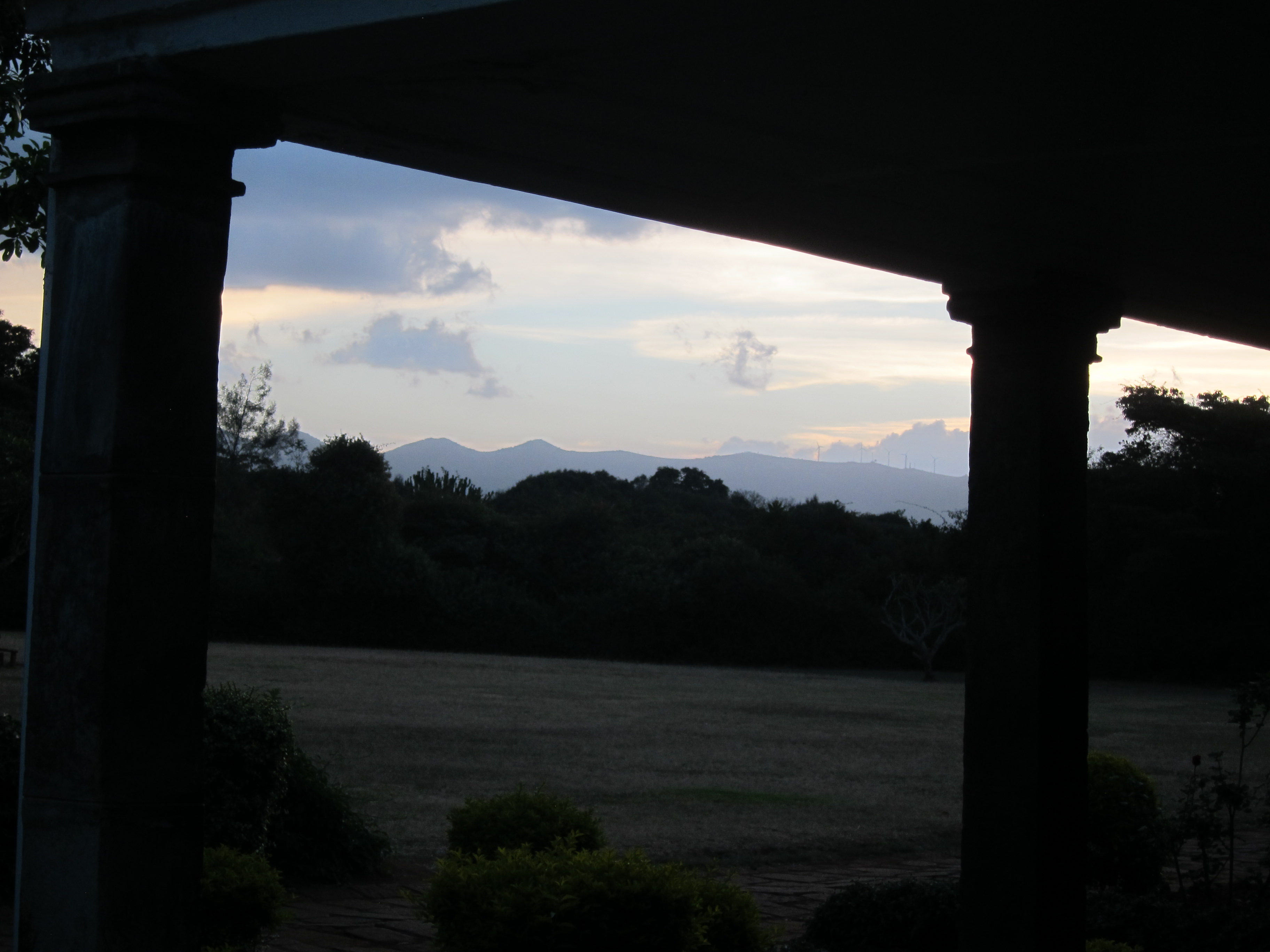
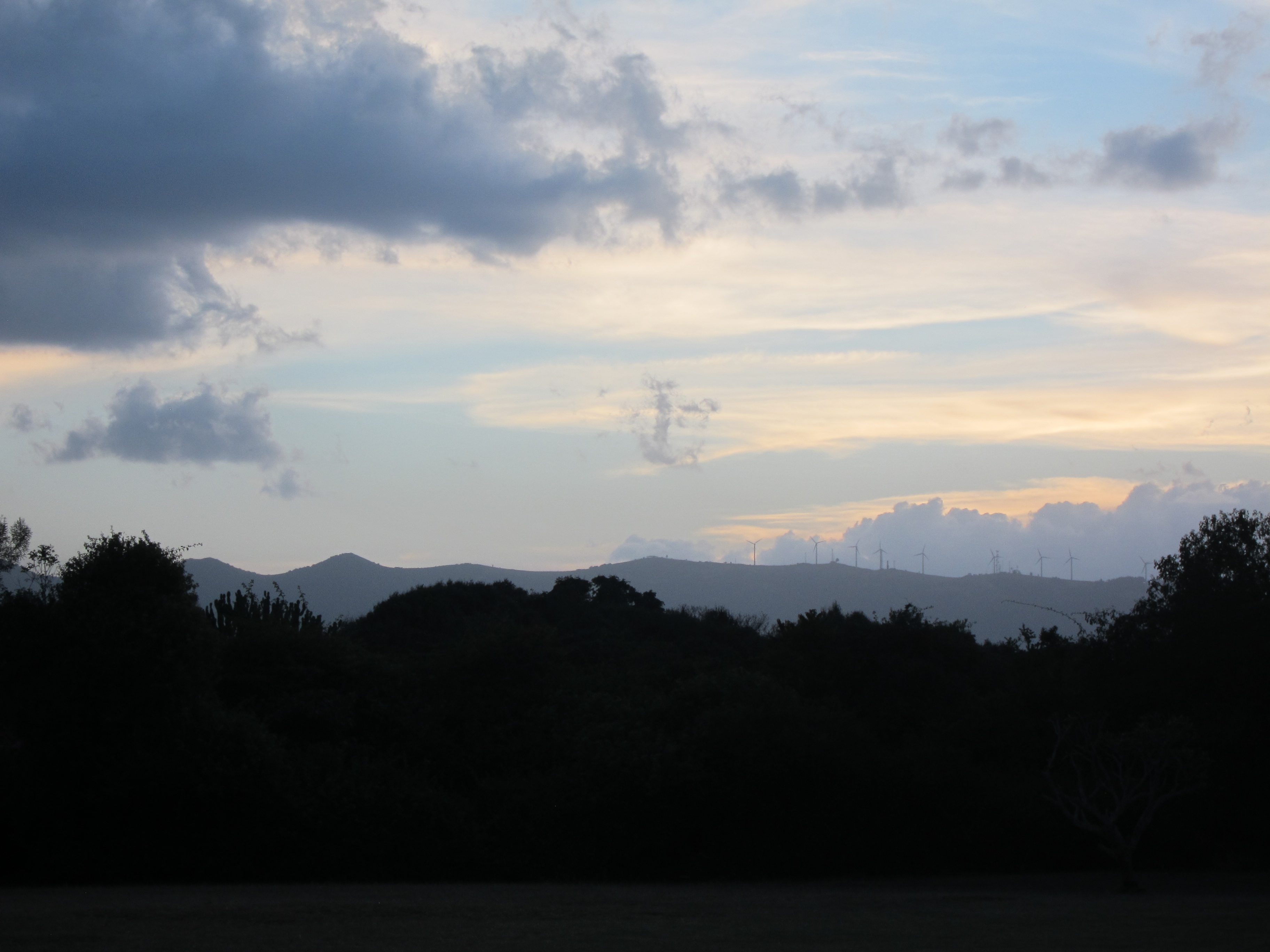
For a better report of our trip to the Giraffe Centre, you should read the account of one of my co-travellers, Nyambura Mutanyi, whose memory and attention to detail makes the retelling on her blog a delightful read. The Karen Blixen house and museum was what I had imagined it would look like: a large country house in the middle of a large, somnolent landscape. Ngong Hills, the most notable inanimate character in the novel (and in that area of Nairobi), was visible from afar, prominent for its many curves that reminds spectators of the knuckles on a fist.

Much of the history of the house has been preserved in a walk-through speech that one hears (or endures) from the house guide as one walks through the premises. You can’t take pictures within the house for fear – as the guide insists – of having plagiarists steal the idea and replicate some of its paintings and contents in some other place. Nothing in my insistence that a ban on photography is usually to prevent a damage to the artworks from camera flash impressed the guide. In any case, she had her orders and wouldn’t budge. She however promised to pass my message across to the management of the house in hopes of a policy review.

IMG_0192 IMG_0197 IMG_0207 IMG_0198IMG_0189 IMG_0212Karen Blixen, the Danish writer, born Baroness Karen von Blixen-Finecke, purchased the house with her husband in 1917 (during WW1). The house itself was built five years earlier by the Swedish engineer Åke Sjögren. It was donated to the Danish Government many years after she had left the place and returned to Denmark, and after her global bestseller Out of Africa put the house, Nairobi, and the people who live around Ngong Hills in public consciousness. The Danish Government, in turn, returned the house to the Kenyan Government as an Independence gift in 1964 after her death.

One of the most fascinating discoveries I made about her life is the fact that she was nominated for the Nobel Prize for Literature in 1962, which was won by John Steinbeck, and could perhaps have won it later had she not died later that year (of Syphillis-related ilness). The suburb of Nairobi where her coffee farm (and house) were sited has now been named “Karen” in her honour.

Writer Sightings: Pius Adesanmi and Efe Paul Azino

http://writersightings.tumblr.com/post/134194627235/in-an-animated-discussion-here-last-week-at-the

Let’s Save Binyavanga!

BinjOn October 31st, 2015, Kenyan writer and all-round brilliant mind Binyavanga Wainaina suffered a stroke. We didn’t know this until he himself wrote about it on a Facebook post that he has since deleted.

For those who don’t know him, Binj, as he’s fondly called by friends and acquaintances is the winner of the 2002 Caine Prize (which had on its shortlist Nigeria’s Chimamanda Adichie) and the founder of Kwani? online magazine, which he founded with his Caine Prize winnings. He authored the famous Granta essay How To Write About Africa and the memoir One Day I Will Write About This Place (2001). In January 2014, he came out as gay in an online essay titled “I’m Homosexual, Mom.” In the same year, he was featured as one of Time Magazine’s 100 Most Influential People. The profile was written by his good friend, Chimamanda.

More than any of his literary prizes however, Binyavanga is an all round humane (and childlike) soul. He is friendly, unassuming, and down-to-earth, as many who know him will attest. About five weeks ago, I featured him on Writer Sightings, using pictures taken during my last conversation with him in his house at Karen, on the outskirts of Nairobi. There was no hint that he was about to break down nor that he would not be making this year’s Aké Festival. His energy was as infectious as ever, and we talked into the evening, discussing everything in African writing, art, entertainment, language, among others, over mandazi and cold smoothie. Having him still come to Facebook to write, “like” posts, and share interesting links (as he has done many times) after the stroke is a testament first to his resilience, and his commitment to never be silenced.

IMG_4651He is now about to undergo some medical procedures in India to put him back together, and a few fundraising efforts have been set up to support his treatment. This morning, I gave my token to this cause, run by Kwani Trust (that has now raised 50% of the target goal. You can do the same, with Paypal or any other means, particularly if you live in Kenya, or anywhere else where Paypal works). For those living in Nigeria, Ake Arts and Book Festival (in collaboration with Nigerian artists, writers, and friends of Binyavanga) has set up a fundraiser this weekend at Freedom Park (poster attached). You can also donate through the Nigerian bank account that you can also see on the poster above.

Needless to say, this is a worthy cause. Binyavanga is one of Africa’s (and certainly this generation’s) living original and finest thinkers. Through his work, his words, and his life, he has given so many people new ways of interrogating set assumptions, and charting a new course for a battered continent. For this, for his large heart, and for more, he deserves our prayers, but more importantly, our help.

In the picture, he’s there holding my son who seemed to have fallen in love with him. Photo was taken at Aké Festival 2014 in Abẹ́òkuta.

Guest Post: My Clicker

by Adaeze Ezenwa


I’d like to get a camera, not one of those high-tech contraptions with dials and buttons intended to confuse and confound. I’d want one that is just a simple shutter and lens operation but will make me some stunning pictures. I would not take pictures of people, they do not interest me. I might take pictures of babies though, just because they haven’t learned to be self-conscious before the camera. Their essence would shine through because they aren’t concerned with making a fine picture or in my capturing their most flattering side.

Animals are more appealing to me, goats especially. I’d take pictures of goats, cows and monkeys, no cats or dogs because I do not like either. Then I’d take pictures of houses, interesting houses. I’d find the most fascinating houses, no house built within the last twenty-five years would qualify. In Sapele I found the most beautiful colonial houses, I’m glad that they haven’t been torn down for space to make the monstrosities that are the stamp of the nouvelle rich. I’d travel from town to town and find houses worthy of my clicker, I’d print them in the widest photo paper and hang them everywhere.

 Nigeria is an art treasure trove and my camera would bring a huge portion to life. From the wood carvers of Epe who make the most exquisite carvings of canoes and Ẹ̀yọ̀ masquerades to the Bronze castings of Benin and Ifẹ̀ and the beautiful, beautiful patterns that our weavers produce on clothes that are almost too beautiful to wear. I’d show you the street painters of Lagos who put the Picassos and Monets of this world to shame and the extravagant poetry and glass works of Bida craftsmen. Have you seen the wall art that decorates most Northern palaces? Fret not, my camera will show you all that and more.

I’d go round the country looking for rocks and hills and jaw dropping landscapes. Finding the most beautiful plants and flowers would be my delight, my pleasure and perhaps my salvation. From the tiny sunflowers that line the road to my grandfather’s house but strangely do not grow around the house, to the pale pink hibiscus that makes me wonder if it’s a mutation or a deficiency that bleached the flowers from the variety that produced the bright red blooms that I used to wear in my hair and that has drawn my eyes in every part of Nigeria that I have visited. Not forgetting the Ixora from which my brothers and I sucked the nectar even though we didn’t really like it. We did it because we didn’t want to seem like we were snobbish Lagos children in our hometown, we didn’t know that we would never belong even if we sucked all the Ixora in the world. Ixora might have nectar but they do not hold a candle to the fresh flowers of the Hibiscus that deliver a burst of tangy and sweet when you chew them. The dried flowers make the drink you know as zobo, that red liquid that will stain your tongue and clothes, the same one that southerners are prone to make with ginger. Please stop that nasty habit.

  And the rocks? I’d travel from Ọ̀rẹ̀ to Okpella to Jos and Kaduna in search of hills clothed with the most diverse vegetation you could think of. I’d bring images of majestic rock sides polished by thousands of years of rainfall and of depressions in the earth that makes the houses look like match boxes and the people like ants. Wouldn’t you like to see the green that decorates the rain forest? All the shades of green and a dusting of light brown will give you a peace that words cannot describe and the plenty snails and other bush creatures that make Bendel the home of bushmeat.

Then I’d take pictures of the soil, the light brown sand of the Savannah that drinks up any liquid with a speed that will startle, the rich loamy soil of my hometown that pulses with life and brings only one word to mind- fertile. Then I’d go to Enugu and show the world the baby rocks and monstrous pebbles that the people there call soil. From Benin we’ll see images of that rich red clay that coats everything with a reddish patina before coming to Lagos the city I was born where I’d show the aptly named potopoto. That clingy blackish mass that SUVs like to spray on hapless pedestrians, it’s not surprising that the first thing a Lagosian wants is wheels and metal roof with four windows and a windscreen.

I’d love to take pictures of the sky, of the blue sky dotted with pretty white clouds that remind of Mary’s little lamb. Or the days when the clouds are a duller shade of white and seem heavy without promise of fruit. People of the earth would describe such weather as cloudy, I wouldn’t use such a mundane term. If I could, I’d capture the play of colour that makes the evening sky its canvas. Most of all, I’d like to take a picture of the sky just before a storm- the kind of storm that you’d instinctively know that your umbrella is hopeless against. I’d show you the papers and nylon bags whipped by the frenzy of the wind, show you the sky black with surging rage and the bands of lightning that provide the most amazing contrast you’ve ever seen. Then when the first drops of rain come down, I’d take pictures of the thick fat drops as they hit the earth. Thick and fat like the ones dotting the windscreen of the bus I’m currently sitting in. I am in Benin-city and it always rains here, if I had a camera I’d show you the patterns formed by the raindrops.

I want a camera, will you buy me one?


___________

Adaeze is a writer who recently started referring to herself as one. In another life, she studied pharmacy at the University of Benin and had high hopes of becoming the next Dora. Now she sits in front of her laptop and writes about the everyday trials and joys of a single sistah in Lagos. She still lives with her parents and brothers and she’s married to Jesus.

Overland From Ibadan to Makurdi

by Tope Salaudeen-Adegoke


“Travel is a vanishing act, a solitary trip down a pinched line of geography to oblivion.”

– Paul Theroux


overlandThe excitement won’t let you sleep, I mean, when you want to travel a long distance you’ve never travelled before. So I woke up very early, unusual of me—I am a late sleeper, that morning, to link up with Servio at Benue Links’ Park, opposite the University of Ibadan’s main gate. Could it even be called a park? It’s right beside the Mobil filling station. Their office is a tiny cubicle behind a warehouse that is also used as a workshop by a roadside vulcaniser. This vulcaniser also doubles as an agent of some sort for the transport company. He helps in unloading luggage.

The two Toyota Hiace buses, commonly known as the Hummer Bus in Nigeria, are painted white with two dark green horizontal stripes at the middle of the vehicles. At the base of the lines, “Benue Links” is painted. They were parked in front of the place. A conductor called our tickets. I was with number four and Servio number five. He directed us to the bus in the front. I had hoped we would be called into the second bus because it was neater and had an automatic gear. I would later understand the reason why the first bus was rough and dirty.

When it comes to efficiency in transport services in Nigeria, just forget it. And never be in a hurry. They could be a pain behind the wheels at times, which is the very reason we had planned to travel earlier so that we could arrive at Makurdi a day before the commencement of the programme we were going for.  After their usual delay, sorting passengers’ luggage under the seats, on the back seats haphazardly, in the trunk—it was a little space because another passenger seat had been wedged onto the little space— spilling to the seat next to it which irked some passengers as they were shoved and made uncomfortable even before we set on the journey, some other passengers entered. It was a reckless combination of people and luggage.

A woman came to the entrance window praying for journey mercies. I was responding “amen” under my breath when squabbling erupted from the back. A passenger and the conductor were arguing over mishandling of her luggage. The praying woman intervened and a compromise was reached. The driver hopped in. He was a rather dirty looking man. He wore a dirty shirt and three-quarter pants. The only thing that impressed me about him was his neatly shaped hair and moustache. His hair, sprinkled with brilliant greyness is the only neat feature belonging to his seemingly nonchalant dress mode. The remaining passengers filed in and took their seats on the three rows behind us. She continued the prayer and by that time I had already lost interest. At the end of the prayer, she was tipped by some passengers. She received it with “God bless you” and the recipients variously salted it with “amen”.

The driver turned on the ignition and pulled up on the road. We zig-zagged out of the city to the expressway of Ọ̀jọ́ọ̀, then to Iwo Road; the time was probably a few minutes to eight.

“Won’t you sleep for a minute?” Servio asked. The question was directed at my red eyes rather than me.

“No. Curiosity won’t let me”. I smiled back.

He feigned a smile and curdled his face on his lap to take a nap. We were speeding along the highway when a man, seated beside the driver, called the attention of the driver to the door of the vehicle; it seemed broken on its hinge and did not close firmly. He parked to examine that and confirmed it was only a kind of rubber missing. He closed the door and joined the road again. Because the landscape was familiar to me, I decided to read a little. I had with me a Kindle from the Kofi Awonoor Memorial Library. I switched it on to return to the books I had been reading. I tried Daniel Dafoe’s The History of the Devil/ As Well Ancient as Modern in Two Parts. It was no good. I tried Satan’s Diary by Leonid Andreyev’s—same thing. The Confessions of St. Augustine Bishop of Hippo—I was not receptive at all; I was torn between the pages. I kept repeating sentences and peregrinating paragraphs. So I put it aside— I did not pick it up again throughout the journey. I returned to looking at the landscape wheezing past us: people, houses, filling stations, etc.

Travelling is a leisurely activity in the Global North with a considerable bit of risk, if at all. It is a daunting, and risky business in Africa. In fact, travelling for fun in some regions in Africa is suicidal. You have many factors to consider— the roads for example. Some have wondered and enquired about the way to hell. In simple truth, it is those potholes on Nigerian highways, which have led many away to their death. Oil tankers ferrying petrol to different parts of the country are noteworthy contributors, too. Carcass of cars like wrinkled cast away rags by the roadside are one of the things that will likely catch your attention if you are travelling on a Nigerian highway. I wonder if it’s supposed to be a reminder of death to travellers or some memento mori to reckless drivers. I can safely count these carcasses I have seen so far on this trip. It’s depressing. At times I imagine the ghost of accident victims perpetually present in the remains of the wreckage wriggling through the windows or driving the cars on the spot.

We had been in Ọ̀sun state, zipping through towns designated with local government signposts. The boundary between Ọ̀sun and Oyo States is a short drive from Iwó road of about 15 minutes. Ibadan is spreading more than ever. People are now building homes along various outskirts of the city. It was a short drive through Ọ̀sun. We took a left turn when we reached Odùduwà University facing the road connects Ifẹ̀ to Ondo State.

Ondo is a strange beast. In one nostril she is sniffing dust, in the other tobacco. Large billboards at various newly completed buildings scream the achievements of the Governor: ultra-modern hospital, modern primary school, newly tarred roads, blah blah. I felt like I was sneaking through the backyard of my neighbours to play with a friend on the next street. The comfort and sense of security that I was still in a Yorùbá speaking place betrayed my wanderlust. I felt like I was rooted on a spot.  Modernity is seeping through the veins of the city of Àkúré. But the rusticity of their Yorùbá is still present in their tongues. The dialect is both fascinating and laughable, just like the core Ibadan accent, that I happen to speak, or old Ọ̀yọ́ accent. If you don’t put down your ears, you may not understand them when speaking.

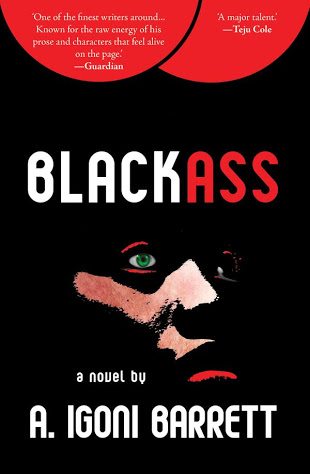
There are lots of mountains in Ondo state. And for a moment, it seemed our bus flying on the road was like a futile effort of trying to cup water in a palm hoping not a single drop will escape. The driver’s devil-may-care speed was useless. It was as if he was trying to run away from that place. That gave me time to examine the mountains. The sun was already high so it made them clearer from a distance. I was looking at them and the word “black ass” kept tugging at my mind. They were black and hairy with arboreal growth. The thick blackness of the sedimentary rock was puzzling to me. I mentioned my fascination to Servio. He’s very good at providing details. He shared his NYSC experience, he served in Niger state, that there is a particular tribe that lives up mountain in the North, suffusing me with much more I anticipated for. It was almost useless, actually.

There’s a popular restaurant in Àkúrẹ́ that serves as stop over for inter-state buses. We had a stop-over there. Everybody was glad for the few minutes’ break to stretch their legs and empty their bladder. I walked down a road to take a leak. Servio had disappeared into the restaurant looking for a toilet to do his business. He bought a bunch of bananas and a bottle of Eva table water which he later regretted— more than half of the bunch turned out spoilt. Some of the other passengers bought refreshments as well. I love plantain chips, most especially when it’s sparsely salted. I had bought two packs from one of the roadside hawkers on the outskirts of Ọ̀sun, intending to give Servio one.

We slipped through Edo, rather briefly. We passed Akoko-Edo, Magongo, and small towns before we entered Kogi. The mountains there are very hairy. They are like hairy old men. Unlike the youthful blackness of the ones in Ondo, they are like fathers to children in their fifties.

I saw for the first time the Àjàokuta steel company. Labouring through a region where there were only huts— and the huts were poor, no more than mud shelter with grass roofs— and an occasional herd of cattle followed by young boys, we entered Benue. We came upon the bridge overriding the vastness of the Niger.

“A tributary!” Servio beamed. It was a pointer to the Niger River.

“In stagnancy!” I enthused.

I was responding to the wit in his remark. It was about a verse in his poetry collection, A Tributary in Servitude. That was when I decided to write this travelogue. And immediately I told him that, the conversations died down. He was careful of how he would be presented. Servio can be clumsily clammy at times. And his informed paranoia makes him extremely cautious with everything. I wouldn’t care though.

Dusk was approaching now, and I was excited that finally we are in Benue state. Two women alighted on the outskirts of the town. I was pretty disappointed with the dusty town of Otukpo, where the former Senate President hails from. It was rather too primitive except for the big Catholic churches.

It was already dark, around 10pm by the time we arrived Makurdi. Having endured a hideous trip of about 10 hours covering about 613 kilometres in a cramped seat, it’s a wonderful feeling when we arrived at the Benue Links Bus Station. (In fact, it had the ambience of an airport because of the taxi drivers parked outside park soliciting to be hired). I was tired and bus lagged and I couldn’t be happier to get out of the bus. Our host, Su’eddie, came to welcome us.


_________

The Favourite Son of Africa is the pseudonym of Tọ́pẹ́ Salaudeen-Adégòkè. He is an editor, literary critic and poet from Ibadan, Nigeria. A member of WriteHouse Collective, Tope assesses manuscripts for publication and is one of the organisers of Artmosphere, a leading monthly literary event in Ibadan. He also works as the administrator of the Kofi Awoonor Memorial Library in Ibadan. He enjoys travelling and cooking.