Best Poker Destinations

Playing video poker online is fun, but playing at the best poker rooms in the world is amazing. Determining the best poker rooms in the world is easy, especially considering all of them are based in the United States. There are a few new US poker rooms on this list, as well as some classic options. This list also contains the best choices for those who like to play poker online.

Live Poker Rooms

1. The Bellagio – This is the classiest poker room in existence. It’s also the most comfortable and best run poker room in the world. However, it’s not the right choice for everyone. The stakes are high and getting into the games is only possible if you have money.

2. Commerce Casino – If you’re a fan of great poker tournaments, this is the poker room for you. It’s possible to buy-in for a moderate amount and go home a millionaire. There are also 200 tables, so finding a good game is easy. The more tables, the more fish.

3. Foxwoods – This is used to be #1. It’s still the biggest casino in the world, but they made a mistake with the poker room. The poker room used to be upstairs. Being able to look out enormous windows at an expansive forest was a very neat atmosphere. Then they chose to move the poker room downstairs, which is dark and ugly. Even the bathrooms are tiny downstairs. If Foxwoods was smart, they would change it back to the way they had it before. However, the action here is still great.

4. The Mirage – If you want a plain and simple poker room with a lot of games and friendly people, this is the place to play. There is nothing extraordinary about the poker room at The Mirage, but it’s still a very enjoyable experience. They don’t try to go over the top. They focus on service, comfort, and convenience. Not to mention they also host the most fired up blackjack tournaments in the world with the best of the best always showing up every year.

(sponsored)
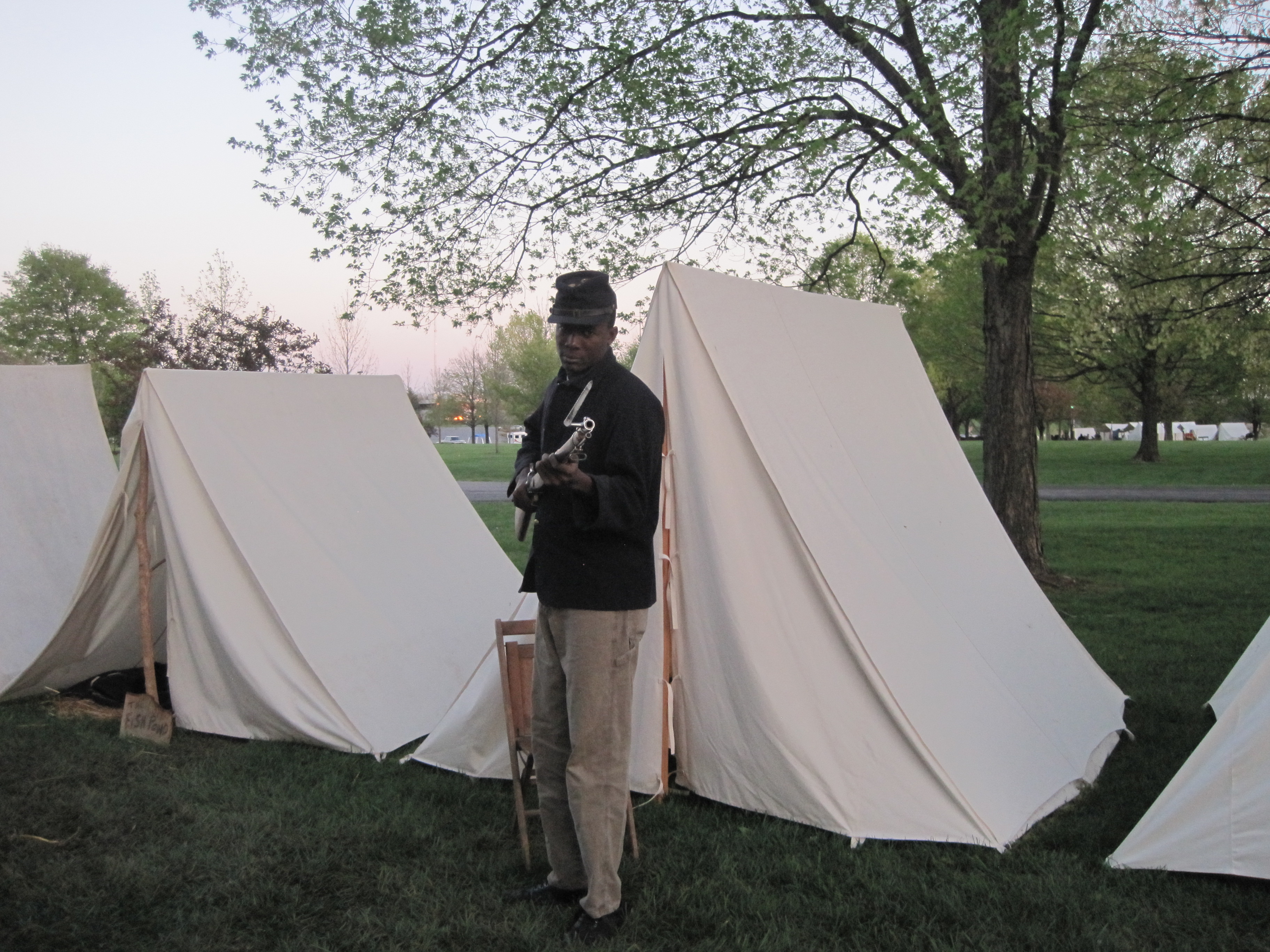
Going Back to 1861

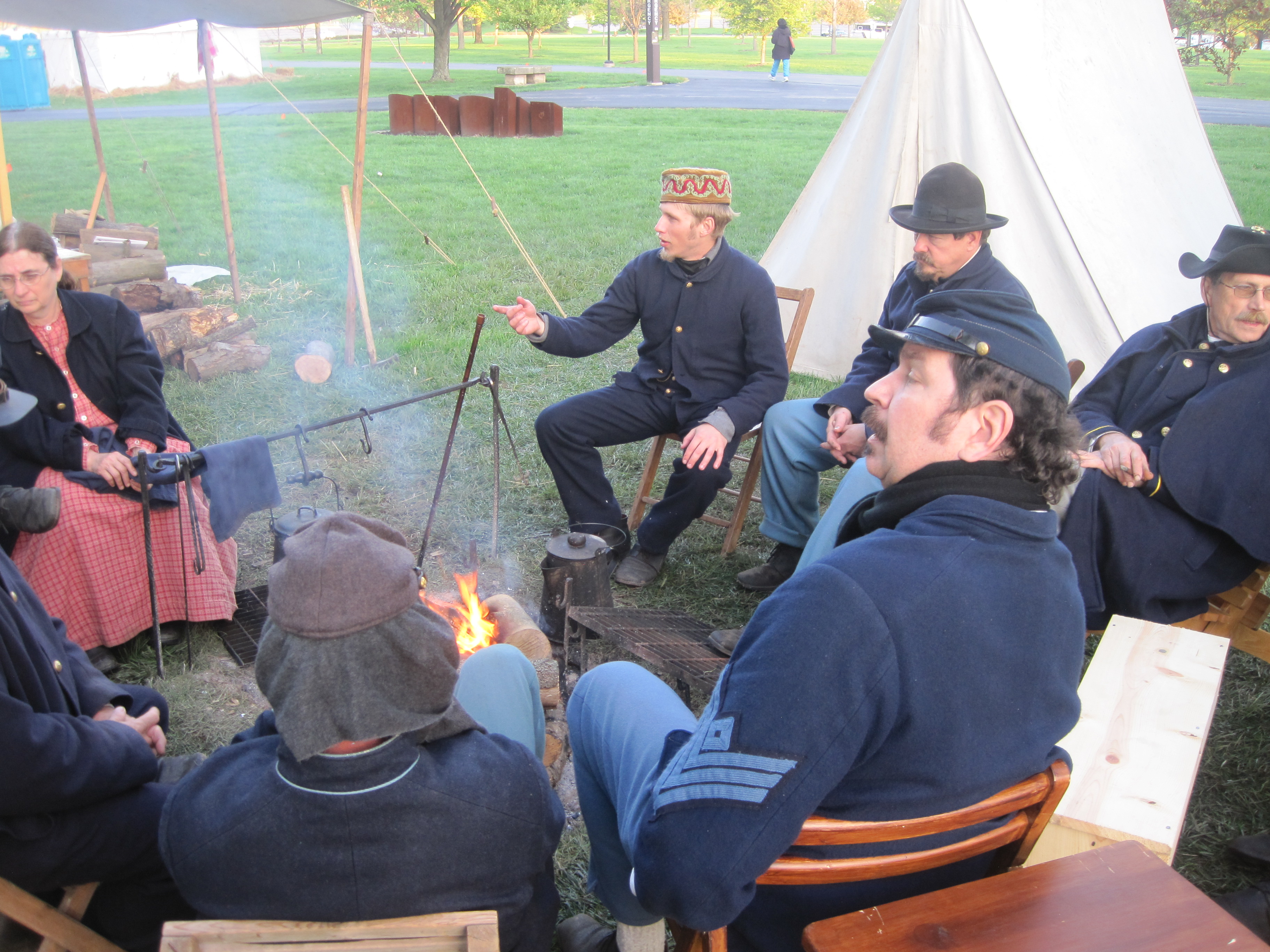
This week on campus, there was a re-enactment of the camp and battle scenes from the American Civil War in celebration of 150 years since the war started. Here are a few pictures we took there. More than the very surreal feeling of being back in time to when the fate of the country’s unity lay in a balance, subjected to the force of will and rhetoric from the two divides, there was also a good feeling of being able to talk to men descended from real life veterans of the war. The half hour we spent in their company was jolly, and very educative. They do know their history, and many of them have spent decades researching it, and collecting artifacts and relics from the time.

And then we posed for pictures wearing some of their military fatigues, and even trying out the military pose with the gun and bayonet as new recruits would, in those days. One of the “officers” looked at us and warned, in a voice so reminiscent of a real commander. “Be careful boys. If you get too far from camp and you get into the hands of those damned Confederates, I won’t be responsible for whatever happens to you.”

The events will round off this week with a talk on campus by famous Civil War film maker/documentarian Ken Burns at the Merridean Ballroom on Wednesday. The event had already sold out since months ago. But by some luck and persistence, your sincerely has found a way to get into the event without a ticket, with help from some connected people. Don’t ask me how, but I might tell you after the event. I hear that Mr. Burns is one of the most famous documentarians on the Civil War with two Academy Award nominations to his name, and seven Emmy Awards.

Remaking My Voice

Featuring movie critic Roger Ebert. Be inspired.

On the Way Home

There blows a dusty wind, removed from my already sweaty face by just a thin sheet of glass. It is night. The cemetry on the way back from town lay spread as it always did to the left of the road. There are flowers of many colours on the tombstones, marking spring, marking memory. They spread further into the thicket, with little colour snippets out of the dark. A racoon creeps across the road onto the other side, moving like a crippled dog. It looks like a baby fox brightened only by the little light slivers bouncing off the dark stones of the grave back onto its skin. The distance of a mile or a little more separates me from home in the little town. It feels like the harmattan season in another home far, far away. There is no uncertainty, or dread, or a once-familiar worry. There was however a thumping of heart, and a gait propelled by soothingness.


Wen E Go Come: Of Creoles

Linguist John McWhorter comes to the defence of the African American Vernacular English (also called ebonics) as a distinct dialect of English with its own complex grammar – rather than an abberation – in this rather enlightening podcast on NPR. Recent discussions in my sociolinguistics class have focussed on the big controversy about the language (as it should be properly called) and teaching and cultural attitudes in the United States. Is the slang (as some have pejoratively called it) coming over to challenge the dominance of real English? And what exactly does it mean to make provisions for acknowledging its status (AAVE) as a language in the classroom when there exists a whole lot of other learners (like genuinely disadvantaged white kids) who have to take instructions in standard English, without any special preferences. It is fascinating, the discussions.

The part that gets me thinking however is how this relates to the language situation in Nigeria at the moment, with pidgin (which should appropriately be called a creole actually, since pidgins are more defined by simple grammars and spoken only by first contact generations alone) still being relegated to a low status position in a society from where it has evolved into its own place over many years. With an equally complex and systematically observable grammar, form and lexicon, the language has become a lubricant in the multilingual dynamic of our nation with its over 500 languages. The situation is not any different from what is happening in the US, at the moment, in fact. The codification of language usually takes informal means, and after a few generations become standard in their own place with or without government sanctioning. It has happened with AAVE as it has with Nigerian Pidgin, Jamaican/Haitian patois, among others. All that remains is the right institutional sanctioning to make them more relevant in official discourse. PS: Nigerian Pidgin could also do with a new name of its own.