Browsing the archives for the Travelling category.

Mardi Gras in St. Louis

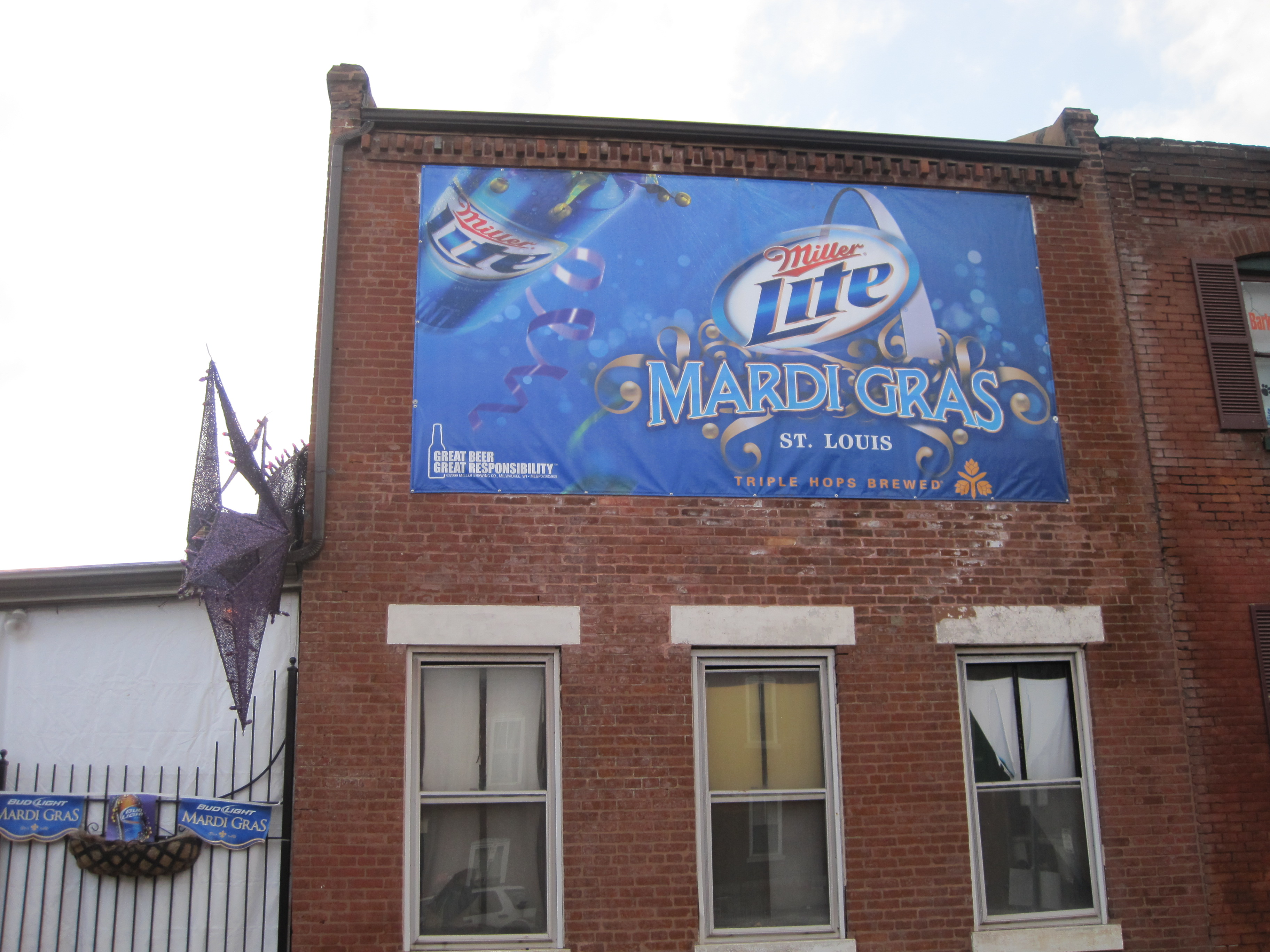
The Mardi Gras in the United States and elsewhere in the world is an annual event of extraordinary proportions. It is defined by revelry, colour and excitement. This year’s edition was no exception. It does not take place in just one city in the US, but the biggest of them all holds in New Orleans in the state of Louisiana – an area that marks the beginning of the festival in the late 1600s. The Mardi Gras is so named in French (“Fat Tuesday”) to define the last days of indulgence before the beginning of Lent on Ash Wednesday.

American beauties

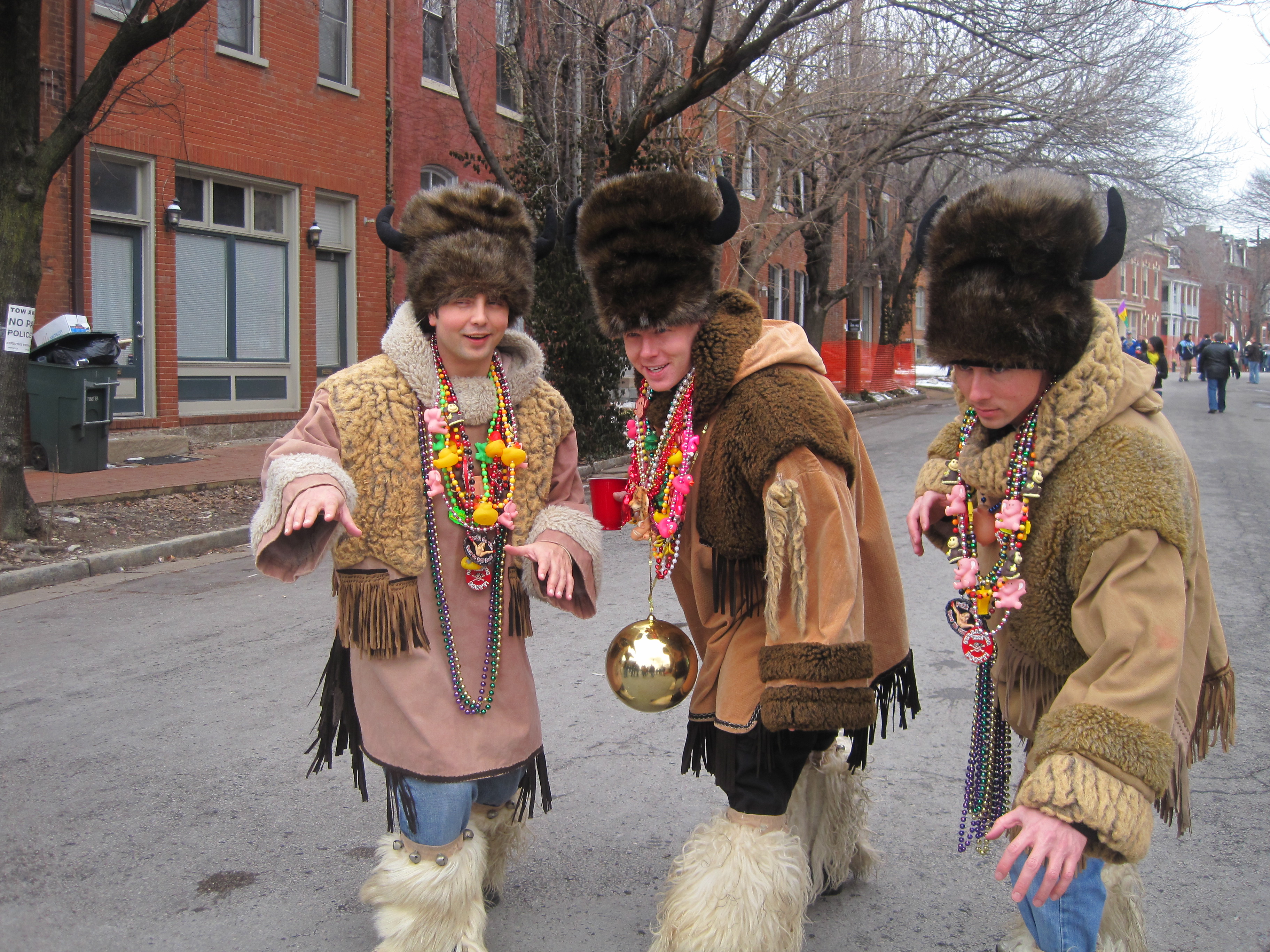
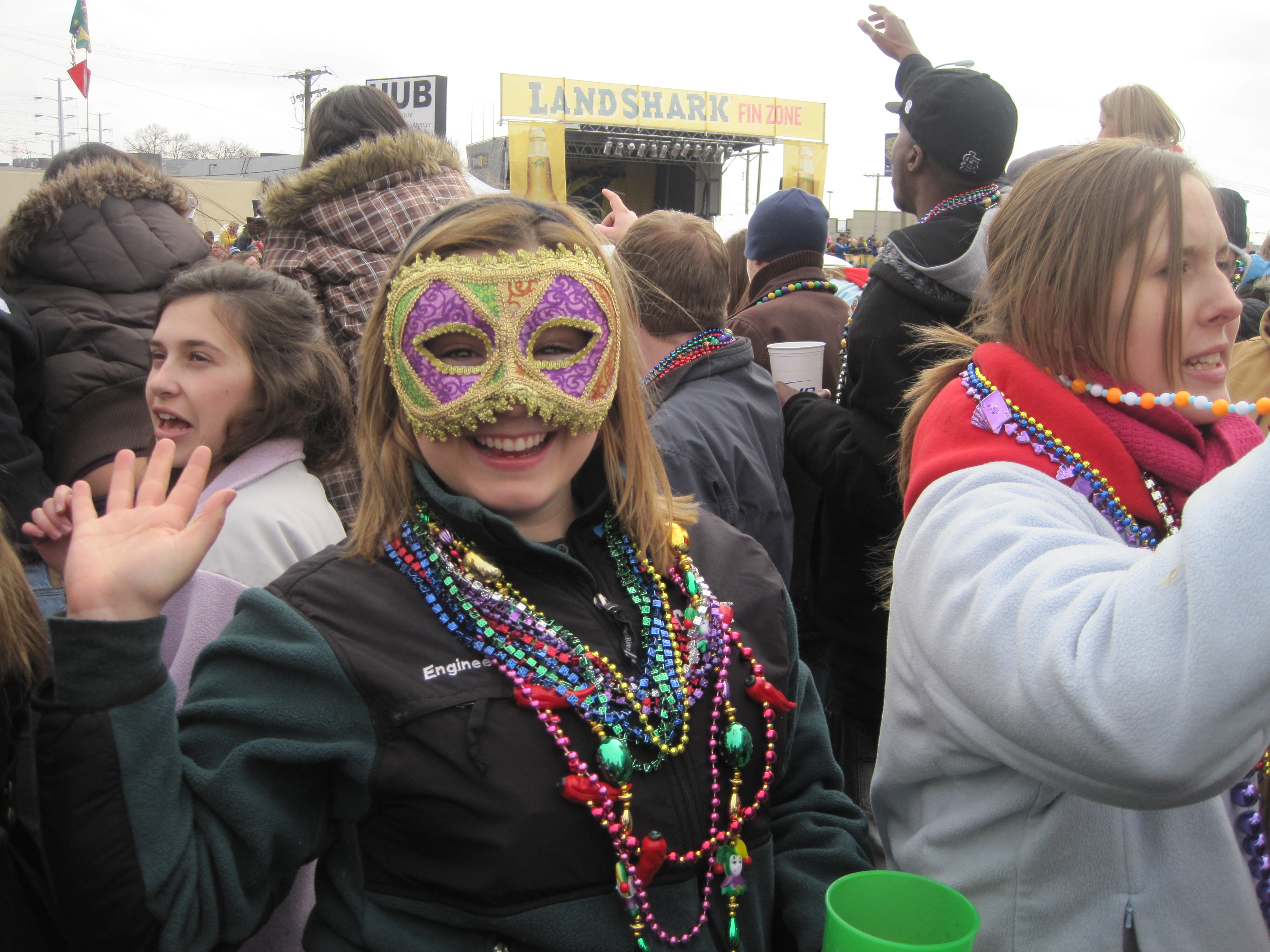
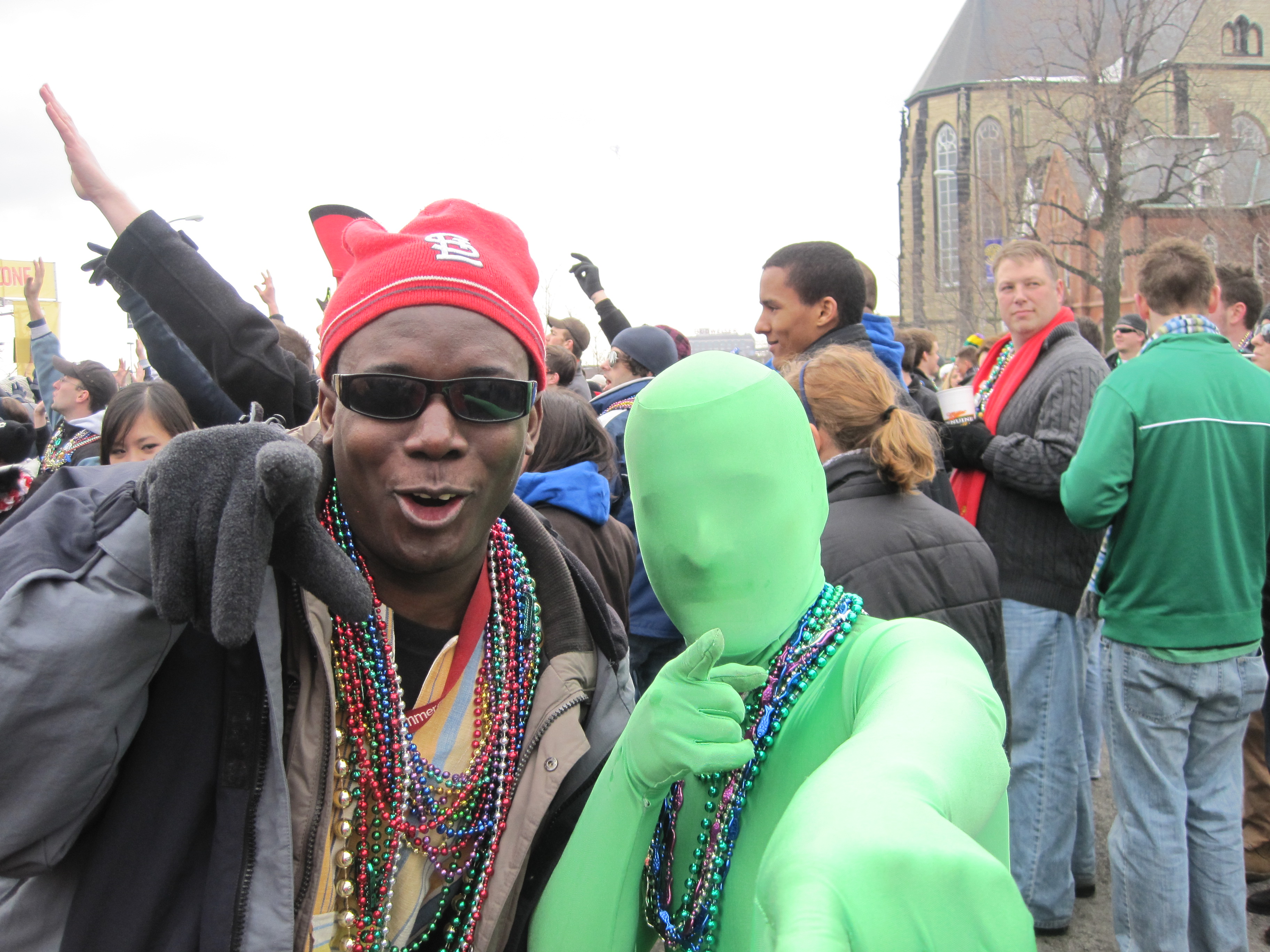
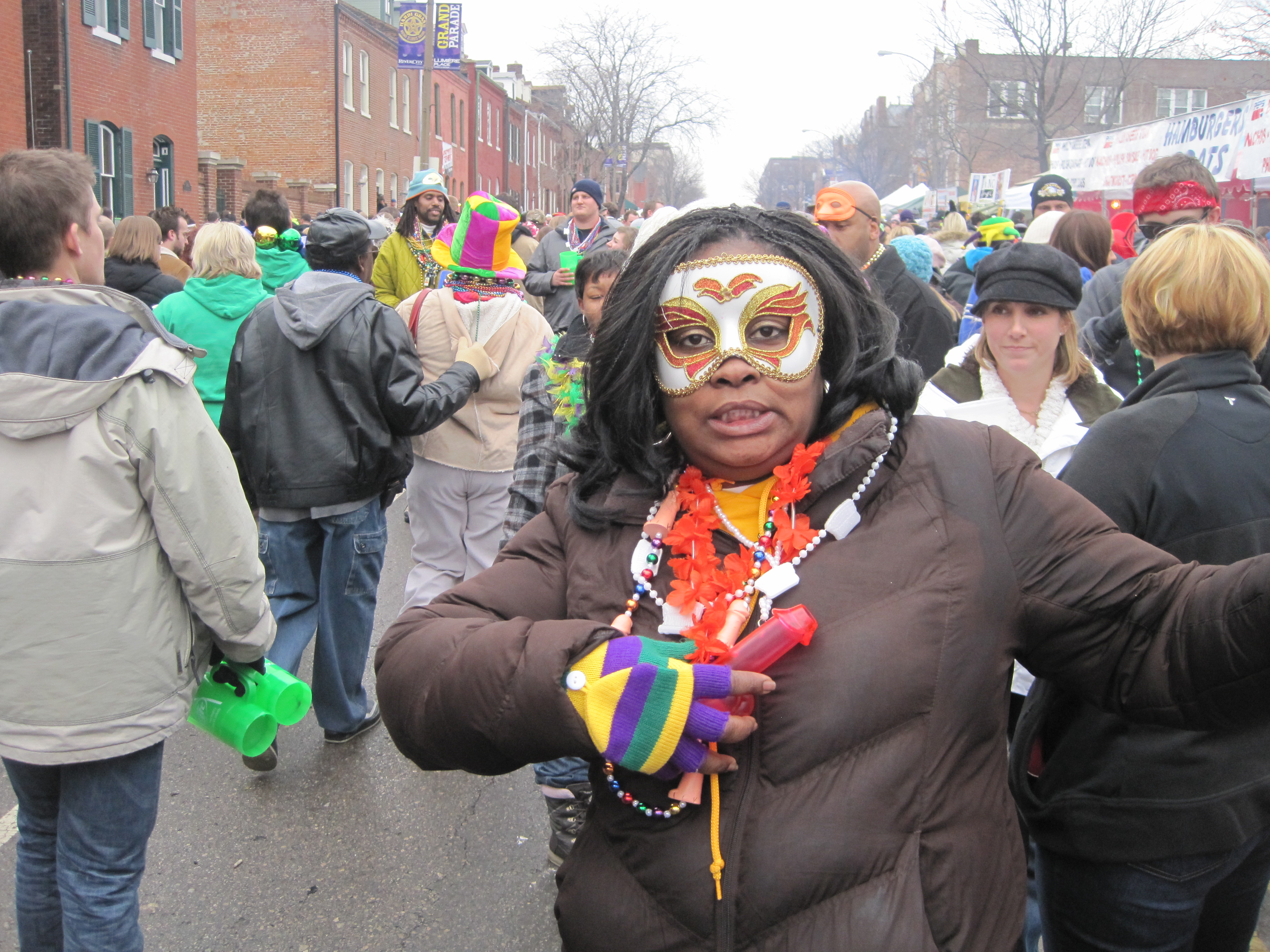
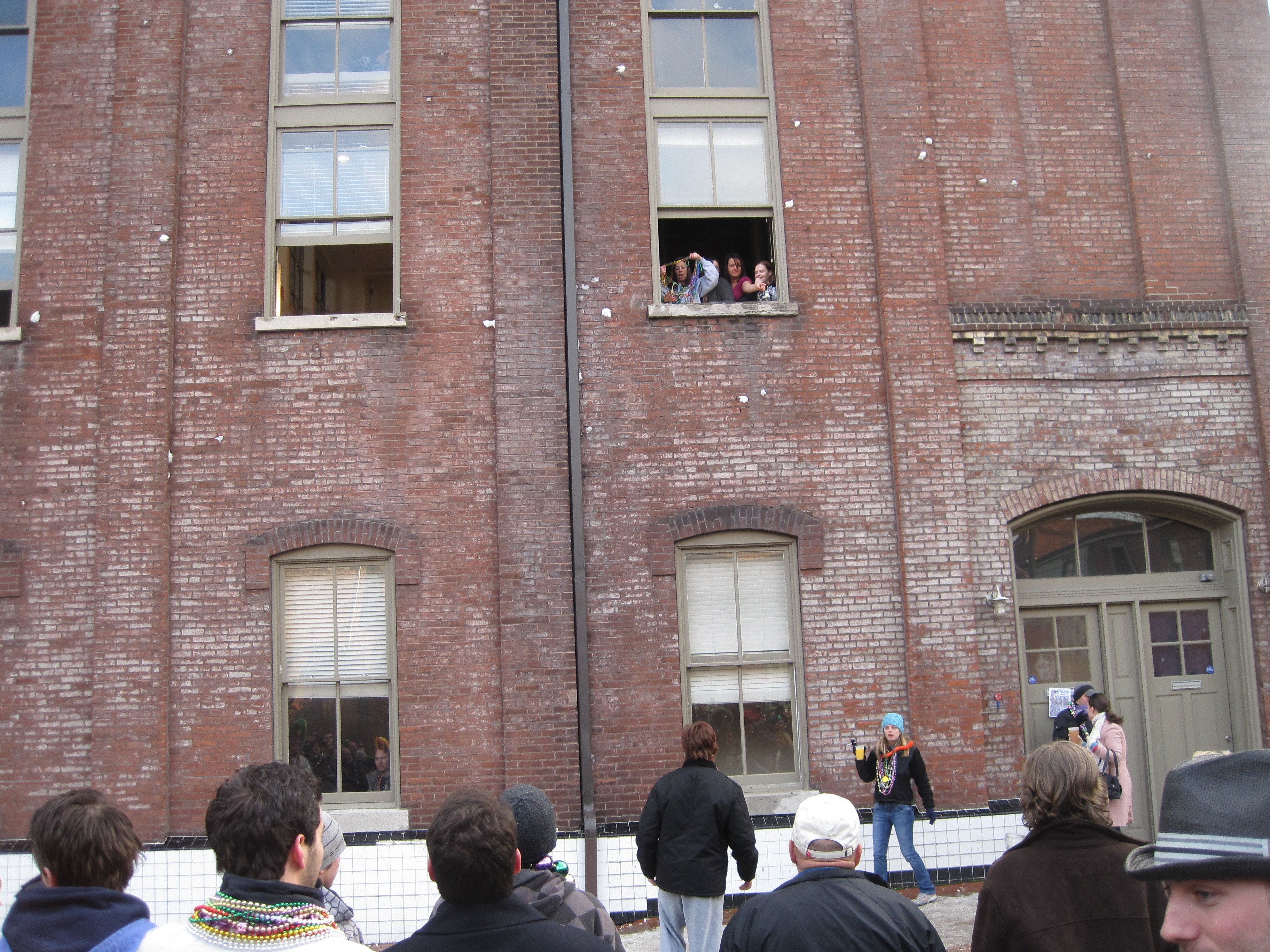
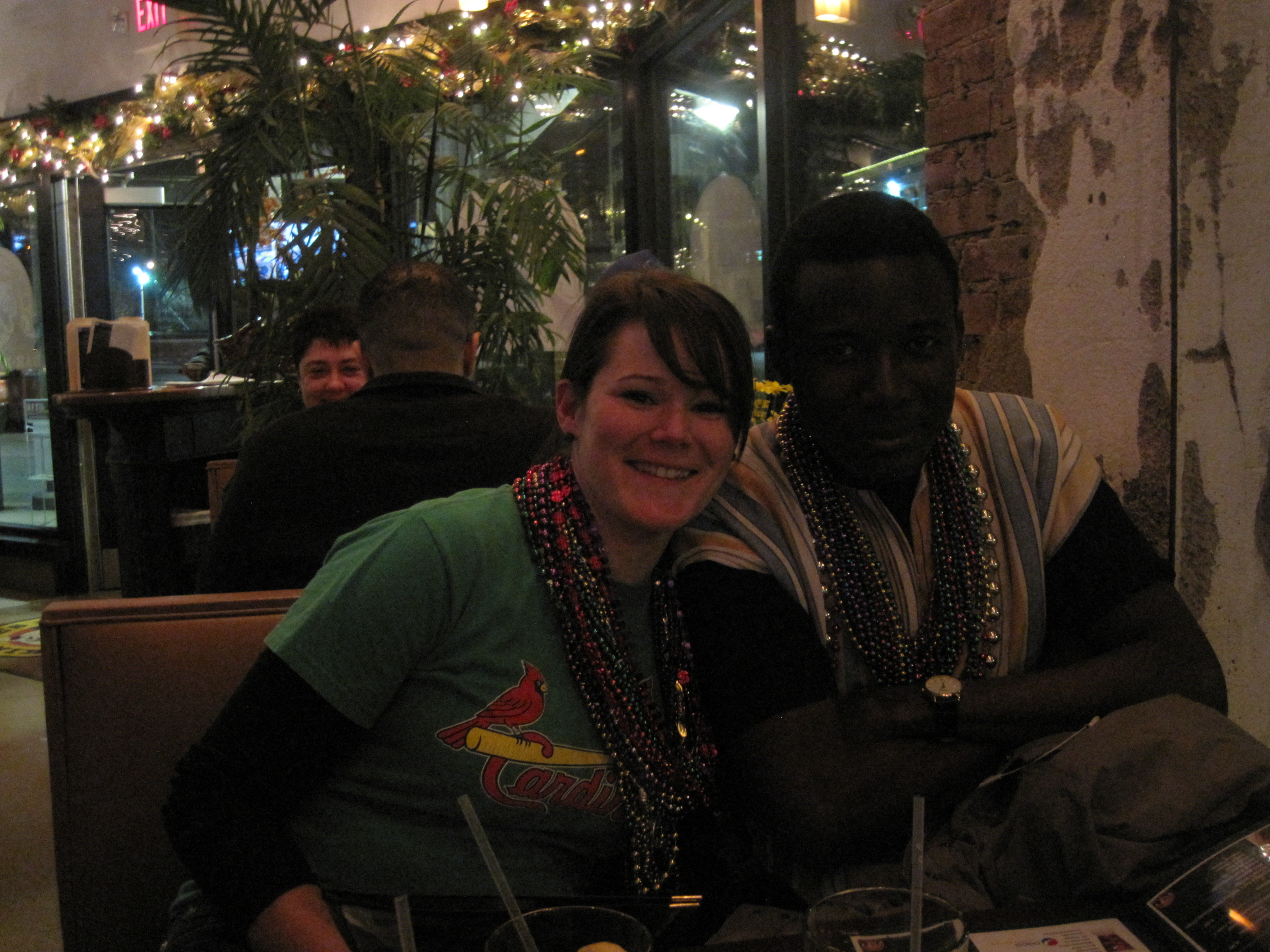
I had gone to this year’s event in St. Louis in company of an American friend and classmate. Apparently, one of the biggest attractions of the festival carnival is the now accepted spectacle of women flashing their breasts to all interested for a little fee of colourful beads. Needless to say, before we entered the long street called the Soulard where thousands of human bodies lined up to witness the parade of colourful costumes and dance, we made sure to have purchased a whole lot of colourful beads on strings, just in case we needed them. It turned out that we did; we found beads of different colours, thickness and length – just like ours – on everyone’s necks. Those who didn’t have enough were found jostling to catch any of the many more strings of beads that were flung into the crowd by members of the parade that took place later. As part of the history of the cultural event, it is said that young women gathered in evenings around fireplaces to count their gains of the carnival in the number of beads they obtained. And all they had to do to get the beads is to flash their breasts, which, I should say, also came in different shades and sizes, from what we saw.

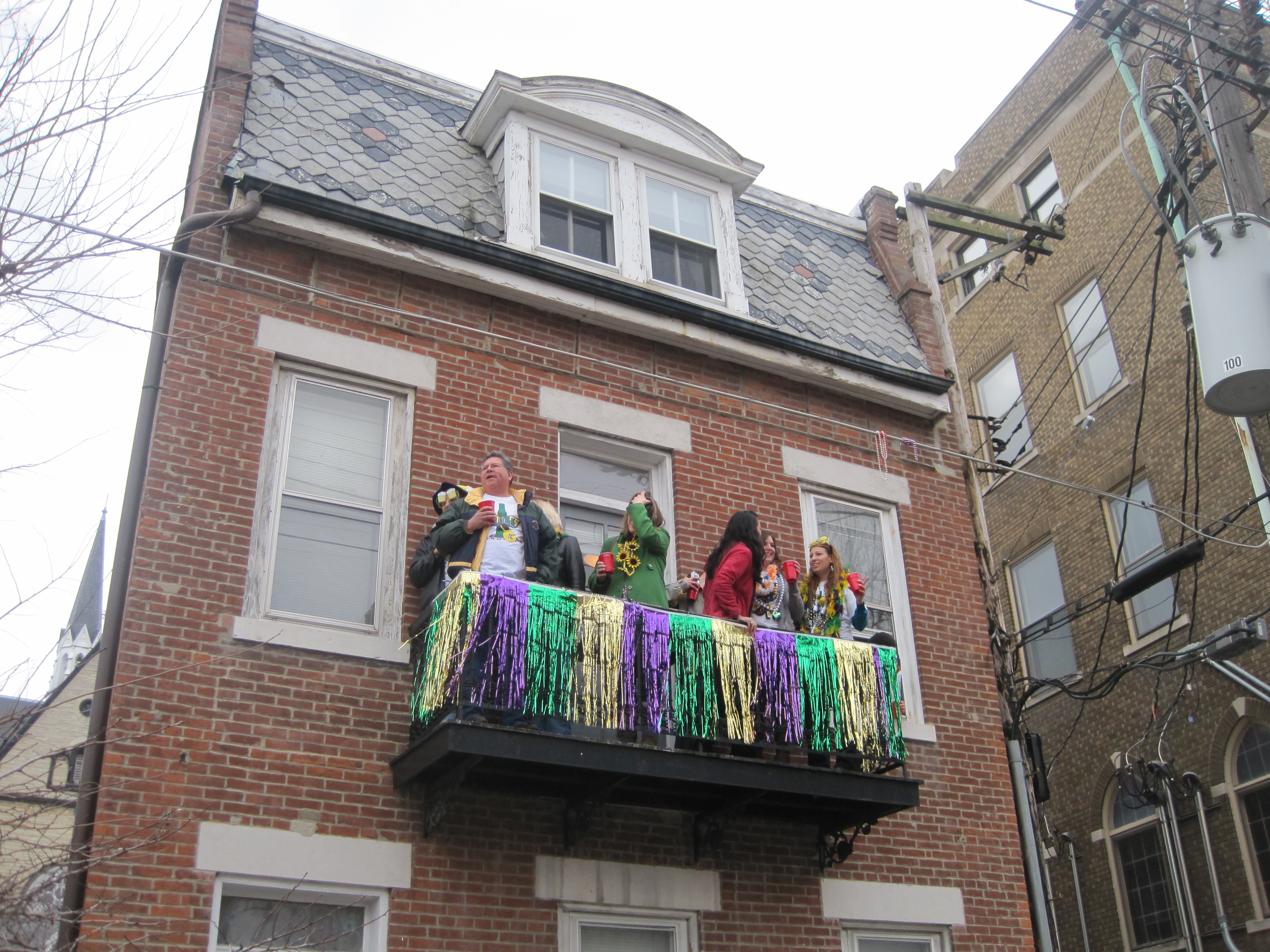
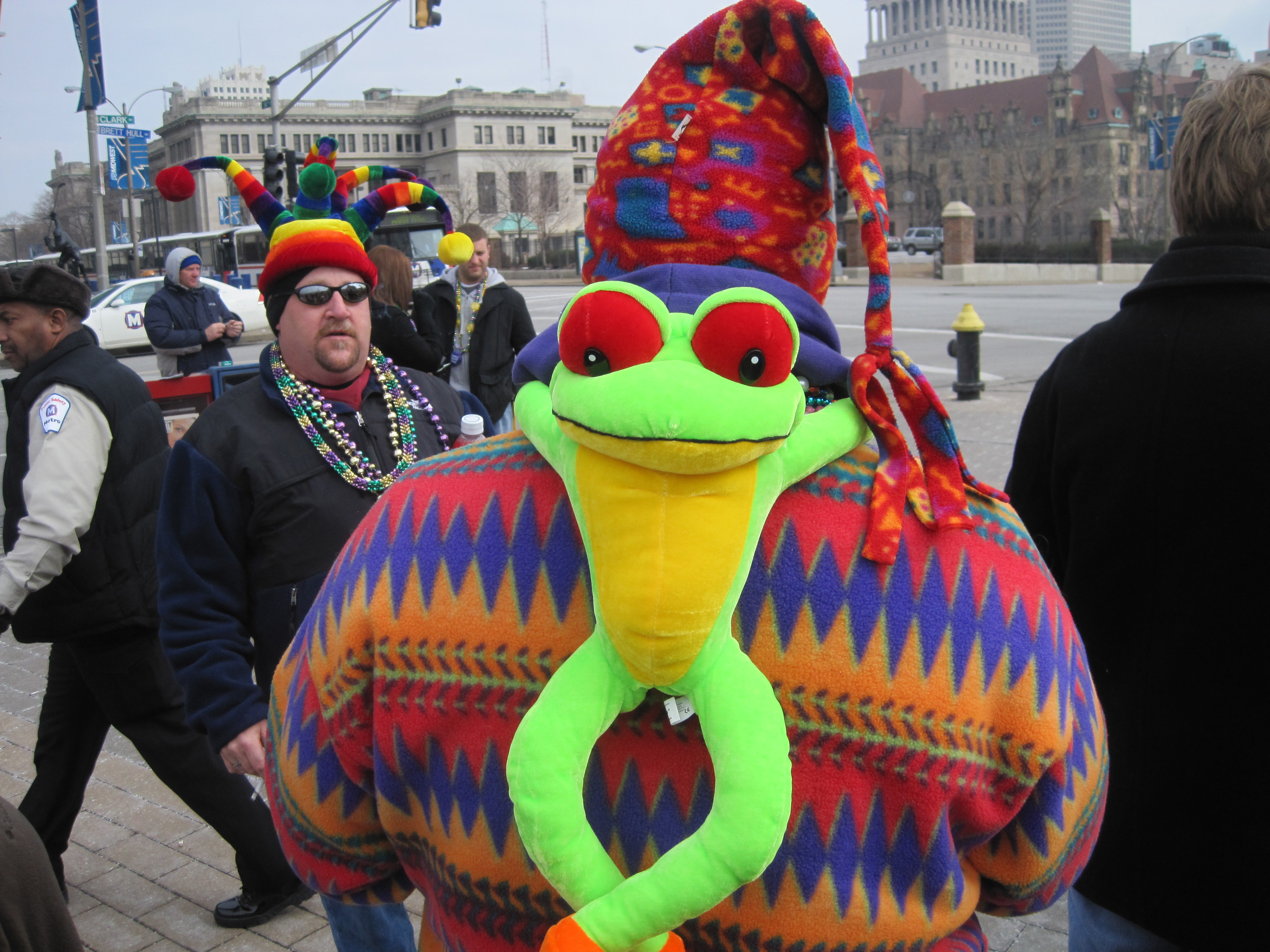
The parade this year included: a march-past by uniformed representatives of the American military, marching to an accompanying band. Other highlights were: a costume re-enactment of the French revolution along with a life-size guillotine wheeled across the street following the French flag and a big banner that read not ‘off with her head’ but “Off with her top”; a bike ride; a campus dance band complete with drums and cheerleaders; motor scooter rides of different shapes and colours; and horseback riding. Some of the displays were serious – like the military parade that had the crowd chanting “U-S-A! U-S-A!”. Some were ludicrous – like a parade of colourfully dressed women on a truck with a banner that read “18+ holes with Tiger Woods.” Most were fun, and they took the same form: somebody was throwing beads at the crowd, especially in the direction of women who showed their breasts, and kept them hanging open for long amidst the loud roar of approval from the teeming crowd.

Rice and red beans

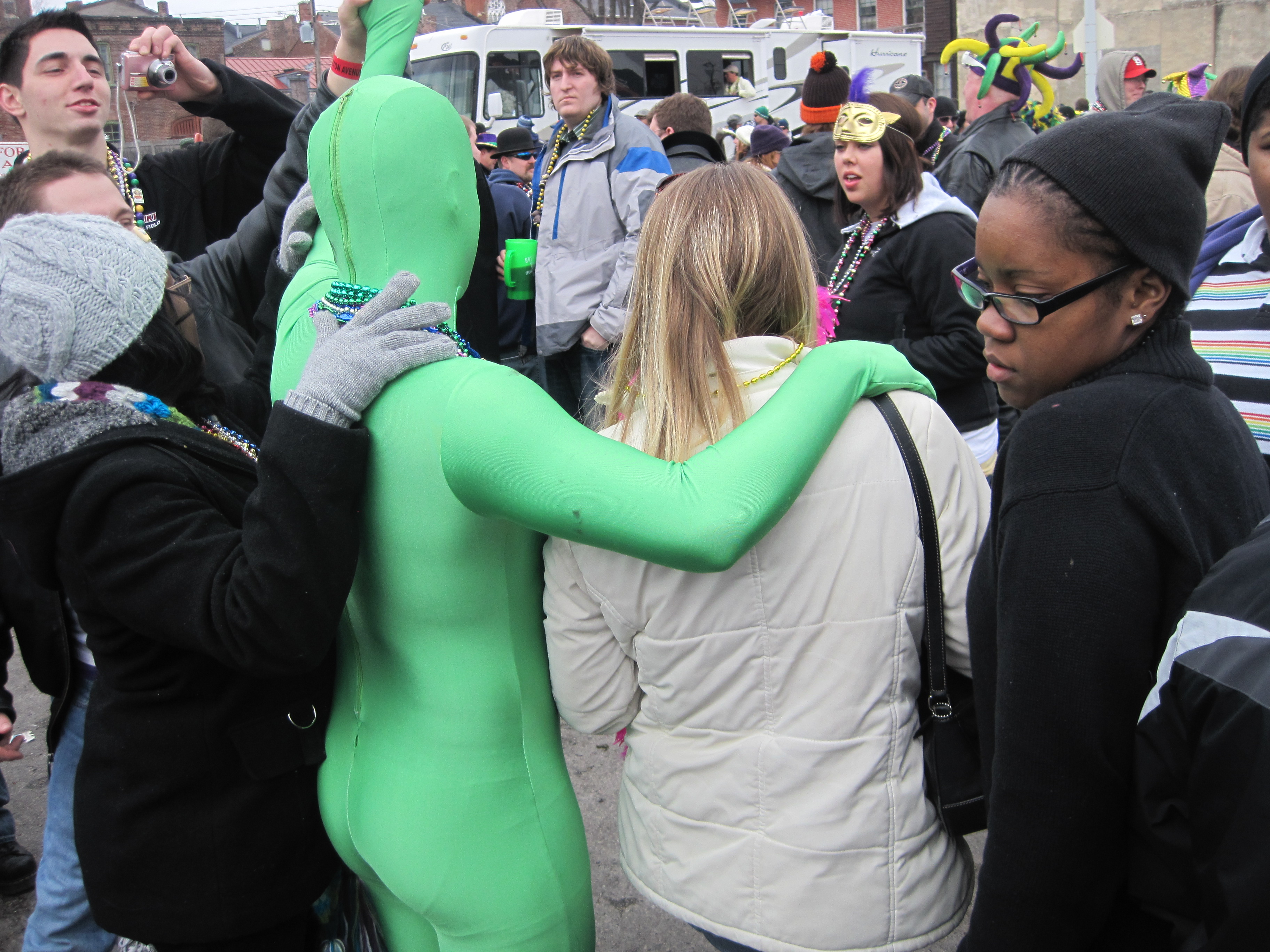
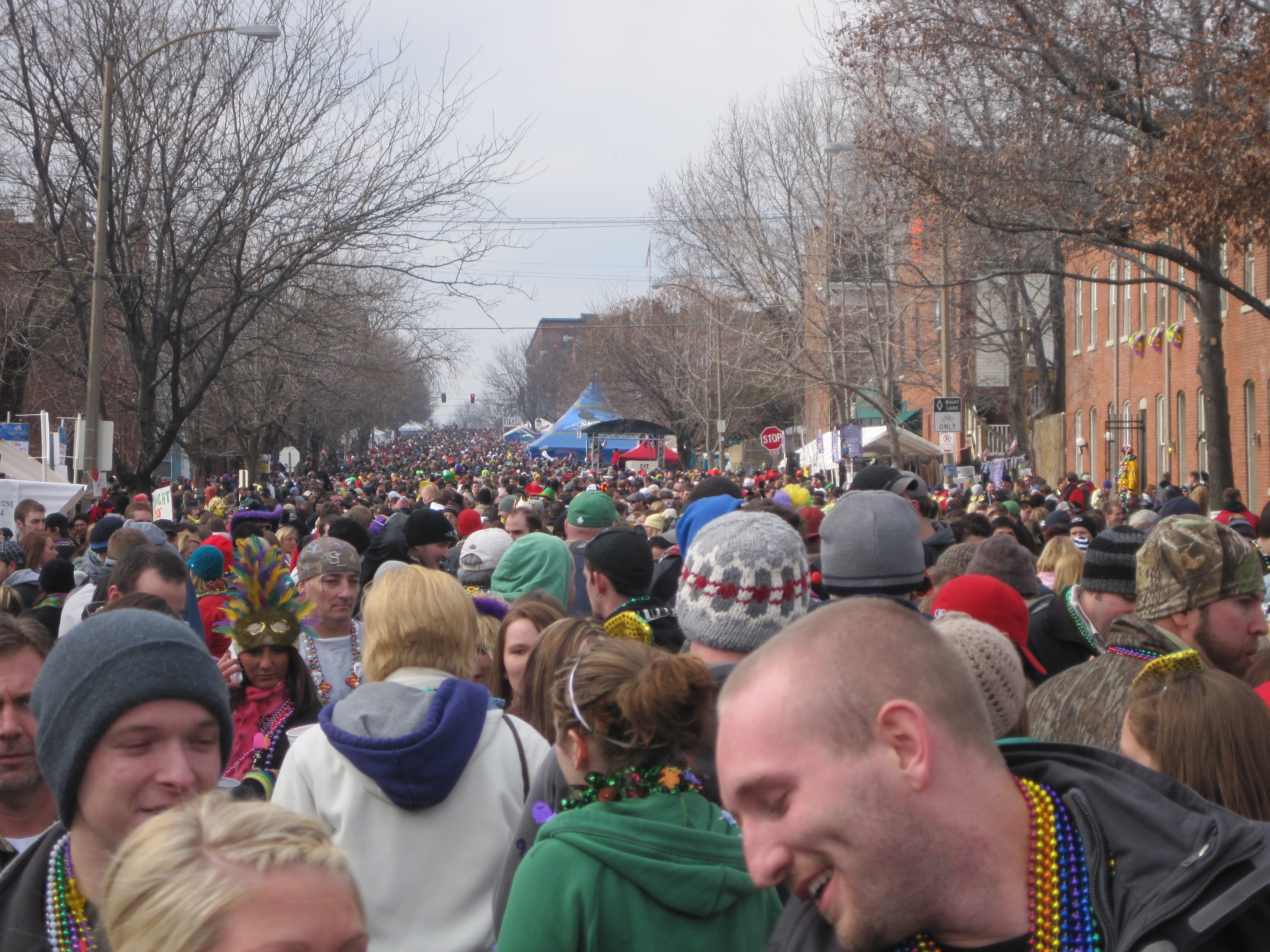
The crowd was unimaginable. It is estimated that there were more than 50,000 people at that event on Saturday, February 13; and this is just a conservative estimate based on visual approximation. A few minutes into the Soulard Street, I came across a man in an overcoat and a black hat whose beard and facial structure reminded me so much of the Nigerian Nobel Laureate. But I was standing at a roadside shed eating hot rice and red beans in sauce with mouth full, so that I lost a golden chance to scream “Prof!” behind his back. A few seconds later when such a chance presented itself, the man had disappeared down the street, and the initial hope of finding him – since “it can’t be so hard to locate a man in coat and a black hat down this street” – quickly frittered away. Such was the enormity of the crowd that occupied each labyrinth of the now festive street and its many alleyways, prompting the wonder about just how large the Mardi Gras festival would be in New Orleans, Louisiana this year. I also wondered how much larger the crowd here would have been – or how wild – had the event taken place in the summer.

Beside the indulgence and the number of people at this year’s event that has become part of American festival culture, I’ll remember it most for the colourful costumes, the parades, the beauty of beads around American necks, the roadside food stalls that cost almost double what they did on normal days, the capacity of the human spirit for fun and liveliness even in the face of a harshly cold weather, and the beauty of St. Louis at night. All these, for me, show an optimism that proves once again that life will always go on.

___

As published in 234Next on February 19, 2010.

Things To Remember

* A campus theatre workshop on campus from Friday 19th to Sunday 21.

* African Cultural Night on the night of Saturday 20th.

* The new Sentinel Nigeria Magazine debut which features some of my poems, and photography.

* Thousands of Haitian children, and helpless orphans. Yesterday, a classroom wall broke and fell on a bunch of school children killing four of them.

* A new external hard drive.

* An article for the Fulbright newsletter.

* A talk on Friday by Argentinean writer Paula Varsavsky.

* At least one article for the New York Times or the Washington Post. Or both.

* A Youtube video featuring the three-time Emmy winner Bobby Norfolk performing his story-telling.

*  An exhibition of photography on campus, and at St. Louis.

* A continuation of departmental talk series: “India: A Plethora of Languages and Cultures” on Wednesday 17th February.

* A coming talk, along with Reham, to senior citizens at Edwardsville on Ibadan and Cairo, in March.

* Spring break, and a possible trip to Miami, Florida.

* More guest posts.

Mardi Gras, St. Louis

I’ll save an article on this first-in-a-lifetime experience for later, but here are a few pictures from over two hundred that I took at the Mardi Gras celebration in St. Louis Missouri yesterday 13th February 2010.

The Mardi Gras, meaning “Fat Tuesday” in French refer to events of the Carnival celebrations, beginning on or after the Epiphany and ending on the day before Ash Wednesday, and was initially a celebration of the last night of eating richer, fatty foods before the ritual fasting of the Lenten season.

Viewer discretion advised. Why this is necessary itself is still beyond me. Alright, enjoy.

On Chinese Poetry

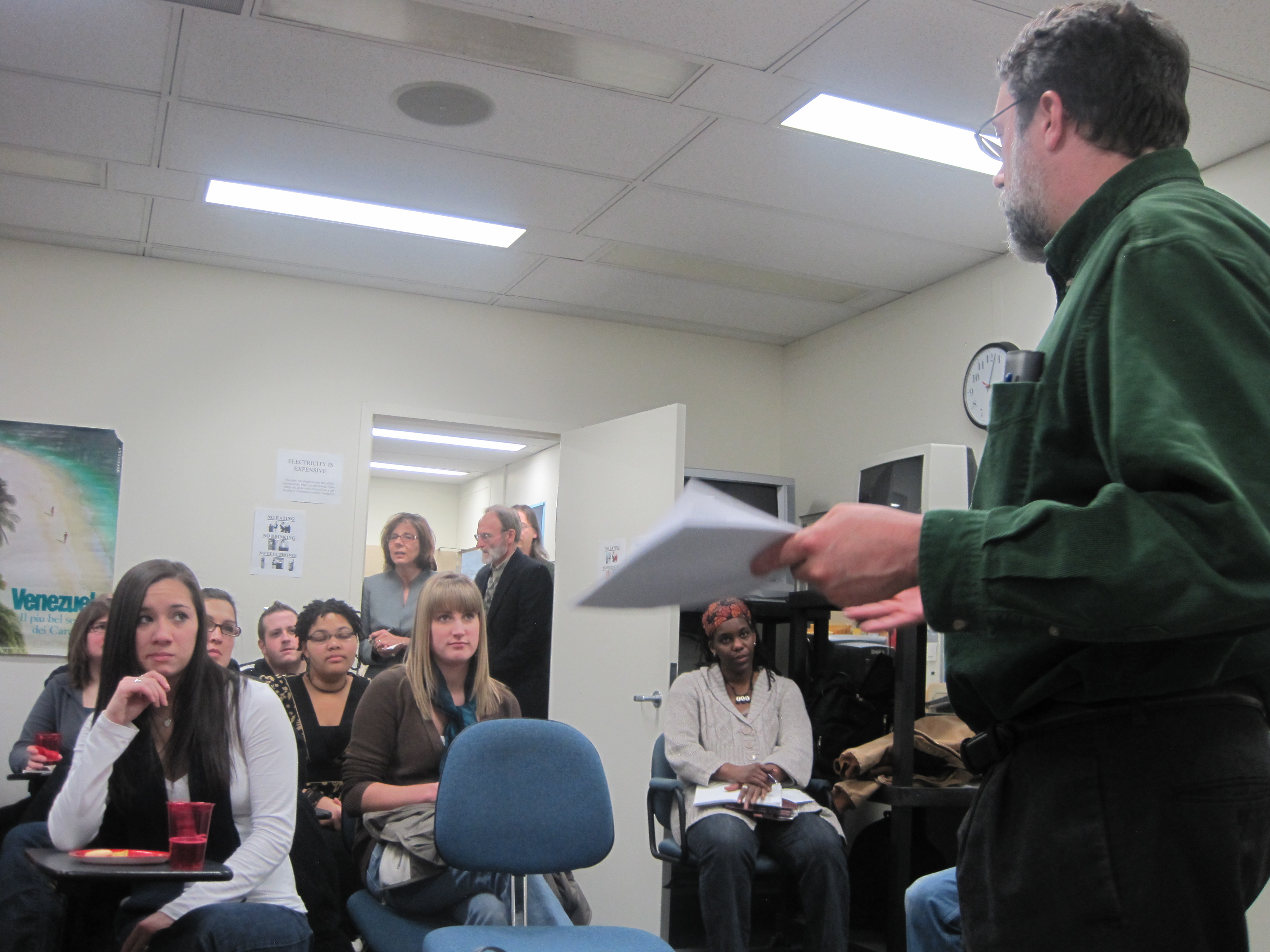
Professor Tom Lavalle is a great man. He is soft-spoken, he has sparse beards that cover much of his chin, and he smiles a lot. And he speaks Chinese! He is an American Professor in my department and he learnt, speaks and teaches Chinese language and literature. Isn’t that amazing? I met him for the first time on Monday even though we had been communicating a lot through email, and even though his office is just a stone throw from mine. For all I know, we may have gone past or maybe even bumped into each other more than once since August without knowing. For sure, the image of him that I had in my head before meeting him was not of someone of such height and demeanour. Why I had the preconceived image in my head, I have no idea. All I know is that when I met him, I was pleased. He is a pleasant person to talk with.

During the first email exchanges we had before we actually met, he had sent me these few translated poems from Chinese which I loved, so on meeting him, conversation inevitably turned to the subject of Chinese poetry and language and how it had influenced Japanese language and literature as well, especially in the form of writing. I learnt so many new things, about him, about China and about writing, language and culture. Why an American would be interested in Chinese poetry is not a question I would always ask, but I did ask for his own motivations, and I found them rooted in a craving for private space in the solace of words. He is a poet himself, writing in English, and his contact with Chinese writings had sparked a different kind of interest in him that has been sustained up to the present day. And because of him, students of this department now have the chance to learn Chinese language and culture at SIUE, and take field trips to a country of so much intriguing history.

Because of meeting him, one day I hope to start learning Chinese. I don’t know where to start from though, whether on a lesson in good calligraphy or on a lesson in Chinese alphabets which I am very sure is larger than the English one. And unlike many of the students who register for the class, my motive will not really be in anticipation of, and preparation for the new world order where Chinese is spoken as a first language by all world citizens, but to access many of the different forms of expression of thought buried within the texts of old and classical Chinese poetry.

Well, maybe I lie when I say that, but how would you know?

“Drinking Wine” #4 of 4

Tao Qian (365-427)

Autumn chrysanthemums have beautiful color,

With dew on my clothes I pluck their flowers.

I float this thing in wine to forget my sorrow,

To leave far behind my thoughts of the world.

Alone, I pour myself a goblet of wine;

When the cup is empty, the pot pours for itself.

As the sun sets, all activities cease;

Homing birds, they hurry to the woods singing.

Haughtily, I whistle below the eastern balcony –

I’ve found again the meaning of life.

(Translated by Wu Chi-liu)

Memories of Washington

Today is Dr. Martin Luther King Jnr Holiday in all the states of the US. It is a public holiday so school is closed. I don’t know if I like holidays a lot, but I can’t complain that I have got a chance to rest in preparation for work on Wednesday.

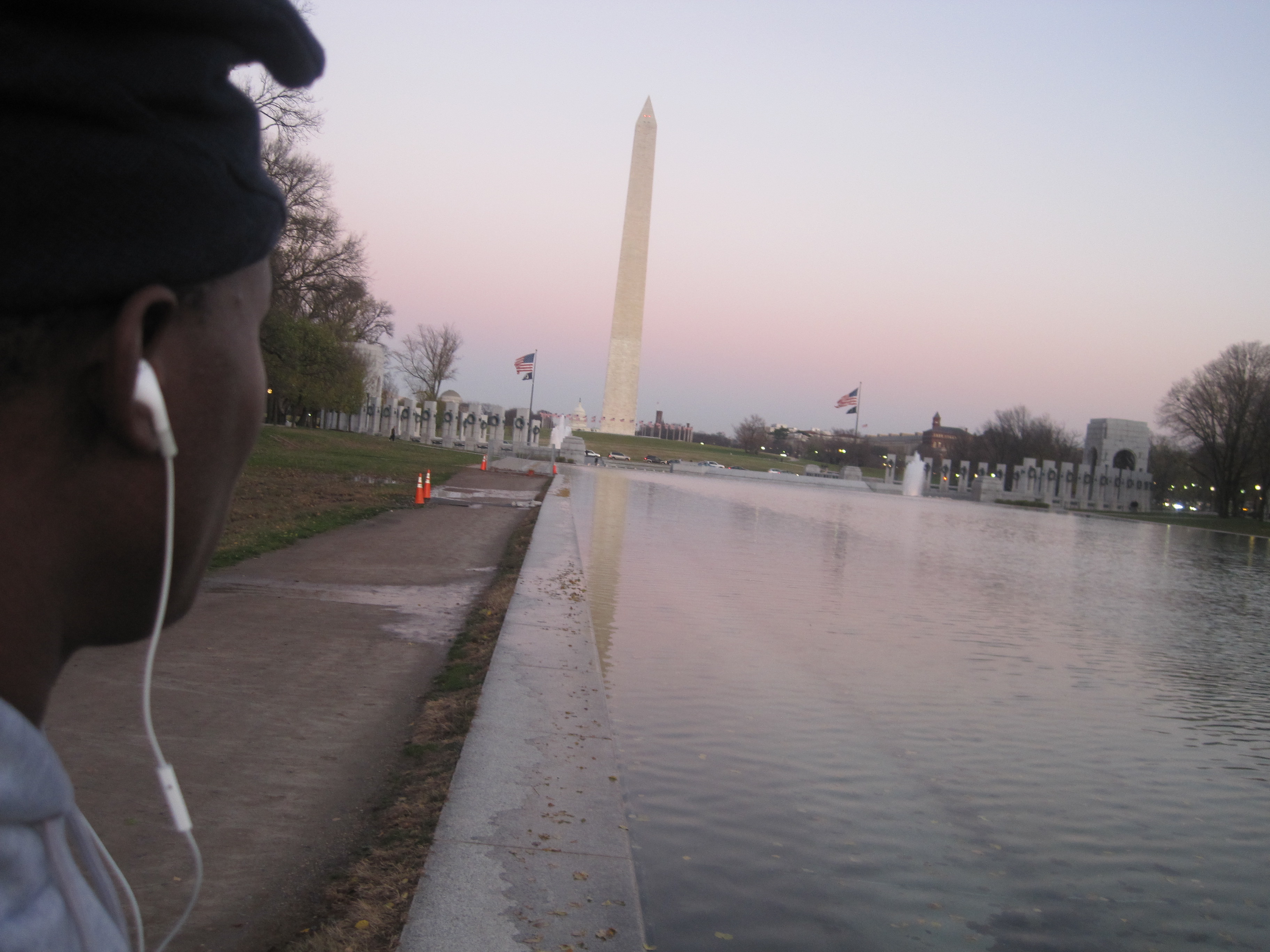
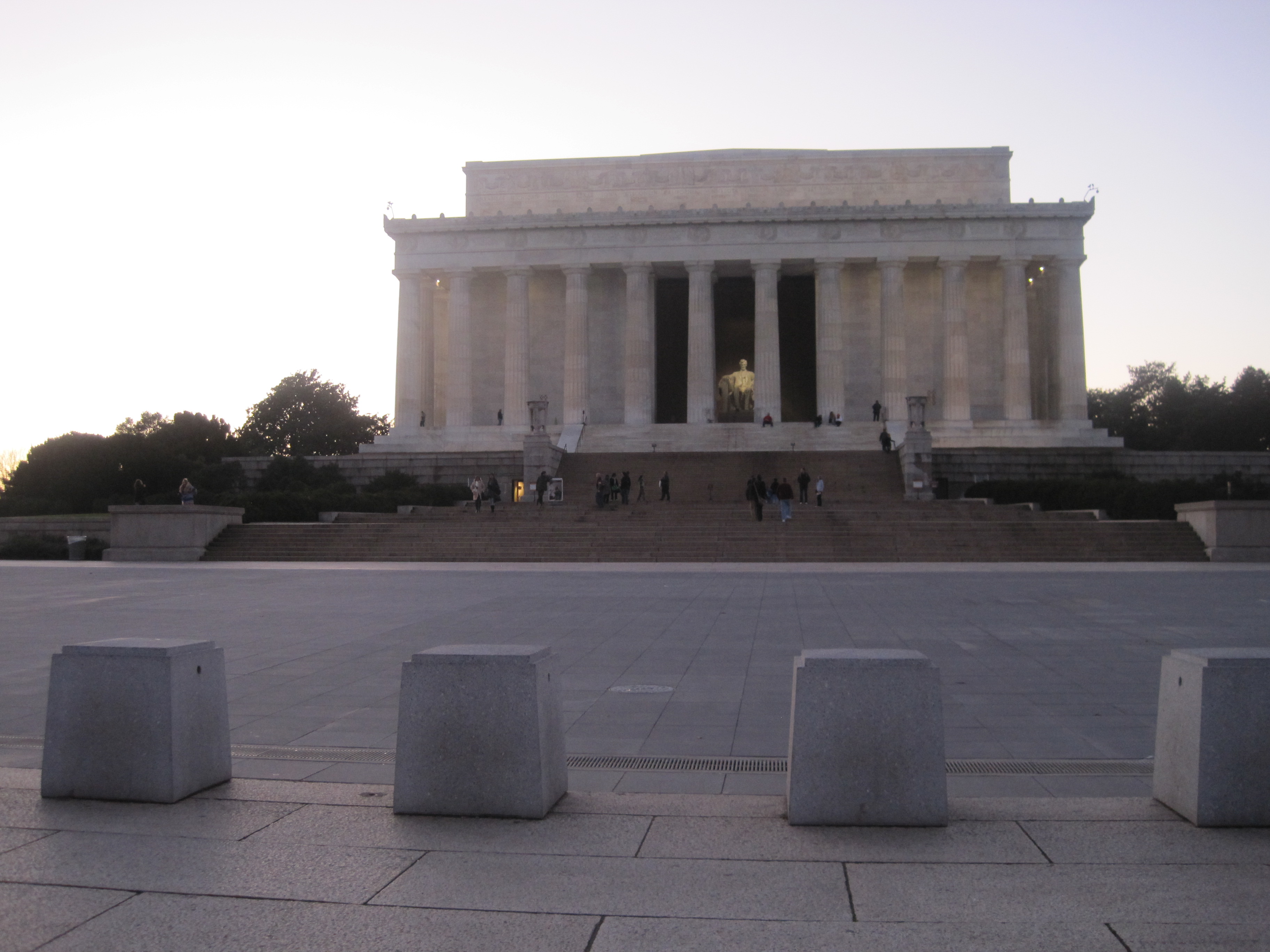
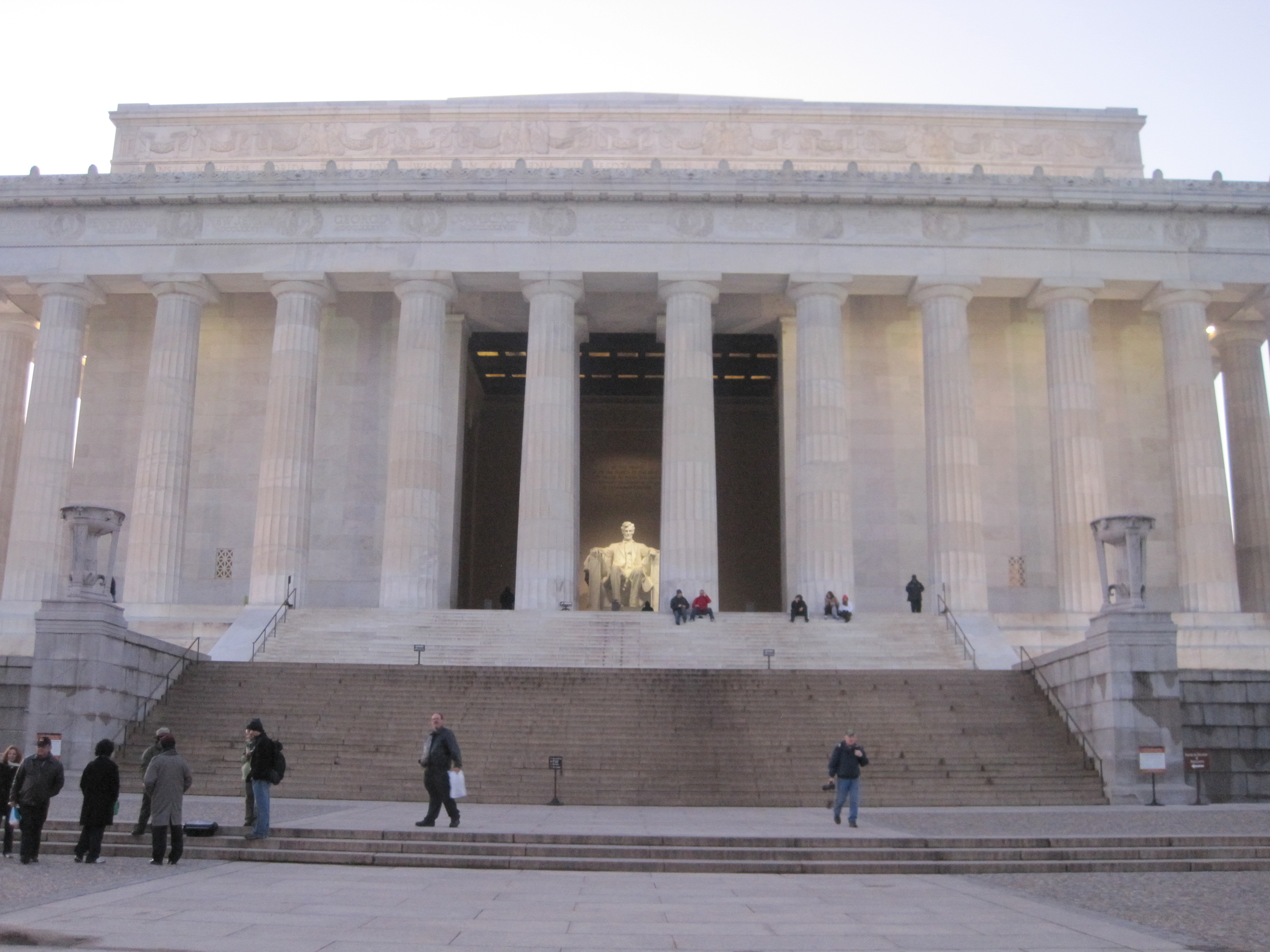
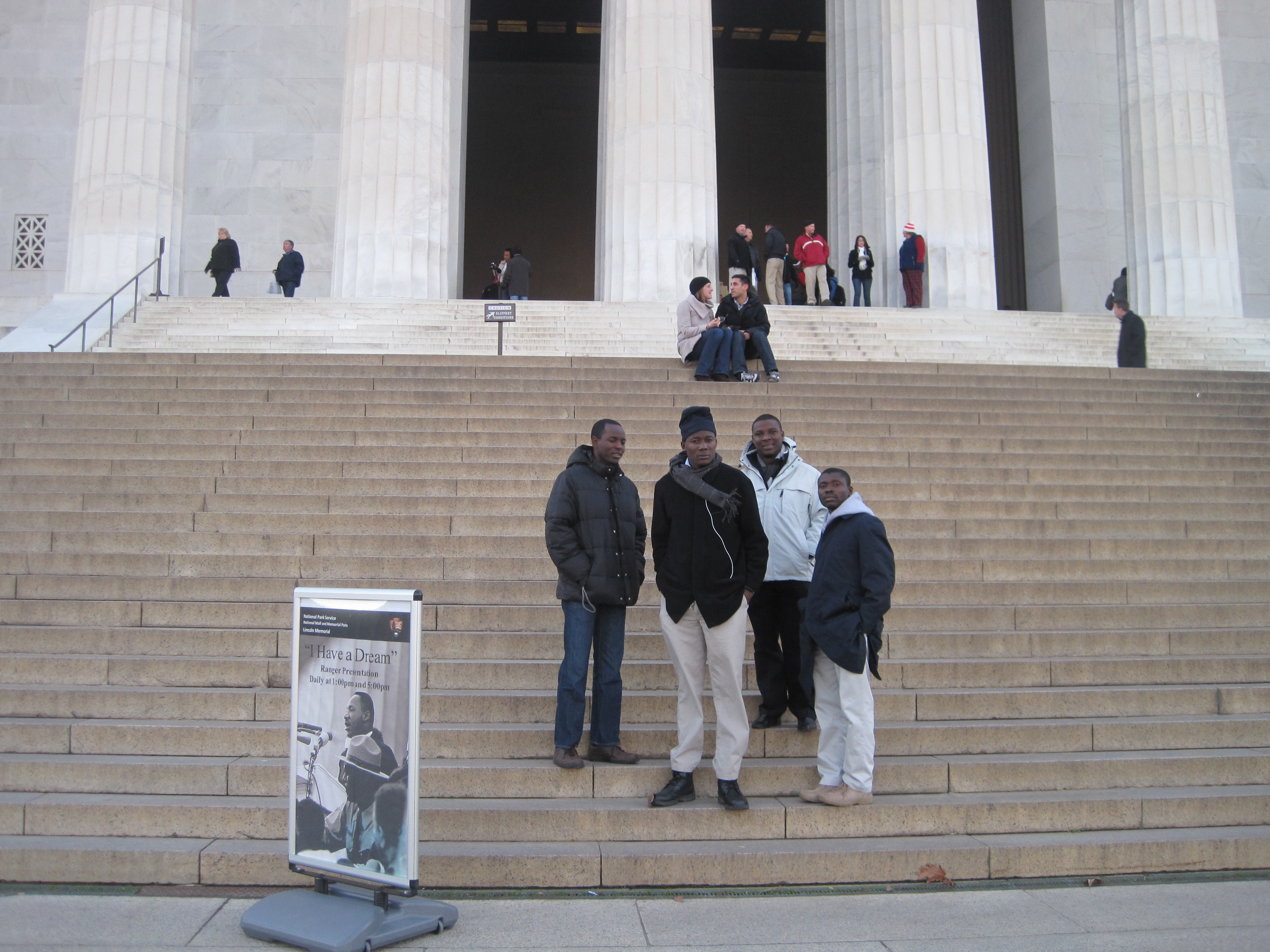
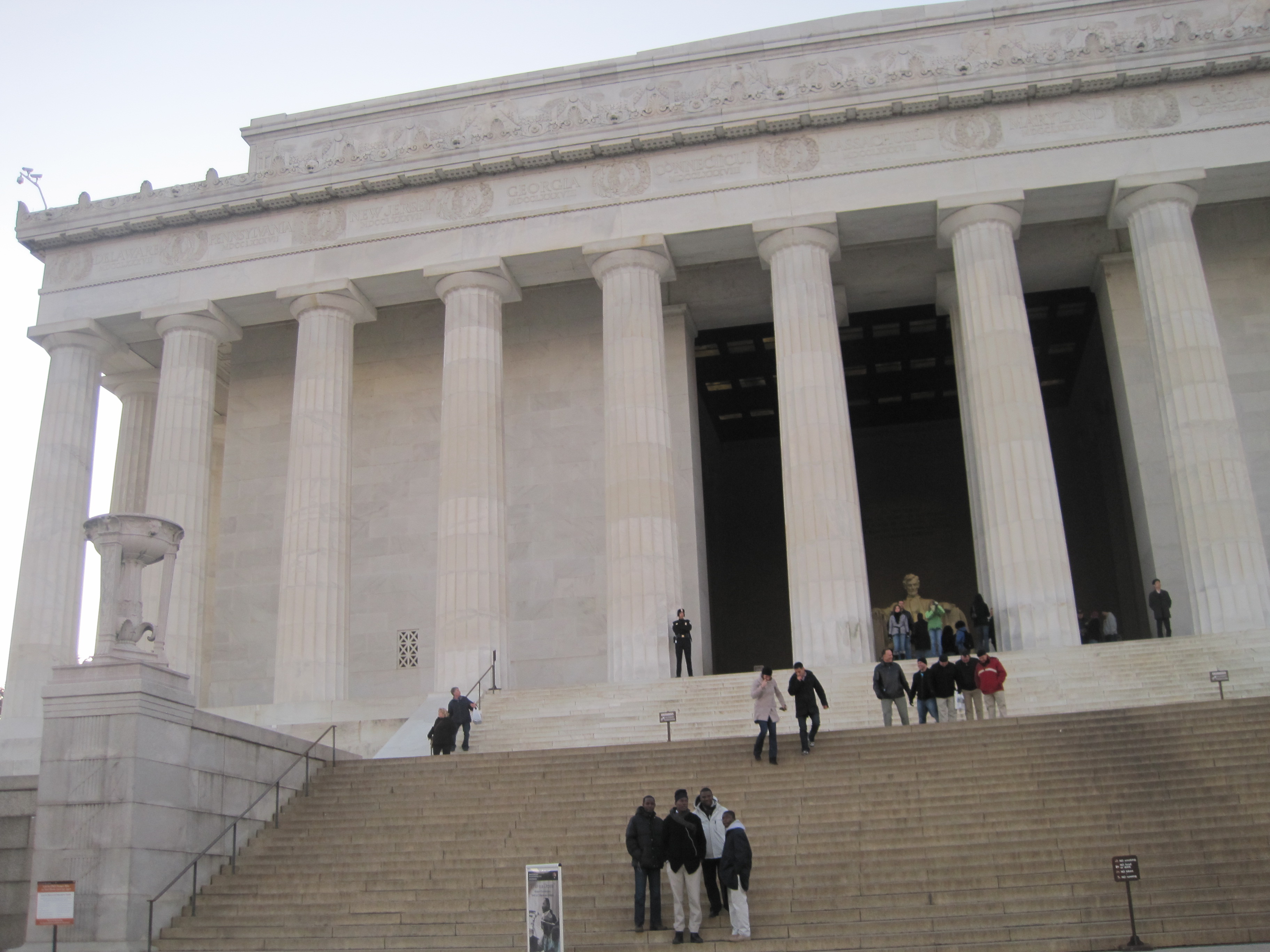
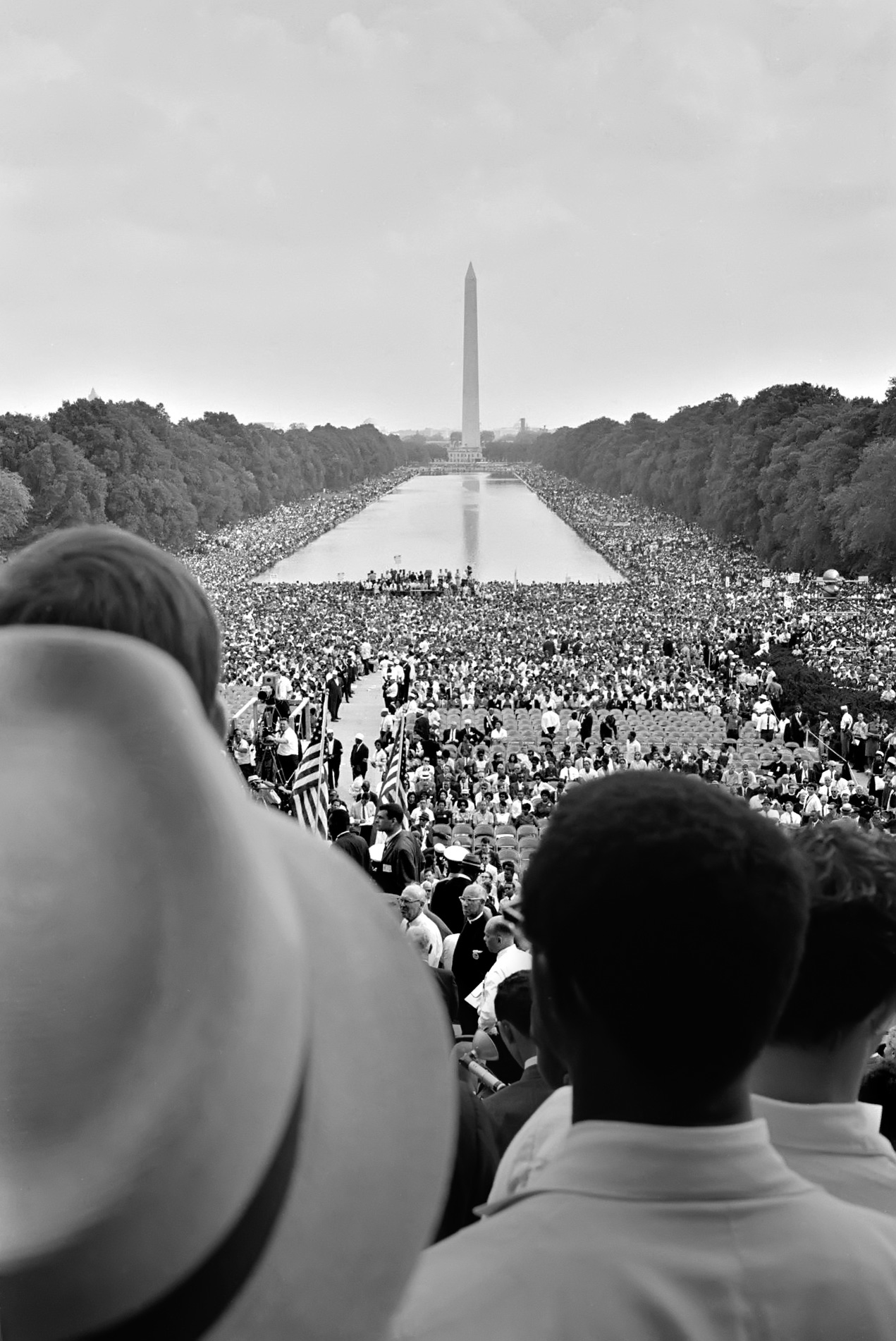
Today in memory of that youngest winner of the Nobel Peace Prize and civil rights activist whose words, deeds and activism has challenged so many people across races, beliefs, age range and countries towards harmony, peace, quest for justice and non-violence, I am putting up these few photos that we took on the steps of the Lincoln Memorial in December while we were in Washington.

It was on those steps in August 28, 1963 where Dr.King delivered his famous “I Have a Dream” speech. (See last image, obtained from Wikipedia images.)