This is a guest post by one of my “veteran” readers and commenters from Lagos, Nigeria now living in Birmingham, UK. Adeleke Adesanya is a literary spirit in an accountant’s/economist’s bottle, and I am not sure that he has successfully resolved the conflict that those almost opposite preoccupations of money and literature must pose to the stability of his mind. Along with his beautiful wife and daughter, he runs the shoes, bags and clothing outfit in Lagos called Laurensonline and has been a supporter of this blog and blogger for a long time. Now a student in the United Kingdom, he has sent this beautifully written reaction to the weather, environment, language and people of Birmingham. I hope you enjoy this as I did.
____________________________________
I have often found that when I put pen to paper, it is easier to express my feelings and thoughts than the sight and sounds around me. Perhaps, this is because I am often so lost in thought, and I don’t look around so much, and this is why, I find, I keep my losing my way. Perhaps this also allows me to say a lot about the environment in a way a visual description would not allow. Nothing expresses better the warm welcome I received on arrival in Birmingham than how my mind related to its cold weather.
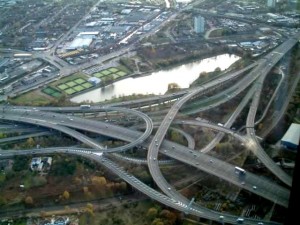 Getting lost in Lagos was no big deal. I confess my propensity to get lost, in the marketplace of my mind, is an old habit. Many a times I had driven straight ahead to Ojota, on the way to Victoria Island, because at that split second when I should have turned right towards the Third Mainland Bridge, I was lost in thought, pondering perhaps the similarities between Buddhism’s belief in reincarnation and that of Yoruba native beliefs. I would find this ironic and maybe funny, considering I had, un-Buddha-like, been unable to drive “in the moment”.
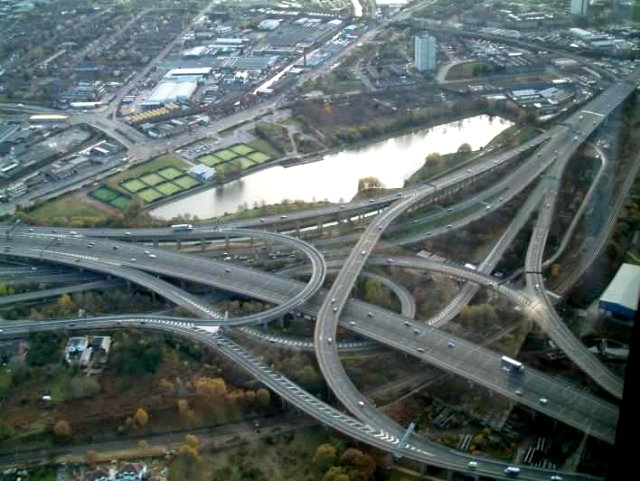
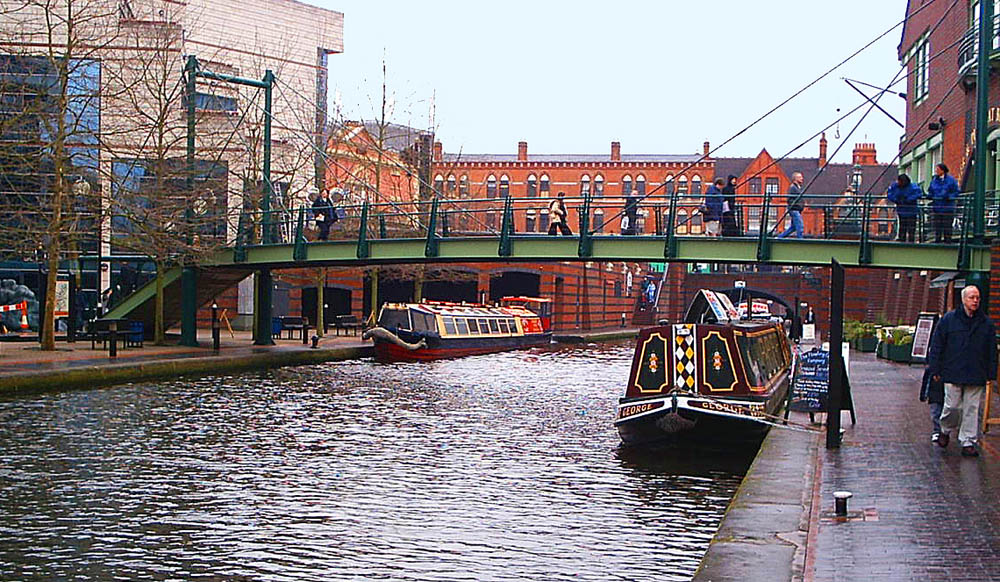
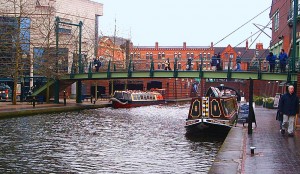
But getting lost in Lagos is a piece of cake. You might have to drive against traffic, “one way” in local parlance, to get back in track. Or you could hail an Okada, the commercial motorcyclist, to take you through back roads, back to your destination. And then, as a Yoruba proverb hints, you aren’t yet really lost in Lagos if you do ask around for directions.Getting lost in Brume is a different pot of stew. I am not so crazy as to attempt driving myself; they drive on the wrong side of the road, you see. My right to travel is entirely dependent on route schedules determined by local transport companies.
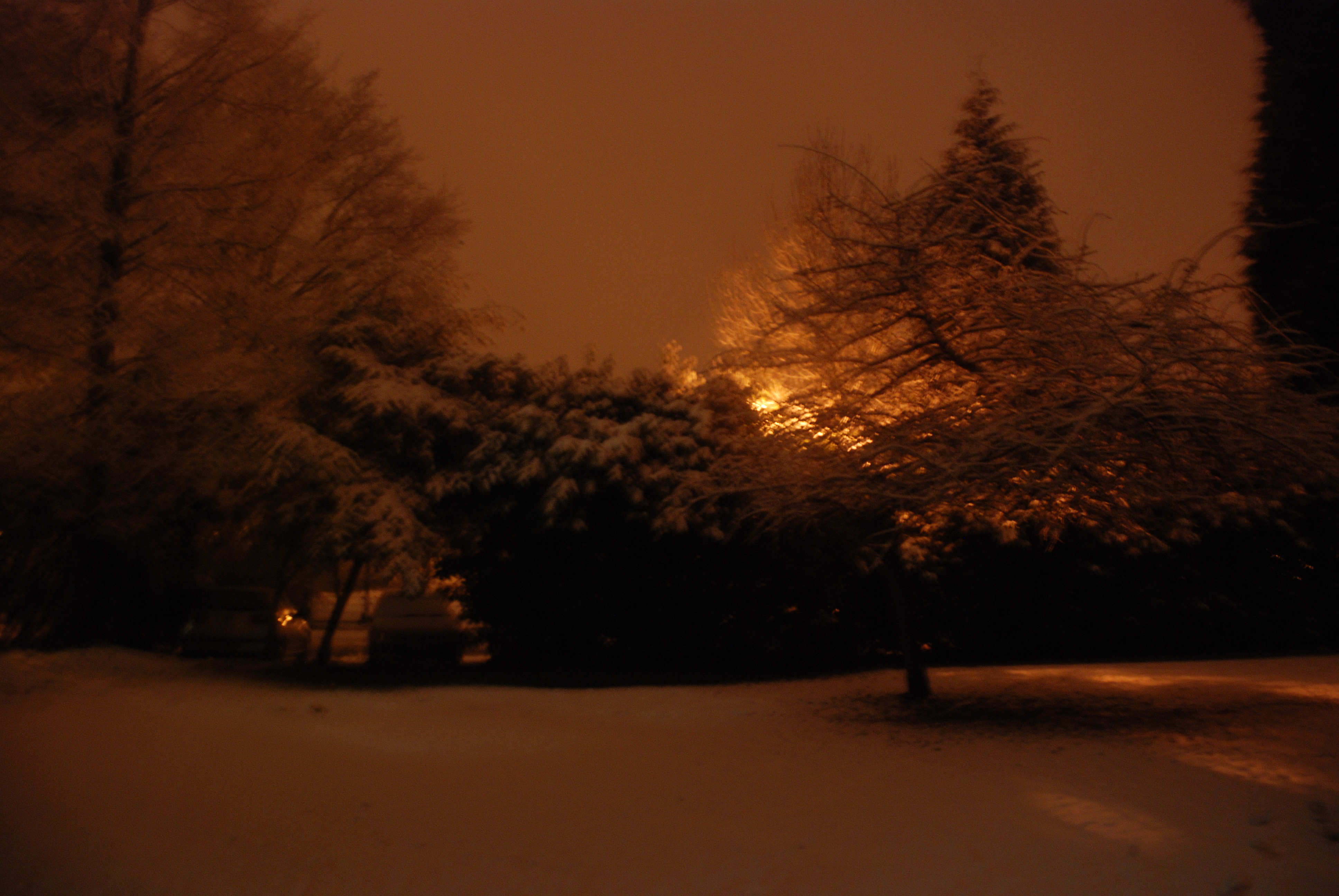
 As soon as I find a seat on a bus and look through the pane onto those cold, snow covered streets, my mind retreats into its marketplace, ruminating over morbid thoughts like, if one was to die of exposure and is buried in this cold, frozen land, would the cadaver ever know corruption? It is not entirely strange that over and over again, I miss my bus stop and get driven around the outer circle of the town. Once I made a mistake of coming down from the bus. Picture me, unwisely clad in a suit, fending off snowflakes with bare freezing fingers. I tried to cheer myself up by singing lustily the chorus of Don Mclean’s American Pie with extra emphasis on “this would be the day that I die!”
And then I start asking for directions, which is not as simple as it appears. For one, the aborigines (whether white, Indian or Jamaican), I find, do not speak the English Language. Their accents are so thick; it is virtually another dialect, nay, language. It sometimes makes more sense to acknowledge the verbal challenges and try to communicate via sign language. Now they, I mean the natives, would politely go through detailed explanations of buses I should take and changes I must make, while I put on my best Nigerian smile. But in the end, I am in no wit wiser.
 A few times, when the bus driver appeared African, I wrongly assume that linguistic challenges would easily be resolved if not eliminated. Alas, this clan is mostly of taciturn types, more eloquent in communicating by nods and grunts. I once wondered whether they had signed a pact not to speak in complete sentences in order not to betray their Nigerian accent. As if that is a bad thing…
In the end, I learnt to cope by using the internet to research my route and printing detailed maps. I also avoid travelling at night, when visibility may not be as clear. On the bright side, getting lost has its benefits. It is the perfect alibi for lateness. It makes for humorous jokes when with good company. And if you are a stranger and you really want to know the town, you really should get lost sometime. It is wonderful, the things you find and the people you meet, when you get lost, sometimes.
__________________________
He used to blog as Kiibaati, Adeleke can now be found on Twitter @adelekeadesanya.