Browsing the archives for the Travelling category.

India Night

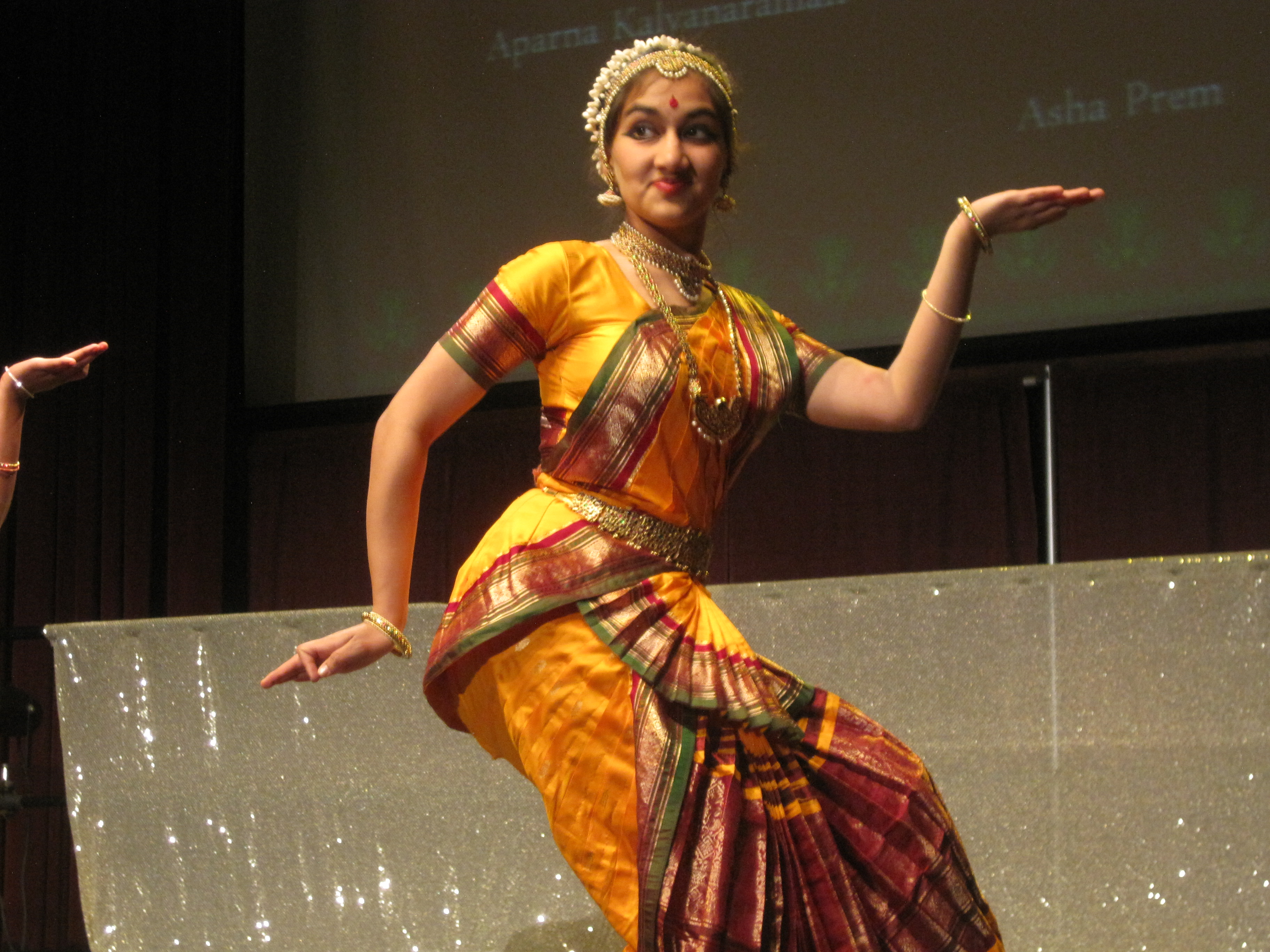
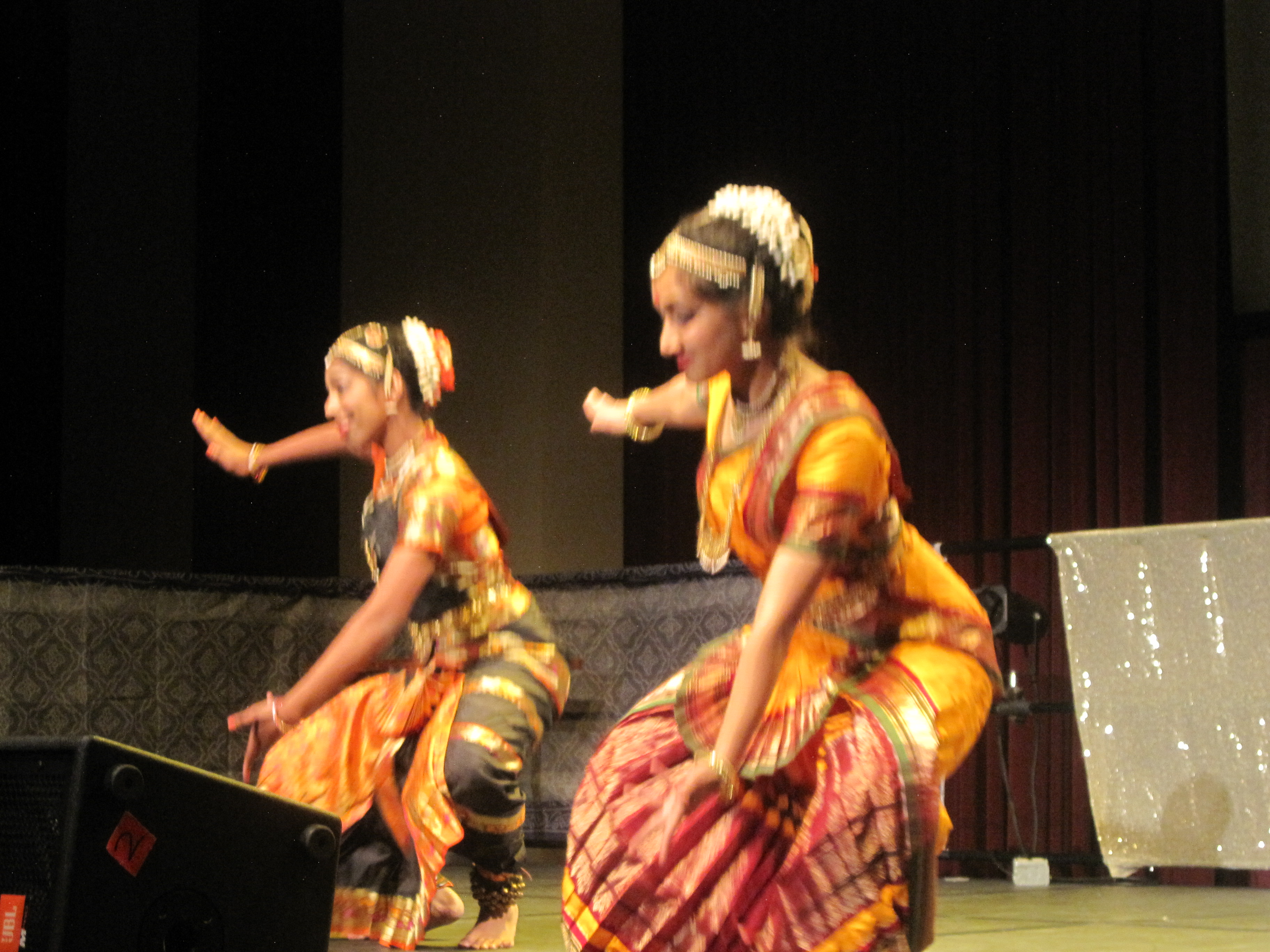
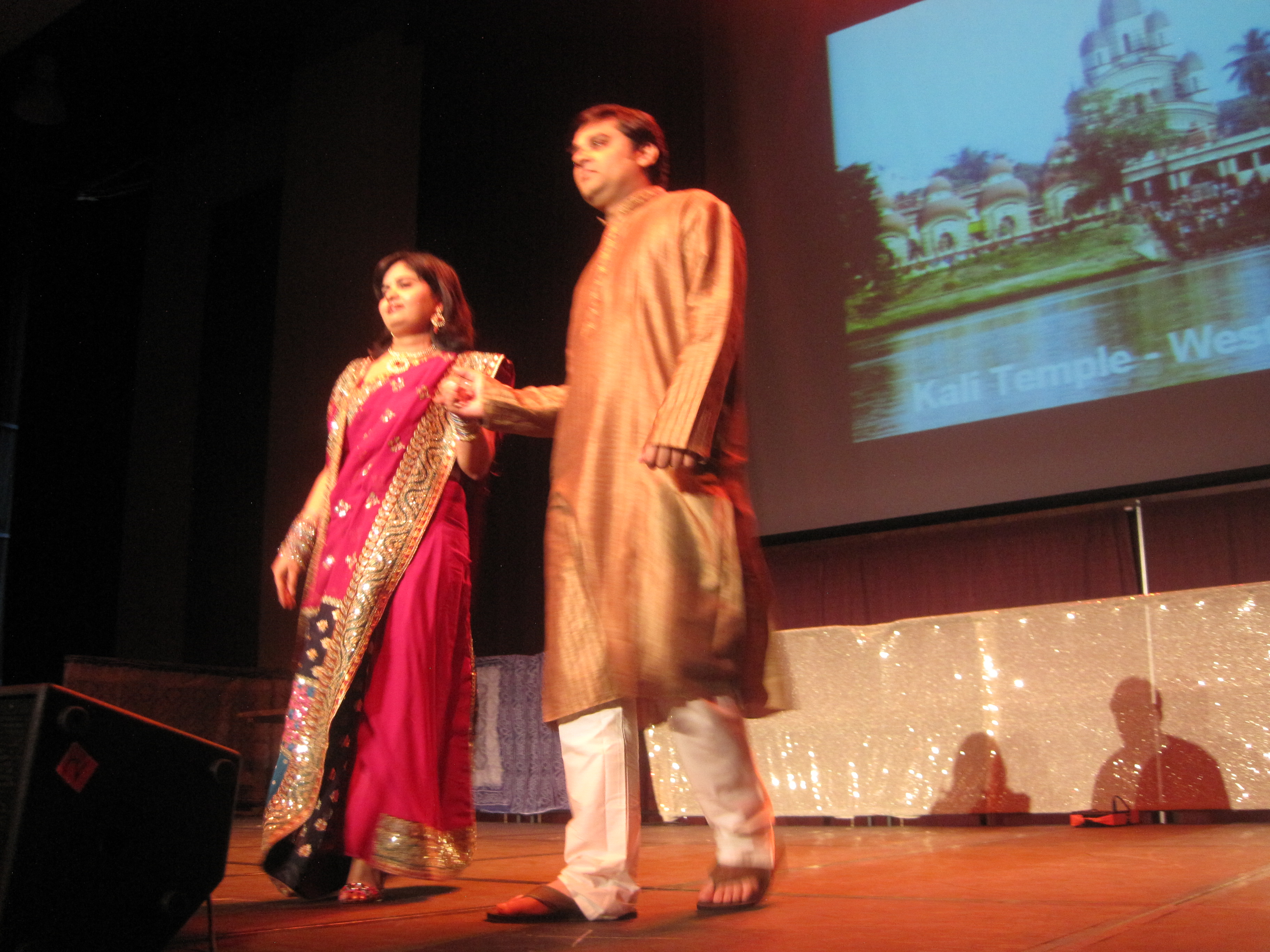
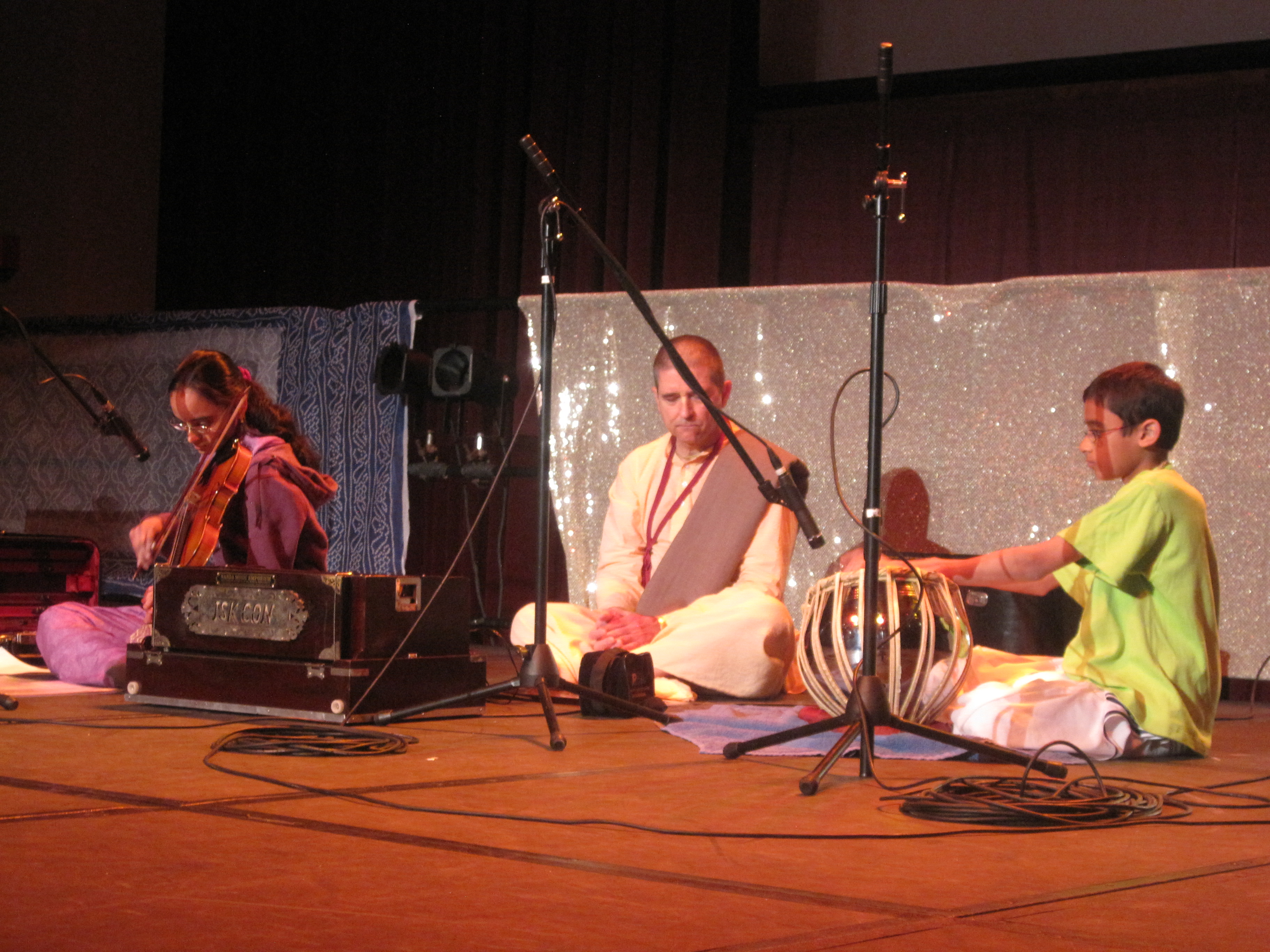
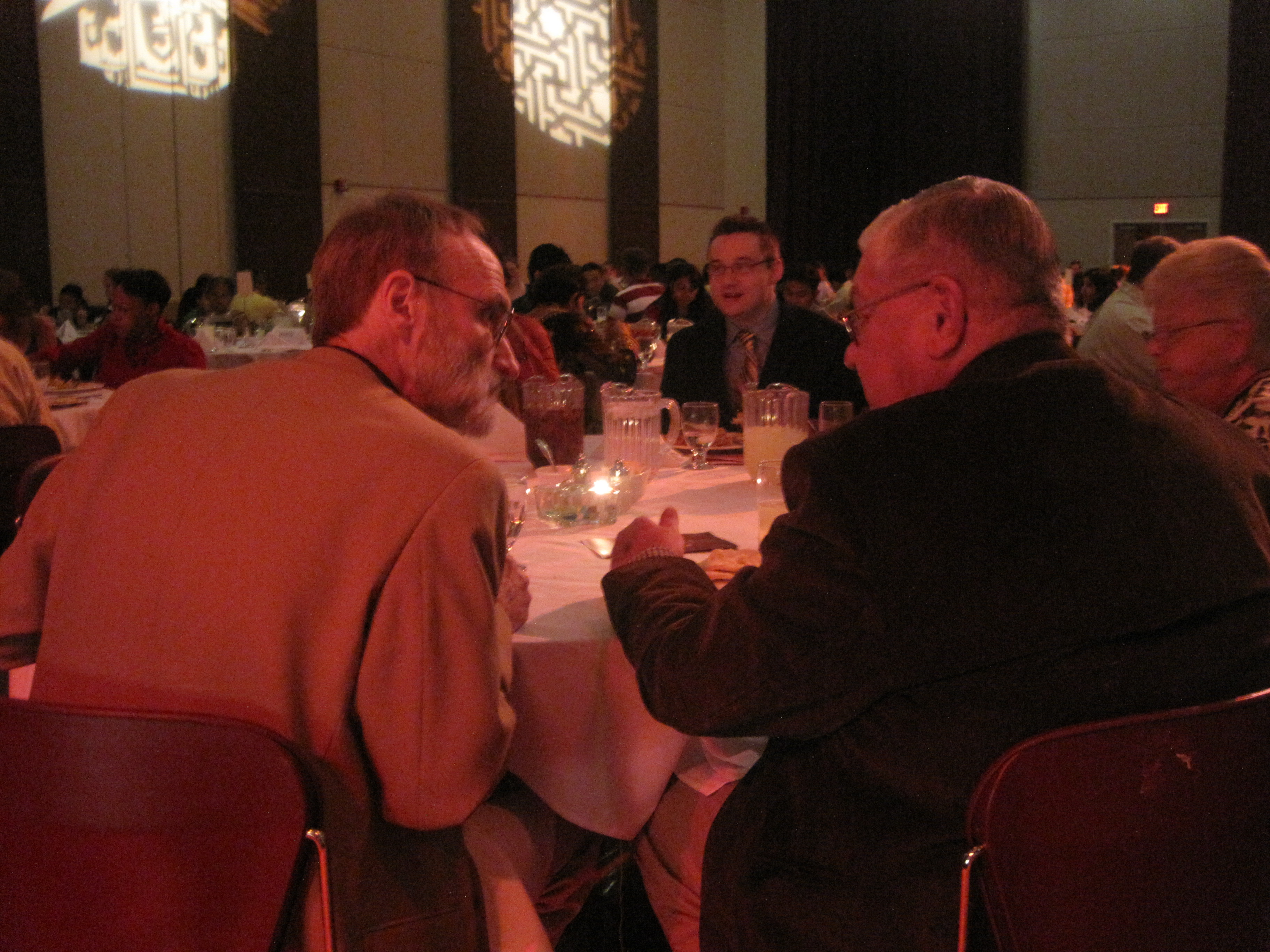
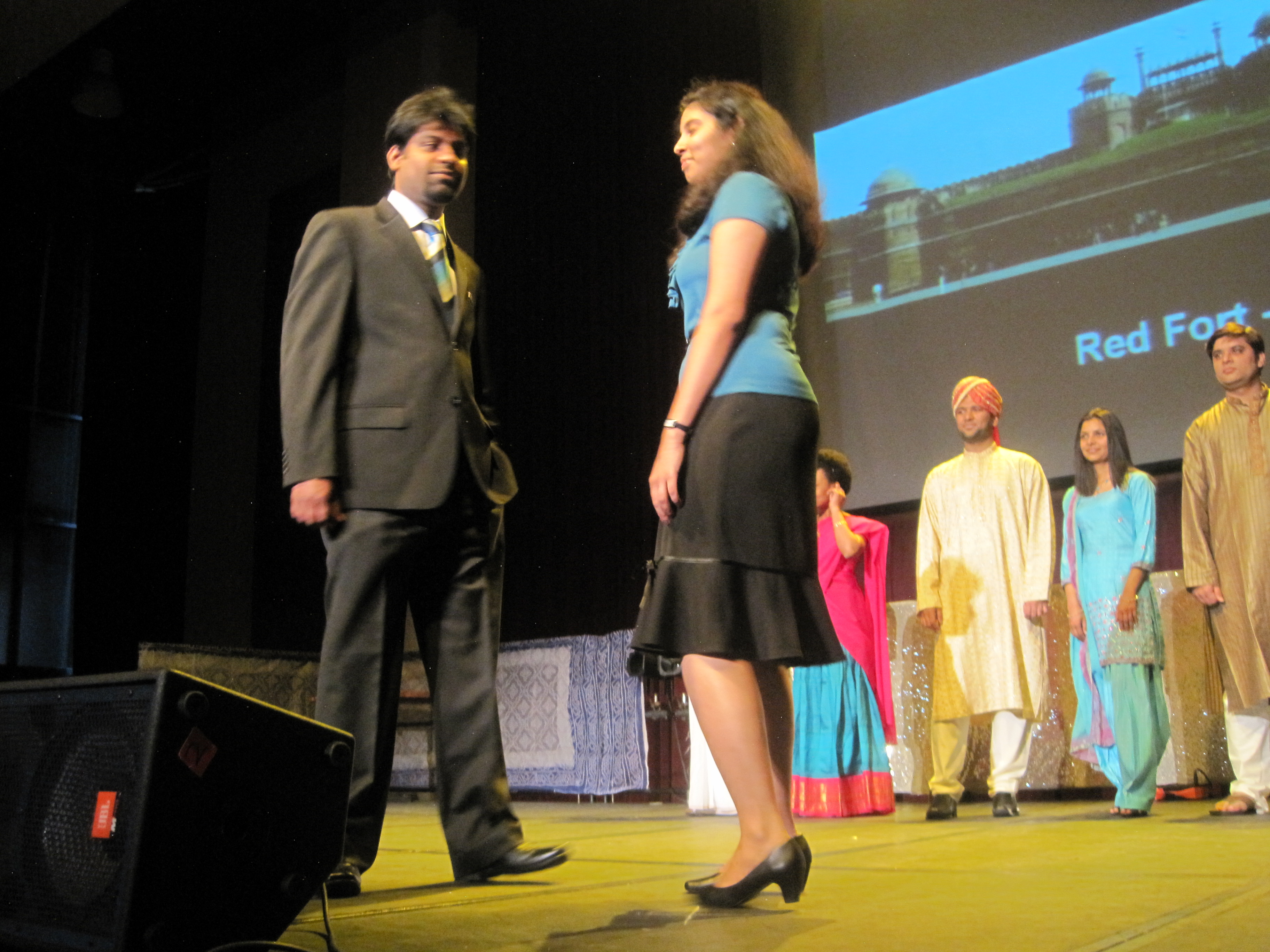
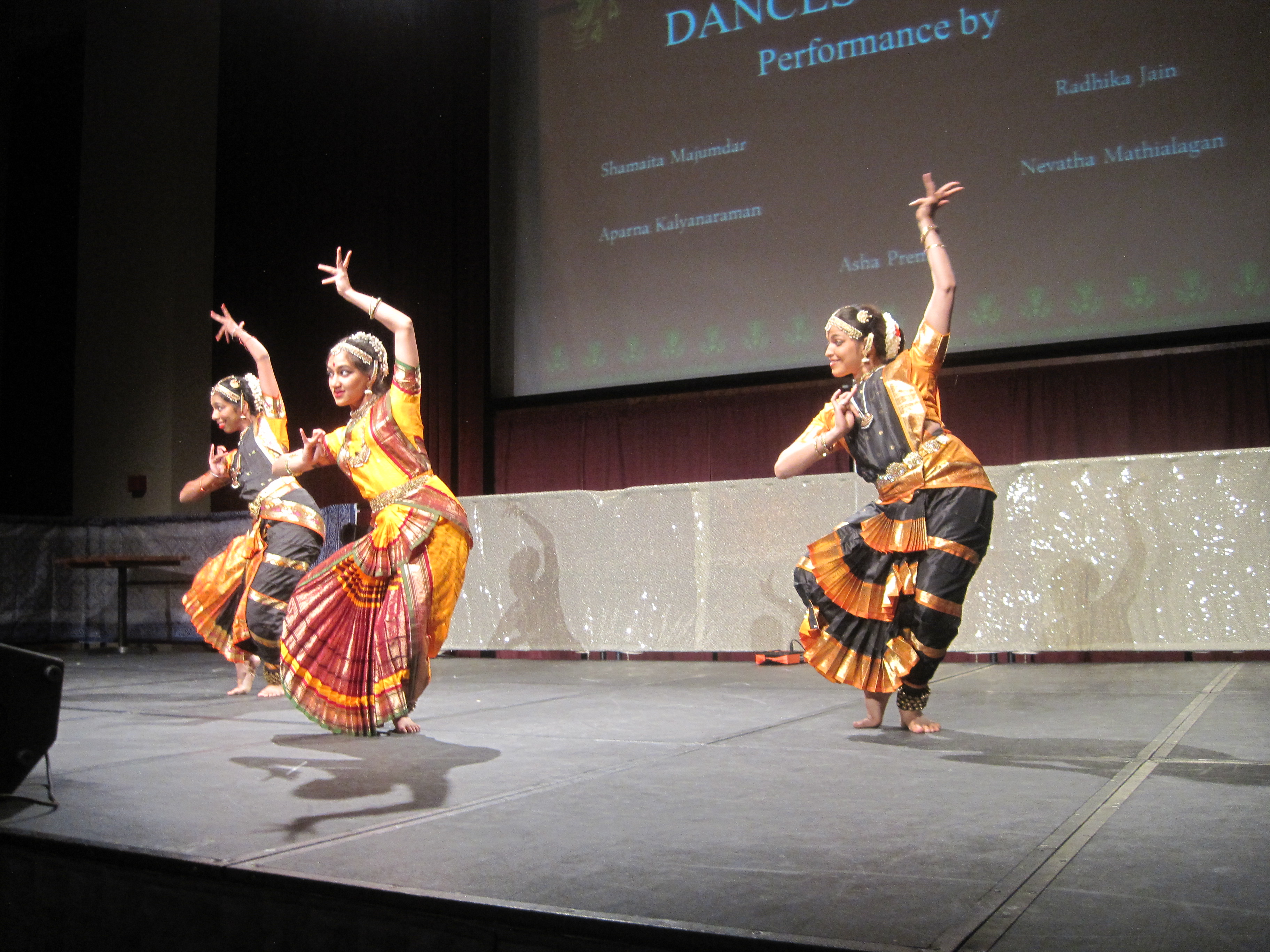
At the core of the events of yesterday evening was diversity, and India’s contribution to the world. India is the seventh-largest country in world by geographical area, the second-most populous country, and the most populous democracy in the world. It is home to one of the world’s oldest civilizations, and they gave us Yoga, Bollywood, Buddhism, long hair, Hinduism, Karma Sutra, and – as I discovered yesterday – the game of Chess, Ludo, and Snake & Ladders.
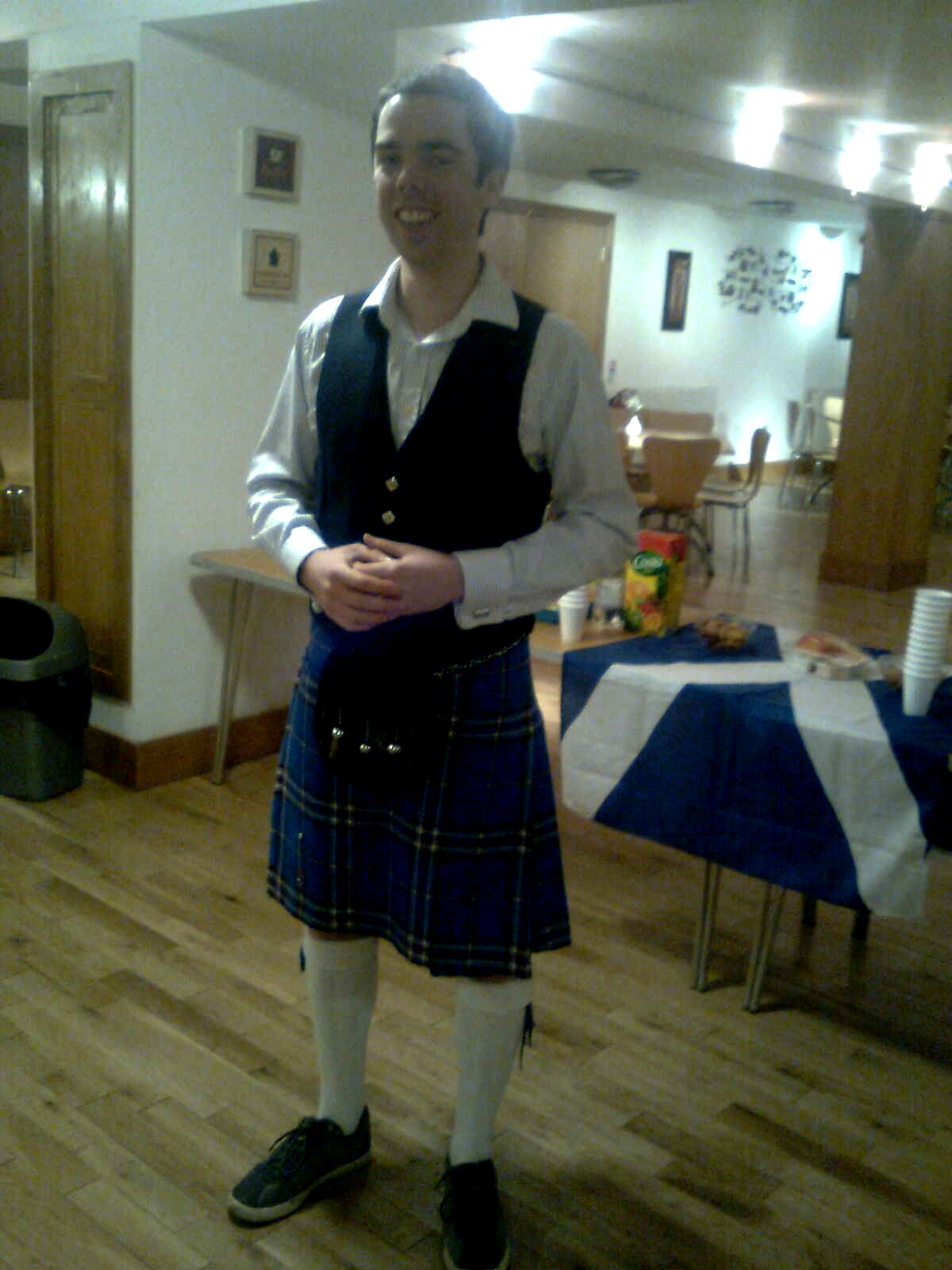
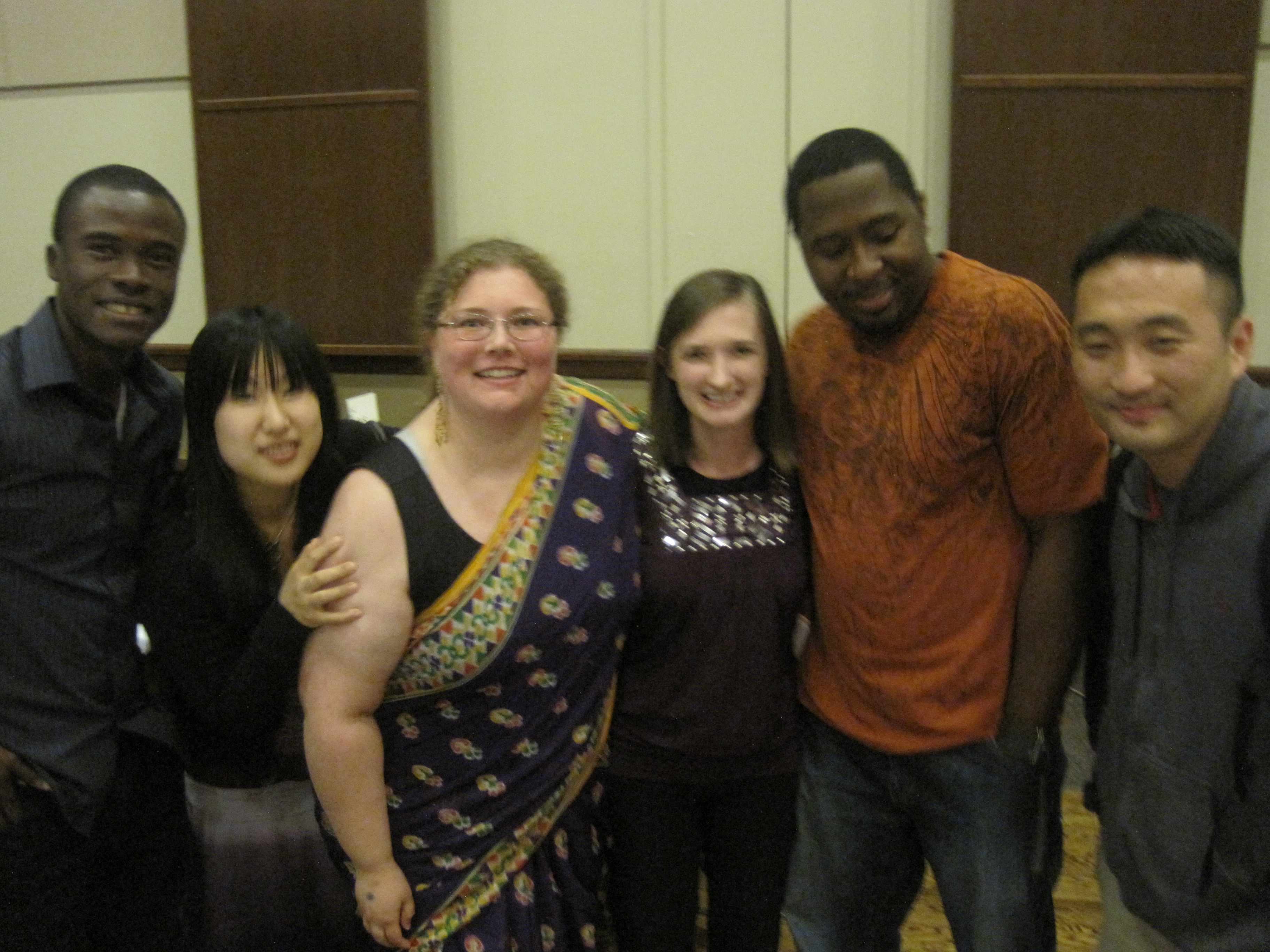
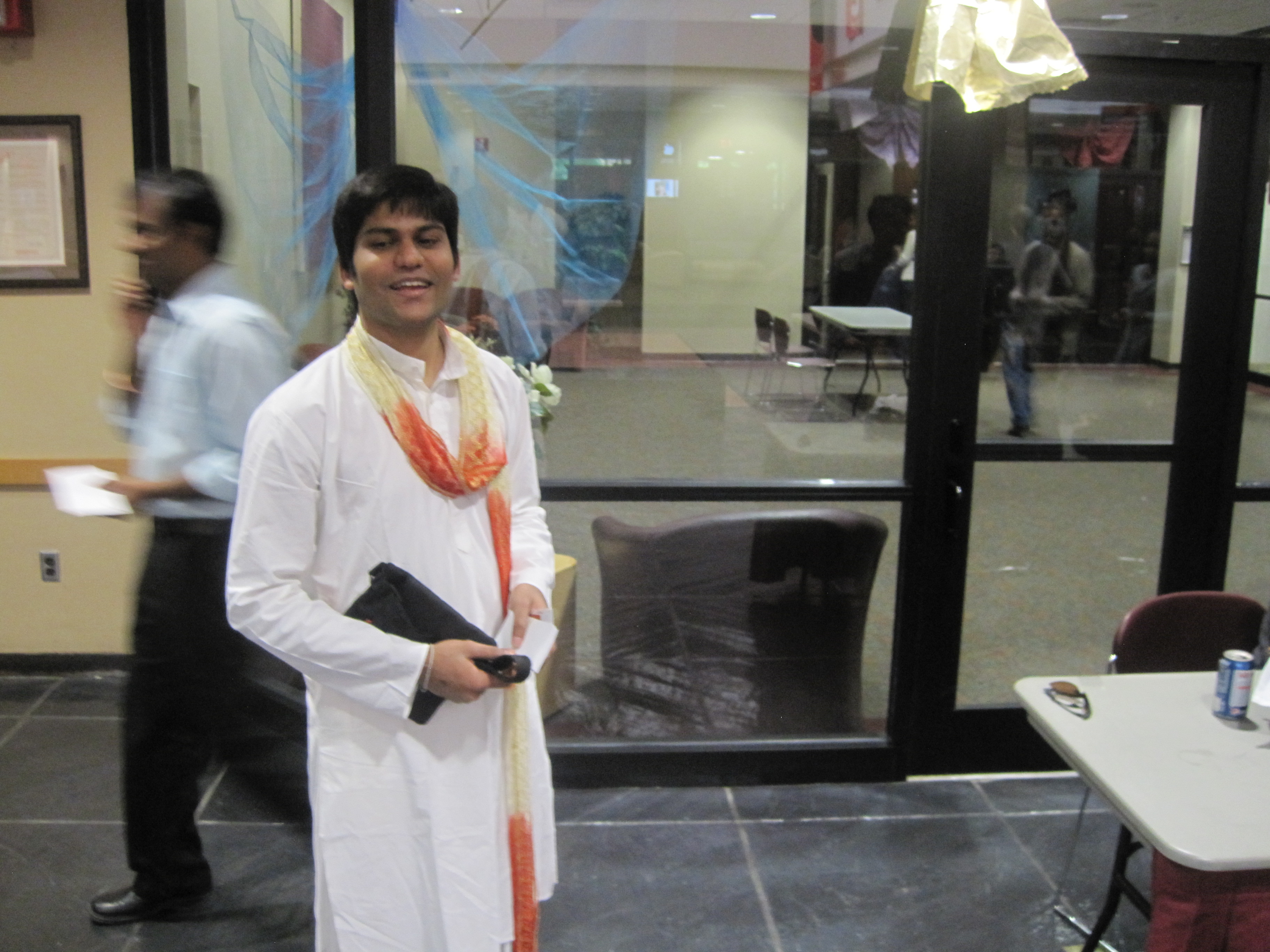
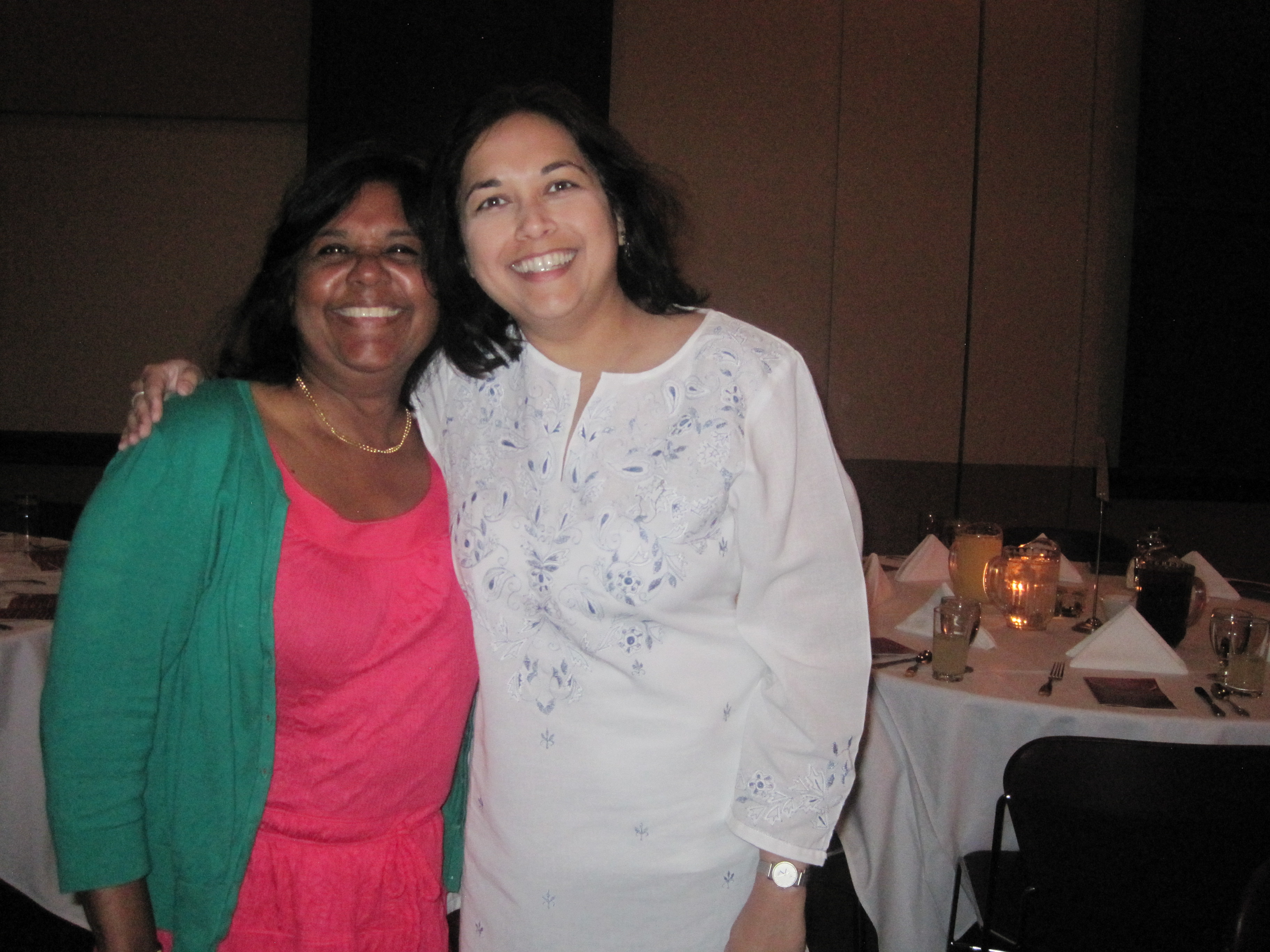
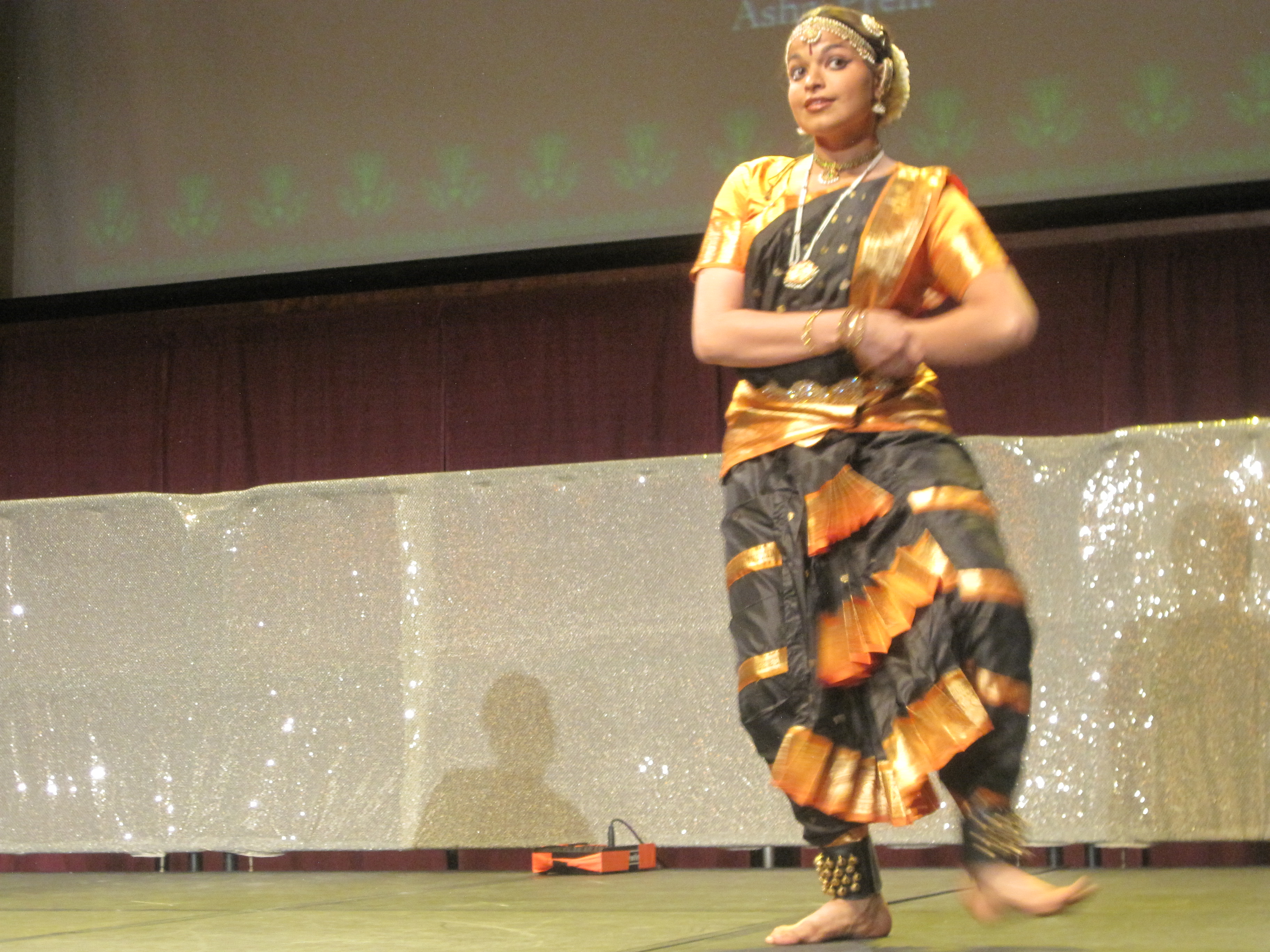
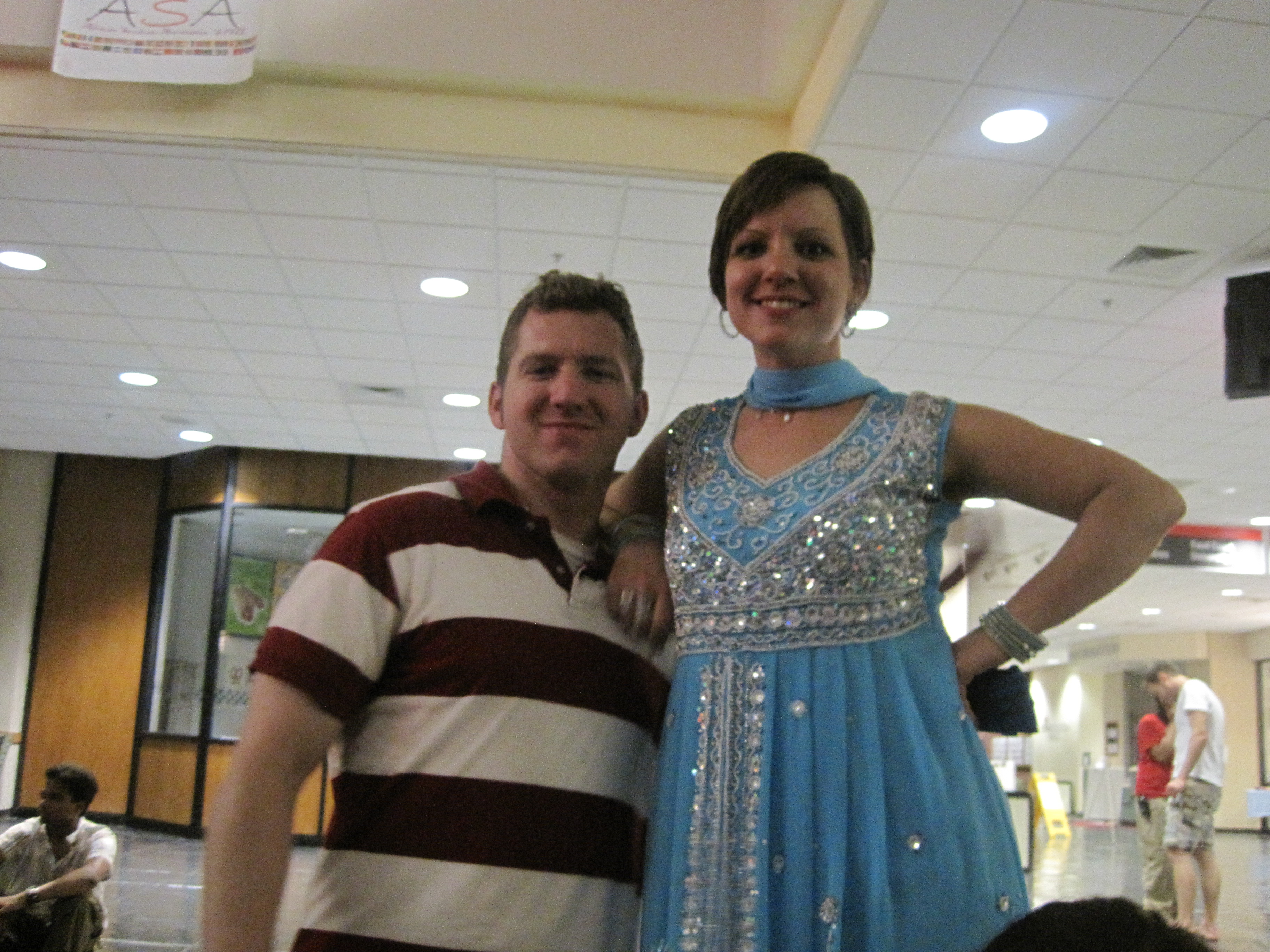
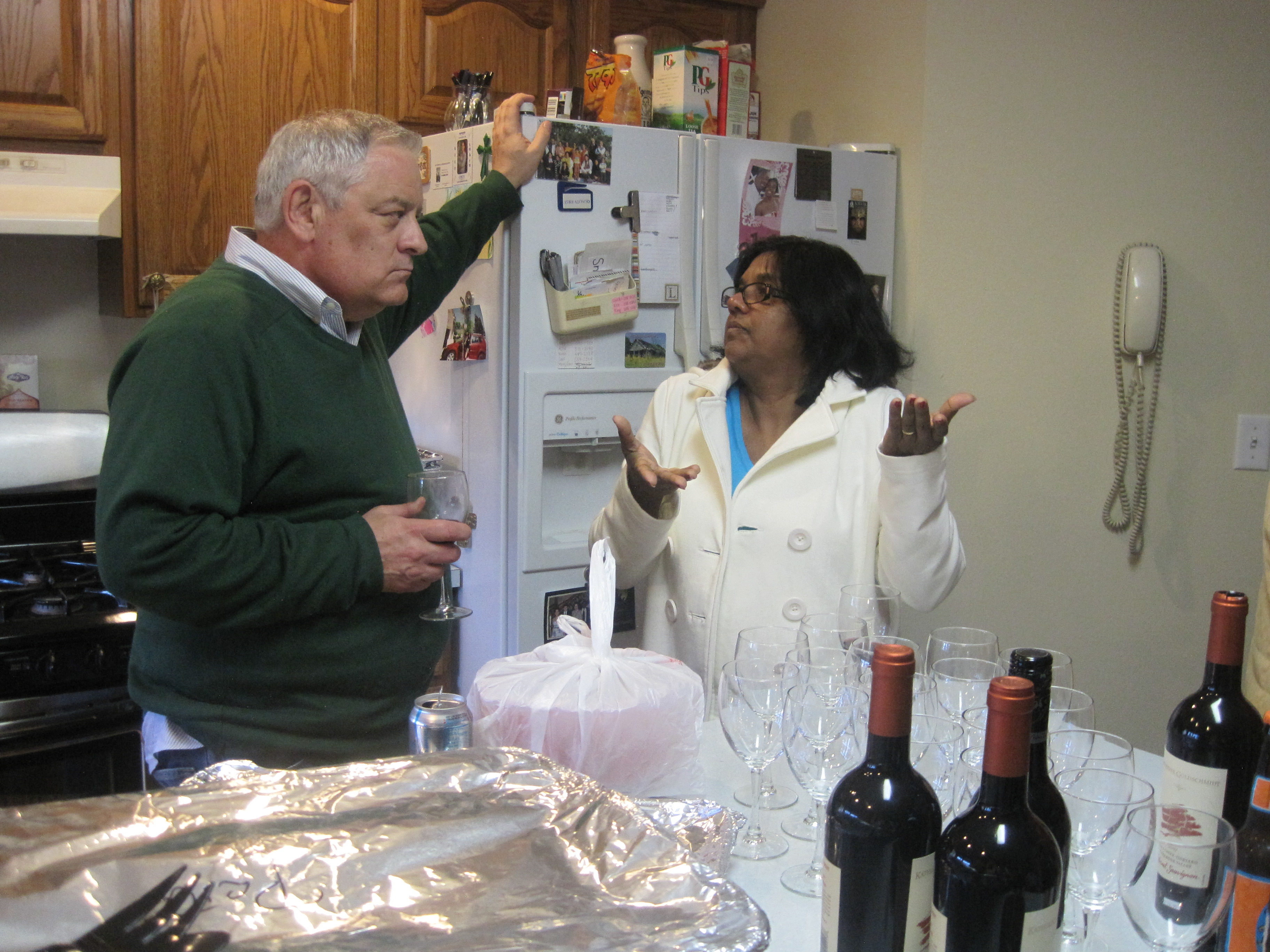
The night, just like the Africa Night, or the International Night here was for food, dancing, fashion, trivia and a general culture fest of the country. Here are pictures. it was memorable, to say the least.

Jungle Fever

I translated a poem for my Slovenian poet and musician from English into Yoruba a few weeks ago. It was a very short but humorous piece of work. I’ve also recorded it for him in my own voice.

But while we were looking for an appropriate background sound for the poetry recital, he sent me the following:

“I put the voice of birds. This would actually stress that you read in an African language and it would give some jungle atmosphere.”

Even though the bird effect turned out pretty well in the end, I really couldn’t stop wondering about what his reasons for it really reflects. It sounds like there is definitely a wrong assumption somewhere in there. Or maybe it’s just me. There are birds in England, India and Canada too, right? If birds and the “jungle atmosphere” is enough to identify an African language, what animals would be required to make noise in the background if I were to read in an American language? A bear, perhaps? Hard rock? Or a gun shot? How far do we go until such assumptions just turn into a bunch of pointless categorizations?

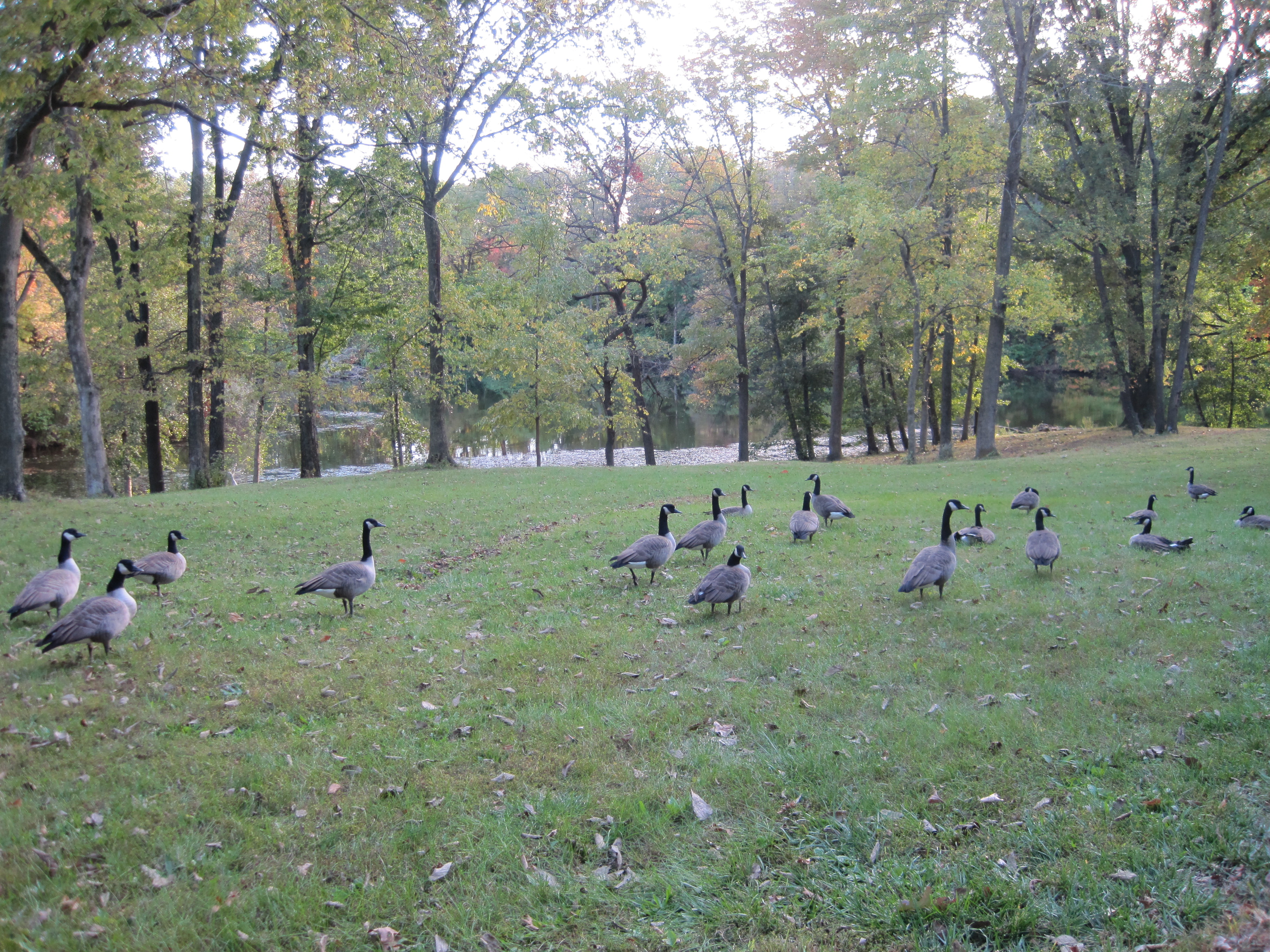
It was not long ago that I discovered that many people here wouldn’t really believe that I’d never seen animals in the wild until I came to the United States. (I saw a monkey, a chimp, a gorilla, a zebra, a lion, an elephant, a camel, a fox, and an ostrich for the first time in a public zoo of what later became my University in Ibadan. I was about eight years old then. I later saw some baboons in the wild when I went to Kenya in 2005, but before then, beside dogs, chicken, cats, cattle and sheep, most of the animals I’ve seen have been in confinement.) Cougar Village alone however has a large population of deer, geese, raccoons, cats and squirrels than I’ve ever seen anywhere, walking free without confinement. And the geese are wilder than any I’ve ever seen anywhere. One day in the winter, I saw a lonely fox walking by itself on the highway close to where humans might be found walking innocently on a lonely day. Maybe Cougar Village was the kind of  jungle he meant!

Knowing The Granite City

My first intimation with Scotland beyond the picture of men in “skirts” in glossy magazines must be in the movie “Rundown” where a Scottish pilot kept saying “There are bills on the grind” when he meant that there were bulls on the ground. And then there was Craig Fergusson and a few other guys whose accents just keep you glued to the television because you can’t get enough. In this guest post, my friend and blog commenter Bukola Olawuwo writes about her experience in Aberdeen, Scotland’s third most populous city. It has an estimated population of 210,400 citizens. Enjoy.

___________________________________________

I always had a good laugh in the months before my arrival in Aberdeen when I informed people that I was going to Scotland. Isn’t that the place where men wear skirts? They’d say. I laughed in part because it was funny and because although I knew that men wouldn’t be running around all day in skirts, I too thought of it as “the place where men wear skirts”

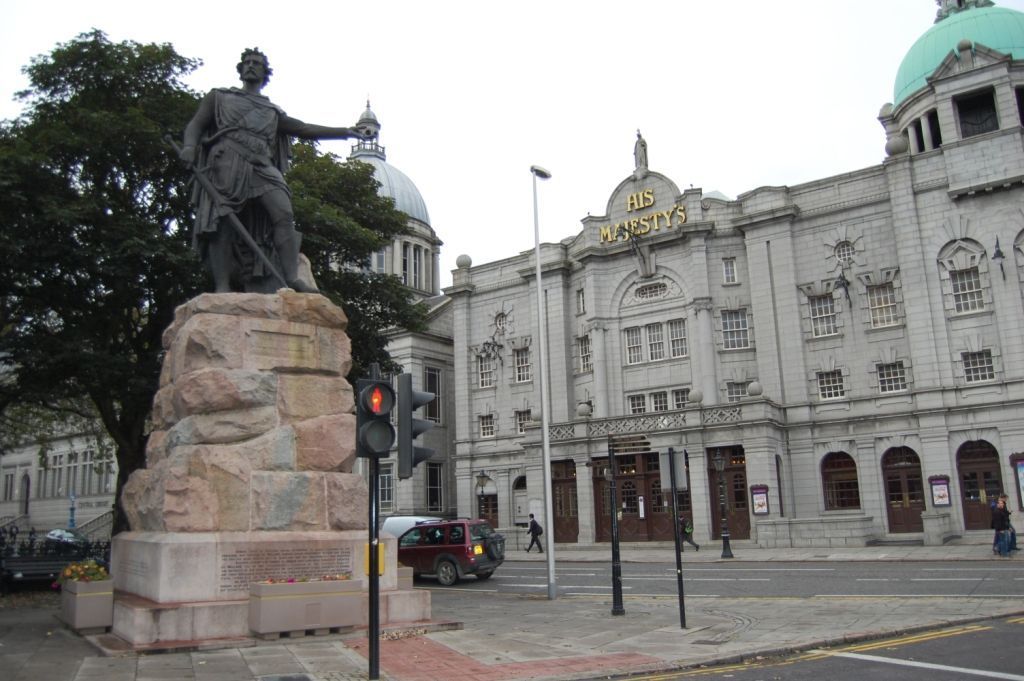
It was not the skirt-clad men that grabbed my attention on my arrival though. It was the colours – or lack thereof. Every building was the same colour. Grey. My first thought was that there was a law against paints in this city. I would later learn that many of the city’s buildings constructed between the 18th and 2oth century were built with granite sourced from the city’s Rubislaw Quarry which is also said to have produced granite for paving streets in London. This earned the city the moniker the Granite City.

Of course, new, painted buildings have sprung up but these are few and far between, creating the impression that all Aberdeen buildings are the same. I for one will never forget the confusion that my inability to differentiate one building from another caused in my first few weeks here. I got lost so many times that I lost count. And I’m clueless with maps, so there goes…

Since I can’t read a map to save my life, I had to depend on people. This was another induction into the city. I found that the Aberdonian accent is a complex one, depending on the indigene’s particular area of origin. It is characterised by harsh R’s and of course there’s Doric. Doric is the local dialect/accent spoken in Aberdeen city and county. It is a variation of English but an advisory warning would probably read “interpreter needed”! My friends and I have had fun trying to decode some of the words amidst thanksgiving that none of our tutors has the acute version of the accent – that wouldn’t have been fun. A personal favourite is the word sorry which if spelled the way it is pronounced could be either “sorree” or “sorrai”, with extra emphasis on the ‘r’. Whereabouts are you going would be “far aboots are ye gaun”; no equals “nae”; house equals “hoose”…and I thought I’d be the one with an accent!

Behind the interesting accents are an equally interesting people. Aberdonians and indeed Scotsmen are very proud; of their culture and heritage. Such is their pride in their region that many are agitating for an independent Scotland; independence that is, from the collective known as the United Kingdom. This pride sometimes makes me feel a pang of shame at the new generation of Nigerian parents who proudly announce that their children don’t speak their native dialect or youths who refuse to wear African fabric. Yes, the men really wear kilts but only for ceremonial purposes and trust me, it takes either national pride or utter madness to wear a kilt in a temperature of minus 16 degrees celsius!

And madness is how the weather feels at times. We’re up North you see, so we have a customised version of the cold that’s a common feature of Scotland – an extremely colder version. And there’s the rain which never pours compared to what we get back home but is a fixture, regardless of the season. I once remarked to someone that I was living for the summer, couldn’t wait to feel warm again. She smiled at me and said “oh summer. In Aberdeen, we rock our sunshades and jackets simultaneously”. Oh well, I’ll survive.

Key to my survival here are the numerous African and Asian shops.  They cater to the needs of people like me who’re sceptical about experimenting with food and those who just want to give themselves a treat from ‘home’. I have tried some Scottish food though, my favourite being Pea and Ham soup. My reason for liking it wouldn’t be far from the fact that it tastes a lot like gbegiri with strips of meat in it; only this one is eaten on its own, not with some heavenly amala…(sigh). Haggis, a dish made from sheep’s innards is another favourite. I hear the younger generation don’t quite like it because of the ingredients used and a peculiar traditional method of preparation. Me? I grew up eating delicacies like shaki, ponmo and roundabout – of course I love it! 🙂

Seven months, snow, freezing February and lots of delicious haggis later, I can tell you that my story about Aberdeen has changed – to a large extent. When the day comes that we do not get four different seasons in one day, I just might love it but since the likelihood of that happening is almost zilch, I’ll just say, it’s a lovely place to be or as we say here, nae bad at all 🙂

___________________________________

Bukola is studying for her masters in Corporate Communication and Public Affairs at the Robert Gordon University Aberdeen. Previous guestposts can be found here.

Thank you very much Bukola. A lovely postcard from KTravula.com is coming your way.

Pictures from the Rotarians’ Visit

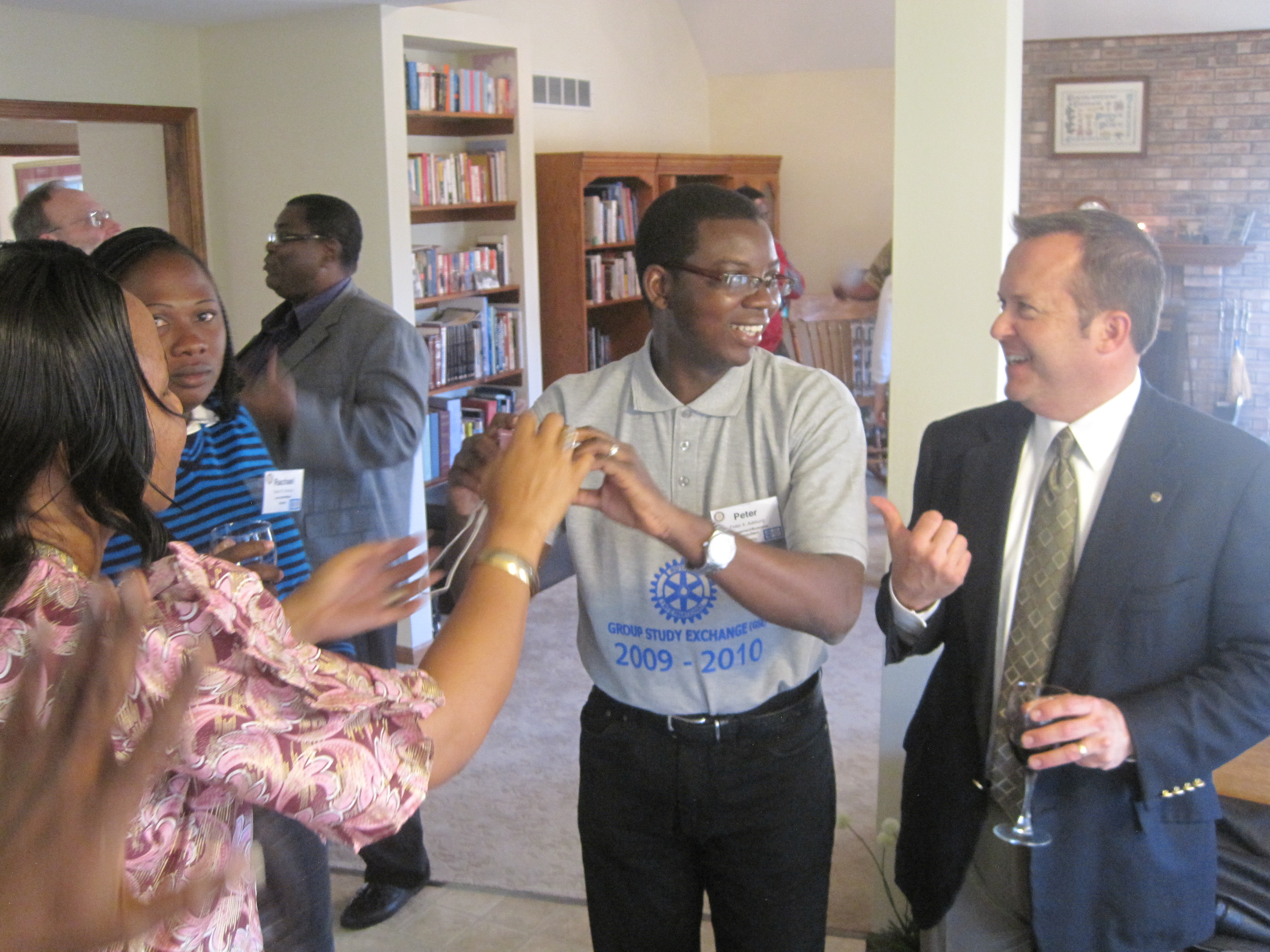
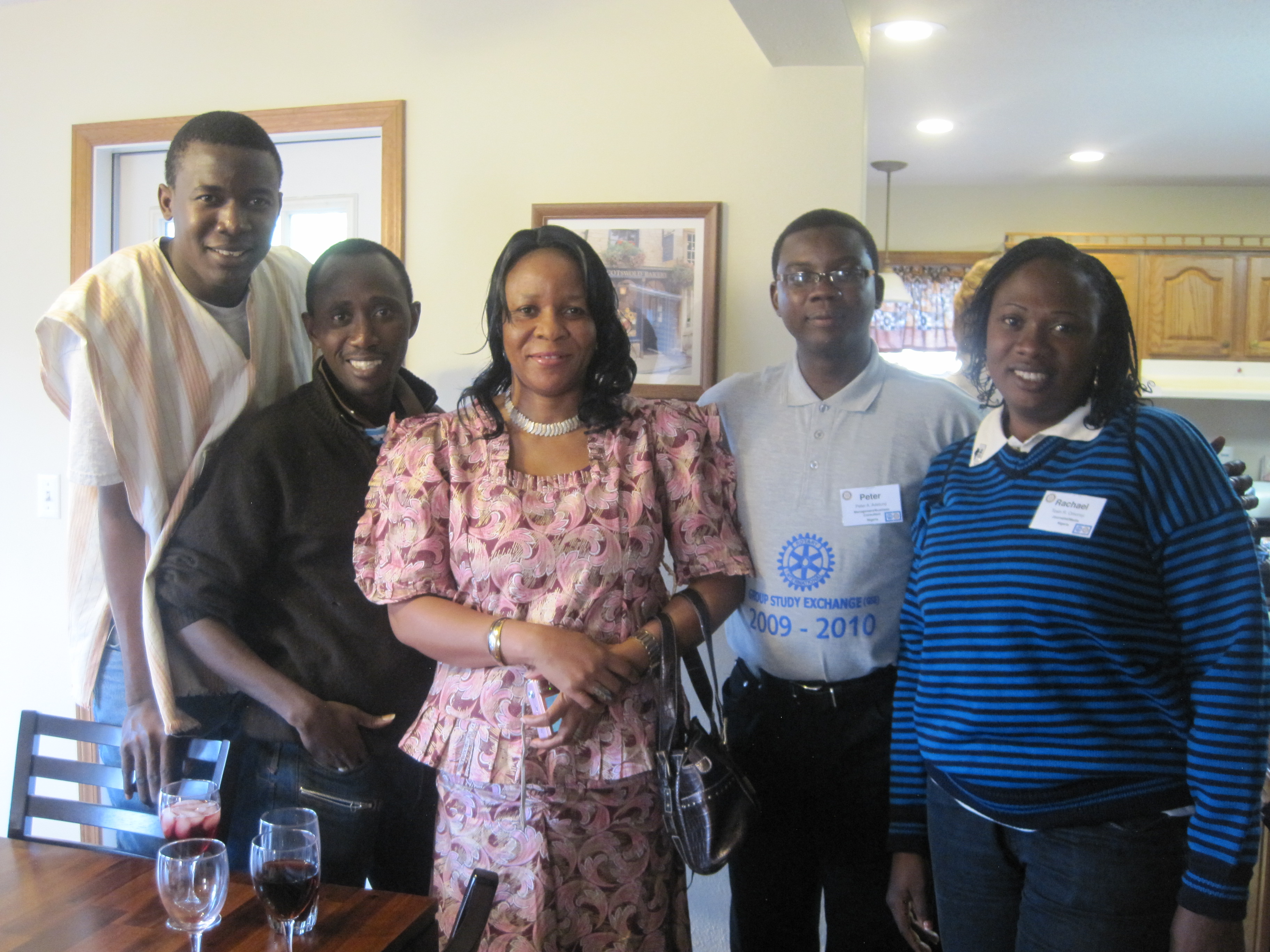
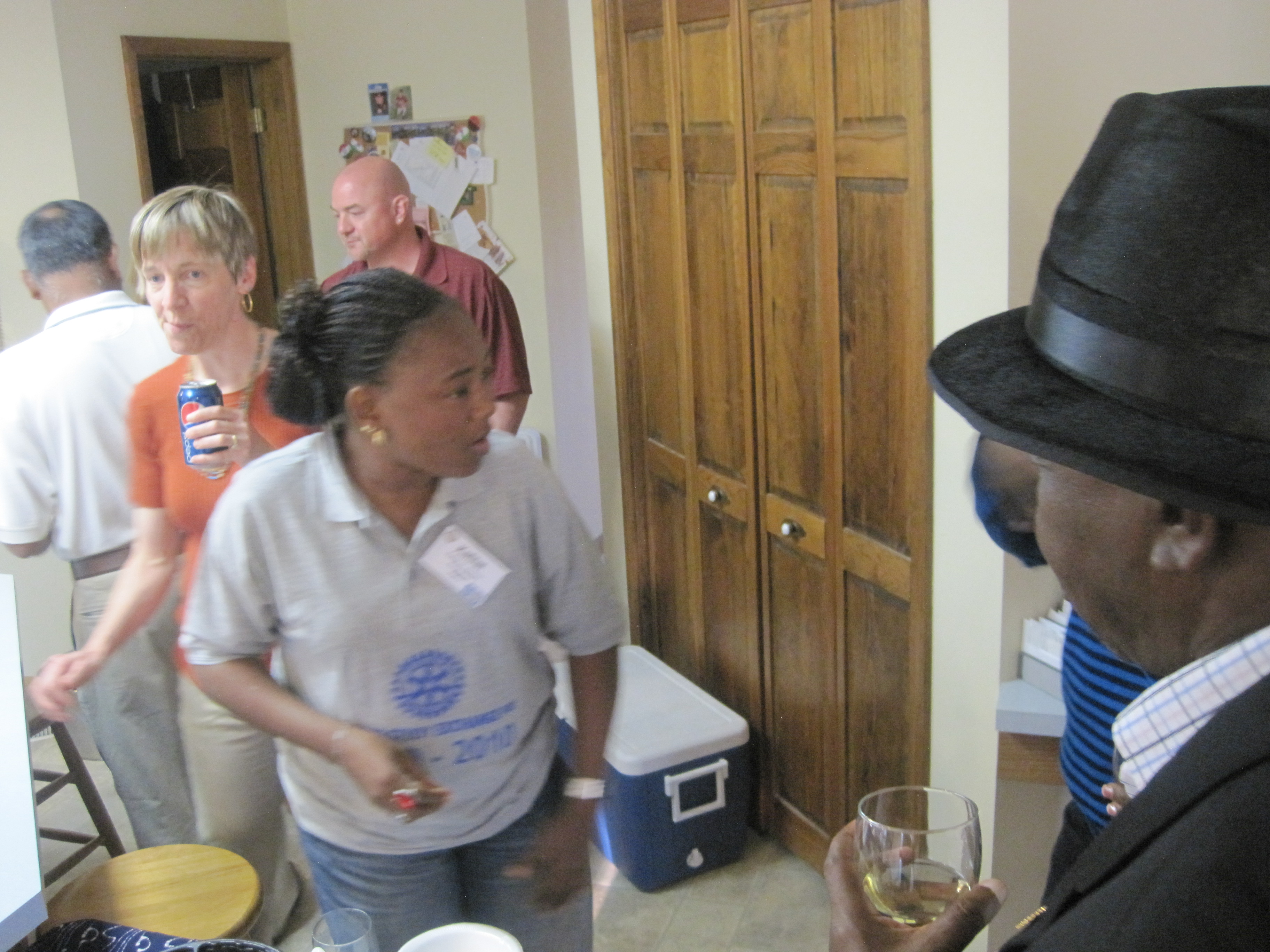
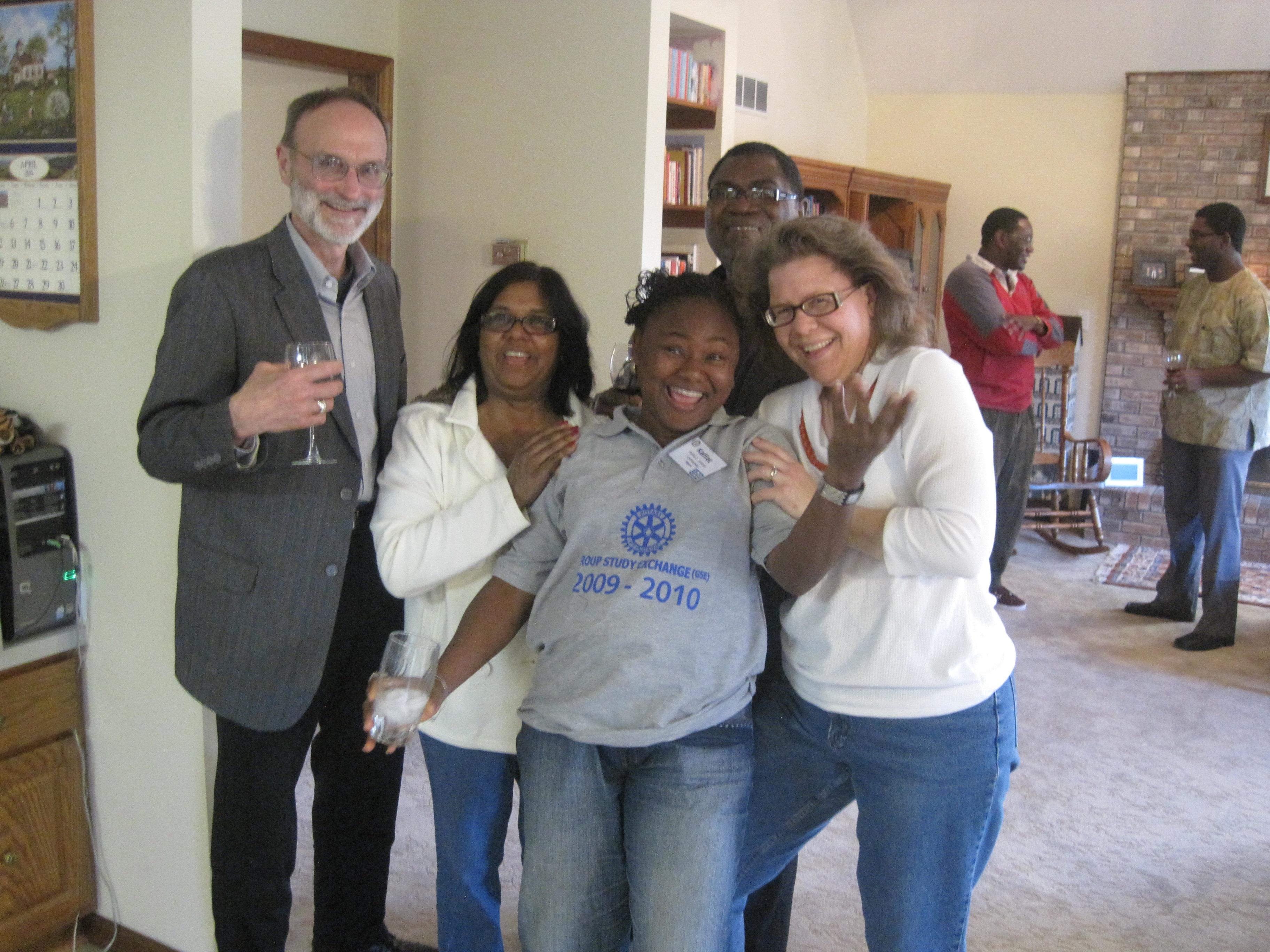
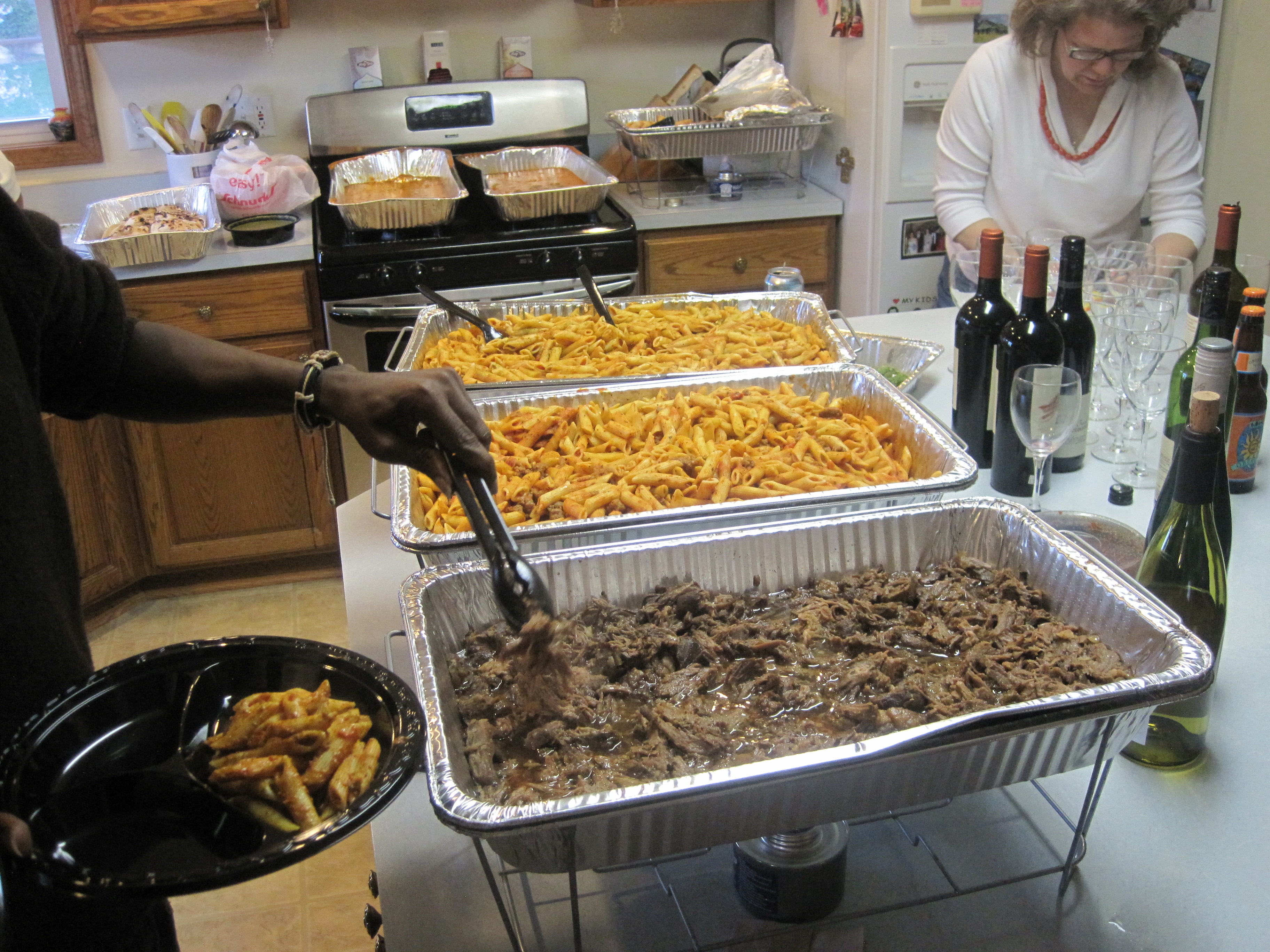
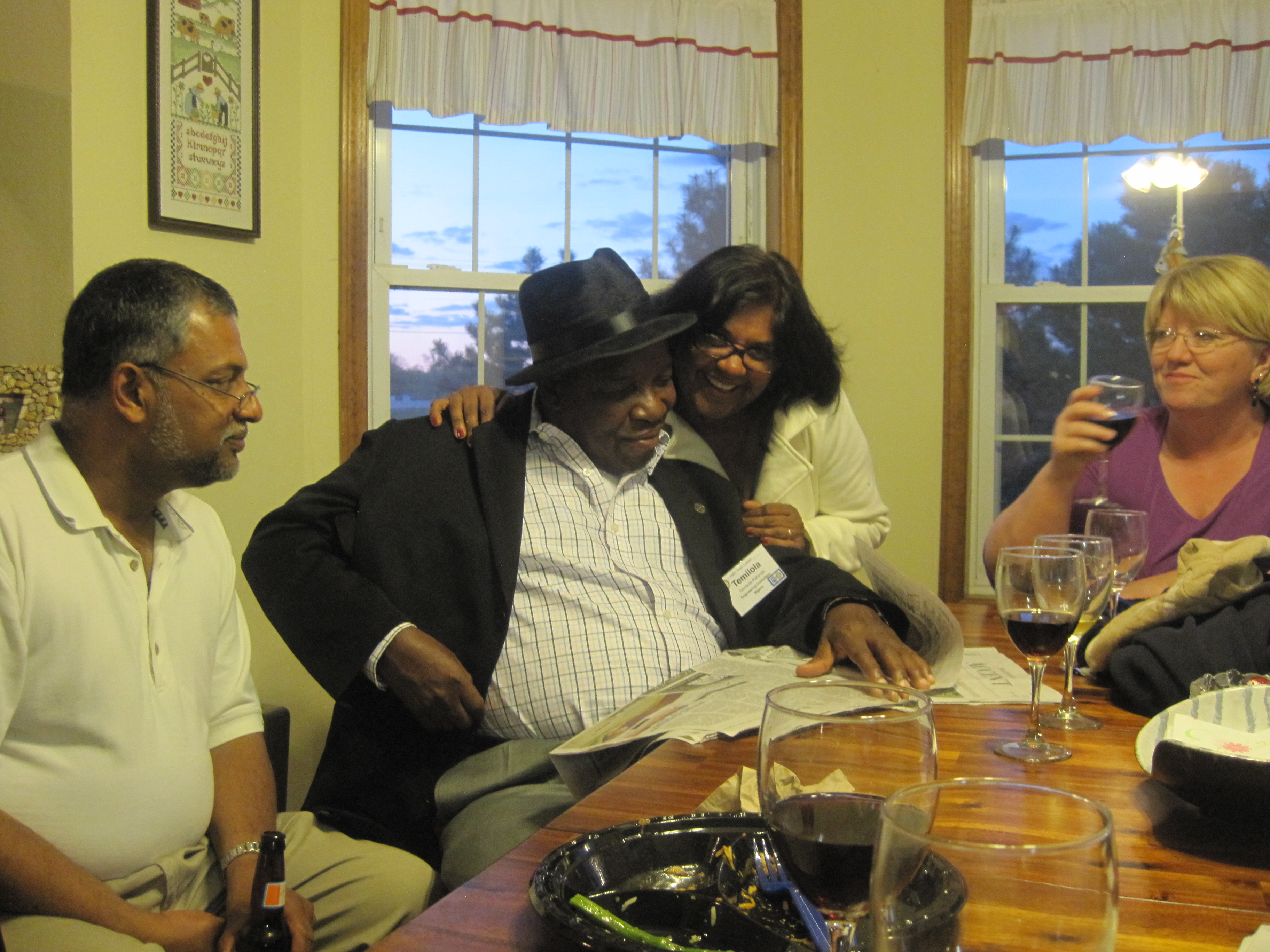
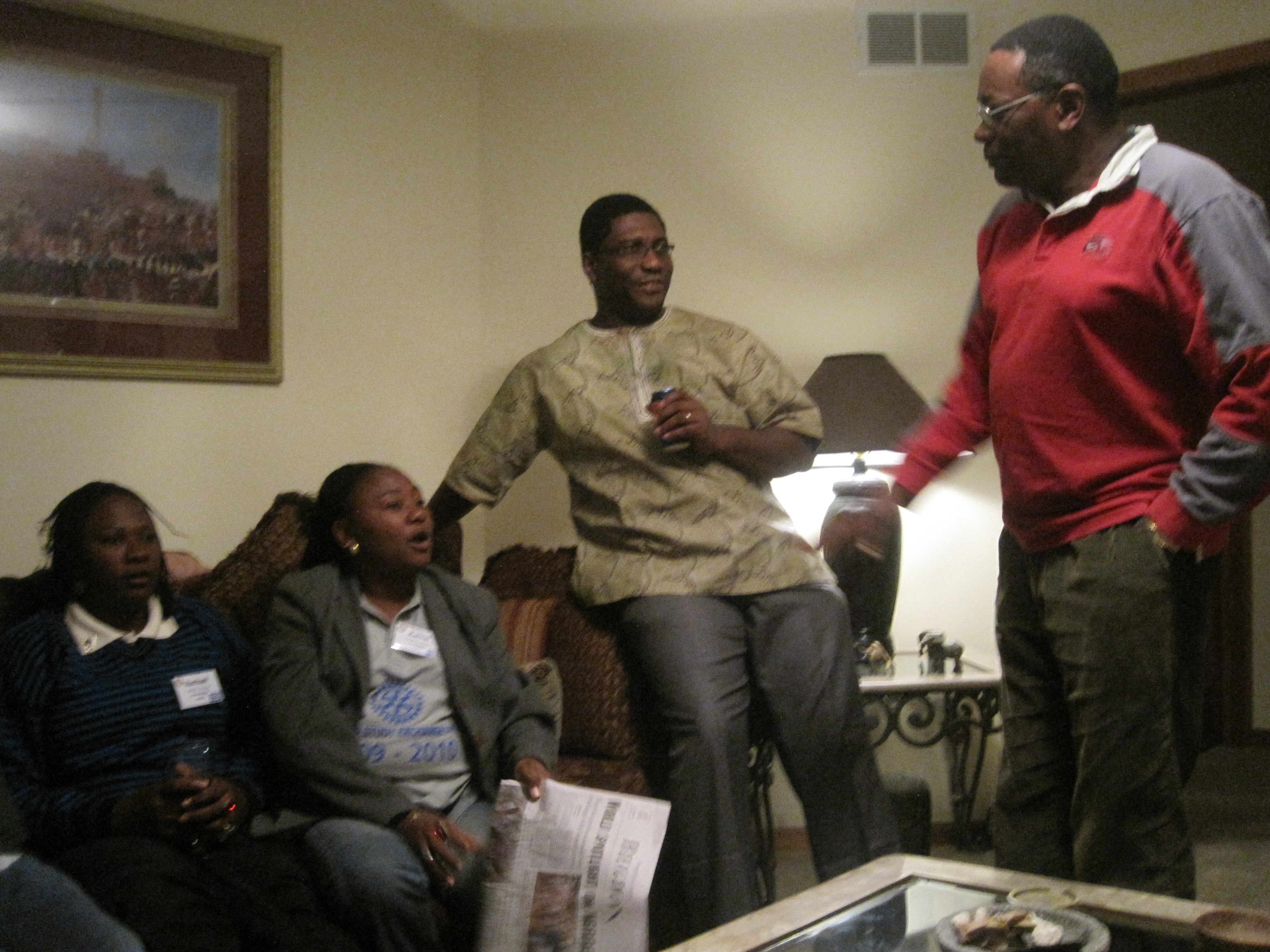
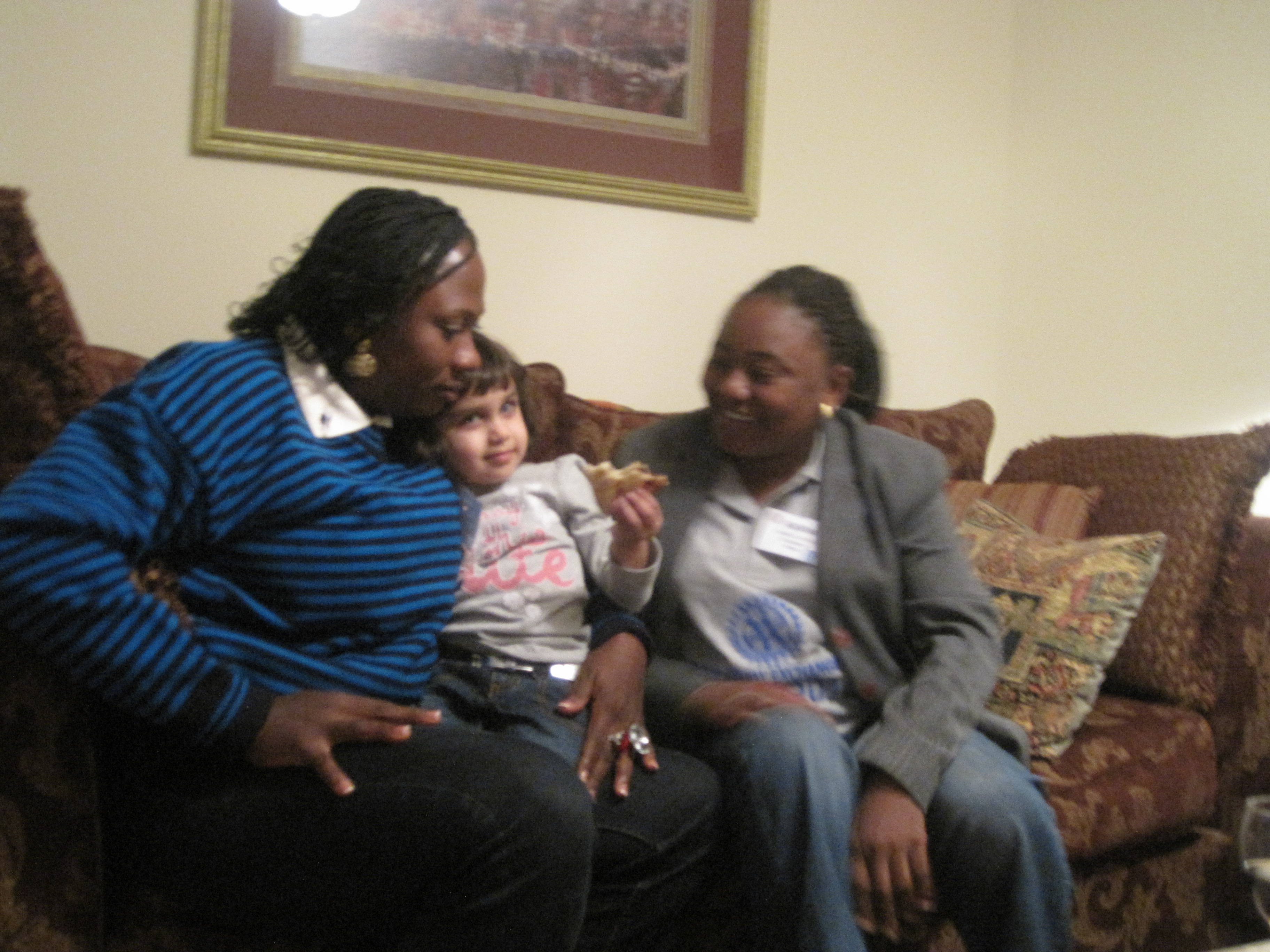
About half a dozen folks from Nigeria are in Edwardsville for six weeks on a Rotary exchange programme, and I was invited to a dinner with them yesterday at the house of my second host parents. They all work in different parts of Nigeria and in different fields, but they have come under the banner of Rotary. The closest I’ve been to this kind of exchange was my six weeks socio-cultural exchange programme in Kenya in 2005 along with three other students of my University. Here are pictures we took there. They were a wonderful, happy bunch, and they still have not yet acclimatized to the environment. We’ll be leaving for Nigeria at about the same time.

10 Questions for the Traveller

10. Why do you focus on Nigeria a lot these days?

A: Are you kidding? Nigeria has been in the news even before I started talking, but if you prod me a little bit more, I might tell you that it’s because I’m going to return there in less than three months, and I am interested in its success. Staying back in the US is not only not an option, it is escapist and does not really count as progress. There is a stipulation to spend at least two years in my country after this programme before any application for permanent residency in the United States afterwards. That way, beneficiaries of the Fulbright can get to contribute to their countries of birth and residence. The better Nigeria gets then, the better for me.

9. Are you really looking forward to going home?

A: Yes, actually.

8. What will you miss the most about the United States?

A: I’ll miss the friends I’ve made.  I’ll miss my host parents, Papa Rudy and Laverne Wilson, I’ll miss Chris and his adventurous spirit. I’ll miss Olga even though we don’t see each other much these days. I’ll miss my students, my office, and my wonderful Professor Mattson who shares the space with me. I’ll miss my department and Belinda, its beautiful head and Sherry its cool and sometimes mischievous secretary, and also my friend Catherine in the language lab for allowing me trouble her many times. I’ll miss the genuine smiles and laughter I get from colleagues, and I’ll miss the days of uninterrupted superfast internet access. There are so many lovely people that will kill me for not mentioning their names here. I’ll mention them in due course.

7. What will you do when you get home?

A: I have a tentative plan, which is to go around my country to places I haven’t been before. I also hope to visit places I’ve been before but which hold a certain interest for me and for friends. I think I have only visited about seven states in Nigeria, out of thirty-six. I have a long way to go. I also hope to return to the University to complete my Master’s programme in Linguistics and/or Language Documentation. Would it not be better if I come over to do it in the United States along with a PhD? Maybe. We’ll see how that goes.

6.  I love those your photographic artworks. How can I get one?

A: I am raising money with them for Jos, Haiti and for Chile. If you’re interested in participating in the project, check out the very simple instructions here.

5. Creatively, how have you been keeping yourself occupied?

A: I’ve been reading extensively because I’m afraid that there will be too many books to carry home when I’m done here. I may have bought too many. So it will make more sense to read them now, and give them away. I’m actually worried that my excess luggage will be filled with books. I don’t know if I can handle that. I have also been writing: a memoir, poems, and translations. You’ll be the first to know when they get published.

4. Are there any more places you will definitely visit before you leave?

A: Yes. That will be New York from where I hope to depart to Nigeria.

3. How are your students doing this semester?

A: Never been better. They murmured when I told them that this time the final exams will not be to write a short story like the other folks did last semester. In their own case, they will be presenting a short drama or a Yoruba song for an audience of their mates and former students. I like the idea, and they’re catching up on it too. I’ve finished grading the mid-term exam and I’m happy that they actually know more than I give them credit for. They’re the best students ever. We’ve saw Chimamanda’s TED video again last week. It was the first time of seeing it this semester.

2. I like your blog. I hope you won’t stop writing. I want to contribute in the form of a guest-post. What should I do?

A: All you have to do is to send me an inquiry, or just send in the guest-post and let me look at it. You can find the previous guest-posts here. What kind of guest-post do I prefer? I don’t have preferences. I just want to read other people’s interaction with the world, either in poetry, prose or rants.

1. What do you think of the Libya’s president Colonel Gaddafi’s suggestion that Nigeria be split like India along religious lines so as to bring permanent peace and stability?

A: Not only is the idea sick and repulsive, it is shallow and lacks the right substance needed for any permanent solution. First, organized religion is one of the biggest problems of the world right now, so to make it the basis of state is not only dumb, it is retrogressive. There is no doubt that the North is mainly Moslem and that the south is mainly Christian.  However, the northern Nigeria is not totally Moslem, nor is the southern Nigeria totally Christian, and that is one of the causes of the Jos crisis. So this begs the question: where will the boundaries be drawn if such a division were to be made? At the Niger River? Where would Plateau, Kwara, Kogi, and Oyo States fall? And what purpose would it serve to have any part of the country run by a religion that has never been known to hold the elites and the politicians to the same standard expected of the poor uneducated citizenry. If the law is an ass, religious laws at levels of state are even dumber. What the country needs is to live up to its ideals of a true federalism where each component parts are autonomous to the extent of its fiscal responsibility and obligations. Organized religion is the enemy, as is ignorance, arrogance, and complacency.