Browsing the archives for the Travelling category.

Reading JP’s America

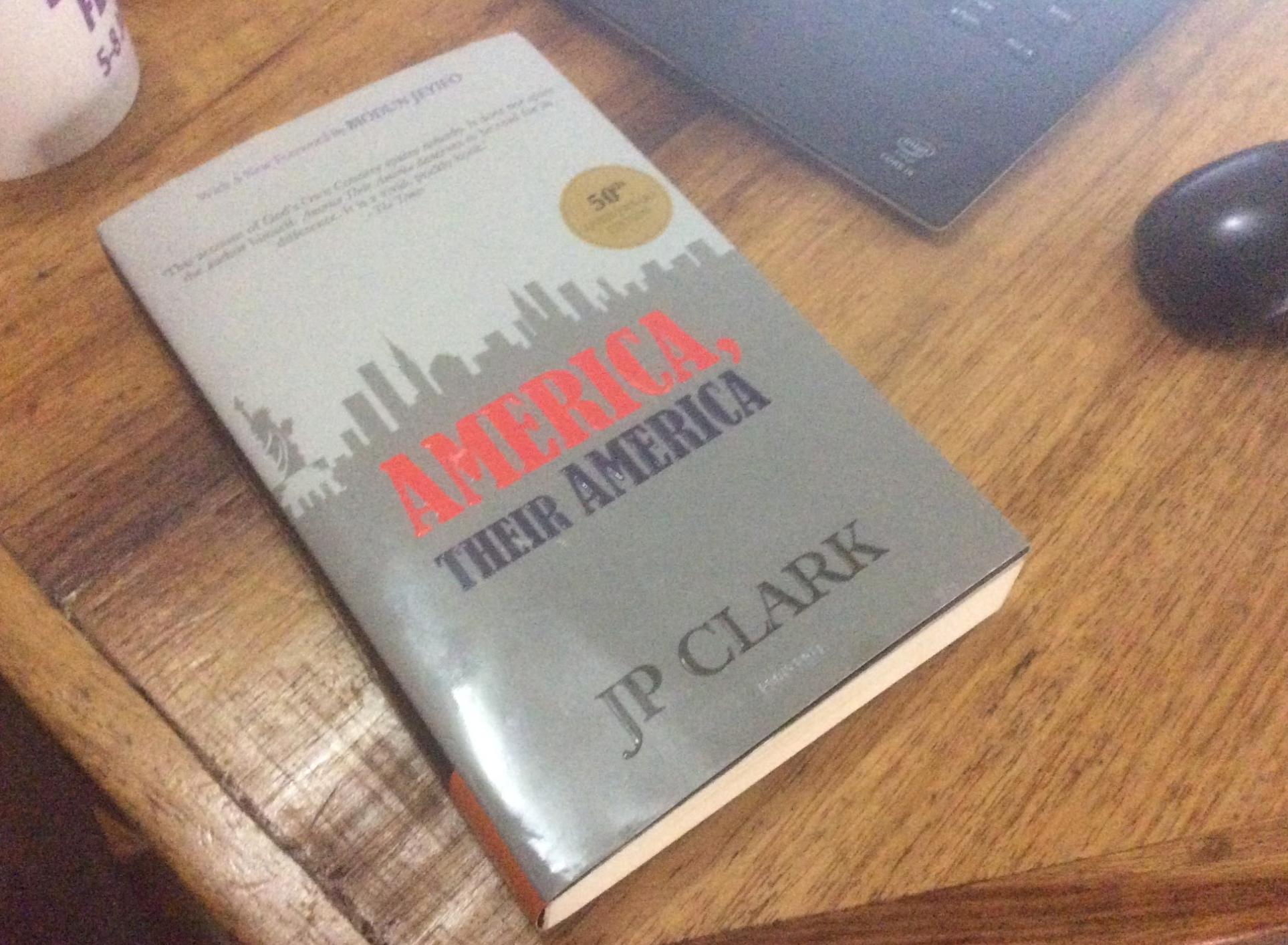
It’s amazing to think that an African writer/journalist had the kind of access that Nigerian writer JP Clark had to the corridors of US power in 1962 during the Medicare debates, and some of the most high-stakes political period of the country’s history. The writer, then a playwright and journalist working in Nigeria, had won a Parvin Fellowship which, at the time, had been set up to bring young African professionals to the US for one year in order to interact, socialize, learn a bit about the American political system, and gain some skills to take back to their young countries. The result of that experience, and the subsequent fallout from his abrupt ejection from the country, was his 1964 book America Their America now re-published in a 50th anniversary edition by Bookcraft, Ìbàdàn (2015).
At that time in the 60s, all of the countries on this continent had either just gained independence or were in the process of doing so. The coup d’etat hadn’t started rolling in (as they did in Ghana and Nigeria in 1966). The CIA hadn’t started getting too involved in the political process of new states that turned away from the western-type ideals enough to start helping to assassinate them. Names like Wọlé Ṣóyínká had not become household names yet, and Chinua Achebe himself was still in the United States on a different study programme. In short, it was the golden years of statehood of many African countries on the world stage, and this benefited students from the continent who took adequate advantage of America’s attempt at a global outreach through soft diplomacy. It was also during this time that Barack Obama Sr had found himself in Hawaii as a father of a new American son, Barack.

And there was JP Clark, a young and boisterous playwright and journalist from Nigeria with, not unlike what has been described of Obama Sr, an acerbic voice, a confident gait, and a snarky outlook at the elaborately choreographed introduction to the American experience, which the Parvin Program had packaged for him. Even in his own accounting of the times, he was a rude, and unfiltered guest, willing to poke where the society he found himself had decided needed to be left alone: religion, politics, and race. He spent most of his time pursuing his own creative and personal haunts than spending time participating in the rituals required of the scholarship that had brought him to the United States, and he did these all while throwing his weight and sometimes solicited opinion around, often to devastating personal consequences. In the end, his host had had enough, so they kicked him out rather unceremoniously.

The country had, until then, seemed never had such a caustic guest. It certainly had not expected it from this African, half expected to be grateful and obsequious for the privilege that the opportunity had brought, and certainly expected to take the opportunity as one that may never come again. They, apparently, hadn’t met Mr. Clark, the saucy poet, who traipsed around America among some of the most influential members of that country’s society, in culture, academia, literature, and government not quite like he owned it, but like his critical opinion should matter as much as any man, intellectual, and journalist of his competence. And why not? Was he less of a journalist because he carried a green passport or a black African skin? Is America, a country founded ostensibly on the freedom of speech, not naturally best suited for, and welcoming to critical engagement by all that live in it towards “a more perfect union”? At the time, it certainly didn’t seem that any negative or uncomfortably frank perception or opinion was expected of this stranger, and he was informed of this, subtly and directly. He didn’t care. And, today, it is in that quality of brutal honesty and self-indictment that the book America Their America earns its stripe as a cultural landmark – a work of both political, journalistic, cultural, and literary value, packing an unapologetic look at the American political and cultural landscape with an attentive recollection of one man’s travels and travails through its corridors at a crucial time.
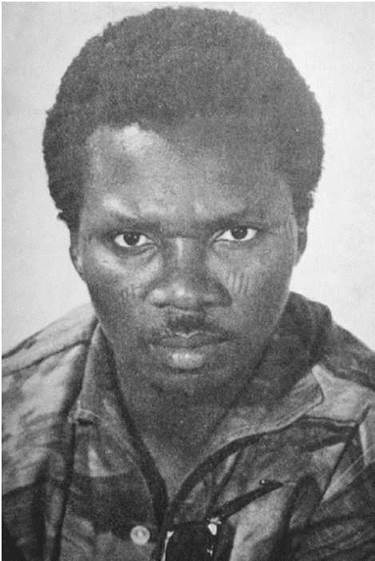
JP Clark (Author’s photo from the 60s)

I had moments of deja vu, while reading America Their America, not just because of the eerie similarity of those times and the depicted political realities and the current one, but also because of the similarity and dissimilarity of the visiting experience of Mr. Clark and myself. He had been invited into the country as a Parvin Fellow (a fellowship that was discontinued a few years later, perhaps no thanks to his fiery and bold-faced ungratefulness for much of the fellowship except for parts of it that allowed him the freedom to travel and experience America on his own terms) and I had made my first contact with America as a Fulbright Scholar in 2009 on similar terms. Except in the location of my fellowship and the teaching responsibilities expected of Fulbright fellows, we seemed to have been invited to experience the country in much the same way, through its generosity and openness to exchange of new ideas, and packaged through a rote of American perception of itself as exceptional.

Reading America again through his eyes brought moments of intense recollection, sometimes of nostalgia, but mostly of envy for the kind of access the Parvin Fellowship offered the writer and other fellow scholars. I certainly never got a chance to visit the Capitol building in order to watch legislative deliberations or have 0ne-on-one conversations with congress people. I did walk in front of it, but only because of my own restlessness. Neither, except for my own equally deliberate and constant rebellion against the constraints of a regimented school session, did I experience a year of such intense and colourful freedom. But it is the literary and historical value of the book that packs the most punch for an interested reader as myself committed as much to its contribution to understanding the 60s and early black scholars in and out of the West and the trajectory of the early African writers’ literary voice. Mr. Clark delights both as an astute storyteller of a tale in which he’s both the hero and the villain, and a travel writer experiencing reality through a fiery literary lens.

He complements the narrative with occasional poems written at moments of distress or contemplation. This one was written while thinking of James Meredith (the first African American to attend the University of Mississippi) and composing a letter to his brother in India:

Last night, times out of dream,

I woke

to the sight of a snake

Slitering in the field, livid

Where the grass is

Patched, merged up where it runs

All shades of green – and suddenly!

My brother in India, up, stick

In hand, poised to strike –

But ah, hiimself is struck

By this serpent, so swift,

So silent, with more reaction

Than a nuclear charge…

And now this morning with eyes still

To the door, in thought of a neck

Straining under the sill,

I wake

To the touch of a hand as

Mortal and fair, asking

To be kissed, and a return

To bed, my brothers

In the wild of America!

(page 56)

Of Washington DC, he wrote, a terse indictment:

A morgue,

a museum –

Whose keepers

play at kings.

(page 184)

In each poetic offering on the state of his mind at different moments, one glimpsed doses of frustration, mirth, mischief, inspiration, and more. It was a peek into the creative potential of the – at the time – 29 year-old author. The style, in which poetry and prose were effectively deployed to serve the purpose of memorizing, would also be deployed equally as effectively in Wọlé Ṣóyínká’s The Man Died (1971).

Politically, what impressed and fascinated me, even more, is the relevance of the debates that JP Clark diligently documented of the Senate debates surrounding the passage of the Medicare Act of 1965, and how little seemed to have changed. As I write this, the US Senate has just given up on their latest attempt to repeal the healthcare law signed into effect in 2009, a law that takes care of the most vulnerable in the society just like Medicare did in 1965. And watching the US media debates surrounding healthcare as I had when I lived in Illinois in 2009-2012, the following passage seemed very familiar:

“How are you sure he wants to follow in his father’s footsteps?” I asked.

“He darned well will want to,” the man said. “Why, he’ll all be provided for. I have built this business up for what it is today so no member of my family will lack for anything.” And here he brought out another photograph, this time of the entire family, even with the old parents included. Radiant in the centre with a strapping son and two daughters on her either side was his wife. 

“Now, they’re pretty well taken care of, for now and the future as far as human hand can provide.” He congratulated himself and the American system of which he was a shining ‘success’ example. 

“Don’t you think by all this provision and security, you deny them their great American privilege of paying their own way through life?” I asked. 

“How is that? he showed genuine surprise and disbelief.

“Well, I can appreciate the point of your doctors when they say they want no medicare for the old,” I began. 

“Go on,” he prompted me, calling out for more drinks for us both in the bar where we sat. 

“As I see it, the doctors seem to be insisting that every American citizen should have provided for himself fully by retirement age. So why ask government now to pay their full medical bills?”

“That’s right, boy, you’ve been following pretty close our American debate,” he cheered me on. Until I added: 

“Well, it seems to me you’re denying exactly that sacred principle the doctors are insisting on by wanting to lay on everything for members of your family.”

“Young man, are you calling all my life’s effort vain? No, no, don’t withdraw or make any apologies for beliefs you honestly hold to. But tell me, as a writer, of what I don’t know, don’t you want to make money?”

(page 182-183) 

As a Parvin Fellow, Mr. Clark was based in Princeton, but the traveller’s gene in the poet carried him around the country, from New York to Boston, and to DC. As a Fulbright fellow, I resided in Southern Illinois, with aspects of my work taking me to Rhode Island and Washington DC. But much of my emotional connection to Mr. Clark’s delightfully addictive rant against his uncomfortable participation in American life comes also from my hitherto lack of sufficient time and discipline to put my one-year experience into the words and images, with diligent markings of its most notable moments, as the writer has brilliantly done. America Their America was published about a year after the writer had returned unceremoniously after being kicked out of the fellowship for failing to show up in class. The closeness of that recollection to the space and time of the event’s happenstance probably helped its acerbity. But its ability to endure, even till today, as one of the most honest accounts of an African writer’s sojourn in America is tribute to the writer’s impressive talent, creative fire, and artistic integrity.

Another part of the book caught my eye:

Americans, very true to their candidatural role, like being liked a lot by foreigners. The picture they cut is of a big shaggy dog charging up to the chance caller in mixed feelings of welcome and defiance, and romping one moment up your front with its great weight, all in a plea to be fondled, and in the next breaking off the embrace to canter about you, head chasing after tail, and snout in the air, offering furious barks and bites. “Where are you from?” they breathe hot over the stranger to their shores. And before you have had time to reply, they are pumping and priming you more: “How do you like the US? Do you plan to go back to that country? Don’t you find it most free here? In Russia the individual is not free, you know, he cannot even worship God as he likes and make all the money he should.” And from this torrential downpour of self-praise the American never allows the overwhelmed visitor any cover, actually expecting in return more praise and a complete instant endorsement. God save the brash impolitic stranger who does not!

Little wonder why his visit ended with such infamy!

But such a shame that the fallout from the perception of his “ungratefulness” for writing the book had coloured the author’s subsequent negative perception among Western gatekeepers of African literature from which he never recovered. Heck, it had coloured perception on the continent itself, allowing publishers (many of which had ownership in the West anyway) to distance themselves from it. The book, for all of fifty years, remained invisible on bookshelves, earning its reputation only by word-of-mouth while other memoirs that came after it (The Man Died; 1971, Second Class Citizen; 1974) had enjoyed multiple print runs. Hard to think of any other book of such fame/infamy not having a second reprint for fifty years.

“Out of Print-Limited Availability” on Amazon today.

Yet even if we ignore the much more fruitful contribution of the author to the African literary space, the service that the presence of a book of this nature offers continues to be relevant, not just for African writers, many of whom have found less assertive ways of navigating the American immigrant experience either through soft engagement (see: Americanah, Open City, Never Look an American In the Eye), or through silence (see: Ngugi, Achebe, Soyinka), but for writers in general and for people interested in the enduring power of documentation with honesty and verve. JP Clark won’t be with us forever, but many of the issues raised by the book continue to be a relevant mirror to the American society, just as valid as those by its own active citizens, from James Baldwin to Ta-Nehisi Coates.

To call it merely an “African” classic is to do it too much disservice. It’s a classic nevertheless.

—-

(Rating 5/5)
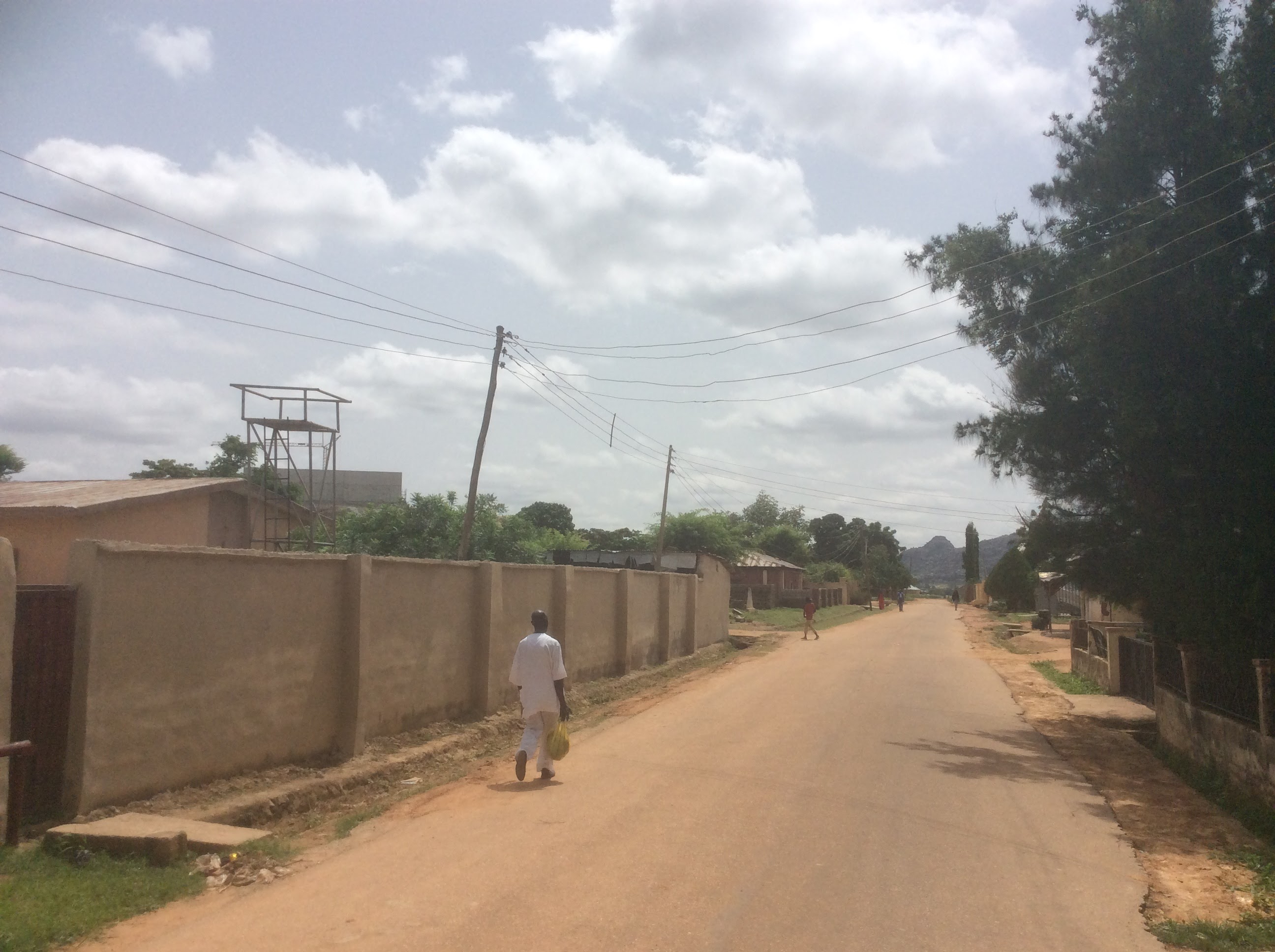
At Gowon’s Family House

Wusasa. The road in front of Pa Yohanna Gowon’s House

Kaduna seems to throw up more interesting discoveries during every visit. The first time I was there, in the summer of 2010, I had visited the old city of Zaria as well as the church at Wusasa, St. Bartholomew’s, which has the reputation of being the oldest surviving church building in Northern Nigeria, and whose history is tied to that of the region in terms of development.

On returning to the church in Wusasa again this last July, this time in the company of my wife and Kinna Likimani, a writer friend from Ghana, I discovered something else; something I’d known was there, but never had the chance or the guts to discover: the Gowon Family House.  Both my guests and I were hearing of these two historical structures for the very first time.

General Yakubu Gowon is known primarily as the Nigeria’s longest-serving military Head-of-state under whom the Nigerian Civil War was fought from 1967 to 1970. Not much else about him has entered popular culture, with the exception, perhaps, of the fact that he was also the youngest leader. He was a bachelor by the time he assumed office in 1966. He got married in 1969. The general, as they know him in Wusasa, was actually born in Plateau State, but was brought, along with other siblings and family members, to this small missionary town when his father, Pa Yohanna Gowon was transferred there.

It is the story of his father that I have found quite remarkable.

Pa Yohanna Gowon (r) and his wife, Ma Saraya Kuryan.

Born in about 1889 in Lur, a famous Ngas town southwest of Jos, in Plateau State, Pa Yohanna, the crown prince of a prominent chief became interested in missionary work after meeting with the first foreign missionaries that settled in his community in 1907. Christianity, and in the knowledge that these alien settlers brought, fascinated him enough to give up the life of a crown prince and become an evangelist, becoming one of the first to be recruited in his hometown.

In April 1923, he got married and started a family with the daughter of another chief. Missionary work at the time was not very well-paying so he struggled and persevered. But thirteen years later, in 1936, new changes were being made to the structures of the church. One of the changes included the new rule that evangelists would no longer expect a stipend, and would now work as volunteers. He and a number of other Ngas evangelists protested. Some even left evangelical work and moved into the civil service. Pa Yohanna, disillusioned, decided to move his family to Wusasa Zaria, where a newly established mission station had been established outside the Muslim city of Zaria. It presented new opportunities. The Christians in the town had been evicted from the Muslim city of Zaria because of the threat their proselytism posed to the emirate. But at Wusasa, where they were considered outcasts, they would be able to make new Christian converts made up of the rejects of society, the sick, the uneducated, and those not considered worthy enough to live in the city.

It was there in Wusasa that Yohanna’s work as a Christian missionary, and reputation as a fervent and passionate Christian earned him a place in the people’s heart. Although his grasp of Hausa was tenuous, as observed by the people among whom he lived, he continued to work relentlessly as an evangelist until he was finally relieved of his job. But because he still worked for the missionaries sinking wells, digging pit toilets, digging graves etc, he was able to secure scholarships for his children from the Christian mission. He also took up farming, and thrived enough to acquire land right beside the St. Bartholomew’s Church, and build a family house. He died in 1973.

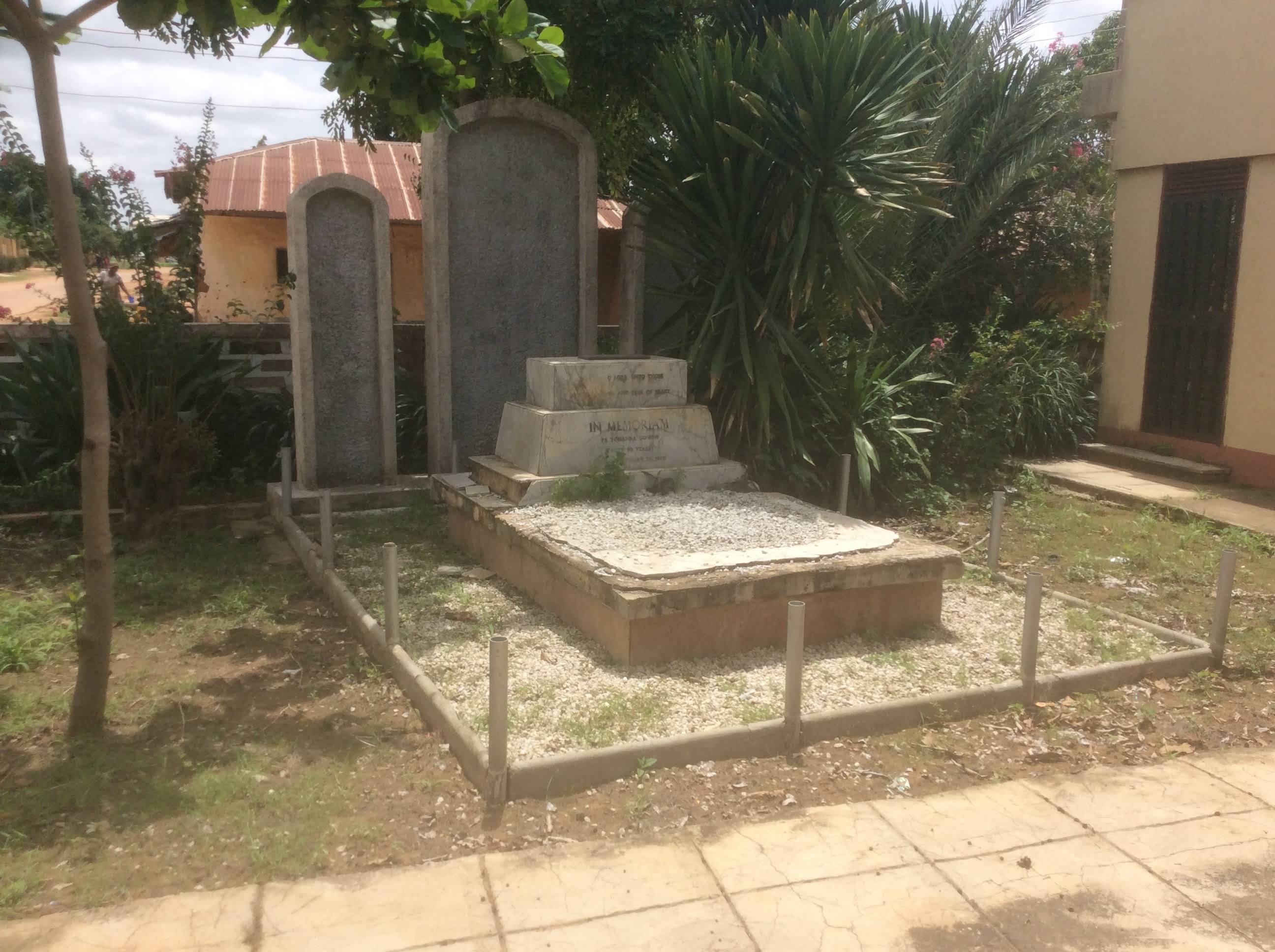
The gravesite of Pa Yohanna Gowon (1882-1973)

When I returned to Wusasa this time, I was content to spend just a little time at the church where, in any case, no one was around to show us around. But I was curious about the Gowon house so I headed there. A small gate led out of St. Bartholomew’s Church onto a small tarred road.  Across from the road was the house I had heard so much about. Painted yellow, the sprawling edifice appeared both modest and tastefully ostentatious at the same time. But its short fence suggested that whoever built it cared as much about openness and accessibility as about aesthetics.

I had never been there before. I did not even know if anyone lived there. The compound was empty and the gates were open, so I helped myself in. My wife didn’t think it was a good idea.

To the left of the entrance was the gravesite of Pa Yohanna. His date of birth and death were written on the gravestones. The silence around the premises didn’t convince me that anyone lived there.

“Now that you’ve seen it. Can we leave now?” Said my wife from the safety of the road that separated the house from the church compound.

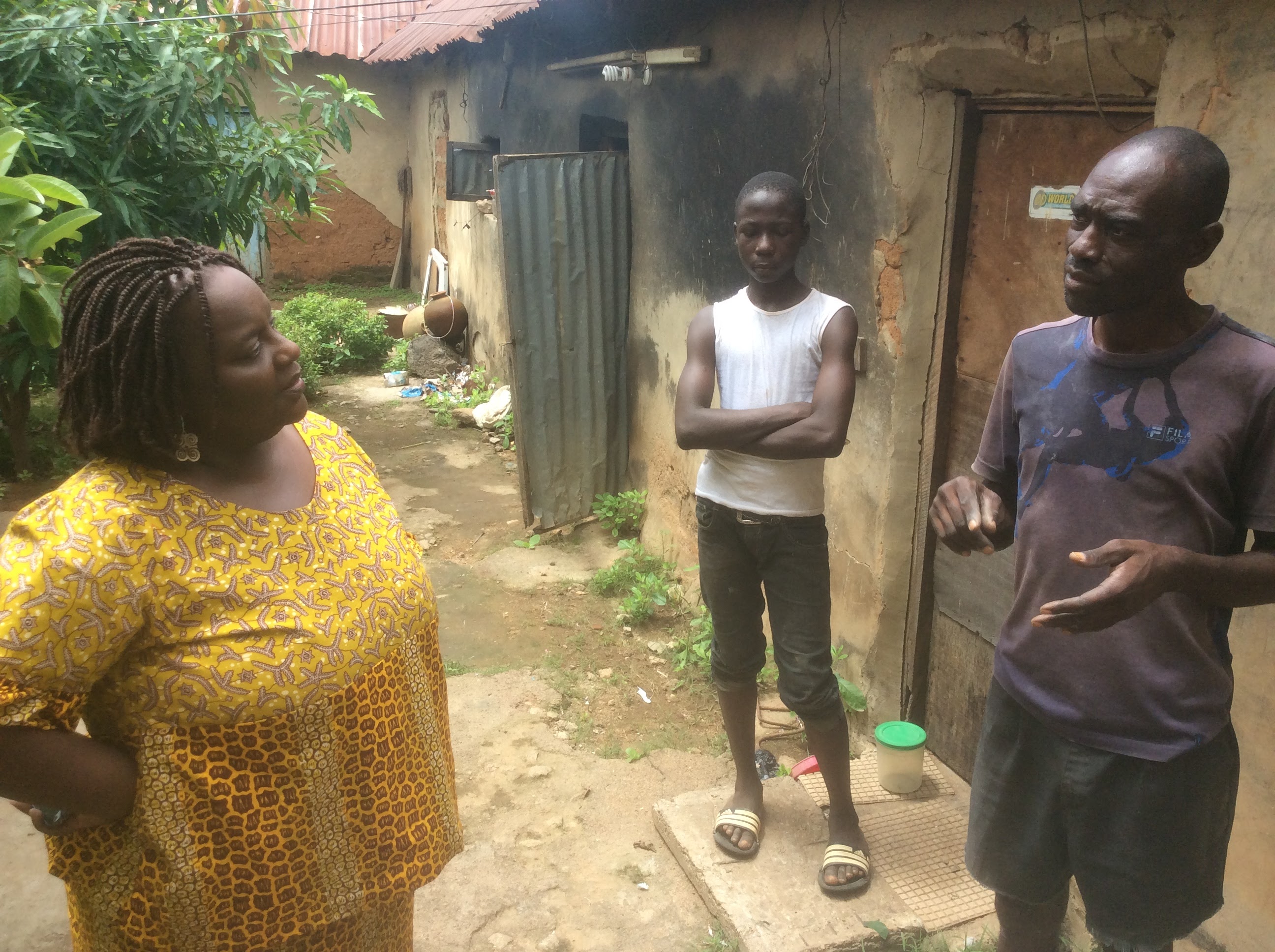
My friend Kinna Likimani, a boy, and Henry Nor.

“I think there might be someone inside.” I responded, half in jest. “Won’t it be nice to be able to talk to them?”

“I don’t think that’s a good idea!”

But there was indeed someone in the house. Our loud conversations going back and forth over the house fence must have caught someone’s attention, and a young boy came out to inquire what we wanted.

I explained myself in the best way I could without seeming threatening. He suggested that there was another person indoors that we might want to talk to. I was more than willing, but my guests were a little wary.

We walked through a small parking garage into a clearing where we were met by a young man, a soft-spoken man of certainly younger than forty.

His name was Henry.

Henry’s mother was General Yakubu Gowon’s sister who had now passed. He had lived in this house for a long time, maintaining it as a labour of love. He was also very conscious of his grandfather’s legacy in the town and was willing to talk when we told him why we had come.

He informed us that the building we saw as soon as we entered the compound wasn’t the house built by Pa Yohanna. That one came much later, perhaps after Yakubu Gowon became the Head of State, and had the means to build a more befitting edifice. Behind the modern edifice that welcomes the guest is the original building, made of mud and other traditional building materials.

Like the Bartholomew’s Church, the Gowon House exhibited a kind of originality in both style and component. Sitting in it felt relaxing. It was about two o clock in the afternoon, with a scorching sun outside, yet the inside of the house felt perfectly insulated. And it had been standing at this spot for decades, with just a few cracks on the ceiling as proof of its advancement in age.

“The general himself comes here often, you know.” Henry told us. “And he also prefers to relax here in the back house and not in the main one. This feels more comfortable, you know.”

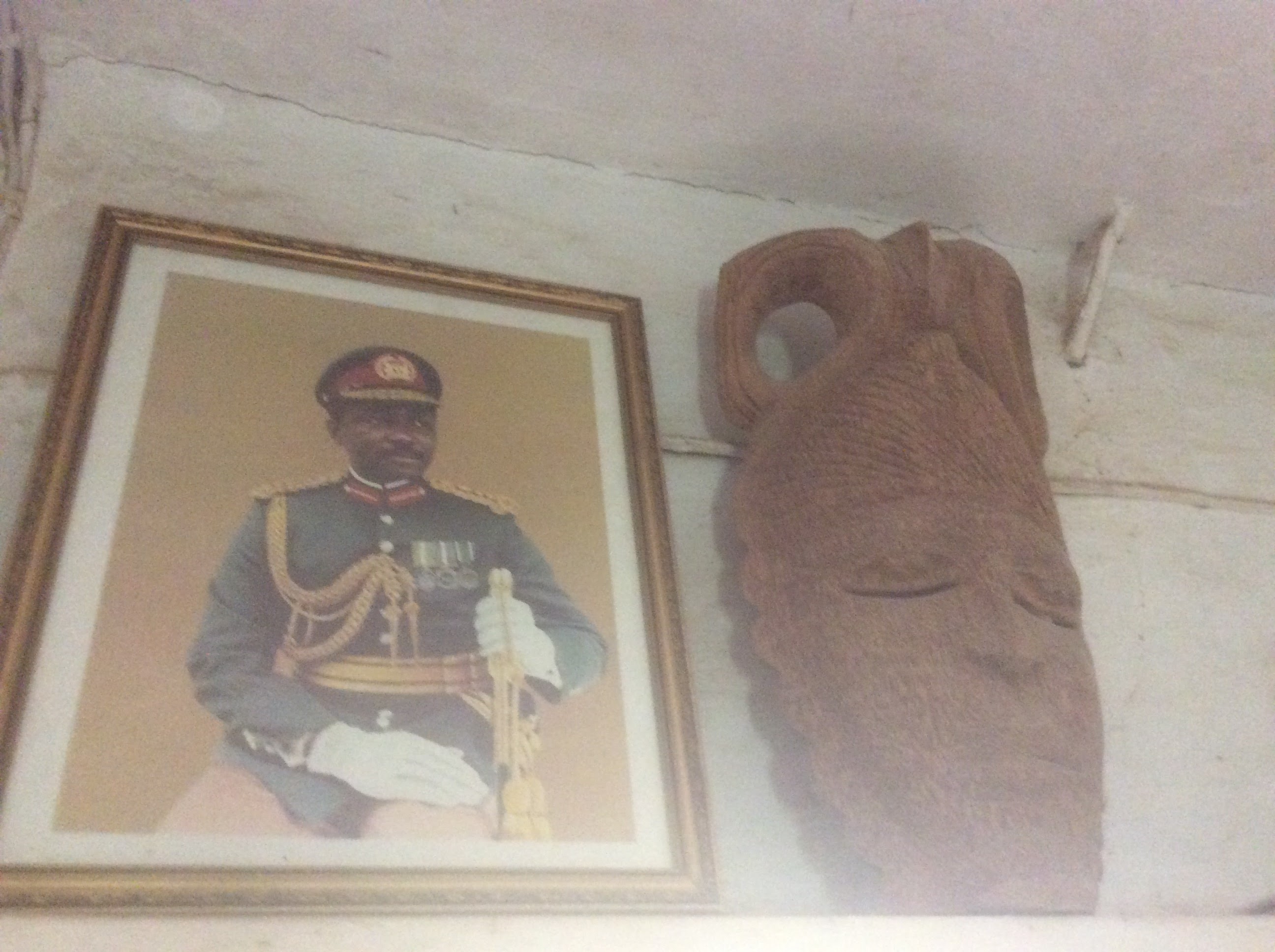
The general and a family mask.

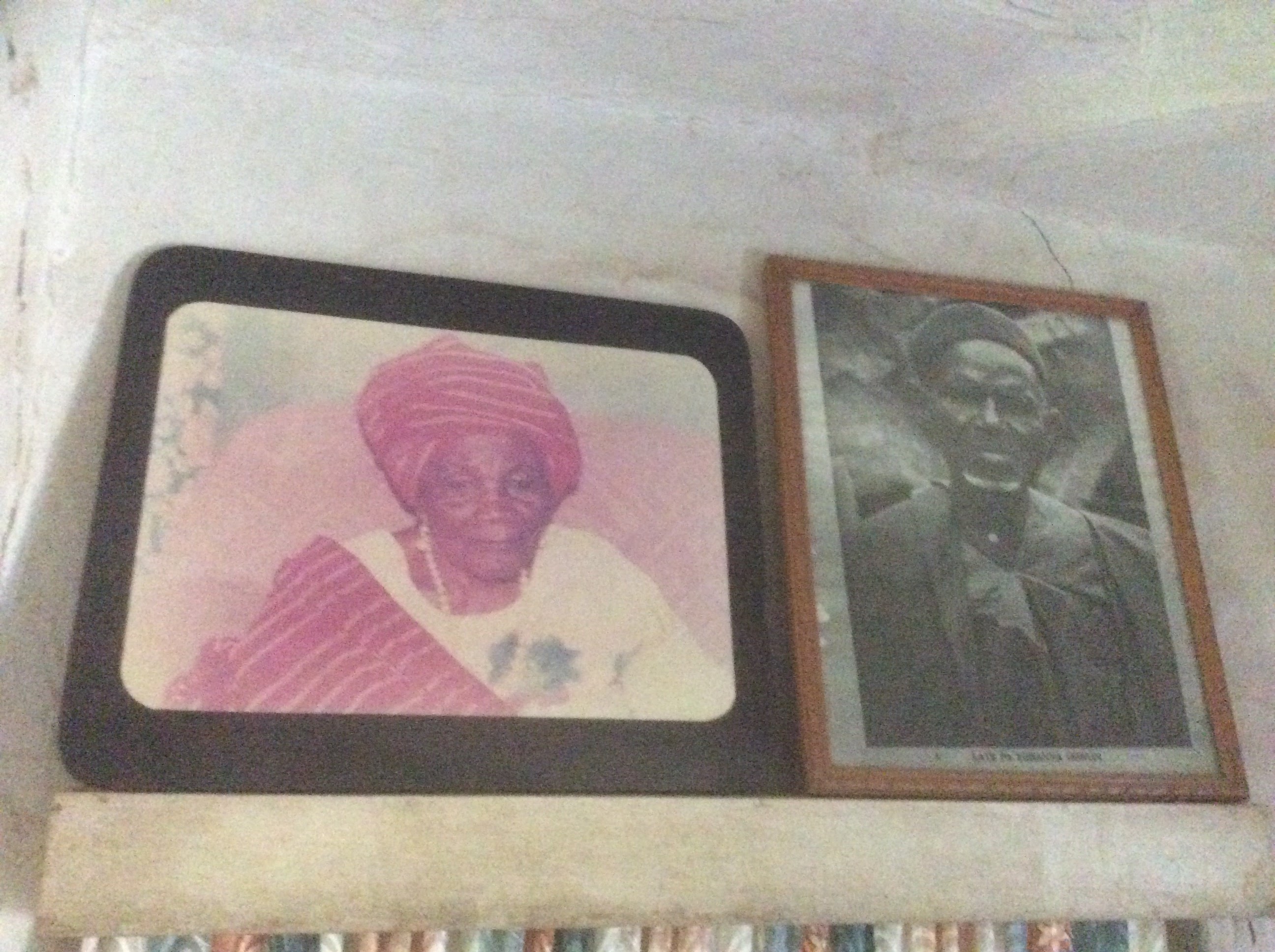
On the wall of the house is a painting of Pa Yohanna. On the doorpost is a framed photo of the general himself, looking like the Head of State he was for nine long years.

We sat and chatted with Henry for what seemed like eternity, but was for shorter than thirty minutes. He appreciated our coming, and was very generous with details and stories of his nuclear and extended families. He is currently an art dealer, he said. A couple of the artworks he once took to the National Museum in Jos, obtained from his family collection, were declared lost and never paid for. “I have taken them to court,” he said, and showed me the documents. When I told him that I intend to write a travel piece about my visit to this historical place, he was glad to encourage me to mention how badly he had been treated by the National Museum. “I think they stole my art, sold it, and kept the money to themselves. Maybe calling them out will let them take me more seriously.”

Yet, for someone this upset at what appeared to be a slap in the face by a more powerful institution, he spoke with such soft and unassuming demeanour, matching the image I have in my head of General Gowon himself, and perhaps Pa Yohanna, the patriarch, whose evangelical vocation brought the whole family to this location.

“I will do what I can,” I said. “But what you have here is a historical property. I’m glad that you are here, and that the family cares enough to preserve Pa Yohanna’s memory by ensuring that his story continues to be told.”

“More needs to be done.” He conceded as we headed out towards our driver who was waiting for us within the compound of the church. “Writing about what you have seen is a good first step.”

“I will be back,” I promised. I hope you’ll still be here.


A Visit to Ojukwu’s Bunker

with Arinzechukwu Patrick

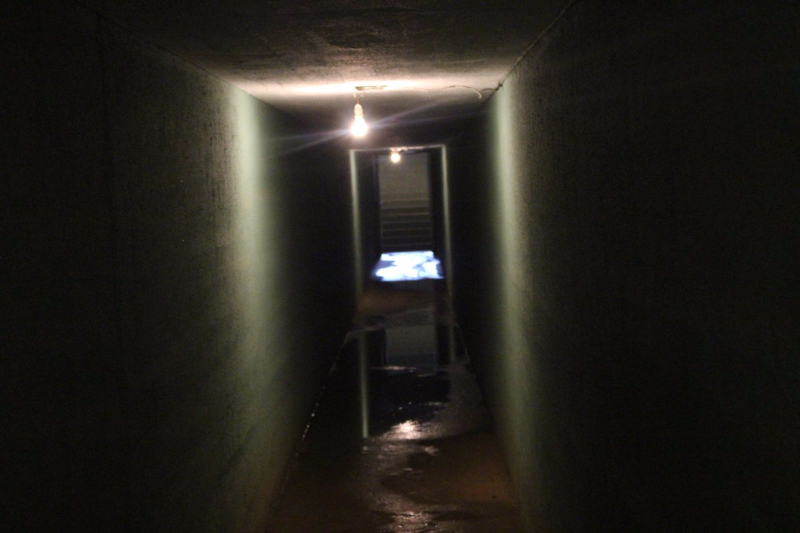
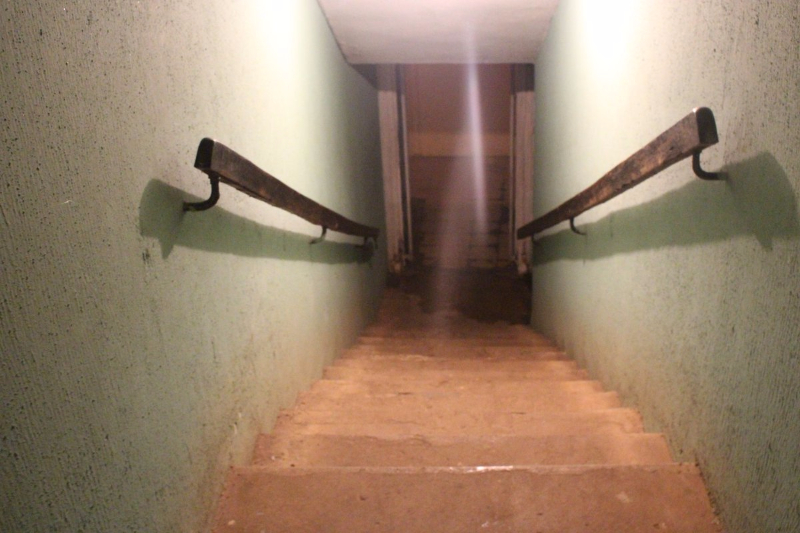
In 1968, in the second year of the Nigerian Civil War, the military leadership of Nigeria successfully repelled the Biafran government from Enugu where the new country’s headquarters had earlier been located. Desperate for a new staging post, the Biafran Army secured a building in Umuahia and built an underground bunker to be used for strategy and coordination, and a new HQ of the rebel government. It also became, in time, the location of Radio Biafra, a mouthpiece of the administration.

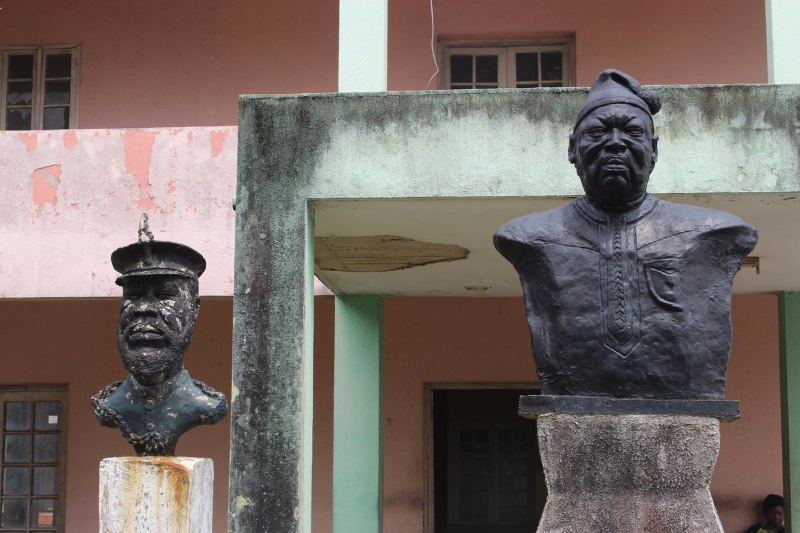
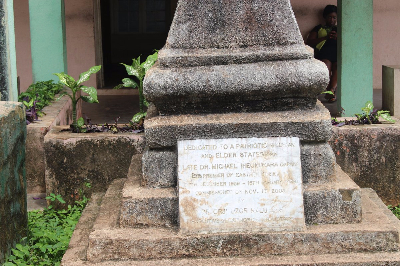
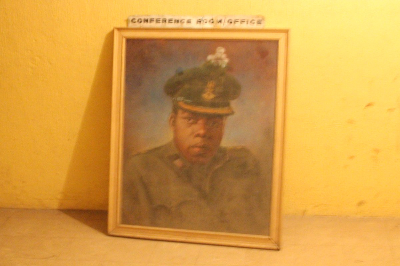
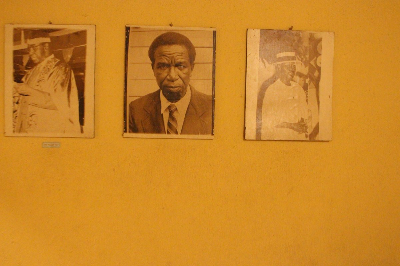
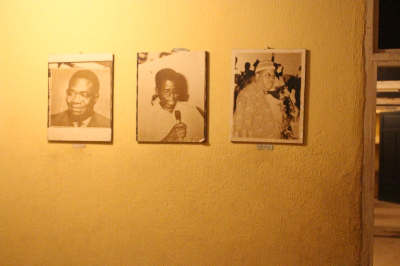
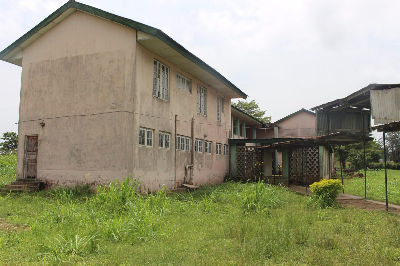
I visited this bunker during the week to see for myself what it looked like and to, in a way, relive the experience of what it must have been like during those precarious times. The building still stands, at Michael Opara Drive, Umuahia, a street so-named because the building used to belong to Sir. Michael Iheonukara Okpara, the first Premier of Eastern Nigeria. For many years, the building had been managed as an extension of the Nigerian War Museum. But today, it has fallen into the hands of those who call themselves the Indigenous People of Biafra, headed by Nnamdi Kanu. Much of the building has endured, including the famous bunker where photos of Biafran heroes of those times now line the wall. In front of the building are busts of Ojukwu and Michael Okpara.

With five hundred naira, a visitor gets a tour of the premises and the bunker itself. A video of the tour can be found here (courtesy of Naij.com). More photos from this twitter thread.

___

Arinzechukwu Patrick is a reader and a writer, when he isn’t writing or reading he’s hawking gala to fund his lifestyle and survive the harsh economy. He tweets at @nofstnme and blogs at www.rodneypatrick.com

A Walk to the Zayed Mosque

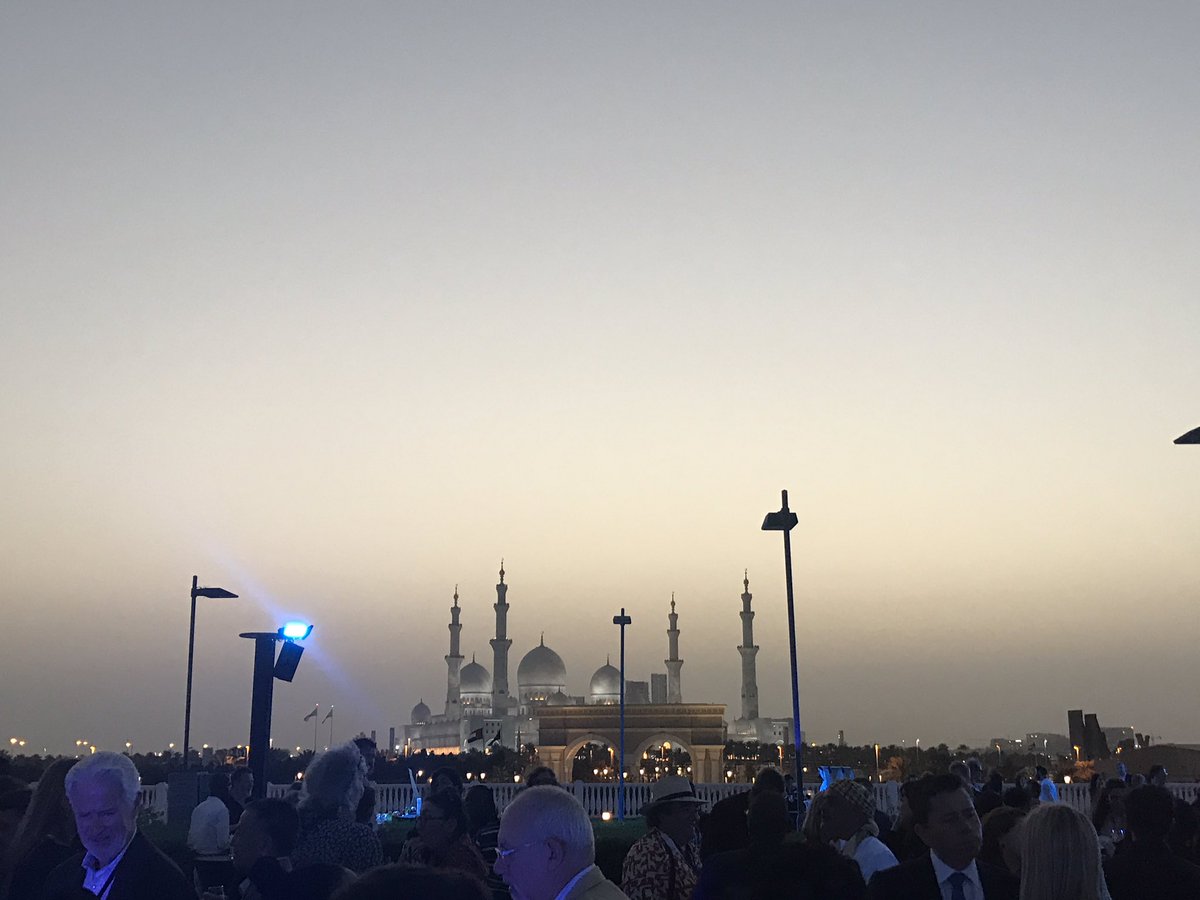
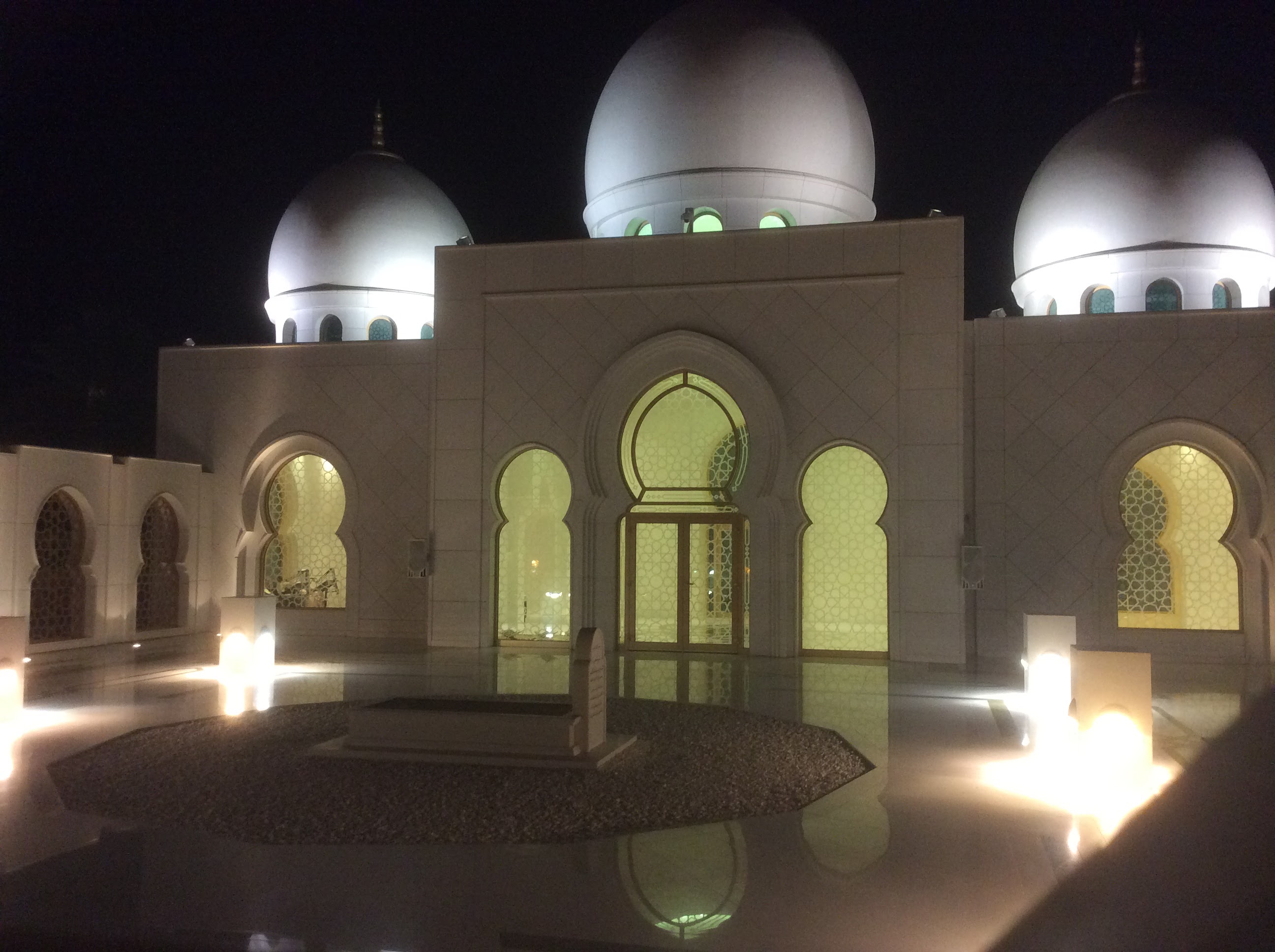
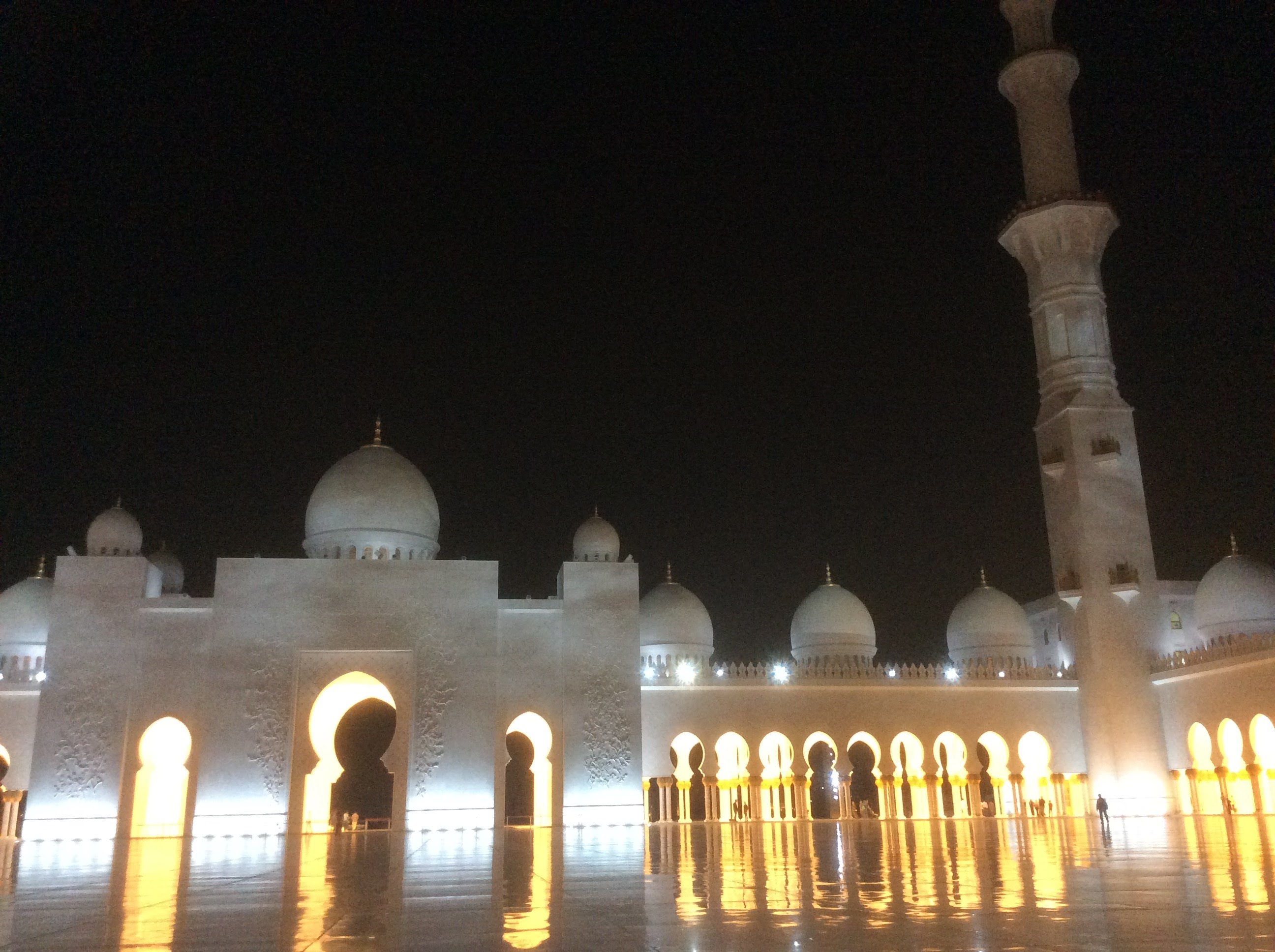
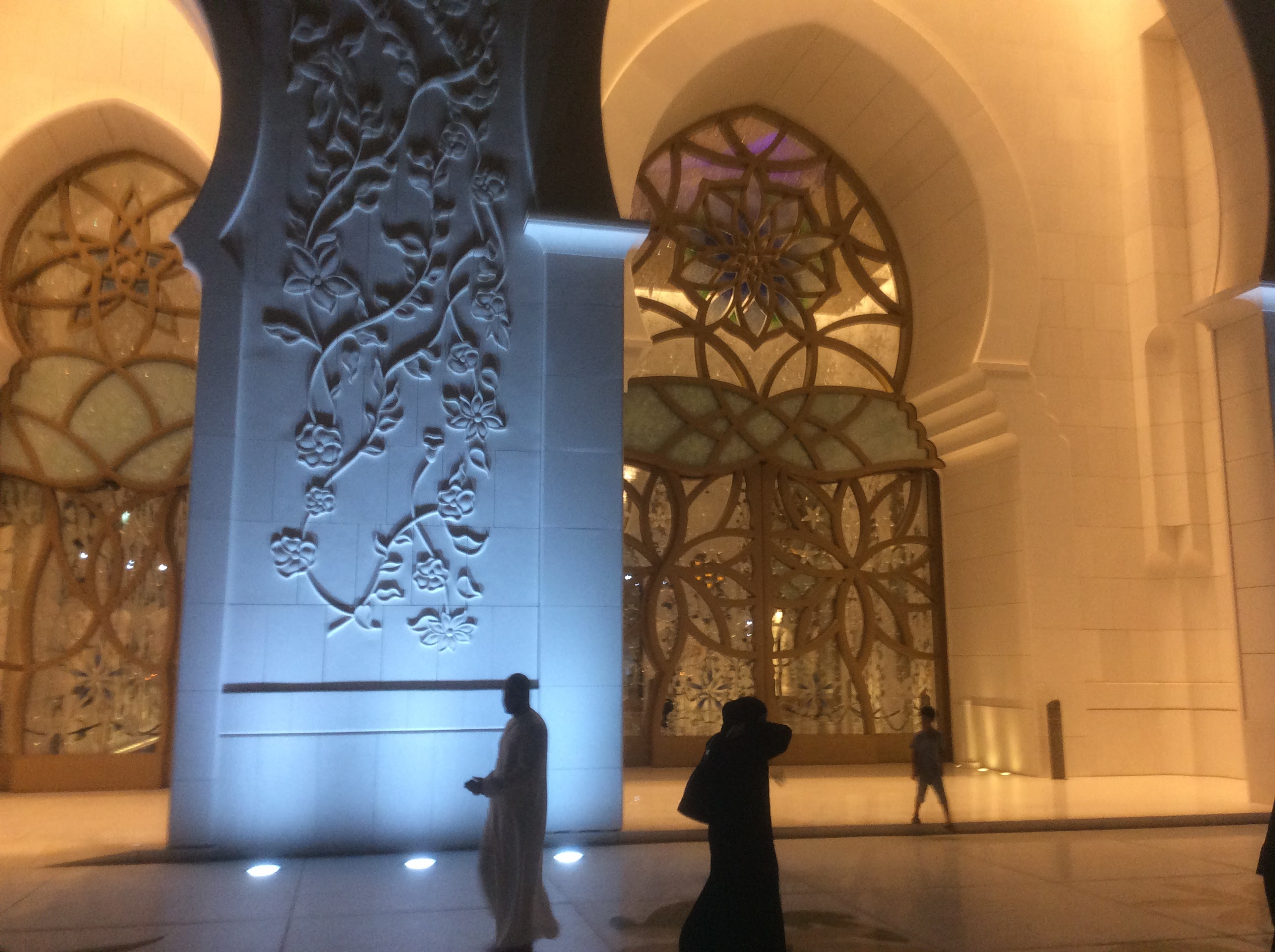
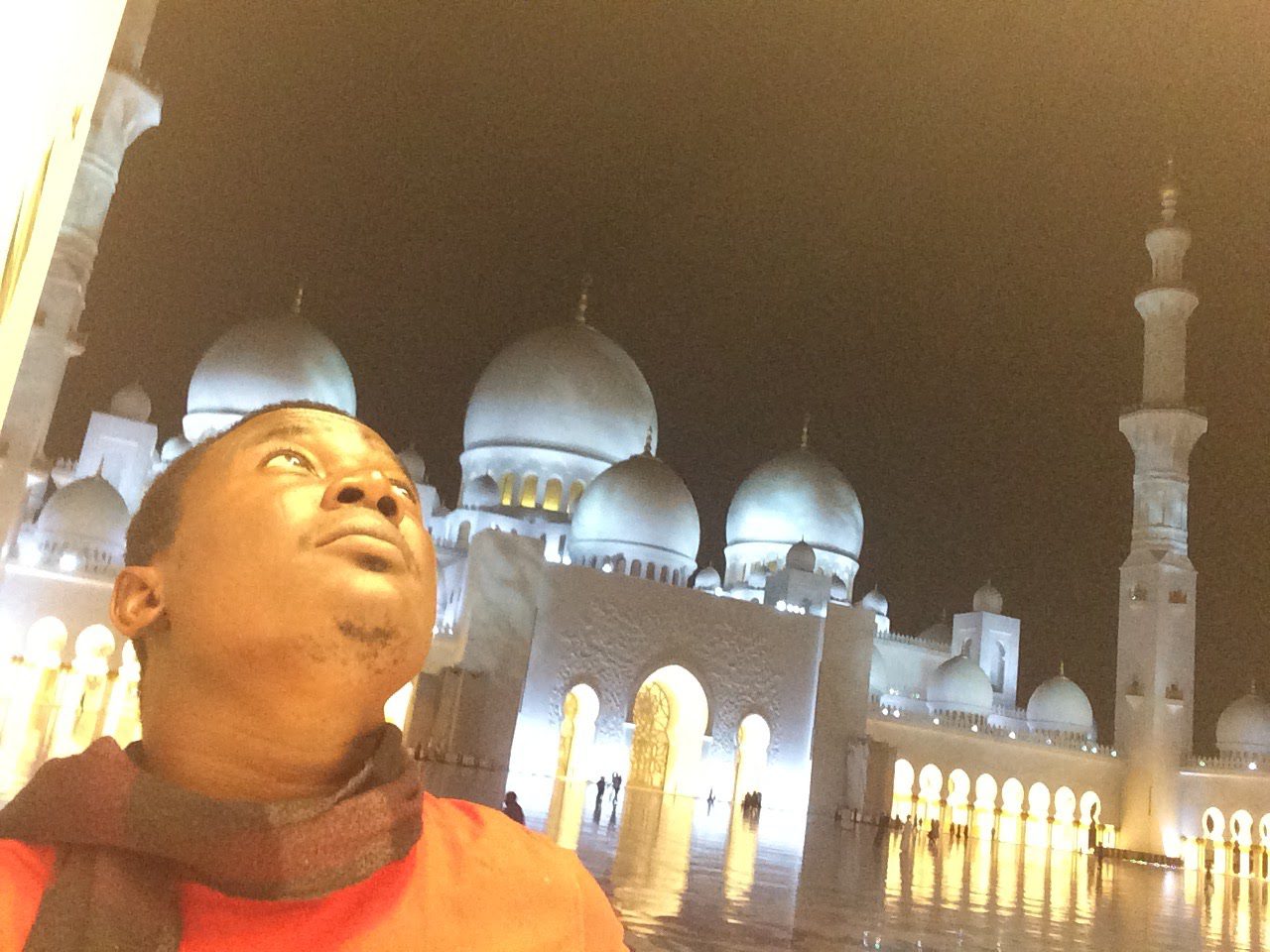
The Sheik Zayed Grand Mosque on the outskirts of Abu Dhabi was completed in 2007 after about 11 years of construction efforts, and about $545million to become the 21st largest mosque in the world by crowd capacity. On a typical Friday, it can host about 41,000 worshippers.

From my room at the Ritz Carlton where I was spending about a week, the view of the mosque dominated the evening, with specialized lighting constructed to reflect the phases of the moon. Luminescent from afar, inviting through the otherwise irregularly lit night, the Zayed Grand Mosque sat resplendent in the distance, refusing to be ignored.

So on one evening, on the day when dignitaries like the former US Secretary of State Madeline Albright were feted in an open ceremony on the lawn of the Ritz Carlton, with the outside temperature dropping significantly to a level familiar with an African’s skin, an opportunity presents itself for an evening walk.

From that hotel, where the security official at the gate merely saluted the stranger as he headed out by himself into an unknown town, the path to the main road was barely lit, but it lacked any overwhelming feeling of fright as guests returning from town drove back into the hotel and taxis headed out into town, occasionally taking a look at the walking traveller as if to offer a better option than walking in what seemed like evening heat. Lagos weather is typically more humid, so this was a more tolerable atmosphere.

On either side of the road were sprinklers that kept the grasses fresh and green, something that must cost a fortune to maintain all through the year, not just in water supply but also in electricity. In an off-site parking lot on the left side were a few cars that I wondered contained plain-clothed policeman awaiting orders about any skirmish in town, or lovers too shy or too broke to book a space in the hotel just a few feet away. To the right of the junction where the road from the Ritz met the highway was the Memorial Park, built to commemorate the death of soldiers who died defending the country in the March 2015 war with Yemen. On the Park is an imposing steel and concrete monument by Idris Khan, a British-Pakistani artist.

At the road, cars flew by towards various destinations. A few feet away to the left is a pedestrian bridge, lit on all sides to solidify the ambiance of security. At the foot of the bridge, built into its base, was an elevator, for elders, children, and the infirm. It looked like it hadn’t seen too much action.

Once on the other side of the road, the mosque emerged within reach. But it was only on getting to its southern steps that one realizes that visitors are not allowed entry through there, even though there are no gates. The security officers there, Indian by their looks and accents, were firm but polite. “Walk all the way”, they said, “by the wide ornamented fence of the premises as if navigating the whole circumference of the mosque grounds. You’ll get to the visitor’s gate, also called ‘the northern parking entrance'”.

To get into the mosque itself, I had to pass through a metal detector. Not knowing better, I tried to take off my shoes as well, and the security man laughed at me. “This isn’t America, my friend.” I found it funny and asked where he was from. “Morocco”, he said.

“What about you?”

“Nigeria. Know about us?”

“Yes. Football.”

***

My feelings on entering the mosque itself have not found easy expression within words. But I concede now that an unfair collision of a perfect weather, full moon, and a highly anticipated contact with this building may have added too much to the most perfect first experience. resulted in so perfect an evening.

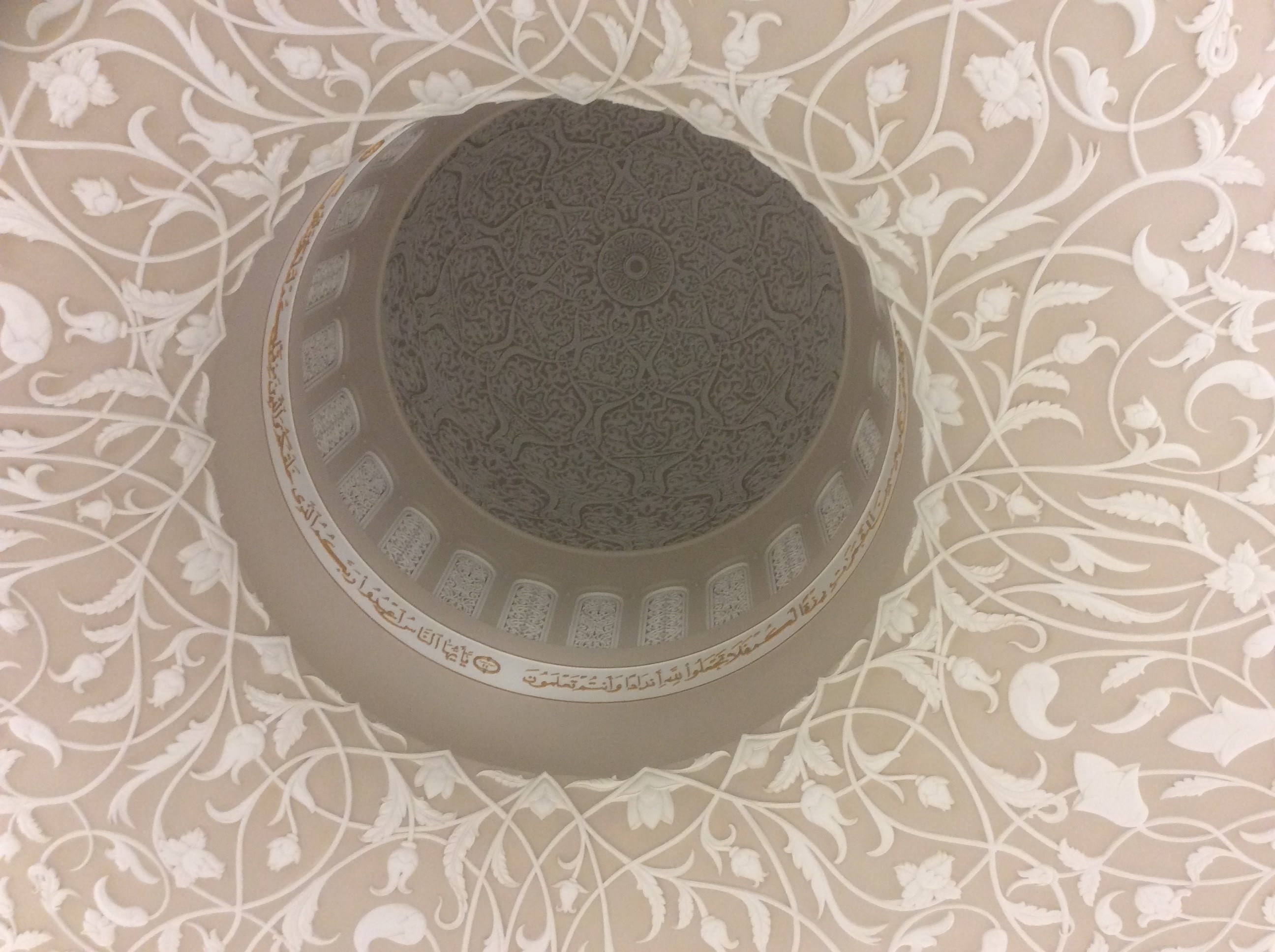
What WonderMondo described as the scope and ambition of the construction as “a structure that would unite the cultural diversity of the Islamic world with the historical and modern values of architecture and art” lived up to its expectation but much more in the way it carried the dignity of the faith it represented and the expectation of awe that its imposing nature adds to one’s contemplation of solitude while within its embrace. I still haven’t found the right words, but if the intention behind the construction included creating a serene space for contemplation of a version of paradise, then it is a successful experiment. I assume, thinking about it now, that most places of worship across cultures have aspired to that physical architectural effect

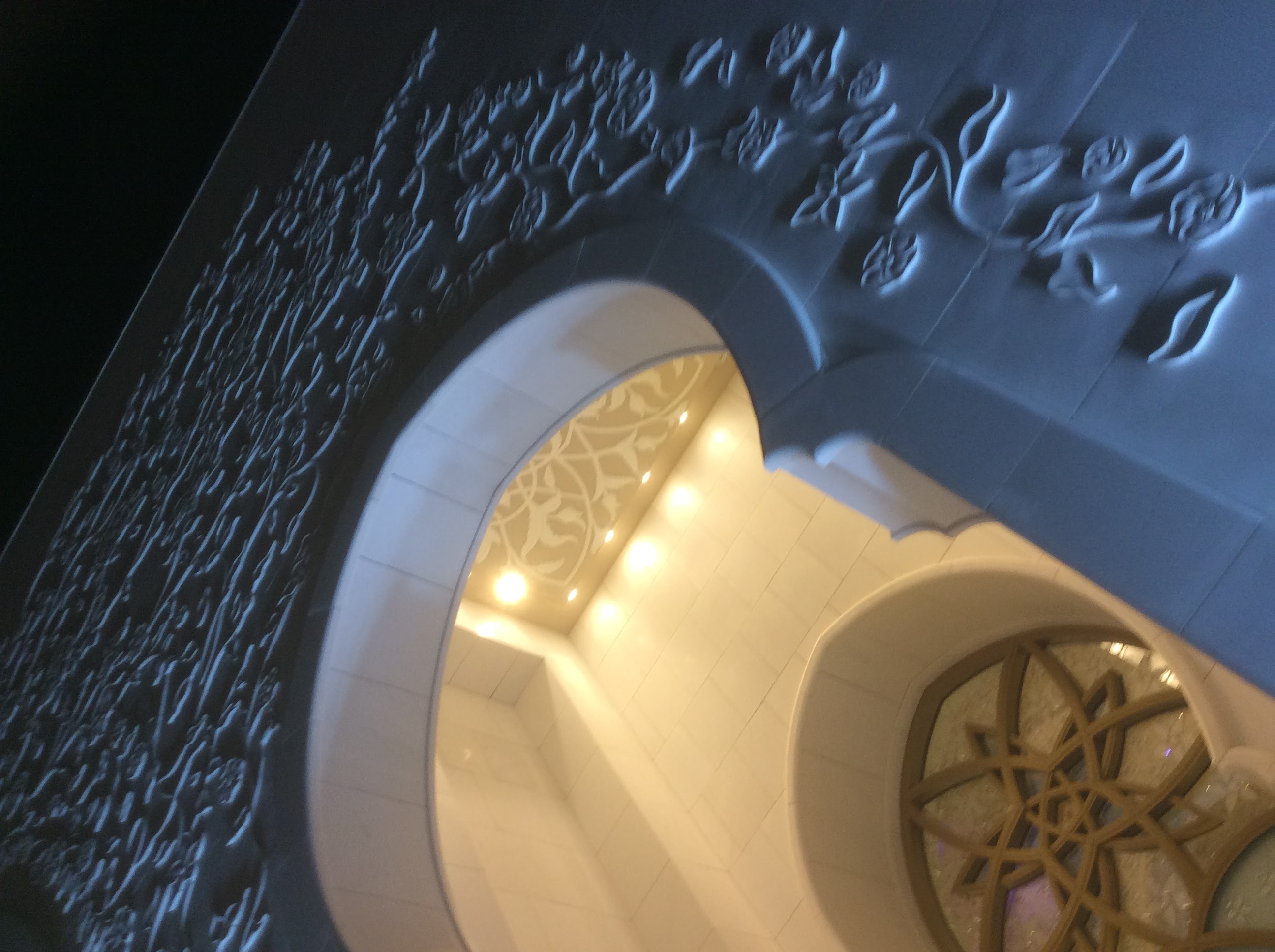
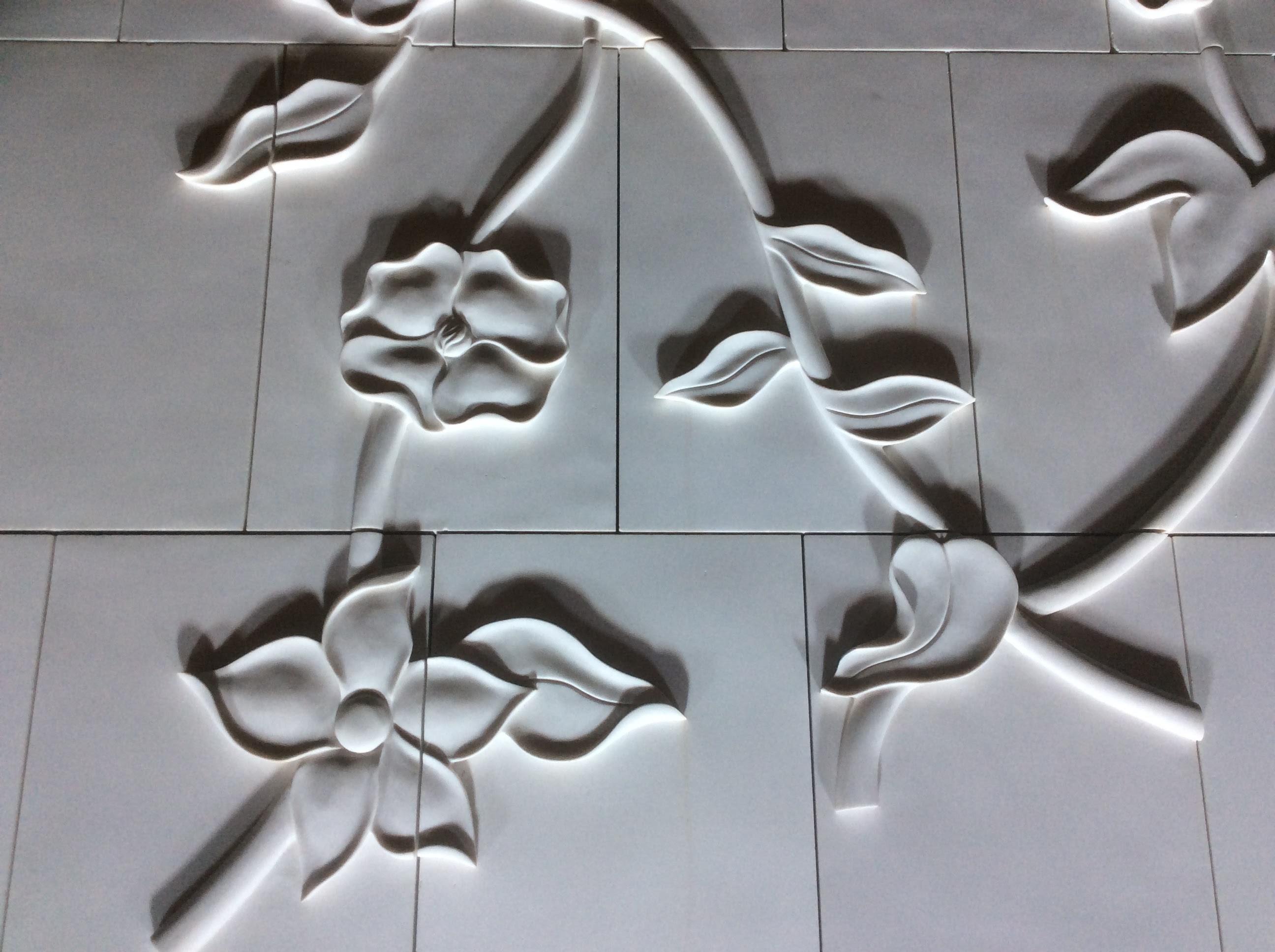
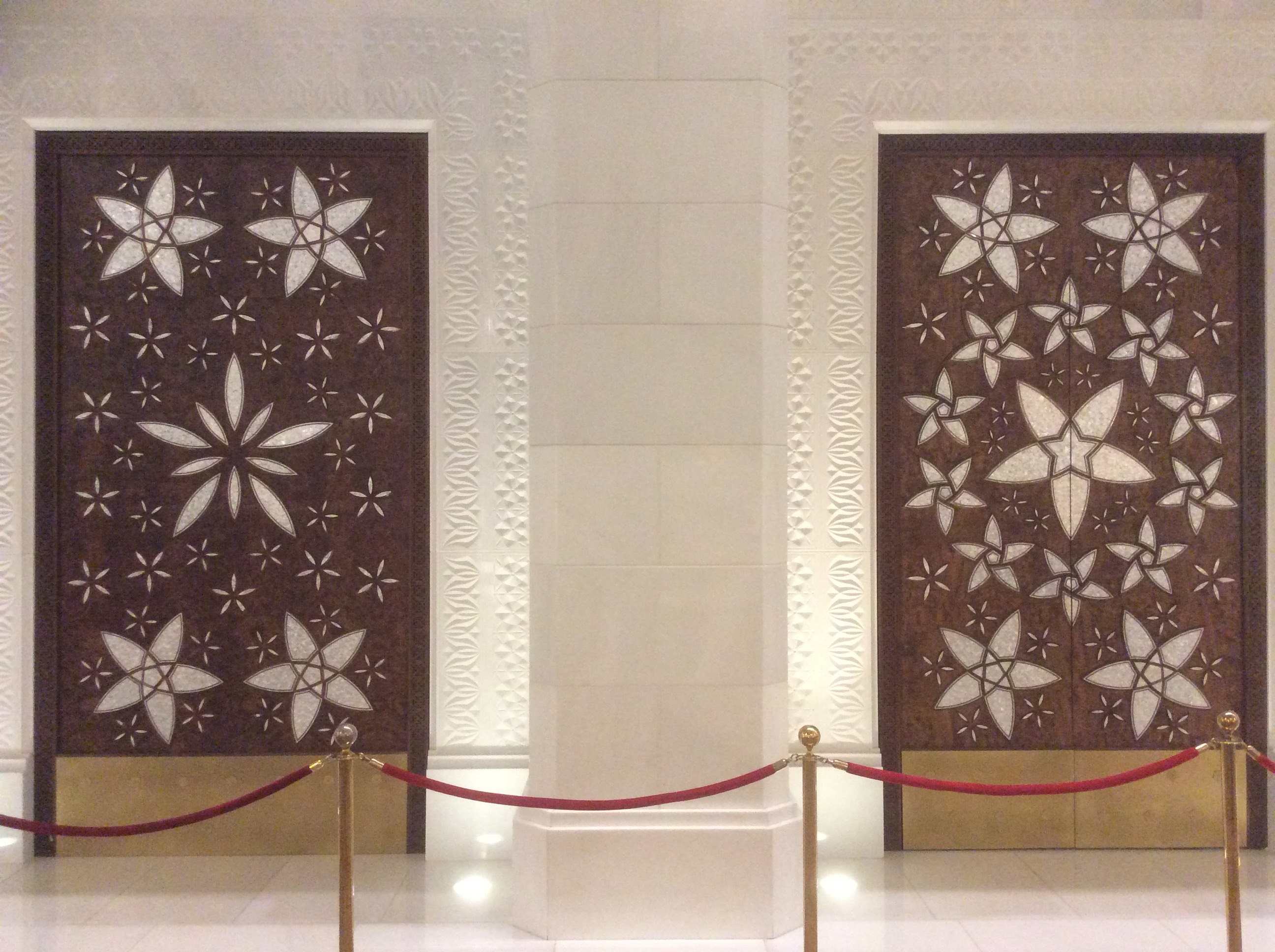
I have experienced this feeling before, at one time while observing the mosaics inside the ceilings at the Cathedral Basilica in St. Louis . The difference here is the scope of the ambition and the archetypal spread that Muslim prayer grounds have typically worn to maximize the smooth passage of breeze. Add to that, a reflecting pool, columns with Arabic calligraphy, marble carvings that go all around the face of the building, and a sense of serenity that surrounds the expectation of piety from worshippers and visitors. It was perfect.

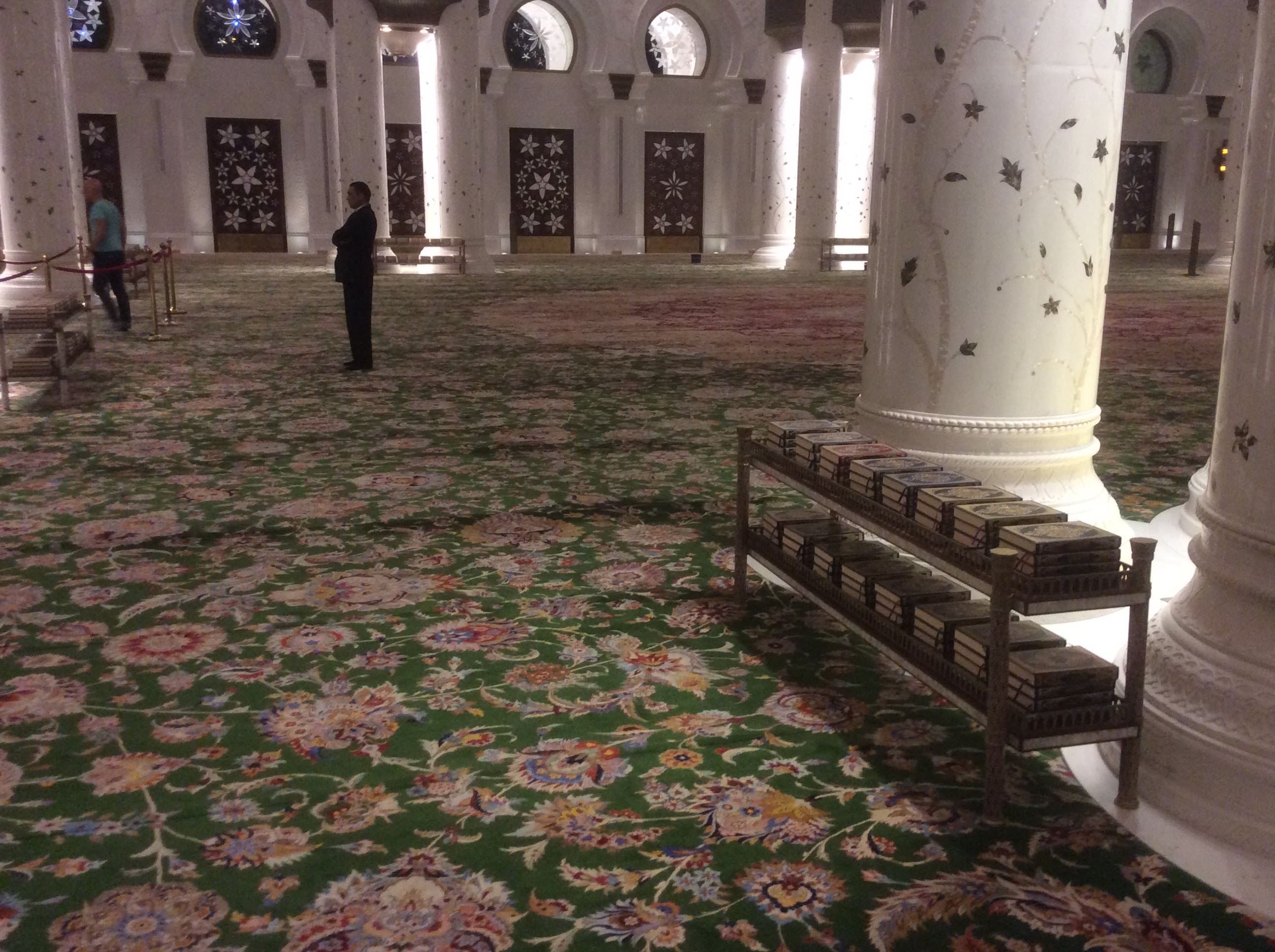
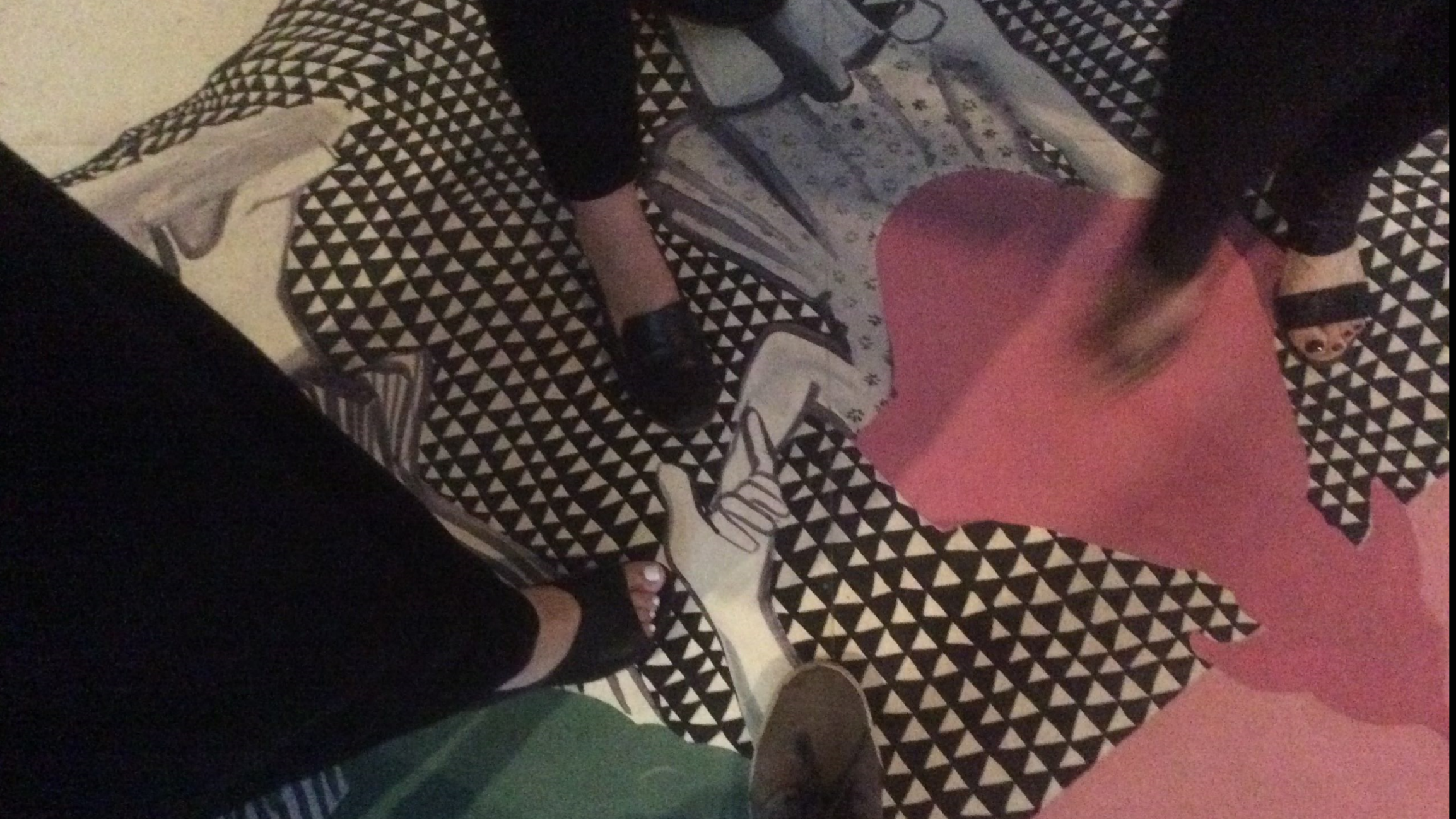
But I was a visitor, and not a worshipper. My agnosticism stood me out, at least in my mind, as an outside gaze into a least familiar space. But like others, I took off my shoes where necessary, and took a tour of the inner chamber where prayers are done every Friday, where all and sundry gathered weekly to submit as the prophet instructed. At that innermost chamber was a rug, the world’s largest carpet, believed to measure 60,570 sq ft,  created by around 1,200-1,300 carpet knotters, and weighing 35 tonne. Without shoes, its soft soothing face massaged my feet as it did others. A security man stood around a rope line preventing visitors from going too far into the centre of the room where, perhaps, the lead Imam led the prayers from every Friday. I imagined too, that this must have been where Sheikh Zayed Al Nahyan, the founding father and first president of the UAE, and in whose honour the mosque was built and named, prayed every week.

He died in 2004, leaving a progressive Islamic country with a culture of (or at least a genuine aspiration to) openness and multiculturalism. Many other structures in the country, and in the hearts of his subjects and children, bear his name. At the Culture Summit where I first encountered his name, an anecdote was told of him having to, some time ago at the founding of the country, park by the side of the road in order to correct someone who had climbed a date palm tree in a way that he, Sheikh Zayed, felt was harmful to the tree. A conservationist, then.

Outside of this mosque, in a small mausoleum constructed for the purpose, lay the rest of him, many feet under the ground. Into the air above where his body lay beneath the marble grounds, loudspeakers blared sequences of Arabic prayers in perpetuity, and a small camera stayed trained on a good view of the small enclosure.

You shouldn’t take pictures here, I was told, much too late.

The mausoleum of Sheikh Zayed Al Nahyan, the founding president of the UAE.

***

The walk back to the hotel was filled with calm recollections of whatever else the night held in store. One of the other random thoughts that entered my head asked why only religious centres benefited from this kind of architecture that invited meditation and reverence. What if, it wondered, bookstores and libraries were also built with this kind of spacious and elaborate architecture in which one could spend many hours just longingly gazing into images of marble and the sentences of Shaw or Chaucer?

I had not taken a book along to the mosque, and suddenly I wished that I had.

Art at the Guggenheim

Abu Dhabi, from distant (and ignorant) estimation, didn’t seem like the most natural place to find a Guggenheim Museum. It’s in an Arab country appearing, at least from preconception, to be necessarily hostile or at best reticent. True I’ve heard great things about Dubai and the progressive nature of that society. But like most things not encountered in the flesh, they remained in the realm of hearsay, hovering around the globally pervasive perceptions of all Arab countries as just one thing: conservative.

But all misconceptions eventually meet reality and knowledge happens. It must be what Mark Twain meant by travel being “fatal to prejudice, bigotry, and narrow-mindedness.” And so, on my week-long visit to the country to participate in the inaugural Culture Summit, I found myself in the embrace of a Guggenheim Museum. This museum project, and the other involving the Louvre Abu Dhabi, is a collaboration with the government of the United Arab Emirates and prominent culture centres around the world to make Abu Dhabi a cultural centre in the Middle East.

I am not a visual artist. Not since primary school anyway. My contact with and appreciation of the visual arts have stayed consistently close to the familiar activity of gawking, collecting, and critiquing – the latter only in my head and among like-minded friends. I have found solace, many times, in the warm presence of a well-stocked museum or well-curated art exhibition. The environment for meditation that they provide and the visual stimulation guaranteed in a well-lit studio space while observing mounted artworks are unquantifiable pleasures of middle-class life, at least for those to whom that is a worthwhile activity.

And so, when I got a chance to spend some time at the exhibition space holding the temporary collections of the Guggenheim Abu Dhabi at Manarat Al Saadiyat, I needed no convincing. This location, on the famous cultural district of Saadiyat Island which hopes to also host other venues of cultural significance like the Louvre previously mentioned, is where much of the activities for the Culture Summit was taking place. One open door away and we were face-to-face with timeless pieces of art as Jacques Villegié’s Quai des Célestins (1965) or Tanaka Atsuko’s Painting (1960).

On the first wall to the entrance was Chiinsei Botaichui (Female Tiger Incarnated from Earthly Shady Star), oil on canvas, by Shiraga Kazuo, a work created with “bold swathes of sombre colours with tactile density”. The work, we were told, was created with the artist’s feet, seeking “to liberate his work from the constraints of academic-style painting” and “in order to re-conceive the process of painting as an experimental encounter with materiality and surface.” What appears on the board at times resembles a flying bat, and at others an angel of death. But an amateur art critic – me – projecting his impressionistic sentiments on a modern experimental work offers no new value to what the work already presents. The artist was born in 1924 and died in 2008.

Through the museum space, there are other exhibits, like work by Motonaga Sadamasa, another Japanese artist (1922-2011) whose work used poured paint, depending on gravity to “replace the paintbrush and foregoing the precise and deliberate meditation of the artist’s hand.” The third and final Japanese artist exhibited was Tanaka Atsuko (1932-2005) whose work of Vinyl paint on canvas “evokes the incandescence of the dress (and) intricate network of wires and bulbs reflect (an) interest in (the) technology of wiring systems and lights.”

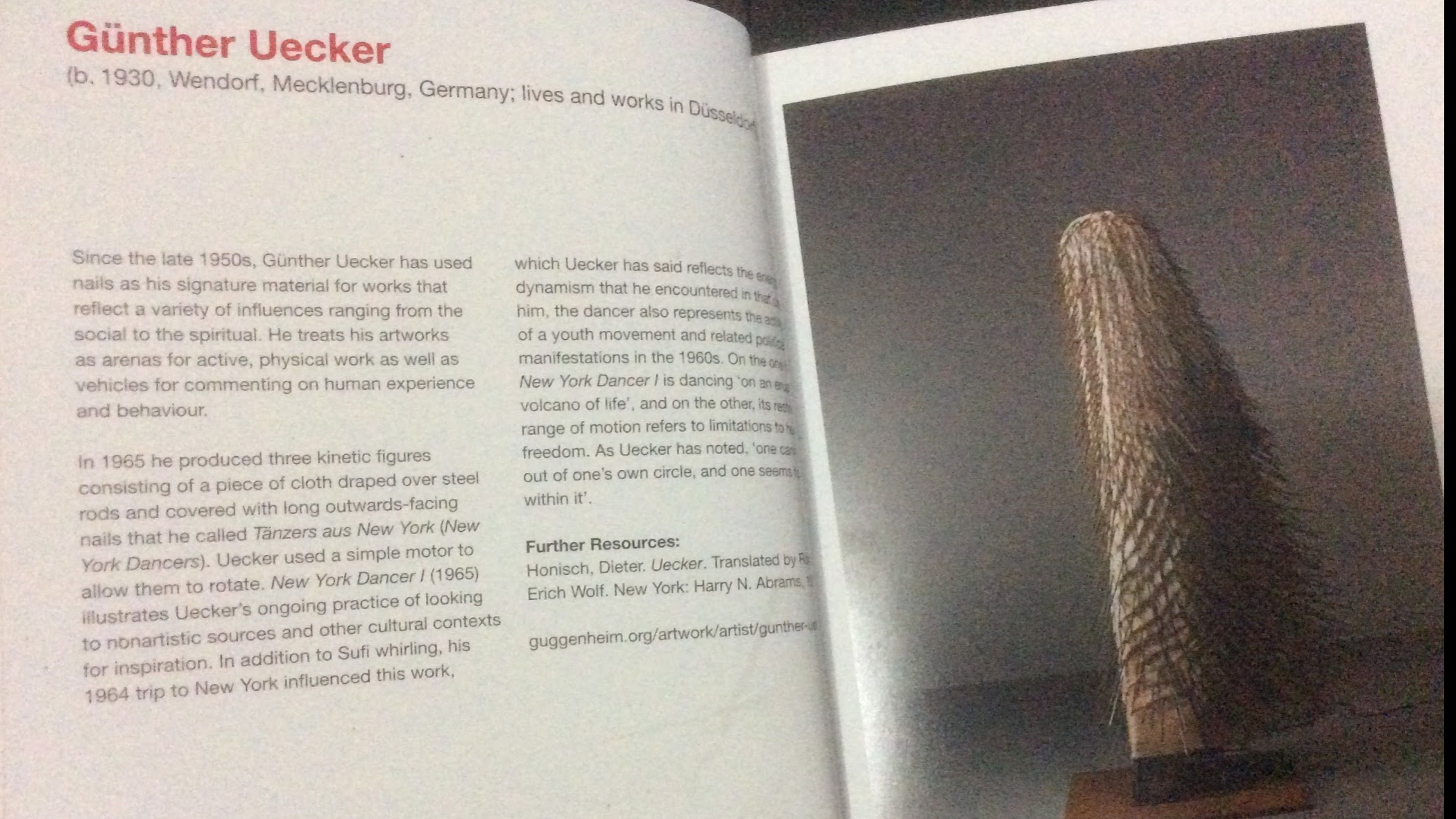
At the centre of the opening space are two kinetic works by two German artists. Gunther Uecker’s New York Dancer evokes the African egúngún without acknowledgment. It is a work “consisting of a piece of cloth draped over steel rods and covered with long outwards-facing nails.” The other, by Jean Tinguely (1925-1991) is called Baluba, a dancing piece of scrap metal “meant to portray a certain craziness and rush in this technological civilization”. Both of them, though not activated at the time but shown through a small television in their kinetic elements, felt familiar in a visceral way that most of the others didn’t. A walk through the Polytechnic Ibadan, or the Yaba College of Technology, will bring the traveller in contact with many similar kinetic and scrap metal artworks of like impression.

New York Dancer

Other artists whose work were on display included Niki de Saint Phalle, Jacques Villeglé, Julio Le Parc and Rasheed Araeen. For a temporary exhibition space, it was an impressive introduction. Outside of the museum space, at the reception area where participants in the Summit gathered, there were other artists, from Adéjọkẹ́ Túgbiyèlé (Nigeria/New York) to Jalal Luqman (Dubai) and Cristina del Middel, among others. Here at the Guggenheim, however, very little (except the age of the displayed collection, and a small reception desk) tells the visitor that s/he has crossed over into a new art space.

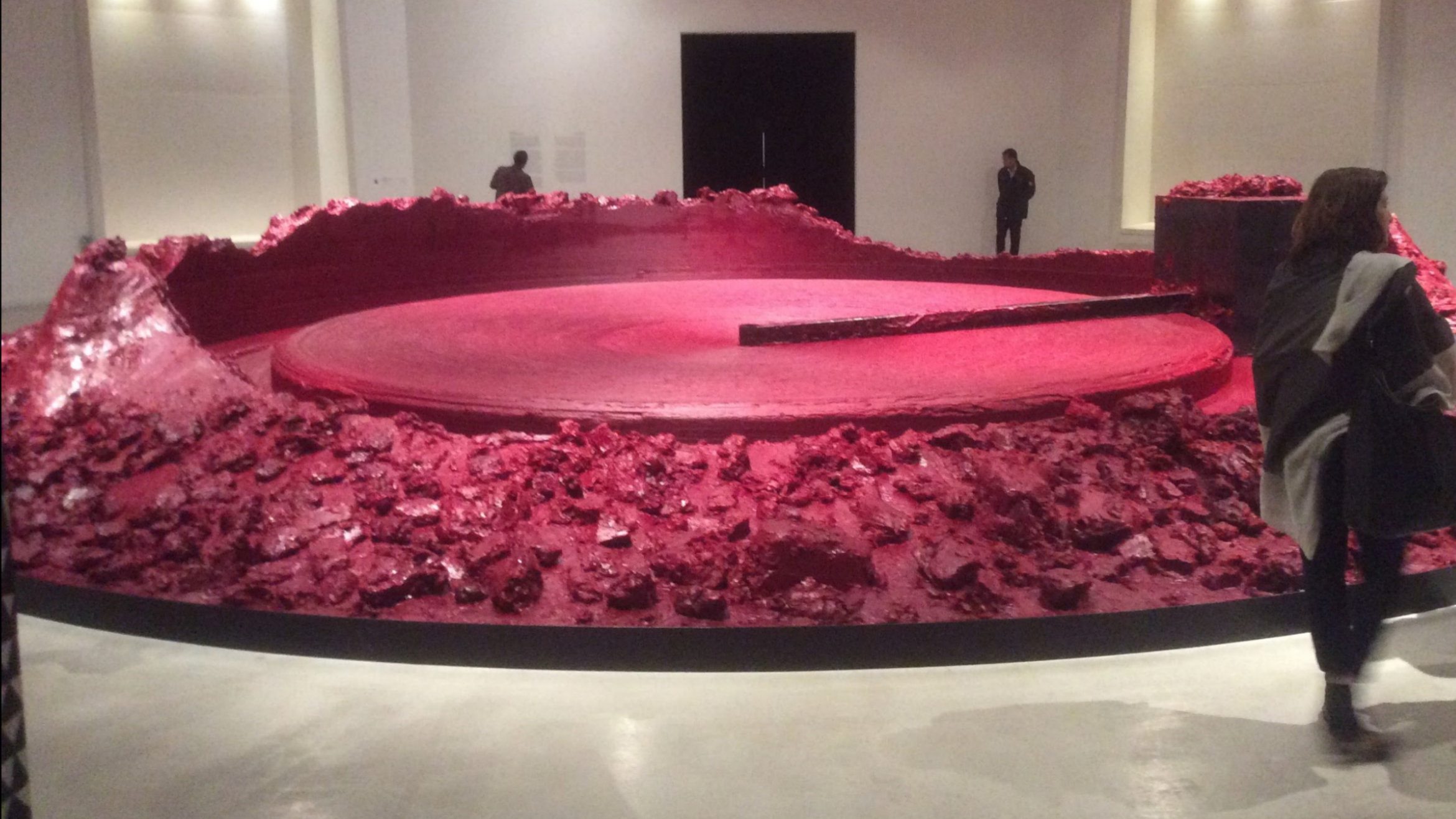
The most surprising, and most breathtaking work in that museum, however, was Anish Kapoor’s My Red Homeland, an installation that filled a whole room. It was a wax “sculpture” simulating a mound of red garbage stirred continually by a centralized mechanical arm. The description situates the concept of the piece in both the image of blood as well as the colour of saffron, an iconic symbol in India, from where the artist hails. For art enthusiasts to whom Kapoor’s most famous work is The Bean in Chicago, My Red Homeland was a welcome reprise, more impressive at close range, and equally awe-inspiring to the breadth of the artist’s vision and ambition.

My Red Homeland by Anish Kapoor

I purchased a few fridge magnets on my way out. Something to impress friends and family with. Something not necessarily representative of the scope of the ambition and inspiration of the exhibition just witnessed. Merely representative. The New York Dancer on a fridge magnet is certainly less bewildering as a work unconsciously derivative of ancient African masquerade experiences. But like others, it will mark my refrigerator as a symbol of another place I’ve been, another mind-enlarging artistic experience, not less, not more, than previous others in other parts of the world. But having experienced it in Abu Dhabi, an emerging cultural capital of the world, adds a new dimension not experienced anywhere else.