Browsing the archives for the Soliloquy category.

In Memoriam: Fiyinfoluwa Onarinde (1984 – 2015)

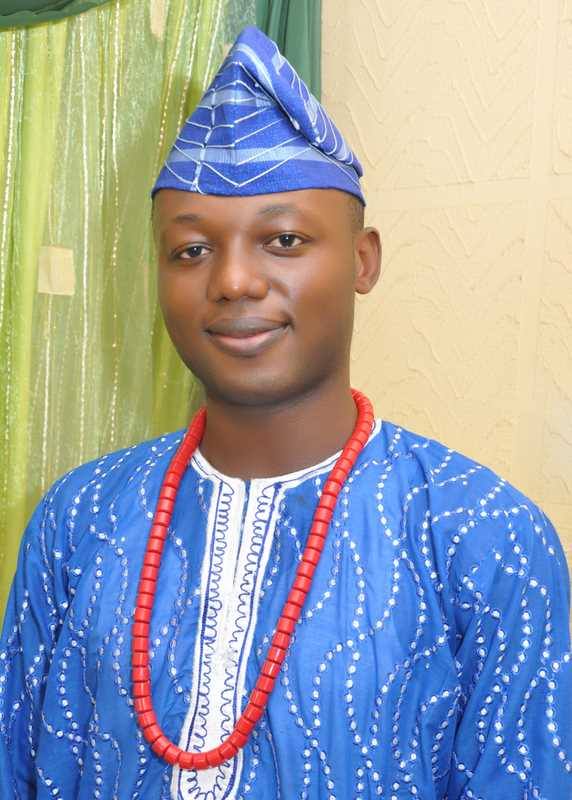
10411811_868467093166267_7783033631112677398_nI first “met” Fiyin Onarinde one day in April, 2014, when I called to tell him, in Lagos, that I had once occupied the Fulbright FLTA role that he had by then being selected to fill at my old university. His supervisor, the director of the SIUE International Programmes Office, had sent me a mail and asked me to talk to him, answer some of his questions, and generally make him comfortable about travelling to the US for a new experience. We talked for a while, and he promised to call me back, which he did.

He eventually went to SIUE to become one of the memorable Fulbright FLTAs at the Department of Foreign Languages where he taught Yorùbá for two semesters, and made lots of friends. While he was there, we kept in touch regularly, and got feedback from his colleagues, who saw him as a kind and sensitive soul. Later that year, I got a request from him to write an introduction to his book of poems which he had been trying to publish. It was a heartwarming request, which I immediately jumped at. You can read the introduction here, on his Facebook page. The book was published in February 2015.

Fiyin is dead now.

I heard the sad news last week through the same person who had first introduced me to him (who is now based in Ghana, who also heard the news from the university). After his Fulbright year, Fiyinfoluwa had moved from Southern Illinois University in Edwardsville to SIU Carbondale to begin a graduate programme. We lost contact for a while, and connected briefly in July while I was in the US. He had wanted to meet, and so did I. We scheduled a meeting, but it didn’t come through, and I haven’t heard from him since. Nobody knows the cause of his death, yet, but foul play has been ruled out, and an autopsy is pending. He was 31 years old, born on Apr 24, 1984, and died on October 18, 2015.

11800125_1008711169141858_7351992305743848883_n

In this picture, he’s reading to the daughter of his host parent. (Photo: Facebook)

The little I know about him show him to be a kind, sensitive, creative, and decent young man. Our Facebook messages were intermittent, but when we talked, we shared ideas about foreign language teaching, poetry, and the university culture in general. I regret not having met him in person, but the outpouring of condolences from those who did confirms that he made quite a significant impact on those who called him friend. His colleagues and supervisors had only nice things to say about him. He is survived by his parents, and a wife, Busola Asaolu Onarinde.

The SIUE African Student Association is holding a memorial service for him on Friday, November 6 at 4:30 at the Center for Spirituality and Sustainability. An online memorial has also been opened for him here.

His new book, Market Parliament and Other Poems can be purchased on Amazon.
To the East and Back

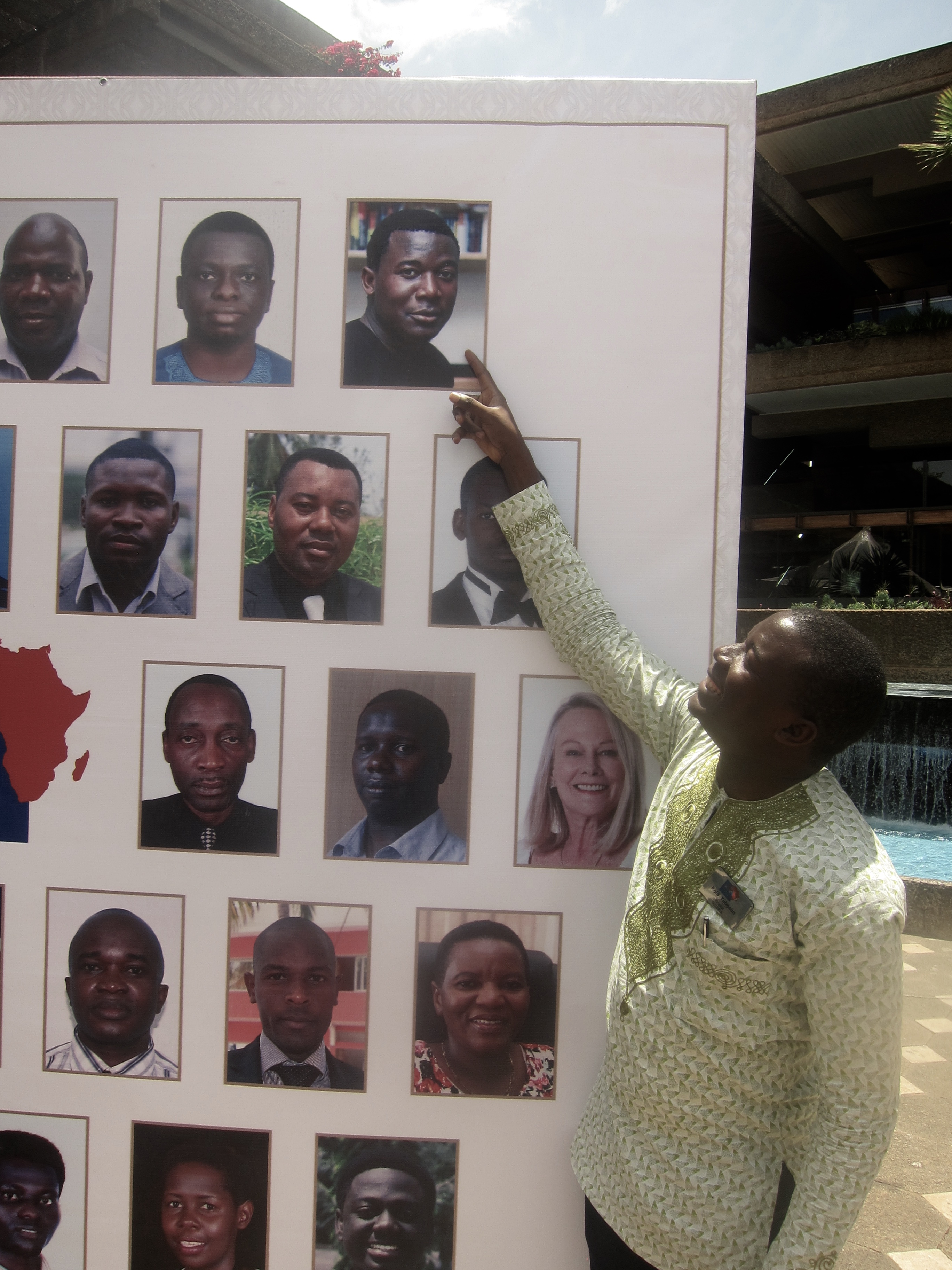
Travel, at conception, usually seems like a quick movement from one inch of earth to the other. In reality – at least as was the case with my just-concluded return to East Africa – it is a whole mental, emotional, and psychological trip, tremors from which can last a life time. A few hours ago, I returned from a visit to Kenya to attend the CNN/Multichoice African Journalist Awards 2015, in company of other finalists and nominees, as the first blogger to have been shortlisted for the prize in its 20 year history – a great feat in itself – for this story I wrote last year, in the “Culture” category.

IMG_0012From Wednesday, October 7th to Sunday, October 11th, invited guests (which also included past winners of the prize in its 20 year history), nominees, and the prize judges, were taken around places in Nairobi, from the famous Karura Forest to the Nairobi National Museum, among other places, for networking sessions and a chance to bond over conversations around journalism in Africa. At the final gala on the night of Saturday, October 10th, the winners were announced and the final prize given to the winner by the president of Kenya, Mr. Uhuru Kenyatta.

The tremors that remain however are more than that of a grateful writer whose vocation, done typically as a way of passing time away from the real grit of daily preoccupation, has taken him towards the pinnacle of a noble profession. They are also of a reuniting with a country – once visited before nevertheless – which holds a host of fascinating interests for a linguist and curious traveller. One week was not enough, and it never pretended to be, to explore the pleasures of a country of over 47 million people, covering about 582,650 km2. But it was sufficient to meet up with colleagues from Moi University (Eldoret) where I had spent some time in 2005 with three other students from the University in Ibadan on a soci0-cultural exchange programme, to visit the Strathmore School (which is the first multi-racial school in the country, founded in 1961) as well as the African Nazarene School where a fellow Fulbright FLTA from 2009 now works in administration, to see the Giraffe Centre at Karen and a number of other places of significance to me as a writer and to Kenyan literature, and world history. Karen Blixen also features prominently. Making friends, seeing new places, and winning recognition for one’s work never felt so normal, ordinary, and exhilarating at the same time, especially when it was, for the most part, unexpected.

In the next couple of blog posts, over several weeks, I will be publishing – here on this blog that got me into all of this in the first place – a report of some of my most memorable encounters in Kenya, with pictures, and with perhaps enough restraint to avoid negatively contrasting Nigeria with her in the process, as I’ve done publicly and privately in the last couple of days. I can say, however, for a fact, that this is one of my most personally fulfilling travel experiences, made more significant by how short it actually was.

Blogging in Klieg Lights

A while ago, while pondering the changing landscapes of contemporary media, I suggested that many things have irrevocably changed enough to warrant a different attitude, especially by prize-giving bodies, towards alternative media and publishing outlets. I must have said it in many other different ways afterwards. It was true then as it is now, that the democratisation of the media which has given rise to many new voices and expressions that would otherwise remain silent has not received much of its due respect from the traditional gatekeepers.

A number of times on this blog and elsewhere, I’ve made a case for blogging as “the future, or at least the way to it.” I believe this to be true, although the Booker, The Nobel, among other literary prizes have however not yet taken any relevant cues from this reality enough to change the traditional nature of their annual winner selection. Rational people expect the changes to be slow. However, great, brilliant and beautiful work is still being done everyday on web platforms by writers who either can’t find publishers, or don’t think that the traditional route of print publishing is effective in reaching their audiences. The earlier we begin to recognise them in spite of their refusal or inability to comply with traditional methods, the better. The world is now a different place.

cnn_aja_logo_2015_rgbI want to say though – some of you probably know where I’m going with this – that I’ve received recently some encouraging validation for that aspiration. This blog has been nominated for the CNN/Multichoice African Journalist of the Year 2015 for a travel report I did for this blog a while ago.  (I’ll tell you which one it is, shortly). And for that, I’ve been invited for an all-expense paid to Nairobi, Kenya – this October – to writing workshops, networking, and the gala night to hear the name of the winners. (I also found it incredibly gratifying to be returning to Kenya exactly ten years since my first visit in March 2005. Yay for travel, nyama choma, and meeting old friends. Habari yenu, Kenya!).

More enchanting for me, however, is a possibility for the future. We’ve seen it with Uber successfully subverting the idea of organised traditional taxi service, and of AirB&B helping people turn their home and apartments into “hotels” without having to get a licence or own properties like the Hilton or Trump. It has happened with radio vs podcasts, and with music companies vs Pandora, Spotify, etc, and with e-Books helping writers reach their audiences faster and more affordably. Everywhere we turn, new ways are challenging the old and forcing us to negotiate the world in a lot of different, less cumbersome ways. I see blogging in the same way: a platform that is accessible to all, can be set up at no cost, and yet can be incredibly powerful in transmitting and interpreting the human experience across boundaries like never before. This has certainly been my experience here and it’s hard not to be excited for the attention of traditional media giants, CNN and Multichoice, to this new reality.

As for you, dear readers, whose constant presence in my analytics make sure that I keep coming back here, it’s all your fault! So, thank you! Now, let’s go have some East African fun.

_____

References

Blog, Writing, and Real Life (October, 2009)

A Case for Blogging (June, 2010)

Book, Blook, Bloog, Blog… (October, 2011)

A Little More than Fun (December 2012)

Blogging and Other Botherations In Saraba Issue 7b. Page 10 (December, 2012)

An e-Book is a Book (September 2013)

Piorities, Budgets & Decline

The recurring theme in almost all of the academic departments I visited during my trip to the US is the lack of adequate funding. Seeming profligacy from politicians at the capital is forcing academic departments to make drastic changes to their programs, or at best Faustian bargains, because of a budget deficit and accumulating debts at the state level. From foreign language departments to English departments in universities, from the international programs office to elementary schools to high schools in the state, the problem is the same: “tough decisions” are being made by politicians, and teachers are bearing the brunt of it. In most cases, it’s teachers in liberal arts departments.

IMG_9334It’s not just cuts and layoffs, and this doesn’t seem to be a new problem. I remember once worrying about it here a while ago. Whenever money gets low, teachers usually become the easy punching bag, the lowest hanging fruit, the go-to pinata for all that’s wrong with the state. It’s not a uniquely American problem either, but let’s stay on topic. From what I’ve heard from Republican politicians from the mid-term elections in 2010 to date, teachers are all that is wrong with the country. They earn too much, according to politicians, they spend too much time in “teacher lounges”, and they indoctrinate children with “liberal ideology”. Therefore, they should be laid off, reduced of remuneration, and checked in every way possible, leading to horrible working environments.

Now, a couple of courses in my old university will probably be dropped, at some point in time, due to low enrolments this year. This makes me very upset. As far as the university administrations are concerned, low enrolments equal a lack of relevance of said course, leading to reduced funding. I guess it makes sense, if the university is seen as a money-making venture. The more students sign up for a class, the more money that class brings to the department (and the university). But maybe there is a way to see the university differently: as a place for all kinds of knowledge, requiring full and standard funding by the authorities, notwithstanding who is or isn’t showing up to register for them. For instance, I don’t see a whole lot of students trooping in to register for Yorùbá, or Latin, or Greek, or German/French every year, except by some divine intervention or a charismatic teacher. But should this stop an investment in those courses as regular fixture of the foreign language department? Not if we believe in knowledge as being power in itself.

The problem is not an Illinois problem alone either. In this news feature, Indiana is put on the spot for the amount of teachers that has fled the state in recent months due to poor conditions of service. What can I say? Maybe the United States is trying to outdo us in Nigeria by treating public teachers equally as poorly.

Sailing Young Imagination

When I started teaching in Lagos, in 2012, on return from Edwardsville, one of the things I had in mind was finding a way to combine my passion for literature with my training and vocation as a teacher and linguist. First through a series of “Meet-A-Writer” events where we brought practising writers to meet and interact with the students, and also through excursions to events to fire up students’ artistic sensibilities, I succeeded to a reasonable extent. One of the highlights of the last Ake Arts and Books Festival, for me as a guest and as a guide to the students of mine that I brought along, was the ride home listening to the literary and creative aspirations of the students and their prospects for the future.

Gradually becoming disenchanted with the overall purpose of teaching English language as a compulsory subject (and a medium of instruction) in a post-colonial society, the idea of literature as a flight of fancy and a window into the mind and creativity of young adults became something more interesting, and certainly more rewarding than teaching grammar in a language compelled by law, sustained by an illusion, and limited in the true sense of the capacity to genuinely express the true identity of the continent. There’s an irony here, of course, in the fact that these literatures, for now, are also expressed in this same “limiting” language. But that’s a story for another day.

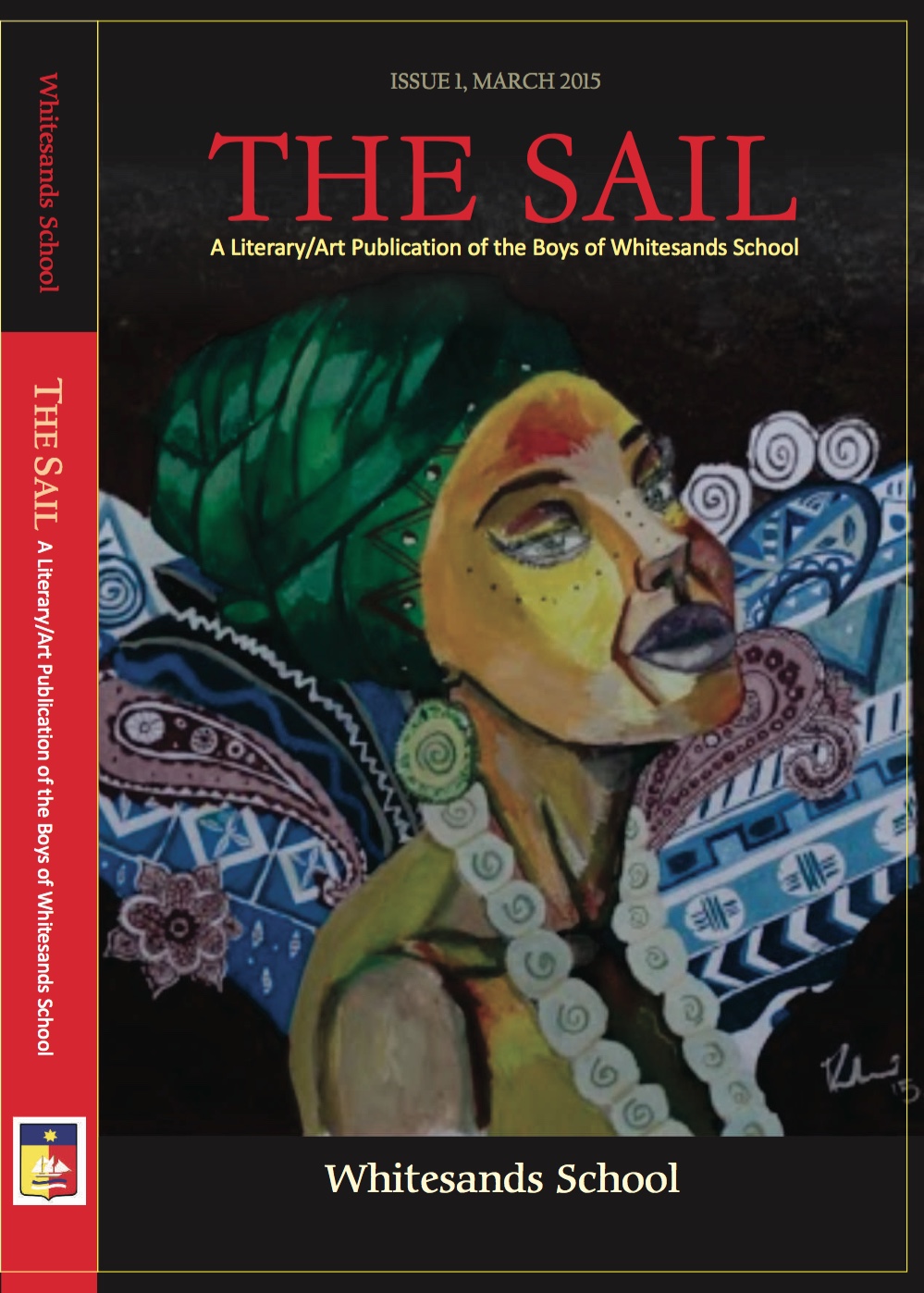
FrontLast year, an idea I’ve had for a while on the possibility of harnessing students’ creative energy in a book form found enthusiastic audience with the school administration. The result is an 86-paged anthology of students’ work in poetry, prose fiction, drama, essay, and visual arts, published by Whitesands School and Feathers & Ink publishing house in Ibadan. Along with the privilege of being in the book, a few of the students are also being rewarded with positions when their work is compared with the others. We were also privileged to have prominent literary practitioners in Nigeria read and judge the prizes beforehand. For this first edition, these judges were Chika Unigwe and Tade Ipadeola, both previous winners of the Nigerian Prize for Literature (worth $100,000). In short, it was a thoroughly emotionally and intellectually stimulating experience for the teachers and the students.

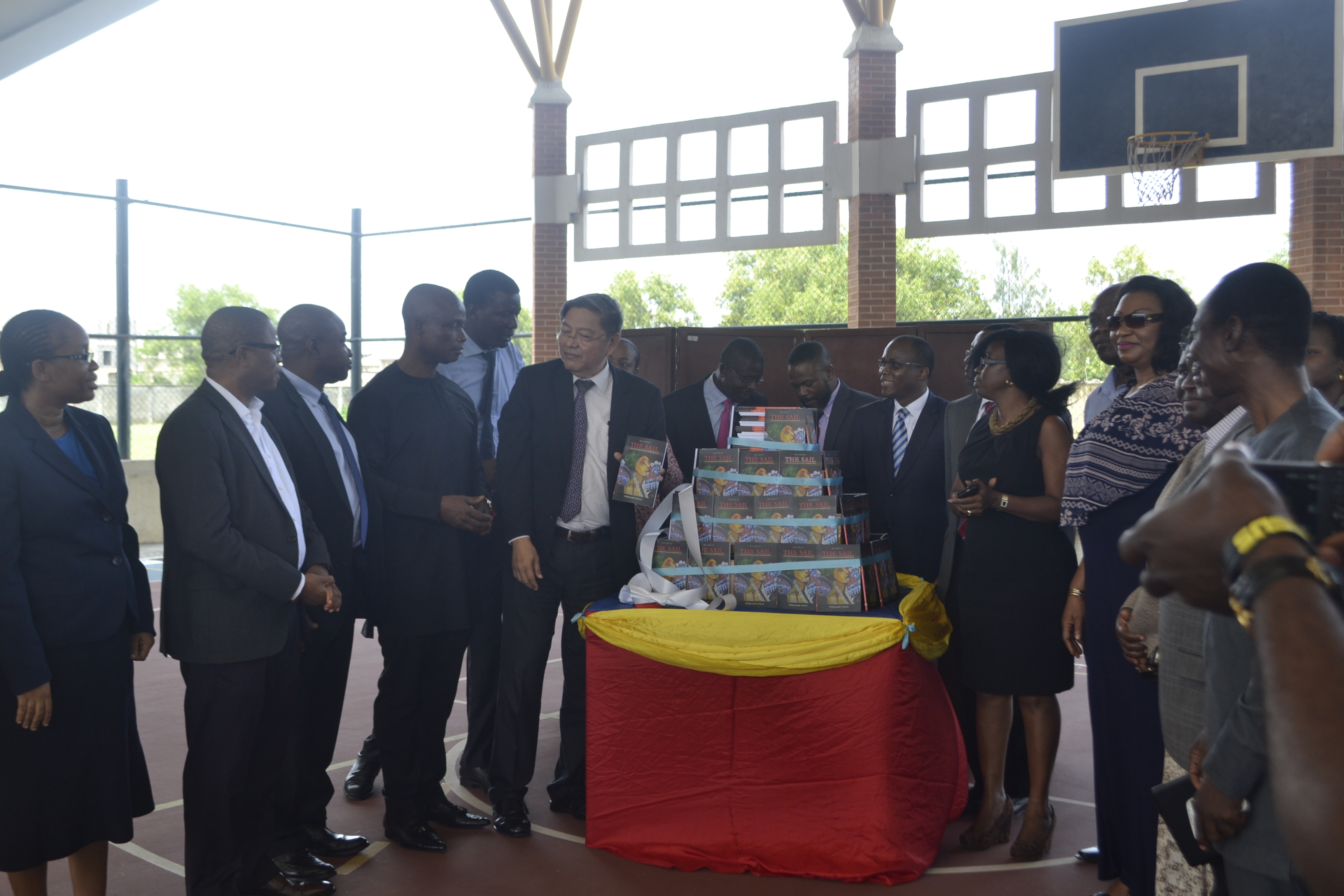
_DSC0871The book was publicly presented on June 25 at the school, with parents of winning students present. The book is also being given to all the over 400 students in the school as an incentive to working hard to be selected for the next edition. From what I’ve heard, it is having precisely that effect. For the students whose work appear in it as well, there’s an obvious air of pride and accomplishment. In the next couple of weeks, the book should also be on Amazon and other internet outlets for free download. From what I’ve heard as positive reviews of the project, even the idea itself is ripe for scaling. Given adequate sponsorship, there’s plenty more dimensions in which this can go. For now, however, the pride of being able to accomplish something this little with substantial impact is unquantifiable. Read Tade Ipadeola’s review.

_DSC0758Here’s one anecdote that almost brought me to tears. Yesterday, the vice-principal of the school called to tell me of the decision of a parent of one of the students to pull out the child. As a dual citizen of the United States and Nigeria, the parents thought it was time for the child to relocate and join his other siblings. Not having told the boy before now, he was devastated, but not for an obvious reason. According to the father, the child expressed regret that having missed a chance to be published in The Sail: Issue 1, he had already started working towards entering as many creative work as possible so as to get a chance for the next issue (due January, 2016). Now, that dream is being taken away from him, without an agency to influence the process.

I have been dejected, and then extraordinarily buoyed, by the sadness of that story for the last 24 hours. It’s almost enough to compensate for everything else wrong with the compulsion in English language learning.