Browsing the archives for the Opinion category.

Lingua Fracas as a Positive

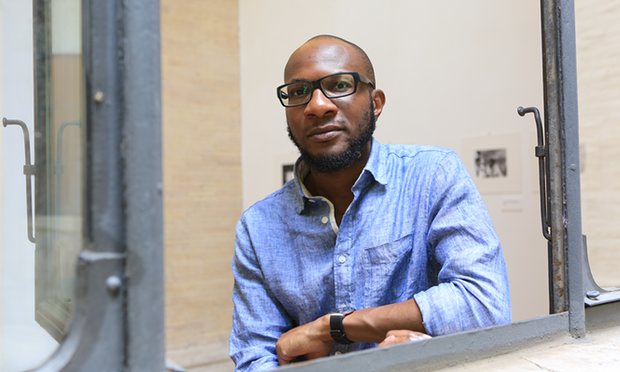
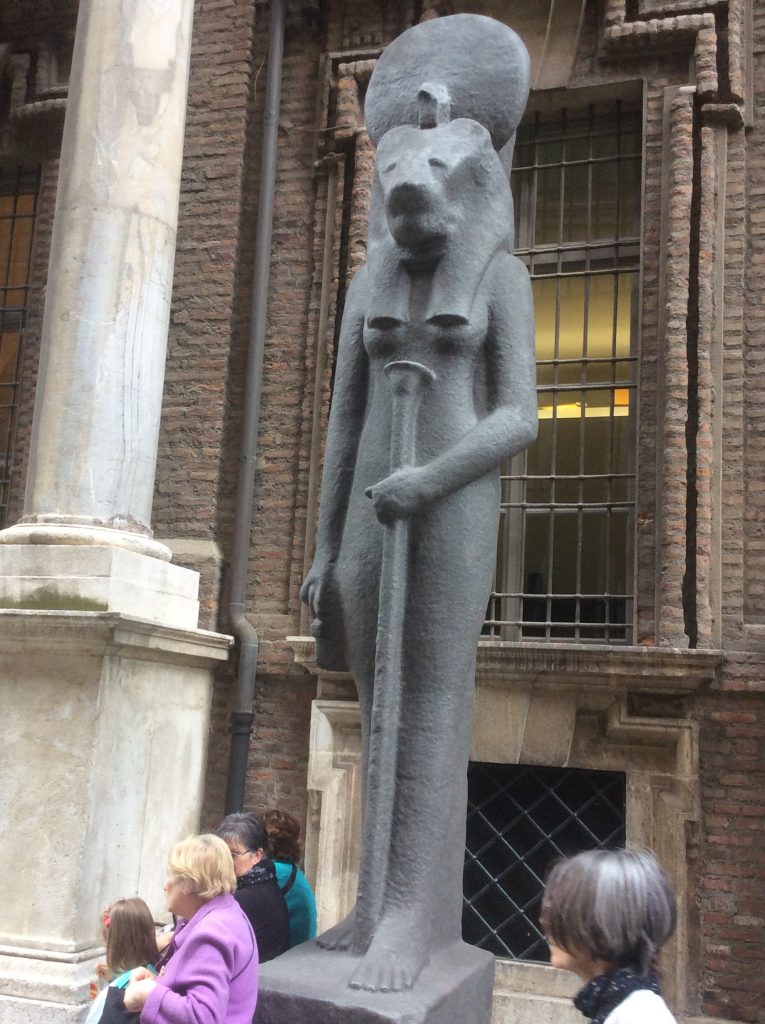
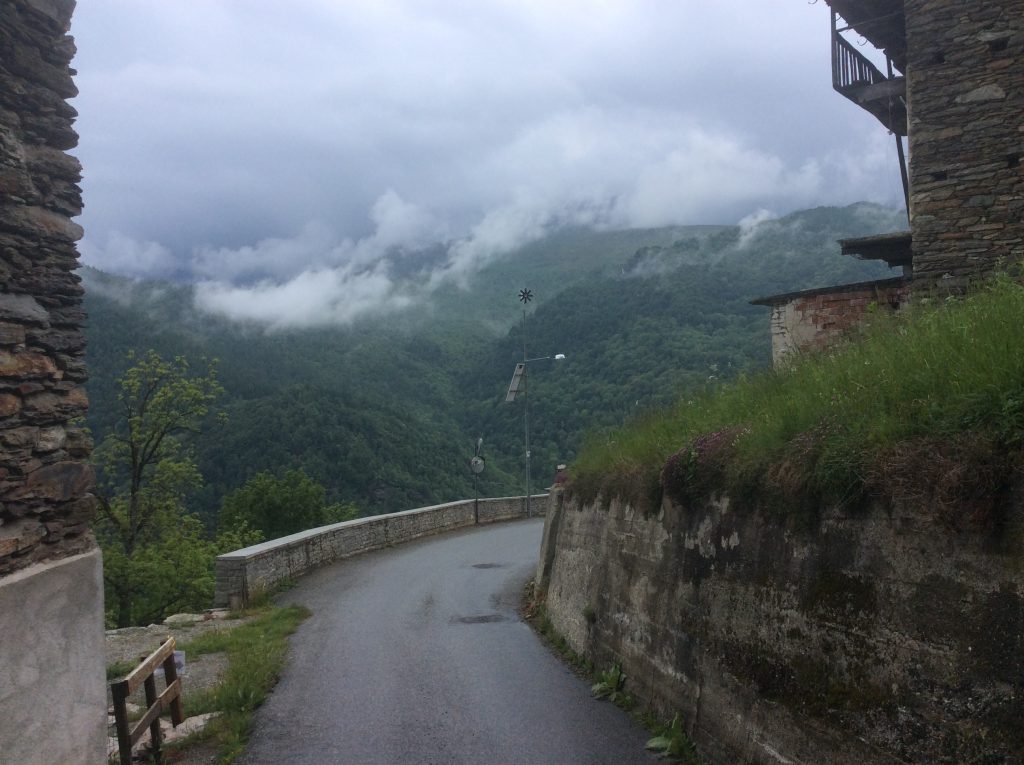
It is 5.47am in Ostana, Cuneo, a small town in Italy (close to the border with France). It has only seventy-four inhabitants, and became world-famous earlier this year from the arrival of a baby, Pablo, its first in 28 years. It is also regarded as one of the most beautiful Italian towns. I am here all the way from Lagos, Nigeria, in order to receive a “Special Prize” called the Il Premio Ostana in Lingua Madre (The Premio Ostana Prize for Mother tongue Literature), organised by a small community organisation who has, for eight years, organised cultural and literary art activities in celebration of the language of the region, Occitan, and other minority languages of the world.

IMG_5867

Although it is barely six am, it is already bright, and the view from my room overlooking some of the tallest mountains in the Alps is breathtaking. The mountain closest to me, shaped like a pyramid with a paramount top, is called Monviso, or “my face” because of the way it is arranged with other peaks around it to look like the human face. The name of the mountain is in Occitan, like many phrases one hears thrown around this place. When the clouds are not covering its peaks as they have done for much of my time here, we see its caps, dotted with greens from trees, and patches of black from the face of rock formations from hundreds of years back. Down at the foot of the hill from where I sit on my bed, a man of middle age is tending a small garden with a long hoe. If I open the glass windows, fresh breeze as cold as fifteen degrees, wafts into the room forcing us to hug the bed covers a little tighter.

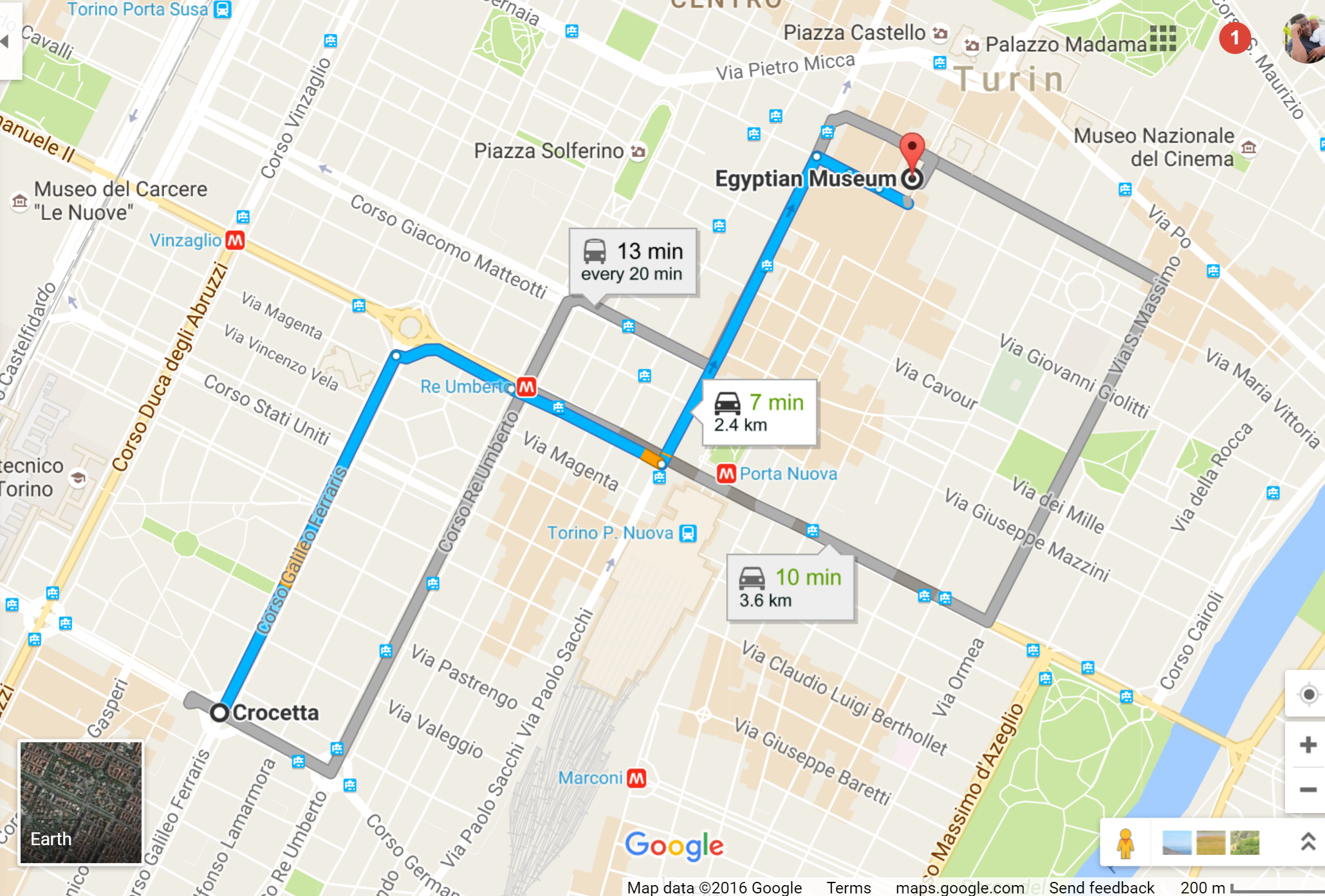
The trip from the airport in Turin was a fascinating one, taking about two hours, and journeying through some of the most beautiful views of Italy. Travellers in Nigeria would have felt a similar sense of wonder traveling to parts of Nassarawa, or Ondo states where rocks and hills line each side of the road like guardian masquerades. But this is not Idanre, as the clashing of tongues around one’s ears will immediately reveal. This is the Italian Alps, in a region that once was autonomous as “Occitania”, spanning the land from this north-western part of Italy into the other part of southeastern France, united by a common language and culture. Over time, as the nation of France and Italy formed a stronger national identity, they imposed an artificial border that divided Occitania into two, one part staying in France and the other in Italy. And over time, the influence of the stronger languages and culture began to intrude until Occitan became just an endangered minority language needing protection.

This, in many ways is similar to the story of many African languages, from Yorùbá to Hausa to Swahili, forcibly broken down and eventually watered down by colonial boundaries that kept its speakers having to learn a bigger, more imposing language at the expense of the local one. Where the difference lies is in what has been done over time to acknowledge and mitigate the problem of endangerment by the people who care about it. In Ostana, for the last eight years, concerned stakeholders have come to this mountainous region to celebrate the language, and – more importantly – to celebrate other people working on other endangered languages around the world, making resources and networks available for a shared approach to keeping the languages alive.

Yesterday, at a public panel, Nigerian writer Lola Shoneyin described the state of languages in Nigeria, the history of our regressive attitude to mother tongue education, and the problem that has caused in both our educational and also, sadly, in our political culture. She cited the Ife Six-Year Primary Project, headed by Professor Babatunde Fafunwa the result of which proved that students can and should be educated in their mother tongues for a better educational experience, and how that ideal is now totally lost, and the research result swept under the carpet by succeeding government administrations. During the Question and Answer segment where I was interviewed by a member of the event’s organising body, I also pointed to the ideals that were written in our constitution and our National Policy on Education encouraging education to be conducted in the mother tongue for a few first years of the child’s life, and how that had ended up being just a suggestion rather than a policy statement, and how the National Institute of Nigerian Languages (NINLA) – a body established to train language teachers from every part of the country – had become just a toothless tiger. Members in attendance were appalled to know that over the last thirty years, the Nigerian educational system (particularly in the South) has slowly degenerated from a time when subject can even be taught in the mother tongue in a number of government primary schools, to now when Nigerian languages – even as subjects no longer exist in the syllabi. “It is the opposite here,” someone volunteered. Thirty years ago, no one spoke Occitan, but now it has come back as a language of common use. I got the same experience in Wales, just a few months ago, where Welsh-medium schools have sprung up to supplant and surpass many English-only schools, with impressive results.

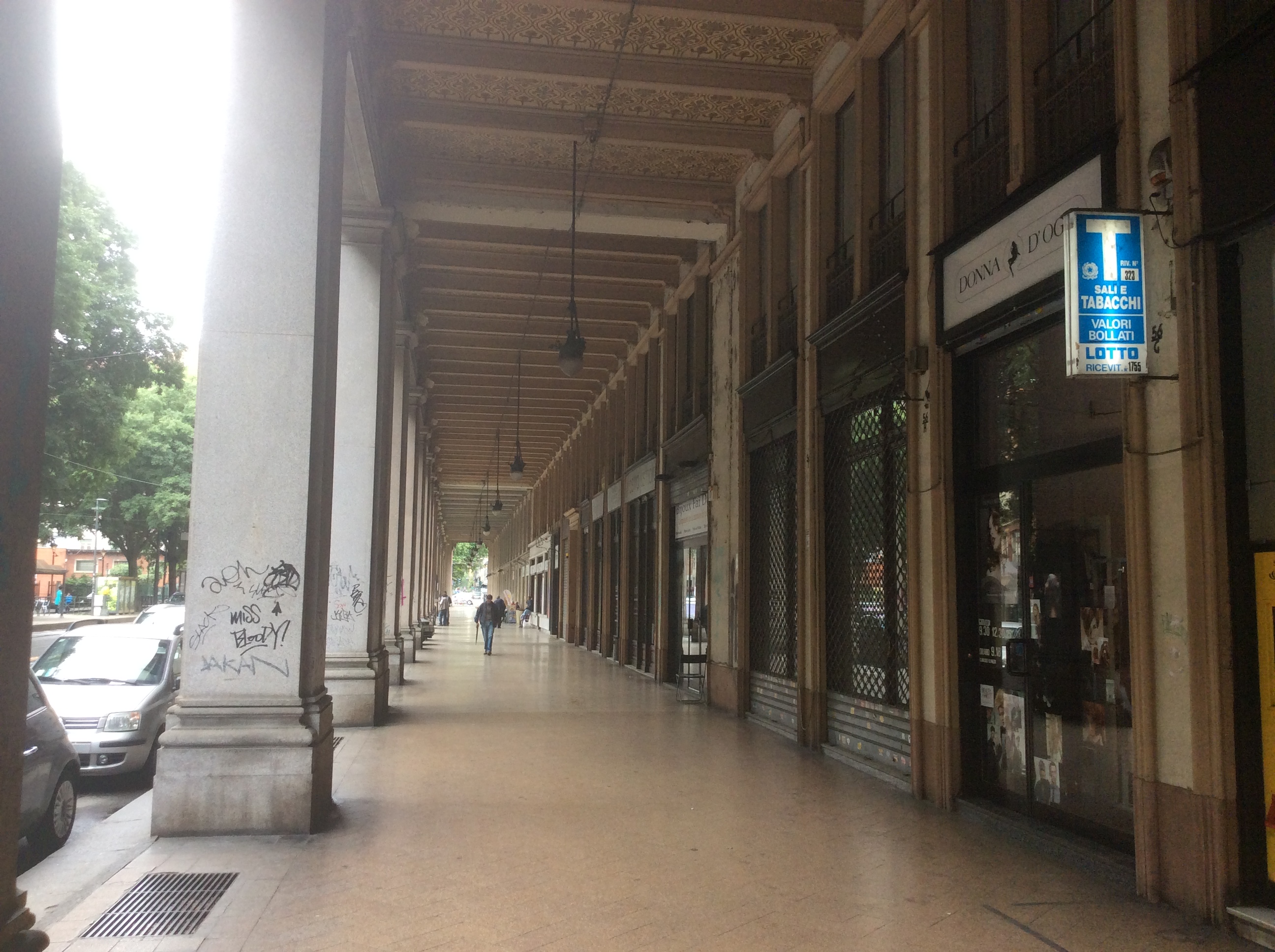
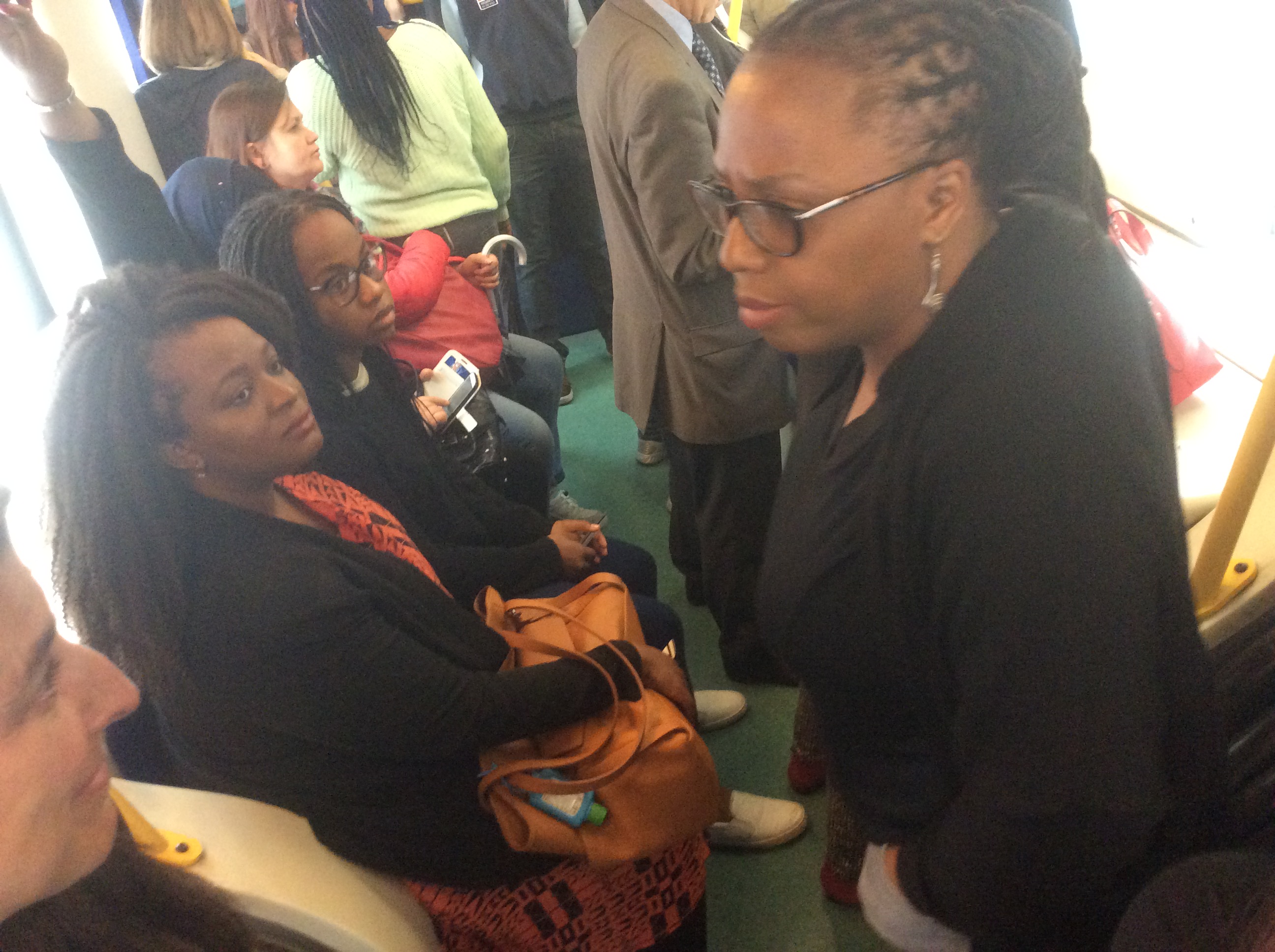
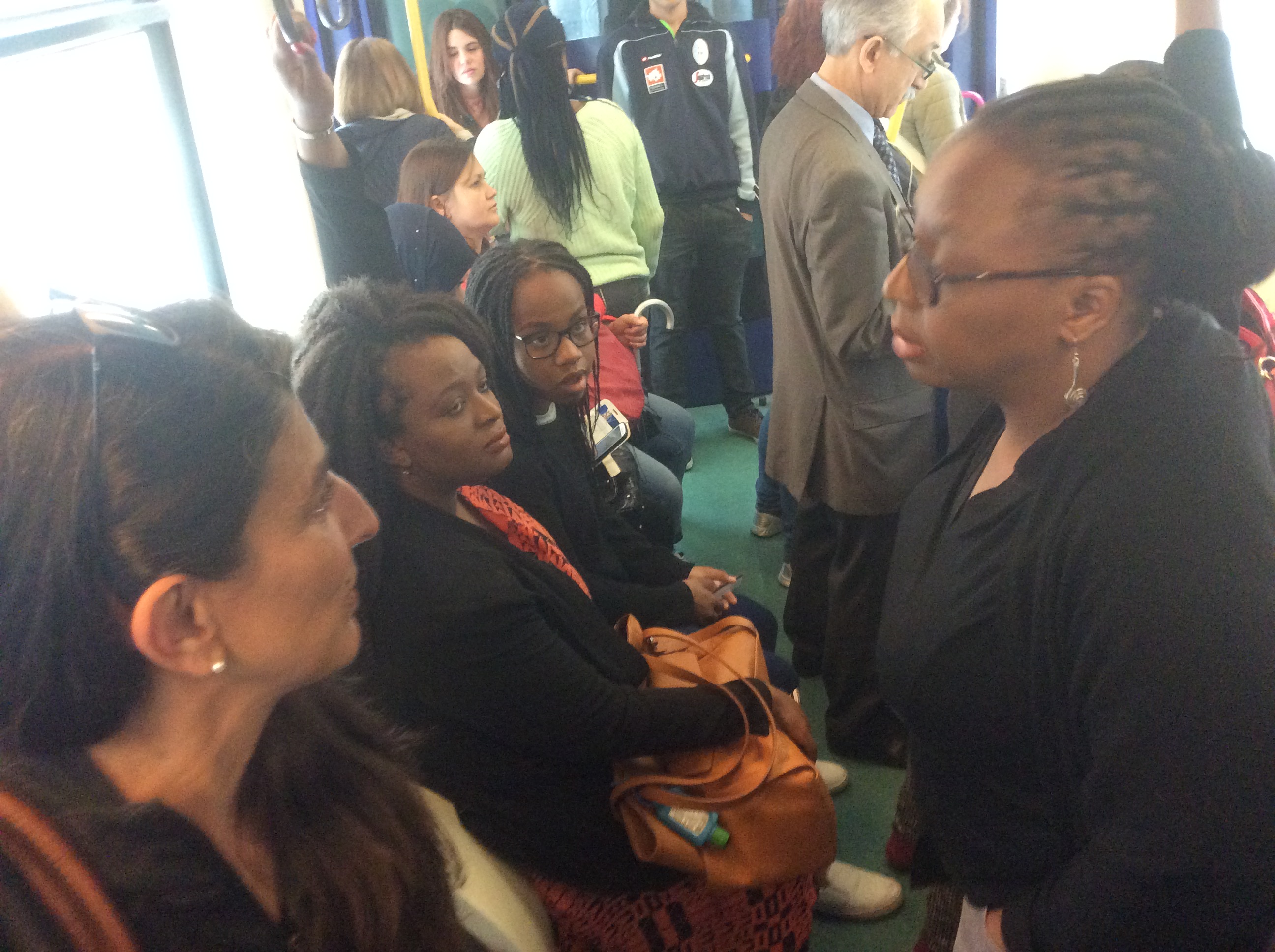
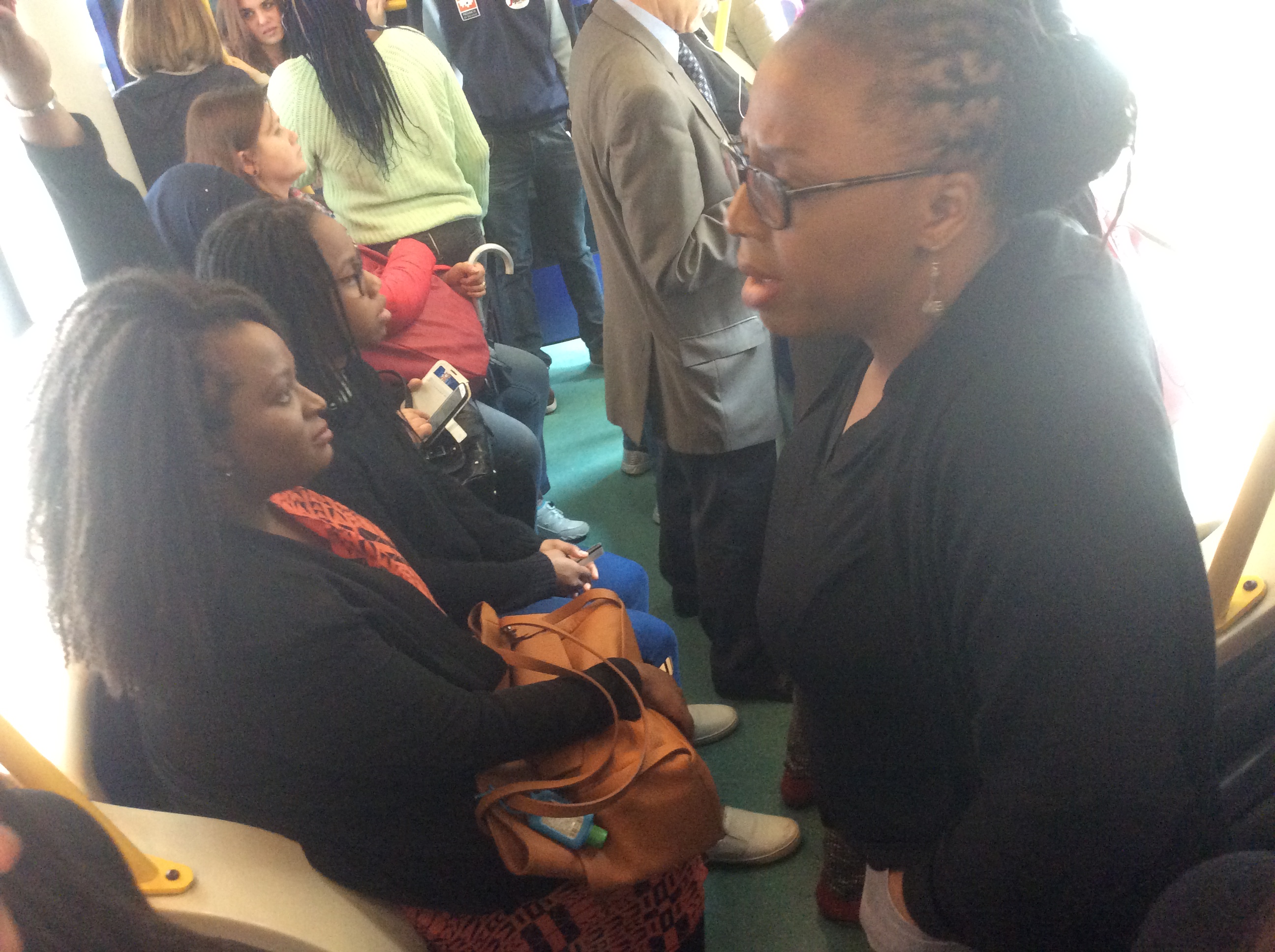
Around me in Ostana are varying tongues. Our driver from the Turin airport spoke English as a fourth language, after Provinçale (French version of Occitan), Italian, and French. His colleague spoke only French and Italian. The conversation in his car consisted of him making a point and then running into a language block, unable to remember what English word he needed to use to communicate a point. He’d then translate himself into Italian for his colleague who sometimes then gave him the word in French. My wife and I speak a smattering of French and we’d sometimes then understand it, suggesting the appropriate word in English. Or we won’t get the word right and the conversation would move on only for the process to repeat itself again in a few minutes. For a linguist, it was the ultimate beautiful thing, especially since none of these occasional misunderstandings prevented us from fully bonding and sharing other less untranslatable experiences among ourselves. But it was also a celebration of the beauty in the diversity of our tongues and worldviews. My wife noted halfway into the trip, with mock wonder, how it was that none of the road signs we had seen was written in English. Welcome to Italy. But also, welcome to the real world where education and enlightenment isn’t judged only on the basis of competence in just that one language.

I wondered myself a few minutes later what would be said of a town in any part of Nigeria where all the signs there are written in the one language common to the speakers living in the area, and how we’d have resorted to that common pejorative in order to tarnish that hypothetical village: “tribalism”. We would have reacted as though the town is saying to outsiders: “Do not come in here because you speak a different language. We hate you!” But we would be wrong. The experience I have had traveling all over the world, especially in places where value is placed on the local language, from Kenya to Wales to Ostana, leads me to a better understanding of this hypothetical town’s message to the world: “Come here and share with us the experience of our language and culture. Bring your language with you, by all means, but come in ready to share in ours, in celebration of life and this important diversity.”

And from that, we can learn a whole lot!

______________

First published on Premium Times on June 3, 2016.

Making Lemonade from Distance

In yesterday’s episode of the Late Show with Stephen Colbert, chef and writer Eddie Huang spoke of his experience as an American man of Chinese descent, particularly about using food as a way of connecting with his heritage. He spoke of one particular experience where he had visited China as an American chef, and made a Chinese meal to a local audience and hoping for validation. Does this food taste Chinese enough or is my American background too much of an influence? The response he got, or his retelling it in this clip below, gave me goose bumps:

“You don’t have to keep thinking about whether you’re Chinese because you are Chinese. The diaspora is very important. Wherever you are, if you’re Jamaican or Puerto Rican, or Chinese, and you’re born in America… you’re part of it. You’re not disconnected. You can’t be disconnected. And whatever you do, it is Chinese. Or, it is Jamaican, or it is Puerto Rican. But it’s in your own voice.”


I found it relevant now as I’ve been thinking of the import of Beyoncé’s new visual album Lemonade which caught the world by storm a few days ago, and its relevance as a cultural phenomenon. I have seen the accompanying video to the album once, and listened to many of the songs many times. I have come to realise that as a robust and relevant work of art, it is way more than just an American woman’s expression of a range of emotions, a black woman’s embrace of vulnerability as a powerful virtue, or a woman’s documentation of marital tribulations as therapy. It is all of those things and more. It is an extension of a long tradition of strong (and yes black) womanhood that is not often found in the Western media.

What I saw, in Beyoncé’s ankara prints which she wore throughout, the cameos by scorned and bereaved black women, the imagery of the Yorùbá goddess Ọṣun all around the album, the costume, the deeply personal poetry, and the general black self-confidence that has pissed off smug commentators like Piers Morgan is a reclaiming of a lost space of black normalcy (and yes, occasional militancy directed at real or symbolic obstacles). But it is also an extension of the black experience which is not – as we’ve often believed – just an American variant. Being unashamedly black in this album, unlike how she’d been in previous ones, does more to connect her back to a tradition of black female strength and resilience very much alive on the home continent than it does to detract. I assume that this was her intention all along.

I find this angle in the artiste’s work more compelling than any other (including the rumoured infidelity). Has Beyoncé been trying to connect the African diaspora with the homeland all along? From the many generations of suspicion between descendants of slaves who became African-Americans, and descendants slavers and survivors many of who now run most of African countries, there have always been something cold and distant. What part of the African-American experience speaks the most to the African audience, and what parts should? If the guilt of our past and the violence that birthed it can be properly aired and then forgiven, can we share each other’s success as an extension of each other’s hopes, aspirations and disappointments?

We may have been asking the wrong question all along. The right question, which the album might help answering in its dizzying brilliance, is “isn’t a fuller dimension representation of the black woman in popular culture a long needed intervention in today’s media?”


On the Demise of Decorum

2015-12-07 08.37.49 I realised, on my way back from the coronation of the Ọọ̀ni of Ifẹ, last Sunday, that I’ve never attended a properly-planned public event in this country as an adult. Be it a wedding, a naming, or an engagement ceremony, or even an official governmental or artistic event, the evidence from my trip down memory lane has left plenty to be desired, particularly as regards planning and implementation. True a few have come very close to proper organisation, but they have been too far in-between to be the norm. Either we Nigerians are terrible event planners in general or we are just terrible audiences of otherwise well-planned events, both leading to undesirable consequences.

First, the invitation card to the coronation of the spiritual head of the Yorùbá people had shamefully incorrect diacritics on the names of the new king – an unforgivable faux pas tolerable only because of our erstwhile collective tolerance of that kind of cultural laxity and mediocrity. Heck, we are numb already to books and newspapers printing Yorùbá (or Igbo) names without appropriate tone-marks, even when the editor of such publication claims to be an educated Nigerian individual. In an alternate universe, whoever was in charge of this royal invitation would be fired, pilloried, and barred from any future participation in any cultural events relating to the king. But our “educated” newspaper and book editors still collect salaries while putting their stamp of authority on the idea that this kind of (cultural and linguistic) certitude counts for nothing. Shame on us.

2015-12-07 09.41.46 2015-12-07 09.50.09And secondly, an event slated to host royal dignitaries from around the world started almost as a free-for-all as royalty and “common” men jostled together in a crowd to make their way through a narrow gate into the hall. At one point, I spotted the king’s own father himself being pushed and shoved with the crowd, and having to prove himself to be who he is. It was the same situation for the mother of the princess and other numerous otherwise dignified guests who had to fight through what seemed like the eye of a needle, even while holding  a VVIP invitation card. At one point in the crowd, one spots the staff of office of the Olúbàdàn of Ibàdàn – an otherwise important instrument of office that should pave way for its bearer without questions. For almost an hour, the staff and its carrier remained nestled within the throng (pictured).

2015-12-07 12.49.53-3 2015-12-07 12.49.38 2015-12-07 12.49.53-1 2015-12-07 12.49.40By the time the Ọọ̀ni made his way into the hall, not only was his path blocked by indecorous photographers, well-wishers and other media practitioners wishing to take his photos, the whole hall seemed, at once, to have turned into a barbarous throng, with everyone standing on their seats with phones and devices at the ready to take photographs. Our modern interpretation of this phenomenon might excuse it as a sign of the king’s importance in our imagination, or our celebration of his ascendance -Fair point? – rather than a more unflattering suggestion: that it is a display of our lack of decorum at such events. One wrong footing and one of these amateur photographers would fall, deservedly, and land either on the king’s head or by his feet. And even without that, the walk from the entrance which should have taken less than a minute took over fifteen minutes: a newly crowned king pacing himself through an artificially-constructed hedge of human nuisance.

A while ago, on a flight back from the United States, I found myself in Paris, at the Charles De Gaulle airport, on the last leg of the trip. And for one moment, something that hadn’t occurred to me on any other part of the trip suddenly came to embarrassing prominence. The airline announcer had taken the microphone to announce that boarding would now commence to Lagos. But before the first few words had landed out of her mouth, a loud and cacophonous shuffle began, seemingly out of nowhere, involving only the Nigerians who a few seconds earlier were sitting quietly and minding their businesses. As if a shortage of airline seats had just been declared and an order placed that only the first at the gate would be flown to Lagos, my countrymen hustled and shoved themselves into what eventually became the queue. It has happened in other instances too, like two seconds after touching down, even before the seatbelt signs are turned off. My countrymen jump out of their seats and immediately proceed towards their luggage, as if they were going to disappear after just a few seconds of waiting.

Those who have cared about the matter have blamed much of this on our cultural conditioning. But I’ve been to Kenya and the situation is way different, from private comportment to general orderliness in public spaces, proving that it certainly isn’t an “African” conditioning. It’s a Nigerian issue, celebrated in other instances as our unbound boisterousness. In instances like this however, and in many others where acculturation should otherwise show itself as decorum, we have terribly failed, and we need to find our way back.

Guest Post: My Clicker

by Adaeze Ezenwa


I’d like to get a camera, not one of those high-tech contraptions with dials and buttons intended to confuse and confound. I’d want one that is just a simple shutter and lens operation but will make me some stunning pictures. I would not take pictures of people, they do not interest me. I might take pictures of babies though, just because they haven’t learned to be self-conscious before the camera. Their essence would shine through because they aren’t concerned with making a fine picture or in my capturing their most flattering side.

Animals are more appealing to me, goats especially. I’d take pictures of goats, cows and monkeys, no cats or dogs because I do not like either. Then I’d take pictures of houses, interesting houses. I’d find the most fascinating houses, no house built within the last twenty-five years would qualify. In Sapele I found the most beautiful colonial houses, I’m glad that they haven’t been torn down for space to make the monstrosities that are the stamp of the nouvelle rich. I’d travel from town to town and find houses worthy of my clicker, I’d print them in the widest photo paper and hang them everywhere.

 Nigeria is an art treasure trove and my camera would bring a huge portion to life. From the wood carvers of Epe who make the most exquisite carvings of canoes and Ẹ̀yọ̀ masquerades to the Bronze castings of Benin and Ifẹ̀ and the beautiful, beautiful patterns that our weavers produce on clothes that are almost too beautiful to wear. I’d show you the street painters of Lagos who put the Picassos and Monets of this world to shame and the extravagant poetry and glass works of Bida craftsmen. Have you seen the wall art that decorates most Northern palaces? Fret not, my camera will show you all that and more.

I’d go round the country looking for rocks and hills and jaw dropping landscapes. Finding the most beautiful plants and flowers would be my delight, my pleasure and perhaps my salvation. From the tiny sunflowers that line the road to my grandfather’s house but strangely do not grow around the house, to the pale pink hibiscus that makes me wonder if it’s a mutation or a deficiency that bleached the flowers from the variety that produced the bright red blooms that I used to wear in my hair and that has drawn my eyes in every part of Nigeria that I have visited. Not forgetting the Ixora from which my brothers and I sucked the nectar even though we didn’t really like it. We did it because we didn’t want to seem like we were snobbish Lagos children in our hometown, we didn’t know that we would never belong even if we sucked all the Ixora in the world. Ixora might have nectar but they do not hold a candle to the fresh flowers of the Hibiscus that deliver a burst of tangy and sweet when you chew them. The dried flowers make the drink you know as zobo, that red liquid that will stain your tongue and clothes, the same one that southerners are prone to make with ginger. Please stop that nasty habit.

  And the rocks? I’d travel from Ọ̀rẹ̀ to Okpella to Jos and Kaduna in search of hills clothed with the most diverse vegetation you could think of. I’d bring images of majestic rock sides polished by thousands of years of rainfall and of depressions in the earth that makes the houses look like match boxes and the people like ants. Wouldn’t you like to see the green that decorates the rain forest? All the shades of green and a dusting of light brown will give you a peace that words cannot describe and the plenty snails and other bush creatures that make Bendel the home of bushmeat.

Then I’d take pictures of the soil, the light brown sand of the Savannah that drinks up any liquid with a speed that will startle, the rich loamy soil of my hometown that pulses with life and brings only one word to mind- fertile. Then I’d go to Enugu and show the world the baby rocks and monstrous pebbles that the people there call soil. From Benin we’ll see images of that rich red clay that coats everything with a reddish patina before coming to Lagos the city I was born where I’d show the aptly named potopoto. That clingy blackish mass that SUVs like to spray on hapless pedestrians, it’s not surprising that the first thing a Lagosian wants is wheels and metal roof with four windows and a windscreen.

I’d love to take pictures of the sky, of the blue sky dotted with pretty white clouds that remind of Mary’s little lamb. Or the days when the clouds are a duller shade of white and seem heavy without promise of fruit. People of the earth would describe such weather as cloudy, I wouldn’t use such a mundane term. If I could, I’d capture the play of colour that makes the evening sky its canvas. Most of all, I’d like to take a picture of the sky just before a storm- the kind of storm that you’d instinctively know that your umbrella is hopeless against. I’d show you the papers and nylon bags whipped by the frenzy of the wind, show you the sky black with surging rage and the bands of lightning that provide the most amazing contrast you’ve ever seen. Then when the first drops of rain come down, I’d take pictures of the thick fat drops as they hit the earth. Thick and fat like the ones dotting the windscreen of the bus I’m currently sitting in. I am in Benin-city and it always rains here, if I had a camera I’d show you the patterns formed by the raindrops.

I want a camera, will you buy me one?


___________

Adaeze is a writer who recently started referring to herself as one. In another life, she studied pharmacy at the University of Benin and had high hopes of becoming the next Dora. Now she sits in front of her laptop and writes about the everyday trials and joys of a single sistah in Lagos. She still lives with her parents and brothers and she’s married to Jesus.

The Conversation: Diss(cuss)ing Sexism

11863369_10207030148087504_347744263677818436_nLast Sunday, Joy Isi Bewaji, author of Eko Dialogue, hosted the fourth edition of The Conversation, a public town-hall-style interaction on various issues, at Colonades Hotel in Lagos. The first edition held in Lagos, the second in Abuja, the third was held in Ibadan this last July. This edition was to discuss sexism in Nigeria and its implications for both men and women. I was one of the panelists, along with lawyer Ayo Sogunro, actor Femi Jacobs, and Bimbola Amao. In attendance were men and women from all walks of Nigerian life: journalists, artisans, housewives, young single women, married men and women, writers, and all. This was my first time in one of these events.

12002902_10207030203408887_7899856583509023853_nWhat is sexism? How sexist is the Nigerian media? How sympathetic or sensitive is society to the issues of Sexism as it affects the woman? What are the dangers of sexism in marriage? etc. These are some of the questions posed by the convener, and discussed by the panel and the audience. And, in just a few minutes into the event, a series of personal experiences started pouring in from around the room detailing the crap that Nigerian women put up with on a daily basis: a deadbeat but egotistic husband who prevents his wife from excelling, a caring but misinformed mother who hands over her daughter, at 19, to a man whom she had never met, or loved, to marry just so she could boast of having a daughter in a marriage, a young lady who is kept from going to school to pursue her degrees because of her husband’s patriarchal (and religious) conditioning, another who is struggling in a marriage where the balance of power (and finances) is tilted against her even after she had supported the man with her own income when she had the means. In the workplace, someone who didn’t get a job because she was pregnant at the time of the interview, and many more who were (and would be) denied jobs just because they were female and thus “emotional” beings.

12020022_10207030163607892_2268462496907388402_nThere were many more, not just from the panelists who in a few instances disagreed on the cause of and the solutions to many of the issues. (Is religion a force for good or for ill in these matters? Yes? No? Ayo Sogunro argued, correctly I believe, that our imposition of a foreign belief system on what was a fairly equitable traditional family system complicated our gender relationships and gave excuse to men to relegate women into subservient roles because “the bible said so” or “it’s written in the Qur’an”. Femi Jacobs disagreed, crediting religion with all the good in the world and absolving it of the resulting ill. The followers of the faith, in his opinion, are the ones most responsible for the interpretation of simple harmless injunctions. This isn’t satisfactory, I argued, citing examples in Catholicism where divorce is frowned upon, and Islam where female genital mutilation is – in some cases mandatory. We cannot always separate religion from much of the problems we have with oppression and inequality in marriage, I said. It’s called “Man and Wife”, after all, and not “Husband and Wife”, where “man” is the default and “wife” is just something he possesses.

12036435_10207030190528565_3023491193859455679_nThere were also some personal disclosures by some of the women which elicited winces of discomfort, despair, and eventual vocal disagreement by the panel as well as some other members of the audience: should women refuse to hire other women because, in someone’s words “women are emotional, can be petty, and are often unprofessional”? As I responded, hopefully with as much incredulity as I felt, “What would you say if a man had said that???” In discussions like this that can sometimes move fluidly from the solid grounds of rejecting discrimination on the basis of one’s gender to the murky waters of self-righteous recrimination of other members of that same gender for being the real reasons why they have what’s coming to them, it’s always important to be on guard. It is particularly so for women who eventually become victims of these prejudices when they become accepted as fact by the general publc.

12043193_10207030221529340_2326122176500313160_nWhat my experience of participating in the conversation tells me is that a lot more needs to be done. Sexism is discrimination against someone on the basis of prejudiced opinions, summaries, and conclusions about their gender without giving them a chance to prove themselves. Simple. Not giving someone a job because they’re thought to be incompetent before they are tested is sexist. Assuming that all unmarried young women are incompetent is sexist, even if many of them are (and I don’t believe that this is the case). Not employing young women with boyfriends (because they often can’t focus on their work because of their love life) is sexist too – and many more. These are sexist even if the person doing this is a woman! There will always be other avenues to talk about how young women (and men) in Nigeria could improve their competence in the workplace so they’re not mistreated at work. But in a gathering to discuss how to remove that kind of mistreatment, the focus on the victim seemed a tad out of place.

10474209_10207030177568241_4606936268499671400_nIn all, the event was notable – for me – in the the openness with which the women (and men) present spoke about what were intensely personal issues and encounters in their marriage and their daily lives. These were information that couldn’t have been easy to elicit from anyone, but were freely shared in order to illustrate a point, refute another, or help others learn from past mistakes. This is where the convener, Joy Isi Bewaji gets an A+. For creating an avenue for women to share and learn from each other, provide support, and encouragement, proving that there is no knowledge that is not power, I salute her. As the diversity on the panelists’ table shows, it is not for women alone either. Men, hopefully, took away more than just the guilt of having been in a privileged position that has trampled on women’s rights for generation, sometimes non-deliberately. They also learnt about what they can do to make the future a better one for women, for their sons and daughters, and for themselves.

12046730_10207030215049178_7601876848935760155_nLike Oprah Winfrey who one may guess that Ms Bewaji aspires to surpass in her responsiveness and attention to human-angle issues around the country, especially regarding women, Joy is passionate about what she does, and has achieved success for doing them. At the end of the event, she presented a sum of 50,000 naira ($250) to three women each who, though indigent, had inspired her over a period of time with their strength and innovativeness. The money, according to her, came from donors. Days after the event, we learnt that 85,000 naira (>$400) more was raised – also through anonymous donors – for one of the struggling women at the event who had passionately told a story of her survival through a horrible marriage. The money can never be enough to solve problems that have roots in our evolution, cultural conditioning, and history, but it can have practical implications for someone living in poverty who however has the zeal, the smarts, and the ability to innovate and pull herself up. This is a great thing, and we need more of it.

It took over three hours, then the event ended. There will be many more in the future, Ms. Bewaji said. And to that, we say, amen.

_____

All photos courtesy of Joy Bewaji’s Facebook page where you can see the other pictures, along with more smiling faces than I cared to put up here due to the limits of space.