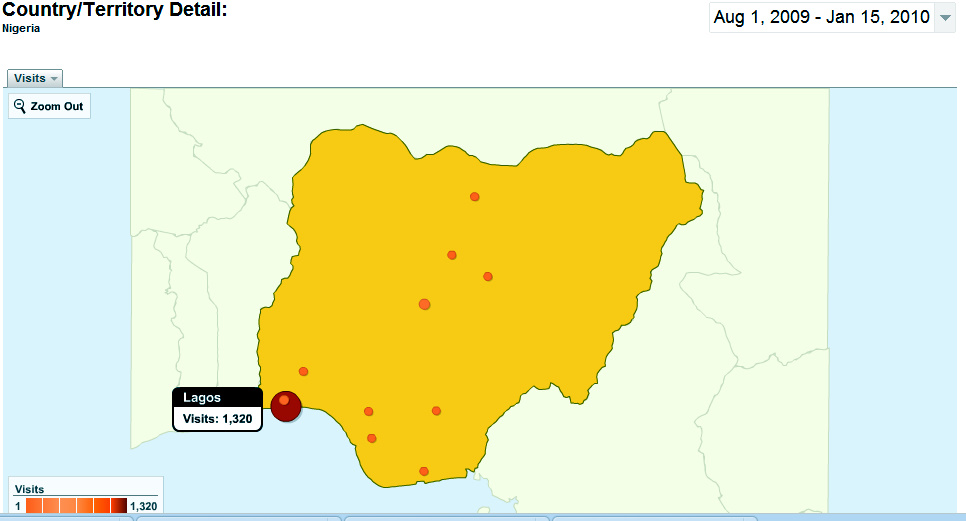
 There’s no reason why I should be impressed, really. This is how things should be in a normal society. But I guess that the event has sufficiently moved me to write about it only because a few months ago, an even far less careless slip had cost me so much more. What happened then was that I had gone to Six Flags for the first time, with friends, and at some point decided that I would join some of them in swimming. Now my small point-and-shoot Canon camera has always had a spot in its pouch around my waist. My belt always held it firm, and it was easier to bring out at the slightest notice of any memorable sight. Then I had to remove my jeans in public since none of us wanted to go into the locker rooms. We were all outside, beside a tall tree full of leaves. The process must have been: remove shoes, remove socks, unbuckle belt, unbuckle jeans, remove jeans, take everything off the ground and proceed to the pool. Approximately thirty seconds later, when I must havhollye taken not more than twenty steps from that spot, it struck me that my camera was missing, and there was only one place where it could have been: that spot outside the locker room. I went back there and it was missing, for good. I made a report, asked around, hoped and prayed, even searched Craigslist for lost items, but I didn’t get it back. It wasn’t so much for the camera but for the photos in it. In any case, there was no reason for me to have hoped that such a crowded public place like Six Flags would have been a safe place to leave a camera for that long, even for less than a minute. It kind of reminded me of some places in Lagos.
 That could be why I may have been impressed when I arrived in class on Wednesday and found that my iPod earphones were still on the front table, exactly where I had forgotten to take it off from after the class on Monday. I have tried to rationalize it this way: the table is used mostly by Professors when they stand in front of the class, and it is not likely that any Professor would fancy a used $30 Apple earphone that doesn’t belong to them. I made a similar rationalization for the many students who had used the class between 3pm on Monday and 1.30pm on Wednesday, yet I did not doubt that a few of them must have noticed it lying there idly seemingly belonging to no one, and just ignored it. I should really not have been impressed. Nothing extraordinary has happened, right? Wrong. Right. I have no idea, but I am not taking up the challenge of my now mischievous self to make an experiment with my iPod classic. Place it carelessly in a public spot and come back after two days to see if it’s still there. That stuff cost me $250!
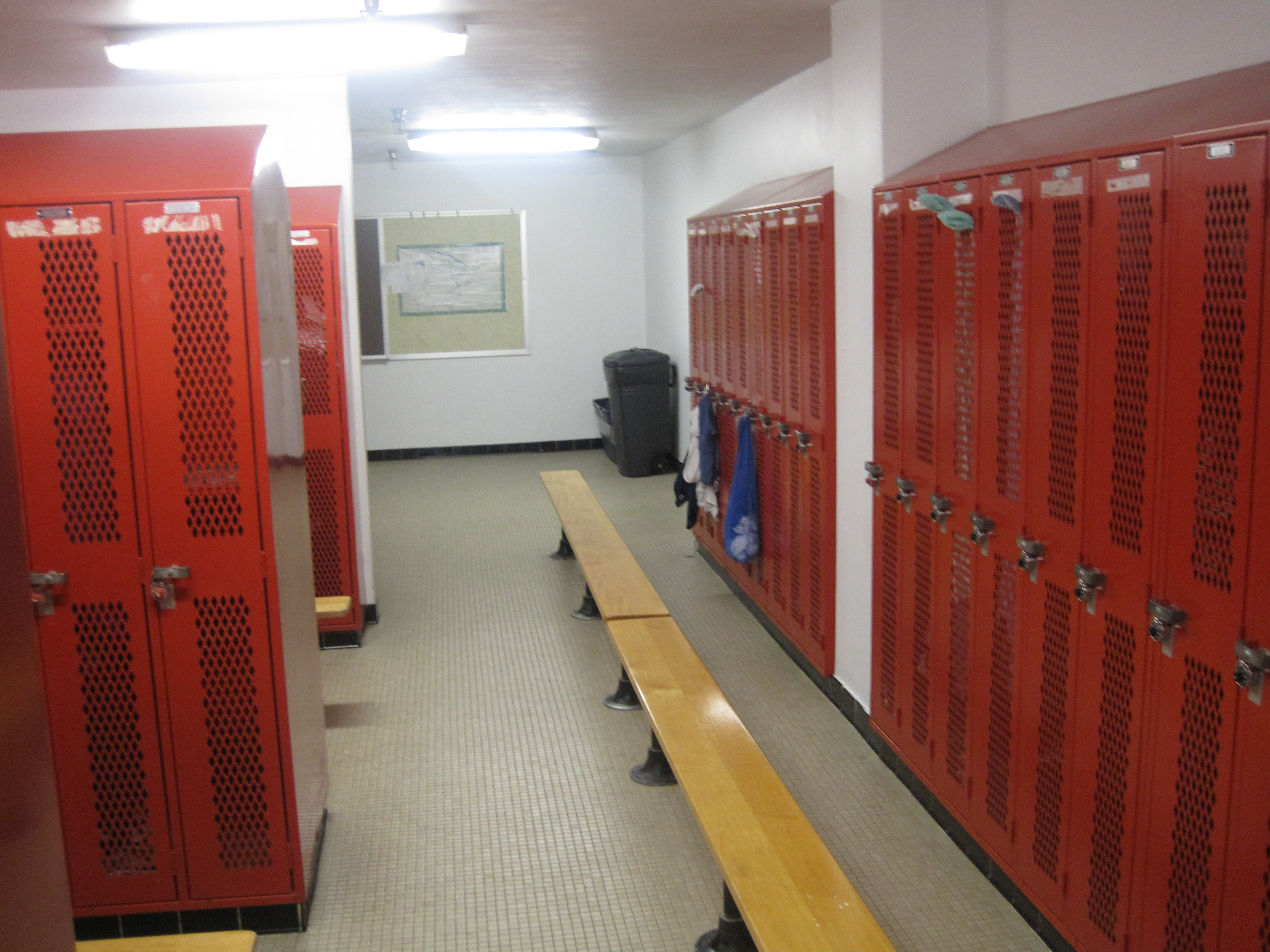
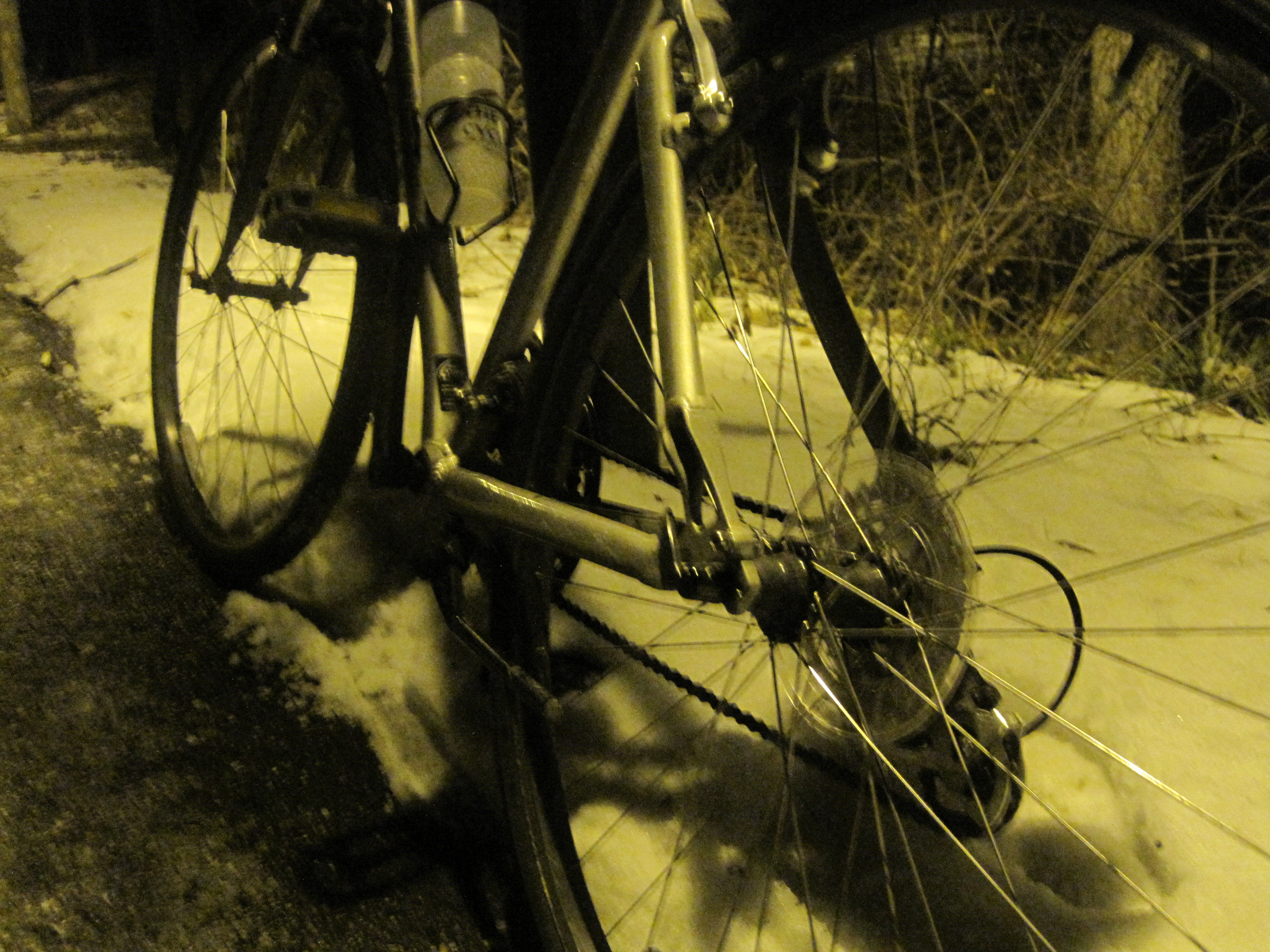
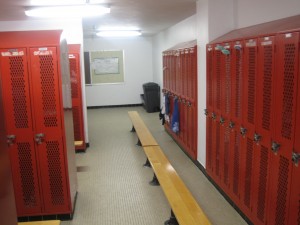
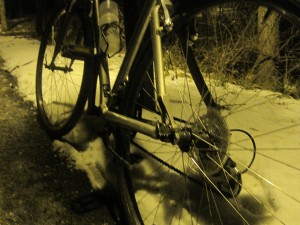 One of the very first things Papa Rudy told me the first day he gave me his bike to take home was this: “Never ever forget to lock the bicycle up whenever you’re outside, cos they’re gonna steal it. That’s why I’ve given you a lock with it.” He spoke in earnest and I did not doubt his conviction for a second that the bike would be stolen if I ever left it outside the house without fastening it properly with a solid lock. The second time I heard this kind of talk was from Holly Ruff, my friend the artist. It was Halloween night. According to her, all the times her bicycles had been stolen, it has always been on Halloween nights, and not always because she didn’t lock them properly. People always seemed bolder on that prank night that they get away, it seems, with anything. For that, she had warned me sternly to not think about coming out of the house with my bicycle – lock or no luck – for that one night. Last week when Mafoya and I went to the swimming pool with Ben, I went with a lock in my bag. But when we were putting our stuff in the available lockers in the gymnasium locker room, Ben looked at me calmly and said, “You don’t have to worry about that. Nobody’ll mess with your shit,” and I sighed, then smiled. My “shit” included a passport, an iPod, my wallet and cards, my camera and some cash, so I shrugged and locked it firmly away anyway. It felt better to be safe than sorry, but we both came back to find our things still intact. I remember having lost my bike helmet on campus more than two times since August. I always found it at the same spot where I left it, untouched. It might be safe to say that this campus environment is generally a safe one for personal items.
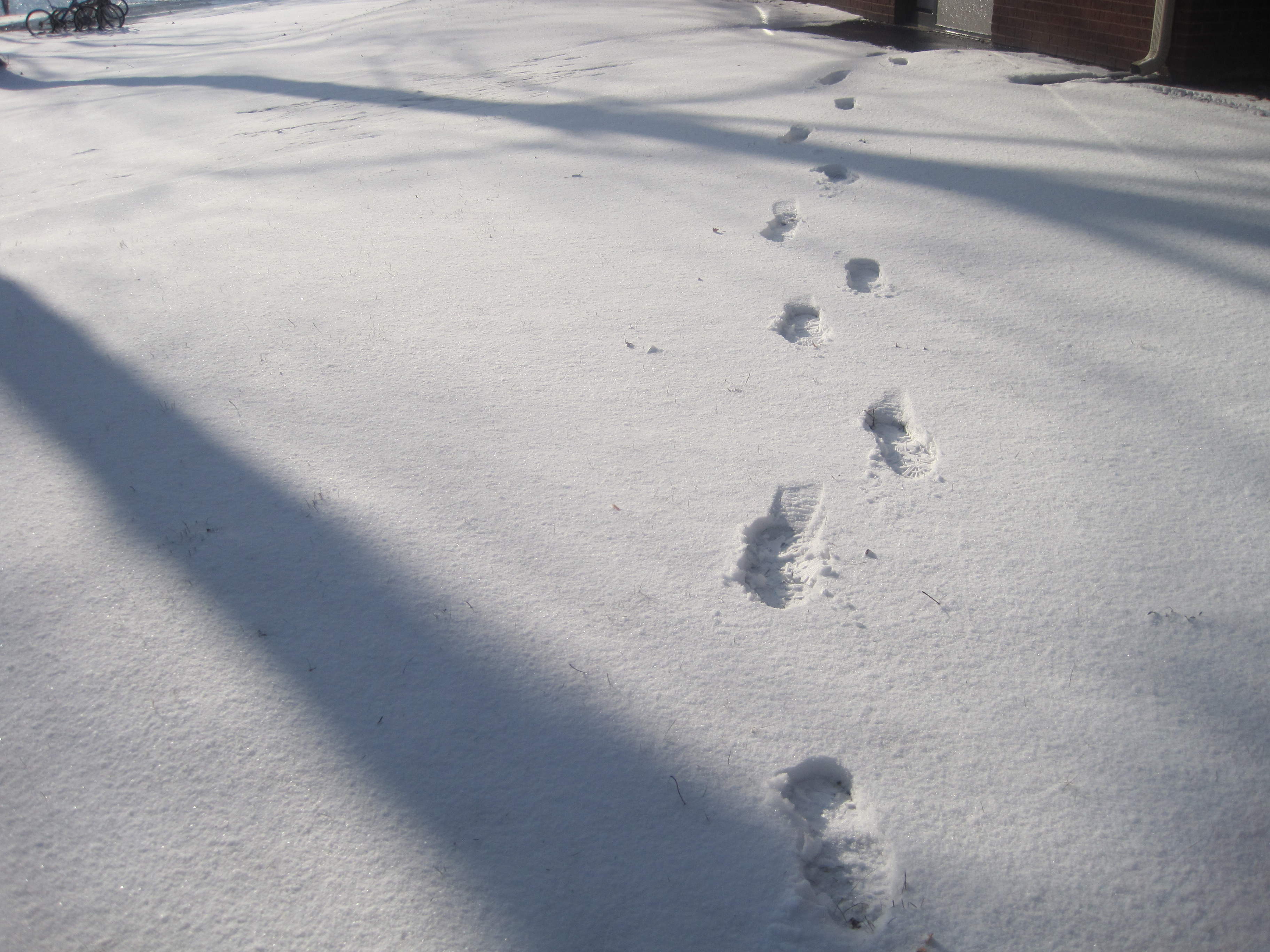
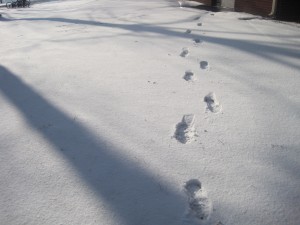 The last time it snowed here, I had gone out for a walk behind my apartment when I noticed a mobile phone in the snow around a series of small footsteps that went out towards the parking lot. Nobody else in sight, and the phone wasting away in the snow, I picked it up and took it into my apartment. Later in the evening, I told Mafoya about it, and we both waited for the owner to show up. He did about seven days later while I was out, and was very grateful that someone had kept his mobile phone for him even though he had no idea where he had lost it. He was a teenager or so. Now, I wonder whether, like me at the sight of my earphones lying there on the table, he was impressed that nobody had taken the item and made it theirs. Perhaps he was relieved, and grateful, that it didn’t take him too long to locate his property after countless calls to the number and no one answering. (I’d left it in the living room and I always missed the calls, not deliberately.) Or perhaps he took it for granted as a contented citizen, believer in the power of good: “Nobody needs another person’s phone anyway. This is America. Everyone has their own mobile phones…”
I would never know, because I never met him.

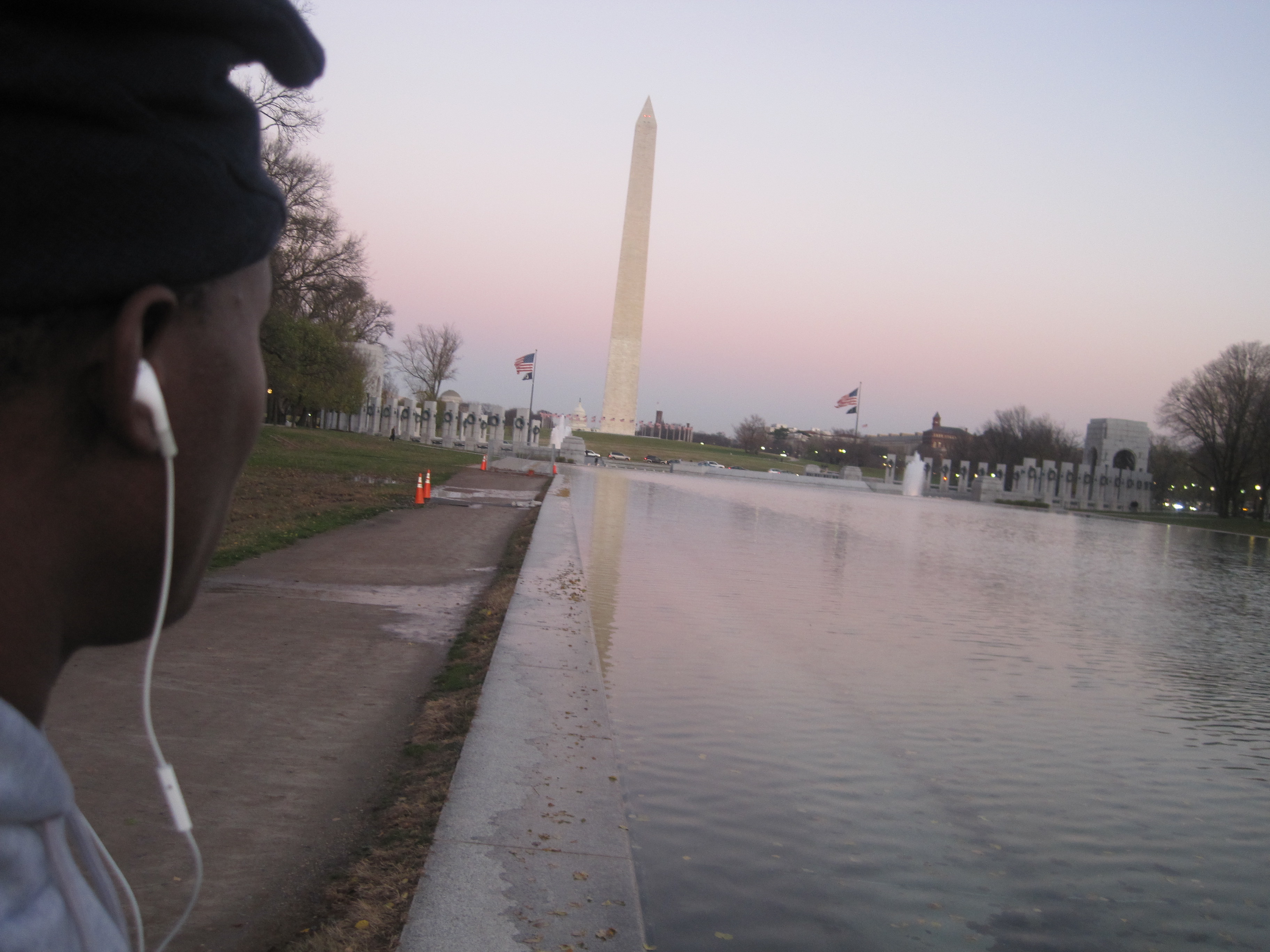
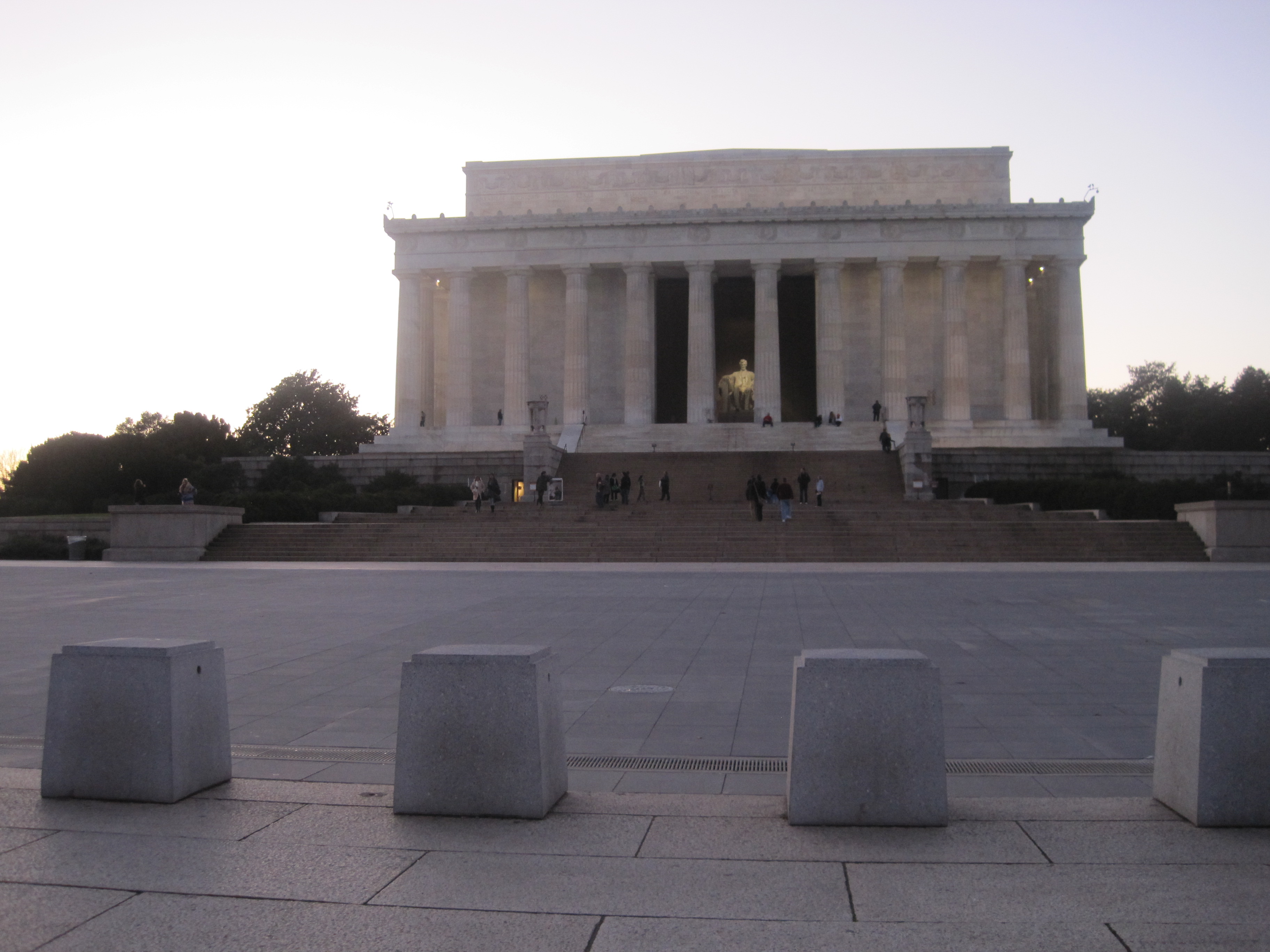


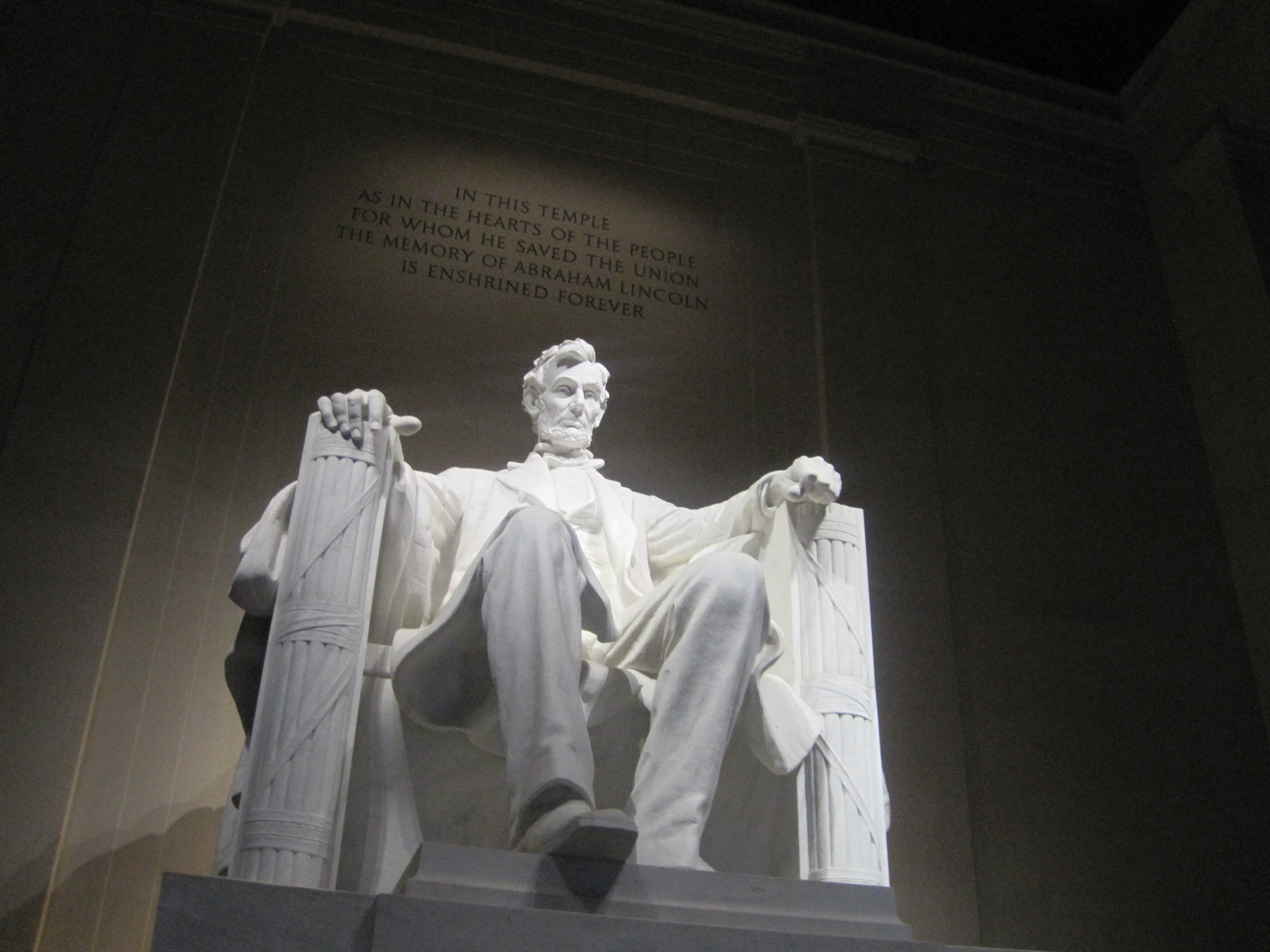
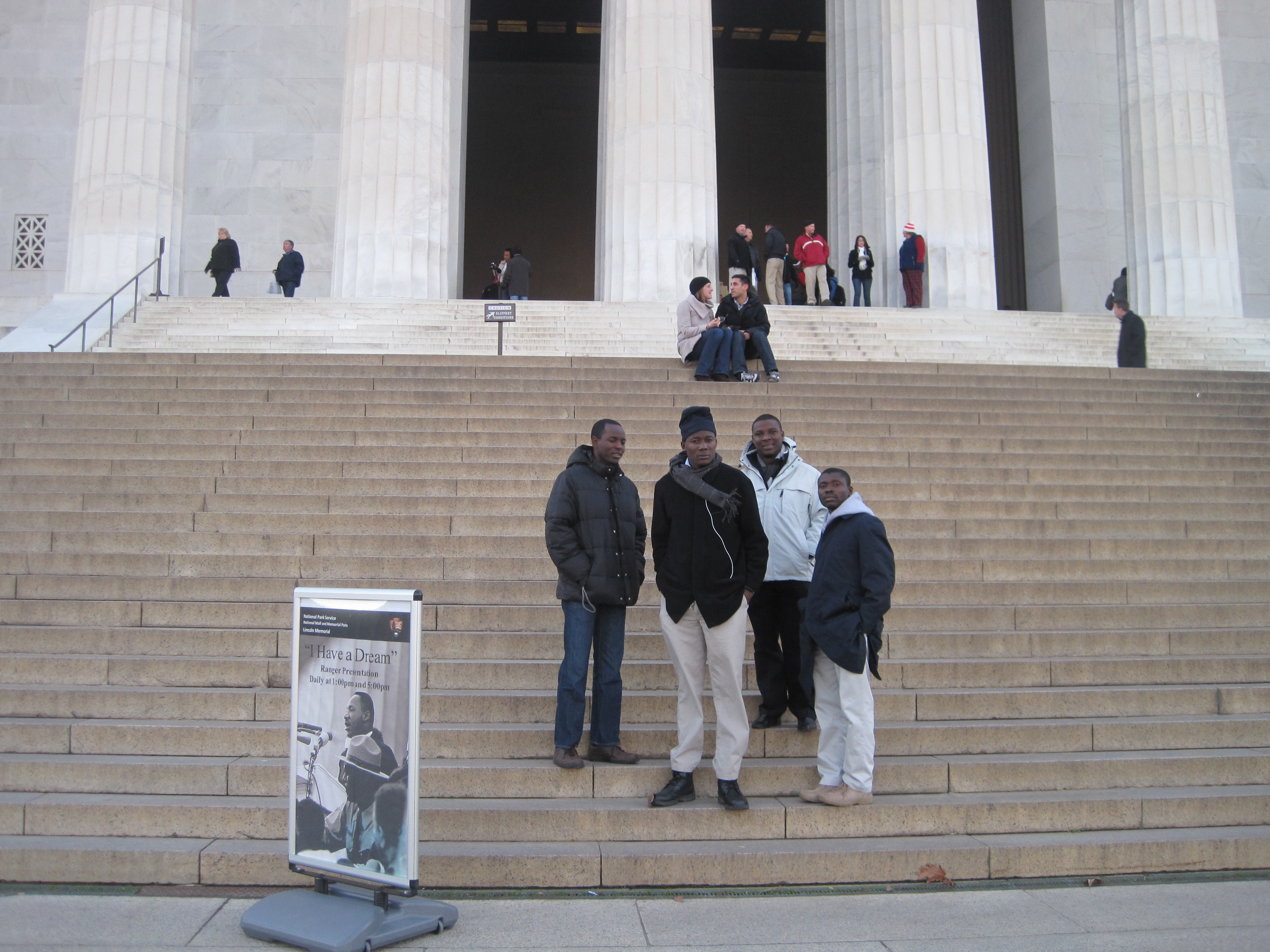
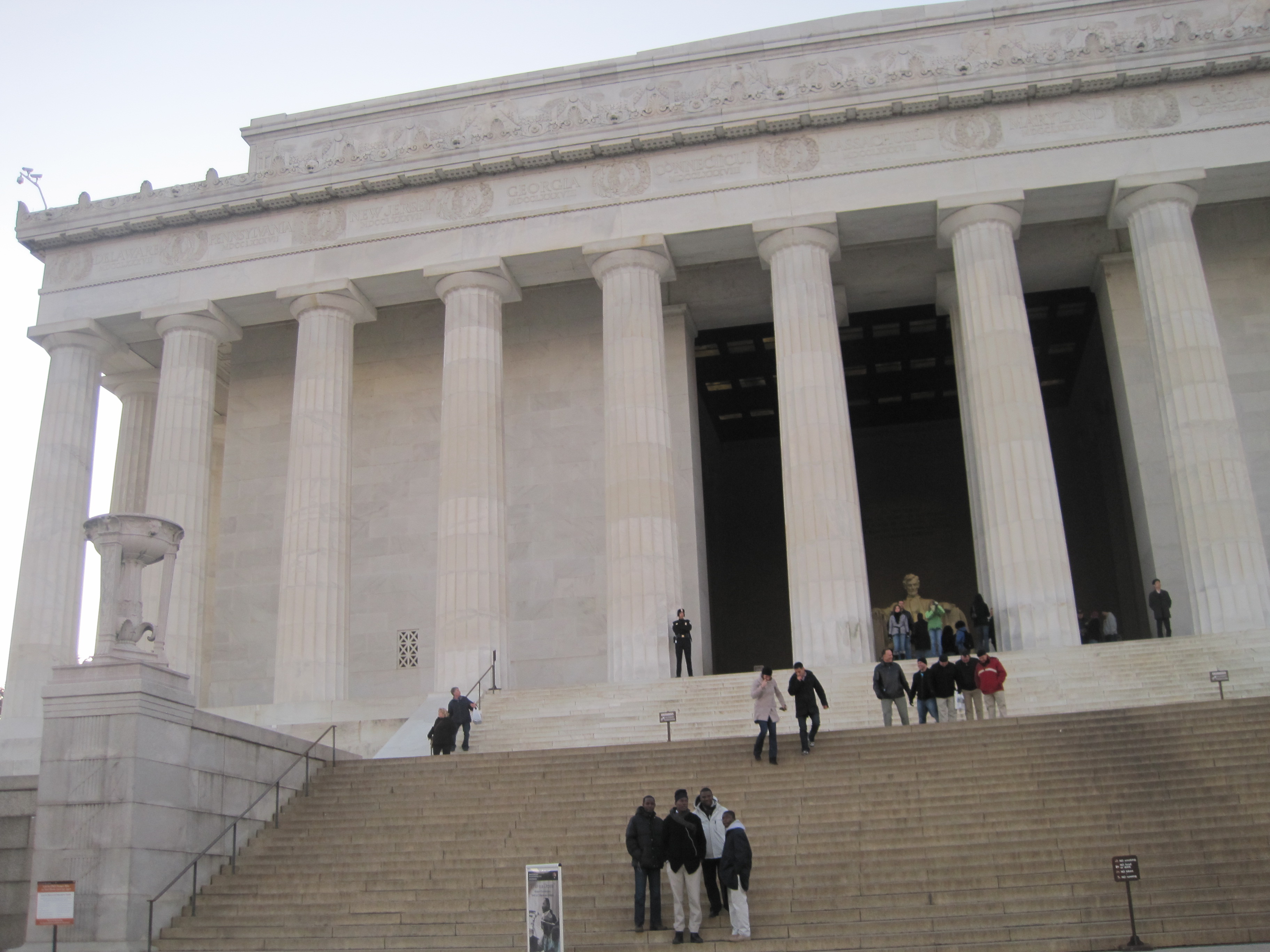 Today is Dr. Martin Luther King Jnr Holiday in all the states of the US. It is a public holiday so school is closed. I don’t know if I like holidays a lot, but I can’t complain that I have got a chance to rest in preparation for work on Wednesday.