Browsing the archives for the Observations category.

Through Crocetta

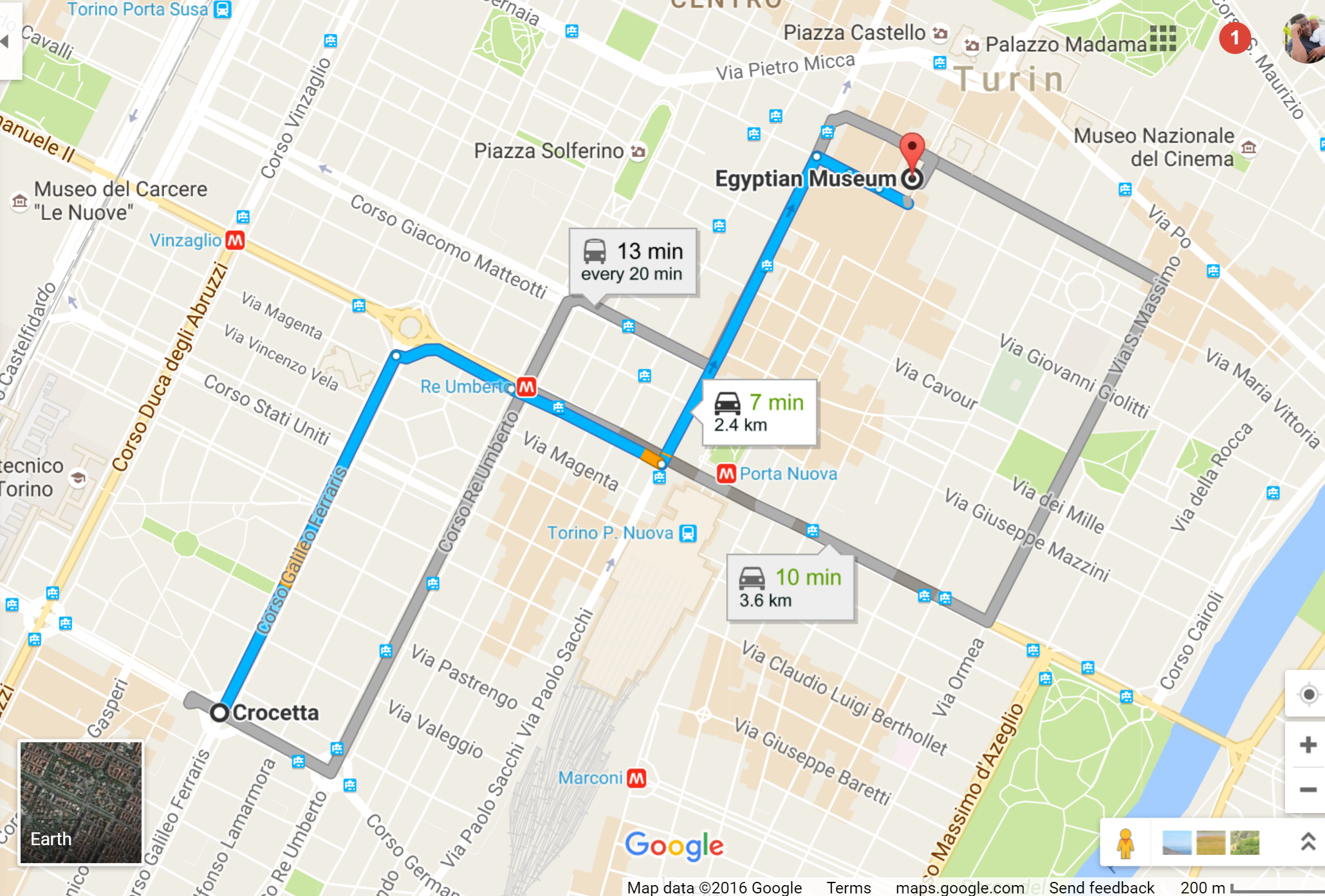
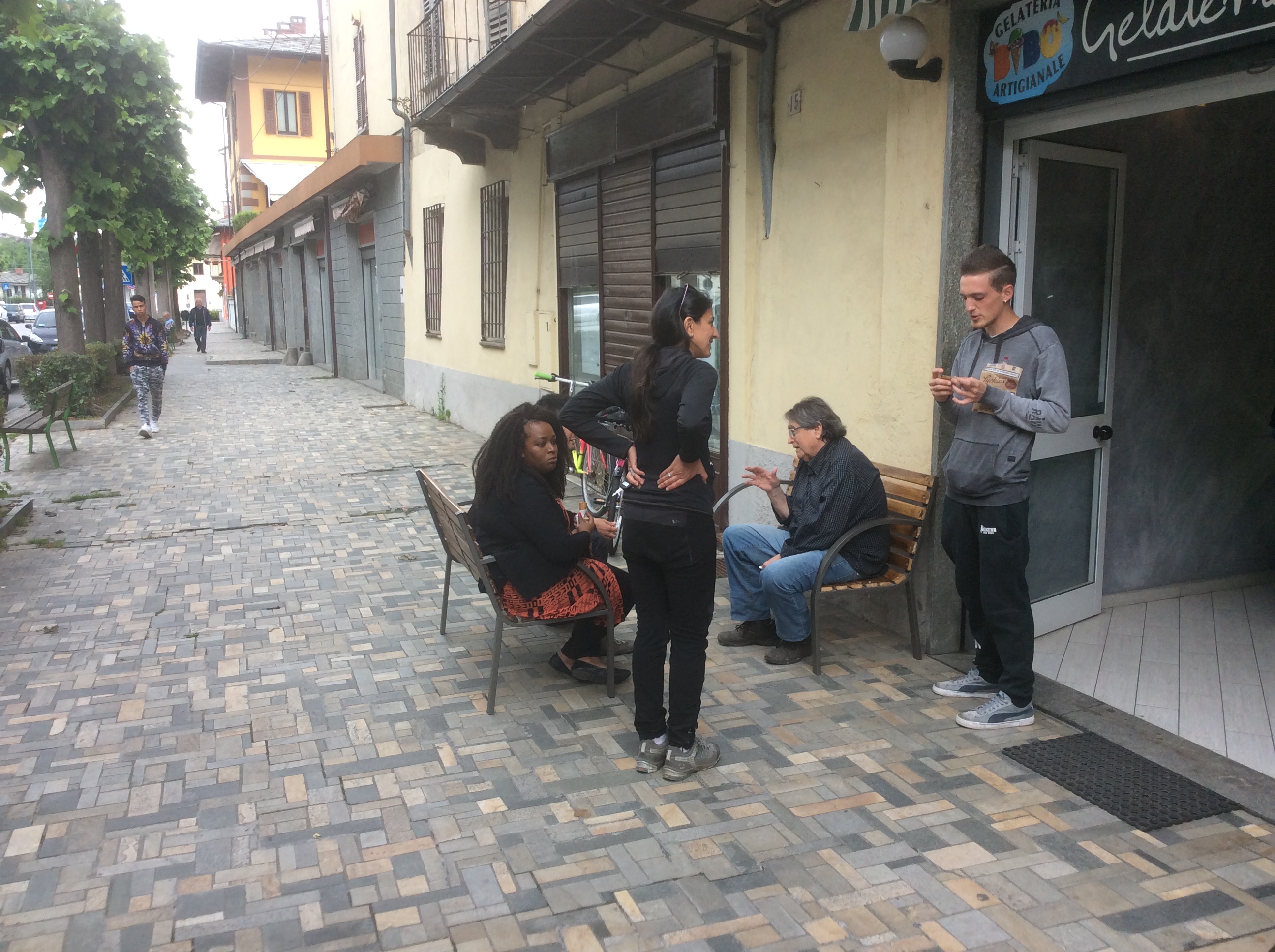
Getting to the Egyptian Museum from central Turin was supposed to be straightforward, but the mapping of someone else’s city always looks easy on paper. What we planned, the five of us cramped excitedly into a small car in pursuit of the mysteries of the Torino archaeological museum, was to get ourselves into the city center, disembark, and then take one of the numerous city trams towards the museum itself. Simple enough. In reality, when we landed at Crocetta – which isn’t the city centre as much, but just slightly south of it, a few of us needed cash from the ATM machine, some needed a smoke, all of us were hungry, and time was ticking. Two members of the group had a plane to catch in a few hours.

Screenshot (121)

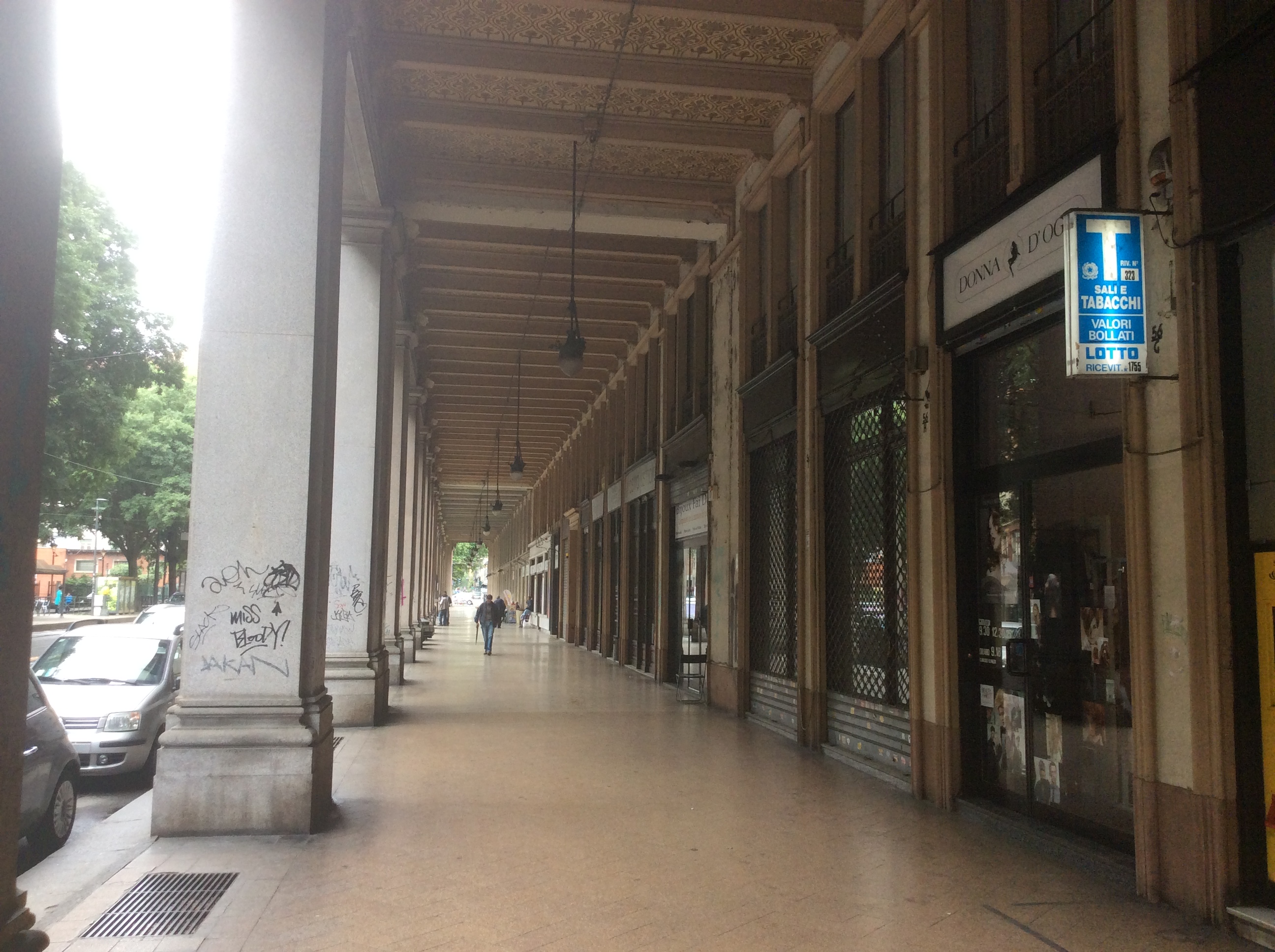
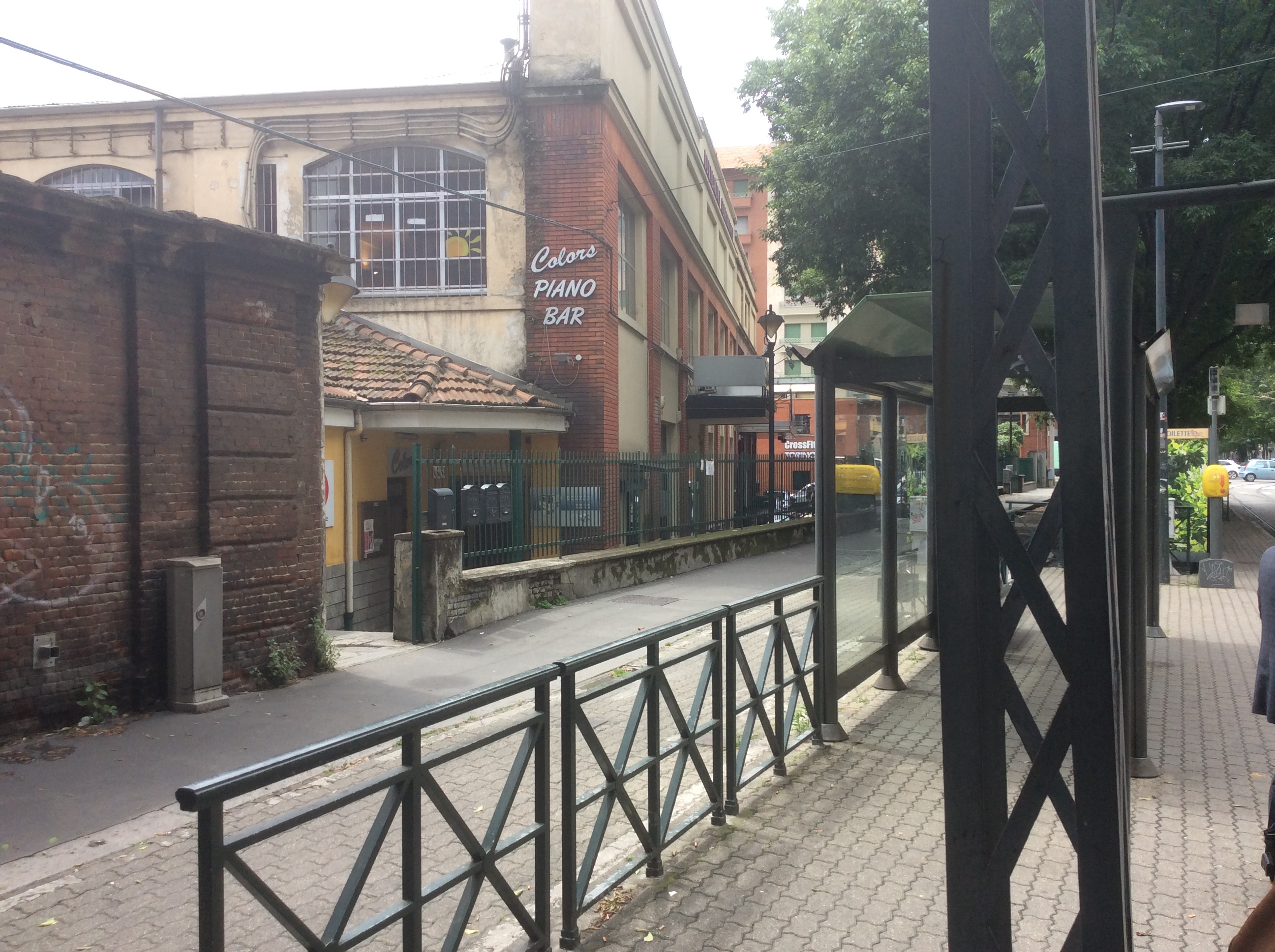
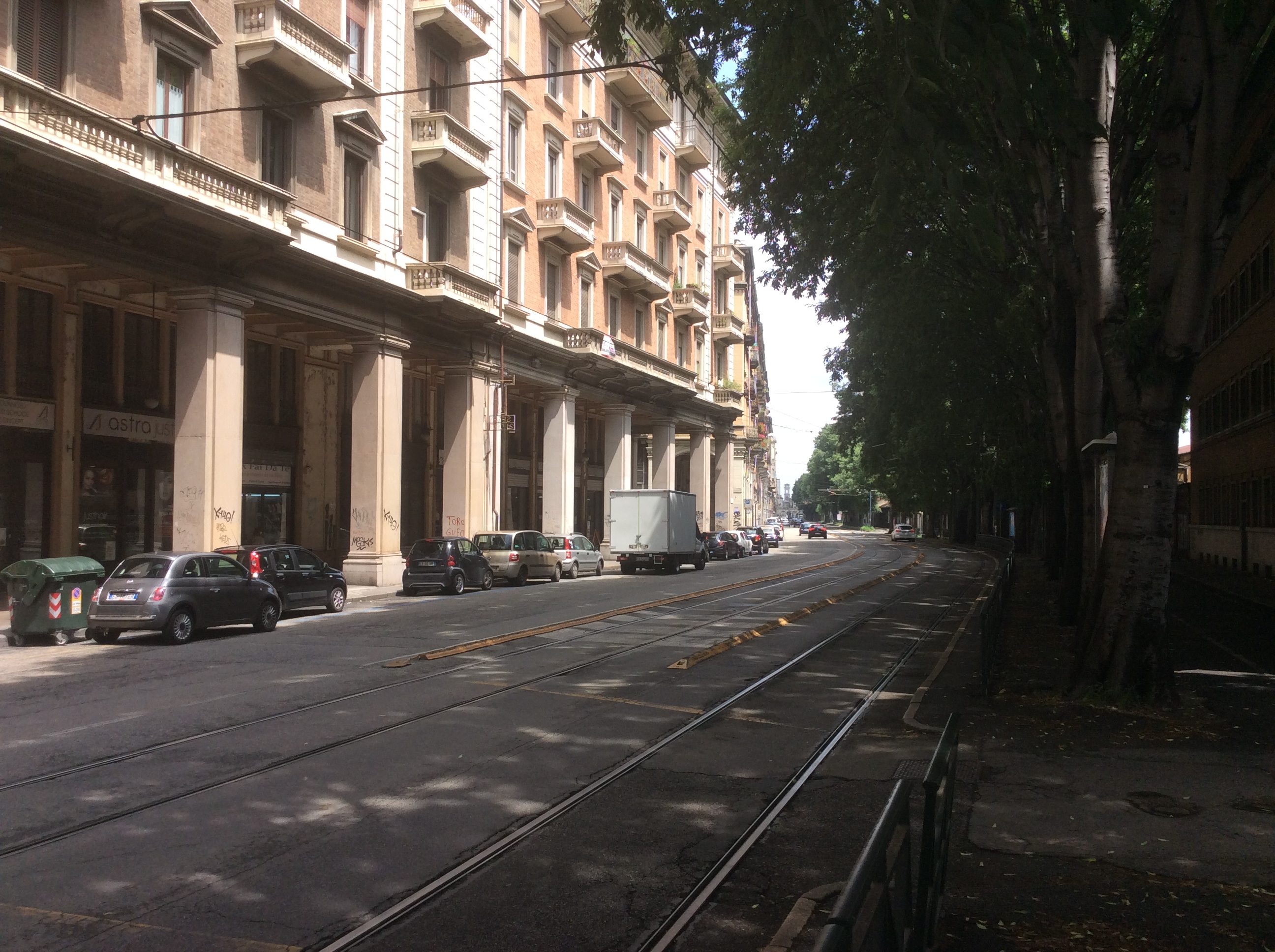
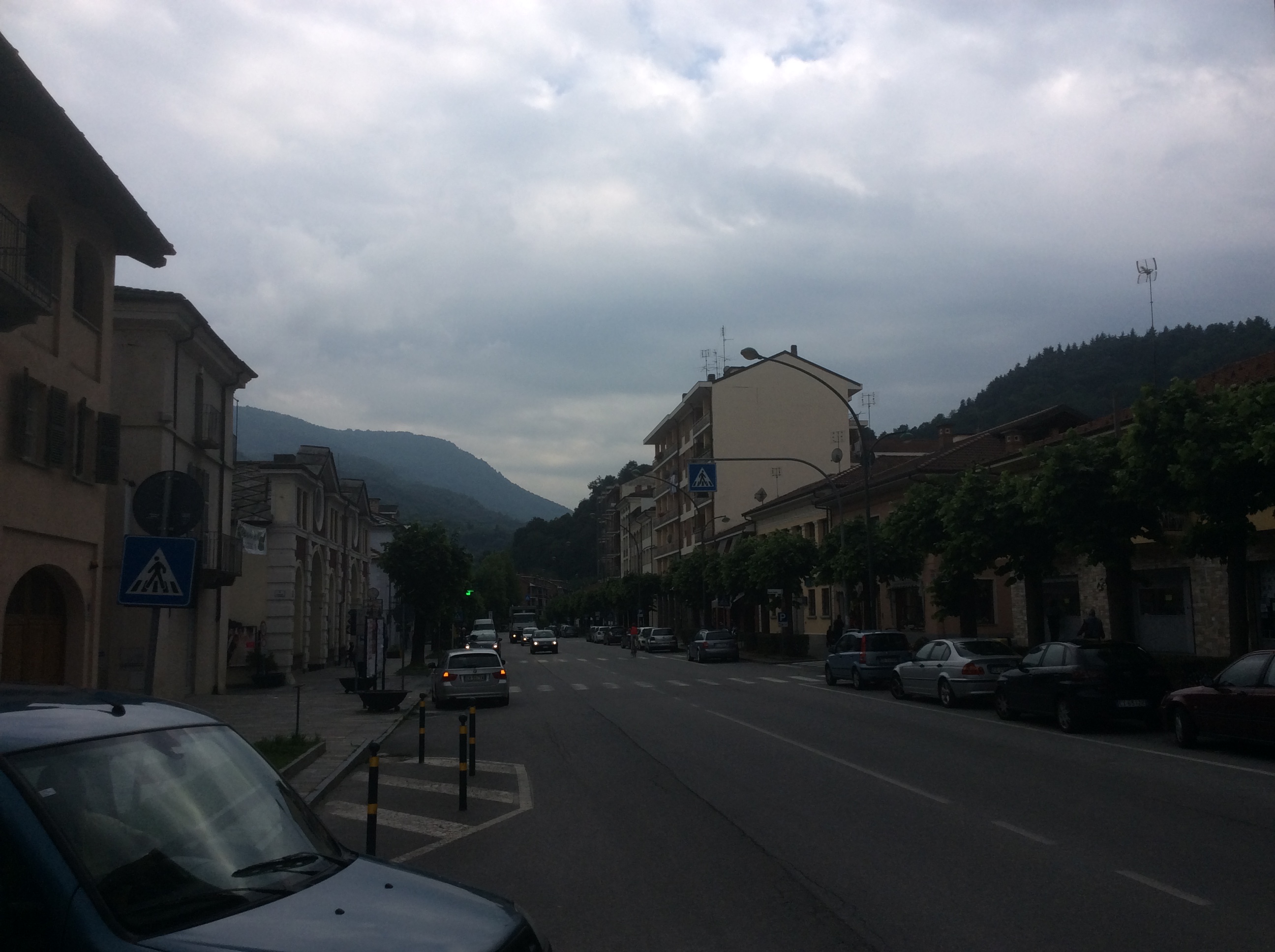
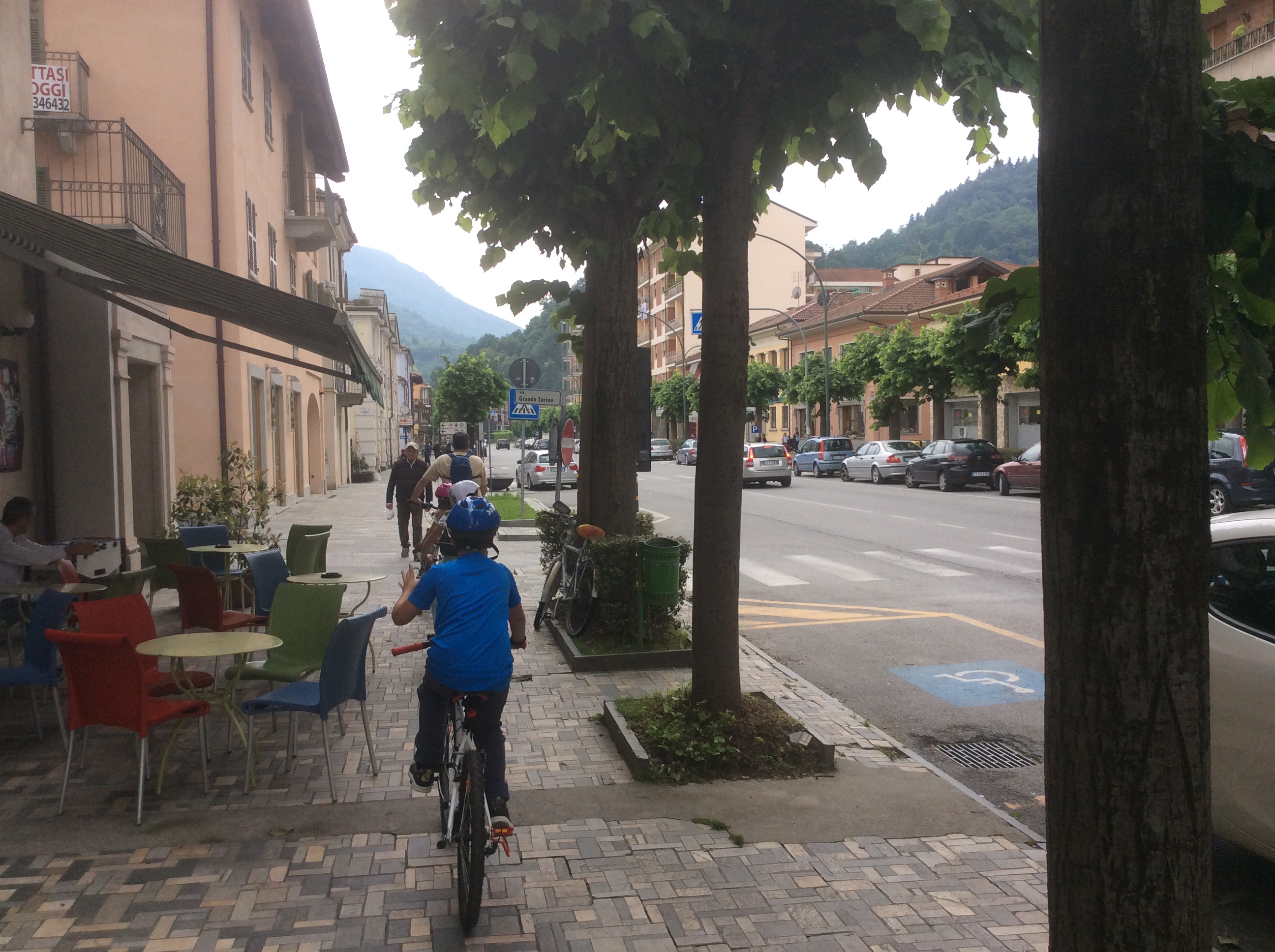
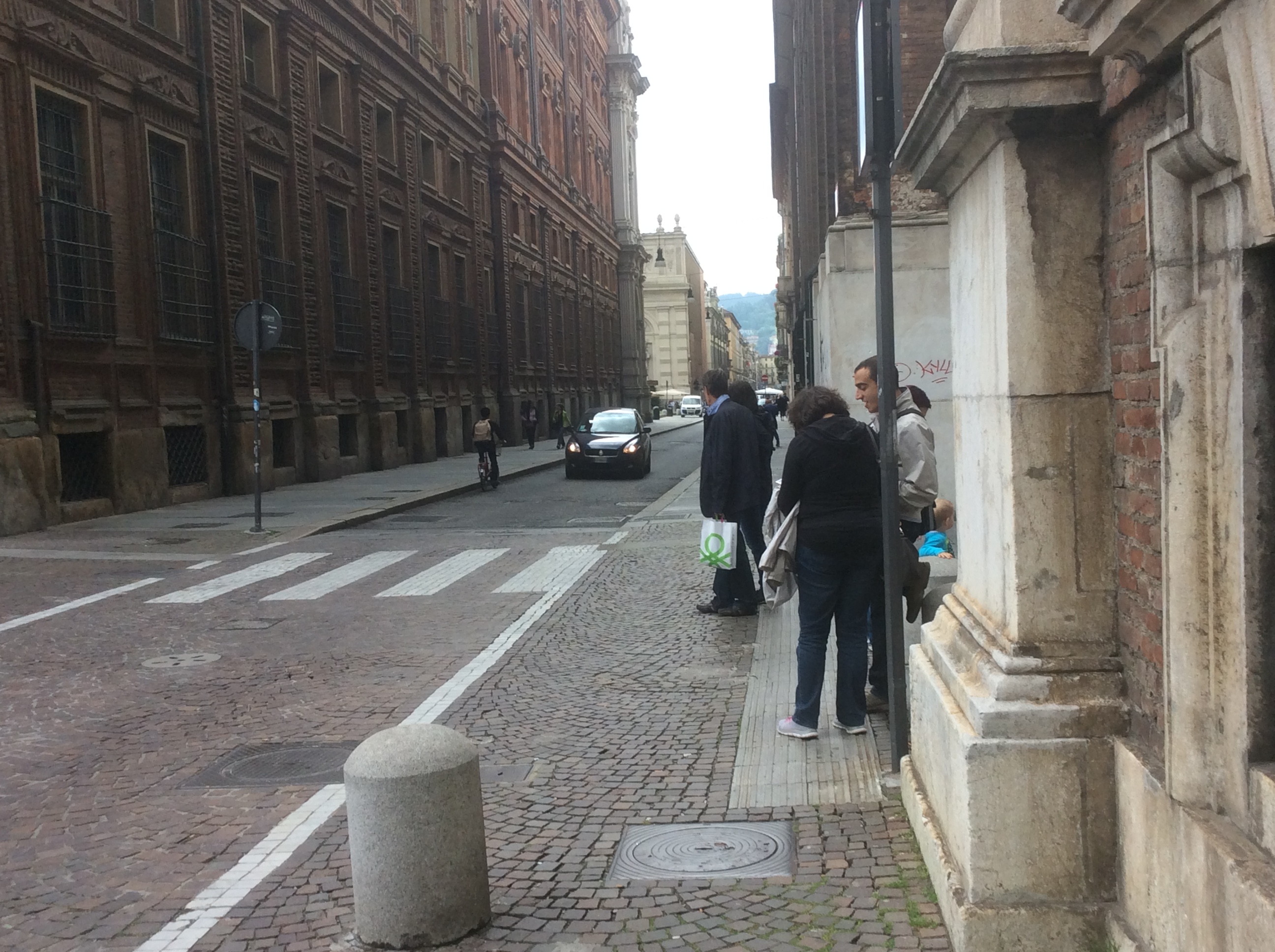
The first impression of Crocetta isn’t notable, perhaps because the town wears a garb of normalcy that seemed out of place for some reason. But reading later that it is one of the most prestigious neighbourhoods in Turin puts that atmosphere in context. One thing I remember is how tall the buildings were and how much they seemed to extend into each other, with long corridors that stretched as far as the eyes could see. I realised, eventually, that this isn’t a localised phenomenon but an Italian thing. Not just the buildings, by the way, but the roads too. Inspired by the military strategies of the Roman empire, most streets and buildings were built in such straight lines as to allow an observer to see as far ahead as possible from one location.

IMG_5667

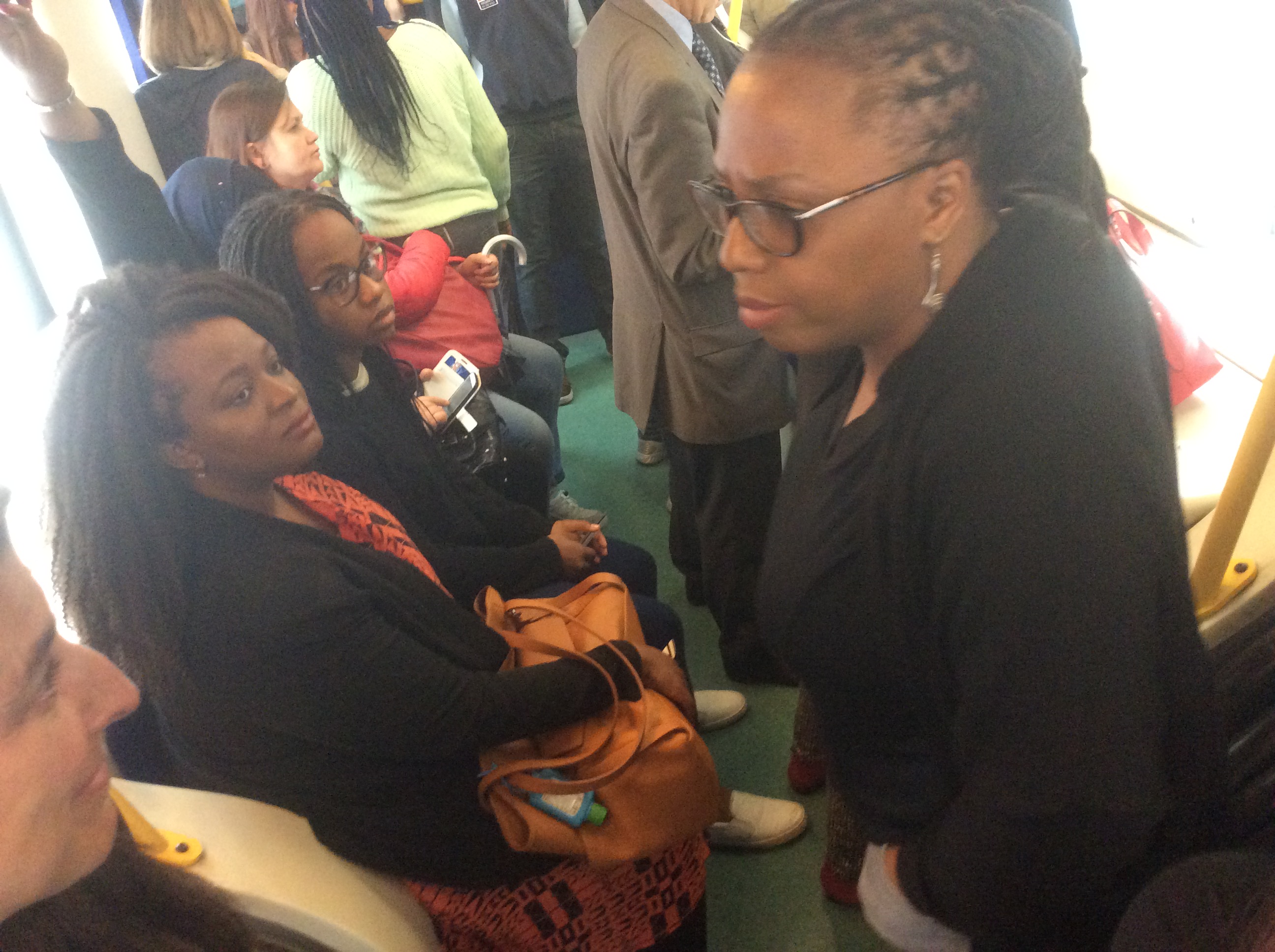
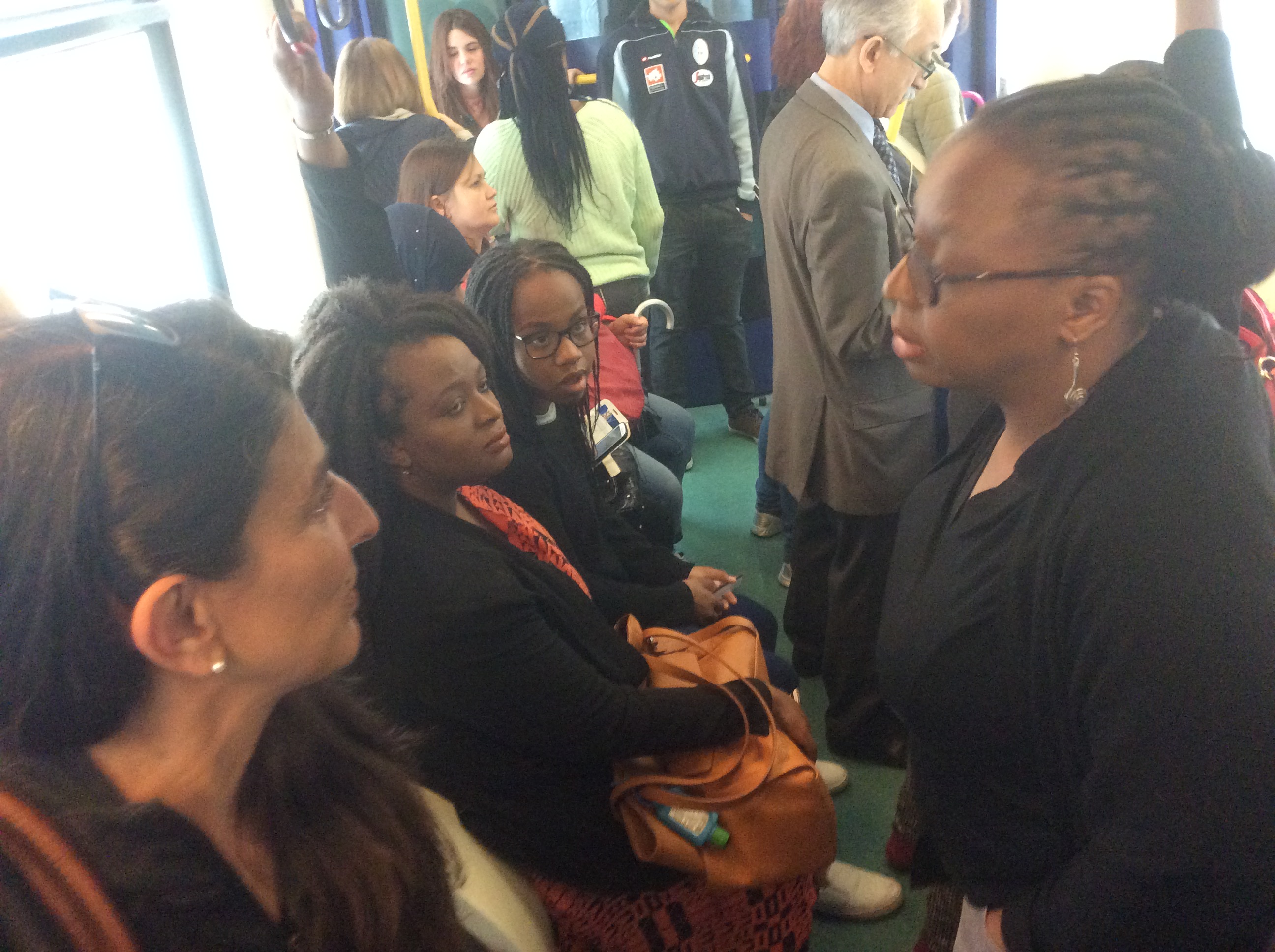
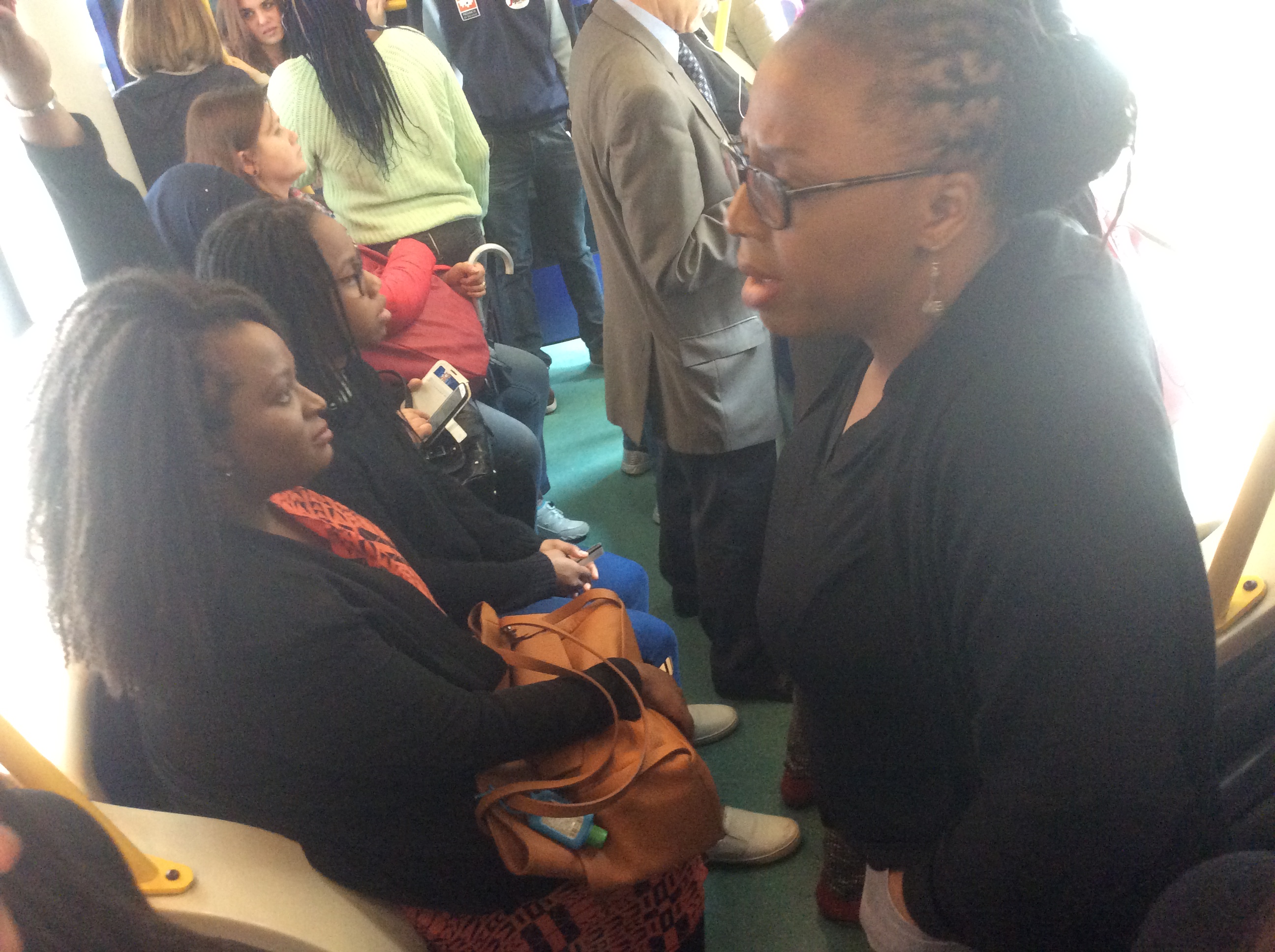
The ride to the museum was as bumpy as most tram rides are, and sufficiently contrastive with both the earlier ride in a private vehicle and a typical city commute in another familiar city many thousands of miles away. A recurring thought in the traveller’s head in moments like this is the extent of work that would be needed to modernise a city like Lagos to this level of infrastructural development. A tram, after all, is just a fancy name for a longer-than-usual bus that runs on a designated track and with electricity. A weightier matter on the mind was something of far greater significance that had happened just a few days prior: I’d lost my younger sister in Lagos to preventable maternal mortality and the Nigerian healthcare system. Every opportunity for interaction with things signifying of the continuation of life seemed satisfying enough even in their imperfection.

IMG_5673 IMG_5674 IMG_5672

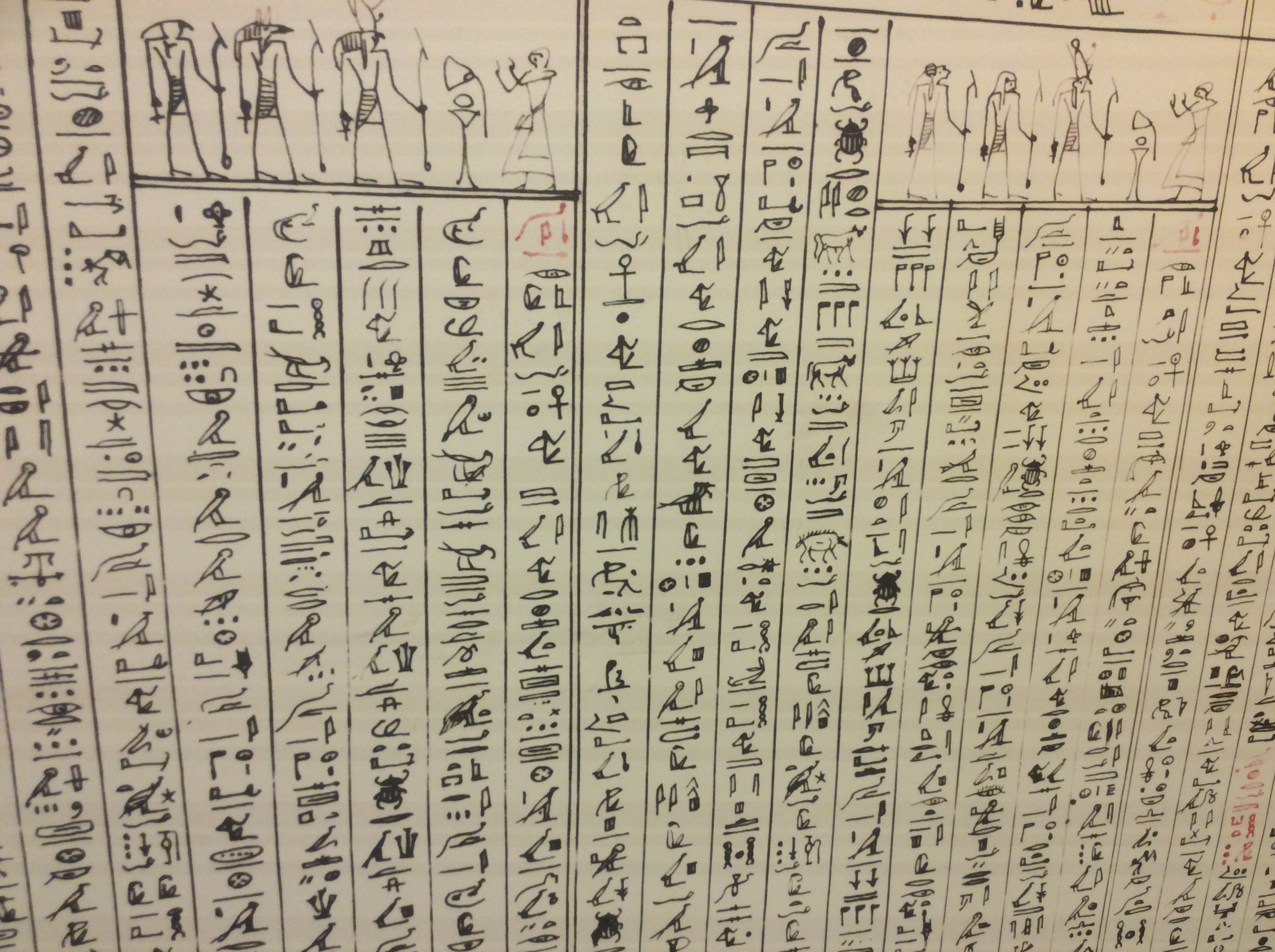
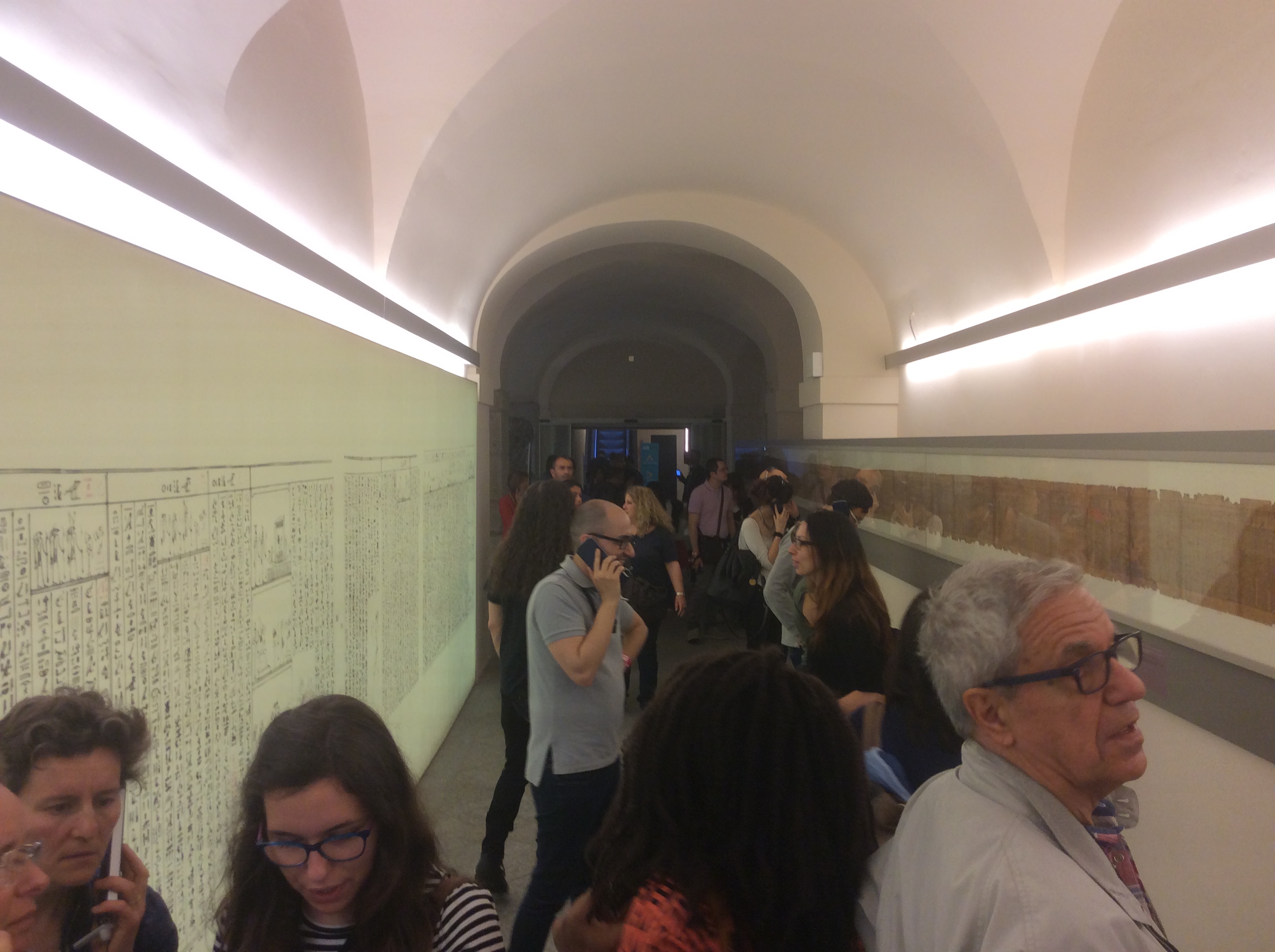
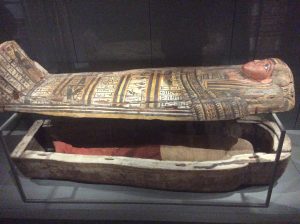
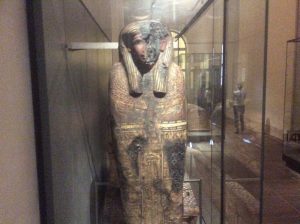
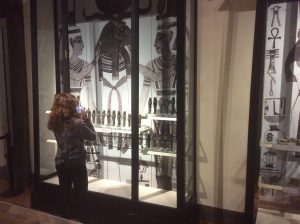
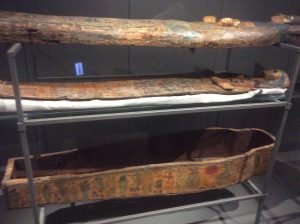
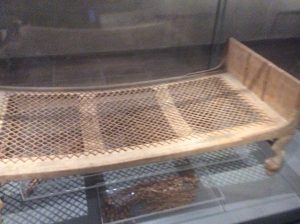
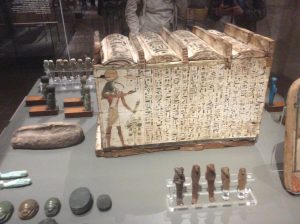
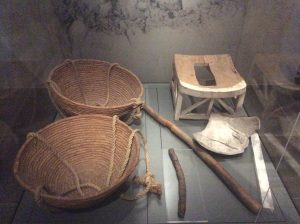
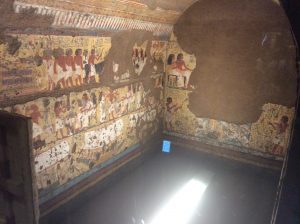
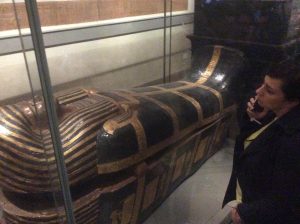
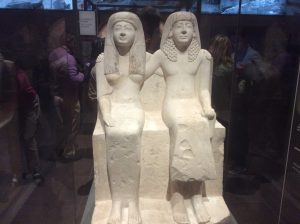
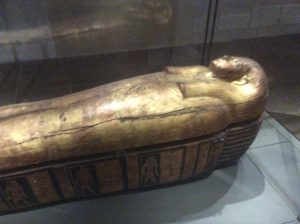
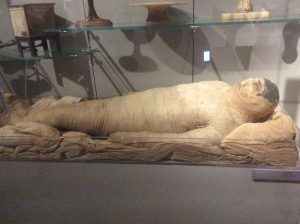
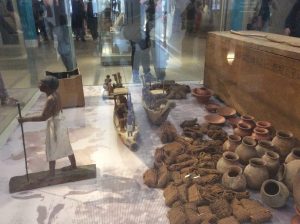
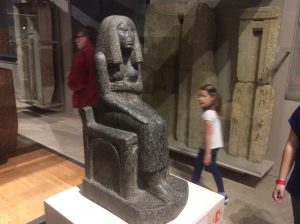
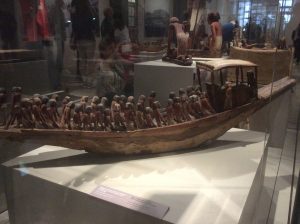
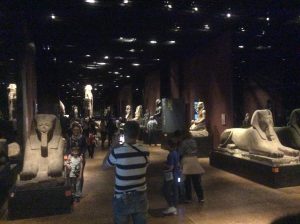
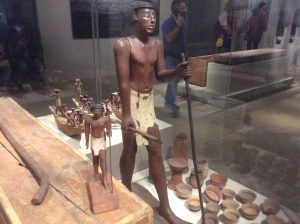
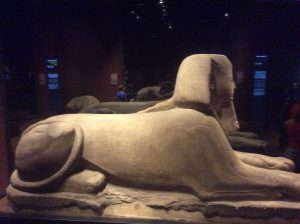
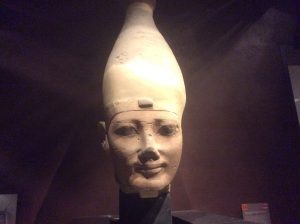
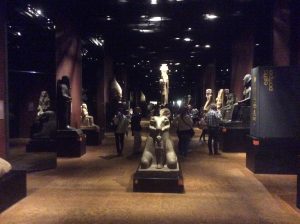
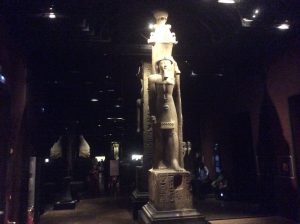
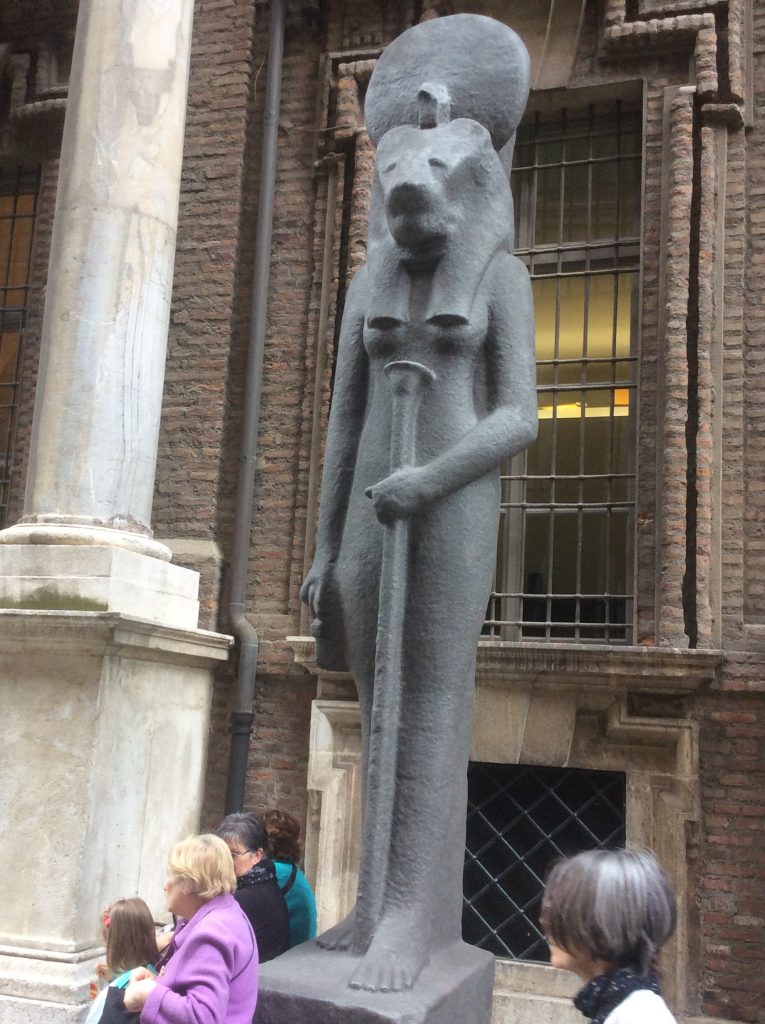
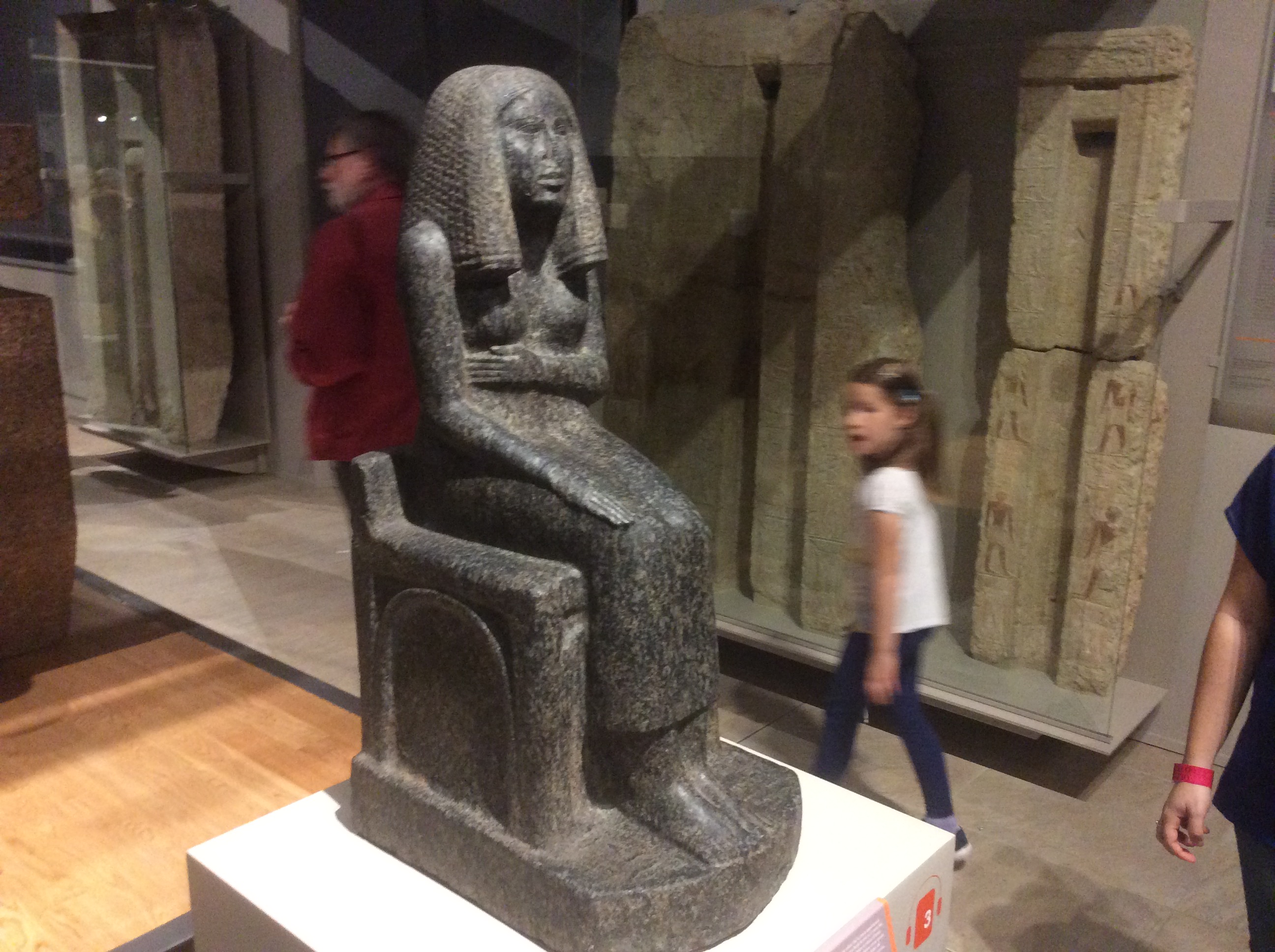
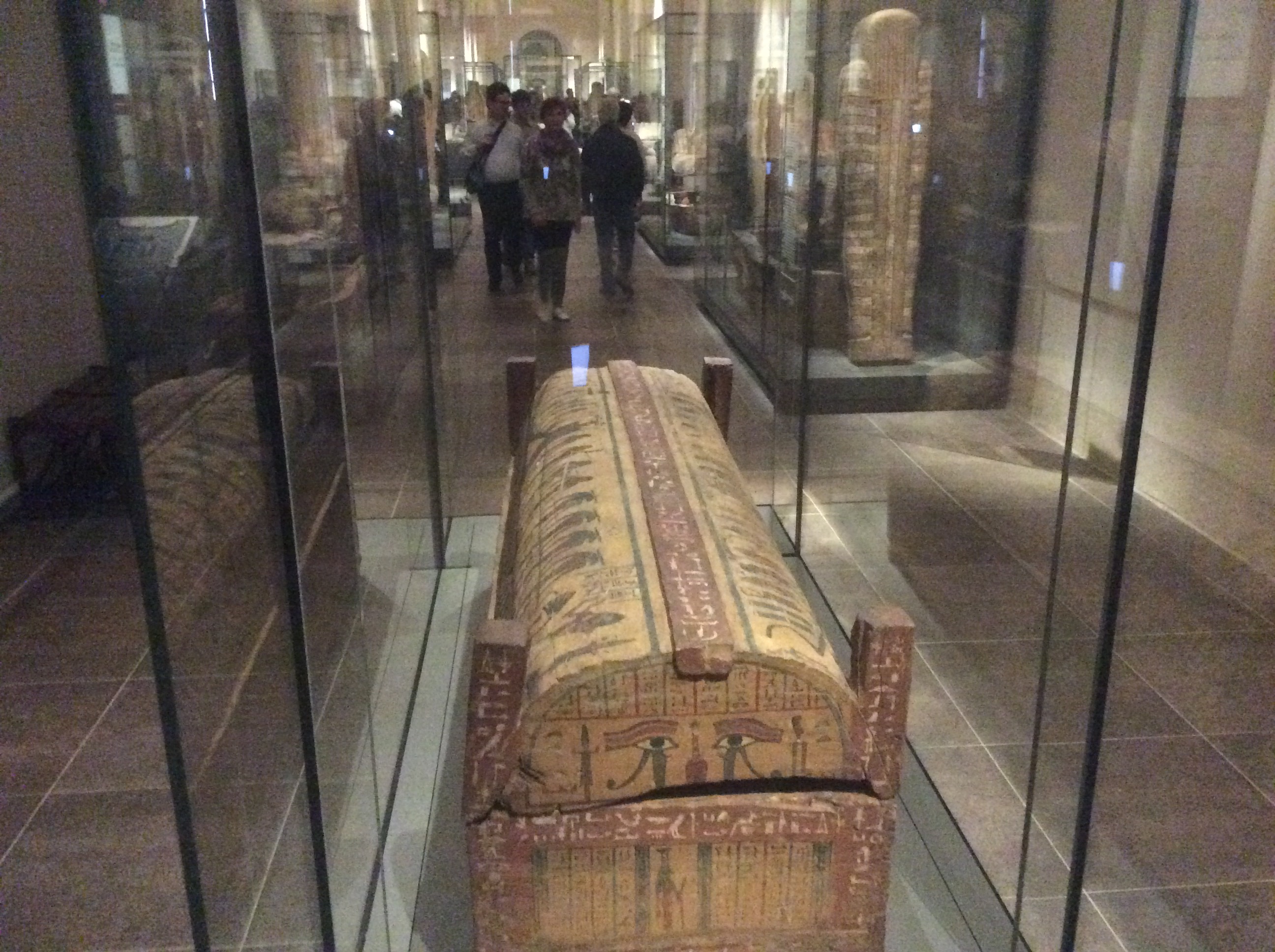
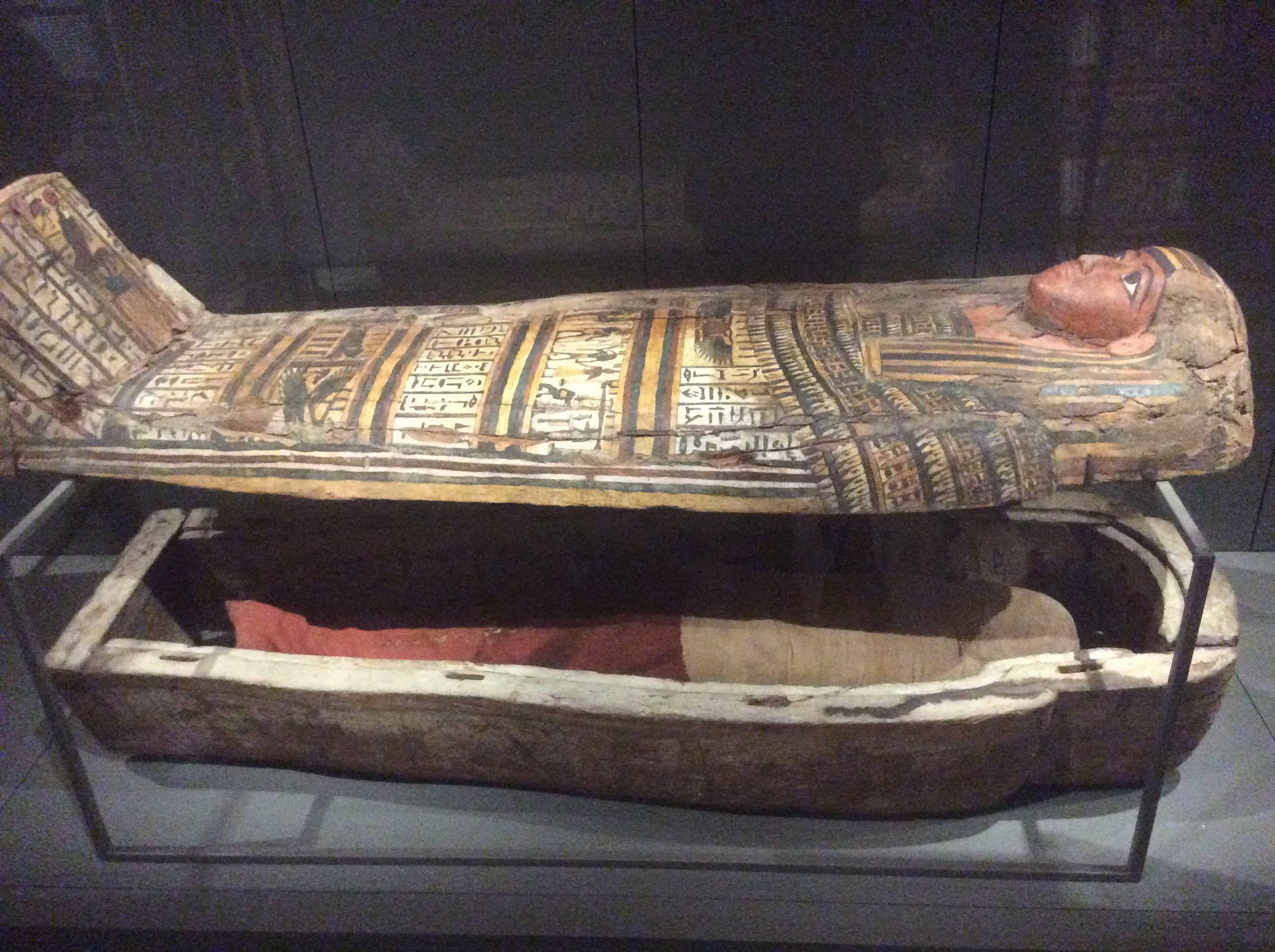
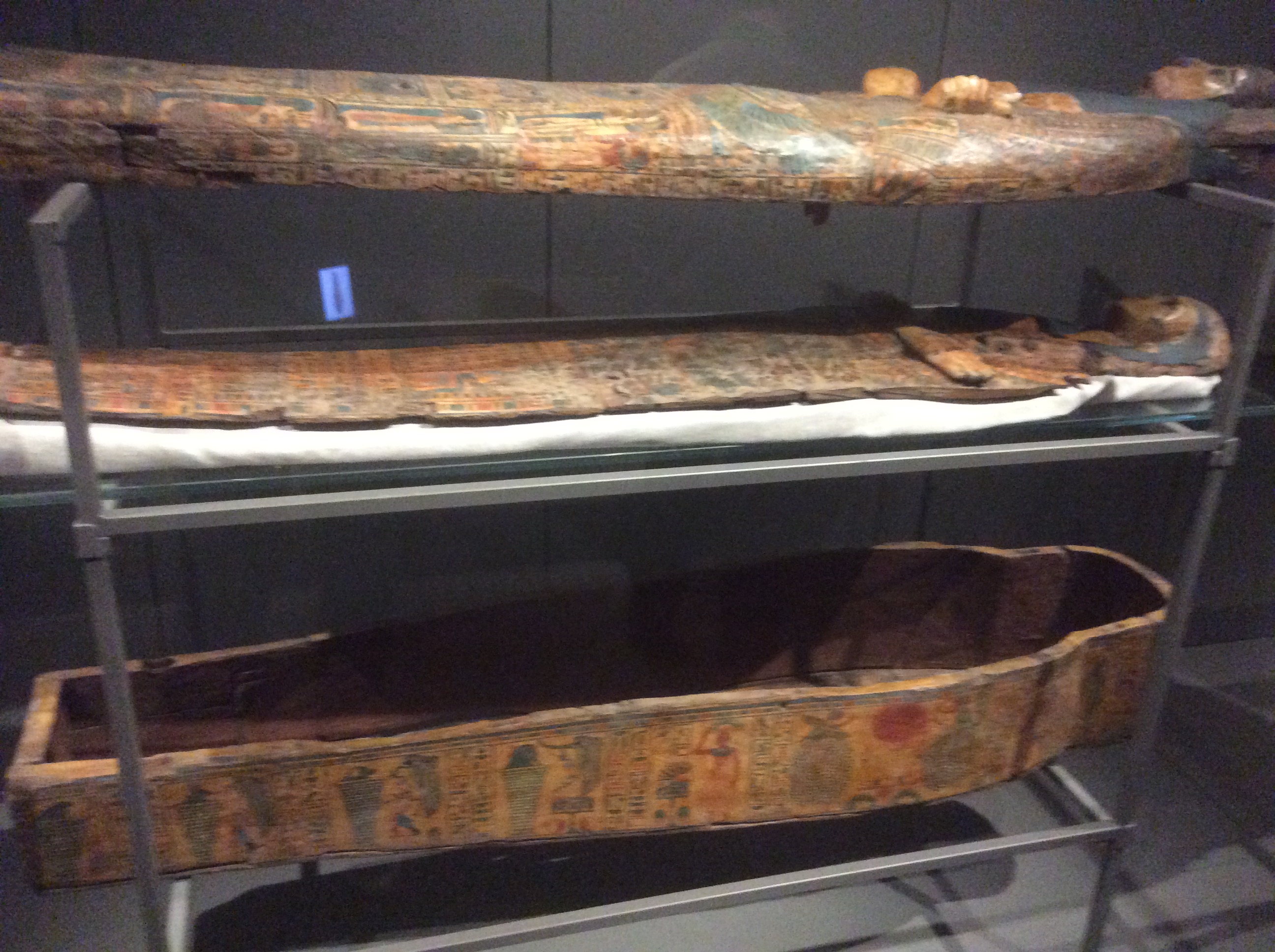
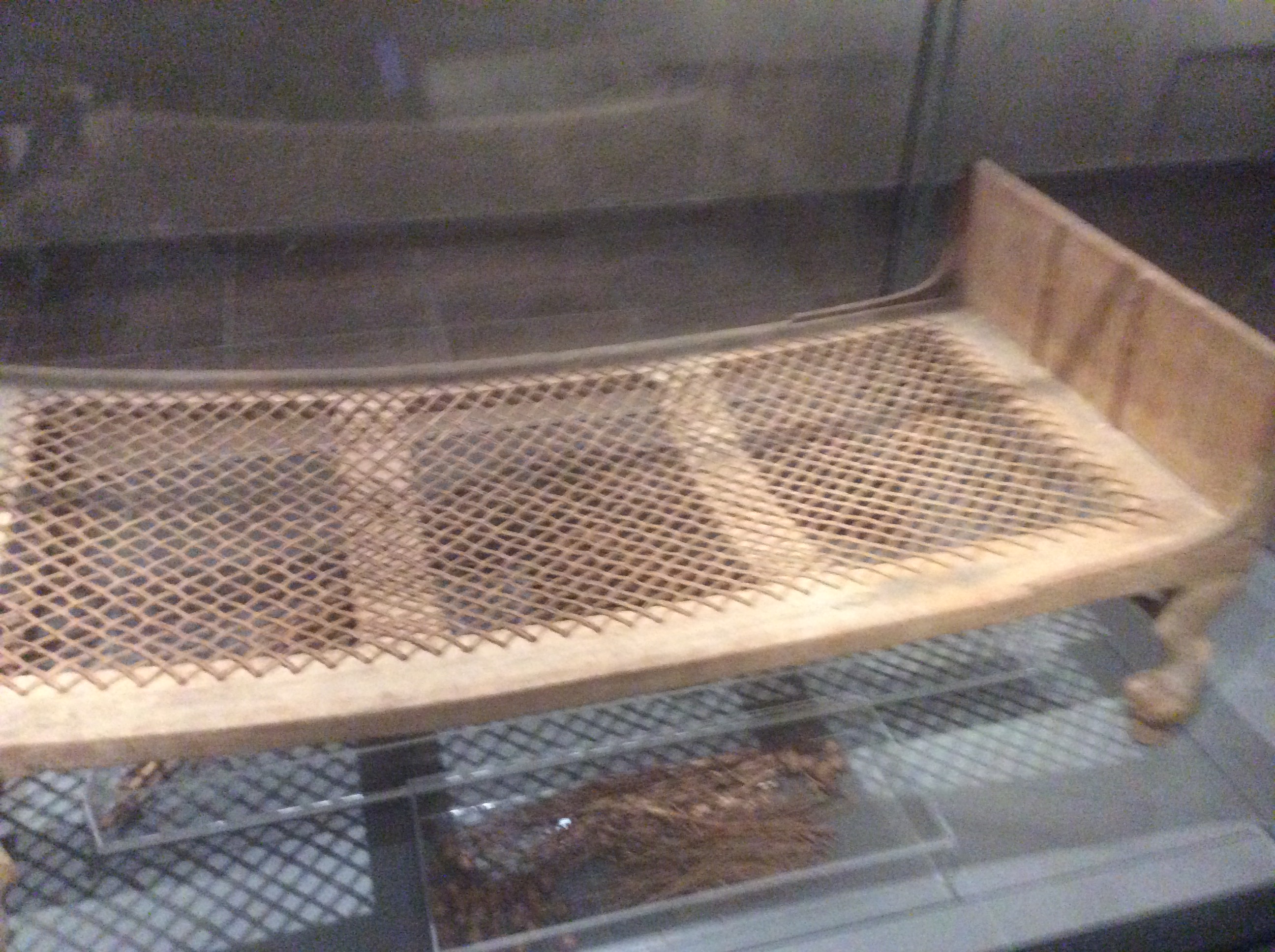
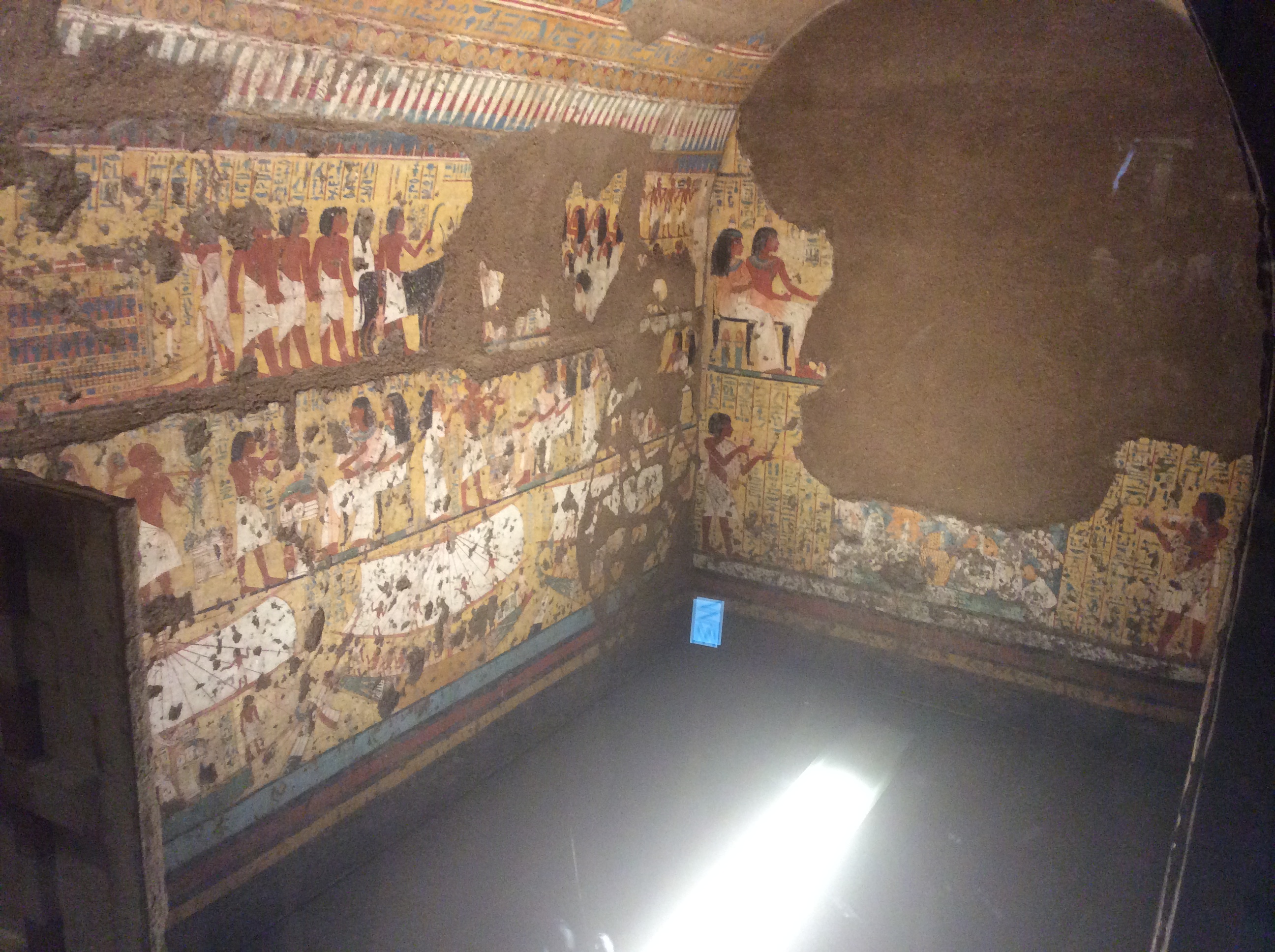
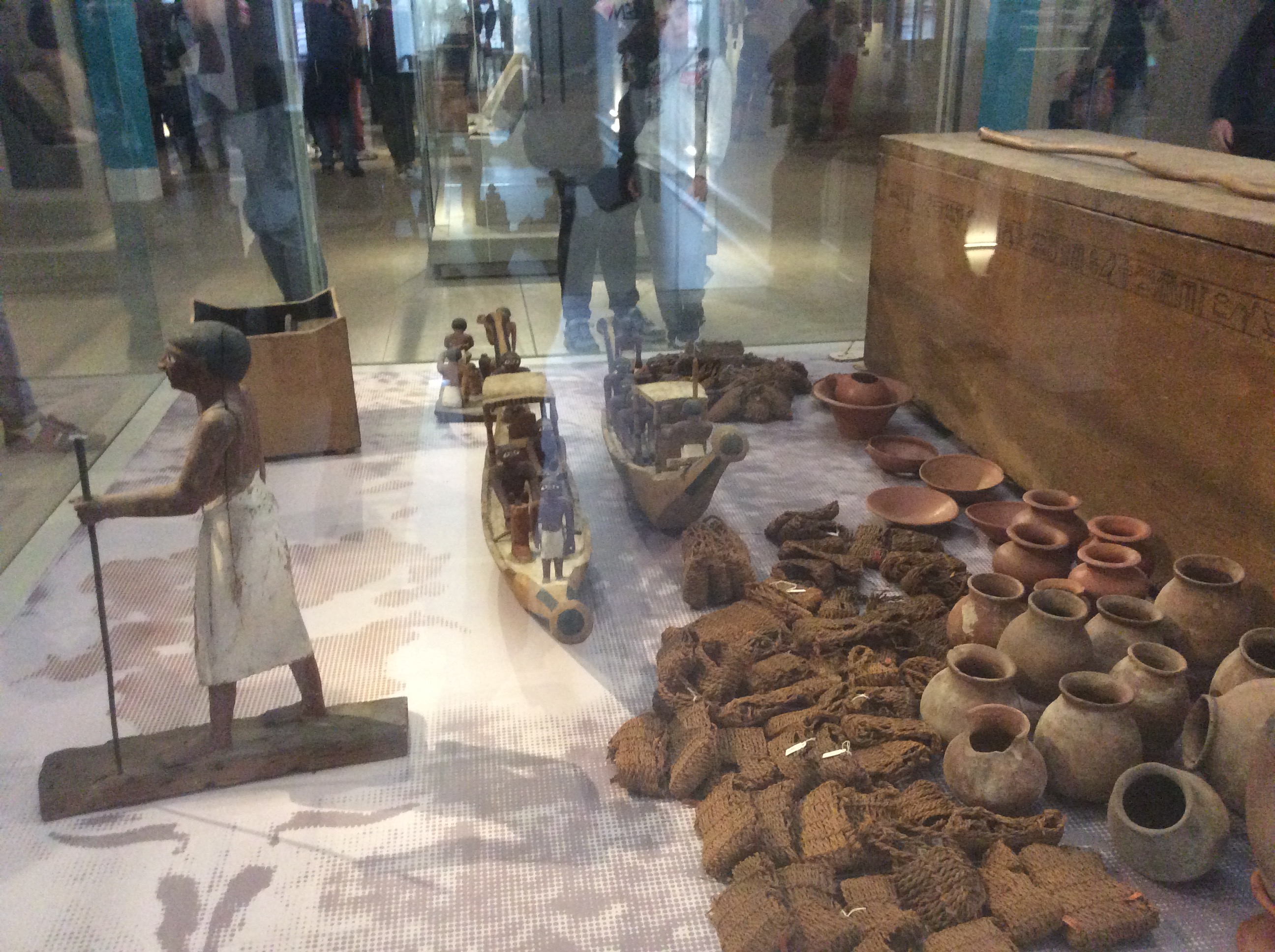
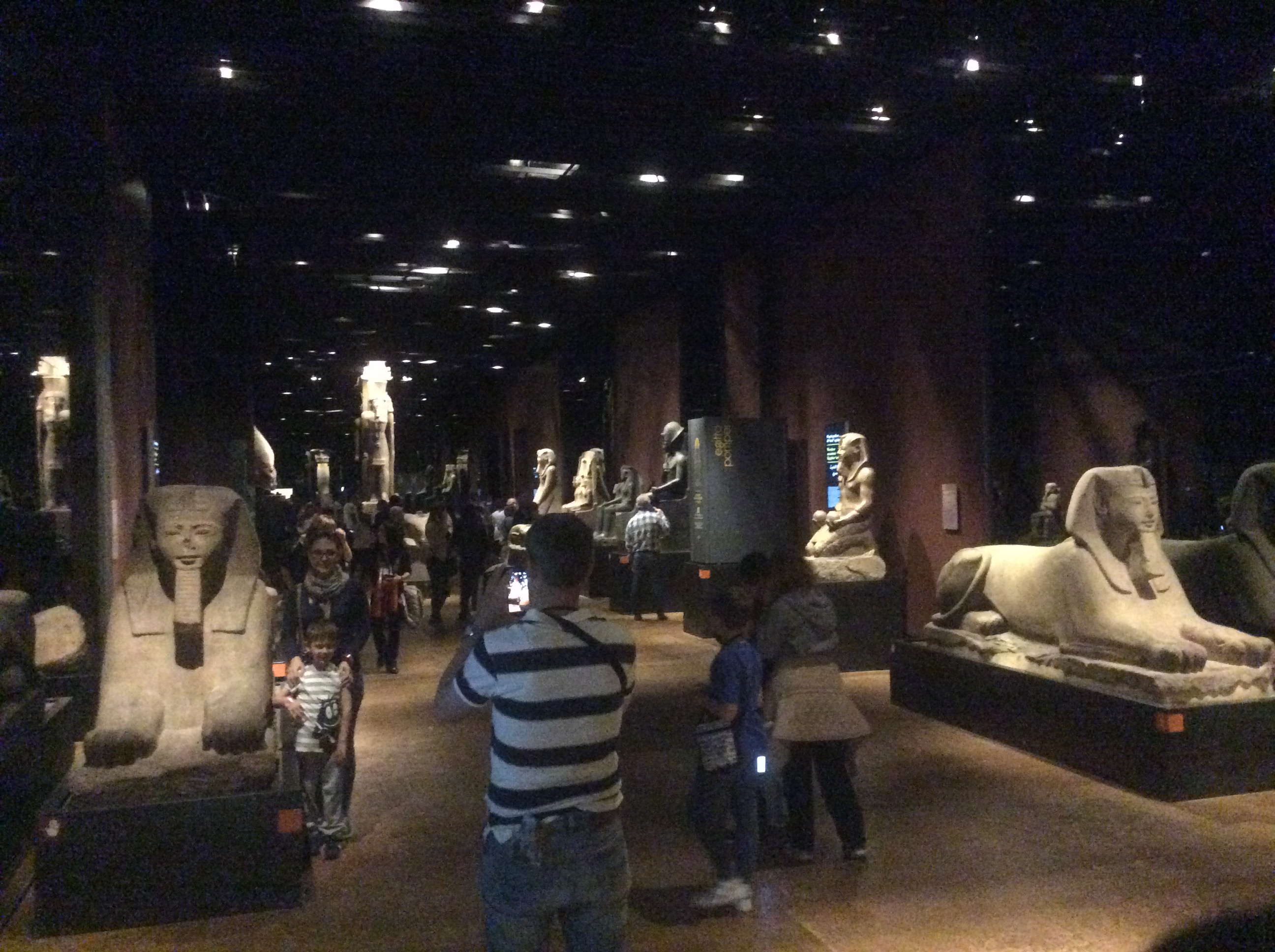
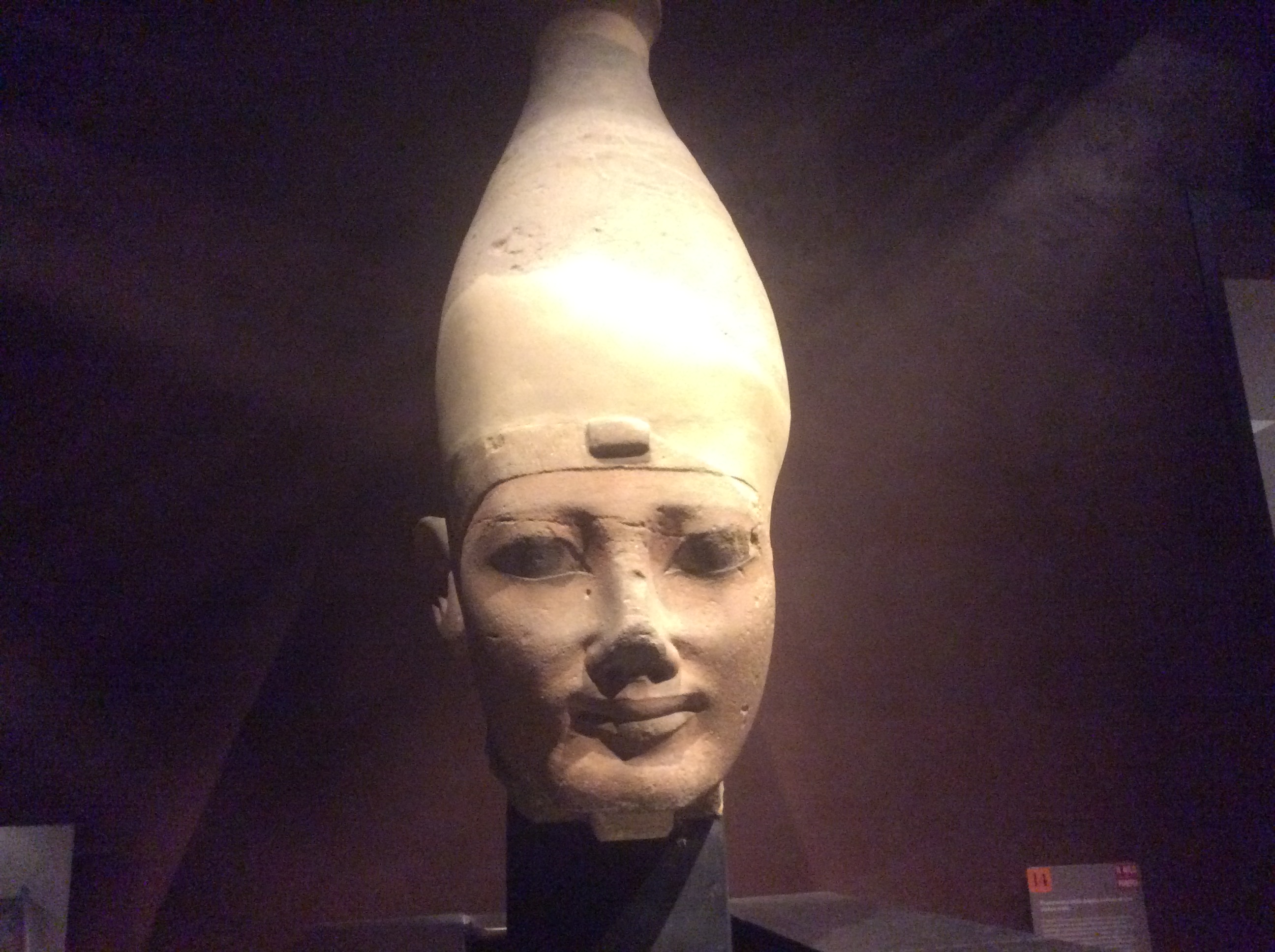
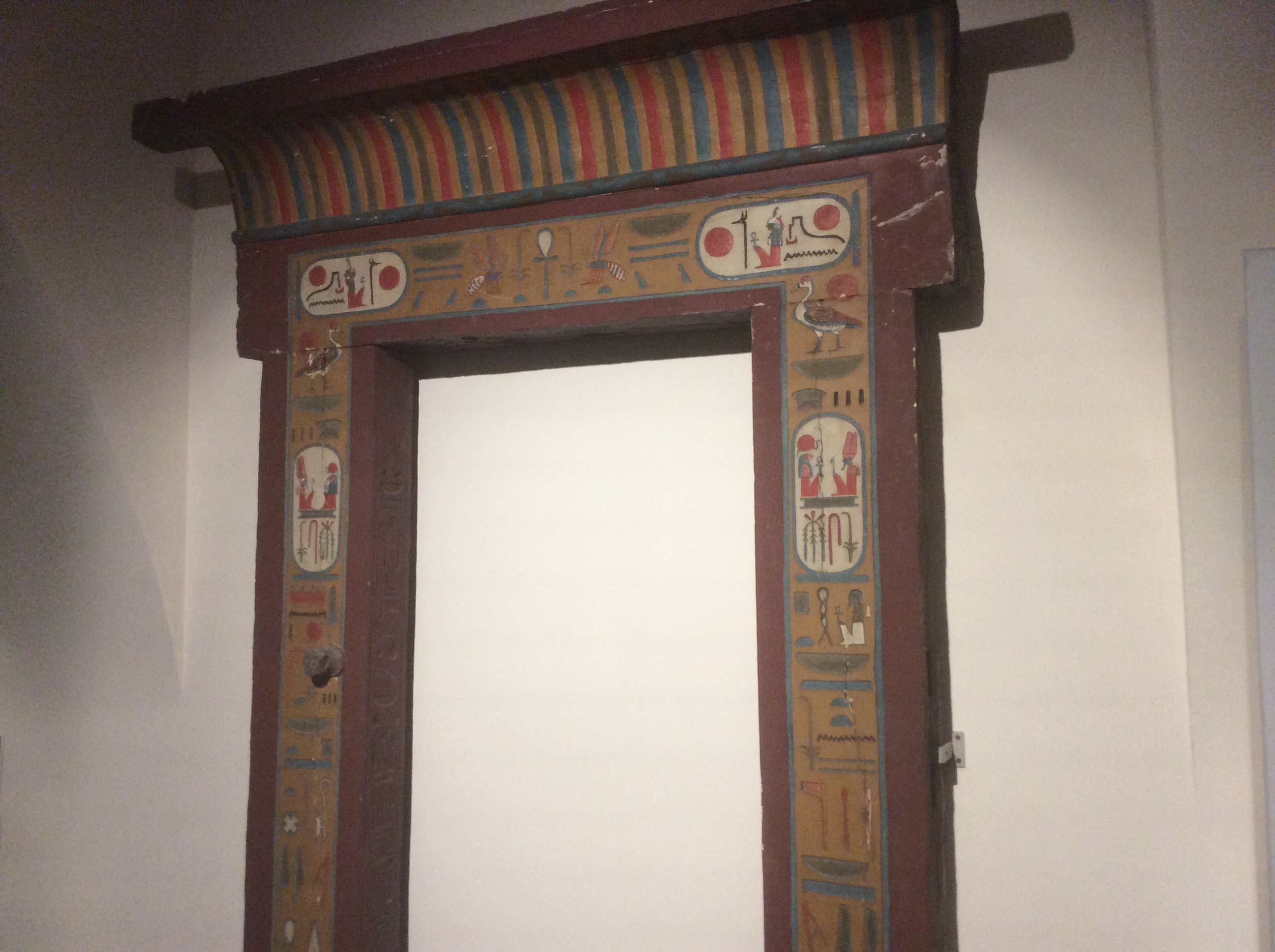
It makes sense now, everything already said about loss and the perspective it brings. Being far away from the scene of grief, where nothing was ever going to remain as they were, was no consolation, and certainly no relief. So, going through the halls of the Egyptian Museum, travelling into the past where death and renewal were matters of natural law and importance only provided temporary but welcome succor. Sarcophagus, scrolls, mummified remains from hundreds of years ago still remaining intact in their exhibition cases spoke to far more than the ability of humans to preserve that which is no longer practically immediately useful, but also to the value of that pursuit itself, capable of revealing (or ennobling) something more about ourselves than about those already dead.

With over 30,000 artifacts, I often wondered how long it took to excavate much of the work currently exhibited in the museum. The first item received, according to Wikipedia, arrived almost 400 years ago. A more awe-inspiring question is about how much more of these types of work with spiritual-artistic significance from that ancient civilization is still left buried under the many ruins in today’s Egypt, and how much more they may still inspire us. And also, a little unnerving, what chance of survival would many of them have had they been left in their homeland rather than having been transported over the distance into this beautiful place in Turin. Perhaps many of these gods are glad to have been saved from the fanatic distress currently sweeping through the Middle East.

IMG_5689

The ride back to Crocetta was, perhaps, slightly more animated than introspective, as the aftermath of spending two hours staring through enchanting history. We had plenty to talk about, gifts purchased at the gift shop to compare, and promises to make that we would return here at a later date for a more thorough exploration of an exhibition that couldn’t possibly be properly enjoyed in less than two hours. Then we alighted from the tram and couldn’t find our car. We had got down at the wrong stop. Ten to fifteen minutes later, we found the car parked safely where we’d left it, at a location similar to all the other spots on all the other similarly-looking streets we’d had to walk through, sometimes terrified of staring groups of strangers, and sometimes nervous about LS and her daughter missing their flight.

IMG_5668

Having a street with so similarly-looking blocks of buildings, with very few (to a stranger) landmarks to help navigate, it turns out, had its negatives.

A Day in Turin

turin

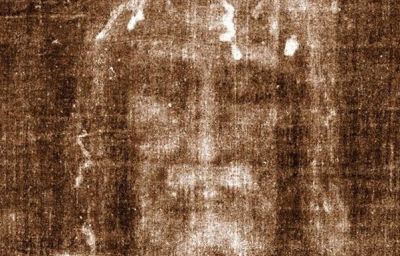
Image of the “face” on the Shroud of Turin from CatholicDigest.com

My impression of Turin, from never having ever visited it, was limited to an article in the Reader’s Digest from 1984 called The Shroud of Mystery by J.H Heller. Not just an article, however, but a specific image of a piece of linen cloth with an imprint of a face said to belong to none other than Jesus Christ of Nazareth. Reading the piece as a young teenager in the early 90s Ìbàdàn was as exciting as it was disturbing. Having the pleasures of discovering reading as a worthwhile endeavour come with the unpleasant imprinting of an intriguing yet disturbing image didn’t seem at the time like a fair deal compared to all the fun my other friends were having. It compensated later, if only slightly, by the usual pleasures that reading brings (learning the meaning of “shroud”, for instance) and the stimulating dimension of that particular story: after Jesus died and was wrapped up, his body fluids/sweat/embalming liquids ensured that the outline of his face and body left indelible marks on the covering shroud. The result was this Shroud of Turin, hundreds of years old, showing the outline of a dead man with puncture marks on his wrists, blood marks on other parts of his body, etc, which the article suggested proved the biblical story to be true and intriguing scholars and theologians forever.

IMG_5667IMG_5669IMG_5668IMG_5682Recent carbon dating on the cloth has now rendered that conclusion false. The shroud shows a dead man alright, but it certainly wasn’t the Jesus, unless Jesus was born in the 1000s – 1300s.These scientific discoveries haven’t slowed down the perception of the cloth as being divinely ordered, however, as people still spend hundreds of thousands of dollars every year to see it either as a tourist curiosity or as a religious symbol. In any case, the deed was done: this famous death-mask of a man from many years ago continued to add an unwanted dimension to my teenage nightmares.

IMG_5740Whenever I heard of Turin from then on, all that came to my mind was the image of that shroud – a holdover of idolatory in European Christianity, perhaps, as an item significance to validate one’s faith, and to hold on to for as long as possible, generating tomes of research articles, arguments, and tourism dollars in the process. In any case, I’ve always wanted to see it for myself. So when I found myself bound for Italy earlier in the year, one of the places I wanted to visit was Turin. I was in luck, as these things have often turned out for me: my plane into Italy was to land in Turin, from where I would be moved by car to Ostana, just two hours away. Even if that individual trip didn’t provide enough opportunity to explore the city, its relative closeness to my destination meant something of even purely nominal significance.

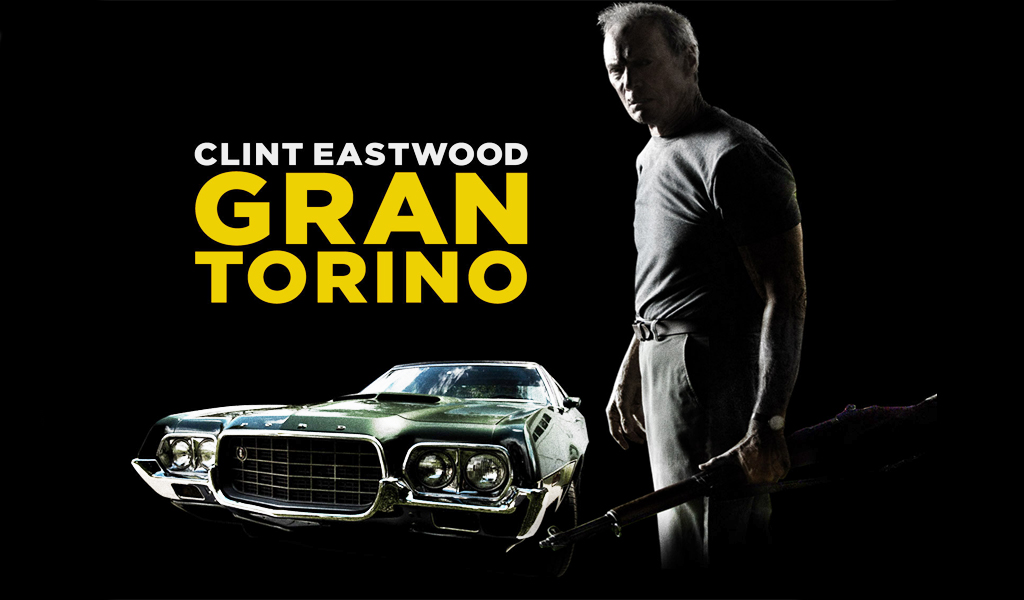
torinoThere was also something else that I’ve always connected to Turin, but that came much recently: a 2008 movie by Clint Eastwood, set in America, and featuring a cranky old Midwesterner and his Hmong neighbours. It was called Gran Torino, named after a Ford car of the same name, which had got its name from the Italian pronunciation of Turin. Both the movie, with its story of redemption, personal sacrifice and cooperation and its soundtrack, possessed a kind of sublime beauty that was also notably memorable. According to Wikipedia, ‘the car was named after the city of Turin considered “the Italian Detroit”.’

So, it already began to seem – right from the beginning of my trip to Italy, that a number of my travel obsessions would collide with appropriate reality on the ground.

That didn’t happen, however.

The Shroud, it turns out, now comes out only once in a couple of years. Perhaps due to wear, or due to a need to create scarcity so that each outing, like of a notable masquerade, is special and memorable, those in charge of the piece of cloth only show it off once in a couple of years. And whenever that happens, according to residents, it is like a carnival: the city is full of tourists, pilgrims, and all curious visitors of all sorts, all trying to get a glimpse of the memorable fabric, and ready to pay whatever the gate fee is required at the time. “You should consider yourself lucky,” a friend said “that you aren’t here during that time. The city would be too busy for you to enjoy. And the lines to see the shroud are always very long and you have to book in advance.” It was probably all for the better.

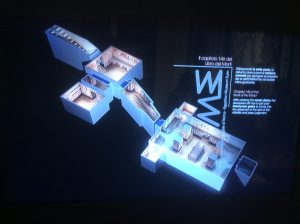
IMG_5675IMG_5750 IMG_5754 IMG_5722IMG_5696 IMG_5703 IMG_5704IMG_5752What I was rewarded with in the end was something more: a whole day spent exploring another part of Torino which I hadn’t heard of until my trip. The city, it turns out, boasts of the second biggest Egyptian museum in the world: the Museo Egizio, which hosts more than 30,000 artifacts and receiving over half a million visitors last year alone. More on this later.

That, and a memorable commute all the way from Ostana through the city of Turin in delightful company, getting lost, interacting at close quarters with a small but stimulating company, rushing through an expansive exhibition at the museum in less than two short hours, another commute to the airport to drop off (and pick up) a guest, a stopover at Barge (a midway point) for delightful pizza, and then a quiet ride home.

Without the shroud, it was still a most charming introduction to a city of so many mysteries. Perhaps more so because of its welcome absence.

Three Days of Madness at the University of Lagos

By Péjú Láyíwọlá

madI was first captivated by the posters and then I was warned not to watch the play because of the high level of vulgarity shown on stage. I braved it and opted to watch it on the second day of the three days that it was shown at the Main Auditorium, University of Lagos. Truly, if you survive the first few minutes of the play, you are likely to sit through this very captivating and bold attempt by a talented young playwright, Otun Rasheed, to shock, provoke, challenge, incite, and stir all manner of emotions through this breathtaking 70 minitues play. Given the very diverse critique of this play, one thing remains clear: sex is a tabooed topic in Nigeria. People prefer to talk about it in private spaces and not see themselves on stage.

You must be mad, Yes You! is the title of the play. While some might quarrel with the title, I think it is apt because really we live in a very mad world! It is a world full of paradoxes. The play was laden with foul language. The stark show of sexual pleasure and the rigorous scenes of obscenity and eroticism would make you cringe! But the message is loud and clear at the end: the level of promiscuity in the Nigerian society is high but largely ignored. Parents delude themselves by thinking their children are ‘holy’ and would not indulge in sex in this highly virtual and visual world of the internet. Infidelity, fornication, incest, pornography have become the order of the day. The level of incest within families is so high that you would be shocked. A few years ago, I attended a popular monthly camp meeting. When the altar call was raised, I was shocked at the number of people involved in incestuous relationship come out for prayers.

The cast comprised students of the Department of Creative Arts. Otun Rasheed is a lecturer in the department. What great mentorship! But does he represent the views of the Department or does he make any reference to it in any way? No! It is unlikely that such a play would see the light of day were it presented as an academic project. It is also not likely to receive a research grant. Yet, the academy should be a crucible for such phenomenal thinking.

Many thoughts crossed my mind while watching. Some of these discussed below reflect, in part, views of some of my colleagues when we discussed.

Why are people more likely to accept visual images of eroticism rather than a play with a similar theme? What role does sound and movement play in accentuating a message?

A bit of diversion: About eleven years ago there was a half nude life-sized female figure in the courtyard of the Visual Arts unit of the department. She was bare chested and wore a very well sculpted g–string that had a butterfly as motif on what I would consider the most significant part. A former Head of Department (also a visual artist) could not understand why that work should have been made. We all lived comfortably with the work for a long time. Over time there were signs of wear and tear on the nipples and lips of the figure. Several months later, the work collapsed. When I asked the students what happened they jocularly said. ‘She was raped and murdered last night and the case had been reported to the state CID’. Investigations are still ongoing till now.
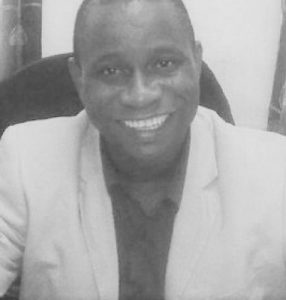
Ọ̀tún Rasheed. Photo taken from Encomium Magazine

Ọ̀tún Rasheed. Photo taken from Encomium Magazine

Religiosity and fanaticism becloud our judgment. I was told that some of the staff in solidarity rushed to watch the play only to run out after five minutes. They couldn’t handle it. Jesus! Armageddon! This is Satan at work! The devil is a liar! This playwright must be mad! Yes, Otun Rasheed is mad! We were told in our elementary theatre class that theatre is make-belief. Yet, there is a meeting point between reality and fiction. Outside the performance, can I look at the most vulnerable of the cast without casting my mind back to the acts of violation on stage? Perhaps the change of cast for each production helped mitigate this.

Tunji Sótimírìn is concerned about the very graphic scenes and the perception of parents who are only just accepting theatre arts as a field of study. Are parents likely to allow their daughters study theatre arts after seeing such a play? As a former Head of Department, I have come to realize that the passion for some of these students far outweighs the choices of parents. I have seen students cry when offered courses other than theatre arts. Every new entrant into the Theatre Arts Department believes, and rightfully so, that he/she would succeed and surpass the achievements of former alumni and alumnae of the department. Several of them abound – Moceda, Stella Damassus, Fẹ́mi Brainard, Mercy Aigbe, Dáre Art Àlàdé, Fẹ́mi Oke, Wọlé Òjó, Helen Paul, Ọmọ́wùmí Dàda, Sambassa, Sẹ́gun Adéfilá and others too numerous to list. The successful careers of their forbears in the entertainment industry looms larger than the sentiments expressed by some parents. We are thankful for such great mentorship since the days of cultural studies. Both students and lecturers have enjoyed such great tutelage from Prof Ẹ̀bùn Clark, Prof Dúró Òní, Prof Àbáyọ̀mí Barber, Prof Délé Jẹ́gẹ́dẹ́ , Prof Alagoa, Prof Anthony Mereni, Prof Bọ̀dé Osanyin, Alaja Brown and Túnjí Ṣótimírìn. It is from this tradition that Otun Rasheed has emerged.

Many questions arise, a number of which I cannot answer: What role does theatre play in the society? What was the message of this play. Was it meant to be a corrective measure? Must theatre always have a message? To whom was this play directed? What binaries does this play throw up.

There are many points at which this play succeeds:

a. The use of space was amazing. Like an owl, the audience found themselves turning three sixty degrees. Many of the cast were seated amongst the audience and the audience were literally brought onto the stage. The stage could not contain the depth of actions Otun Rasheed offered. I also like the use of light and the special effects on the stage particularly in the opening scene.

b. Great publicity. Every day was a new message urging you to watch the play. The t-shirts and posters added pep to the show. The visuals were simply amazing! Social media aided publicity for this pay. Gone are the days when crude publicity was done by hiring a rickety university based cab with speakers mounted on it, while announcement are made round the campus through unfiltered microphones.

c. There was great synergy between members of the theatre unit and the students in bringing this idea to fruition. For this, I congratulate both students and staff of the theatre unit. Otun entertains much as he shocks his audience. His main aim is to call for the censorship of plays just like it is done with films. His personal experiences of taking his under aged children to watch adult plays without knowing it inspired this work. You must be Mad, Yes you! was rated 18+. Tickets were not offered to underage undergraduates, but a few still managed the gain entrance. That is the very point this play tries to address. How careful can parents be in bringing up their kids? What should be told them and what should be left for them to discover on their own?

The play lasted for three days. In my mind, it lasts forever. The final day had the main auditorium full to capacity. My only regret was that the madness was not sustained for a full week. Much as I like this work of art, I would like the directors to temper some of the violent scenes, particularly those couched within the audience area.

Peju-LayiwolaI salute your courage Otun Rasheed for bringing this play to the university environment. I look forward to watching it over and over again. I hope it would be viewed in a more pubic theatre and receive the sort of commendation it deserves. Did I hear you say condemnation? It is left for you to decide because you must be the only sane person in this very crazy world.

_________

Péjú Olówu Láyíwọlá is an artist, painter, and sculptor. She lives in Ibadan. Full text culled and edited from her Facebook page, with permission.
Meeting Pablo

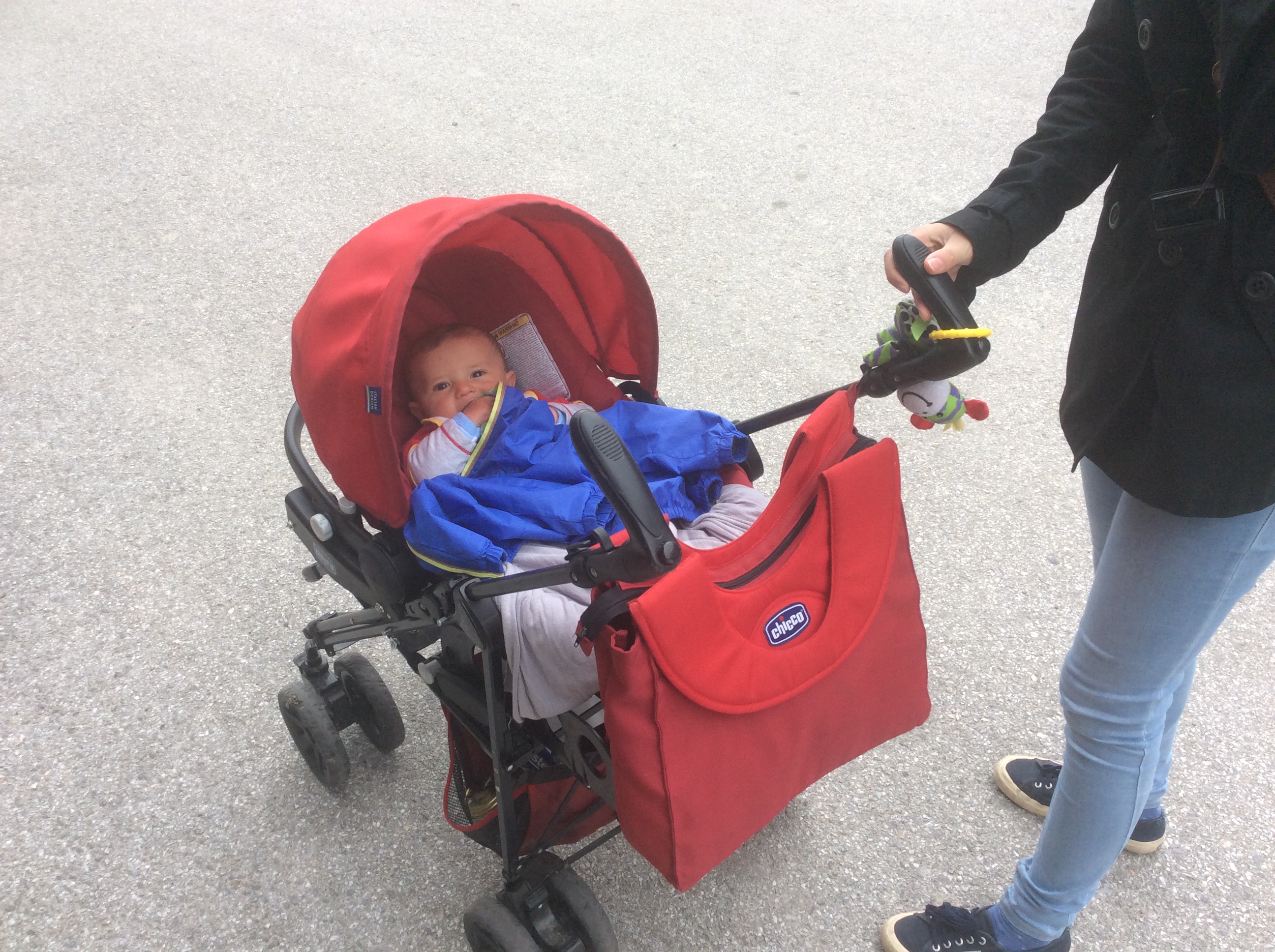
One of the most memorable things from my trip to Italy a month ago was meeting Pablo, the first child born in that village in 28 years. It was doubly memorable because it wasn’t expected.

Booking our trip and then hearing the announcement felt surreal at first, and then started to feel like the beginning of a pilgrim’s journey. A meeting with itinerant shepherds earlier in the week should have intensified this second layer of significance. As with the famous biblical magi coming from thousands of kilometres just to meet this new arrival, I approached my trip with an added delight: Here we come, all the way from the South-East (in West Africa), bringing small gifts and greetings to meet the earth’s significant new addition.
IMG_5903

Serendipity is a weird and curious thing, for there was no other way to explain the perfect collision of a planned trip to a remote and relatively unknown town in a country one had never been before with the birth of a new baby, the first in 28 years, in that exact same town, at around the same time as one’s trip. And what – if not for nature’s unfathomable mischief – could have arranged that the parents of this famous baby would be the employed managers of the mountain refuge where the event organisers chose to lodge us?

IMG_5766

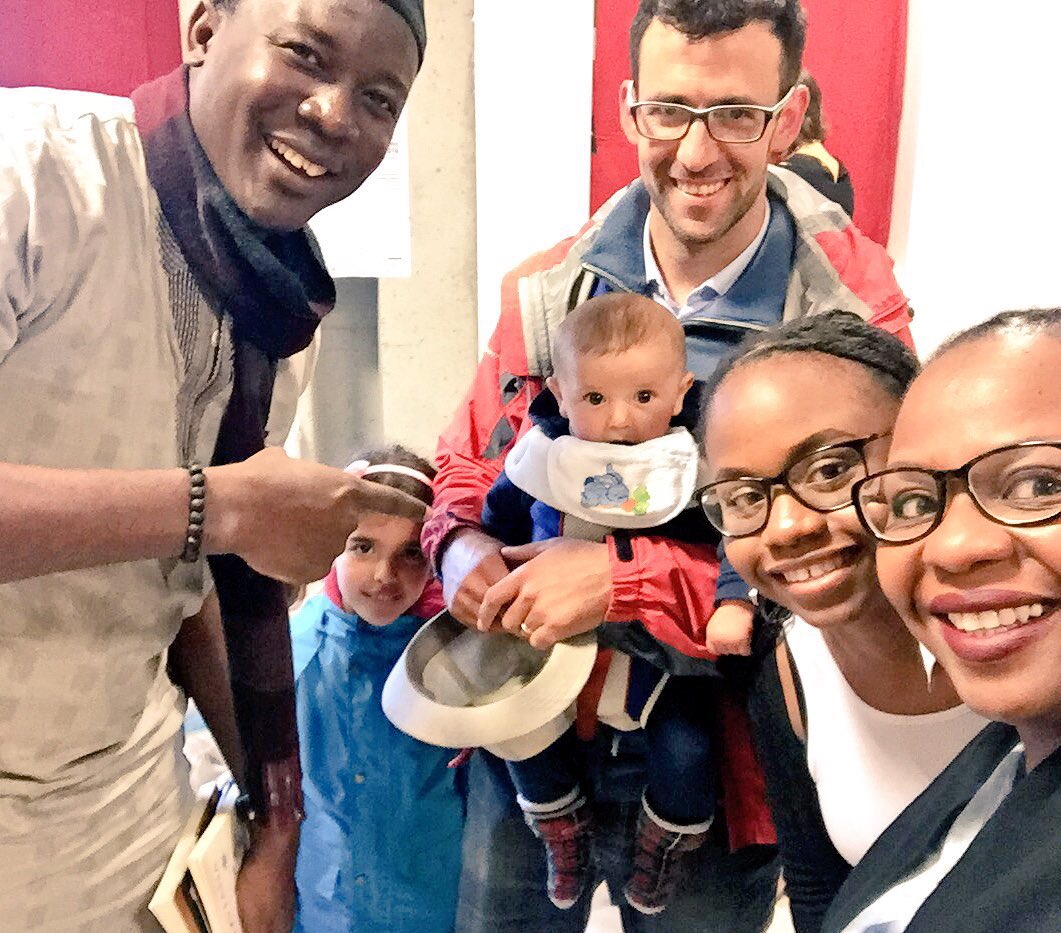
With Pablo, his father (Jose), sibling, and Nigerian writer Lola Shoneyin and daughter.

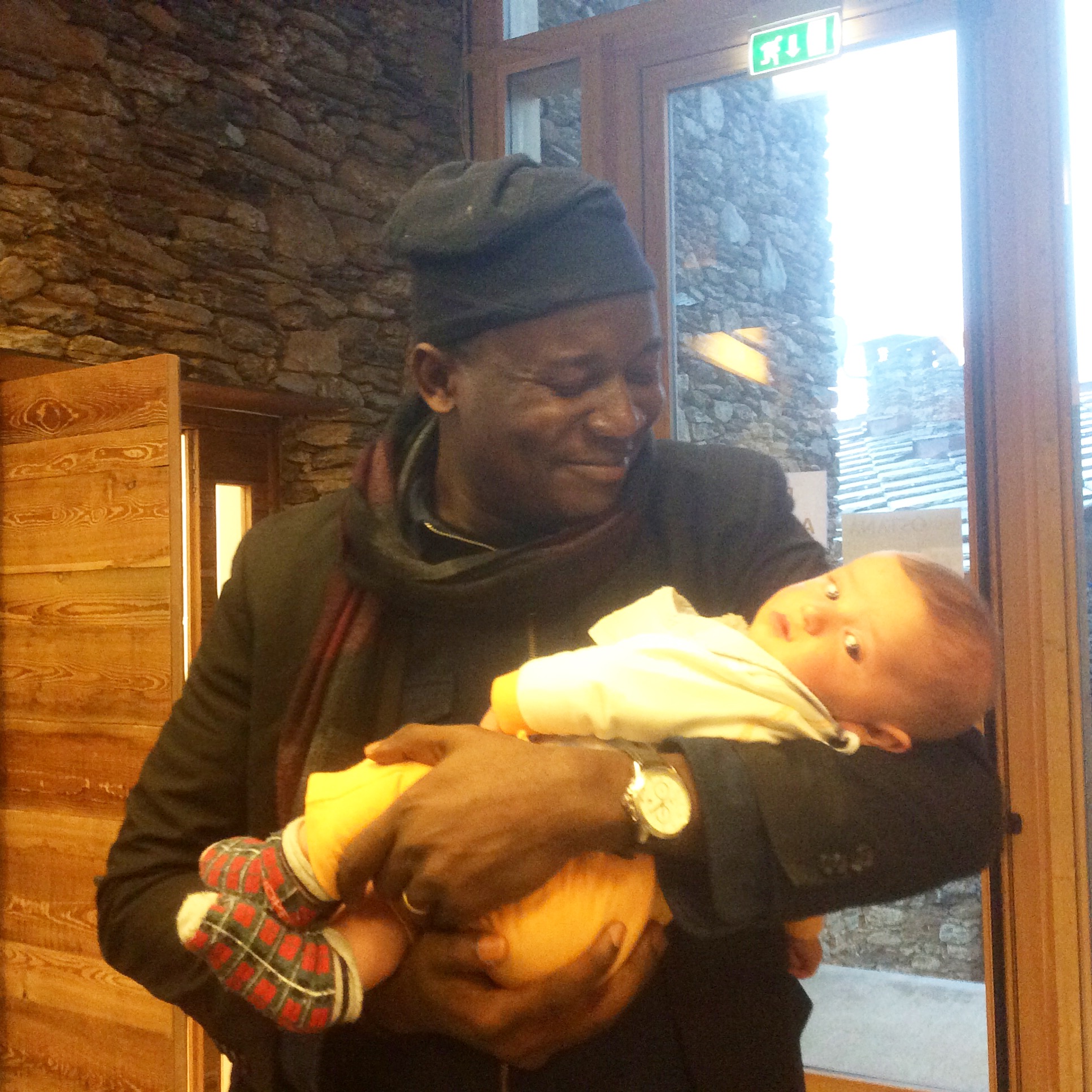
Sylvia, Pablo’s mom, is the manager of Rifugio Galaberna, a lovely mountain refuge with lodging and feeding services for travellers, tourists, and paying visitors. She speaks English, Italian, and some French. Her husband, José, is a physiotherapist who also helps out at the refuge, but works on his practice in Ostana and in neighbouring towns. As a couple, they presented a model of cooperation, friendliness, and grace. They were gracious enough to let us take as many pictures with the new child as we wanted.

IMG_5649

The birth of a child is a wonderful thing. Wonderful, also, is such an arrival in such a beautiful place as Ostana. On some level, I’m jealous that he gets to develop some of his earliest memories in such a place, taking in some of the most delightful sights and sounds, of mountains and cow bells, and among such charming people.

Most wonderful, of course, is the privilege to have shared some of those days in this kind of delightful company.

__________

Photos by blogger and Lọlá Shónẹ́yìn.

Ibadan: Of Towers, Hills, and Neglect

There are many stories in every step up Òkè Àarẹ in Ibadan, each as diverse as the other, but each visibly telling of the city’s ancient but colourful past. One of the notable things the city is reputed for, other than its famous brown rusty roofs all of which can be seen at a glance from here in its old glory, is its imposing hills and the lasting reputation they have on the city and neighbouring towns, stretching even into lore across generations. Òkè Ààrẹ (the chieftain’s hill) is just one of such hills, named after its most famous resident, Ààrẹ Látòòṣà whose old palace lay behind a prominent courthouse on the hill. Òkè Ṣápátì (Shepherd Hills), Òkè Páàdì (The Padre’s Hill), Òkè Màpó (Mapo Hill), Òkè Àdó are some of the others, each with stories of their naming and history.
IMG_6355

A view of downtown Ibadan from Òkè Ààrẹ on the way to Bower’s Tower.

Some of these hills have increased in reputation over time because of modern (or colonial) additions, in structure, that have cemented (no pun) their statuses as more than just natural attractions. Mapo Hall, for example, is a town hall/courthouse built to Victorian style, in 1925-1929, right on top of Màpó Hill, from where the visitor can see almost all of Ibadan to all directions.

IMG_6438

A view from the top of Mapo Hall

Its reputation as a symbol of colonial justice where tax evaders were jailed has transmitted into culture and lore. As the popular song says about owó orí (taxes) goes, “Awọn àgbà tí ò san… wọn ń bẹ l’átìmọ́lé ní Mapo.” Over time, its role in post-colonial Nigeria has evolved, now remaining only as a vintage venue for occasions of private citizens, weddings, and other public events, most notably the coronation of every new Olúbàdàn, which is perhaps the biggest event it hosts at least once in every few years.

IMG_6511

Mapo Hall: a view from the front.

From deep in the neighbouring valley in Bẹẹrẹ Market, reputed for its throng of market men and women selling their wares almost onto the road in defiance of coming traffic, Mapo Hall is visible at a distance, perched on top of the hill to the left like an ark. In colonial times, when it was perhaps the only visible structure of its colour and stature, one can only imagine the psychological imposition its presence alone had on citizens’ mind.

The only other notable sight from this spot is the Látòòṣa Courthouse – on the opposite end of the horizon, even slightly elevated than Mapo itself.

IMG_6505

On the horizon to the left, on Mapo Hill, is Mapo Hall. Top of the hill to the right, on Òkè Ààrẹ, is the Látòòṣa Courthouse complex with an accompanying tower.

This courthouse structure was opened, according to the plaque on its walls, on June 13, 1937, making it slightly younger than Mapo Hall. Certainly less grandiose, but not less imposing especially on surrounding areas. It does boast of something that Mapo Hall doesn’t, however. That is a tower that has made a lot of people confuse it with Bower’s Tower which is located about a mile away. On this visit, and as one assumes on all visits to this place, there was no guide present to inform visitors of the role of this tower courthouse in the administration of the city. One had to only assume, from its size and location, that it was built for a significant administrative purpose.IMG_6331

Worn out by time and mismanagement, the walls tell a story of neglect. There are signs on the building informing users of the current use of the house: “Oke Ado Grade ‘C’ Customary Court”, “New Bodija Grade ‘C’ Customary Court” “Ibadan North Local Government Tenement Rate Collection Centre”, “Ayeye Grade ‘C’ Customary Court”, etc. For a building of such multipurpose use, care has certainly not been taken. I think back to a recent experience, in Italy, where tourism has built a thriving industry of restaurants, malls, and gift shops around notable structures that tell the country’s history, real and fictional, and how much value that attention (and tourist dollars) has brought to the country. Old churches and abbeys, ancient arenas in Verona and the Colosseum in Rome, among others, are all just ruins of a certain past. But they have been preserved and well branded in order to attract foreigners and their resources. Even a fictional character, Juliet, from Shakespeare’s Romeo and Juliet, has a touristy structure built in her honour, called Casa di Giulietta.

We haven’t done anything similar with ours, and it doesn’t look like we care.

The location of the Courthouse couldn’t be more auspicious. Right at the back of the building is the site of Ààrẹ Látòòsà’s old palace, now nonexistent, replaced with a modern but still crumbling edifice.

IMG_6329 IMG_6333 IMG_6334 IMG_6339

IMG_6335 IMG_6342 IMG_6347 IMG_6345IMG_6337 IMG_6344Who was Ààrẹ Látòòṣà, and to what did he owe the fame that got him to have had a whole hill named after him? According to Ibadan history, Ọbádòkè Látòòṣa was a generalissimo of Ọ̀yọ́ empire from 1871 to 1885 (not to be confused with his son Ba’ale Shittu Latosa who reigned as head of Ibadan from 1914 to 1925). Like most Ààr̀ẹ Ọnà Kakanfò before and after him, Ààrẹ lived and died fighting, conquering or being conquered. He was noted to have been the person who curbed the excesses of Ẹfúnṣetán Aníwúrà, a notorious slaver who ran roughshod over Ibadan in her days. But Látòòṣà’s reputation was cemented fully when he committed suicide after a certain dishonour had befallen him in the presence of his subjects. More about that here.

Bower’s Tower, further down into Òkè Ààrẹ, was opened in December 1936 in honour of Captain Ross L. Bower who was the first British Resident and Travelling Commissioner from 1893 to 1897. Along with the Courthouse, the Tower is the only second vantage structure from which one can observe all the city’s land areas. The similarity between the tower structures are notable as is their differences. Bower’s Tower was constructed with an observer in mind, perhaps with a pair of binoculars at hand, looking on at the majesty of the land spread before him/her. The Courthouse tower, placed right above the court itself, seemed removed from visitors to have been constructed as a place for regular access. It looked more like a clock tower than a viewing point.

IMG_6393

Bower’s Tower

The view from on top of the tower is sublime, but getting there is usually the first challenge. It’s spiral staircase, built into such a small structure, could easily repel a claustrophobic guest. Also, the wear and tear from decades of neglect has turned it into a disaster waiting to happen. That won’t happen, I was told by a middle-aged man who now runs the place and guides visitors around the premises. The Tower has been commissioned for repair by the state government. Before the end of the year, the new private management would have taken over and made some significant changes.

IMG_6387

The common Ibadan word ‘Láyípo’ comes, among other things, from the spiral staircase within this tower.

There are many more structures around this old Ibadan that tell stories of its ancient and modern past. Finding, curating, and branding them for the reinforcement of culture, history, and tourism, will be a worthy endeavour for both private and public initiatives. But will it ever come?

IMG_6381

What would one need to do, as a private citizen to support the work of the state government in turning these sites of historical significance to self-sustaining money-making ventures not just for commercial ends but also for the sustenance of important stories and the encouragement of sight-seeing as an important part of modern/city culture?