Browsing the archives for the Observations category.

An Old Book

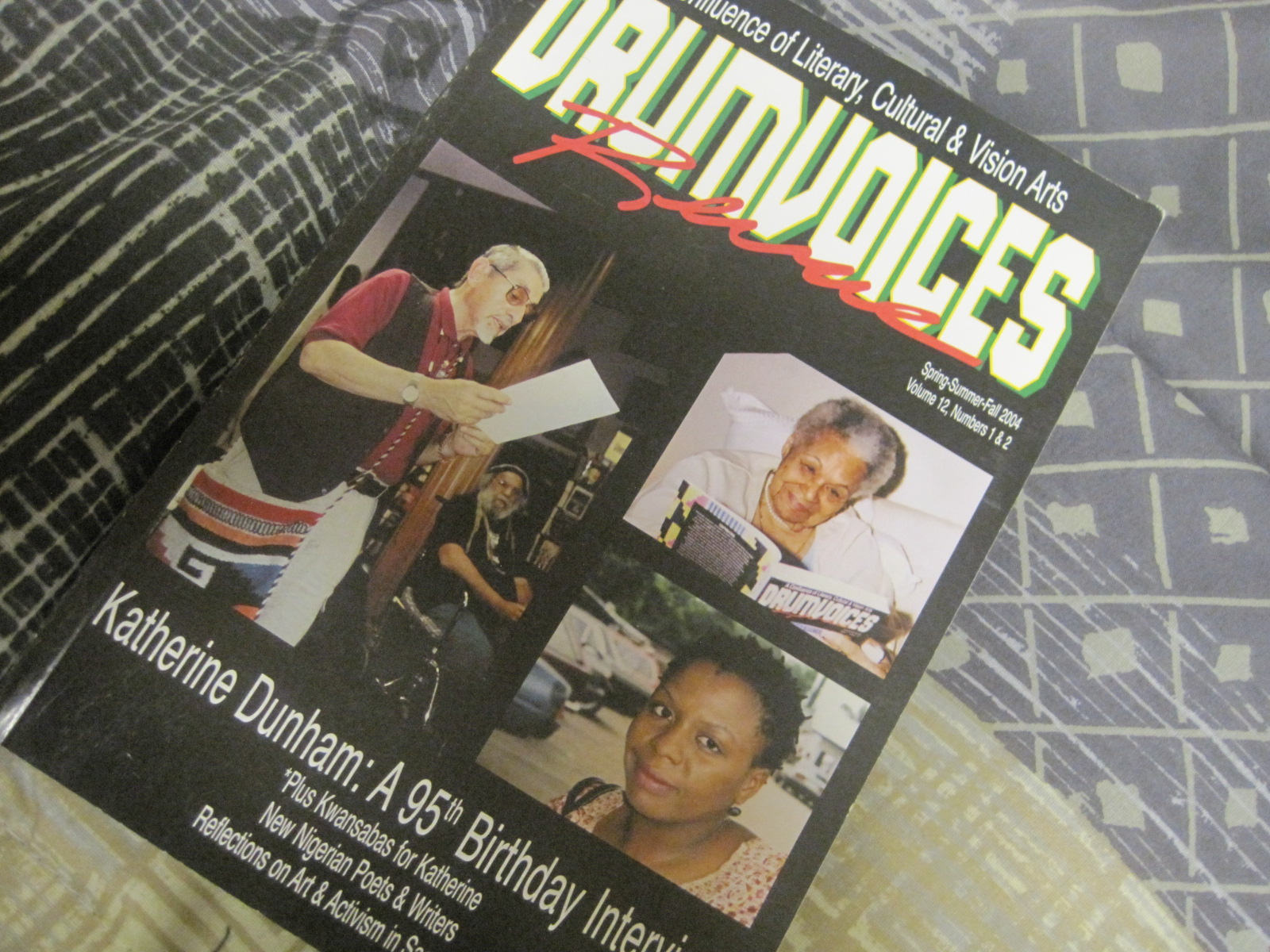
I came across this in the shelves of my professor’s library a few hours ago. It is a special edition of Drumvoices Revue (Spring-Summer-Fall 2004) that featured a set of Nigeria’s Third Generation writers. Introduced by Nigerian poet Remi Raji who was then in the United States, the section in the publication was a result of earlier collaboration between this University and the one in Ibadan. Even the cover said as much, with Lola Shoneyin taking a choice spot in the corner. Other writers featured in it were Toni Kan, Tade Ipadeola, Francis Egbokhare, Toyin Adewale-Gabriel, Unoma Azuah, Obi Nwakanma and Angela Nwosu.

Drumvoices Revue is a publication of the Eugene Redmond Writer’s Club and edited by Eugene B. Redmond itself. I’m going to find out if they still publish works. Those were good times when Eugene came to Ibadan seeking new voices around Nigeria, and seeing the book brought back good memories.

One word: nostalgia.

A Weekend Around Town

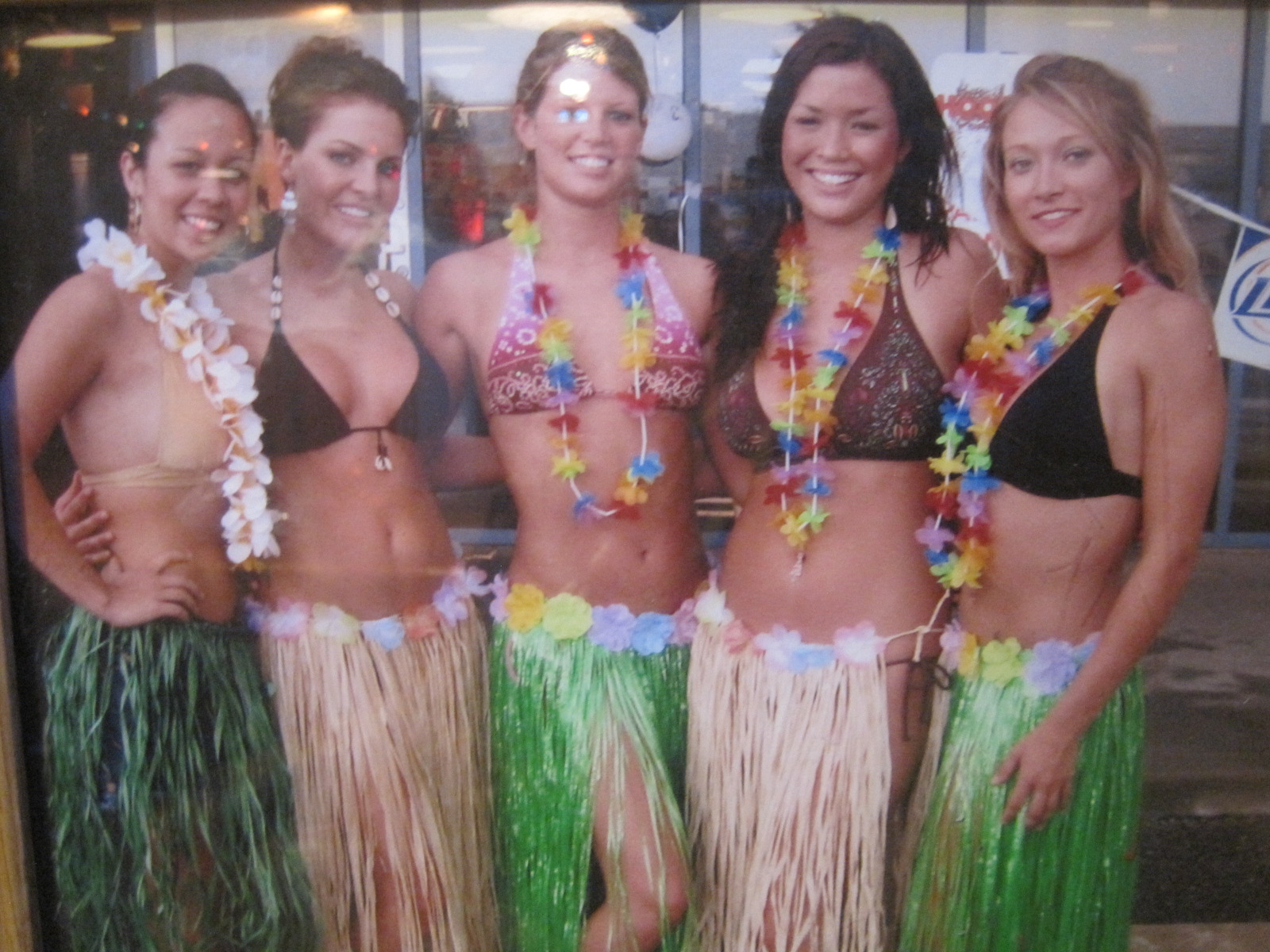
There is a place not far from St.Louis called Fairview Heights. Why they call it by that name is for now beyond me, but it has the same pulse as every other town in this area. We visited it yesterday. The eating spot we visited yesterday is called Hooters. Hooters has outlets in much of every state in the US but  I’d never been there before. And the accomplices were Chris, Abdiel and Mafoya.

Hooters is distinct for it’s scantily-dressed waitresses and nothing much else. The fries, chicken or drinks are much like everywhere else. The waiters would all be younger than 22, for sure, working to add some change to their tuition fees or saving for a holiday somewhere. They were cheerful and lively. One of them allowed us to take a picture with her. I’m hoping it didn’t have anything to do with the lie Chris had told that I was an African prince. ;). The Nigerian outfit I was wearing might have helped too.

At a corner, one boy had turned 16 and was placed on the table with paper beaks in his mouth. All the waiters gathered around him and sang him a Hooters birthday song. I’m sure he enjoyed it. Pity my own birthday is still a month away. Who knows who gift I might have got from the Hooter girls. In any case, I’m doubtful that a perching on a table in the middle of a bar would have sufficed for a birthday for a quasi-adult like me. Who knows though, I might have enjoyed it too.

We have all now returned to our various hideouts to regroup as soon as the semester gets into full gear. America is up for exploration, and here we are as volunteers for the great cause. California, Texas, Connecticut, New York, Colorado, Minnesota, Seattle, and even Alaska, here we come, slowly.

Film in Focus

The Focus Features Africa First Short Film Program supports films that aspire to artistic excellence and accomplished storytelling, and substantially contribute to the development of local film industries. Award recipients of the 2010 Focus Features Africa First Short Film Program can use award money received from Africa First to complete initial production and to pay for post-production costs such as laboratory fees, sound mixing, and editing.

More information here.


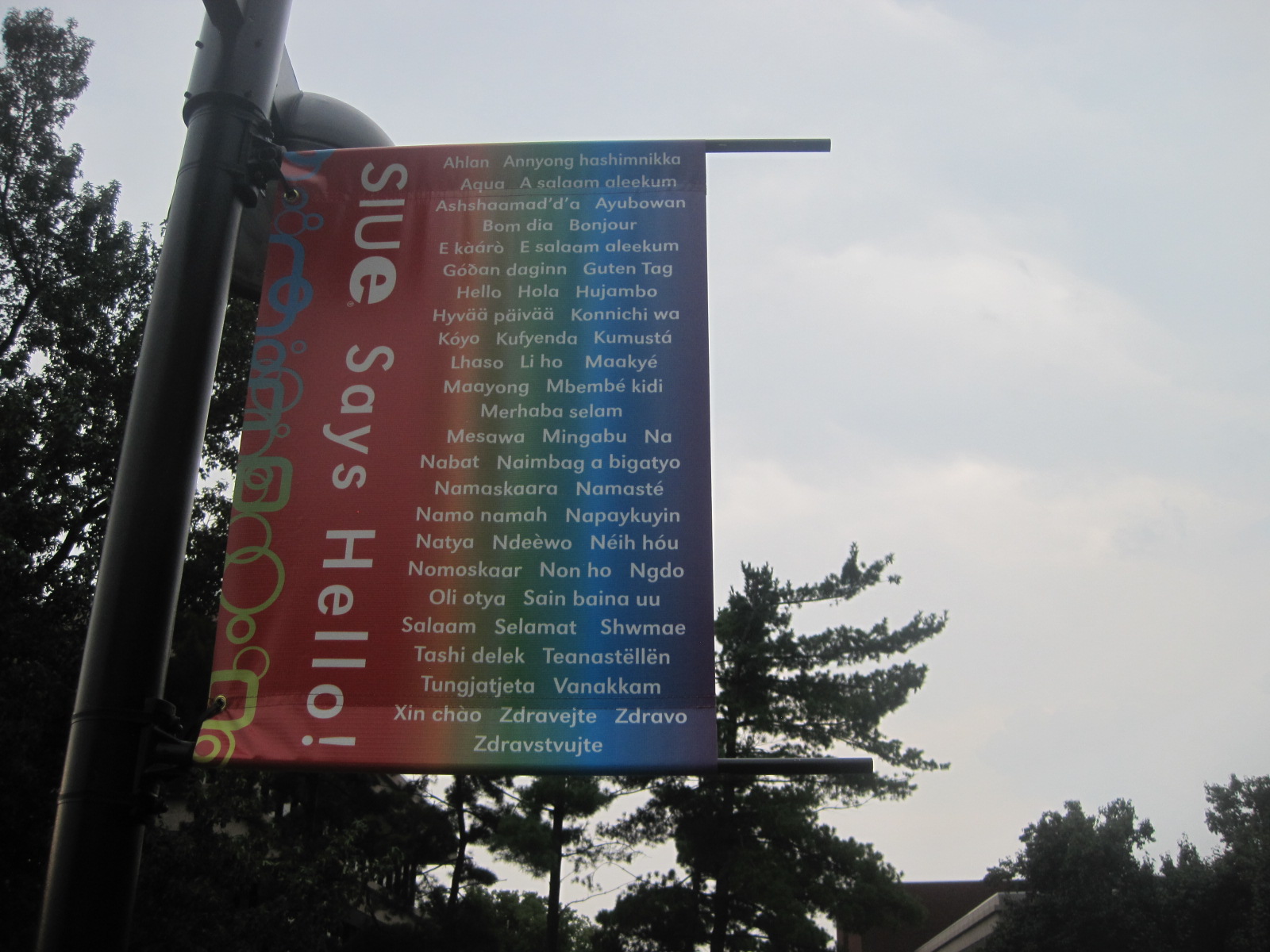
Random Travel Photos

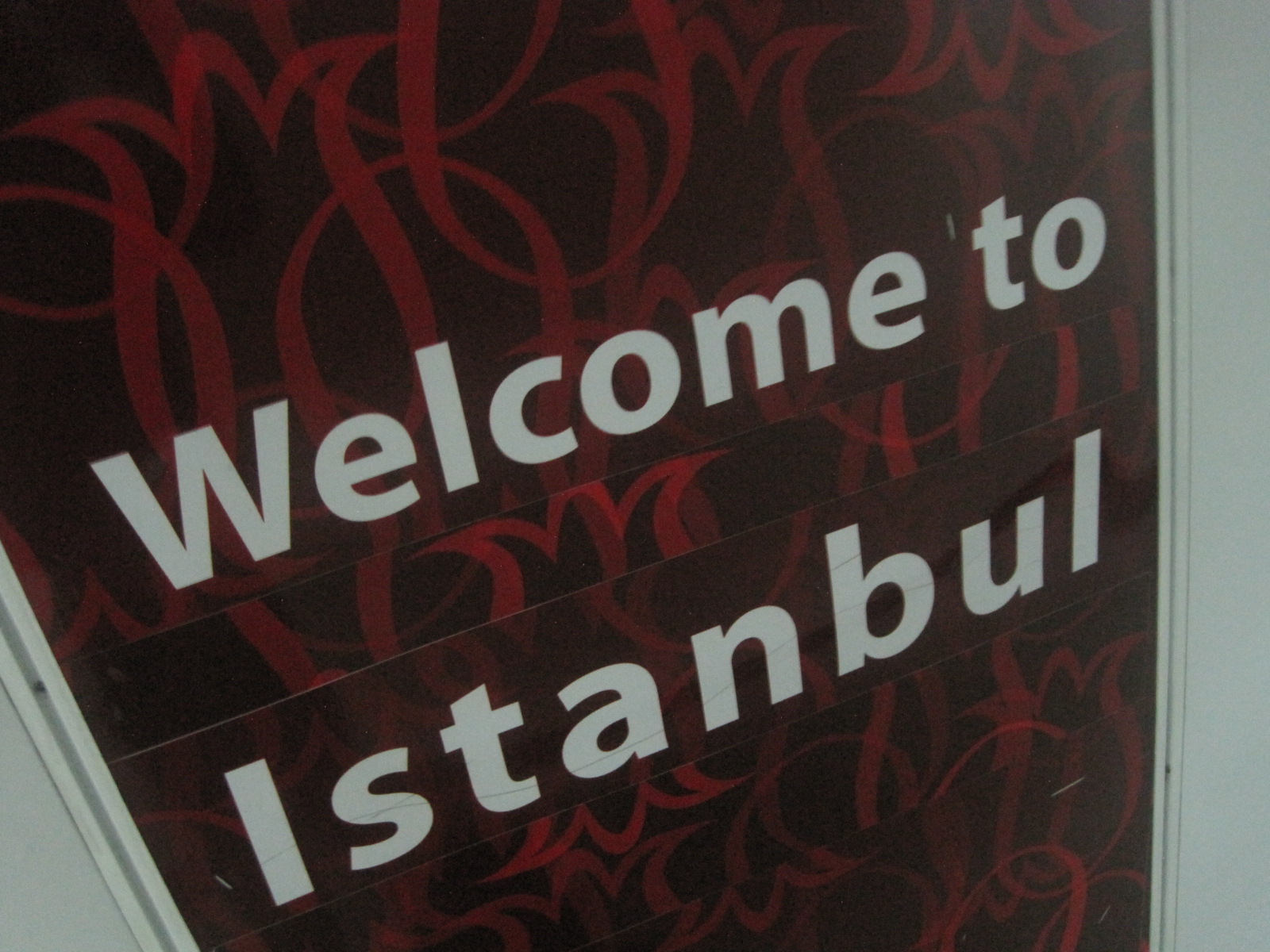
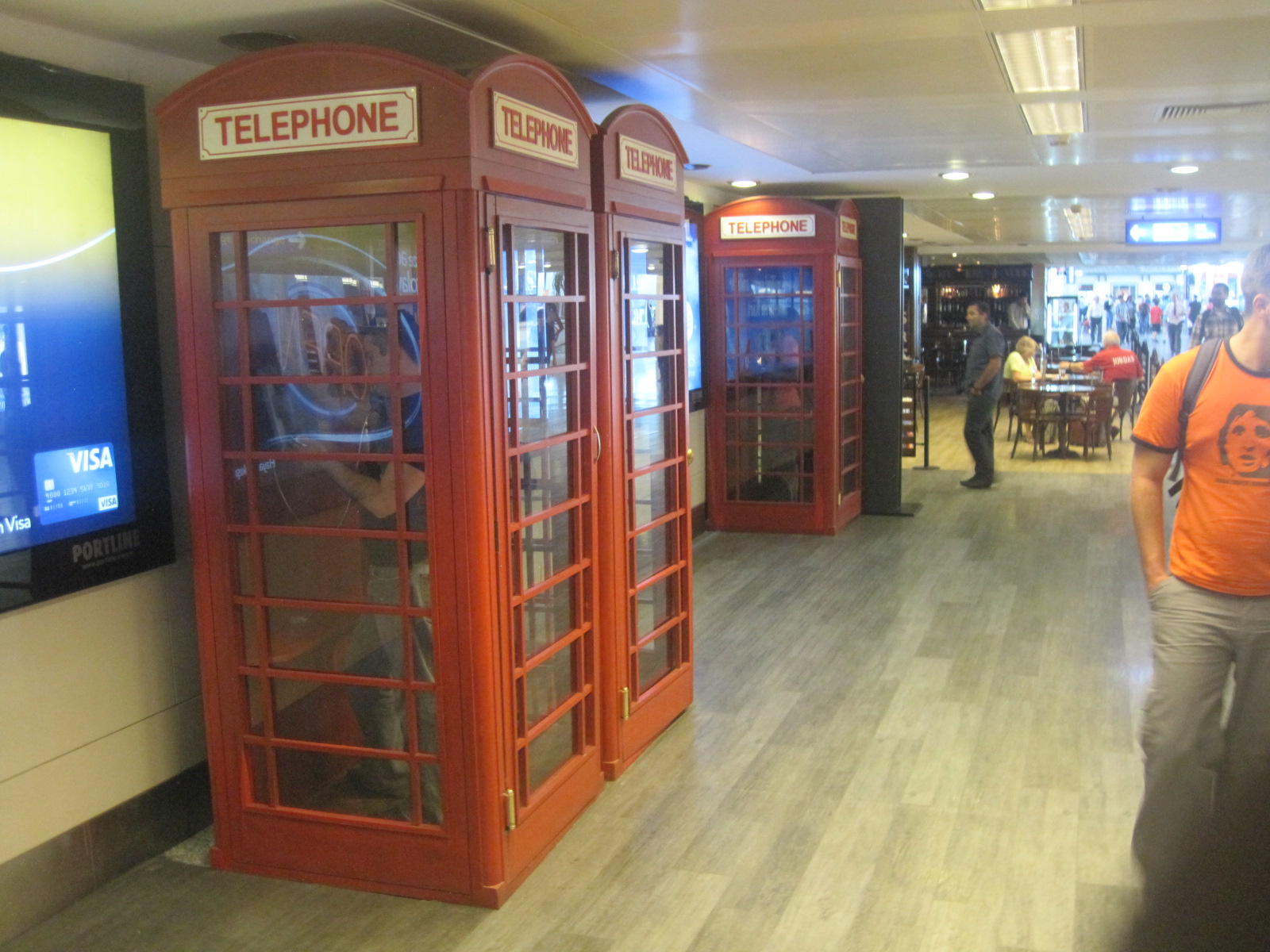
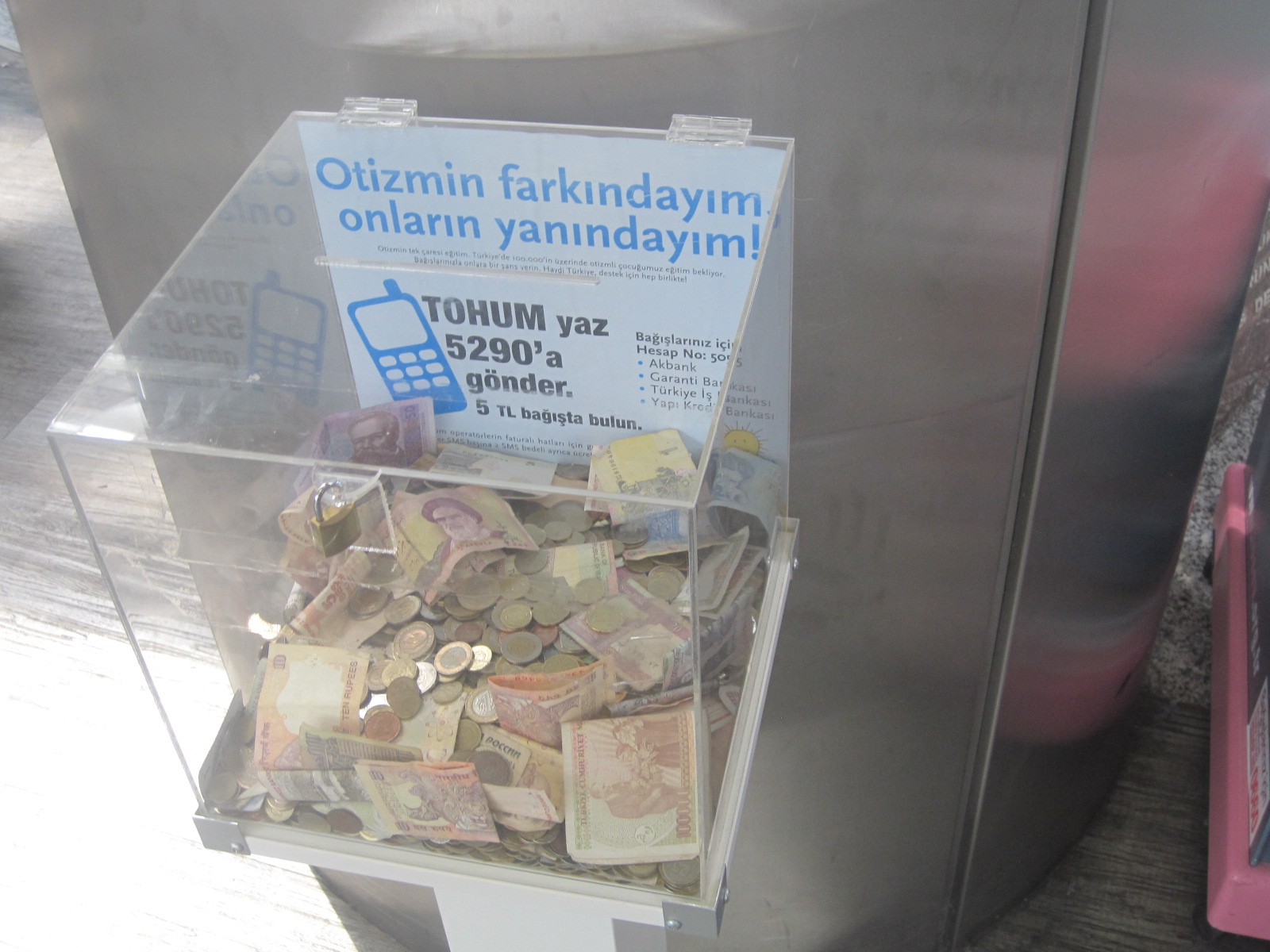
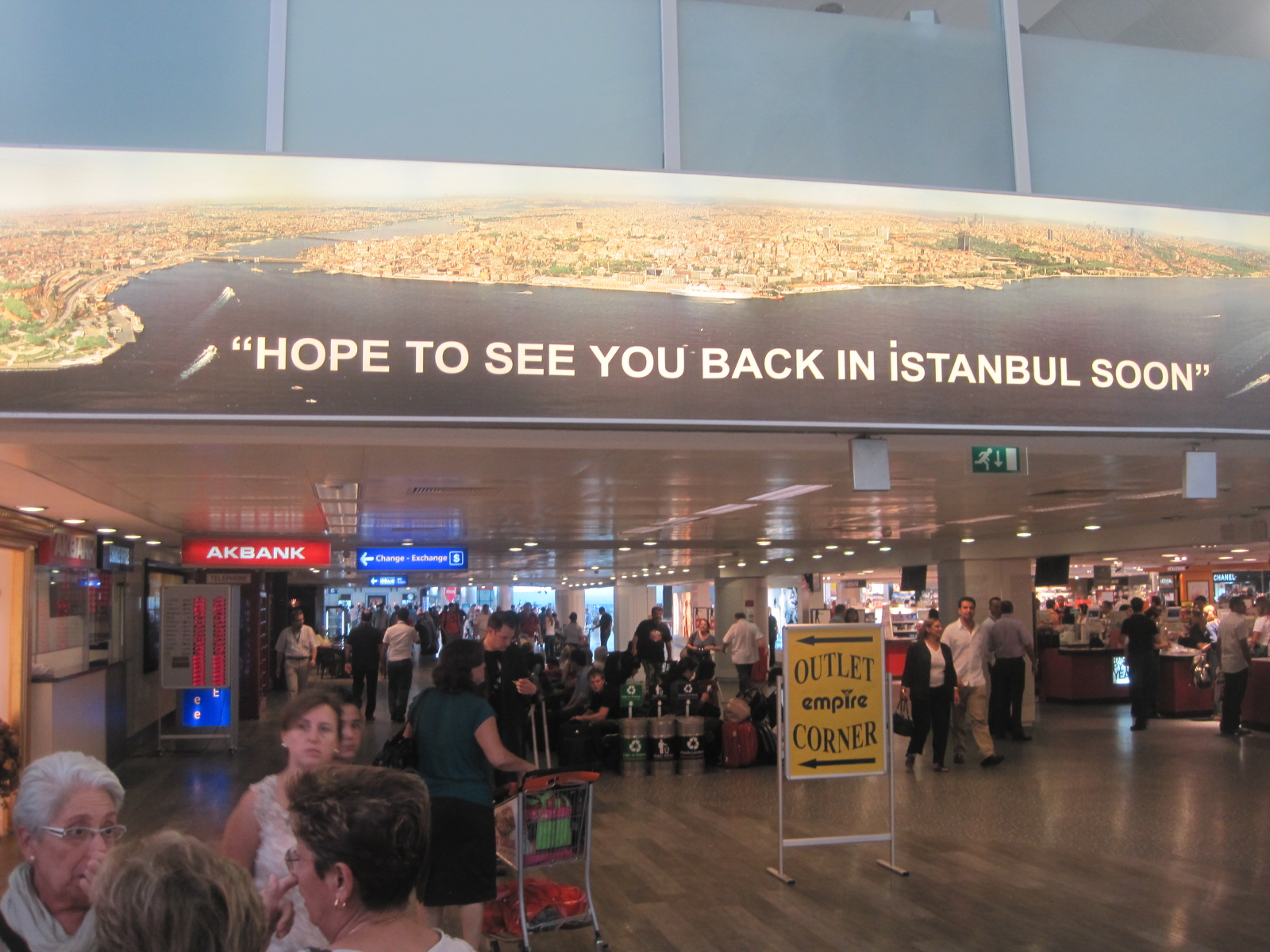
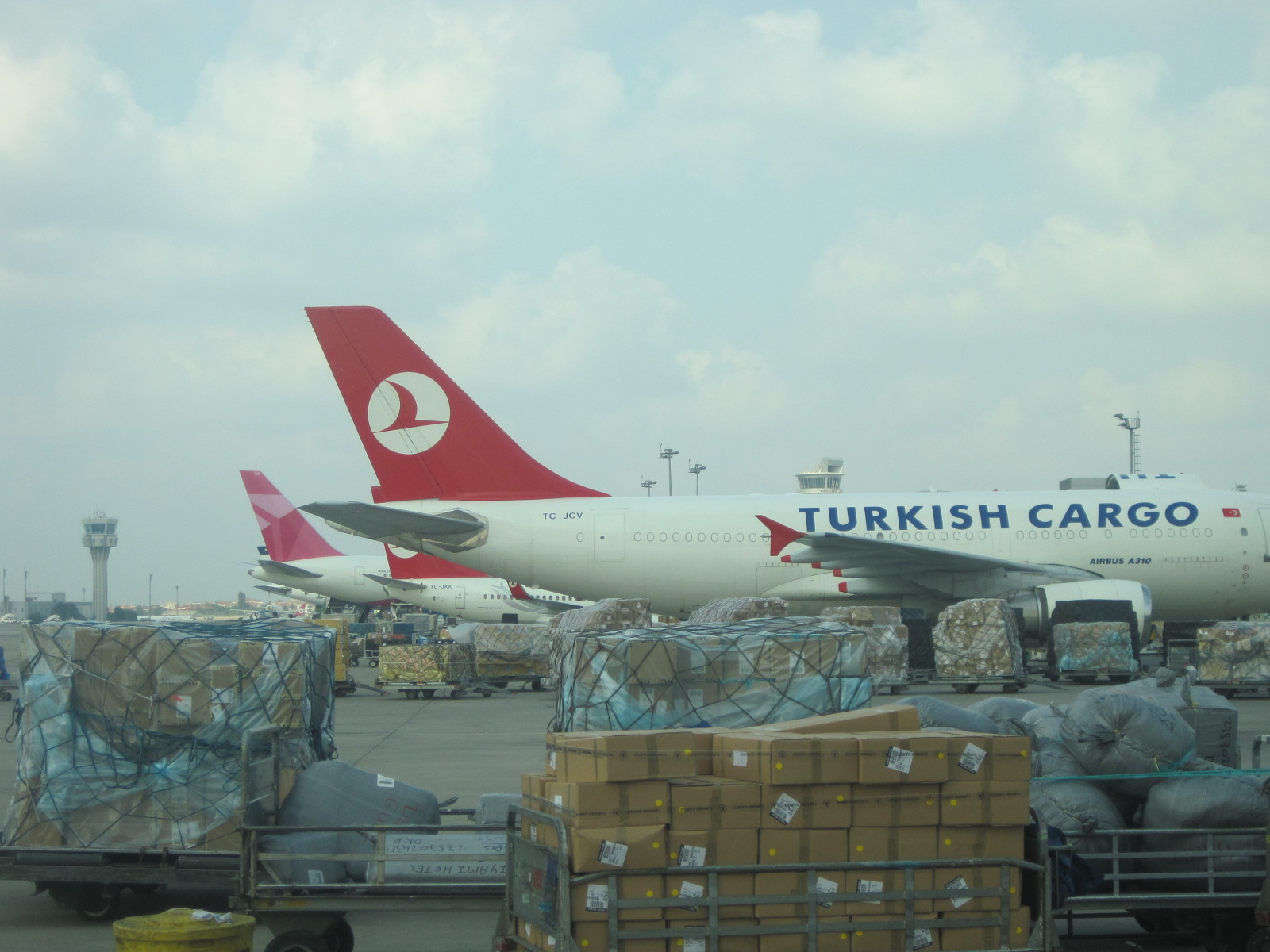
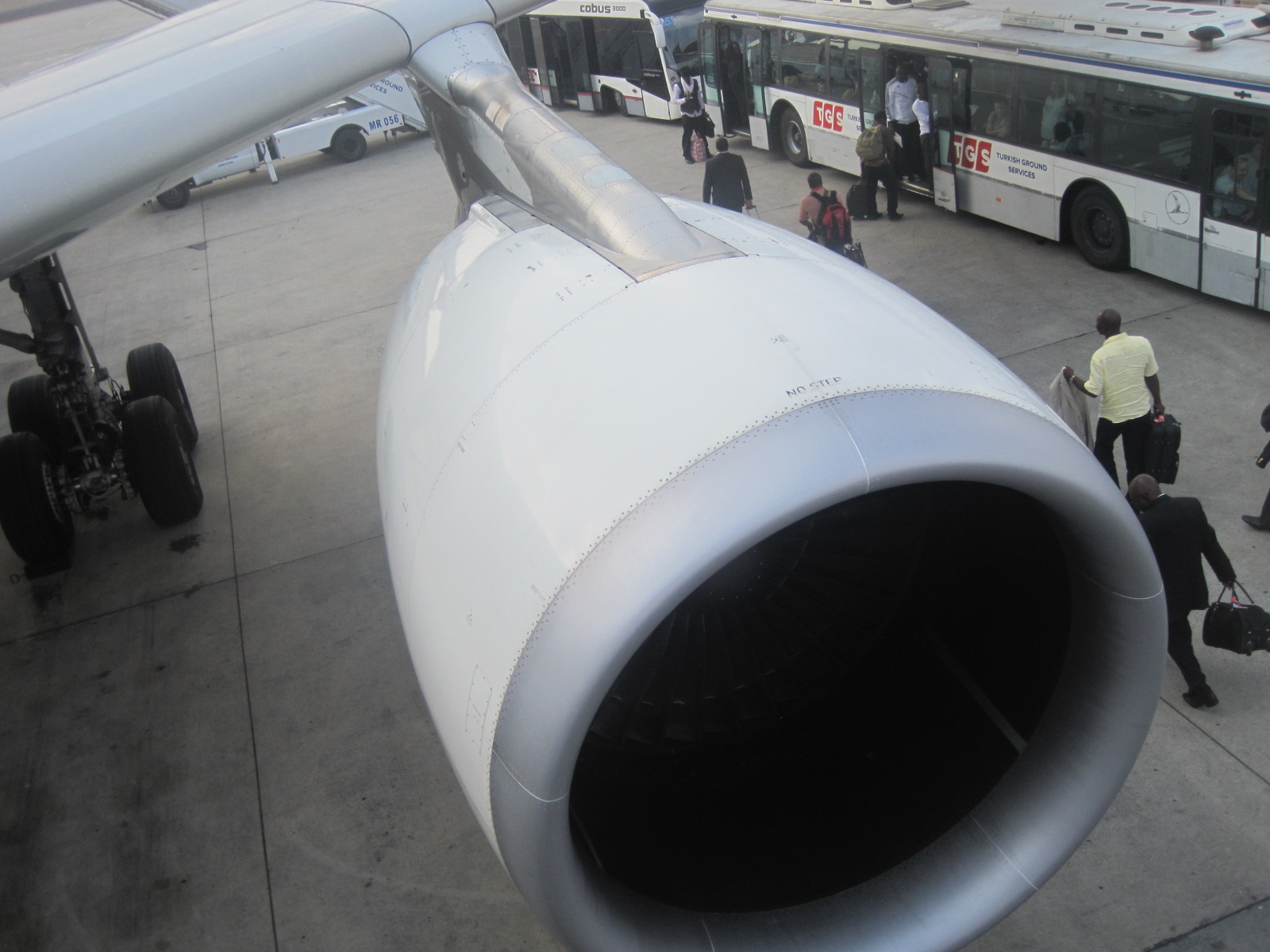
Hovering all around Europe for the last twenty-four hours, I’ve finally made a complete stop at a familiar place. This time it’s looking a lot more like a place I’ve been away from for a long while. There is some lethargy, no doubt, perhaps conditioned by stress, or by fatigue of flying in the aisle seat for that length of time, or the thought of my luggage in the hand of a random stranger.

Well, here I am now, no longer such a stranger. What does the city hold for the poor traveler?

The Cross and the Crescent: A Short Story

Once upon a time, there lived a cross in front of the Chapel of Resurrection in the University of Ibadan. The cross had been there almost since the University itself started, perhaps due to the fact that colonialists had preferred religion as one of the ways of controlling the  empire. Even in the Faculty of Arts, one of the first departments in the University was Religious Studies. The others were English, Classics and (I’m guessing British) History.  In any case, at considerable distance from the building of the Chapel itself, a cross stood as a symbol of the predominant religion, and everyone went their way.

Then one day, half of the grounds on which the Chapel had stood for years became parceled out to make way for the other now predominant religion in the University, this time, Islam. It made a lot of sense that administration allowed the freedom of worship within academic grounds. It was only logical that such a space be made around the same spot as the Chapel perhaps to make it easy to just call the area “Religious Grounds/Centre.” If you have a sense of humour, you may want to push it further and say that it will make it easier for God to hear everyone at once without having to leave the one place. So the Chapel stayed in its place, and so did the cross at the junction, almost adjacent the Catholic church building across the road. The mosque was a few metres down the area and the rest of the grounds remained open for practise of any form of spiritual contemplation and students have been known to go there to meditate or simply to get away from the bustle of the school area.

One day however, somebody in the adjoining mosque had a bright idea. The cross that had stood in its place for many years had become an obstruction – a sort of spiritual hindrance to their clear view of Mecca where they turned whenever they prayed. Never mind that it was not sited as an afterthought to the mosque, or that it was not really blocking anyone’s view (since, while praying in the mosque, it is really quite impossible to see the cross outside). For the brilliant Moslem student in the academia of those days, there was something inherently discomforting in bowing down in a mosque sited close to the emblem of a (perhaps rival) religion. The solution: demolish the cross or get it transferred to somewhere else. The mosque was there now and nobody had a right to place an obstacle to its religious independence even at such symbolic level. Of course the Chrisitians were not going to have any of that. Either the mosque is relocated, or the worshippers must respect the presence of their respectable symbol of faith since it had been standing in that position perhaps even before the mosque was sited. A true story. God, at that time, if he wasn’t the one pulling the ropes, must have had a cause to break into a smile at this point.

Guessing as can only be possible now from such a considerable time distance from those times, I can only try to picture what the scene must have been like: Christian students writing in campus magazines flaming articles to condemn the Moslems obvious intolerance, and vowing to defend the cross (both literally and figuratively) from vandalism, and the Moslems rallying after the champion of their cause in order to have their way – which they did in the end. Well, not totally. A compromise was reached and another plinth was erected close to the controversial cross. This time, it bore the crescent and the star, and it stood within considerable sight of the mosque, the chapel and the old cross. To “block out” the sight of the cross from the mosque, a large crate of concrete was also erected between the contumacious symbol and the Islamic praying grounds. All those buildings are still there today including the crate of concrete, and, to quote Soyinka on the matter “no earthquake has (yet) been reported within those holy grounds.” There are many more layers to the issue, of course, one of which was that that particular fight polarized the University and ruined old alliances, even within groups of people who believed in neither religion. Such was the level of intolerance that even pacifist on campus started gearing up to fight on one side or the other. The Cross and the Crescent in their heat of the passion contest for the hallowed right to – even if only symbolically – exist simply forgot about all the others and were ready to turn all hell loose if their point of view wasn’t respected.

Luckily, academia survived it – as much as it could – and all has remained calm ever since. Walking through the religious grounds a few weeks ago in company of a (Nigerian) visiting medical researcher from Connecticut, I took these pictures and took time to narrate the story which she, and many people I’ve told afterwards, hasn’t heard before. I promised to blog about it but didn’t make the time to do so until now, and what a time it is. The United States – or at least its airwaves – has become if not multiply polarized because of the testy decision to site a mosque a few blocks away from the old site of the World Trade Centre where in 2001 some fatalistic zealots had committed one of the world’s horrible crimes in the name of religion. On the face of it, it is insensitive, but a little paring will reveal it as only a testing of the true values of the country. Fifty years from now, I believe it would probably have become just another one of those moments in the development of a just and tolerant nation. But for now, let us watch but with our emotions in check, especially for the sake of those who have neither interest nor investment in the matter. I have heard families of victims of the World Trade Centre bombings say that the mosque is a fitting tribute. I’ve also heard from other families who say it is an insult. Nobody has heard from the dead, or from those who might still die if the intolerance is allowed to blur a simple distinction between a place of private worship by moderate and law abiding citizens and a shrine to terrorism sponsored by a faceless terrorist group in the caves of Helmand (where US forces shoot to kill every day). I heard that a Fox news commenter has also vowed to start a gay bar close to the mosque “to cater for the needs of Moslem men.” See? Freedom.

Maybe there is, or maybe there isn’t, a lesson for the divided American opinions in this Nigerian example, and in the paraphrased words of a writer: “Tolerance doesn’t proclaim itself or weave itself into conditions. It’s in itself evident.” Or maybe the answers are not really in religion, or sentiments, but in the constitution (which itself is just common sense); or in the examination of our own individual prejudices, and a sometimes thorough delineation of who the enemy really is. To me, this case appears as such a little test of the enduring values of the society that is America. But of course it is also just a local matter between the owner of the parcel of land, and the owners of the proposed mosque. Nothing to kill ourselves over. It has no bearing on the next direction of the cosmos in which we are all just a very little part: Jews, Hindus, Christians, Atheists, Moslems, Sikhs, pagans and all whoever else!