Browsing the archives for the Observations category.

Befriending Lagos: A Benin Story

By Stephanie Ohumu

It is October, in the year of Donald Trump, 2016. I have recently moved to Lagos.  On the first day of work, I start to live. I walk in, breasts uncased and participate in surprising normalcy. Wild and free breasts do not bother the people here.  This is how I know that I will be fine in this Lagos. Just fine.

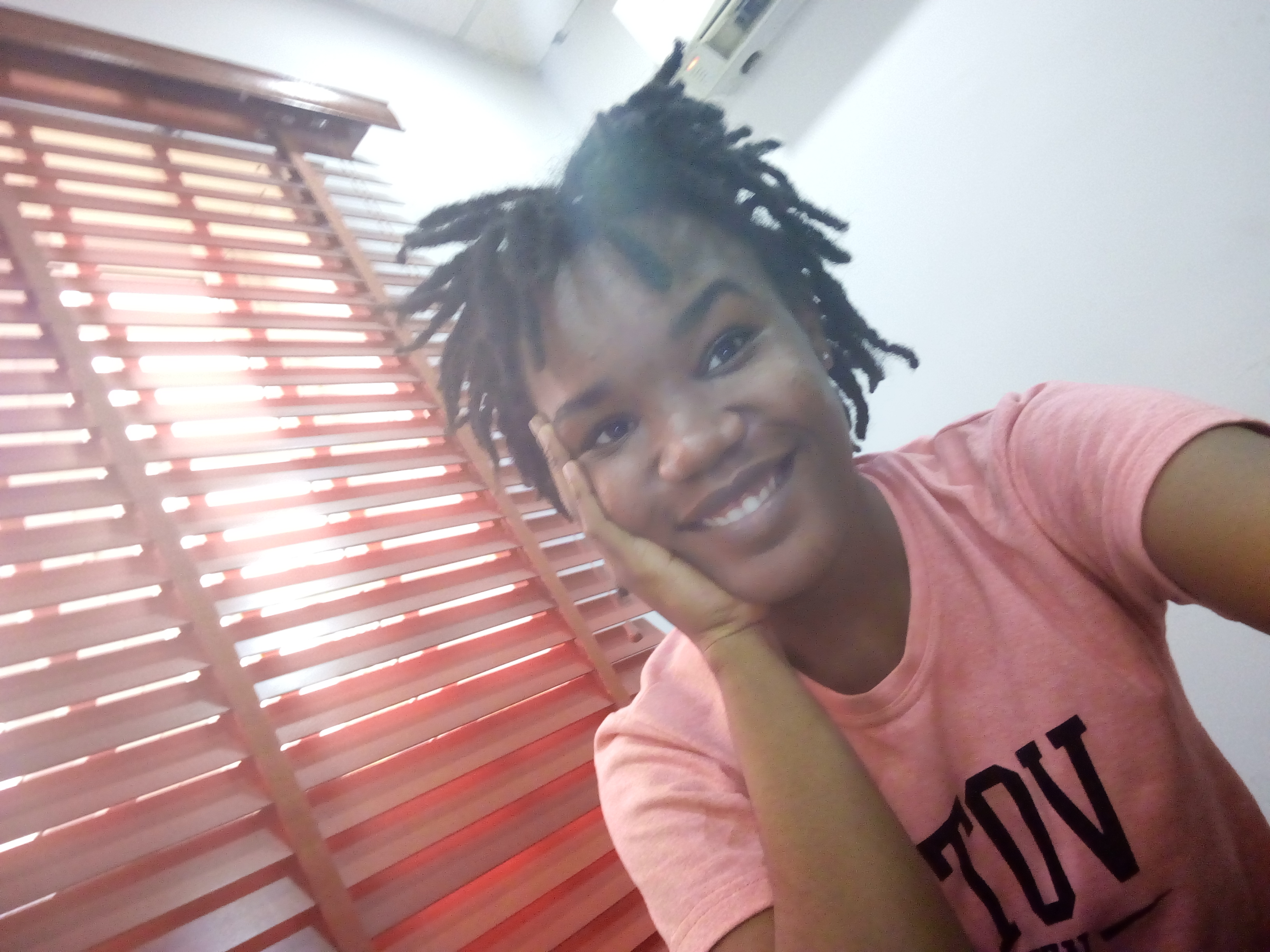
img_20161026_162122My name is Stephanie and I am 20. Inside of my heart is mourning for Benin, where I have lived all my life. This isn’t a story you have not read before. If you can believe census figures,  Lagos is home to 18 million. Many of whom were  not born here.

Everybody comes to Lagos with stifled love for their birthplace and hungry yearning for the city that will make them. Yawn. This is about, well, fuck if I know.

I am living in Yaba. Alágoméjì, if you’re big on details. In a serviced apartment with flatmates on the same evolutionary level as me. There are no fights. Every day, I walk to work. It is just by the corner on Herbert Macaulay. At night, I walk back home. And sleep. This is my routine until, one morning inside of Slack, I sort of cease to be employed.

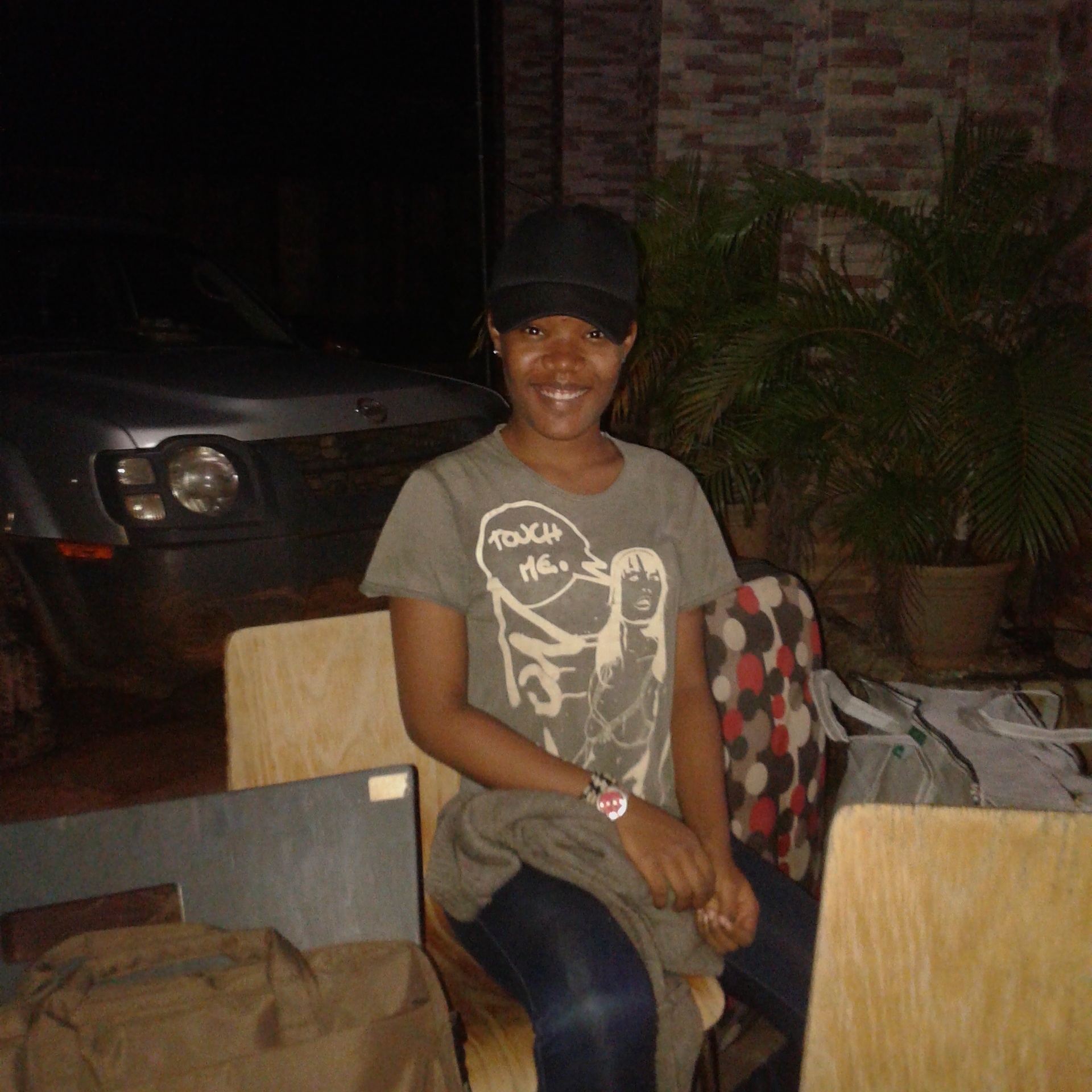
img_20161002_214230Now I have to move out of the apartment where the generator comes on at 9 and dies at 6. I move to Kétu. In truth, this is when I truly move to Lagos. To the yellow of marwas, renaming of bole (appaz it is called bọ̀lì here) and boarding calls to Ọbáléndé, repeated until you are certain that that Tekno song you can’t get out of your head was low key produced by a conductor at Toll Gate.

So far,  this is what Lagos means to me:

Proof.
That if you are mentally ill, the people in your head will relocate with you to new cities. Go to the doctor and start your treatment. Migration is not a treatment plan for bipolar.

An uncurled palm.
This is a space to trace lines of uninhibited passage. If you can walk it, walk it. Be, but only if you dare. Proclaim your batch number and run with it. Stop. Change your style. Be like that until the next stop.

Evidence of life.
screenshot-205In the very many heads of tired bodies awaiting the arrival of BRT buses. In the secondary school student occupying a world in Yorùbá to which my illiteracy bars me entry. The same one I will teach to check her Gmail as an assignment in a dingy café. Life is happening in this city of multiples, in multiples, daily.

And I am here. Existing in the pace of this place. One hurried foot and then the next. Power walking to catch a bus that will be replaced by another in a moment not because haste is required but because it is expected. I have just moved to Lagos and life is happening. So this is me, atop the uncurled palm, paying tribute to the city by living alongside it.

One month in mind.

On the anniversary of your migration, we remember the Benin girl you once were.

Signed,
Phoenix, for the Tenants in Her Head.

____________

Stephanie Ohumu is a writer who doesn’t understand why bios have to be written in third person. She currently lives on Twitter: @SI_Ohumu.

How To Look Crazy in Kigali

by Laila Le Guen

There’s nothing wrong with looking a little crazy on a trip. In fact, it can be a fun way to make friends. I know, I know, crazy is probably not what you’re going for. You’ve researched the weather and fashion trends, packed adequately and learnt three words of Kinyarwanda. You’ll totally blend in. Except…

Take it from me, looking crazy doesn’t happen on purpose and preparedness has little to do with it. There’s just a sort of disinhibition that happens when you smell the air of a new place that makes you giddy and you may sometimes act in ways locals consider eccentric, whether they let it on or not.

There’s plenty of places online where you can find tips on where to stay, what to do, what to eat in Kigali. This is a different – though equally thorough –  type of guide on quirky things to do and say in Kigali.

<center>Photographer: Gwendolyn Stansbury/ IFPRI</center>

Photographer: Gwendolyn Stansbury/ IFPRI

Enquire about safety

It only takes a year or two of living in Nairobi (or Lagos, I’m sure) for safety concerns to become second nature. I’ve learnt to never ride in a car without first checking if the doors are locked and I would not dream of walking around by myself after nightfall in an unknown neighbourhood, nor would I board a random taxi if I could help it. These habits die hard, even when you know that Kigali is generally very safe.

So here I am, on a weekday night at Sundowner in Kimihurura, enjoying a lasagna dish and pretending to read while in fact I’m distracted by the lights, the music and the hum of conversations coming from every corner of the pub. I had strolled to Sundowner before nightfall and found myself in a bind: should I walk back in the dark or take a cab to cover just 500m?

After requesting the bill, I debated whether to ask the waiter. I didn’t want to cede to fear but I also wasn’t going to take unnecessary risks in a city where I knew nobody. I figured there was no harm in asking, only the threat of awkwardness.

Awkwardness did occur when the waiter gently laughed at my incongruous question and assured me it was safe. So I walked back feeling tense the whole way, even though the most threatening presence was a bunch of barking dogs behind a closed gate.

When in Kigali, you can afford to chill. And that’s great, if you actually manage to put aside old habits and actually chill. I’m not saying muggings don’t happen, but your guard doesn’t need to be up all the time. Feel free to take a holiday from your high alert default mode, was the message Kigali residents kept reiterating.

Get on the bus

2-kigali-moto-dylanwaltersThanks to consistent signage and well-organised bus terminals, public transport routes are really easy to navigate in Kigali and I tried to use them as much as possible. I find the slow rhythm of the ride an occasion to breathe, to wander, to observe the movement of the city.

A visitor to Kigali, much like Kampala, won’t really need to use buses, as motorcycle taxis (moto) are inexpensive and so numerous that you’ll never wait long before catching one. So when I asked for information about bus routes to strangers at the bus stop and to my host, they inevitably looked bewildered. Why would I choose to take the bus and “waste” half an hour, when I could just hail a moto and have virtually no chance of getting lost?

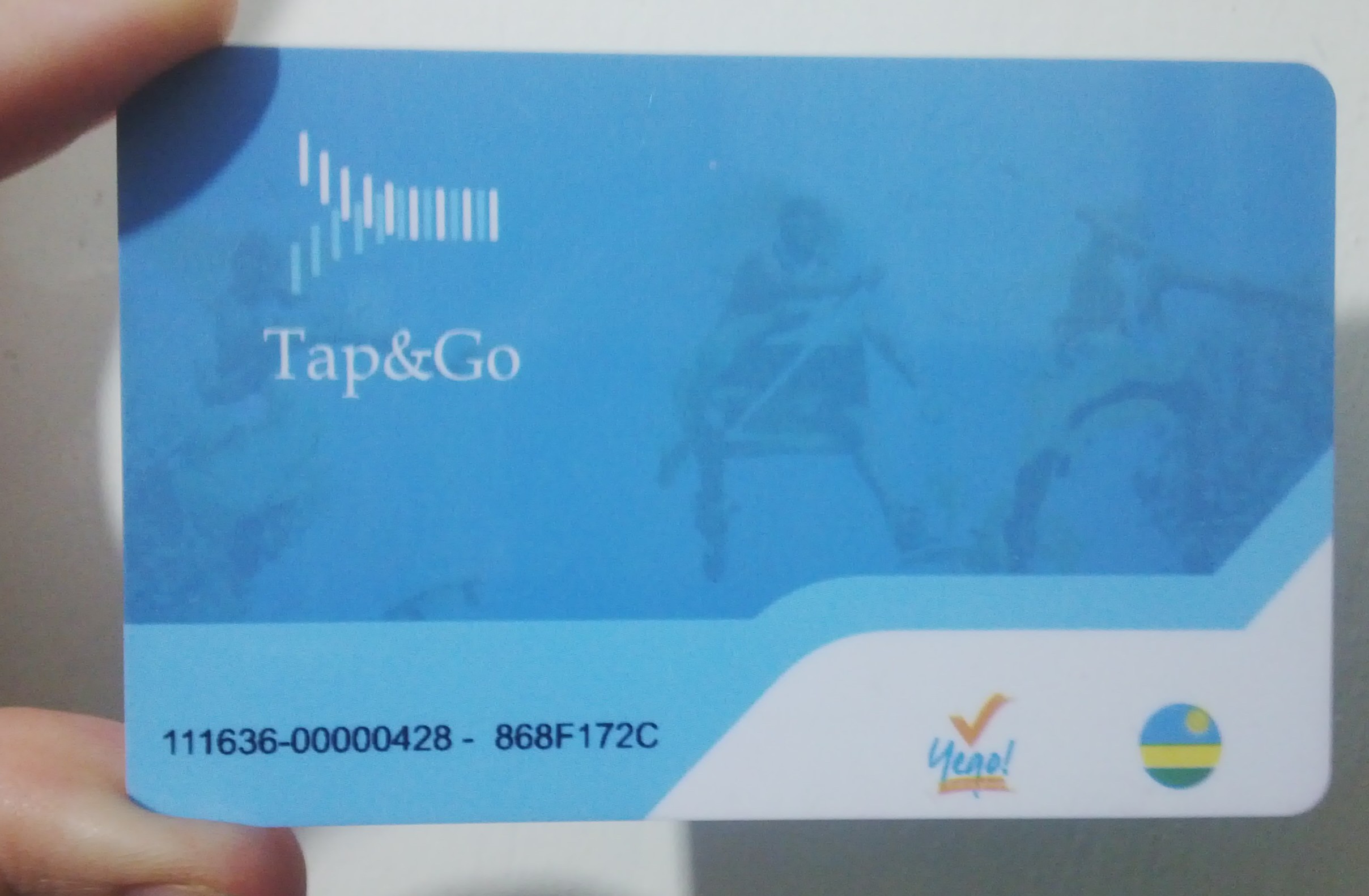
I could see how it sounded weird and irrational. For me, the joy of riding the bus is in the figuring out of the paths through the city, in the conversations you strike up with strangers, in the languages you overhear. And how else would I have experienced the prepaid “Tap&Go” card system used on many routes in the Rwandan capital?

Pavement passion

For three days, I explored parts of the hilly capital on foot and I did so with my eyes to my feet. Not to avoid potholes or puddles but because I couldn’t stop staring at the beautiful Kigali pavements. Just the fact of their existence in every part of the city filled me with joy.

I might have raved about them to every person who would humour me…

Pedestrians in Nairobi get the short end of the stick since pavements – where they even exist – are seen as a space open for dumping stones and rubble when they are not used as a parking lot extension. Most of the time, you’re walking on the roadside.

Kigali residents, I’ll say it again: your pavements are wonderful.

How much hadi la gare?

3-kigali-tapngo-laila-cc0-licenseSince I could never guess which language someone would prefer speaking and Kinyarwanda was not an option for me, I tried English, Kiswahili and French successively (not necessarily in this order). While this linguistic trio makes for strange multilingual introductions, it proved to be a winning strategy in everyday communication.

For moto rides, knowing basic round numbers in French is very helpful (you’ll be counting in hundreds, potentially up to a thousand). Even when we initially spoke English, the driver would often quote a price in French.

Kiswahili is also a good language to have in your toolkit. Many Kigali residents speak it and you’re likely to come across swahiliphone Congolese people as well, so do try it: reactions were always very warm and I found it quite easy to engage with strangers in Kiswahili.

Most of the time, the situation called for a mix of English, French and Swahili because things like ‘sauce provençale’ don’t really translate. Not to worry though: even if your only available option in this context is English, you’ll still be able to get by just fine.

Roju…what?

It took me all of two days to be able to pronounce the name of the nearest landmark to my guesthouse.

I had one of those retrospectively hilarious moments where it’s late at night and you’re trying to explain to the moto driver where you stay but, this time of all times, you have no language in common and the words that come out of your mouth don’t seem to find any resonance.

I kept repeating different versions of the name ‘Rojugire’ but the look of recognition never came. On top of that, we were both getting soaked under the pouring rain!

I ended up walking back with a kind stranger from the pub who happened to know the neighbourhood like the back of his hand because he had grown up there. While we huddled under his umbrella, he told me about the time he got mugged in Nairobi. It sounded like a variation on the universal East African travel story: I went to Nairobi and I got my phone stolen. We made nervous jokes about how unwise it would be to have a stranger walk you home at 11pm in Nairobi.

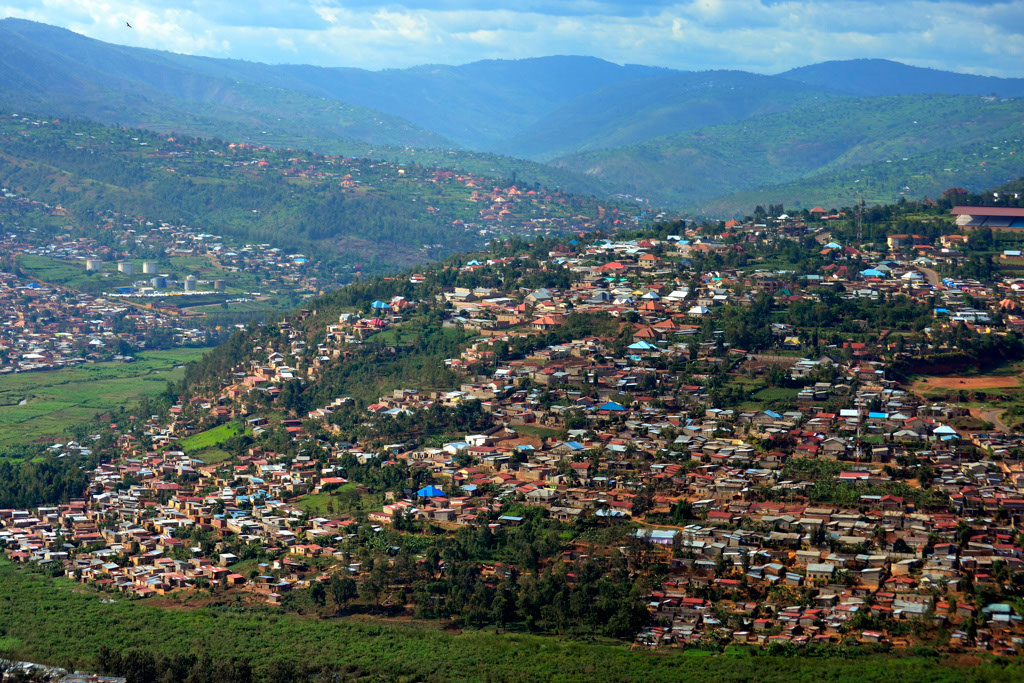
This trip was about contrast and wonder. Three days in Kigali is enough time to be charmed by perfect pavements and enjoy views over hill after hill, but not enough to to start noticing the flaws that would likely drive one mad after a year.

Do you feel like unleashing your own brand of crazy on Kigali yet? I sure hope so.

__________

Laila Le Guen is a 2016 aKoma Amplify fellow based in Nairobi. Growing up in France, her dreams of getting to know the world outside her small town were nourished by books from the public library. Her work has appeared or is forthcoming in Brainstorm, Aerodrome, Afrolivresque and Saraba.

In Pursuit of a Canon

One of the issues that came out of the conversation, yesterday, at the Q&A part of the Press Conference to announce the winner of the Nigeria (LNG) Prize for Literature is whether the judges on the award panel are too old to understand contemporary literature. It was an indirect hit in form of a question from one of the journalists in the room about the currency of the judges’ knowledge about current trends. But the chair of the advisory council, Professor Ayọ̀ Bánjọ, picked up the snark and addressed it fully, defending his team’s savvy and curiosity: “Because we’re old doesn’t mean that we don’t know what is going on. We try to keep up.” Or something to that effect.

But he also went on to suggest that the public make their work easier (if not also superfluous) by generating sufficient debate around each year’s long-listed (and shortlisted) works in order to enrich the canon with smart takes, appraisal, and criticism of each of the work during and after the process of the Prize announcement. He said, and I’m paraphrasing, If you don’t engage the work and create an industry of conversations around them and around the trade, we as judges, may be denied an opportunity to be familiar what is new, and we’d be forced instead to judge the works we are given by the standards with which we are familiar, which may not always be modern. It was both a humble cry for help and a smart take on the state of literary criticism in the country.

Perhaps aware of a criticism of the Prize as being rich in money but not in the elevation of the craft, Professor Bánjọ was throwing the challenge back to the community to not leave the important work of the whole process – criticism, which enhances the value of the work and engages the audience on a second level – to the judges alone. Notable was the fact that no one was rewarded this year with the prize for Literary Criticism which had always been a part of the annual award.

image

He has a point. Many writers who have won the Nigerian Prize – as also pointed out by another questioner – have gone into oblivion with no follow-up work, as if the cash payout of the award had delivered a knockout punch to their creative ability or drive. Certainly, the point can be made that if the work of past winners of such a prestigious prize do not gain more critical interest after such an honour, or increase in sales at the bookstores, or even show up in more quantity on book stands as a result of the award boost, the Prize would have failed in a major way. And what creates this kind of interest is not just the distribution of the books at the award ceremony as the NLNG already does, or a donation of copies to public libraries which is also a good thing, but a critical engagement by other writers and critics of each work as soon as the long list is made, and before/after the award winner is announced.

This is where the indictment of the community is deserved.

The Caine Prize is a much smaller prize in terms of cash reward, but has been deemed way more prestigious across the continent for its sustenance of critical conversation on African literary production though it only rewards writers working in the short story form. There is a couple of reasons for that. The prize has an active online engagement strategy that covers the continent, involves the writing community, and stays connected to the source of important conversations regarding the writers it shortlists. It also has an annual retreat/writer’s workshop in which writers are made to produce works that are then published as an annual anthology. It does this on a budget most likely smaller than that of a prize that awards $100k to an individual every year.

But perhaps more importantly, for the Caine Prize, is that writers and critics also pay attention to each shortlisted story, which are usually carefully reviewed online before the prize announcement. Notable among these annual exercises is the Caine Prize Blogathon founded by Aaron Bady through which interested critics take on each or all of the shortlisted stories each year, and review them individually and as against the criteria of the prize. I have been a part of this exercise since 2013 and enjoyed the process, which brings me much closer to the works than I would ordinarily have. We’d never know how much this annual exercise affects the decision of the judges, but responses to past editions of the Blogathon shows that the large literary community across the continent does pay attention to what is being said and how. It enriches the profession, helps the writers, benefits the readers interested in critical engagement, and makes the prize better.

We need the same for the Nigerian Prize for Literature. All shortlisted books should be made available for free – if possible – to interested reviewers for critical engagement on online and print platforms. Maybe it will make the prize better. But certainly, it will enrich the community of Nigerian readers, and writers.

Jakande Unclothed

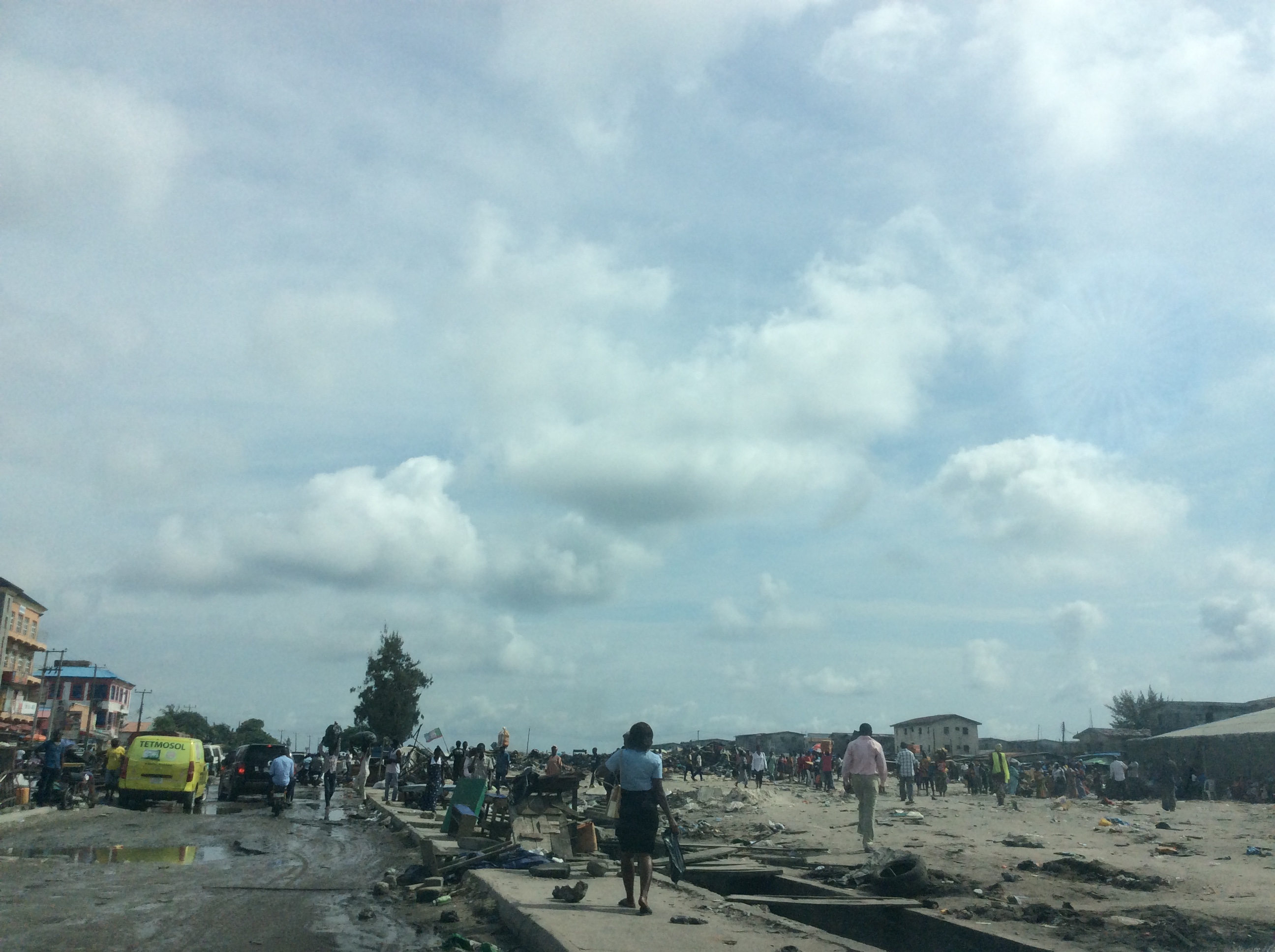
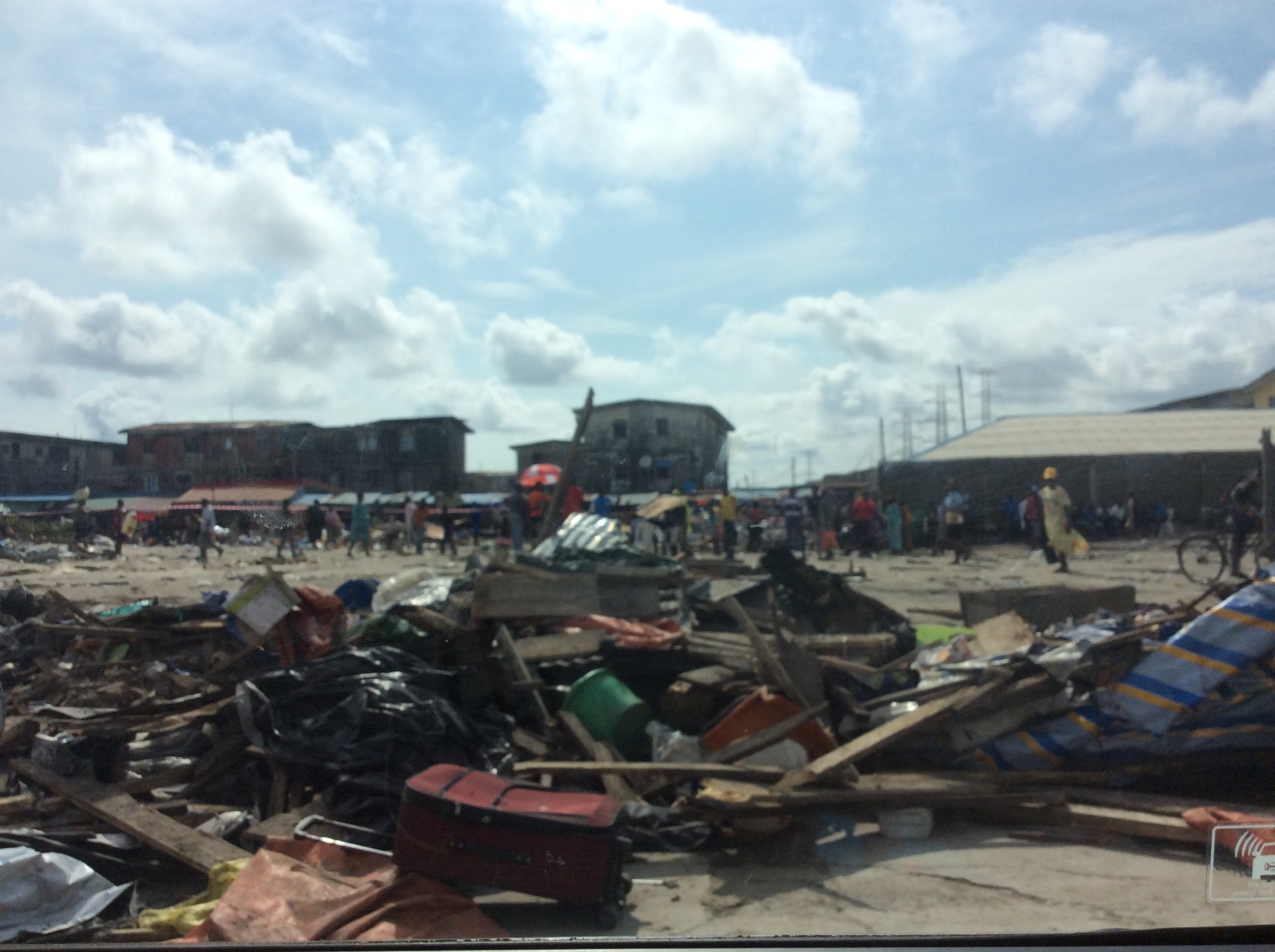
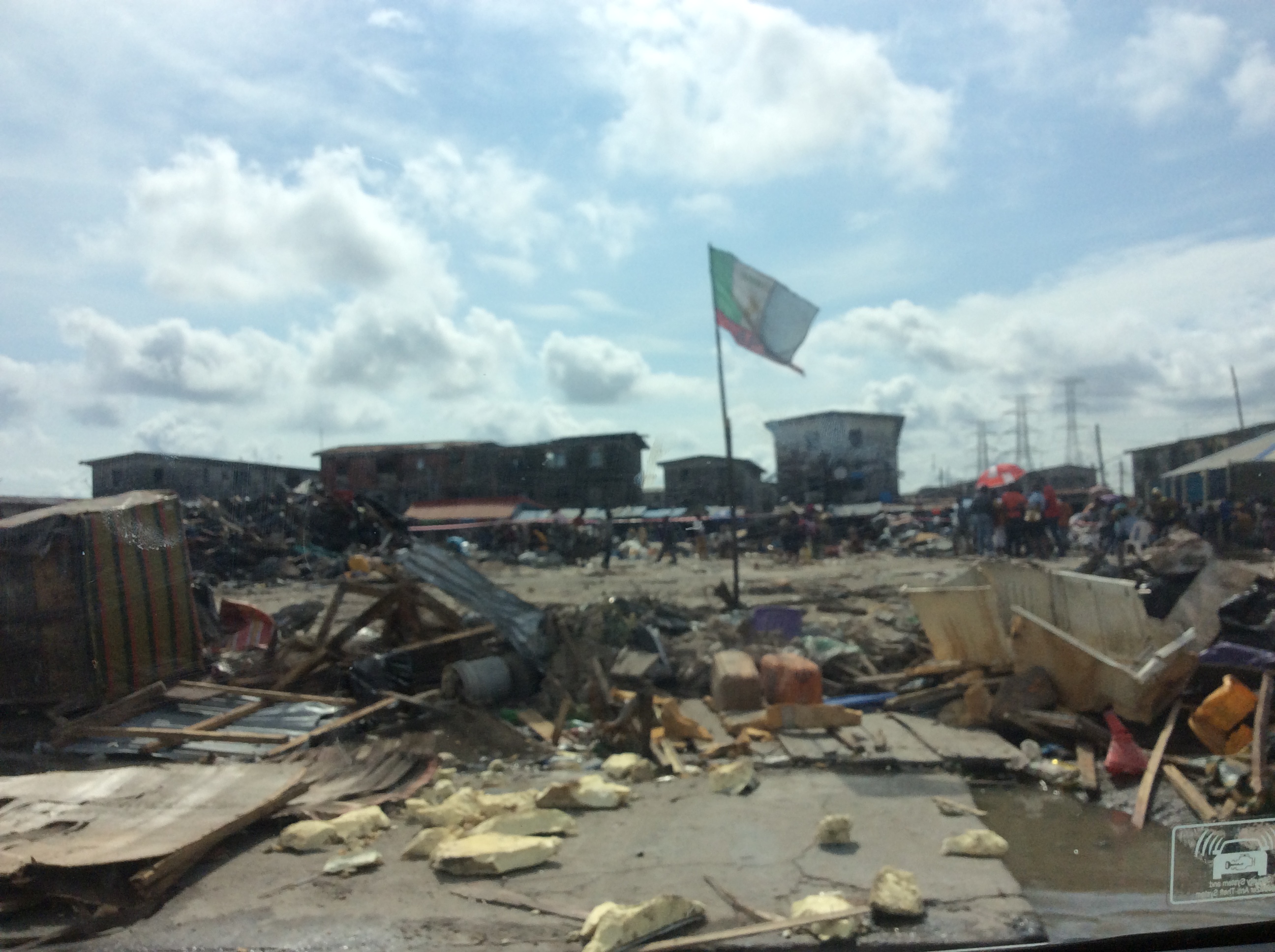
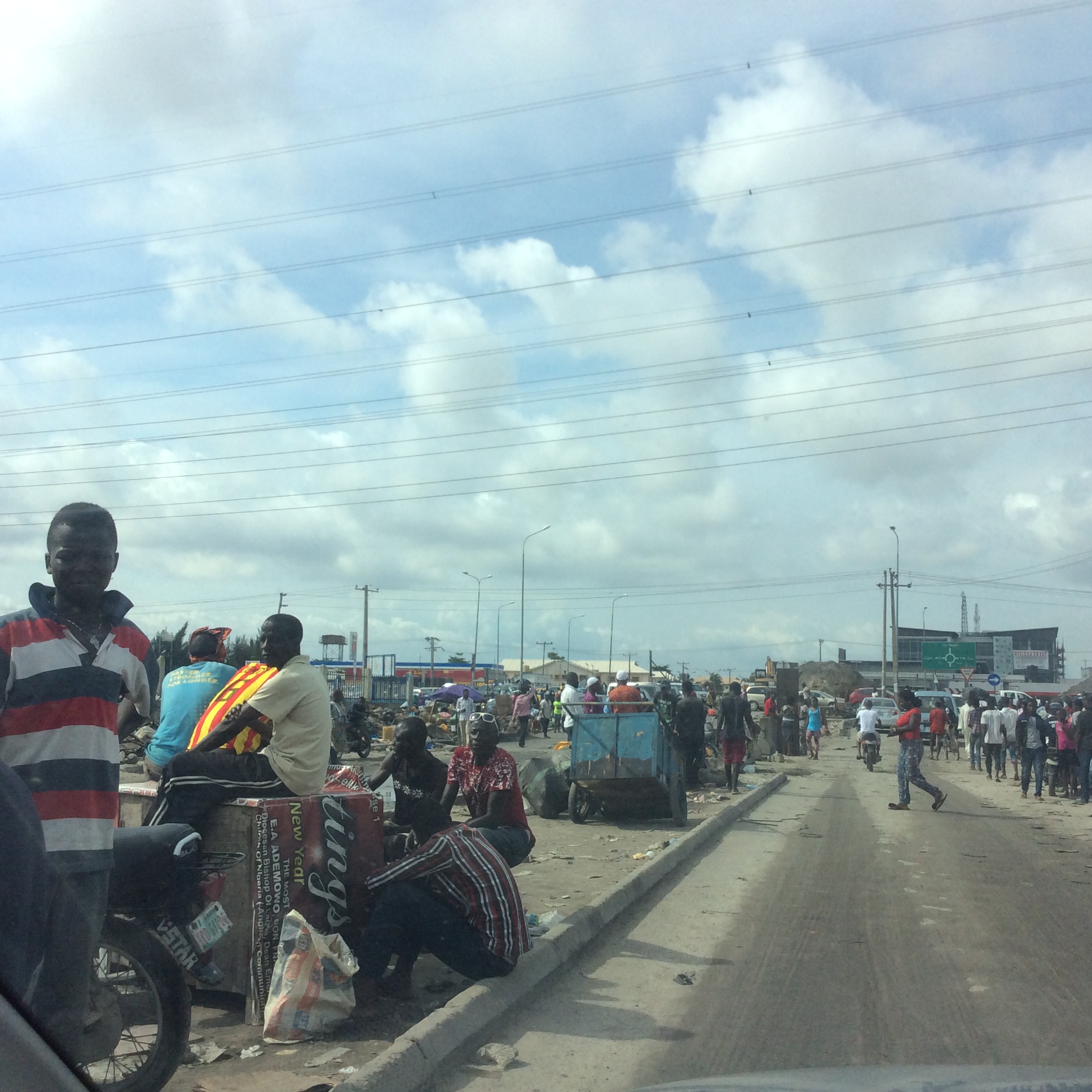
imageDriving by the Jákàńdè area of Lekki (5th roundabout) on Sunday, I noticed a few people with placards at the roundabout standing around with signs like “this is a peaceful protest, leave us alone here” or something to that effect. Behind them was a stretch of destruction that looked like a heavy storm had just passed through. (I’ve been to aftermaths of real life tornadoes, so I know). Behind them lay piles of debris as far as the eyes could see from the roundabout, made of brown roofing sheets and wood.

image

Before now, that area always looked a little too crowded, too dense, too unplanned to have been housing anything legitimately sanctioned by the state. But as we usually do to things that seemed out of place but seemed to satisfy those immediately concerned, we look away and assume that someone somewhere knows what they are doing. It seems, now, that the government has finally come to pay attention to the area. Now, after removing the shanty that had grown out of the space into a community of sex workers, touts, homeless vagrants, and other Lagosians of little means, what emerges is an open land seemingly ripe for some decent development.

image

This is probably the story of much of Lekki, anyway: a stretch of fresh land occupied by small communities of people now suddenly discovered by bigger powers with big equipment and big money ready to expand and develop the area for commercial purposes. The spot where the Jákàndè Circle Mall now stands used to be a shanty as well. Same with Márọ̀kọ́ at Sandfill which has now become a modern plaza with a big hotel. In all cases, after the owners of the land are compensated, a bigger human cost arises in the displacement of hundreds to whom these areas are all is left of home.

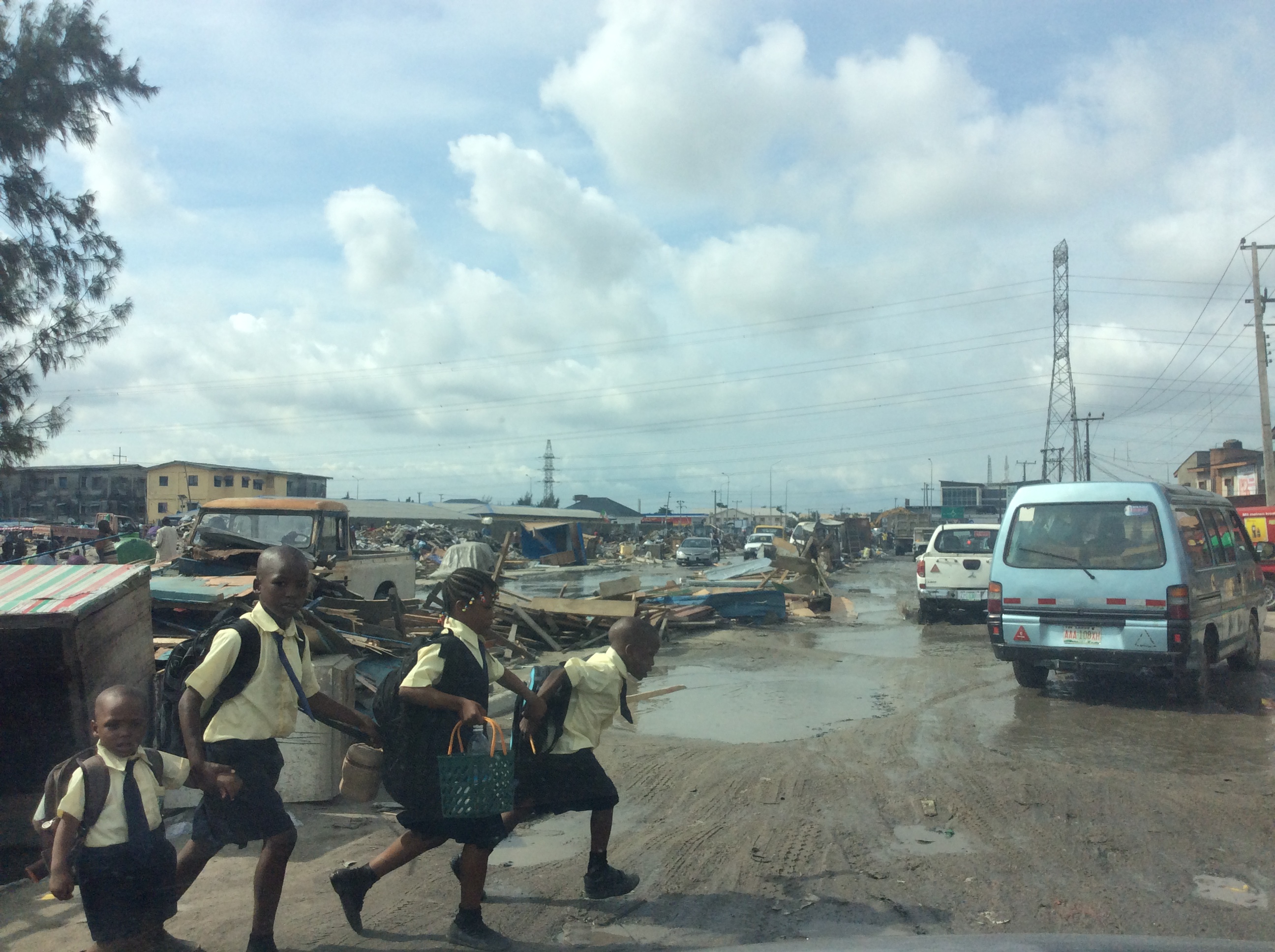
imageI wondered while driving through the beach road yesterday what the real cost would end up being. So far, we already have regular cases of carjacking and traffic robbery in early mornings and late evenings. There have also been kidnappings. According to the state government, these shanties are the real causes of such violence as they hide criminals who use them as springboards and hiding places. Demolishing their home and kicking them out would reduce violence and allow free passage of people. There is some allure in that thinking. Past upgrade of hitherto crime-ridden places in the state and the corresponding success in their removal of crime has shown the success of such an endeavour. Plenty spaces under abandoned bridges have been turned into public parks with lighting and security, making them easy to walk under at night without incident. But still, rendering homeless hundreds of residents at just 72 hours’ notice will no doubt have its own consequences. As I tried to read the despondence on the faces of all those I saw sitting around the open spaces, I wondered what those consequences would be in the long run.

imageBut in this case, unlike that of the demolition of the national monument at Lagos Island or other cases still under the outrage of surprised owners angry at the state’s seeming high-handed behaviour in destroying them, there seems to be an overwhelming public interest. But unless something of relevance is erected in this spot, all these gains will be lost soon enough. A sustained involvement in the redevelopment of the now levelled area would be a welcome event indeed.

Across the West African Coast: Ghana

By Yẹmí Adésànyà

It was work that dragged me across the coast of West Africa in delightful week-long bouts of adventure, each country exhuming different parts of me long hidden beneath the lacquer of a time-guzzling occupation. Some ports were more enchanting than others, workload and available time was not equally indulging, and thus my impressions are naturally skewed in favour of cities where my schedule permitted extra-metier experiences.

ghana1My journey started with Ghana, a colonial sibling of beloved Nigeria. Accra felt just like home: a buzzing commercial centre, invoking the unfortunately familiar and tiring spirit of boisterous vehicular traffic congestion, co-witnessed by hardworking street hawkers. My hotel was only a stone throw from the office, in Ring Road; there was not much time to play, I therefore did not see much of Accra. Ring Road is largely a business district, but my daily commute offered a view of the residence of one of the top opposition politicians, with campaign banners and billboards clearly marking his territory. So one might say the area is partly residential too.

20160429_144618Any city that reminds me of Lagos meets with a kind of languid resignation and apathy, the kind in which I steeped for the duration of my visit.  I got a lousy shot of the state house (although my driver was not sure it was safe to take these photographs) and a stationary armored tank, but no other sense of adventure or curiosity was piqued in me. I made a mental note to opt for a hotel in a different part of town when next I visit, as I prefer relatively less densely populated spaces, with minimal noise.  I was later rewarded on one of these trips with two West African cities that felt like heaven to my Lagos-suffused soul.

20160429_164403An interest that seemed of inexplicable significance, to my lunch buddy anyway, was a matter of immense national pride which I had made a mental note of witnessing, and documenting my observation and verdict. Many Nigerians have taken part in at least one light-hearted debate on the staple continental dish – Jollof Rice – and I had too, before my trip to Accra. I thought the Nigerian Jollof was better, just because, of course, but I had no objective evidence in favour of my bias. I had ample experience with the Nigerian flavor, and wanted to taste the Ghanaian, to have some closure. Well, I achieved that.

20160425_080640During my week-long desk-bound sojourn in the city, I was condemned to a food-evader’s utopia of monotonous lunch at the Swiss School, chiefly because it was close to the office, plus time did not permit any exploration anyway. I ate Jollof Rice in Ghana, and it was flat, and unlike the pill Posner took in Ibiza, no high followed. It was the second most unjollofesque rice I have ever eaten. Almost completely tasteless, inadequately seasoned, and what it lacked in tomatoes and salt, it made up for in excess pepper. As if that was not enough disappointment, the Zobo drink I enjoyed with my first lunch had taken on a more pungent taste by day two. Zobo the popular drink made by boiling dried calyxes of the hibiscus plant floweris big in Ghana, I was told by my colleague. What he forgot to mention was that it is not always harmless. The variant I was served on the second day shocked my palate to astringent displeasure and reminded me of the need to pay a closer attention to food labels in the future. Spicy ginger does not belong in Zobo drink!

20160425_130806I left Accra with a memento from the Ghana Art Centre market; a Djembe drum, delightful to my little music maker, and a regular reminder that one can sometimes find pleasure in interruption.