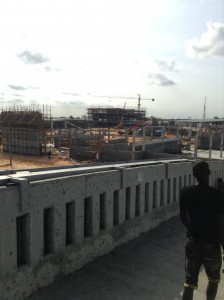
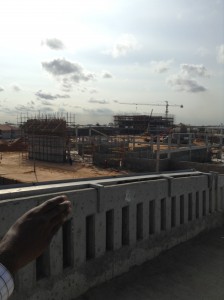
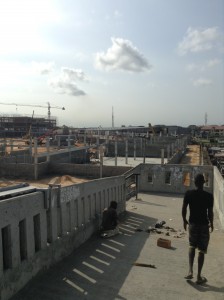
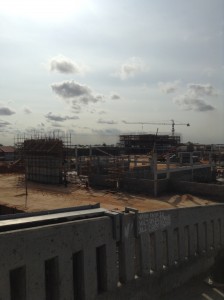
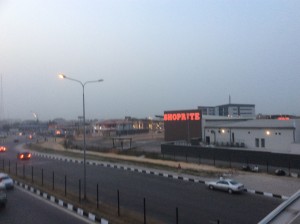
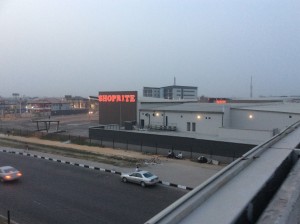
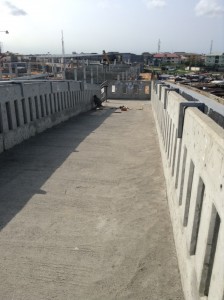
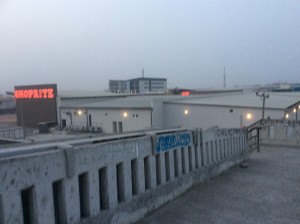
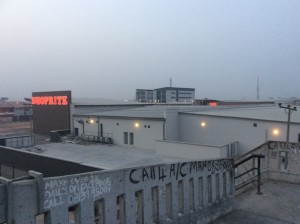
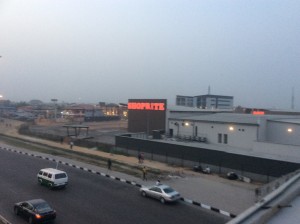
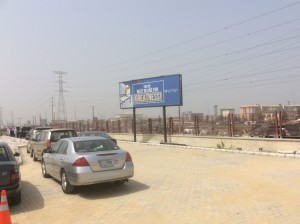
Photos taken during and after the construction of the new Circle Mall at Lekki-Jakande Roundabout. May, 2015 and January 2016.

Browsing the archives for the Observations category.
Photos taken during and after the construction of the new Circle Mall at Lekki-Jakande Roundabout. May, 2015 and January 2016.
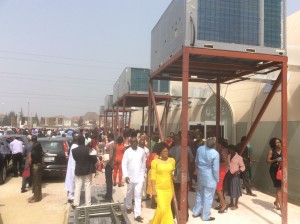
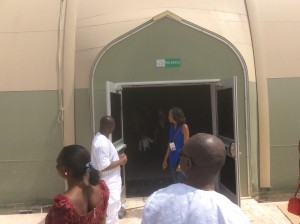
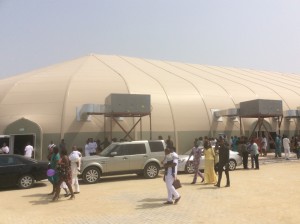
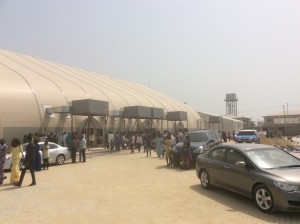
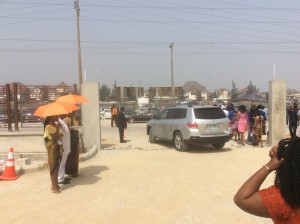
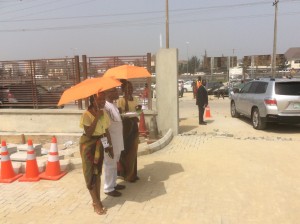
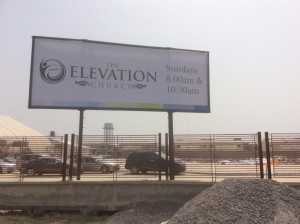
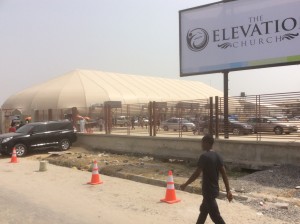
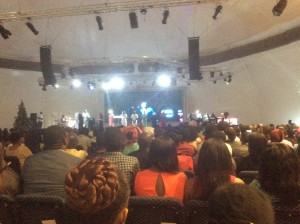
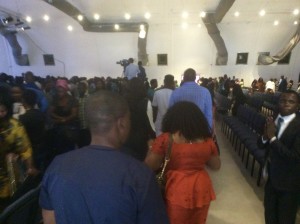
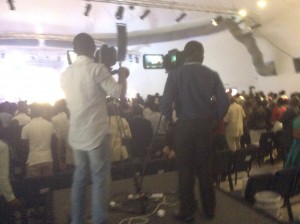
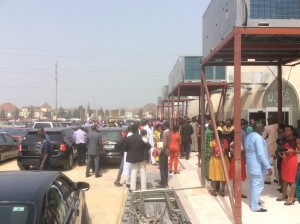
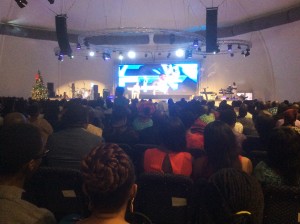 The interest in (and response to) my last post about the demise of decorum was on my mind as I attended church on Sunday, for the second service, at the church’s new location in Lekki. What I realised, along with the fact that I’d painted Nigerian events with too much of a broad brush, is that Christian (and perhaps most religious) events, along with events organised by/for writers are usually better organised than other public events. Maybe the problem of decorum is actually a problem of organisation. The Aké Arts and Book Festival is certainly one of the better organised events I’ve attended in the country, and it continues to improve every year. It is run by young volunteers who put up a more competent performance than many of our public officials (and even private organisers) who earn way more and deliver less.
Now, the Elevation Church moved, this Sunday, to its permanent site along the Lekki-Epe Expressway, and held its first two services there to celebrate the occasion. These photos were taken there. The church structure (made in a tent-like form with steel and tarp) sits on a 17,000 square metre area of land purchased and developed over the last three to four years. Not only was the church programme prompt and well organised (as it has always been), the interior design of the new structure shows attention to detail and to the comfort of the worshippers. For someone with long legs and a phobia for sitting in cramped spaces, believe me when I say that the arrangement for coming in and going out were made with deliberate attention to comfort, security, and aesthetics.
What else can I say? It’s a place of worship, so perhaps we’re usually at our best behaviour in such places. But props should go to the hundreds of unpaid volunteers who spend their time and effort to make each Sunday service a breeze. May I also recommend that anyone interested in a family church with deep social consciousness and connectedness to the environment in the Lekki area, and a beautiful environment of worship and fellowship, should check out the Elevation Church. Take it from this recurring Christian agnostic who has found it a worthy venue for nourishing of the soul and the stimulating of conscience and purpose. Do I sound like a preacher already?
This Sunday service featured – among other things – a live performance by Nigeria’s top music producer Cobhams Asuquo who sang a theme song he’d composed for the church, a Christmas carol, and another about Angels All Around. Those who have ever listened to him or seen his work already understand the depth and breath of his talent. Witnessing him lead a congregation in a soulful worship performance is a bonus delight.
So, what am I trying to say anyway? Can’t remember. But do come to church next Sunday!
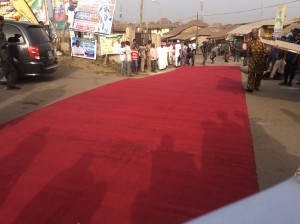 I realised, on my way back from the coronation of the Ọọ̀ni of Ifẹ, last Sunday, that I’ve never attended a properly-planned public event in this country as an adult. Be it a wedding, a naming, or an engagement ceremony, or even an official governmental or artistic event, the evidence from my trip down memory lane has left plenty to be desired, particularly as regards planning and implementation. True a few have come very close to proper organisation, but they have been too far in-between to be the norm. Either we Nigerians are terrible event planners in general or we are just terrible audiences of otherwise well-planned events, both leading to undesirable consequences.
First, the invitation card to the coronation of the spiritual head of the Yorùbá people had shamefully incorrect diacritics on the names of the new king – an unforgivable faux pas tolerable only because of our erstwhile collective tolerance of that kind of cultural laxity and mediocrity. Heck, we are numb already to books and newspapers printing Yorùbá (or Igbo) names without appropriate tone-marks, even when the editor of such publication claims to be an educated Nigerian individual. In an alternate universe, whoever was in charge of this royal invitation would be fired, pilloried, and barred from any future participation in any cultural events relating to the king. But our “educated” newspaper and book editors still collect salaries while putting their stamp of authority on the idea that this kind of (cultural and linguistic) certitude counts for nothing. Shame on us.
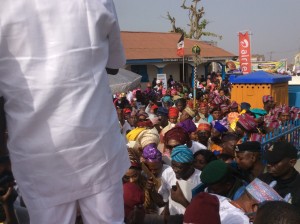
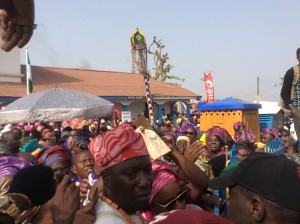 And secondly, an event slated to host royal dignitaries from around the world started almost as a free-for-all as royalty and “common” men jostled together in a crowd to make their way through a narrow gate into the hall. At one point, I spotted the king’s own father himself being pushed and shoved with the crowd, and having to prove himself to be who he is. It was the same situation for the mother of the princess and other numerous otherwise dignified guests who had to fight through what seemed like the eye of a needle, even while holding a VVIP invitation card. At one point in the crowd, one spots the staff of office of the Olúbàdàn of Ibàdàn – an otherwise important instrument of office that should pave way for its bearer without questions. For almost an hour, the staff and its carrier remained nestled within the throng (pictured).
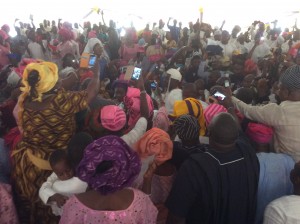
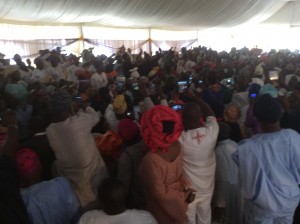
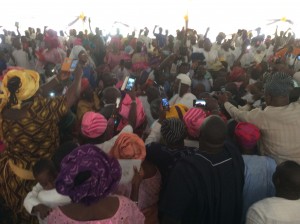
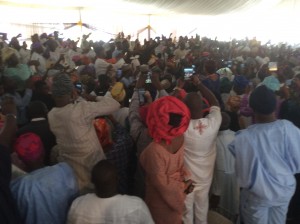 By the time the Ọọ̀ni made his way into the hall, not only was his path blocked by indecorous photographers, well-wishers and other media practitioners wishing to take his photos, the whole hall seemed, at once, to have turned into a barbarous throng, with everyone standing on their seats with phones and devices at the ready to take photographs. Our modern interpretation of this phenomenon might excuse it as a sign of the king’s importance in our imagination, or our celebration of his ascendance -Fair point? – rather than a more unflattering suggestion: that it is a display of our lack of decorum at such events. One wrong footing and one of these amateur photographers would fall, deservedly, and land either on the king’s head or by his feet. And even without that, the walk from the entrance which should have taken less than a minute took over fifteen minutes: a newly crowned king pacing himself through an artificially-constructed hedge of human nuisance.
A while ago, on a flight back from the United States, I found myself in Paris, at the Charles De Gaulle airport, on the last leg of the trip. And for one moment, something that hadn’t occurred to me on any other part of the trip suddenly came to embarrassing prominence. The airline announcer had taken the microphone to announce that boarding would now commence to Lagos. But before the first few words had landed out of her mouth, a loud and cacophonous shuffle began, seemingly out of nowhere, involving only the Nigerians who a few seconds earlier were sitting quietly and minding their businesses. As if a shortage of airline seats had just been declared and an order placed that only the first at the gate would be flown to Lagos, my countrymen hustled and shoved themselves into what eventually became the queue. It has happened in other instances too, like two seconds after touching down, even before the seatbelt signs are turned off. My countrymen jump out of their seats and immediately proceed towards their luggage, as if they were going to disappear after just a few seconds of waiting.
Those who have cared about the matter have blamed much of this on our cultural conditioning. But I’ve been to Kenya and the situation is way different, from private comportment to general orderliness in public spaces, proving that it certainly isn’t an “African” conditioning. It’s a Nigerian issue, celebrated in other instances as our unbound boisterousness. In instances like this however, and in many others where acculturation should otherwise show itself as decorum, we have terribly failed, and we need to find our way back.
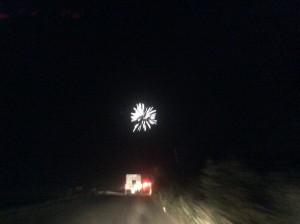
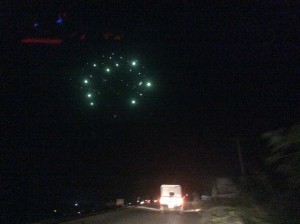
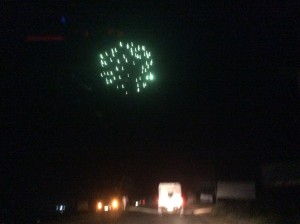
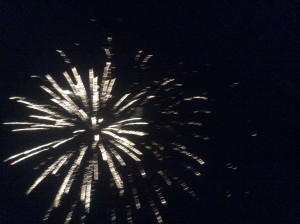
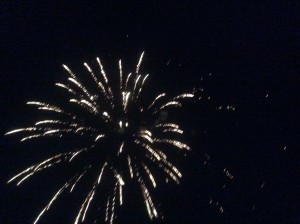
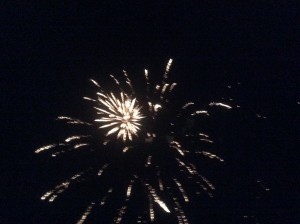
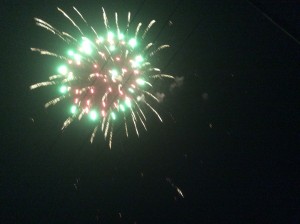
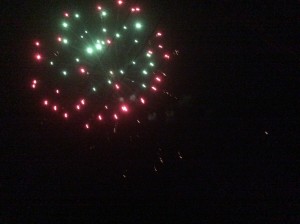
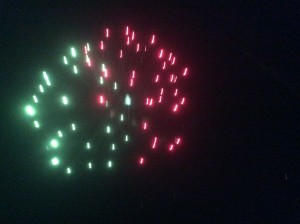
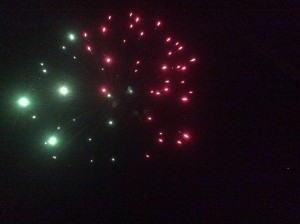
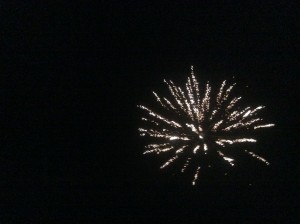
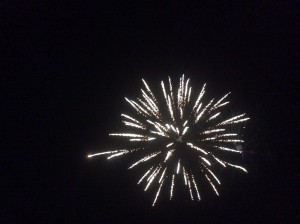

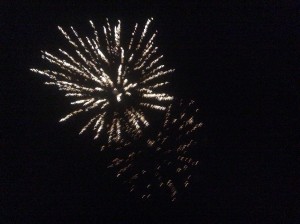
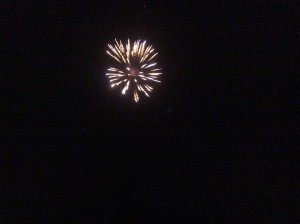
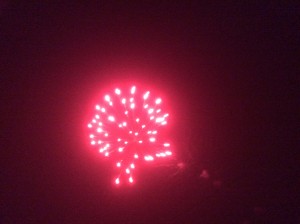
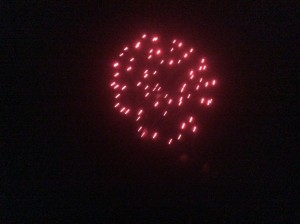
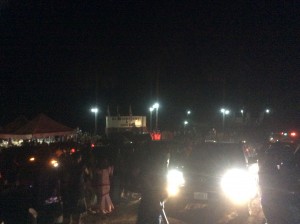
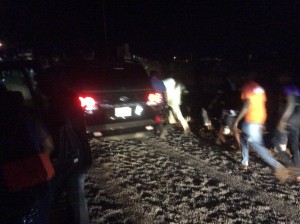
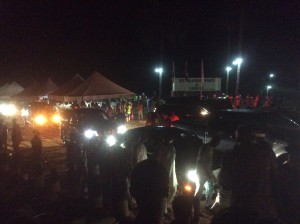 Late Sunday evening (December 6, 2015), after a day of chasing after the new king with known and unknown cues that led us into his new renovated palace at Enuwa, a few minutes drive from the Ilésà Bus Park, I got another tip of his new destination: a location a few minutes’ drive from the Ifẹ̀ toll gate where the construction of the Ifẹ Grand Resorts was about to be flagged off. It is a replica of the Lagos equivalent called Inagbe Grand Resorts.
Already tired from a day of driving and taking in the excitement of the coronation, we demurred a bit, until no longer practicable, and then headed out of the city towards this destination where dignitaries from across the country had come to honour the Ọọ̀ni as he begins this new tourist attraction promised to Ifẹ̀.
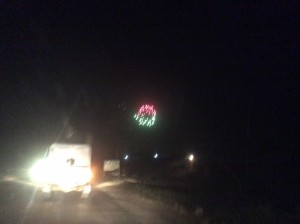
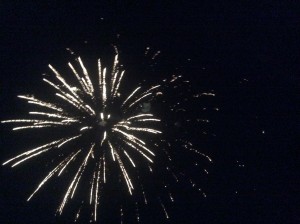
As expected, the most conspicuous marker of this location was a pile of hundreds of cars and security convoys parked on either side of the road while their illustrious occupants participated in the flag off events. And luckily for this traveller already done with listening to speeches and other “ceremonial” trappings, we arrived there right at the time when the flag off was completed and the fireworks had begun.
A nice design for the pitch-black evening sky, and a beautiful distraction from the vanity of these visiting dignitaries and their opulent display of luxury, the fireworks and the noise they made as they burst into flames of different colours pleased me for a moment, providing even better satisfaction for the whole weekend. I was able to capture them as much as I could, along with some of the bustle that took place afterwards as the VIPs made their way back into the town, freeing up the highway for travellers to use.
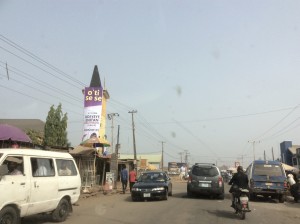
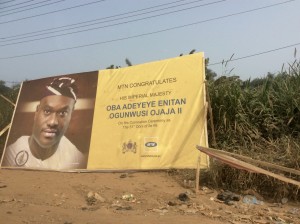
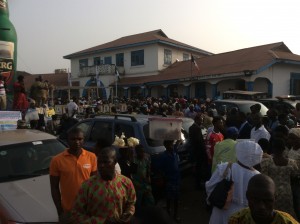
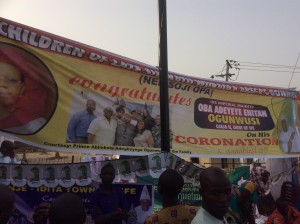
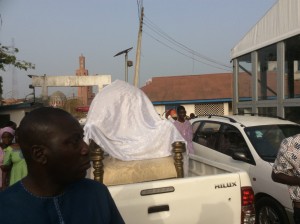
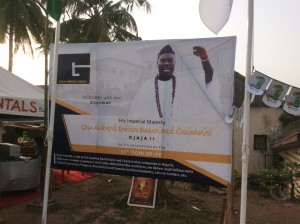
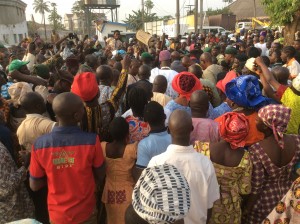
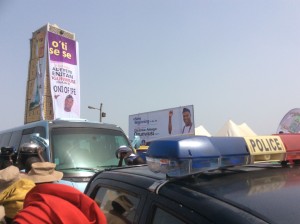
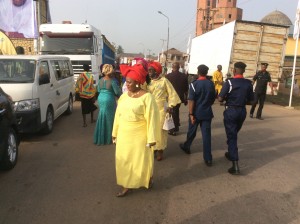
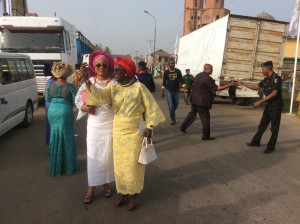
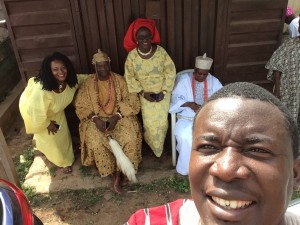
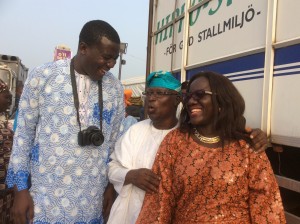
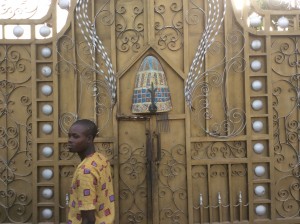 The city of Ifẹ̀ and environs wore a festive look all through the weekend. You couldn’t expect less for the coronation of the Ọọ̀ni, the spiritual head of all Yorùbá, Ọba Adéyẹyè Ẹniìtàn Ògúnwùsì (whom we last met here as an energetic tour guide of his expansive resort in Lagos). For one moment on Monday, everyone who was anyone in the Yorùbá nation was going to be around to celebrate one man as he receives his staff of office, officially, from the governor of the state: a mostly ceremonial occasion as the real “coronation” has been performed in the form of rituals and rites over the last couple of weeks.
On the way to Ilé-Ifẹ̀, I pondered the unpredictable creativity of life. I’d visited the town a number of times as a student, as a visitor, as a tourist, and as a passer-by on the way to somewhere else. On this visit, I was visiting as family, to celebrate a man I’d called “Brother Yẹyè” while we grew up in Akóbọ, Ibàdàn, in the eighties, and whose only daughter is my oldest niece. It brought new meaning to serendipity, interconnectedness, and certainly to the dynamics of family. It was also a nice reunion with other friends and family from far and wide who had come to honour he who will now be called our king, Ọba Adéyẹyè Ẹniìtàn Babátúndé Ògúnwùsì, the 51st Ọọ̀ni of Ifẹ, and successor to the throne of Odùduwà.
Late Sunday evening, along with a number of royal guests, the Ọọ̀ni flagged off his new Ifẹ̀ Grand Resorts construction project at a location on the outskirts of town, with loud fireworks and a cultural display. The aim is to replicate the success of the Lagos equivalent, and turning the city into a tourist destination. The resort, according to him, is one of many planned projects to give the ancient town a modern look while also providing employment for the youths.
These are a few photos from the weekend.
Here’s to a long and successful reign for the king over Ifẹ̀ and all of the Yorùbá nation. Here’s also to a subsequent return to the town – for me – at a less crowded time in order to properly appreciate the architecture and expanse of the palace and surrounding areas, and perhaps the thinking of the man himself now tossed into the global spotlight with an enormous crown over an ancient institution.