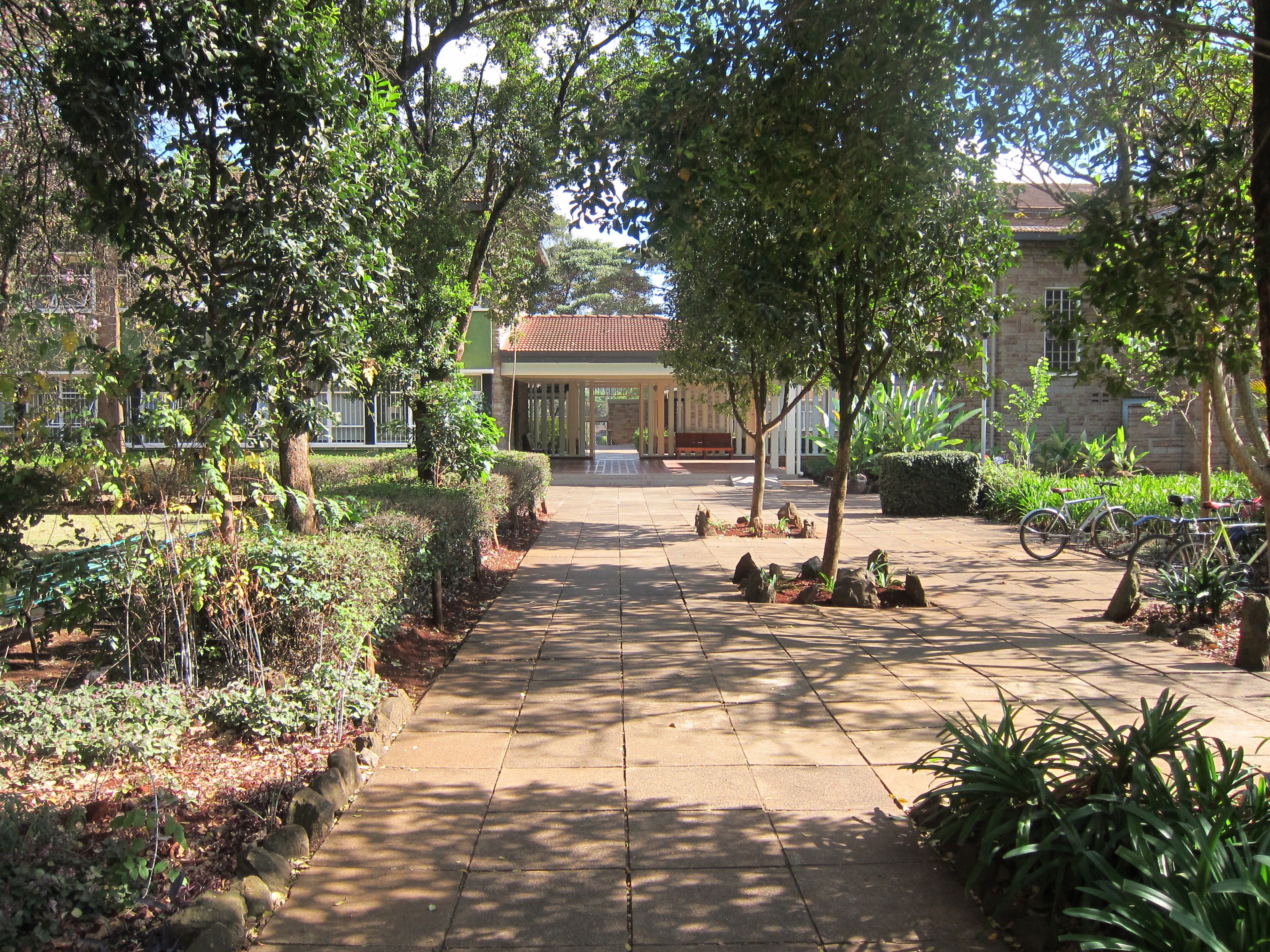
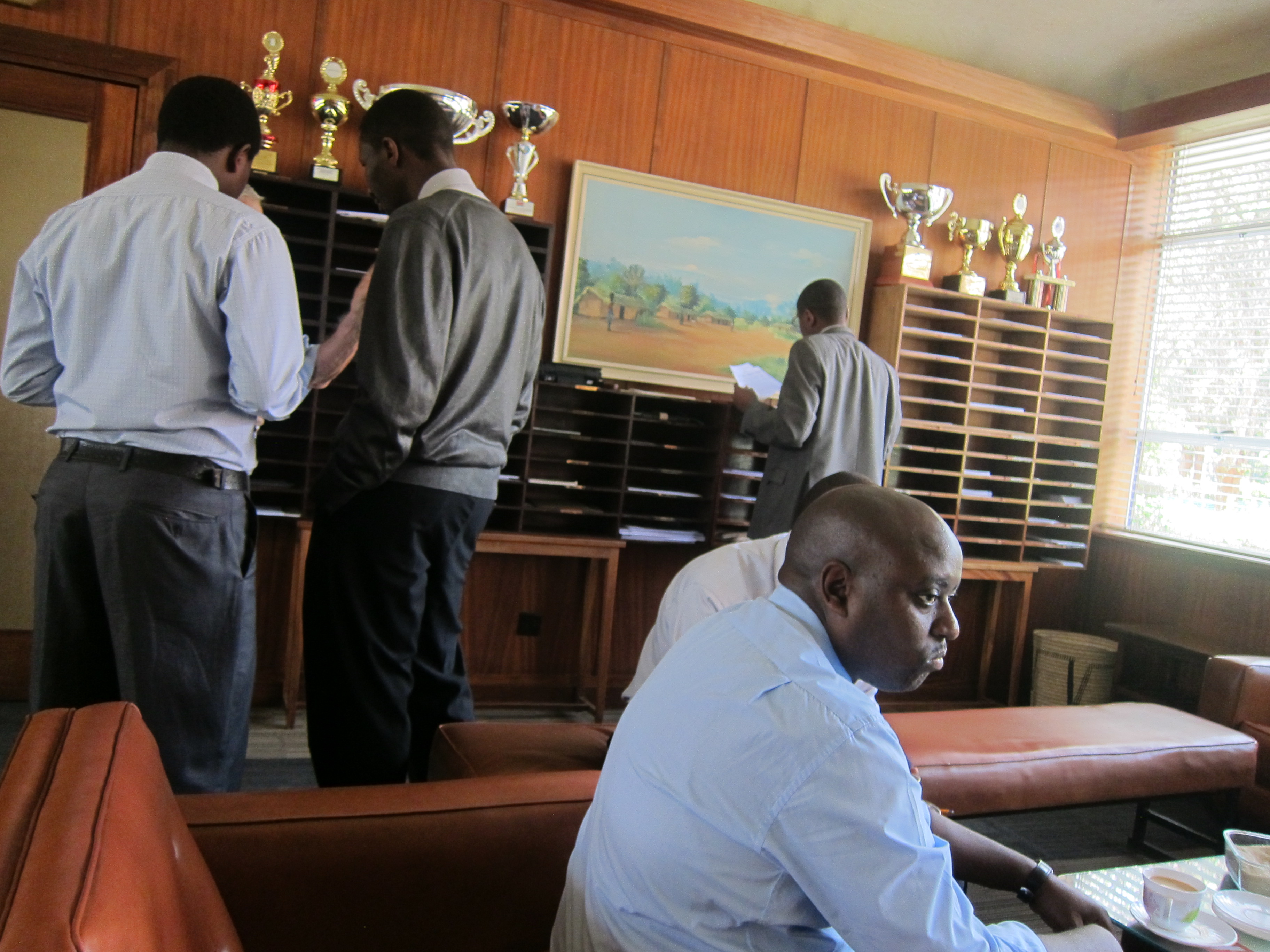
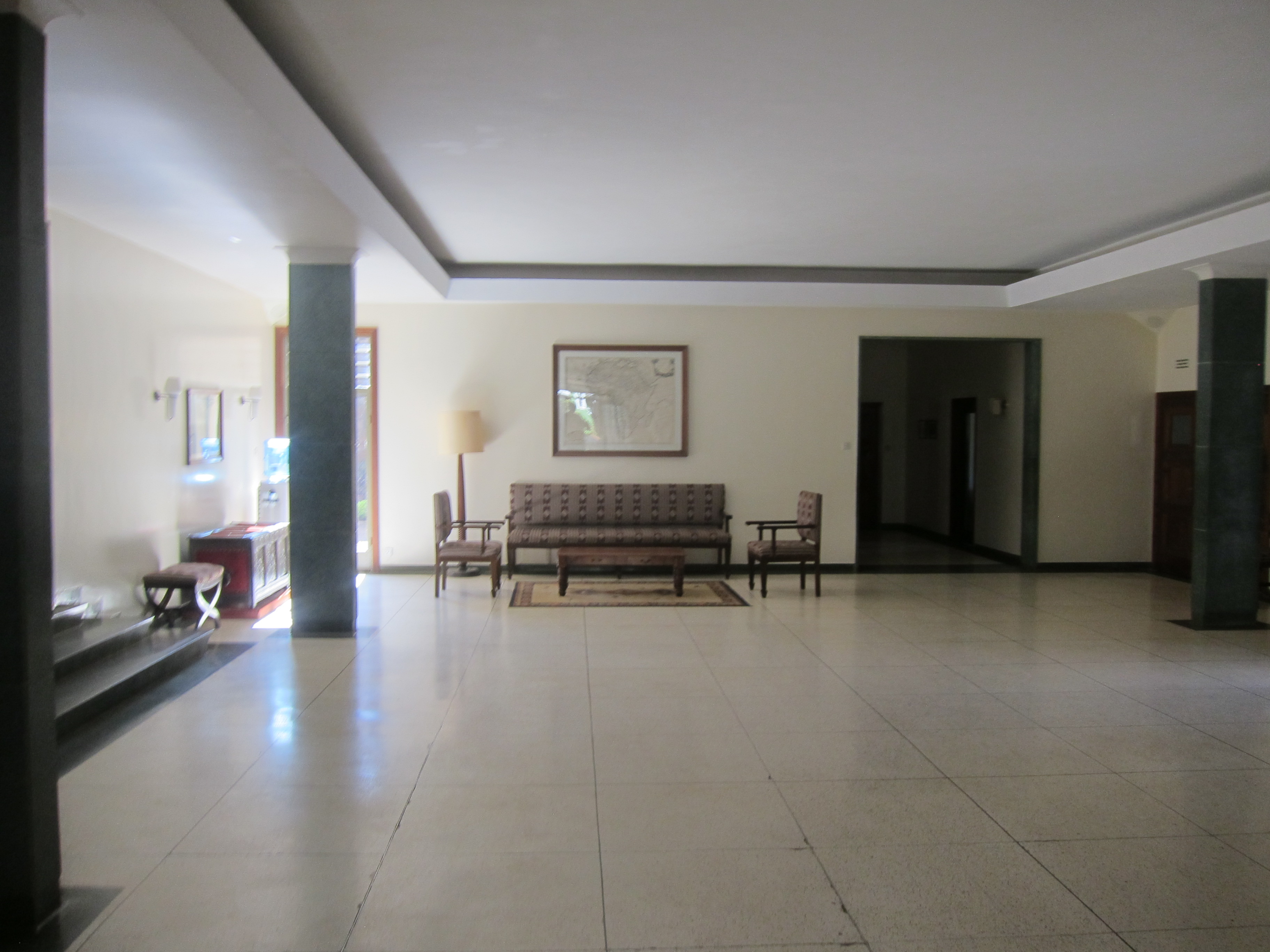
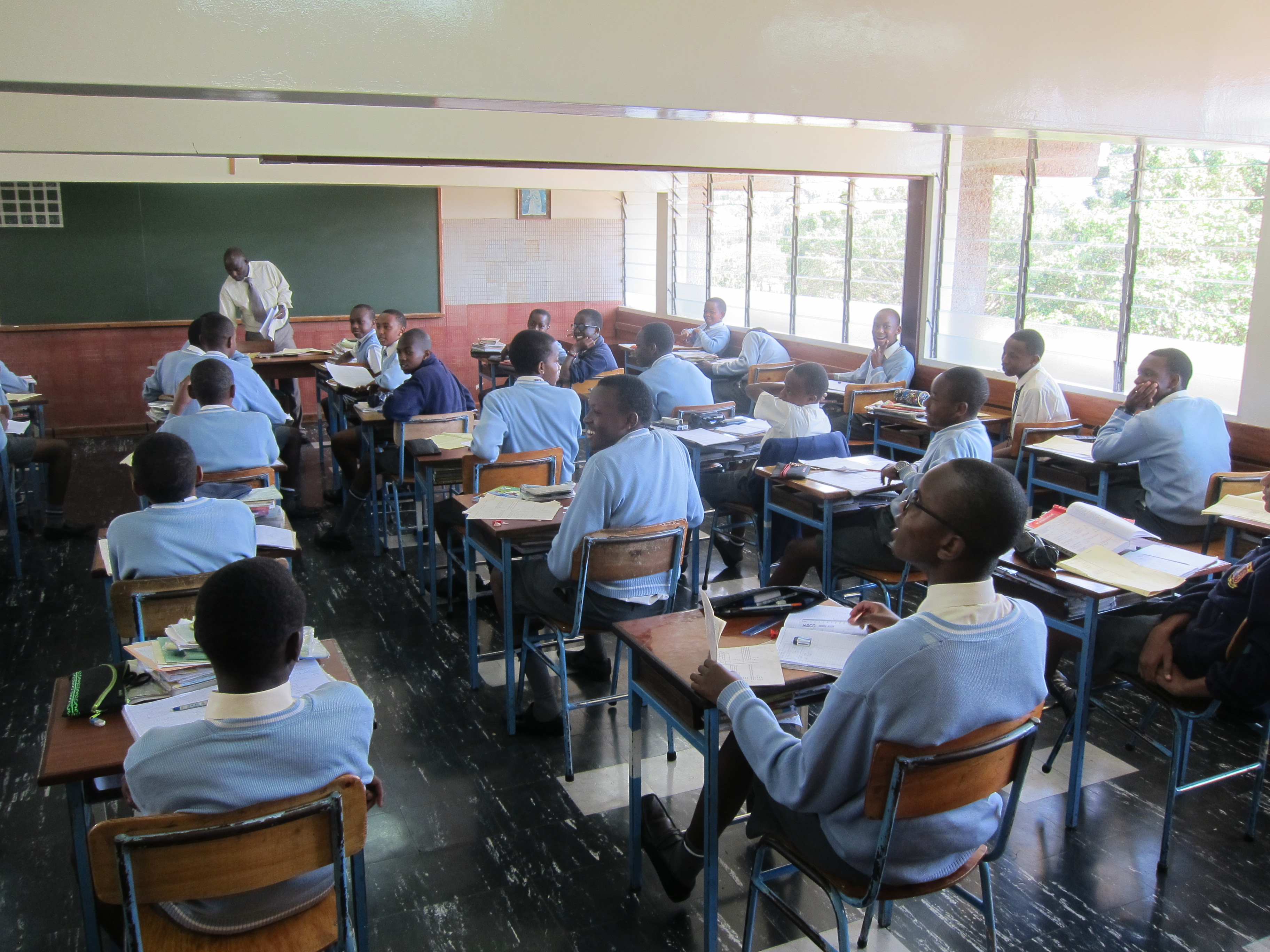
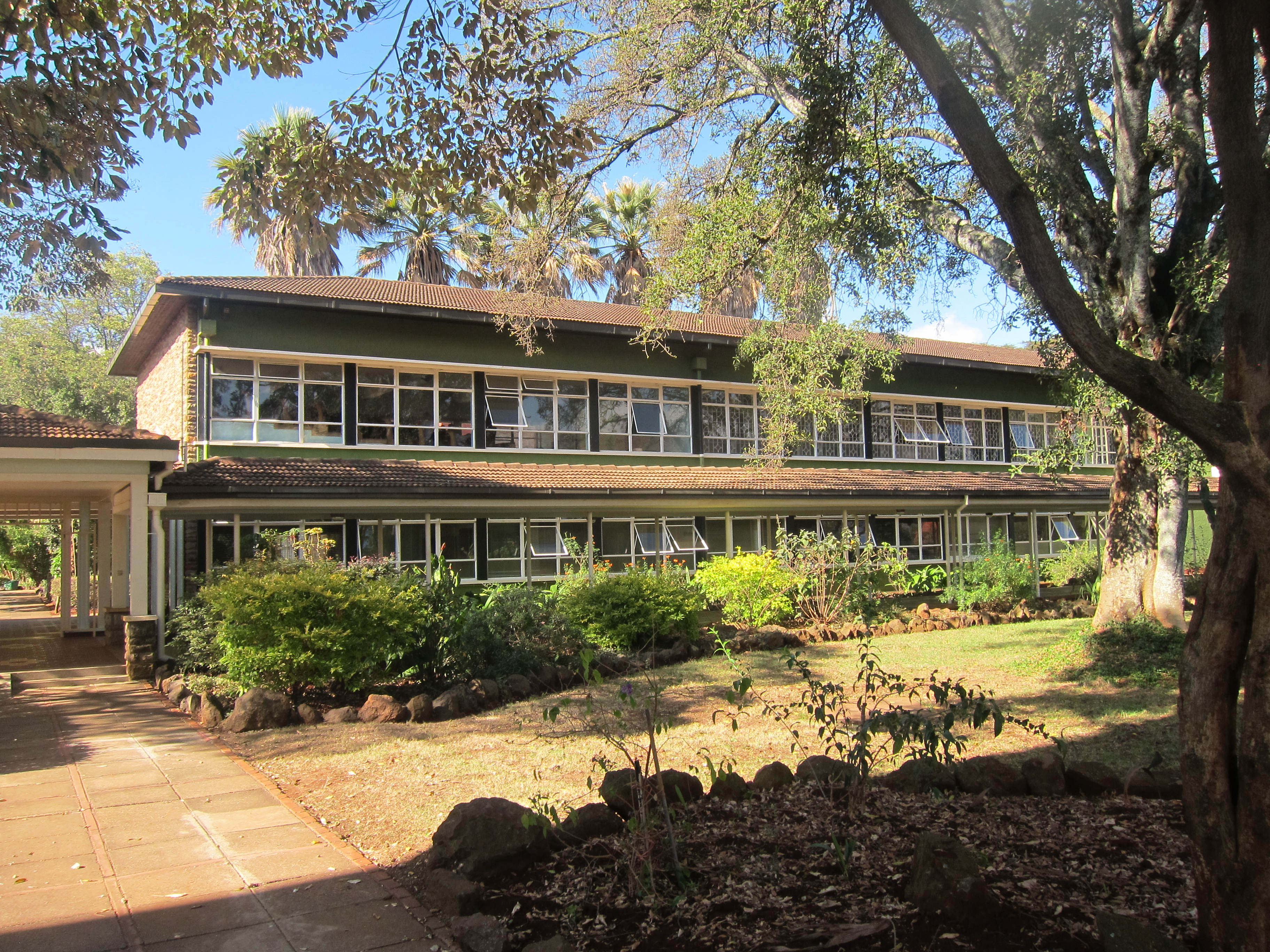
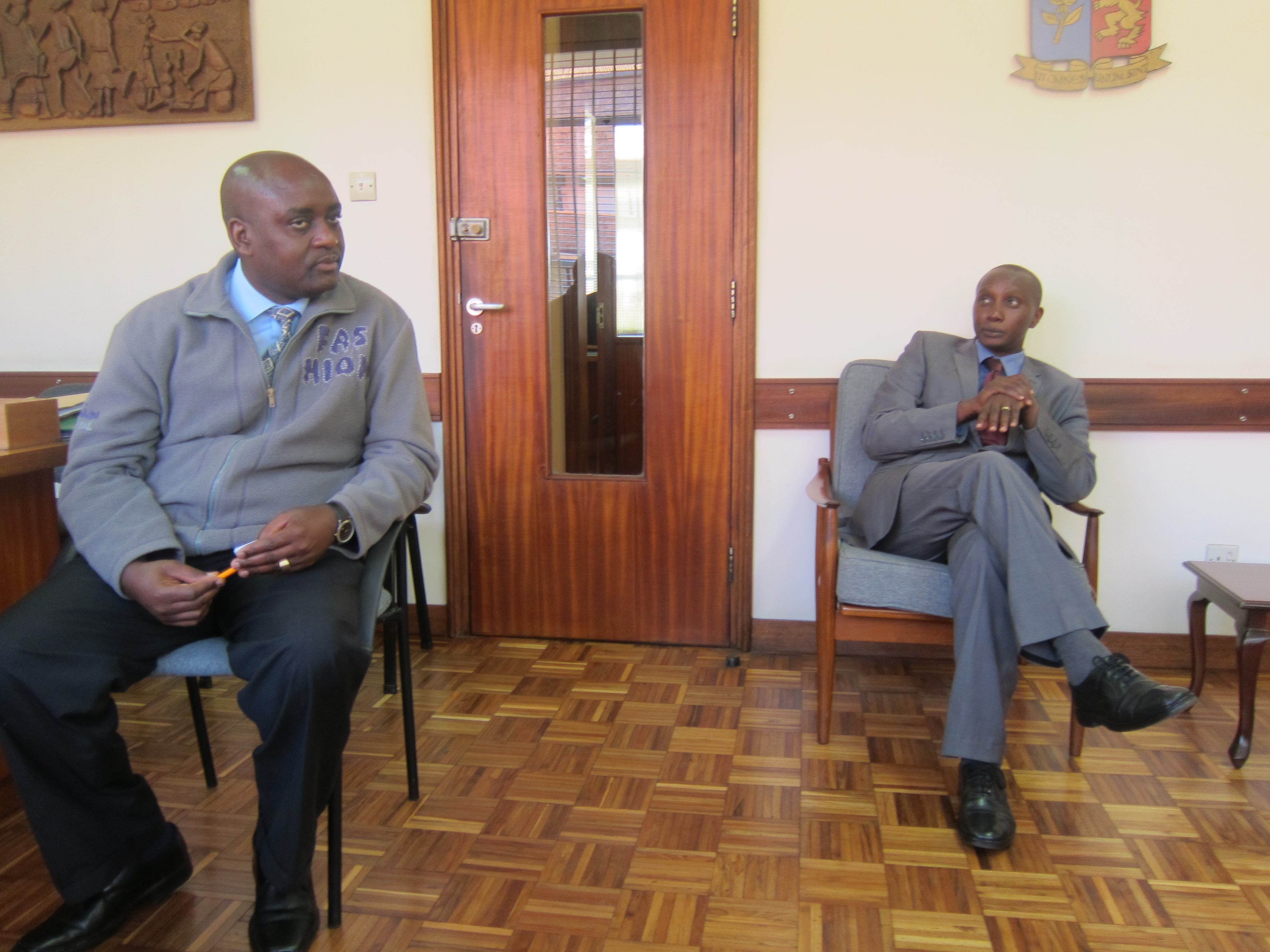
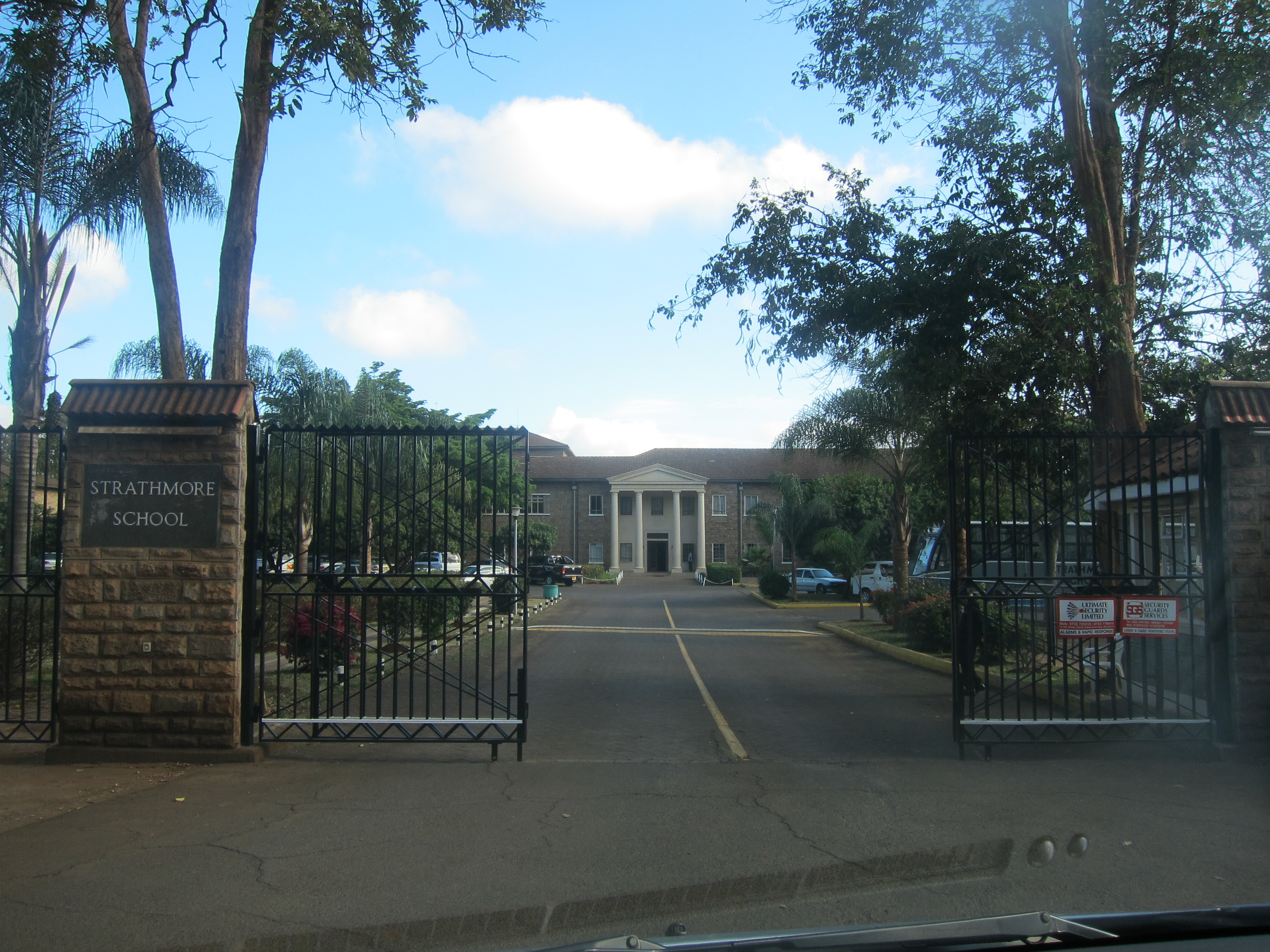
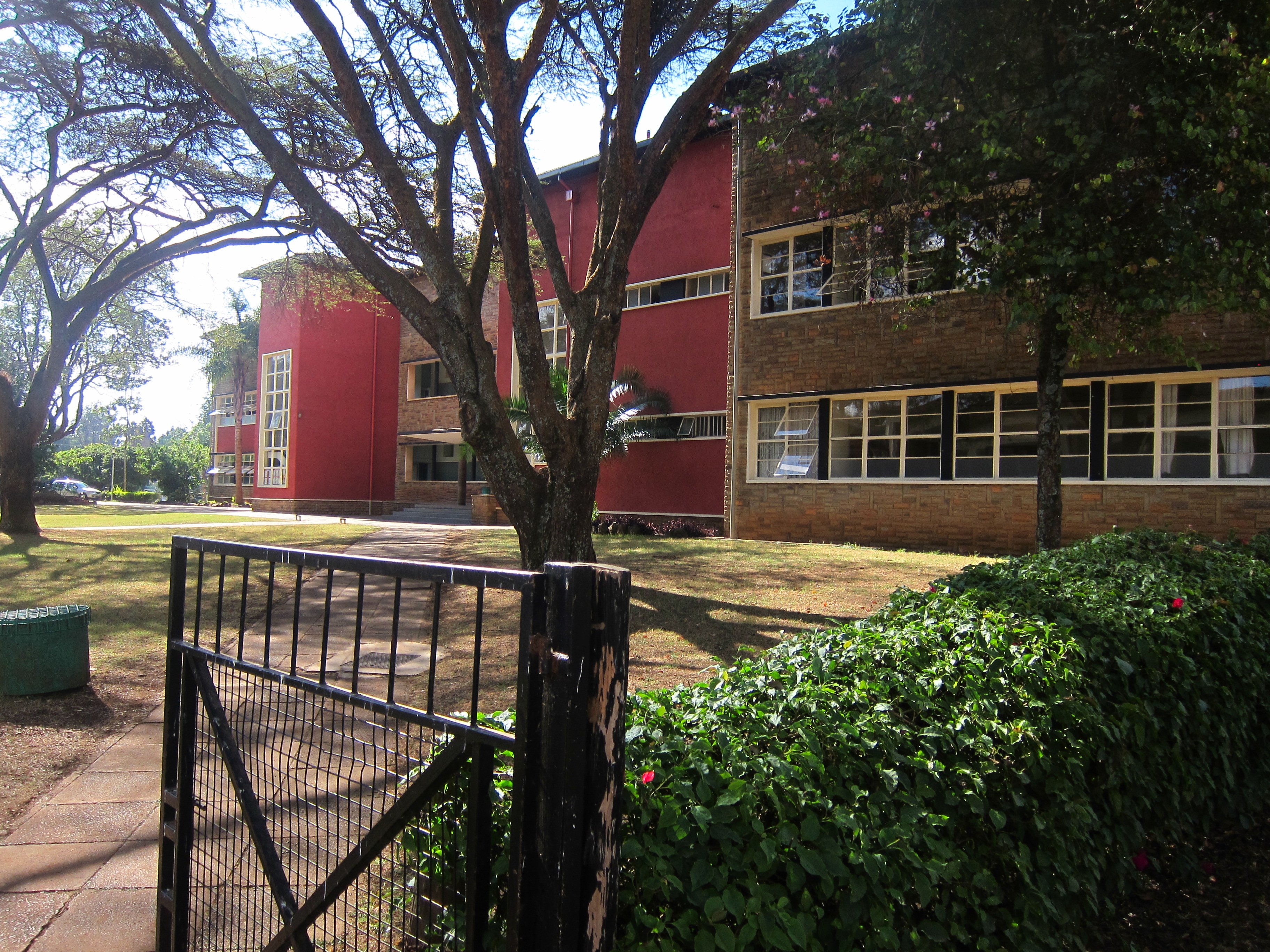
 On Wednesday, October 14, 2015, I was a guest of the Strathmore School, a private school in a suburb of Nairobi called Lavington. It is a sister school to Whitesands School in Lagos where I currently work. They are both founded on a similar academic/religious philosophy, both cater to singular sex students, and both are day schools with members of staff, and students, from different religious and cultural backgrounds, and both offer the educational curriculum of the host countries. Strathmore is the first multiracial school in Kenya, founded in 1961 to bring together a young country towards a set goal of a more egalitarian future. Similar sister schools that cater to girl children are the Lagoon School in Lagos and the Kianda School in Nairobi. The name, according to the history of the school, comes from the Scottish word for valley, “strath”.
 My visit to the school was engineered by my employers in Lagos as a way to share ideas between the two schools, giving me a chance to compare the students and school environment in the two cities, and finally to provide a chance to interact with the students especially on issues of career, talent, and passion. After all, I was visiting Kenya as a blogger finalist of a prestigious journalism award. Wouldn’t it be nice to give a talk to the students about how I got to where I am, how I’ve navigated my own life and vocations, and how they can also develop their talents and passions towards the future? I had looked forward to it all through my stay in Kenya, so finding myself on the campus a day before my departure was quite appropriately gratifying. It would have been equally nice, had there been enough time, to visit the Strathmore University which I’d also heard great things about. But it was located at a different part of town and time wasn’t sufficient.
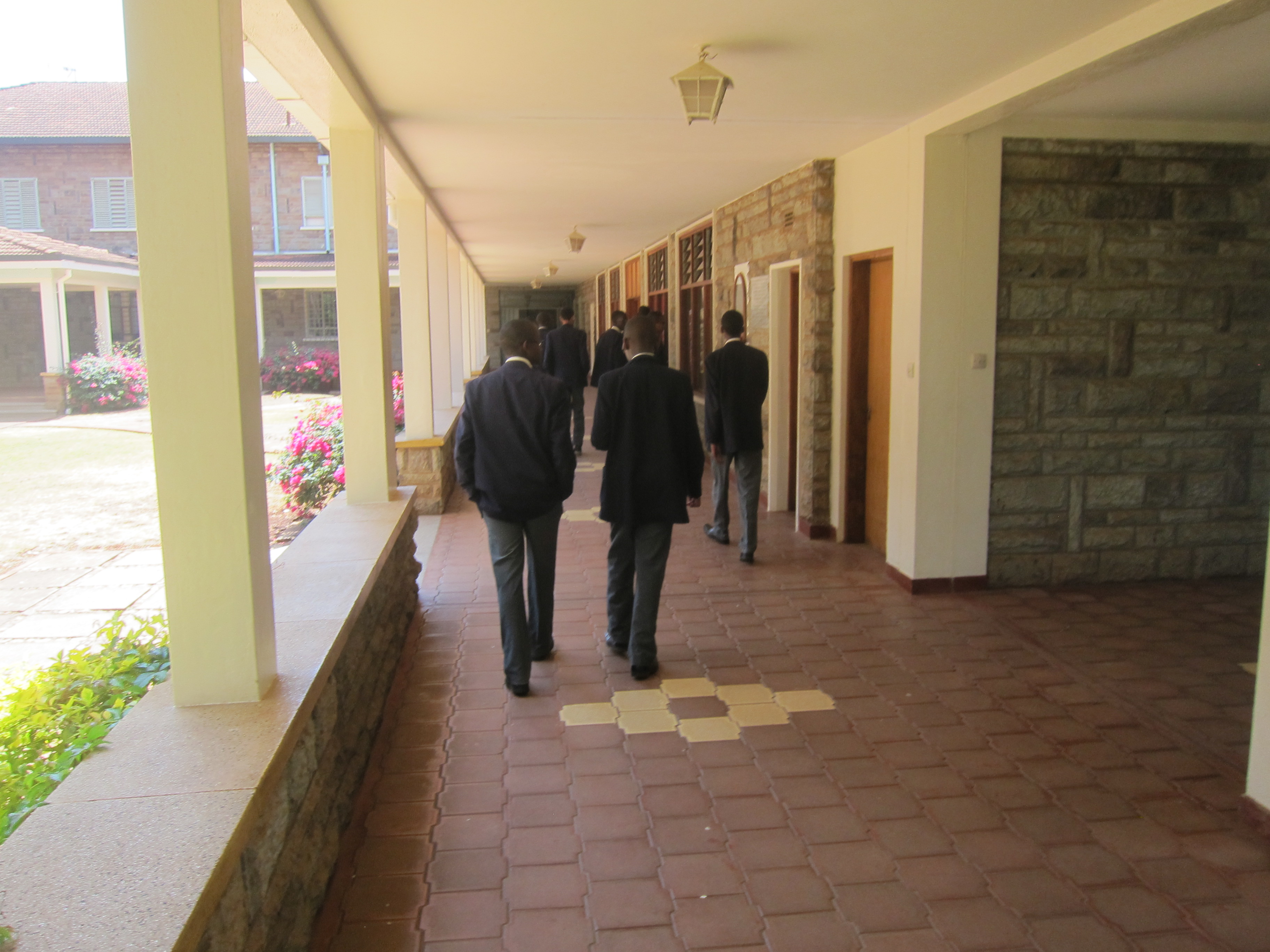
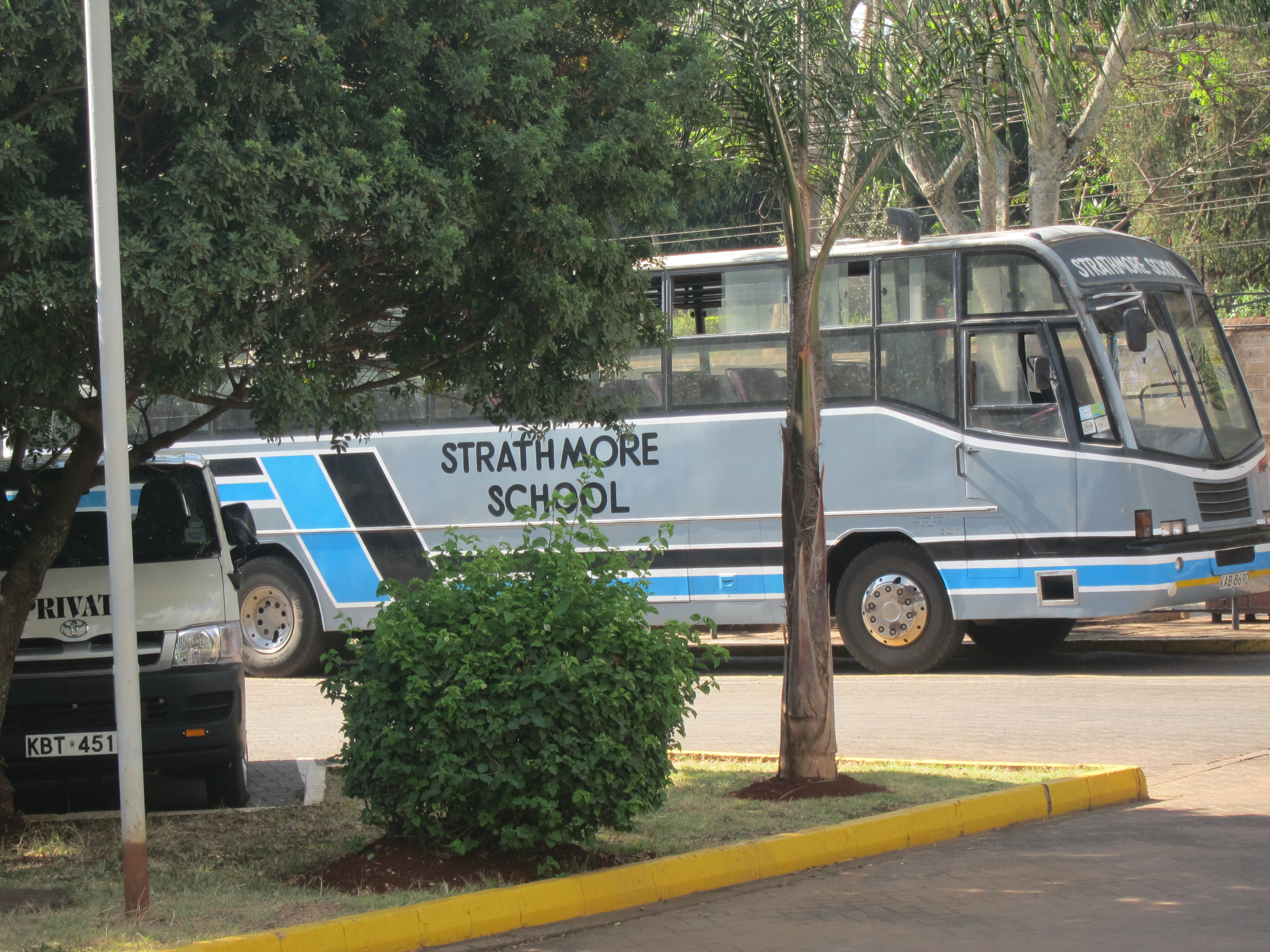
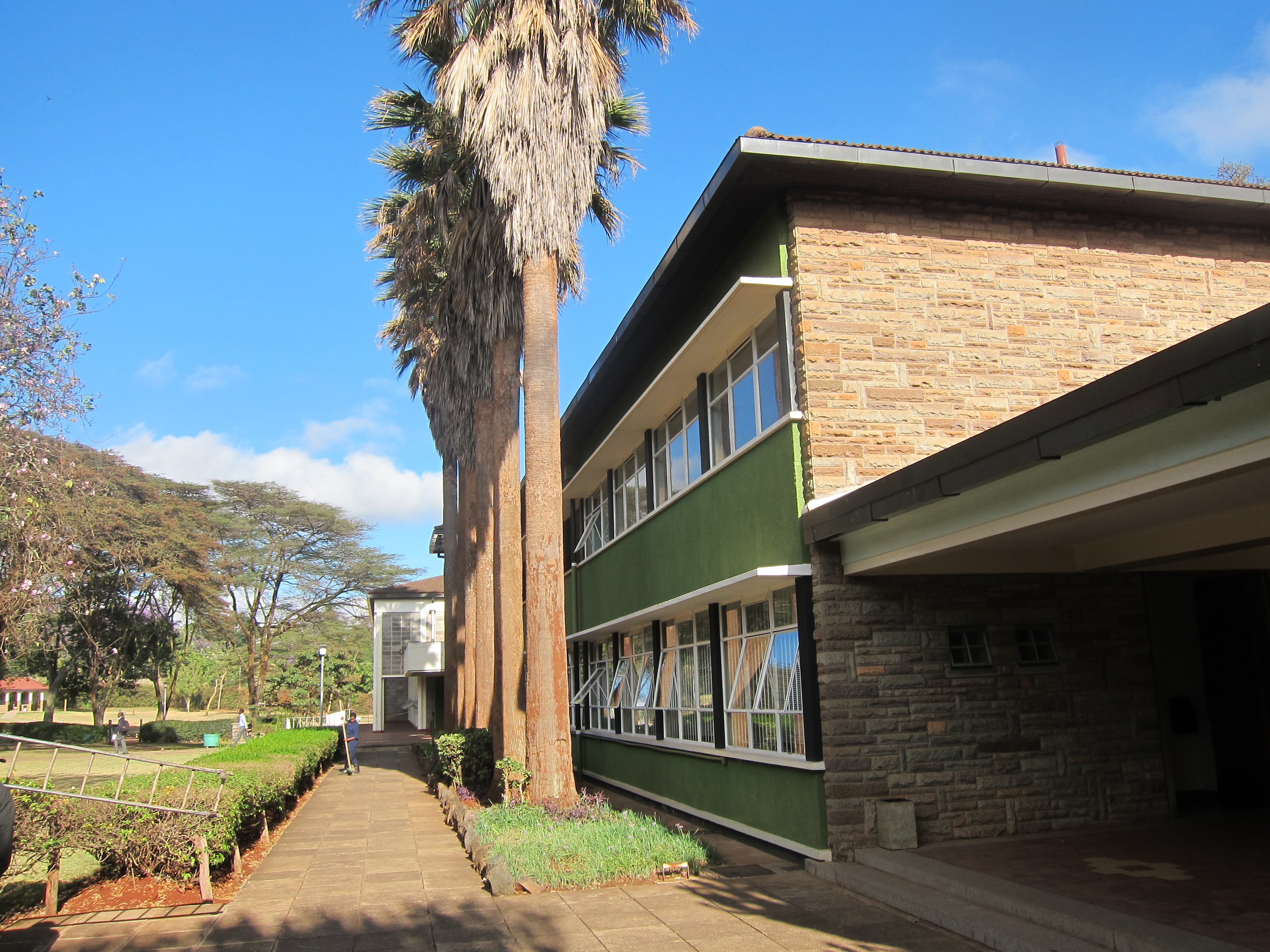
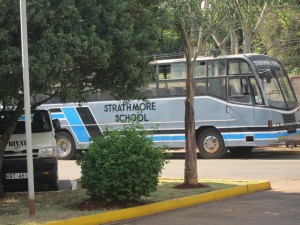 The school surprised in the size of its campus, the school bus, the lush and extended vegetation, and the number of trophies won over the years for many athletic and swimming competitions, the relaxed confidence of the students, the huge and spacious library, but not very much else. The teaching environment, staff camaraderie, healthy eating cafeteria, voluntary mid-day Mass, boisterous, mischievous, but very confident students, and a range of teaching staff who love their work all reminds of Whitesands and the teaching and working culture there. Most of the differences are differences between Kenyan and Nigerian educational systems. In Kenya, for instance, the system is a 8-4-4 as opposed to our 6-6-4 system. In Kenya, the primary school lasts for eight years, although many people have been advocating for it to change. There’s one other notable difference though, which I’ll remember for a while: Swahili is taught as a subject, and is also used by students (and staff) in the school premises without raising any elitist eyebrows.
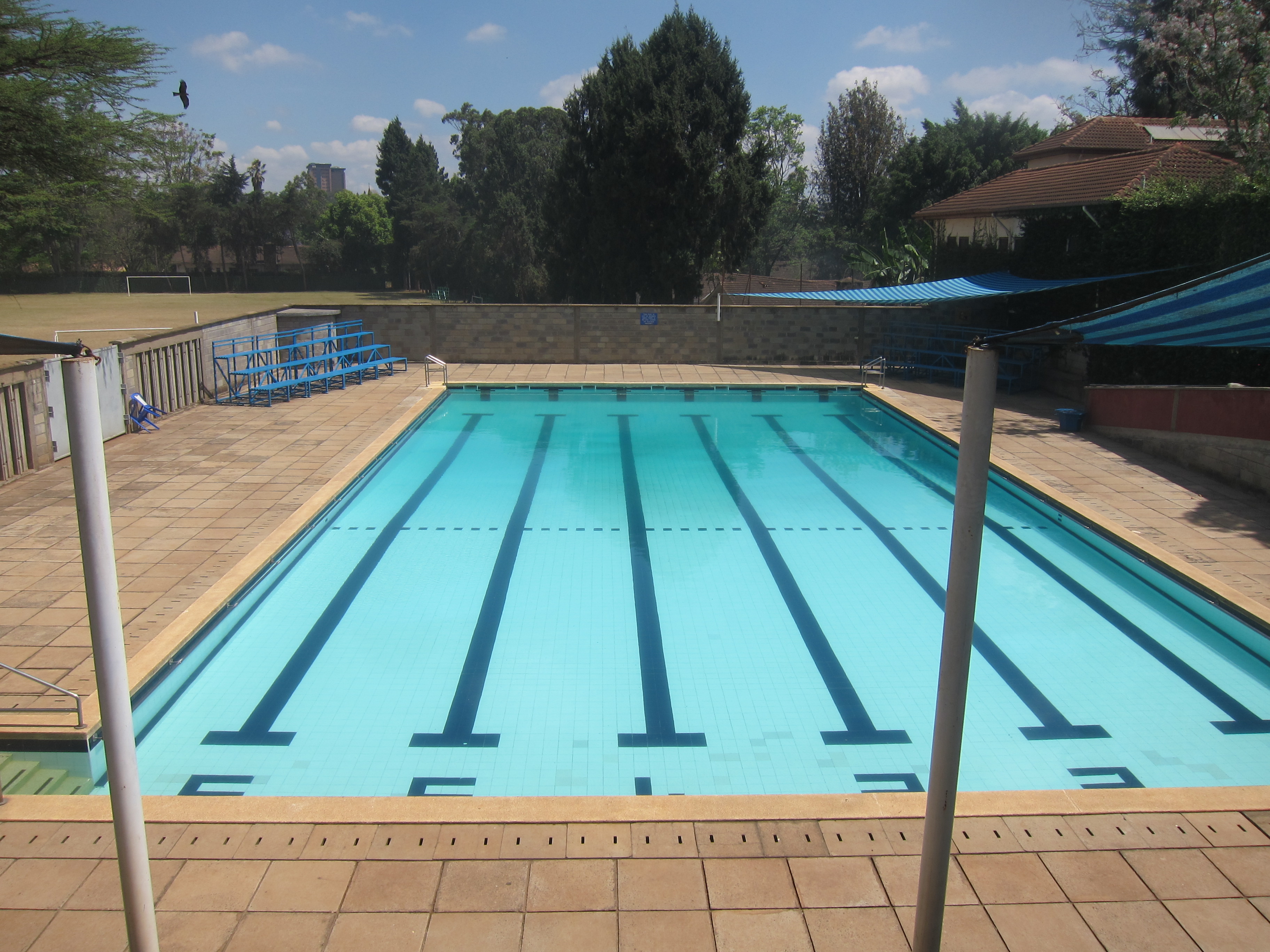
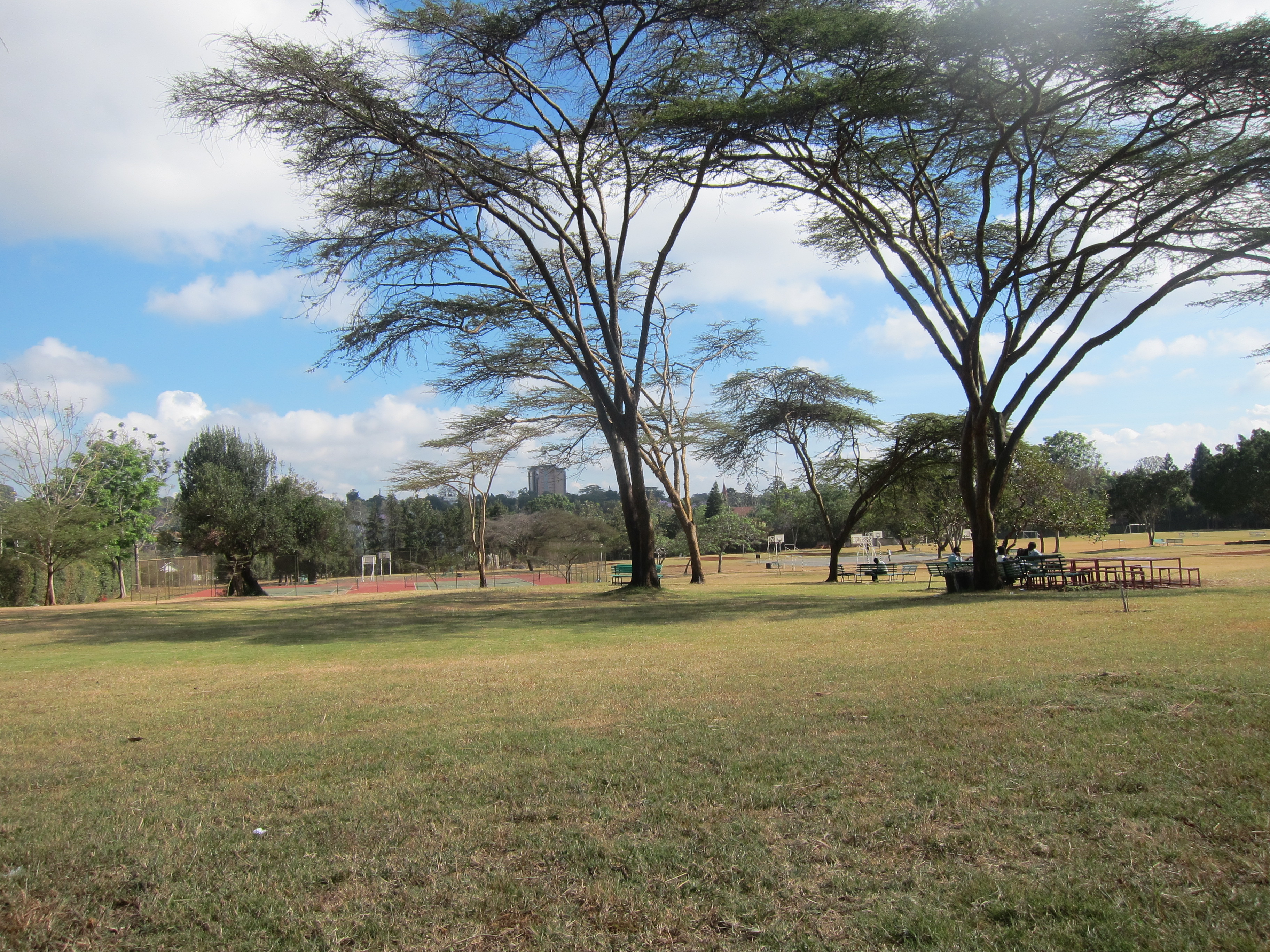
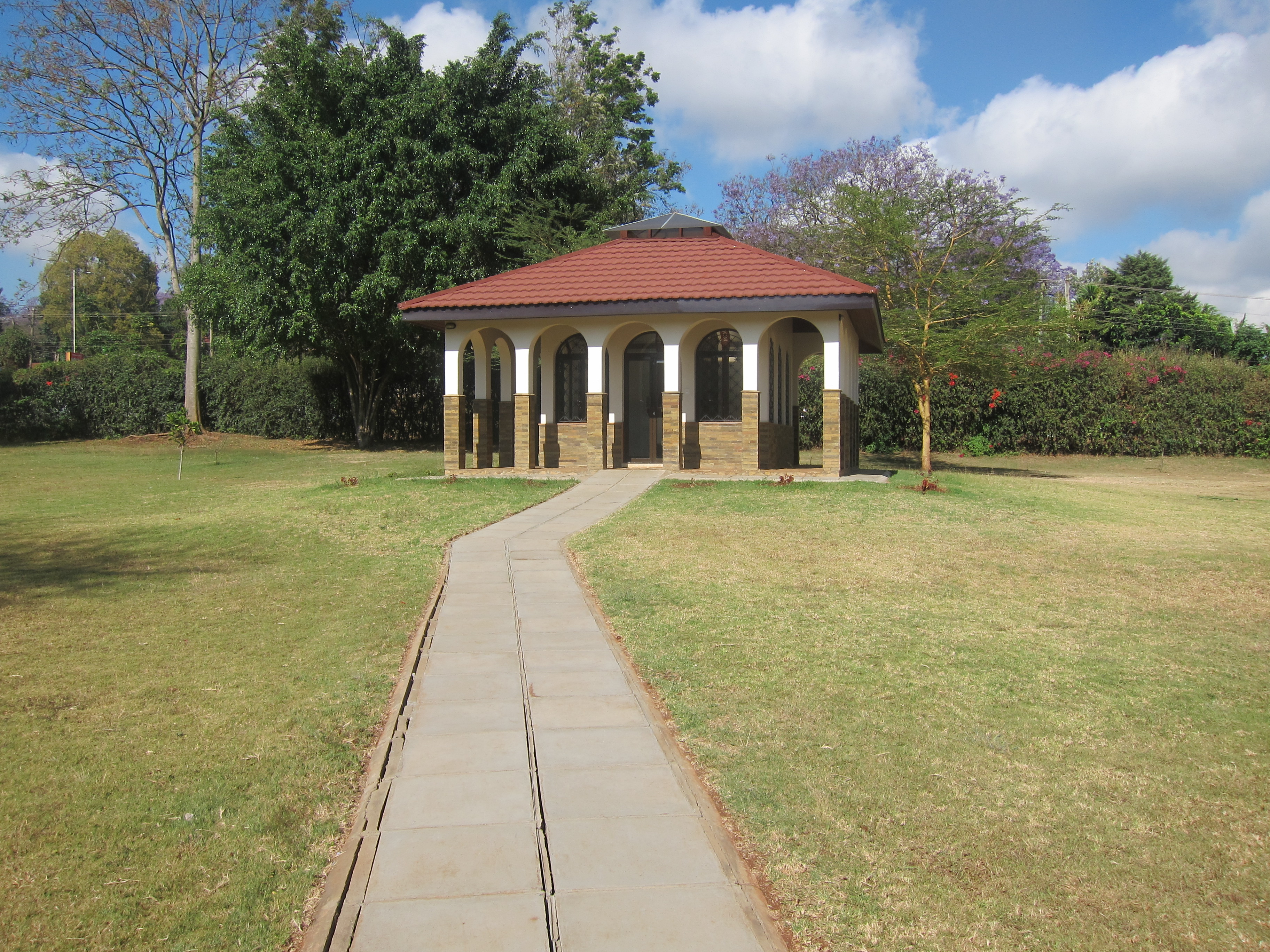
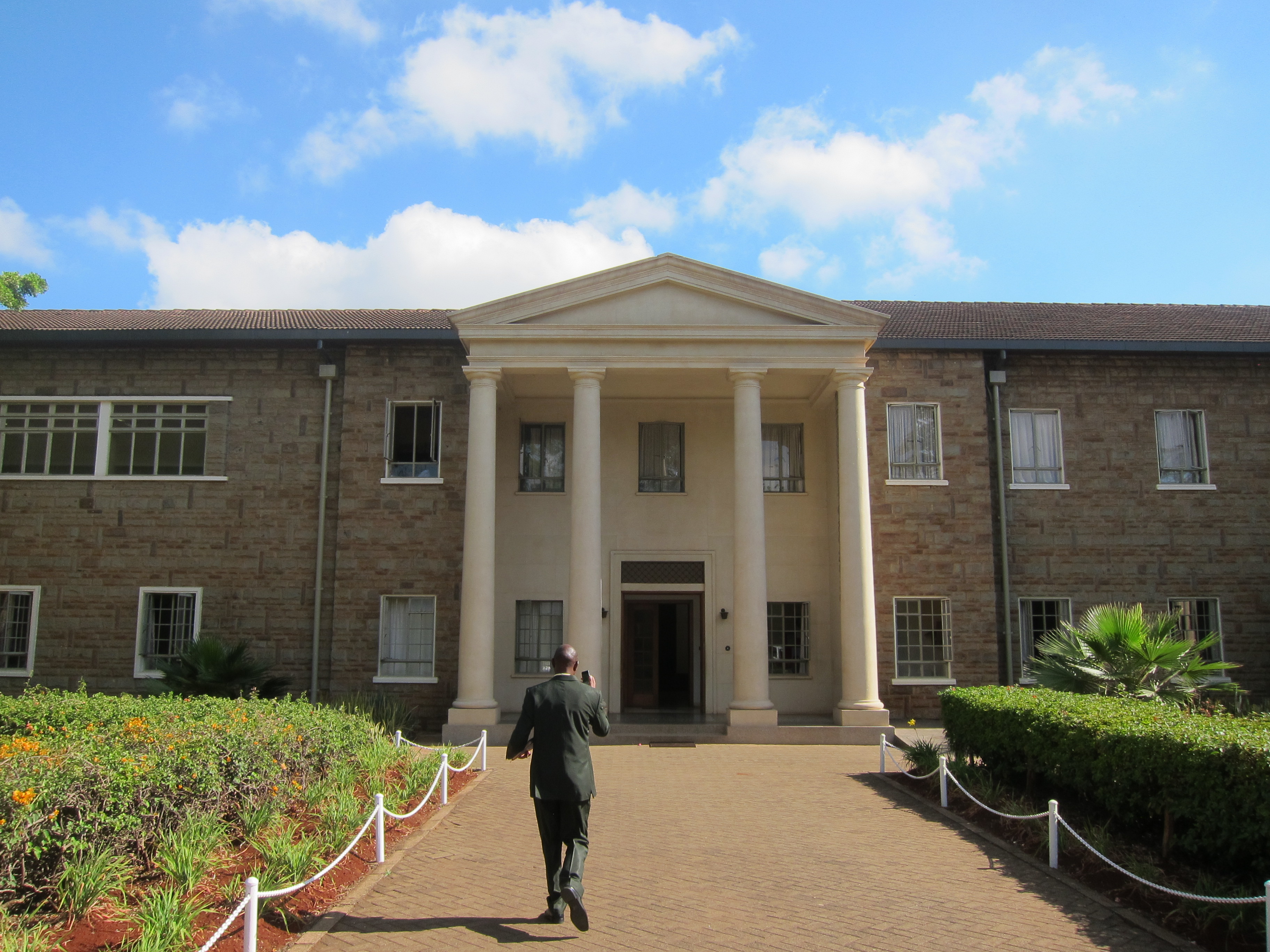
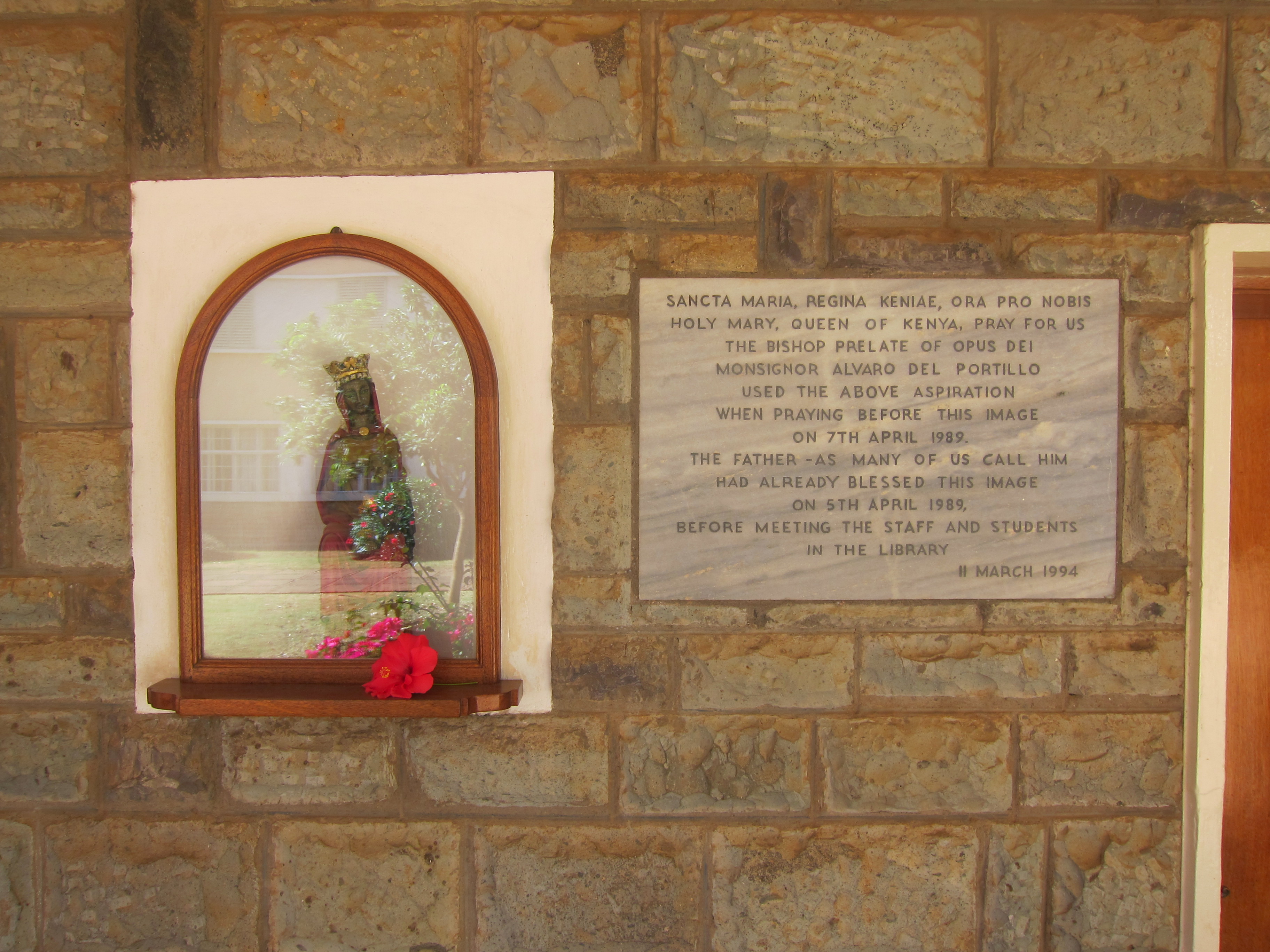
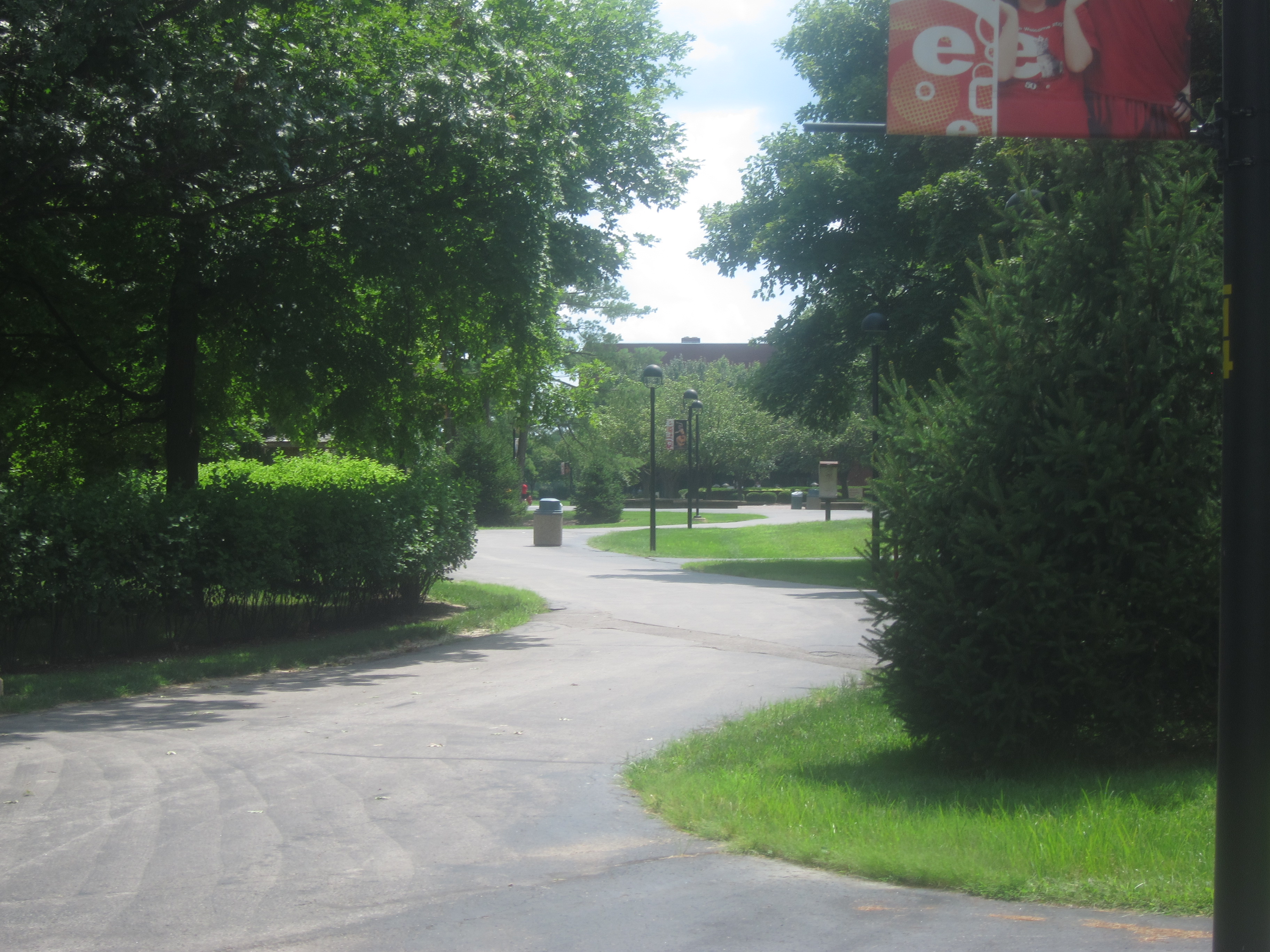
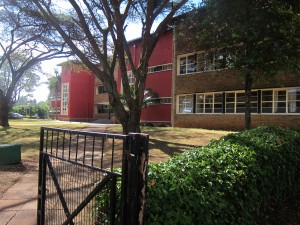
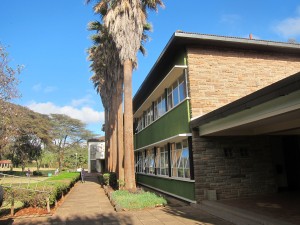 Strathmore School also combines the primary and the secondary schools, so students graduating from there only have the university ahead of them. Whitesands, however, is a purely secondary school, catering to just the six years of high school. This allows for a concentrated effort at students within a particular time in their lives. It probably explains the small space needed for all our activities in Lagos, while Strathmore spreads out over many acres of land. The land area accommodates two lawn tennis courts, a grass field wide enough to be divided into three separate standard football fields at any time, an indoor swimming pool, a religious shrine to the Holy Mary, and a number of administrative buildings, including classrooms, a chapel, and a hostel for university students who have nowhere else to stay in town. It also has an extensive parking lot where one can see two to three buses with the name “Strathmore School” written boldly on them, among other staff vehicles. It also has a bicycle rack for members of the administrative staff who want to use it.
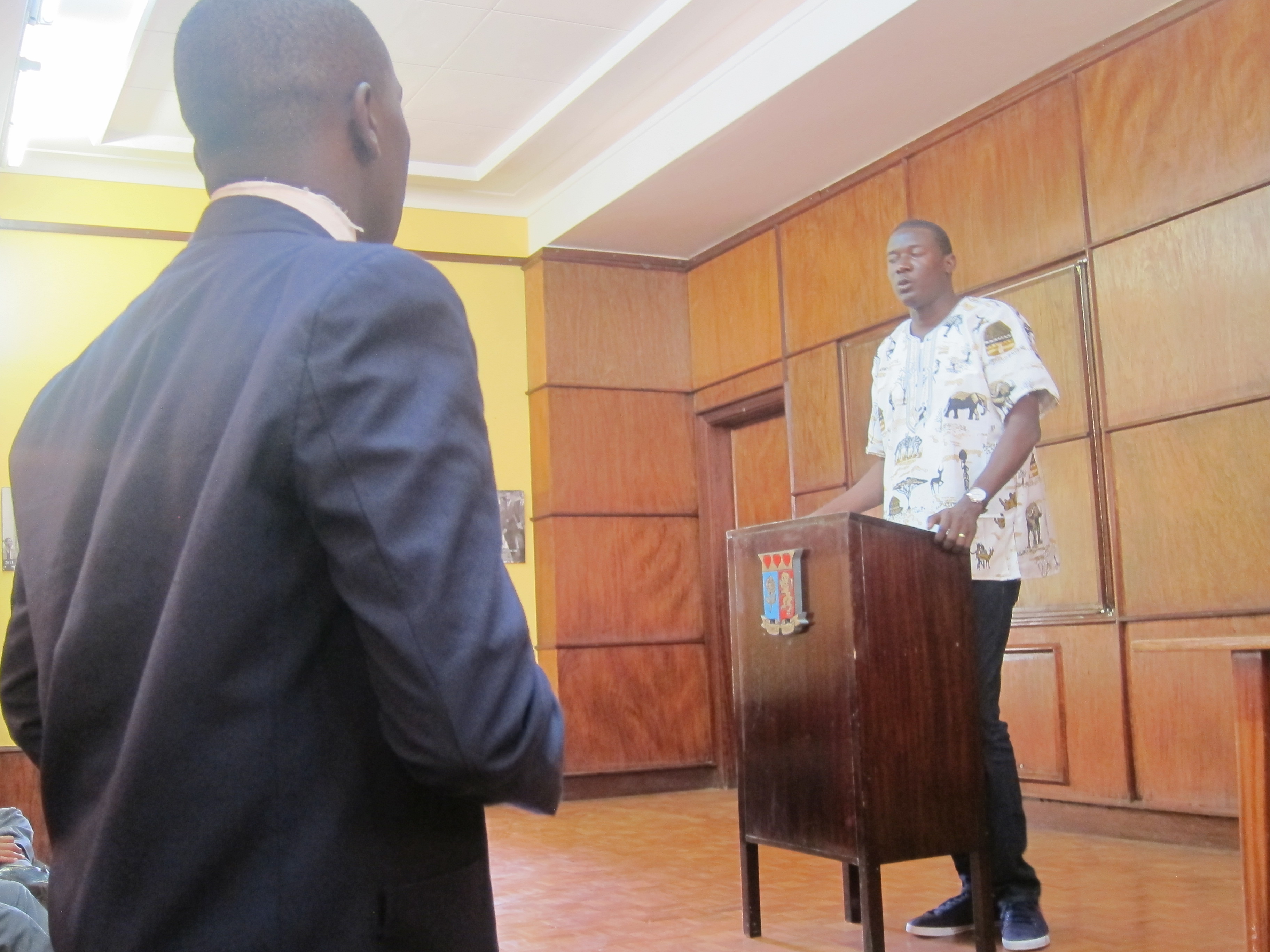
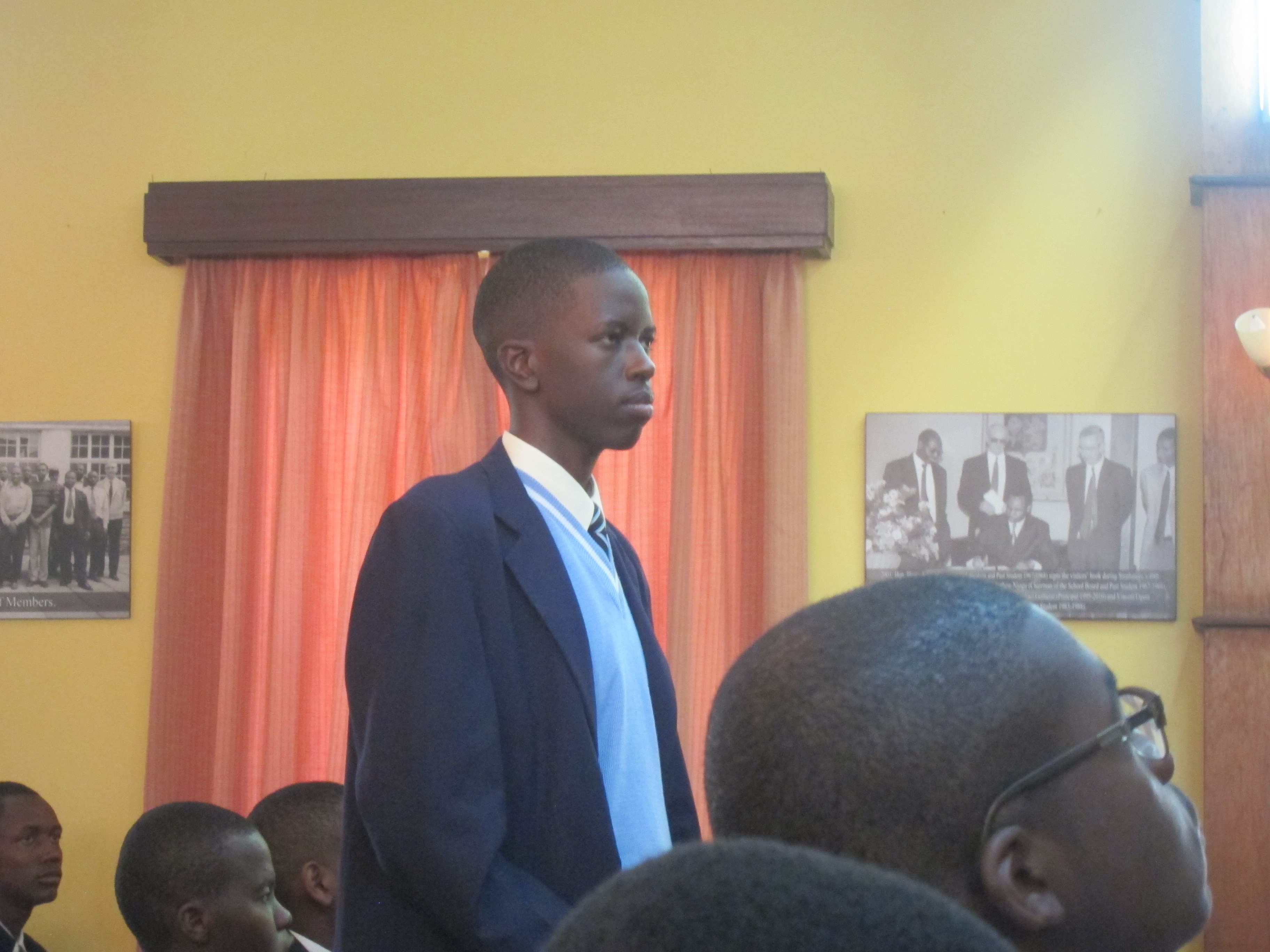
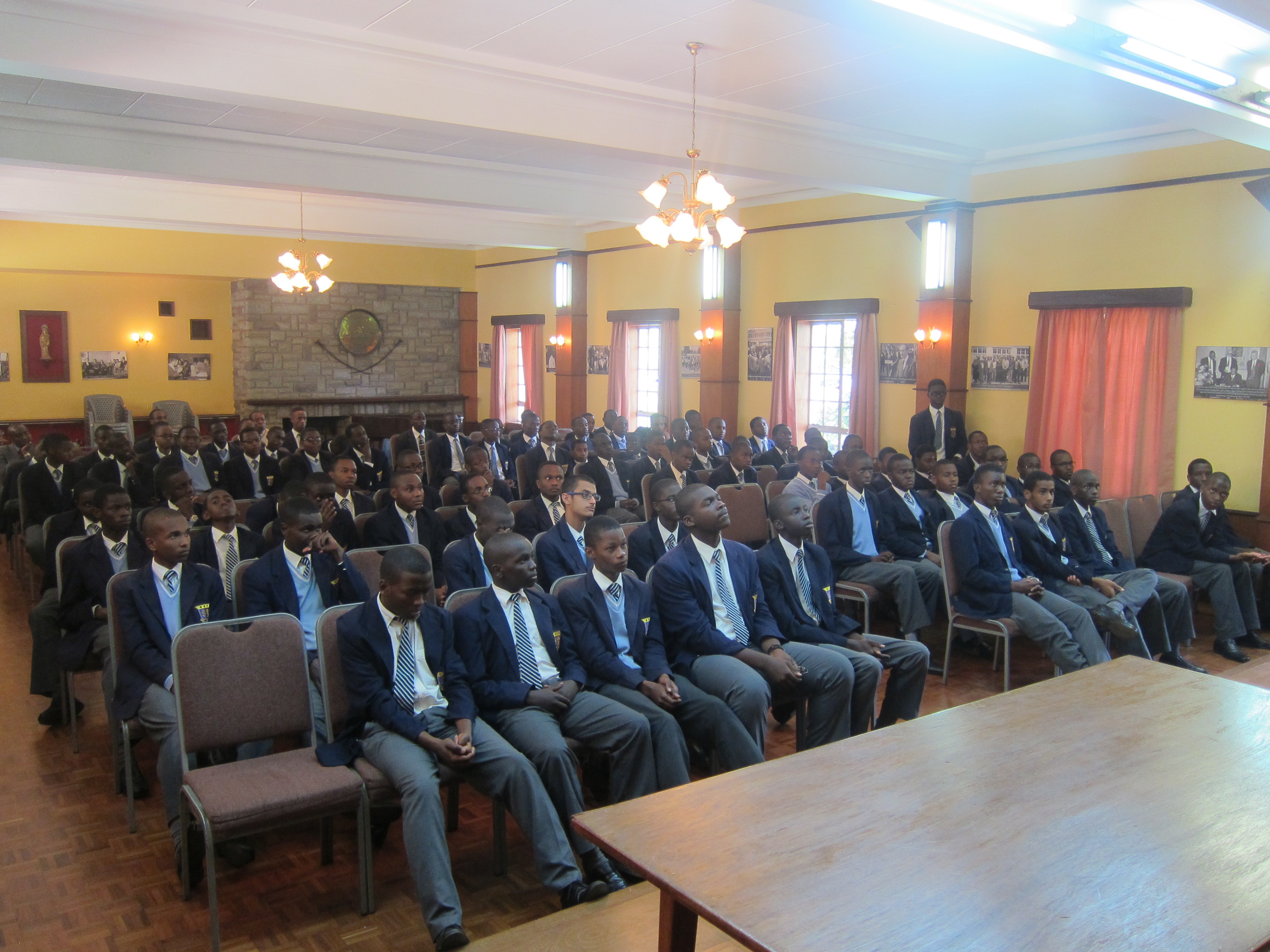
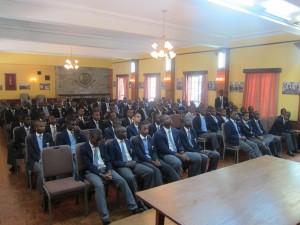 My talk to the students went great. I spent some time first with the junior boys who charmed me with many of their curious questions about me, my family, my work, my school, Nigeria, and my language, among many others. Then, at 11am, the senior boys gathered for a talk that I’d put together, tracing the trajectory of my life’s work from early child curiosities to adulthood, Fulbright, writing, teaching, linguistics, and my future plans. Their questions were equally substantive, but also very engaging. They knew of Nollywood and wanted to know if it reflected Nigerian cultural attitudes, they wanted to know my opinion on political issues, they wanted me to share ideas of how to choose a career, they wanted to know more about my blog, photography, writing, etc, and at least one person wondered whether I played basketball. Even after the talk, before I was whisked away to Mass, a few more of them came to me to ask a few more things that bothered them as teenagers trying to navigate the world of career and vocation.
 I left the premises of the school by 1pm after a lunch that was both filling and refreshing. One of the many topics I had broached with the students and staff was the benefit of creativity, passion, and persistence. I referred to our publication of students’ creative work called The Sail, and hope that something similar will take root at Strathmore at some point in the future. My experience with the boys show that not only are they capable of doing this and more, they are also willing to try. This, after all, is the most exciting, most creatively energetic, time of their lives when most life skills are first conceived, then honed as time goes on. For students brought up in the legacy of science education, most of them will eventually focus on science and technology. What I made clear however is how experience has shown us that you can be a writer or a creative person in spite of what you study in school.
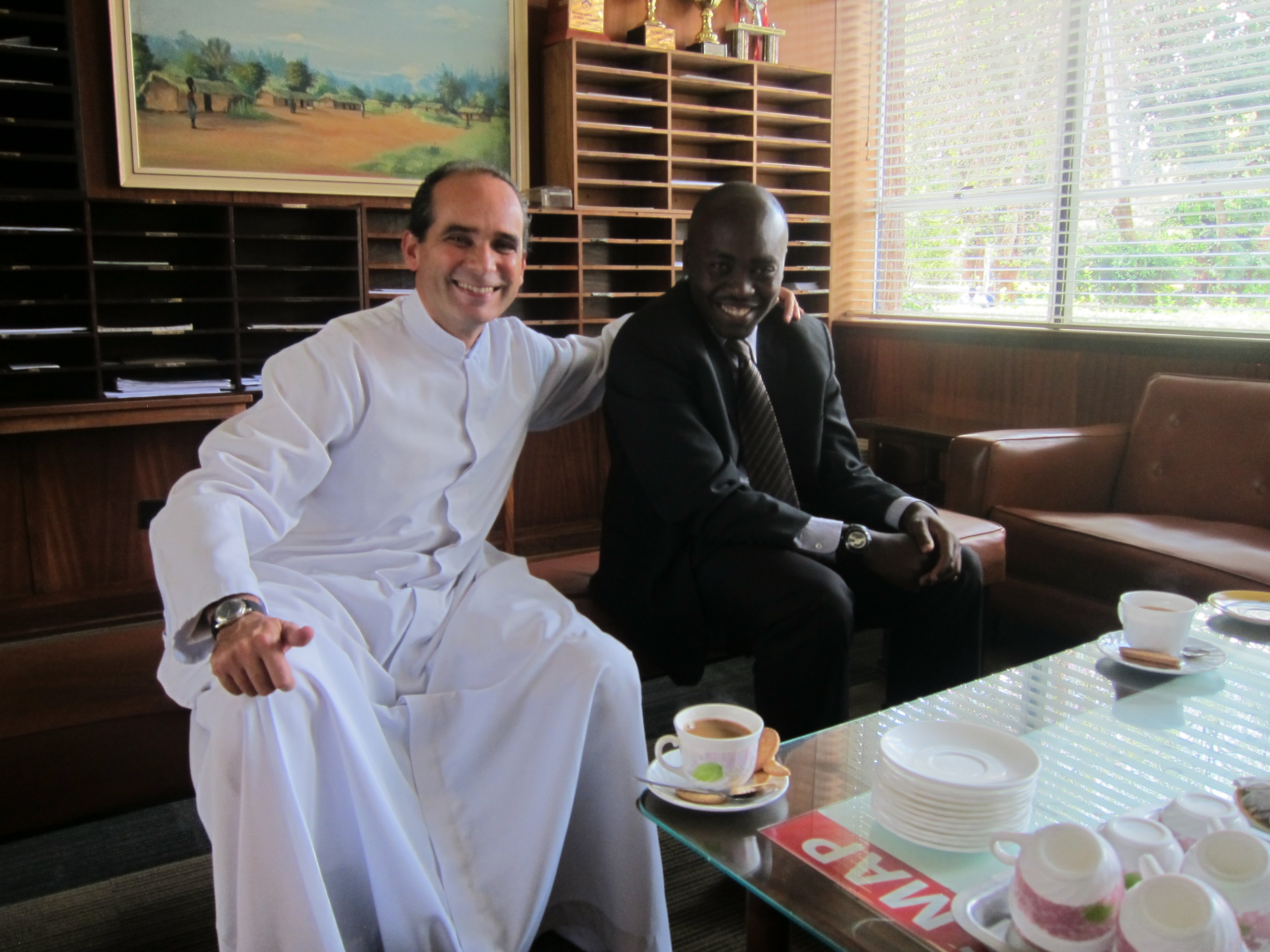
I’ve now returned to Lagos, and here’s a sentence from an email I received from the principal of the school, a kind and warm host, Mr. John Muthiora, who had been my guest at the CNN gala, and whose help made my visit possible, and pleasant: “Your visit excited quite a bit of interest in writing among the boys and teachers alike.” I know, for a fact, that this is a heartwarming response that will delight me for a very long time to come.