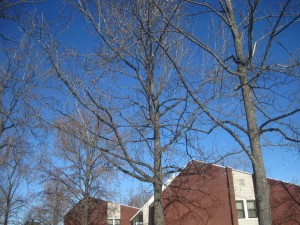
…the last of a dying season. (Starbucks, a fortnight ago.)
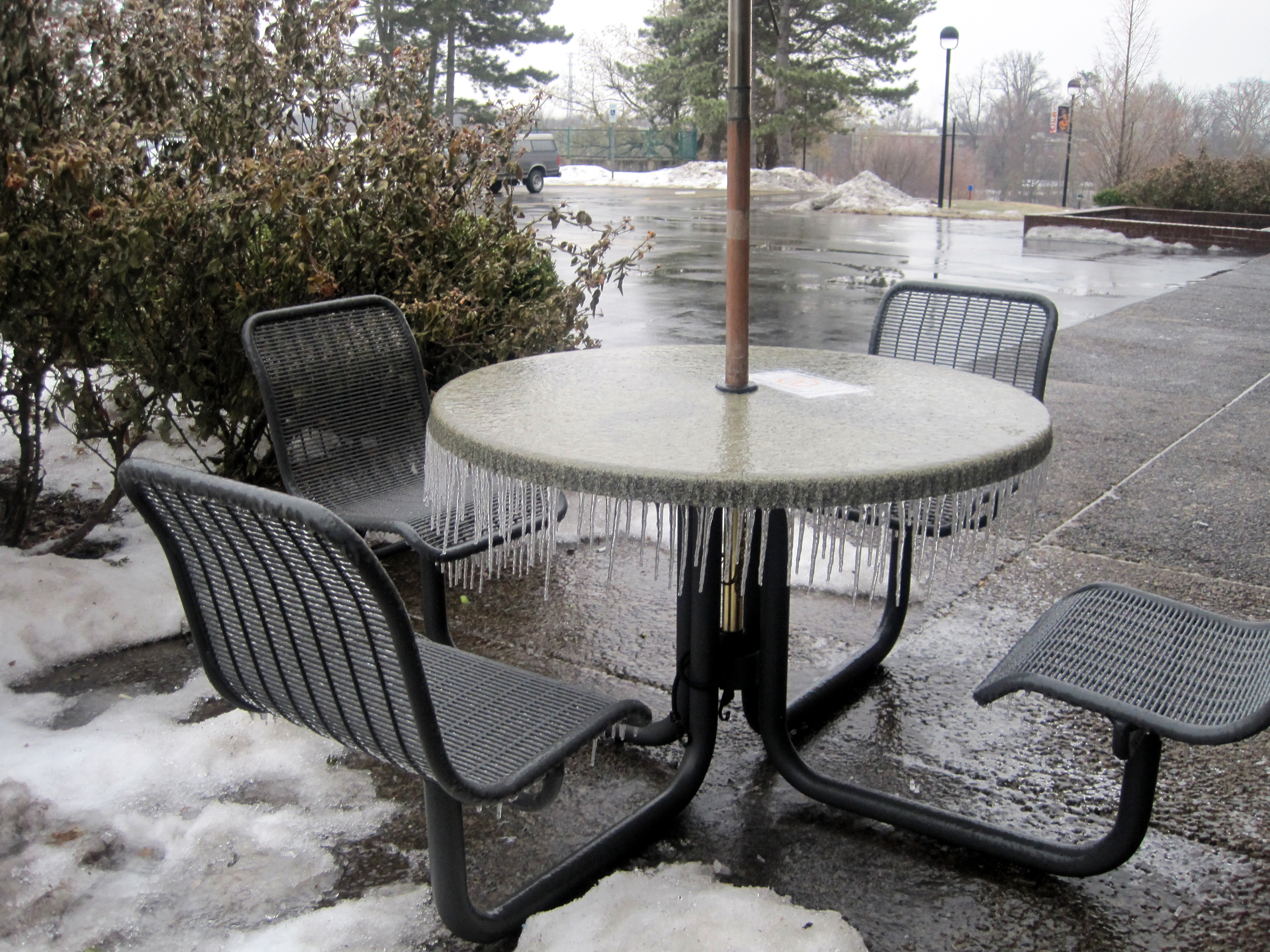
Browsing ktravula – a travelogue! blog archives for February, 2011.
As the people’s revolution gains its first major reward in Egypt today by the resignation of the president Hosni Mubarak after 30 years of iron-fisted rule under emergency military laws, let’s hope that the benefits are enduring and sustainable, and that it leads to permanent victory for the people: human rights, real progress, reform, and justice. More importantly, let’s hope it spreads to other places on the continent where the citizens live in fear and poverty under unyielding despots.
If given a 12 weeks opportunity in a research institution in Virginia this summer, all expenses paid, and a chance to develop my own linguistics ideas and projects, what will I do? I just got off the phone a few minutes ago with a recruiting agent from a popular language and linguistics research institution/company recruiting for summer internships for graduate students. I had been contacted as one of the people being interviewed for one of the three open slots for this coming summer.
I’m half ecstatic, and half perplexed because I realize the limitations or improbability of research openings for Yoruba language development for technology. Or not. In the area of research and development, I am limited to a choice between working on a scope of already tried theories on grammar, and developing new ways of making the language relevant in the new century. I’ve always been more inclined to the latter though it is not altogether possible without the former. My undergraduate project was a Multimedia Dictionary of Yoruba names, and I’ve written a few articles on language translation which is my favourite subject. What I wish to go further into however is examining the interface between machine translation and human translation with a view to improving what already exists. I’m talking about lexicography and research into finding new words to cater for new ideas not already represented in the language.
How much this research facility is willing to put their bet on a language spoken only by over 30 million people and is constantly being targeted by new technology (like Nokia, Samsung, Microsoft and others) is up for guessing, but I hope that I put up a good interview. I already enjoy the thoughts of sitting in small quiet campus thinking up new ideas to further bring an already capable language into more modern-day capability. The winners will be linguists, translators, research institutes, schools, student and new language learners all around the world. Fingers crossed.
For 24 hours every May 11, radio stations in Nigeria and around the world pay tribute to the legend of Robert Nesta Marley also known as Bob Marley. I used to think that this practice was limited to Nigeria until I went to Kenya. The whole country virtually shuts down and all the bars become annexes of a Marley stage concert with beer and weed competing with the sound of music for control of the air. 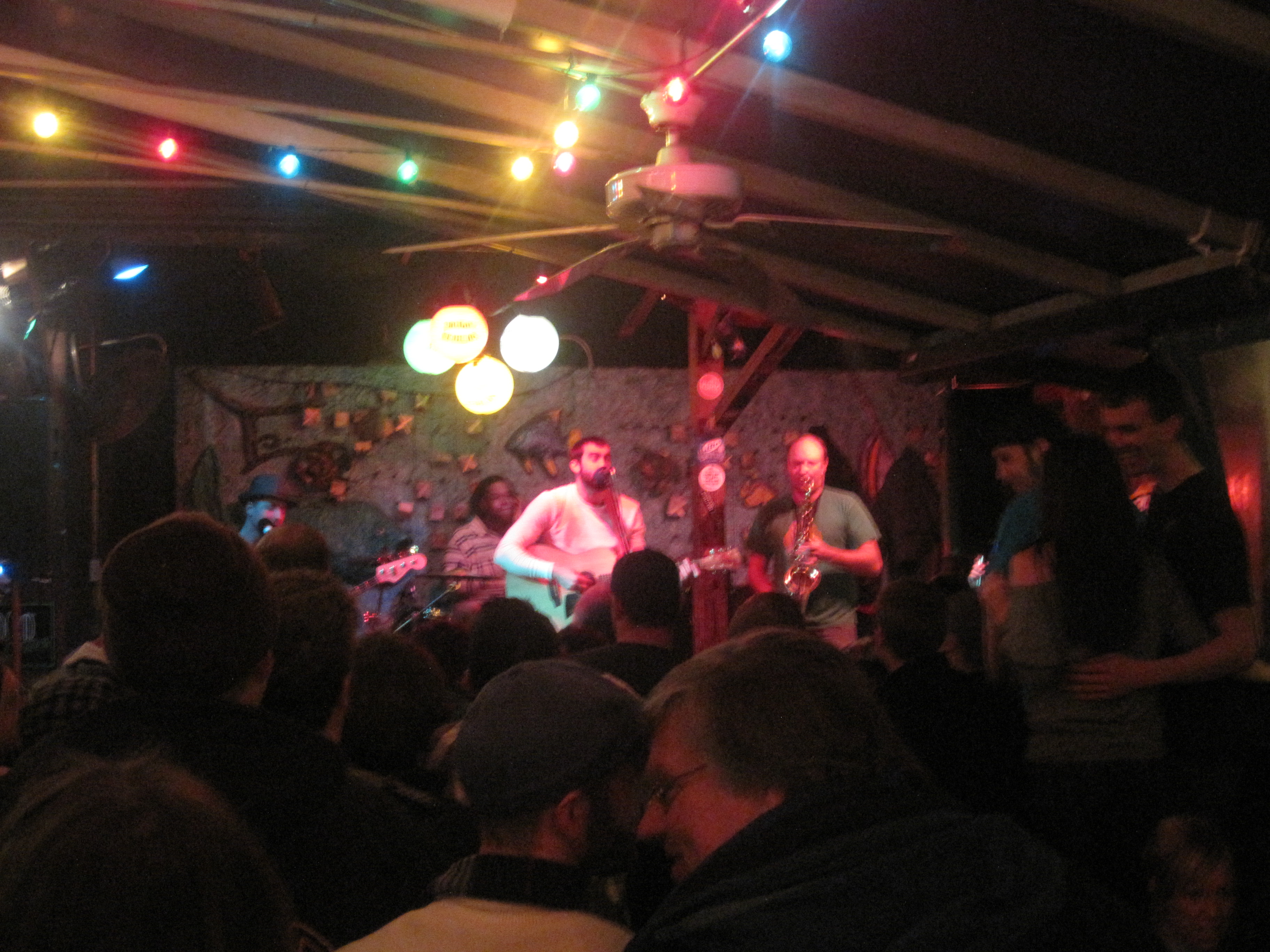
Yesterday, I attended a similar concert, this time in celebration of the birth of the reggae legend. Three live bands brought their guitars, drums and saxophone to St. Louis. An old cultural capital of the midwest, St. Louis never fails to surprise with new experiences and discoveries of new previously unknown treasures of jazz, live music, good food, drinks, and company. The only addition to this peculiar night was the bellow of weed smoke floating around the bar. Add to that a large collection of hippie-looking, slow talking, heavily bearded crowd members with half-closed eyelids who add “duuuuude” to the end of every sentence and who have to shout in order to be heard above the music, then you have an idea.
How a phenomenal music legend from a small Caribbean island became a global export being celebrated thirty years after his death is already a heartwarming story. Amidst the blare of the saxophone and good music, one of the true purposes of life is laid bare: to affect the world with beauty, and strength, and love, in a way that leaves it no chance of recovery. And music does that better than all the other art forms.