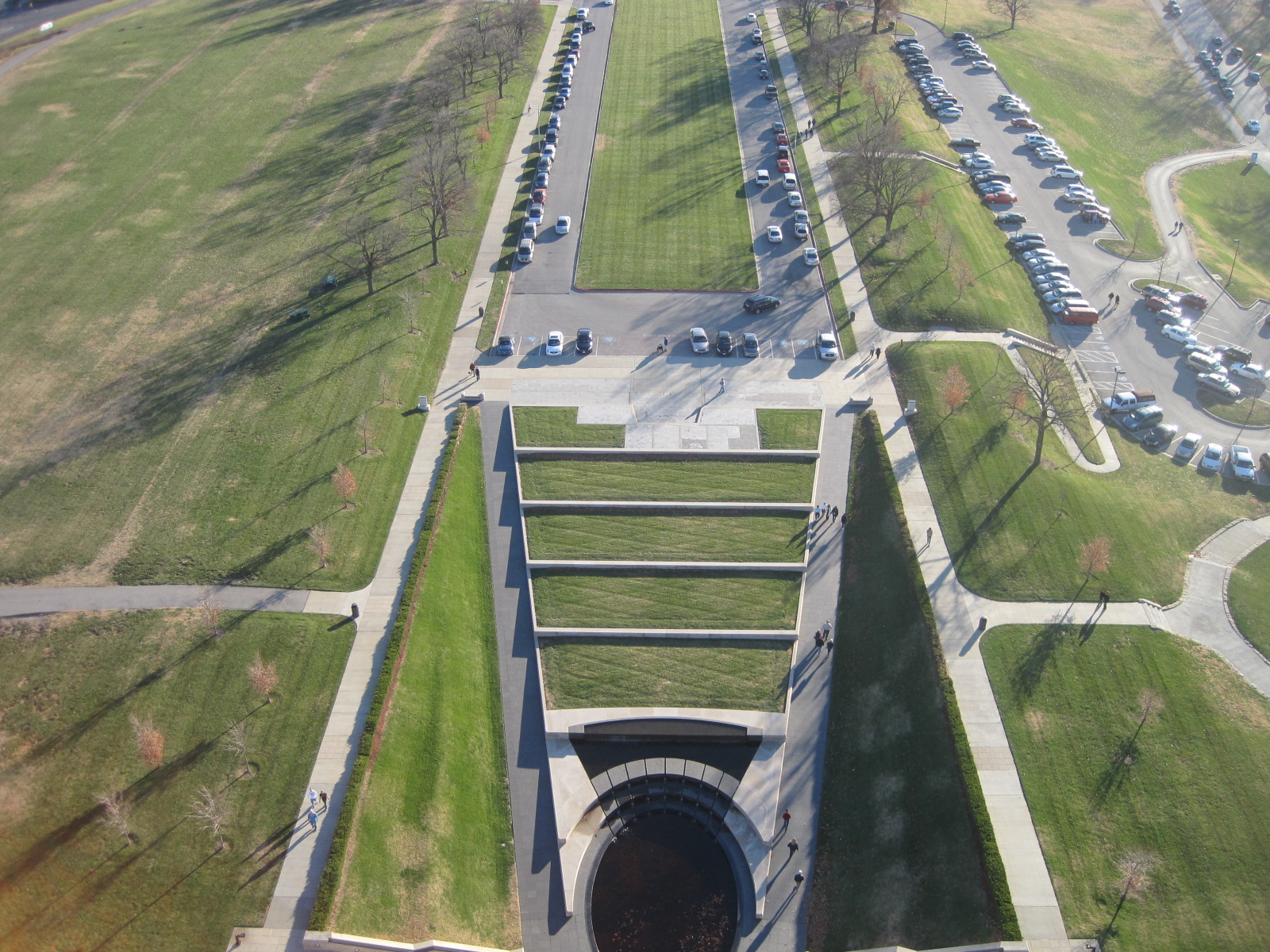
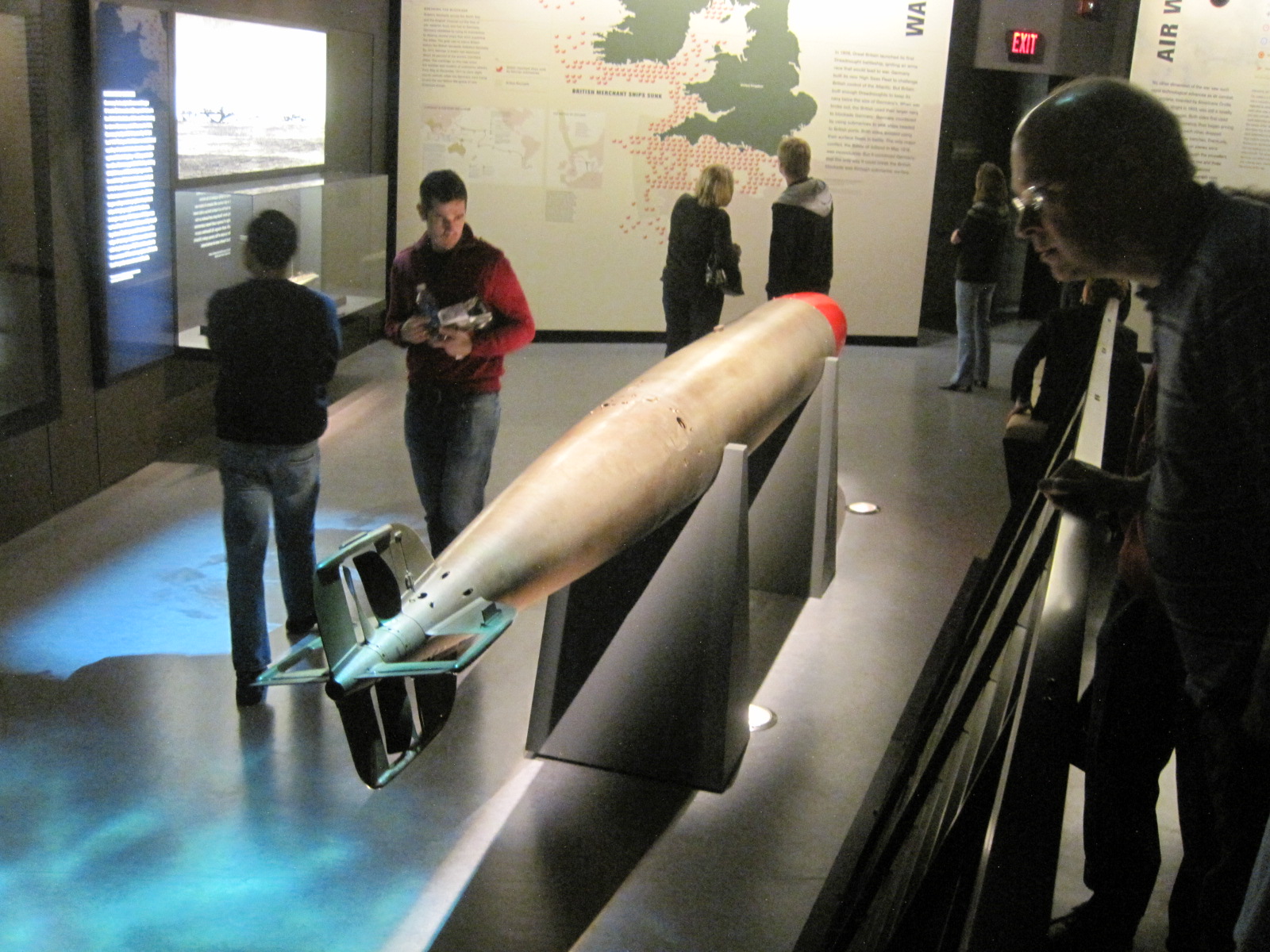
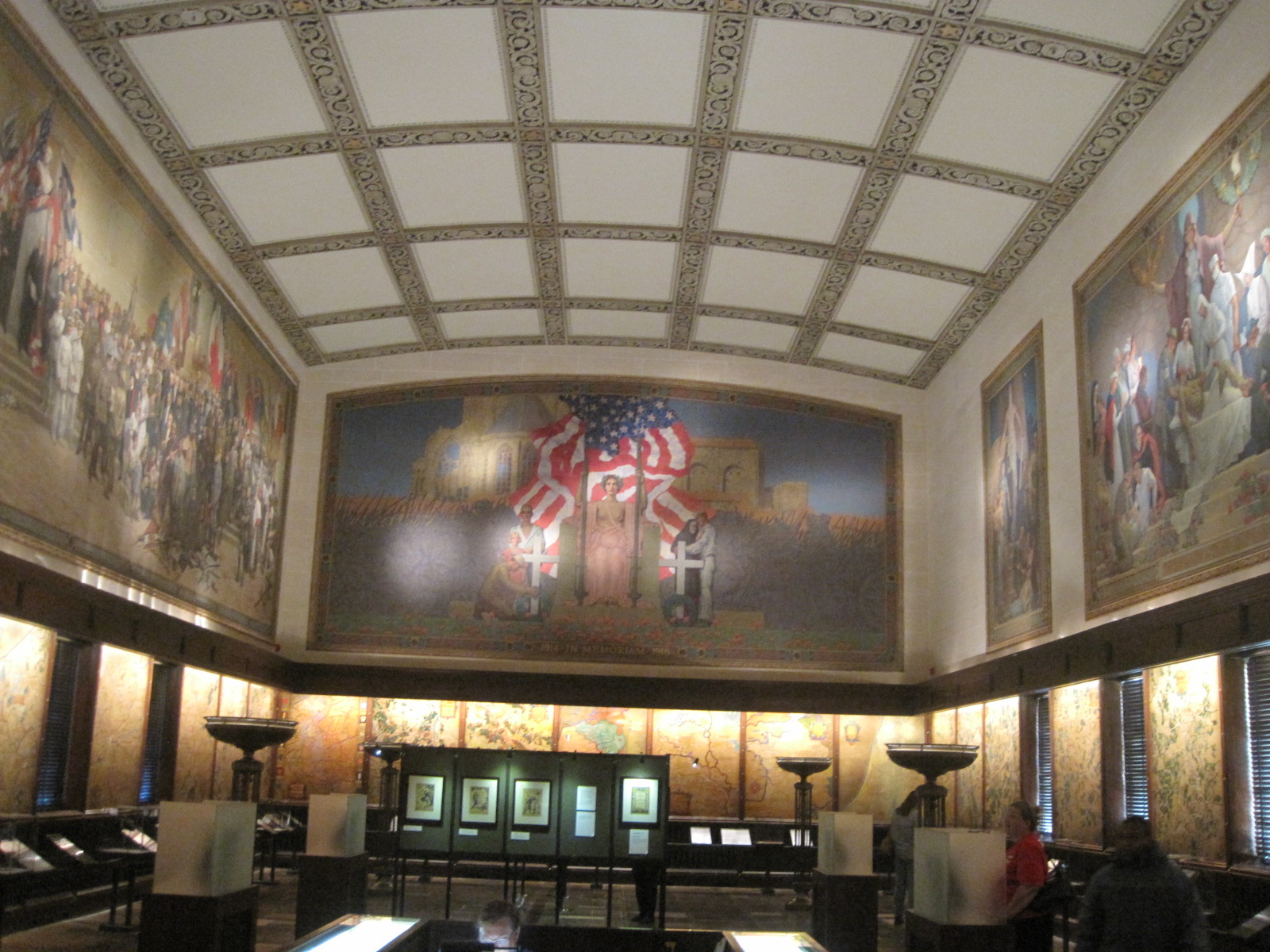
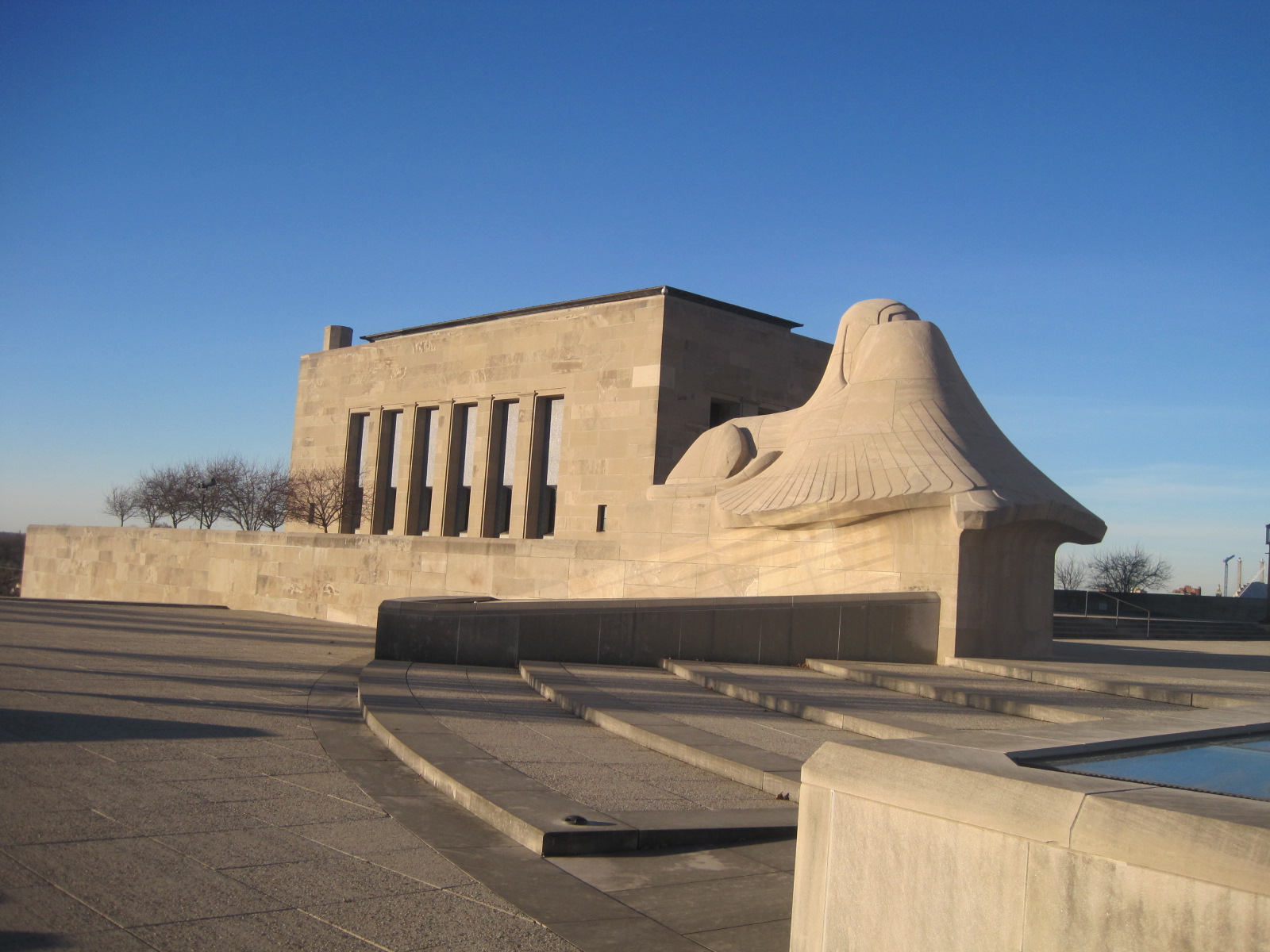
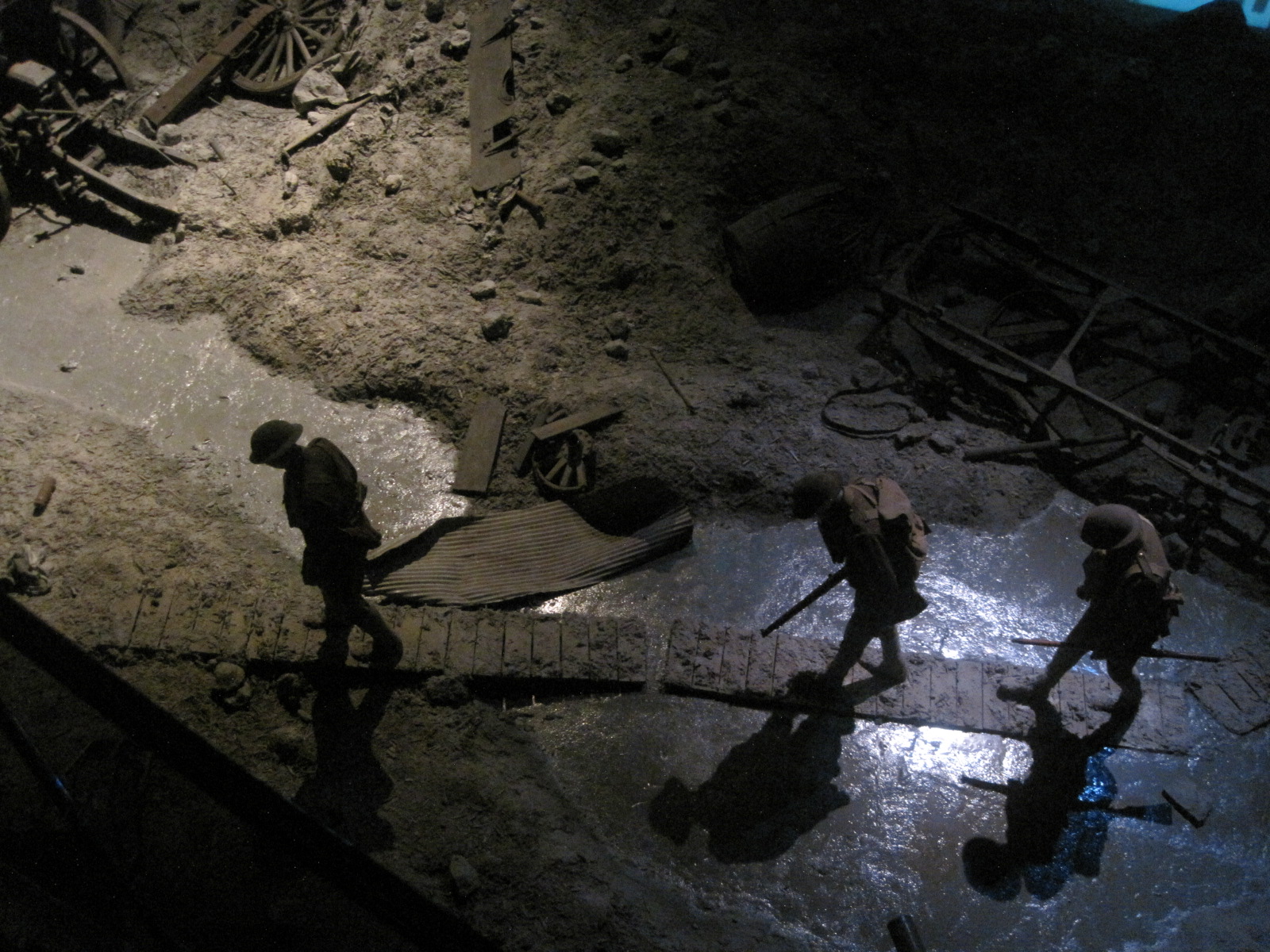
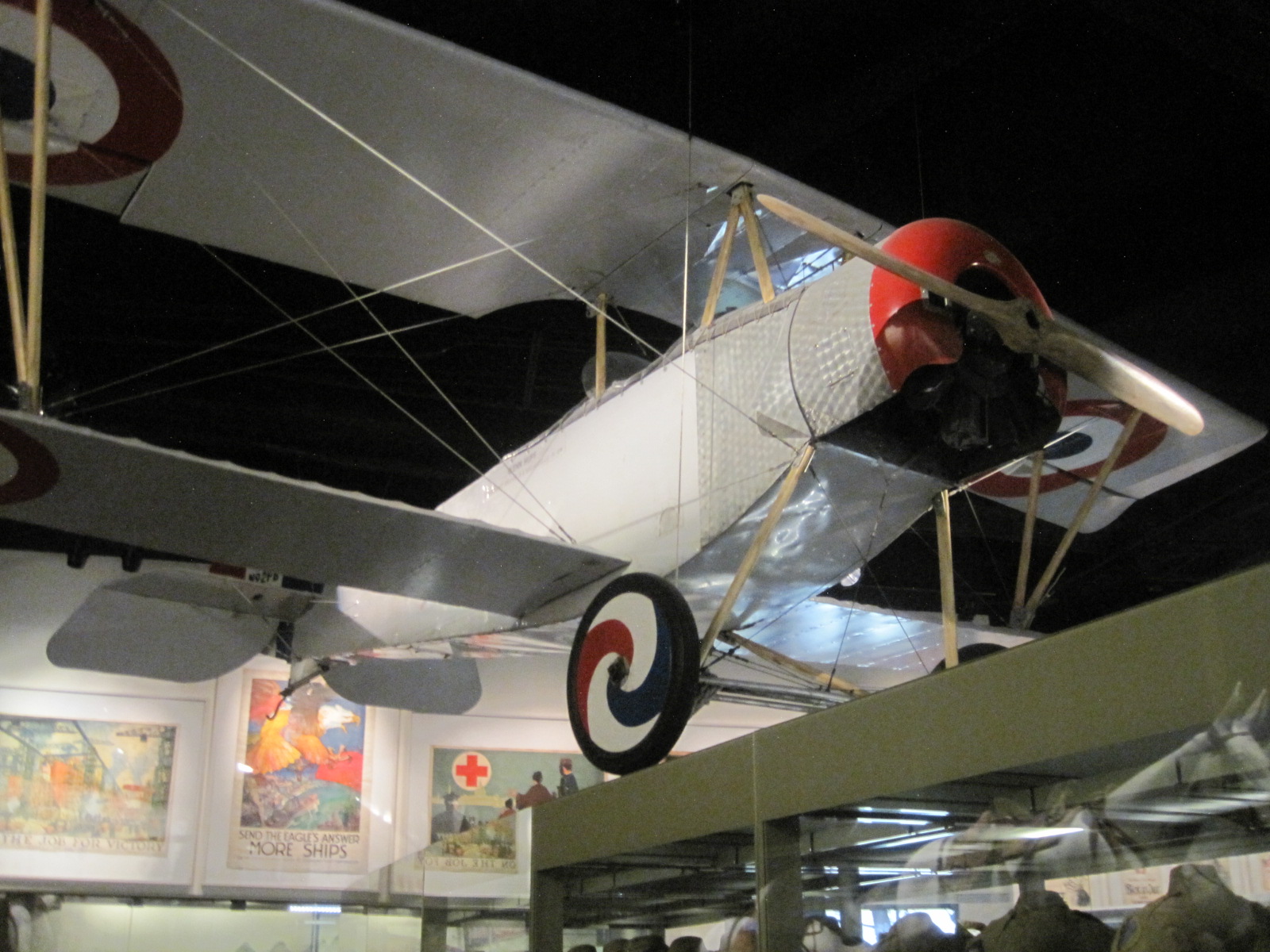
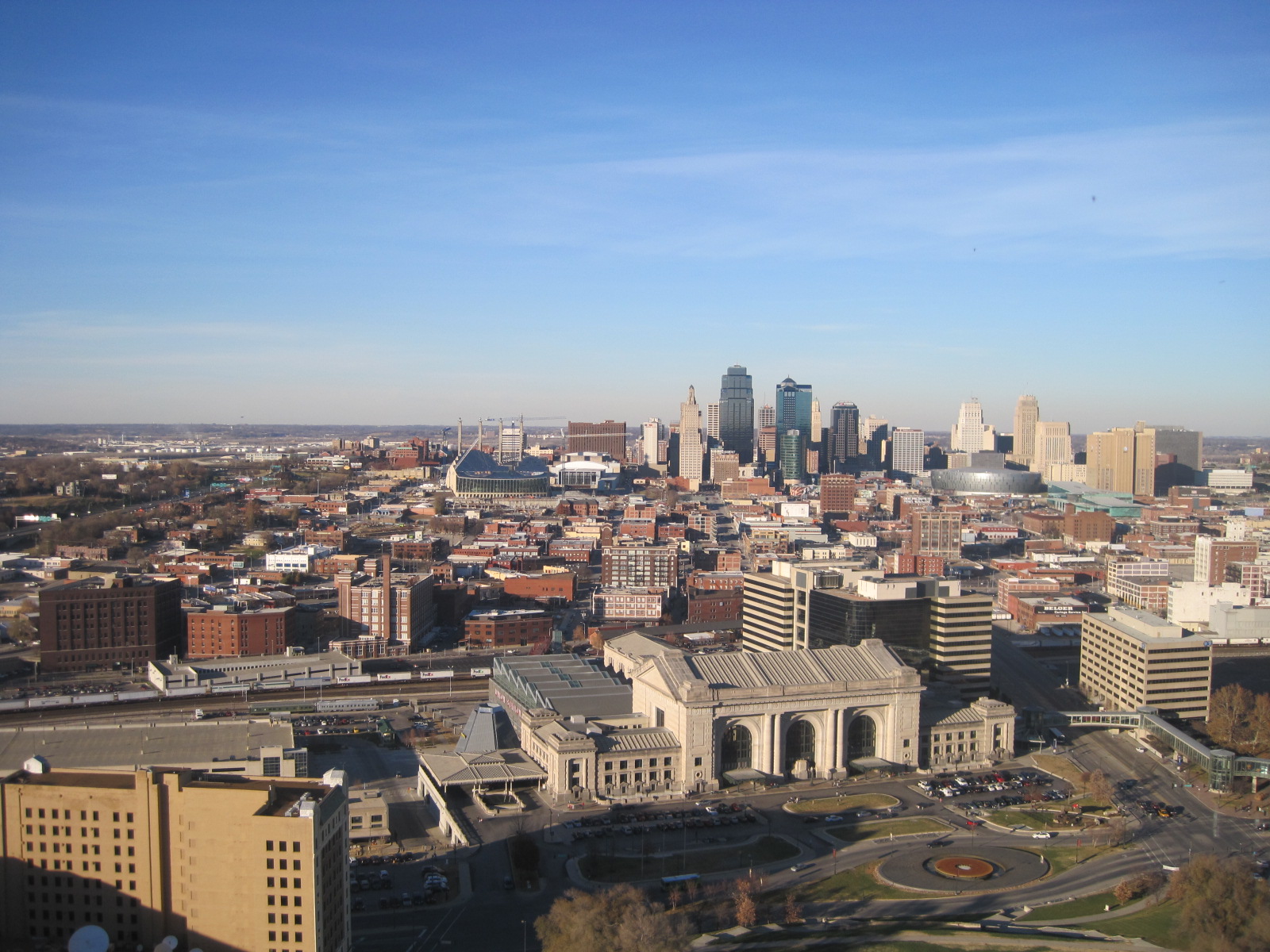
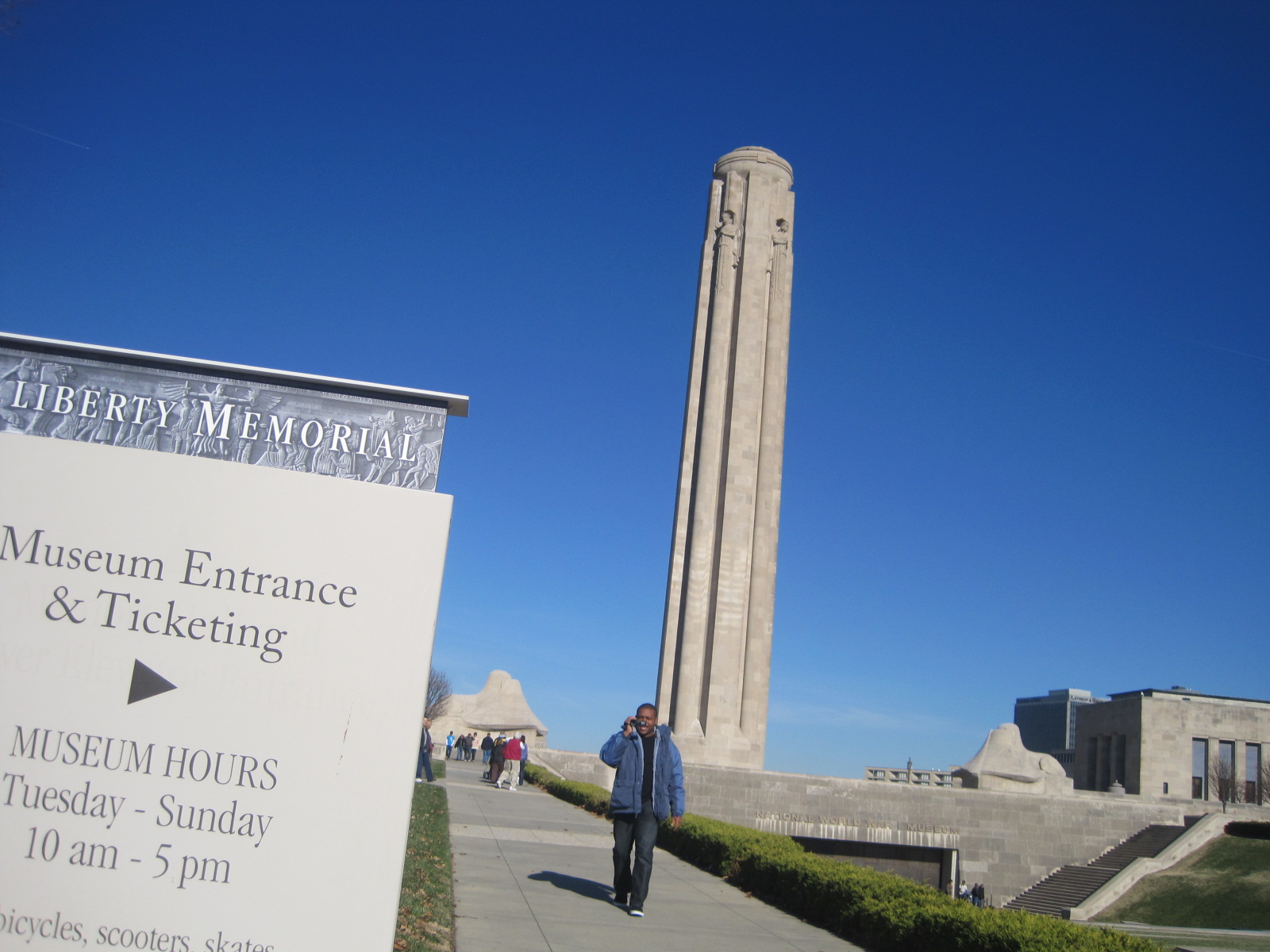
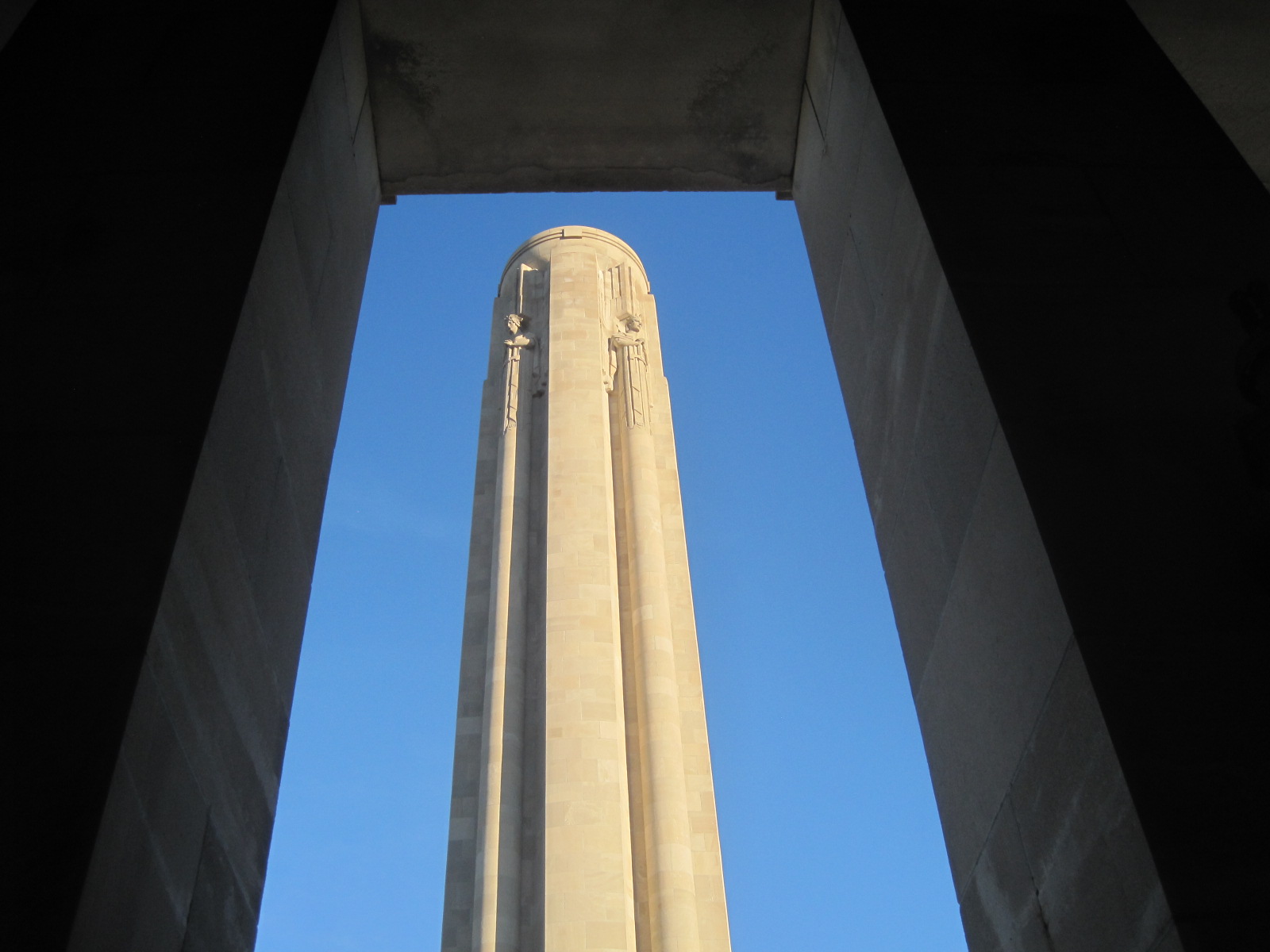
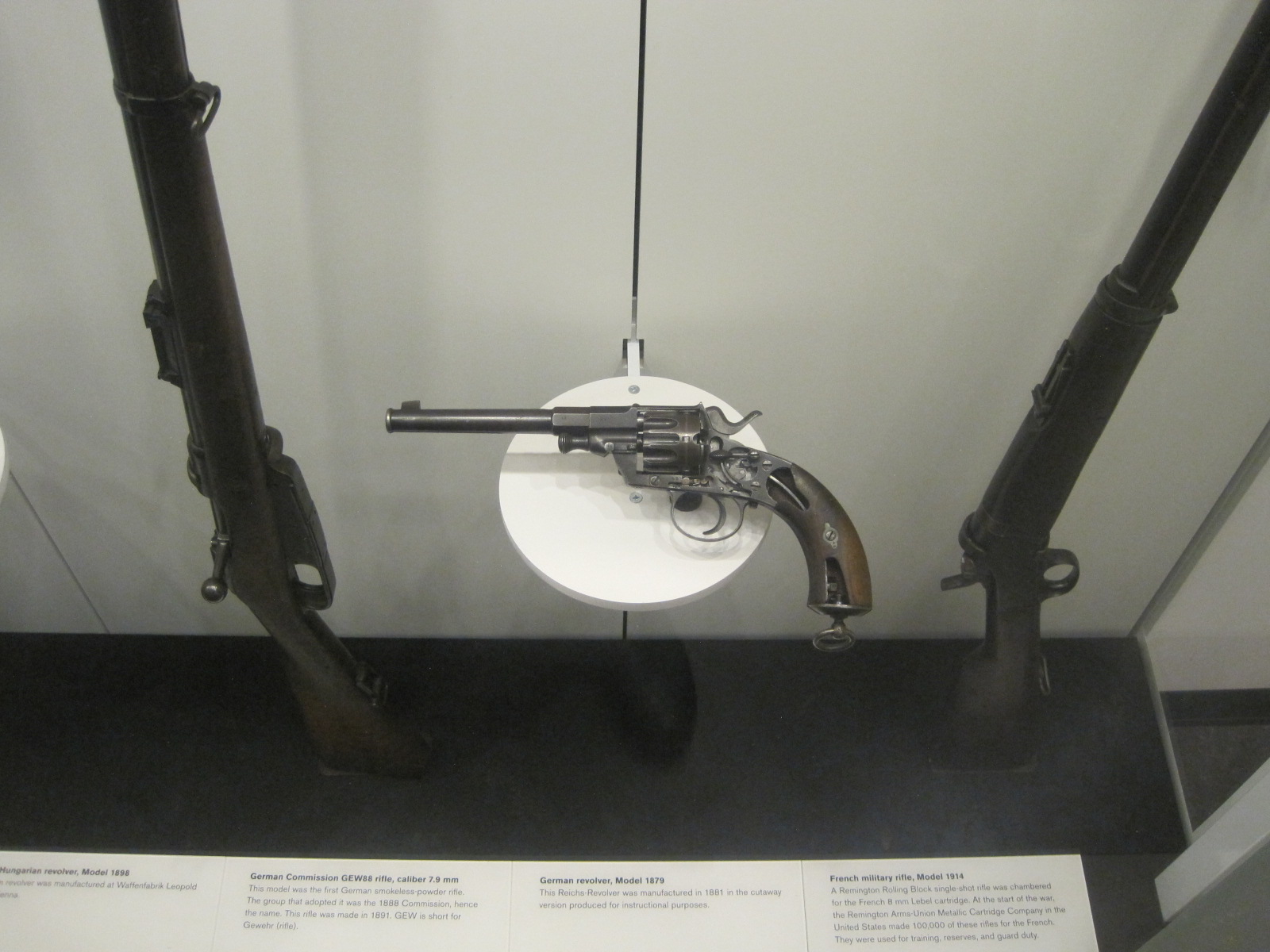
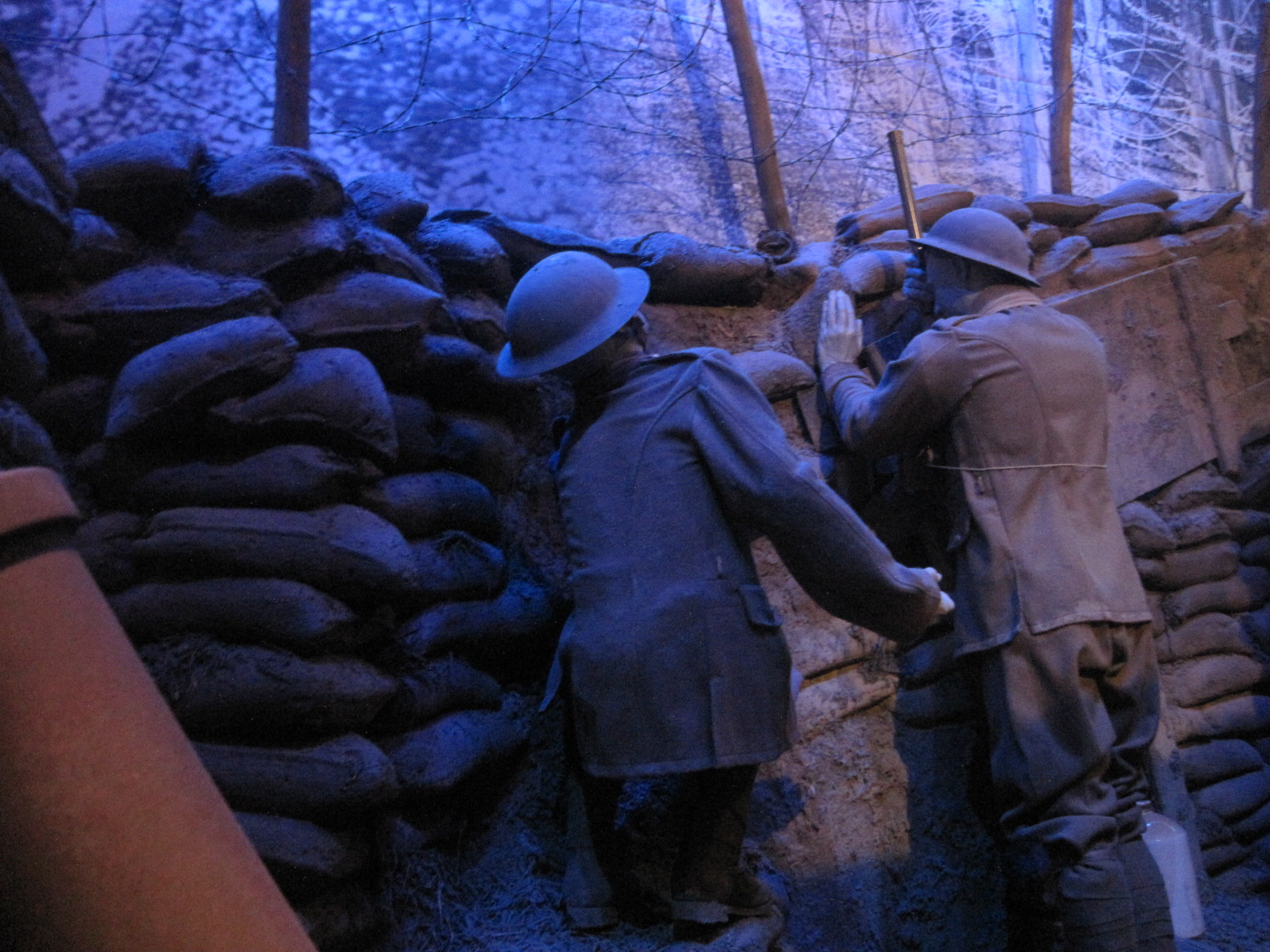
 A torpedo, a view from the Liberty tower, one of the sphinxes on the property, a hall full of paintings, a real plane from the war, trench and war replicas, the Liberty Tower, the city’s skyline from 217 feet, a revolver, and the Tower again.
Browsing ktravula – a travelogue! blog archives for November, 2010.
A little break from war stories, I’m pleased to announce to you that the new Sentinel Nigeria Magazine Issue #4 is out. It features poems, prose, reviews, interviews and essays from Nigeria and Nigerians in the diaspora (two of my poems made it into this one).
Here’s a poem by Jumoke Verissimo published in the issue:
Dirge
“He who does not mind torn clothes will soon be naked”
But we do not mind our rump in the wind
In this land of my birth, where will has died
As if cast with the curse of a thousand sores
The stroke of agitation copulates with anger
Pain is birthed. Ache will cease if scab will dry.
But in this land, anguish borders human dreams
Men’s brows thicken as the outline for a statue
Lives here are dressed in a uniform of desolation
Many days, we share stories of days we’ll laugh
We tell tales of the heroes who should have been
But as figments we live like we own no soul
The days that we walk like we own our souls,
Are the days when our souls walk with no legs,
Our legs, in a union with million wrongs, are numb,
But we do not curse, for we fear our voice will still,
So we wait and watch and weep, each decade for hope.
You can find the issue here.
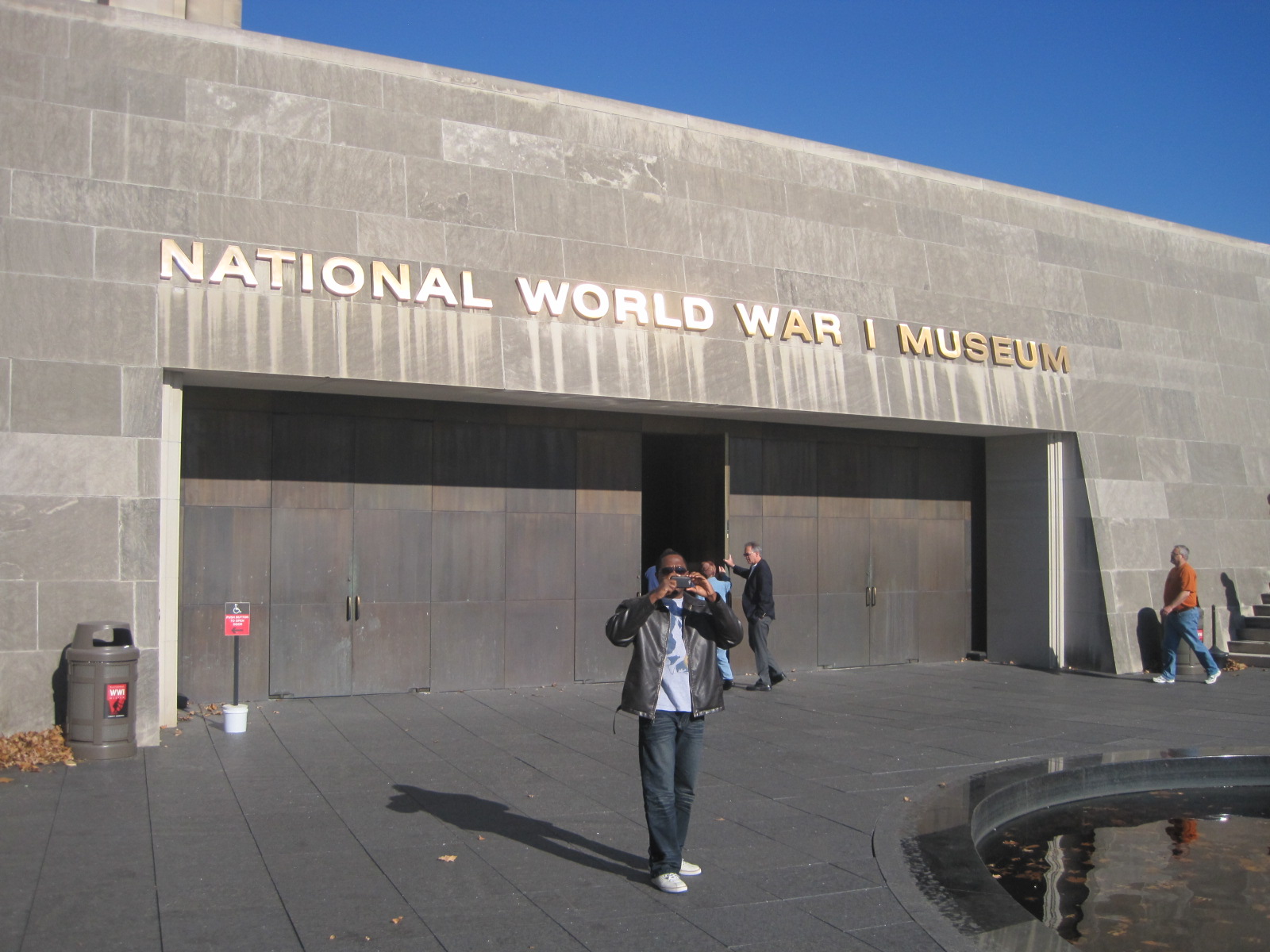 There is soooooooooo much to see at the World War I museum in Kansas City (MO). It is an enormous research institution and monument to one of the most brutal wars the world had ever seen up until that time. World War I was so large it was called “The war to end all wars.” Thus was the level of sophistication that went into its execution, thebrutality of its reality, and the great number of its casualties, the long period of time it took before the guns fell silent, and the implications it had for future wars that have taken place since then.
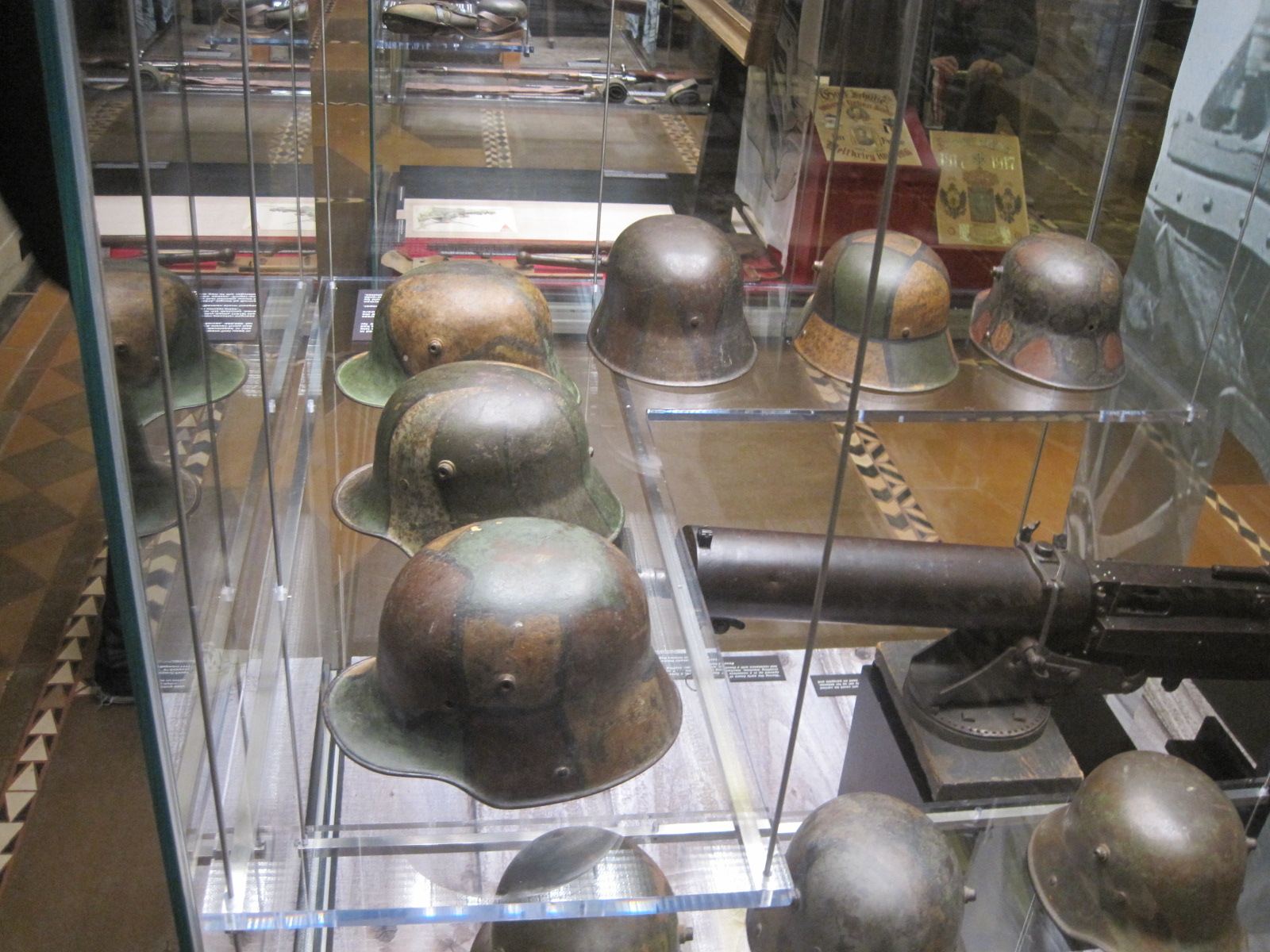 The World War I memorial is as equally intimidating in size, scope and content. It contains real artifacts of the war: guns, cannons, flags, uniforms, knifes, bayonets, boots, hats, torpedoes, bombs, grenades, canteens, airplanes and numerous flash presentations of the war casualties, fronts, progress and dates. There was also a film show of the situations that led to the war itself, from the Industrial Revolution to the killing of the successor to the Austria-Hungarian throne Archduke Franz Ferdinand. On walls and under the sole of our feet, beneath glass flooring, are so many several other markers from the great war – along with pictures of soldiers from all parts of the world who enlisted in defense of their colonial masters. That includes soldiers from the British colonies in India and much of Africa, including Nigeria.
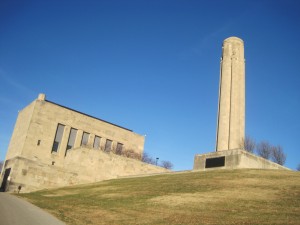
Outside the large expansive building that houses the artifacts is a 217-foot statue which provides a view of the city. The Museum, also called the Liberty Memorial was opened and dedicated on November 11, 1926. It was named a US Historic Landmark in December 2006. It would be impossible to visit the facility without leaving with a profound appreciation of the power of history to move and to greatly affect. I had a renewed appreciation for the situation of the world before the great war, and added so much to my knowledge while musing on the fact that less than three decades later, the world was entangled in another world war that would change the world or the concept of war forever.
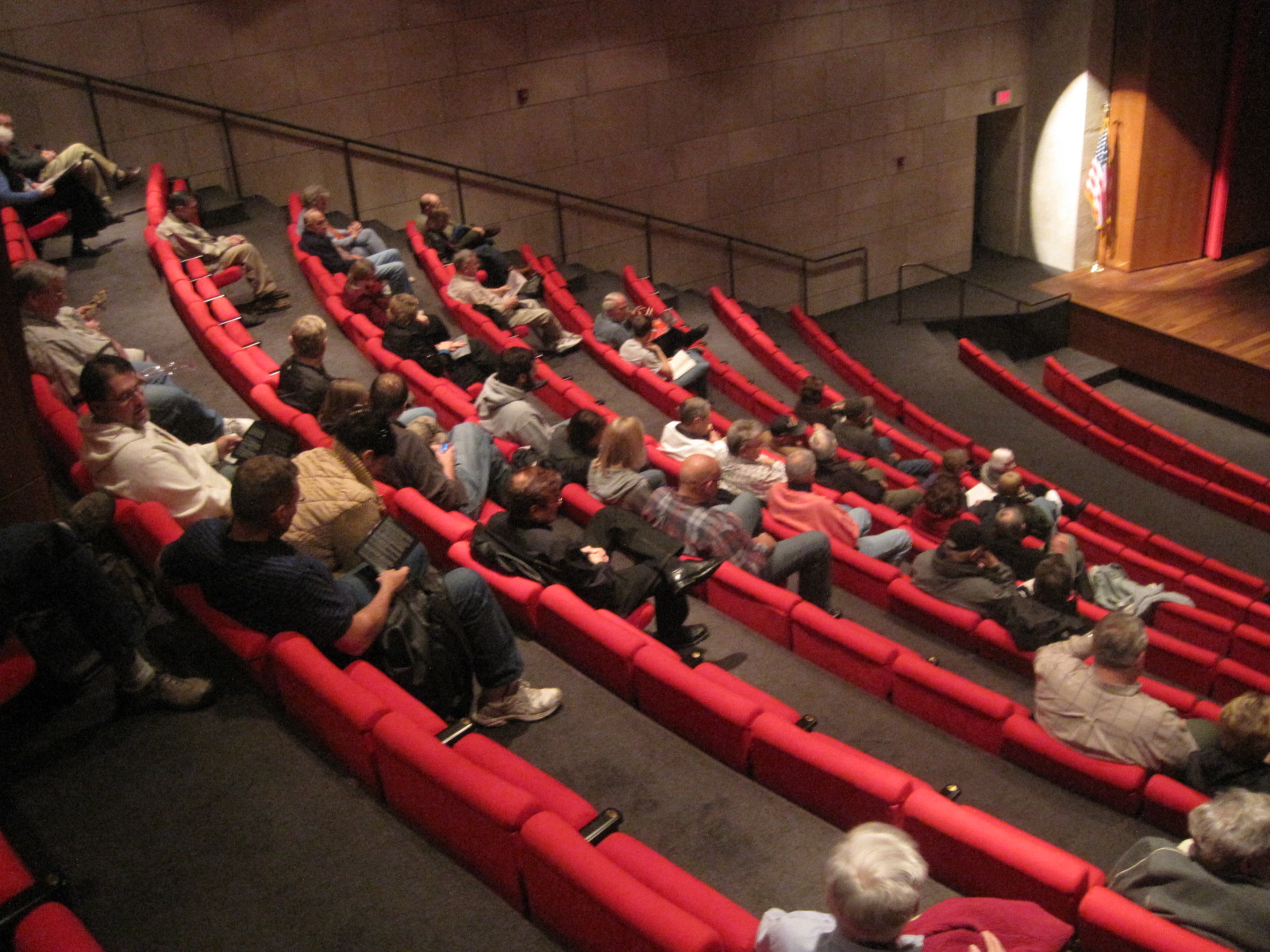 A premier screening of a film at the museum theatre about the life of the 5000 “Polar Bear” soldiers of the United States who had been left stranded in Russia after being sent to fight the Bolsheviks would make it all even more worth it. It was being screened for free to members of the press and the public. Think the US never invaded Russia? Think again. It was the first time the story of those small group of soldiers in the war was being told in film and exhibition, and we were there to see it, and listen to the producer, director, and some of the actors talk about their influences and motivations. Harold Gunnes, the last surviving members of that American unit (was born in 1899), died on March 11, 2003. According to Wikipedia, he was believed to have been the last living American to have fought in the Allied Intervention near the port of Arkhangelsk on the White Sea.
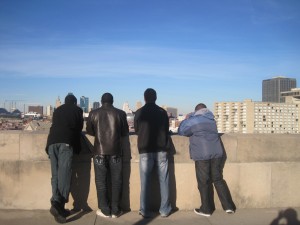
At the end of our tour of the many rooms and exhibitions of the facility, we took a trip to the top of the tall Liberty Memorial monument and had a few pleasant moments enjoying the breeze and taking in the beautiful sight of the city from 217 feet. After that, we returned downstairs to examine another exhibition titled Man and Machine. It was there where one of the curators took a look at the four of us and asked, seriously, “are you guys soldiers?” I laughed, until I realized that he wasn’t joking. He later explained that he asked because he was looking for whom to ask what purpose the bolts at the two ends of standard issue soldiers’ helmets were used for. None of us could provide an answer. (I’d be glad to take answers from knowledgeable military men out there.)
 After taking in sights and knowledge of war for two nights straight, it was only fitting that on our way back, we dropped by at Independence, Missouri at the home and Presidential Library of the man who ended the second war with two atomic bombs, Mr Harry Truman. A journey that began with a visit to the Museum that holds the artifacts of Winston Churchill – the British reporter, soldier and politician whose life spanned the two wars was fittingly ended through the town of Truman on the way home.
It all made sense. Iran and the US are on a constant face-off that is likely to escalate, North Korea had just attacked the South on a reason that seems mundane from a distance of common sense, Pakistan and India are always at each other’s throats, and there are numerous other conflicts and alliances in places all over the world, in the Middle East, all waiting for the little igniting match.
All it took for the World War I to start was the sound of gun shots on the streets of Sarajevo. Who knows what is going to trigger the next one, and where its museum and memorial would be sited. (Maybe it would be on an abandoned mountain in a desert island – the only remaining healthy place to live in the world.)
On returning, it all seemed like an intensive dream of several noise and scary images, a discordant feeling of sweat, shortness of breath, and running through trenches and sound of cannon guns. Maybe the knowledge of past wars would be enough to halt the beginning of the next one. Or maybe not.
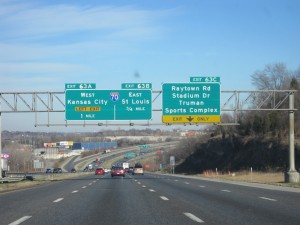
It is actually a small country, if one considers the fact that in just the two nights that we spent in Kansas city a fewspecial celebrities of the American space decided to show up there as well. First there was the famous college basketball finals game between Mizzou (Columbia University, Missouri) and the Jayhawks (of the University of Kansas). The event brought much of the midwestern lovers of college basketball to Kansas City where the event took place, and they remained there till the next day when Mizzou won. On Saturday was Usher Raymond the musician who on a nationwide tour. Yesterday afternoon, there was news of perhaps the biggest fish of the weekend: former Alaskan Governor Sarah Palin. She was in town to promote her new book America By Heart.
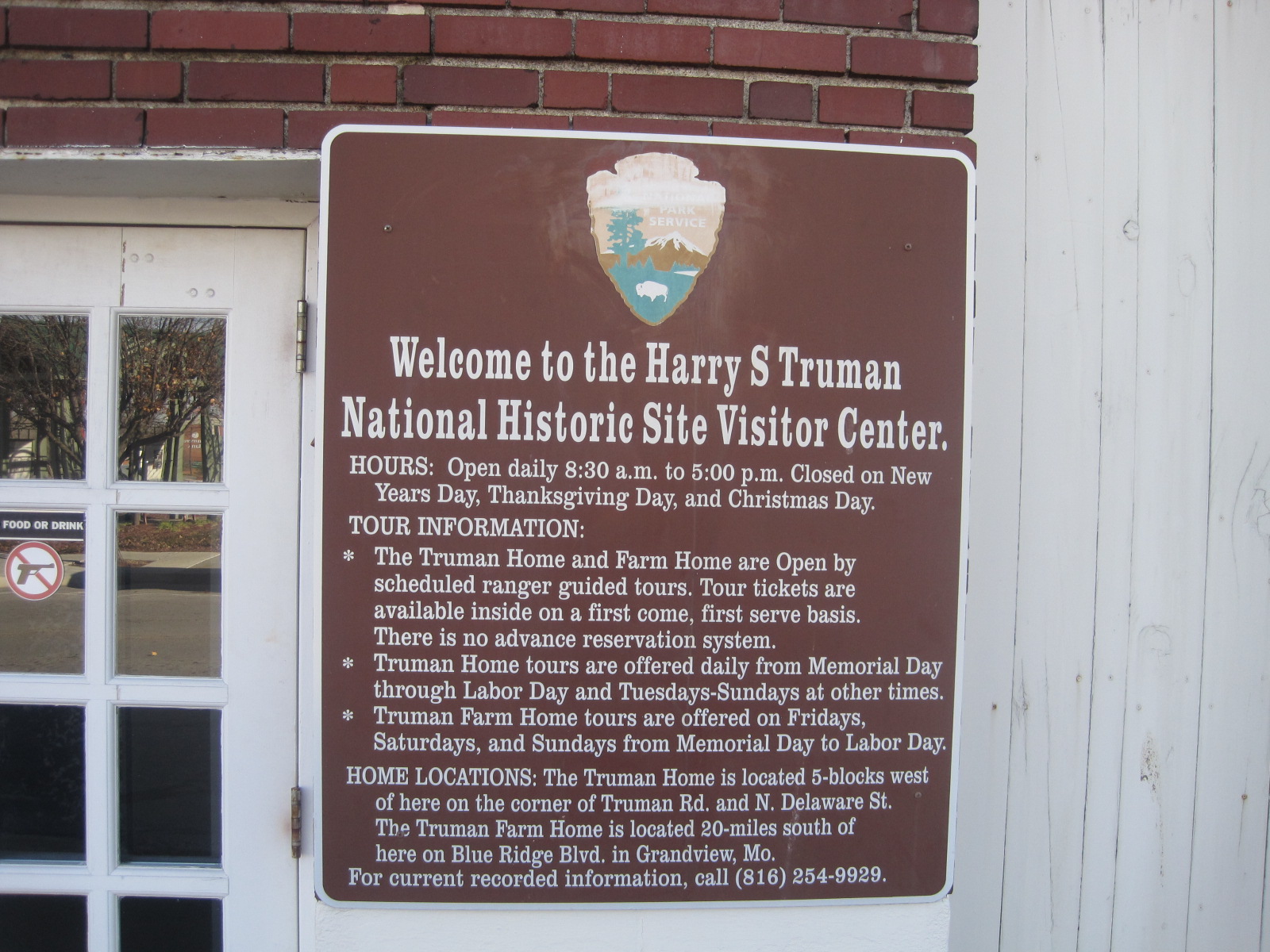 The town of Andover in Wichita, Kansas, where she was visiting was two and a half hours away, westwards. We didn’t go there to see her as we had first planned, but that was only because of the constraints of time. By Saturday night, about a hundred people had already arrived to stay the night out in the cold in front of the store where she was billed to sign books on Sunday, and the line to see her stretched eventually to about 500 people. Even if we had set out early on Sunday, we might not have stood much chance of seeing her and getting back home on time. We went to Independence (MO) instead on the way home to visit the President Harry Truman home, museum and Presidential Library. That turned out to be a good decision. We learnt about his life and his love for his old country home even when he was president and how people would always gather in front of his home every time he returned from Washington. President Truman was the successor to Franklin Roosevelt, and he was the one who ended the Second World War after dropping the bombs on Japan.
In the last three days, I learnt more about the World War I and it’s implications for World War II and other future conflicts than I’ve ever learnt from reading books or from conversations. It was a holiday well spent.
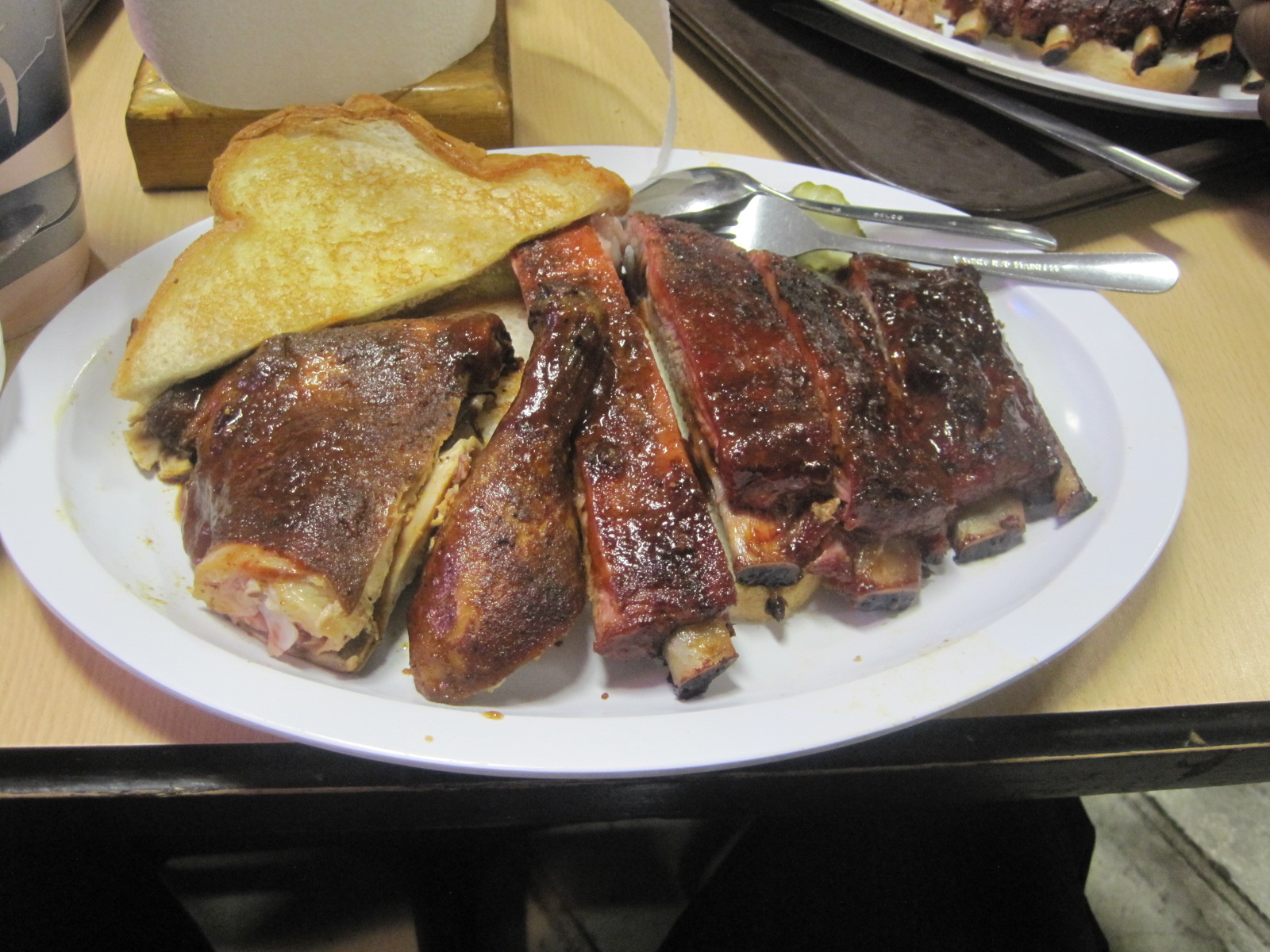 Twenty-four hours ago, all I knew about barbecue was how it tasted when hot. Two hours ago, I had a memorable encounter with the best barbecue in the world, along with a history lesson that was already waiting to be discovered since we hit the road on Friday morning. Kansas City is the barbecue capital of the world! How this fact managed to elude most of the people we had spoken to before embarking on this trip I may never know, but every conversation since yesterday to folks has pointed only to one fact: if anything, the barbecue in Kansas City is a must-eat. I now know what they mean.
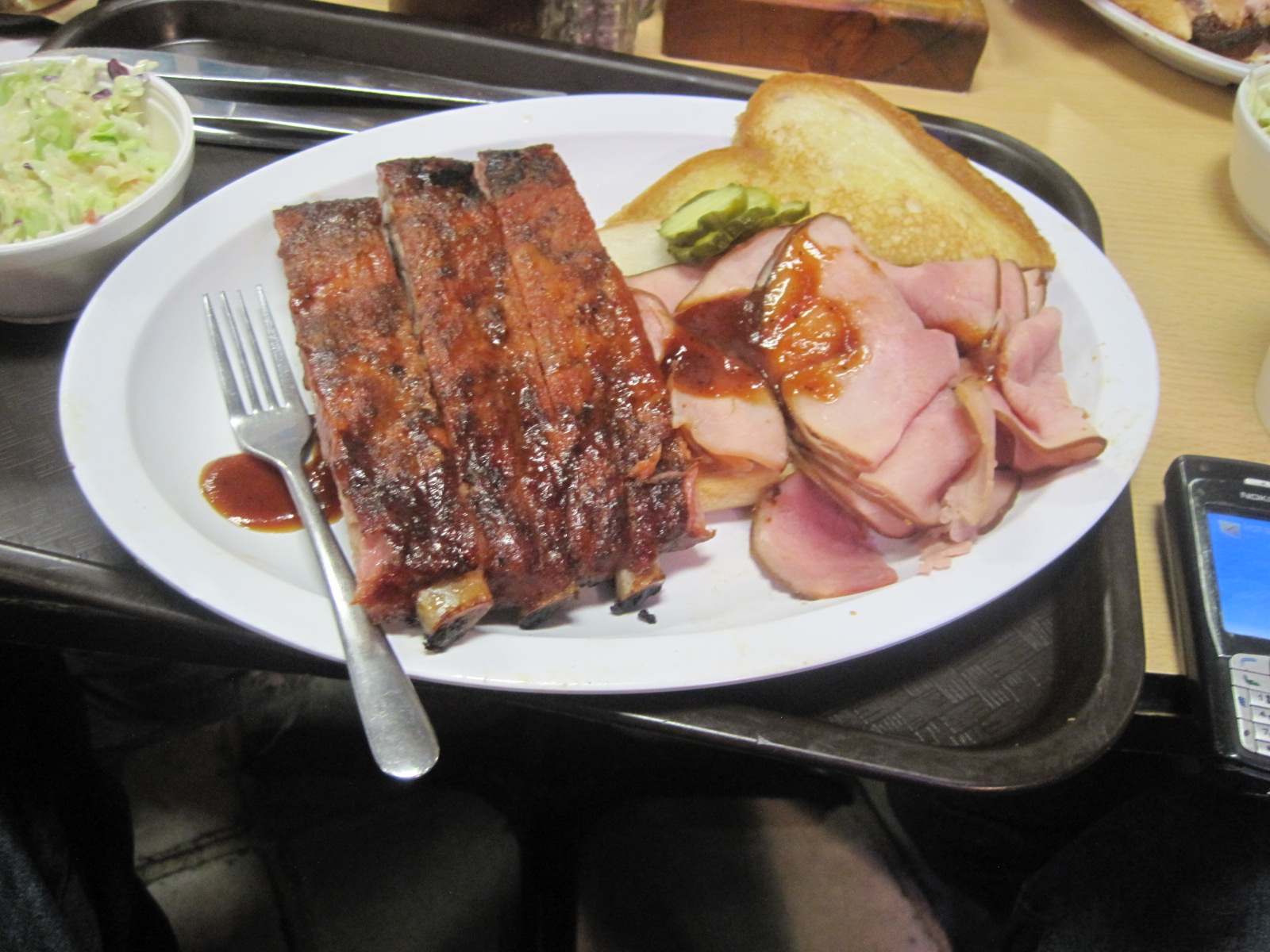 The barbecue tradition in Kansas City goes as far back as the 1900s and it is regarded as the “world’s barbeue capital”. According to Wikipedia the city has over 100 barbecue restaurants. Even the google search of the word “barbecue” will come up with Kansas City in the first four items. There’s even a Kansas City Barbecue Society. That’s serious! Now, of all the over a hundred places to have barbecue, the most famous one of them according to all asked is called “Oklahoma Joe’s”, written in the Men’s Health magazine in March 2010 as the #13 on the “13 places to eat before you die.” And that was where we went, of course. It is far better to have just twelve more places in the world to worry about.
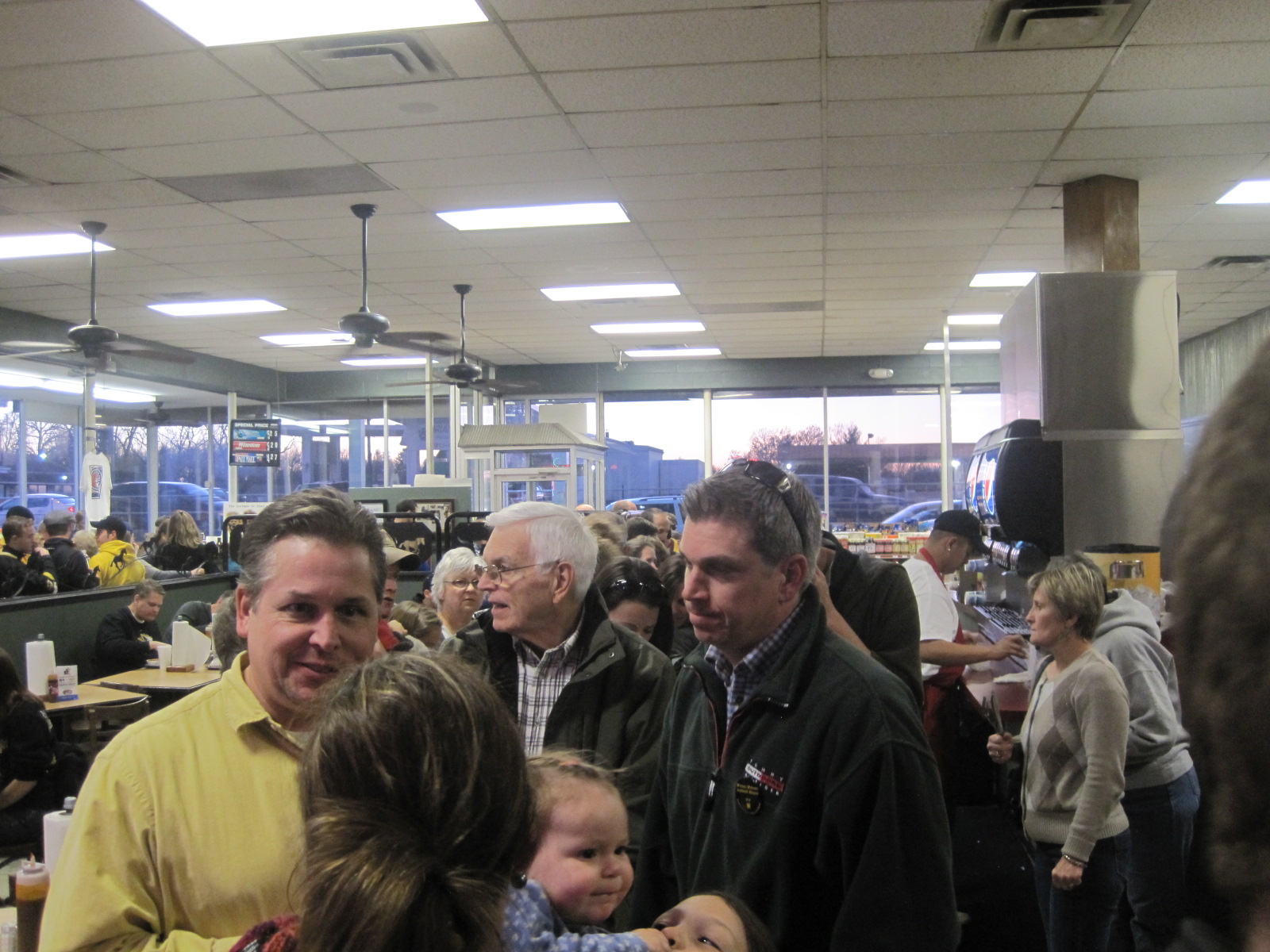 Since Kansas City is the barbecue capital of the world, imagine eating at the best barbecue place in Kansas City. That’s what Oklahoma Joe’s is to those who know its reputation. From the outside though, it looks just like a little harmless restaurant in a gas station. We had actually been there last night without being able to find our way in because of the way it blended with the night. Today there was no such luck as the line that reached from outside to the front counter had up to seventy people and took almost thirty minutes to get us served. White, Black, Asian, Mexican and people of different looks and appearances queued up in the cold outside the restaurant to await their turn. It was almost like being in a line to get the autograph of a famous writer.
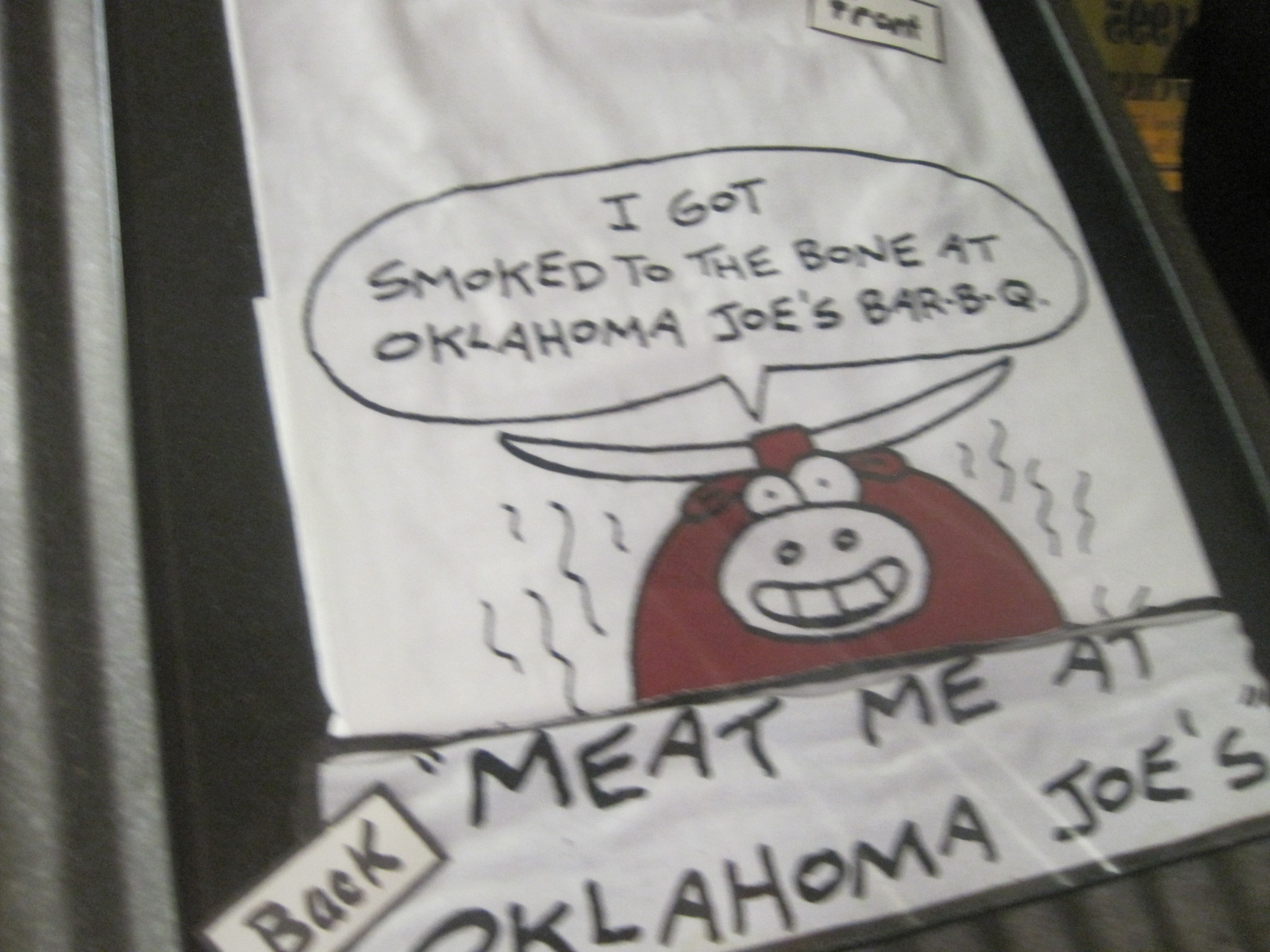 I’ve never been in a restaurant before that makes you wait that long. (Well, Mama Ope food canteen in Ibadan is the exception). But you know what they say: if you see a very long line of people outside a restaurant, it would most likely be good. Believe me when I say it was more than awesome culinary experience eating there. The real question is why people on the other side of the river didn’t know much about this, and the many more treasures it contains. And I’ve not even told you about the most amazing experience at the World War I Museum.
Well tomorrow, we return home, via Columbia.