Browsing ktravula – a travelogue! blog archives for September, 2010.

Looking Forward

To October 1st, 2010

Clapping on the green hill with one withering hand, a loner
dances in the dust with trumpets blarring around his head.
A cake on the side, and black drying welts half a century old
around his back, he swirls with the new colours of the wind.

It’s dawning around a river of sweat, and a cool breeze blows.
The earth is wet with shining slivers of light, and tongues,
and mixed memories of glee, and a past of bilious giggles,
and smiles, and fond thoughts of what might have been.

But the bright day returns, as slowly as it must, within beats
of a thousand heart drums on a global stage. An orchestra
of sounds that must heal or yet renew the promises of dawn.
An old baton into new hands of hope within hope. A gamble.

For here is another gathering of tribes and a dance to promises.

(c) 2010 ktravula.com

Random Missouri

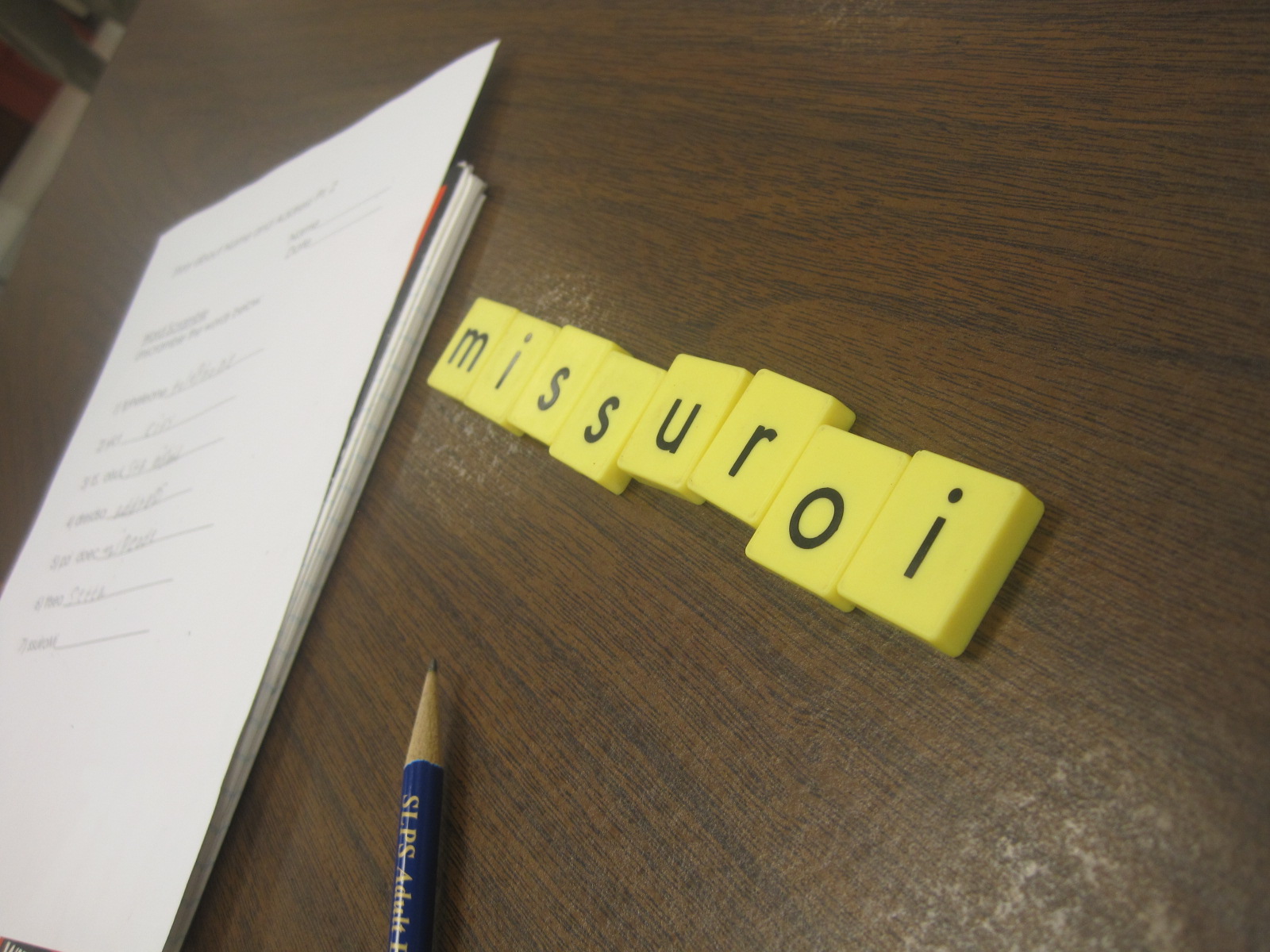
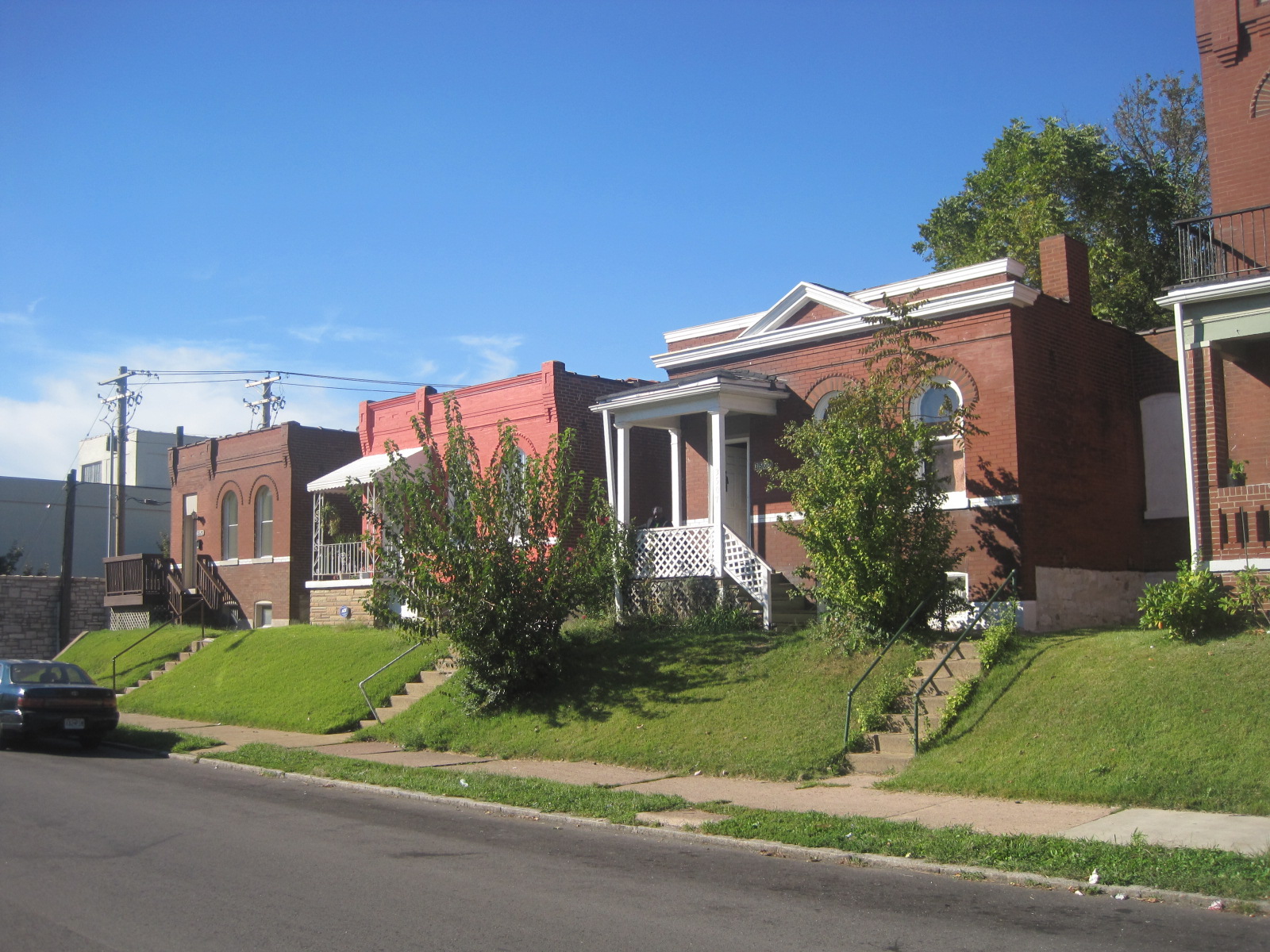
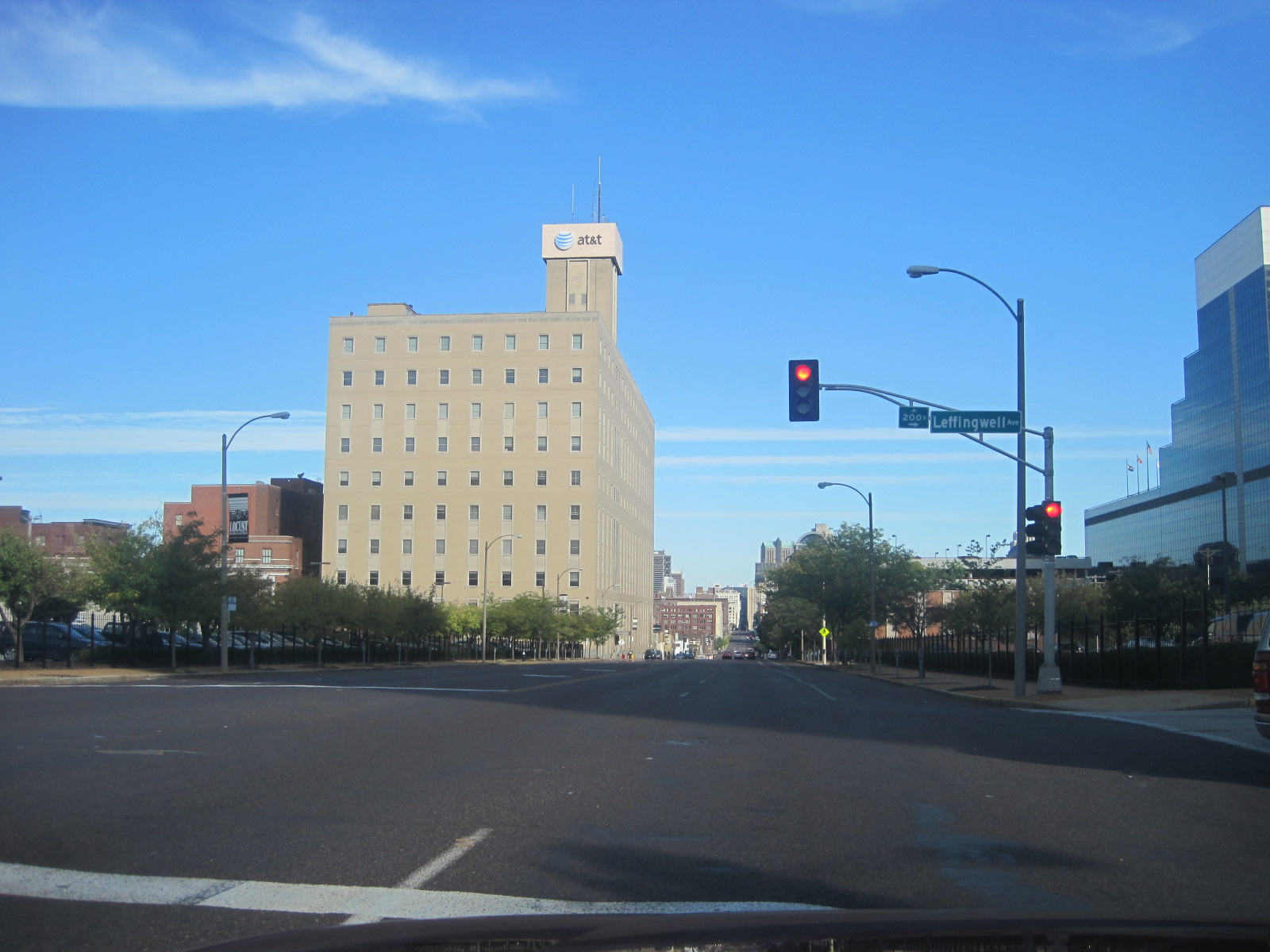
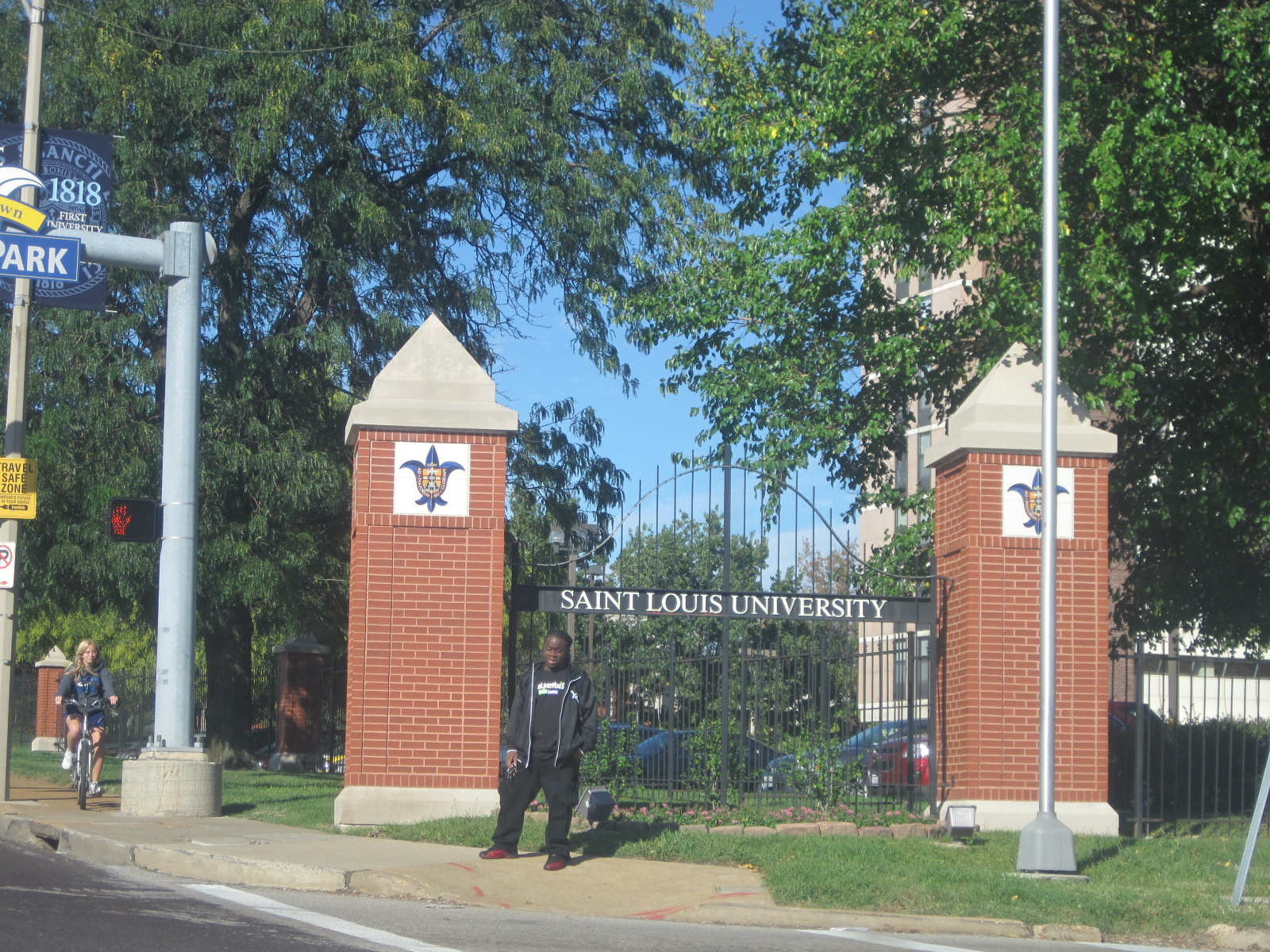
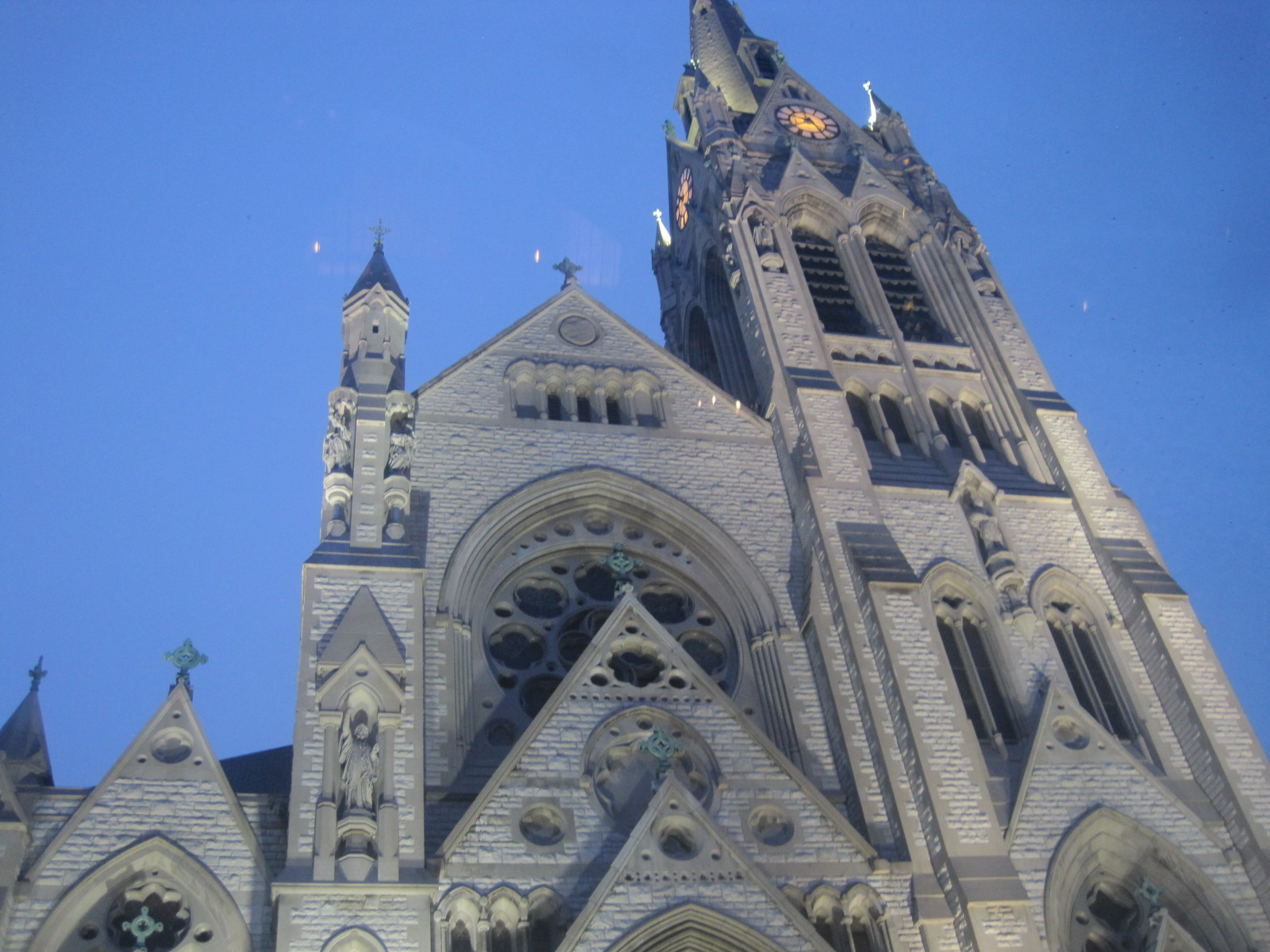
I figured that it’s been long since I last put up a photo post, so here – a few random shots mostly taken in our neighbouring state of Missouri.

Health in the City

My left arm hurts from a TD immunization injection. I’m resolved to blogging about it only because all those darlings I’ve approached for petting the said hand to health have turned it down or have kept quiet and I’ve been left to my own devices: rest, and vulnerability, like a little boy returning from his first hospital visit 🙁 .

The only memorable thing to say was that I paid $6 for said shot, and I have become the last person to do so. As from tomorrow, people approaching the University Health centre to take the shots would pay up to $39. For the first time in over a decade, the State of Illinois is withdrawing subsidies on this service to students and the University Health Centre, as they told me yesterday, will now have to buy the medication by themselves at market value, and sell to students at market price.

It’s the economy, stupid. I’m sure that students won’t be smiling from the Health Centre anytime soon. Not international students at least, many of whom are studying on very limited personal funds. Neither does it help that this mandatory expense is not covered by the $500 per semester compulsory students Health Insurance policies.

What are the holidays of the traditional African religion

Well, well. Here is a question requiring a whole article of its own, and I’ll tell you why. “African traditional religion” doesn’t quite exist. If you meant “Yoruba traditional religion”, I would still have a hard time answering you because the traditional Yorubas believed in so many things. In some cases, there were as many religions as there were family compounds, and each person believed in different things and worshiped them subsequently.

What I can say however is that there were some popular beliefs that have survived colonial intervention and modernity and are still being observed today in form of a system of belief. Their “holidays” are not usually public holidays but are usually marked with fanfare and festivities.

One of them is the Osun Osogbo Festival which is celebrated for about seven days in July/August in Osogbo, Nigeria. The festival is meant to celebrate a season of renewal and rebirth and it include dances, singing, and a ceremonial pilgrimage to the river Osun behind a virgin votary, the Arugba. (See photos from a previous Osun Osogbo festival here).

I also know of the Olojo Festival in Ile-Ife, and the Oke ‘Badan Festival in Ibadan which are also annual events.

Ask me anything

Ethnicity as a Plus Factor

On reflection on the coming milestone in Nigeria in the coming days, I came to the conclusion that one of the biggest drawbacks in the national progress till date is the poor handling of the country’s diverse ethnicity condition. For many years, I’ve wondered what it would have been like to live in the times of Tafawa Balewa, and Nnamdi Azikiwe, and Obafemi Awolowo, and the many other earlier nationalists that struggled for the nation’s independent many times from ethnic,  but for the most part from nationalistic, standpoints. Eventually, I get to wondering how things could have gone wrong.

Tafawa Balewa remains one of my most admired men of those times not because I knew him, but because I didn’t, and because he was killed for no reason I could easily understand. And because he was one of the brilliant educated northerners who managed to get into the position of authority. And he was a simple man. Yet he was killed. Azikiwe was another one who became the opposition leader in a Western House of assembly in 1952 as a Nigerian and not as an Igbo man. When I think back to how things could have been different if the first coup hasn’t happened, or how things could have been if the coup had been bloodless, or if it had not had an ethnic slant, I sigh and get back to doing something else. Because I wonder if something beautiful and great could have evolved.

On invitation, I have written a post on my reflections on Independent Nigeria at 50 for the Nigerianstalk.org website. There are a few new posts there also by other Nigerian bloggers and I cherish the opportunity to join those distinguished folks in sharing my thoughts with the new generation of Nigerians to whom the future belong. I am not feeling as giddy as the government wants me to feel about these celebrations just yet, not surprisingly. I guess it’s because the country wasn’t born in 1960 anyway, and neither were those who had evolved their different ways of living together even long before any foreign forces stepped foot on the land area we now call our own. If 50 years of independence from the British could still be counted as an achievement, I guess it is a memorable milestone. In any case, check out the Nigeria@50 post series on Nigerianstalk and leave comments when you can.