PRESS RELEASE
 05 September, 2013. Lagos, Nigeria. Once upon a time, when the phrase ‘Once Upon A Time’ meant story time — stories of discovery, values, morals, discipline, love, happiness, etiquette …a way of life.
I wish I could say Once Upon A Time in this technology-driven generation, where globalization is subconsciously eroding our once treasured rich indigenous cultures. I wish this phrase still had the same tenacity to hold children spellbound, their eyes glued to the storyteller or the storybook.
Day after day, as the digital age rolls by, I keep wondering if technology will pay for this or somehow, if it would find a way to bring back story time. Or has it?
What if it has in the new Àsà!
Àsà (meaning culture in Yoruba) is a brand that includes a collection of mobile applications that run on Smartphones (iPhones, Samsung S Series etc) and tablets (iPads, Samsung Galaxy Tabs, BlackBerry Playbook etc). These apps come enhanced with features as games, colourful illustrations, voice, sound and animation, all packaged within cultural contexts to appeal to kids aged 2-12 years.
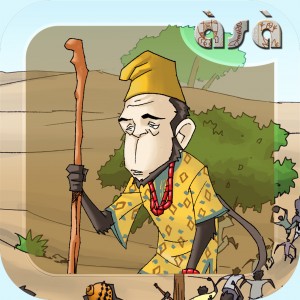 Once upon this time, children would sit again around the digital story teller to hear the same old folktales once told and retold by our forefathers. Or, in Àsà’s Language Series, follow the cultural evangelists on their journeys to get kids acquainted with our rich languages.
Àsà’s audience has gone beyond the 12 year olds — parents are in love with this digital storyteller, young adults don’t mind being told stories or taught languages in a new exciting, colourful way. Who would?
Here are some Àsà testimonies from parents:
“Thanks. Yes I got the Yoruba101 app for my son and daughter. They absolutely love it”. – Nigeria Customer
“My daughter is doing well! She loves playing the word games & is forever nodding her head to the background music of the app” – UK Customer
“My daughter and I have just read ‘The Lazy Chicken’ app; nice story”!
“Wow! This is one of the best things to happen to my iPad… Heard of this story (Oluronbi) since my childhood but it’s the first time I’ll be listening to the story for real in more than 30 yrs. I so love this, Thank you!” – US Customer
And that’s not all…
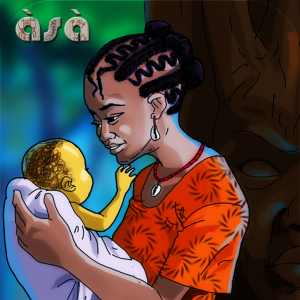 Àsà’s Oluronbi iPad app has been given an impressive review by a foremost book review site, Kirkus Reviews.
“The illustrations are cleanly drawn, depicting Nigerian figures in brightly patterned dress and village settings. They are brightened up both by a chorus that sings a song to the Iroko Spirit in one scene but can be heard in the background throughout and by a particularly lively, accented narrator”.
– Excerpts, Kirkus
So far, Àsà has in its growing collection of apps the following Android, BlackBerry and iOS apps:
· Yoruba101
An interactive Yoruba language teaching app, Yoruba101 involves a virtual recreation of a classroom complete with a cultural teacher (Oluko Àsà) who takes the kids through topics like Alphabets, Words and Sentence formations. It also includes games to help the kids test their acquired knowledge. It features animations, colourful illustrations, voice, sound and text.
Download Yoruba101 now to your iPAD; iPHONE; ANDROID phones/ tablets; BLACKBERRY Z10/Playbook
· Igbo101
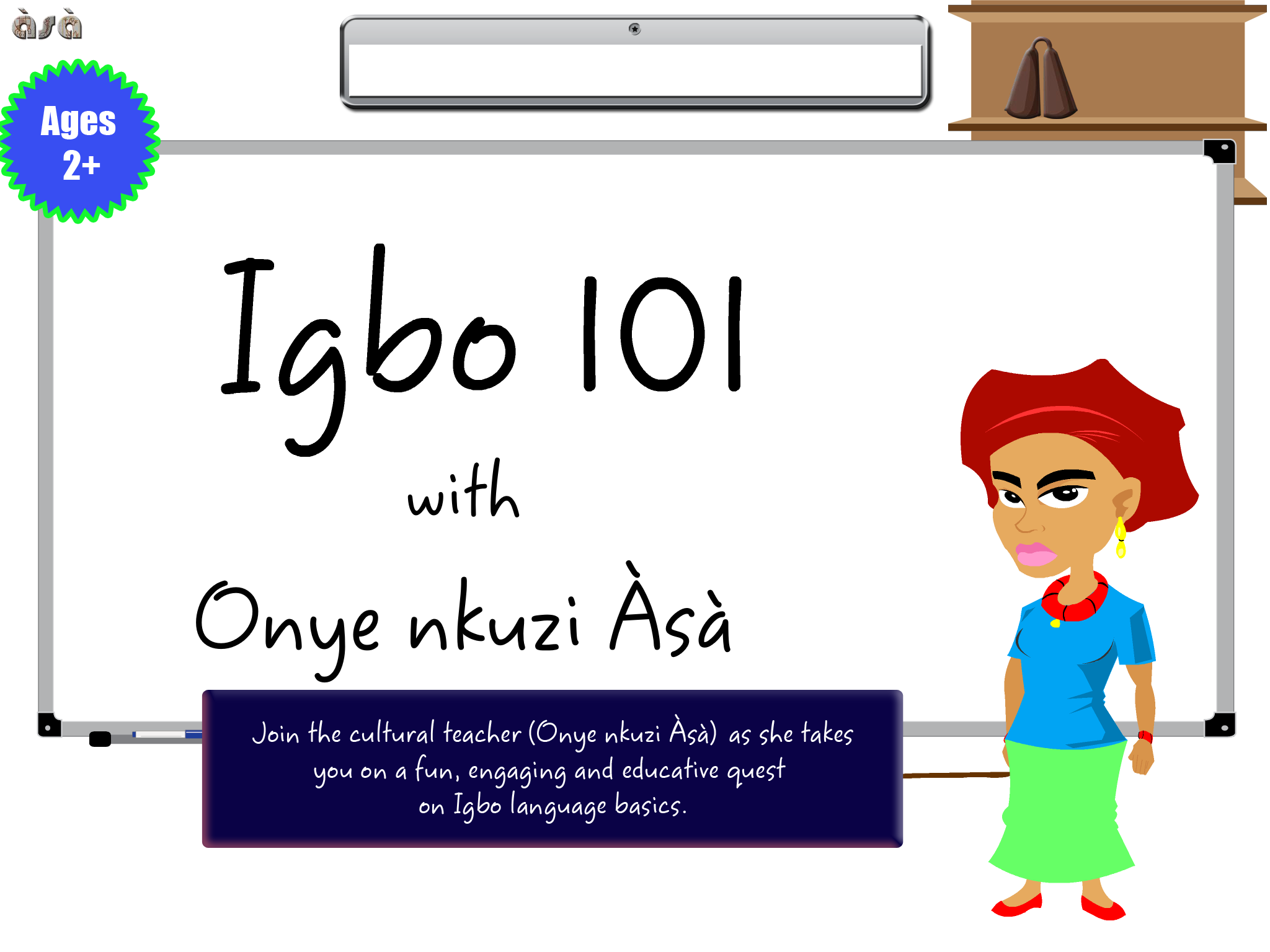
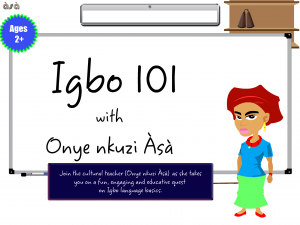 An interactive Igbo language teaching app, Igbo101 involves a virtual recreation of a classroom complete with a cultural teacher (Onye nkuzi Àsà) who takes the kids through topics like Alphabets, Words and Sentence formations. It also includes games to help the kids test their acquired knowledge. Other features include animations, colourful illustrations, voice, sound and text.
Download Igbo101 now to your iPAD; iPHONE; ANDROID phones/ tablets
· aHausa
aHausa is an interactive Hausa language teaching app. Modules taught include Alphabets, Numbers, Body Parts, Animals and Greetings. It uses a combination of sounds, voice, text, colorful graphics and animation to get the user acquainted with the language.
Download aHausa now to your ANDROID phones/ tablets, BLACKBERRY Z10
· Oluronbi
Oluronbi is a popular West-African folktale about a pretty young lady that has everything going for her except a child. With her sadness about to be broken, thanks to the kind-hearted Iroko Spirit, Oluronbi’s desperation and attitude are put to test. This is a story of trust and attitude with cultural and moral lessons for its audience. The app has features as different reading modes, games, interactive elements for cultural tips and the popular folksong etc.
Download Oluronbi now to your iPAD; iPHONE; ANDROID phones/ tablets; BLACKBERRY Z10/Playbook
· The Lazy Chicken
The lazy chicken is a story that teaches kids against laziness, chronicling the events that led to why Chickens are used for sacrificial offerings in some African cultures. Its features include different reading modes, games and interactive cultural tips.
Download The Lazy Chicken now to your iPAD; iPHONE; ANDROID phones/ tablets; BLACKBERRY Z10/Playbook
· The Monkeys’ Quest
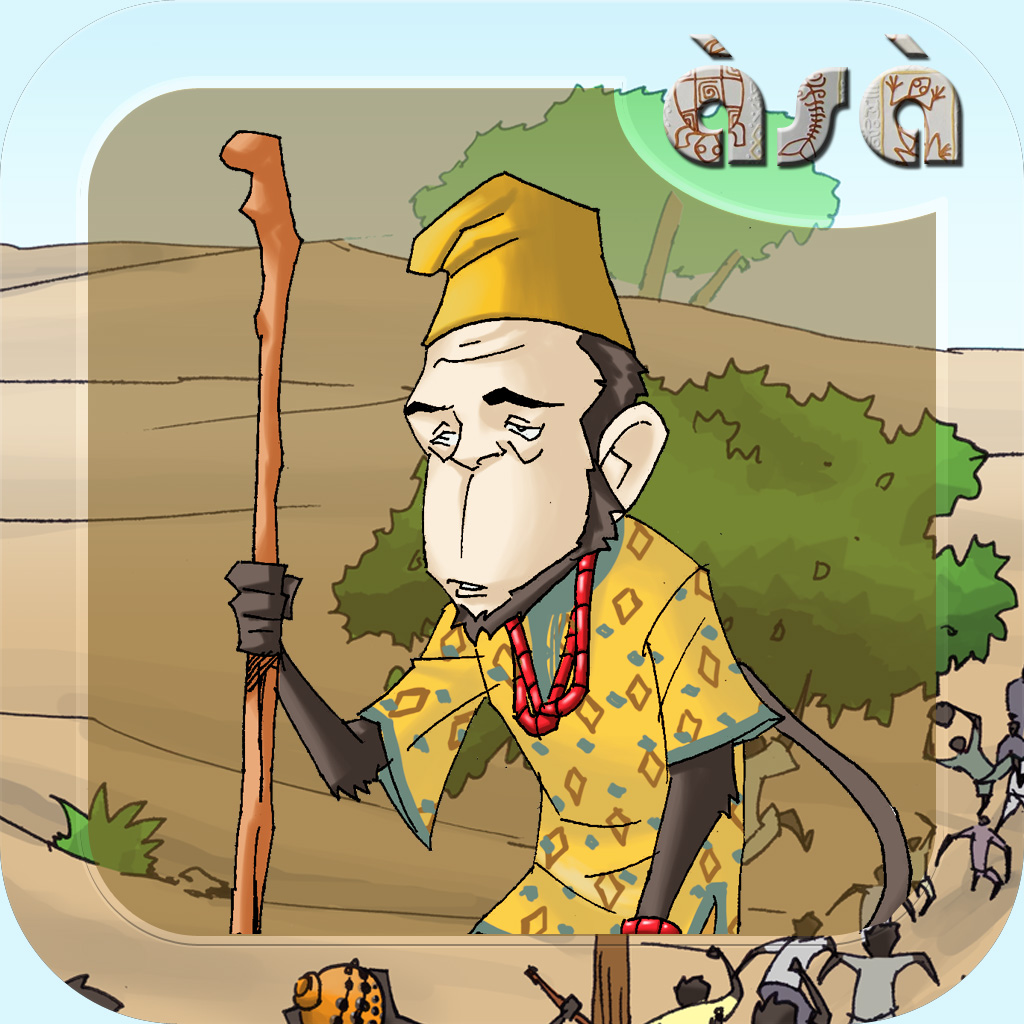
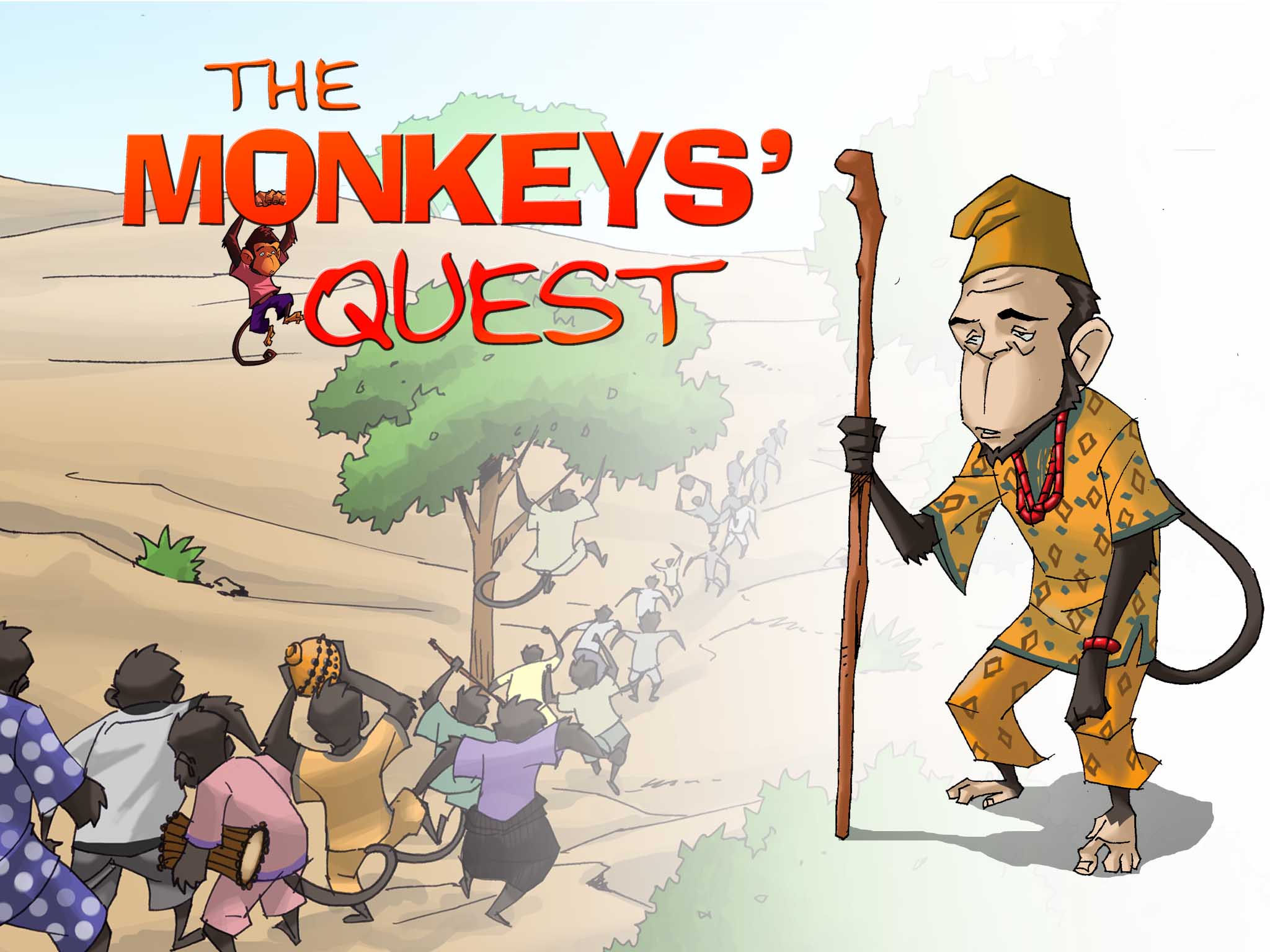
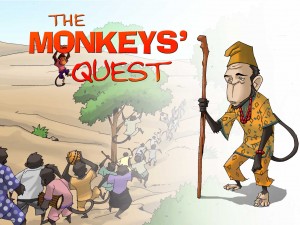 This folk-tale takes readers through a story involving monkeys and how they came about their look. It includes folk-songs, games amongst other features.
Download The Monkeys’ Quest now to your iPAD; iPHONE; ANDROID phones/ tablets; BLACKBERRY Z10/Playbook
More of Àsà apps can be found on http://www.geniigames.com/apps.html
Going forward, Àsà’s development efforts are geared towards releasing more culturally oriented apps across board to cater for our diverse and rich cultures.
With the new Àsà, brought to you by Genii Games (http://www.geniigames.com), we can confidently say that our age long morals, native tongues, etiquette, fables and other treasured cultural elements will not die.
About Genii Games
Genii Games is a proudly Nigerian company and the parent entity of the Àsà brand. It is a company with a vision to preserve and promote our Rich African Culture using technology. Its mission is to stimulate the interest of kids aged 2-12 years in subjects relating to our indigenous African culture.
Its Àsà brand has been recognized as a tool for the future Nigeria by “The Future Awards”.
Website: http://www.geniigames.com
Twitter: http://www.twitter.com/genii_games
Facebook: http://www.facebook.com/geniigames