Etisalat Reads in Lagos

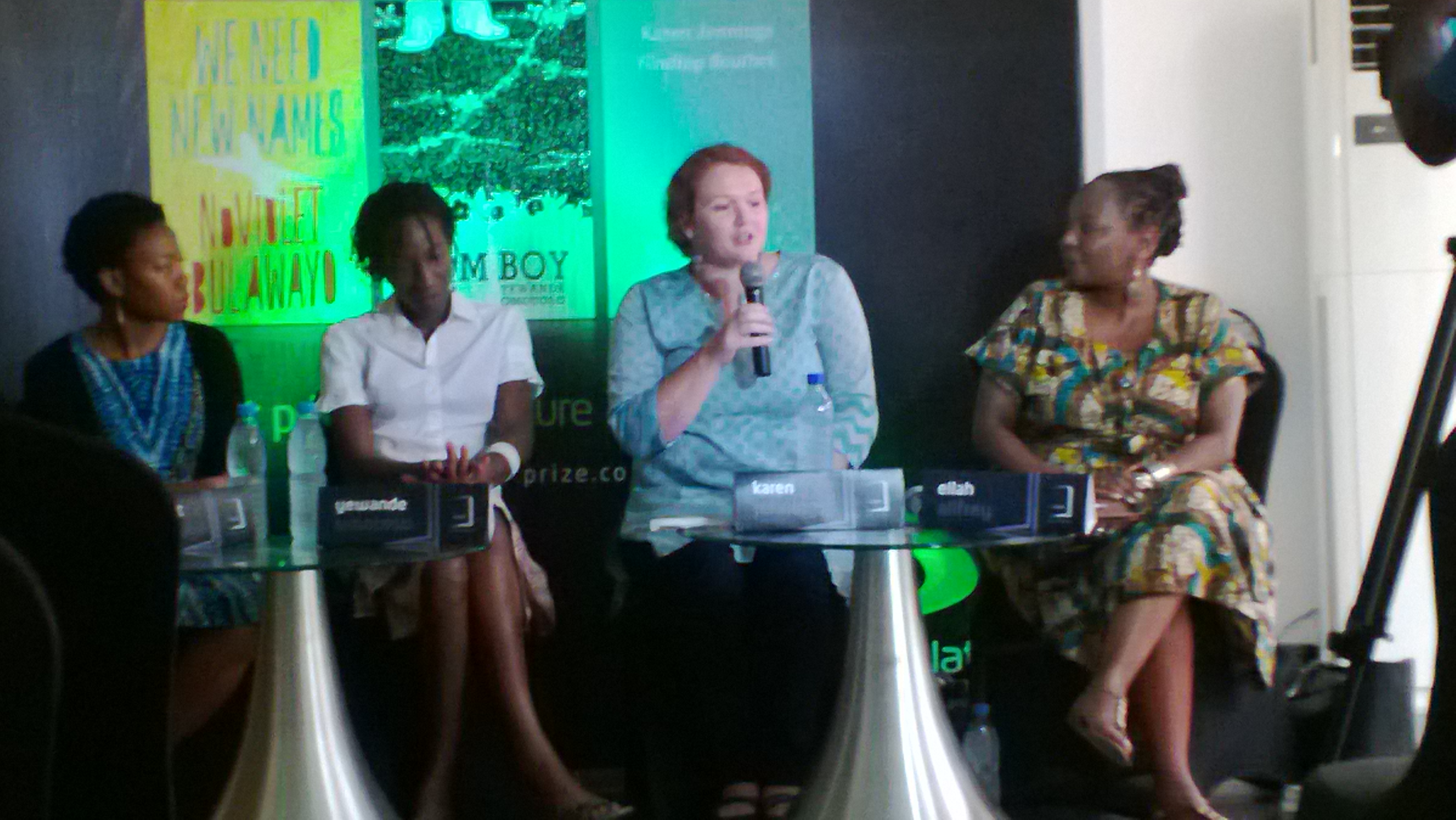
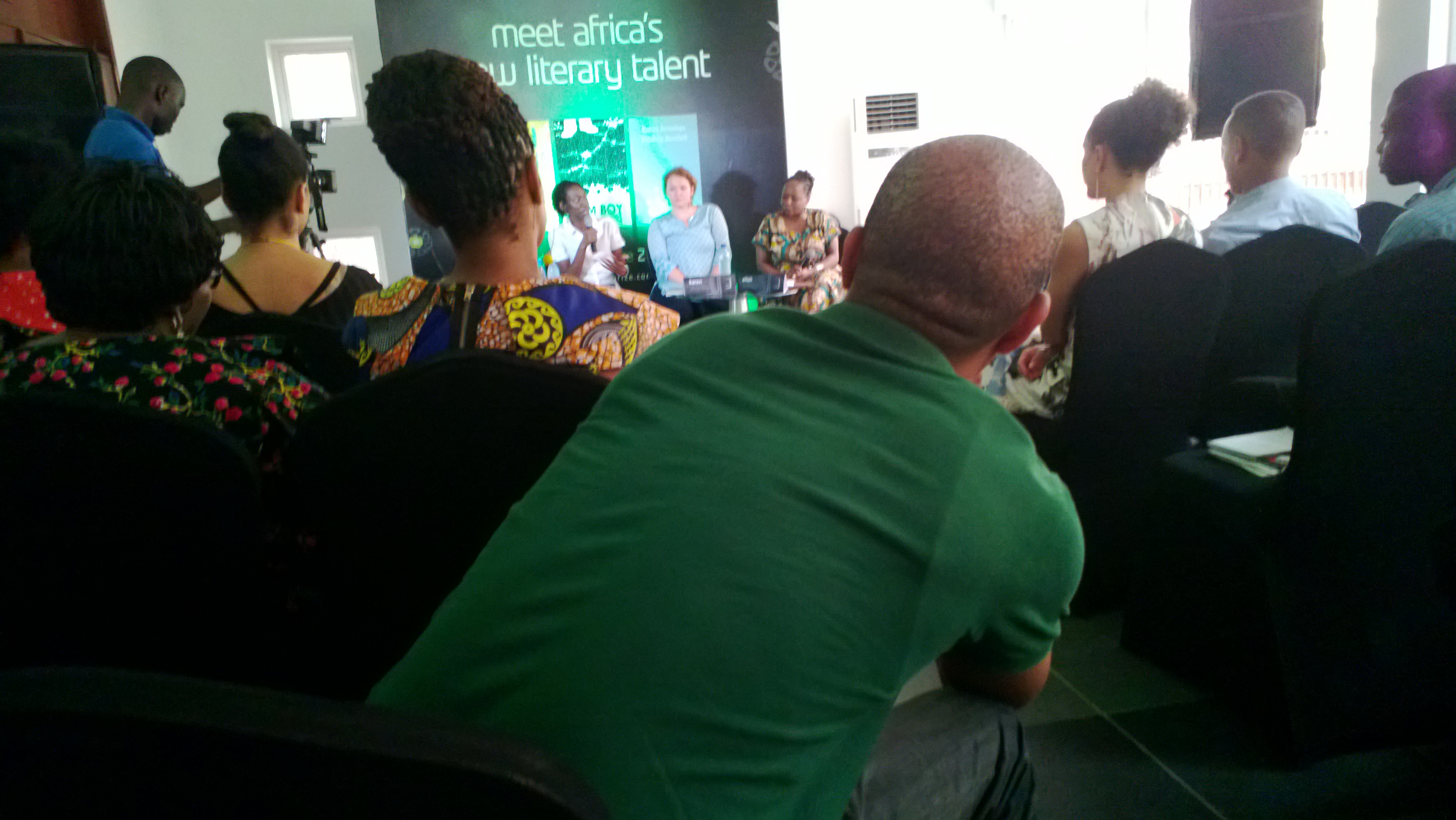
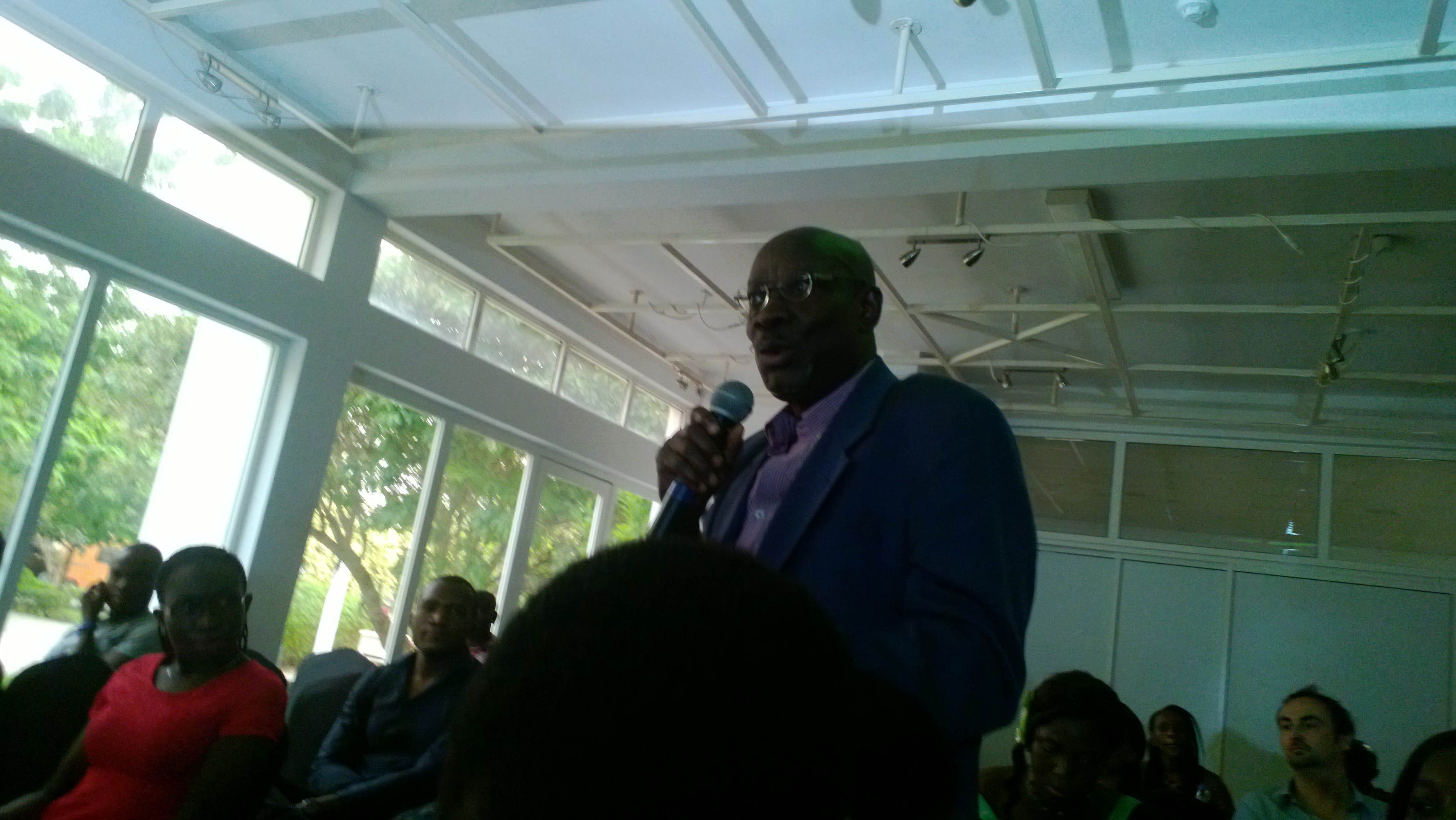
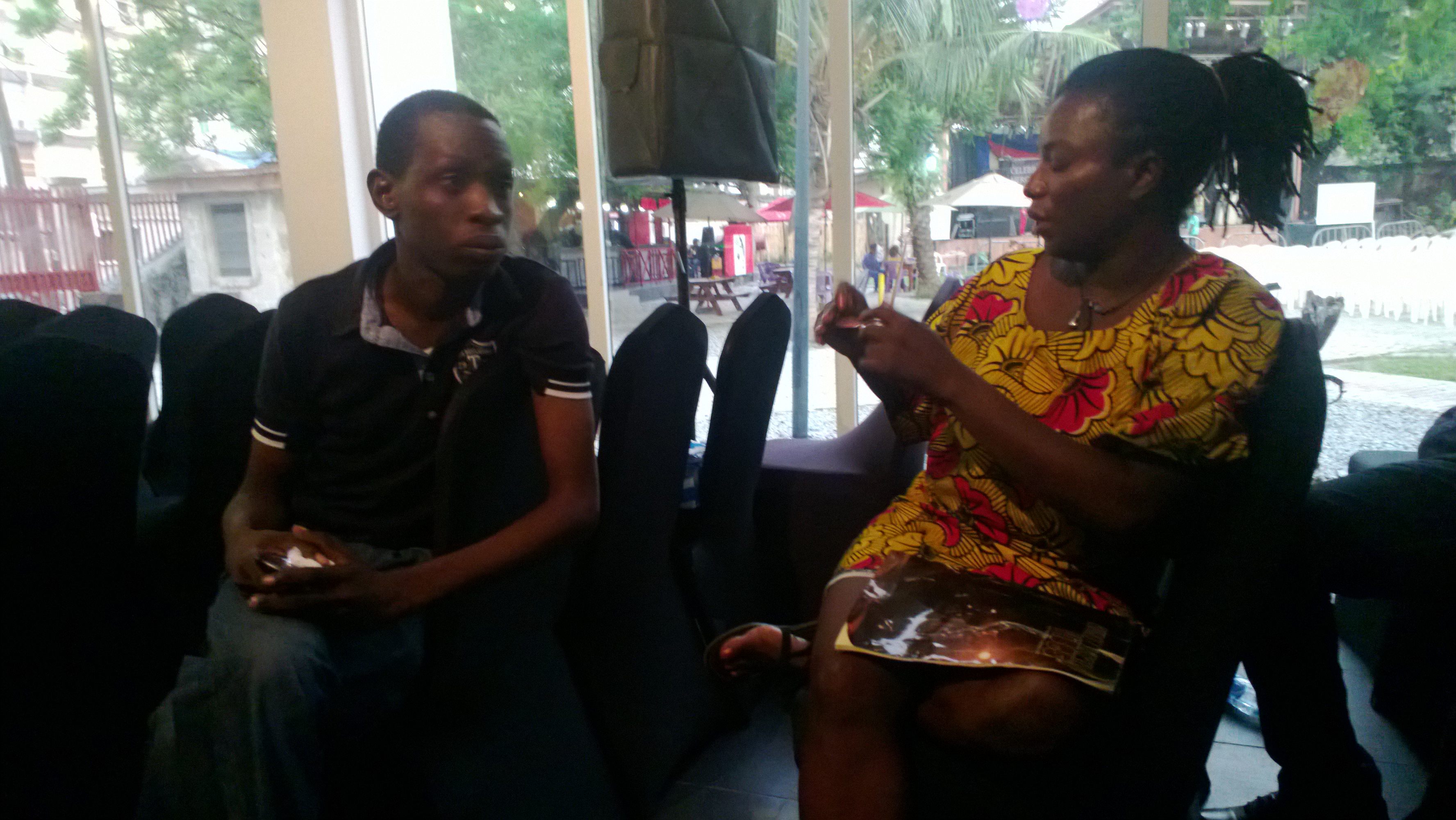
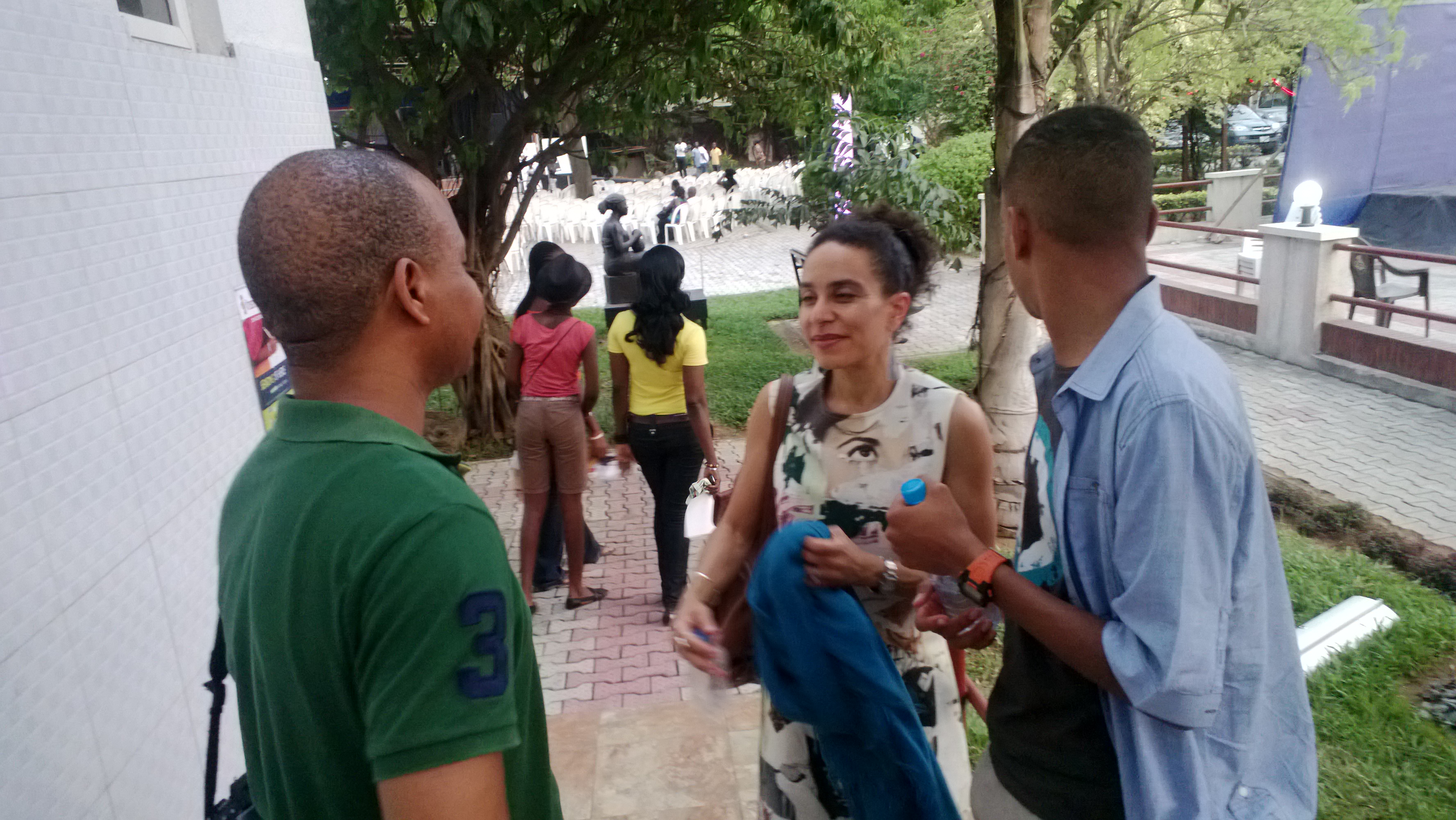
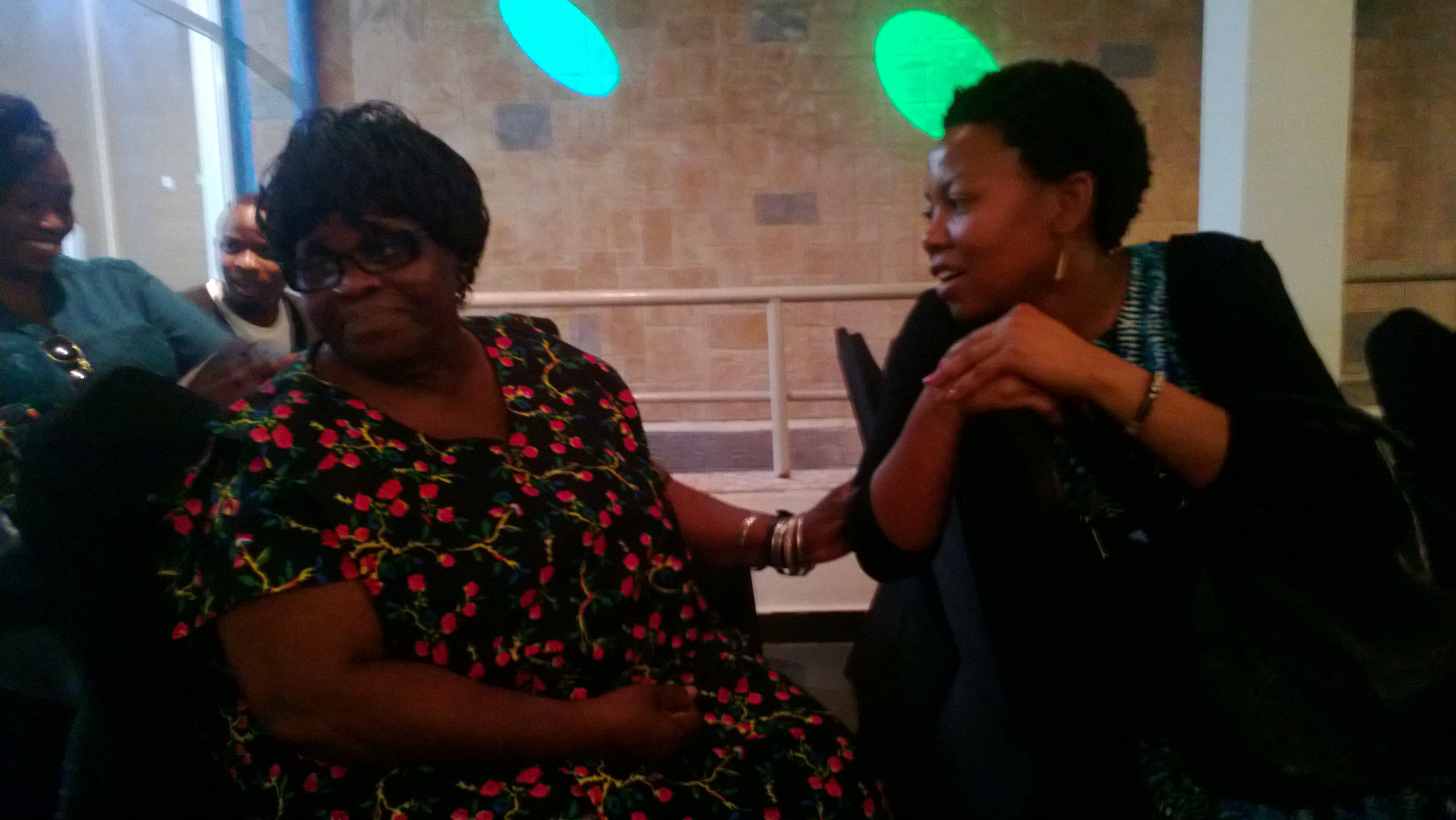
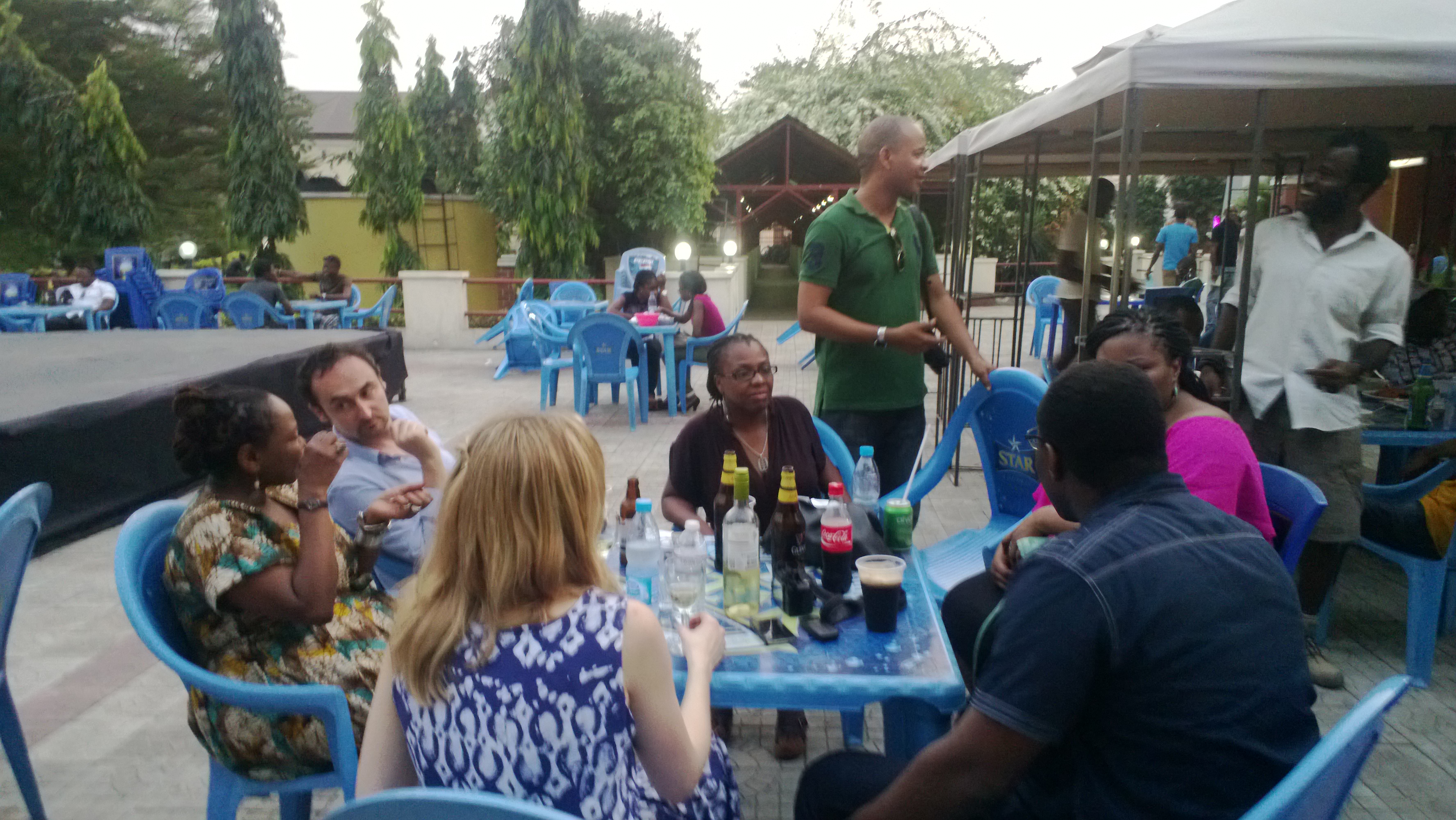
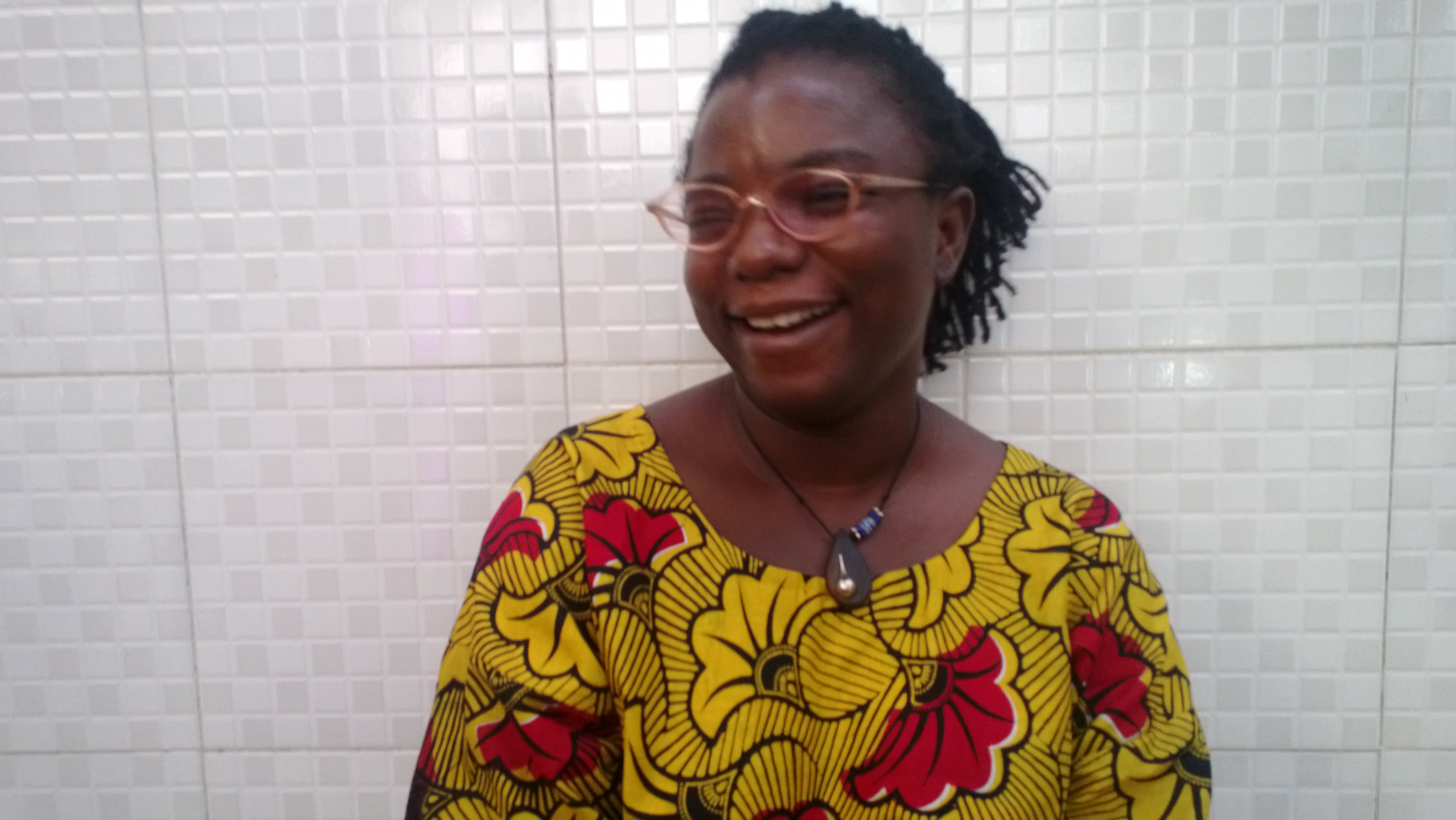
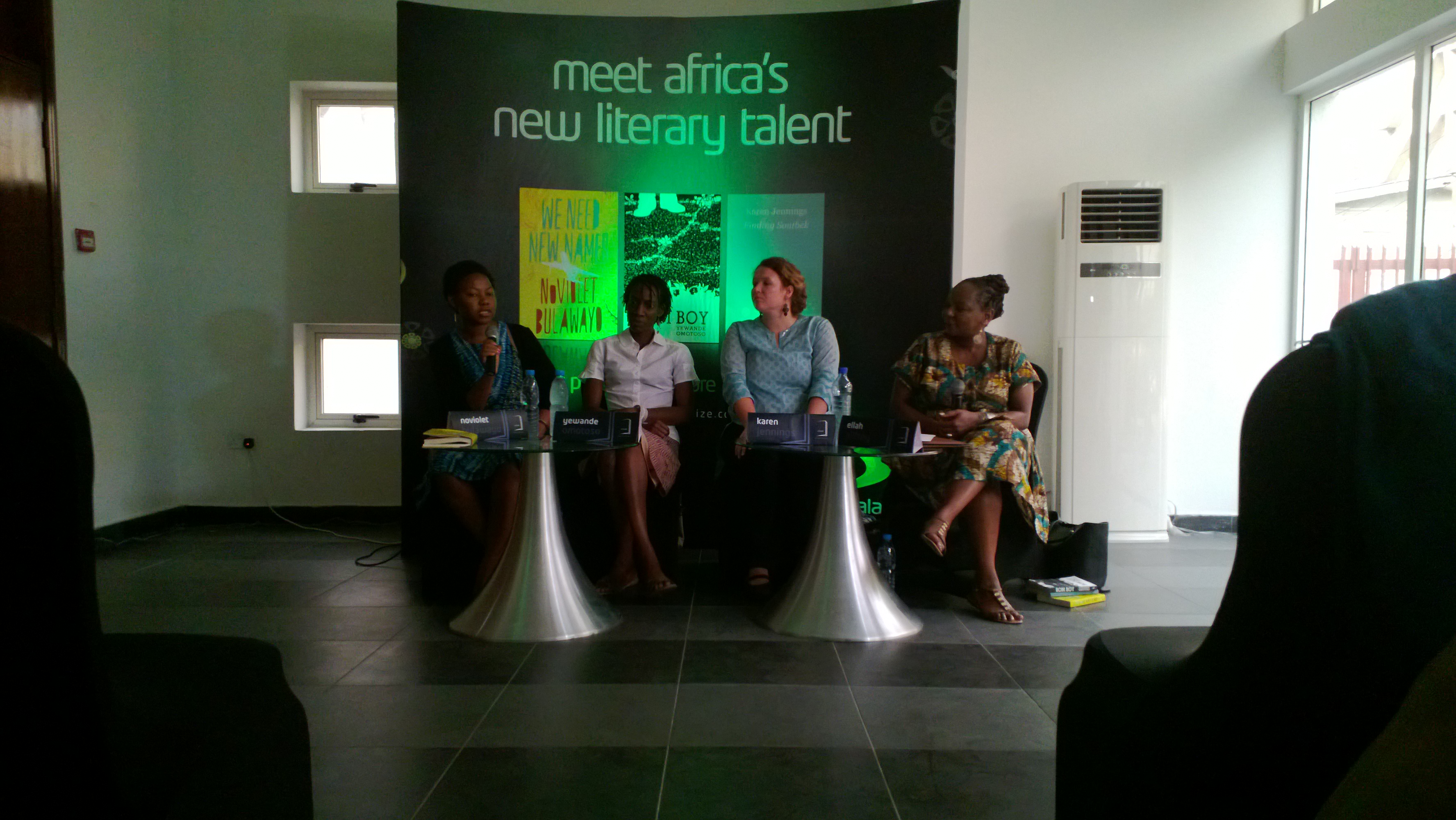
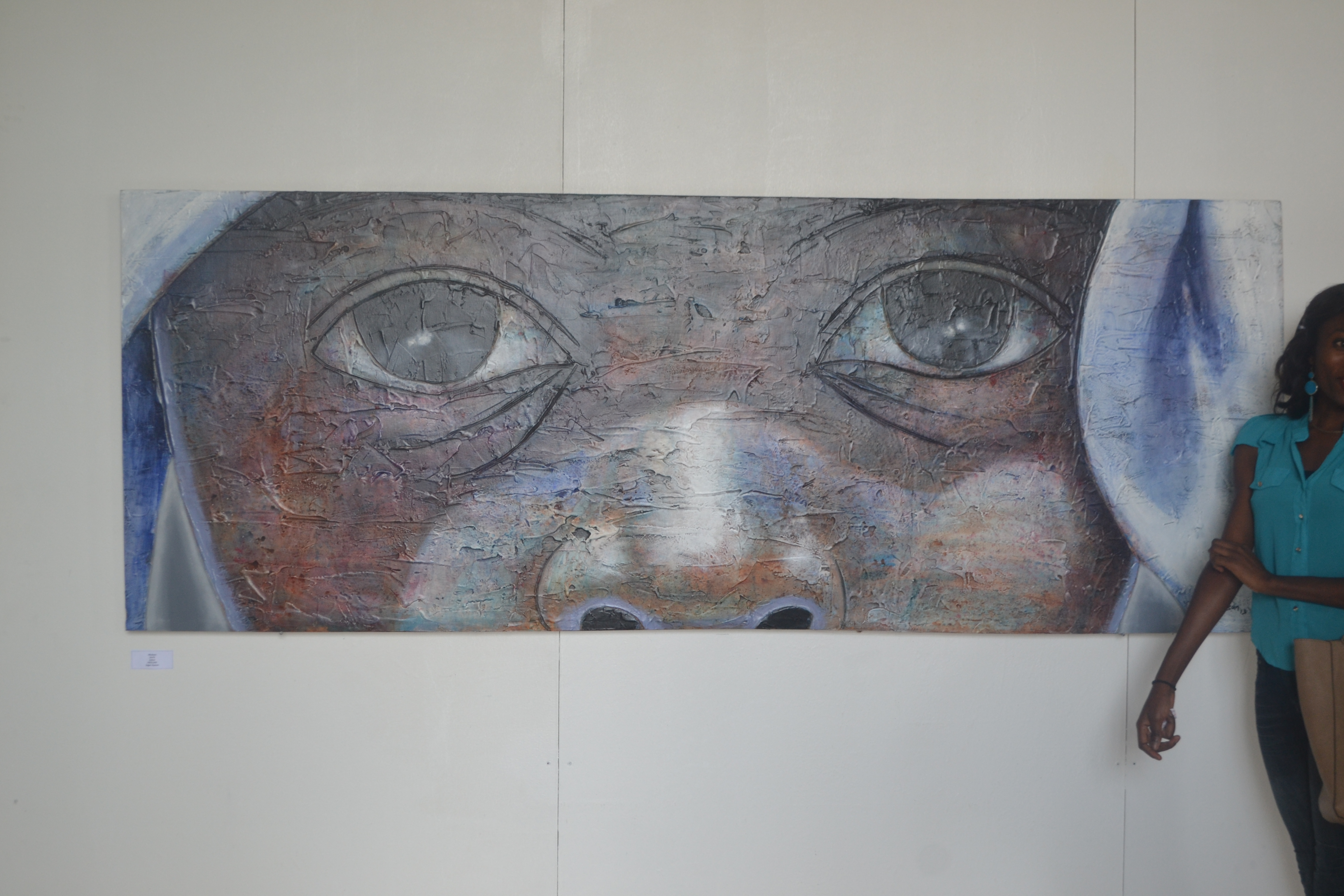
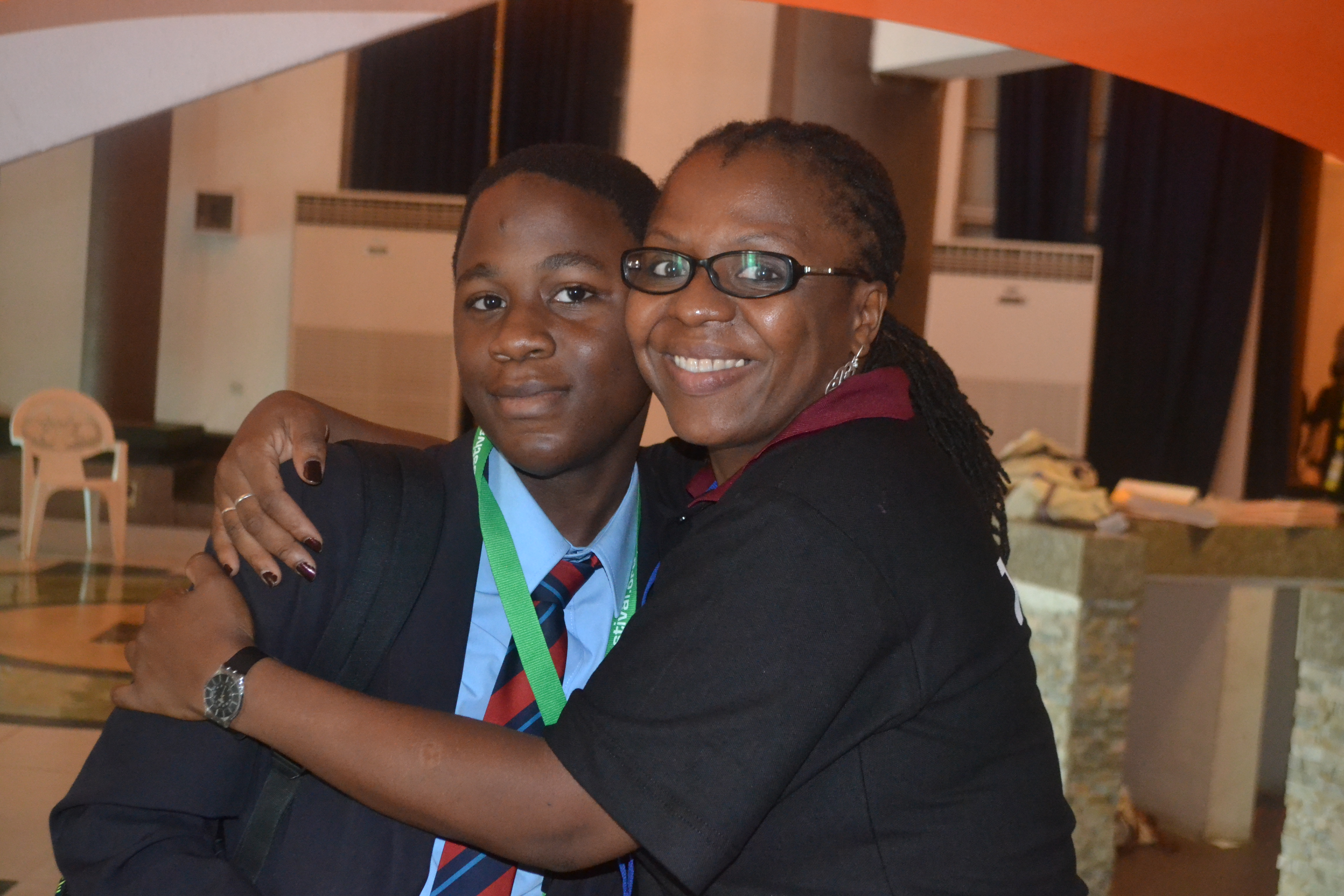
WP_20140222_004WP_20140222_009WP_20140222_012WP_20140222_017WP_20140222_019WP_20140222_027WP_20140222_028WP_20140222_013WP_20140222_020WP_20140222_010Here are pictures from the Etisalat-organized event at the Freedom Park, Lagos Island, on Saturday, to introduce to the Nigerian (and global audience) the shortlisted writers for the inaugural Etisalat Literature Prize. The shortlisted writers were NoViolet Bulawayo, author of We Need New Names (2013); Yewande Omotosho, author of  Bomboy (2011); and Karen Jennings, author of Finding Soutbek (2012).
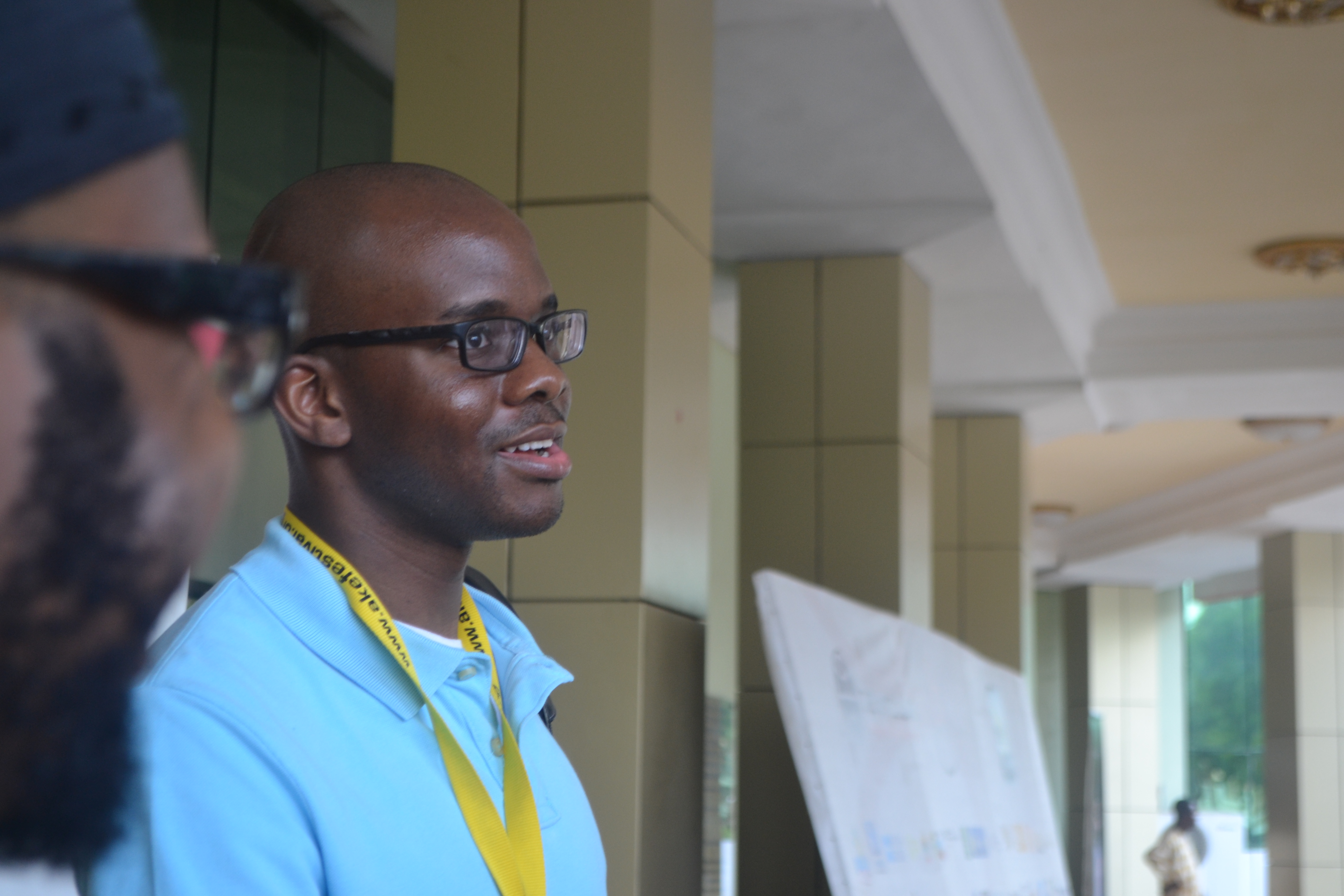
The winner of the prize, declared yesterday, February 23rd, was NoViolet Bulawayo. She was presented the check of £15,000. She will also be attending The Etisalat Fellowship at the prestigious University of East Anglia, mentored by Professor Giles Foden, author of the Last King of Scotland.

Other people in these shots are Ayodele Olofintuade, Ayodele Morocco-Clarke, Lola Shoneyin, Victor Ehikhamenor, Ama Ata Aidoo, Toni Kan, Femi Morgan, and Kole Omotosho, among many others.

At Ake Arts and Book Festival

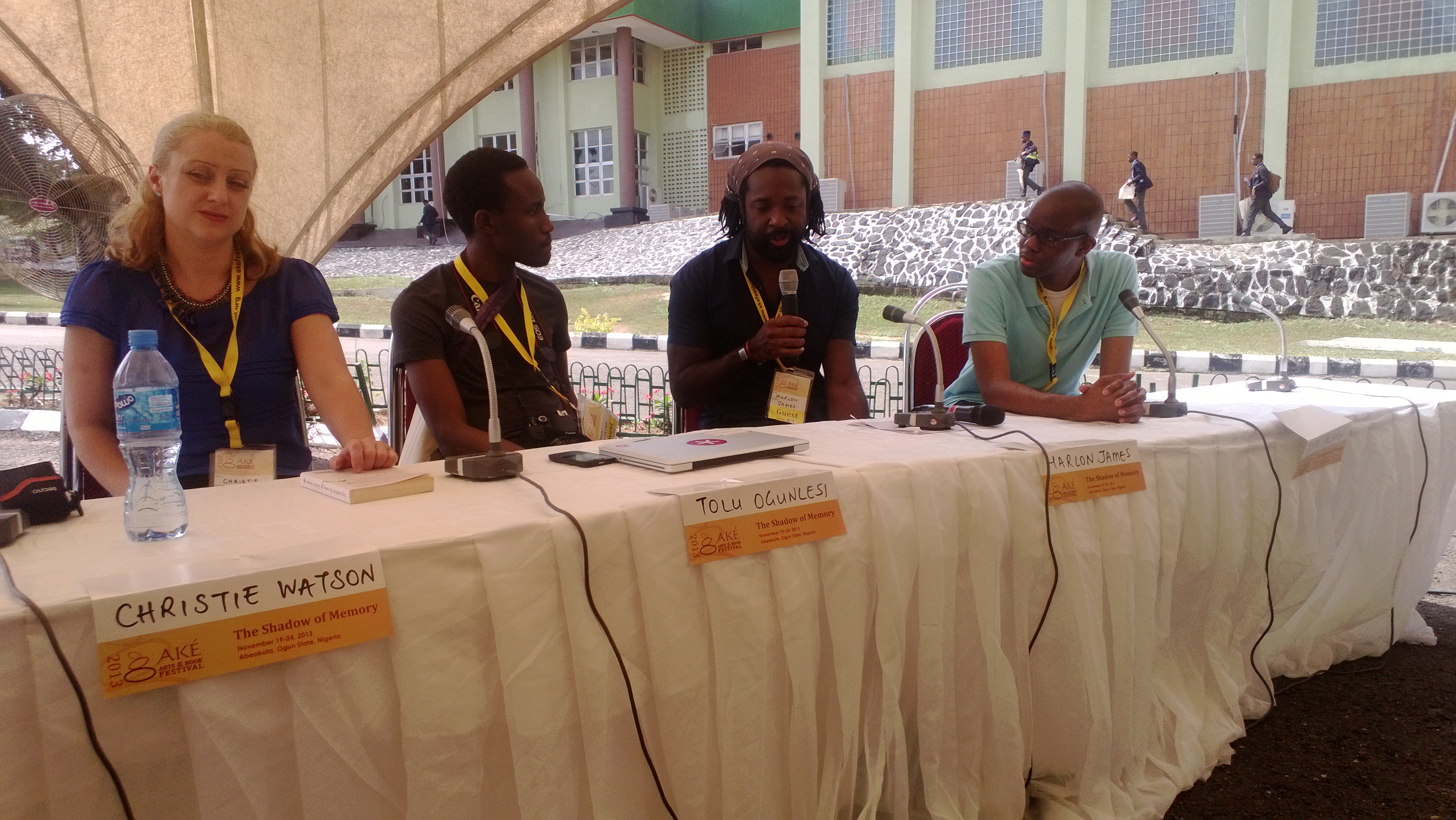
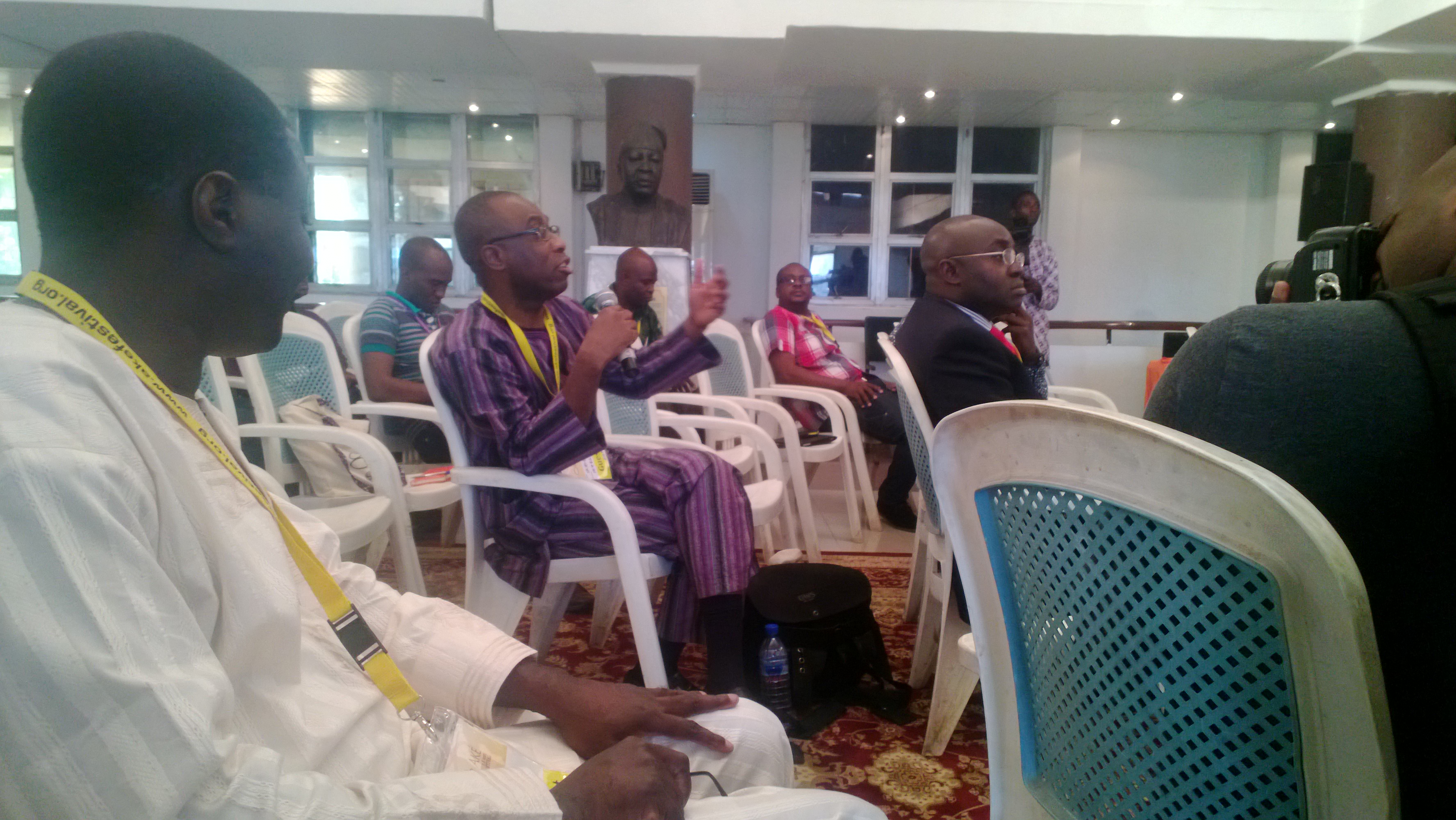
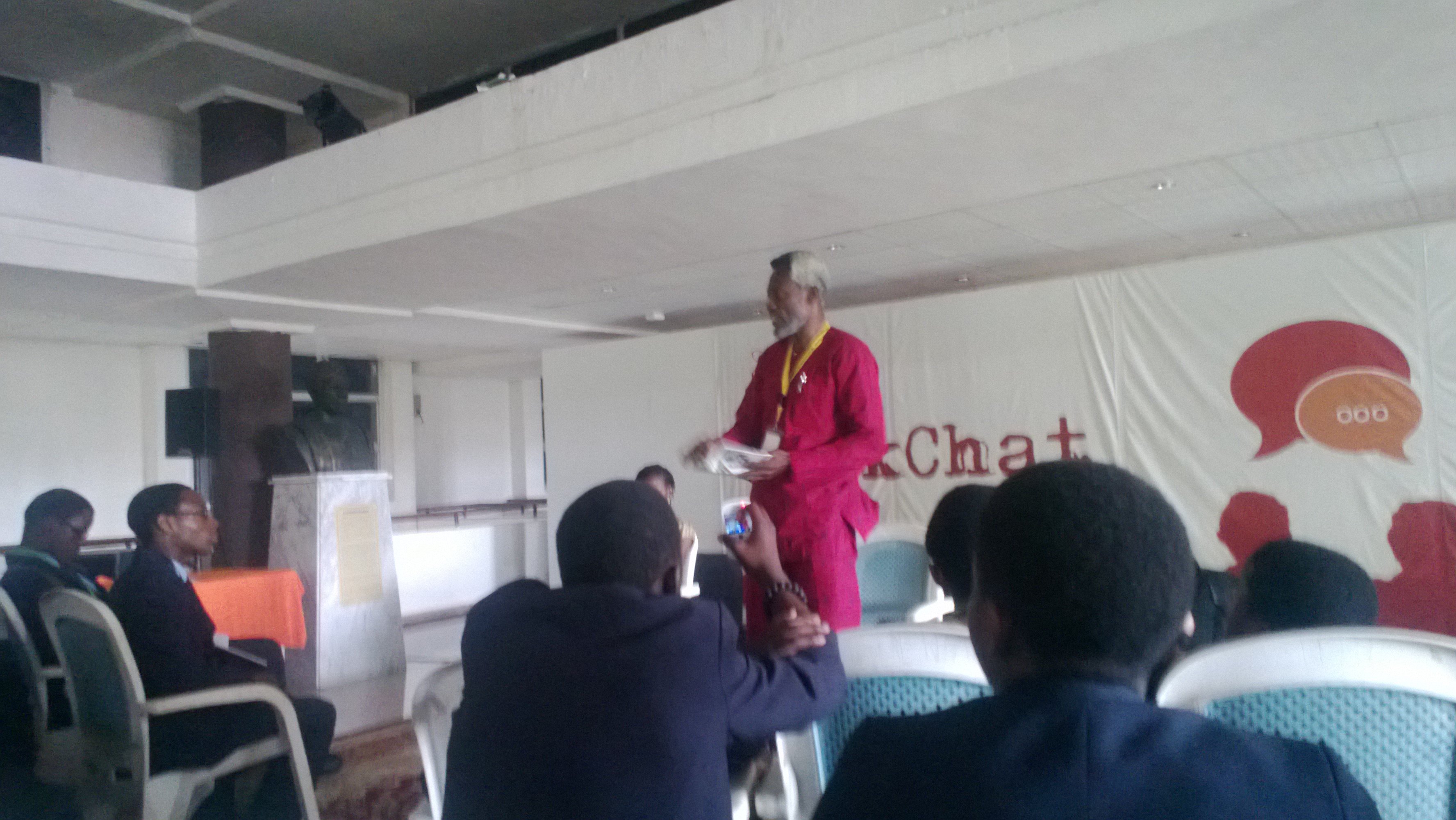
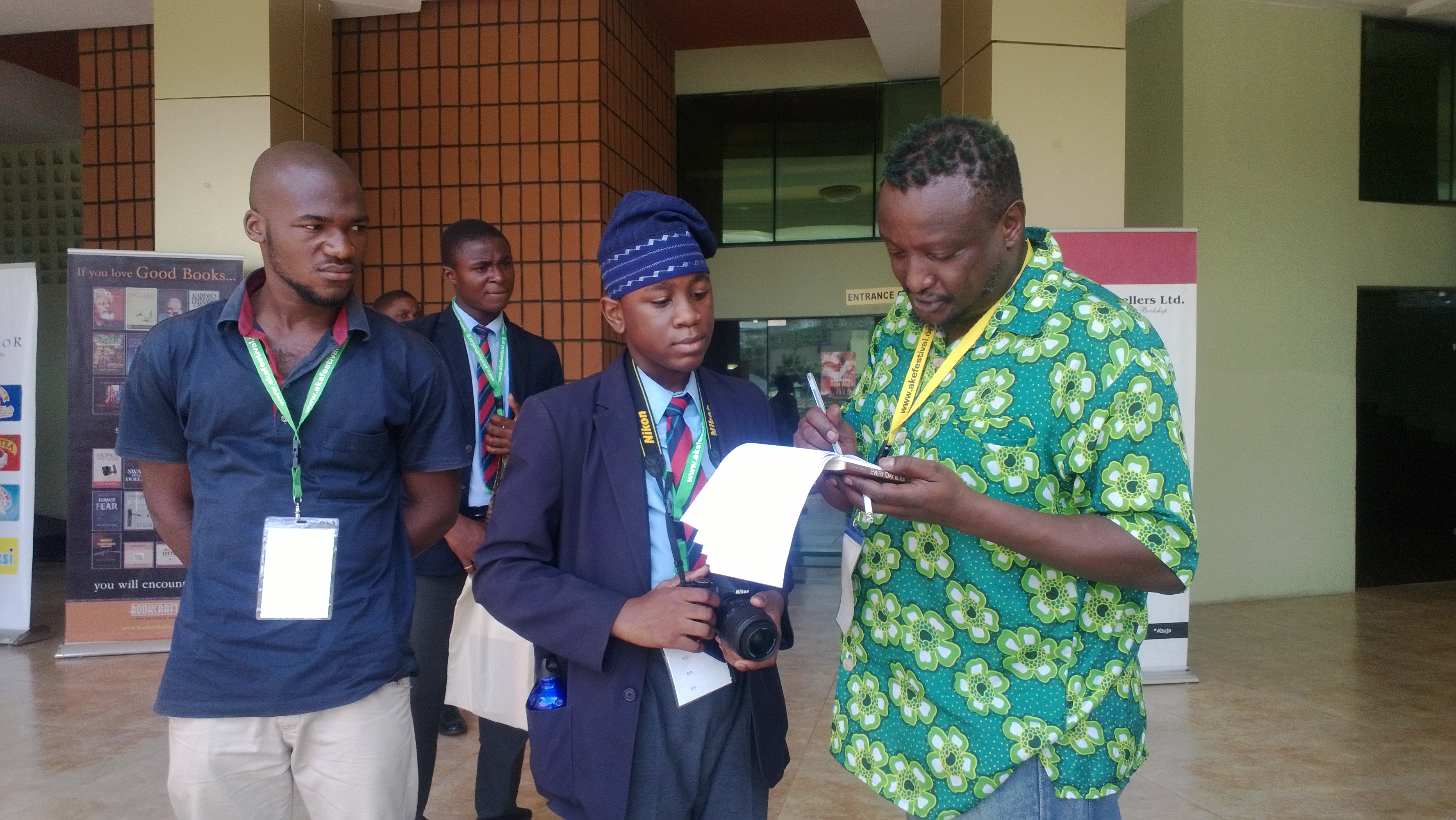
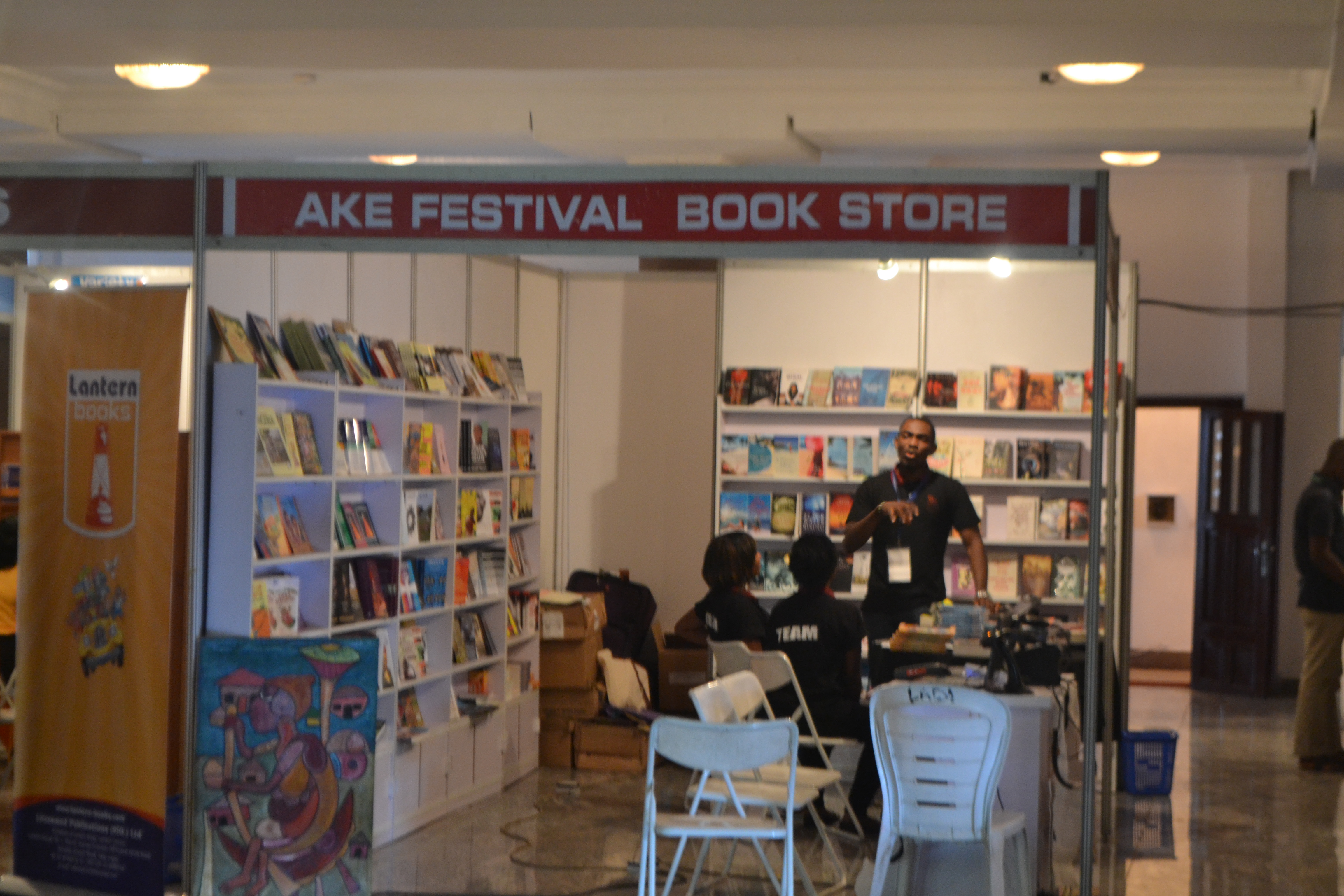
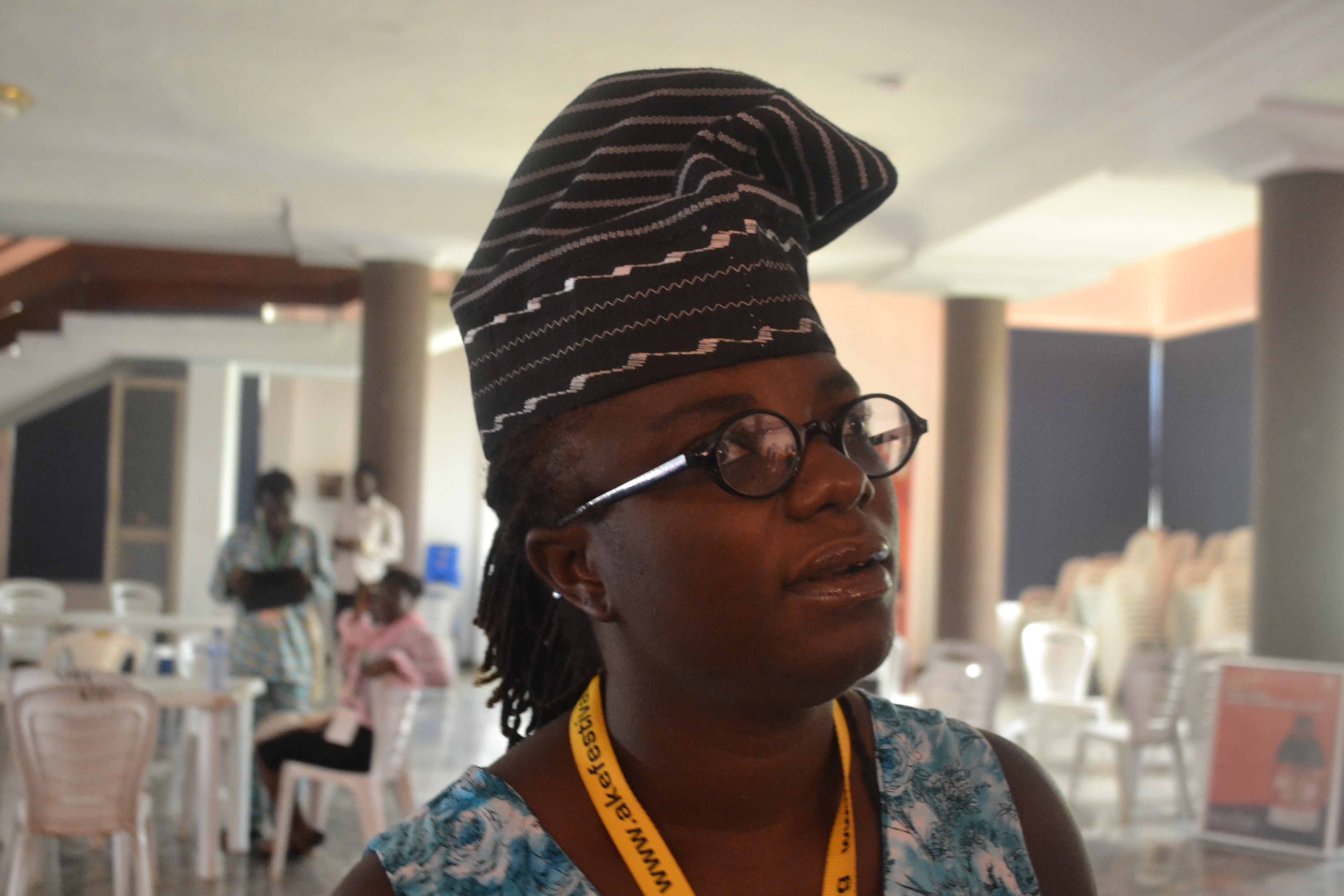
DSC_0034DSC_0063DSC_0046DSC_1178WP_20131122_039WP_20131122_008WP_20131122_015WP_20131122_005WP_20131122_032DSC_0069For the last six days since Tuesday November 19th, writers, artists, book lovers, poets, and a few politicians, have gathered in Abeokuta for the maiden Ake Arts and Book Festival. A brain child of writer and poet Lola Shoneyin, the Festival played host to hundreds (and perhaps thousands) of visitors in the rock-head town, home to Africa’s first Nobel Laureate, Wole Soyinka – himself a presence at the event which took place at the June 12 Cultural Centre, Kuto.

The Festival featured the launching of Wole Soyinka’s play Alapata Apata as well as the command performance of the (Caine Prize-winning Rotimi Babatunde’s) stage adaptation of Lola Shoneyin’s The Secret Lives of Baba Segi’s Wives. There was also a number of “Book Chats” and dialogues with authors, as well as art exhibitions, symposiums, book fairs, one-one-one conversations with Wole Soyinka, poetry reading, among very many others.

Other writers and artists present for the Festival include Chibundu Onuzo (The Spider’s Daughter), Tope Folarin (Winner of the 2012 Caine Prize for African Writing), Peter Akinlabi (notable poet), Teju Cole (Open City), Ikhide Ikheloa (writer and critic), Victor Ehikhamenor (artist, and author of Excuse Me!), Molara Wood (blogger and author of Indigo), Binyavanga Wainaina (One Day I Will Write About This Place), Eghosa Imasuen (Fine Boys), Ayodele Morocco-Clarke, Igoni Barrett, Christie Watson, Remi Raji, Marlon James, Pelu Awofeso, Tolu Ogunlesi, Toni Kan, Ayodele Olofintuade, Chuma Nwokolo, Kunle Ajibade, among very many others. There was also the governor of Ekiti State, Kayode Fayemi and the Commisioner of Health in Ogun State, Dr. Olaokun Soyinka.

Pictures courtesy of KT and Tamilore Ogunbanjo

Nnedi Okorafor on Censorship

In many cultures of the world, women damage themselves in order to appeal to men (which translates to “finding a mate”). And parents damage their girls to make them marriageable. In American society, much of this “mutilation” is psychological (though plenty is physical) but no less painful or harmful. However, plenty of people are writing about all this. I don’t feel enough are writing about female genital cutting.

This piece from fantasy and speculative fiction writer Nnedi Okorafor has made my morning not just because of the way she successfully defends her genre from the many ignorant attacks it has received from sections of the public, but the depth and fluidness of her thoughts. Listen:

First of all, I speak about what I choose to speak about. Let’s see you try to stop me. Secondly, if writers only wrote about what they’d experienced, then few people would write about wizards and unicorns. Thirdly, let’s be honest here, you can lace the practice of female genital cutting with whatever elaborate stories, myths and traditions you want. What it all boils down to (and I believe the creators of this practice KNEW this even a thousand years ago) is the removal of a woman’s ability to properly enjoy the act of sex. Again, this is about the control and suppression of women. And I do NOT have to be right there between a little helpless girl’s legs to know this to be true.

Read the rest of the piece here and see why the award-winning writer Nnedi is one of the bright futures of African literature.

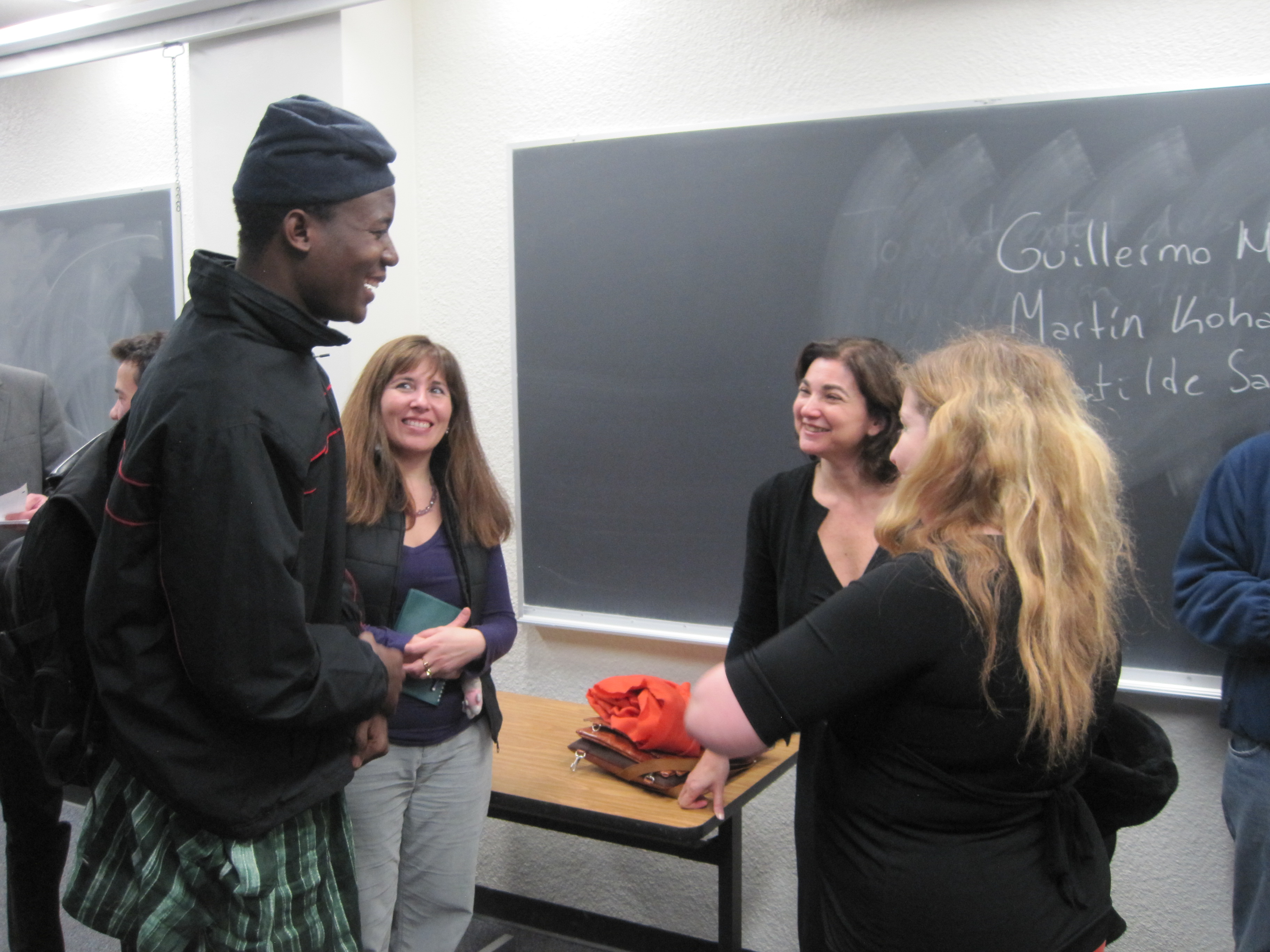
Meeting Paula Varsavsky

I came late to this talk by the Argentinean writer Paula Varsavsky who had come to our University at the behest of the the tenacious Professor Bezhanova. The professor of Spanish had brought the brilliant writer to enlighten students of Spanish language and literature here on campus, as well as other interested listeners, in spite of financial straits in the University that made it impossible to financially compensate the writer in any way. Paula the writer writes mainly in Spanish and grew up in Argentina and the United States. She works now as a journalist, translator, short story writer and novelist.

Notwithstanding my late coming, I found a choice spot to sit, and I listened to much of the talk from a distance. The beautiful and soft spoken writer spoke of the repression of women writers in Argentina, the person of Evita Peron and her polarizing figure, writing in Spanish and its challenges, her life story and progress up to date, the politics of women writing, and military dictatorship (The wealthy people in Argentina were the ones who instigated and sustained the military for their own selfish reasons. The military didn’t strike of their own accord). At the end, she read a chapter from her first novel No One Said A Word (I have the video of her reading it on camera.) The chapter was descriptive of a very tender moment between a father and daughter some time before the general election in the country.

Here are a few things I learnt from the talk: Women writers are unknown in Argentina, she said. Even in cases when women writers wrote far better or were more prolific than the male writers, the male writers’ names still dominated the literary landscape. She gave an example of the woman writer and poet Silivina Ocampo who even though was a better writer than many of the contemporary male writers was not given the required recognition in the country because women are not supposed to be heard out of the home. The public voice effectively belonged to the man, and becoming a writer in such a country is like trying to usurp a position reserved for the men. Argentina, even till date, is still a repressive society for women. Another thing I learnt was the relationship between the class of wealthy Argentineans and the military. Apparently since 1930, the military that took over the government had done so at the behest of a small group of wealthy landowners who wanted to gain total control of all the resources of state. So to achieve this, they instigated the military to take over – much like what happened in many parts of Africa after independence as well. Some people, a cabal, to retain their hold on the land resources, backed military people to keep the people in check and control the land. As soon as the country went back into poverty, democracy took over. According to Paula, they are not totally gone yet and may return if the country gets back to prosperity.

The best part of the day was at a get-together that took place later at Starbucks. Present was the writer and a few members of staff who had attended the talk earlier in the day, along with plenty coffee. Earlier in the day, I had read a translated short story of her titled El Retrato or “The Portrait” and found it very refreshing. Another one of her story, The Golden Dome, is online for reading and downloading. The informal get-together helped get to know her better, her influences, her interests, and her challenges. Meeting writers is always an exciting opportunity. I’m guessing that the only thing more interesting would be being a writer oneself.

We’re No Longer At Ease

Here is the text of an open letter released by Nigerian Writers in reaction to the current political situation in Nigeria. Over thirty writers have currently signed up to the letter which has this morning been released to the media. It calls on concerned Nigerians to add their signature, and support, in a comment box beneath. You can also listen to and download an audio version by clicking on this link: audio. I support this because I think it represent some of the best aspirations of all Nigerians in pursuit of happiness, good health, success, and aspiration for country worthy of its name and one that lives up to its potentials. I like the introductory paragraph, especially.

An Open Letter from Nigerian Writers

Nigeria’s failure to make the progress commensurate with 50 years of nation-building is not just a failure of leadership. It is first and most catastrophically, a failure of followership.

As ordinary Nigerians, we have failed to create an environment where good leadership can thrive. By glamorising fraud and ineptitude, we have created a country hostile to probity. Our expectation from Government House is mediocrity, so that good government surprises us pleasantly and excellence continues to amaze us. Instead of an environment of accountability, we have fostered sycophancy. We have been content to follow every stripe of leader, from the thief to the buffoon. The consequence is that for months we have been happy to be ruled even in absentia.

Today, we say, no more.

Protest is not a dirty word. Even babies have a voice, long before they learn language or discernment. The child that is too docile to cry when it hungers or ails might die in the hands of the most benevolent mother. A leadership, however benevolent, requires an intelligent, demanding, and courageous followership to excel.

It is the responsibility of every Nigerian to voice the legitimate expectations of nation and to establish the standards to which our leaders must be held. We must expect great things from this country, so we must look for the leaders who can deliver. There is an acceptable standard of leadership, and then there is an unacceptable standard. We must honour leaders who excel, and censure leaders – at every level, and in every arm of government – who betray our trust.

If failure is not censured, there is no incentive in pursuing excellence. If sacrificial leadership is not recognised, then leaders of merit will not come forward, and the heroes in our cenotaphs will be the very architects of our failure as a nation. Although we are justly famous for our generosity of spirit, for our ability to forgive and forget the gravest transgressions, Nigerians must also now boldly condemn the errors of leadership, and end the complacency that has brought us so low as a country. The only reason for the existence of political leaders is to offer service to nation. Leadership is not an end in itself. It is a privilege to serve your country; leadership is not a right to be served by your country.

Today, Nigeria stands on a precipice. Behind us is a history that can push us, irrevocably, over the brink. Yet, we are writers. If we bring anything collectively to society, it must be the imagination and the inspiration to bridge impossible gulfs. Today, we must plumb our history, not to evoke despair, but to inspire resolve. Today, we call on Nigerians to hold hands across the trenches of our deep divisions and, somehow, find the resolution to dream again. Let us, as ordinary Nigerians, reject the ethnic fictions that local despots have used to colonise this country over the past five decades.

Let us dream a simple dream made fantastic by our present circumstances. Let us dream of a Nigeria that works, that evokes pride, and that inspires faith. Let us dream of a Nigeria of servant-leaders and sacrificial statesmen, a Nigeria which calls the best characteristics out of ordinary men and women. Let us call on that capacity for renewal to bring opportunity out of this crisis.

Let us recreate the excitement – and the possibilities – with which we approached the Independence Day of 1960. In 50 years, the resources and destiny of this great country have been hijacked by private carpetbaggers and adventurers. Let us take back the sanctity of our polls. Let us rejuvenate the recall process. Let us police our resources, our leadership. We must liberate Nigeria anew. Today, we must take back our country.

As writers, the past and the future are fertile fields for the work of our imagination. Today, in this love-letter to our nation, we call on all Nigerians to take authorship of our nation’s next 50 years. Our destiny is in our own hands. Shall we write into it a bigger civil war? Another half-century of mediocrity and international disgrace? Then we need do nothing.

But if we, the people of Nigeria, must write an inspirational epic of a humbled nation on her knees, who, breaking free of bondage, soars into the keep of eagles, we must begin by demanding only the best of our leaders. In the days and months to come, we the people must find our voice, our votes, and our true values. And we must make them count.

Thank you.

(Culled from African-writing.com)