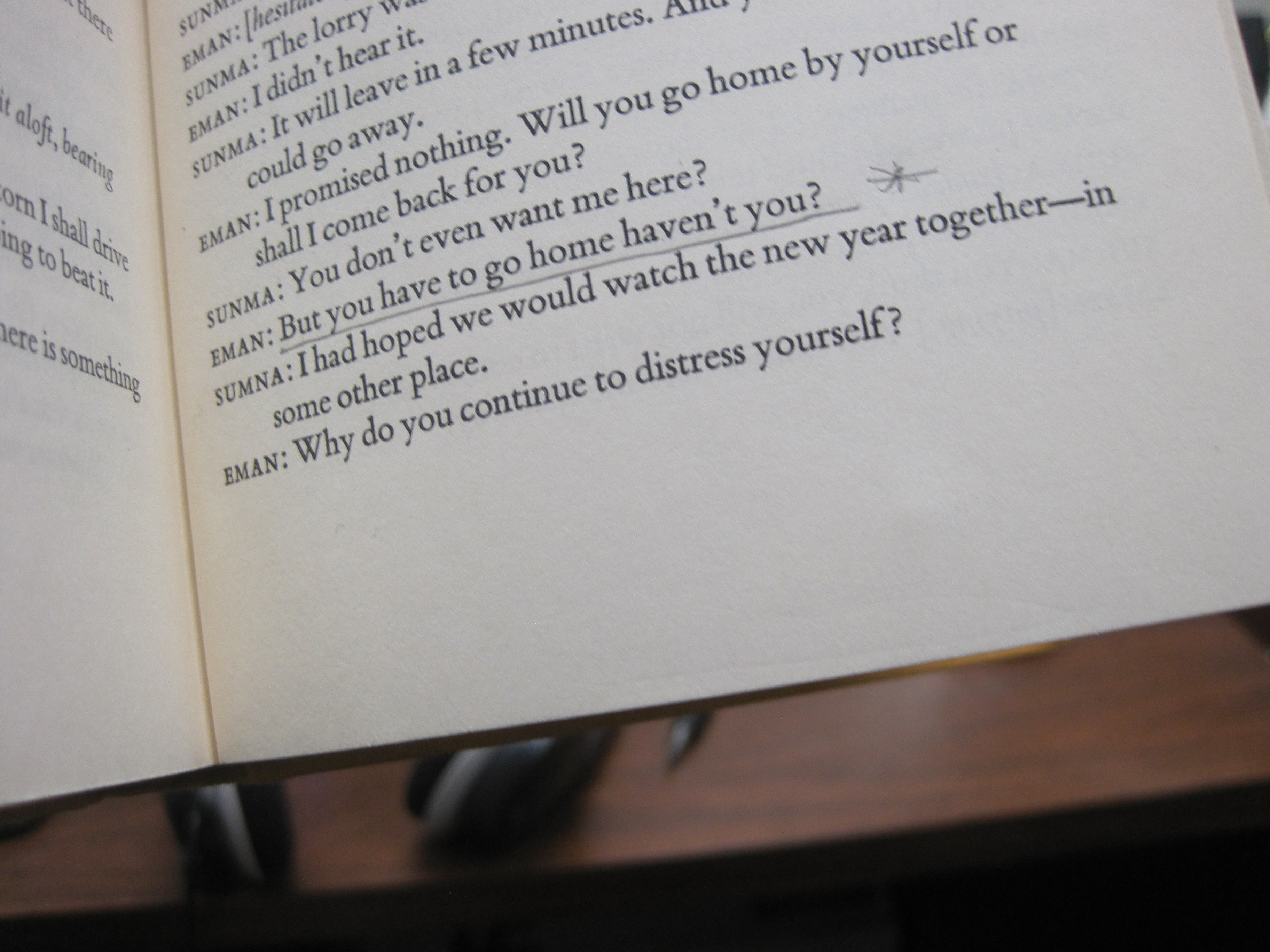
My blog statistics reveals that people who search Google for themes in or discussions about Wole Soyinka’s The Strong Breed often find themselves on my blog, specifically on this page where almost exactly a year ago I had written an unflattering rant/review of Wole Soyinka’s use of a wrong contraction. This is a grammatical flaw that no other publication has pointed out in the many decades that the book has been around, or since. (Click on the photo below to enlarge and see the error.)
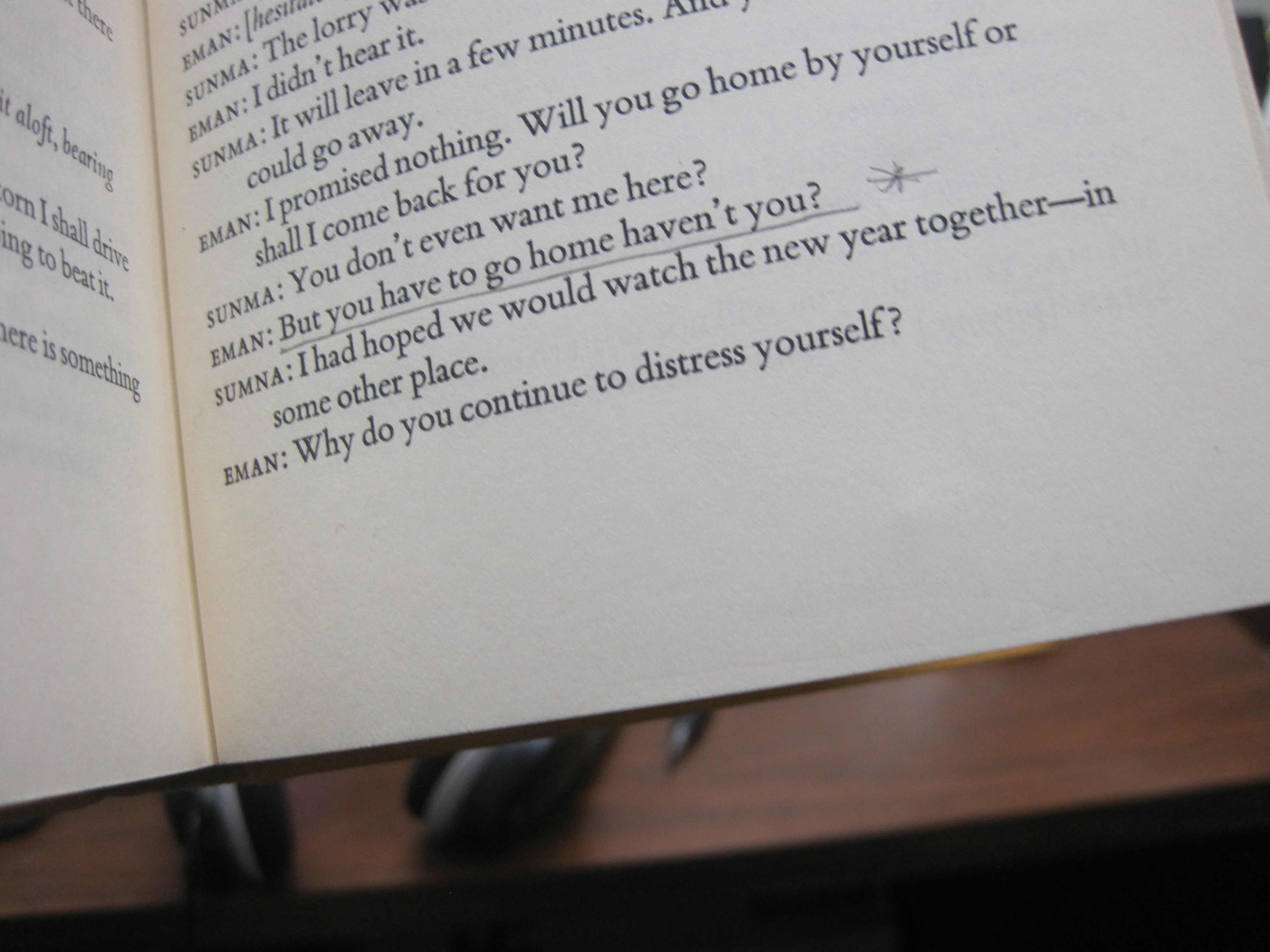 About two months ago when I received a gift box of some African books from the 60s and 70s from a colleague, Wole Soyinka’s The Strong Breed was one of them. There were actually two editions, published by two different publishers at different times. The first thing I did on finding the issues was to look for this error to see if any of the subsequent editions had it corrected in them. The findings: no! I have now examined four different editions of the work and the error remains. (And I believe it’s an error because contractions aren’t formed like that.)
In any case, it is good enough that students of the play who have found themselves on my blog would have taken something crucial away other than the fact that it is one of the playwright’s well known brilliant works examining relationships between ritual, society, and life. But as you would see as resulting from the comments in the initial post, ad hominem attacks on my intentions rather than on the merits of my argument dominated the first conversation and prevented a more robust discussion. Maybe this time, it will be better. Or not. Either way, this should be my last word on the matter. Promise.
One shouldn’t spend too much time in the grammar class. 🙁