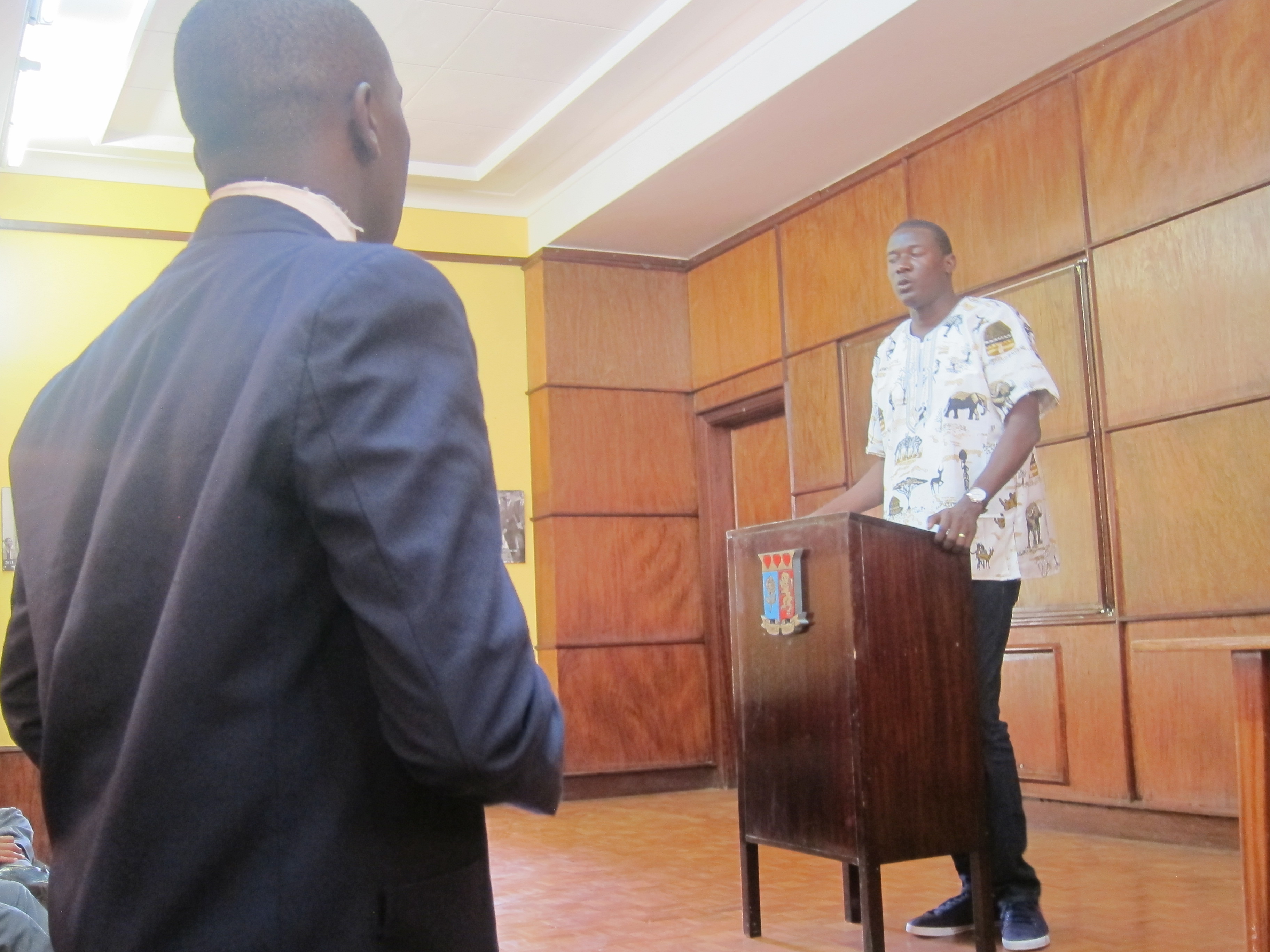

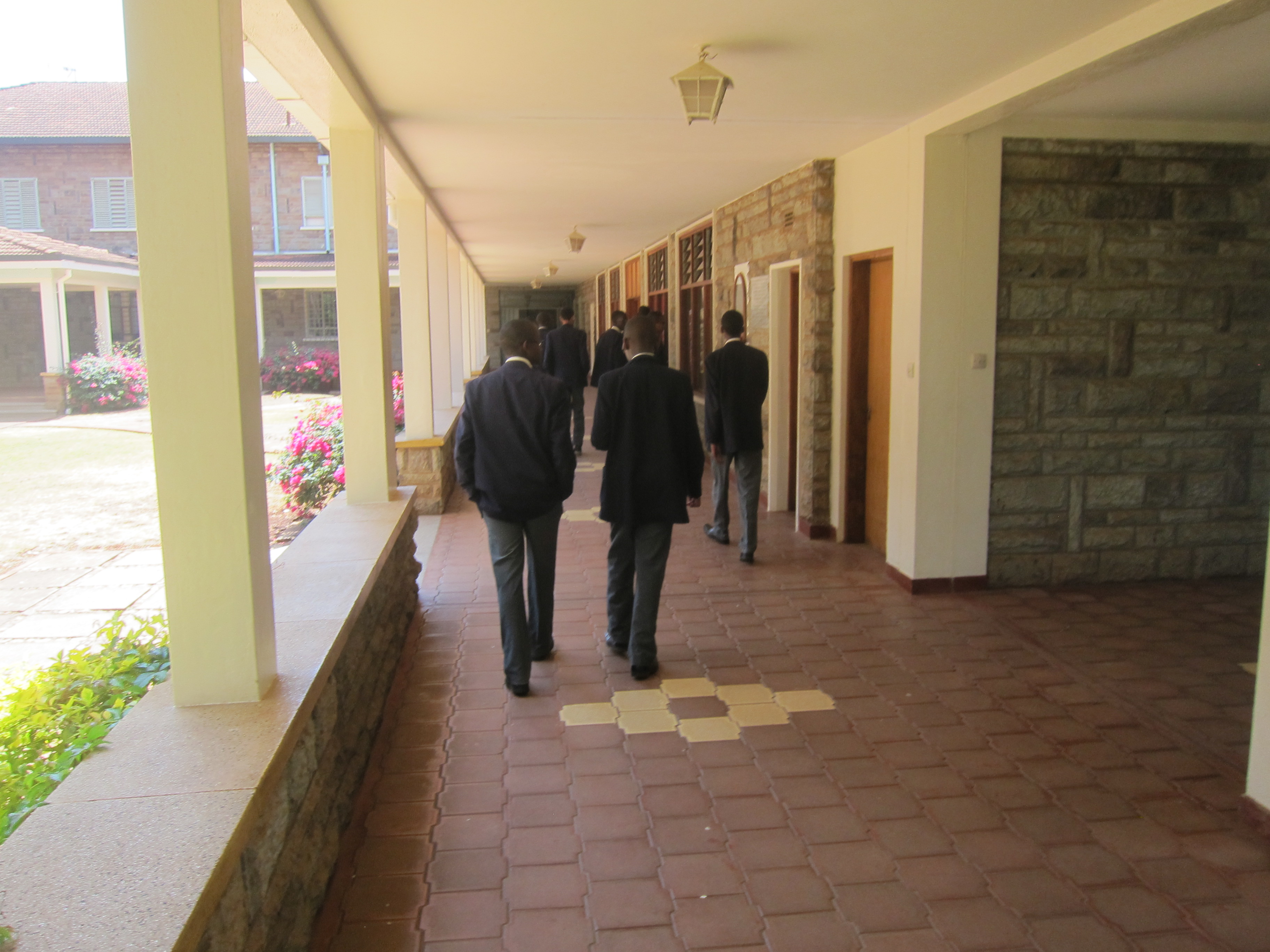

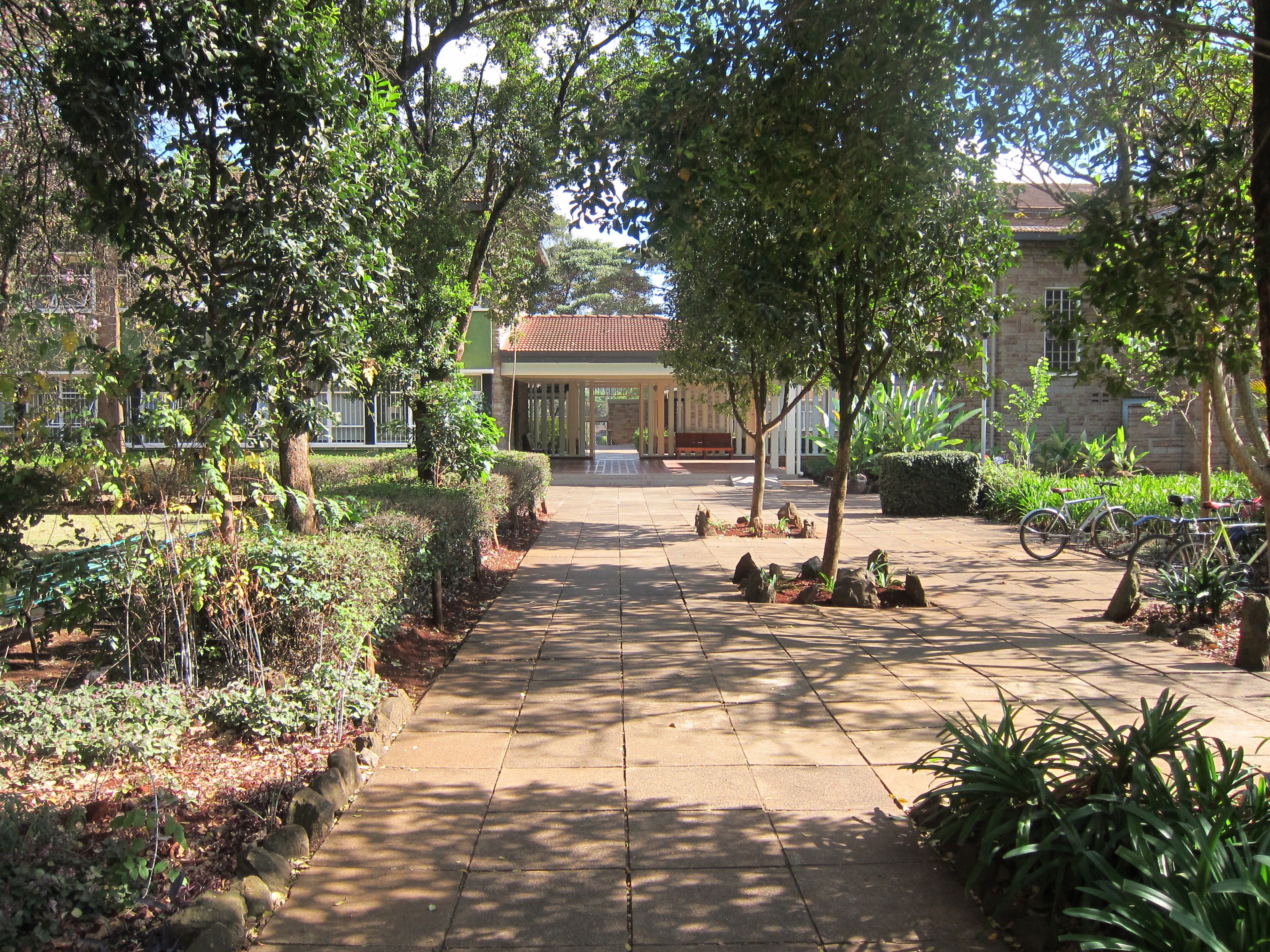
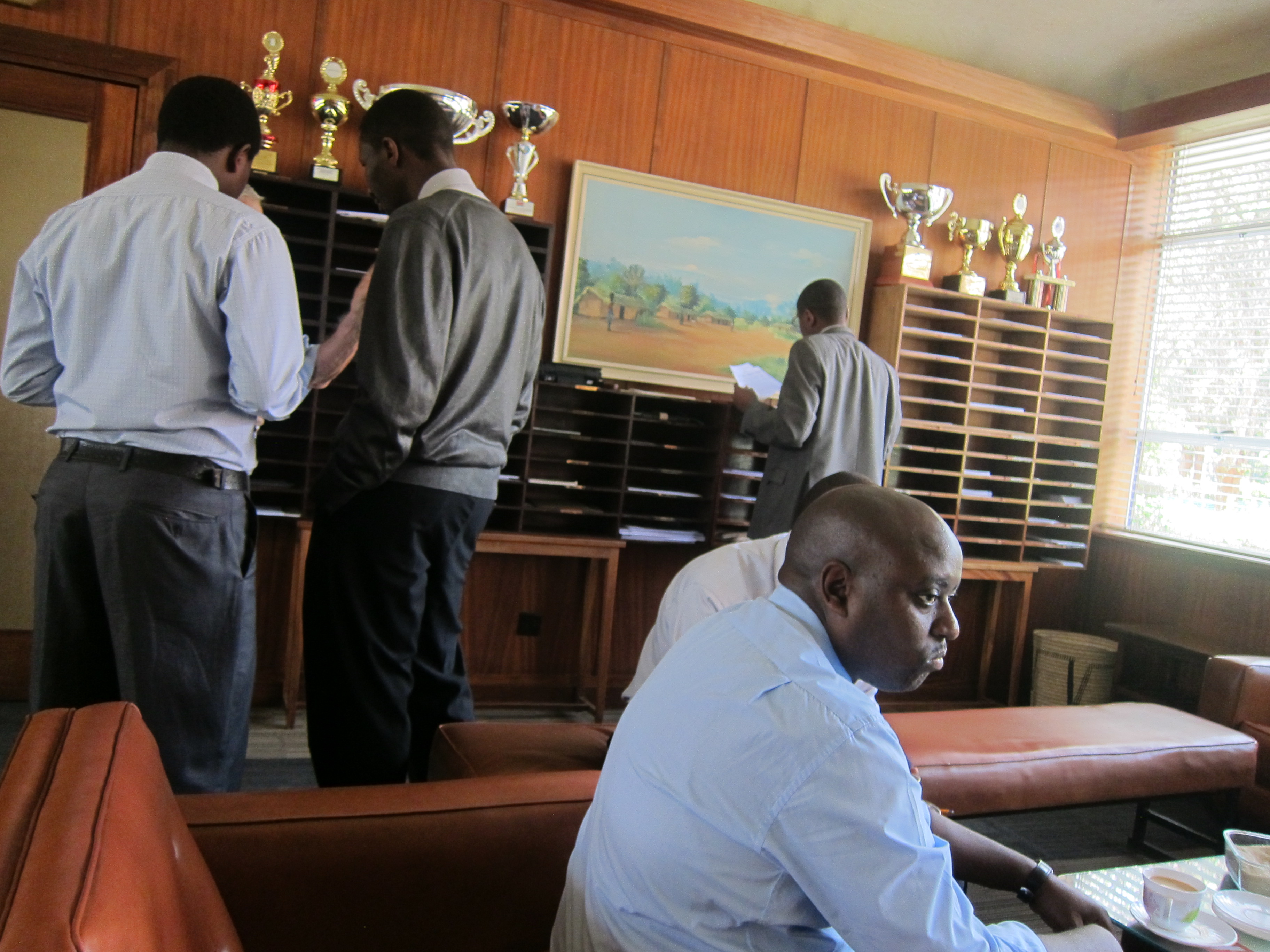
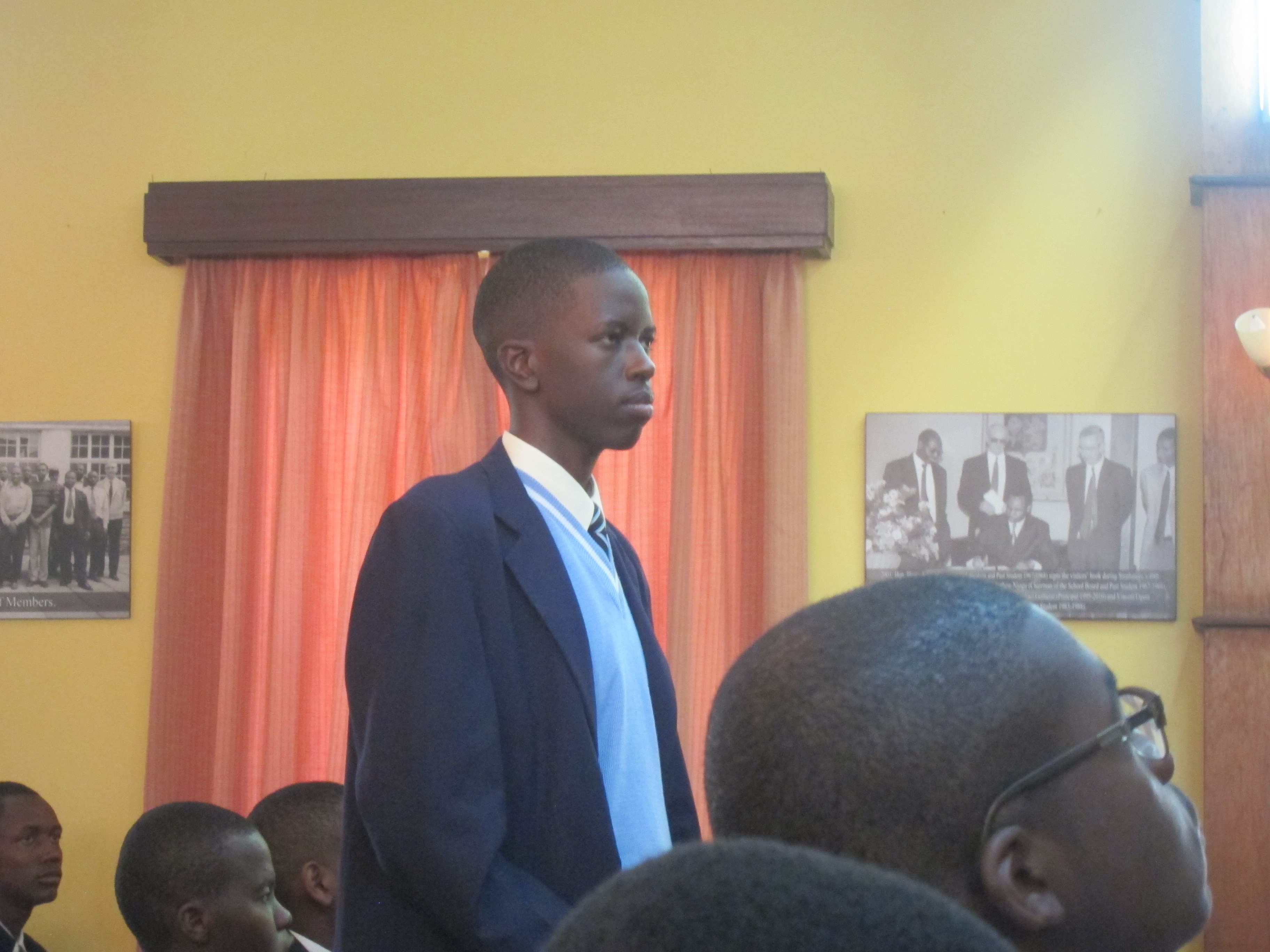
 Here are more pictures from my talk and from the beautiful Strathmore School campus, featuring students, staff, a priest, open spaces, a classroom, buildings, the library, sports venues, and the famous East African acacia tree.
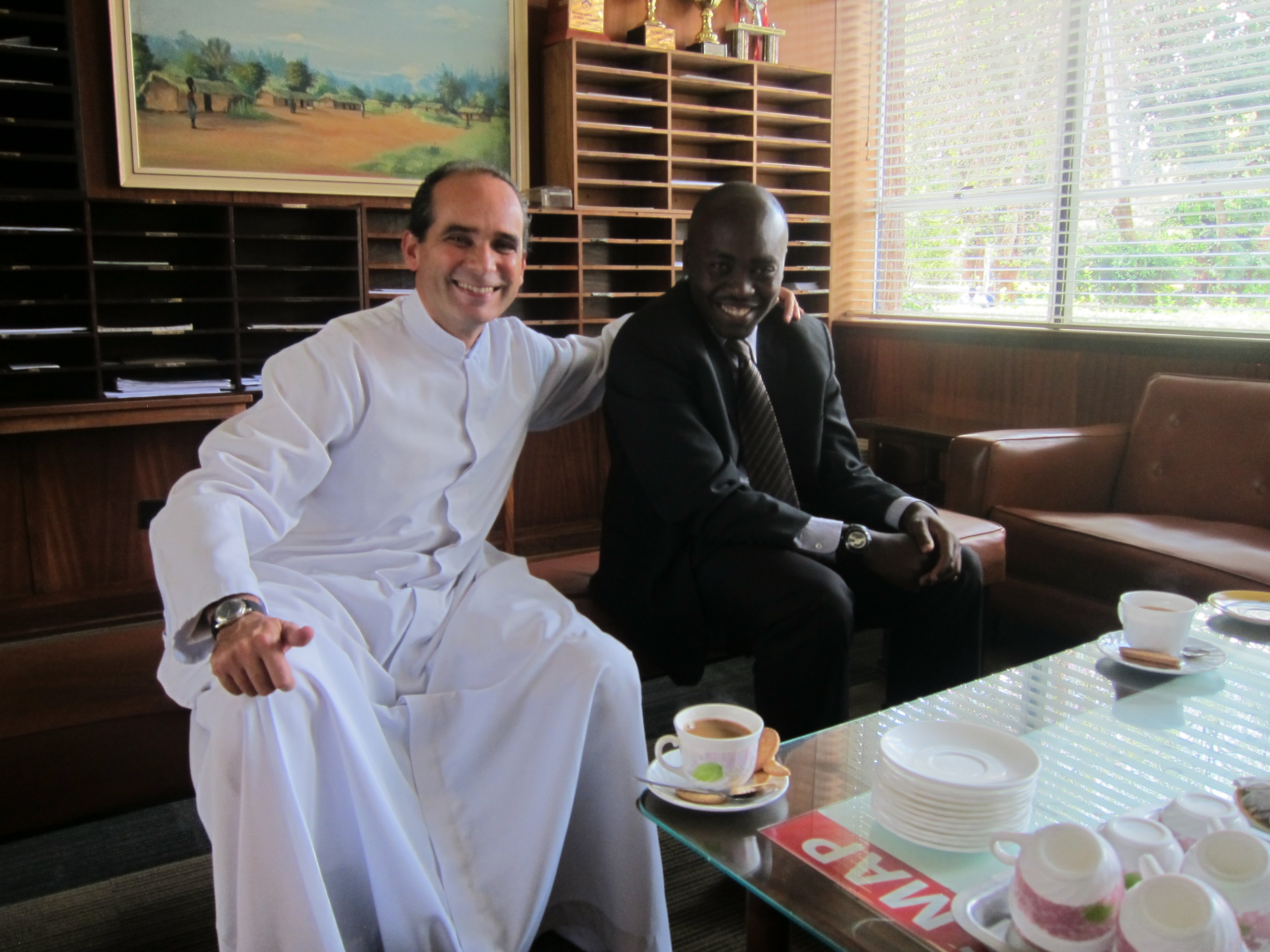
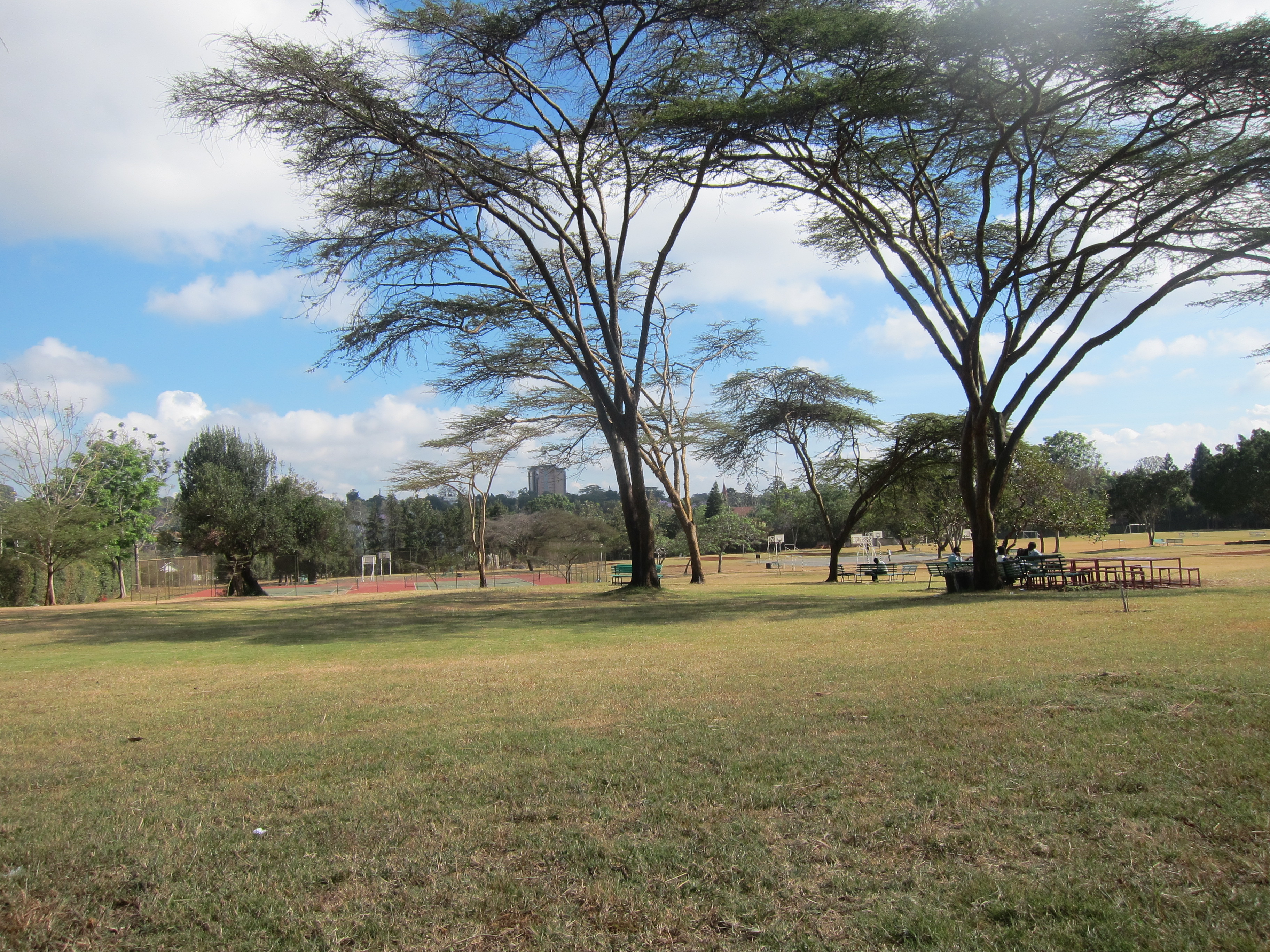
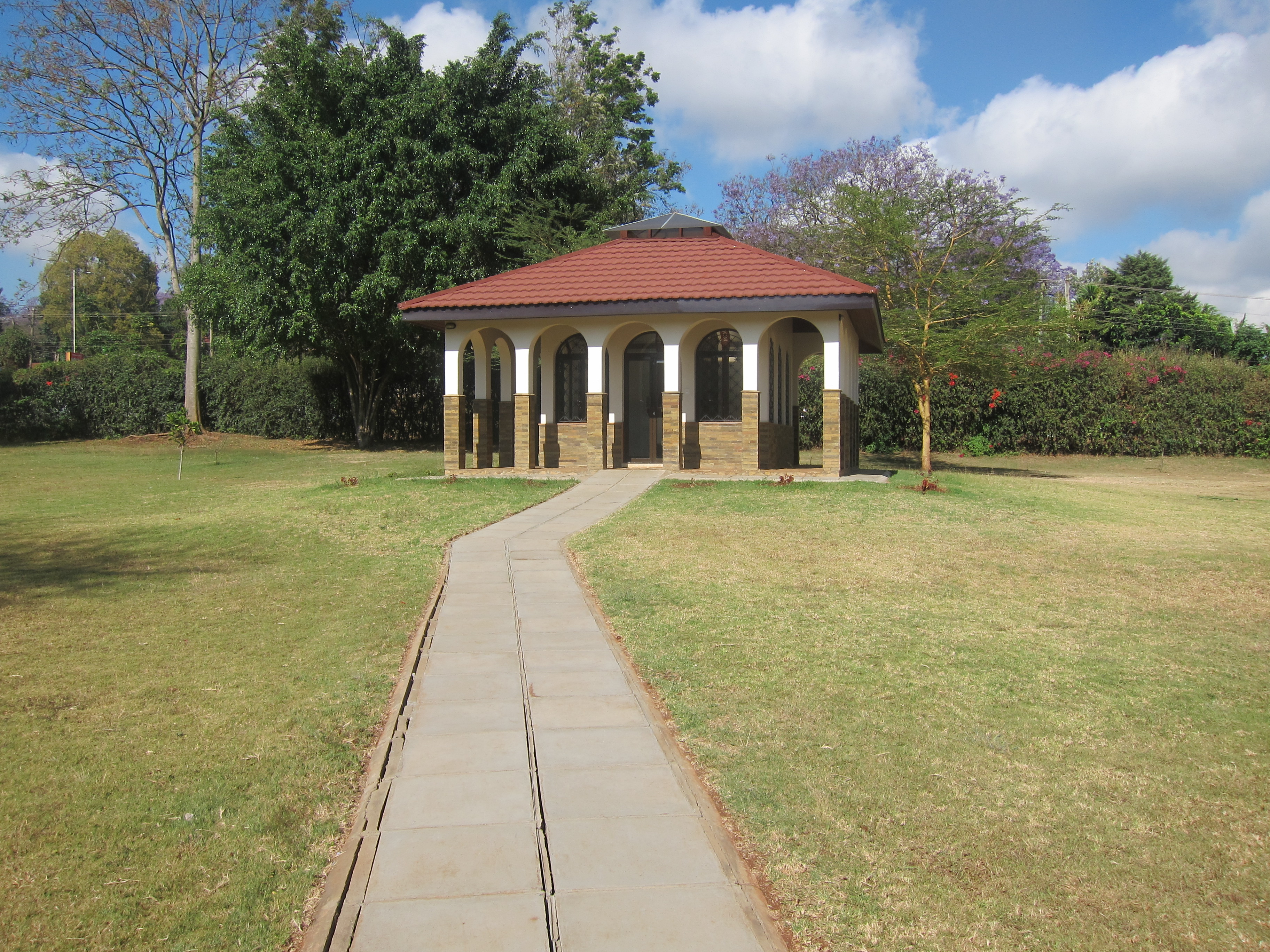
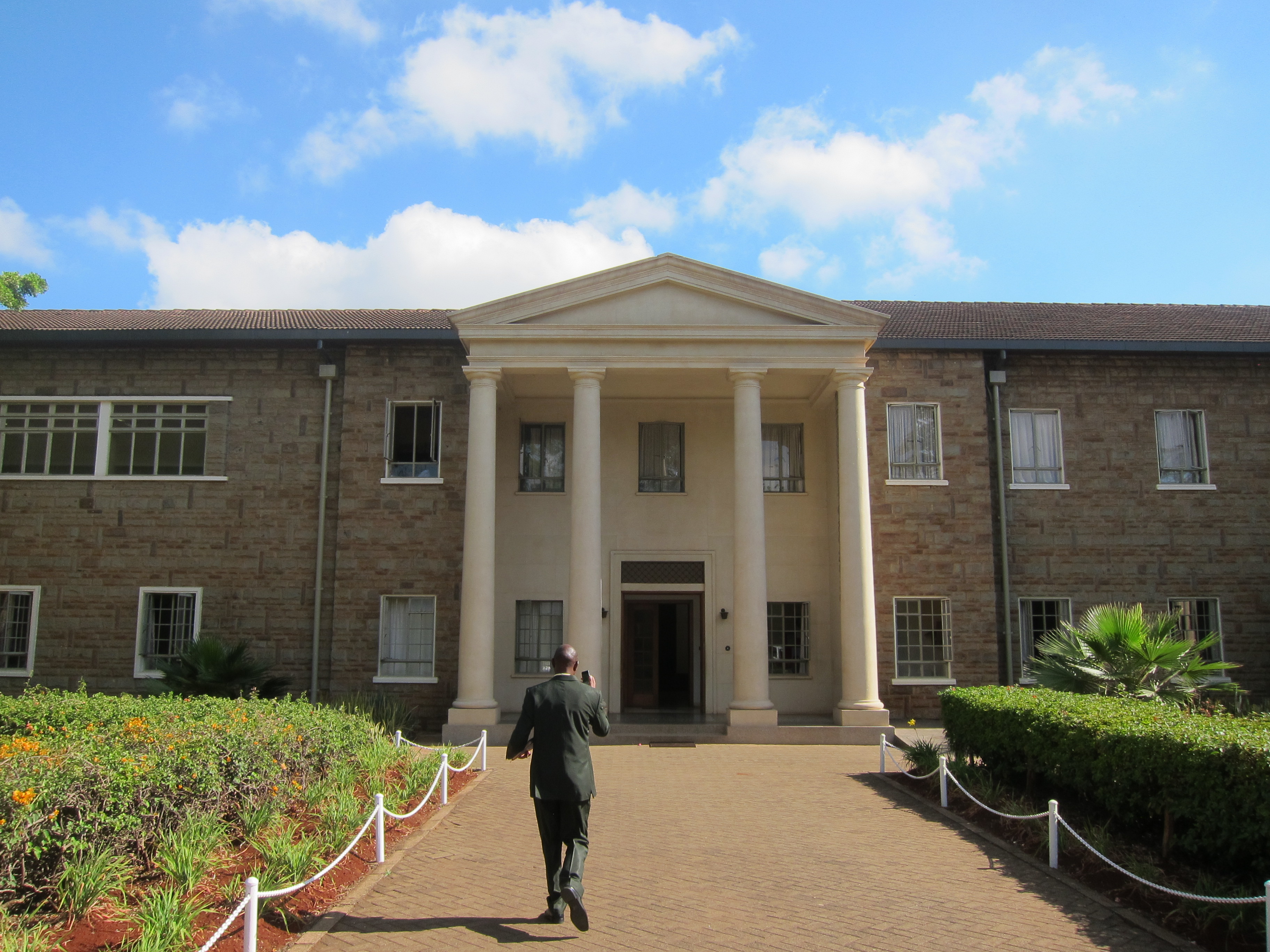
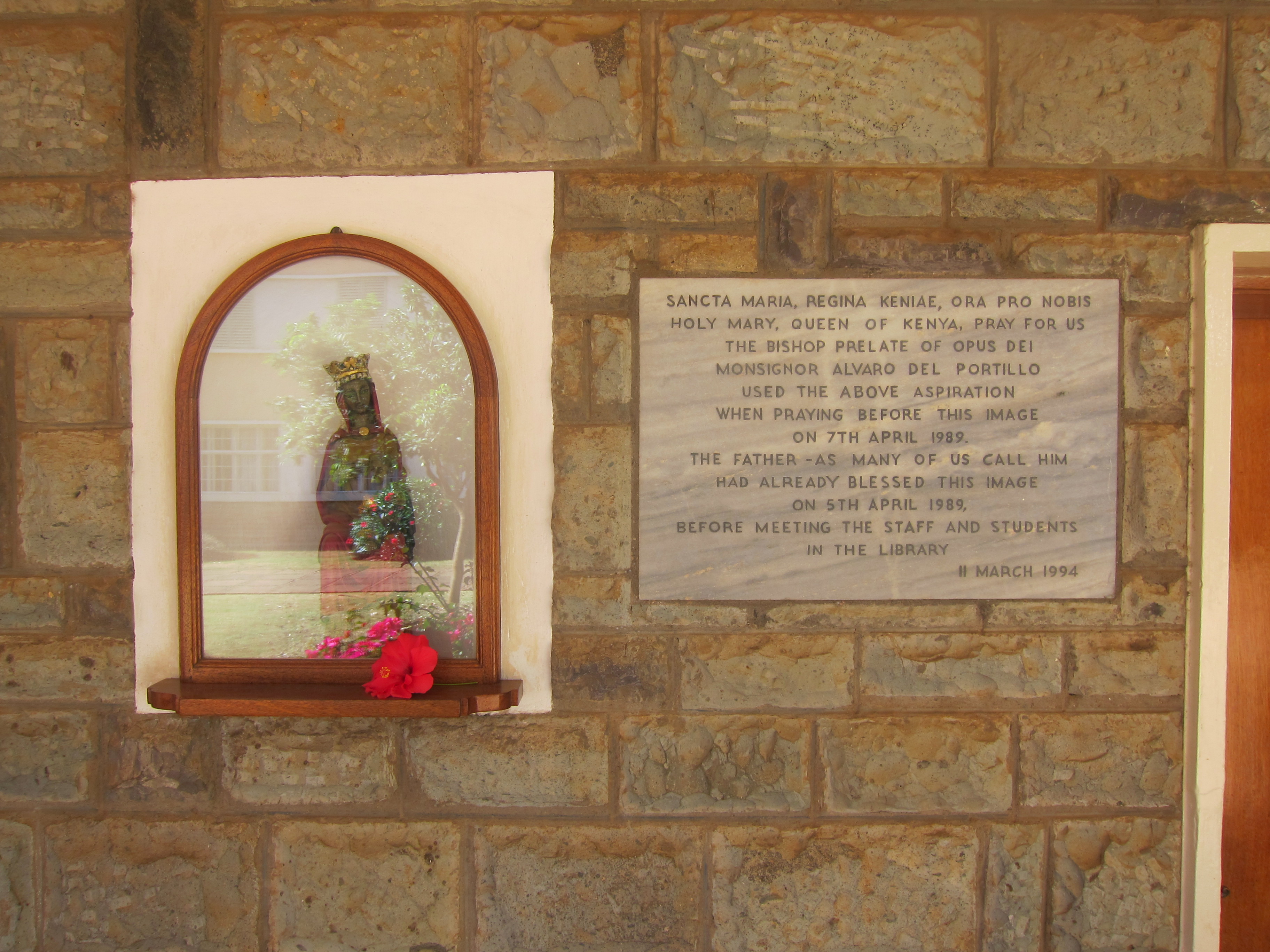
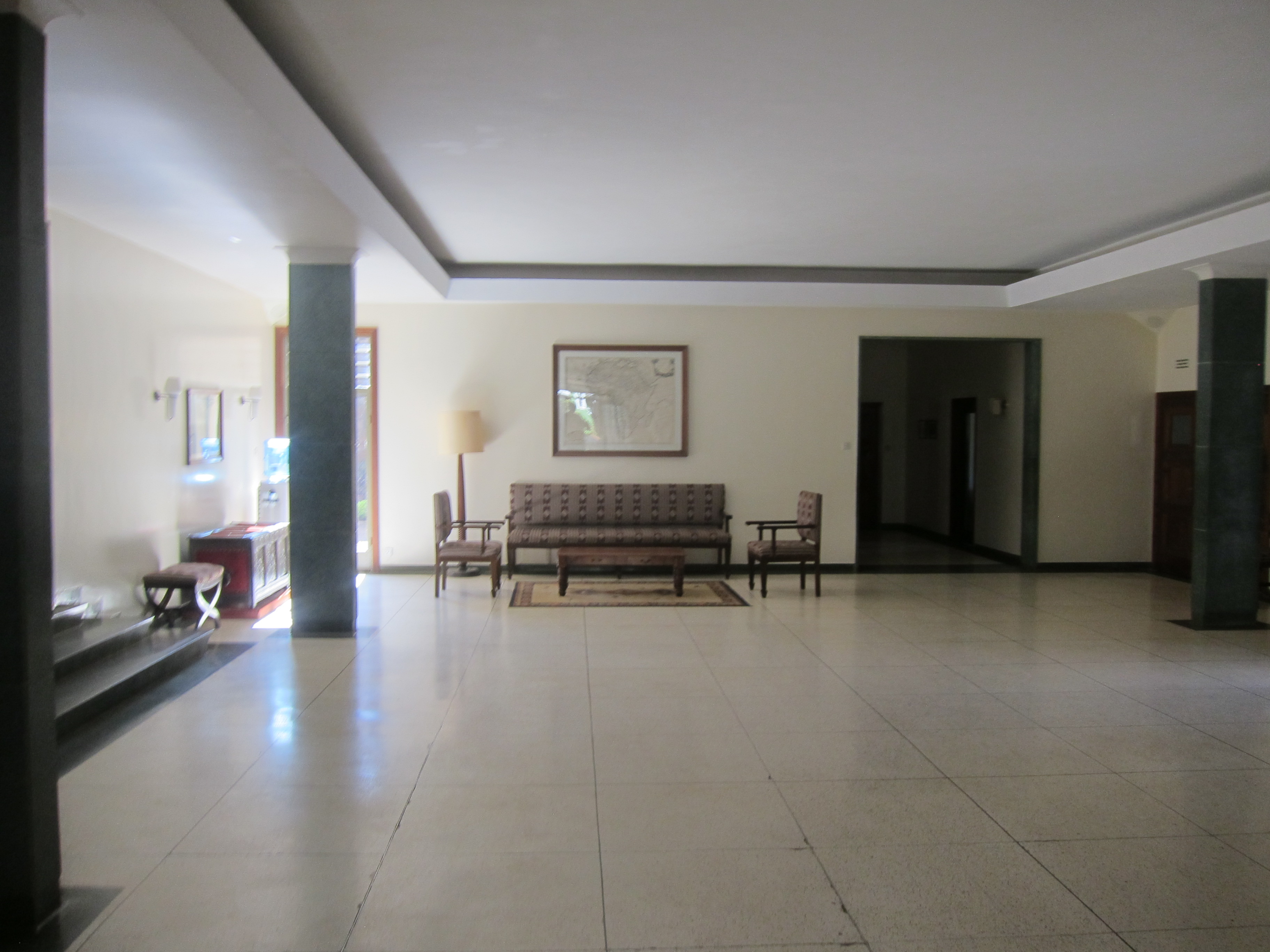
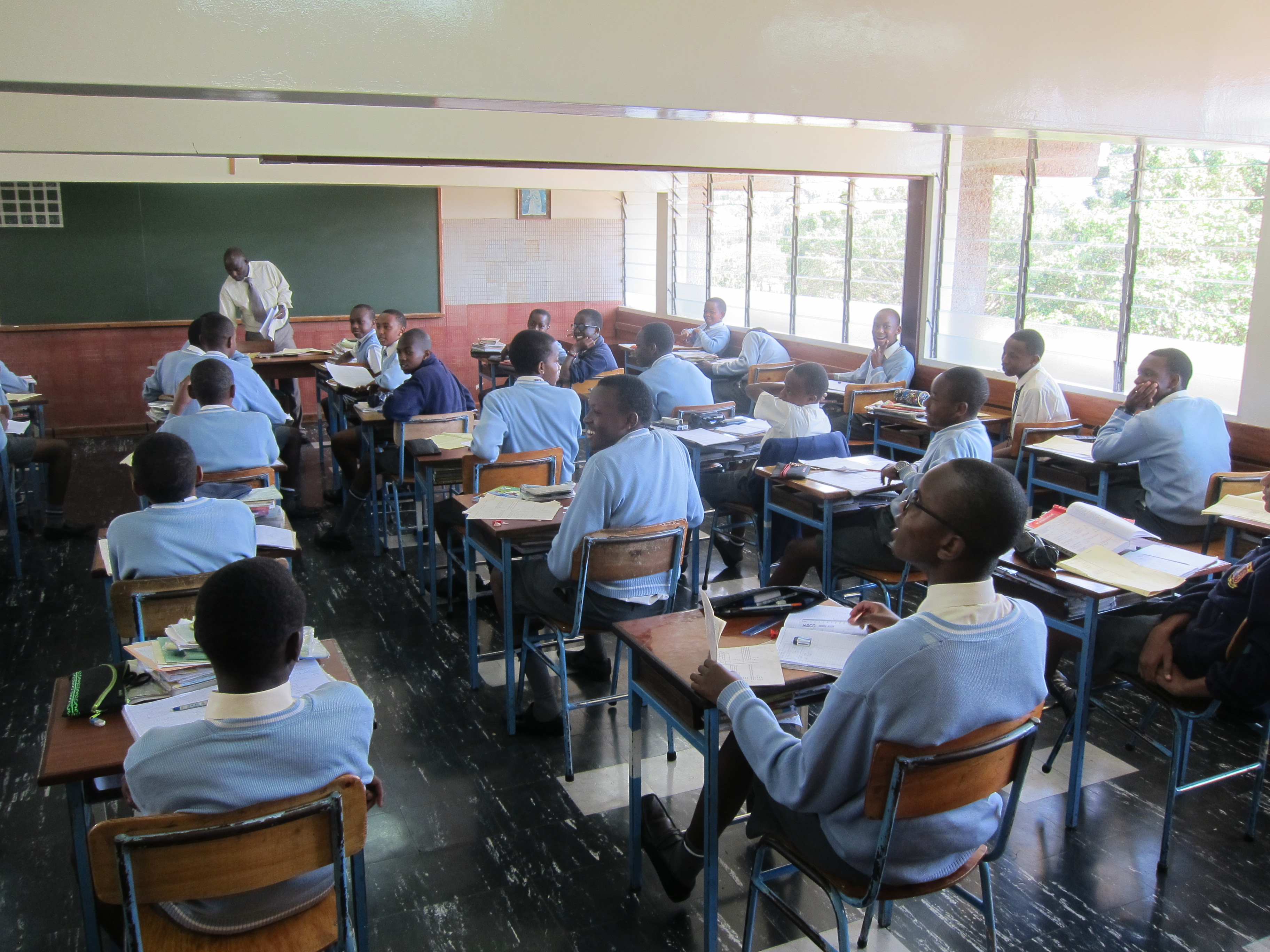
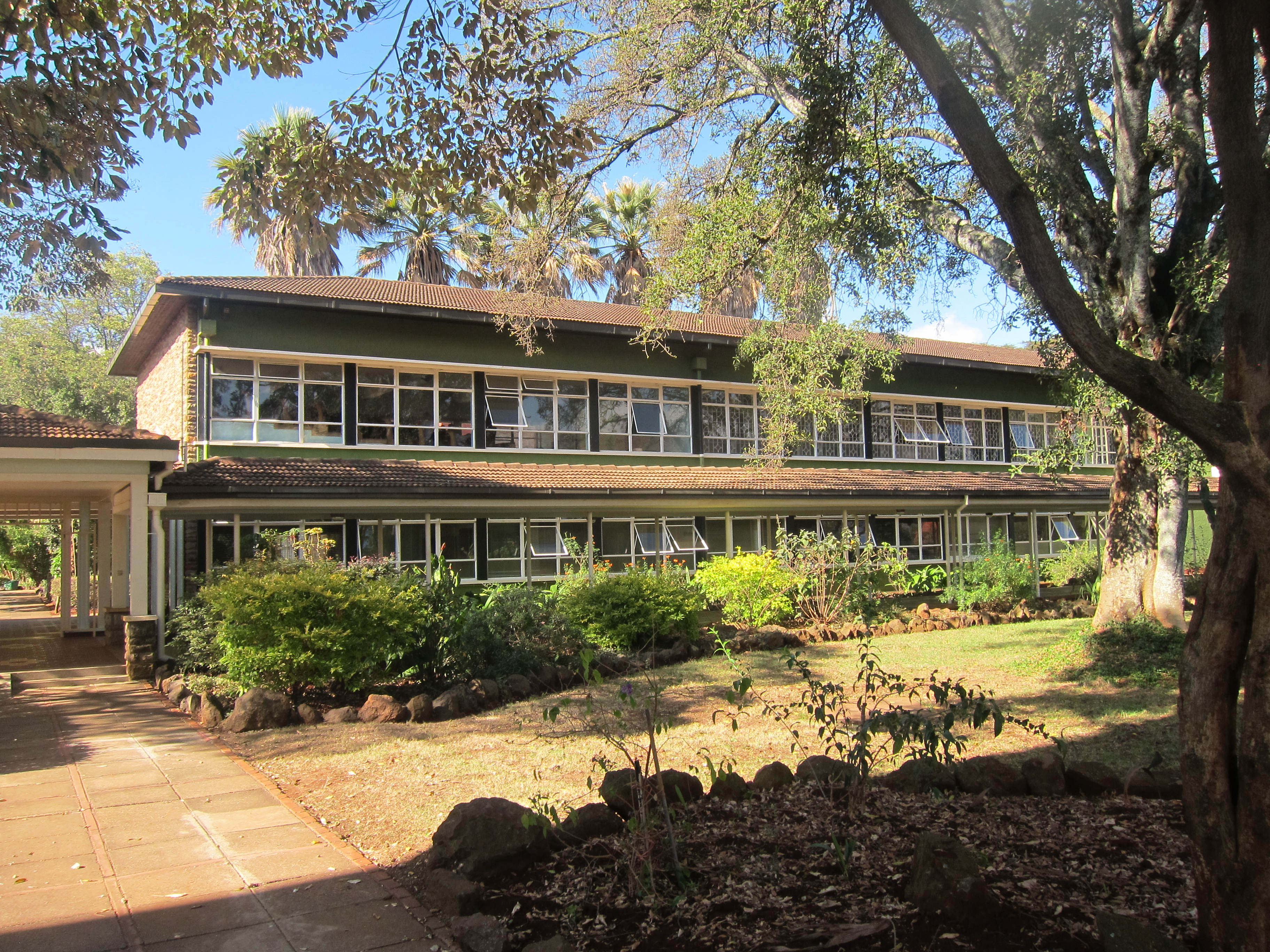
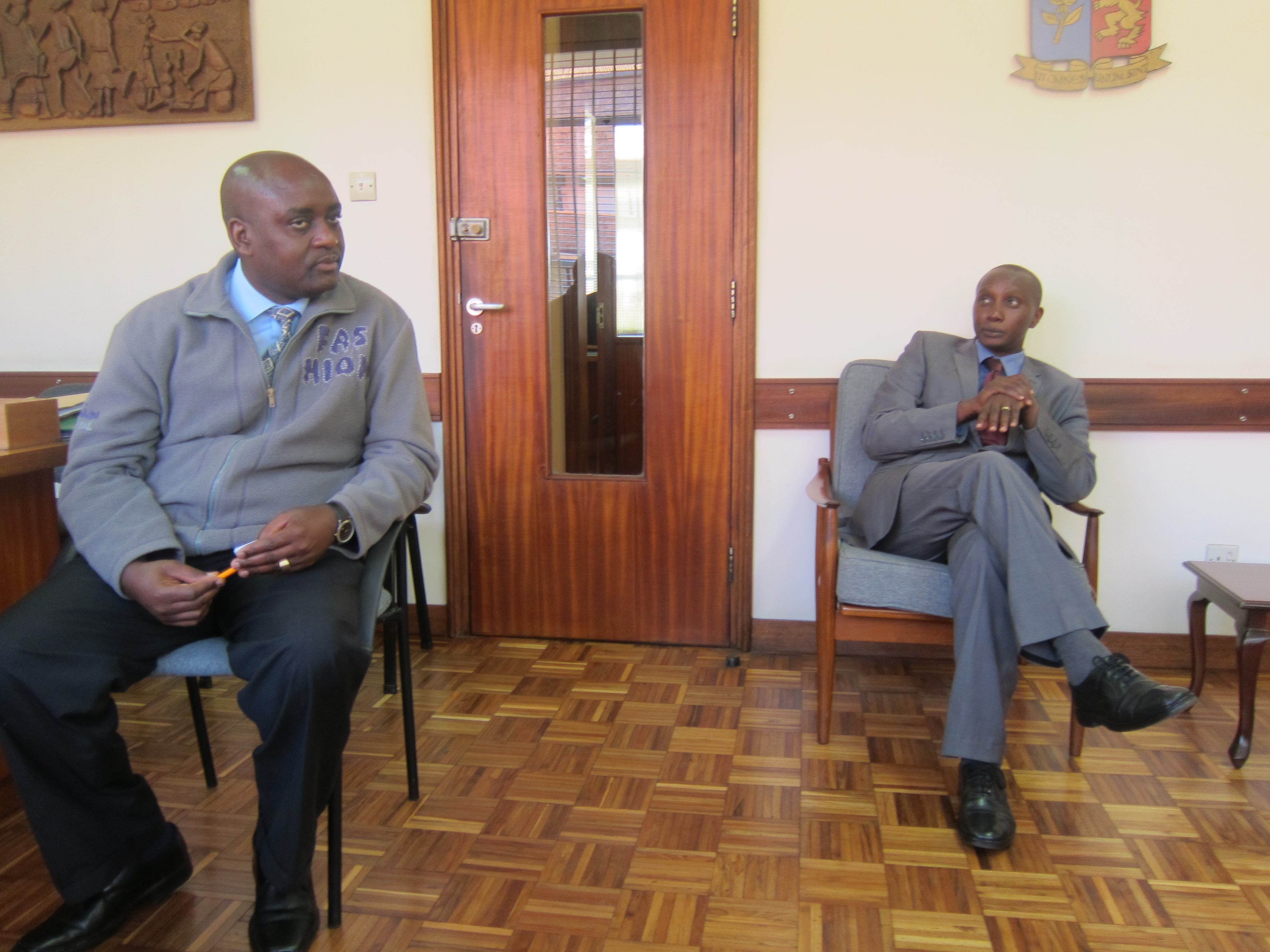
Here are more pictures from my talk and from the beautiful Strathmore School campus, featuring students, staff, a priest, open spaces, a classroom, buildings, the library, sports venues, and the famous East African acacia tree.
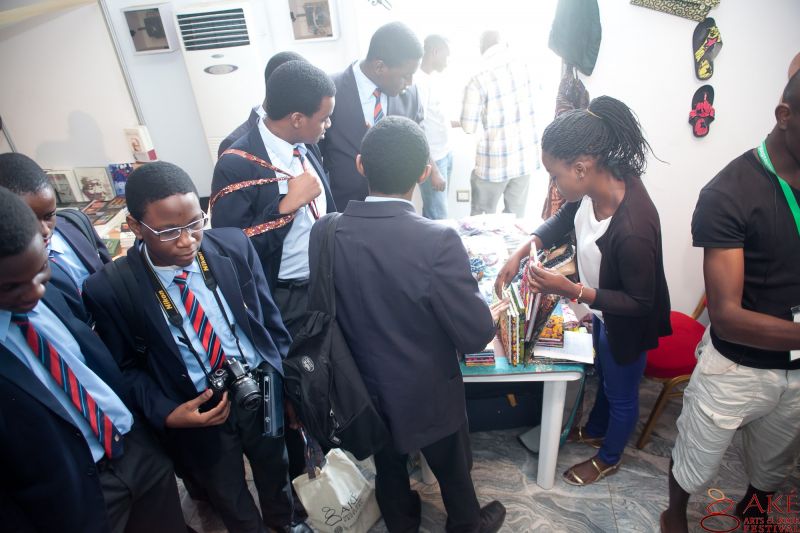
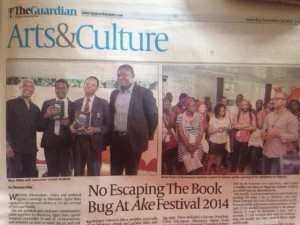
Last week, between November 18 and 22, writers and thinkers converged on Abeokuta for the second edition of the Ake Arts and Book Festival. It was also my second time of participating in the event, but the first as a guest. For some reason, the organisers thought it important this year to involve a linguist with but a finger or two in the literary pie in a festival of poets, writers and other makers of creative ideas. (Fake modesty out of the way, it was a beautiful, engaging, and stimulating event of which I was glad and proud to be a part). On Thursday the 20th, I gathered fourteen students from Whitesands School where I currently teach English, along with a colleague and award-winning journalist Bayo Olupohunda, into the school bus and headed to Abeokuta.
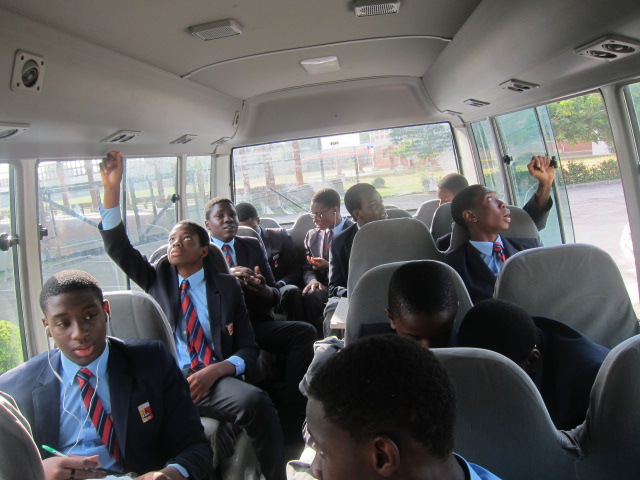 The drive to the quiet rockhill town north-east of Lagos has always been a delight, at least the second leg of the journey that begins on the Abeokuta-Owode Road. The Lagos-Ibadan expressway is still under construction and subject to surprises in the form of potholes, narrowed lanes, broken down vehicles, and diversions. For someone meant to host a Book Chat at 10.30 am on that same day, the choices are limited. One either leaves Lagos as early as possible so as to avoid all traffic-related delays, or sleep in Abeokuta in one of the luxurious hotel rooms already booked for guests at the Festival. If one is a teacher in a high school, traveling with students who have been brought to school by their parents and need to be returned to school on the same day; and particularly if one is a husband of a working wife, with a nine-month old baby who one would terribly miss if one were to take the second choice alone, the choices become hard.
We were supposed to head out of the school by 8.am, but by almost nine o’ clock, we were still stuck in Ikoyi traffic. By even the most conservative calculations, we were starting to be late. I began to worry that I might miss my session. The author I would be chatting with, notable columnist, journalist, professor, and novelist, Okey Ndibe, had just returned from the United States a couple of days earlier. How could someone from the US arrive earlier in Abeokuta than someone who lives in Lagos? How disappointing. Lola Shoneyin (poet and author, organiser of the Festival) would be even more disappointed, I thought, as I urged the driver to speed up as much as he could within sensible limits. By 9.30, Lola started tracking me via text messages. I assured her of my location, and pleaded that if I didn’t show up on time, my panel be swapped for someone else’s. She assured that if the worst happens, we’d postpone it for an hour. A few minutes later, a tweet went out that our book chat would begin at 11.30am. That was a relief.
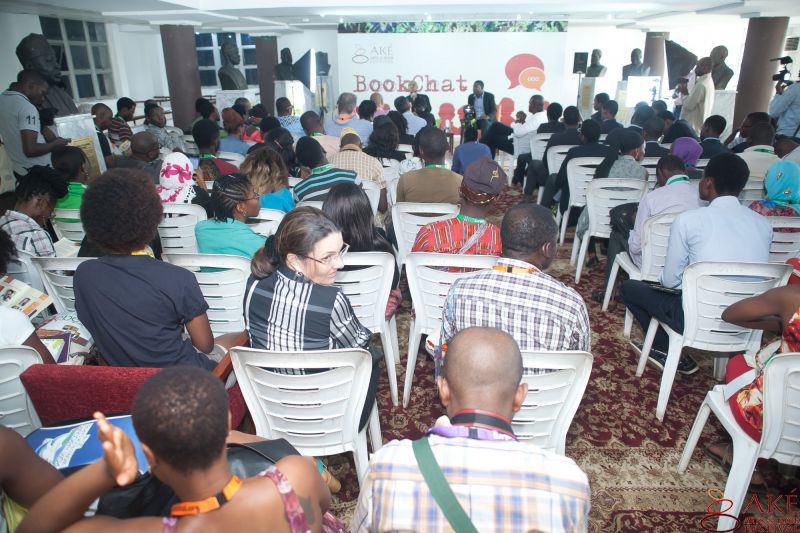
We arrived at the June 12 Cultural Centre, venue of the event, at about a quarter to eleven. Fifteen minutes later, I was in the hall meeting Okey Ndibe for the very first time. Weeks before, I read everything I could find about him on the internet. Some I’d read before, some I was reading for the first time. His life, work, and opinions have made him an interesting person and personality in the Nigerian literary and political space for a very long time. Conversations with other friends and colleagues about him have also guided me into a number of relevant points of inquiry. Our Book Chat was going to be one hour of conversation in front of a room full of writers and festival goers. Okey is a simple but dignified man, as his poise, dressing, and personality immediately showed. While he chatted with a few other folks around the hall, I glanced at a few of the questions I had prepared. His latest book Foreign Gods Inc is a fast-paced thriller of many layers of social and political commentary. I had two copies, one on my kindle, and one hard copy which a couple of my students had developed an attraction for on the way to Abeokuta. On arrival at the venue of the Festival, Lola Shoneyin hinted to the students that two of them would win an electronic tab for thoughtful questions.
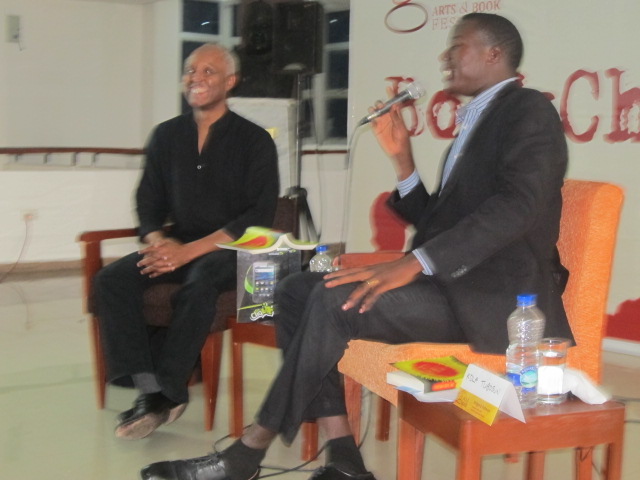
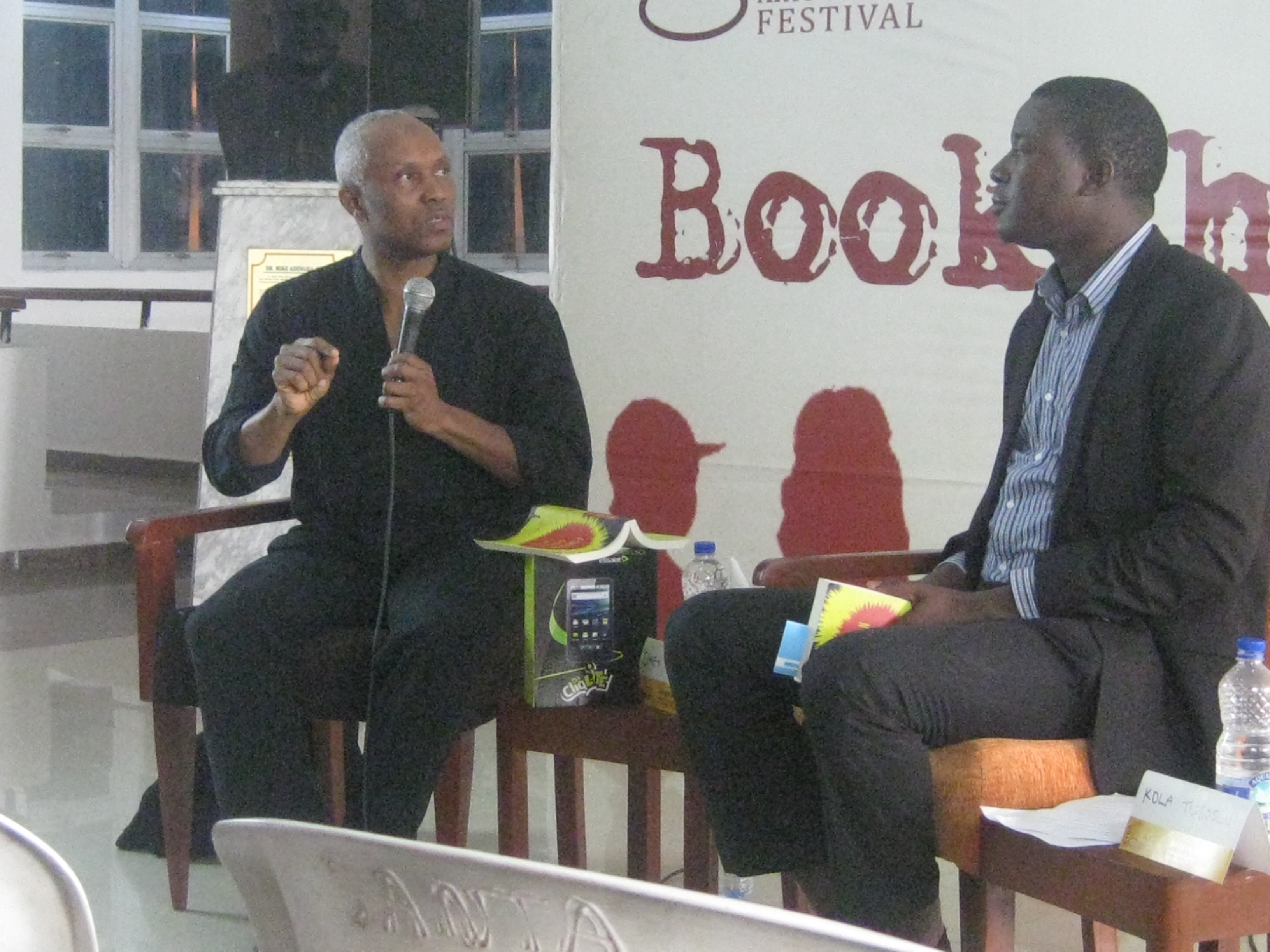
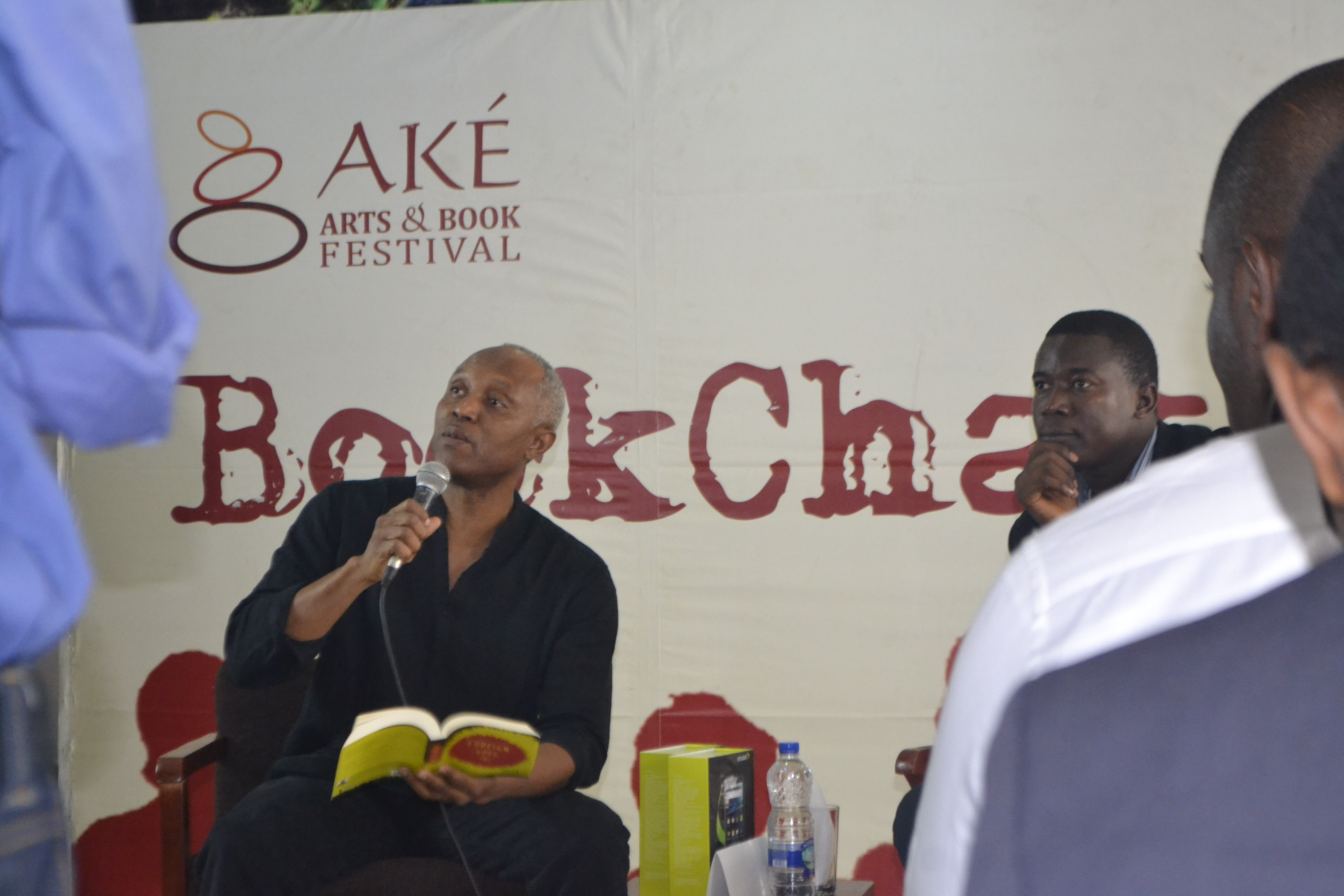
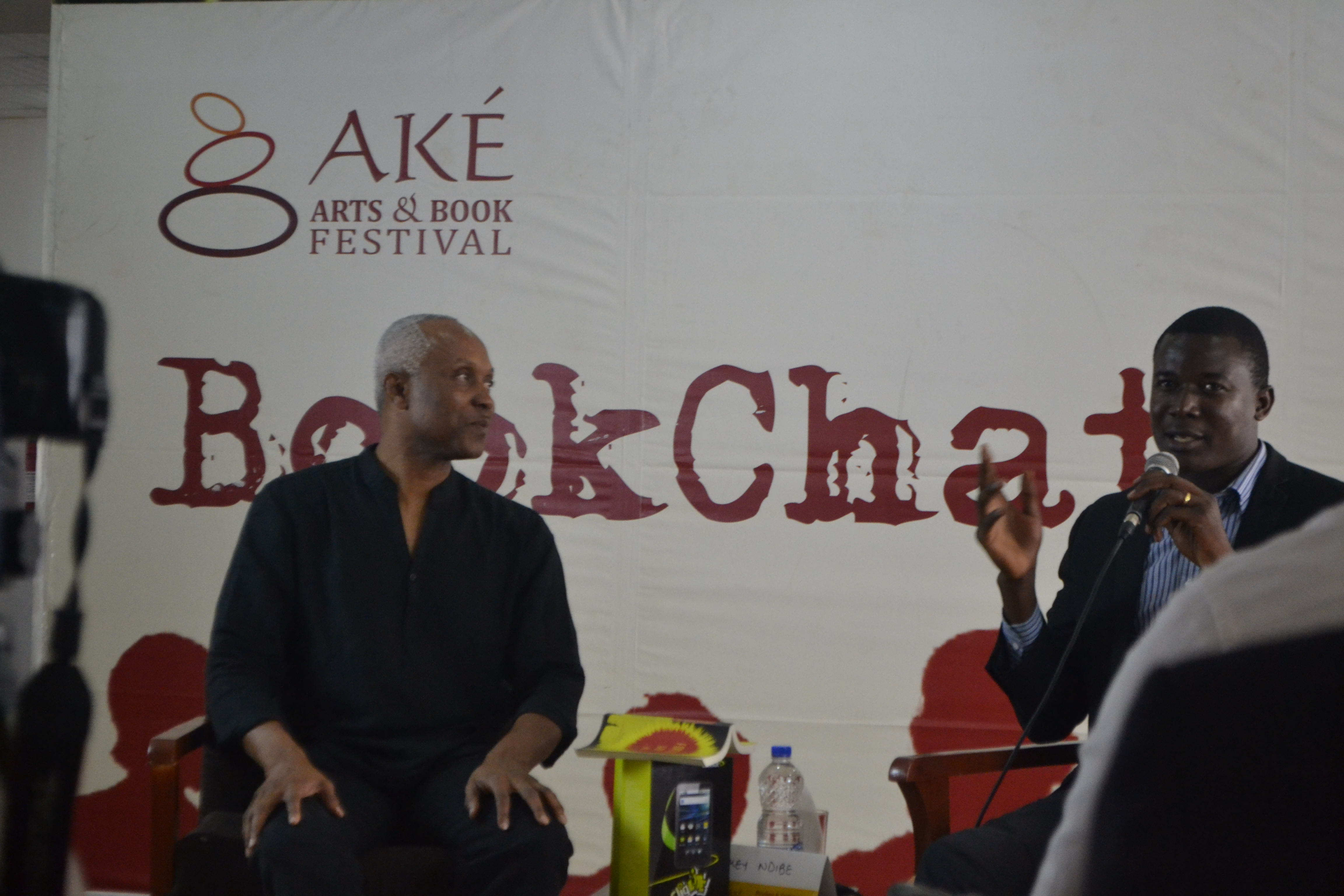 One hour went by like a flash. As I’d been told of him, Okey Ndibe engaged each question with the thoughtfulness and breeziness of a seasoned professor, with humour, friendliness, tact, dynamism and thoughtfulness. Why did he dump on James Hardly Chase so much? What does he mean by Achebe saving him from Chase? How did he meet Chinua Achebe and what was the relationship over the years? What does he mean by Nigeria not having a real national character? What is “an ethnicity of values” anyway? What influenced him to write Foreign Gods Inc.? Any influences from the real life event in Soyinka’s autobiography of having to sneak into Brazil so as to kidnap a supposed stolen god? How would Professor Ndibe like the book read: as an ethnographic material on African people, or as a migrant literature, like Chimamanda Adichie’s Americanah? How has the reception been so far? Would he like to read a part of the novel to the audience? By the time it was over, the seats had been filled, and the applause was genuine. I had a great time, and so did the students. Questions were asked, by the students and by other members of the audience, and we were done. Two students won tablets for their questions (and the rest were mad at me for not calling them when their hands went up. We resolved it on the way back to Lagos).
***
A few other questions went unasked, because of time: What’s the relationship with Christopher Okigbo and his family? He was afterall the keynote speaker at the Ohaneze Ndigbo event in Belgium in honour of that important poet about two years ago. Okey, being a young boy during the Biafran War, remembered a little of it, detailed in his essay My Biafran Eyes, how deep was that experience in shaping his upbringing? What does he think about language use in African literature? As a child of a culture with dying languages all around, how does he think that this can be reversed? Which writer in his generation does he consider an influence? What of older generations? And younger ones? He’s working on “An African Doing Dutch in America” – a memoir. What can he tell us about that? When will it be published? What was his experience as a Fulbright scholar teaching at Unilag? What inspired his first novel Arrows of Rain? He currently teaches fiction and African literature at Trinity College in Hartford, CT. What’s it like there? Has he stopped being harassed by the SSS at the airport?
***
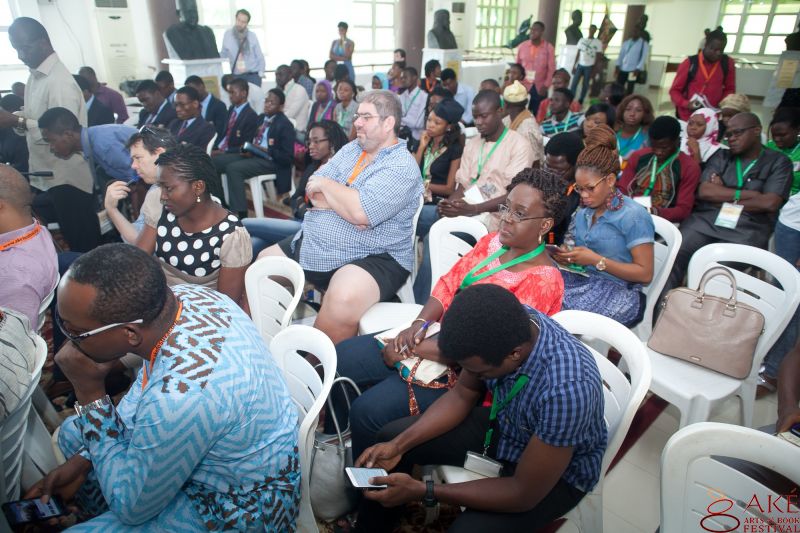
 The students split up and attended one more session. In the session involving the president of the Association of Nigerian Authors (ANA) Professor Remi Raji and author Yejide Kilanko, which was well attended, one more student won a tablet for his thoughtful question to the author. He seemed very pleased. Their day being sufficiently made, not only by their winning of electronic tablets but the idea of meeting and chatting with world-famous authors and learning a few things they hadn’t heard about before, they headed to lunch downstairs by the festival bookstore before heading back to Lagos. There a few of the students met with some other writers, chatted them up about stuff, took autographs, bought books, and generally took in the festival air.
In the bus on the journey back, conversations ranged from the shock of realizing that their English teacher was a relevant enough person to have been invited to take part in a book festival (“You never told us that you were a writer! What book have you written? Aren’t you Mr. Olatubosun? Why does it say Kola Tubosun on the guest list? How did you know Okey Ndibe, Lola Shoneyin, and all these people? Do you know Wole Soyinka too? Where is Wole Soyinka anyway? Why isn’t he ever here when we’re around? among others) to the choice of theme in writing (“I write too, you know, but I never knew that one could be famous by writing African stories”, “Are you serious that people will buy your work if you set it in the Nigerian environment rather than abroad?” “I never knew that. All my characters have English names.” “How do I get published?” “Would you read my work?” “Can I come next year? Alone?” etc).
The most heartwarming comment followed later, halfway into the trip homewards when lethargy and torpor had us all but sprawled around the seats: “If I don’t make it into the final list of students coming here next, or after I leave school a couple of years from now, I’ll try to find my way to the next Ake Festival, or another one in the future.” Seems like a comment that the organisers will thoroughly enjoy. In the end, the decision to bring them along seemed like a great idea.
____________
Photos courtesy of self, Akefestival.org, and Chidera Ezeokeke, and Tamilore Ogunbanjo
What do I have? Where am I? Where am I headed? These are three main questions that I always asked myself when things looked bleak. There was a stretch of two years not too long ago when I asked myself the same question everyday of the week and every hour of the day while running after very many things that provided not just a way to remain active, but an escape from the tedium of asking. Years later, when many of those endeavours paid back beyond expectation, I became grateful for the chance just to ask them, even in the dark of despair when there was nothing else to do. I’ve been grateful for those moments ever since although I would never hope to relive them.
Today, prompted by many running conversations with a few people, students wondering where their life is headed in these sea of expectation and uncertainty, I want to tell a little of my story and hope that it moves them to do something, or just keep moving – whichever works – as long as they do it with all focus and the realization that everything done with a passion and the best of one’s efforts will always be rewarded, sooner or later, in some form or the other. And a realization that every experience has something to teach that would be useful for the next stage of life.
Our generation is a running one, moving, searching for its own true relevance. In the dark days of those years when the world seemed closed down around my head, I thought about so many things that I could do to avoid waking up everyday to face the bright morning sun that seemed ever so promising, yet not forthcoming with anything but a quandary of many superficial exits. Yet somehow, I got through it. How, I can’t say now, except that one day, it all passed away along with its dark clouds of self doubt and despair. I woke up, and it was sunshine again, with the beautiful colours of a new day. Then I took a shower. (Haha, kidding!)
Many students today in the different areas and levels of school work are worried about the prospect of their future. They are not alone. I remember just how depressed I was in the last weeks of my undergraduate days, wondering just what the world had for me. All of a sudden, I was heading out of this cocoon into a bold new world with its own brand of rules and expectations. The only buffer between that exit and the big bad world was a mandatory national service. A year after the national service – actually many months before – I relapsed into the same state and wondered if anything more than gloom would come out at the end. With nothing but hope, resilience, tenacity and the willingness to endure the long nights, I somehow trudged on doing whatever I could, and here I am.
I guess the only thing else to say is that when life boxes you into a corner is usually the best time to get up and fight. Sometimes it seems impossible and totally hopeless. The good news is that it isn’t. I can call myself a living example. (Knocks on wood.)
The successful outing of my My [State/Country] posts on this blog (after Texas and Saudi Arabia) is giving me many more great ideas. How many states will I be able to “visit” virtually and publicly thank before my time here is over? Who wants me in their area? I definitely would like to show here to you my readers all the relevant ktravula hot spots all around the world, just in case it ever occurs to anyone someday to organize a get-together/reunion party of all my blog readers, fans and commenters. 🙂 But I can’t. Or so I think. Physically, I’ve now been to Providence RI, Washington DC, Boston MA, St. Louis MI, Edwardsville IL, Cahokia IL, Principia IL, Chicago IL and Olney MD, among a few other small places. But virtually, I’ve been in many more places I probably would never see. Here’s the plan, as time permits, I will go around the world from here. The traveller is coming to a location near you. 😀
School resumes on Monday. I have not yet confirmed whether classes resume too. If so, then I will use this weekend to plan my class schedule for the year. It’s the hardest (I think) part of the work. When the plans are set, it not so hard to follow through in class, even though there usually occurs along the way some things never before planned, like public holidays, snow storms, and other engagements. But I like to have a plan. It helps to keep me focused. The last time I checked, I will now have sixteen students. That’s a higher number than the last nine who, like they told me on the last day of class, must have told their friends to sign up for that foreign language class where you could get an A (if you work really hard for it) and have fun all at the same time. Talking about As, all my last students but one got As. The person that didn’t get an A got a B, deservedly. She wasn’t as punctual as she should have been. And she did really poorly in the mid-term test. As for my own Linguistics class, I have not yet seen my results. Next week, maybe.
How did I spend my Christmas? I went to the house of my Professor A., originally from Nigeria, who was spending Christmas in town for the last time. He had resigned from this university and was moving into government work in the capital (Springfield). The most memorable part of the very beautiful evening was the “lucky dip” where everyone was asked to pick choice presents from a whole lot gathered in the living room. I got a wall clock. Now I can see what time it is while sitting on my bed without first having to pick up my phone or computer. However, there was not much Nigerian food at the table, surprisingly. There was mostly American foods, which I enjoyed. And there was moi-moi. It was a very memorable and enjoyable evening in company of people of different nationalities, behaviour and beliefs. I met his young children and their friends. One of his children’s young cousins in attendance had attended St. Patrick’s school, Bashorun Ibadan before relocating to the States. Our discussions brought back memories of truancy in secondary school days when we snuck out of our school premises to attend Christmas parades in the compound of the Broadcasting House just across the road…
New year’s eve. This one was a story with a k-leg, because Chris from class who had checked with me many times about our earlier plan to spend the eve together at his house partying, playing, reminiscing and flirting around with American girls suddenly had a work schedule! Oopsie. (Sorry Chris. I know you might not believe it, but not all of us from that side of the world play around with firecrackers around festive periods. 😉 ) In any case, I believe(d) him and stayed indoors since Ben also had suddenly disappeared earlier in the day to go to his folks at St. Louis. I fell asleep at nine, and woke up barely at a quarter to twelve, so I slept again, hoping my some miracle to wake up before twelve. The next time I opened those eyes, it was 1pm and I had two messages on my cell phone, from Nigeria. Happy New Year, they said. There were no fireworks like it would have been at New York’s Times Square, or back home in Nigeria (yes, we use fireworks too. Note to Chris: They are festive fireworks, not explosive firecrackers). I went back to sleep a few hours later, consoling myself that in some other parts of the world – in California, for example – they were still in 2009 by a few minutes.
I broke my first and major new year resolution on the third day of the year. I ordered a $24 pizza from Papa John’s! And as guilty as I felt after placing the order, I enjoyed it. It was coming after a few gruesome days of needed abstinence. Thankfully I didn’t have to eat it alone. But on the (not altogether so) bright side of this matter, a freak error/mixup of communication between me and woman at the housing office on Monday when I went to make payments for my housing rent has cleared my bank account/card of ALL available funds. The situation, as she apologetically promised afterwards, is now being rectified. Five days later, it has not, and I’m mad! One week, and perhaps more, is a very long time to wait. This means of course that there would be no more Papa Johns, even if I crave it. And as soon as my supplies of food run out, which they will, very soon, I will be very screwed :D, not literally. So, sigh, wish me luck people, or send relief, or remember me in your prayers. But whatever you decide to do, when you eat your nice meal of turkey, moi-moi, amala, potato salad, stuffing, egusi, pounded yam, broccoli, jollof/fried rice, ogufe, or whatever else you have on your plate on your side of the world tonight, please remember this American child that is now surviving on less than a dollar a day. Don’t look for any paradoxical punch-lines to this. There are none! 🙂 😀 🙁