NLNG Releases a Shortlist of 11 for 2016

According to the Advisory Board for The Nigeria Prize for Literature, led by Emeritus Professor Ayo Banjo, 11 Nigerian authors have been shortlisted for this year’s Literature Prize for Prose Fiction, worth $100,000. This initial shortlist was drawn from 173 books.

Here are the authors (resident in the country and outside) and their work in the shortlist:

  • Chika Unigwe (winner of the prize in 2012): Night Dancer (2014).
  • Ogochukwu Promise (author of over fifteen novels): Sorrow’s Joy
  • Yejide Kilanko (a writer of poetry and fiction): Daughters Who Walk This Path.
  • Ifeoma Okoye (a writer and author of children’s literature): The Fourth World
  • Sefi Atta (author of Everything Good Will Come): A Bit of Difference
  • Abubakar Adam Ibrahim (writer and journalist): Season of Crimson Blossoms
  • Ifeoluwa Adeniyi (radio broadcaster): On the Bank of the River
  • Elnathan John (lawyer and writer): Born On A Tuesday
  • Aramide Segun (winner of an ANA Prose Prize): Eniitan Daughter of Destiny
  • Maryam Awaisu (radio presenter): Burning Bright
  • Mansim Chumah Okafor (author of two previous books of fiction): The Parable of the Lost Shepherds

The list was presented by the chairman, panel of judges for this year’s prize, Prof. Dan Izevbaye, well-respected literary critic and a professor of English Language at Bowen University, Iwo. Other members of the panel of judges include Professor Asabe Usman Kabir, Professor of Oral and African Literatures at Usmanu Danfodiyo University Sokoto and Professor Isidore Diala, a professor of African Literature at Imo State University, Owerri and first winner of The Nigeria Prize for Literary Criticism.

“The Nigeria Prize for Literature has, since 2004, rewarded eminent writers such as Gabriel Okara (co-winner, 2004, poetry), Professor Ezenwa Ohaeto (co-winner, 2004, poetry) for The Dreamer, His Vision; Ahmed Yerima (2005, drama) for his play, Hard Ground; Mabel Segun (co-winner, 2007, children’s literature) for her collection of short plays Reader’s Theatre; Professor Akachi Adimora-Ezeigbo (co-winner, 2007, children’s literature) for her book, My Cousin Sammy; Kaine Agary (2008, prose) for her book Yellow Yellow; Esiaba Irobi (2010, drama) who clinched the prize posthumously with his book Cemetery Road; Adeleke Adeyemi (2011, children’s literature) with his book The Missing Clock; Chika Unigwe (2012, prose), with her novel, On Black Sisters Street; Tade Ipadeola (2013, poetry) with his collection of poems, The Sahara Testaments and Professor Sam Ukala (2014, drama) with his play, Iredi War.”

173 Authors vie for the 2016 Nigerian Prize for Literature

According to the press release from NLNG today, there are 173 entries for the 2016 NLNG Nigerian Prize for Literature. This year’s edition is focused on the Prose Fiction genre. More from the press release:

NLNG-Prize-for-Literature--330x218“The entries were handed over to the panel of judges by the Emeritus Professor Ayo Banjo Advisory Board for Literature. Other members of the Advisory Board are Emeritus Professor Ben Elugbe and Professor Jerry Agada. The panel of judges is led by Professor Dan Izevbaye, a professor of English Language, at Bowen University, Iwo. Other members of the panel of judges include Professor Asabe Usman Kabir, Professor of Oral and African Literatures at Usmanu Danfodiyo University Sokoto and Professor Isidore Diala, a professor of African Literature at Imo State University, Owerri and first winner of the award for Literary Criticism. The International Consultant is Professor Kojo Senanu, Professor of English at the University of Legon.

The last winner of the literature prize in the Prose Fiction category was Chika Unigwe in 2012 who beat 213 authors to the prize with her book On Black Sisters’ Street.

This year’s award for prose fiction will run concurrently with NLNG’s prize for literary criticism for which only two entries were received. Introduced in 2013, the literary criticism prize is a yearly award and carries a monetary value of N1 million.”

 The Nigerian Prize for Literature: Children’s Fiction 2015

(Being a speech given today at the World Press Conference of the NLNG Nigerian Prize for Literature 2015 Award by Emeritus Professor Ayo Banjo, Chairman, Advisory Board, Nigerian Prize for Literature)


The Nigeria Prize for Literature sponsored by Nigeria LNG Limited was instituted in 2004 with the aim of promoting literature and recognizing excellence. The initiative has witnessed steady progress since inception. The prize rotates among four genres namely – Poetry, Drama, Fiction and Children’s Literature. The 2015 The Nigeria Prize for Literature competition is for Children’s Literature.

The Nigeria Prize for Literature has since 2004 rewarded eminent writers such as Gabriel Okara (co-winner, 2005, poetry), Professor Ezenwa Ohaeto (co-winner, 2005, poetry); Ahmed Yerima (2006, drama) for his classic, Hard Ground;  Mabel Segun (co-winner, 2007, children’s literature) for her collection of short plays Reader’s Theatre; Professor Akachi Adimora-Ezeigbo (co-winner, 2007, children’s literature) with her book, My Cousin Sammy; Kaine Agary (2008, prose); Esiaba Irobi (2010, drama) who clinched the prize posthumously with his book Cemetery Road; Adeleke Adeyemi (2011, children’s literature) with his book The Missing Clock; Chika Unigwe (2012, prose), with her novel, On Black Sister’s Street; Tade Ipadeola (2013, Poetry) with his collection of poems, Sahara Testaments and Sam Ukala (2014, drama) with Iredi War. In 2004 and 2009, there were no winners.

Perhaps at this point, it is necessary to explain very briefly what children’s literature entails. Children’s literature reflects the cultural milieu, norms and values of any given society. It molds, teaches, corrects, entertains and crucially inspires the next generation of readers and writers. In most of the entries for this year’s contest, it was discovered that inappropriate prominence was given to the following: violence, eroticism, mediocrity, cheating in examinations, bullying, exploration in mysticism and negative peer-pressure.

A distinction needs to be made between children’s literature and literature about children. Children’s literature should be a creative works of aesthetic and social values for children.

This year, 109 entries were received. Eighty-nine (89) entries did not meet the preliminary criteria for assessment. This number represents 81.6% of the total number of entries received for 2015. The percentage by any standard is worrying; especially as there is a paucity of literature for children. Creative writers are urged to pay particular attention to children’s literature because this is the fundamental stage for child growth and consequently national development. In this year’s competition, the following criteria were used for assessing the entries: language\diction, theme(s)/content, social relevance, style, quality of production and originality.

Language plays a major role in literary production. Creative writers are normally expected to pay special attention to the use of language, particularly so with regard to children’s literature. The Nigeria Prize for Literature demands stylistic excellence as manifested through an original and authoritative voice, narrative coherence, and technically accurate writing. Unfortunately, the entries this year fall short of this expectation as each book was found to manifest incompetence in the use of language. Generally, published works are expected to be attractive, attention-catching and of good quality. The entries assessed for the 2015 The Nigeria Prize for Literature competition did not reflect the above qualities to an acceptable degree. Many of them showed very little or no evidence of good editing.

In view of the above assessment, it is clear that no entry met the standard expected of a good literary work of children’s literature. Therefore none of the entries is found suitable for the 2015 The Nigeria Prize for Literature Award.

CORA/NLNG Book Party

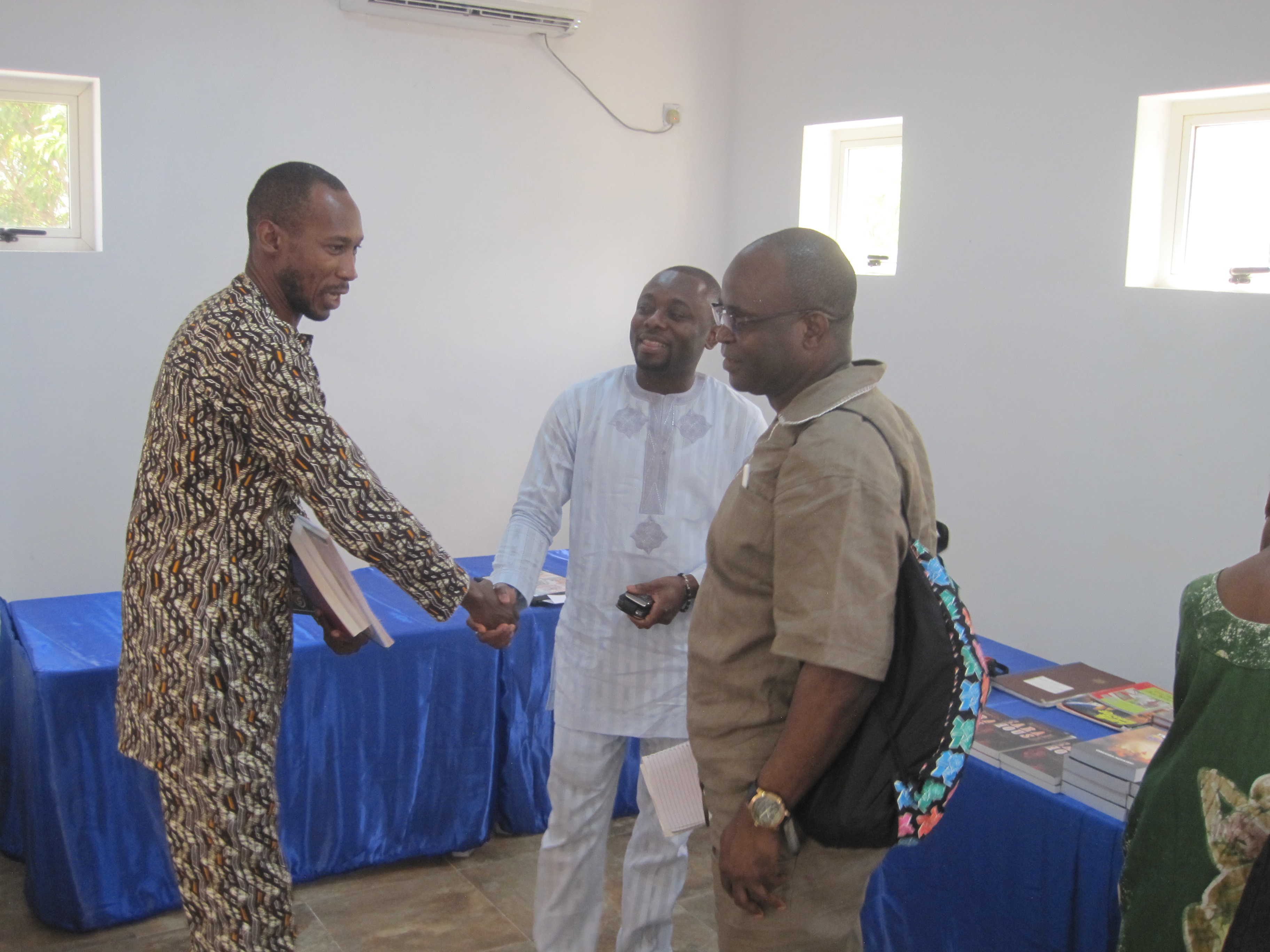
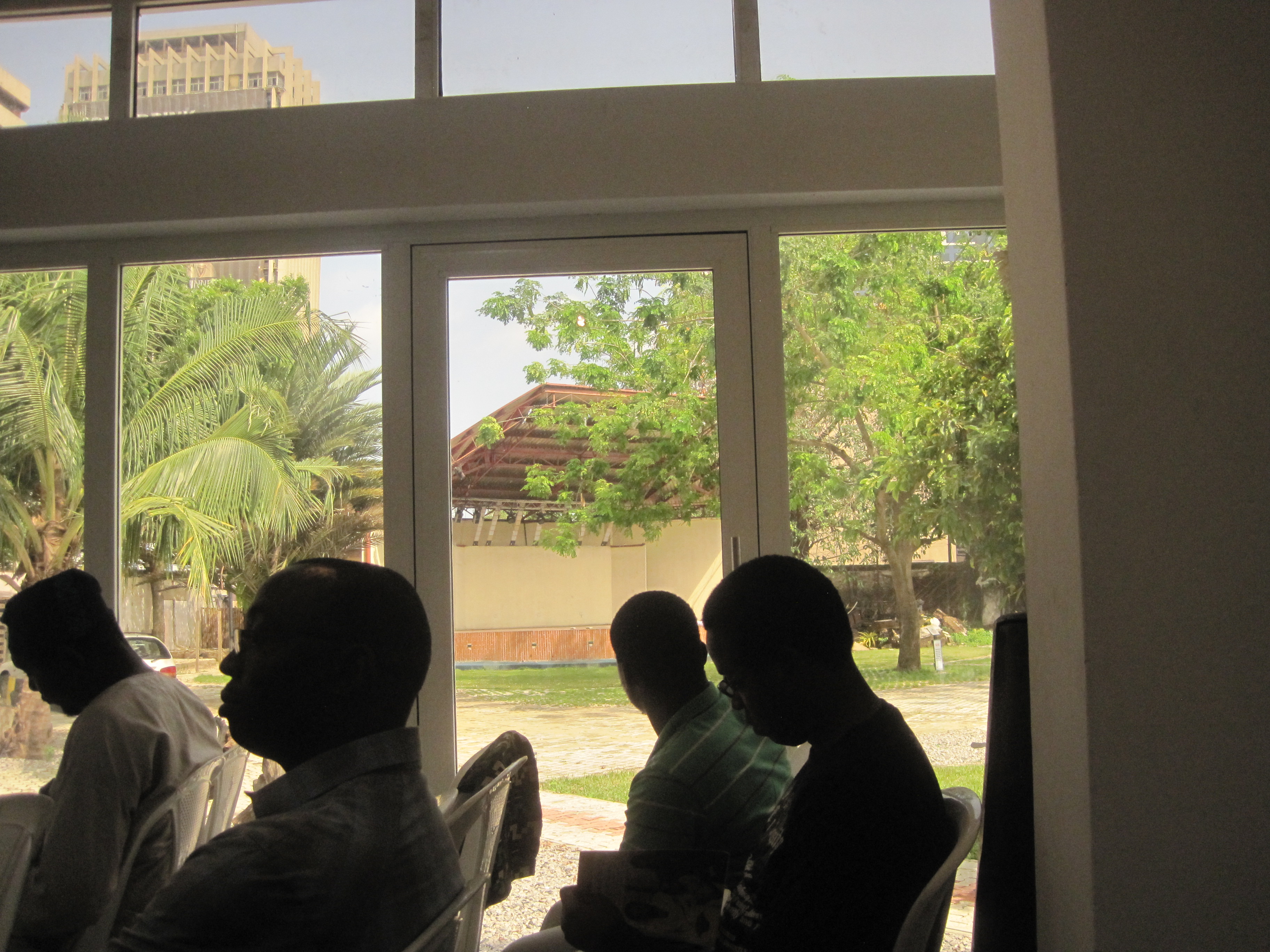
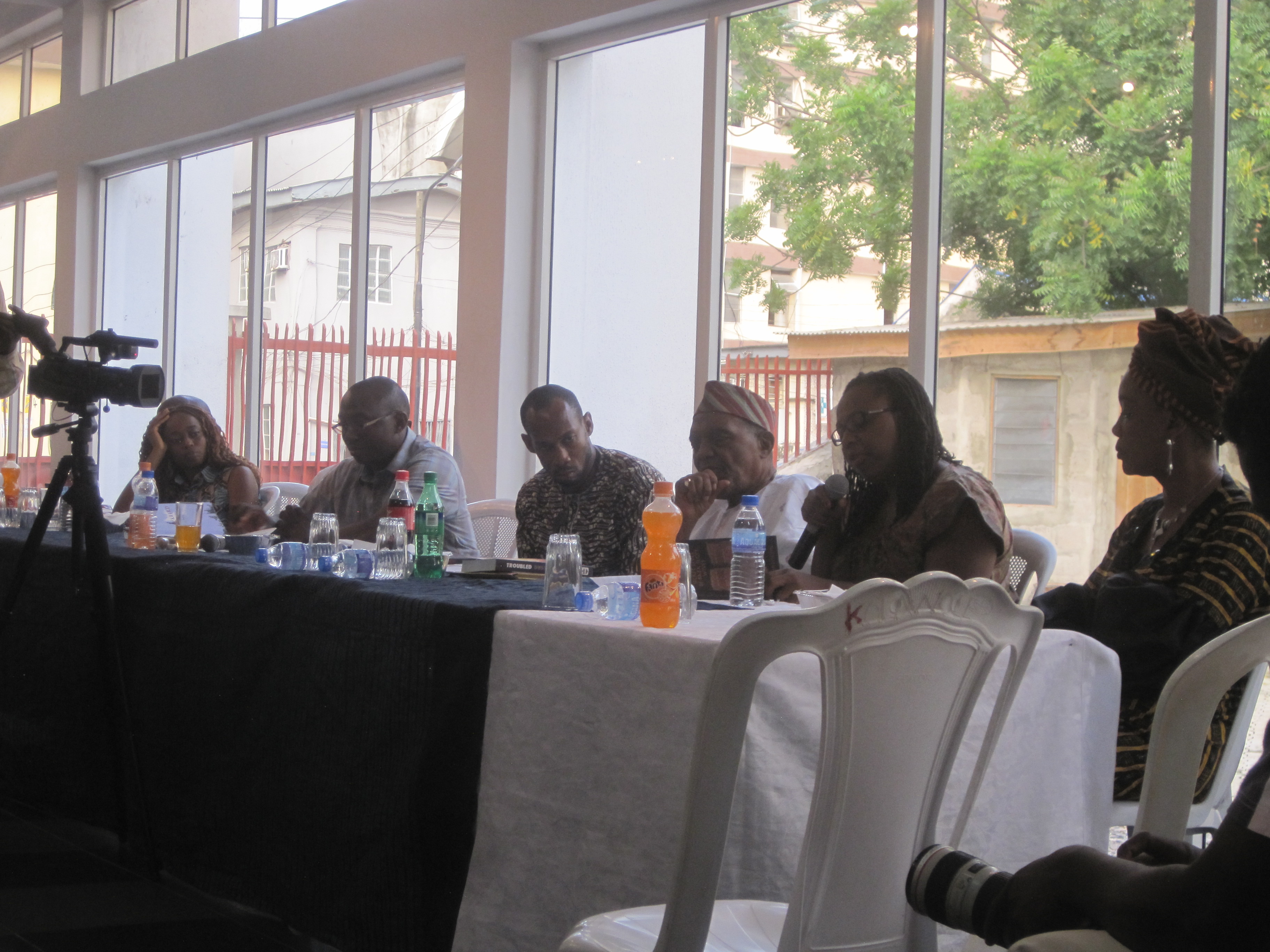
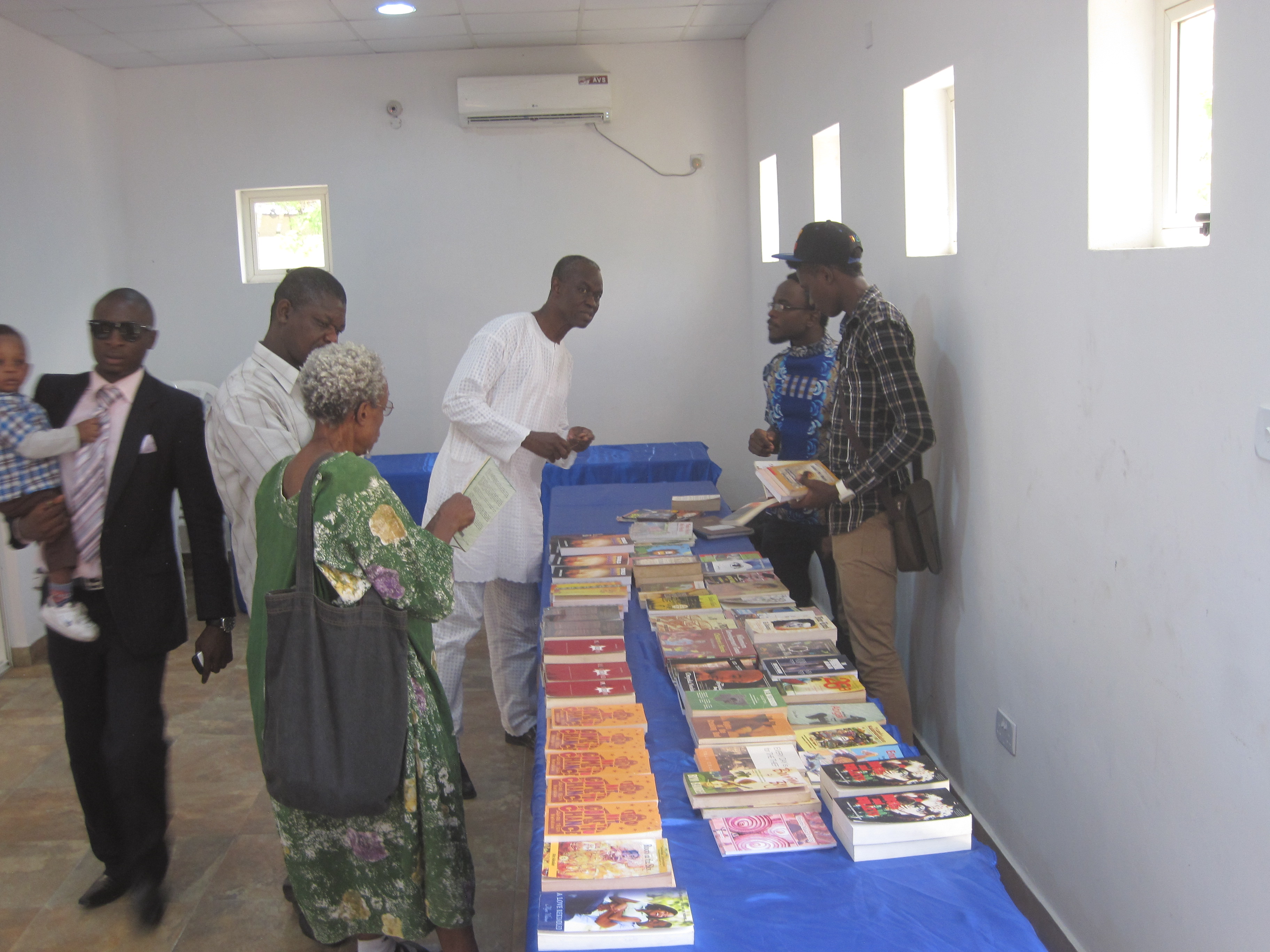
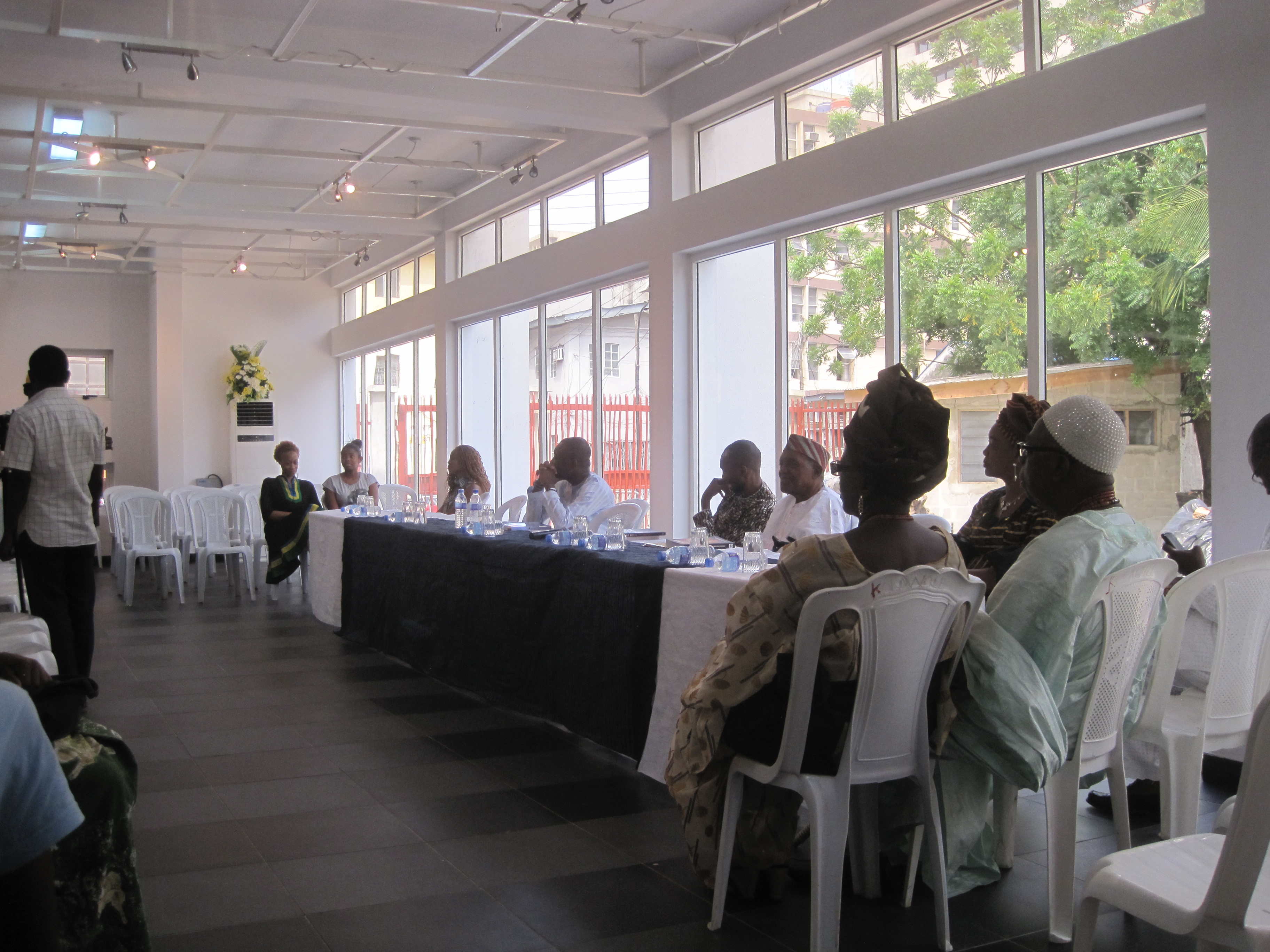
At the Freedom Park in Lagos today, the Committee of Relevant Arts hosted a few of the longlisted writers for the Nigerian Prize for Literature (sponsored by the Nigerian Liquefied Natural Gas: NLNG). I dropped by for a good old fraternizing with the writer community, and came back with these few pictures.

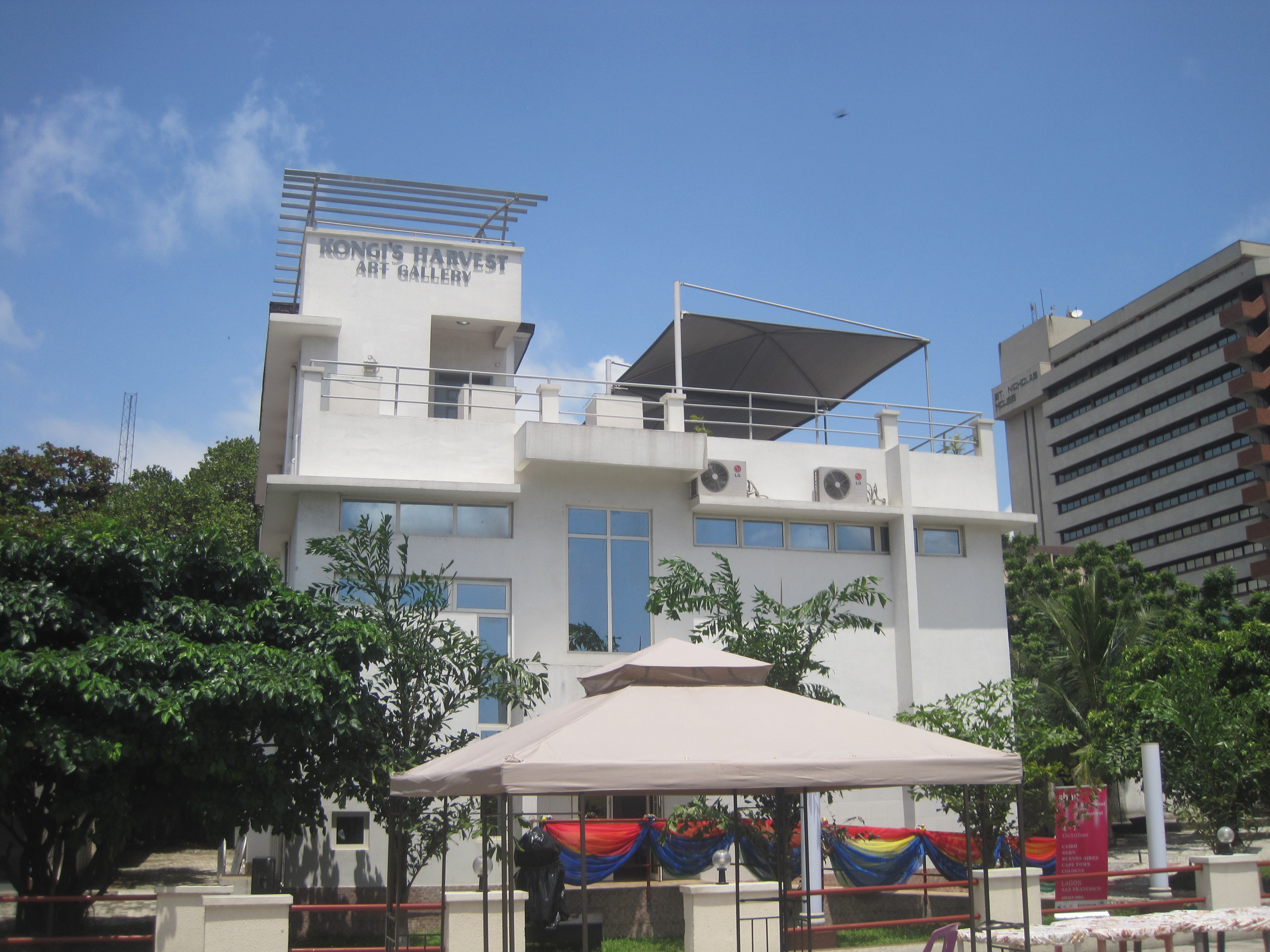
The venue itself, now named Freedom Park, was an old colonial prison where famous inmates like Chief Obafemi Awolowo, and Nobel Laureate Wole Soyinka spent some time in the early years of Nigerian independence. Across from the “Kongi’s Harvest Gallery” where the event was held stood a stage now used for musical/dramatic performance. According to Jahman Anikulapo (the head of CORA), that used to be a hanging scaffolding for the condemned inmates of the prison. Gleaming in the evening sun from afar, it now stands as a grim reminder of the constant presence of a not too distant past and the constant struggle for freedom and expression.

Present at the reading were some of the longlisted writers: Jude Dibia, Tricia Adaobi Nwaubani, Lola Shoneyin, Steve Shaba (a publisher), and Onuora Nzekwu (the author of Eze Goes to School). Other writers spotted there include Ayodeji Arigbabu also from Dada Books. The reading session was moderated by Deji Toye.